
Table of Contents:
- What is Cryptocurrency: Understanding Digital Assets
- Learning and Growing in the World of Cryptocurrency
- Frequently Asked Questions About Cryptocurrency
- What is Blockchain: Basics and Principles
- The Role of Cryptocurrency in the Modern Financial World
- The Variety of Cryptocurrencies: Key Categories
- The Top 3 Most Famous Cryptocurrencies
- How to Buy Cryptocurrency: A Complete Guide
- Types of Crypto Wallets: What You Need to Know
- Conclusion
- Efficient Cryptocurrency Mining Methods: Mining and Staking
- Cryptocurrency: Everything You Need to Know in Six Key Points

4 Internet Marketing Professions: A Free Mini-Course
Learn MoreWhat is Cryptocurrency: Understanding Digital Assets
Cryptocurrency is a form of digital currency that does not exist in physical form like coins or Banknotes. They operate on a decentralized network, meaning there is no central authority that controls financial transactions. Cryptocurrencies use blockchain technology to ensure the security and transparency of all transactions. Due to their decentralized nature, users can exchange funds directly, without intermediaries, making cryptocurrency attractive to investors and users. Cryptocurrency is digital money that is not controlled by government organizations. Both individuals and companies have the ability to create their own cryptocurrencies. Cryptocurrency exchanges, in turn, often offer their own tokens, allowing users to receive benefits such as reduced trading fees and access to unique platform services. This makes cryptocurrency an attractive tool for investment and trading, providing a greater degree of freedom and anonymity in financial transactions. There are two main types of cryptocurrencies: coins and tokens. Despite the technical differences between them, in practical use, they perform similar functions. Both types have a value determined by market supply and demand and can be used for purchases or exchanges. Coins are typically standalone cryptocurrencies running on their own blockchains, while tokens are built on existing platforms and can serve a variety of functions, including representing assets or providing access to services within projects. Both types are actively used in the digital currency ecosystem, making them important for understanding the cryptocurrency market.
Banks, tax authorities, and other government agencies have no influence over cryptocurrency transactions. Information about all transactions is securely recorded in blockchain technology, which ensures a high level of security and transparency. In the next section, we will take a closer look at how blockchain works and the benefits it provides to cryptocurrency users.
Learning and Growing in the World of Cryptocurrency
If you are looking to dive into the world of cryptocurrency and explore its potential, there is a wide range of training courses available. These courses will help you gain a deeper understanding of the cryptocurrency market and acquire the skills necessary for successful trading and investing. You will be able to learn the basics of blockchain technology, learn how to analyze market trends, and develop strategies for making money. Investing in cryptocurrency is becoming increasingly popular, and a high-quality education in this field will help you make informed decisions.
- "Cryptocurrency Investing" is ideal for those who want to understand the cryptocurrency market and master profit strategies.
- "Trading" is a course for those who want to preserve and increase their capital in the financial markets.
Additional resources and research on cryptocurrency are available on well-known platforms such as CoinMarketCap and Blockchain.info. These sites offer up-to-date data on market capitalization and analyze trends and changes in the crypto industry, which is useful for investors and analysts. Users can track price movements and receive information on new projects, contributing to more informed cryptocurrency investment decisions.
Cryptocurrency Frequently Asked Questions
This section contains answers to frequently asked questions to help you gain a deeper understanding of cryptocurrencies and how they work. Cryptocurrencies are digital or virtual currencies that use cryptography to ensure the security and protection of transactions. They operate on blockchain technology, which guarantees the transparency and immutability of records. Understanding the basics of cryptocurrencies will help you better navigate this rapidly evolving field of finance and technology.
What is Blockchain: Basics and Principles
Blockchain is an advanced technology that enables the secure management of digital assets. It is a distributed ledger that records transaction information. Data is stored on multiple computers participating in the network and combined into a single chain of blocks. Due to its decentralized nature, blockchain provides a high level of security and transparency. Each block contains a set of transactional data and is linked to the previous one, making the system resistant to changes and fraud. This technology is used in various fields, including finance, logistics, and supply chain management, providing users with new opportunities for interaction and information exchange.
Accounting can be compared to a blockchain, where each entry records a financial transaction, and the final amount serves as a check on the correctness of all entries. In a blockchain, each new transaction forms a new block, which is directly linked to the previous one. Changing or deleting one block disrupts the integrity of the entire chain, making the system reliable and protected from manipulation. This structure ensures data transparency and reliability, which is especially important in finance.
In practice, changing information in a blockchain is virtually impossible. This is due to the fact that the software is controlled by all network participants - computers connected via the internet around the world. Changing blockchain data requires simultaneously updating information on all devices, making the process extremely complex and requiring consensus among network participants. This decentralized structure ensures a high level of data security and protection, which is one of the main advantages of blockchain technology.
Changing blockchain information is only possible through the threat of decentralization, which requires control of more than 51% of the network's computing power or cryptocurrency supply. While some less common cryptocurrencies may be vulnerable to such attacks, for large and well-known blockchains this remains largely hypothetical. The decentralized nature of blockchain ensures a high level of data security and protection, making such attacks extremely unlikely for large systems.
For a deeper understanding of blockchain technology, we recommend reading the comprehensive article on the Skillbox Media website. This material presents up-to-date information and examples of blockchain application in various industries.
The Role of Cryptocurrency in the Modern Financial World
Cryptocurrency, as a modern financial instrument, occupies an important place in the economy. It is used not only for storing funds, but also as a convenient way to make payments and investments. Interest in cryptocurrencies is growing as they offer new opportunities for financial transactions and attract the attention of both private and institutional investors.
Despite restrictions on the use of cryptocurrency in some countries, including Russia, it continues to be a relevant tool for international transactions. Cryptocurrencies offer a fast and secure alternative to traditional methods of transferring funds, which makes them attractive to businesses and individuals engaged in transactions on a global level.
Large companies, including Microsoft, Amazon, and eBay, are beginning to accept cryptocurrency as a method of payment for their goods and services. This creates new opportunities for users, allowing them to use digital currencies in everyday transactions. The adoption of cryptocurrency by major brands is fueling trust in this asset class and expanding the horizons for consumers seeking innovative payment methods.
In December 2022, the Central Bank of Russia decided to allow the use of cryptocurrency for business-to-business settlements. This step was a response to the current economic challenges facing the country. Allowing the use of cryptocurrency in business transactions opens up new opportunities for entrepreneurs, improving financial flows and reducing transaction costs. In the context of global instability and sanctions pressure, the use of digital currencies can become an important tool for ensuring business resilience and increasing its competitiveness in the market.
Investing in cryptocurrency is characterized by a significant level of risk. JetLend CEO Roman Khoroshev, in his article for RBC, emphasized that cryptocurrencies rank 11th in terms of risk among various investment instruments, second only to venture capital investments. When deciding to invest in cryptocurrency, it is necessary to consider market volatility and potential financial losses. Investors should carefully analyze information and assess risks to make informed decisions.
Cryptocurrencies are typically not backed by assets, which leads to high volatility in their prices. The price of cryptocurrencies is influenced by several key factors, including supply and demand, news from the world of finance and technology, and changes in legislation. In addition, the activities of large investors and speculators can significantly affect the market, causing sharp price fluctuations. Therefore, understanding these factors is important for analyzing the cryptocurrency market and making informed investment decisions.
- global political and economic events;
- speeches by famous people. For example, Elon Musk's comment about his dog can cause a sharp increase in the price of Dogecoin, which then stabilizes;
- crises in the crypto industry, such as the bankruptcy of major exchanges;
- fluctuations in the stock market, which also affect the cryptocurrency market.
Chart analysis shows that the Bitcoin price often correlates with changes in the stock market. This demonstrates the interconnectedness between traditional and digital financial systems. This relationship may be driven by common economic factors influencing investors, making Bitcoin not only an asset for speculation but also a reflection of the state of the global economy. Understanding this relationship can be useful for cryptocurrency traders and investors, allowing them to make more informed decisions based on stock market dynamics.
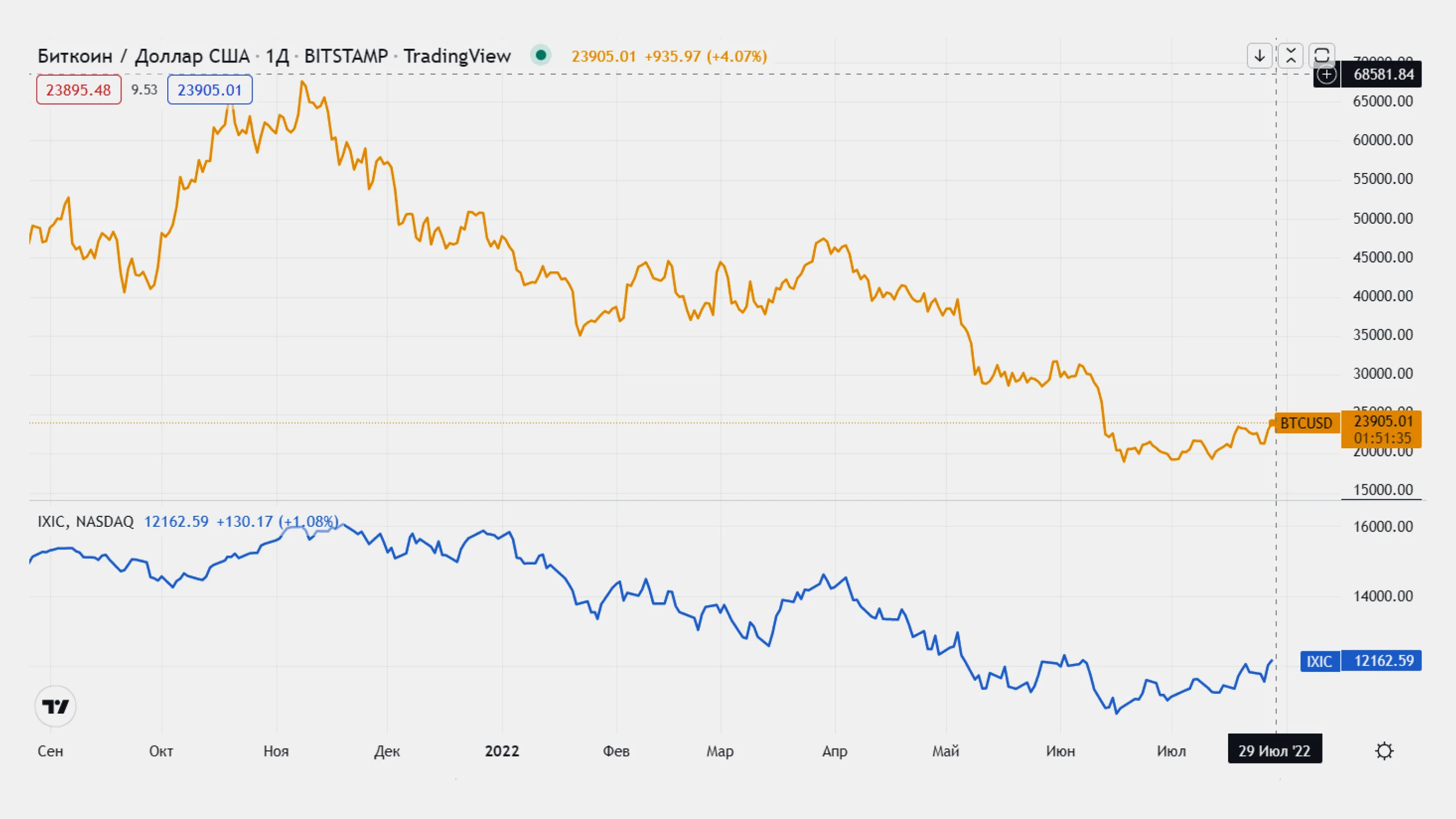
Due to the volatility of cryptocurrency prices, traders have the opportunity to profit by acquiring assets during price declines and selling them during periods of growth. This strategy allows them to use market fluctuations to maximize income and minimize risk. Investors who understand price dynamics can effectively manage their portfolios and find profitable entry and exit points.
Diversity of Cryptocurrencies: Key Categories
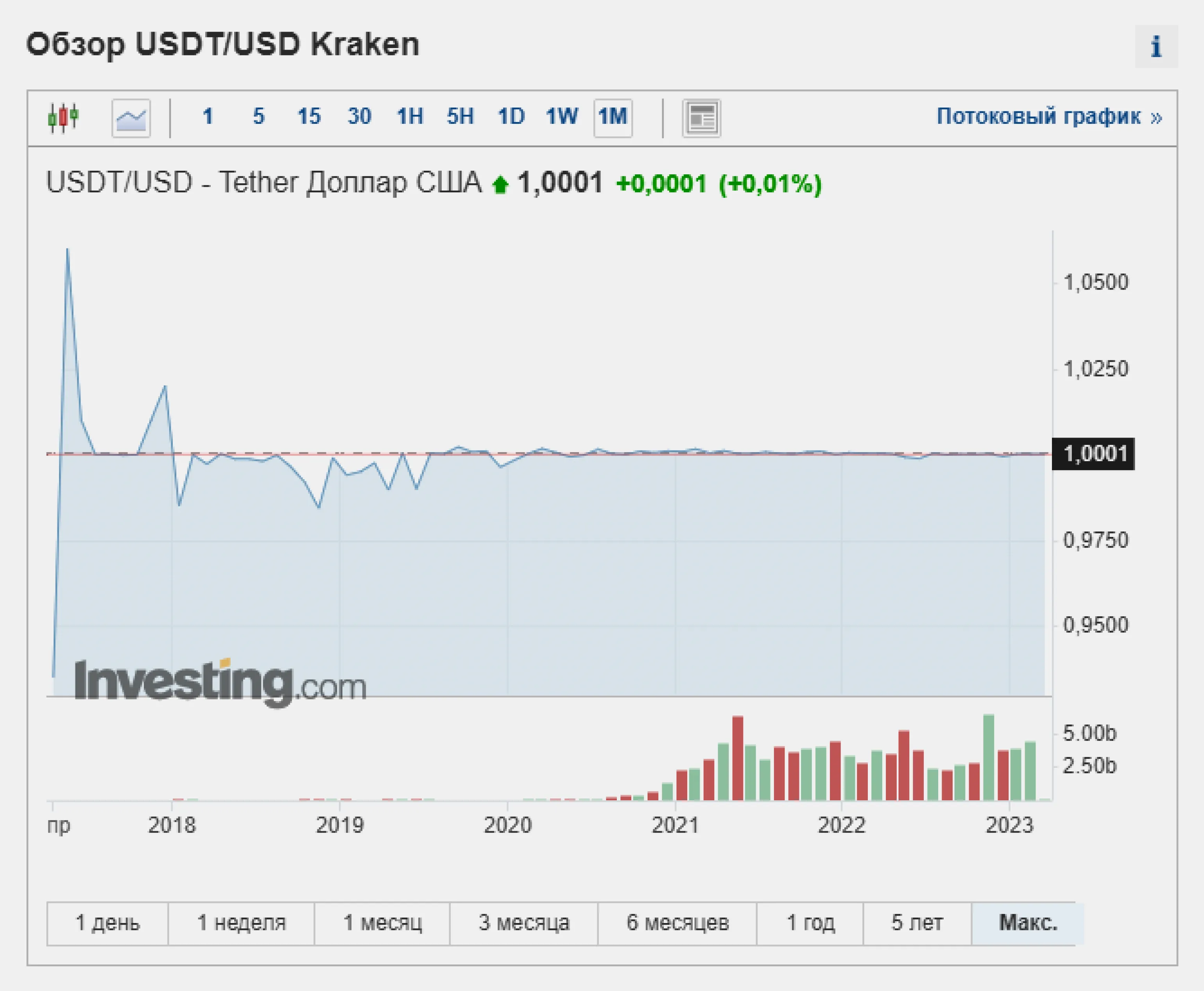
The cryptocurrency market represents a variety of digital assets, each of which performs its own unique function. In this context, it is important to consider the main categories of cryptocurrencies and their key characteristics. The main types of cryptocurrencies include Bitcoin, which is the first and most well-known digital currency, as well as altcoins, which offer different technologies and solutions. Decentralized finance (DeFi) tokens and stablecoins backed by real-world assets play an important role in the ecosystem. Understanding these categories will help investors make more informed decisions in the cryptocurrency market. Payment coins are cryptocurrencies designed to function as a medium of exchange. They can be used for both investment and payment for goods and services. Bitcoin (BTC) is currently the leading currency in this category, remaining the most well-known and in-demand in the cryptocurrency market. Payment coins are becoming increasingly popular as they enable fast and secure transfers of funds without intermediaries. Functional coins are a key element of blockchain platforms, supporting a variety of functions, including smart contracts. The most well-known project in this category is Ethereum, which has become the foundation for the development of numerous applications and decentralized games. Due to their capabilities, utility coins play a vital role in the cryptocurrency ecosystem, enabling developers to create innovative solutions and improve user experience with blockchain technology. Cryptocurrency exchange native tokens are digital assets developed by major trading platforms to pay trading fees and commissions. These tokens, such as Binance Coin (BNB) and EXMO Coin (EXM), help increase user loyalty to specific exchanges. Furthermore, using native tokens can provide users with additional benefits, such as fee discounts, access to unique services, and the opportunity to participate in various promotions. Thus, native tokens play a vital role in the crypto exchange ecosystem by maintaining user interest and engagement. Utility tokens are limited-supply digital assets that are often used to attract investment in various projects. Once launched, they acquire functionality that enables platform governance, creating incentives for token holders to hold them in their portfolios. A prime example of a utility token is UNI from Uniswap, which has established itself as one of the leading decentralized exchanges. The use of utility tokens not only facilitates project funding but also strengthens the community, as token holders actively participate in decision-making, which in turn increases the stability and appeal of the platform. NFTs, or non-fungible tokens, are unique digital assets that cannot be replaced with one another. Each NFT has its own unique value and can represent a variety of objects, including artwork, in-game items, and other assets. The uniqueness and scarcity of NFTs make them popular among collectors and investors. To gain a deeper understanding of the concept of NFTs and their applications, it's worth reading specialized articles, such as this in-depth NFT overview. Stablecoins are cryptocurrencies that are backed by physical assets, ensuring their stability and predictability in price. The most well-known stablecoin is Tether (USDT), which maintains its value within 1% of the US dollar. This feature makes stablecoins attractive to investors looking to avoid the high volatility associated with many other cryptocurrencies. The use of stablecoins makes it possible to facilitate the process of trading and settlements in the digital space, and also serves as a means of preserving capital.
Top 3 Most Famous Cryptocurrencies
There are currently over 10,000 cryptocurrencies, and their number continues to grow. In this article, we will analyze three of the most popular digital currencies, as well as their investment returns, based on up-to-date data and analytical research. Investing in cryptocurrencies requires a careful approach, and understanding the key characteristics will help you make an informed choice.
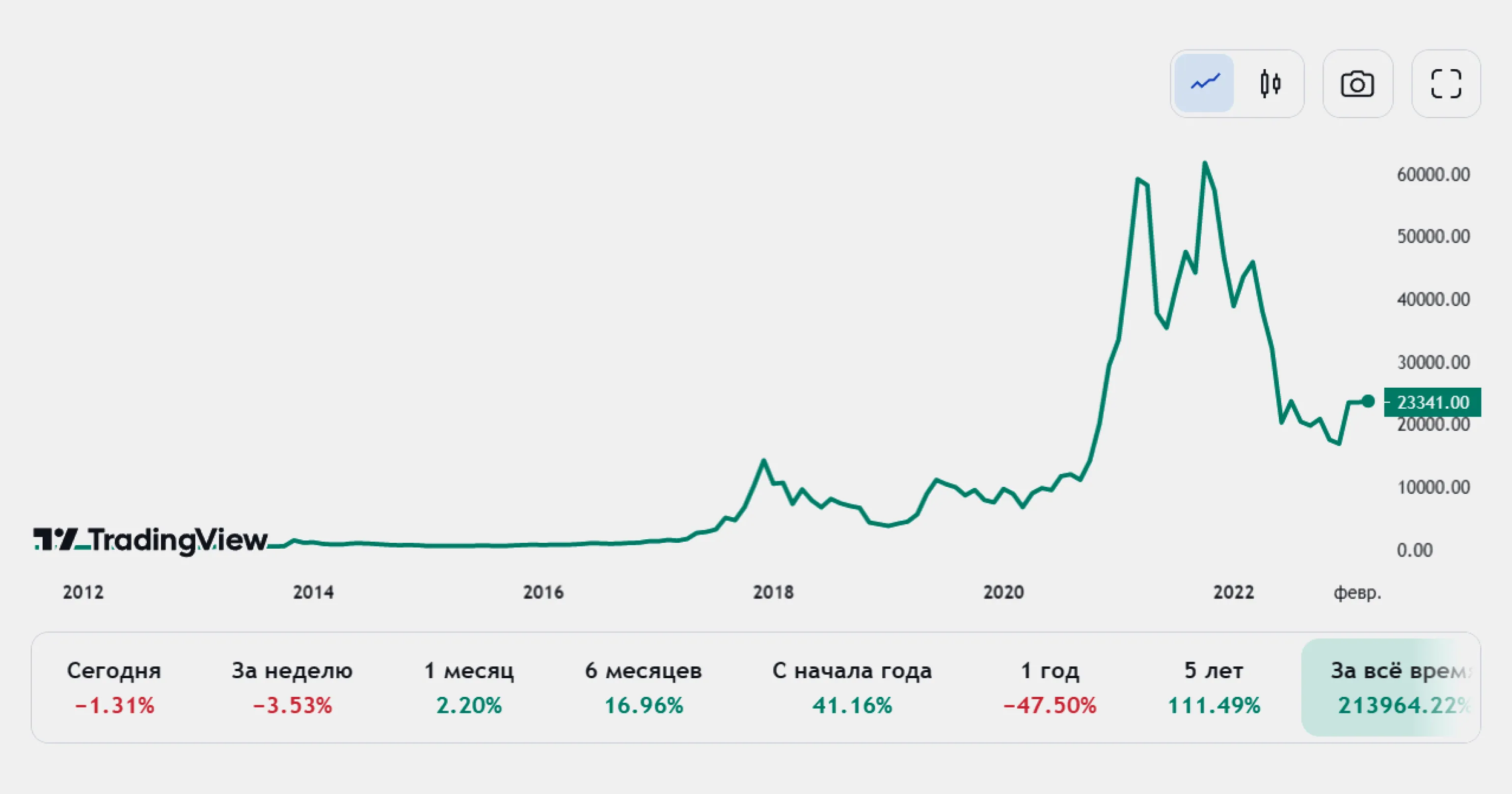
Bitcoin (BTC) is the first and most well-known cryptocurrency in the world. Its value is not linked to traditional assets and is determined by market demand. For example, in January 2016, the price of Bitcoin was $215.90, and by March 2023, it rose to $23,329. This growth demonstrates the high volatility and potential profitability of investing in cryptocurrency. Bitcoin continues to attract the attention of investors and traders thanks to its unique blockchain technology and limited supply, making it a significant player in the financial market.
Dogecoin (DOGE) is a cryptocurrency based on an internet meme featuring a Shiba Inu dog. Initially a joke, Dogecoin gained attention and saw significant growth after 2021, when interest in it increased significantly. This cryptocurrency now occupies a significant place in the world of digital assets and continues to attract investors thanks to its active community and unique culture. Dogecoin is also used for various transactions and charitable initiatives, contributing to its popularity and adoption among users.
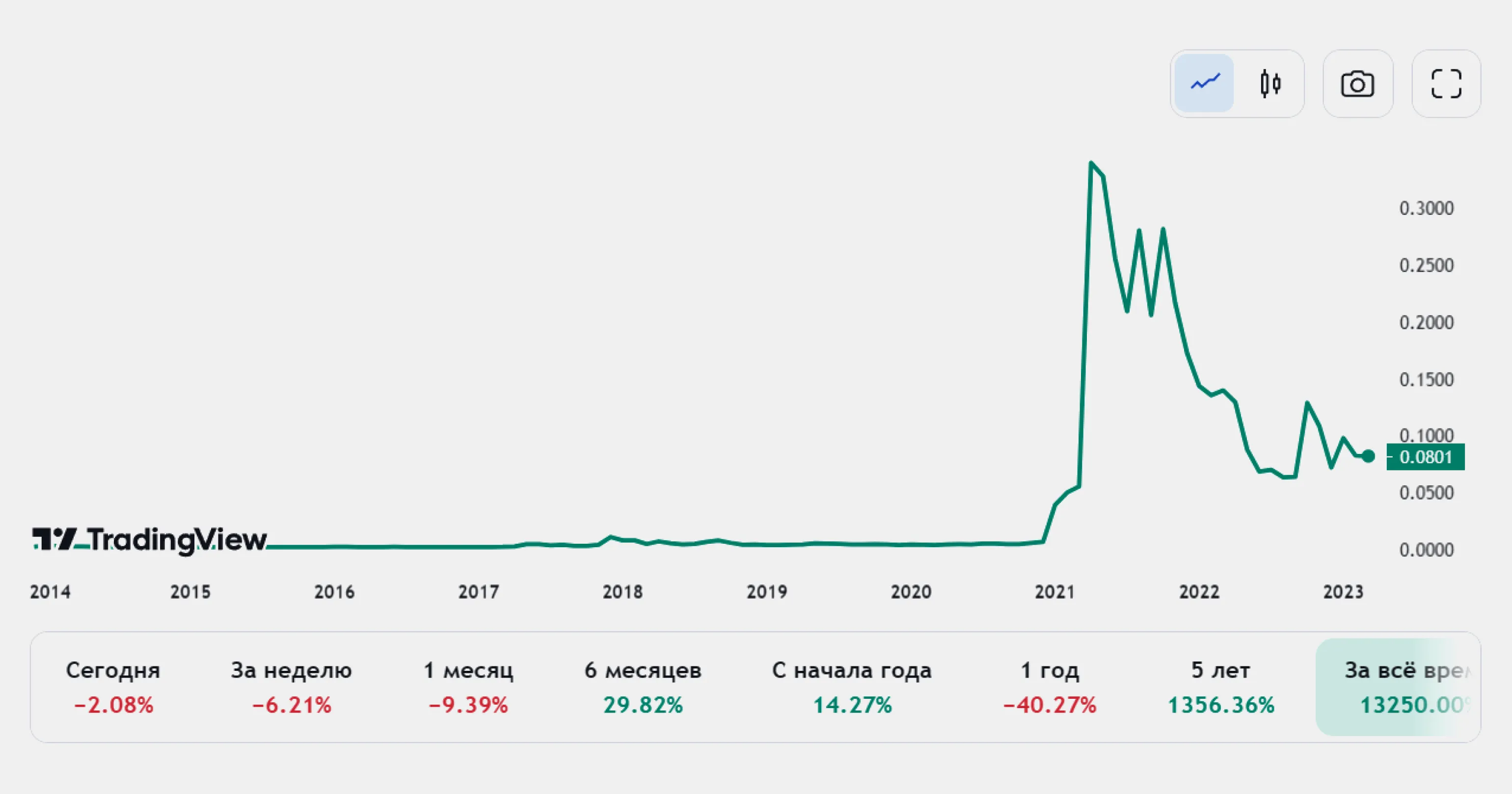
In conclusion, these three cryptocurrencies continue to attract the attention of investors, demonstrating significant potential in the cryptocurrency market. For those new to the world of cryptocurrencies, it is important to understand both the risks and opportunities they can offer. Understanding these aspects will help make more informed investment decisions and take advantage of the benefits this market provides.
How to Buy Cryptocurrency: A Complete Guide
Currently, there are many ways to acquire cryptocurrency. The most popular methods include using crypto exchanges, exchangers, crypto ATMs, payment systems, and stock markets. Each of these methods has its own characteristics and advantages, allowing users to choose the most convenient option for themselves. Cryptocurrency exchanges offer a wide selection of currencies and high liquidity, while exchangers may be more convenient for quick transactions. Crypto ATMs provide instant cash withdrawals, and payment systems simplify the process of transferring funds. Stock markets offer the opportunity to invest in cryptocurrency through traditional financial instruments. Cryptocurrency exchanges are specialized online platforms that allow users to trade cryptocurrencies. They are among the most liquid places to buy and sell digital assets, facilitating efficient exchange between different currencies. On crypto exchanges, traders can not only invest in popular cryptocurrencies but also explore new projects. Choosing a reliable crypto exchange is important for successful trading and minimizing risks. Binance is the most well-known cryptocurrency exchange, but there are many worthy alternatives. Such platforms include Bybit, OKX, Huobi, MEXC, KuCoin, EXMO, and Garantex. Many of these exchanges offer the ability to trade in rubles, significantly simplifying the process of purchasing cryptocurrency. However, it is worth noting that some require identity verification upon registration, which is an important step to ensure user security. Choosing the right platform depends on your trading needs and preferences. Exchangers are convenient online services for exchanging cryptocurrency for fiat money or other crypto assets with a certain fee. They provide a fast and secure exchange process, making them popular among users. Well-known exchangers include ProstoCash and Kassa, which offer users a wide selection of currencies and competitive rates. Using exchangers allows you to easily manage your crypto assets and access fiat money, making them an important tool in the cryptocurrency world. Exchange fees can vary significantly, so it is recommended to use monitoring services such as BestChange to find the best deals. These platforms offer up-to-date information on fees and user reviews, which helps you choose the most profitable exchange option. P2P exchangers also exist, allowing users to exchange cryptocurrency directly, without the use of intermediaries. Such platforms include Binance P2P, Bybit P2P, Bitpapa, and Pexpay. These services offer users low or even zero fees, making them attractive to traders and investors looking to save on transaction costs. P2P exchanges provide a high level of security and convenience, allowing transactions to be made at a convenient time and in a comfortable environment. Crypto ATMs are physical devices that allow users to purchase, exchange, and withdraw cryptocurrency for cash. In Russia, such devices are available in major cities, including Moscow, Yekaterinburg, and Krasnoyarsk. For up-to-date information on the location of crypto ATMs, we recommend visiting the Coin ATM Radar website, where you can find a convenient map showing all available devices. Crypto ATMs are becoming increasingly popular, making trading digital currencies simple and accessible. Payment systems play an important role in the cryptocurrency ecosystem, offering services for buying, selling, and storing digital assets. Such systems include Payeer, AdvCash, and Capitalist, which provide convenient and secure ways to work with cryptocurrencies. These platforms allow users to easily exchange fiat money for digital currencies and vice versa, as well as manage their assets in one place. As cryptocurrencies gain popularity, payment systems continue to adapt and expand their offerings, making them important players in this market.
Investing in cryptocurrency is possible through the purchase of a Blockchain ETF. One example is the Siren NASDAQ NexGen Economy ETF, which focuses on companies developing and applying blockchain technology. These ETFs allow investors to participate in the growth of the sector without directly purchasing cryptocurrency, reducing risks and simplifying the investment process.
Working with cryptocurrencies requires a reliable wallet that guarantees the security of your assets. Choosing the right wallet depends on your needs and preferences, but its primary function is to protect your funds from loss and theft.
Types of Crypto Wallets: What You Need to Know
A crypto wallet is software that provides a user-friendly interface for managing cryptocurrency. It should be noted that the cryptocurrency itself is not stored in the wallet, but is located on the blockchain. The crypto wallet stores the secret key needed to perform transactions. This key can be likened to a bank card that provides access to your account. Proper use of a crypto wallet guarantees the security of your digital assets and simplifies the process of exchanging and storing them.
Crypto wallets are divided into two main types: custodial and non-custodial. Non-custodial wallets, in turn, are subdivided into "hot" and "cold". In this article, we'll explore the characteristics and differences between these wallet types in detail to help you choose the best option for storing your cryptocurrencies.
A custodial wallet operates similarly to a bank, as its owner's data is stored with a third party—a custodian. These wallets are typically offered by centralized crypto exchanges and specialized custodial services. To create an account, you need to register on the chosen custodian's website, providing an email address or phone number, as well as a password. Custodial wallets offer convenient asset management, but they imply a certain degree of trust in third parties, which is important to consider when choosing a service.
Custodial wallets offer convenience for cryptocurrency newbies, but they have a number of significant drawbacks. If the service is hacked or your account is blocked, you risk losing your funds. To ensure greater security when storing cryptocurrency, it is highly recommended to consider using non-custodial wallets, which provide users with complete control over their assets. Non-custodial wallets allow users to independently manage their cryptocurrency keys and assets. There are two main types of non-custodial wallets: hot and cold. Hot wallets are connected to the internet, which provides convenient access to funds, but also increases security risks. Cold wallets, on the other hand, store keys offline, which makes them more secure, but less convenient for frequent transactions. Let's look at each type in more detail to understand their advantages and disadvantages. A desktop wallet is a program installed on a computer. It can be "thick" (downloads the entire blockchain) or "thin" (downloads only part of the data). Examples: Exodus, Electrum. A mobile wallet is an application for smartphones and tablets. Keys are stored on the device, but transaction information may be located on third-party servers. Popular apps: Trust Wallet, TronLink, Edge.
"Hot" wallets are always online, which increases security risks. Malware can steal access keys and take possession of your assets. To minimize threats, it is recommended to use additional protections, such as two-factor authentication and regular software updates.
Investors who want to securely store their crypto assets for an extended period often choose "cold" wallets. These wallets allow you to store keys outside of online services, which significantly reduces the risk of losing funds due to hacks or fraud. Cold wallets are divided into two main types: hardware and paper. Hardware wallets are physical devices that provide a high level of security and ease of use. Paper wallets, on the other hand, are printed records of keys that also provide protection from online threats. Choosing the right cold wallet will help investors reliably protect their assets and minimize risks.
- A hardware wallet is a device resembling a USB flash drive with a display. Some models may support Bluetooth and QR codes. Such devices can be purchased from specialized stores, such as SafePal or Walletz.
- A paper wallet is a sheet of paper with a printed QR code for the key. It contains public keys for depositing funds and private keys for confirming transactions. You can create a paper wallet on websites such as BitAddress or WalletGenerator.
A cold wallet provides an additional level of security when combined with a hot wallet. It is used to confirm transactions made through a hot wallet, significantly reducing the risk of loss of funds. This approach to cryptocurrency management allows users to protect their assets from potential threats and hacker attacks, ensuring reliable and secure storage of digital currencies.
Conclusion
Choosing the right crypto wallet is an important step to keeping your crypto assets safe. You need to carefully analyze all available options and choose the one that suits your needs. Consider factors such as security level, ease of use, and support for various cryptocurrencies. This will help you effectively manage your digital assets and minimize the risk of losing funds.
Efficient Cryptocurrency Mining Methods: Mining and Staking
Cryptocurrency mining is just one way to obtain digital assets. In the modern financial space, there are several technologies that allow you to earn money on cryptocurrencies. The main ones are mining and staking. Mining involves solving complex mathematical problems to confirm transactions and add them to the blockchain, while staking involves holding a certain amount of cryptocurrency in a wallet to participate in the transaction validation process and receive rewards. Both methods have their advantages and disadvantages, and the choice between them depends on the individual preferences and goals of the investor. Mining is the process by which network participants, called miners, add new blocks to the blockchain and are rewarded with cryptocurrency. Successful mining requires powerful computing resources and complex algorithms that ensure the security and integrity of the network. Mining plays a key role in the functioning of decentralized systems, as it not only confirms transactions but also supports the operation of the entire blockchain ecosystem. It is important to note that mining efficiency depends on many factors, including electricity costs, hardware, and the level of network complexity. Mining is the process of solving mathematical problems necessary to decipher cryptocurrency algorithms. The efficiency of this process directly depends on the power of the equipment used, be it a personal computer or cloud services. The higher the performance of the devices, the faster the problem can be solved and, consequently, the profit can be made. This process is called proof of work (PoW) and is the main mechanism for confirming transactions in blockchain systems. Mining requires not only technical equipment but also a thorough knowledge of cryptocurrencies and their algorithms.
As the number of miners increases, the algorithms become more complex, leading to a decrease in mining profits. Currently, cryptocurrency mining is less profitable than it was several years ago. Bitcoin remains one of the few cryptocurrencies that supports this mining method. It is important to note that changes in algorithm complexity affect profitability and require more careful analysis and planning from miners.
Staking is an accessible way to obtain cryptocurrency without the need for powerful computing devices. Stakers store their tokens on the blockchain platform, which helps ensure its security and stability. Users receive a reward for participating in this process, making staking attractive to a wide range of investors. This method of working with cryptocurrency is based on the proof-of-stake (PoS) mechanism, which allows users to earn income based on the number of tokens they hold.
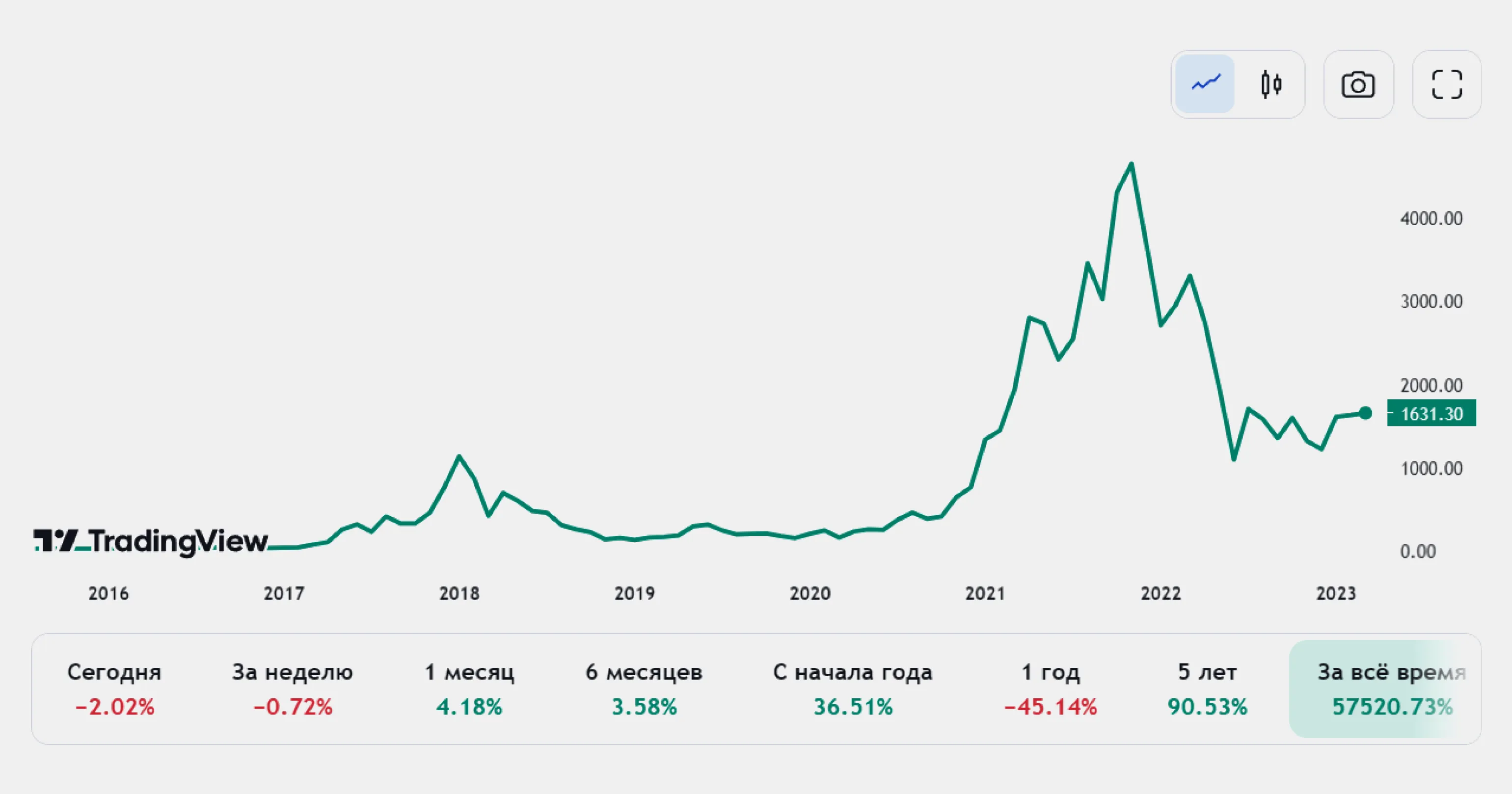
In September 2022, Ethereum, the second-most popular cryptocurrency in the world, successfully completed the transition from mining to staking. This transition had a significant impact on the cryptocurrency market and changed approaches to mining digital assets. Staking, as a more energy-efficient method of confirming transactions, has become an important step towards sustainability and ecology in the crypto industry. This transition not only improved Ethereum's scalability but also opened up new opportunities for investors, allowing them to earn income from their assets without the need for complex mining equipment.
Cryptocurrencies are divided into different categories, including those that cannot be mined or staked. For example, stablecoins are digital currencies backed by real assets, making them more stable and protected from sharp price fluctuations. Stablecoins play a vital role in the cryptocurrency market by providing liquidity and serving as a reliable medium of exchange, especially in the face of high volatility in other digital assets. Understanding stablecoins helps investors make more informed decisions and effectively manage their portfolios.
Cryptocurrency: Everything You Need to Know in Six Key Points
- Cryptocurrency is a digital currency that exists only in electronic form and is not subject to government control. It operates on blockchain technology, which ensures the transparency and security of all transactions by distributing data among all users of the network.
- Preparing for volatility is an important aspect when investing in cryptocurrency. While it can be used for trading, investing, and paying for goods and services, the price of most cryptocurrencies is difficult to predict due to its dependence on demand and external economic factors.
- There are many types of cryptocurrencies, each with its own characteristics: some are better suited for settlements, others for long-term investing or capital storage, and still others can be used in project management and decentralized applications.
- Various platforms are available for buying and selling cryptocurrency: exchanges, exchangers, payment systems, P2P exchanges, and even crypto ATMs, which have recently appeared in Russia.
- Working with cryptocurrency requires a special wallet, which serves as the key for transactions in the blockchain. Wallets are divided into "hot" (online applications) and "cold" (hardware devices), the latter are considered more secure, but you still need a "hot" wallet to use them.
- There are two main methods for mining cryptocurrency: mining and staking. Mining requires powerful hardware to perform complex calculations, while staking allows you to earn money simply by storing coins in a wallet.
Deepening your knowledge of investing is an important step to achieving financial success. There are several effective ways to improve your skills and understanding of the investment process. It is important to start by learning basic concepts such as stocks, bonds, funds, and portfolio diversification. Reading specialized literature and articles about the stock market, as well as regularly monitoring financial news, will help you stay informed about current trends.
Online courses and webinars also provide excellent opportunities to gain knowledge from investment experts. Hands-on classes will help you learn how to analyze the market and make informed decisions. Don't forget the importance of communicating with other investors; Participating in investment forums and groups can broaden your horizons and give you new ideas.
Also, consider working with professional advisors who can offer valuable advice based on their experience. Continuous self-education and practice are key factors in deepening your investment knowledge and increasing your confidence in managing your finances.
- If you want to minimize the risks when investing, you should consider ETFs (exchange-traded funds). These funds diversify investments across different assets, which reduces risk. Learn more about how ETFs work in our detailed review.
- Another stable investment instrument is federal loan bonds (OFZ). These securities provide the opportunity to earn interest on a loan issued to the government. Detailed information on OFZ yields can be found in our article.
- Cryptocurrency also serves as a trading instrument. Traders who actively trade financial markets can earn significant sums while working remotely. Check out our overview of the trading profession to understand what it takes to get started successfully. For those looking to consistently earn money in cryptocurrency, Skillbox recommends the "Cryptocurrency Investments" course. This course will teach you about market mechanisms, asset management strategies, risk management, and cryptocurrency valuation. The course includes tests and practical assignments to consolidate knowledge.
Useful resources from Skillbox Media on trading and investing.
- Long and short: what should a newbie in trading choose?
- How can cryptocurrencies help in settlements with contractors and supporting relatives abroad?
- Digital ruble: what is it and how will it affect the lives of Russians?
- Who is a stock broker and how can they help investors in their endeavors?
- How the ICP cryptocurrency can contribute to the creation of an "internet without censorship".
Investing in cryptocurrency: 7 steps to success
Want to start investing in cryptocurrency? Learn 7 key steps for a successful start!
Learn more