Contents:
- Futures: Basics and Principles
- Types of Futures Contracts: Deliverable and Settlement
- The Relationship Between the Futures Price, Strike Price, and Underlying Asset Price
- Understanding Variation Margin: Key Aspects
- How Collateral Works in Trading
- What Happens When Collateral Is Insufficient?
- The Role of Futures in the Financial Market
- Trading Futures: Availability and Purchase Methods
- Futures: Key Aspects in Four Points
Trading: Get free access to the course today!
Learn moreFutures: Basics and Principles
A futures contract is a financial contract that governs an agreement between two parties to buy or sell an asset at a future date at a predetermined price. price. Participants in a futures transaction undertake to fulfill the terms of the contract, making such transactions legally binding. Futures contracts are actively traded on various exchanges, ensuring liquidity and transparency of trading operations. Using futures allows investors to hedge risks associated with changes in asset prices, as well as speculate on price movements in financial markets. Let's consider an oil futures contract as an example. An investor intends to buy oil that will be available in six months at the current price of $78 per barrel. They sign a contract with the producer, locking in the price of this asset. This is the main essence of a futures contract—the ability to lock in the price of a commodity for the future, minimizing the risk of price fluctuations. Oil futures are an important tool in the financial markets, allowing investors to manage risks and plan their investments. Profit or loss depends on market fluctuations. If the oil price exceeds $78 per barrel, the investor benefits from having previously purchased oil at a lower price. In this case, the producer loses some of their potential profit. If prices fall, the investor incurs a loss because they will have to pay more than the market price, while the producer benefits from a fixed price. Thus, oil price movements directly impact the financial performance of both investors and producers.
A futures contract is based on an underlying asset, which can include a variety of financial instruments, such as stocks, bonds, precious metals, and market indices. Futures are an important risk management tool, allowing investors to predict and hedge future changes in asset prices. Using futures contracts not only helps protect capital from potential losses but also allows investors to profit from fluctuations in market prices. Effective use of futures requires a thorough understanding of the market and analysis of financial trends.
The maturity of futures contracts ranges from several months to one year. The specific date the contract ends is referred to as the expiration date, and the price at which the transaction will be executed is called the strike price. Futures are an important tool for hedging risks and speculating in financial markets, and understanding these key terms will help investors make more informed decisions.
When executing a futures transaction, a commission is charged to the investor's account, and a margin call (MC) is blocked, which serves as collateral. This process requires careful analysis, and we will discuss its specifics in the next section.
The investor has the option to close their position at any time by executing the opposite transaction. If they purchased a futures contract, they must sell it to close the position, and vice versa. If the position remains open until expiration, the futures contract will be executed automatically. This is an important aspect of futures trading that must be considered for effective risk management and optimal investment strategy. Closing a position at the right time allows you to minimize potential losses and lock in profits.
Futures are a complex financial instrument that may seem simple at first glance. However, their mechanics involve many nuances. In this article, we will examine in detail all aspects of futures trading, including their features, advantages, and risks, as well as strategies that will help traders effectively use this instrument in the financial markets.
Skillbox courses are aimed at preserving and increasing your capital. We offer effective educational programs that will help you master key investing and financial management skills. Training is conducted under the guidance of experienced specialists, ensuring a high level of knowledge and practical skills. Join Skillbox and start optimizing your financial strategies today!
- "Trading" is a program aimed at studying trading in financial markets, risk management, and making informed decisions.
- "Financial Literacy" is a course that teaches how to control income and expenses, as well as smart investing.
Types of futures contracts: delivery and settlement
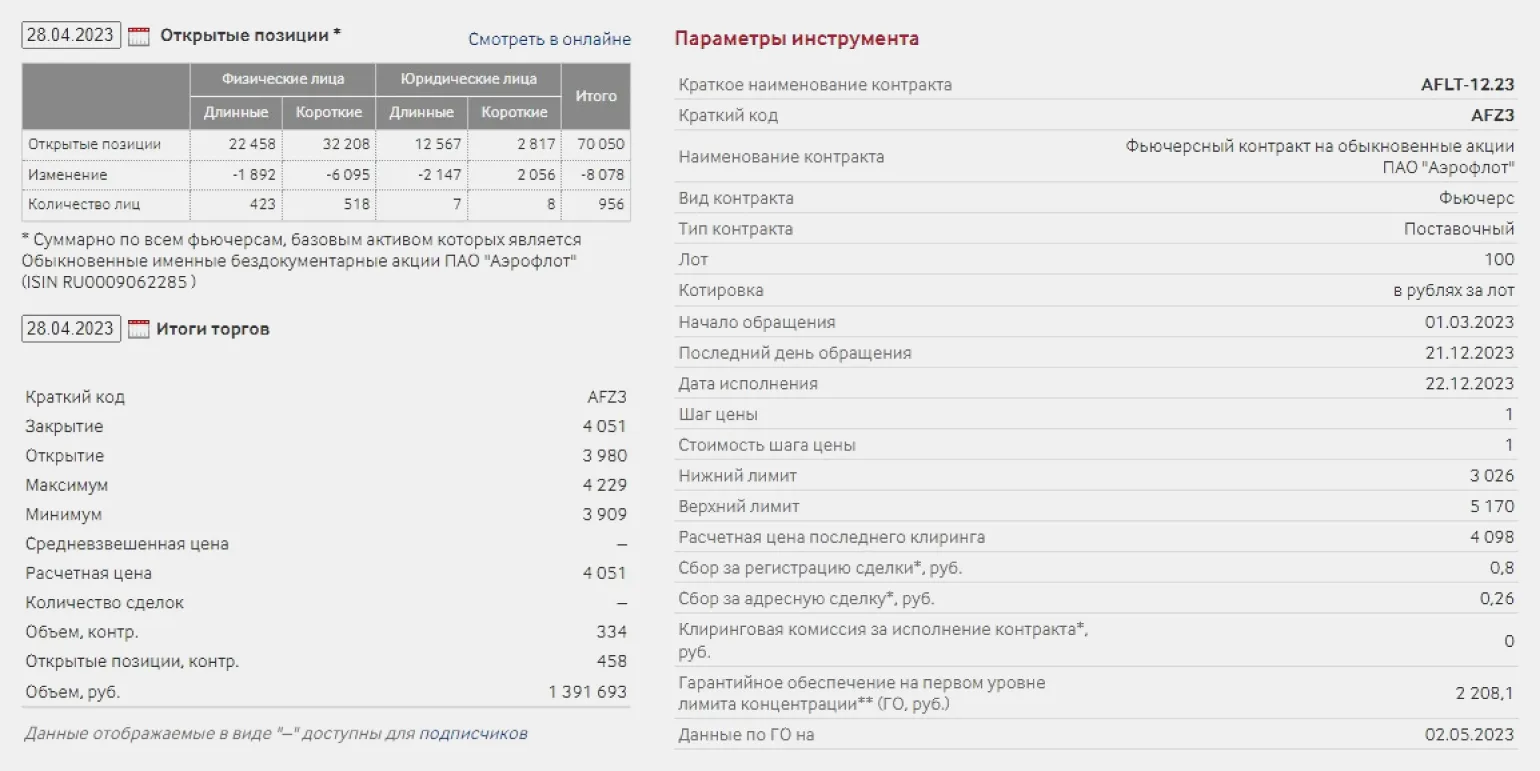
Futures contracts play a key role in trading in financial markets, allowing traders to enter into transactions remotely. However, an important question arises: how is the underlying asset, such as oil or stocks, realized if traders do not execute a physical transaction? In most cases, futures contracts do not imply physical delivery of the asset. Instead, traders typically close their positions before the contract expires, receiving a profit or loss in cash. In some cases, when physical delivery occurs, traders must notify their broker in advance and prepare to receive the asset. Futures contracts therefore offer flexibility and convenience to market participants, allowing them to manage risk and speculate on price changes without having to physically deliver the commodity. There are two main types of futures: deliverable and cash-settled. Deliverable futures require physical delivery of the asset, meaning the seller is obligated to deliver the commodity, such as 100 shares, to the buyer. In contrast, cash-settled futures do not require actual delivery of the asset, but rather simply involve financial settlement of the price difference at the time the contract is executed. This allows traders to avoid having to manage physical assets, making cash-settled futures more popular among investors seeking speculation and risk hedging. Understanding the differences between these types of futures allows traders to make more informed decisions in the financial markets.
Delivery futures typically relate to easily tradable assets, such as stocks. Entering into a trade requires just a few clicks. In contrast, the process of placing a trade on commodities is significantly more complex. This means that the number of commodity futures contracts is limited. It's important to understand that delivery futures require careful planning and consideration of numerous factors, making them less popular than stocks.
A delivery futures contract is settled the day after the contract expires. If the buyer lacks sufficient funds to purchase the asset, or the seller lacks the funds to deliver it, the broker may offer a loan with interest. This allows market participants to execute transactions even if they temporarily lack the necessary resources. Thus, broker lending is an important tool for facilitating liquidity and fulfilling obligations under futures contracts.
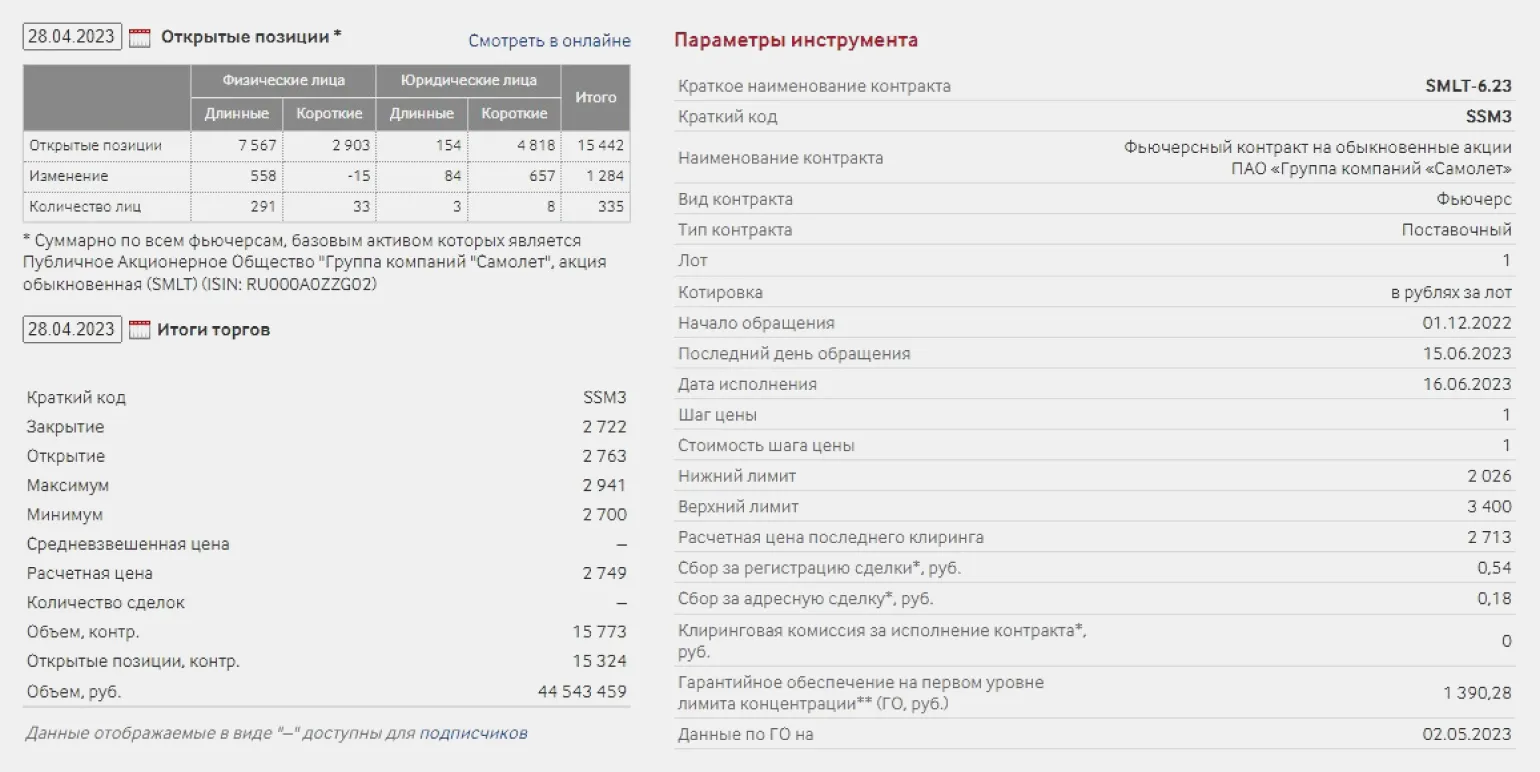
Settled futures differ from traditional contracts in that they do not involve physical delivery of the asset. Instead, the broker handles the financial settlement of the contract. For example, if you purchased a futures contract for 30,000 rubles, and by expiration its price has risen to 33,000 rubles, you will receive financial compensation of 3,000 rubles. This approach allows traders to effectively manage risks and profit without having to actually deliver the goods.
Settled futures can be issued for a wide range of assets, and the largest number are offered on the Moscow Exchange. Settlement of a settled futures contract occurs in the evening on the contract expiration date. This allows market participants to effectively manage their risks and use futures as a tool for hedging and speculation. It is important to remember that cash-settled futures require traders to be attentive and understand market dynamics to successfully complete trades.
To determine the type of futures contract, you should read its description, available in your broker's app or on the official website of the Moscow Exchange. This will help you better understand the terms and characteristics of the contract, which in turn will facilitate the trading process and investment decisions.
The relationship between the futures price, the strike price, and the price of the underlying asset
Futures contracts are traded on the exchange in the same way as other financial instruments. For example, an oil futures contract can be purchased for delivery in three months, by September 25, 2023. This contract can be sold not only three weeks after purchase, but also two days before expiration. Futures prices are determined by market demand, investor expectations, and the current price of the underlying asset. Market participants must consider these factors to make informed decisions about buying or selling futures.
The price movement of the underlying asset significantly impacts the value of a futures contract. In most cases, the futures price exceeds the price of the underlying asset, but there may be situations where the futures price is lower. This phenomenon is due to various factors, including market expectations, the contract's time frame, and fluctuations in supply and demand. Understanding these factors helps traders make more informed decisions when trading futures.
As the time until contract expiration increases, a noticeable difference arises between the prices of futures contracts and the underlying assets. On the day the contract expires, the values of the futures and the underlying asset equalize, and the difference between them becomes insignificant. In this situation, it doesn't matter whether you buy oil for immediate delivery or a futures contract for its delivery. This phenomenon is important to consider when trading futures and analyzing price fluctuations in the market.
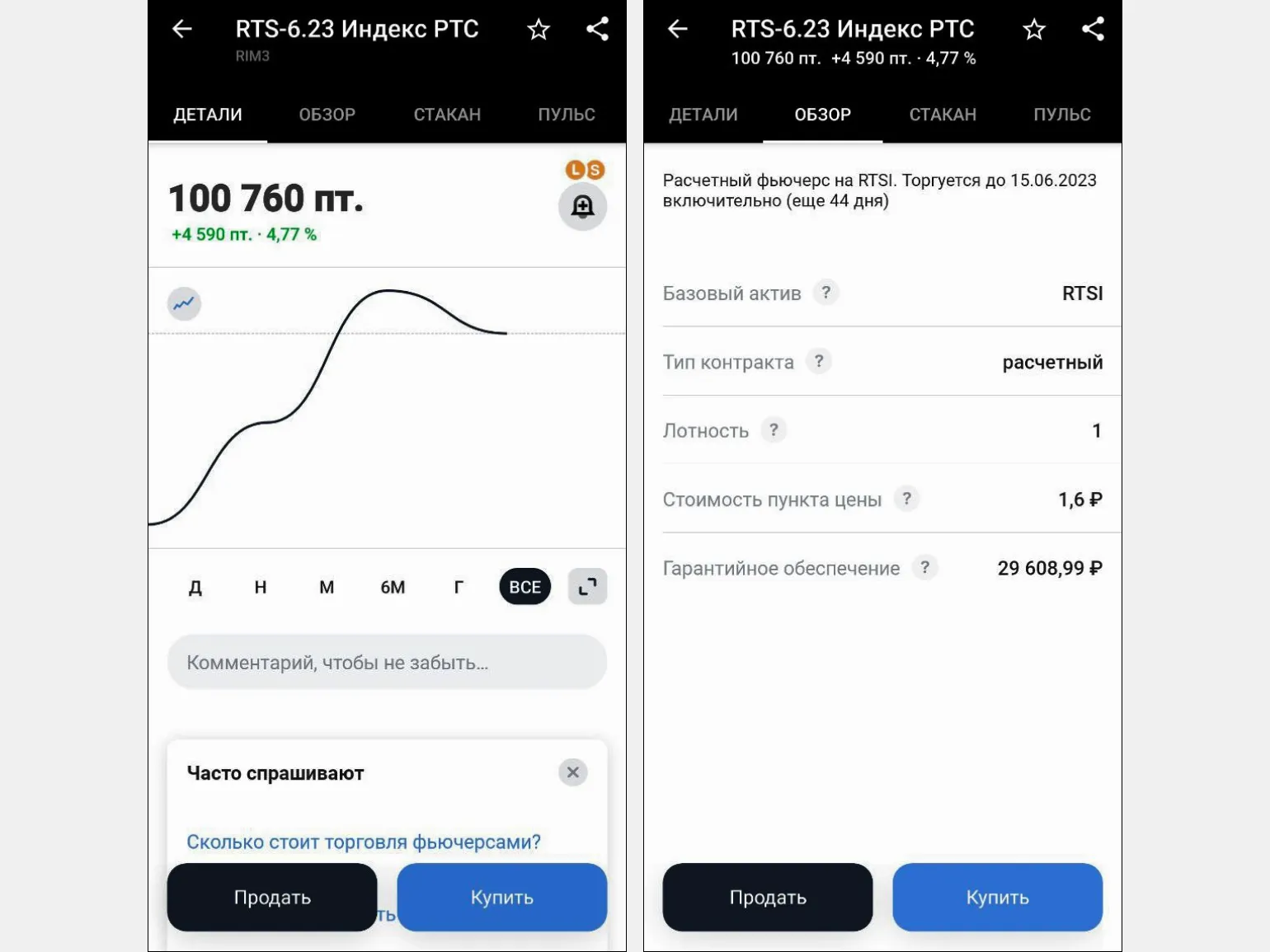
Futures are valued in points. Information on the value of one point, which is usually equal to 1 ruble, can be found in the instrument specifications available on the exchange or from your broker. For example, if a futures contract has a price of 20,000 points, it would be equivalent to 20,000 rubles. Thus, understanding the futures price structure is important for successful trading in the financial markets.
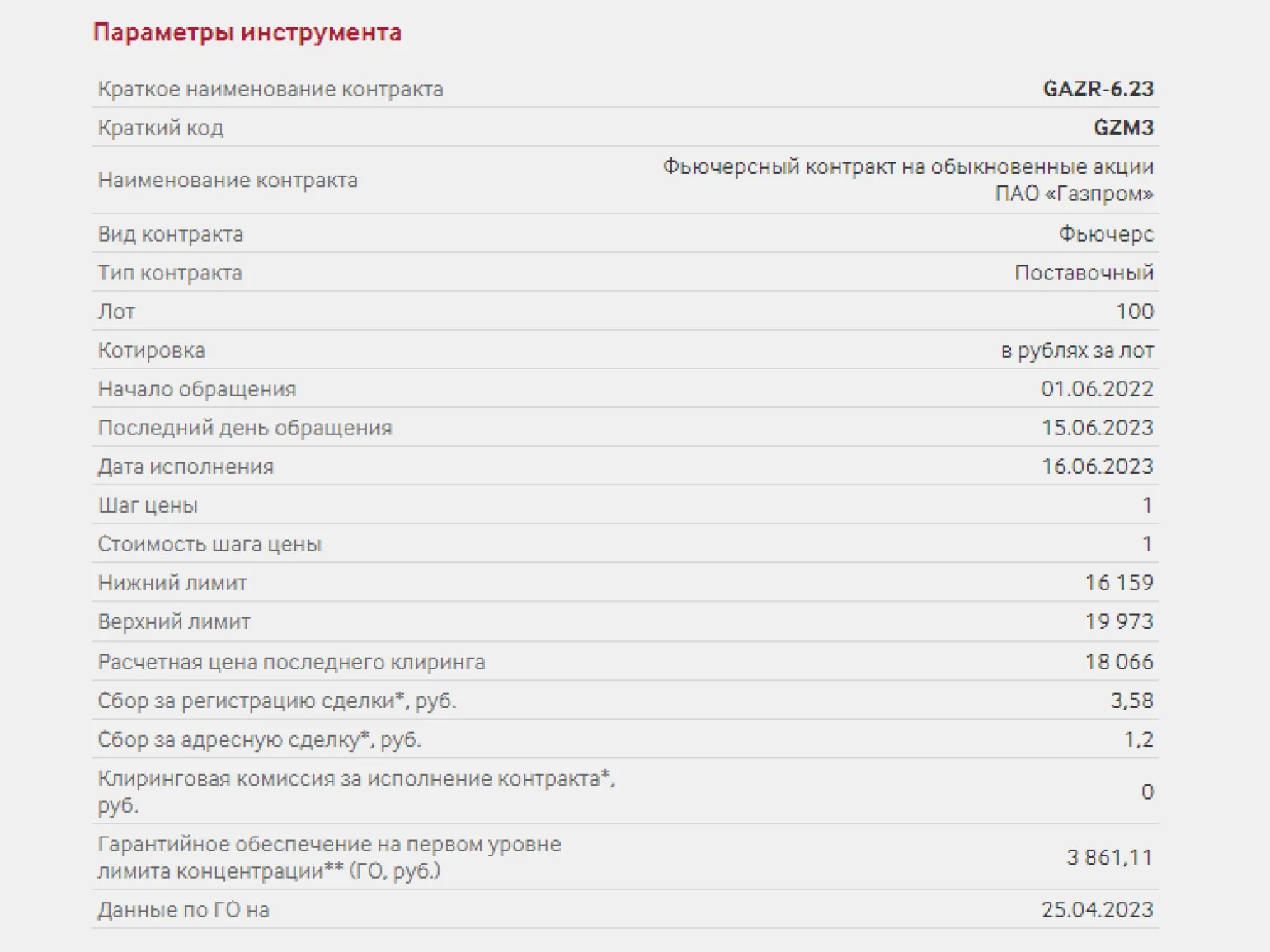
Understanding the strike price of a futures contract requires in-depth analysis. A futures contract fixes the price of the underlying asset, meaning the parties agree to the terms of the transaction on a specific date at a predetermined price. This allows market participants to hedge risks and manage their investments. It is important to keep in mind that the strike price of a futures contract can depend on various factors, such as market conditions, supply and demand, and economic indicators. Analyzing these aspects will help you better understand the mechanics of futures trading and make informed decisions.
In practice, the situation is different. When purchasing a futures contract on an exchange, the investor does not receive the asset at a set price on the contract expiration date. Instead, they receive an interim financial result each day, which is calculated by the exchange based on futures price fluctuations. This process allows investors to track changes in the asset's value and adjust their strategies based on market conditions.
Over the life of the futures contract, the investor will accumulate a profit or loss, reflecting the results as if they had purchased the underlying asset at the price set by the futures contract. This allows investors to effectively manage risk and profit from asset price fluctuations. A proper understanding of the mechanics of futures trading is key to a successful investment strategy.
Variation margin is an intermediate financial result that plays a key role in risk management in financial markets. This mechanism may seem complex, but don't worry if you don't grasp all the nuances the first time. In the next section, we'll explore the functionality of variation margin in more detail and explain the difference between deliverable and cash-settled futures. This will help you better understand how these financial instruments work and how they affect your investment strategies.
Understanding Variation Margin: Key Aspects
Variation margin plays a key role in futures trading, representing the interim financial result of a transaction. This indicator is calculated on the Moscow Exchange twice a day during the clearing process - in specific time windows: from 2:00 PM to 2:05 PM and from 6:45 PM to 7:00 PM Moscow time. Understanding the impact of variation margin on your trading results is an important aspect of successful trading. Variation margin reflects the value of open positions and can significantly impact traders' margin requirements. Effective variation margin management helps minimize risk and optimize trade profitability.
Variation margin is the difference between the current futures price and its price at the time of the previous clearing or position opening. This calculation determines whether funds will be debited or credited to a trader's trading account. Variation margin plays a key role in risk management and ensures traders can effectively use their funds in trading. A proper understanding of variation margin helps traders more accurately plan their trades and minimize potential losses.
In the morning, an investor decided to buy Gazprom stock futures at 5,000 rubles. By lunchtime, the stock price had risen, and the futures price had reached 5,500 rubles. As a result, a variation margin of 500 rubles was credited to the investor's account. However, by evening, the futures price had fallen to 5,200 rubles, resulting in a debit of 300 rubles from his account. Thus, the investor earned 200 rubles in one day. Investing in stock futures offers the opportunity to generate income, but it also carries risks that must be considered.
An investor's financial result directly depends on the amounts accrued and debited during the variation margin calculation process. Understanding how variation margin works is a key aspect of successful trading. This knowledge allows traders to effectively manage their risks and optimize profits. By understanding variation margin, investors can make more informed decisions and avoid potential losses, which significantly impacts their overall financial results.
With cash-settled futures, the situation is more predictable and understandable for investors. These futures do not imply actual delivery of the asset, but allow for a financial return in the form of the difference between the contract's strike price and the asset's market price at expiration. For example, if a futures contract was purchased at 40,000 rubles, and by the expiration date its value has increased to 45,000 rubles, the investor will receive a profit of 5,000 rubles. This is equivalent to the profit that could have been obtained from the actual purchase of the asset. Thus, cash-settled futures offer a convenient way to participate in market movements while minimizing the risks associated with physical delivery.
Consider cash-settled futures, which involve the purchase or sale of an asset at expiration. For example, an investor purchases a futures contract at 100,000 rubles, and by expiration, the asset's value has increased to 150,000 rubles. In this situation, despite the alignment of the prices of the underlying asset and the futures, the actual purchase of the asset is made at a higher price. This is important to consider when trading futures, as the difference in prices can significantly impact the financial outcome of the transaction. A proper understanding of how futures work and their features will help investors make more informed decisions and minimize risks.
The investor received a variation margin of 50,000 rubles throughout the period. As a result, their actual expenses on the asset will be 100,000 rubles, which corresponds to the terms agreed upon when purchasing the futures. This demonstrates that with proper use of variation margin, an investor can achieve similar financial results as with a direct purchase of the asset. Proper management of variation margin becomes an important tool in an investment strategy, allowing you to optimize costs and improve transaction efficiency.
Variation margin is an important element for both cash-settled and deliverable futures, as it significantly impacts the financial results of investors. This tool provides the necessary flexibility and capabilities for effective capital management, allowing traders to adapt to market changes and optimize their investments. Proper understanding and use of variation margin can significantly improve the effectiveness of trading strategies and minimize risks.
How Margin Works in Trading
Margin is the amount of funds temporarily blocked in an investor's account when purchasing a futures contract. Margin typically ranges from 10% to 40% of the total futures value. This provides protection for both the buyer and seller, minimizing the risks associated with changes in the market price of the asset. Margin plays a key role in futures trading, as it allows market participants to confidently enter into transactions, knowing they have a financial cushion in the event of adverse price fluctuations.
Futures trading provides a significant advantage due to the ability to use leverage. Investors are not required to deposit the full contract value upfront; instead, they can deposit a portion of the amount, ranging from 10% to 40% of the full futures value. This gives traders the opportunity to manage their capital more effectively and increase potential profits. Using leverage in futures trading not only optimizes investments but also minimizes risks, provided a competent approach and market analysis are used.
The required margin amount may vary depending on the market value of the underlying asset the futures is based on. Asset price changes directly affect the margin amount, which can either increase or decrease. This is important to consider when planning investments and trading strategies.
What happens if there is insufficient margin?
If the price of a futures contract increases and there are insufficient funds in your account to provide the margin, your broker may take various measures to protect their interests. In such cases, the broker may close your positions, require additional collateral, or limit your trading operations. This is important to consider when trading futures to avoid unwanted losses and ensure optimal risk management. Proper planning and maintaining sufficient funds in your account will help you avoid unpleasant situations in the futures market.
- Opening a margin position - the broker provides credit, for which they charge a daily fee for maintaining an uncovered position, for example, 40 rubles. These expenses will be written off daily while your account balance remains below the amount required to cover the margin.
- Forced closure of one or more of your positions. For example, a portion of the shares may be sold, which can lead to losses and negatively impact your portfolio.
To prevent unwanted consequences, it is recommended to maintain an amount in your account greater than the minimum required to provide the collateral. The optimal solution is to have the full value of the futures. At the same time, it is permissible to leave an amount equal to twice the collateral. This will reduce risks and ensure greater financial stability when trading futures.
The Role of Futures in the Financial Market
Futures are a key financial instrument for investors, used primarily for hedging risks and speculating on price changes. These contracts allow market participants to fix the price of an asset in the future, which helps minimize potential losses from unfavorable market conditions. Furthermore, futures provide opportunities to profit by trading on price fluctuations, making them attractive to both professional traders and novice investors. Effective use of futures can significantly increase portfolio returns and provide protection from market volatility.
Hedging is an important investment protection tool. By purchasing an asset at a fixed price using a futures contract, an investor can minimize the risk of losses in the event of an increase in market prices. This strategy is especially useful for those seeking a stable return on their investments. Hedging not only reduces financial risk but also creates a more predictable investment environment, making it an attractive tool for both experienced and novice investors.
Most stock market participants use futures for speculation. Investors who predict a rise in the price of underlying assets purchase futures contracts. If their prediction is correct and the price actually rises, they have the opportunity to buy the asset at a lower price, allowing them to make a profit. Using futures as a speculative tool is becoming popular due to their high liquidity and the potential for significant profits with correct predictions.
If Sberbank shares are priced at 220 rubles, and an investor purchases a futures contract for 100 shares for 22,000 rubles for a period of three months, and the share price then rises to 250 rubles, the value of the futures contract will also increase to 25,000 rubles. As a result, the investor will be able to make a profit of 3,000 rubles. Using futures provides the opportunity to profit from changes in stock prices, making them an attractive investment tool.
Investors can employ a strategy of selling futures when prices are expected to fall. For example, if they sell a Sberbank futures contract at 22,000 rubles, and the stock price then drops to 20,000 rubles, they will make a profit of 2,000 rubles on each share. This strategy allows them to profit from a decline in asset prices, making it attractive to experienced traders and investors looking to optimize their investment portfolios.
Futures trading is a high-risk activity. Investors' forecasts are often incorrect, which can lead to significant financial losses. According to CME Group, over 80% of traders lose money in the futures markets due to miscalculations. It is important to understand the risks and carefully analyze the market before making investment decisions. Success in futures trading requires deep knowledge, experience, and a strategic approach.
Futures Trading: Availability and Purchasing Options
Futures contracts are gaining popularity among investors, and getting started requires several key steps. First, you need to choose a reputable broker who will provide access to futures trading. Next, you should open a trading account and pass a qualification test to determine your level of experience and knowledge in this area. After this, it is important to choose a specific futures contract that aligns with your investment goals and strategy. Once all the preliminary steps are completed, you can place a transaction and begin active futures trading. The correct approach to each of these steps will help minimize risks and increase the chances of successful investments.
There are a large number of brokers on the Russian market, which can be found in the register managed by the Bank of Russia. It is important to understand that trading on the exchange requires cooperation with a broker, as exchanges interact exclusively with licensed financial intermediaries. Choosing a reliable broker is a key step to successful stock market trading, so it's worth carefully reviewing all available options and their licenses.
You can open an account either through the broker's website or through their mobile app. To do this, you must provide personal information, such as your full name, phone number, and tax identification number. The process typically takes several days. However, if you choose a broker that is affiliated with your bank, opening an account can take just a few minutes. Convenience and speed of account opening play an important role when choosing a broker, so it's worth considering these factors when making your decision.
According to Federal Law No. 39-FZ, qualified investor status is required to trade futures. To obtain this status, you must pass a special test, which usually takes only a few minutes. The testing process is available in your broker's personal account, making it convenient and accessible to everyone. Obtaining qualified status opens new opportunities for investing and trading in financial markets.
Each broker offers a unique test, and most include training before completing it. When attempting to open a futures trade, the system will notify you of the test requirement. This is an important step that helps ensure a thorough understanding of trading fundamentals and the risks associated with futures. Completing the test not only increases your confidence but also promotes more informed decision-making in the financial market.
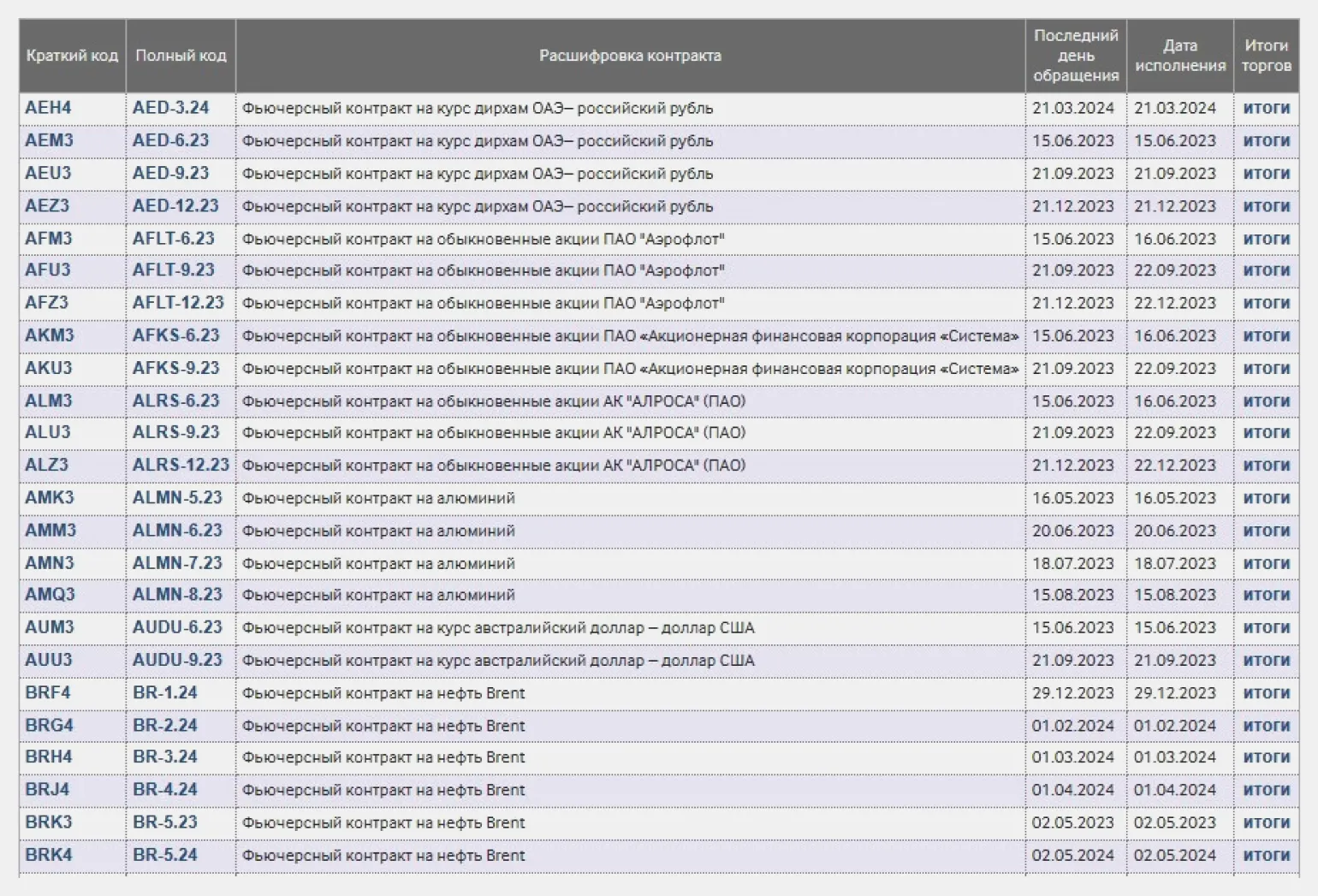
The choice of futures depends on your investment strategies and market assumptions. If you are confident in the growth of Gazprom shares, you should consider purchasing the corresponding futures. Several futures contracts are typically offered for a single underlying asset, differing in expiration dates and conditions. This approach allows investors to more accurately tailor their positions based on their expectations for price movement and investment timeframe. It is important to carefully analyze the market and choose futures that best suit your investment goals.
To purchase a futures contract, click the "Buy" button in your broker's account. A commission will then be deducted from your account, and the collateral amount will be blocked. It's important to remember that futures contracts require a careful approach and understanding of the market, so it's recommended to conduct preliminary analysis and monitor changes in quotes.
Selling futures is as easy as clicking a button. It's important to note that with cash-settled futures, the underlying asset is not required for sale. In contrast, with deliverable futures, you must have either the underlying asset itself or sufficient funds for its subsequent delivery. This distinction is key for traders choosing between different types of futures contracts.
Futures: Key Aspects in Four Points
- Futures are an agreement whereby both parties agree to transact in a specific asset at a predetermined price in the future. These contracts are actively used both for hedging risks and for speculative trading.
- Futures trading works as follows: an investor can buy or sell a contract, and an amount called collateral is blocked in their account. Every day, the exchange performs settlements, changing the account balance depending on fluctuations in asset prices and, accordingly, the futures price.
- Futures can be executed in two ways: in the case of a cash-settled futures, final settlements are made, and in the case of a deliverable futures, one party delivers the asset and the other buys it.
- To begin trading futures, you must complete a test with a broker. You can make a purchase or sale through the app by simply clicking the appropriate button.
- Skillbox Media offers a variety of articles on world-famous investment instruments. Explore information about stocks, bonds, ETFs, mutual funds, and OFZs to understand how you can make money on them.
- Materials explaining basic terms are also available. For example, read about long and short—these are key trades for traders. Learn about an IIS—an investment account that allows you to avoid paying taxes. Test your knowledge of stock market lingo by taking our quiz.
- To make money from investments, it's important to have a deep understanding. You can gain this knowledge in the Skillbox "Trading" course, which teaches you how to apply fundamental and technical analysis, develop trading strategies, and manage risks.
- Interested in becoming a trader? Check out our review, where we discuss the necessary skills and knowledge, as well as opportunities to earn 300,000 rubles a month or how to increase your capital.
Want to increase the profitability of your investments? Check out additional resources from Skillbox Media to help you with this.
- Binary Options: What They Are and Are They Worth Making Money With (Hint: Probably Not)
- How to Protect Your Investments During Volatility: Advice from Experts
- A Beginner's Guide to Cryptocurrency: Should You Consider Them as an Investment Tool?
- How NFTs Work, Is It Possible to Make Money with Them, and How to Do It?
- What Is Financial Literacy and How to Improve It to Achieve Your Financial Goals
Trading: 7 Secrets successful investing
Want to master trading? Learn 7 secrets that will help you become a successful investor!
Learn more