Contents:

Practical course: "Investing in cryptocurrencies"
Find out moreBy the end of 2022, inflation in the country is expected to reach 20%, according to forecasts of analysts surveyed by the Central Bank. Economic conditions and changes in consumer prices are driving this growth. Financial experts emphasize the importance of monitoring inflation and its impact on the overall economy.
Starting February 28, the Moscow and St. Petersburg Stock Exchanges introduced significant restrictions, including a 12% commission on foreign currency purchases. As a result, Russians began actively purchasing gold, palladium, and other precious metals, spurred by the abolition of VAT on bullion purchases for individuals. Interest in cryptocurrencies as an alternative investment vehicle is also growing.
On February 28, Bitcoin-ruble trading volume on Binance more than doubled, reaching 1.5 billion rubles—the highest level in nine months. Tether, a dollar-pegged stablecoin, also saw a significant increase in popularity among Russian traders: trading volume for it increased fivefold that same day. This indicates increased interest in cryptocurrencies in Russia and may be related to changes in the economic situation.
Cryptocurrency raises many questions as a potential replacement for traditional investment instruments. It's important to consider the feasibility of using cryptocurrency instead of stocks, bonds, or other financial assets. It's also worth considering the specifics of working with crypto exchanges under sanctions. Difficulties accessing some platforms and the blocking of Russian accounts may raise concerns among investors. Skillbox Media experts share their opinion on the safety of cryptocurrency purchases and provide recommendations for effective work in the current conditions.
- Will I be able to cash out crypto abroad?
- Is it dangerous to top up wallets on crypto exchanges now?
- Will switching to a lesser-known exchange save me from sanctions?
- How can I regain access to a blocked account?
- Where can I safely store cryptocurrency?
- Has cryptocurrency grown in popularity given the global situation?
Visa and Mastercard cards issued in Russia do not work abroad, and Mir cards are not accepted in all countries. In addition, there is a limit of $10,000 on the export of cash, and transfers to relatives are limited to $5,000 per month. Withdrawing currency to foreign accounts is prohibited for Russians. In such circumstances, it is worth considering alternative options, such as Bitcoin. Bitcoin has the potential to become an effective means of international transactions and storing value because it is independent of the banking system and government restrictions. However, it is important to consider the risks associated with the volatility of cryptocurrencies, as well as the need to comply with the law.
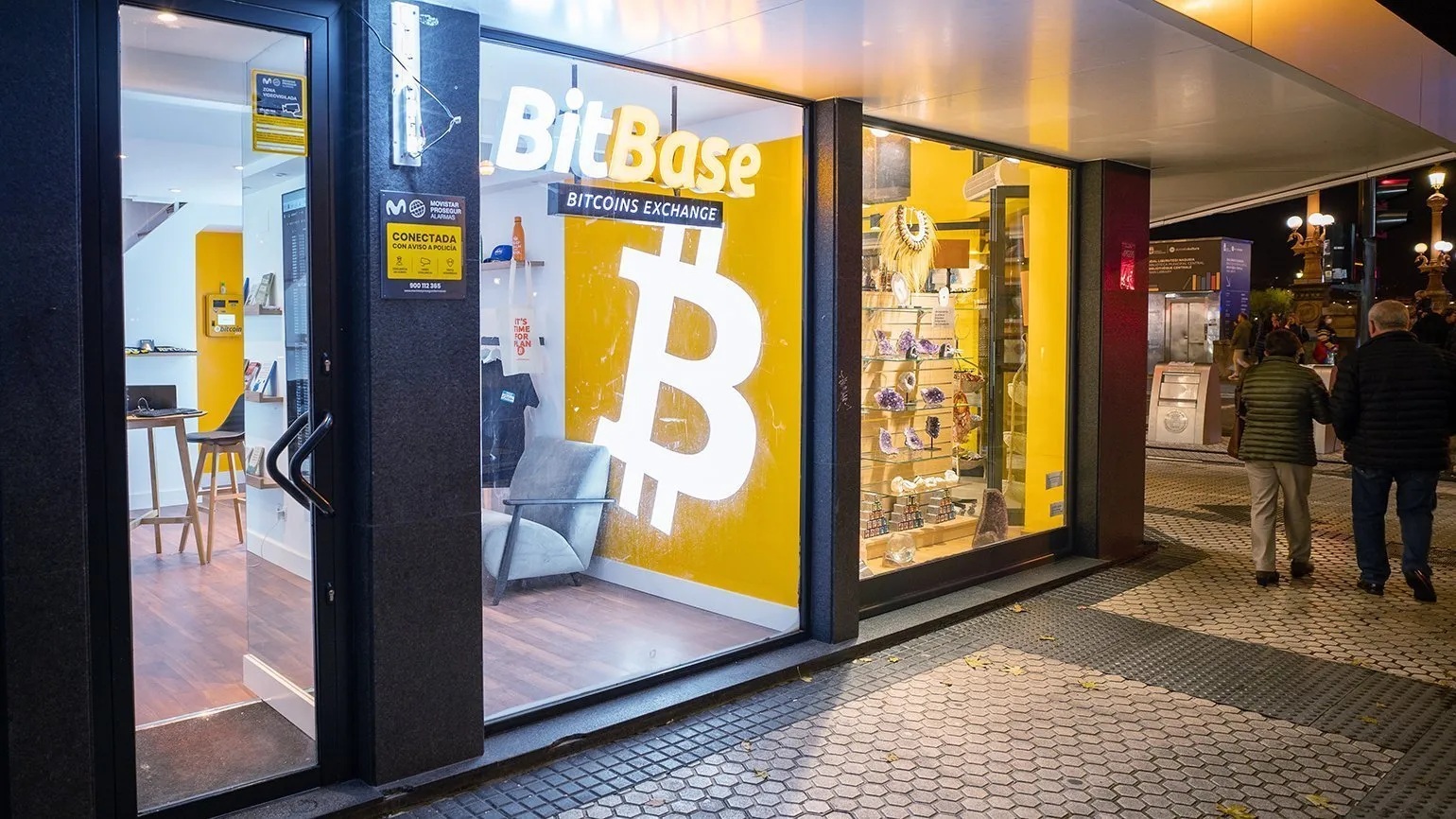
Today, acquiring cryptocurrency is becoming an important tool for redistributing assets for Russians located abroad. Yana Shebalina, a financial expert at Investing.com Russia, notes that investors are using local cards to withdraw funds through P2P transactions. In such transactions, the buyer and seller interact directly, without the involvement of intermediaries or agents, making the process safer and faster. Cryptocurrency allows not only to preserve capital but also to effectively manage it in an unstable economic situation.
Viktor Pershikov, a leading analyst at 8848 Invest, notes that cryptocurrency is an effective tool for transferring funds in the face of sanctions and restrictions on the use of bank cards. Legally, it is possible to cash out cryptocurrency through P2P transactions available on most major crypto exchanges, such as Coinbase and Binance, which accept cards from Russian banks not subject to sanctions. Additionally, digital currency can be exchanged through specialized platforms such as LocalBitcoins or Bizlato, as well as through local crypto brokers. These methods allow users to safely and legally manage their assets amid current economic restrictions. Cashing out cryptocurrency at banks that handle digital assets is one possible option, according to Pershikov. However, this method isn't suitable for everyone, as banks licensed to handle cryptocurrency transactions are currently rare. It's important to remember that successful cashing out requires confirmation of the legality of the acquired currency. This means the source of funds and the purchase and sale transaction must be transparent, as warned by the Skillbox Media expert.
Nikita Zuborev, Head of PR and Marketing at BestChange.ru, recommends storing funds in stablecoins. Stablecoins are tokens whose value is fixed against a stable currency, most often the US dollar. These digital assets also serve as an effective tool for international transfers, allowing users to bypass restrictions on transactions with foreign banks. Using stablecoins provides users with greater financial flexibility and security in the volatile crypto market.
If you plan to purchase currency for subsequent sale, it is worth considering that there are a limited number of merchants and countries that officially recognize these currencies as a means of payment.
Nikita Zuborev is a professional in his field, possessing significant experience and knowledge. His work covers many aspects, from strategy development to project implementation. In his work, Nikita demonstrates a high degree of responsibility and creativity, which allows him to achieve impressive results. His approach to projects is based on detailed analysis and attention to detail, making him a valuable specialist. Nikita actively monitors modern trends and incorporates them into his work, ensuring the competitiveness of his projects.
Nikita Kulikov, CEO of the ANO PravoRobotov, also raises this issue.
Currently, cryptocurrencies are not subject to a centralized issuing center, such as the Central Bank or other regulators. This means that complete freedom of asset movement, withdrawal, and payment processing is impossible. The lack of centralized control creates both opportunities and risks for cryptocurrency users. On the one hand, this allows for transactions without intermediaries and restrictions, but on the other, it increases the likelihood of fraud and market instability.
The world's largest crypto exchange, Binance, has stopped processing Russian Visa and Mastercard cards. This decision affected numerous cryptocurrency services, including online wallets that partner with foreign acquiring banks. In this regard, Russians have been forced to consider opening an account abroad to continue accessing cryptocurrency services. Opening a foreign account may be the optimal solution for users seeking to maintain access to the crypto market and use their assets without restrictions. Many experts believe that depositing funds into exchange accounts using cards is impractical. Previously, this method was unpopular, and under current conditions, it is becoming difficult for Russians to open accounts abroad, notes Viktor Pershikov. Furthermore, transferring fiat funds to foreign accounts from Russia is impossible due to current restrictions, adds Nikita Zuborev. Therefore, depositing funds into exchange accounts appears extremely difficult for Russian users. Experts recommend using exchange offices and P2P platforms, as they continue to support transactions with Russian Visa and Mastercard cards. These services offer convenient options for currency exchange and financial transactions, providing users with a secure environment.
When using this deposit method, two separate transactions occur: first, funds are transferred from one card to another or from the card to the payment gateway of a domestic online store, and then the cryptocurrency is transferred between the two accounts. Each of these operations complies with current legislation and, therefore, does not raise legal issues. This makes deposits a safe and legal method for users.
Nikita Zuborev is a professional in his field, possessing significant experience and knowledge. His skills and achievements make him a valuable specialist. Nikita's work covers various aspects, including the design, development, and implementation of innovative solutions. He strives to continuously improve his skills and actively monitors the latest industry trends. Thanks to his approach, projects are always completed successfully and on time, as confirmed by positive feedback from clients and colleagues. Nikita Zuborev is a name associated with quality, reliability, and high professionalism.
Nikita Kulikov strongly recommends that all users exercise caution, regardless of the method they choose. It's important to carefully analyze information and avoid risks to ensure your safety. Be careful and aware of your actions.
Amid general market anxiety, fake apps and services offering banking and cryptocurrency conversion services are emerging. In practice, such resources turn out to be fraudulent, leading to loss of funds for clients. Users should exercise extreme caution and thoroughly verify the legitimacy of services to avoid financial losses and protect their investments.
Skillbox courses that will benefit your development. Skillbox offers a variety of educational programs to help you master new skills and improve your qualifications. Regardless of your profession, you can find a course that matches your interests and goals. Professional instructors and a relevant curriculum make Skillbox courses an excellent choice for those looking to improve their knowledge and confidently advance their career. Join Skillbox courses and invest in your future.
- "Cryptocurrency Investing" — for those who want to understand the cryptocurrency market and how to make money in it.
- "Trading" — for those who want to preserve and grow their capital in the financial markets.
Storing all your cryptocurrency on one exchange can be risky. Yana Shebalina recommends asset diversification as a way to improve security. Investors should consider decentralized platforms such as PancakeSwap, Uniswap, dYdX, and OKX. These platforms can help avoid lock-ins and provide greater control over their assets. By using several different exchanges and platforms, users can reduce the risks associated with storing cryptocurrency.
Binance, as a centralized cryptocurrency exchange, poses certain risks for users in Russia. Although the company states that it does not plan to freeze the accounts of Russian clients, it is important to consider the potential threats associated with using the platform. Asset security and legal compliance may be important factors affecting the exchange's operations in Russia. Users should carefully assess all possible risks before conducting transactions on the platform.
Yana Shebalina is a name familiar to many. She is an expert in her field and actively shares her knowledge with the audience. Yana Shebalina emphasizes the importance of professional growth and self-development. Her work and projects inspire people to strive for new heights. With her experience and unique approach, Yana helps others find solutions to complex problems and achieve their goals. She actively participates in various events and seminars, where she discusses current topics and shares useful advice. Yana Shebalina This is not only a professional, but also a person who strives to change the world for the better through education and support.
Nikita Kulikov also supports this point of view: "Any exchange is a form of centralization, which contradicts the idea of decentralized assets." He emphasizes that even the most reliable platforms may ultimately be forced to comply with global regulators, which can lead to restrictions for users who do not meet the established criteria. When choosing a cryptocurrency exchange, Kulikov recommends thoroughly examining its jurisdiction and carefully assessing all potential risks. It is important to pay attention to the exchange's reputation, user reviews, and level of security to minimize potential losses.
Nikita Zuborev argues that opening an account on an alternative crypto exchange is inadvisable. Major cryptocurrency platforms, with the exception of CEX.IO, have not imposed restrictions on users from Russia. For example, Coinbase blocked 25,000 accounts, suspecting them of illegal activity, but this does not mean a complete ban for Russian users. Only local exchanges, such as the Ukrainian BTC-Alpha, Qmall, and Kuna, as well as the South Korean Upbit, Bithumb, and Korbit, have taken drastic measures. Therefore, large crypto exchanges remain accessible to Russians, making their use more attractive. Switching to lesser-known exchanges simply because they support the ruble may not be the best choice. Many smaller exchanges exploit ruble instability by offering conditions that are unrealistic and impossible for clients to fulfill. Viktor Pershikov of Skillbox Media cautions users against such decisions, emphasizing the importance of carefully selecting trading platforms. When choosing an exchange, it's important to consider not only the currency but also the platform's reputation, reliability, and operating conditions. According to Viktor Pershikov, large exchanges rarely block account access without objective reasons. If you suspect your account has been blocked in error, we recommend contacting support. You must provide all the required information to resolve the situation. Exchanges generally seek to avoid negatively impacting crypto investors, as this could lead to reputational risks.
If a platform has restricted access to your account, it's important to first determine the type of block and service, as Nikita Zuborev notes. He notes that most recent cases are temporary freezes. Cryptocurrency exchanges do not have the right to confiscate user funds, as this is contrary to the laws of many civilized countries. In such situations, it is recommended to contact the platform's support service for clarification and resolution. Don't panic, as many blockages can be successfully resolved by following official procedures.
Account blocking may be a consequence of current geopolitical tensions. The expert suggests that after the acute phase of the conflict ends, accounts will likely be automatically unblocked, with the exception of accounts of individuals on the sanctions list. It's worth noting that account freezes have also occurred during peacetime. In such cases, restoring access required providing an explanation of the origin of the funds or undergoing identity verification.
The situation with non-custodial services that provide users with private keys or similar seed phrases when creating wallets differs from custodial solutions. Nikita Zuborev explains that, for example, the company that runs the popular browser extension MetaMask recently suspended services to users in Russia. However, blocked clients were able to easily switch to other non-custodial services using their keys and instantly regained access to their funds. This underscores the importance of maintaining independent control over cryptocurrency assets and choosing reliable platforms for storing and managing them.
Storing cryptocurrency on exchanges is considered unsafe, both now and in the long term. When you leave your assets on an exchange, they are not yours, but under the control of a third party. This creates risks associated with potential hacks, fraud, and liquidity issues. To ensure the security of your crypto assets, it is recommended to use crypto wallets that allow you to have complete control over your funds.
Viktor Pershikov is a familiar name in the [indicate field of activity]. His achievements and contributions to [indicate field] are noteworthy. Pershikov not only works actively, but also shares his knowledge, helping others develop. His experience and expertise make him a valuable specialist in [indicate specific field] and a source of inspiration for aspiring professionals. Victor's knowledge covers a wide range of topics, allowing him to remain relevant in the rapidly changing world of [indicate field]. Through his efforts, he has earned a reputation as a trusted expert and mentor.
It is advisable to keep only a small portion of your assets on the exchange to minimize the risks associated with account blocking or potential problems with the platform itself. It is recommended to withdraw the remaining funds to "cold" wallets, which, unlike "hot" wallets, do not have a constant internet connection. This provides an additional level of security for your investments.
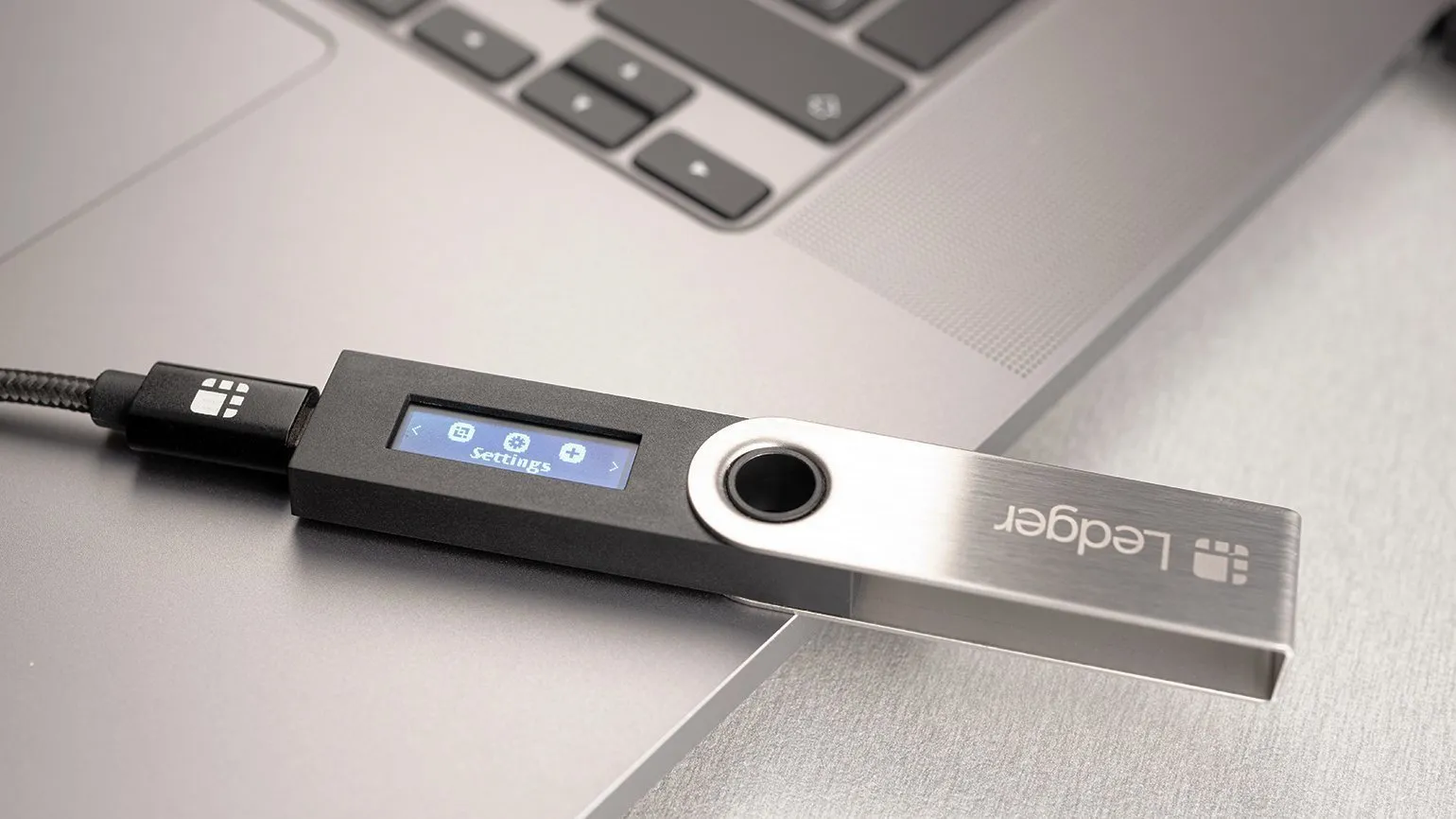
Nikita Zuborev emphasizes that for most users of non-custodial services, using a cold wallet may be excessive. However, when the private keys to cryptocurrencies are in the user's possession, having a cold wallet becomes essential. This approach is based on the main principle of working with cryptocurrencies: "not your keys, not your coins." Ensuring the security of your savings and control over your private keys are key aspects of managing crypto assets.
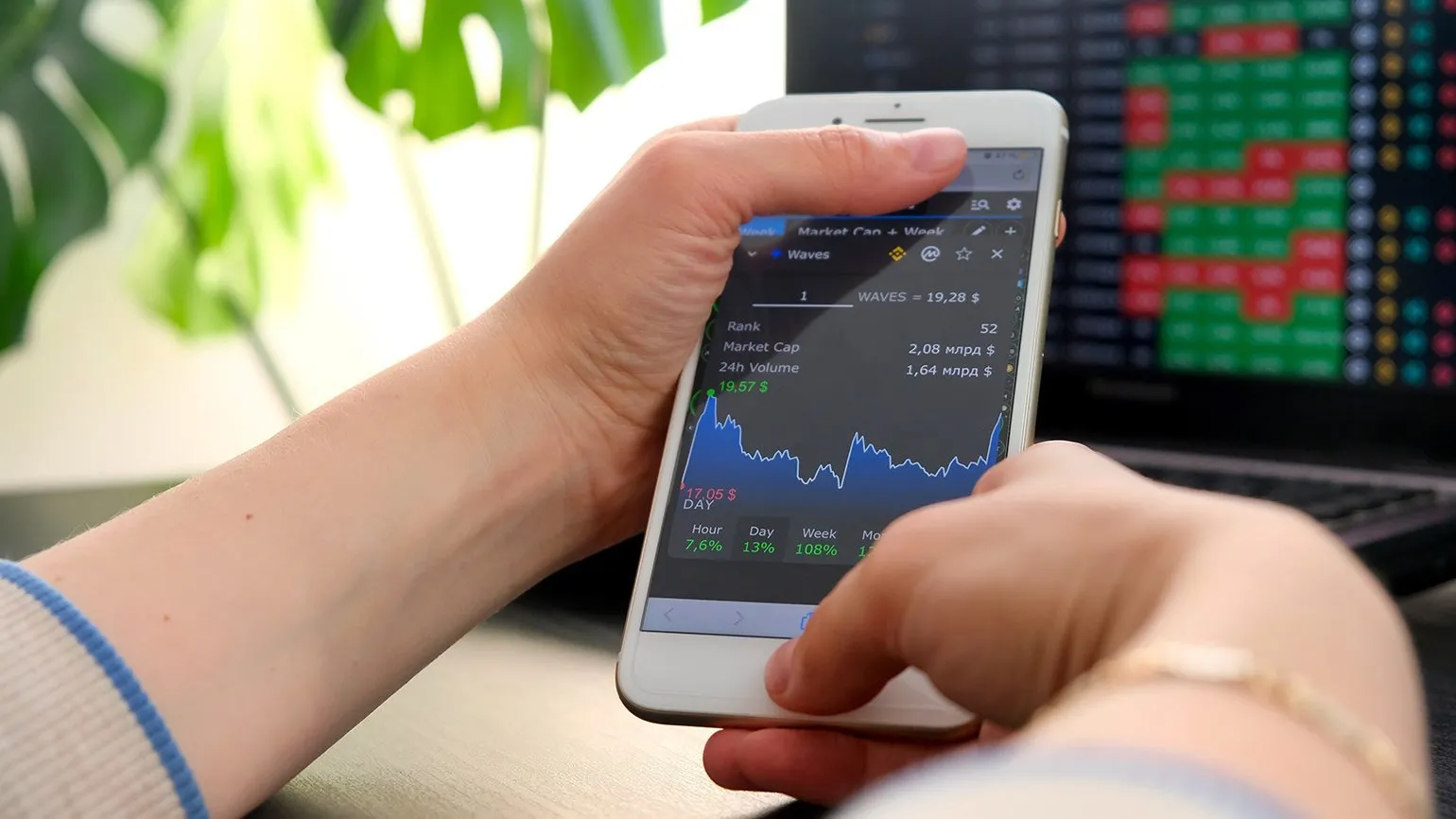
On February 23, the price of Bitcoin was just over $37,000, and by February 28, it had already exceeded $44,000, according to Currency.com. On March 11, the price of Bitcoin returned to $39,200. Such fluctuations demonstrate the high volatility of the cryptocurrency market and underscore investor interest in Bitcoin as an asset.
According to Nikita Zuborev, over the past two weeks, there has been an increase in investor activity and an influx of new users. In particular, his resource recorded a 20% increase in traffic in the first days after the conflict began. Interest in cryptocurrencies has increased not only among Russians but also among Ukrainians, demonstrating the growing popularity of digital assets in a climate of uncertainty.
Cryptocurrencies are high-risk investments, and it is important to keep this in mind when making investment decisions. Investors should be aware of the potential risks associated with exchange rate fluctuations and market volatility. When choosing cryptocurrencies for investment, it is important to conduct thorough analysis and consider the factors affecting the value of digital assets to minimize risks and increase the chances of success.
Yana Shebalina is a professional in her field, with many years of experience and in-depth knowledge. She actively develops her skills and applies them in practice, which allows her to achieve high results. Yana pays attention to new trends and working methods, making her a sought-after specialist. Her approach is based on an individual approach to each project, which contributes to the successful completion of tasks and the satisfaction of client needs. Yana Shebalina stands for quality, reliability, and results in every endeavor.
Nikita Zuborev points out that cryptocurrencies are traditionally used in aggressive investment strategies and, as a rule, do not attract the attention of those who prefer to keep their funds in deposits. However, in the current economic crisis, this situation is changing. Deposits with a 20% return are becoming less attractive to investors seeking reliable ways to preserve their savings. Despite the waiver of VAT on the purchase of precious metals, such investments remain unattractive for most private investors. The spread between the purchase and sale price of bullion reaches 10-15%, making them less profitable. Given the low volatility in the precious metals market, this instrument may be of interest only to long-term investors, emphasizes an expert interviewed by Skillbox Media.
In the current economic climate, Viktor Pershikov argues that cryptocurrencies and tokens are the most suitable assets for medium-term investing. He emphasizes that currently, holding Bitcoin (BTC) is more practical than remaining in the ruble. Investors should pay attention to the potential of cryptocurrencies, as they can provide capital protection and growth opportunities amid the instability of traditional currencies.
Also read:
- Will new benefits save the Russian IT industry?
- How can businesses stay afloat during sanctions?
- Life in a bubble. Looking for an alternative to popular foreign services, cars, and gadgets?
- What to do with rubles – exchange for dollars, cash out, or spend? Experts answer.
- What will happen to loans and how to live without SWIFT. We answer your questions.