Contents:

Try 4 internet marketing professions in practice ➞On a free mini-course. You will research the target audience, create a website, design social media, write sales copy, and set up advertising. Take the course and decide what you like.
Find out more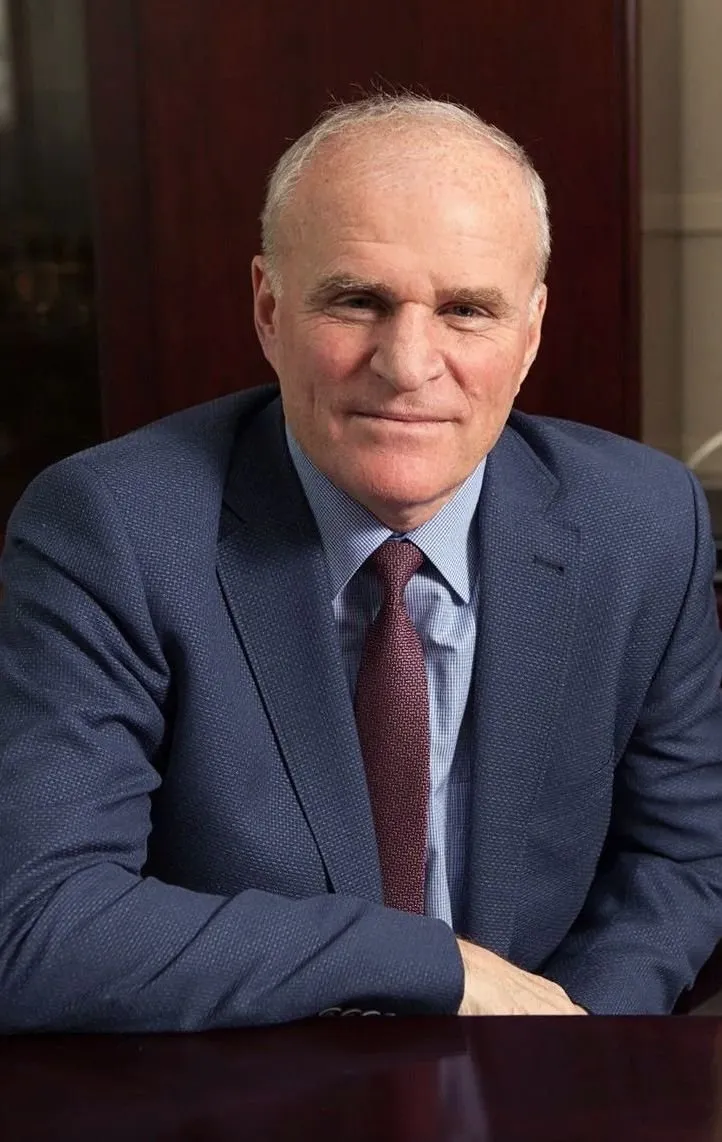
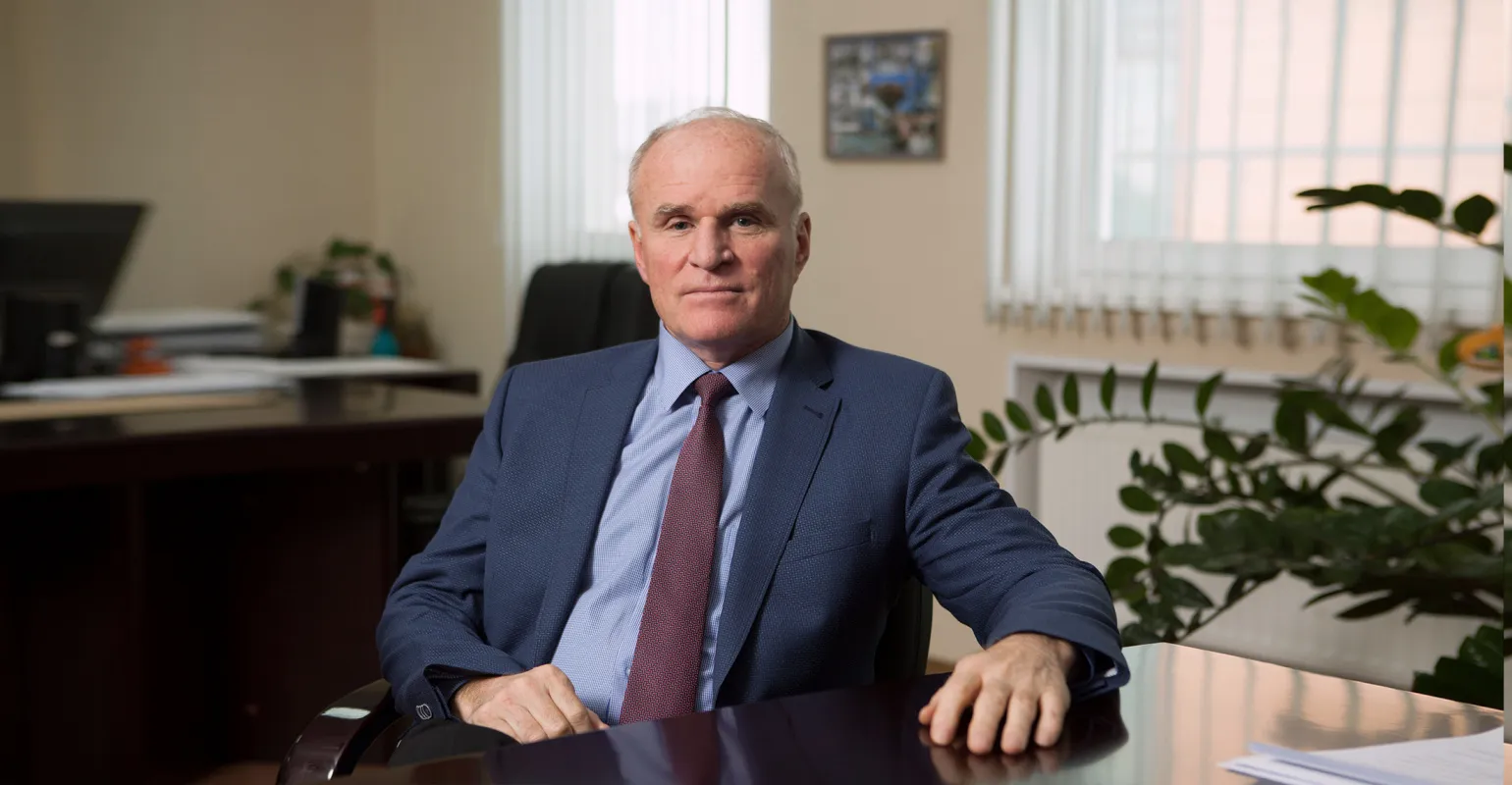
The CEO of the Information Implementation Company (IVK) is a key figure in the management and strategic development of the organization. He is responsible for implementing business strategies, optimizing processes, and implementing innovative technologies. His responsibilities include building a team of professionals and coordinating the work of all company departments. Effective leadership and the ability to adapt to changes in the IT market are essential qualities for a successful CEO of IVK. The company's success depends on his decisions and vision, making this role one of the most significant in the IT field.
IVK is a Russian company with over 25 years of experience in the design, production, and supply of computer equipment using both domestic and foreign processors. Its clients include government agencies and large commercial entities. IVK actively promotes the concept of "technological independence," replacing the concept of "import substitution." Furthermore, the company develops and supports the secure Alt 8 SP operating system, based on the domestic Sisyphus repository, emphasizing its commitment to the development of Russian technologies.
In the interview, we discussed key aspects of this topic. The focus was on important issues and current trends affecting this area. We considered expert opinions, their experiences, and recommendations, and analyzed the consequences and prospects that may arise in the future. This discussion helped to gain a deeper understanding of the current situation and identify potential opportunities for development.
- Is Russia ready for sanctions imposed on the technology sector?
- Why does import substitution only increase dependence on American technology?
- Users often criticize Russian processors for their low performance. What is the problem and how can it be solved?
- Taiwan has refused to produce Russian processors. Why is this not tragic?
- To what extent does the "intelligent" part of military equipment depend on imported components?
- "Bookmarks" from the CIA can even be found in free software. What to do about this?
- Will technological independence become an unbearable burden for Russia?
- Four processor architectures and numerous operating systems are being developed in Russia simultaneously. Why is this bad?
- "If your target is import by any means necessary, then vacate your chair and go do logistics or business."
Today, Russia faces a confrontation with most developed Western countries. The current "hot" phase is perhaps less dangerous for the Russian economy than the "cold" phase - a protracted confrontation in which the enemy will be the most developed part of Western civilization. It is important to assess how prepared we are for such a long-term conflict, especially in the field of information technology. The development and protection of domestic technologies, cybersecurity, and information independence are becoming key factors in this struggle. It is necessary to strengthen infrastructure and increase digital literacy to ensure resilience to external challenges and threats.
Sanctions, especially those imposed by the US, are truly serious. Unfortunately, not everyone fully understands their consequences. Recently, I have been actively raising awareness as a lecturer. I share my knowledge and explain the impact of sanctions to ministers, Security Council specialists, bankers, energy and oil companies, and representatives of the transport industry. They have finally begun to pay attention to these issues. Life forces us to wake up to reality.
Last week, an incident occurred with a Russian bank that stored its data in US cloud services. A sudden loss of access to the data would have had serious consequences. Fortunately, the bank had a backup, which prevented a catastrophe. This incident highlights the importance of secure data storage and backups, especially for financial institutions. To minimize risks, banks should consider using on-premises cloud solutions or hybrid systems that ensure the security and availability of information.
A year ago, I asked the question: "What would you do if...?" In response, I was called a dreamer. They didn't even think about possible scenarios. This is unfortunate, because anticipating problems and preparing for them are important aspects of successful planning.
It's time to sober up, and the government is finally talking about technological independence, not import substitution. This is the first time in many years. Discussing technological independence implies the need to develop domestic technologies and innovations, which can significantly strengthen the economy and make the country less dependent on external supplies. Focusing on the creation and implementation of new technologies opens up prospects for growth and sustainable development.
The words "synonyms" and "antonyms" are often confused, but they have different meanings. Synonyms are words that have similar or identical meanings. For example, "fast" and "speedy" are synonyms because both words describe an action or state associated with high speed. Antonyms, on the other hand, are words with opposite meanings, such as "cold" and "hot." Understanding the differences between synonyms and antonyms is important for expanding vocabulary and improving communication skills. Using synonyms helps avoid repetition and adds variety to text, while antonyms can add contrast and depth to the expression of thoughts.
The accounting program from "1C" can be considered an example of import substitution. It offers complete accounting and reporting solutions that can replace foreign analogues. Using "1C" reduces dependence on foreign programs and also supports domestic developers. Furthermore, the program complies with Russian legislation and can be adapted to the needs of various companies. It is important to note that 1C is actively developing its products, making them competitive in the market. Therefore, it can be argued that 1C's accounting software truly serves as an import substitution tool in the field of accounting and business management.
This statement likely requires further clarification. There are many factors that could confirm or refute this assumption. It is important to consider all aspects and conduct a thorough analysis to reach a more accurate conclusion. If you have specific examples or data that could clarify the situation, please share them for a more in-depth discussion.
Software development in Russia is entirely domestic, but it is not technologically independent. Software solutions run only on x86 processors, which creates a dependence on foreign technologies. Thus, attempts at import substitution in this area only exacerbate the existing dependence on American core technologies.
The Russian Federation is carrying out work that, in essence, aligns with the interests of the United States. This earns admiration and respect from Americans, who should recognize the significance of these efforts.
Technological independence presupposes the presence of a controlled processor architecture and its own repository, which functions as a "factory" for producing operating systems for this architecture. These two components form the foundation of any technologically independent digital infrastructure. The development of the Russian IT industry should focus on these aspects to ensure autonomy and sustainability in the face of global competition. The creation of unique processors and the development of specialized operating systems will strengthen Russia's position in the field of technology and reduce dependence on foreign solutions.
The x86 processor architecture and the Windows operating system were developed in the United States and today serve as the basis for managing global technologies. Today, no other country has similar processors and operating systems of its own. However, Russia has its own developments. The country has developed Elbrus processors with a unique architecture, as well as the Alt operating systems that run on these processors. Furthermore, the Sisyphus repository serves as a "factory" for developing and supporting these operating systems, allowing Russia to become independent of foreign technologies. Thus, Russia is actively developing its own IT solutions and strengthening its technological independence.
Elbrus users have mixed opinions about the product. Many note shortcomings in performance and software compatibility. It's important to keep in mind that Elbrus requires specific configuration and adaptation to specific tasks to achieve maximum efficiency. It's also important to remember that opinions may vary depending on user experience and individual requirements. For a more complete understanding, it's worth paying attention to reviews and research regarding the performance and capabilities of this platform.
All negative reviews of the Elbrus processor are often related not to its specifications, but to the operating systems installed on it. The processor itself is simply a hardware device, and its performance directly depends on the operating system it runs on. A poor-quality OS can cause the processor to malfunction. Users typically don't delve into technical details and draw conclusions based on their general impressions, assuming that both the processor and the entire computer are performing poorly. It's important that the operating system is compatible with the processor and able to unlock its full capabilities. An incompatible or ineffective operating system can significantly reduce the performance and functionality of a device.
Murder is the act of taking life, which can occur in a variety of ways. The variety of methods used to commit murder includes physical violence, the use of weapons, poisoning, and other means. Murder can be intentional or accidental, and its causes can range from personal revenge to criminal motives. It is important to understand that murder has serious consequences not only for the victim but also for society as a whole, including legal, moral, and psychological aspects. Considering these issues helps to deepen our understanding of the nature of violence and its impact on people's lives.
The lack of familiar user experiences can cause dissatisfaction. I remember how at one of the exhibitions we demonstrated computers with Elbrus processors and the Alt operating system. Visitors came up, picked up the mouse, and moved the cursor across the screen. Suddenly, they began to express dissatisfaction: "You're misleading me, this isn't Elbrus! A real Elbrus should always have a trail near the cursor, but this one doesn't." Moments like these highlight the importance of taking user expectations into account when developing new technologies.
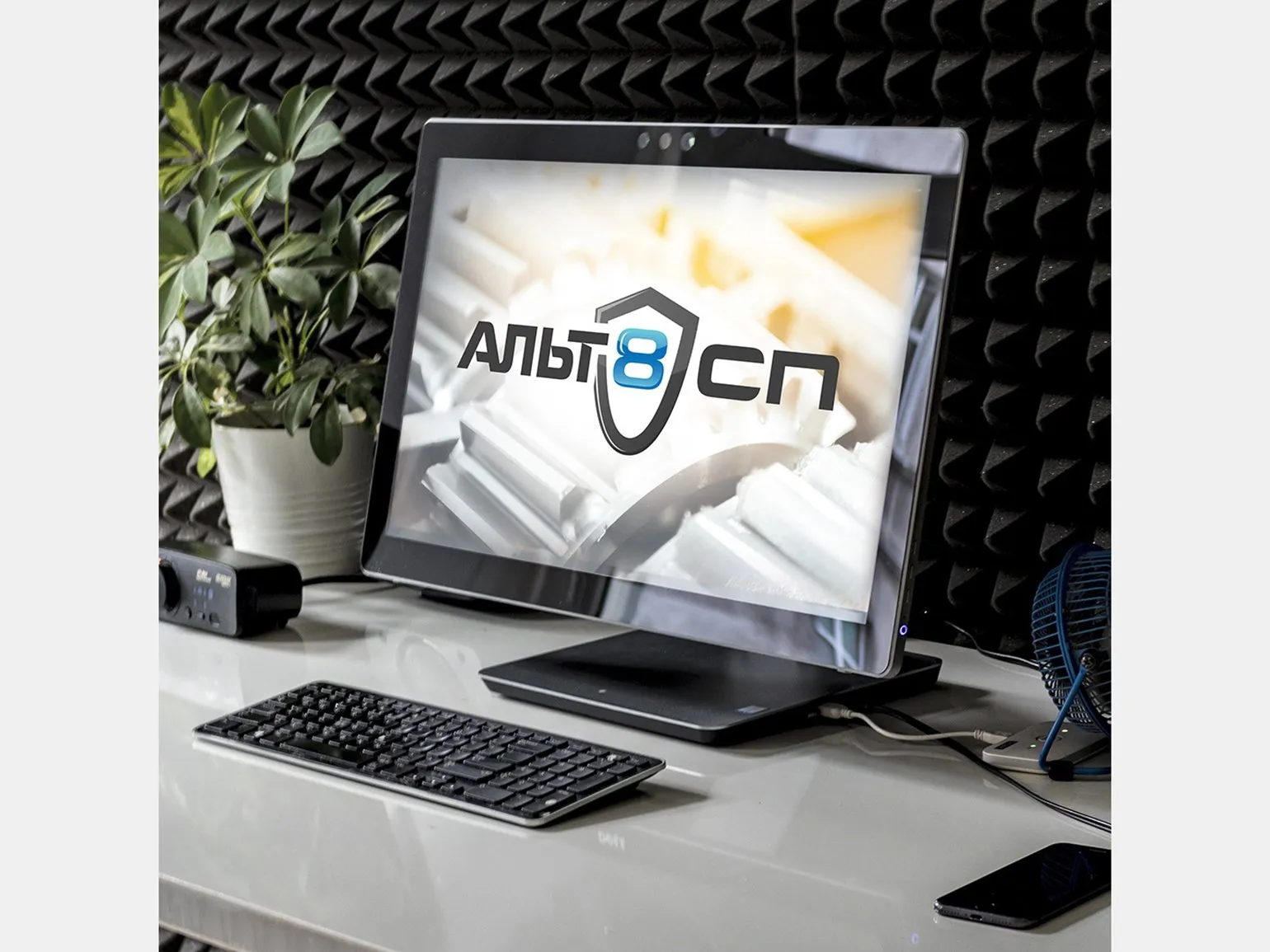
People have encountered a situation, When an operating system incompatible with the processor architecture was installed on a computer, this led to significant problems with the device and user frustration. In today's world, consumers expect high performance and stability from technology. If a computer can't handle tasks, this negatively impacts its reputation and attracts dissatisfaction. It is important to choose compatible software solutions to ensure smooth operation and meet user needs.
Russian manufacturers are obliged to create products that meet consumer habits. This goal can only be achieved if the operating system and processor work in harmony. All other approaches can lead to serious damage to Russian computer technology and its development.
Today, Russia has a unique technologically independent combination: the Elbrus processor combined with the Alt operating system. Many users are surprised when they first test this computer, asking: "Is this really a Russian development?" This achievement is a source of pride and testifies to the progress of domestic technology. The emergence of such solutions opens new horizons for the development of information technology in the country and contributes to the strengthening of Russia's technological independence.
This operating system is indeed used in some areas and already has its users. It has been acquired by several companies that integrate it into their solutions. Interest in this OS continues to grow due to its unique characteristics and capabilities, which makes it attractive to various businesses and developers.
Of course, we have numerous installations throughout the country. The software runs not only on the Elbrus architecture, but also on leading Russian and popular foreign hardware platforms. These include e2kv3 and e2kv4, as well as x86 32- and 64-bit, ARM64 (aarch64), ARM32 (ARMv7), POWER8, and POWER9 architectures. This ensures versatility and high system performance in a variety of operating conditions.
The Alt operating system demonstrates high performance on computers with processors of various architectures. Users may not notice a difference in system performance, regardless of whether an Intel or Elbrus processor is installed. This creates the impression that performance remains the same, and many may doubt the true origin of the equipment. The Alt system provides stable and efficient operation, which emphasizes its versatility and adaptability to various processor architectures.
Fundamental technologies, such as proprietary architecture and the production of controlled operating systems, do exist in Russia. However, the question arises: where to find the necessary components from which this technological edifice is built, especially after TSMC, the main chip manufacturer, ceased cooperation with Russia? The development of alternative sources and strategies to ensure the availability of key elements is necessary to continue the development of domestic technologies and maintain their competitiveness in the international market.
We manufactured our processors in Taiwan, like many other companies around the world. Taiwan has joined the sanctions, which creates certain difficulties, but this is not critical. The intellectual property of our processors remains under our control. This allows us to transfer production to other factories located in China and Korea. Although the process may take a year or a year and a half, it is feasible.
To ensure Russia's technological independence, it is necessary to establish domestic chip production. This task requires long-term efforts and a strategic approach. It is essential to create conditions for training qualified specialists, as well as to organize efficient production capacities. The development of domestic semiconductor production will be a key step towards sustainable economic growth and increased competitiveness in the international arena.
Do you think it was possible to build up a stockpile of chips some time before the current situation?
The request cannot be fulfilled.
Recent data shows that chip prices have begun to rise due to increased demand last year. The increased interest in these components may be due to the fact that many companies and governments were preparing for potential conflicts and market instability. This circumstance led to active purchases of chips, which, in turn, affected their prices. An analysis of the current situation shows that preparation for potential crises significantly influences price dynamics in high-tech industries.
This is most likely due to the pandemic, when factories suspended operations. Following this, demand increased significantly, and factories began receiving deferred orders. As a result, they were overloaded.
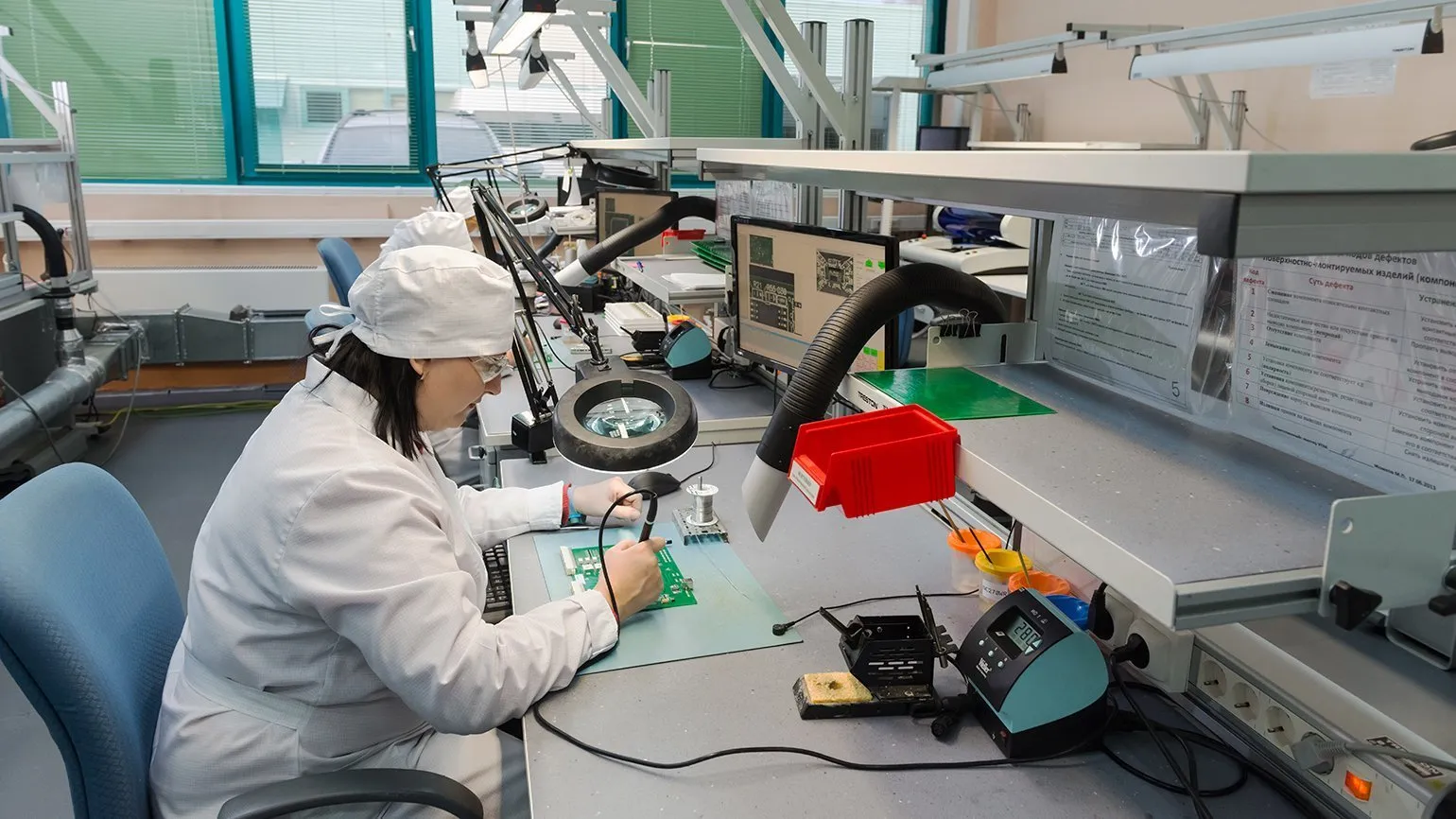
The intelligent part of military equipment largely depends on imported components. Imported equipment may contain hidden features known as "bookmarks," which can pose a serious security threat. There is a risk that imported components could transmit information to an adversary. It is important to prioritize security and independence in the production of military equipment to minimize the possibility of using potentially unsafe technologies. The development and implementation of domestic solutions will ensure reliability and data protection and reduce dependence on imported equipment.
The army's critical IT infrastructure is not connected to the internet, making it impossible to use bookmarks and other remote tools. This ensures a high level of security and data protection, eliminating the risk of unauthorized access and cyberattacks.
Network microchip designer Yuri Panchul noted that the communication microchips used in Russian armored personnel carriers are manufactured not in Russia, but in Southeast Asia. This raises concerns not only about supplies but also about possible spyware that could be embedded in these components. Security and reliability issues with technology imported from foreign regions are becoming increasingly pressing.
I'm confident we have high-quality radios that American technology can't suppress. It's not just about chips; complex logic is involved. The level of technology is significantly higher. If our equipment were so easily disabled, our tanks would have stopped working long ago, and our ships would be left with sailors with flags instead of modern communications.
Software-level bugs do exist. They can be either targeted or found in mass production. Targeted bugs are created for a specific purpose and can be embedded in specific applications or systems. Mass-produced bugs, in turn, can be part of software packages and embedded in large volumes of products.
Detecting backdoors can be quite challenging, as they often disguise themselves as legitimate program functions. Specialized tools and code analysis methods can help identify them, but this requires specific knowledge and experience. It's important to understand that backdoors can pose a security risk, so detecting and removing them is a crucial task for users and IT professionals.
Backdoors pose a serious threat and cannot be ignored. It's important to note that backdoors aren't limited to proprietary software; they're also embedded in free software. WikiLeaks published detailed CIA instructions describing backdoors in operating systems based on popular free software repositories. These instructions explain how to integrate backdoors into software products and organize covert channels for data leaks. The program in question is called Gyrfalkon 2.0 and can be found online. Protection against such threats is becoming increasingly important, and it is important for users to be attentive to the security of the software they use.
A repository is formed through participation in international projects developing free software. There are many such projects, and repository owners compile, test, and verify the software, installing the necessary dependencies. The operating system is built on the basis of these components. In modern operating systems, the number of packages can vary from three to five thousand. This is why repositories are often called "factories"—the process of their creation is so complex and multifaceted.
In the modern world, there are only four key developers capable of creating modern operating systems. Among them are two entirely American companies—Debian and Red Hat—and one combined American-German-Swedish company—SUSE. Also worth noting is the Russian development "Sisyphus." Currently, there are no similar factories in China, highlighting the unique nature of the current operating system market. Imagine a situation where a Russian company announces itself as the developer of a domestic operating system. Realizing that creating such a product from scratch is impossible, it finds an alternative solution: using an existing distribution that is actively being developed in foreign repositories. This is a ready-made and free product that can be adapted to your needs. The company makes the necessary changes and, they claim, delights users. However, hidden dangers can arise in this process, such as backdoors implanted at the direction of foreign intelligence agencies. This highlights the importance of choosing reliable software and taking a conscious approach to cybersecurity issues.
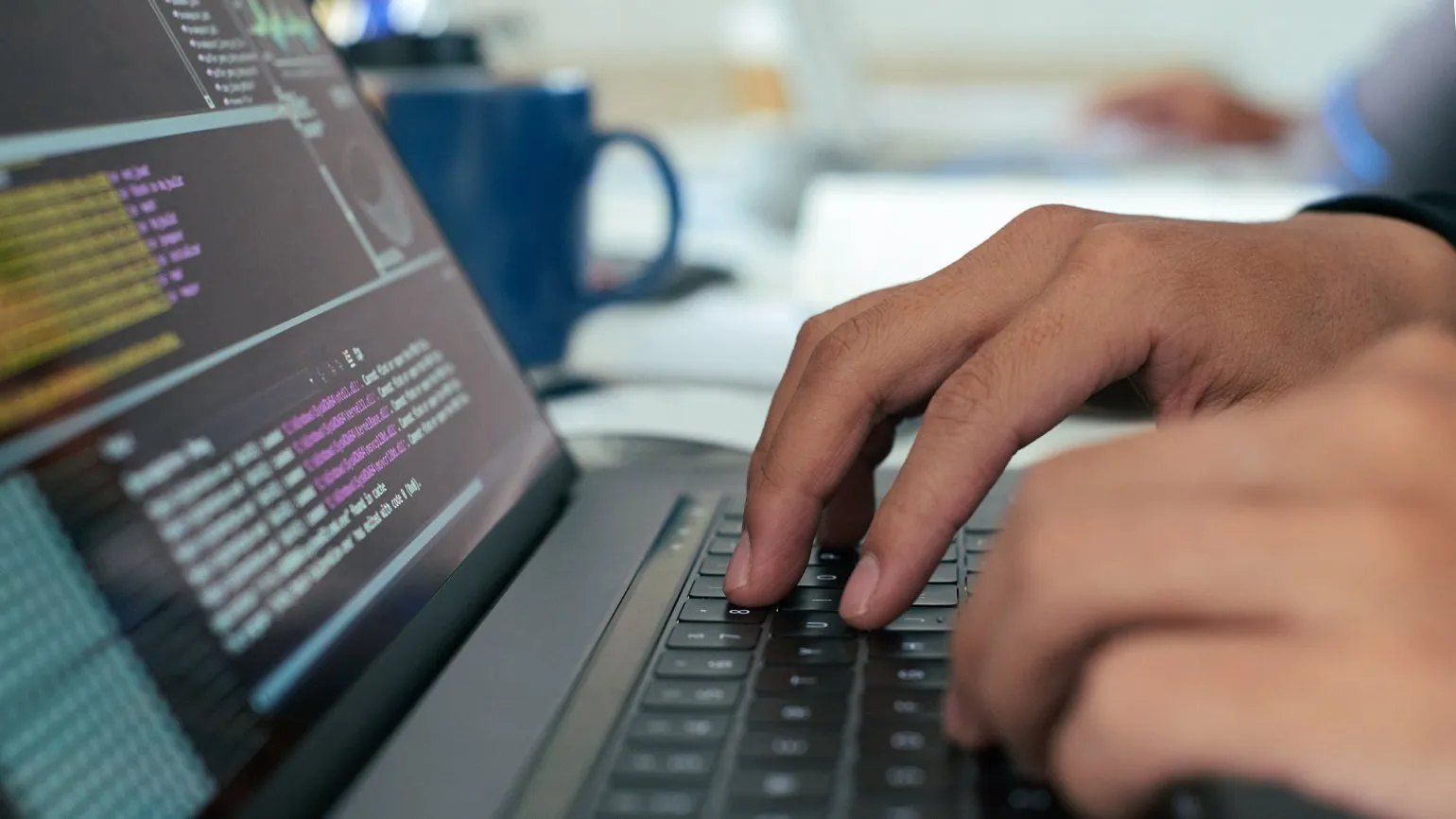
There will be no "bookmarks" in our "Sisyphus" project, so How we carefully monitor the development infrastructure. Currently, the Russian IT community is uniting to jointly identify vulnerabilities in free software. Under the leadership of the ISP RAS, a secure development community was created, and a competence center focused on the Linux kernel was established. Such initiatives contribute to improving the security and reliability of software products, which is an important step in the development of the domestic IT sector.
Teamwork contributes to a significant improvement in the security level of the final product.
In the modern world, where all countries, including the most technologically advanced ones, actively use American developments, the question arises of comprehensive agreement with this situation. Indeed, the influence of the United States on the global technological environment cannot be overestimated, and many countries are forced to adapt to American standards and solutions. However, it is important to consider that not all countries share this agreement, and there are alternative approaches and developments that can compete with American technologies.
All doors are open to the "big brother". Remember how American intelligence services wiretapped Angela Merkel. At first, this incident caused a significant scandal, but later the injured party resigned itself to the situation, stating: "These are the rules." We are not going to put up with such rules.
Technological independence may prove a difficult task for Russia. Creating our own processor architecture requires significant resources and effort to support an entire ecosystem, including compilers, operating systems, and other components. This requires not only technical expertise but also investment in research and development. Of course, having such an architecture provides a number of advantages, including protection from external influences and the ability to adapt technologies to one's own needs. However, to successfully achieve technological independence, it is also necessary to develop infrastructure, train specialists, and form effective technology partnerships. Otherwise, a lack of support can turn this task into an unbearable burden.
In the current conditions, if we strive for independence, we have no alternative.
Technological independence becomes evident not in periods of stability, but in times of crisis. In times like these, organizations and countries recognize the critical importance of having their own technologies and resources. This minimizes the risks associated with external dependencies and provides greater flexibility in decision-making. The pursuit of technological independence fosters innovation and strengthens positions on the global stage.
Does it require investments in an industry to be justified by a mass market?
Not necessarily.
The Russian market is indeed limited in size compared to global markets. However, its unique characteristics and growth potential make it attractive to many companies. Despite its small size, the Russian market offers a variety of business opportunities, especially in areas such as technology, energy, and consumer goods. It is important to consider local trends and needs in order to effectively exploit available opportunities.
The existing objection that technological independence is too expensive is valid. However, it is worth noting that the costs of technological dependence are much higher. Currently, Russia purchases at least six million computers using Intel processors annually. Profits from these sales don't go to the Russian budget, but rather abroad, supporting the US economy. Meanwhile, the market for computers with domestic processors is only about 10,000 units per year. The question of the price competitiveness of such products is obvious—they cannot compete with imported counterparts. Technological independence requires investment, but in the long term, this will lead to economic benefits and the strengthening of the domestic industry. State support for Russian developers is necessary to increase their market share. For example, Russia has decided to build its own gas carriers, despite the fact that Korean companies remain the leaders in this field, and it is difficult to compete with them on price. However, the state has decided to subsidize this sector. To improve competitiveness, production volumes must be significantly increased: instead of one gas carrier every ten years, production must be established at volumes comparable to South Korean standards. This will allow Russia to compete in both technology and price.
The IT industry plays a key role in the economy, rivaling such important sectors as the gas industry. Support and subsidies for this sector promote innovation, the creation of new technologies, and increased business efficiency. Investing in the development of the IT industry not only strengthens the economy but also opens new horizons for the future.
Our technologies are currently significantly more expensive than Intel counterparts. We offer unique solutions that deliver high performance and efficiency. A comparison with Intel products shows that our developments deliver superior performance at the same price or even lower. Investments in our equipment are justified because it ensures high reliability and a long service life.
Currently, the performance gap is approximately four to five times, but this gap will narrow as production volumes increase. Opponents of technological independence argue: "Independence is impossible in the modern world, since all countries are interdependent." This is true, but such a dependence is inapplicable to our country today. We are not like Germany, Switzerland, or South Korea, which are capable of producing only individual elements of the global supply chain.
Russia is a vast country, capable of producing a variety of goods and services across its various territories. This diversity can be compared to the global cooperation that already exists in the world. However, achieving effective integration and synergy will take time. If the state clearly defines its goals and objectives, development will occur. In the field of information technology, it is necessary to develop a long-term strategy spanning 20, 30, and even 50 years, similar to what China is doing. A systematic, decisive, and clear approach will allow Russia to take a strong position on the global stage and become a leading economy.
Currently, we lack a clear strategy and development plan for information technology. Instead, we observe a chaotic, Brownian-like movement, with vigorous actions and loud cries of "Hurray!" but no clear sense of purpose. It is important to reflect on where we are heading and what steps need to be taken to formulate an effective information technology strategy.
This situation will likely take on clearer contours in the near future. The system must activate its self-preservation instinct to ensure its stability and functioning in a changing environment.
China aims to become a leader in information technology by 2030. While other countries rely on self-preservation, China is actively implementing its plan through centralized management, concentrated within the Ministry of Industry and Information Technology. This allows us to effectively develop the IT industry and support innovation, which helps strengthen China's position in the global technology market.
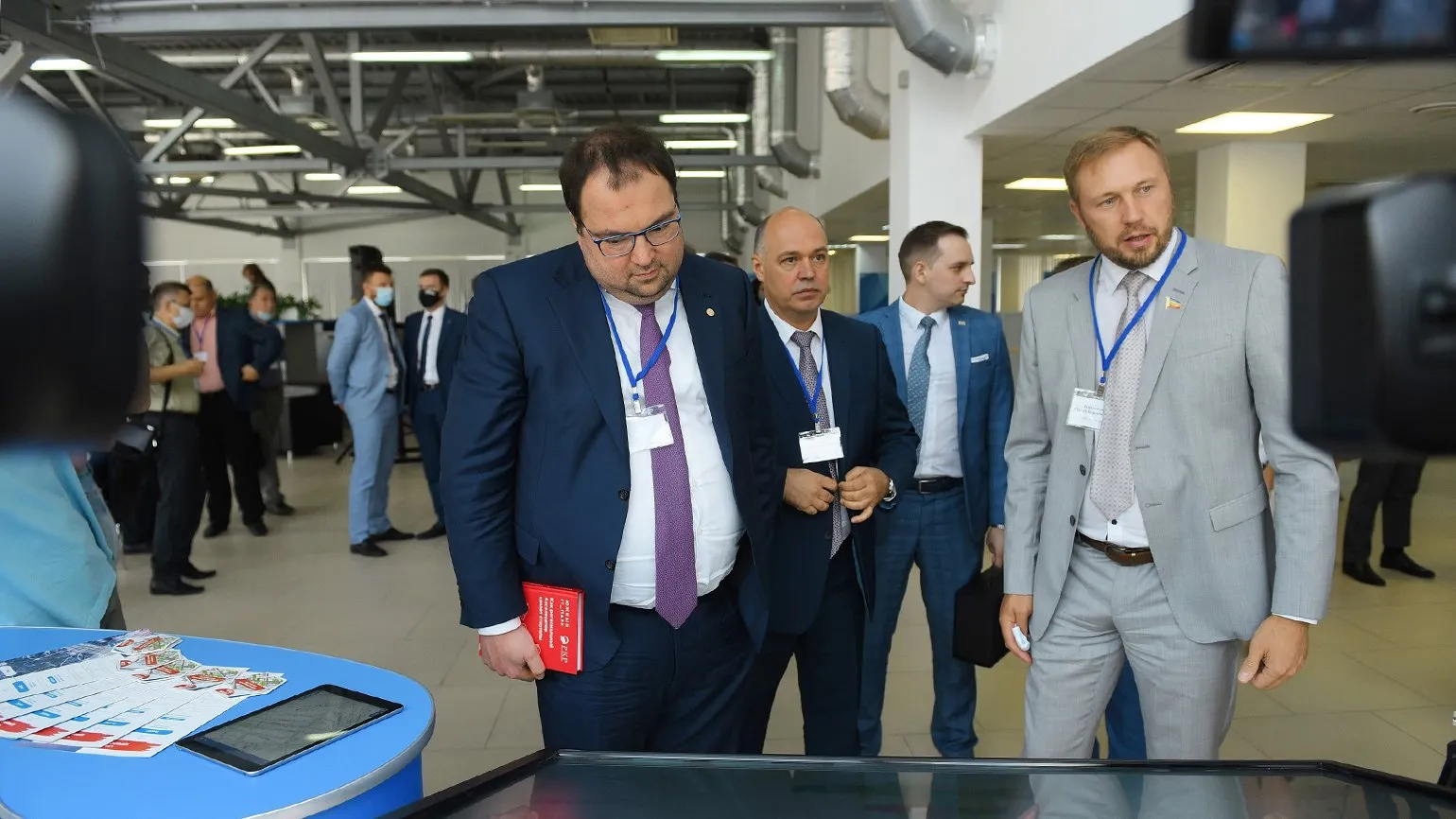
In our country, the Ministry of Digital Development is responsible for software Software, while the Ministry of Industry and Trade is responsible for hardware. Each of these agencies has its own key performance indicator (KPI) systems. This creates difficulties in agreeing on terminology, which complicates the integration of products from different organizations. Negotiations are underway at the Deputy Prime Minister level to resolve this issue.
Under the auspices of the Ministry of Industry and Trade, four processor architectures are currently being actively developed simultaneously. At the same time, the Ministry of Digital Development, Communications and Mass Media oversees the creation of numerous operating systems. The question arises: "Why is this necessary?" The answer is the word "competition." But what kind of competition can there be in such a situation? What should application software developers do? They are unable to simultaneously develop software for all architectures, as this requires significant financial and time investments. The state needs to clearly define a strategic development direction to ensure effective cooperation between developers and equipment manufacturers.
There is a problem in information technology management. This industry cannot be considered in isolation from the interaction between software and hardware. Information technology is a holistic ecosystem in which software and hardware components work together to achieve effective results. Therefore, it is important to consider their integration as a key aspect for the successful functioning of the industry as a whole.
Competition does not always bring positive results. In some cases, it can lead to negative consequences, such as a decrease in the quality of services or products, as well as price wars that are unprofitable for both parties. Instead of focusing on rivalry, companies can benefit from cooperation and partnerships. This allows not only to improve product quality but also to expand the market, which ultimately benefits consumers. Therefore, it is important to consider competition as one of the factors influencing business, but not the only path to success.
This is a useful technology, but its development requires a different approach. In the history of processor development, the American companies Intel and AMD are a shining example. They created two main processors that operate on the same architecture. This ensured compatibility and a wide range of solutions for users, which significantly influenced the development of the computer industry. Combining the efforts of various manufacturers on a single architecture opens up new opportunities for optimizing performance and expanding functionality.
Was the decision made at the government level?
AMD representatives were invited, given processor codes, and asked: "When will you release a new processor?" As a result, a year later, the company introduced a similar processor to Intel. Two products with the same architecture appeared on the market. This means that applications developed for Intel also function correctly on AMD processors. Thus, we are witnessing well-organized competition that promotes technological advancement and expands user choice.
Our company announces development on ARM, MIPS, and e2k architectures, and also plans to implement RISC-V in the future, in three years. This demonstrates our commitment to modern technologies and the diversity of hardware platforms. We strive to remain at the cutting edge of technology and offer our clients the most advanced solutions.
We assumed that the system would develop a strategy, and everything would be implemented according to plan.
Recent government documents contain important statements about the development of the IT industry. It is necessary to analyze their content in detail to understand the goals for which we work. Understanding these principles will help us better navigate our professional activities and contribute to the growth and development of the information technology sector.
At a roundtable organized by Rostec, the topic of Russia's technological independence was discussed. During the discussion, some experts expressed the opinion that constant references to Elbrus processors are inappropriate. They noted that in the event of political or economic pressure, Elbrus production could be discontinued, leaving the country without domestic processors. At the same time, companies like Intel will continue to produce their chips, and they will always be available for purchase. This underscores the importance of developing and supporting domestic technologies to ensure independence in high technology.
The situation with processor supplies requires serious attention. Currently, for example, it is possible to import processors through friendly countries. However, in the future, this opportunity may be closed, and without domestic production, we will be left without the necessary components. Faced with such restrictions, producing six million devices will be an extremely difficult task. It is necessary to develop domestic production to ensure stability and independence in the technological sector.
It is recommended that officials take note: if your primary goal is to secure imports at any cost, perhaps you should leave your position and pursue a career in logistics or business. Your position should be replaced by someone truly committed to achieving technological independence. It is important not only to pronounce these words, but also to actively work on their implementation in order to ensure sustainable development and self-sufficiency.
There is an opinion, That the era of the merchant is coming to an end, and a new reality is emerging on the horizon. This transition may mean a shift in business approaches based on more sustainable and ethical practices. New technologies and an awareness of the importance of social responsibility are creating a demand for innovative models that surpass traditional commercial strategies. It is essential to adapt to these changes to remain competitive in a changing market.
I don't feel that the era of the merchant is over. Otherwise, Mikhail Vladimirovich Mishustin would have already addressed the IT community with a statement that the market is shrinking and we are moving to a new course.
Will he say this if he truly believes it?
I'm not sure he holds this opinion. He understands the reality of the situation and understands that only entrepreneurs can ensure technological independence. For them, the country's economic stability is a key factor on which the success of their business depends. This creates a vested interest in economic stability and development.
Study additional materials:
- Where Autopilot Was Made, Go There. What Are the Prospects for the "Russian Tesla" and What Will Happen Next?
- How Iran Is Developing Nanotechnology Despite Sanctions. Lessons in Survival in Isolation
- An American Engineer of Ukrainian Origin on Russian Processors and Technologies
- "A Colossal Miscalculation." Why the Bankruptcy of T-Platforms Will Be a Blow to Russia's Development
- Will China Help Russia? Getting used to the yuan and exchanging Western goods for Chinese ones
How to start a business: from idea to implementation
You will learn how to do business in Russia in 2025. Learn how to choose in-demand niches, create a financial model and predict risks. While training, launch a business and start earning money.
Learn more