Contents:

4 Professions in Internet Marketing: Free Mini-Course
Find out moreNew Benefits for IT Companies: Who Will Receive Support
The Russian government has long supported the IT sector, even before the economic downturn crisis. Previously, tax incentives were available only to a limited number of organizations. They primarily affected software developers, system integrators, electronics manufacturers, and companies involved in the configuration, installation, and technical support of IT products. This support is aimed at stimulating innovation and developing the country's technological infrastructure, which, in turn, contributes to the increased competitiveness of Russian IT companies on the international stage.
Recent changes to tax legislation have expanded the list of companies eligible for tax incentives. Now, incentives will also be available to organizations generating revenue from online advertising. Russian Prime Minister Mikhail Mishustin announced his intention to extend current tax incentives to mobile app developers, as well as to companies implementing and supporting domestic IT solutions. These measures are aimed at supporting the digital economy and stimulating innovation in the country.
Mikhail Stetsenko, associate partner at the law firm Legit, noted that plans to expand the list of companies eligible for benefits were developed before the crisis. These initiatives are part of the third IT industry support package, aimed at stimulating the development of technology and innovation in the country. Support for IT companies is important for strengthening competitiveness and increasing the sector's investment attractiveness.
IT Industry Support in Russia: What's New?
The Russian authorities are implementing initiatives to support IT businesses, providing various benefits and preferences to stimulate the growth and development of the industry. These measures are aimed at creating a favorable environment for innovative technologies and startups, thereby strengthening Russia's position in the global IT arena.
- exempt IT companies from income tax and audits by regulatory authorities for up to three years;
- ensure access to loans with an interest rate not exceeding 3% per annum.
Alexey Sukhorukov, founder of an international recruiting agency, notes that the support measures being taken are of an unprecedented scale. However, under constant sanctions pressure, their effectiveness can be significantly reduced.
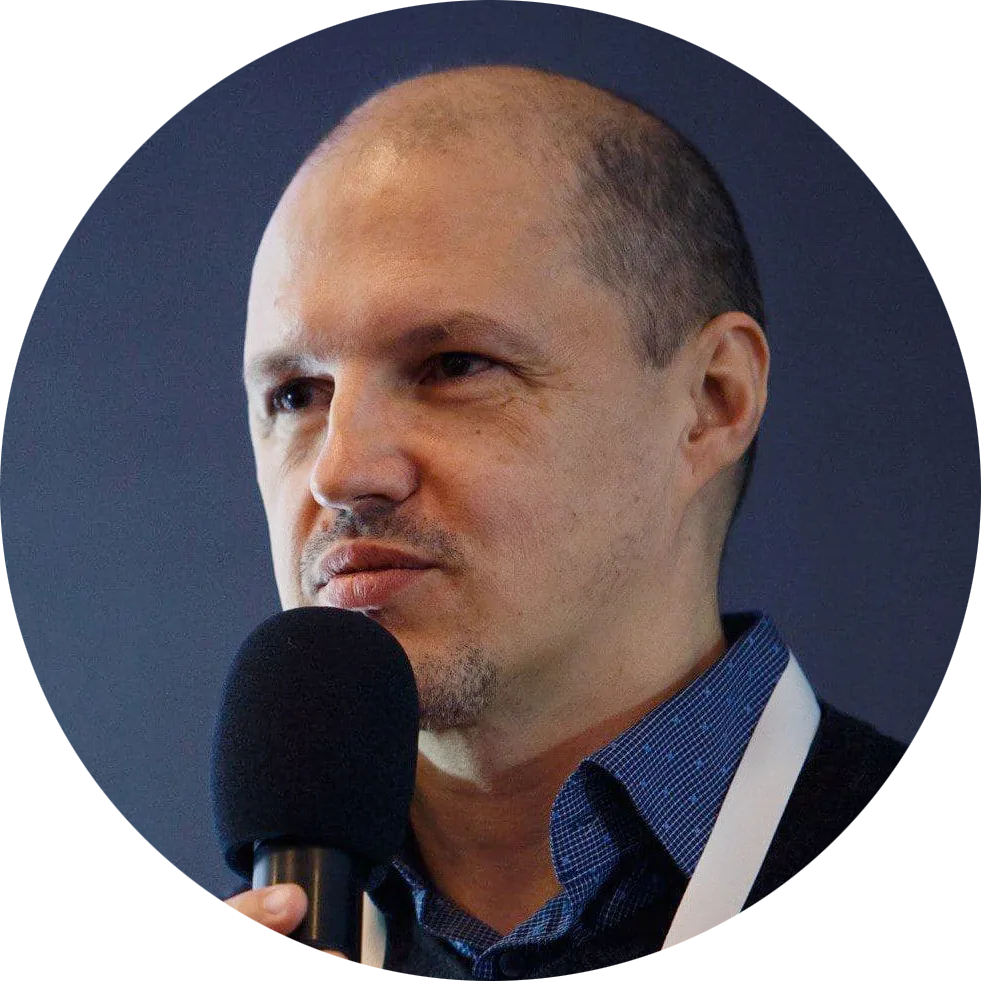
Alexey Sukhorukov is the founder and owner of a recruiting agency and an IT academy. His experience and knowledge in recruiting and training in the field of information technology contribute to the successful development of both organizations. Alexey Sukhorukov's recruiting agency specializes in finding and selecting qualified specialists, and the IT academy offers modern educational programs that meet market needs.
Border closures and limited opportunities for IT specialists are negatively impacting the sector's development. If these restrictions were lifted, government support could create a unique ecosystem similar to Silicon Valley. This would not only accelerate technological development but also improve the quality of life for specialists. Under current sanctions, government measures are aimed at retaining personnel within the country, which hinders stable and sustainable growth in the IT industry.
State benefits will primarily benefit large corporations, raising concerns about supporting small and medium-sized businesses. This creates the risk of deepening economic inequality, as smaller businesses may find themselves at a disadvantage. It is important to emphasize the need for a balanced policy that provides support to all sectors of the economy, including small and medium-sized businesses.
IT company employees can count on many significant benefits. These companies offer competitive salaries, making them attractive to IT specialists. Furthermore, employees often have flexible schedules, which promotes a better work-life balance.
Many IT companies invest in the training and development of their employees, providing access to courses and training. This allows specialists to stay on the cutting edge of technology and develop their skills.
It's also worth noting that IT companies often offer comfortable working conditions, including modern offices and remote work options. Benefit packages, including health insurance and additional benefits, make working in this field even more attractive.
Thus, working for an IT company opens up broad horizons for professional growth and personal development for specialists.
- financing salary increases and providing preferential mortgages for employees;
- deferment of military conscription for employees up to 27 years of age for the period of work;
- simplification of obtaining work permits and residence permits for foreign specialists.
Young developers are concerned about conscription, which leads them to consider the possibility of emigration. According to an industry representative, the proposed measures can help solve a number of problems, but the details of their implementation remain unclear. This situation creates uncertainty and anxiety among specialists, which may negatively affect the development of the IT sector in the country.
Experts express doubts about the attractiveness of Russia for foreign IT specialists. Mikhail Stetsenko, associate partner of Legit, points out that only specialists from neighboring countries are likely to show interest in working in Russia. This is due to various factors, including the economic and political situation, as well as living and working conditions in the country.
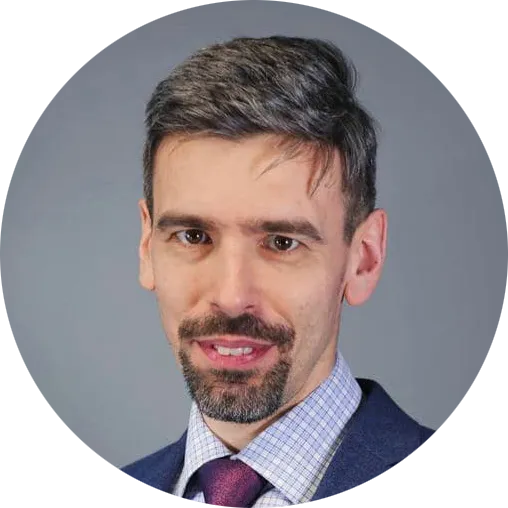
Associated partner of Legit.
Under optimal conditions, these measures could be of significant help. However, in today's realities, simply providing benefits is not enough to retain specialists in the country. A comprehensive approach must be developed that includes improving working conditions, creating opportunities for professional growth, and developing infrastructure.
The authorities are actively developing import substitution programs, which include supporting domestic producers and stimulating local production. These measures are aimed at reducing dependence on foreign supplies and increasing the competitiveness of the national economy. The development of import substitution programs contributes to the creation of new jobs and the development of innovative technologies in the country. The government is also investing in research and development, which helps improve product quality and expand the range of goods available on the domestic market.
- Expanding grants for the creation of domestic IT products;
- Accelerating import substitution processes at critical infrastructure facilities through tax incentives.
Mikhail Stetsenko notes that successful import substitution in today's environment is a serious challenge. In particular, with the introduction of sanctions, Taiwan may stop supplying vital components, including Baikal and Elbrus processors. This creates significant risks for domestic electronics and other high-tech industries, which makes it necessary to develop a strategy to diversify supplies and search for alternative sources of components.
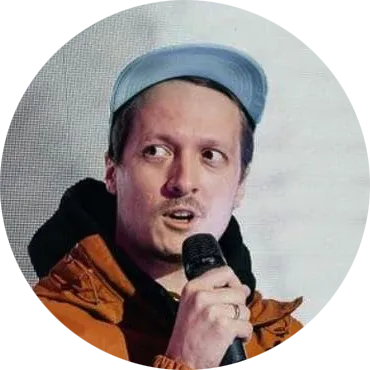
Technical Director and founder of the Beta agency, specializing in the development and implementation of innovative technologies. With extensive experience in IT, I manage a team of professionals, ensuring high-quality services and compliance with modern market requirements. My goal is to create effective solutions that facilitate the development of our clients' businesses and enhance their competitiveness.
Our developers are highly qualified, but the successful implementation of modern technologies in Russia requires the development of appropriate production. Import substitution of software is an important task that should have been addressed much earlier. The creation of domestic production will not only increase competitiveness in the market but also ensure independence from foreign supplies.
Ministry of Digital Development Initiatives: What was discussed?
Recent discussions among legislators considered the issue of funding the development of a domestic analogue of the popular GitHub repository. Despite active discussions, this initiative was not reflected in the final version of the document. The creation of such a resource could facilitate the development of domestic software and strengthen the country's position in the technology sector.
Mikhail Stetsenko, an IT expert, believes that Russia truly needs its own platform. However, the implementation of this project may become unjustified if new sanctions are imposed on open source software. In this case, developers may be forced to stop supporting their products in the country, and the creation of a national repository will not solve the problem.
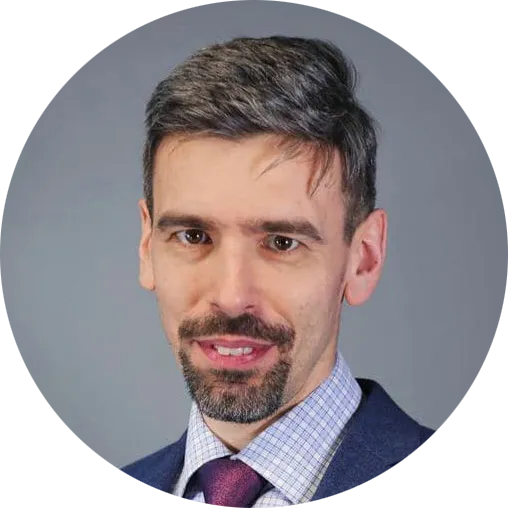
An Associate Partner at Legit plays a key role in business development. This status implies active cooperation and participation in strategic initiatives aimed at achieving common goals. Associate partners gain access to a variety of resources and support, which facilitates the successful implementation of projects and the expansion of their client base. By becoming a Legit Associate Partner, you unlock new opportunities for growth and development, while also strengthening your reputation in the industry.
If strict sanctions are imposed, Russia may be forced to stop recognizing the intellectual property rights of residents of unfriendly countries. If we are banned from exporting natural resources, enterprises are nationalized, and the economy switches to a war footing, this will have serious consequences. We will be forced to adapt by copying available technologies and isolating ourselves from the outside world. As a result, the country may be left without access to YouTube, iPhones, Western films, music, and software, forcing us to use only pirated versions and alternative solutions. This will create serious challenges for the development of technology and innovation in the country.
How new measures can save Russian IT businesses from international sanctions
The Russian IT market is experiencing significant difficulties due to limited capacity and dependence on Western clients. The loss of these clients makes even the proposed grants and tax breaks ineffective, as emphasized by an anonymous IT entrepreneur from Skillbox Media. In the context of the emergence of new market realities, it is necessary to seek alternative strategies to stimulate growth and development of the industry, as well as actively implement innovations and expand cooperation with local and international partners.
Alexey Panev, CEO of Navigine, notes that expanding tax incentives for micro-companies could significantly improve the sector's competitiveness. Currently, obtaining IT company status requires at least seven employees, which creates barriers for startups and limits their access to significant benefits. Simplifying these requirements could facilitate the development of innovative projects and attract new investment to the industry.
Mikhail Stetsenko, a technology expert, assesses the current situation as critical. He believes that regulators are making every effort to address the problem, but their actions are limited under unprecedented sanctions. Stetsenko suggests considering several possible scenarios, emphasizing the need to adapt to new conditions and find alternative solutions to maintain stability in the industry.
- A miraculous circumvention of sanctions. Russia may be able to find support from China, despite the risk of secondary sanctions from the US and EU. However, Stetsenko considers this scenario unlikely, as it implies a serious confrontation with the West.
- Tacit support from China. Russia could use shady schemes to circumvent sanctions, but this option is also ineffective, as it is associated with high risks and costs.
- Complete absence of sanctions circumvention. In this case, the country risks losing access to modern technologies, returning to the levels of the 1990s.
- Refusal to recognize intellectual property rights. Under restrictions, Russia could begin to copy Western developments, using its own capabilities.
Alexey Sukhorukov notes that incentives for the Russian IT industry have been needed for a long time. He emphasizes that if such measures had been implemented ten years ago, Russia would have its own operating systems and other important technological developments today. Supporting the domestic IT sector not only contributes to its development, but also strengthens the country's digital sovereignty.
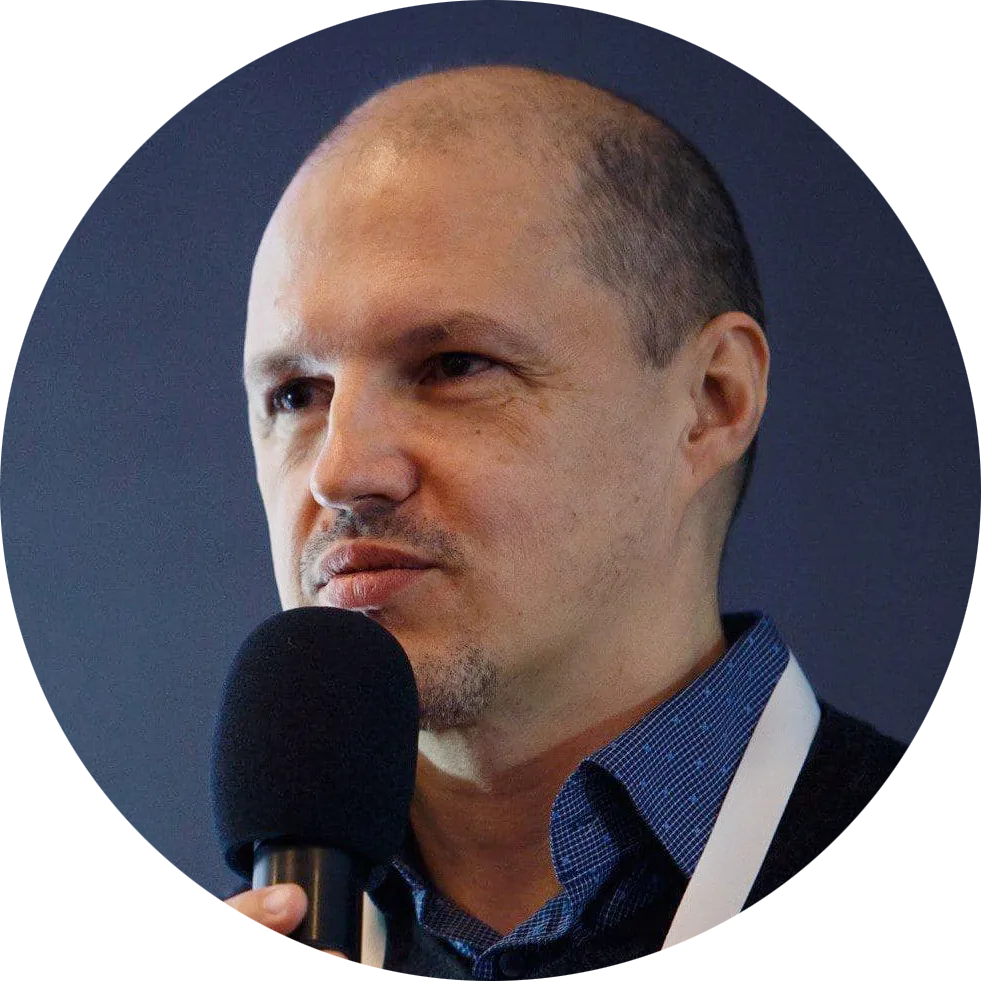
Alexey Sukhorukov is the founder of the Recruitment Agency and IT Academy, as well as the co-founder of the international recruitment agency Alex Staff Agency. His experience and knowledge in recruitment and educational technology help many companies find qualified specialists. Alexey actively develops the talent market, implementing innovative approaches and strategies in recruitment.
He emphasizes that although these measures were adopted belatedly, it is important that they were implemented. These initiatives can play a key role in stimulating the growth of the Russian IT sector.
Read also:
- How to wait out the crisis: where to go from Russia?
- Tips for business: how to survive under sanctions?
- Alternatives: where to find replacements for popular foreign services and goods?
- New plan to support the IT industry: what is useful in it and what raises doubts?
Starting a Business in 2025: 5 Steps to Success
Want to start a business in Russia? Learn 5 key steps for a successful start! Read the article.
Find out more