Contents:
- Federal loan bonds: what you need to know
- Federal loan bonds: how they work, what are coupons and par value
- Types of federal loan bonds: understanding the details
- Conclusion: how to choose suitable OFZ for investment?
- What is the yield on federal loan bonds in 2023?
- Taxes for holders of federal loan bonds: what you need to know
- The main risks of investing in federal loan bonds (OFZ)
- How individuals can effectively invest in OFZ
- Federal loan bonds: what investors need to know
- How to deepen your knowledge of investments

4 Professions in Internet Marketing: A Free Mini-Course
Learn MoreFederal Loan Bonds: What You Need to Know
Federal Loan Bonds (OFZ) are debt securities issued The Government of the Russian Federation. Investing in OFZs implies providing a loan to the state, which will be repaid with accrued interest. This mechanism makes federal loan bonds an attractive financial instrument for investors seeking reliable investments. OFZs provide a stable income and can become an important part of an investment portfolio, especially in conditions of economic instability.
The issue of federal loan bonds (OFZs) is regulated by the Ministry of Finance of the Russian Federation. These bonds serve as a tool for covering the federal budget deficit. All debt obligations associated with OFZs are secured by government assets, allowing investors to be confident in the return of their investments, even in times of financial difficulties. OFZs are a reliable investment method offering a stable income and minimal risks, making them attractive to both individual and institutional investors.
Investors have the opportunity to analyze the potential returns from investing in federal loan bonds (OFZs) in advance. All terms, such as the loan term, loan amount, and interest rate, are clearly outlined in the official documentation. This transparency helps minimize the risks and uncertainties often found in other investment vehicles. Investing in OFZs is a reliable way to receive a fixed income with predictable results.
Federal loan bonds: how they work, what are coupons and par value
Federal loan bonds (OFZ) are a reliable investment instrument that provides a stable income. When the Russian Ministry of Finance requires financing, it launches the issue of new OFZs, which are assigned unique identification numbers. These issues occur several times a year, and large investors are the first to purchase them through auctions. Information about upcoming auctions and the terms of purchasing OFZs is available on the official website of the Ministry of Finance. Investing in OFZs allows you to not only receive a fixed income but also diversify your portfolio risks.
After the auctions, some of the bonds are listed on stock exchanges, where they are available for purchase by anyone. On these markets, the price of bonds can change depending on market demand and a variety of factors, including fluctuations in the key interest rate of the Central Bank of Russia. Such changes can affect the investment attractiveness of bonds and, consequently, their price. Investors should consider these factors when deciding whether to buy or sell bonds on the stock markets.
When purchasing federal loan bonds (OFZ), an investor becomes the owner of this security. They begin receiving regular coupon payments and, upon maturity, receive the bond's par value. Investing in OFZs is a reliable way to preserve and grow capital, providing a stable income.
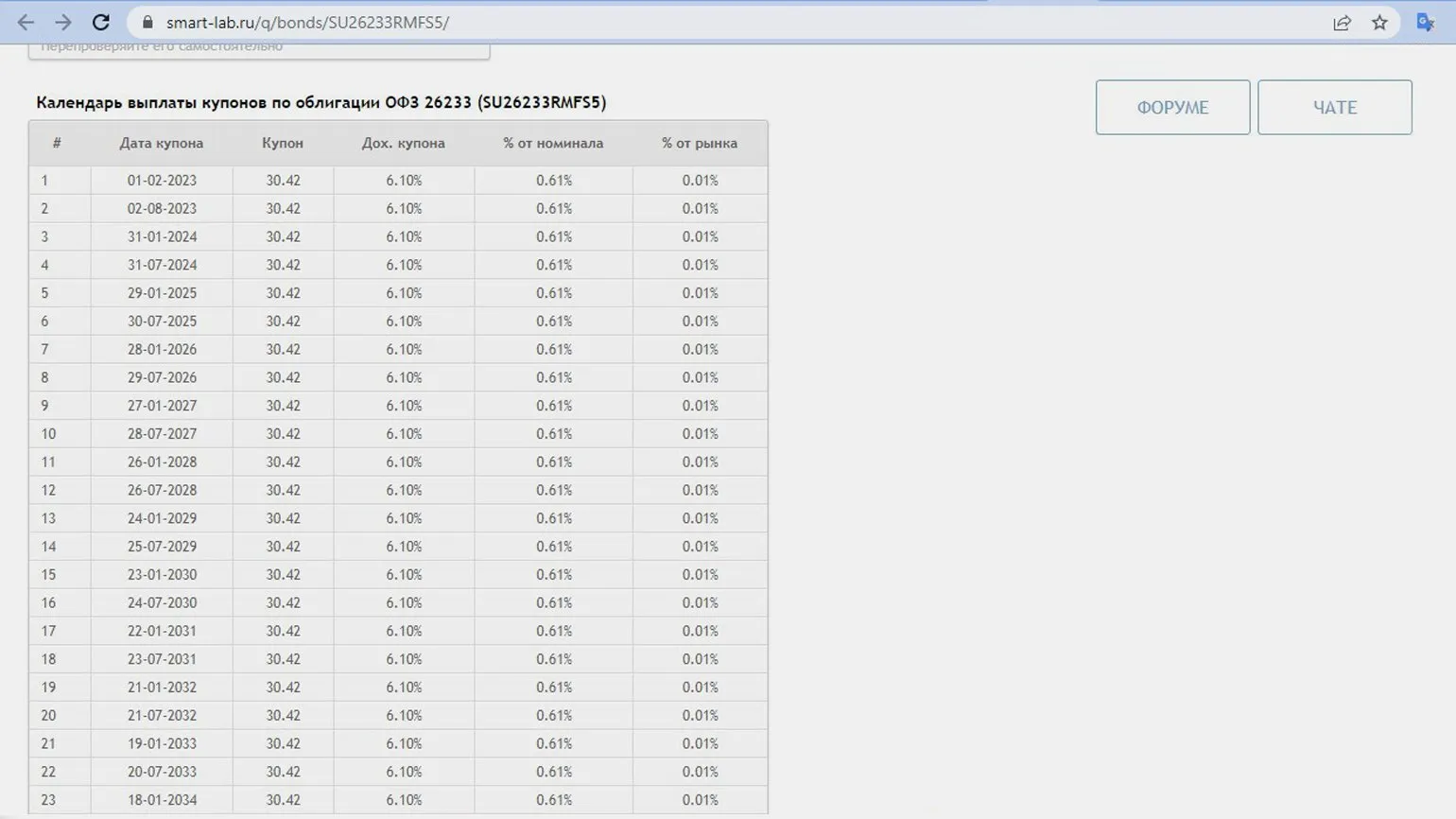
Coupons are regular cash payments that investors receive several times a year as compensation for using borrowed funds. These payments represent a percentage of the bond's par value and play a key role in the return on bond investments. The coupon amount is determined in advance and fixed at the time of the bond's issue, allowing investors to plan their income.
If you bought a bond with a par value of 1,000 rubles with an 8% coupon, this means you will receive 80 rubles in coupon payments annually. With quarterly payments, each coupon amount will be 20 rubles. With semi-annual payments, each amount will be equal to 40 rubles. Bonds are a reliable way to earn a stable income, and understanding the coupon payment structure will help you better plan your financial strategies.
The par value of a bond is the amount that the government undertakes to pay at the end of the federal loan bond (OFZ) term upon their redemption. As a result, the last owner of this security receives the specified amount. Understanding the par value of a bond is important for investors, as it determines the amount of investment return at maturity.
Let's assume you purchased a bond in January 2023 with a maturity date of January 2025. Over the two years of owning the federal loan bond (OFZ), you will receive 160 rubles in coupon income. Upon redemption in January 2025, you will be returned the par value of the bond, which is 1,000 rubles. Thus, the total amount you will receive at maturity will be 1,160 rubles. Investing in OFZs can be a reliable way to generate stable income and preserve capital.
Bonds are securities that can be freely bought and sold until their maturity. However, it is worth remembering that you will only receive coupon income for the period during which you owned the bond. This is an important aspect to consider when investing in bonds, as the yield may depend on the period of ownership.
Types of federal loan bonds: understanding the details
Federal loan bonds (OFZs) are a key instrument for investors, providing a variety of terms and types of income. There are five main types of OFZs, each with its own unique characteristics: OFZ-PD, OFZ-PK, OFZ-IN, OFZ-AD, and OFZ-n. Let's take a closer look to understand the advantages they offer investors. OFZ-PD, for example, provide a stable income and have a fixed coupon rate. OFZ-PK offer coupon payments linked to inflation, making them attractive in a rising price environment. OFZ-IN provide protection against inflation through indexation of the principal and coupon payments. OFZ-AD are designed for long-term investments and provide increased returns, while OFZ-N are characterized by minimal risk and are suitable for conservative investors. Choosing the appropriate type of OFZ depends on the investment goals and the level of risk the investor is willing to accept.
OFZ-PD (fixed income bonds) are the optimal option for investors who value income predictability. The coupon rate of these bonds is fixed in advance and remains unchanged throughout their entire term. This quality makes OFZ-PD one of the most sought-after instruments on the Moscow Exchange. Investors choose them for stable income and protection from market fluctuations, making them attractive for building a balanced investment portfolio.
Variable coupon bonds (OFZ-PK) offer investors a more flexible way to earn income. The coupon rate of these bonds is tied to the RUONIA indicator, which is the weighted average rate on short-term loans among leading Russian banks. This rate is typically close to the key rate of the Central Bank of Russia. In certain cases, a premium, ranging from 0.4% to 1.6%, may be added to RUONIA. Bonds with variable coupon rates are becoming an attractive instrument for those seeking the ability to adapt their investments to changes in the economic situation and interest rates. OFZ-IN (indexed bonds) offer a fixed coupon that depends on the indexed denomination. Currently, the coupon rate is 3%, but the denomination is adjusted in accordance with the consumer price index, which changes the payment amount. It is important to note that indexation occurs with a three-month delay, which must be taken into account when planning investment strategies. Investing in OFZ-IN can be an attractive option for protecting capital from inflation and receiving a stable income. OFZ-AD (debt amortizing bonds) are an attractive instrument for investors, as the state repays the denomination in installments. This means, for example, that 20% of the denomination can be repaid annually, ensuring a stable income throughout the bond's term. The coupon income on OFZ-AD is fixed and similar to the yield on OFZ-PD, making this instrument even more attractive to investors seeking regular payments. Investing in OFZ-AD can be a smart decision for those seeking reliable investments with predictable income.
Federal loan bonds for the population (OFZ-n) are intended exclusively for individuals, making them accessible to a wide audience. The letter "n" in the name emphasizes this accessibility. The coupon income on OFZ-n is known in advance and is progressive: the interest rate increases as the maturity date approaches. For example, in the first year, the rate may be 4.1%, and in the third year, it rises to 5.7%. OFZ-n are an attractive instrument for investors seeking stable income and reliability.
OFZ-n are a unique type of bond that is not available for purchase on the stock exchange. These bonds can only be purchased through authorized banks, such as Sberbank, VTB, Pochta Bank, and Promsvyazbank. Purchasing OFZ-n through these financial institutions provides investors with access to stable government securities offering a reliable income.
Conclusion: How to Choose the Right OFZ for Investment?
The choice of the type of federal loan bond should be based on your investment goals and acceptable risk level. If your goal is to earn a stable income, OFZ-PD bonds may be the ideal solution. If you are willing to accept yield fluctuations, consider OFZ-PK or OFZ-IN bonds. It is important to carefully analyze your financial capabilities and preferences in order to make the right choice.
What is the yield on federal loan bonds in 2023?
The yield on federal loan bonds (OFZ) is determined not only by the coupon income, but also by the market value of these securities. Changes in the market price can significantly affect the overall return on investing in OFZ. Investors should consider both fixed payments and possible price fluctuations in the market to properly assess the prospects of their investments.
Currently, the average coupon size for federal loan bonds (OFZ) of various types, including OFZ-PD, OFZ-IN, OFZ-AD, and OFZ-n, ranges from 6% to 10% per annum. OFZ-PK bonds can offer a yield of up to 14%, which depends on the key rate of the Central Bank of Russia. Investors should consider these parameters when choosing bonds for their portfolio, as yields will vary depending on the economic situation and changes in monetary policy.
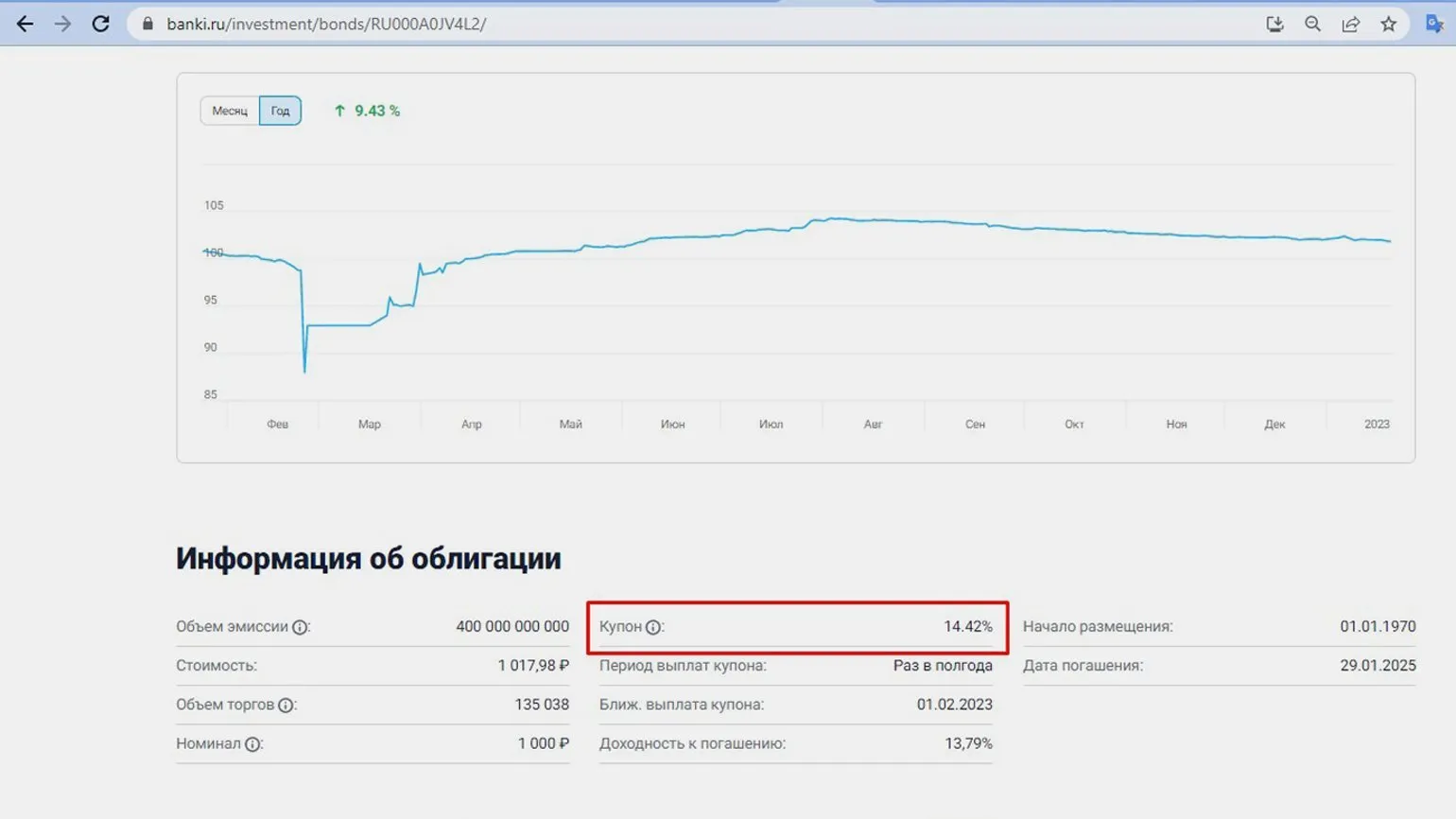
The maturity of bonds significantly affects the coupon amount. The longer the maturity, the higher the potential yield. For example, bonds with a three-year maturity may offer a coupon rate of 5.3%, while long-term securities with a 15-year maturity can provide a yield of up to 8.45% per annum. Investors should consider this aspect when choosing bonds to optimize their portfolio.
The bond market is characterized by less volatility compared to stocks, making it a more stable option for investors. However, bond prices can fluctuate between 1% and 10% of their par value. In exceptional cases, the market price of bonds can deviate by 20% or even 30% from the par value. These fluctuations can be caused by various factors, such as changes in the economic situation, interest rates, and the credit risks of issuers. Bonds are an attractive tool for diversifying an investment portfolio, providing a stable income and lower risk compared to shares.
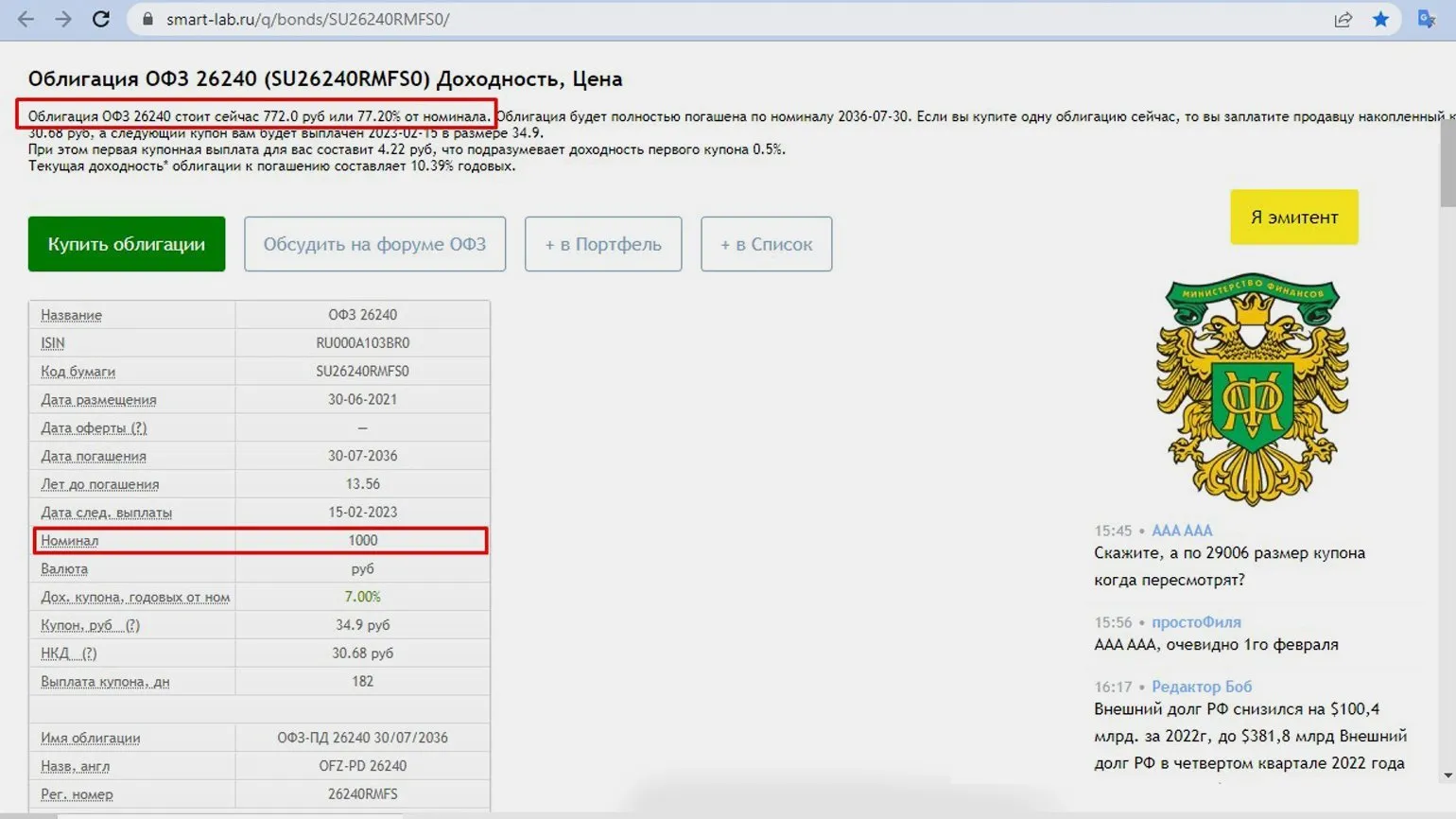
By purchasing federal loan bonds (OFZ) at a price below par, an investor has the opportunity to significantly increase their real yield. When the market price of bonds exceeds their par value, the investor's yield decreases accordingly. This emphasizes the importance of analyzing the market price of OFZs to achieve maximum investment benefits. Investors should consider these factors to effectively manage their assets and make informed decisions for capital growth.
Investing in bonds linked to inflation or the Central Bank's key rate becomes especially profitable when their market price is below par. These financial instruments are a reliable means of preserving capital in the face of inflation risks. Inflation-linked bonds protect investors from loss of purchasing power, providing a stable income. It's important to analyze current market conditions and invest when bond prices are lower than their actual value, which opens up opportunities for additional profit.
The yield on government bonds (OFZs) is generally comparable to the yield on bank deposits and may even slightly exceed it. Experts emphasize that OFZs are a reliable financial instrument for preserving capital and protecting against inflation risks. Investing in these bonds not only provides a stable income but also ensures asset security in an unstable economy. Therefore, OFZs can be a good choice for those seeking reliable investment options.
Taxes for Federal Loan Bond Holders: What You Need to Know
Federal loan bonds (OFZ) are an attractive instrument for investors, providing a stable income. However, it is necessary to consider the tax liabilities associated with the income received. All income from investments in OFZs is subject to taxation. Generally, bond income can be divided into two main types: coupon payments and income from bond sales. Investors should be aware of tax rates and regulations to properly plan their financial flows and minimize tax risks. A proper understanding of tax aspects will allow you to maximize the benefits of investing in OFZs and optimize your investment strategy.
- Coupon income is regular interest payments from the state;
- Sales income is the difference between the purchase and sale prices of the bond.
Profit from the sale of bonds includes income received upon their redemption. For example, if an investor purchased a bond for 900 rubles and received 1,000 rubles upon redemption, their income will be 100 rubles. Tax must be paid on this amount. Please note that proper registration and accounting of such transactions is important for tax compliance.
Tax withholdings are usually processed automatically, eliminating the need for investors to take additional steps. This simplifies the investment management process and ensures compliance with tax obligations without the need to manually track and complete all procedures. Automation of tax withholdings ensures accuracy and timeliness, which is especially important for maintaining the financial health of the investor.
Since 2022, a progressive personal income tax (PIT) scale has been in effect in Russia. This system provides for different tax rates depending on the income level. Progressive PIT is aimed at a fair distribution of the tax burden and support for citizens with low incomes. Tax rates vary depending on the amount of annual income, which allows for the financial capabilities of taxpayers to be taken into account. The use of a progressive PIT scale contributes to an increase in tax revenues and social justice in the country.
- 13% — for income up to 5 million rubles per year;
- 15% — for income over 5 million rubles.
If the investor's income exceeds 5 million rubles, a tax rate of 15% is applied to the amount in excess of this limit. For example, if an investor's income is 7 million rubles, the first 5 million will be subject to a 13% rate, and the remaining 2 million rubles will be subject to a 15% rate. Therefore, it is important to consider tax rates when planning investments and calculating total income. A proper understanding of tax liabilities will optimize financial results and avoid unpleasant consequences.
In 2023, the tax calculation will be performed taking into account different income categories separately. This means that the 5 million ruble limit applies exclusively to investment income. In 2024, new rules are expected to be introduced that will allow for the consideration of all types of income together, without separating them into categories. This change may significantly impact the tax burden and financial planning for individuals and legal entities.
A reduction in the tax burden is possible by purchasing federal loan bonds (OFZ) through an individual investment account (IIS). The Individual Investment Account (IIA) offers two tax deduction options: a refund of up to 60,000 rubles annually or a complete exemption from personal income tax (PIT), provided the account is opened and used for at least three years. Investing in OFZs through an IIA not only optimizes taxes but also provides a stable income from government securities.
Main Risks of Investing in Federal Loan Bonds (OFZs)
Federal loan bonds (OFZs) are one of the most reliable investment instruments on the Russian financial market. Despite their low risk, it is important for investors to be aware of the potential risks that may impact their investment returns. OFZs provide a stable income and can be attractive to those seeking reliable ways to preserve and grow their capital. However, before investing, it is recommended to carefully study the features of this financial instrument and assess all possible risks.
Default is a situation when a borrower is unable to meet their debt obligations. In Russian history, a default on government bonds occurred in 1998, which caused significant economic consequences. However, the credit risk for federal loan bonds (OFZs) remains very low, as the Russian Ministry of Finance is considered the most reliable borrower in the country. Investors continue to trust OFZs due to the state's stable financial policy and its ability to meet debt obligations, making these instruments attractive for long-term investment.
Inflation has a significant impact on the real return of investments. When the inflation rate exceeds the coupon income, investors face negative real returns, which can negatively impact their financial results. However, federal loan bonds with indexed income (OFZ-IN) significantly reduce this risk. Thanks to the indexation mechanism, these bonds provide protection against inflation, allowing investors to preserve their purchasing power and receive a stable income. Thus, investing in OFZ-IN bonds becomes an effective tool in the face of inflation risks.
Changes in the Central Bank of Russia's key interest rate have a significant impact on the price of federal loan bonds (OFZ). A sharp increase in the rate leads to a decrease in the market value of existing bonds, which, in turn, leads to an increase in their yield. This creates certain difficulties for capital reinvestment, as investors may face less attractive market conditions. Understanding the relationship between interest rates and bond yields is important for all financial market participants.
Liquidity is a key aspect in financial markets. Low liquidity may indicate a lack of supply of bonds. This creates difficulties for investors seeking to realize their investments at optimal prices, especially when it comes to less common issues. Investors should consider liquidity when choosing bonds, as it directly impacts the ability to quickly convert assets into cash and the overall effectiveness of their investment strategy.
Increasing taxes on investment income poses a significant risk for all investors. If the government decides to increase the tax rate on income from federal loan bonds (OFZs), this will lead to a decrease in the real profitability of these financial instruments. Investors should consider this factor when planning their investments, as changes in tax policy can significantly impact their overall financial results and investment strategy.
How individuals can effectively invest in OFZs
Investing in federal loan bonds (OFZs) is becoming increasingly popular among private investors in Russia. Individuals can purchase OFZs in two main ways: through banks and brokers.
OFZs are a reliable investment instrument, providing a stable income and a low level of risk. In the face of financial market instability, federal loan bonds are becoming an attractive alternative for preserving and increasing capital.
The choice between banks and brokers depends on the individual preferences and goals of the investor. Banks offer convenience and simplicity, while brokers can provide greater access to financial markets and investment instruments.
When investing in OFZs, it is important to consider factors such as yield, bond maturity, and the issuer's credit rating. The right approach to investing in OFZs can help build a reliable portfolio and ensure financial stability.
To begin investing through a bank, you must contact an authorized institution and open a brokerage account. This account is designed for trading securities on the stock market and can be opened either through a mobile application or on the bank's website. It is also possible to open an account at a bank office. Investing through a brokerage account allows you to access various investment instruments and manage your portfolio more effectively.
After opening a brokerage account, an investor must fund it and place an order to purchase federal loan bonds (OFZ) via a mobile app or at the broker's office. The minimum transaction amount is 10,000 rubles, which allows for the purchase of 10 bonds. Investing in OFZs is an affordable way to diversify a portfolio and generate a stable income.
A broker is a financial institution that provides access to the stock market. Since stock exchanges do not interact directly with individuals, a broker's services are required to conduct securities transactions. Brokers play a key role in trading stocks, bonds, and other financial instruments, providing the necessary infrastructure and expertise. For more detailed information about brokers and their functions, we recommend visiting the official website of the Central Bank of Russia.
Over 200 brokers operate in Russia, each offering unique conditions and opportunities for traders. After signing a contract with a broker and opening a trading account, investors gain access to mobile applications and personal accounts, which significantly simplifies the process of trading in the financial markets. High-quality service and convenient tools help traders make more informed decisions and effectively manage their investments.
There are two main methods of investing in federal loan bonds (OFZ) on the stock market. The first method is to purchase OFZ through a broker, which allows the investor to access a wide range of bonds and manage their portfolio. The second method is to purchase OFZ through specialized investment funds that provide professional asset management and risk diversification. Both methods have their advantages and disadvantages, and the choice of the appropriate method depends on the investment goals and the level of knowledge of the investor. Investing in OFZ can be an attractive option for those looking for a stable income and low risks.
- purchase individual bonds, for example, one bond of issue OFZ-26233-PD or two - OFZ-52001-IN issue;
- Invest in a mutual investment fund (MIF) that includes OFZs.
A MIF, or mutual investment fund, is an investment company that raises funds from investors and invests them in a wide range of securities. By purchasing a share in a MIF, you become a co-owner not only of one federal loan bond (OFZ) issue, but also of the entire government bond portfolio managed by the fund. This allows you to diversify risks and increase the potential return on your investment. Investing in mutual funds is becoming increasingly popular among private investors, as it provides access to professional asset management and minimizes the need for in-depth analysis of financial instruments.
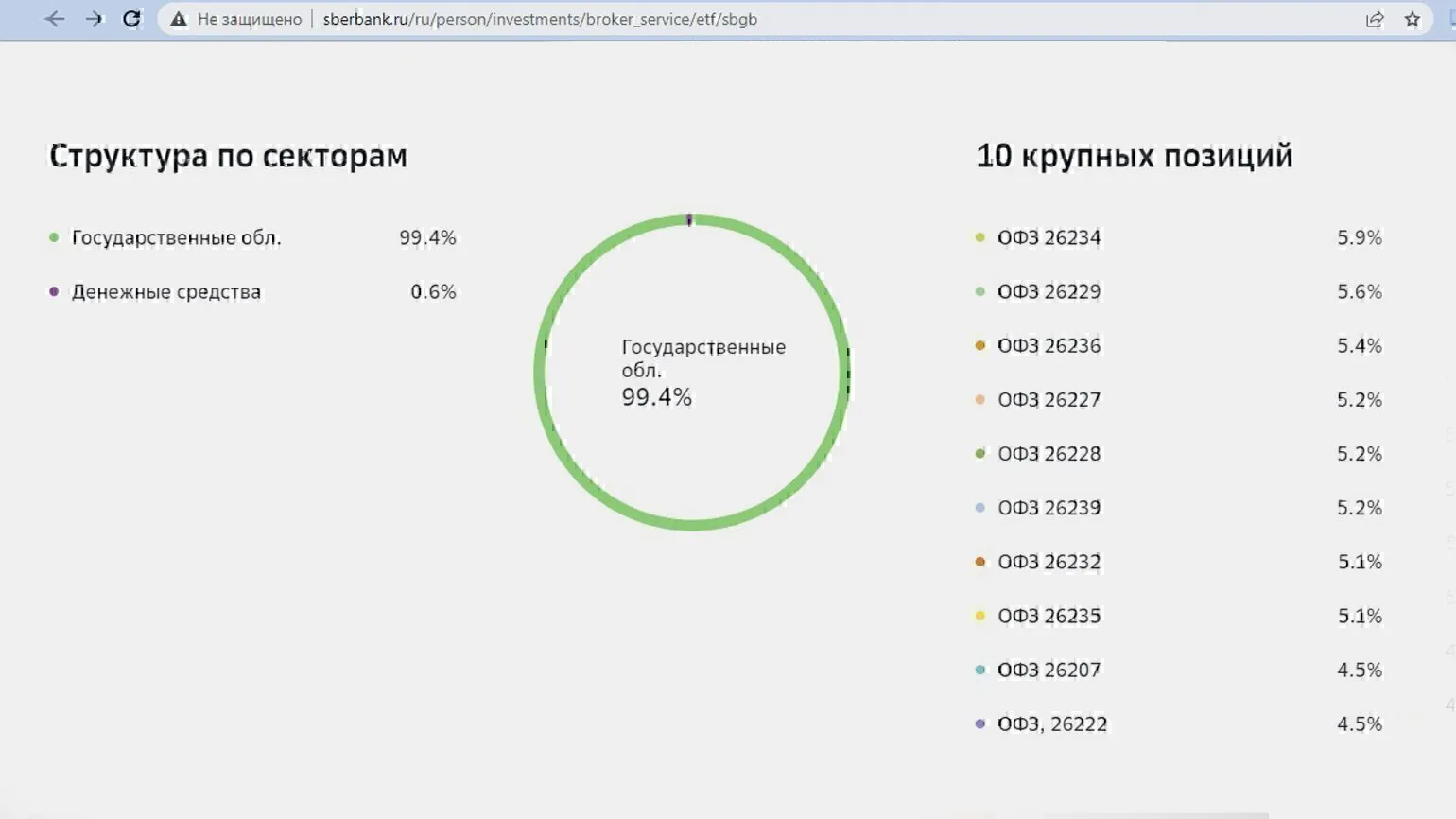
The price of shares of mutual investment funds (UIF) may be less predictable than the yield on federal loan bonds (OFZ). However, over the long term, both investment instruments demonstrate similar results. As of 2023, the average yield on OFZ is about 7-8% per annum. This makes OFZ an attractive choice for conservative investors looking for stable income and minimal risks. Investing in OFZ can be a reliable strategy for those who prefer capital protection and predictability of financial results.
Federal loan bonds: what investors need to know
- Federal loan bonds (OFZ) are debt securities issued by the Russian government to finance its needs. By purchasing OFZs, investors receive regular coupon payments—interest for the use of capital—as well as a return of the bond's par value upon maturity. The yield on OFZs varies depending on the terms: the coupon amount and the bond's market price. On average, the yield on these securities is comparable to the yield on bank deposits. A lower market price with a high coupon can lead to significant returns for the investor. It is important to remember that income from government bonds is taxable. The tax rate is 13% for income up to 5 million rubles, and 15% for amounts exceeding this threshold, which should be taken into account when assessing profits. Despite their reputation as the safest investment instrument, OFZs are not without risks. These include the likelihood of default, inflation risks, changes in interest rates by the Central Bank, low liquidity, and possible tax increases.
How to Deepen Your Investment Knowledge
- Investing in stocks is more than just buying shares of companies. It is an opportunity to profit from the growth of their value and receive dividends. It is important to understand that there are two main approaches: long positions and short positions. For beginning investors, it is important to understand these concepts in order to choose the most appropriate strategy.
- Traders, investment professionals, use a variety of strategies to make a profit. These specialists can earn from 10% to 152% per annum, depending on their skills and the market situation. In our detailed analysis of the trading profession, you will find reviews and advice from experienced investors.
- To succeed in the stock market, you need to develop skills in risk management, analyzing financial statements, and interpreting the news flow. The "Trading" course from Skillbox offers training from practicing experts who will help you create your own trading strategies and teach you how to effectively manage both your own and borrowed funds. Recommended materials from Skillbox Media for an in-depth understanding of investing. These resources will help you expand your knowledge and skills in finance and investing, enabling you to make more informed capital management decisions. Studying the suggested materials will provide you with up-to-date information on market trends and investment strategies, significantly enhancing your financial literacy. By paying attention to these sources, you will be able to better navigate the world of investments and achieve your financial goals.
- How to become a qualified investor: limitations and opportunities.
- NFT art: how to make money on digital art.
- Convertible loan and its role in startup development.
- Digital ruble: advantages and differences from the traditional one.
- Investment strategies in an economic crisis: expert advice.
Starting a Business in 2025: 5 Steps to Success
Want to start a business in 2025? Learn 5 key steps to success! Read the article.
Learn More