
Table of Contents:
- What are Stocks and Their Role in Investing
- How Stocks Work: Investing Basics
- Understanding Stock Dividends: Key Aspects
- The Variety of Stocks: Common and Preferred
- Conclusion: How to Choose Stocks to Invest in?
- How to Start Making Money on Stocks: Strategies and Tips
- Where to Buy Stocks and Their Value
- A Step-by-Step Guide to Buying Stocks
- The Basics of Investing in Stocks: Six Key Points
- How to Deepen Your Knowledge in Investing and Trading

Investing and Trading: A Practical Course for Personal Finances
Learn MoreWhat are Stocks and Their Role in Investing
Stocks are financial instruments that confirm shared ownership in a joint-stock company. Simply put, a share represents your stake in a company's capital. Investing in shares allows you to profit from dividends and potential appreciation in the stock price. Owning shares grants shareholders voting rights at shareholder meetings, which allows them to influence the company's management. Shares are an important element of an investment portfolio and can be a source of income and capital growth for investors. By purchasing a share, you become a co-owner of the company, which entitles you to a share of its profits and participation in general meetings of shareholders. Even with just one share, you have the opportunity to vote at meetings where important decisions are made about the strategic development of the business and the distribution of profits. This makes you part of the corporate process, giving you the opportunity to influence the company's future and participate in its success. Investing in shares is not only a way to generate income but also an opportunity to actively participate in business management. Investors seek to profit from purchasing shares, which is possible both through an increase in their market value and through dividends. Let's take a closer look at the mechanisms that help achieve these goals. Stocks are equity instruments that entitle investors to participate in a company's profits. When a stock's value increases, investors can sell it at a higher price, profiting from the difference in value. Additionally, many companies distribute a portion of their profits as dividends, which is another important source of income for shareholders. Investing in stocks requires market analysis and an understanding of company financials, which helps maximize returns and minimize risks. If you want to preserve and grow your capital, consider courses from Skillbox. These courses offer the relevant knowledge and skills necessary for successful financial and investment management. The training includes practical exercises, allowing you to better understand how to effectively manage your capital. Skillbox provides access to top financial experts, making the training even more valuable. Invest in your financial education and discover new opportunities to grow your capital.
- Trading Course - Learn to trade in financial markets, manage risks, and make informed decisions.
- Financial Literacy: Learning to Manage a Budget, Save, and Invest Course - Gain knowledge on how to control your income and expenses, as well as invest wisely.
How Stocks Work: Investing Basics
When a company needs financing for growth and development, they have two main options: obtaining a bank loan or issuing shares. Because loans can lead to significant overpayments, many companies prefer the more profitable option of raising capital through the sale of shares. This method not only reduces the financial burden but also attracts investors, which can contribute to increased confidence in the company and its further development.
Going public, known as an IPO (initial public offering), is an important step for a company, allowing it to raise capital by selling shares to a wider audience. This process opens up opportunities for investors, including both individuals and institutional investment funds, to participate in purchasing the company's shares. An IPO not only helps increase the company's financial resources but also provides it with access to new markets and increases its visibility. Participating in an IPO can be a profitable investment decision, but requires careful analysis and an understanding of the risks.
The share price during an initial public offering (IPO) is determined by the company's authorized capital. This capital includes various assets, such as equipment, warehouses, office space, raw materials, and cash. The following formula is used to calculate the share price:
Share price = Authorized capital / Total number of shares.
Thus, a correct assessment of the authorized capital and the number of shares allows investors to understand the real value of the company at the IPO stage. This process is critical for attracting investment and building confidence among potential shareholders.
After the IPO, the share price begins to fluctuate depending on investor interest. If the company has high growth potential, the shares become more attractive, which leads to an increase in their value. Otherwise, if doubts arise about the company's financial prospects, the share price may decrease. Therefore, shares are a risky investment instrument, which requires investors to carefully analyze and evaluate before investing.
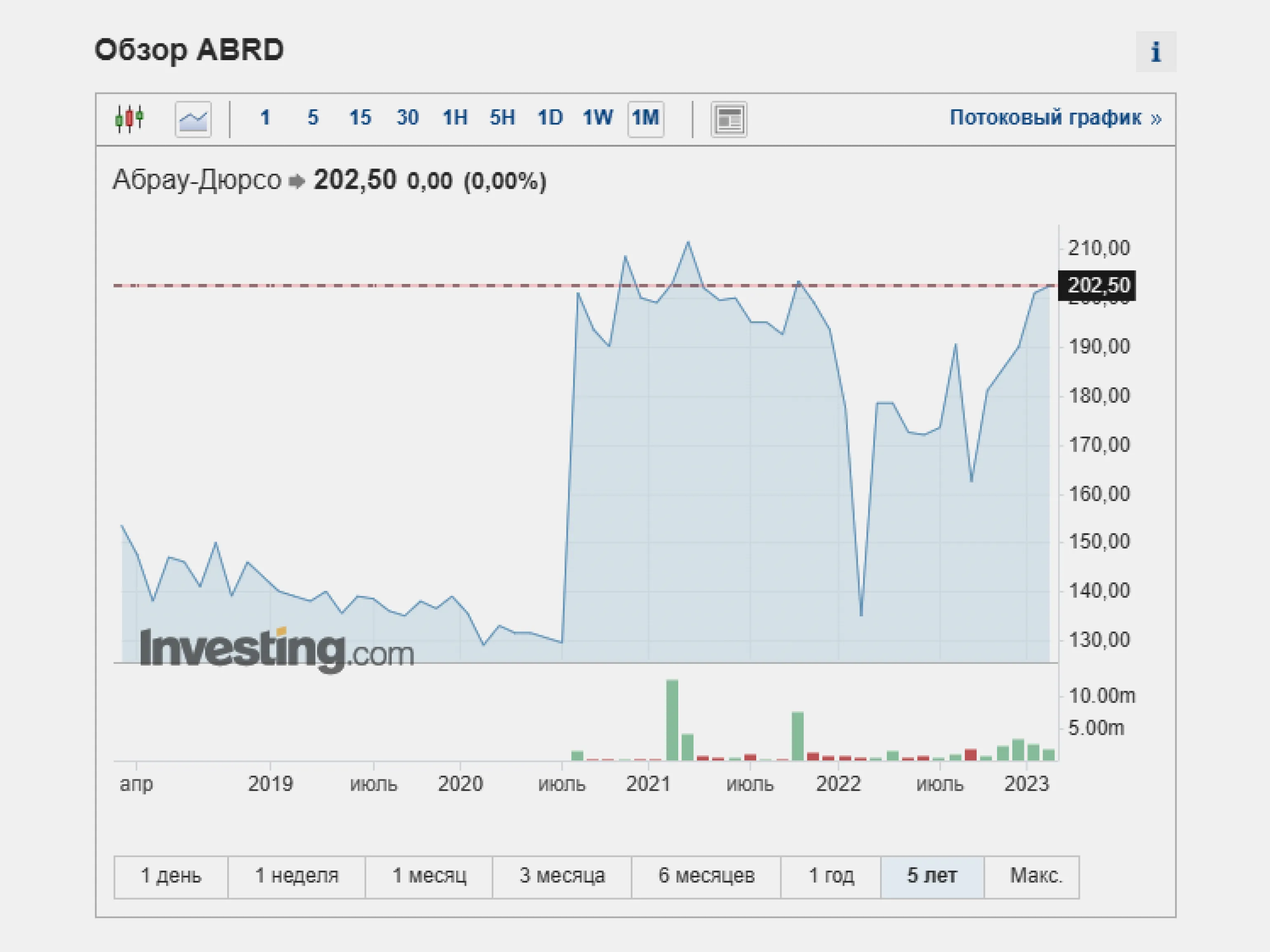
The share price is influenced by various factors, such as news, changes in legislation, the competitive environment, investor expectations, the publication of financial reports, and rumors. For example, in 2020, Abrau-Durso shares increased by 53.59% due to the introduction of a lockdown in Moscow. This example illustrates how external circumstances can significantly impact the stock market and stock prices. Investors should closely monitor news and trends to make informed decisions.
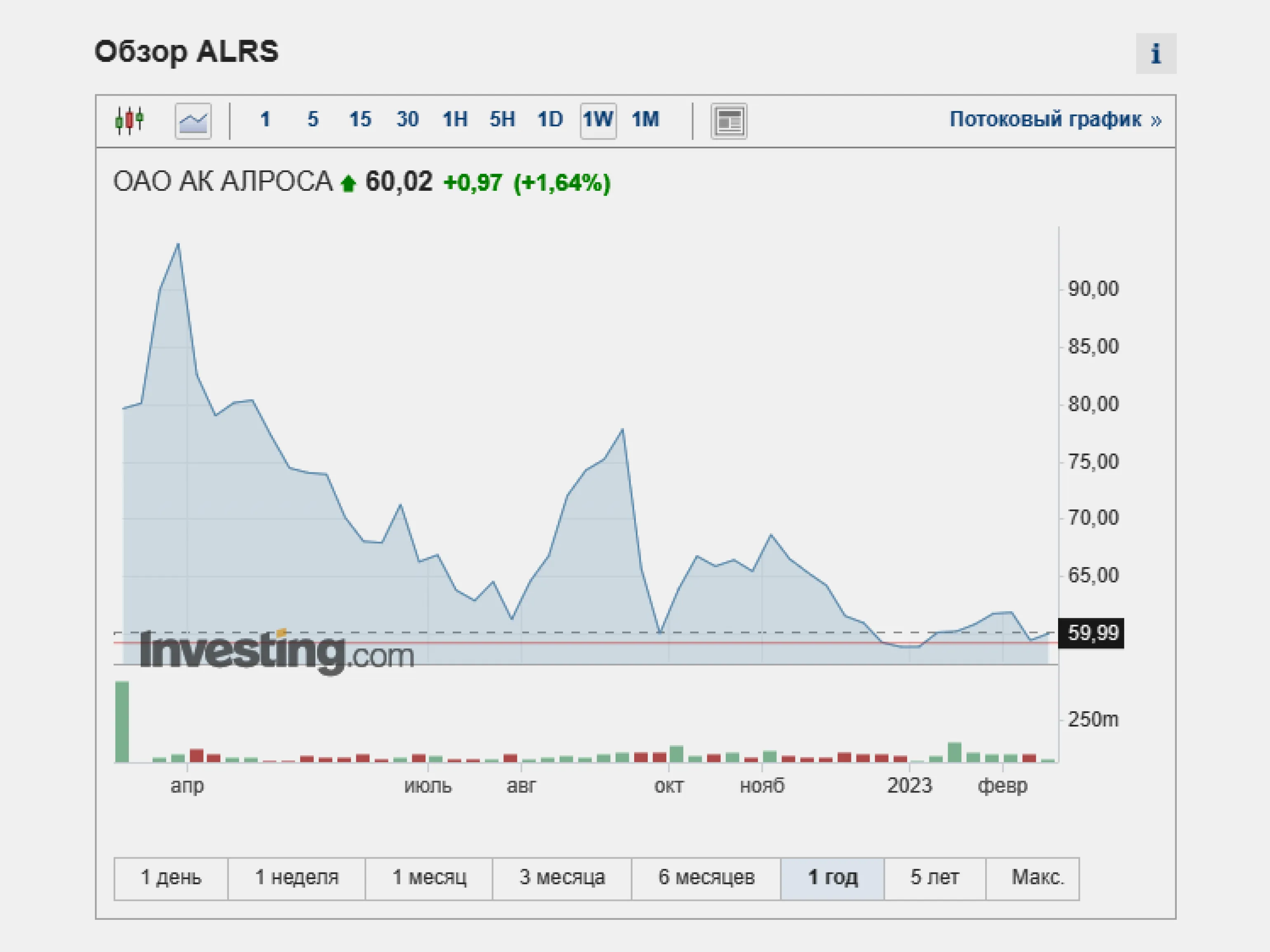
Alrosa shares fell 5.81% following the mineral extraction tax hike. This incident clearly illustrates how quickly the stock market reacts to negative news. Importantly, such changes can have a significant impact on a company's financial results and the overall health of the industry. Investors should closely monitor the news and analyze the risks associated with changes in tax legislation and its implications for business.
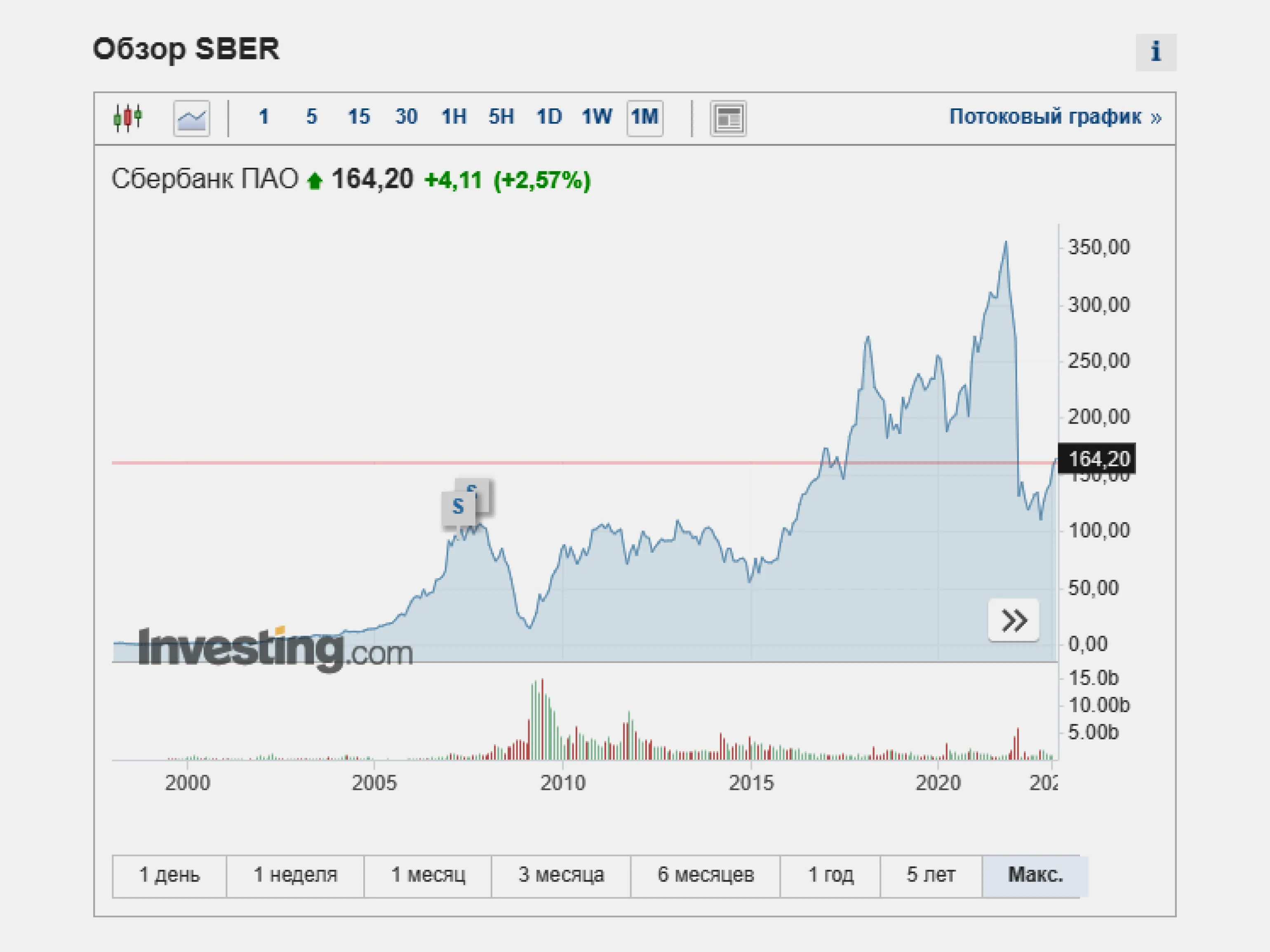
Experienced investors often overlook short-term fluctuations in stock prices if they are confident in the reliability and stability of the business. Experience shows that even after significant declines, shares of companies like Sber tend to recover and grow. Investing in stocks with strong fundamentals can generate long-term benefits, even if the market experiences temporary fluctuations. Resilient companies are able to adapt to change and restore their value, making them attractive to investors with a long-term outlook.
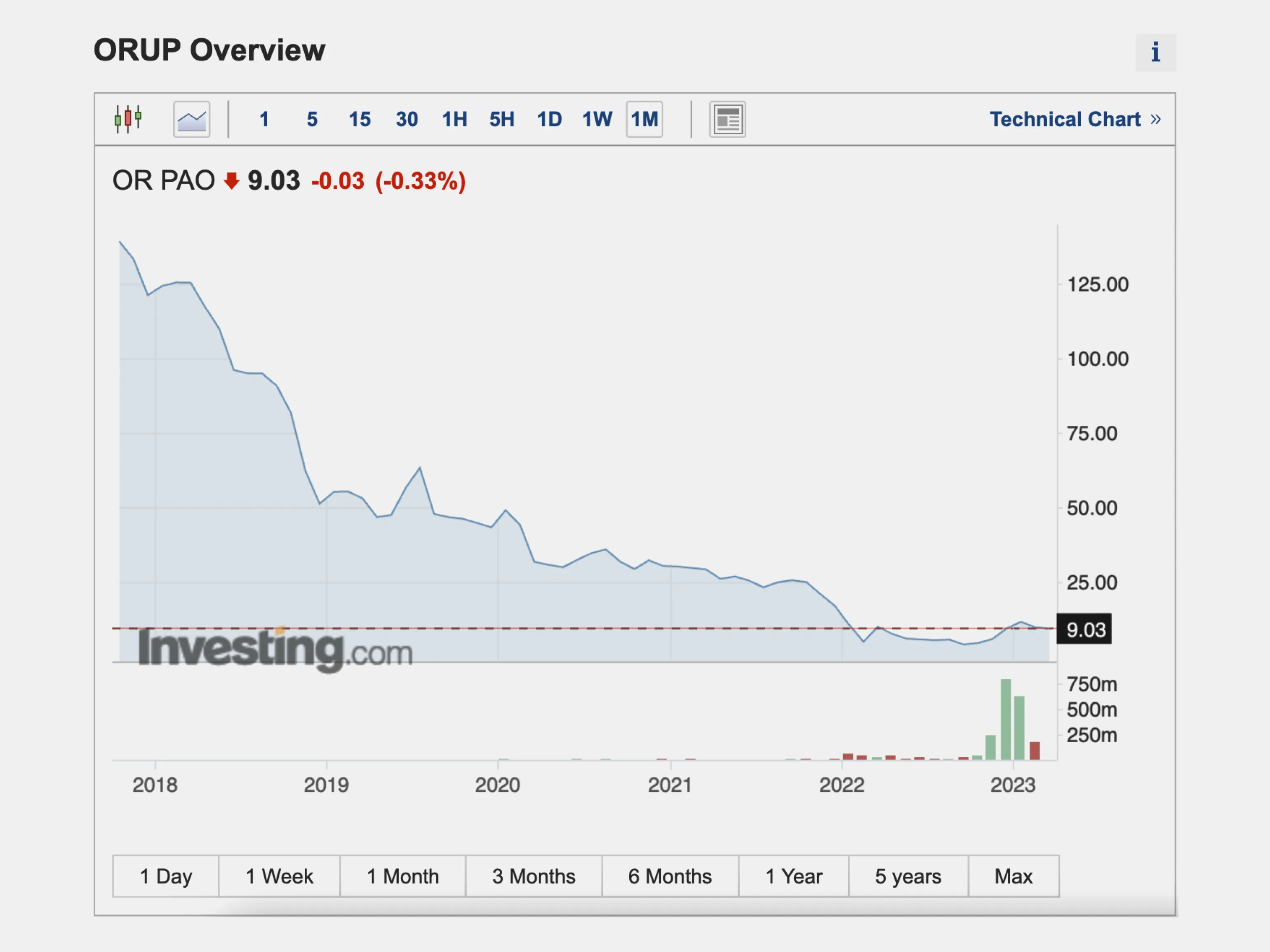
There is a risk that a company will not achieve its planned financial results, which could lead to a decline in its share price. For example, shares of Obuv Rossii have fallen 91.52% since its initial public offering (IPO), resulting in significant losses for early investors. This highlights the importance of careful analysis before investing in shares, as financial risks can significantly impact the capital of those invested.
Understanding Stock Dividends: Key Aspects
Dividends are a share of profits that companies distribute among shareholders. This mechanism not only rewards investors but also maintains their interest in the company's shares. The size and frequency of dividend payments depend on the financial condition of the company and its strategies. Companies can increase, decrease, or completely suspend payments, depending on the need to reinvest profits or changing market conditions. For investors, dividends are an important indicator of a company's financial stability and its ability to generate profits.
The decision to pay dividends is made at the general meeting of the company's shareholders. Each company sets its own rules and dividend payment amounts, which may change over time. For example, companies may declare dividends of 10% per annum with quarterly payments or 12% with semi-annual payments. Dividend amounts are typically quoted as a percentage of the share price rather than a fixed amount. This allows shareholders to receive income based on the share price, which may be more beneficial in a volatile stock market. Shareholders should closely monitor changes in dividend policy, as they may impact their investment returns.
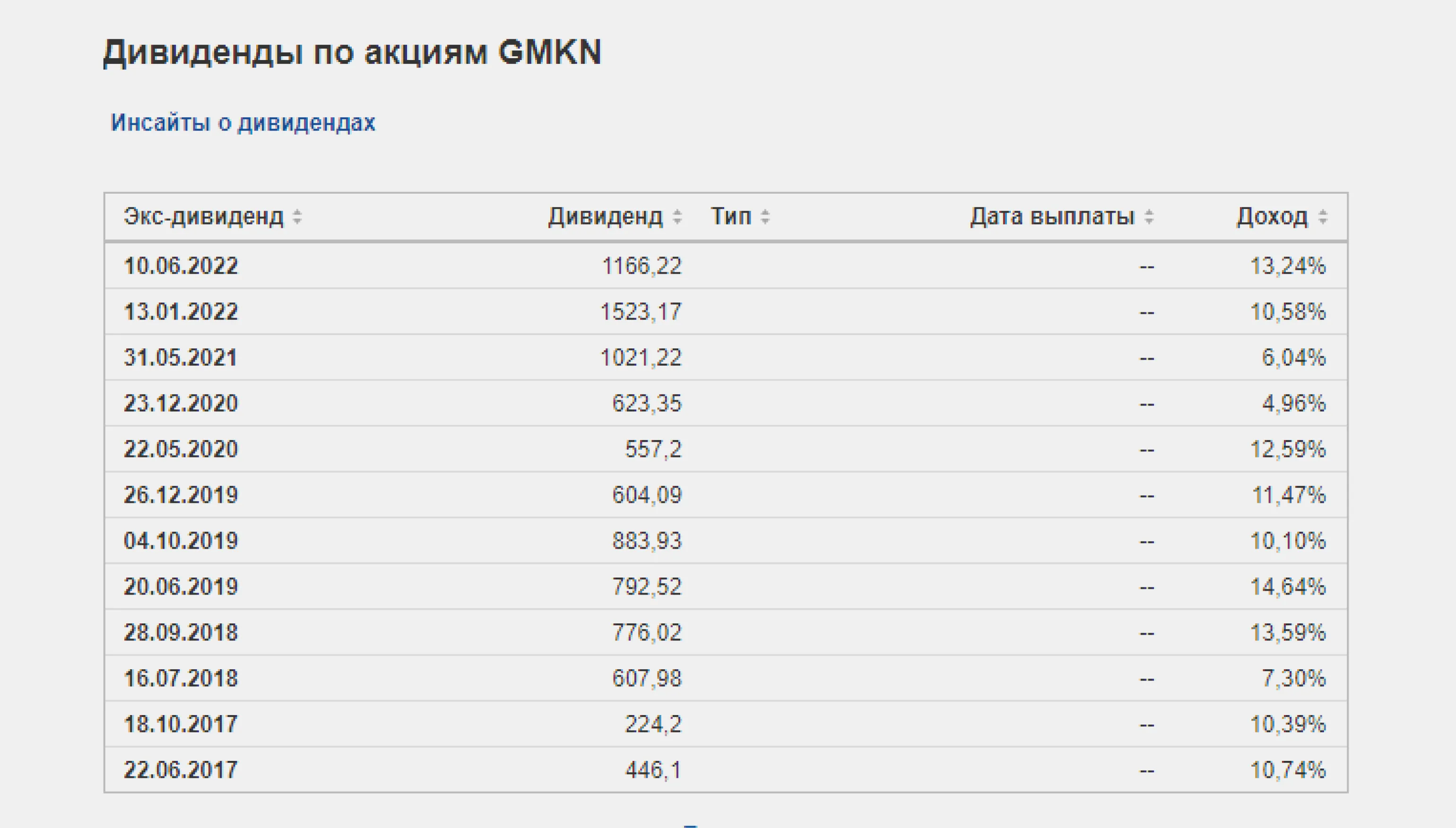
In 2019, Norilsk Nickel made three dividend payments, amounting to 14.64%, 10.10%, and 11.47% per share. However, in 2022, the number of payments was reduced to two, with the amounts amounting to 10.58% and 13.24%. These changes highlight the volatility of the company's dividend policy, which is directly linked to its financial results and market conditions. Investors should consider these factors when assessing the investment attractiveness of Norilsk Nickel shares. A company's dividend policy is an important indicator of its financial stability and strategy for distributing profits among shareholders.
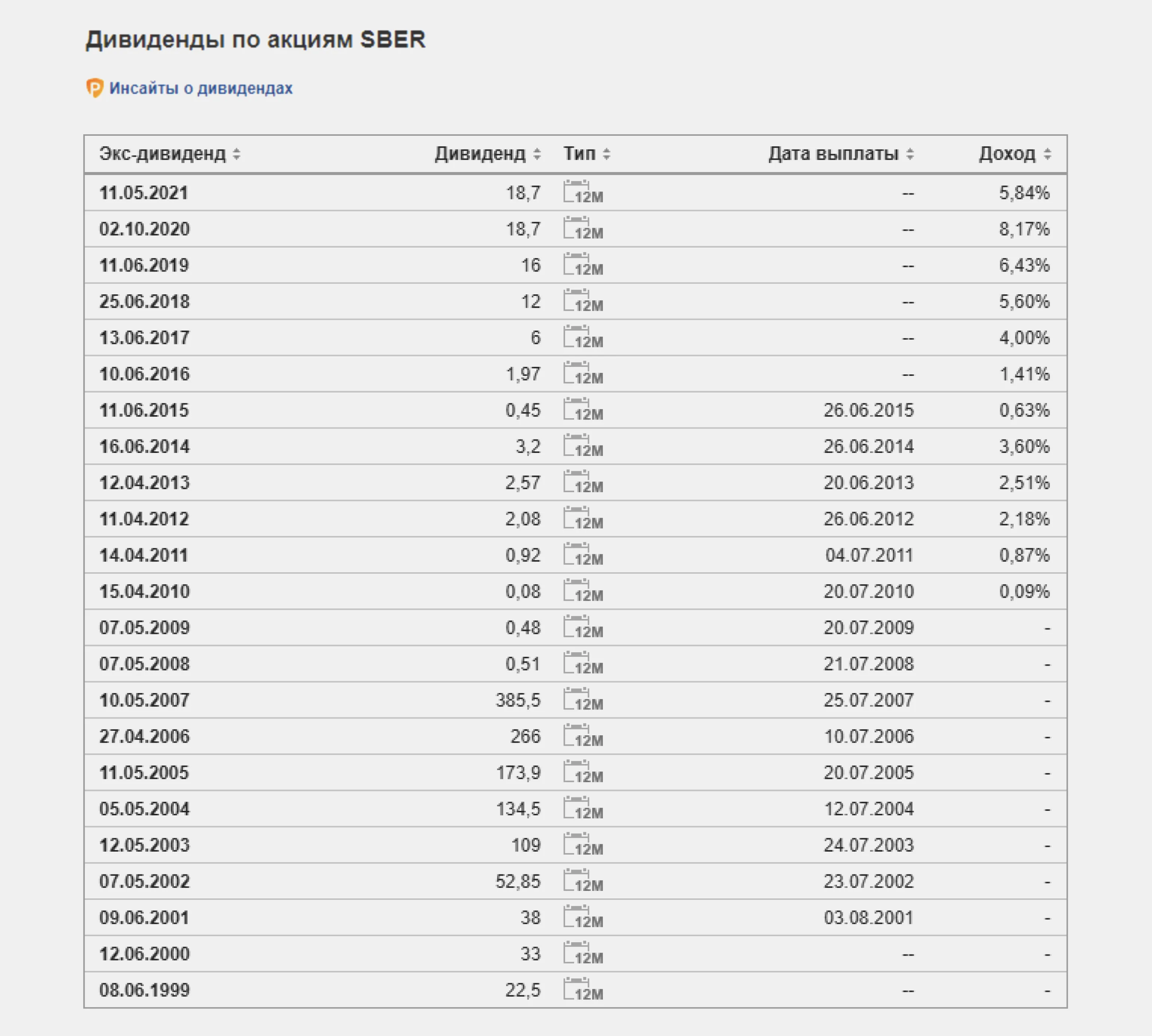
Companies are not required to pay dividends to their shareholders. For example, Yandex prefers to fully reinvest its profits to stimulate further growth, rather than paying dividends. In some cases, companies begin paying dividends but may subsequently stop them. For example, Sberbank has been paying dividends since 2001, but suspended them in 2022. This practice emphasizes that the decision to pay dividends depends on the company's strategy and its financial condition, which is important for investors to consider when evaluating shares.
Dividends are an important element of an investment strategy, especially for those seeking a stable income. Investors should closely monitor changes in companies' dividend policies to assess their financial strength and growth potential. Sustainable dividend payments can indicate a company's reliability and its ability to generate profits. This makes dividends an attractive factor when choosing stocks for investment, especially in a volatile market. Analyzing dividend history and forecasts can help investors make more informed decisions and minimize risk.
The Variety of Stocks: Common and Preferred
Stocks are an important investment tool and are divided into two main types: common and preferred. Common shares grant their holders the right to vote at general shareholders' meetings and participate in the distribution of company profits in the form of dividends. Preferred shares, on the other hand, provide shareholders with a preferential right to receive dividends but do not have voting rights. These categories of shares are regulated by Russian law, in particular, Article 25 of Federal Law No. 208-FZ. Investors should consider the differences between these types of shares when constructing their investment portfolio, as the choice of shares affects potential return and level of risk. Common shares constitute at least 75% of a company's total authorized capital. Owners of such shares have the right to vote at shareholders' meetings, allowing them to actively participate in the company's management. However, dividend payments on common shares are not guaranteed and depend on the company's financial performance. This makes investing in such shares both risky and potentially profitable, as their value can fluctuate significantly depending on the success of the business.
Preferred shares constitute no more than 25% of a company's authorized capital. Unlike ordinary shares, companies are required to pay dividends on preferred shares if they do not incur losses, according to Article 42 of the relevant law. In the absence of profit, holders of preferred shares have the right to participate in shareholder meetings, which gives them the opportunity to influence the company's key decisions. Thus, preferred shares provide investors with certain guarantees and rights, making them an attractive investment instrument.
In 2022, VTB became a shining example of adaptation to changing market conditions. Instead of paying dividends, the bank directed its funds towards lending to corporate clients and financial institutions. This decision illustrates how companies can effectively respond to market challenges and maintain their financial stability.
The value of preferred shares must be equal to or greater than the value of ordinary shares. This rule is important for investors because it reflects a company's financial stability and its profit distribution strategy. For example, in the case of Sberbank shares, both categories have the same price, which may indicate an even distribution of rights and opportunities for shareholders. Meanwhile, at Tatneft, preferred shares are priced one ruble higher than common shares, which may indicate additional benefits for holders of such shares, such as higher priority in dividend distribution. These differences in share prices may influence investment decisions and traders' strategies.
Conclusion: How to Choose Stocks for Investing?
When choosing between common and preferred stocks, it's important to consider your investment goals and risks. Common stocks offer potential capital growth, while preferred stocks provide more stable income through dividends. Common stocks can be more volatile, meaning significant price fluctuations are possible, while preferred stocks often have a fixed dividend, making them more predictable. For more detailed information about the stock market, it's recommended to consult reliable sources such as the Financial University under the Government of the Russian Federation and the RTS. These resources will help investors better understand the characteristics and benefits of different types of stocks, as well as assess the risks associated with investing.
How to Start Making Money on Stocks: Strategies and Tips
Making money on stocks is a way for traders and investors to generate income based on price changes in the stock market. Traders most often focus on short-term fluctuations, using a variety of strategies to increase their profits. Effective use of technical analysis and studying market trends allow traders to make informed decisions and minimize risks. Investors, in turn, can choose long-term strategies based on company fundamentals. It is important to keep in mind that successful earnings on stocks require in-depth knowledge, analysis, and a careful approach to asset selection.
Traders use two main strategies: buying assets to profit from their growth and selling assets to profit from their decline. These approaches help maximize profits in financial markets by allowing you to adapt to price changes. Going long means buying assets in anticipation of a rise in their value, while going short involves selling assets to profit from a fall in their price. Proper application of these strategies requires market analysis and an understanding of trends.
Traders buy stocks with the goal of increasing their value. They typically take profits on small gains of 2-5%. However, some traders target significant gains, anticipating a 30% or more rise in stock prices. This approach requires careful market analysis and the ability to predict price changes, which can lead to large gains but also carries risks. Investing in stocks requires strategic thinking and an understanding of market trends to maximize profits.
This strategy is called short selling and involves selling shares that the trader does not own. To do this, traders borrow shares to sell them on the market. Anticipating the stock price will fall, they sell them at the current market value. Then, when the price does decline, traders buy the shares back at a lower price, return the borrowed shares, and keep the difference as profit. Short selling is a risky strategy because the potential loss is unlimited, so traders must carefully analyze the market and make prudent decisions.
Investors differ from traders in that their strategy is focused on long-term investments. They prefer to hold shares for several years, which allows them to generate a stable income. There are three main methods for generating income from investments: dividends, selling shares, and a combination of these approaches. Dividends provide regular payments, while selling shares can generate profits as a result of their appreciation. An optimal strategy may include the use of both methods, which maximizes investment returns.
Investors who purchase shares of companies that pay dividends have the opportunity to receive a stable income. Dividend yield depends on several factors, including the company's profits, the percentage of profits allocated to shareholders, and the current market price of the shares. Investing in dividend-paying stocks can be an effective strategy for generating passive income and growing capital.
In 2021, Bashneft paid dividends of 0.1 rubles per share, and in 2022, this figure increased to 117.29 rubles. Dividend payments can grow significantly over time, underscoring the company's stability and financial attractiveness to investors. Dividend growth is an important indicator of a business's success and its ability to generate profits. Investors interested in Bashneft shares can expect the potential for further dividend increases in the future.
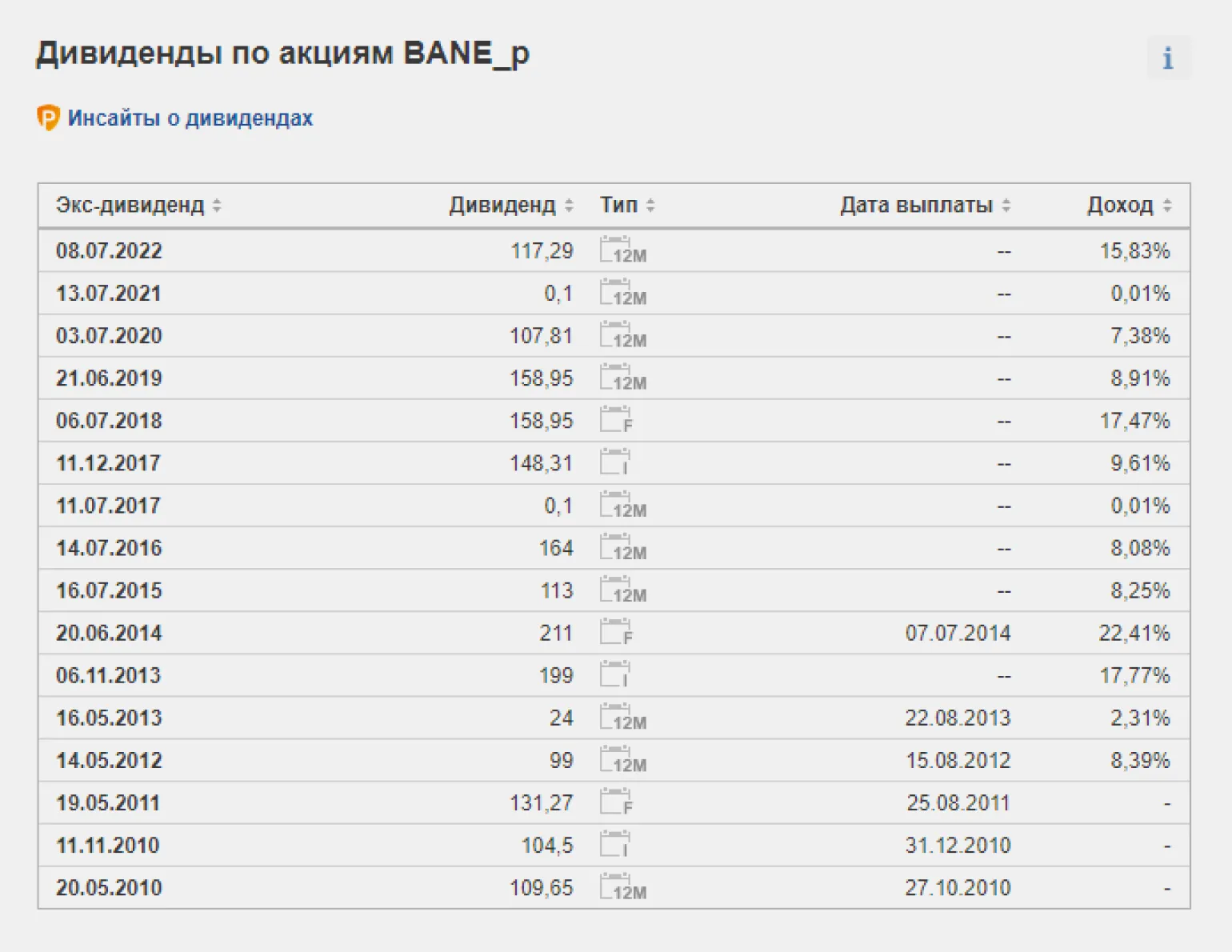
If an investor purchased 1,000 shares in 2010, their dividend income by 2023 would be 2,846.93 rubles. This represents 17.79% of the total initial investment. Thus, long-term investments can provide a stable income and significant capital growth through dividends. Investing in shares remains an attractive way to increase financial assets, especially with a wise approach to choosing companies.
As companies' profits increase, so does the demand for their shares. An example of this phenomenon is Bashneft preferred shares, which have increased in price by 4,712.5% since 2010. Such indicators demonstrate how successful business development can positively impact share price and attract investors' attention.
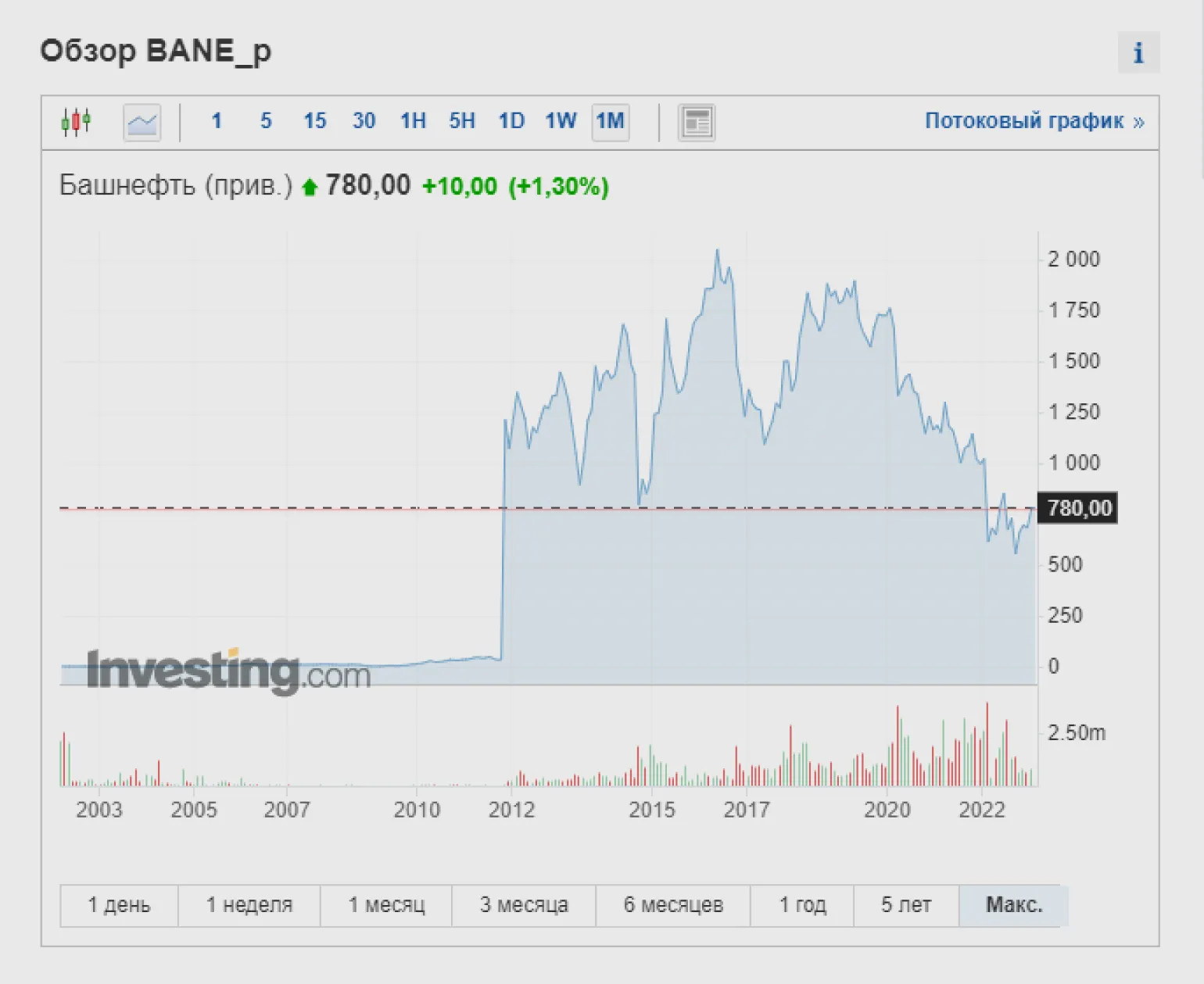
If an investor had purchased 1,000 shares for 16,000 rubles in 2010, they could have sold them for 770,000 rubles by 2023. This demonstrates significant capital gains over this period. Investing in shares can be an effective tool for increasing assets, especially when choosing promising companies. Long-term investments allow you to not only increase capital but also take advantage of stock market growth.
Investors have the opportunity to simultaneously receive dividends and profit from the sale of shares. For example, if an investor began owning Bashneft shares in 2010 and sold them in 2023, their total return, including dividends, would be 4730.29%. This high level of return makes investing in stocks an attractive option for long-term investment.
Making money on stocks requires a thorough understanding of the market and a strategic approach. Traders and investors can profit by using a variety of trading methods, choosing those that suit their financial goals and risk tolerance. It is important to understand that successful investing depends on analyzing current trends, valuing a company, and the ability to predict market changes. Choosing the right strategy can significantly increase your chances of making a successful profit.
Where to buy stocks and their value
Equity shares are securities that are traded on stock markets. To purchase them, you must register with a broker who is a professional market participant and provides access to trading platforms. Choosing a reliable broker is crucial to successful stock investing.
Brokers play an important role in the world of investing. They not only buy and sell shares but also provide market analytics, advisory services, and a range of additional features for their clients. Without a brokerage, purchasing shares becomes impossible, which underscores their importance in investing.
The price of shares depends on various factors, such as market conditions, current news, and internal company events. For example, VTB shares are available at a price of 0.01641 rubles, while Transneft shares cost 89,650 rubles. Share prices are updated in real time, allowing investors to monitor changes and make informed decisions. Analyzing current market trends and corporate news helps better understand share price dynamics.
Over the long term, shares of large and stable companies tend to show positive dynamics. A prime example is Sberbank shares, which cost only 0.42 rubles in 1998. By 2023, its price had risen to 158.91 rubles, clearly illustrating the sustainable growth and reliability of investments in such assets. Investing in shares of stable companies can be a profitable strategy for long-term capital accumulation.
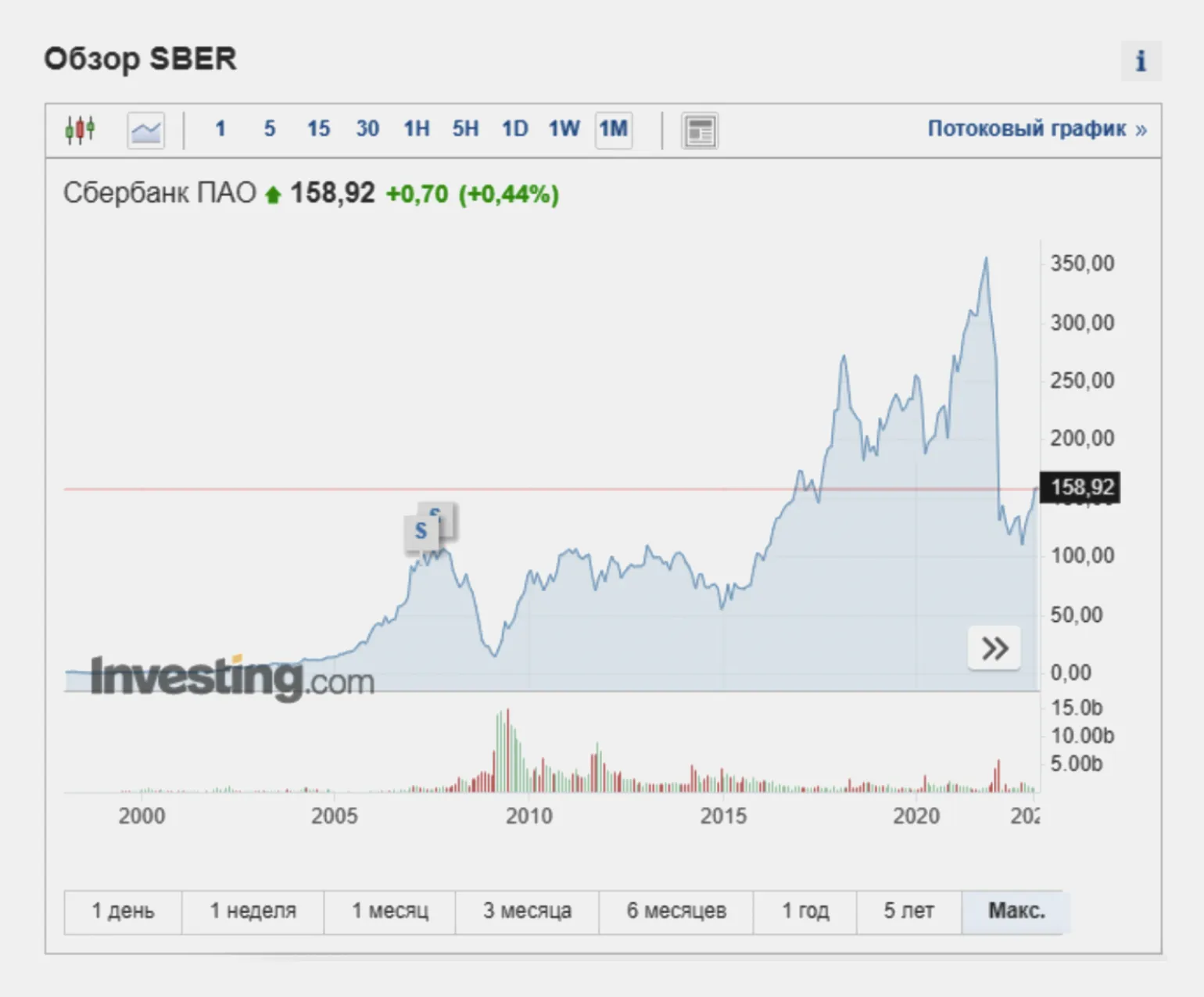
If you're considering investing, it's worth checking out helpful resources like Investing.com and MarketWatch. These platforms provide up-to-date information and analysis to help you make informed investment decisions.
A Step-by-Step Guide to Buying Stocks
Choosing a broker is a key step to achieving investment success. It's important to review the current list of licensed brokers available on the Central Bank of Russia website. When choosing a broker, pay attention to trading conditions, including commission fees, minimum deposit requirements, and customer support. Choosing the right broker will help you optimize your investment strategies and reduce risks, significantly increasing your chances of making a profit.
The next step in the investment process is opening a brokerage account. You have the option to choose between a standard brokerage account and an individual investment account (IIA). IIAs offer unique tax advantages, including the ability to receive a tax deduction and avoid paying income taxes. This makes IIAs an attractive long-term investment tool, allowing you to manage your finances more effectively. Choosing the right account type depends on your investment goals and strategy.
After opening an account, it's important to access your personal account. To do this, you need to install the trading platform on your computer or download your broker's mobile app. Make sure the program you choose supports all the necessary features for effective trading.
Funding your account is a convenient and quick process offered by many brokers. Support for bank card funding allows traders to start trading instantly without delays associated with lengthy transfers. This makes trading more efficient and accessible to everyone. Choosing a broker with convenient account funding methods is important for comfortable trading in the financial markets.
Now you can start choosing stocks. Companies can be evaluated based on various criteria, including market capitalization, growth potential, and financial metrics. It's also important to consider current market trends that can impact stock prices. By analyzing these aspects, you can make more informed choices and increase your chances of successful investments.
It's helpful to look at the analytical sections available in your broker's apps. These sections offer stock recommendations, but it's important to keep in mind that predictions may not always come true. Before purchasing stocks, be sure to conduct your own research to make an informed decision.
Once you've selected a stock, click the "Buy" button in the profile of the selected security. Keep in mind that the price may change throughout the process, and the transaction may be executed at a price different from the previously indicated one. Be prepared for market volatility, as stock prices can fluctuate within seconds. For successful trading, it is important to monitor current market trends and analyze price changes.
The Basics of Investing in Stocks: Six Key Points
- A stock is a stake in a company. By purchasing a stock, an investor becomes a co-owner of the business, which entitles them to a share of the profits.
- Stock prices are subject to fluctuations. Supply and demand affect the value: the greater the interest in a stock, the higher its price.
- Dividends are a portion of the profit distributed among shareholders. Not all companies pay dividends, but for some, this is an important source of income.
- Investing in stocks can be profitable both on short-term price fluctuations and in the long term. Possible strategies include selling shares at an increased price or receiving dividends.
- Stocks are traded on stock markets, where their price can vary from a few kopecks to millions of rubles. This creates a variety of opportunities for investors.
- To start trading stocks, you need to choose a reliable broker, install a trading application or terminal, fund your account, select the stocks you are interested in, and execute a trade.
How to Deepen Your Knowledge of Investing and Trading
Investing and trading are key elements of the financial world, offering a variety of opportunities for capital growth. To succeed as a trader or investor, it is important to have the necessary knowledge and skills. Developing a strategy, understanding market trends, and analyzing financial instruments play a crucial role in improving the effectiveness of your investments. An in-depth study of these aspects will help you make more informed decisions and minimize the risks associated with trading in the financial markets.
- Stocks are one of the most common trading instruments. A trader is a specialist who actively makes transactions on the stock market, profiting from price fluctuations. Professional traders can earn incomes of 100,000 rubles or more by working for companies or increasing their personal capital.
- Traders often use strategies based on quickly selling and buying assets. Longs (buying shares with the intention of selling them later at a higher price) and shorts (selling borrowed shares with the intention of buying them back at a lower price) are important concepts that will help you successfully navigate the market. We recommend reading Skillbox Media's materials, which explain these strategies in detail.
- Federal loan bonds (OFZs) are another popular investment option. These are debt securities that allow individuals and organizations to lend money to the government in exchange for interest payments. Learn more about OFZ yields and how to choose the right type of bond in Skillbox Media's articles.
- Successful trading in financial markets requires ongoing education. The Skillbox "Trading" course will help you master the basics of trading, manage risk, and develop your own strategies for making informed decisions.
Additional resources from Skillbox Media for your professional growth
Skillbox Media offers a variety of resources to help you further develop and improve your skills. We provide access to online courses, webinars, articles, and other materials designed to help you improve your skills and knowledge in various fields. Our platform offers up-to-date information and practical advice from experts, allowing you to remain competitive in the job market. Use our resources to reach new heights in your career and gain valuable knowledge that will help you in your professional development.
- How to become a qualified investor: overcoming limitations for the unqualified
- Financial literacy: what it is and how to develop it
- How to protect your investments during economic turmoil: expert advice
- Digital ruble: what it is and what are its advantages
- NFTs: how they work and how you can make money on them
Investing and trading: 5 steps to financial freedom
Want to learn how to make money on investments? Learn 5 key steps to success in trading!
Find out more