Contents:
- Renting Relatives: A Unique Business with Over 30 Years of History
- Emotional Support Through Tears: The Unique Approach of Japanese "Crying Boys"
- Virtual Wives: A New Trend in Japan
- Alcohol Second-Hand Shops: A New Direction of Trade in Japan
- Cozy Hugs for Sale: A Japanese Approach to Combating Loneliness
- Why Has the Hug Service Become Popular?
- Frequently Asked Questions About Selling Hugs
- New Horizons: Hangover Recovery Services in Japan

Business plan: 7 steps from idea to successful implementation
Find out moreRenting relatives: a unique business with a history of over 30 years
Renting actors to play the roles of relatives began to actively develop in Japan since 1989. This trend arose against the backdrop of an economic boom and a simultaneous decline in the birth rate. The main reasons for this phenomenon are the loneliness of the Japanese and the observance of traditions that require the presence of a large number of guests at weddings, where 60 to 80 people are usually invited. When relatives and friends cannot attend, professionals come to the rescue, helping to create the atmosphere of a family celebration and maintaining traditions. This practice allows many Japanese to avoid awkwardness and make important events more fulfilling.
Renting actors in modern society is becoming increasingly popular. The reasons for this range from participating in events in place of clients to creating a family image for childcare placements or accompanying guests to parties. As one actress points out, many people in Japan turn to relative rental services to conform to social expectations and norms. This phenomenon demonstrates how modern realities are shaping new approaches to social interaction, allowing people to find comfort in situations where they might otherwise feel insecure. Renting actors is becoming an important tool for creating the desired image and maintaining social standards. The average cost of relative rental services is approximately 10,000 yen (approximately 6,500 rubles) per day of work for one actor. The Family Romance agency, for example, sets this price for inviting guests to a wedding. If an entire family needs to be rented, the cost increases to 20,000 yen (approximately 13,000 rubles) for each member of the group. Renting relatives is becoming a popular solution for creating the right atmosphere at various events, including weddings and anniversaries, making this service highly sought after.
Various sources describe a case involving a fake bride, in which an actress officially married a client for $47,000, equivalent to over 3.5 million rubles. This fact highlights the unusual methods by which people can make money, as well as the interesting aspects of the dating and marriage industry. Such cases are generating widespread interest and discussion in society, as they challenge traditional notions of love and marriage.
A unique service offering the opportunity to chat with friends for an hour is gradually developing in Russia. On popular classifieds platforms, you can find offers where, for 300-400 rubles, you can chat via text or invite a "friend" to a bar. This trend is becoming increasingly popular as many people seek new ways to interact and support socially.

Emotional Support Through Tears: The Unique Approach of Japanese "Cry Boys"
In Japan, where workaholism is widespread, many employees work over 60 hours a week. This leads to high levels of stress and even cases of burnout, which can have tragic consequences. In such conditions, the ability to express emotions becomes a real luxury. In response to this problem, "cry boys" have emerged—professional tear therapists who help people cope with negative emotions by using tears as a form of emotional release. Their work is increasingly in demand in today's stressful environment, offering people the opportunity to restore emotional balance and overcome difficulties.
Therapists offer their clients a unique form of support, demonstrating attentiveness and care. They listen to clients and may even use a handkerchief to help them cope with emotional moments. If a client is having difficulty expressing their feelings, therapists may show touching videos or even cry themselves to evoke the necessary emotions. While this approach may be unusual, it truly facilitates the release of emotional burdens and helps people gain a deeper understanding of their feelings.
The Ikemeso Danshi website lists prices for its services. An in-office "cry boy" session costs 7,900 yen (approximately 5,000 rubles), and a private online session costs 5,670 yen (approximately 3,500 rubles). These services are an effective way to support employees of organizations in stressful situations, helping to improve their psycho-emotional state and increase productivity in the workplace.

In Russia, emotional support has not yet become widespread. Currently, residents can only rely on the services of corporate or private psychologists. However, interest in emotional support and similar services is gradually growing. In the future, similar practices adapted to Russian conditions are expected to emerge, which could significantly improve the availability of professional mental health care.
Virtual Wives: A New Trend in Japan
In Japan, there is a noticeable trend away from traditional marriage, which is confirmed by the latest statistics. The super solo culture, actively developing in the country, indicates that more and more people consciously accept loneliness and prefer life without a partner. This trend reflects changes in societal views on relationships and family values, where individual needs and personal freedom are becoming a priority. Every year, more and more Japanese people are choosing careers, hobbies, and self-improvement, leading to a decline in interest in traditional marriage and starting a family.
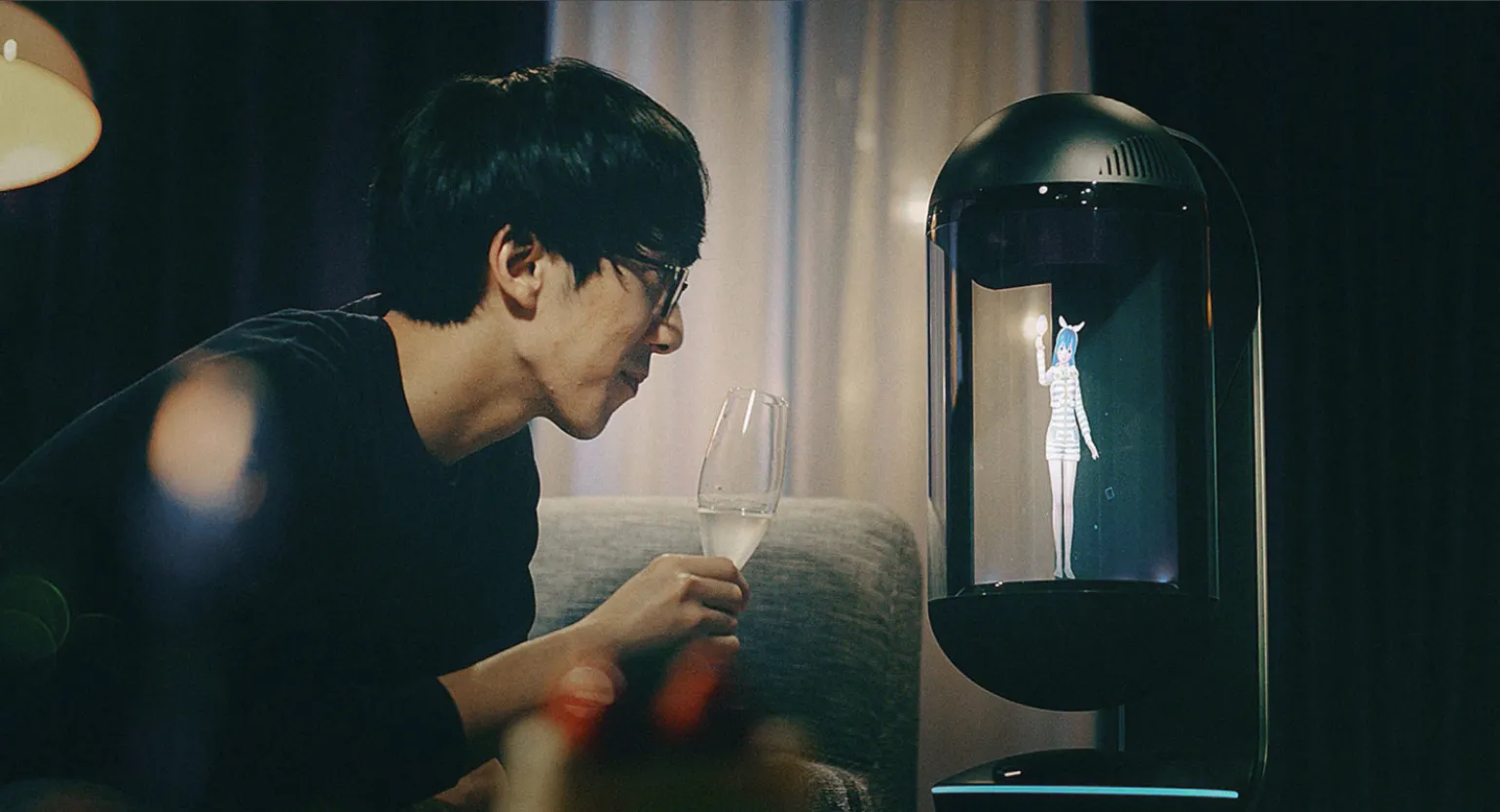
In response to changes in the social order, virtual wives are emerging—innovative devices powered by artificial intelligence that are designed to communicate and assist with smart home management. These gadgets are becoming increasingly popular in Japan, where many people seek to overcome emotional emptiness. Virtual wives provide not only interaction but also support with everyday tasks, making them attractive to users seeking companionship and convenience in modern living. With growing interest in technology and artificial intelligence, such devices are becoming an important part of the lives of an increasing number of people.
One of the most well-known devices on the market is Gatebox. This innovative device is a transparent cylinder with a hologram projected inside. The hologram not only can carry on a conversation but also perform a variety of useful functions, including playing music, providing weather forecasts, messaging, and controlling home appliances. Users can choose from a variety of holograms or create unique images of their virtual companions. The Gatebox costs 120,000 yen (approximately 77,500 rubles), with a monthly subscription for additional services costing 1,500 yen (approximately 970 rubles). This device is becoming increasingly popular among users looking to integrate technology into their daily lives.

There is a growing trend in Japan related to marriages with virtual girlfriends. Professor Yamada points out that this phenomenon is explained by economic factors: many women are giving up on finding a partner, and young men are aware of their limited chances of successful real-life relationships. Research confirms that such virtual relationships could become an acceptable alternative to traditional relationships for millions of Japanese, offering emotional support and companionship in a modern society where real-life social interactions are becoming increasingly complex.
Alcohol Second-Hand Stores: A New Retail Trend in Japan
In Japan, there is a unique method of managing things known as the KonMari Method. This approach focuses on getting rid of unnecessary items that do not bring joy and have not been used for a long time. The KonMari Method not only helps to organize space but also promotes emotional well-being, allowing you to focus on what is truly important. By using this method, you can create a harmonious environment and significantly simplify your life by getting rid of excess.
In Japan, where frugality is a significant value, residents often choose to recycle old items or sell them at thrift stores. This behavior has given rise to a unique category of thrift stores—liquor stores where you can recycle unwanted alcohol and earn money. These retail outlets are becoming increasingly popular, allowing you not only to get rid of excess but also to make a return on your purchase. Thrift stores offer a convenient way to recycle and reuse alcoholic beverages, which in turn promotes an environmentally friendly approach to consumption.
At thrift stores like Liqour Off, shoppers can find alcoholic beverages at significantly reduced prices. These discounts make the products more accessible and appealing to consumers. The Liqour Off chain, operating in Japan, has approximately 925 stores, offering a wide variety of alcoholic beverages. This is the ideal place for those seeking quality drinks at a great price, as well as for those who appreciate unique and rare spirits.
Russia is seeing a growing number of people seeking to dispose of excess alcohol. However, the viability of such a business in our country remains uncertain due to cultural and legal constraints. Currently, owners of unwanted alcohol are advised to donate their items or post ads on specialized platforms for sale or exchange. The effectiveness of such methods depends on supply and demand in the market, as well as changes in public opinion regarding alcohol consumption.

Cozy Hugs for Sale: A Japanese Approach to Combating Loneliness
In Japan, there's an unusual service offering people a solution to the problem of loneliness—selling hugs. This original approach was demonstrated on the program "The World Inside Out" by the famous TV presenter Dmitry Komarov. For 8,000 yen, which is equivalent to about 5,000 rubles, he spent an evening in a cafe specially equipped for this service. This format of interaction allows people to feel warmth and support, which is especially important in the modern world, where many suffer from isolation and a lack of communication.
The session takes place in a comfortable and cozy atmosphere. The client and the woman are in a separate room where they lie on a soft mattress. This is the ideal place to relax, unwind, or discuss topics of interest. The service includes attentive communication, support, and warm embraces, creating an atmosphere of trust and comfort. The main thing is the opportunity to take a break from everyday worries and enjoy the moment.

Friend rental services are available not only to men, but also to women. For example, the cost of renting a friend is about 30,000 yen (approximately 19,500 rubles) for 7 hours. When choosing an individual entertainment program, the price can increase to 50,000 yen (32,000 rubles) per day. Such offers are becoming increasingly popular, providing clients with the opportunity to spend time in company and get a unique experience.
Why has the hug service become popular?
According to 2022 research, the level of loneliness in large Japanese cities has increased by 15% compared to previous years. This is due to longer working hours and a decrease in social interactions. In such circumstances, hug-selling services provide people with the opportunity to receive emotional support and feel close, which is especially relevant in today's society.
Frequently Asked Questions About Hug Sales
You can book a session by visiting the establishment's official website and choosing a convenient time. The standard session duration is about one hour, but it can be extended. A strict privacy policy is observed: all conversations remain between the client and the specialist, and no information is disclosed.
New Horizons: Hangover Recovery Services in Japan
The drinking culture in Japan has a centuries-old history, and nomikai parties play an important role in business communication. These events not only serve as a way to strengthen bonds, but also as a source of certain consequences, such as a hangover. In response to this phenomenon, a unique "hangover cleanup" service has emerged, offering clients a comprehensive solution: not only post-holiday cleanup but also recovery assistance. This service is becoming increasingly popular, as it allows people to effectively deal with the aftermath of late-night meetings and maintain productivity the following day. Hangover Helpers offers a wide range of services, including trash removal, dishwashing, and kitchen cleaning. While they previously offered food, they now focus on beverage delivery. In addition, the company provides the opportunity to rent glasses, which greatly simplifies the organization of events and makes preparation for the party more convenient.

In Russia, the hangover recovery services market remains underdeveloped. Currently, only cleaning services are available to assist with cleaning. However, mineral water and food delivery services, which promote recovery, are underrepresented. This creates a unique opportunity for new businesses that can offer customers comprehensive post-holiday recovery solutions. The implementation of such services can significantly improve the quality of life and increase customer satisfaction, which opens up prospects for growth and development in this niche.
Business plan: 7 steps from idea to successful implementation
Want to create a successful business? Learn 7 key steps to developing an effective business plan!
Learn more