
Contents:
- How Innovation Shapes the Future: A Theoretical Approach
- Who Really Founded Silicon Valley: Venture Capitalists or Military Strategists?
- How Silicon Valley Became the Center of Microchips: The Apollo Story
- The History of Venture Capital: From Whalers to Tech Giants
- Venture Capital Trends: Where Is Society Heading?

4 professions in internet marketing: free Mini-course
Learn moreHow Innovation Shapes the Future: A Theoretical Approach
Venture capital is one of the most dynamic forms of private financing, focused on supporting startups with high growth potential. Venture capitalists invest funds by acquiring a stake in a company, which provides startups with the necessary financing for their development and scaling. If the business successfully enters the stock market, investors can sell their shares, which often results in significant profits reaching hundreds and even thousands of percent. Venture financing plays a key role in the innovation ecosystem, facilitating the creation of new technologies and services.
The term "venture capitalist" refers to individuals involved in investing in startups and innovative projects. These specialists create specialized investment funds, raising capital from wealthy private investors and institutions, including banks and pension funds. Over the past ten years, the most successful venture funds have returned between 15% and 27% annually, making them attractive to investors seeking portfolio diversification. Venture capital plays a key role in the development of new technologies and business ideas, providing financial support to companies in the early stages of their existence.
Innovative companies attract the attention of venture investors because they are the driving force behind technological change that has the potential to significantly transform our lives. To understand the impact of venture capital on society, it is important to understand how innovation influences various aspects of our daily lives. Venture investments contribute to the development of new technologies, improved services, and job creation, which ultimately impacts economic growth and quality of life. Investors who support startups help implement ideas that can change industries and lead to significant improvements in various fields.

Austrian economist Joseph Schumpeter is considered the founder of innovation theory. His research, conducted in 1911 and 1939, remains relevant and serves as the basis for modern research in this area. Schumpeter emphasized that economic development is a process of "creative destruction", in which innovation plays a key role, acting as a driving force for change in the economy. Innovation, in his opinion, not only contributes to productivity growth, but also leads to the creation of new markets and a change in the competitive environment. Thus, he emphasizes the importance of continuous renewal and adaptation in business to achieve success in a dynamic market.
Schumpeter argues that the economy develops thanks to the continuous discovery of new markets and the introduction of innovative technologies. Innovations initially coexist with outdated models, but soon begin to displace them. A classic example of this process is the advent of the automobile, which led to the disappearance of the carriage, and the impact of the internet on traditional print media, which threatens their existence. Innovations are becoming a catalyst for economic change, disrupting established markets and creating new ones.
Modern research, including the work of American economist Simon Kuznets, emphasizes that the successful implementation of innovations must also take into account social innovations. The revolution brought about by the steam engine would not have been possible without a developed banking system, and the successful development of railroads directly depended on the functioning of the securities market. Social innovations play a key role in creating conditions conducive to technological progress and economic development.
Successful innovations shape the market and concentrate economic power in certain sectors. This leads to the enrichment of individual entrepreneurs and the creation of new centers of influence. Innovations promote competitiveness, change consumer preferences, and become a catalyst for economic growth. It is important to understand that the introduction of new technologies and ideas not only changes the business landscape, but also creates opportunities for new players to enter the market.
Based on all of the above, the following conclusions can be drawn.
- Innovation is a key factor contributing to economic growth.
- It causes a redistribution of capital between different sectors of the economy.
- The successful implementation of innovations requires certain social conditions, and they determine which of them will be successful.
- Successful innovations set trends in the development of society.
Who really stood at the origins of Silicon Valley: venture capitalists or military strategists?
There is a common myth about Silicon Valley venture investors, who are supposedly the main drivers of economic progress. If we look at this issue from the perspective of economist Joseph Schumpeter, one might assume that venture capital did indeed play a catalytic role in the computer revolution. However, this assertion is only partially accurate. Venture capital is important, but it is only one of many factors that drive innovation and economic development. It is also important to consider the influence of technology, education, infrastructure, and public policy, which together create a dynamic economic environment.
World War II formed the basis for the technology boom in the United States. In the 1940s, Nazi Germany overtook the United States in a number of technological developments, including military radar. This rivalry catalyzed accelerated technological development in the United States, which subsequently led to significant advances in various fields. The war spurred American scientists and engineers to work intensively on new technologies, which ultimately contributed to the creation of innovative solutions such as improved communication and navigation systems. Thus, World War II not only became an important historical event, but also laid the foundation for future technological progress in the United States.
In response to the threat that emerged in 1941, President Roosevelt established the Office of Scientific Research and Development (OSRD). This organization played a key role in the Manhattan Project, which developed the first nuclear bomb and many other military technologies. The Directorate was headed by engineer Vannevar Bush, who ensured the coordination of the efforts of scientists and engineers to achieve significant results in the field of defense development.

The success of the OSRD was so significant that after the war, Roosevelt tasked Bush with developing a strategy to support and develop government-funded basic research. This initiative was an important step in strengthening the country's scientific base and ensuring its competitiveness on the international stage.
In 1950, President Harry Truman disbanded the Office of Scientific Research and Development (OSRD) and established the National Science Foundation (NSF). The new fund focused on military research and supporting basic science during the Cold War, which contributed to the development of technology and scientific research in the United States.
OSRD and NSF used a grant system, which contributed to the decentralization and competitiveness of the scientific community. At that time, most innovative companies were focused on fulfilling military contracts and actively interacted with universities, which contributed to the development of new technologies and scientific research. This collaboration between business and academia has become a significant factor in the advancement of science and technology.
The creation of the National Science Foundation (NSF) was a catalyst for scientific progress in the United States. In the early 1950s, there was a sharp increase in demand for specialists in science and engineering, which greatly exceeded supply. Historian Margaret O'Mara points out that from 1946 to 1948, universities trained only 416 physicists and 378 mathematicians. However, by 1952, the NSF recorded a shortage of approximately 100,000 scientists in the country. This gap between supply and demand became one of the reasons for the active development of educational programs and initiatives aimed at training highly qualified personnel in the scientific field.
Initially, grants were primarily allocated to traditional East Coast universities such as MIT and Harvard. However, funding soon became available to lesser-known regional universities. This process has contributed to the expansion of opportunities for educational institutions, increasing competition and program diversity. As a result, many universities have begun to implement innovative approaches to teaching and research, which has positively impacted the quality of education in the country.
Stanford University, founded in the late 19th century in Palo Alto, has become one of the most renowned educational institutions in the world. After World War II, Fred Terman, who participated in the Manhattan Project, headed the university's School of Engineering. His goal was to transform Stanford into a leading research center in the United States, which was achieved through the introduction of innovative teaching methods and active collaboration with industry. Stanford is rightfully considered a breeding ground for talent, exerting a significant influence on the development of technology and science.
Terman, with a serious approach to his work, actively supported students in entrepreneurial endeavors and collaboration with business. He initiated the creation of a technology park on the university campus, which provided private companies with the opportunity to interact with scientists. This collaboration contributed to the development of innovative projects and the strengthening of ties between academia and business, which in turn increased the competitiveness of both students and the university's research initiatives.

Terman achieved significant success: large companies such as Kodak and Lockheed began to flourish in Palo Alto. Stanford University offered its scientists the opportunity to work for private companies, which was an important step forward for higher education. As a result, in the 1950s, Stanford and its technology park became key centers of electronics development in the United States. This collaboration between science and business fostered innovation and technological advancement, which subsequently had a significant impact on the economy of the region and the country as a whole.
In 1957, a significant turning point in the space race occurred when the Soviet Union launched Sputnik 1, clearly demonstrating its scientific superiority. This event became an impetus for President Ike Eisenhower, who initiated the revitalization of the American space program and increased funding for scientific research. In the 1960s, 10–12% of the US government budget was allocated to scientific research, making the country a leader in this field. As a result, the US was able to make significant advances in space technology and scientific research, which influenced global scientific achievements.
How Silicon Valley Became the Center of Microchips: The Apollo Story
In 1948, a significant event occurred in the world of electronics – the invention of the germanium transistor, developed by engineers William Shockley, Walter Brattain, and John Bardeen. This discovery not only changed the approach to electronics but also became the basis for further technological innovation. For their achievements, the inventors were awarded the Nobel Prize in Physics in 1956, marking the beginning of a new era in the development of technology and electronics. The transistor became a key element in the creation of modern electronic devices, leading to a revolution in communications, computers, and other technologies.
Inspired by his discovery, Shockley founded a company to manufacture transistors and develop an improved silicon analogue. He assembled a team of thirty talented young physicists, including Gordon Moore, who later co-founded Intel. The creation of this company was an important step in the development of the semiconductor industry, which subsequently had a significant impact on the formation of the technologies we use today.
Meanwhile, Shockley shifted his priorities and began to focus on developing a device that was less versatile than the transistor. Moore recalled that "he turned out to be a bad manager." This led eight scientists, including Moore, to leave the company and start their own venture, returning to their original vision of developing the transistor. These eight scientists, known as the "traitorous eight," became an important part of technological history. Their ideas and developments received support from investment banker David Rock and entrepreneur Sherman Fairchild, who invested $1.5 million to found Fairchild Semiconductor. Founded in Stanford's technology park, Fairchild Semiconductor played a key role in the development of the semiconductor industry, significantly influencing the future of technology and the economy.
In 1959, Fairchild Semiconductor released the world's first silicon integrated circuit, marking a significant milestone in both technology and the global economy. This revolutionary technology enabled the integration of computer systems into spacecraft, a key element in the mission to send humans to the moon. The development of silicon integrated circuits opened up new horizons for electronics and information technology, laying the foundation for subsequent advances in aerospace and other sectors.
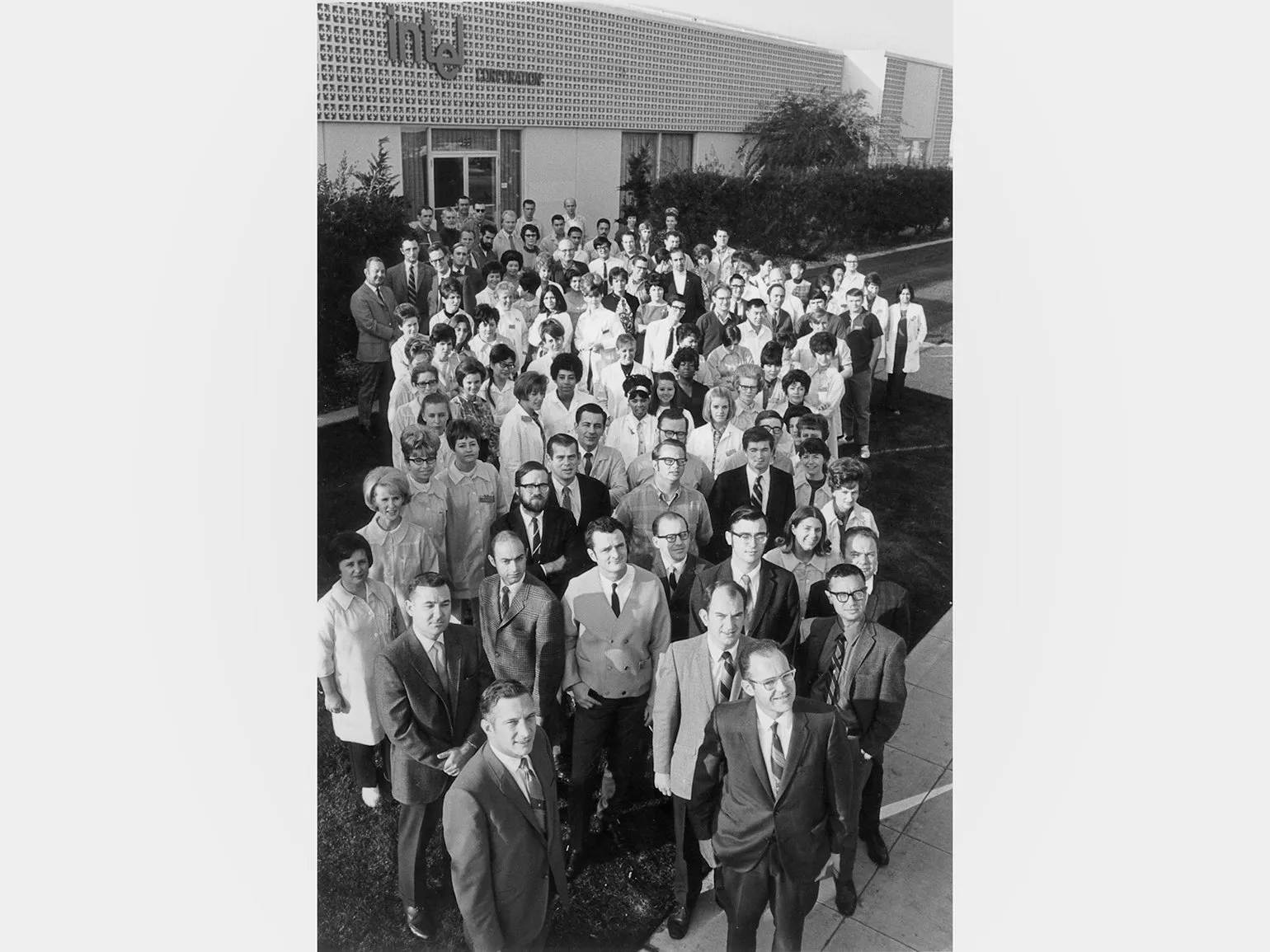
Fairchild's success in the 1960s made it a leader in the Stanford Technology Park, driven by significant government contracts. However, in 1968, Fairchild faced financial difficulties, leading to the departure of many engineers. That same year, Robert Noyce and Gordon Moore, former Fairchild employees, founded Intel, and Jerry Sanders, another former employee, founded AMD. These events became key in the history of the semiconductor industry, determining the further development of technologies and competition in the market.
Shockley's fate was tragic. His life was filled with business failures and family losses. After receiving a professorship at Stanford, he developed radical racist and eugenicist views, which led to his isolation in the scientific community. These ideas not only affected his reputation but also caused a wide public outcry, undermining confidence in his scientific achievements and causing colleagues to distance themselves from him.
In the 1960s, the US stock market experienced a significant technology boom. Companies such as Digital Equipment and Wang Laboratories attracted large investments thanks to innovative solutions. Journalist Adam Osborne noted that in the late 1960s, simply saying the words "Minicomputer!" on Wall Street was enough to instantly attract the attention of investors. This period was significant for the development of technology and the economy, opening new horizons for business and investing in high technology.
Initially, Massachusetts and Texas led the way in microchip production. However, since the 1970s, Silicon Valley has become a true hub of high technology. This name was coined by journalist Don Hoefler. In 1969, California universities, including Stanford, with the support of the US Department of Defense, created ARPANET, which became the precursor to the modern internet. This project laid the foundation for the further development of network technologies and the digital economy, which in turn contributed to the growth of Silicon Valley as a major hub for innovation and startups in the field of information technology.
The History of Venture Capital: From Whalers to Tech Giants
Venture capital as we know it today began to actively develop after World War II, although its origins can be traced back to the 16th and 17th centuries. According to American economic historian Tom Nicholas, the first venture capitalists were agents who helped whalers find financing among wealthy individuals. These early forms of high-risk investments laid the foundation for modern venture capital, which today plays a key role in funding startups and innovative projects. Venture capitalists risk their own funds, hoping for significant returns if the companies they invest in succeed. This approach stimulates the development of new technologies and business ideas, making venture investing an important factor in economic growth and progress.
Venture capital deals began to be documented as early as the 18th century, but remained relatively rare. In the 19th century, financial resources in the United States were controlled by a few influential families, such as the Carnegies, Rockefellers, and Vanderbilts. These representatives of "old money" typically favored safe investments, such as fixed-interest loans, over risky startups. This anticipated the development of venture capital, which later became a key element in financing innovative projects and new technologies.
The climate of venture investing began to change in the post-war years. Important changes in this field were initiated by Karl Compton, Georges Doriot, Ralph Flanders, and Merrill Griswold, who founded the American Research and Development Corporation (ARD) in 1946. It was Doriot who coined the term "venture investing," which later became widely used in the financial world. These changes laid the foundations for modern venture capital, facilitating the development of innovative companies and start-ups.
ARD focused on investments in the range of $50,000 to $1 million. Statistically, in the first three decades of the investment horizon, the ARD was approximately six and a half years, and the return on investment rarely exceeded ten years. These metrics highlight ARD's strategic approach to long-term investment and confirm its ability to effectively manage capital.
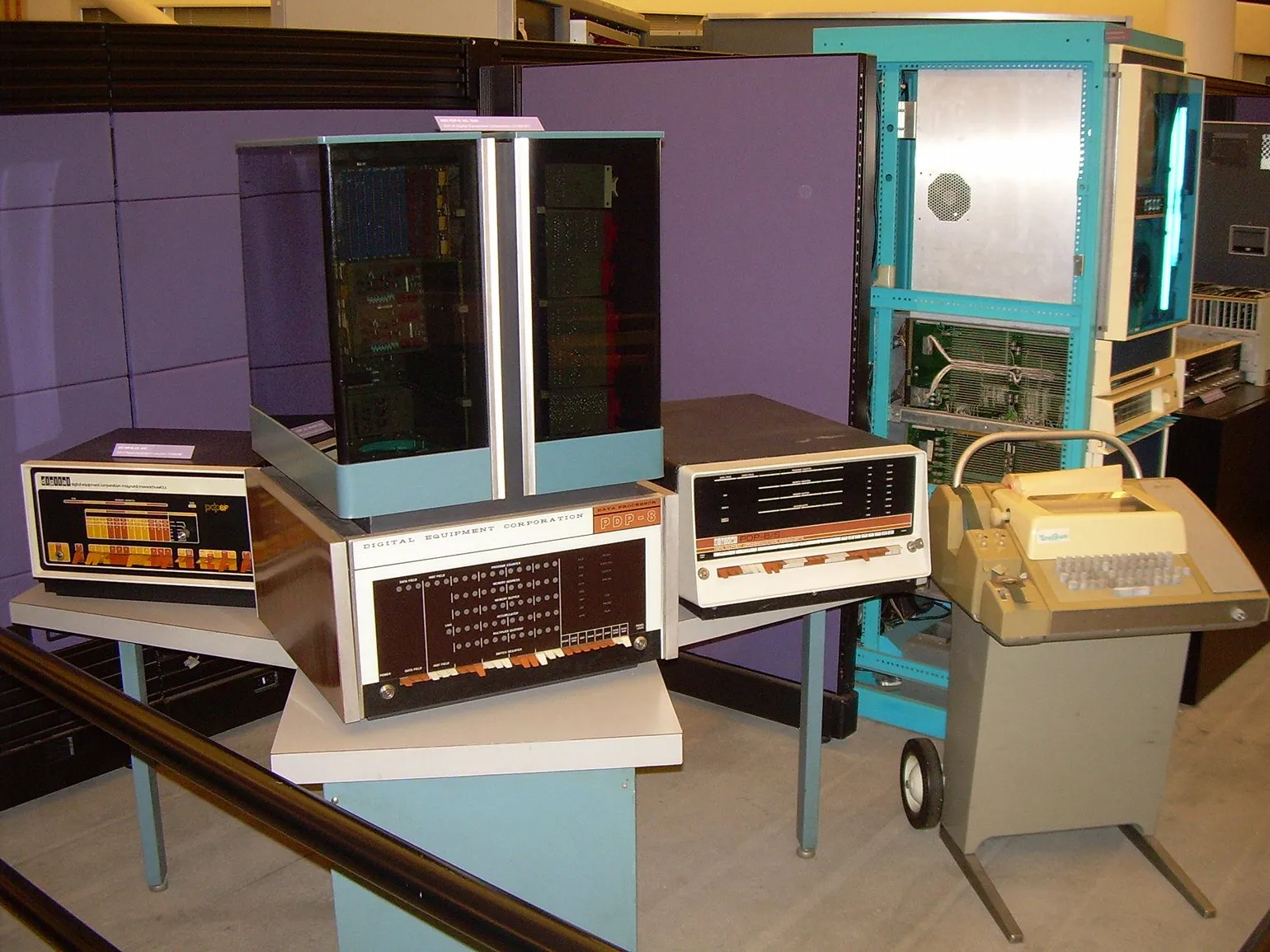
One of ARD's key deals was a $70,000 financing of Digital Equipment Corporation (DEC) in 1957. In 1965, DEC introduced the PDP-8, the first commercially successful transistorized minicomputer, which played a significant role in the evolution of the computer industry. By 1970, the value of DEC shares owned by ARD had increased to $350 million, demonstrating the company's significant growth and influence on the technology market.
Since the early 1960s, the US has seen rapid growth in venture capital funds, made possible by the introduction of the SBIC program in 1958. This program provided venture funds with access to government financing on preferential terms. By the 1970s, the number of active SBIC funds reached 500, significantly increasing the volume of investment in start-ups and contributing to the development of the innovative sector of the economy. Venture funds have become an important tool for supporting new ideas and technologies, which in turn has contributed to economic growth and the creation of new jobs.
California has become a hub for venture investing when funds began moving there in the early 1960s. Arthur Rock, one of the founders of venture capital, noticed the large number of promising companies in the Stanford Technology Park that lacked funding. He decided to shift investment from the East Coast to the Wild West, which contributed to the growth of the innovation sector and the development of startups in the region. This move was a key moment in the formation of the modern venture capital ecosystem in California, making it one of the most attractive locations for investors and entrepreneurs.
By the 1970s, venture capital had become a key source of startup funding, particularly in Silicon Valley. The region became the scene of landmark deals that shaped the modern economy. In 1969, Intel raised funding from the Small Business Investment Company (SBIC), which played a vital role in its growth. In 1977, Arthur Rock invested in Apple, which was founded in a Palo Alto garage. These events highlight the importance of venture capital in shaping tech giants and driving innovation in Silicon Valley.
Venture capital, which began with small deals, became the foundation for the creation of tech giants like Cisco and Intel. Silicon Valley, in turn, has become a global hub for technology and innovation. This approach to funding startups and new ideas has led to significant economic growth and the creation of numerous jobs, highlighting the importance of venture capital in modern business.
Venture Capital Trends: Where Is Society Headed?
Venture capital was a key factor in fueling the computer revolution. However, one must not forget the significant influence of government investment in research and development (R&D) in the United States in the first three decades after World War II. These public investments formed the basis for the formation of a group of highly qualified American physicists, engineers, and cyberneticists who later laid the foundation for the modern computer industry. Thus, the combination of venture capital and government resources played a decisive role in the development of technologies that changed the world.
The technology boom initiated by the US government became a catalyst for the emergence of such phenomena as the Internet, social media, e-commerce, and artificial intelligence. Currently, the United States allocates approximately 3% of its budget to research and development, the lowest level in recent years. With government intervention declining, venture capital is becoming a key tool for investing in high-tech companies. This trend underscores the importance of private investment for the further development of innovative technologies and maintaining competitiveness in the global market.
Governments can fund fundamental research without expecting immediate profit, while private investors are focused on financial gain. Elizabeth McBride, a columnist for MIT Technology Review, emphasizes that venture capitalists strive to find companies with the potential to go public. This requires innovative ideas that can attract the attention of a broad market. Thus, the private sector plays a key role in the commercialization of scientific developments and their implementation in the economy, which creates a competitive advantage for investors.
Venture investing, despite significant losses incurred during the dot-com era and the global financial crisis, is currently demonstrating stable growth. Experts note an improving market situation and predict further growth in this sector. The increase in funds flowing from institutional investors into venture capital funds is creating favorable conditions for new startups and innovative projects. This trend indicates sustained interest in venture capital and its potential to generate significant returns in the future.
As of 2020, American companies accounted for 51% of global venture capital investment, a significant decrease from 84% in the 1990s and nearly 100% in the 1980s. In 2020, total venture capital investment in the US amounted to approximately $164 billion. Startups in the country employed 4.4 million people, representing approximately 3% of the total US workforce. The average size of a venture capital fund in America at that time reached $24.6 million. These data highlight changes in venture capital allocation and the dynamics of the U.S. startup market, which are important to consider when analyzing investment trends.

Venture capitalists today are less risk-averse than in the past. The share of high-risk seed and early-stage investments is declining, while interest in later-stage investments is increasing. Funding has become significantly more difficult for startups than it was two decades ago, despite the increase in the volume of "dry powder"—cash that funds prefer to hold on to rather than invest in new projects. This shift in venture capitalist behavior underscores the need for startups to adapt to changing market conditions and seek alternative sources of funding.
Currently, more than 50% of venture capital investments go to internet companies. Key areas attracting investor attention include artificial intelligence, platform solutions, financial technology (FinTech), and educational technology (EdTech). These areas demonstrate significant potential for growth and innovation, making them attractive for investment. Investors are increasingly turning their attention to startups operating in these segments, expecting high returns and rapid growth.
Healthcare ranks second in terms of investment volume, and has seen significant growth in investment in this area over the past two years. Experts predict that the share of investment in healthcare will continue to increase. Research by Deloitte shows that venture capitalists are showing increasing interest in the "virtual health" industry, including telemedicine, remote monitoring systems, and artificial intelligence-based solutions. These trends indicate that innovative technologies in healthcare are becoming key factors in attracting investment, which in turn contributes to improving the quality of medical services and increasing access to medical care.
Allison Baum Gates, General Partner at SemperVirens Venture Capital, predicts a significant increase in investment in mental health monitoring technologies. This change will help reduce the cost of medical care and provide an opportunity to retrain specialists in this field. Innovations in the field of mental health are becoming increasingly relevant, which opens new horizons for investment and improving the quality of medical services.
Starting a Business in 2025: 5 Steps to Success
Want to launch a successful business in 2025? Learn 5 key steps to success!
Learn more