Contents:
- No UFO’s - Model 500
- Baby Wants To Ride - Frankie Knuckles
- The Theme - Unique 3
- James Brown Is Dead - L.A. Style
- Honey - Ultramarine
- Drop This - 4-Mega
- Scottie - Subnation
- Original Nuttah - Shy FX & UK Apache
- Timeless - Goldie
- Girl/Boy - Aphex Twin
- Firestarter - Prodigy
- Gunman - 187 Lockdown
- For an Angel - Paul van Dyk
- Fuck the Pain Away - Peaches
- I Luv U - Dizzee Rascal
- Midnight Request Line - Skream

Thinking about a new career but don't know where to start? Find out what's right for you: IT, design, game development, management, or marketing. Take a free career counseling session.
Learn moreElectronic music has its roots in the avant-garde experiments of the early 20th century. At this time, artists began incorporating unexpected sounds, such as nature and urban sounds, into their compositions. Engineers, in turn, began developing unique electric instruments, including the theremin, which became a symbol of a new musical era. Performers later joined the music-making process, using methods of adjusting the speed of audio tapes, editing them, and overdubbing them. These techniques are reminiscent of modern DJ practices, who work with digital audio tracks. Thus, we can trace the evolution of electronic sound from avant-garde experiments to modern musical trends.
The 1980s saw the beginning of the rave era — dance music that did not require live instruments. A DJ could create an atmosphere and energize the crowd alone. Initially, genres such as techno and house emerged, but with the development of technology, the number of musical styles increased significantly, and today there are 16 main genres. In this article, we will look at key compositions in each of these genres to understand their influence on modern electronic music.
No UFO’s — Model 500
Genre: techno
Techno is a musical genre that emerged in the mid-1980s in Detroit, USA. It became popular due to its unique combination of electronic sounds, rhythmic beats, and atmospheric melodies. Techno is characterized by minimalist structures and frequently utilizes synthesizers and drum machines, creating complex textures and diverse soundscapes.
This genre of music has actively developed and evolved over the decades, inspiring numerous subgenres such as minimal techno and house. The techno scene has firmly established itself in club culture, as well as at major music festivals around the world. Today, techno continues to attract listeners thanks to its ability to create a unique musical experience and atmosphere.
Techno is not only dance music but also a form of self-expression that unites people in the pursuit of freedom and creativity. Every year, the genre expands its boundaries, introducing new technologies and approaches to sound creation, making it relevant and in demand among fans of electronic music.
Release date: 1985.
The techno genre originated in Detroit, which by the mid-1980s had become a symbol of decline, transforming from an industrial giant into a post-apocalyptic landscape. Amidst technological devastation, the first techno compositions were created here, reflecting the rhythms of abandoned and no longer functioning machines. These musical works became a unique sonic portrait of the city, conveying an atmosphere of change and loss, and also laying the foundation for the further development of electronic music. Techno quickly gained popularity and began to influence musical trends around the world, shaping a unique culture and aesthetic preferences.
Techno music found room for fun and creativity. Musician Juan Atkins, known as Model 500, draws inspiration from the African-American dance genre of funk. He created unique, broken rhythms that blend seamlessly with the latest advances in European electronic music. These rhythms not only add dynamics but also create a unique atmosphere conducive to dance and immersion in the world of techno.
Atkins and other Detroit DJs combined elements of "white" and "black" music, creating a unique musical blend that became a unique soundtrack for the future. This innovative combination of sounds not only reflected cultural diversity but also laid the foundation for new musical directions that continue to influence contemporary music.
Baby Wants To Ride — Frankie Knuckles
Genre: House
House is a music genre that emerged in the 1980s in Chicago. It is a mixture of various styles, including disco, soul, and electronica. House music is characterized by a clear rhythm, deep bass, and melodic elements. This genre quickly gained popularity and became the basis for many other types of electronic music.
Today, house continues to evolve, including a variety of subgenres such as tech house, progressive house, and funk house. House music is a popular feature at club parties and music festivals around the world. This genre attracts both DJs and listeners thanks to its ability to create an atmosphere of fun and danceable energy.
If you want to immerse yourself in the world of house music, it's worth paying attention to its key artists and DJs, who have made significant contributions to the genre's development. House music also inspires many new artists, which testifies to its relevance and influence on modern music culture.
Release date: 1987. This year was significant for many events in the world of cinema, music, and culture. 1987 saw the release of many films that would later become classics. Musical hits that emerged that year continue to be heard today, and the cultural phenomena of that time have had a significant influence on subsequent generations. It's important to remember 1987 as a time when important changes and discoveries took place that shaped the modern world.
House music emerged from "black" dance music, particularly disco. Producers adopted the characteristic steady beat, known as a straight kick, which could be repeated for a long time. This style also brought elements of sexual liberation to the music. House music was born in bohemian clubs, where it became a symbol of unbridled hedonism and freedom of expression.
Frankie Knuckles is a legendary DJ from Chicago, the birthplace of house music. He was one of the pioneers of remixing disco songs, introducing electronic drums into them. In his composition "Baby Wants To Ride" Knuckles conveys a high level of sexual tension through a languid voice that repeats calls to the object of desire. This track became an important milestone in the development of house music and had a significant influence on subsequent musical directions.
The Theme — Unique 3
Genre: Bleep & bass, or bleep-n-bass, is a unique direction in electronic music. It originated in the early 1990s and quickly gained popularity due to its characteristic sound textures and rhythmic elements. This genre is based on synthesizers and samples, creating melodic, yet aggressive sounds.
Bleep & bass combines elements of techno, jungle, and downtempo, making it appealing to a wide audience. Music of this genre is often used at parties and club events due to its energy and ability to create a unique atmosphere.
Today, bleep & bass continues to evolve, inspiring new artists and producers. This genre attracts the attention of not only electronic music enthusiasts, but also those seeking new sonic experiments.
Release date: 1989. This year was significant for many events and works that had a significant impact on culture and society. 1989 saw many important changes, including significant political events and cultural phenomena. This time was marked by a transition to new trends and styles that continue to have an influence to this day.
Bleep & Bass is the first rave genre to emerge in the UK, specifically in Sheffield. The genre combines two key elements, reflected in its name. Blips are simple, high-frequency melodies that resemble the sound of old calculators, while the bass is characterized by a powerful, deep sound. This unique style of music had a significant influence on the development of the electronic music scene and continues to inspire new artists.
Bass music became a real sensation among producers, who actively experimented with equipment, striving to convey its tangibility on a physical level. These experiments often led to breakdowns of studio equipment, which emphasized the high demands on sound quality and originality.
Some musicians repeatedly recorded bass, increasing the volume to the limit. In the track "The Theme", which became a landmark for the Sheffield scene, the bass was created using feedback - an acoustic effect that occurs when a microphone captures sound from speakers and then returns it to the speakers. This process creates a growing squeal or rumble that attracts attention and adds uniqueness to the composition.
James Brown Is Dead — L.A. Style
Genre: hardcore techno
Hardcore techno, or hardcore techno, is a dynamic and energetic musical style characterized by high speed and aggressive rhythms. This genre emerged in the early 1990s and quickly gained popularity in the club scene due to its powerful bass and intense melodies. Hardcore techno incorporates elements of various musical genres, such as techno, rave, and industrial music, making it unique and diverse.
The main characteristics of hardcore techno are sharp and fast drums, as well as the use of synthesizers to create a powerful sound. Tracks in this genre often have dark and gloomy musical motifs, making them especially attractive to fans of energetic and aggressive music. Hardcore techno is actively used at raves, festivals, and clubs, where the atmosphere and rhythm of the music create an unforgettable mood.
Modern artists and DJs continue to develop the genre, adding new elements and experimenting with sounds. Hardcore techno remains an important part of electronic music, attracting the attention of both old and new listeners.
Release date: 1991.
Hardcore techno emerged in Europe and ultimately severed the ties between rave and funk. White producers developed a metal-inspired genre, relying on midrange frequencies, aggressive sound effects, and powerful dynamics. Hardcore techno clubs resembled bunkers, and dance floors became more aggressive. DJs performed in gas masks and hazmat suits, creating an atmosphere reminiscent of a post-apocalyptic world. Hardcore techno is characterized by its high tempo and intensity, attracting fans seeking extreme sensations on the dance floor.
The track "James Brown Is Dead" by producer L.A. Style, with its marching rhythm and mentalistic effect, sounds like a swarm of cyborg bees, and the heavy riffs make it a landmark piece. This composition became one of the most striking representatives of the genre, having a significant influence on the development of electronic music and culture of the 90s.
Honey — Ultramarine
Genre: chill-out, ambient, ambient techno, ambient house. These musical styles create an atmosphere of relaxation and tranquility, ideal for background sound. Chill-out is characterized by calm melodies and soft rhythms that promote relaxation. Ambient, in turn, focuses on sound textures and atmospheric elements, creating an immersive sound environment. Ambient techno combines elements of techno with ambient sound, adding rhythm and dynamics. Ambient house, which combines relaxed melodies and club rhythms, is ideal for parties and quiet gatherings. These genres are often used in cafes, exhibitions, and spas, where an atmosphere of comfort and tranquility is important.
Release date: 1991. This year was significant for many events in history, including important cultural and technological achievements. The year 1991 saw many significant changes that influenced the further development of various industries. Given the importance of this time, it is worth noting that many modern trends and achievements began to emerge in this year.
Music at raves of the early 1990s took on a heavier and faster tempo, but partygoers still needed a break. Many producers began experimenting with combining techno and house with ambient—slow and atmospheric music consisting of minimalist melodies created on synthesizers. Some artists performed in large stadiums, offering audiences a pure ambient experience that added uniqueness and depth to the musical experience.
Among the electronic music scene, the duo Ultramarine stood out, introducing unusual live instrument samples borrowed from soft rock and folk to house music. Their composition "Honey" features sincere vocals reminiscent of an old rock ballad, harmoniously complemented by acoustic guitar and flute. This refreshing hippie sound became a new experience for ravers and brought diversity to the electronic scene.
Drop This — 4-Mega
Genre: Breakbeat Hardcore
Breakbeat Hardcore is a music genre that combines elements of breakbeat and hardcore. It is characterized by a fast tempo, powerful bass, and energetic rhythms. This style emerged in the early 90s and quickly gained popularity due to its dynamism and ability to create an atmosphere on the dance floor.
Breakbeat Hardcore often uses samples from various musical styles, including hip-hop, electronica, and punk, which gives it a unique sound. DJs and producers play a vital role in this genre, creating tracks that capture listeners' attention with their intensity and variety.
Today, breakbeat hardcore continues to evolve, absorbing new trends and influences while remaining popular among electronic music fans. This genre is ideal for club parties and festivals, creating an unforgettable atmosphere and a boost of energy for those dancing.
Release date: 1992
Breakbeat Hardcore is a key genre of the golden era of British rave. Unlike the US, where hip-hop and house existed in different social contexts—hip-hop was associated with ghetto culture, while house was the preference of the wealthy—in the UK, these genres merged. Electronic producers began actively using samples and sped-up hip-hop drums, creating a unique sound that defined the character of the rave scene. This style became a symbol of youth culture and self-expression, fusing diverse musical influences and styles.
The creation of this music was characterized by a frankly pirated approach: tracks were mixed at home, and samples were used without licenses. Vocalists often sounded like chipmunks, as their voices had to be synchronized to the beat to achieve the desired sound, which often resulted in artificially accelerated vocals. This style of production reflects not only creativity but also the courage to experiment with musical elements, which became one of the key factors in the popularity of this sound.
The track by the group 4-Mega is a powerful and energetic sound, embodying the spirit of rave. It reflects the desire for pleasure and adrenaline, which in turn inspired producers to create increasingly dynamic and uptempo musical compositions. This music immerses listeners in an atmosphere of unbridled fun and freedom, highlighting the culture of rave and its influence on the development of electronic music.
Scottie — Subnation
Genre: Darkcore
Darkcore is a musical style that combines elements of harsh electronica and gloomy atmosphere. It emerged in the late 1990s and quickly gained popularity among fans of heavy music. Darkcore is characterized by aggressive rhythms, deep bass and dark melodies that create an atmosphere of tension and mystery.
This genre is actively used in various subgenres of electronic music, such as techno, hardcore and IDM. Darkcore is becoming increasingly popular at parties and festivals, where its ability to create a unique atmosphere is appreciated. Music in this genre is often accompanied by visual effects, enhancing the immersion into the gloomy world of darkcore.
Not only musical elements are important for the development of the genre, but also cultural aspects, which include fashion, graphics, and philosophy. Darkcore attracts listeners with its authenticity and individuality, making it especially appealing to those looking for more than just entertainment.
Release date: 1993. This year was significant for many events in the world of culture and technology. In cinemas, audiences saw many cult films that later became classics. The music of this period is characterized by a variety of styles and genres, from grunge to hip-hop, which had a significant impact on the music industry. In the field of technology, 1993 was marked by significant advances, including the development of the internet and the emergence of the first web browsers, which changed the way people interact with information. This year set the stage for many future changes in various fields.
In 1993, the economic crisis hit the UK, negatively affecting the mental state of many rave culture veterans. The atmosphere of dance floors, once filled with love and common brotherhood, changed. People began to isolate themselves, huddling in corners and losing interest in dancing. This time became the prologue to a new stage in the development of electronic music and rave culture, when joy and unity gave way to feelings of anxiety and alienation.
Producers captured the mood of their audience and focused on dark music that conveys feelings of paranoia, mental exhaustion, and lost pleasure. Such rhythms become significantly more difficult to dance to, reflecting changes in the perception and emotional state of listeners.
The track Scottie is characterized by powerful and unconventional drum rhythms that create a tense atmosphere. Against the backdrop of these heavy rhythms, dark cries borrowed from the horror genre sound: "We will not die! We will escape from here!" This combination of elements gives the composition a unique character and enhances the emotional load, which attracts the attention of the listeners.
Original Nuttah – Shy FX & UK Apache
The jungle genre is a unique movement in electronic music that emerged in the UK in the early 1990s. This musical style combines elements of drum and bass and hip-hop, and incorporates a variety of sound samples and rhythmic structures. Jungle is characterized by a fast tempo, typically around 160-180 beats per minute, and complex percussive rhythms that create a dynamic and energetic atmosphere.
Jungle music often uses samples from reggae, soul, and funk, giving it a distinctive sound. An important part of this genre are vocal inserts, which can range from dark and atmospheric to bright and uplifting. This style of music has had a significant influence on the development of other genres, such as dubstep and electronica.
Jungle continues to evolve every year, attracting new artists and listeners. Its unique blend of rhythms and melodies makes it popular not only on dance floors but also at various music festivals. Jungle remains an important part of electronic music, maintaining its individuality and bringing fresh ideas to the modern musical landscape.
Film release date: 1994. This year was significant for cinema, as many cult films were released that influenced the development of the film industry. Films released in 1994 continue to be relevant and beloved by audiences, their plots and characters are remembered for many years.
Jungle represents the culmination of African-American influences in British rave culture, despite the fact that it was often performed by white artists. This genre is characterized by fast and complex drum rhythms with many micro-fills, as well as bass lines slowed down by half and borrowed from Jamaican dub. Jungle combines reggae chants, rap, hip-hop bravado, and gunfire. Jungle parties often feature elements of criminality and aggressive dancing, making them a unique part of nightlife and culture.
In 1994, jungle became a key musical genre at the Notting Hill Carnival, one of the most significant cultural events in Black London. Every stop featured the track "Original Nuttah"—a unique piece with one of the most memorable rhythms in the history of rave music. This track combines melodic chants and dynamic rap by UK Apache, which represents a synthesis of Arabic and Jamaican musical traditions. With its energetic sound and cultural roots, jungle continues to influence the development of electronic music and remains an important part of London's musical heritage.
This sound could only have emerged in multicultural London.
Timeless — Goldie
Drum and bass is a music genre that emerged in the early 1990s in the United Kingdom. It is characterized by a fast tempo, rich basslines, and complex percussive rhythms. Drum and bass combines elements of various styles, including reggae, jazz, hip-hop, and electronica, making it unique and diverse.
The drum and bass sound is based on intense drums, typically clocking in at between 160 and 180 beats per minute. The genre gained popularity for its club-friendly rhythms and dynamic atmosphere, which has attracted the attention of listeners around the world. Drum and bass is actively developing and continues to introduce new elements, including vocals and orchestral instruments. Today, drum and bass has many subgenres, such as liquid, jungle, and neutral, allowing artists to experiment with sounds and create unique compositions. This genre continues to be relevant in the music scene, attracting both new and experienced listeners. Release date: 1995. This year was significant for many events and changes in various fields, including film, music, and technology. 1995 saw the release of iconic films that influenced society and culture. Technological advancement also developed rapidly, with the emergence of new devices and software that changed our daily lives. It's important to note that the events of 1995 continue to influence the modern world, shaping new trends and directions.
Drum and bass producers transformed jungle into a more accessible genre, appealing to a wider audience. They eliminated elements such as MCs, softened the rhythm, and introduced melodic textures. Although drum and bass has evolved into more aggressive and energetic styles over time, its origins lie in the progressive response to the chaotic jungle.
The epic album Timeless, produced by DJ Goldie, has become a landmark work in the genre. Its title track is 21 minutes long, although it was originally planned to be a 40-minute composition. Goldie masterfully combines atmospheric synthesizers with a simple rhythm, while sophisticated female vocals give the track additional depth and sophistication. Timeless continues to influence electronic music, setting a high standard for future albums in the genre.
Girl/Boy — Aphex Twin
The IDM (Intelligent Dance Music) genre is a unique musical direction that combines elements of electronic music and experimental sound. It is characterized by complex rhythms, unusual melodies, and richly textured soundscapes. IDM often differs from traditional dance music, focusing on musical composition and emotional depth, rather than just a rhythmic beat for dance floors.
This genre emerged in the early 1990s and quickly gained popularity among listeners who appreciate innovation in music. IDM utilizes a variety of synthesizers, samples, and software to create complex sound effects. IDM compositions often incorporate elements of other genres, such as ambient, glitch, and experimental, making them unique and diverse. Famous IDM artists include Aphex Twin, Autechre, and Squarepusher, who have significantly influenced the development and popularization of the genre. The IDM genre not only attracts the attention of electronic music enthusiasts but also inspires many modern musicians to create new, innovative works. Release date: 1996. This year was significant for many films that left a significant mark on cinema history. In 1996, audiences were able to see many cult films that defined the development of genres and became classics. Each of them made their mark on the film industry and left a lasting impression on audiences with their unique plots and remarkable characters.
Sooner or later, every musical genre produces "mad professors" who strive to create something experimental and sometimes terrifying. IDM producers, who create their tracks from random sounds and noises, are an example of such innovators. Their compositions are often characterized by atonality, and the rhythm becomes so unstable that dancing to such music is practically impossible. This music is primarily intended for home listening, not for the club scene. IDM attracts listeners with its uniqueness and depth, opening new horizons in sound perception.
Aphex Twin is a key figure in electronic music, known for his provocative statements in interviews, unusual video clips, and experimental sound. One of the most striking examples of his work is the composition "Girl/Boy", which combines complex percussive rhythms and exquisite orchestral parts. This work illustrates his desire for innovation and experimentation in music, which makes him indispensable in the world of electronic music.
Firestarter — Prodigy
Genre: Big Beat
Big beat is a music genre that emerged in the 1990s and became popular due to its energetic rhythmic structure and synthesis of various musical styles. It combines elements of electronica, hip-hop, rock, and pop, creating a unique sound that attracts listeners. The main characteristics of big beat are powerful drums, bright bass lines, and the use of samples from various musical sources. This genre is actively used in club culture and at festivals, creating an atmosphere conducive to dancing and fun. Big beat has had a significant influence on the development of electronic music and continues to inspire new artists and producers.
Film release date: 1996. This year was a landmark one for the film industry, as numerous iconic films were released and left their mark on history. Films released in 1996 continue to inspire new generations of viewers and filmmakers. Interest in the films of 1996 only grows with each passing year, and they continue to be discussed for their cultural influence and innovation.
The Prodigy became megastars in the early 1990s. Frontman Liam Howlett sought to move away from the high speeds of rave music. The result of this experiment was the track "Firestarter," a unique combination of looped beats, mid-tempo hip-hop, and aggressive rock guitars. This track reflects the Prodigy's innovative approach to musical style, which combined elements of electronic music with rock cultures, making them one of the most influential artists of their time.
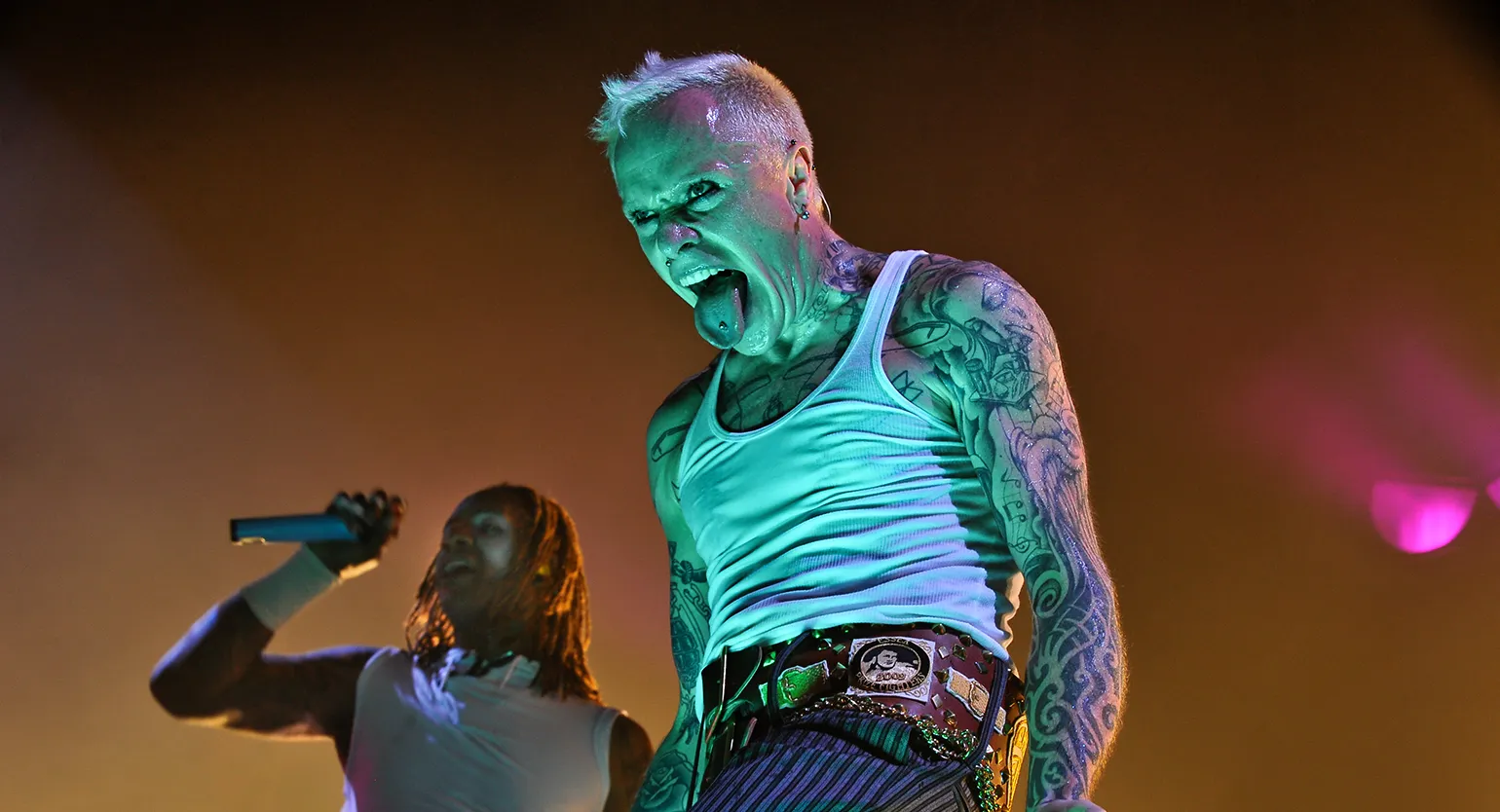
The genre known as big beat became a popular choice for rock musicians seeking new sounds. The Prodigy made the leap from small club gigs to large stadiums, collaborating with guitarists and creating a unique musical style. The band's vocalist, Keith Flint, with his vibrant image and distinctive vocals, was associated with the image of crazy punk even more strongly than many representatives of punk culture. This made the Prodigy one of the most influential bands of their time, bringing elements of electronic music to rock music and creating a unique atmosphere at their concerts.
Gunman — 187 Lockdown
The garage genre, or garage, is a musical style that emerged in the 1960s in the United States. It combines elements of rock and roll, blues, and psychedelic music. Garage is characterized by a raw, energetic sound and is often considered a precursor to such movements as punk and alternative rock.
An important part of this genre is the use of simple and laconic melodies, as well as spontaneity in the lyrics. Garage music is often created by non-professional musicians at home, which gives it a special authenticity and originality.
Over time, the garage genre has undergone changes and acquired new directions, such as the garage rock revival in the 2000s, when bands began to return to the roots of this style. In the modern music space, garage continues to remain relevant, attracting both old fans and a new generation of listeners.
Thus, the garage genre is an important part of musical culture, continuing to influence the development of various styles and trends in music.
Release date: 1997.
Garage arose as a result of remixes of R&B compositions and became a symbol of rave's return to glamorous aesthetics and luxury. This genre is an accelerated house performed by the British, characterized by broken rhythms, deep wavy bass and Jamaican recitative. Garage grew out of street music, but was also associated with expensive champagne and designer clothing, highlighting its unique blend of street culture and high fashion.
The song "Gunman" by 187 Lockdown showcases the complex nature of the garage music genre. The track features gunshots and police sirens, creating an atmosphere characteristic of the darkest and most underground genres, such as jungle. Despite jungle rarely charting, "Gunman" managed to reach number 16, highlighting its popularity and influence on the music scene. The song is a prime example of how the garage sound can combine elements of street culture and mainstream appeal.
For an Angel — Paul van Dyk
Trance is a musical genre that emerged in the early 1990s and quickly gained popularity due to its melodic and atmospheric elements. Trance music is characterized by prolonged structures, hypnotic rhythms, and often uses synthesizers to create unique sonic textures. This genre includes many subgenres, such as progressive trance, psychedelic trance, and uplifting trance, each of which has its own characteristics and audience.
Trance music is often used at festivals and club parties, creating a sense of unity and immersion in the sonic atmosphere. Key artists and DJs of this genre, such as Armin van Buuren, Paul van Dyk, and Tiësto, continue to inspire new generations of musicians and fans. Trance is not only a musical genre but an entire culture that unites people around the world.
If you're looking for inspiration or want to dive into the world of trance music, it's recommended to learn more about its history, subgenres, and top artists.
Release date: 1998.
Trance music emerged in the early 1990s but reached its peak popularity at the end of the decade. During that period, the public was tired of the complex rhythms of jungle and IDM, where artists focused on the "scientific" aspects of music production rather than on entertaining listeners at parties. People were looking for the simple and sincere emotions that trance music had to offer. This genre became a symbol of evening events, uniting people through melodic lines and rhythmic beats, creating an atmosphere of unity and positive emotions. Trance continues to attract listeners thanks to its ability to evoke deep feelings and create unforgettable moments on the dance floor.
All varieties of this genre are united by a simple rhythm based on a straight bass drum. More psychedelic DJs add complex synthesizer parts to their tracks. However, the most accessible and popular genre has become Eurotrance, made famous by stars like Paul van Dyk and Armin van Buuren. This style of music is characterized by melodicism and energy, making it ideal for clubs and festivals. Eurotrance continues to attract the attention of electronic music fans thanks to its catchy melodies and vibrant performances.
Van Dyk's main hit "For an Angel" is dedicated to his girlfriend and features light and melodic keyboard parts. This composition is ideal for large-scale events such as mega-raves, which attract tens of thousands of people. "For an Angel" remains an iconic track in the world of electronic music, creating a unique atmosphere and unforgettable memories on the dance floor.
Fuck the Pain Away — Peaches
Electroclash is a music genre that combines elements of electronic music and punk culture. It emerged in the early 2000s and became popular due to its unique sound, which combines synthesizers, electronic rhythms, and aggressive vocals. Electroclash attracts listeners with its energy and bright melodies, as well as lyrics that often touch on themes of modern society and technology.
This genre has become a platform for many artists and bands who strive to experiment with musical forms and create unconventional compositions. Electroclash often acts as a counterculture response to mainstream musical trends, making it particularly appealing to a younger audience.
Important representatives of electroclash include artists such as Fischerspooner, Peaches, and Chicks on Speed, who have made significant contributions to the genre's development. Electroclash continues to evolve, remaining relevant and in demand in the music world thanks to its unique style and bold experimentation. This genre opens up new horizons for creativity and inspiration, offering listeners a unique musical experience.
The release date of this product is 2000. This year was significant for many industries, including technology, as innovations appeared on the market that changed the face of the industry. It is important to note that it was in 2000 that a new stage of development began, which had a significant impact on future trends and innovations. When discussing this year, it's impossible not to mention the key events that shaped the future.
By the early 2000s, the main diversity of rave genres had already been formed. Musicians striving to create new styles often reworked existing forms and introduced radically new elements. This approach resulted in the emergence of electroclash, which became a successful fusion of different musical styles. The innovative elements characteristic of electroclash brought a fresh perspective to rave culture and contributed to its further development.
Let's consider the song "Fuck the Pain Away" as a striking example of the influence of 1980s electronic music. Peaches, using elements of this musical style, gives her sound a unique brutality. In keeping with the traditions of the time, the vocalist does not simply sing, but recites the lyrics, which makes the performance even more expressive and memorable. This approach emphasizes the atmosphere of the composition and creates a special mood characteristic of the era from which it draws inspiration.
The song clearly shows a strong punk rock influence, which is evident in the powerful drums and dark synthesizers. Some bands also used guitars, emphasizing the characteristic sound of the genre. The punk rock tradition of provocation is also reflected in the lyrics, adding depth and expressiveness to the composition.
Electroclash has established itself as one of the most feminine rave genres, where performers openly use bold sexual vocabulary and feminist ideas. This genre has become a platform for women's self-expression, allowing them to explore themes of sexuality and female empowerment through music and lyrics. As a result, electroclash attracts the attention of not only fans of electronic music, but also those who appreciate the social and cultural aspects of art.
I Luv U — Dizzee Rascal
Grime is a music genre that emerged in the early 2000s in the UK. It combines elements of hip-hop, garage, and dubstep, characterized by a characteristic fast beat and aggressive lyrics. Grime often touches on social issues, reflecting the lives of young people in urban areas.
Artists such as Dizzee Rascal, Wiley, and Skepta played a significant role in the development of the genre, helping to popularize grime not only in the UK but also beyond. Grime music is often accompanied by unique beats and rhymes, making it appealing to listeners looking for something new and original.
Today, grime continues to evolve, inspiring a new generation of artists and remaining an important part of music culture. The genre is actively used in various media and collaborations, which contributes to its further spread and popularity.
Release date: 2003. This year was significant in various fields, including film, music, and technology. The film industry released many cult films that left a noticeable mark on history. Musical hits from this era are still played on airwaves and evoke nostalgia. In addition, 2003 was marked by important events in the world of technology, such as the development of the internet and the emergence of new gadgets. These achievements determined the further direction of the development of society and technology as a whole.
When garage became too popular, underground producers began to give it a darker, streetier character. Sweet-voiced vocalists gave way to rappers. As a result, the genre gradually evolved into grime, characterized by dirty and heavy production. Importantly, rappers had never before occupied such a prominent place at raves. Grime became a reflection of the streets, fusing elements of hip-hop and electronica, making it unique and sought-after in the music scene.
Grime, emerging from electronic music, became a uniquely British response to hip-hop. The genre's main stars were MCs who demonstrated mastery of rhyme and performance. In 2003, the Mercury Prize for Best British Album was won by Dizzee Rascal, one of the founders of grime. His track "I Luv U" is a striking example of the synthesis of high-speed rapping and complex rhythmic structures that create broken beats that are difficult to follow. Grime continues to evolve and attract attention, combining elements of various musical styles and reflecting current social issues.
Midnight Request Line — Skream
Dubstep is a music genre that emerged in the early 2000s in the UK. It is characterized by deep bass, rhythmic drums, and a variety of sound effects. Dubstep combines elements of electronic music, reggae, and hip-hop, creating a unique atmosphere. The genre gained popularity due to its bright and experimental sounds, as well as active performances at festivals and clubs. Dubstep continues to evolve, attracting new artists and fans around the world. In recent years, it has also influenced other musical styles, demonstrating its significance in contemporary music culture.
Release date: 2005
Dubstep is a unique musical genre that originated from Jamaican music and developed its own characteristics in the multicultural environment of London. Within this style, artists reworked reggae compositions, removing most instruments, such as keyboards and guitars, and focusing on deep bass and powerful drums. This approach created a distinctive sound that attracted listeners and became the basis for the further development of dubstep as an important part of contemporary music culture.
In Croydon, a London area with a significant black population, DJs began creating unique music using computers instead of traditional live instruments. Today, dubstep is perceived through the prism of loud and aggressive tracks of Skrillex, but the original sound of the genre was slow, meditative, and deep. The single "Midnight Request Line" became an important benchmark and example for subsequent performers in this musical direction.
Reworked text:
Be sure to read this information. It will help you better understand the main aspects of the topic and deepen your knowledge. Don't miss the opportunity to expand your horizons and learn more about this topic. The details presented in this article may be useful for your further study.
- 9 Best Rock Operas of the 21st Century
- Top 20 Best Musical Films
- How to Remotely Record Music for Hollywood Interview with composer Vladimir Podgoretsky
Free career guidance
Take a short test and find out which profession is right for you, and then try your hand at your chosen specialty. At the end of the course, you will have a session with a career guidance specialist. It will help you decide on your career path.
Find out more