Contents:

Thinking about a new profession, but don't know where to start? Find out what suits you: IT, design, game development, management or marketing. Take a free career guidance course.
Learn moreWe recently discussed what blues is, its origins, and its characteristic features. We also provided examples of classic works of this genre. Now we have decided to highlight a separate article dedicated to blues standards—songs that have become an integral part of the repertoire of many performers and continue to remain relevant for many decades. Blues standards are an important part of musical culture, and their influence is felt across various genres.
Over time, music standards change, which allows us to trace the evolution of the genre as a whole. Many of them were formed in the 1920s and 1930s, when bluesmen performed their works in a rural setting, using acoustic instruments. Later, with the advent of electric guitars, blues standards were integrated into the repertoire of early rock bands, significantly influencing the development of rock music. These changes highlight how the blues continues to inspire new musical directions and artists.
House of the Rising Sun
This folk ballad, best known for its folk-rock rendition by The Animals, has had many blues interpretations. Its content is a classic blues story: the protagonist (or heroine, depending on the version) recalls their difficult life and laments how they lost it in the "House of the Rising Sun." This ballad reflects themes of loss and regret, making it relevant to fans of blues and folk rock.
The song's lyrics are dedicated to New Orleans, a Louisiana city that was one of the centers of the slave South and African-American culture. It is unclear what exactly the "House of the Rising Sun" symbolizes—perhaps it was a brothel, a prison, or a gambling den. There is also no definitive evidence of its actual existence. Nevertheless, this image has become an archetype in blues, reflecting important themes such as defeat in the vices of life, the inevitability of fate, and poverty. The song serves as an important reminder of the social and cultural realities faced by people in this historical context.
One of the first versions of the song was recorded under the title "Rising Sun Blues." This composition has become the basis for many interpretations and adaptations, confirming its significance in musical culture. Rising Sun Blues influenced the development of genres such as blues and rock, and continues to inspire modern artists.
Classic blues from Leadbelly is the legacy of one of the most significant bluesmen in music history. Known for his unique style and powerful voice, this legendary artist spent a lot of time on the road, survived prison sentences, and compiled an extensive repertoire that included traditional songs of black musicians. Leadbelly became a symbol of an era, his work had a significant influence on the development of blues and the formation of musical culture as a whole. His songs continue to inspire new artists, and Leadbelly himself remains an icon for blues fans around the world.
Nina Simone's performance of the song acquired a bright organ sound and turned it into a dance hit.
Baby Please Don’t Go
Blues as a musical genre reflects deep human experiences, often associated with grief and suffering. In this context, love in the blues is rarely happy. The song "Baby Please Don’t Go" originates from the era of slavery and tells the story of a prisoner who experiences the fear of losing his beloved. He is afraid that while he is in prison, his beloved will leave him. This theme of loss and longing permeates many blues works, highlighting its emotional depth and connection to real-life trials.
The song, despite its archetypal nature, contains details that are likely related to the personal experience of one of the first performers, whose identity remains unknown. In the lyrics, the hero asks the girl to take her favorite ice cream, which adds an element of intimacy and individuality to the overall composition. These nuances emphasize the emotional connection between the characters and make the song more memorable for listeners.
The song was popularized by Big Joe Williams in the 1930s. His performance played a key role in the spread of this musical work, making it known to a wider audience. Big Joe Williams' influence on the music scene of that time cannot be overestimated, and his contribution to the development of the genre remains significant to this day.
The song became a standard in the early 1950s, largely thanks to Muddy Waters' version performed on electric guitar. This version significantly influenced the development of music of that time and led to the popularization of blues and rock 'n' roll. Waters managed to bring new life to the composition, making it not only a musical work, but also an important element of the cultural context. The electric arrangement attracted the attention of a wide audience and influenced many musicians of future generations.
Later, this song became a rock standard thanks to the blues-psychedelic interpretation of the group Them.
Call It Stormy Monday (But Tuesday is Just as Bad)
A key moment in the history of the blues was the widespread adoption of electric guitars in the mid-20th century. Despite the fact that conservatives argued that true blues should be performed only on acoustic instruments, young musicians continued to experiment with new sound technologies. Electric guitars opened new horizons for the genre, allowing for the creation of richer and more varied musical compositions. This innovation not only changed the sound of blues but also led to its global spread, inspiring many performers to experiment and master new styles.
T-Bone Walker is considered one of the first bluesmen to use the electric guitar. His famous 1948 hit, known as "Stormy Monday," had a significant impact on the development of the genre and inspired many musicians, including B.B. King, who became one of the greatest blues legends. This track not only cemented Walker's status as a pioneer of electric blues but also became an important milestone in musical history, contributing to the popularization of the electric guitar in blues.
The song clearly shows the influence of jazz, which is due to the fact that Walker performed in jazz bands early in his career. The luxurious and relaxed sound makes this composition stand out from the traditional country blues, giving it a unique sound and atmosphere.
In the early sixties, the song became popular when performed by Bobby Bland, known under the pseudonym Blue. He changed some of the chords and mistakenly called the composition Stormy Monday Blues.
The Allman Brothers Band's rock version is an integral part of musical culture. It incorporates characteristic elements of sixties blues-rock, such as lengthy solos and an emphasis on virtuoso guitar performance. This style of music attracts listeners with its energy and depth, while maintaining the traditions of the genre. The Allman Brothers Band successfully combines powerful guitar riffs with emotional melodies, which makes their rock versions truly unique and memorable.
I Can’t Quit You Baby
Written by Willie Dixon, the song was first performed by Otis Rush in 1956. Although it appeared relatively late, the composition quickly achieved the status of a musical standard. This work departed from the traditional rural acoustic blues and fit into a more modern style that was developing in Chicago. At that time, the genre became the musical backdrop for the forced relocation of African Americans to urban areas.
Chicago blues is characterized by the bright sound of electric guitars, but drums, piano, and saxophone also play an important role in its performance. The genre's themes traditionally cover failed relationships, often touching on painful topics like infidelity. Chicago blues music is deeply emotional and reflects experiences that are relatable to many, which is why it continues to appeal to listeners today.
When listening to Willie Dixon's "I Can't Quit You Baby," it's worth noting how masterfully he draws out the opening note. In blues, the voice becomes an instrument, harmoniously interacting with the guitar. This creates a unique atmosphere and emphasizes the emotional depth of the piece. Willie Dixon demonstrates how vocals and instrumentation can merge, creating a powerful and memorable sound that continues to inspire listeners.
The song gained immense popularity among British rock bands inspired by American blues. One of the most famous versions was performed by The Rolling Stones, which testifies to its influence on the music scene.
Led Zeppelin significantly strengthened the sound of their songs, which was an important step in the development of the hard rock musical genre. Their unique blend of blues and rock led to the creation of a new sound that influenced many subsequent artists and genres. Led Zeppelin's blues roots became the foundation for the formation of hard rock, and their musical legacy continues to inspire musicians around the world.
See See Rider
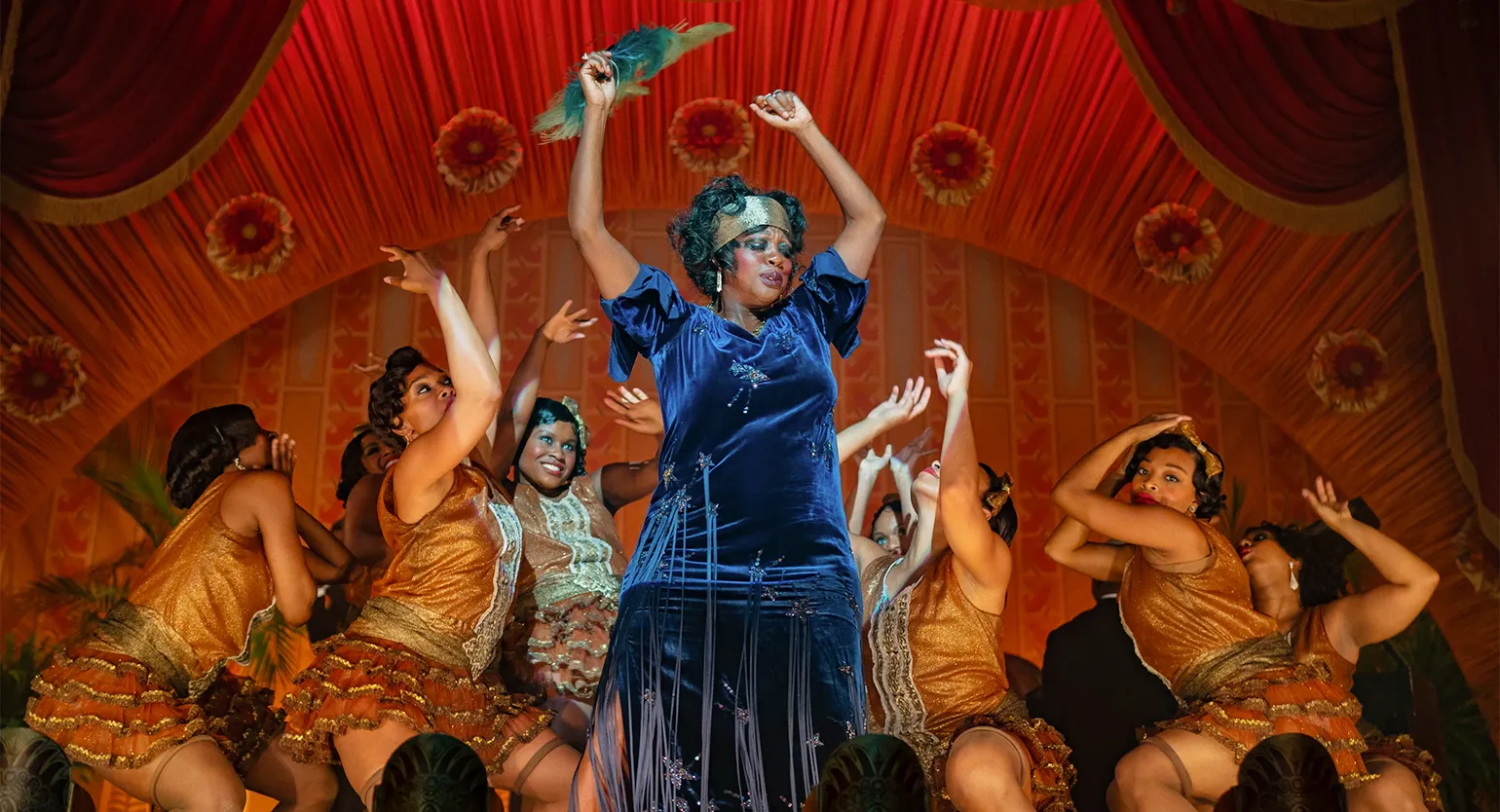
Women were less prominent in the blues than men, but See See Rider gained fame thanks to Ma Rainey, known as the Queen of the Blues. This style of music was distinguished by a more pop sound and an emphasis on vocal performance. Ma Rainey performed with a jazz ensemble that included Louis Armstrong, and her music was reminiscent of the tunes performed in vaudeville. Thanks to artists like Ma Rainey, blues became more accessible to a wider audience and influenced the development of musical culture.
"See See Rider" is a female interpretation of the classic blues conflict surrounding a partner's infidelity. Ma Rainey described it as an "easy rider," but the term has since become associated with women with relaxed sexual habits. The track focuses on the emotions and experiences associated with betrayal and reveals new facets of female identity in the blues genre.
The song has many male performances, performed in a traditional style with an emphasis on the guitar. These versions can be classified as classical works. Mississippi John Hart had a significant influence not only on the blues, but also on country and folk. His unique style and masterful performance made him a prominent figure in musical culture, leaving his mark on the development of several genres.
Rock 'n' roll songs were performed by such pioneers as Chuck Berry. His work had a significant influence on the development of rock music and inspired many artists. Chuck Berry became a symbol of this musical era, and his hits remain popular among rock 'n' roll fans.
Elvis Presley, known as the King of Rock 'n' Roll, has become an icon of musical culture. His unique style, powerful voice, and charisma made him one of the most influential performers of the 20th century. Elvis not only changed rock music, but also had a significant impact on pop culture as a whole. His work continues to inspire new generations of musicians and music lovers. Each of his songs and performances remains in the memory of millions of fans, confirming his status as a legend. Elvis Presley is not just a name; he is a symbol of an entire era in music.
One of the iconic female interpretations was the version of blues-rock singer Janis Joplin. Her unique style and powerful voice made the performance unforgettable, bringing new emotions and depth to the classic composition. Joplin was able to combine elements of blues and rock music, which allowed her to stand out in the music industry and win the hearts of millions of listeners.
Ain’t Nobody Business is a well-known phrase that emphasizes the idea that each person’s personal affairs and choices are their own business. This concept is often used in music, literature, and everyday life to express the need to respect personal boundaries and freedom of choice. The main idea is that no one has the right to interfere in another person’s life without their consent. It is important to remember that everyone has the right to their own point of view and lifestyle. Respect for personal boundaries contributes to the creation of healthy relationships and mutual understanding in society.
A female standard, performed in a vaudeville jazz arrangement, is one of the first examples of blues. The original version of this composition, performed by Anna Myers, was released in 1922. This musical style continues to influence modern music, maintaining its uniqueness and appeal to listeners.
It's a powerful feminist anthem that affirms a woman's right to freedom of choice despite the condemnation of men. The song is even more meaningful given the race of its performer, highlighting the diversity and depth of the feminist movement. This musical track inspires women to be bold and confident in their decisions, affirming the importance of individuality and self-expression in society.
If my friend doesn't have money, I'm always ready to support them. It's important to remember that friendship isn't measured by material goods. Even in difficult times, we can find ways to be there for each other, supporting each other morally and emotionally. Instead of focusing on financial difficulties, it's better to turn our attention to how we can help each other, whether through shared activities or simply socializing. The real value of a relationship lies in support and understanding, not in money.
I say: "Take everything that's mine, my dear."
It's none of anyone's business if I do this.
If my friend doesn't have money, I'm ready to help him in a difficult situation. Financial difficulties can happen to anyone, and it's important to support loved ones in such times. I can offer various options for assistance, whether it's providing temporary financial support or advice on financial management. Together we can find solutions that will help my friend cope with his problems and improve his financial situation. It's important to remember that the support of friends and loved ones plays a key role in overcoming difficulties.
I say: "Take everything I have, my dear."
My decision shouldn't bother anyone if I do just that.
The song "Ain't Nobody's Business" was widely covered by blues and jazz singers such as Sarah Martin. The track became a landmark in the genre, attracting artists who brought their own unique interpretations and emotions. Sarah Martin and other singers not only preserved the spirit of the original but also brought their own individual styles to it, making the song an important part of blues and jazz musical culture.
Blues, as music, reflects the experiences of the oppressed, and the message "I create my own destiny" resonates not only with women. Frank Stokes recorded his version, combining elements of blues and country, and altering the lyrics to incorporate criminal themes: "It's nobody's business where I find my money, it's nobody's business who I do business with." This interpretation emphasizes themes of independence and resistance to the system, making it relevant and appealing to listeners.
The song reached the peak of its popularity after World War II. Jimmy Witherspoon performed it in a West Coast blues style, embellishing the arrangement with piano, guitar, bass, drums, and saxophone. Witherspoon's version became one of the best-selling records of 1949, underscoring its significance in music history.
Catfish Blues
In the blues, as in folk ballads, questions of authorship are not so important. Often, songs become famous thanks to performers who are not their authors, but simply made a successful recording at the studio. This musical culture abounds with talented musicians who left a noticeable mark, but about whom almost nothing is known, since they were ordinary vagabonds performing in random establishments. The blues tradition values not only authors, but also interpreters who bring their own unique interpretation to songs, thereby continuing their life in new contexts.
Robert Petway is an enigmatic figure in the world of music. The exact dates of his birth and death are unknown, and only one photo of him survives. Although Petway wrote only 16 songs, his influence on more famous bluesmen and rock musicians cannot be overestimated. His work became the basis for many musical genres, and his legacy continues to inspire modern performers.
Petway's main work is "Catfish Blues". In this song, he expresses a desire to become a catfish in the sea. This motif is not new - it appeared as early as the late 1920s in Jim Jackson's "Kansas City Blues". Bluesmen often borrow ideas from each other, which emphasizes the interconnectedness and richness of the musical tradition. "Catfish Blues" illustrates not only the desire for freedom, but also a deep connection to the roots of blues, making it an important part of musical culture.
Petway was inspired by Muddy Waters, an outstanding bluesman of the mid-20th century. He adapted the arrangement of "Catfish Blues," slightly changed the lyrics, and recorded his famous composition "Rollin' Stone" on electric guitar. This song became the basis for the name of the famous rock band The Rolling Stones, which emphasizes the influence of blues on the development of modern music.
The song performed by B.B. King acquired a more energetic sound in the rhythm and blues style. A bright dance rhythm, expressive drums and melodic piano create an unforgettable atmosphere that attracts the attention of listeners. This approach to the arrangement makes the composition not only dynamic, but also memorable, which emphasizes the artist's skill in conveying emotions through music.
Jimi Hendrix, an outstanding guitarist and singer known for his unique style, often performed the song "Catfish Blues" in concert. He brought elements of heavy hard rock to this classic blues tune, while maintaining its characteristic blues rhythm. This approach allowed him to create a unique atmosphere and impress audiences with his virtuoso playing. Hendrix became a symbol of musical experimentation, combining various genres and inspiring many artists around the world.
Read also:
- Jazz Standards: 20 Songs That Are Considered Classics of the Genre
- 21 Most Unusual Jazz Songs
- 5 Genres of Psychedelic Music: Jazz, Madchester, Hip-Hop, Rock, Trance
Free Career Guidance
Take a short test and find out which profession is right for you, and then try your hand at your chosen specialty. At the end of the course, you will have a session with a career guidance specialist. It will help you decide on your career path.
Find out more