Contents:
- Ella Fitzgerald — The Muffin Man
- Louis Prima — Yes! We Have No Bananas
- The Ames Brothers - Rag Mop
- Louis Jordan - Ain't Nobody Here But Us Chickens
- Al Jolson - When the Red, Red Robin Comes (Bob, Bob, Bobbin’ Along)
- Frank Sinatra - Old MacDonald
- Gipsy Kings - La Cucaracha
- Slim Gaillard - Potato Chips
- Peter, Paul & Mary — Hush-a-Bye
- Nina Simone — Hush, Little Baby
- Judy Garland — Over the Rainbow
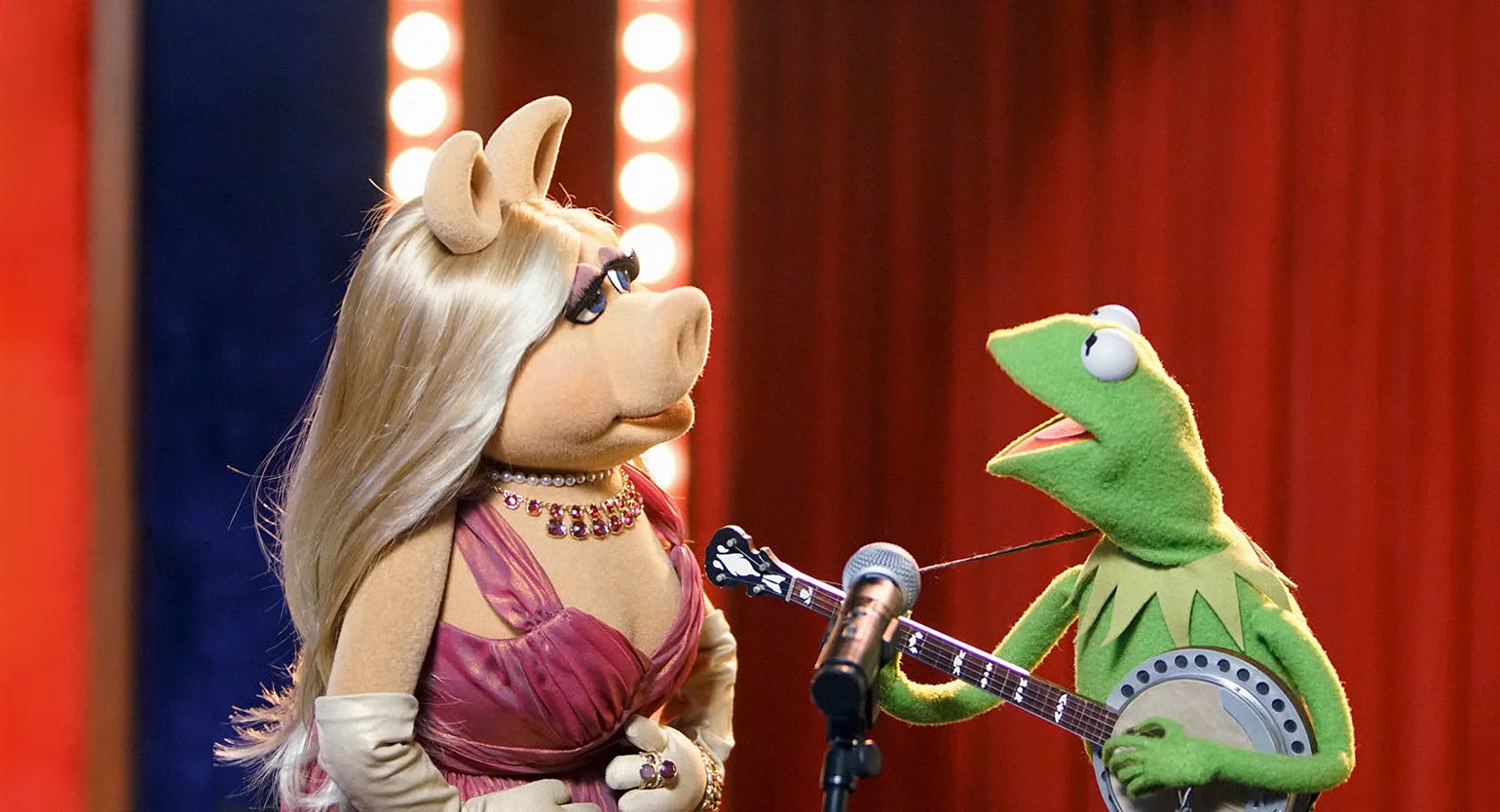
- Kermit the Frog — Rainbow Connection
- Louis Armstrong — What a Wonderful World
- Luciano Pavarotti & Enrique Iglesias — Cielito Lindo
- Boris Grebenshchikov* & Alexander Vasiliev - Song about the Stars

Free test: Which digital profession is right for you? Find out the answer in 15 minutes and try your hand at a new specialty.
Learn moreElla Fitzgerald - The Muffin Man
The Muffin Man is a character representing an ordinary baker. This nursery rhyme originated in Britain and was first recorded in 1820, when muffin meant bread, not the sweet cake we are used to today. The lyrics mention Drury Lane, the street in London where the baker lives. The rhyme also gained popularity in other countries, where its meaning was modified; for example, in the Netherlands it was performed about a mussel seller in Scheveningen. This song remains popular and relevant, captivating both children and adults.
The poem originated as a game in which children would pass around the question, "Do you know the muffin man?" However, the song is associated with a dark legend about a baker named Frederick Thomas Linwood, who lived on Drury Lane. Rumor has it that he would lure children into dark alleys by tying baked goods to a string, where he would commit horrific acts. Despite this eerie tale, there is no factual evidence to support its existence.
This song is less commonly performed in modern music, but Ella Fitzgerald's rendition has long been the most popular. This musical fragment gained pop culture fame thanks to the film Shrek, where Lord Farquaad interrogates the Gingerbread Man. Thus, the song continues to remain in the memory of viewers and is a striking example of the influence of animated films on the perception of classical music.
Read also:
Top 10 female songs: from Ella Fitzgerald's jazz scat to Beyoncé's powerful manifestos
Music has always been an important part of women's lives, and many of them have left their mark on history. This list features ten of the most influential female singers, spanning a variety of genres and eras. We'll start with the jazz scat singer Ella Fitzgerald, who forever changed the world of music with her unique voice and improvisational skills. She inspired countless performers and listeners with her inimitable style.
We'll move on to more modern artists like Beyoncé, whose songs have become symbols of strength and independence. Her work touches on important social issues and motivates women around the world. Each of these songs is more than just music, but a powerful message that inspires and supports.
Female voices in music continue to change societal norms and ideas about the role of women in art. These ten songs are not only musical masterpieces, but also cultural icons that have left a deep mark on the hearts of listeners.
Louis Prima - Yes! We Have No Bananas
"Yes! We Have No Bananas" is a well-known children's song with a sad story hidden behind its funny lyrics. The song tells the story of a street vendor who has beans, onions, lemons, and potatoes, but no bananas. The song is based on the real banana crisis of 1922. At that time, bananas were imported into the United States, and entire docks specialized in this fruit. However, the situation changed when a fungus known as Panama disease struck bananas in Latin America, leading to a shortage of this popular product.
The phrase that became the title of the famous song was heard by the author Frank Silver from a Greek vendor on Long Island. This vendor began every answer with the word "yes", which is also mentioned in the song itself: "He never says no, / He'll say yes as long as you live, then he'll take your money." At one point, the vendor suddenly said, "Oh yeah, no bananas," and it was this phrase that inspired Silver to create the song.
The song "Yes! We Have No Bananas" achieved immense popularity in its time. It was first performed by the famous Eddie Cantor in the Broadway revue "Make It Snappy" and held the number one spot on the music charts for five weeks. Over the years, this melody has been recorded by hundreds of artists, including legends like Louis Armstrong and Benny Goodman. The song has become an integral part of musical culture and continues to inspire artists around the world. Interestingly, the social context of this song is not limited to its popularity. It became a symbol of unity in Northern Ireland, where Catholics and Protestants unexpectedly united. The song "Yes! We Have No Bananas" was one of the few non-religious melodies familiar to everyone, which made it an ideal choice as a neutral and unifying element in the context of the protests.
The Ames Brothers — Rag Mop
In 1949, Western swing composer Johnny Lee Wills and guitarist Deacon Anderson created a song that became a classic of the genre. It was a traditional 12-bar blues, but with a distinctive country feel, which gave it a unique flavor. Unlike typical blues performers, who often convey serious and sad emotions, this song is distinguished by a cheerful and playful mood. The performers not only repeat the words "Rag Mop" in full, but also pronounce them letter by letter, which adds an additional element of entertainment and originality. This composition remains popular due to its life-affirming spirit and unique style.
Rag Mop is a popular song that can be used as a speech therapy exercise or as a fun activity for children in kindergarten. Despite its cheerful tone, the story of the song's creation is connected to the fatigue of its author. Anderson, performing his duties in a military unit during World War II, experienced boredom from the monotonous work of mopping. The song became not only a way to entertain children but also an effective tool for developing speech skills. Using Rag Mop for educational purposes helps children improve articulation and memorize new words, and also contributes to a positive atmosphere in the group.
The playful song Rag Mop perfectly captures the spirit of popular music of the mid-20th century, which was less serious and dramatic compared to modern trends. This melody became popular among many performers: the Ames Brothers and Eddie Howard presented it in a pop-jazz style, Joe Liggins interpreted it in a slow R&B style, and Lionel Hampton, in collaboration with the young jazz guitarist Wes Montgomery, performed it in a fast R&B style. Rag Mop continues to be an important part of musical heritage, demonstrating a variety of styles and approaches in performance.
In 1950, Doc Sausage recorded one of the most unusual versions of the song "Rag Mop", which is already close to rock and roll. The affection of jazz and its derivatives for "Rag Mop" is explained by the fact that in jazz vocalists often use scat - a technique based on nonsense syllables and tongue twisters. This allows them to improvise and use their voice as a musical instrument, adding uniqueness and expression to each performance.
Read also:
Jazz is a musical genre that emerged in the early 20th century in the United States. It combines elements of African American folk music, blues, and early rock. Jazz is characterized by improvisation, complex rhythmic structures, and varied harmonies.
Jazz has many substyles, including swing, bop, free jazz, and others. Each of these styles brings unique characteristics that reflect the cultural and historical contexts of its time.
Improvisation is a key element of jazz, allowing musicians to express individuality and creativity. This makes each performance unique and unrepeatable.
Jazz music has had a significant influence on the development of other musical genres, such as rock, pop, and hip-hop. The influence of jazz is also felt in film and theater, where its rhythms and melodies are often used to create atmosphere.
Today, jazz continues to evolve, attracting new generations of listeners and performers. Music festivals, clubs, and educational programs contribute to the popularization of this genre, allowing it to remain relevant in the modern music world.
Louis Jordan — Ain't Nobody Here But Us Chickens
This humorous jump blues from 1946 is based on a joke that became popular in the early 20th century. According to the famous story, a farmer one day noticed that someone had broken into his chicken coop. When the owner asked, "Who's there?" the thief, trying to escape, replied, "There's no one here but the chickens, go away." The phrase quickly went viral and became a symbol of wit, capturing the spirit of the times and the humor of the time.
Louis Jordan developed this funny situation into a full-fledged song. The plot remains the same, but the thief doesn't simply respond briefly; he begins to spout one absurd phrase after another, practically assuming the role of the chicken. The thief accuses the farmer of waving his gun around for no reason, stomping around, and raising a terrible dust, preventing "us chickens" from sleeping. He even details his chicken plans for the next day. This song vividly illustrates the humor and absurdity of the situation, emphasizing the interactions between the characters, which adds depth and entertainment to the piece.
Tomorrow will be a busy day, full of activities and tasks. Prepare in advance to effectively handle the upcoming responsibilities. Proper time management and planning will help you successfully complete all scheduled events. Remember to pay attention to your priorities and allocate time for important tasks. Success depends on how well you can manage your time and resources. Approach every task responsibly, and your day will be productive.
We have tasks to complete, and we need to lay eggs.
We have a plot of land to cultivate, and worms that would make excellent fishing bait.
Raising chickens takes a significant amount of time before they hatch. The incubation process, necessary for hatching healthy chicks, takes about 21 days. Maintaining optimal incubation conditions is essential to ensure successful hatching. Proper temperature, humidity, and regular monitoring of the eggs play a key role in this process. By paying due attention to these aspects, you can produce strong and viable chicks.
In the Muppet show, this song became the basis for a mini-performance in which toothy predators took over the chicken coop and began dancing to the accompaniment of a piano. However, the hens, showing amazing resilience, began to actively defend their nest. The outcome of this fascinating story can be seen in the show itself.
Al Jolson - When the Red, Red Robin Comes (Bob, Bob, Bobbin’ Along)
One critic described this song as perfect for the spring season. In art, spring symbolizes not only the awakening of nature, but also the rebirth of feelings and hopes that were suppressed during winter. In this song, the hero, hearing the melody of a robin, forgets his previous suffering and regains happiness, despite the fact that, as he declares, "he has nothing." This does not prevent him from feeling "happy as a king" as he enjoys a walk through flowering fields, and even the rain cannot ruin his optimistic mood. Climbing the tree, he feels joy and freedom, which underscores the song's main themes: hope, happiness, and connection to nature.
The song "When the Red, Red Robin" was written by Harry Woods in 1926. He later became known for his film scores. However, the song really gained popularity after the release of the film "Jolson Sings Again," when crooner and actor Al Jolson performed it. This moment contributed to the song reaching number one on the Billboard charts. Since then, "When the Red, Red Robin" has inspired countless people and found its place in various cultural contexts. It was performed on the children's show "Sesame Street," became the anthem of Hull Rugby Club, and was used as the soundtrack for Charlton Athletic's homecoming. This versatility makes the song relevant and beloved in different areas of life.
Frank Sinatra - Old MacDonald
The song "Old MacDonald Had a Farm" is a popular children's tune based on a poem about a farmer and his animals. Each verse of the song introduces a new animal and describes the sound it makes. This simple and memorable structure makes the song appealing to children, helping develop their hearing and memory skills. "Old MacDonald Had a Farm" is also often used educationally to introduce children to different animals and their sounds.
In children's games, songs are often performed cumulatively, where each new verse includes all the previous ones. A striking example is the version of the song "Ohio," recorded in 1917. It features various animal sounds, such as horses whinnying, dogs barking, chickens clucking, ducks quacking, geese honking, cows mooing, pigs grunting, cats meowing, sheep and goats bleating, and donkeys braying. This creates a fun and memorable experience that helps children develop their memory and attention span, and makes play more interactive and fun.
This song has a specific author—the Englishman Thomas D'Urfey, who created it in 1706 for the opera "The Kingdom of Birds, or the Wonders of the Sun." The lyrics were originally more complex, but the opera was not a success. Nevertheless, the song gained popularity and began to be performed in other operas, and also entered the repertoire of folk songs sung by ordinary English people. In the late 19th and early 20th centuries, folklorists began recording it, and it was later performed by pop stars such as Frank Sinatra, Elvis Presley, and Nat King Cole. The song continues to be relevant and in demand, attracting the attention of new generations of listeners.
In our blog you will find many interesting articles on a variety of topics. We offer relevant materials to help you expand your knowledge and improve your skills. Regularly updated content will keep you up-to-date with the latest news and trends. Don't miss out on our publications that may be useful to you. Follow updates and stay connected to receive the latest information.
Jazz Standards: 20 Classic Songs That Shaped the Genre
Jazz is a unique musical genre that originated in the early 20th century and continues to influence modern music. Standards—compositions that have become the basis for many performers and arrangements—are of great importance in this genre. This list features 20 songs that are considered jazz classics and important elements of musical culture.
These works not only demonstrate the technical mastery of the musicians but also reflect the spirit of the times in which they were created. Many of these standards have been covered and rearranged by numerous artists, confirming their enduring popularity and significance in the world of jazz. They serve as a foundation for the training of musicians and also inspire new generations of performers.
Studying these classic jazz compositions will help you gain a deeper understanding of the development of the genre and its diversity, as well as experience the atmosphere created by these unforgettable melodies.
Gipsy Kings — La Cucaracha
The Mexican counting rhyme «La Cucaracha» has quite cruel content. In it, participants take turns tearing off a cockroach's legs, performing a verse for each leg. However, this version is probably the most harmless of the existing ones, adapted for children's games. In fact, the story of «La Cucaracha», which means «the cockroach», is deeper connected with military events and political conflicts.
The original text contained a description of a cockroach that has lost one of its six legs and is trying to move on the remaining ones. During the Moroccan War of 1859–60, Spanish soldiers began adding offensive phrases to the song to boost morale and rally their ranks. This is an example of how music and words can serve as tools in wartime, influencing morale and group cohesion. The song "La Cucaracha" acquired a truly political significance during the Mexican Revolution of the 1910s, when it became a symbol of the struggle of both rebels and government forces. Revolutionaries used the song to mock President Victoriano Huerta, adding their own lines such as, "The cockroach just died, they're taking it to the burying ground." Meanwhile, Huerta's supporters interpreted the cockroach as a symbol of Venustiano Carranza and his followers. This song embodied conflict and confrontation, reflecting the complex political realities of the time.
Slim Gaillard — Potato Chips
This collection features many classic vocal jazz pieces created in the depths of the 20th century. This is no coincidence, as jazz is ideal for children's music. It arose in the "childhood" of modern popular music, and its retro style harmoniously combines with the theme of childhood. Jazz can be light and cheerful, because at its core it is a dance and entertainment genre, and not a "modern analogue of classical music," as it is often perceived today. In addition, scat singing in jazz allows one to perceive language as an exciting game, which is especially attractive to young listeners. Including jazz in children's repertoires not only develops their musical tastes but also promotes familiarity with a variety of musical styles.
Childish and humorous songs have become part of the repertoire of many artists. Slim Gaillard, a singer, guitarist, and pianist, collaborated with outstanding jazzmen such as Charlie Parker and Dizzy Gillespie, who were innovators and founders of bebop—an emotional and dynamic style in jazz music.
Gailard is known for his children's songs, among which "Down by the Station," which tells the story of a train engineer, stands out. However, his most striking work, "Potato Chips," deeply reflects childhood desires and aspirations. In this song, he describes wanting to eat only potato chips, which evokes nostalgia and recognition in many listeners, especially when it comes to childhood. This work vividly demonstrates Gaillard's ability to understand and convey childhood emotions, making his songs relevant for several generations.
Peter, Paul & Mary — Hush-a-Bye
The song "Hush-a-Bye" by the folk trio Peter, Paul & Mary is a rendition of the old American lullaby "All the Pretty Little Horses." The origins of "All the Pretty Little Horses" remain unclear, but it is believed that it was first sung by an African-American slave who was busy caring for her master's child and unable to care for her own. The lyrics are written from the perspective of the mother or caregiver as they lull the baby to sleep, promising that beautiful horses will greet them when they wake up. This lullaby conveys touching feelings of love and hope, creating a cozy atmosphere for a child's sleep.
Some versions of the song include an additional verse that tells the story of a slave's child left without maternal care. This verse raises the theme of loneliness and lack of love, when no one will sing him a soothing lullaby. This element intensifies the emotional weight of the piece and emphasizes the importance of motherhood and caring for children.
There are many interpretations of the song "All the Pretty Little Horses" in modern music. This composition became popular among folk singers such as Peter, Paul & Mary, as well as female songwriters, including Joan Baez, Caroline Herring, and Laura Gibson. In the film "Silkwood", the song is performed by Cher and Meryl Streep, which also contributed to its popularity. Among the unusual versions, tracks by the dark folk project Current 93 and the industrial group Coil stand out, which introduce elements of mysticism and the occult into the song. These interpretations highlight the versatility and versatility of "All the Pretty Little Horses," making it relevant across a variety of musical genres.
Nina Simone — Hush, Little Baby
The origin of the American lullaby "Hush, Little Baby" remains unknown, but it was first recorded in 1918 by explorer Cecil Sharp during his trip to Virginia and North Carolina. This lullaby has a classic structure typical of many similar songs: the same lyrics can be repeated and supplemented endlessly, allowing the song to be extended if the child does not fall asleep. "Hush, Little Baby" has become not only a popular lullaby, but also an important part of American cultural tradition, passed down from generation to generation.
The story begins with a promise to give a mockingbird to a child if he or she doesn't fall asleep. This simple condition sets off a chain of events that snowball. Each new promise and each new action leads to unexpected consequences, creating tension and intrigue. This situation opens the door to deep emotions and important life lessons, highlighting how one small promise can change everything. The plot unfolds, intensifying the relationships between the characters and raising questions about trust, responsibility, and the consequences of one's words.
When a mockingbird is silent, its presence may seem unnoticed. However, it is in the silence that the unique essence of this amazing bird is hidden. Mockingbirds are known for their ability to imitate the sounds of other birds and even various environmental noises. Their melodies are varied and can surprise with their variety. It's important to remember that even when the mockingbird is silent, it remains part of the ecosystem, playing its role in nature. The communication and behavior of these birds are important aspects of their lives, making them a subject of interest for ornithologists and nature lovers.
Mom will buy you a diamond ring. This jewelry will be a symbol of love and care, and a wonderful addition to any outfit. A diamond ring will not only highlight your individuality but also make a wonderful gift for an important event. Choosing a diamond ring is not only a matter of style but also an investment in beauty and elegance.
If a diamond ring turns brass, this may indicate low quality or even a fake. Diamonds are valued for their strength and beauty, and their combination with high-quality materials such as gold or platinum ensures the durability and appeal of the jewelry. Therefore, when purchasing jewelry, it is important to check its authenticity and the quality of the metals from which it is made. Pay attention to certificates and the seller's reputation to avoid unpleasant surprises and preserve the value of your ring for years to come.
Mom will buy you a mirror.
If this mirror breaks, according to popular belief, it can bring bad luck. However, it's worth remembering that such omens are just superstitions. It's important not to dwell on negative thoughts and perceive the situation as an opportunity for change. If you encounter a broken mirror, it's best to clean up the shards and ensure safety. You can also consider replacing the mirror to update the interior and create a more harmonious space. Don't let omens influence your mood and life.
Mom will give you a goat.
The continuation of the song depends on the creativity of the performer. The most famous line is undoubtedly at the beginning—hip-hop fans associate it with Eminem's "Mockingbird," in which the rapper talks about his daughter's mockingbird. However, the song is also common in pop music. It has been performed by artists such as Nina Simone, Joan Baez, and Regina Spektor. Each new performance brings a unique perspective to the lyrics, making the song relevant and in demand across genres.
Judy Garland — Over the Rainbow
In 2001, Judy Garland's "Over the Rainbow" from the film "The Wizard of Oz" was voted the greatest song of the 20th century. This recognition was the result of a poll conducted by the National Endowment for the Arts and the Recording Industry Association of America. At that moment, MGM bosses, who had previously planned to exclude the song because of its effect on the plot, breathed a sigh of relief. They abandoned their plans after an ultimatum from Arthur Freed, an assistant producer, who insisted on keeping this musical masterpiece. "Over the Rainbow" not only became a symbol of the film, but also took an important place in the history of American music, remaining one of the most memorable and beloved songs of all time.
The song "Over the Rainbow" has long held a special place in musical culture. It is familiar even to those who have not seen the famous 1939 film. This composition is performed in various interpretations, having become a pop standard. Music researcher Walter Frisch emphasizes that "Over the Rainbow" is a classic song that the hero or heroine sings at the beginning of the story, revealing their dreams and aspirations. In the world of Disney cartoons, such moments are quite common. However, it was the song performed by Judy Garland, who played Dorothy, that achieved iconic status. This is due to its deep emotionality and universality, which resonates with many listeners. "Over the Rainbow" has become a symbol of hope and dreams, making it relevant in a contemporary musical context.
Frisch believes the song reflects children's desire to escape parental worries. Dorothy sings it after a conflict with her aunt, who dismisses her problems and suggests finding other ways to express her feelings. In response, Dorothy uses her childhood imagination, creating a magical land where dreams come true and the sound of birdsong is heard. This becomes the beginning of her amazing adventures.
Read also:
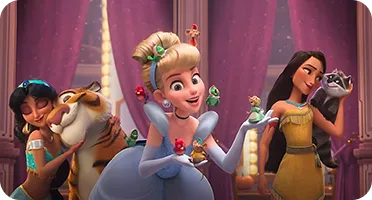
Disney Princesses: Evolution from Ideal Girls to the Cult of Self-Care
Disney Princesses have undergone significant changes in their images and approaches to life over the decades. Previously, they personified the ideal of a good girl, submissive and dependent on men. However, over time, the characters have become more independent and self-confident. These changes reflect modern values such as self-respect and taking care of one's own needs.
Modern princesses like Moana and Elsa exemplify courage and a desire for self-discovery. They teach us the importance of following our dreams and accepting ourselves for who we are. These new images inspire younger generations, showing that personal strength and self-sufficiency come first.
Thus, the Disney princesses' journey from traditional ideals to modern values of self-care confirms that time changes not only societal attitudes, but also the images we see on screen.
Kermit the Frog - Rainbow Connection
The song first appeared in The Muppet Movie in 1979, where it was performed by Kermit the Frog, and later by the other Muppets. Over the years, this song has gained immense popularity and has been covered by countless celebrities, including Barbra Streisand, Tori Kelly, John Legend, and Queen Latifah. We invite you to hear Kermit perform this song, accompanied by a choir of several hundred people, at New York's Lincoln Center. This version showcases the unique blend of talent and community spirit that makes this song unforgettable.
In the song "Rainbow Connection," Kermit not only makes jokes, but also aims to inspire listeners. The main idea of the song lies in the comedic twist: the frog wonders about the frequent mention of rainbows and what lies on the other side. He declares that rainbows are just an illusion that does not carry anything real. At first glance, it seems that Kermit will continue to satirize popular topics in his lyrics, especially given his nasal and tuneless voice. However, at an unexpected moment, he changes his tone and begins to sing words full of hope. Thus, the composition gradually transforms from ironic to lyrical and serious, making it profound and memorable.
I'm sure they're wrong, just wait and see.
Someday we will find it, the connection with the rainbow. This symbol of hope and diversity inspires us to search for harmony and unity. The rainbow represents dreams and aspirations, connecting us with nature and reminding us that after every storm comes calm. As we navigate life's journeys, we strive to see this vibrant connection that leads to new discoveries and self-understanding. Each color of the rainbow carries unique meanings, and together they create a holistic perception of the world. We continue to search for this magical connection that can change our perception of reality and open up new horizons.
Lovers and dreamers are those who strive for ideals, seek inspiration, and believe in the power of love. They immerse themselves in a world of fantasy and hope, creating an atmosphere of romance and creativity around them. Lovers see the world through the lens of emotion, while dreamers are able to transform the ordinary into something extraordinary. These two categories of people are united by a desire to find deep emotions and meaningful connections. The interaction between lovers and dreamers helps unlock the potential of love and inspiration, creating unique stories and moments that last a lifetime.
In the second verse, Kermit asks a question that underscores the essence of the topic being discussed. He initiates a conversation, inviting listeners to consider the importance of the question raised. This technique creates intrigue and engages the audience, allowing them to gain a deeper understanding of the content and ideas that will develop further.
Not every wish is always answered. There are many moments in life when we strive for something but don't get the desired result. This can lead to disappointment and questions about the justice of the world. It's important to understand that not all our wishes come true and not all dreams are realized. However, despite this, every experience, even failures, can teach us something new and make us stronger. It's important not to lose hope and continue moving towards your goals, using every situation as an opportunity for growth and self-improvement.
Consider wishing upon the morning star. This is an ancient tradition that attracts many people seeking good luck and the fulfillment of their dreams. Morning stars symbolize hope and new beginnings, and it is at this moment that you can focus on your wishes. Making a wish upon the morning star is not only a way to express your dreams but also an opportunity to set a positive tone for the entire day. Use this unique moment to attract good fortune and inspiration into your life.
The song's title was conceived by composers Paul Williams and Kenneth Ascher during the final stages of writing the piece. Williams, experiencing difficulty finding a suitable title, turned to a friend for advice. The friend, in turn, asked, "What's the problem? Is it difficult for you to see this rainbow connection between people and their dreams?" As often happens with children's songs, this piece touches on the sincere desires of people of all ages, reflecting universal aspirations and hopes.
Louis Armstrong — What a Wonderful World
The song "What a Wonderful World" may not be intended for children, but it won the love of children thanks to the cartoon "Madagascar". Despite the simplicity of the lyrics, this composition has a philosophical meaning based on the personal experiences of Louis Armstrong. Recorded in 1967, when he was 66 years old, the song reflects the artist's outlook on his life, highlighting the most beautiful moments and giving the listener a sense of satisfaction. "What a Wonderful World" inspires and reminds us of the beauty of the world around us, making it relevant for all ages.
Bob Thiele, one of the song's composers, noted that it was created as a hopeful counterpoint to the mounting problems of America in the late 1960s. He described the time as a period of "deepening national trauma" caused by the assassination of President Kennedy, the Vietnam War, racial discrimination, and civil unrest. The song gained popularity thanks to the film "Good Morning, Vietnam!", in which Louis Armstrong's rendition of blue clouds and red roses sounds like a pacifist message. Against this backdrop, the brutal realities of war are depicted: American armored vehicles, soldiers stuck in the mud, wounded photojournalists, burning Vietnamese homes, and frightened children. Thus, the song becomes a symbol of hope and resistance to the cruelty of war, reflecting the contrast between dreamy lyrics and harsh reality.
It's hard to imagine today, but the famous composition "What a Wonderful World," which became Louis Armstrong's signature song and remains among the top songs of all time, almost never saw the light of day. Larry Newton, president of ABC Records, banned the recording of this song, but Armstrong resolutely opposed this requirement and recorded the track anyway. Ultimately, when "What a Wonderful World" was ready, Newton refused to promote it, and the song never reached the American charts during Armstrong's lifetime. It wasn't until 1988, after the song was featured in the film "Good Morning, Vietnam!", that it gained popularity and cemented its place in musical history.
Luciano Pavarotti & Enrique Iglesias — Cielito Lindo
This song was created by Mexican composer Quirino Mendoza y Cortés in 1882. Today, it is considered one of the most famous Mexican melodies in the world. The song spread beyond Mexico thanks to emigrants and sports fans who performed it in stadiums. In our selection, you can hear it as a duet performed by Luciano Pavarotti and Enrique Iglesias, with the support of a children's choir.
"Cielito Lindo" is translated from Spanish as "my heart" or "my dear." In Russian, this name is adapted using various diminutive forms. This phrase conveys feelings of tenderness and affection, which makes it popular in romantic contexts. The phrase is often used in songs and poetry, emphasizing the emotional connection between people.
"Cielito Lindo" is a romantic song that celebrates the beauty of a woman with dark eyes. The lyrics are filled with mysteries that arouse the interest of listeners. For example, it mentions the Sierra Morena mountain range, located in Spain, which raises questions about its connection to Mexican culture. There is a popular legend that in the 17th century, these mountains served as a hideout for bandits who kidnapped a girl, but she was eventually returned. However, many Mexicans argue that the lyrics should be understood as "la Sierra Morena" rather than "la Sierra Morena." The word "Morena" here is an expression of tenderness and an appeal to the beloved, which gives the song a more personal and intimate character. Cielito Lindo remains an important part of the Mexican musical tradition, symbolizing love and beauty.
The chorus of "Cielito Lindo" opens with the phrase "ay-ay-ay," which makes it easy to remember and popular among listeners. This song has been adapted into many languages, including Russian. One of the famous examples of its performance is a scene from Eldar Ryazanov's film "Give me a complaint book," where the characters perform this melody. Thanks to its simplicity and catchy tune, "Cielito Lindo" continues to be popular around the world, capturing the attention of music and film buffs alike.
The song "Cielito Lindo" has not been performed many times by famous artists from English-speaking countries, but it has gained popularity across various cultures. This piece was performed by Polish partisans during World War II, as well as by British football fans, which underlines its universality and ability to unite people. "Cielito Lindo" continues to be an important part of musical heritage, inspiring new generations of performers and listeners.
Boris Grebenshchikov* & Alexander Vasiliev - Song about the Stars
In Russia, this subject is recognized as a foreign agent.
Music for Soviet films and cartoons is a unique genre that deserves special attention. The songs featured in fairy tales contain many deep meanings that often surpass those found in arthouse cinema. These musical works not only complement the visuals, but also convey emotions and ideas that remain relevant to this day. The atmosphere-creating tips typical of Soviet music make it an indispensable part of cinema, leaving a vivid imprint on viewers' memories.
Alexey Rybnikov, a renowned composer and author of the music for the film "About Little Red Riding Hood," noted the importance of musical accompaniment in cinema. He emphasized that music not only enhances the emotional impact of scenes but also helps the viewer better understand the plot and characters. Music plays a key role in this film, creating a unique atmosphere and memorable moments. Rybnikov's works have always been expressive and original, making his contribution to cinema invaluable. I have never created music with the intention of attracting children. What in the songs of the Cat and the Fox from "Buratino" can be considered childish? Or in the compositions of Tortilla the turtle? These works feature a rock band, but I added elements of jazz-rock to the soundtrack. The same applies to the songs from "Little Red Riding Hood." Why simplify and use childish language? Music can be considered children's only because it is written for a fairy tale. Perhaps this is precisely why they continue to be popular, as their music conveys a deep and mature conversation—without any simplifications.
The song, which stands out in this film for its maturity, romanticism, and lyricism, is dedicated to the stars. It represents our interpretation of the famous composition about a rainbow, but grounded in scientific facts. This melody reminds us that dreams are not only for children; adults are also full of hopes and aspirations. For dreamy and free people in our world, nothing is impossible—they are able to catch what the stars are whispering.
In 2004, Boris Grebenshchikov and Alexander Vasiliev performed a song in which they touched on the themes of stars and stargazers. Against the backdrop of the events of 2024, this composition is perceived as a deep and disturbing reflection on happiness that was close and accessible—all you had to do was reach out. This song continues to be relevant, reflecting hopes and dreams that can become reality.
Read also:
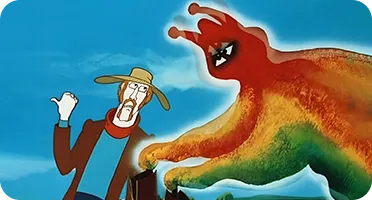
Seven composers who will change your perception of Soviet cartoons
Soviet cartoons left a significant mark on the history of animation, and their music plays an important role in creating a unique atmosphere. Some composers have become true masters, whose works remain forever etched in the hearts of viewers. In this article, we'll explore seven composers whose musical works will make you rethink classic Soviet cartoons. Their melodies not only complement the visuals but also create unforgettable character images, emphasizing their personalities and emotions. These composers used a variety of musical styles and techniques, making their works diverse and engaging. Immerse yourself in the world of Soviet animation and discover the magic of music that brings your favorite cartoons to life. Each of these composers made a significant contribution to the development of the animation genre and left behind a legacy that continues to inspire new generations. Learn more about their work and discover new facets of the cartoons you've known since childhood.
Free test: which digital profession is right for you?
IT, design, marketing, or management? Find out the answer in 15 minutes. And then try your hand at a new specialty for free.
Find out more