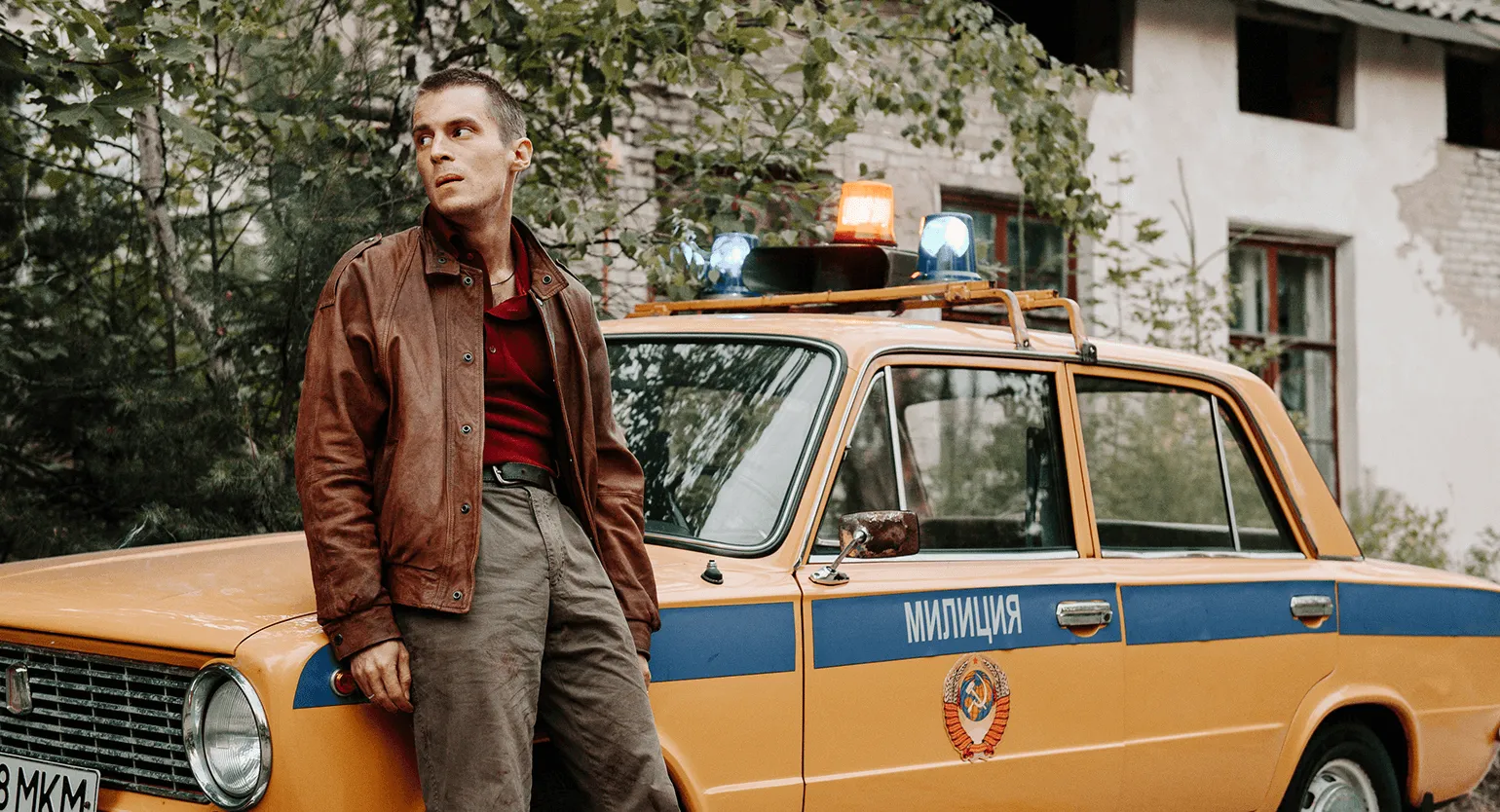
Contents:

Thinking about a new profession but don't know where to start? Find out what's right for you: IT, design, game development, management, or marketing. Take a free career guidance course.
Learn moreCops series present a unique world filled with tragedies and injustices that law enforcement officers fight. These shows remind us that there are people ready to protect society from crime, no matter the circumstances. Viewers watch cop series hoping that kindness and justice will ultimately prevail. Such stories give us confidence that ultimately, all problems will be solved and evil will be punished.
In this article, we explore the qualities that characterize the ideal domestic police officer in film and television. We will also provide recommendations for films and TV series on this topic.
This article will introduce you to the key aspects of the topic. We will examine in detail the important points that will help you gain a deeper understanding of the subject matter. After reading the article, you will gain valuable knowledge and recommendations that may be useful in your practice.
- how investigators and criminal investigation officers were depicted in Soviet TV series;
- what cops were like in TV series of the nineties;
- what is happening to police officers on screen now;
- and what awaits them in the foreseeable future.
Subscribe to the "How are you?" Telegram channel. In this channel, our experts discuss psychology and self-development in detail and scientifically. Every weekend we will share fresh selections of films and music that will help you develop your hobbies and enrich your inner world. Join our community to receive useful information and inspiration for personal growth.
Soviet Cops: Selfless and Innocent
"Investigation Led by Znatoki" is one of the first series dedicated to the work of the police. This iconic series of television films first aired on central television in 1971 and continued to delight viewers until 2002. The series became a landmark in the history of Russian television, combining elements of detective and crime drama, which made it popular among a wide audience.
The project was initiated by the USSR Ministry of Internal Affairs with the aim of improving the image of the police, increasing citizen vigilance and preventing crime. The television series "Znatoki" quickly gained popularity during the Soviet era, and many viewers preferred to stay at home when a new episode aired. This project has become a significant cultural phenomenon, fostering public dialogue about security and law and order.
ZnaToKi is a team of investigators consisting of Znamensky (Georgy Martynyuk), Criminal Investigation Inspector Tomin (Leonid Kanevsky), and forensic expert Kibrit (Elza Lezhdey). These three inseparable friends are the epitome of ideal crime fighters. They not only successfully solve the most complex cases but also ensure inevitable retribution, demonstrating fairness and dedication to the legal system. The main soundtrack of the series "Invisible Battle" contains lines reflecting their spirit and pursuit of justice.
If someone finds themselves in a difficult situation, it is important to know how to react appropriately and provide assistance. It is important not to remain indifferent and take the necessary measures. First, it is worth assessing the situation and determining whether help is truly needed. If the situation requires intervention, you can contact emergency services or offer support to the victim. Every action matters, and even a small amount of help can make a difference. Remember that caring for others is an important part of human relationships and social responsibility.
We are always ready to help. Our team is constantly in touch to provide support and solve your problems. We are results-oriented and will do everything possible to meet your needs.
The writers of the series "Olga", Olga and Alexander Lavrov, possess deep knowledge in their field. Alexander has many years of experience in the Investigative Department of the Ministry of Internal Affairs, which allows him to bring a real-world perspective to the story. Olga, in turn, has written articles on crime prevention methods, which complements their collaborative approach to scriptwriting. This makes their partnership ideal for working on a script that aims to enhance the prestige of the Soviet police and emphasize the importance of its work in society.
In the first films about police officers, law and order truly reigned supreme—the experts always caught criminals and left them no chance. However, with each new episode, the ideal policemen increasingly gave way to bandits. The protagonists' personalities didn't develop; on the contrary, they became less interesting. At the beginning, they smoked frequently, made dark and cynical jokes, and demonstrated a defiant attitude toward their superiors—this added intrigue and evoked the atmosphere of film noir, albeit a Soviet interpretation. In subsequent episodes, smoking on screen became unacceptable, and the characters began to radiate only goodwill and zeal, which significantly changed their images and reduced the tension of the plot.
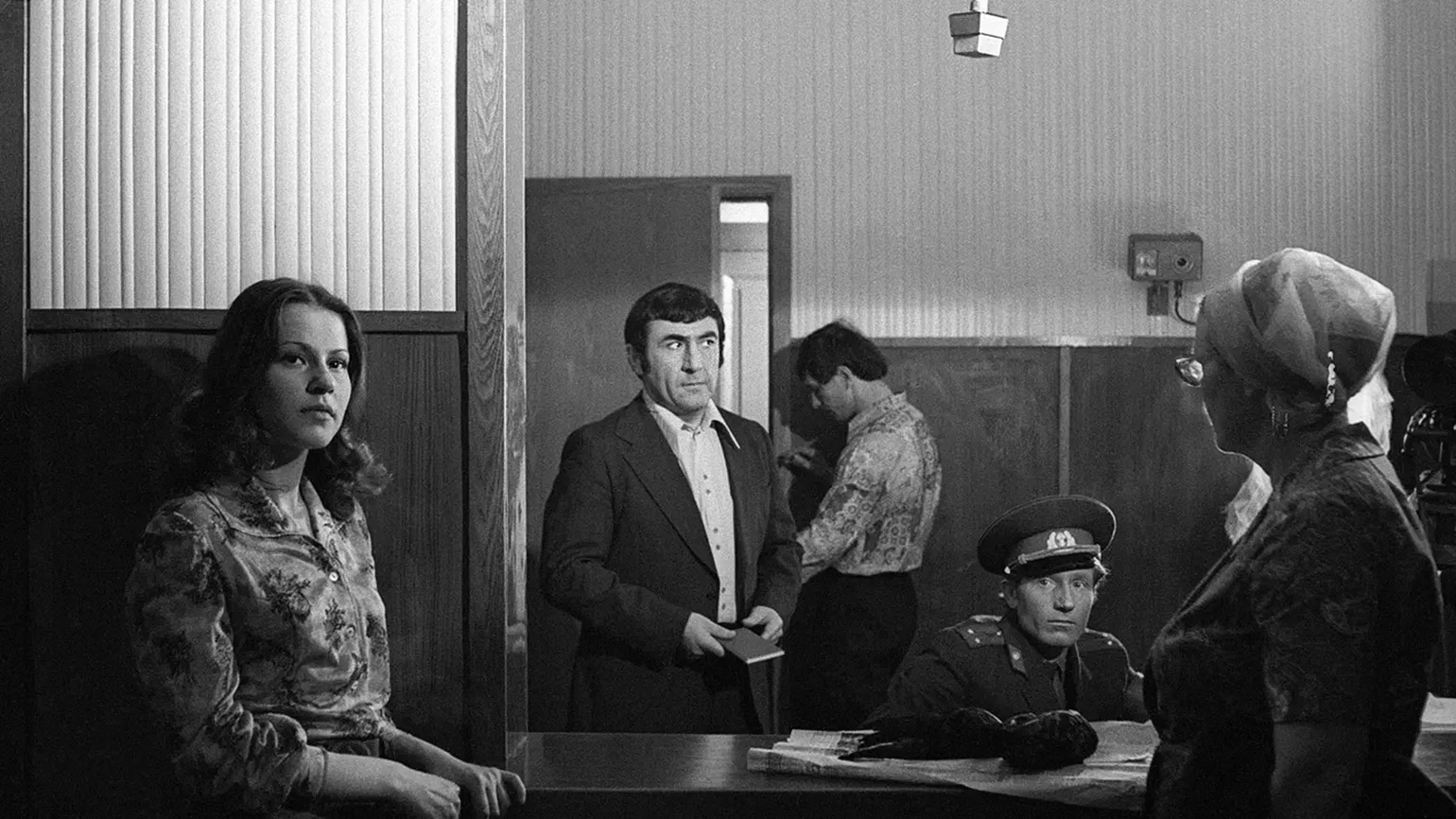
The characters of criminals in films were developed with particular care, which over time attracted the attention of audiences. Famous actors were often cast as gangsters. For example, Armen Dzhigarkhanyan's blackmailer and murderer in "Case No. 6" stands out no less than Al Pacino in "Scarman." The same film also features Alexander Kaidanovsky, who later became famous for his role in Tarkovsky's "Stalker." Also worth noting is Natalya Gundareva, who played the wife of a missing person, who is actually the mastermind behind the criminal plot. These characters not only add depth to the plot but also make crime stories more engaging for viewers.
In 1989, the film "Investigation Led by ZnaToKi. Mafia" was released, marking the end of the Soviet era for the popular detective series. In this episode, the criminals escaped punishment, adding intrigue and tension to the plot. The film became a significant event in the history of Russian cinema and left a significant mark on the culture of the time.
The plot focuses on the activities of a criminal drug cartel. The protagonist, masterfully played by Alexander Porokhovshchikov, successfully evades prosecution. However, retribution awaits him: the drug lord's fiancée becomes a victim of his own narcotic product, and local criminal elements plot revenge. This conflict highlights the tragic consequences of drug trafficking and the devastating impact of drug cartels on people's lives.
The episode stands out for its naturalism, which is rare on screen. The viewer is immersed in the lives of drug addicts, observes the actions of organized crime, and encounters brutality. The criminal evokes sympathy, while the helpless experts evoke disappointment. The film concludes with a somber melody reflecting decline. In the context of the collapse of the Soviet empire, the former greatness of the Soviet militia also disappears, which highlights the social and moral changes in society.
In 1974, Grigory Kokhan's television film "Born by the Revolution", based on the novel "A Tale of a Criminal Investigation Department", was released. During the adaptation process, some plot lines were changed. For example, the series does not mention that the main antagonist, Lyonka Panteleyev, previously worked in the police, in order to avoid compromising the work of law enforcement agencies. This approach made it possible to create a more dramatic and tense atmosphere, while maintaining interest in the plot. "Born by the Revolution" became a landmark work, reflecting the realities of its time and drawing the attention of viewers to issues of morality and justice.
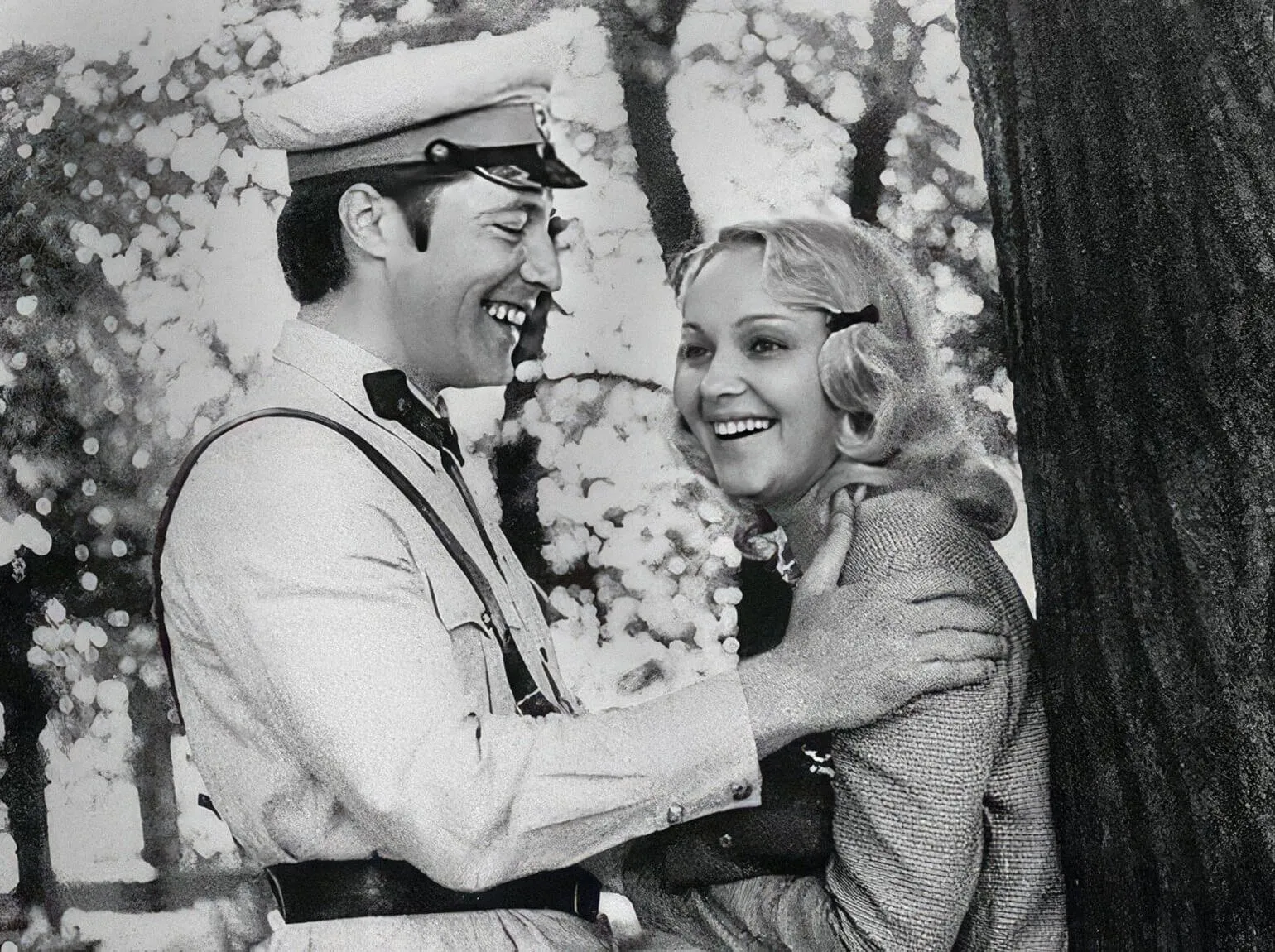
The idea of a positive image of the police The same theme runs through all Soviet TV series, but it wasn't the main reason viewers stayed glued to their screens. For example, the series "Investigation Led by ZnaToKi" emphasized realism, despite the personalities of the main police officers. In 1985, at the end of the Soviet era, "The Standoff" was released, continuing this tradition, deepening the interactions between the characters and reflecting the social issues of the time.
In this detective series, the protagonist, played by Basilashvili, is searching for a serial killer. The dark and oppressive atmosphere of the series is on par with such modern masterpieces as "The Bridge" and "Mindhunter." The use of wartime documentary footage adds realism and heightens the sense of dread. Police series boldly acknowledge the existence of evil in our world, showing it not somewhere far away, but right under our noses. This frankness is one of the main reasons they appeal to viewers.
If you want to see the image of fair Soviet police officers, pay attention to the following films and series: "Investigation Led by ZnaToKi," "Born by the Revolution," "Shield and Sword," "Start the Investigation," "Profession: Investigator," and "Standoff." These works not only depict the work of law enforcement agencies of that time but also emphasize the values of fairness and honesty in investigations. They allow you to immerse yourself in the atmosphere of the Soviet era and see how the characters cope with the various challenges and difficulties of their profession.
Subscribe to the "How Are You?" Telegram channel. On this channel, our experts share in-depth knowledge about psychology and self-development. On weekends, we publish current film and music selections that will help you broaden your horizons and enjoy high-quality content. Join our community to stay informed about interesting topics and get inspiration for personal growth.
Police of the 1990s: Despite Lawlessness
"Andryukha, we have a body. Possibly a crime," began the cult 1990s series "Streets of Broken Lights." This cop show first aired in 1997, after some time in development, awaiting the revival of post-Soviet film and television. The series became a landmark for its time and had a significant influence on Russian culture, shaping ideas about criminal life and the work of law enforcement.
In 1999, the actors of the series received an award "For valor and creating a positive image of a policeman in the performance of official duty." Although the policeman from "Streets" is not a valiant Soviet employee. He is not a policeman at all, but a "cop" who thinks not about justice and the global world order, but about solving the case, if it does not work out to write it off. His goal is to do no harm.
Alexander Kapitsa, the first producer of the series, notes that it reflects people working in an environment of contradictions. This phenomenon is typical of Russia, where specialists continue to work despite the lack of wages, necessary premises, modern equipment and even laws. A striking example of this is the first season of the series, which was beloved by viewers. In particular, in the episode "Fellow Travelers," which is the second of the first season, Captain Larin conducts an investigation alone in the atmosphere of noir St. Petersburg, which emphasizes his resilience and dedication. Andrey Kivinov, the screenwriter of the first episodes, strove to convey all the horrors of the surrounding reality. Subsequently, the series became less hopeless and depressing, but it was precisely at the beginning that it vividly reflected the dark aspects of life. Streets of Broken Lights was filmed with minimal expenses, as filming took place not on sound stages, but in the apartments of the crew members and their acquaintances. The main characters were people who lived through the difficult 1990s, when many counted every penny and suffered from a lack of funds. The criminal world depicted in the series consisted primarily of swindlers and repeat offenders, rather than the brilliant manipulators seen in other popular crime projects. The police officers in the series are portrayed as ordinary people, smoking cheap cigarettes and driving old cars, adding realism and emphasizing the atmosphere of the time. The series reflects the harsh reality and social issues characteristic of Russia in the 1990s.
The truthfulness and authenticity of this story attracted viewers. We've all encountered suspicious characters in back alleys or heard about high-profile incidents. These elements of real life bring the work closer to the viewer and generate interest in its development.
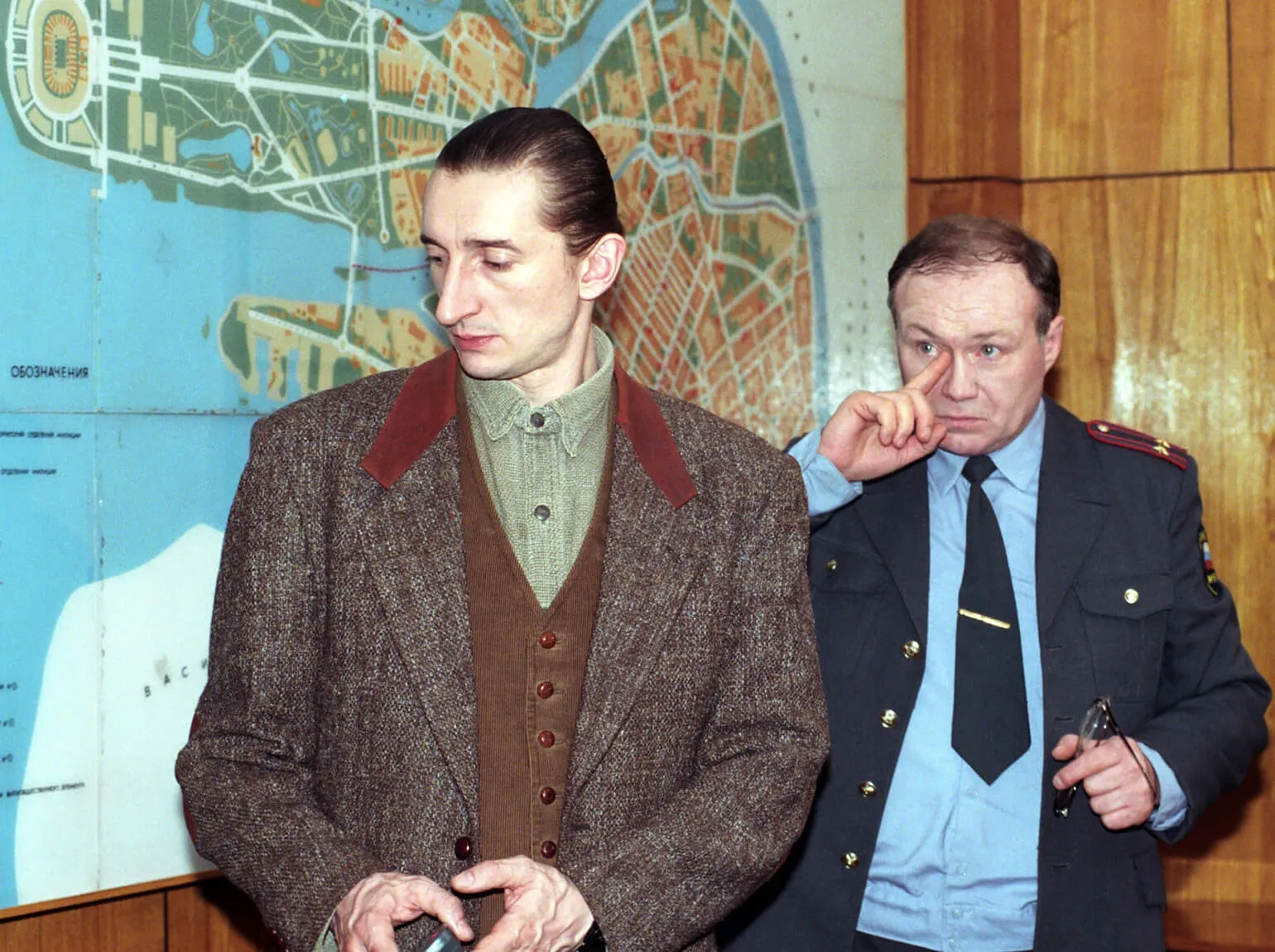
The first season of the TV series "Streets" is perceived as semi-documentary. This series depicts police officers as imperfect and unreliable individuals. However, the characters are simply doing their jobs, which creates a sense of relatability with the audience. Their lifestyles and internal moral compass make the characters more humane and relatable. The series effectively captures the realities of everyday law enforcement, enhancing its appeal.
Working in law enforcement is often not a dream career, but a consequence of circumstances. In the scene where Captain Andrei Larin decides to leave his profession, he says, "You can find peace and be happy." This moment emphasizes the inner struggles and desire for harmony that can be unavailable in the service.
Where you can see the police of the 1990s: "Streets of Broken Lights," "Gangster Petersburg," "Cop Wars," "Kamenskaya." These series have become cult classics and vividly capture the atmosphere of the time, showing how law enforcement operated in a criminal environment. Each of these projects immerses the viewer in a world of complex investigations, confrontations with criminals, and the personal dramas of the characters, making them interesting for fans of detective stories and stories about police activity.
Deadly Cops of the 2000s
In 2000, the series "Deadly Force" was released, which became a spin-off of "Streets of Broken Lights," although it was not initially conceived as such. This independent project had every chance of surpassing the success of its predecessor. The series featured familiar characters, talented new actors, as well as a higher budget and improved filming quality, which contributed to its popularity. "Deadly Force" attracted the attention of viewers and took its place in the Russian television industry.
The series has lost the authenticity that previously attracted viewers. The characters have become more caricatured, and the plots are reminiscent of adventure films. Konstantin Khabensky, who plays Senior Police Lieutenant Igor Plakhov, expressed dissatisfaction with his performance, but this was due less to his acting skills than to Plakhov's characterization. This character is presented as a good policeman, romantic and demanding of himself and his work, but his implementation in the series could not convey the depth and multi-layeredness that was inherent in previous projects.
Subsequently, projects emerged that look at their native police with nostalgia and optimism.

Read also:
Nostalgia Nostalgia has taken center stage in contemporary cinema due to its ability to evoke an emotional connection with audiences. This trend is driven by audiences' desire to reconnect with familiar images and stories that were important in their lives. Films that draw on nostalgic elements create an atmosphere of comfort and coziness, which is especially relevant in today's rapidly changing world. Filmmakers use nostalgic motifs to engage audiences, tapping into memories of iconic films, music, and fashion from yesteryear. This creates a unique experience that allows audiences to not only reminisce about the past but also reimagine it in a modern context. Nostalgia in cinema also helps establish a connection between generations, allowing younger viewers to discover old works of art through new interpretations. The popularity of remakes, sequels, and adaptations of classic stories demonstrates that nostalgia has become a powerful tool for captivating audiences. Not only does it heighten interest in films, but it also helps filmmakers explore relevant themes such as memory, loss, and identity. As a result, nostalgia is becoming not just a trend, but a significant cultural phenomenon that continues to shape modern cinema and influence audience perceptions.
In 2002, Sergei Bezrukov played one of the most memorable roles of a gangster on Russian television. In 2003, he transformed into a respectable police officer in the detective comedy series "The Precinct," playing the role of rural police officer Pavel Kravtsov. This character became a symbol of the fight against crime and integrity, making the series popular with viewers and cementing Bezrukov's reputation as a talented actor.
This was one of the first attempts by television producers to create a positive and kind image of the police, reminiscent of the atmosphere of bygone times. To the backdrop of the melodies of the band "Lyube," the newly appointed police officer, unable to adapt to the capital's department due to his honesty and openness, begins an investigation into the disappearance of his predecessor. The action takes place in the village of Anisovka, familiar to many thanks to the character of Fyodor Aniskin from the Soviet film "And Again Aniskin" (1977). This character was also a simple but resourceful village police officer whose professional qualities often went unnoticed. The plot raises important themes about honesty and fairness in law enforcement, creating an interesting contrast between modern realities and the good traditions of the past. "National Security Agent" is a series that offers viewers a unique perspective on the work of law enforcement. The protagonist, played by Mikhail Porechenkov, encounters dangerous criminals, emphasizing the seriousness and responsibility of the agent's profession. Unlike many other works, this series focuses on combating real threats rather than petty crimes and hooliganism. This approach allows for a more realistic and tense plot, which attracts viewers interested in crime dramas and the work of the secret services.
For many, A.N.B. has become an analogue of James Bond, if not superior to him, and his adventures are truly breathtaking. However, reality often differs from the romantic image. Some may say: "Why watch this darkness on television when there is enough of it in life?" Nevertheless, criminal darkness, as befits the Russian chthonic, continues to be a part of our reality, haunting us.
How the familiar archetype broke
In the 2000s, the series "Gangster Petersburg" was released, which truthfully reflected the phenomena of banditry of the 1990s. However, it is worth paying special attention to the fact that in this series, the gangsters not only oppose the police, but often cooperate with them. Journalists also play an important role, working as a team with law enforcement officials. This unique approach to depicting the interaction between the criminal world and the law makes "Gangster Petersburg" an important work in the context of studying criminal culture and its impact on society.
For the first time, Russian viewers saw the work of law enforcement agencies from an unusual perspective: it turns out that, to combat crime, operatives establish connections and consult with representatives of the criminal underworld. This new perspective opens the possibility of discussing phenomena such as corruption and other problems existing within investigative and operational services. Such interactions raise important questions about the legitimacy of law enforcement methods and how this affects the fight against crime in the country.
The 2000s series "Glukhar" presented viewers with the image of a policeman who is not committed to helping citizens and does not serve the law. The main character, Sergei Glukharev, played by Maxim Averin, acts in accordance with his own interests. As Olga Ganzha notes in "The Art of Cinema," his character is "moderately corrupt, moderately tough, moderately infallible," and he responds to criminal violence with similar actions. His work in the police, often considered a security agency, gives him an illusory right to such violence. The series raises important questions about the moral responsibility of law enforcement agencies and their role in society, making it relevant today.
The 2010 reform, aimed at renaming the militia as the police, was necessary, as by that time the word "cops" had become associated with arbitrariness and abuse. The state took steps to improve the image of law enforcement agencies, seeking to restore public trust and improve the quality of services provided. The renaming symbolized changes in the system aimed at increasing the responsibility and professionalism of police officers, as well as improving interaction with the community.
If you want to immerse yourself in the atmosphere of the 2000s and see the police dramas of that time, pay attention to series such as "Glukhar", "Vozvrashchenie Mukhtar", "Liteiny", and "Pyos". These projects became symbols of their time, reflecting the realities and challenges faced by law enforcement agencies. Each of these shows brings its own unique atmosphere and storylines that continue to interest viewers.
How cops stopped being the heroes of cop TV series
By the 2010s, viewers were already familiar with the various types of police officers. These characters became familiar to viewers thanks to the numerous films and series that portrayed them in various roles. Police officers acted as defenders of law and order, but were also often portrayed in a controversial light. In film and television, their images ranged from valiant and honest officers of the law to corrupt and unprincipled individuals. These stereotypes of police officers shaped public perceptions that continue to influence modern ideas about law enforcement. With the development of media and changing public sentiment, images of police officers have also evolved, reflecting new realities and challenges.
- The just policeman of the Soviet era. This is a person who works for an idea, knows the law, and follows it exemplarily; after all, if the law doesn't work, then the policeman is bad.
- The humane policeman, who follows not so much the law as an internal moral compass. Distinguishing features: smokes cheap cigarettes, wears a stretched sweater, and genuinely tries to find a way out, but the darkness around him usually proves stronger. A perfect example is Major Anastasia Pavlovna Kamenskaya from the TV series "Kamenskaya".
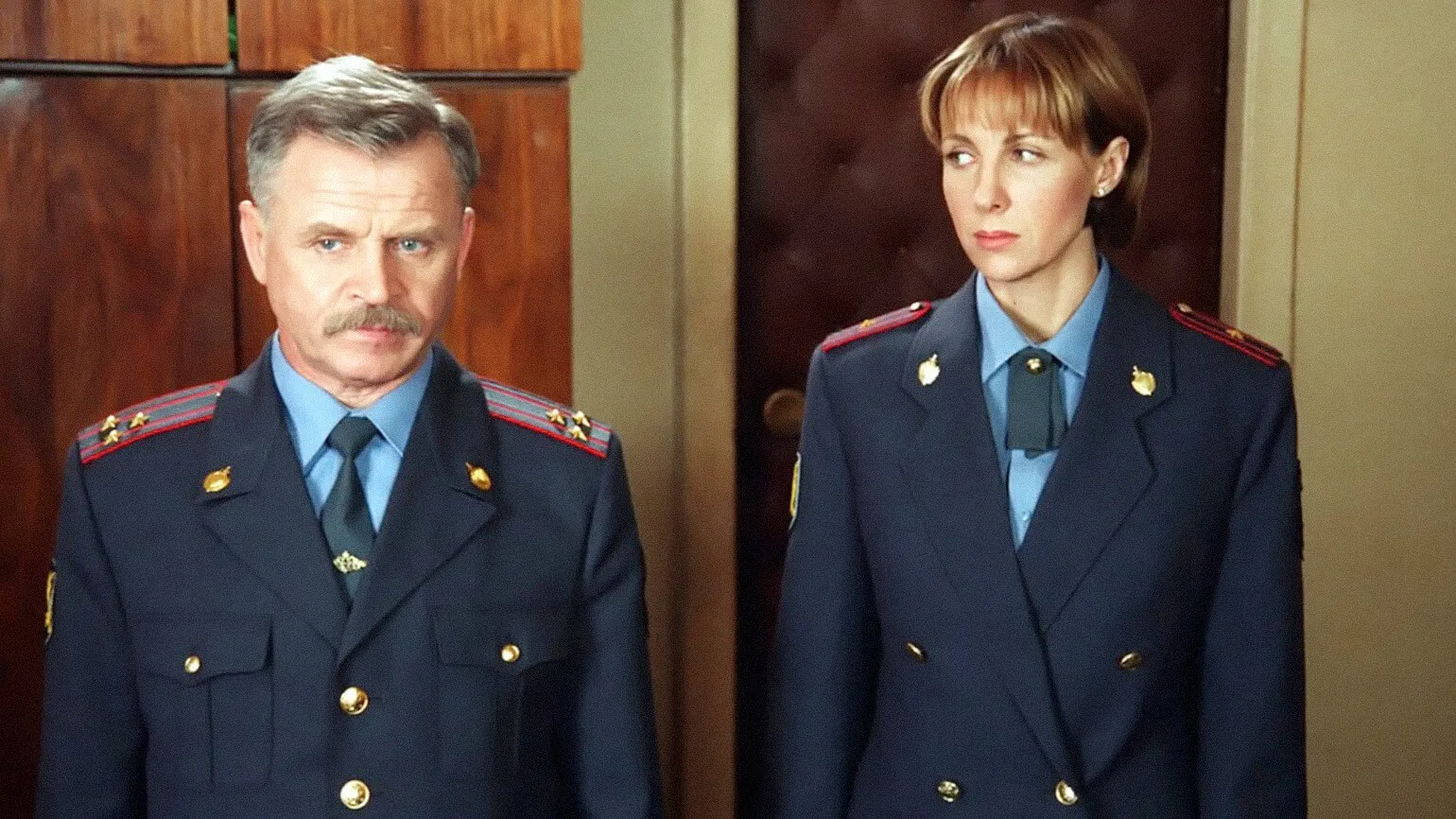
- "Cop" from the NTV series, who somehow ended up in the department. This policeman knows better than anyone: the system once set him up, but he didn't stop dispensing justice. Our cop understands this justice in his own way and doesn't shy away from violence.
By this time, trust in real and on-screen police officers had been undermined, and the genre of series about law enforcement agencies had become perceived as a meme. In response, the creators of multi-series projects decided to change their approach and offer a new narrative. This narrative not only departs from the usual stereotypes about police officers but also creates a unique on-screen reality that attracts viewers and makes them look at the world of law enforcement in a new way.
By the mid-2000s, almost everyone had seen at least one episode of the cult series "CSI: Crime Scene Investigation." Even those unfamiliar with it have probably heard of detective classics such as "Poirot" or "Murder, She Wrote." Given the high popularity of foreign projects, Russian television producers began to borrow script techniques, and sometimes even created complete remakes. An example of this approach was the series "The Bridge."
Cops Here and Now
In the last ten years, "strange" police officers—or characters with no connection to law enforcement—have increasingly appeared on screen. Real police officers you can meet on the street cause more anxiety than inspiration or entertainment. As a result, consultants working with law enforcement agencies have appeared on streaming platforms and television. Although such an institution does not exist in Russia, they appear quite convincing in series and attract viewers.
In 2015, the series "Method" was released, which tells the story of the work of the outstanding investigator Rodion Meglin and his intern Yesenia Steklova. The series focuses on solving complex crimes and analyzing psychological aspects, making it unique in the crime drama genre. Its tense investigations and deep character development have captivated viewers, contributing to its popularity and critical acclaim.
Meglin is a Russian Batman figure who rules over destinies and punishes those who escape responsibility for their crimes. He has a charming and charismatic personality, which is emphasized by the love story added to the main plot. In addition, Meglin demonstrates an impressive 80% clearance rate for the most high-profile and complex cases, which makes him a character that evokes interest and respect.
The series "Method" is based on real criminal cases, in which the main characters, Konstantin Khabensky and Paulina Andreeva, investigate high-profile crimes. Their investigations feature such notorious serial killers as "Shooter," based on the serial killer Anatoly Onoprienko; "Tourist," based on the crimes of Anatoly Slivko; and "Taxi Driver," linked to Gennady Mikhasevich, also a notorious serial killer. The series attracts viewers thanks to its authenticity and tense plot, making it one of the most talked-about projects on Russian television.
A detective, not a police officer, has become the central figure in the television series "Trigger," which has been airing since 2020. This series focuses on psychotherapist Artyom Streletsky, who first investigates his own case and then begins assisting the investigation. The story reveals the complexities of a psychotherapist's work and his interactions with the criminal world, making the plot tense and captivating.
Maxim Matveyev's character uses shock therapy and a variety of provocations in his practice. His methods are so realistic that professional psychologists are forced to comment on what is happening, emphasizing that this is just a work of art, and not a guide to action. Matveyev's work generates interest and controversy, raising important questions about the boundaries of art and psychology.
Streletsky is a detective in the broad sense of the word, being one of the archetypes in literature and cinema. He combines traits inherent in both Sherlock Holmes, especially in the BBC interpretation, with his chaotic and caustic character, and elements of the forensic expert and maniac Dexter from the famous TV series "Dexter". This character attracts attention with his complex personality, ability to analyze and unusual approach to investigation. Streletsky embodies not only the search for truth, but also deep reflections on morality and human nature.
Read also:
Not only Cumberbatch: outstanding interpretations of Sherlock Holmes in film
Sherlock Holmes, the iconic detective created by Arthur Conan Doyle, has become a source of inspiration for many actors and directors. Although Benedict Cumberbatch took part in one of the most famous adaptations, his interpretation is far from the only one. The history of cinema can boast many talented actors who have brilliantly recreated the image of the famous detective.
One of the most memorable Sherlocks is Robert Downey Jr., who played Holmes in the films of Guy Ritchie. His charismatic and dynamic approach brought a fresh look to the classic image, combining elements of action and comedy.
Another striking example is Sherlock Holmes played by Jeremy Brett, who has become an icon of the character for many fans. His deep understanding of the character and masterful performance made this image a classic. The series of the 1980s and 1990s with Brett in the lead role is rightfully considered the standard for adapting the works of Conan Doyle.
Also worth noting is the interpretation of Sherlock in the series «Sherlock» with Benedict Cumberbatch, who brought a modern take on the classic hero. The plot, based on the original stories, was adapted for modern times, which made it especially appealing to audiences.
It is also worth mentioning lesser-known, but no less talented interpretations. For example, Sherlock Holmes in the film "Elementary" with Jonny Lee Miller, who offers a unique take on the character, placing him in modern-day New York.
Every adaptation of Sherlock Holmes brings something new to the image of this brilliant detective. The art of cinema allows for the exploration and reinterpretation of classic literary characters, and Sherlock Holmes remains one of the most striking examples of this approach.
In 2007, the series "Elimination" was released, which became a true cultural phenomenon. The series' plot is based on the myth of Marshal Georgy Zhukov, who supposedly rid Odessa of crime through lynching. This historical context captured viewers' attention and sparked heated debate. "Liquidation" explores complex aspects of law and order and justice, reflecting the realities of the post-war era. The series not only entertains but also raises important questions about morality and power, making it relevant today.
Serhiy Ursulyak's project has been significantly criticized for its similarity to Soviet cinema, in which enemies and criminals often became opponents of ideology. In this context, they were considered subject to "liquidation." This characteristic distinguishes the project from the many cop series that began appearing in the early 1990s. This characteristic makes him not only a cultural but also a historical phenomenon, reflecting changes in public consciousness and perceptions of law enforcement.
The image of the guardian of state interests, personified by Zhukov, played by Vladimir Menshov, is complemented by the character of David Gotsman, played by Vladimir Mashkov. Gotsman is a multifaceted hero, representing the archetype of "good cop, bad cop". He possesses brutal masculinity and does not hesitate to use force when necessary. At the same time, his humanity is manifested in his care for a street child, whom he takes under his wing, uncovering a conspiracy of the anti-Soviet underground. This duality makes Gotsman an interesting and complex character who reflects the contradictory aspects of the law enforcement system.
Before our very eyes, the image of a national hero is taking shape, and its success is confirmed by the high number of views and positive reviews.
In 2022, the series "Zveroboy" was released, focusing on police officer Oleg Khlebnikov, played by Pavel Chinaryov. The protagonist commits murder during an arrest, which leads to his exile to a small taiga town. The plot of the series revolves around his adaptation to a new life and the internal struggle with the consequences of his actions, which makes this story deep and multi-layered. The series attracts viewers not only with its engaging plot but also with its vibrant characters, which underscores its uniqueness in the crime drama genre.
The outback is saturated with crime, and Khlebnikov begins an active hunt for criminals who commit terrible crimes. Although he longs to return to the familiar capital, surrounded by forests and darkness, far from his usual social connections, he finds himself here. Hiding from those around him over a glass of whiskey, Khlebnikov realizes that this world has become his home.
Khlebnikov, like the characters in Nic Pizzolatto's popular TV series, does not have an attractive appearance, but demonstrates outstanding abilities in the fight against crime. His approach to investigation can be characterized as passion and a desire for justice. For him, investigation is not just a job, but a true thirst aimed at ridding society of evil and protecting the innocent. Khlebnikov becomes a symbol of hope in a world where crime is rampant, and his efforts make him indispensable in the fight for the truth.
This series is based on a number of stereotypes, but remains gripping. The main theme of the work is social injustice, which makes it especially relevant in modern society. The plot unfolds around various social problems, touching on important issues that concern viewers.
This is the story of a lawyer from a wealthy youth who is serving a sentence in the police service for excessive passion for parties. In the police, he tries to solve work issues using the civil methods to which he was accustomed in his former life. Unsure how to properly operate in the system, he finds unconventional solutions, violating the rules of law enforcement.
In the new episodes, Sokolovsky seems to have finally integrated into the service, but still displays a rich kid character. This is especially noticeable in the film "Major in Sochi," where he opens his own business, which emphasizes his ambitious and independent lifestyle.
In 2022, Kazakh director Adilkhan Yerzhanov presented a domestic slow thriller that will appeal to fans of Scandinavian cinema and TV series. The film "Frozen" takes viewers to picturesque Karelia, where an atmosphere of winter silence reigns: snow, ice, gray houses and the mesmerizing northern lights. From the very first frames, it becomes clear that the protagonist, Yevgeny Rudin, has crossed professional and moral boundaries—he married a woman he saved from an abusive husband and now cares for her son. This complex situation confronts him with numerous challenges and moral dilemmas, making the film not only tense but also profound in its exploration of human relationships and the consequences of difficult decisions.
The past doesn't let go - it reappears when Rudina's ex-husband returns to the city. Meanwhile, mysterious murders occur, and one of the victims turns out to be Rudin's wife. Now he is forced to take matters into his own hands and unravel the true causes of these tragedies. Rudin moves toward solving the mystery, realizing that his life and the fate of his loved ones are at risk.
Rudin is a dark and cold detective familiar to fans of "The Chestnut Man," "The Trap," and other Scandinavian noirs. His character is characterized by impulsiveness, instability, and asociality, creating the impression that he is on the verge of committing a crime. This antagonistic image attracts attention and generates interest in the plot, highlighting the dark side of human nature. Rudin is a striking example of a character who, despite his role in law enforcement, can himself find himself on the path of crime.
A striking example of a police officer whose personal story is more exciting than the detective story itself. This story is based on true events and highlights the complex aspects of life in law enforcement.
Evgeny Bokov, a Rostov resident, arrives in Moscow to investigate a series of brutal teenage murders. His approach differs from that of traditional investigators sent to remote regions. Bokov strives to understand the complex situation and uncover the causes of these horrific crimes, drawing attention to the problem of youth violence.
In the capital, the protagonist, played by Ivan Yankovsky, constantly dreams of returning to his wife. For him, this case has become a routine that must be dealt with quickly. Despite his straightforwardness and harshness, he comes across as a kind-hearted man who will not abandon his loved ones in trouble in difficult times.
Valery Kozyrev, played by Alexander Yatsenko, is the antithesis of the protagonist and a typical careerist. He strives to solve a high-profile criminal case in order to achieve a promotion. Kozyrev also has to constantly monitor his ambitious colleagues, Bokov and Dobrovolskaya, who often find themselves in sticky situations and complicate the workflow.
In the latest film, the lead role is played by Alexandra Bortich. Her character is a single mother striving to prove her determination and success to those around her. Dobrovolskaya's character development goes through many complex and interesting stages: from an intern, she transforms into an excellent investigator, while overcoming a number of personal and professional crises. This makes the plot more gripping and provides an opportunity to deeply understand her inner experiences and transformation.
"Fisher" is a high-quality thriller, reminiscent of the acclaimed Scandinavian series "The Killings." It is replete with shocking scenes that teeter on the edge of what's acceptable, but the plot centers on the personal relationships between the police officers. This phenomenon has long been relevant—the emphasis on soft skills at the expense of professional qualities was noted by Igor Maslennikov in the Soviet adaptation of the adventures of Sherlock Holmes. Few remember the cases Holmes, played by Vasily Livanov, investigated, the criminals he caught, or how he collected evidence. However, the touching relationship between Holmes, Watson, and Mrs. Hudson became a memorable feature of the series and even inspired memes. Thus, "Fisher" continues this tradition, exploring the psychology of the characters and their interactions in difficult circumstances.
Comic relief: funny cops
In Western cinema, the image of the funny and awkward policeman has become an enduring tradition. There are numerous films and television series that exemplify this archetype, from the French franchise about the gendarme from Saint-Tropez to the classic Police Academy and the cult series Brooklyn Nine-Nine. These works not only entertain viewers but also provide comic relief to the serious work of the police, highlighting the human foibles and humorous situations law enforcement officers can find themselves in. This approach allows for a different perspective on the professional lives of police officers, showing them not only as protectors of order but also as ordinary people faced with curious and awkward moments.
Comic relief is a set of artistic devices that help the viewer relax and take a break from the tense moments of the plot. These can include witty remarks, funny scenes, or comical characters. The use of comic relief in works helps create a balance between serious and light scenes, which enhances the overall perception and makes the story more engaging.
Read also:
The 20 Best Detective Films in Cinema History
The detective genre occupies a special place in the world of cinema, attracting viewers with exciting plots, intriguing investigations and unexpected twists. This list features 20 of the best detective films that have significantly influenced the genre and deserve attention.
Each of these films exemplifies masterful plotting and tense atmosphere. From classic works to modern masterpieces, these films offer viewers unique stories that make them think and analyze.
Detective films not only entertain but also provoke viewers to reflect on morality, justice, and human nature. Whether you prefer classic mysteries or modern thrillers, this list will provide you with films that will be remembered for a long time and make a great choice for an evening.
Don't miss the opportunity to enjoy these masterpieces, which continue to inspire new generations of filmmakers and audiences. Each of the films presented has a unique style and atmosphere, making them a must-see for all detective fans.
"Policeman from Rublyovka" is a comedy series that can be seen as the antithesis of the rich kid Priluchny, or as a kind of homage to him. The main character, Grigory Izmailov, is a police officer by vocation and upholds the law in a prestigious area of the capital. He understands the system well, but often disagrees with its rules and exceeds his authority, which constantly irritates his boss, Vladimir Yakovlev. The series' plot is filled with humor and satire, making it appealing to a wide audience.
"Crew 314," directed by Denis Pavlov, is a high-quality police satire produced by Sergey Selyanov, known for such projects as "Cargo 200" and the "Brother" franchise. The plot focuses on three patrol officers who face absurd situations in each episode. Under the slogan "the situation is certainly stalemate, but not hopeless," they try to find solutions to their problems. This series not only entertains, but also raises important social issues, making it relevant and interesting for a wide audience.
Sanych, Lenya, and Valera resemble modern-day heroes, only their transport is a "loaf." The question is whether they will be able to save a provincial town or, on the contrary, will lead to its final decline. This story is about the adventures of three friends, their determination, and the consequences of their actions, which can change the fate of a small village.
In 2023, director Ilya Ermolov presented viewers with the comedy series "Allow Me to Ask" on the Ivi platform. The plot revolves around a policeman who is bitten by a dog, and he turns into a werewolf. This series is a shining example of the creators taking a risk and incorporating humor and fantasy into the narrative, making it unique in its genre. "Let Me Address" attracts attention not only with its original premise but also with its satirical look at the everyday realities of police work.
The series received high ratings and won over viewers, as if viewers had long been waiting for a project about a werewolf from the Ministry of Internal Affairs. The show's success was also due to previous popular series about mystical creatures, such as "Vampires of the Middle Lane." Apparently, there was a successful combination of factors that attracted attention to the new project.
Cops from the Future
The upcoming announcements do not include police dramas and thrillers; they mainly feature stories focused on investigations and trials. Alexander Tsoi is working on the series "Chwachka" for Premier, in which Daria Balabanova plays the lead role. Her character investigates the murder of her boyfriend. The plot focuses on complex relationships, manipulation, provocation, and lies, which typically escape the attention of law enforcement.
This year, viewers can expect a sequel to Valeria Gai Germanika's acclaimed series "Mutual Consent," in which a businessman is murdered and suspicion falls on his wife. The season will also feature a new work titled "I Know Who Killed You," starring Alexander Yatsenko. Alexander Ilyin Jr. plays the stereotypical detective, alongside young investigator Maria Karpova, who believes in justice. These new projects promise engaging plots and exciting twists that will capture viewers' attention and spark discussion around complex topics.
The main project of the season will be Vladimir Mirzoev's production of "Crime and Punishment." This timeless classic deeply explores themes of moral choice and human rights. The play invites audiences to consider the consequences of their actions and their rights in society. Notably, this interpretation of a classic work is poised to attract both theater connoisseurs and new viewers interested in current social issues. New projects about lawyers are set to hit screens, attracting viewers. Among them is the series "Plevako," in which Sergei Bezrukov will play Fyodor Plevako, a renowned 19th-century lawyer. Also expected is Danila Chashchin's crime drama "Shakespeare Street," in which Dmitry Chebotarev will play a lawyer. Alexei Kuzmin-Tarasov's "Unfaithful" series will also be featured, with the star-studded cast already announced on streaming platforms. These projects promise engaging plots and deep characters, which will make them appealing to a wide audience.

Read also:
Detectives of 2024: the most anticipated film premieres
In 2024, viewers can expect a multitude of exciting detective films that promise to capture their attention and immerse them in the world of investigations and mysteries. New film premieres will attract both fans of classic detective stories and those who prefer modern interpretations of the genre. Expect both adaptations of popular books and original scripts, offering audiences gripping stories and unexpected plot twists.
Filmmakers continue to experiment with form and content, incorporating elements of thriller and drama, making detective films even more intriguing. In 2024, audiences will be able to enjoy works by renowned directors, as well as new names making a name for themselves in the world of cinema. These films will not only provide excellent entertainment but also an opportunity for viewers to delve into the psychology of crime and explore the motivations of their characters.
Detective films in 2024 are expected to feature intriguing scripts, strong acting, and visually stunning production values. This will create a unique atmosphere in which viewers will not only enjoy the plot but also actively participate in solving the mysteries. Don't miss the opportunity to see the most anticipated premieres that will delight fans of the detective genre. Let's take a look at the modern television landscape. One thing is clear: police characters in TV series are losing their relevance. In 2024, we are witnessing a return to the aesthetics of the 1990s, with a preference for luxury cars like the G-Class over traditional police cars. In this new reality, you're much more likely to find help from street thugs, like in the series "Frozen" (2023), than from a classic hero like Major Grom. This transformation reflects changes in the perception of law enforcement agencies and their role in modern society.
Free career guidance
• Determine what you want from a new profession• Take the test and find out which professions are right for you• Understand what such specialists do
Learn more