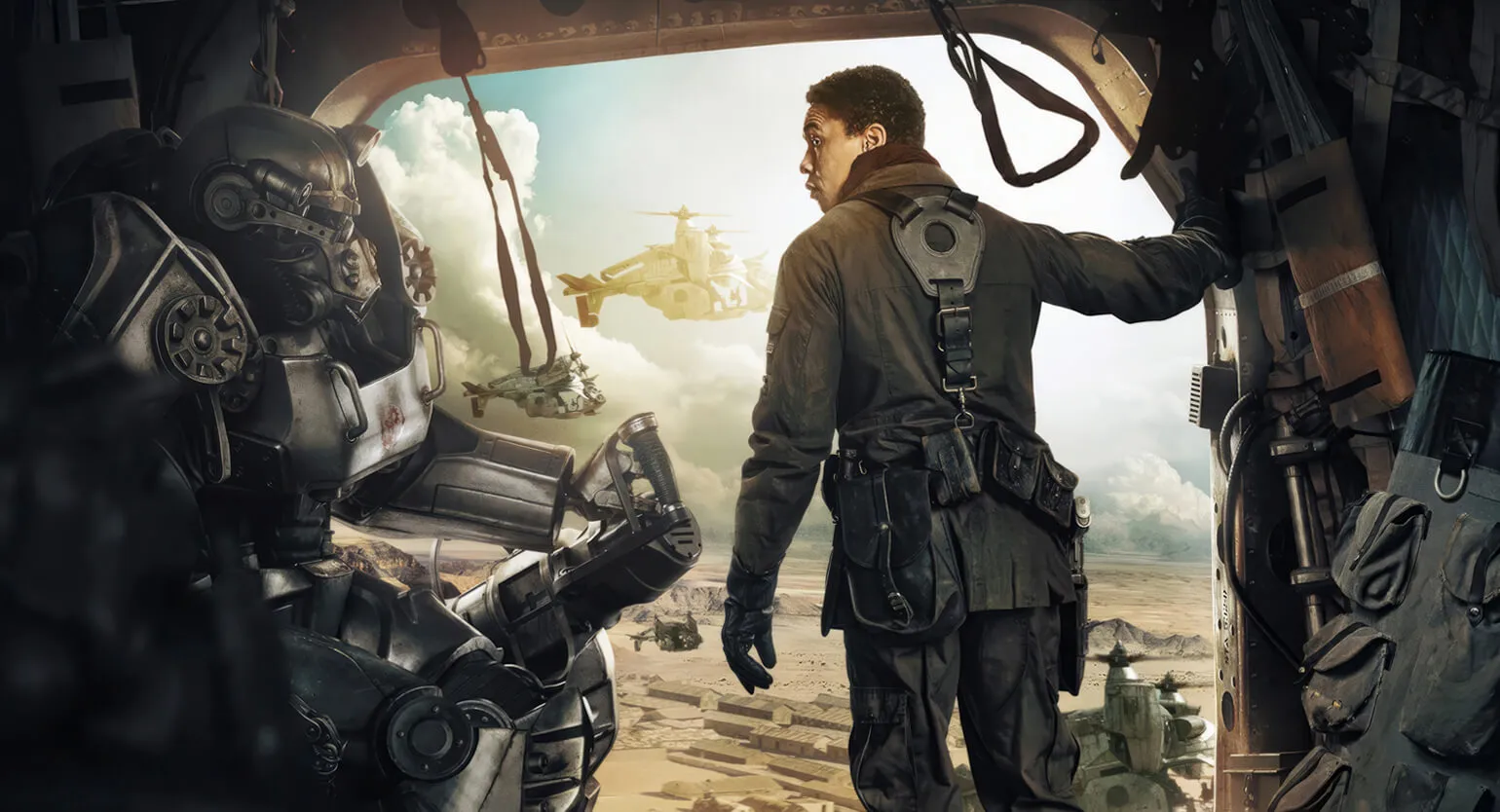

Learn: Profession 3D Artist
Learn MoreThe Fallout series was released on April 11th and quickly became the subject of active discussions online. Some viewers praised it, noting its successful adaptation, while others criticized it for inconsistencies with the original game. After watching, many fans decided to replay the games in the series, seeking to immerse themselves in a familiar post-apocalyptic world.
We have carefully reviewed the series and are now sharing the main Easter eggs, as well as clarifying controversial points that have sparked debate among fans.
In this text, we will not discuss obvious references, such as similar shelters in the games and the series. The show was created with respect for the source material, so it contains many similarities in vehicles, weapons, and other elements. Instead, we'll focus on less obvious Easter eggs that can easily escape viewers' attention.
Please note: This text contains spoilers for the series.
The series offers viewers a unique perspective on character development and their internal conflicts. Each episode delves into complex relationships, forcing viewers to question morality and choice. Key plot twists and unexpected character decisions build tension and keep viewers engaged. With each new season, the story deepens, revealing new aspects and connections between characters. This series not only entertains but also makes you reflect on human nature and the consequences of your actions. Thanks to the high-quality work of the writers and actors, viewers can see how every character's action affects their fate and the fate of others.
Read also:
Fallout TV series review: a high-quality adaptation that brought more to the series than the latest games. The Fallout series successfully captures the spirit of the original franchise, combining elements of a post-apocalyptic world with deep storylines and vibrant characters. The adaptation demonstrates attention to detail, allowing fans to recognize familiar locations and gameplay elements, reimagined for television. Unlike recent games, which sometimes lost the essence of the series, this series returns to its roots and revitalizes the Fallout mythology. With high-quality direction, thoughtful dialogue, and a captivating storyline, the series opens new horizons for the franchise and attracts both long-time fans and new audiences. Subscribe to our Telegram channel "Checkpoint," where we share news and interesting facts about games, as well as insights into their creation process. In our channel, you will find helpful tips from developers and the latest updates on popular programs. We are open to communication: you can suggest ideas for new content or discuss all aspects of game development. Join us and stay up to date with the latest news from the gaming industry.
Episode One
The show is based on the canon events of the Fallout universe, with all the key characters created specifically for the series. This allows us to preserve the atmosphere and spirit of the original game, while introducing new storylines and characters, which makes the story fresh and exciting for viewers.
The events of the film adaptation take place in 2296, which is confirmed by the game developers. This is the latest chronological point in the Fallout series. For comparison, the events of Fallout 76 take place in 2102, the first part in 2161, the second in 2241, the third in 2277, Fallout: New Vegas in 2281, and Fallout 4 in 2287. Thus, the new film adaptation adds an interesting temporal dimension to the rich Fallout universe, allowing us to explore events that take place many years after the games' established plots.
The show opens with a lengthy scene set on the eve of a nuclear apocalypse—October 23, 2077. This is a clear reference to Fallout 4, where the plot also begins before the bombings, and the protagonist seeks refuge in a shelter with his family. In this context, parallels can be seen in the themes of survival and disaster, making this scene particularly significant for fans of the game.
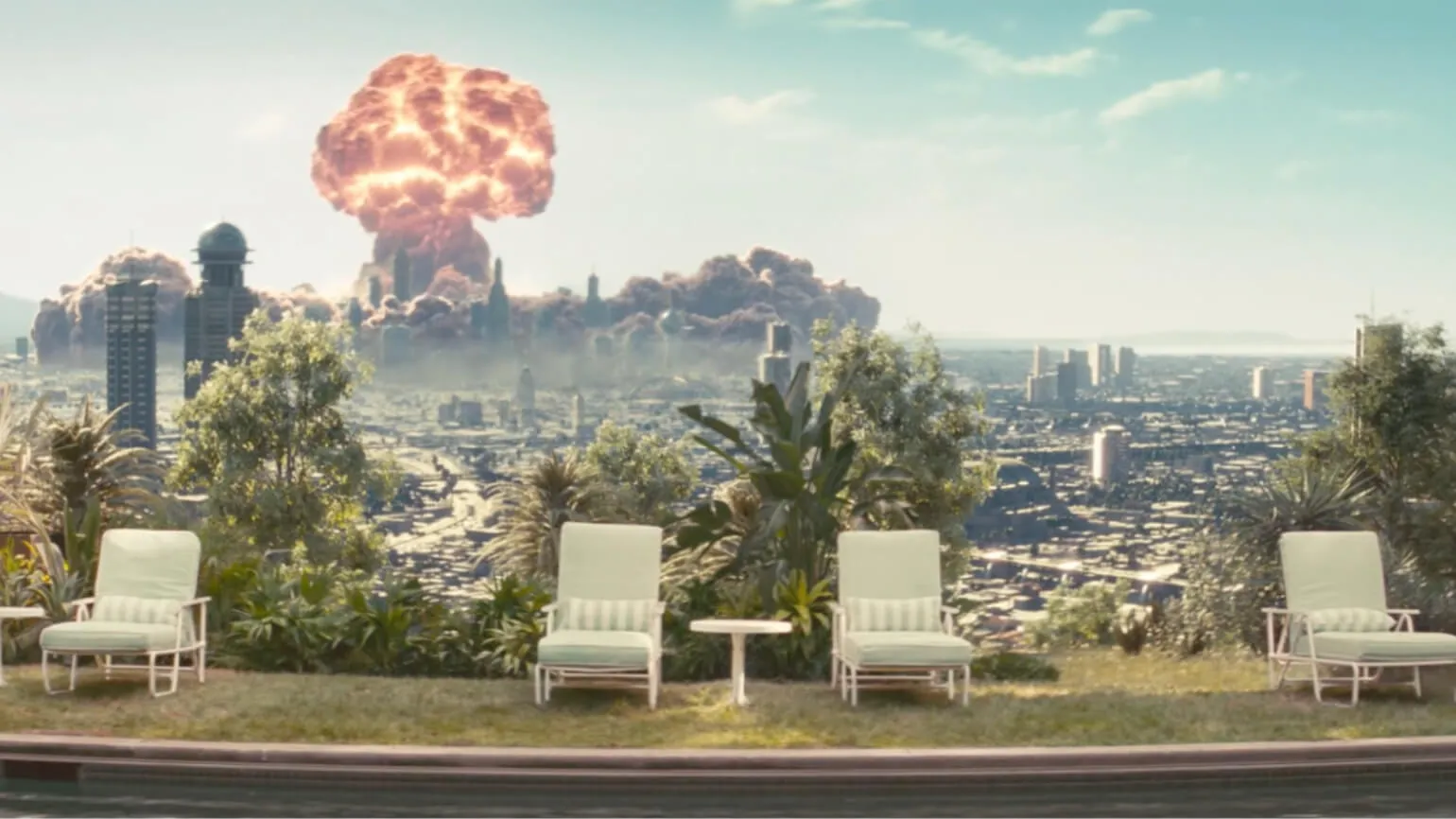
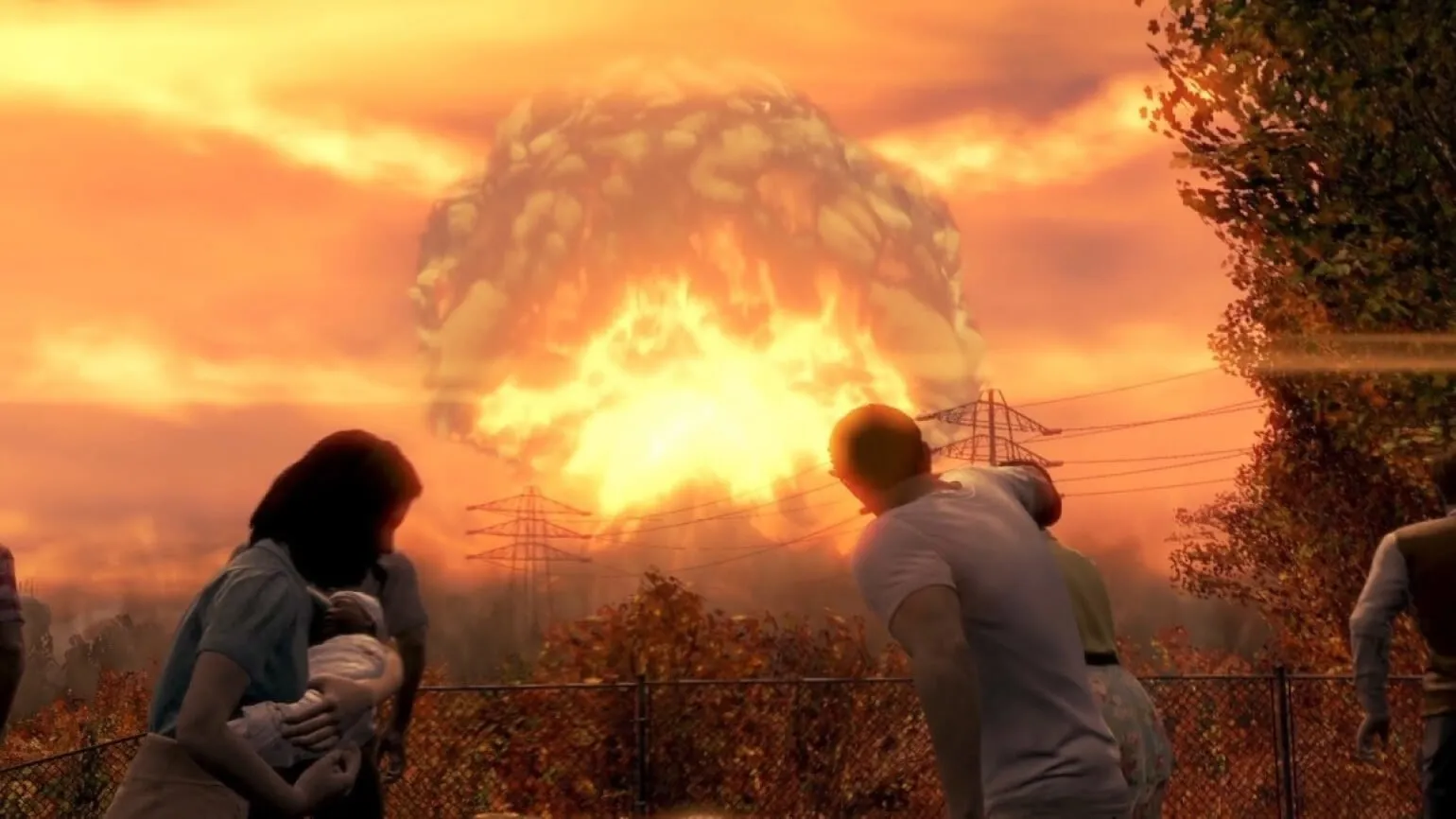
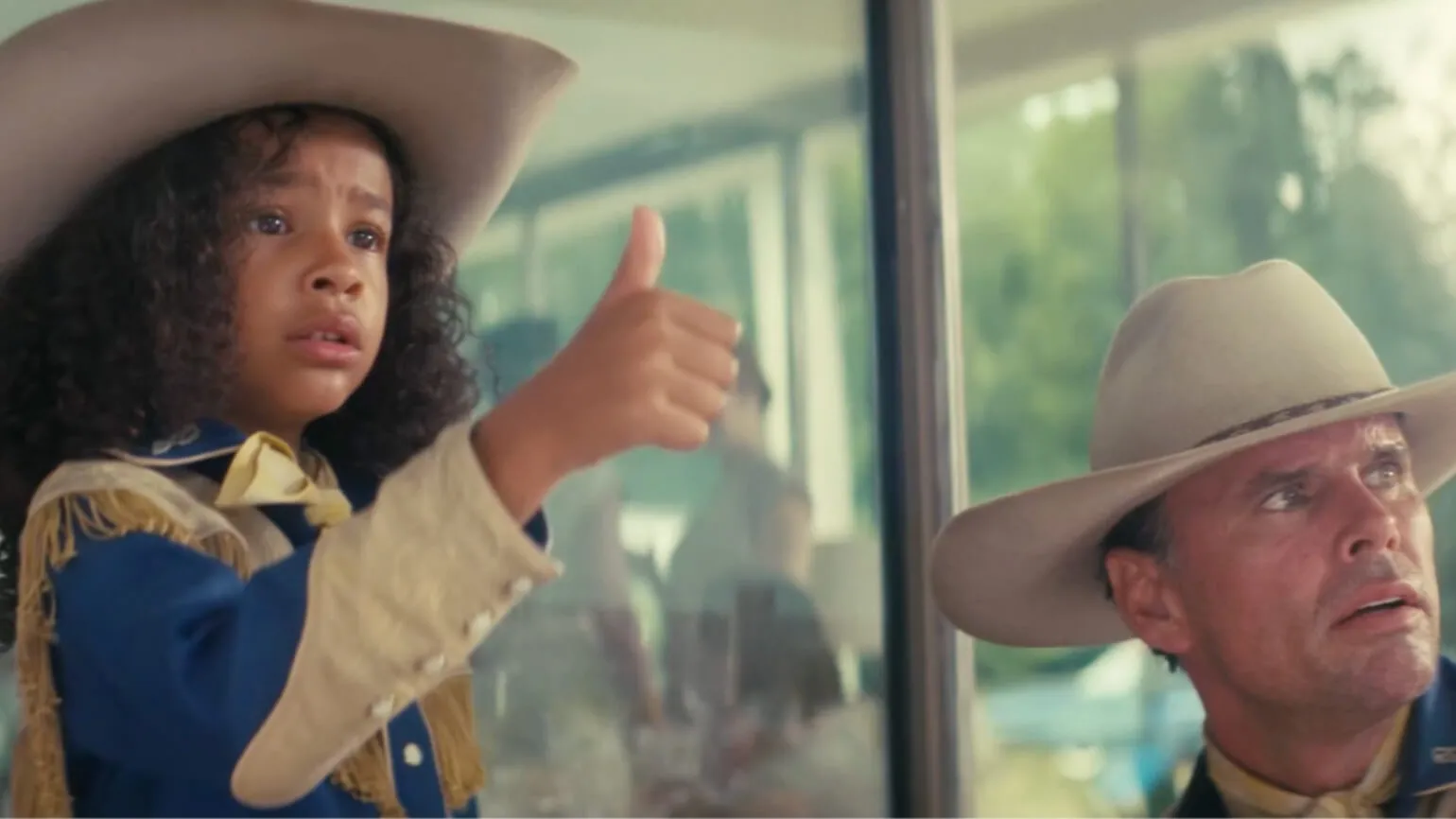
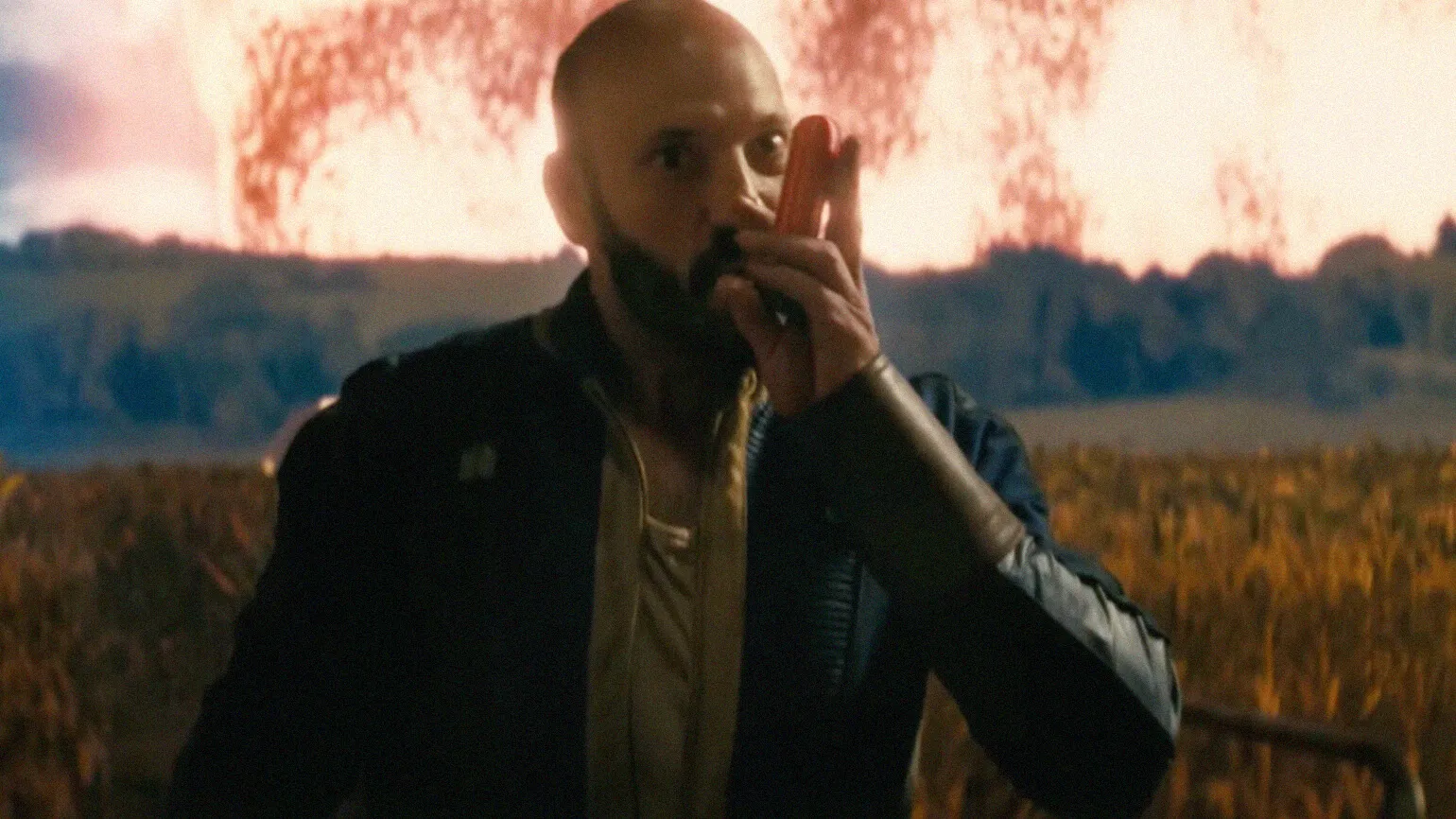
Shortly before the explosion, Cooper Howard, one of the key characters in the series, shares with his daughter an important piece of advice known as the "rule of thumb." He explains that if the nuclear cloud is larger than his finger, he must immediately leave the danger zone. This recommendation emphasizes the importance of rapid response in critical situations and can save lives.
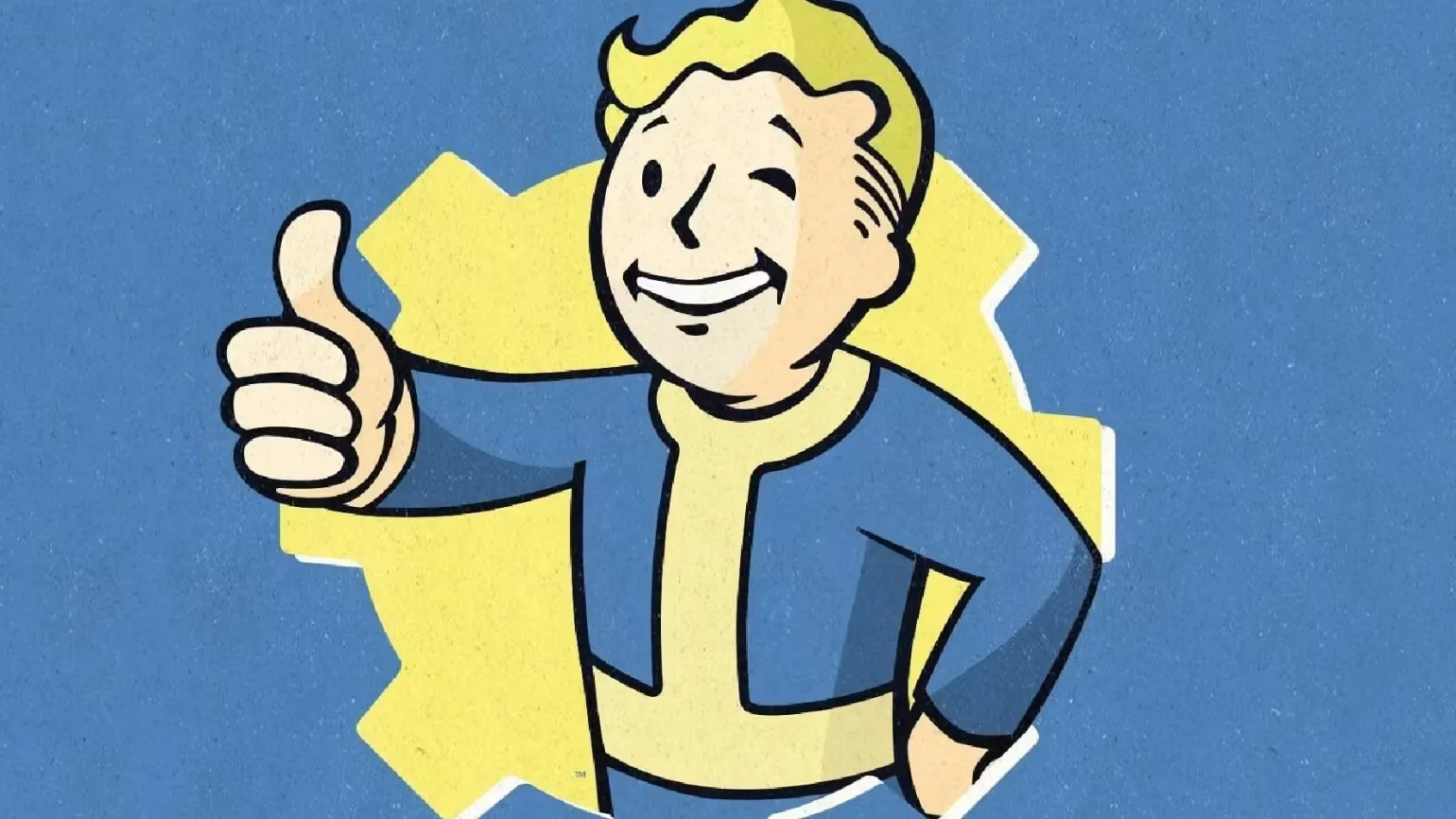
This is one of the interesting Easter eggs for dedicated Fallout fans. More than a decade ago, fans theorized about the meaning of Vault Boy's iconic gesture, the series' mascot. However, the original Fallout producer, Brian Fargo, refuted this hypothesis, claiming that Vault Boy was simply trying to instill a positive outlook. This information highlights the uniqueness and diversity of the game's characters, as well as their impact on fan culture.
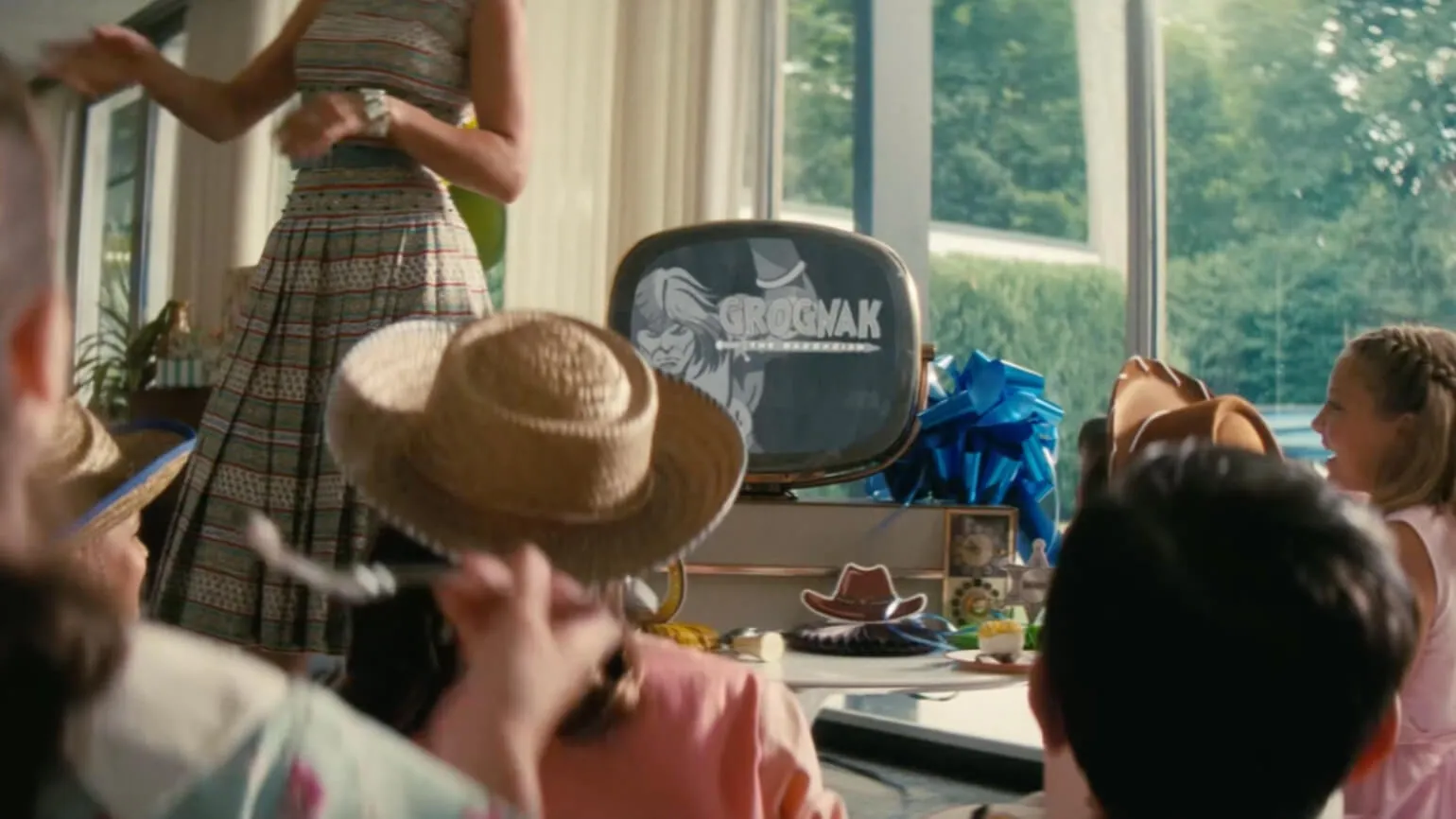
The show's prologue is filled with Easter eggs that pleasantly surprise viewers. In one of the TV commercials, you can spot familiar products such as Nuka-Cola and Sugar Bombs. Also mentioned is the Fallout 4 game "Grognak the Barbarian and the Ruby Ruins," which has a whole comic series created for it. Reading these comics allows players to improve their character's stats. This element of interaction makes the game more engaging and adds depth to the story.
During the explosions, a billboard with the inscription appears on the screen "Prepare for the Future"—this slogan became the centerpiece of the Fallout 3 marketing campaign, as part of which Bethesda launched a series of black-and-white videos. The campaign attracted attention to the game, creating an atmosphere of anticipation and intrigue around the world of Fallout.

At the beginning of the game Vault 33, Lucy shares her skills, which is an obvious reference to the S.P.E.C.I.A.L. system used to create characters. As the story progresses, we learn that the heroine has skills in repair, shows an interest in science, develops her oratory skills, is an excellent fencing specialist and has good shooting skills. However, it is worth noting that her physical fitness is at an average level.
The creators of the show continue to actively use game mechanics, which becomes noticeable in subsequent episodes. For example, Lucy often tries to start a conversation with her interlocutors, but her attempts are usually unsuccessful. It is obvious that the heroine lacks charisma, which adds comedy to her situation. This element makes the plot more engaging and allows viewers to delve deeper into the character's development.
Bethesda confirmed the appearance of the show's main characters in the Fallout Shelter game. In mid-April, they officially presented their characteristics.
- Lucy: Strength - 4; Perception - 7; Endurance - 6; Charisma - 5; Intelligence - 6; Agility - 5; Luck - 7.
- Ghoul: Strength - 5; Perception - 6; Endurance - 7; Charisma - 7; Intelligence - 4; Agility - 7; Luck - 4.
- Maximus: Strength - 7; Perception - 6; Endurance - 6; Charisma - 5; Intelligence - 4; Agility - 7; luck - 5.
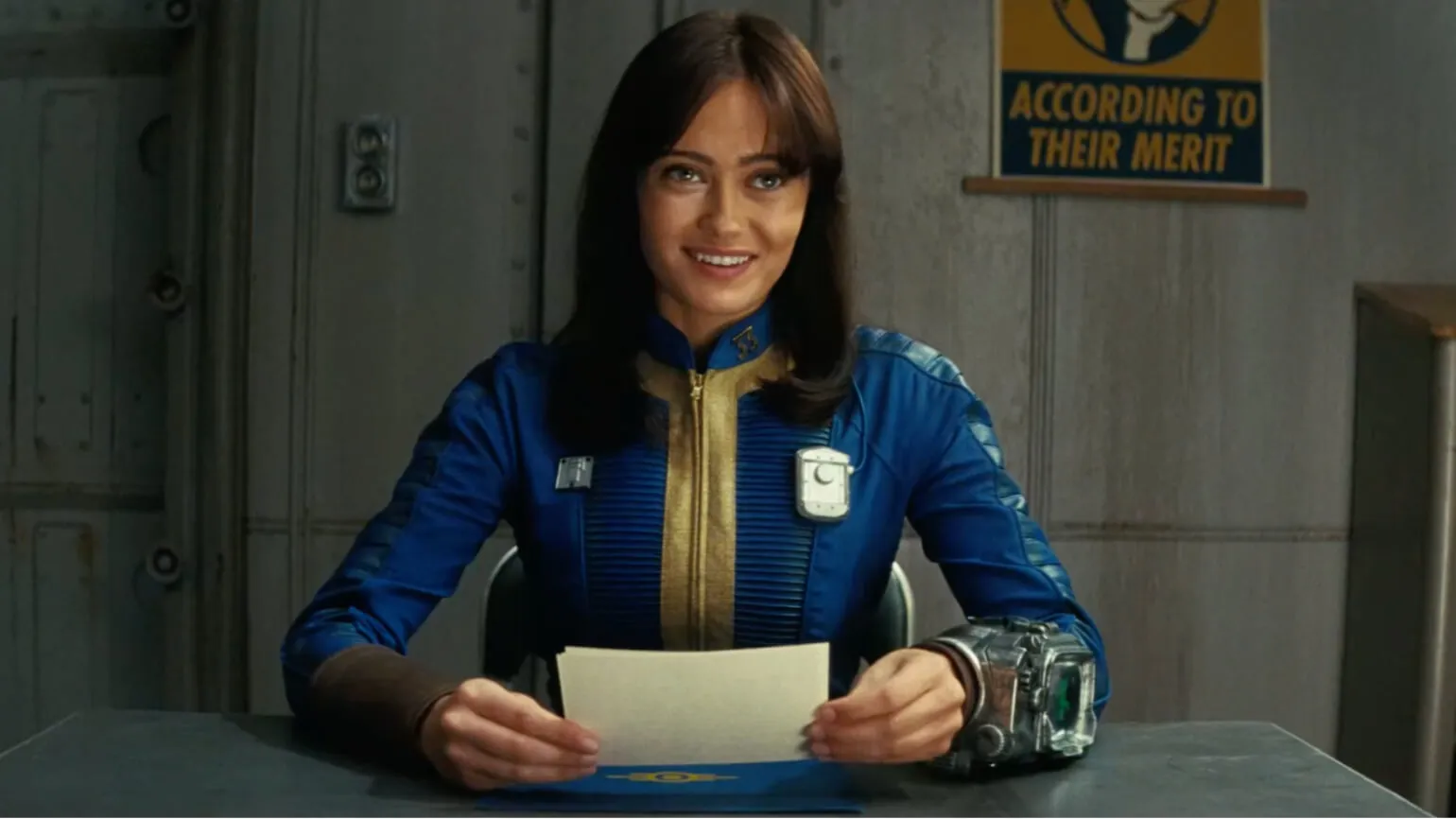
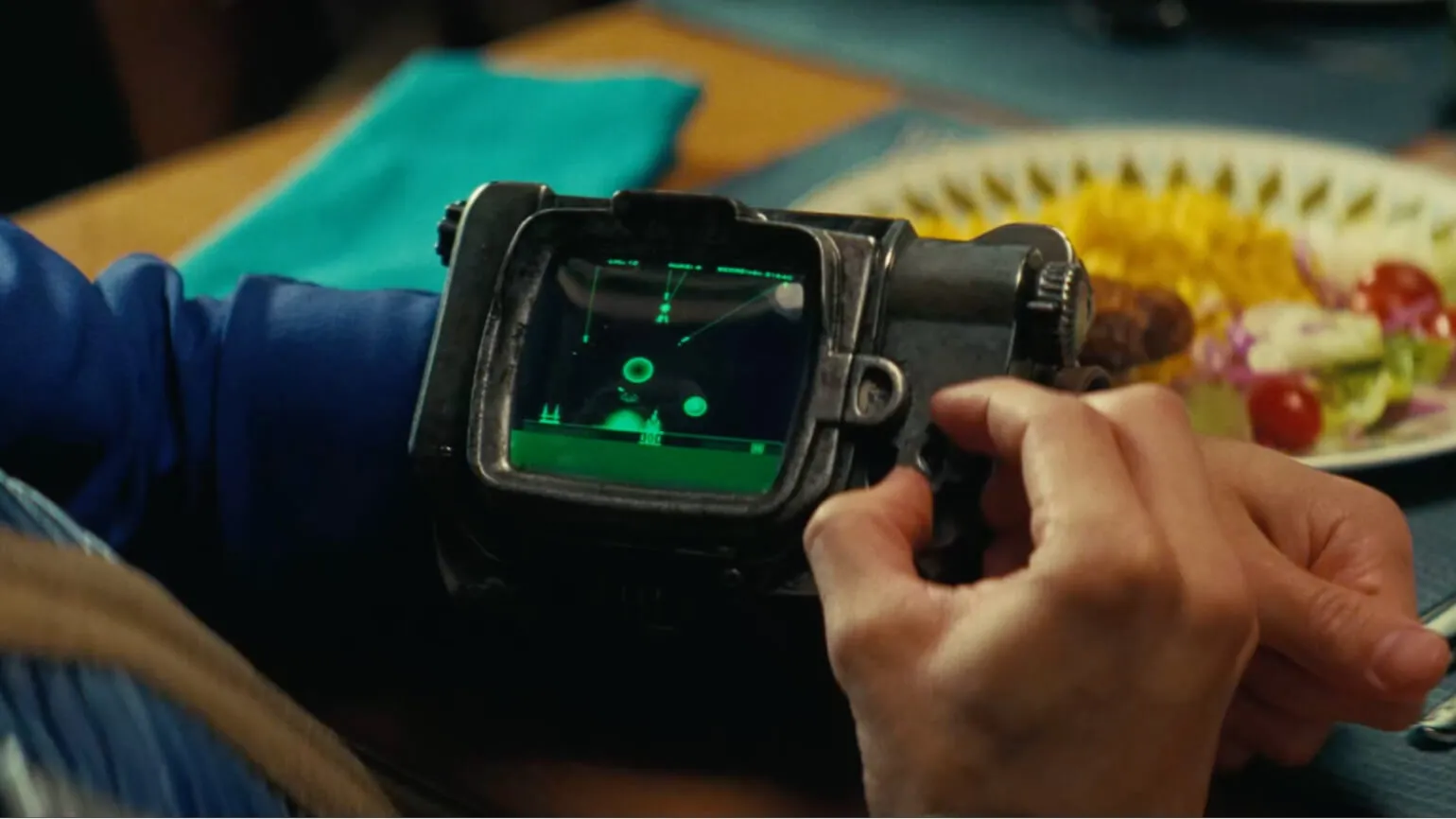
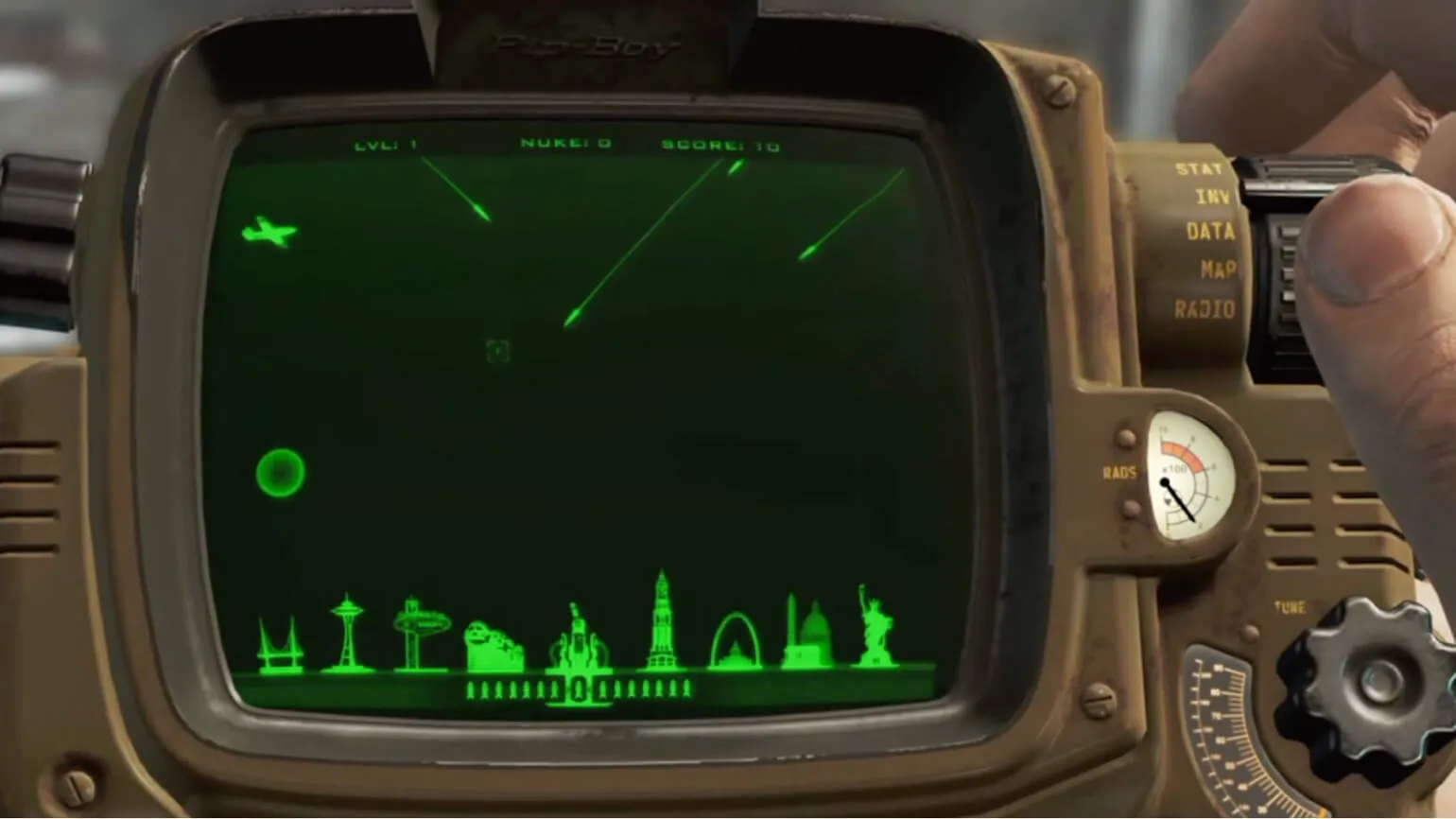
In one scene of the series, Lucy's brother, Norman, is enthusiastically playing Atomic Command on the Pip-Boy from Fallout 4. Viewers are repeatedly shown the wrist-mounted PC interface, which is remarkably similar to its in-game counterpart. This detail highlights the creators' attention to detail and their desire to create an atmosphere familiar to video game fans.
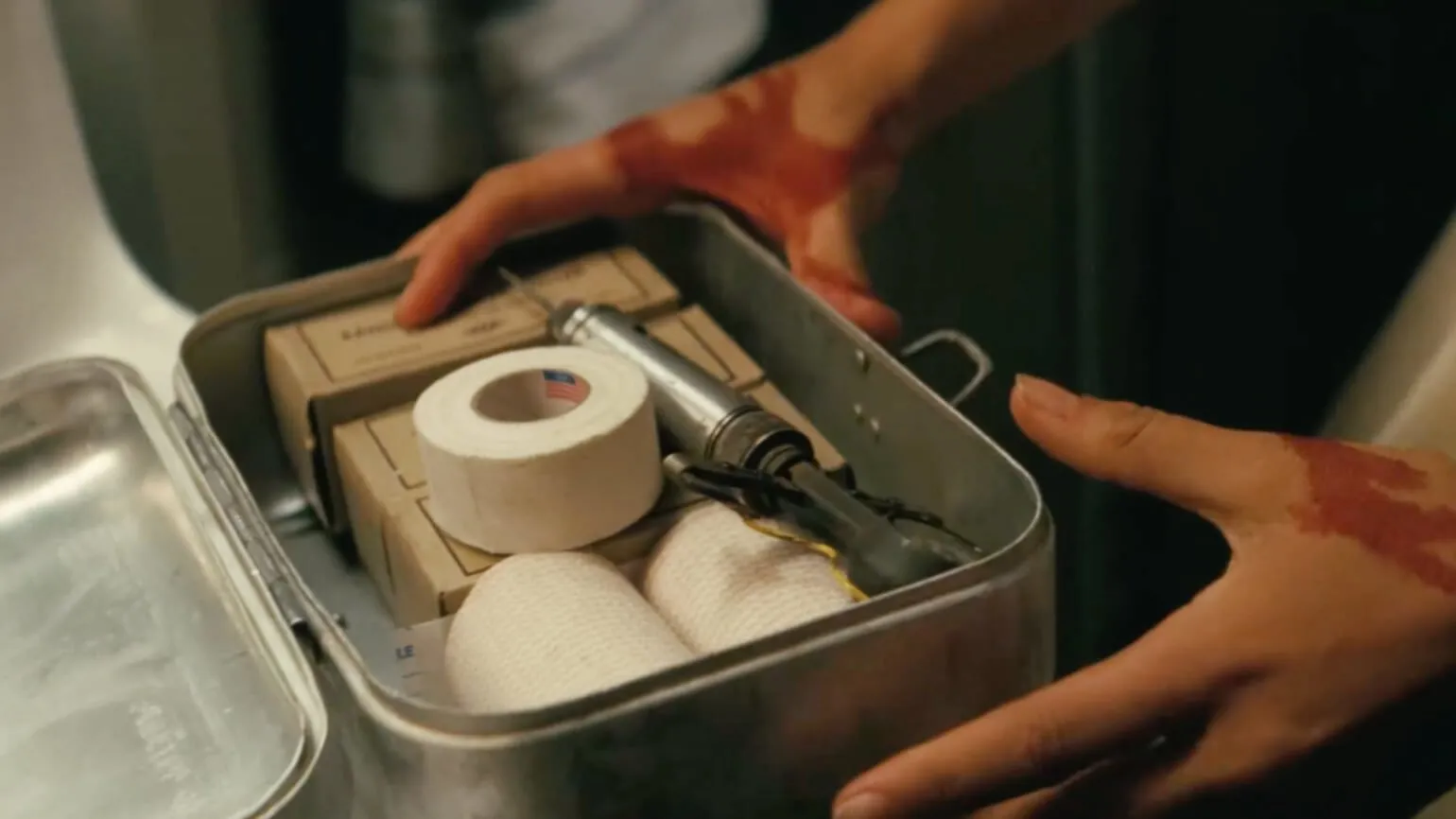
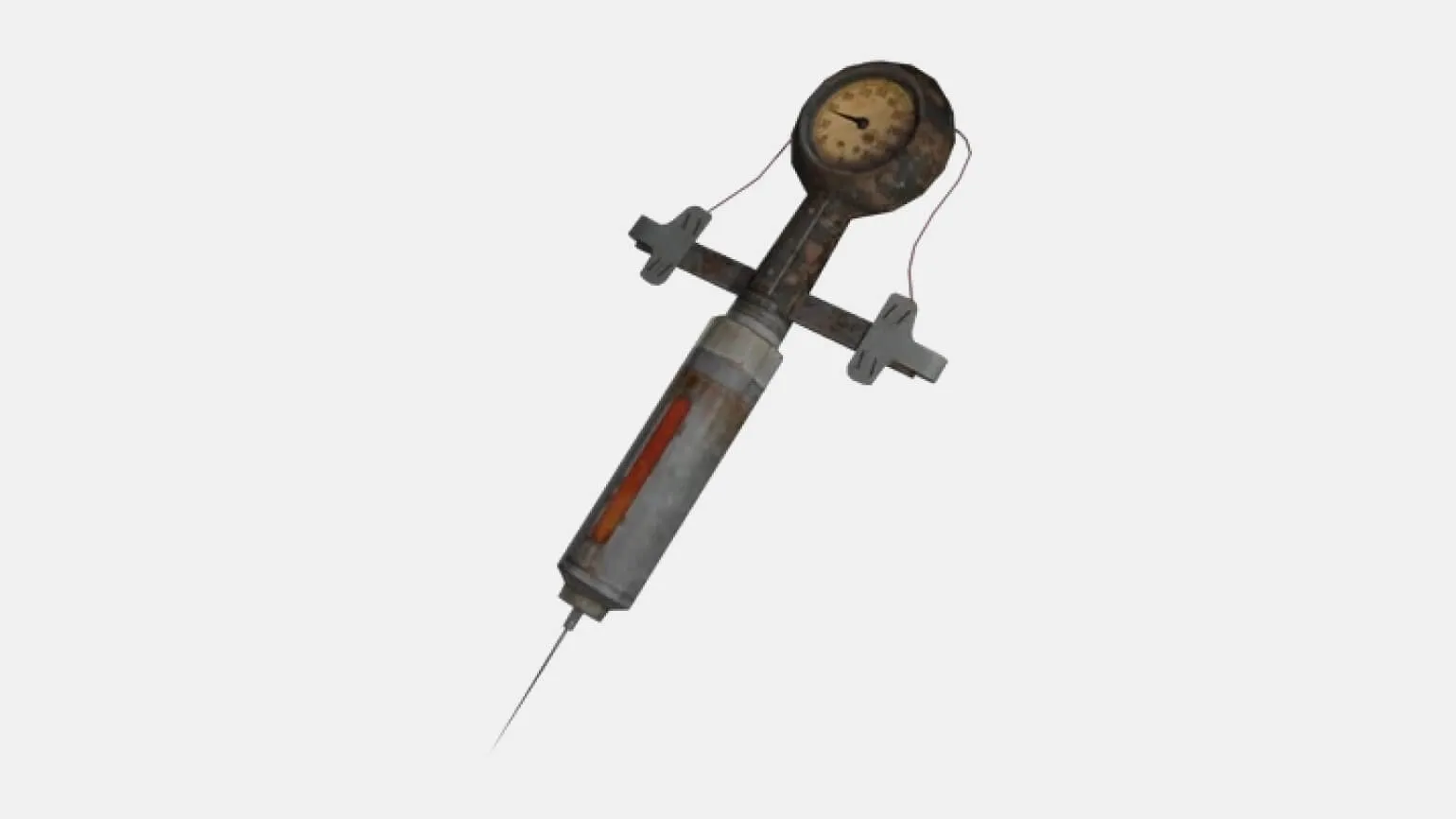
In the first episode, viewers first encounter unique Stimpaks, which have the ability to heal any wounds in the game worlds. These innovative devices become an important element of the plot, emphasizing their significance for the characters and gameplay. Stimpaks not only help restore health but also open up new possibilities for strategy and interaction in games.
Interestingly, the show's creators didn't limit the miraculous effect of the drug, which instantly helps Lucy recover from a serious stab wound. Of course, the steampack looks the same as in the game version, which adds realism and attracts the attention of viewers familiar with the original game.
During the massacre in Vault 33, one of the raiders uses the drug "Screw". In games, this drug significantly increases the character's physical strength and combat skills, and also slows down the passage of time, allowing them to deal with opponents more effectively. Using the "Screw" in critical situations can dramatically change the course of a battle, giving the player a tactical advantage.
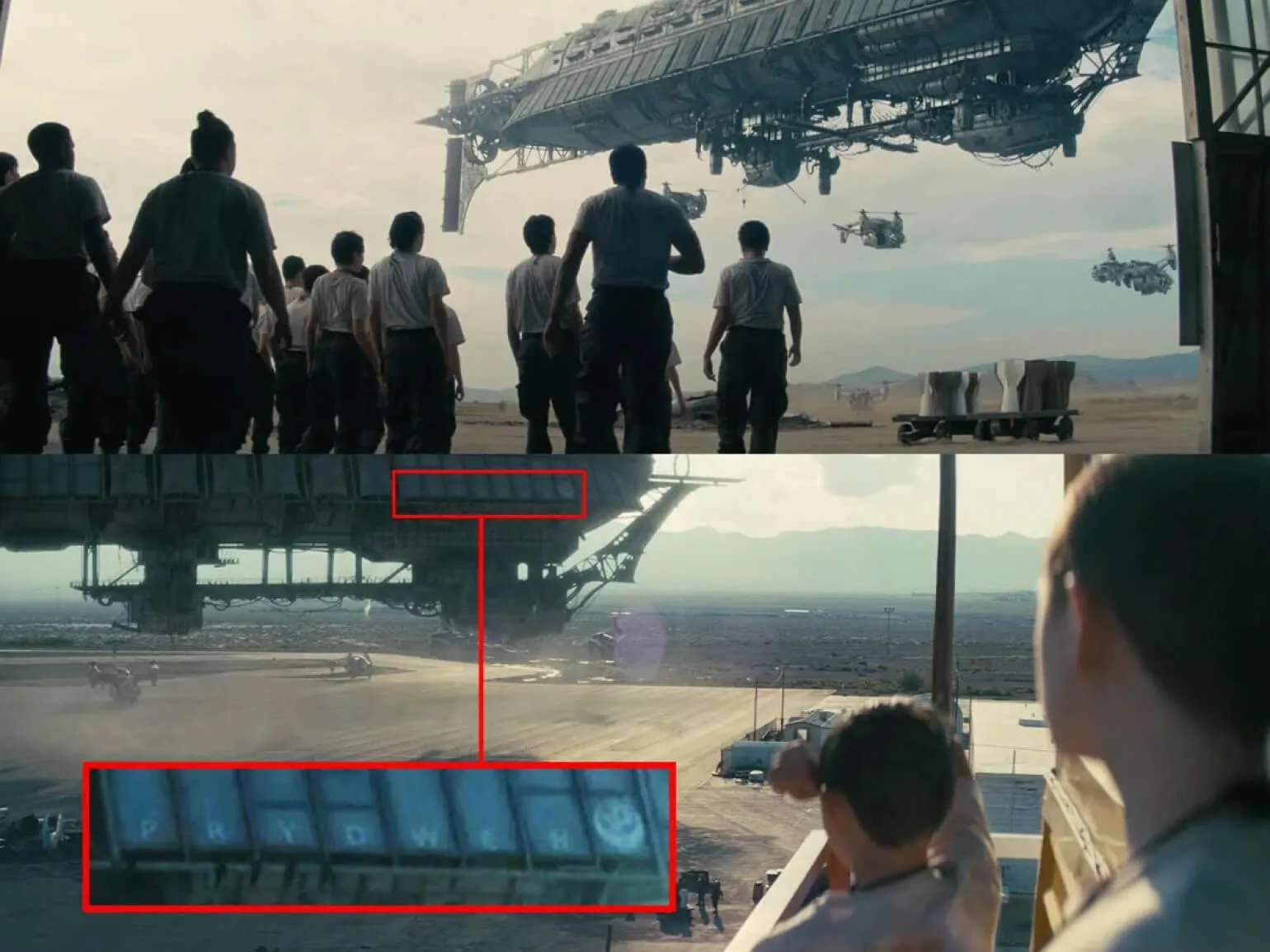
In the second part of the episode, viewers get An opportunity to get a closer look at the Brotherhood of Steel, one of the key factions in the Fallout universe. An impressive ship, reminiscent of the famous Prydwen from Fallout 4, arrives at Maximus and his allies' base. This event underscores the Brotherhood's importance in the post-apocalyptic world and their drive to restore technology and power. The scene builds tension and intrigue, keeping viewers waiting for further developments.
Many fans are certain this ship is indeed the one in question. They have carefully examined it and noticed that the name "Prydwen" is indeed written on its side. If this is true, it means the vessel survived the events of Fallout 4, and the game's protagonist may have sided with the Brotherhood of Steel or the Minutemen. This also suggests that the Institute, which developed and researched synths, may have been destroyed by the time the series began.
The creators have not commented on the situation with the ship, which is referred to as the "Caswennan" in some promotional materials. This may indicate a possible error on the part of the graphics team. It is possible that this misunderstanding has caused confusion in the perception of information about the project.
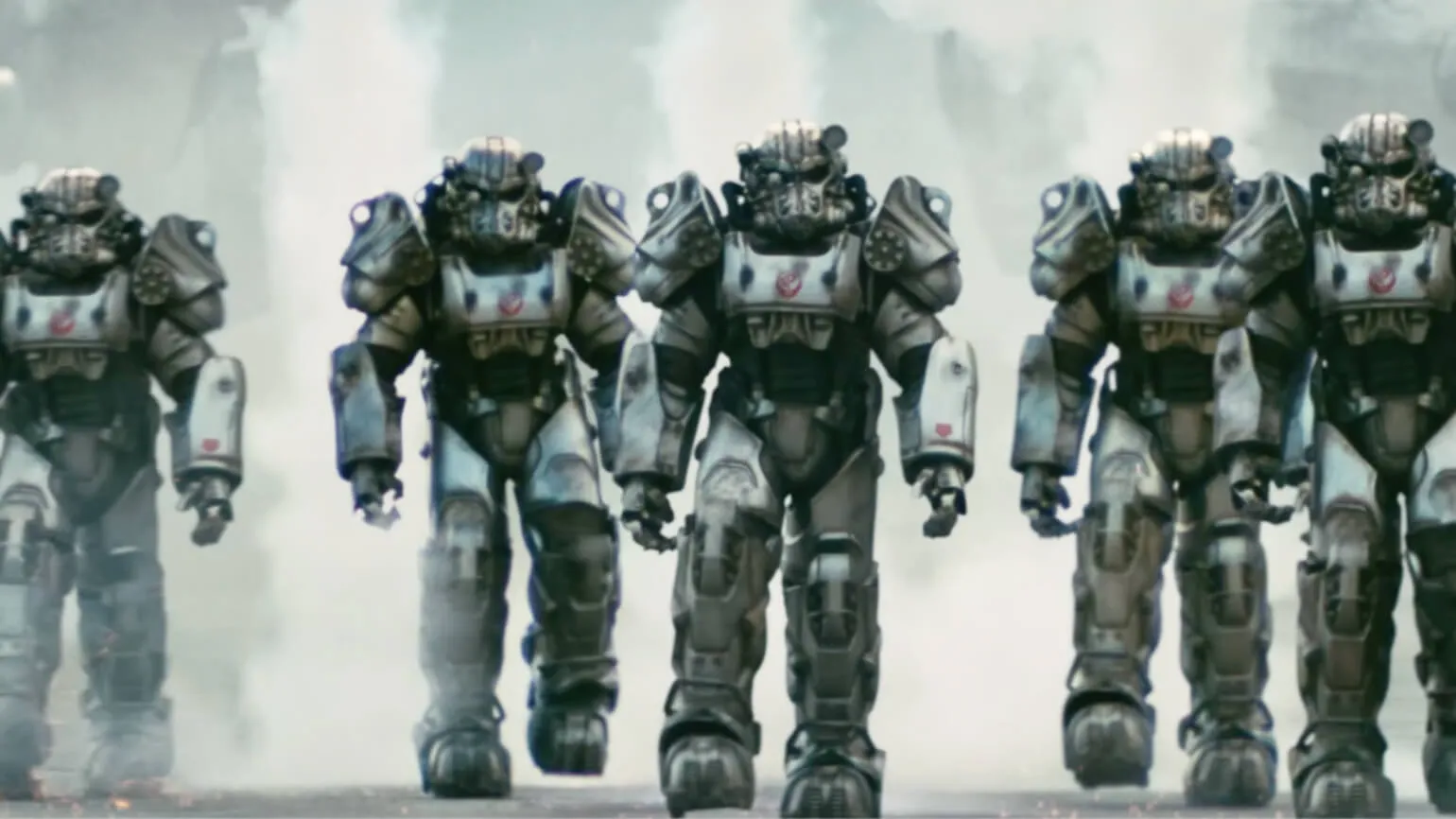
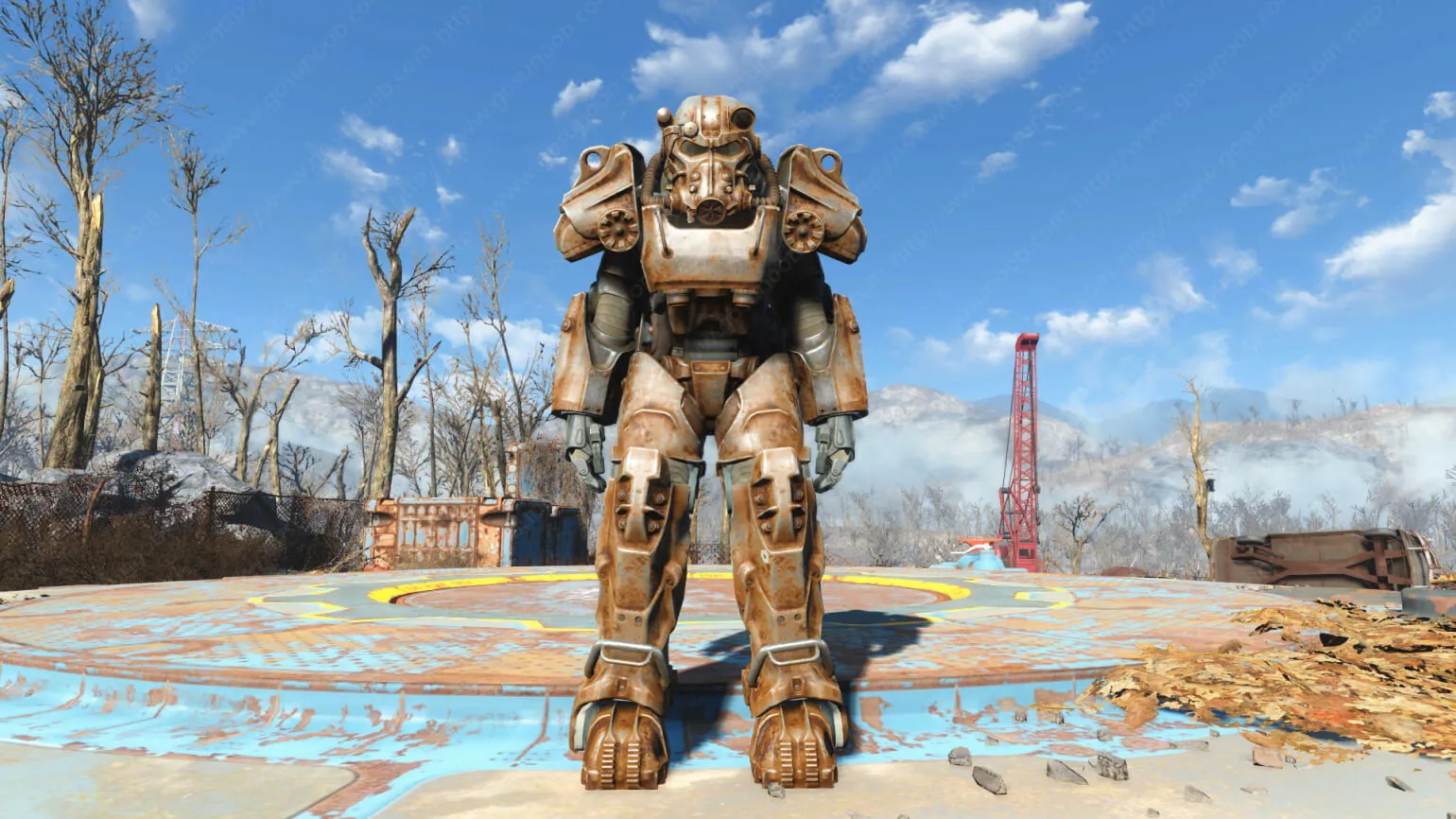
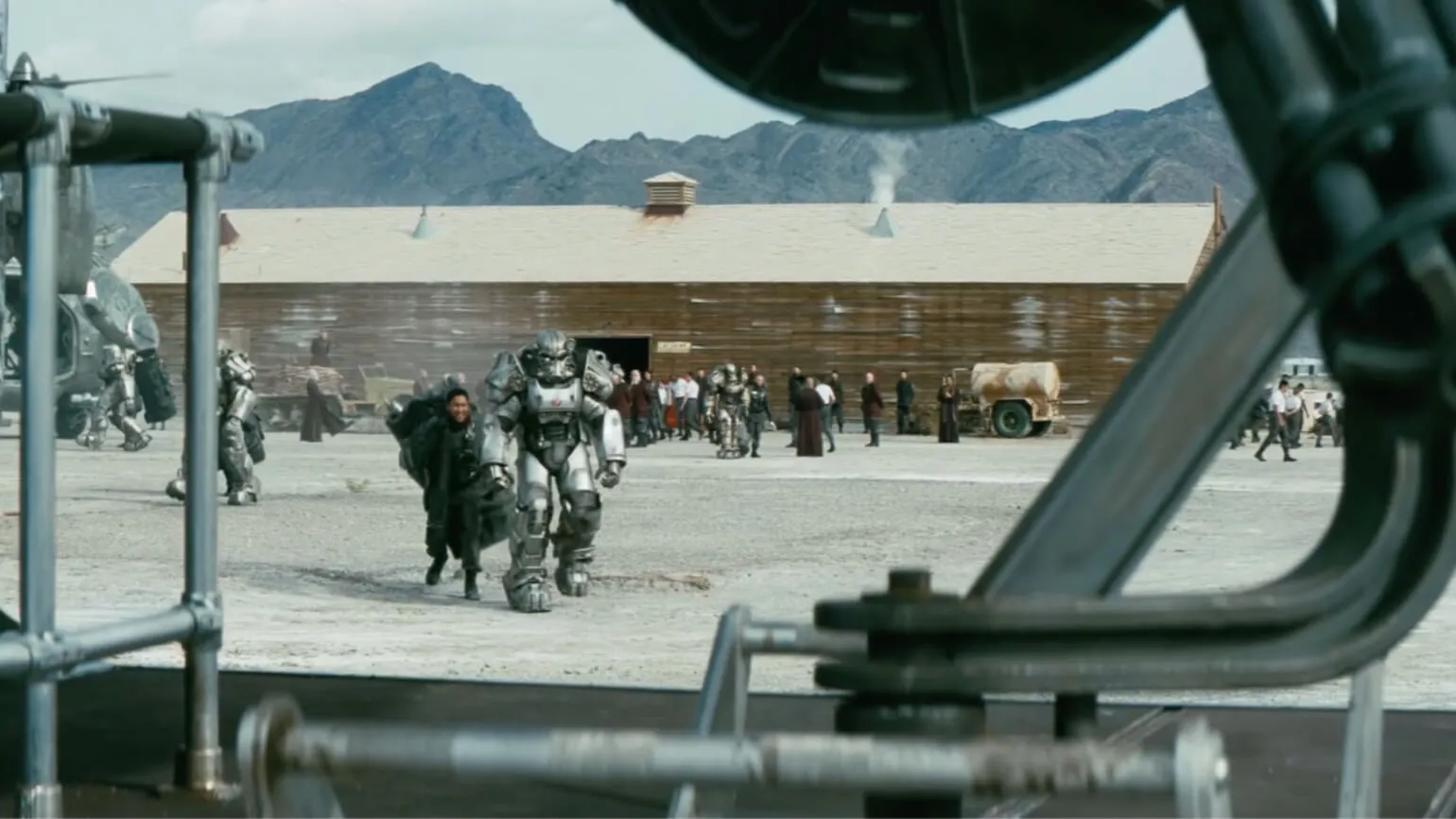
The series features Brotherhood's use of T-60 power armor, a familiar model from Fallout 4 and Fallout 76. This armor boasts high protection and advanced technology, making it ideal for survival in a post-apocalyptic world. T-60 power armor has become a symbol of strength and resilience, reflecting the series' core themes. By incorporating elements like power armor, the series captures the attention of Fallout franchise fans and creates a unique atmosphere, immersing viewers in a world filled with adventure and danger.
At the end of the episode, Maximus becomes a squire of the Knight of the Brotherhood. This rank is the lowest in the organization's hierarchy and resembles characters encountered in Fallout 4. In the game, squires are represented as children who serve on the Prydwen and perform simple tasks. They are not allowed to participate in combat, and if the Knights take them on adventures, they merely observe the actions of more experienced members of the Brotherhood, gaining valuable experience for their future service.
In the show, squires are perceived as subordinates, used for dangerous tasks. The Knights humiliate them by forcing them to carry heavy equipment and sending them on reconnaissance missions in their stead. However, the parallels between the series and the game are obvious: in both cases, the squires are subjected to ideological indoctrination so that they, if necessary, will not hesitate to give their lives for the Brotherhood.
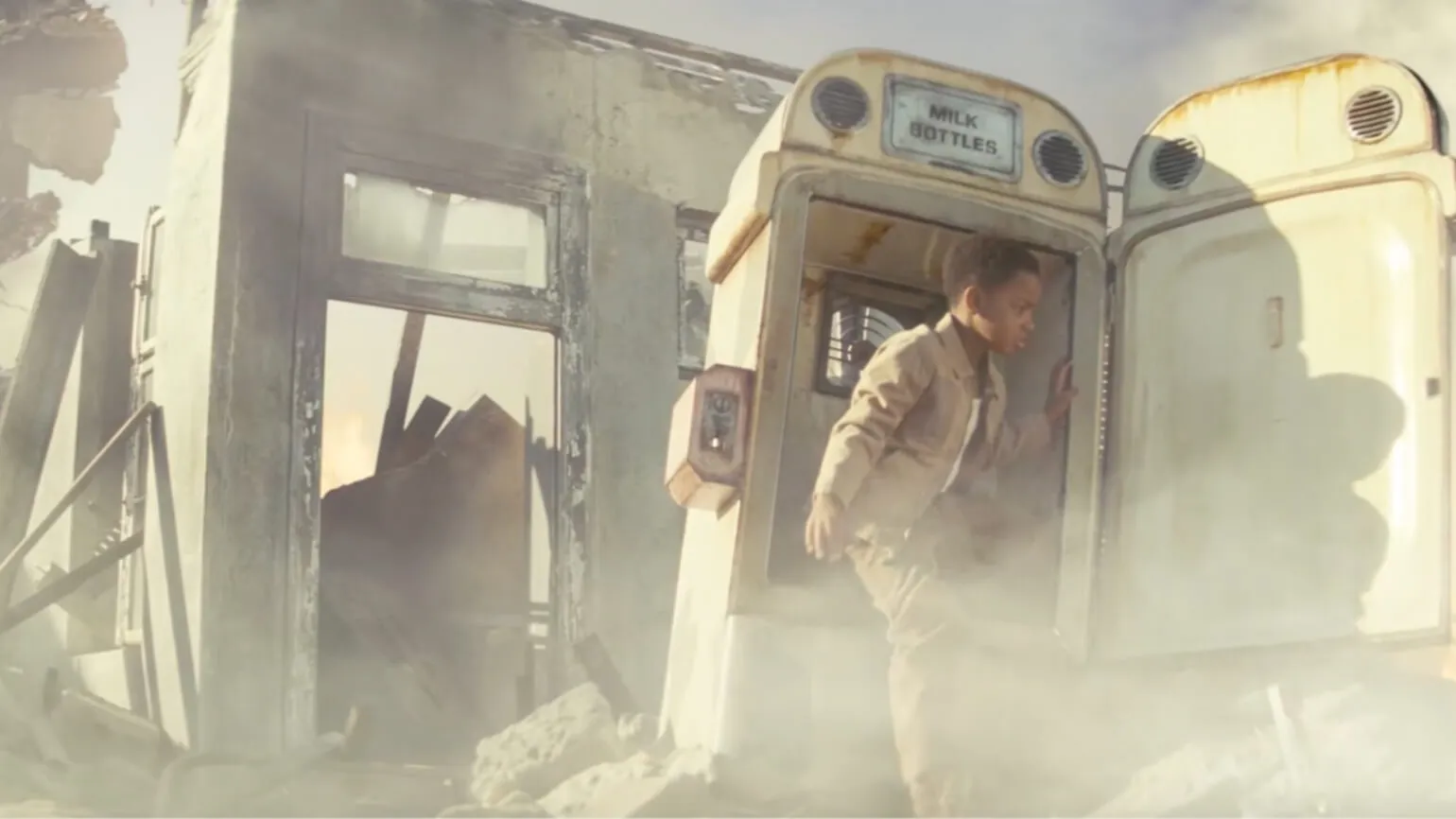
In the first episode, viewers learn that Maximus took refuge in a refrigerator several years ago during the destruction of his hometown. This moment becomes key to the plot, emphasizing his fear and desire to survive in difficult circumstances. Hiding in the refrigerator symbolizes not only physical shelter, but also the emotional isolation that he will face later.
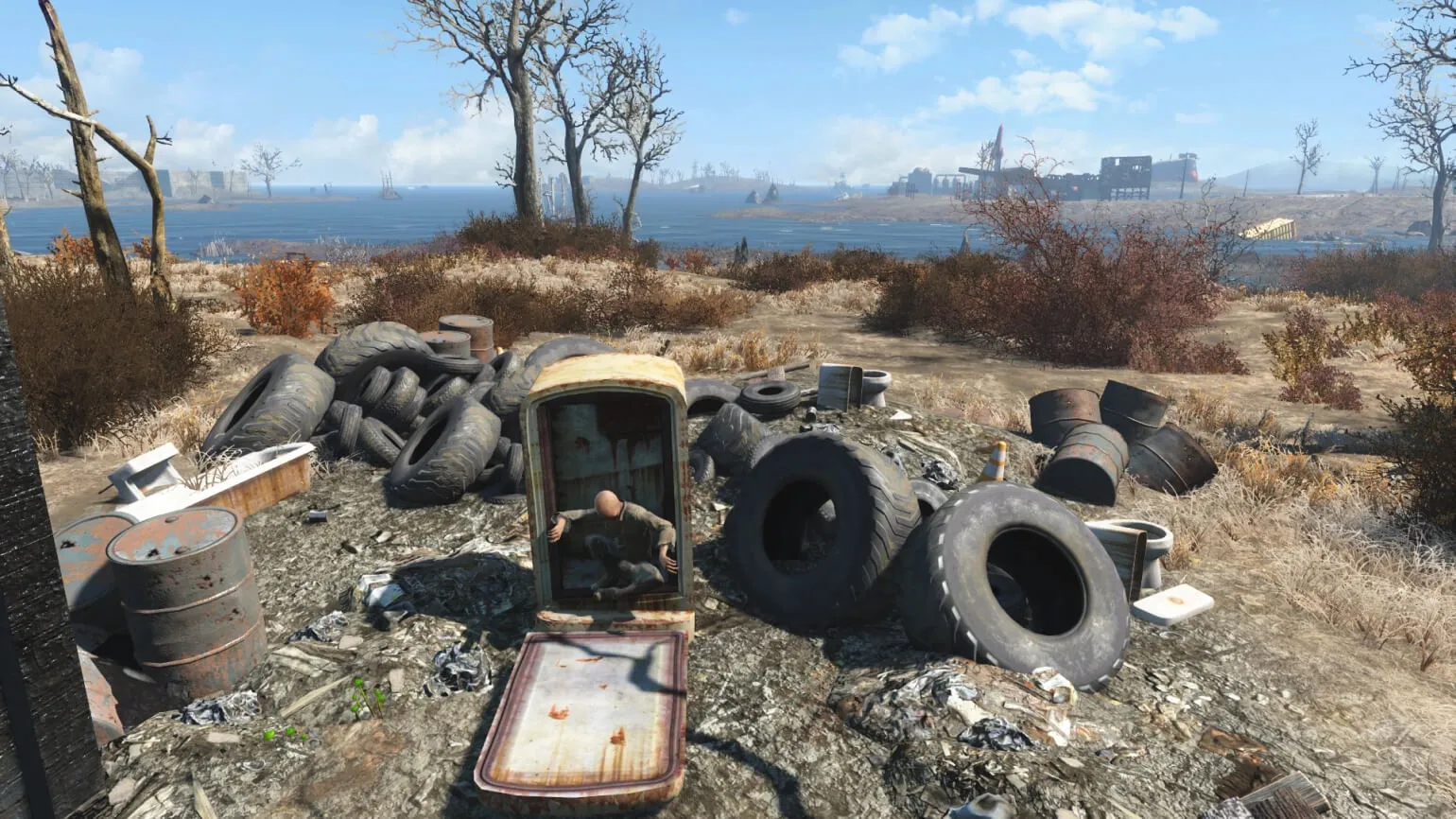
Fallout 4 features a quest called "Kid in a Fridge", where the main character finds a ghoul boy who has been trapped in a refrigerator for 200 years. This scene evokes interesting associations with the moment from the fourth Indiana Jones film, in which the hero takes refuge in a refrigerator to survive a nuclear explosion. Both of these episodes highlight themes of survival and the extraordinary circumstances the characters find themselves in, while also creating vivid imagery that is memorable for viewers and players.
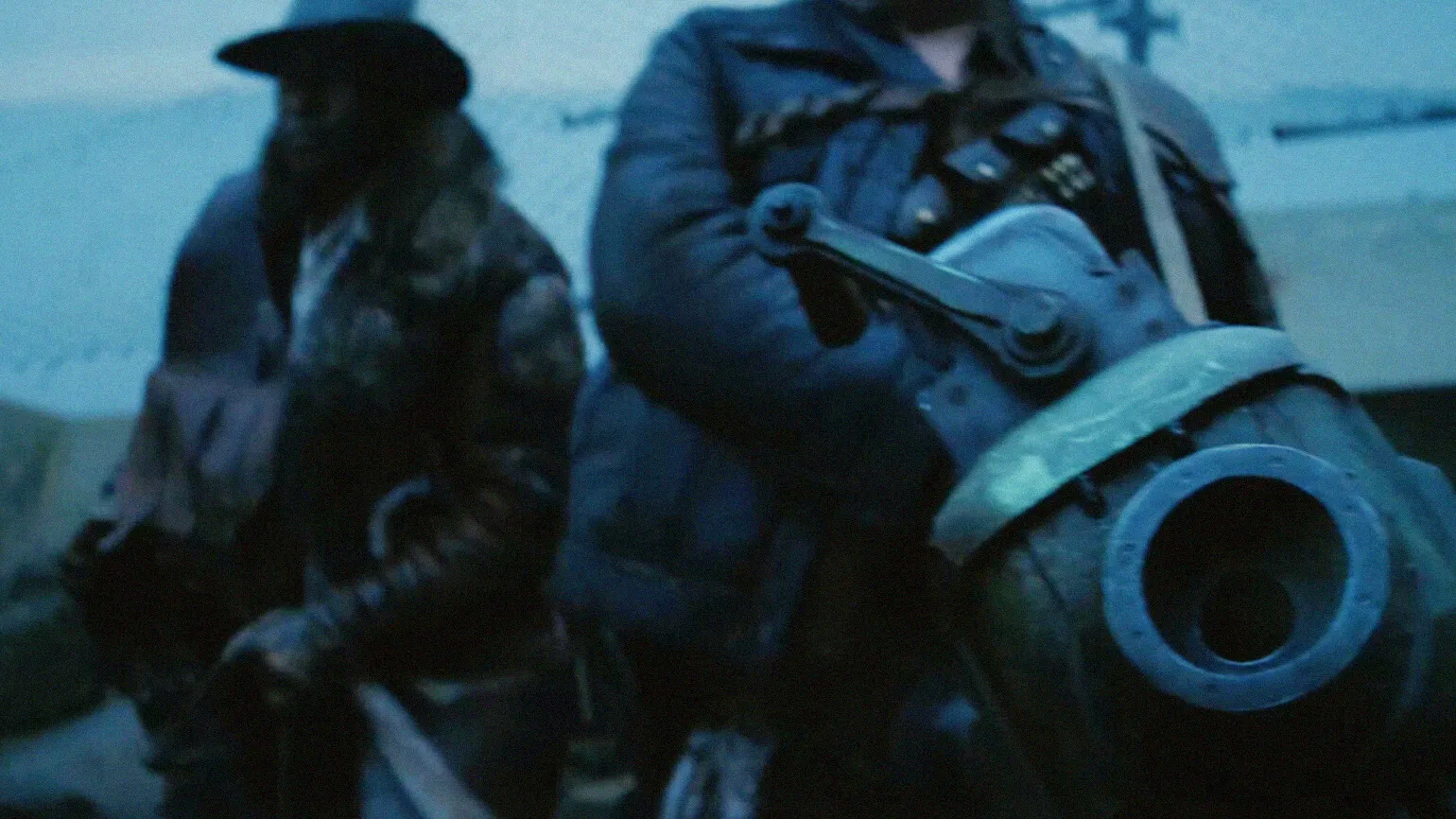
In the first episode, you can see an interesting reference to the Junk Jet cannon from the game Fallout 4, which allows you to use any trash as ammunition. This original weapon demonstrates a creative approach to gameplay mechanics. A similar device also appeared in Fallout 3 under the name Rock-It Launcher, highlighting the continuity of gameplay solutions across the series. Both of these elements exemplify Fallout's unique style, where even mundane objects can become powerful weapons in the player's hands.
Episode Two
The episode begins by immersing viewers in the world of the Enclave, an organization claiming to be the legitimate successor to the pre-war US government. Enclave members served as the main antagonists in Fallout 2 and 3. After the events of the third installment, the threat posed by the Enclave seemed eliminated, but its influence and ideas remain relevant in the Fallout universe.
The show revealed that the organization still has at least one active cell continuing its research, and the Brotherhood of Steel is aware of its existence. The secret of the Enclave's survival may be revealed in an additional quest that could be added to Fallout 4 as part of a free update for PS5 and Xbox Series X. This update will engage players and allow them to delve deeper into the game's world, exploring new storylines and uncovering secrets lingering in the shadows.
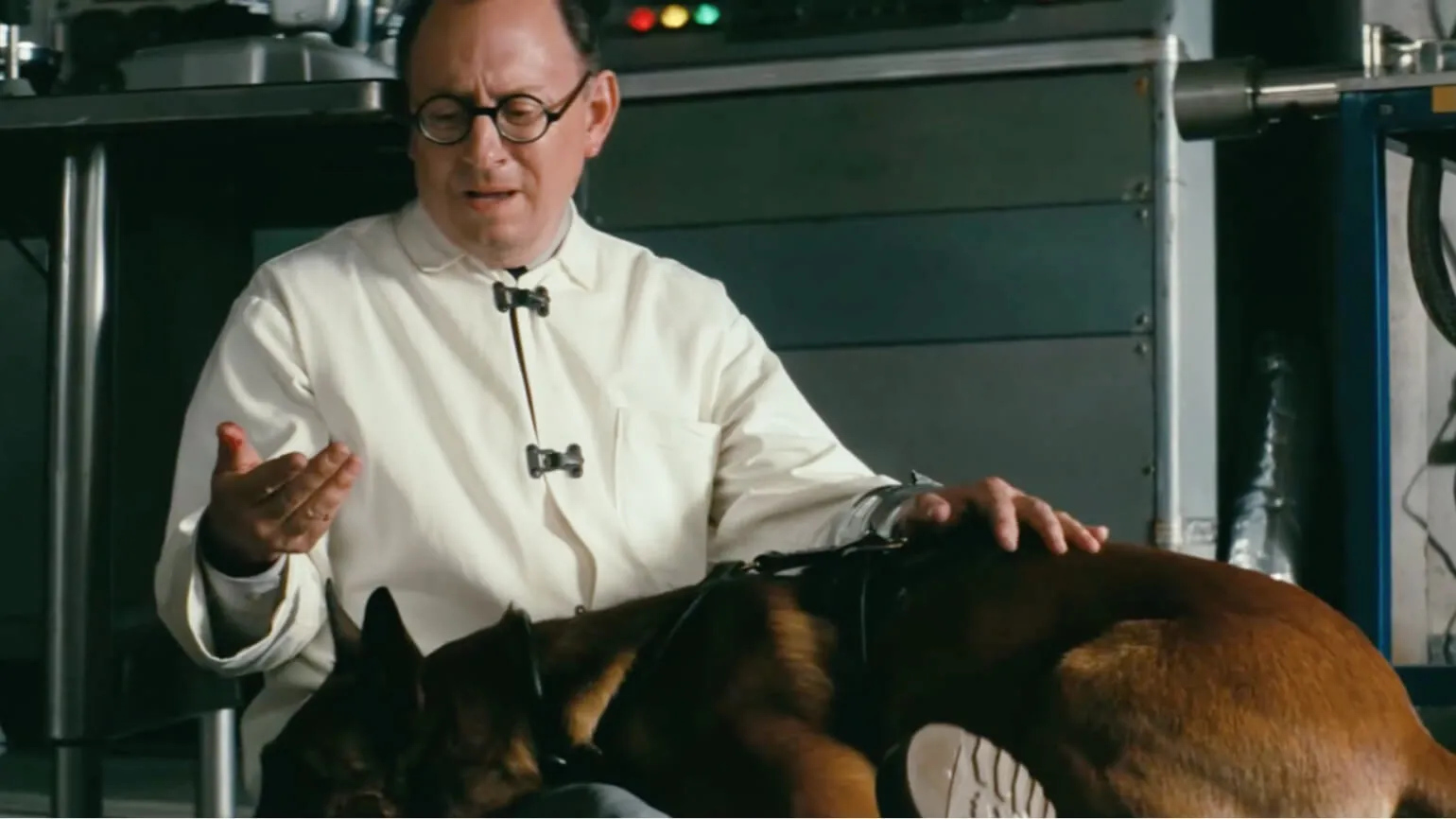
Scientist Dr. Wilzig escapes from the remaining "Enclave" with his dog, taking with them a cold thermonuclear fusion device. This device becomes the key to restoring normal life to the wasteland. The dog, later named Dogmeat, is a typical name for dogs accompanying protagonists in games. This emphasizes the importance of a faithful companion in the difficult conditions of the post-apocalypse.
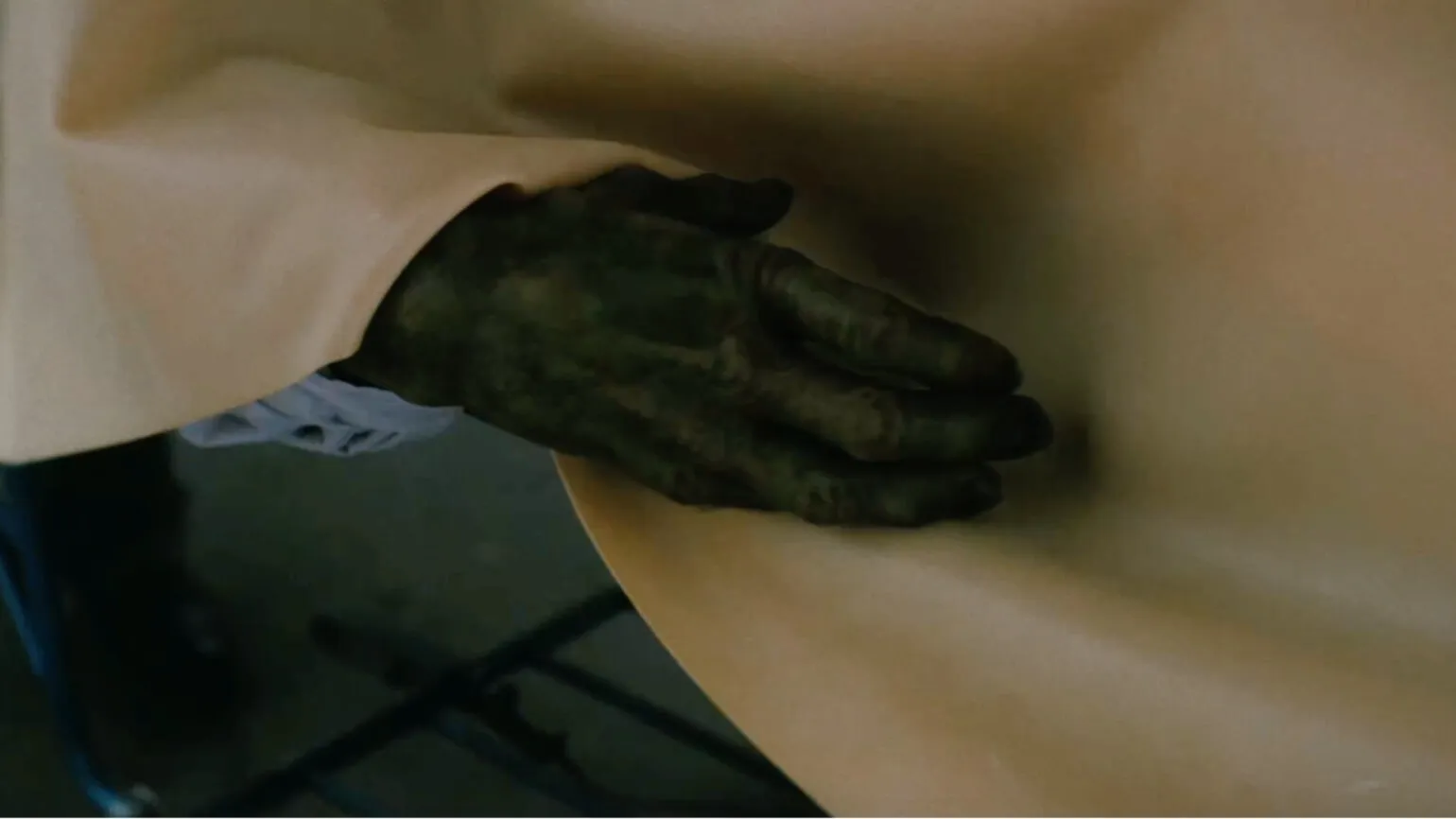
At the beginning of the episode, the green hand of a super mutant appears for a moment, which is being transported on a trolley. This may indicate that experiments with the FEV virus, which is the cause of these monsters, are continuing at this facility. Continued research into the virus raises questions about the safety and ethics of such experiments, as well as the possible consequences for humanity.
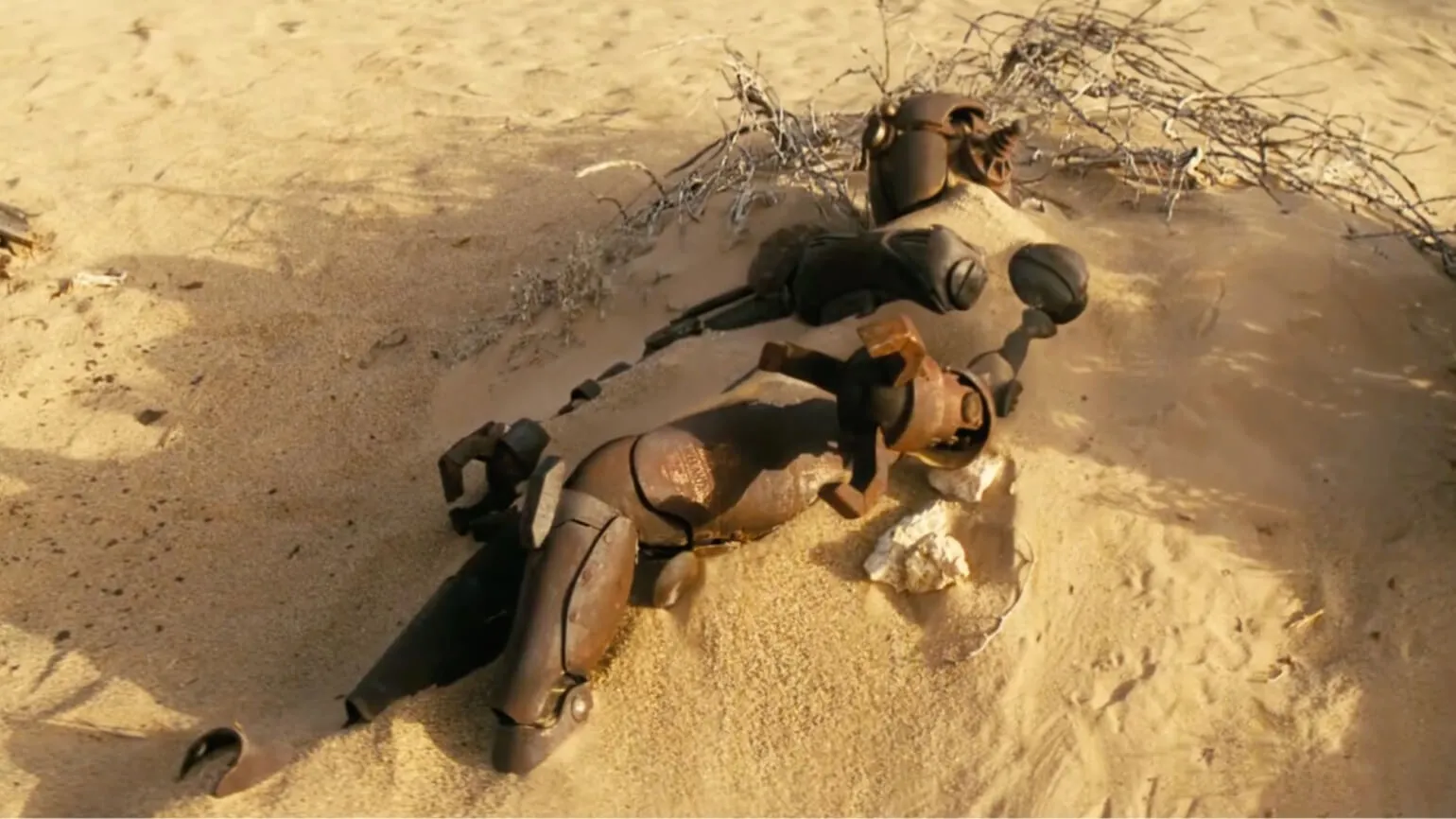
When the plot focuses On Lucy, the remains of an assaultron—a robot model from the game Fallout 4—can be found in the sand. These details emphasize the atmosphere of the post-apocalyptic world and create a connection to the well-known game universe. The remains of the assaultrons serve as a reminder of past conflicts and the technological advances that ultimately led to destruction.
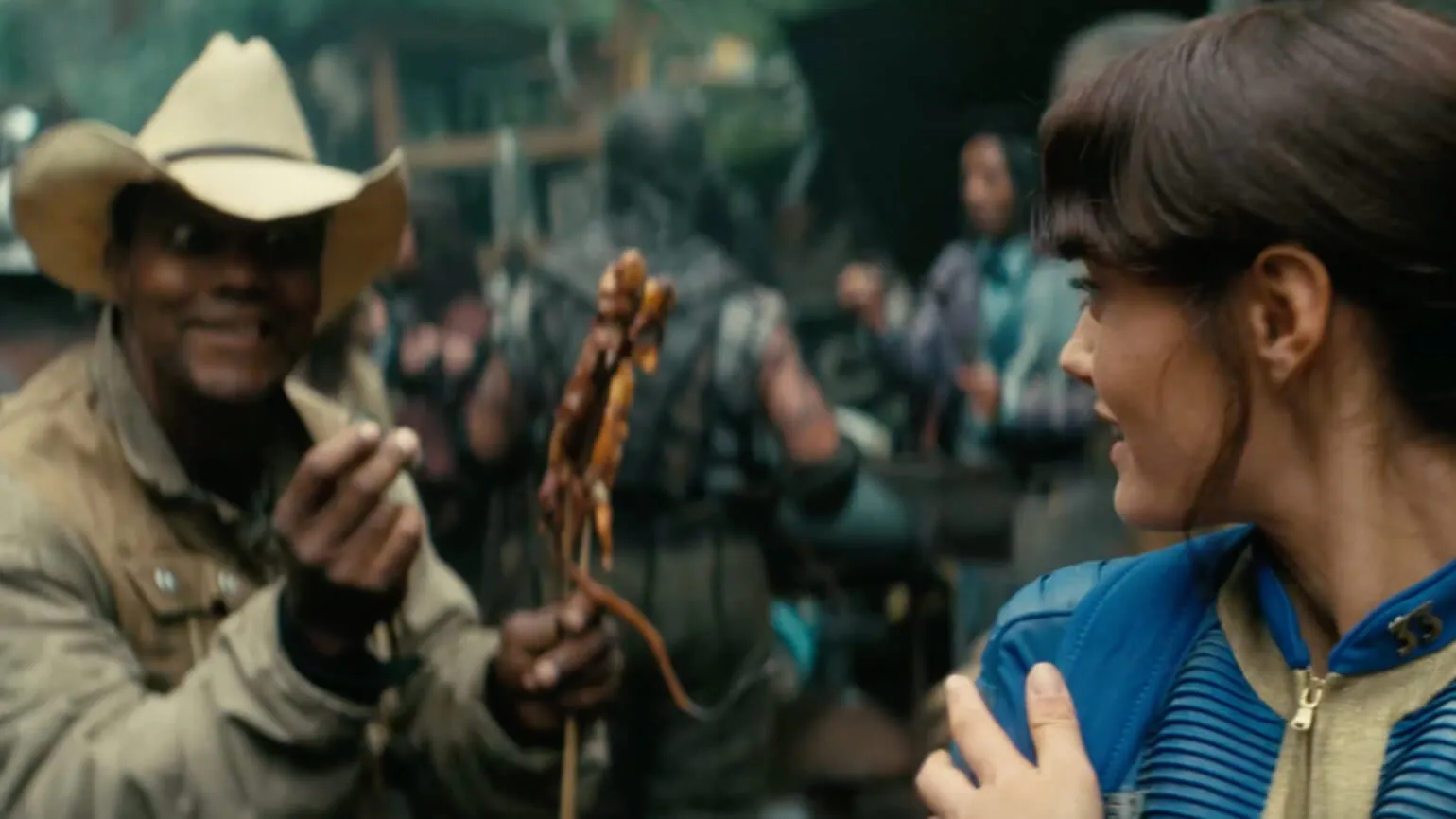
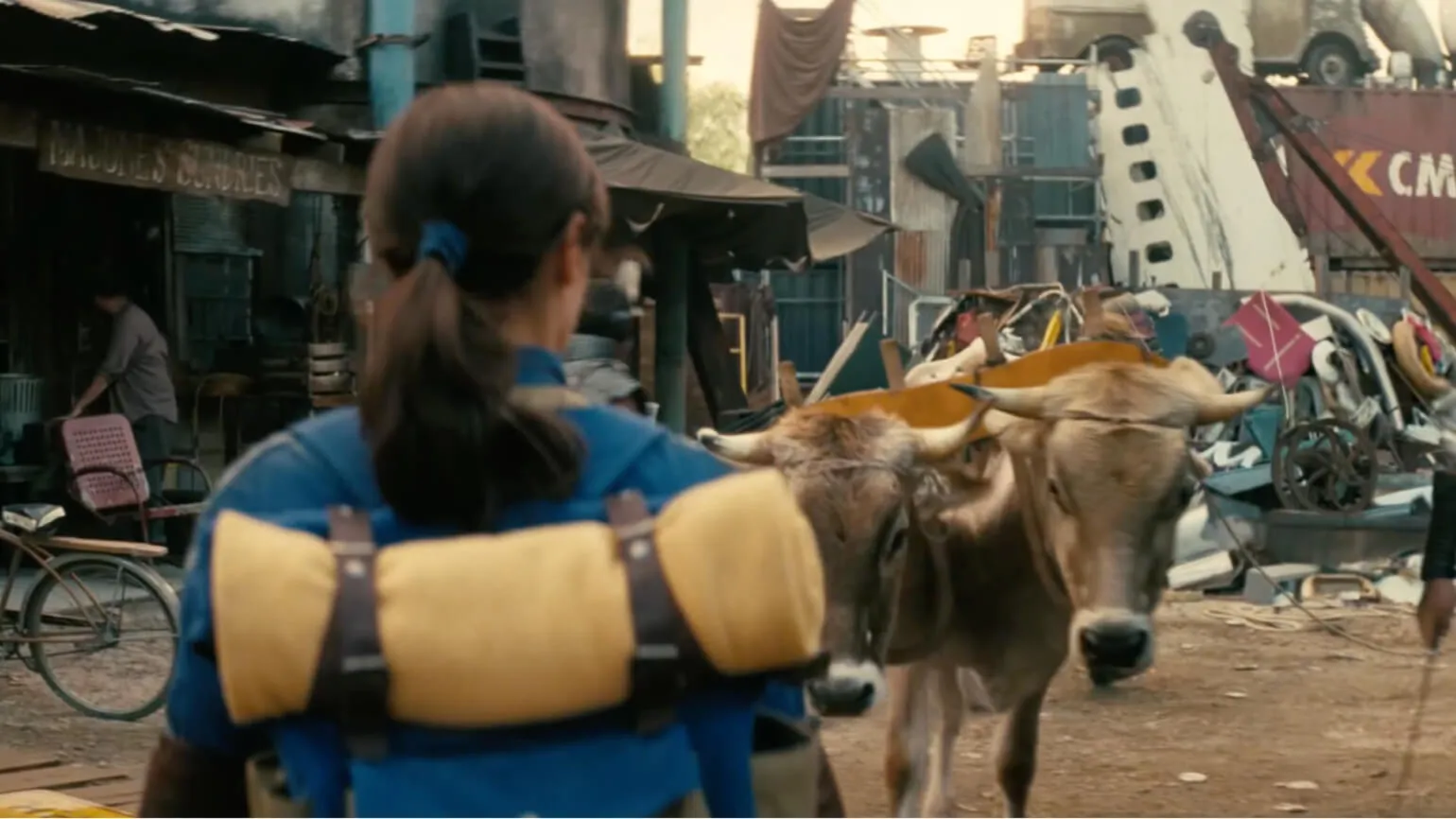
When As the heroine reaches Fili Market, interesting video game references appear in the frame, such as iguana kebabs and a two-headed Brahmin. These elements not only add uniqueness to the scene but also attract the attention of viewers familiar with the gaming world. References to popular games make the story more engaging and create additional layers of interpretation for the audience.
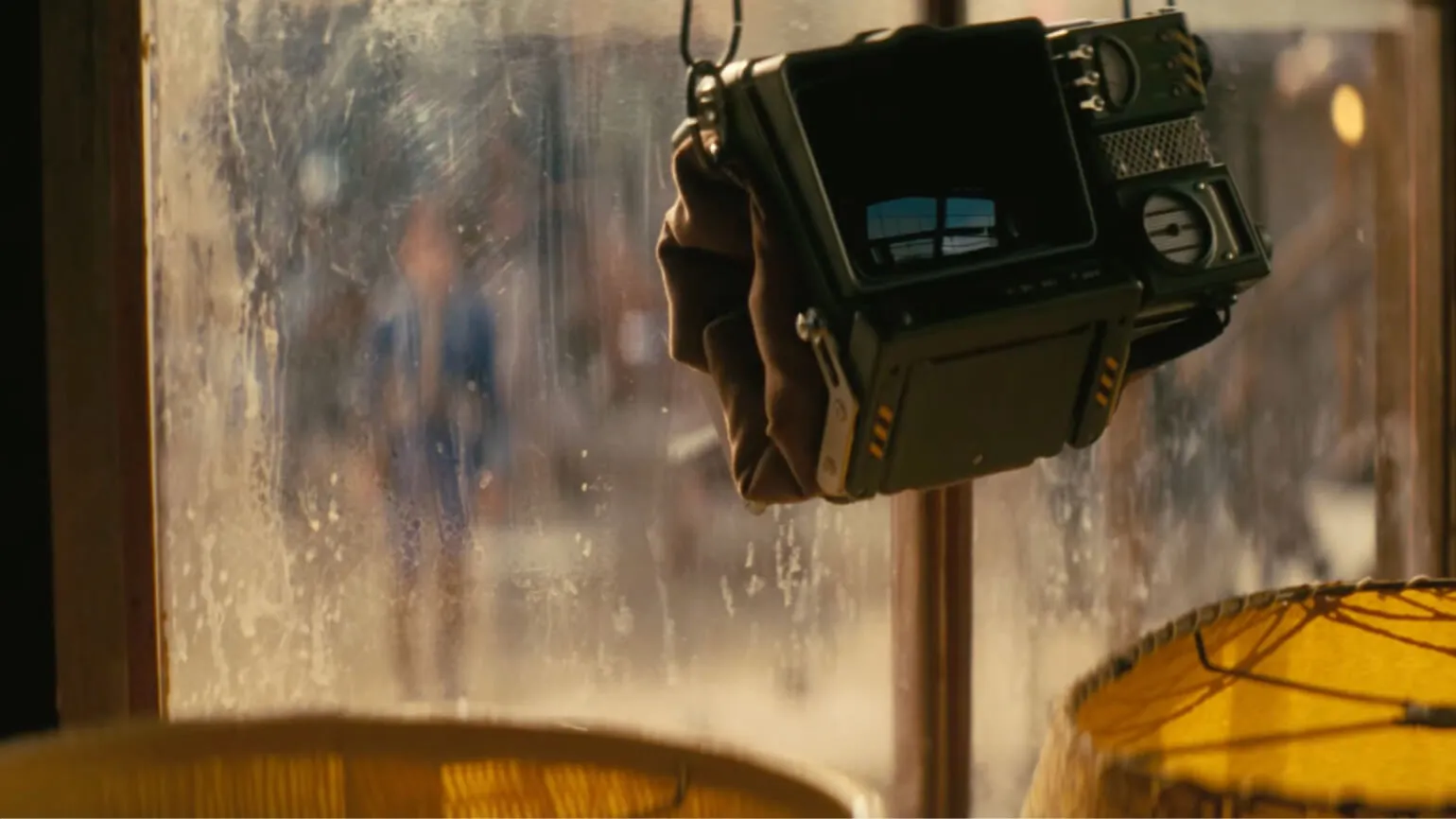
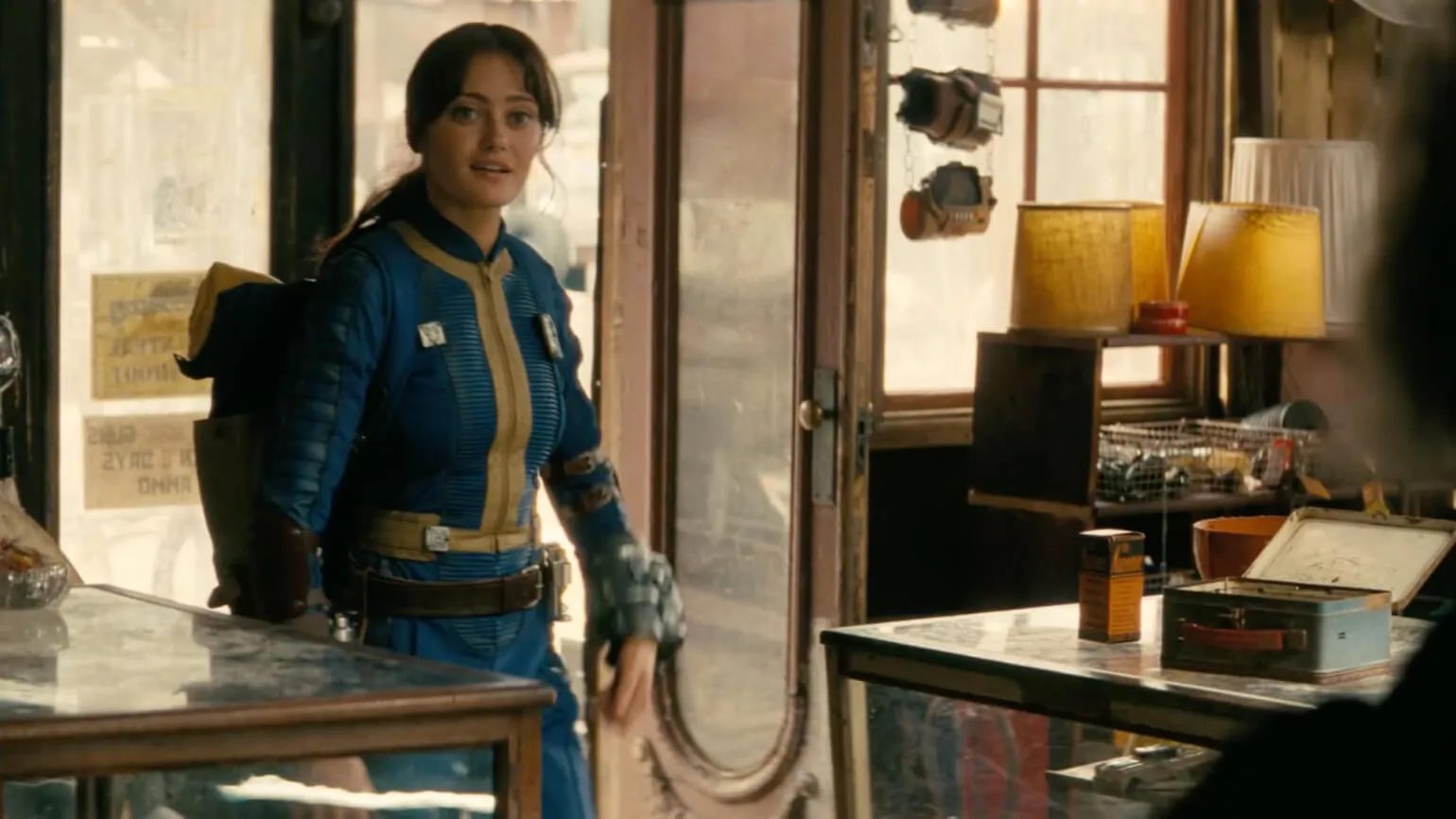
In our rarities store, you can find several models of the Pip-Boy. Particular attention is given to the 2000 Mark VI model from the game Fallout 76, which is presented in close-up. While the other models are harder to spot, the Pip-Boy from the fourth game is definitely among them. We offer unique collectibles for true fans of the Fallout franchise.
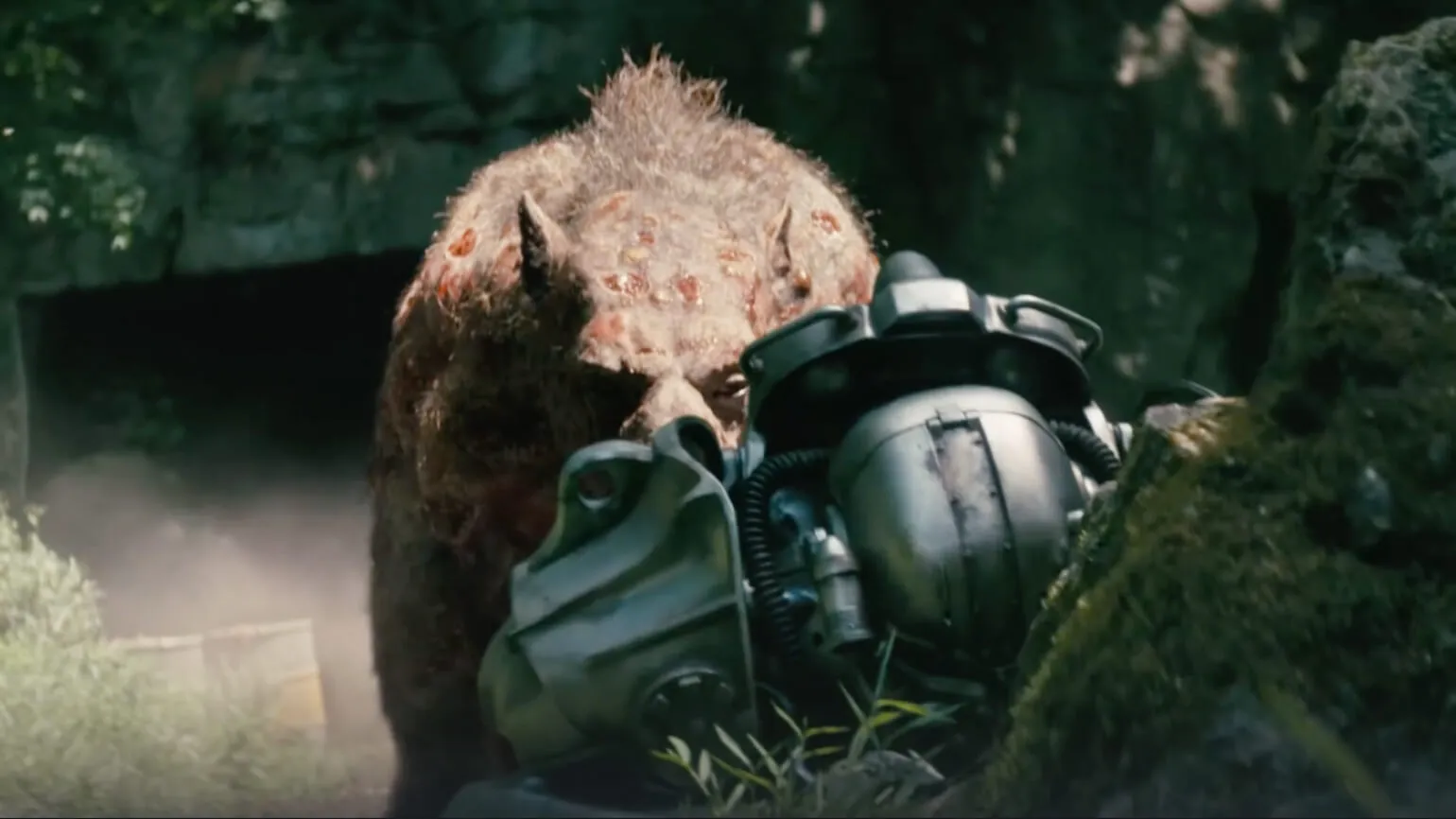
An important part of the episode is the battle between Maximus and his knight Titus and the mutated bear. This beast is known as the Yao Guai, a powerful creature first introduced in Fallout 3. The Yao Guai has become a symbol of dangerous creatures in the post-apocalyptic world of Fallout, embodying the threat faced by the main characters. The battle with the yao gai highlights the characters' endurance and skill, and adds tension and dynamism to the plot.
The third and fourth episodes
In the third episode, the characters encounter a new dangerous creature - a swallower. This is a mutated salamander that previously appeared in the Far Harbor add-on for Fallout 4 and Fallout 76. In the series, the appearance of this monster has undergone significant changes, and the reasons for this changed appearance will be revealed later.
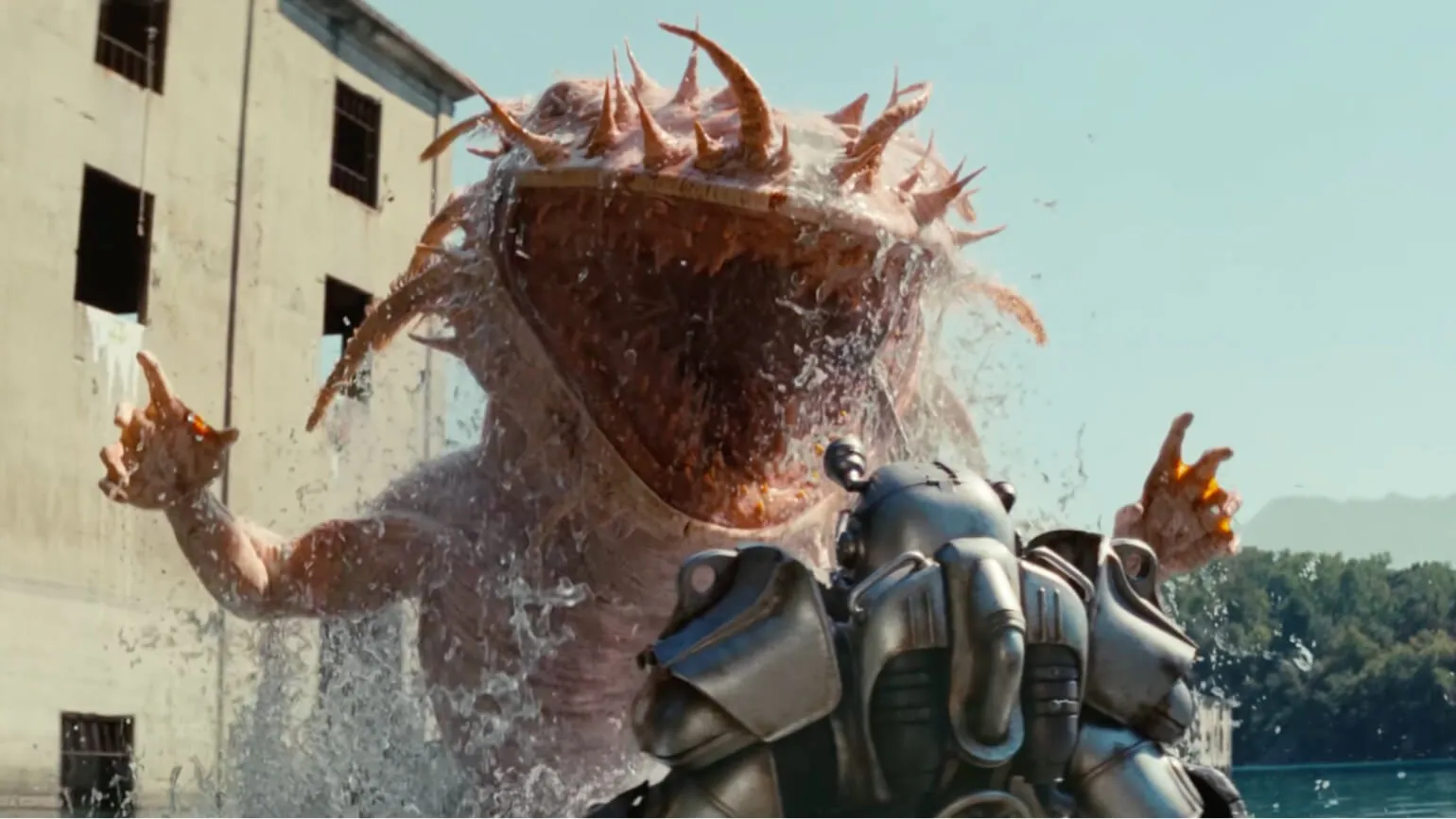
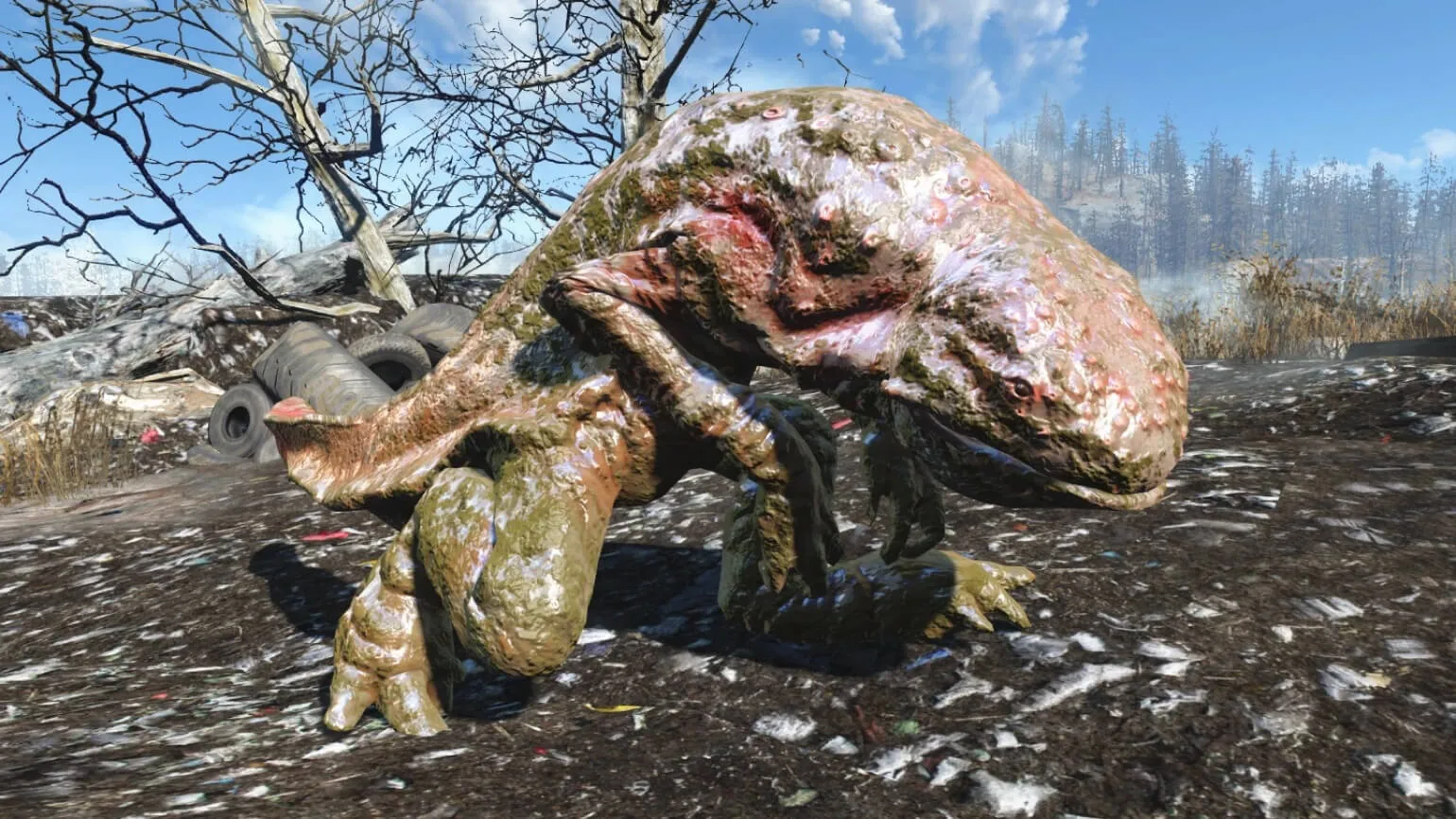
At the end of the episode, one of the inhabitants of Vault 33 reports a malfunction The water chip. This event becomes the starting point for the first Fallout game. The protagonist must embark on a long journey, as without this chip, the lives of all the vault's inhabitants are at risk. In the series, this storyline is not developed, remaining only a reference for fans of the original game.
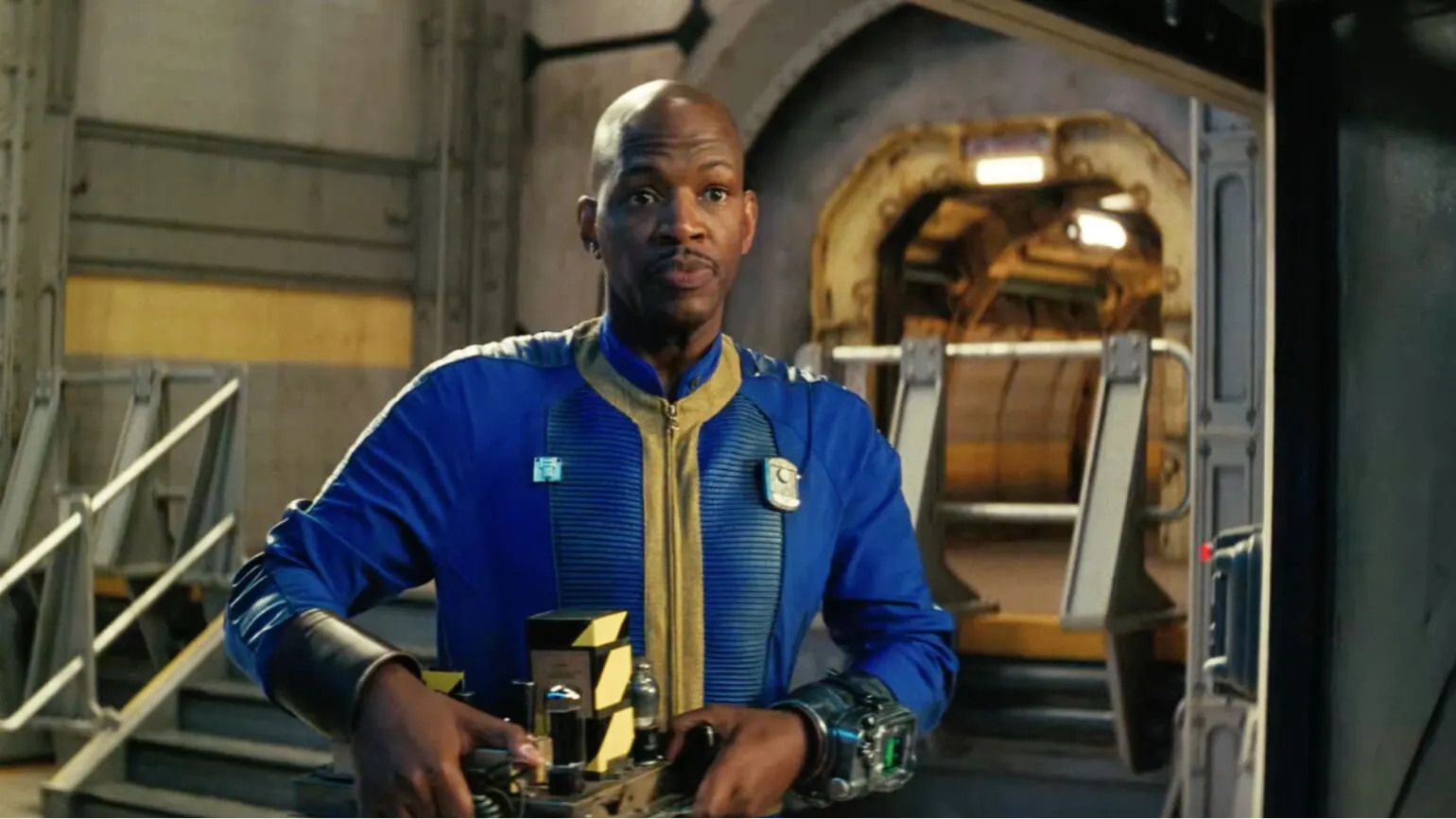
The episode focuses on A key flashback reveals the pre-war life of Ghoul, the famous actor Cooper Howard. He was once a popular actor, and his wife worked for Vault-Tec, a company that built shelters. One day, she invites her husband to participate in an advertising campaign for her company's project, which becomes a significant turning point in their lives before the nuclear war.
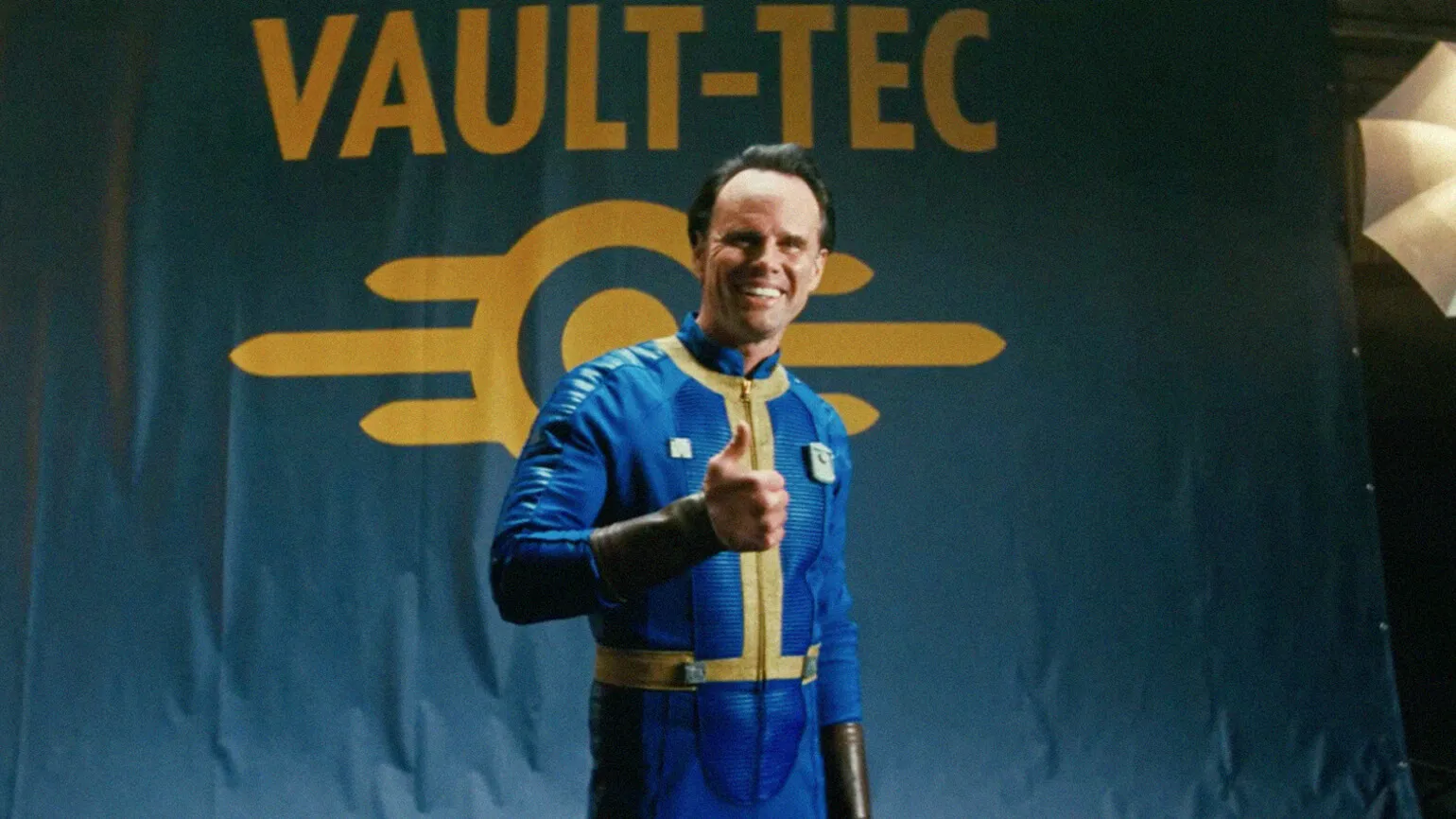
Howard is given a vault dweller costume, clearly inspired by the actor's outfits from the films. He is also asked to pose for photographs to capture the moment.
Howard ultimately gives the camera a thumbs-up, and it was this photo shoot that likely inspired Vault-Tec to create Vault Boy, their famous mascot. The games don't specify who the inspiration for this humorous character might be, giving the show's creators the opportunity to expand the universe's canon and deepen its mythology. This step allows viewers to better understand the cultural heritage and uniqueness of the Fallout world, bringing new details to an already familiar story.
The fourth episode doesn't contain many references or elements requiring explanation. The events unfold in the Super-Duper Mart chain, familiar to players from previous games. In this episode, Lucy meets a robot assistant, who is a familiar character for fans of the series.
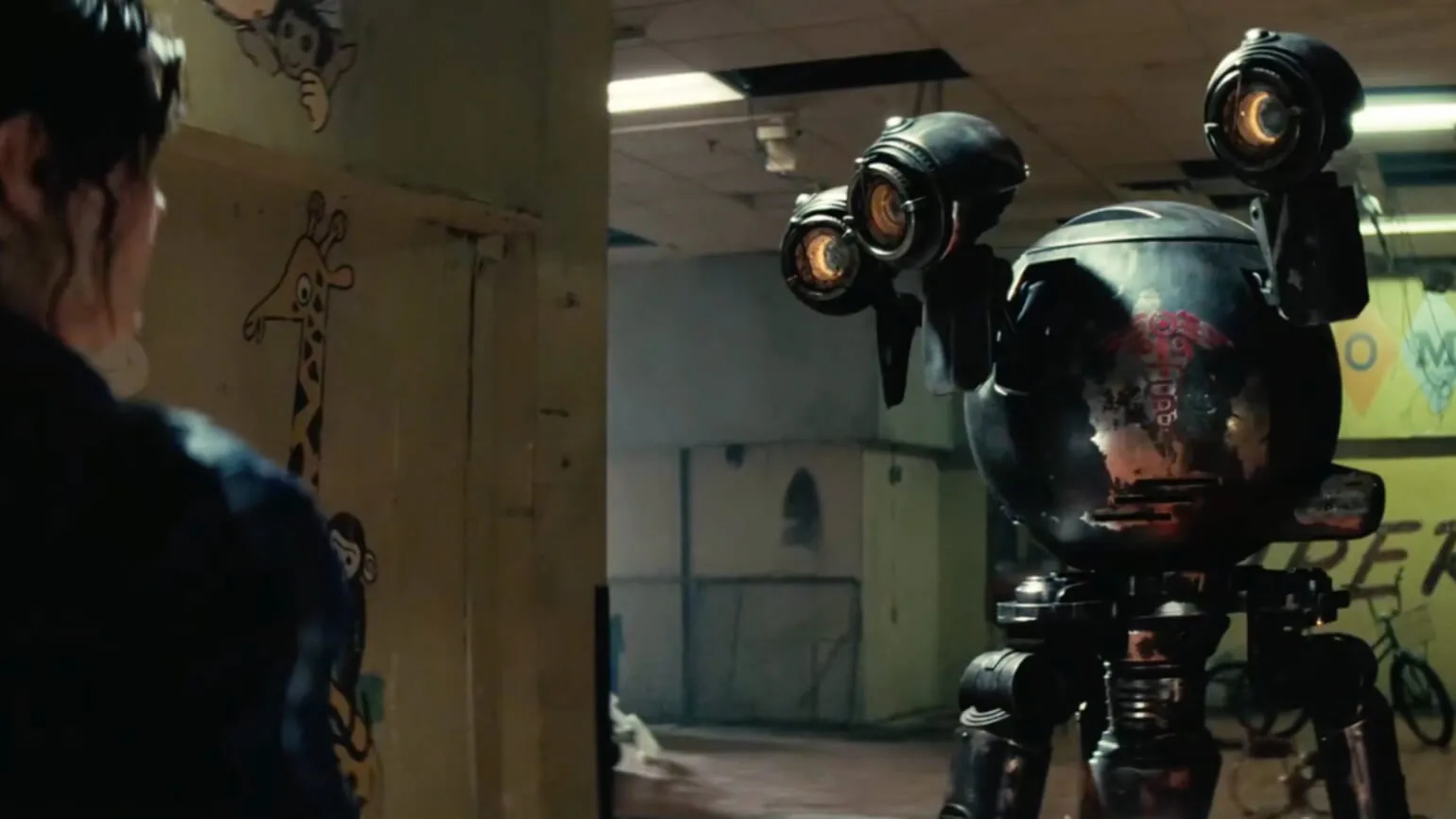
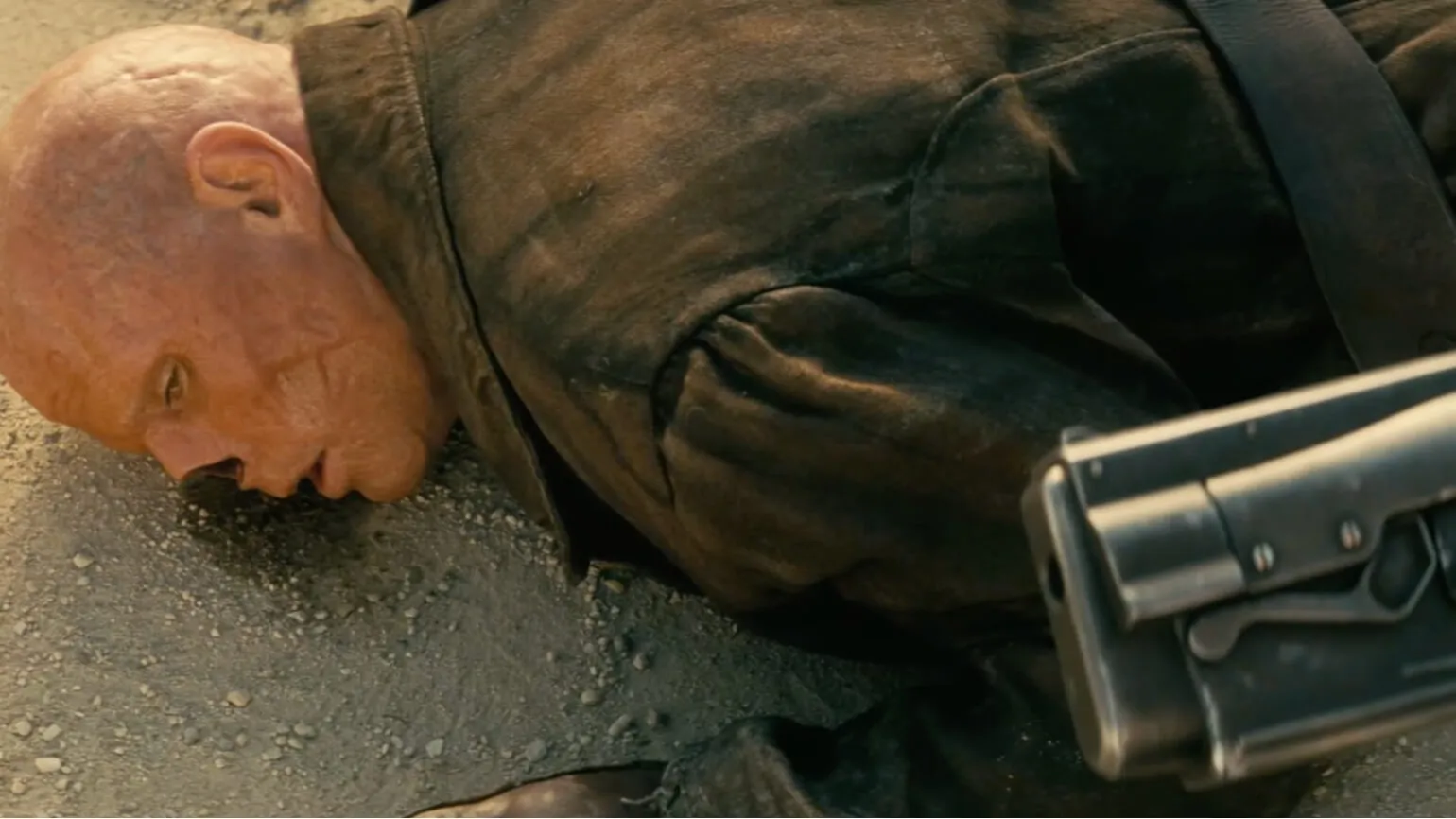
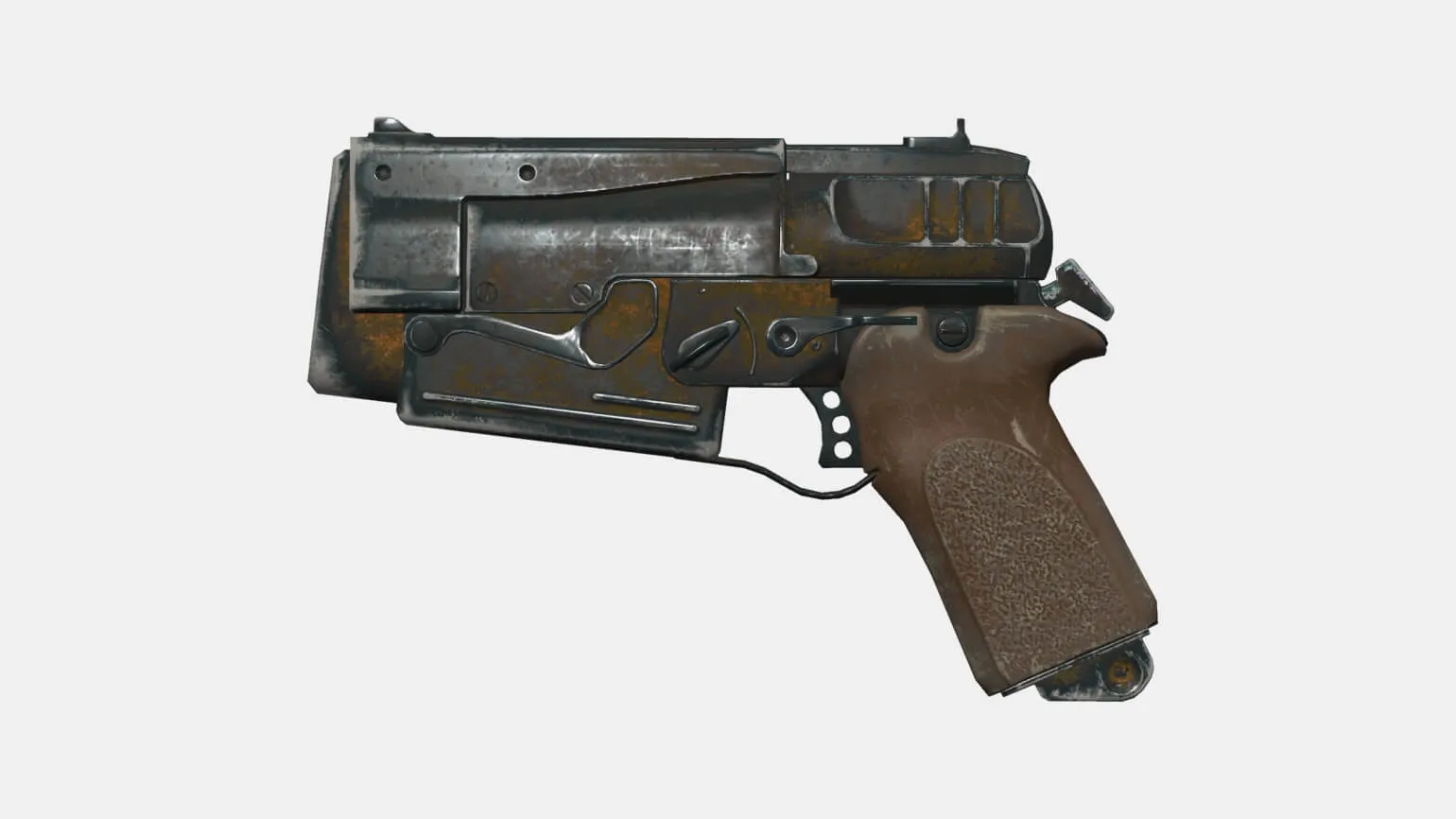
During the episode, Lucy discovers A classic 10mm pistol that has become an iconic element of the series. This iconic arsenal underscores the connections between the various installments of the franchise and attracts the attention of both new and returning players. The gun not only symbolizes nostalgia, but also serves as an important tool in the game, allowing Lucy to effectively cope with the challenges that arise.
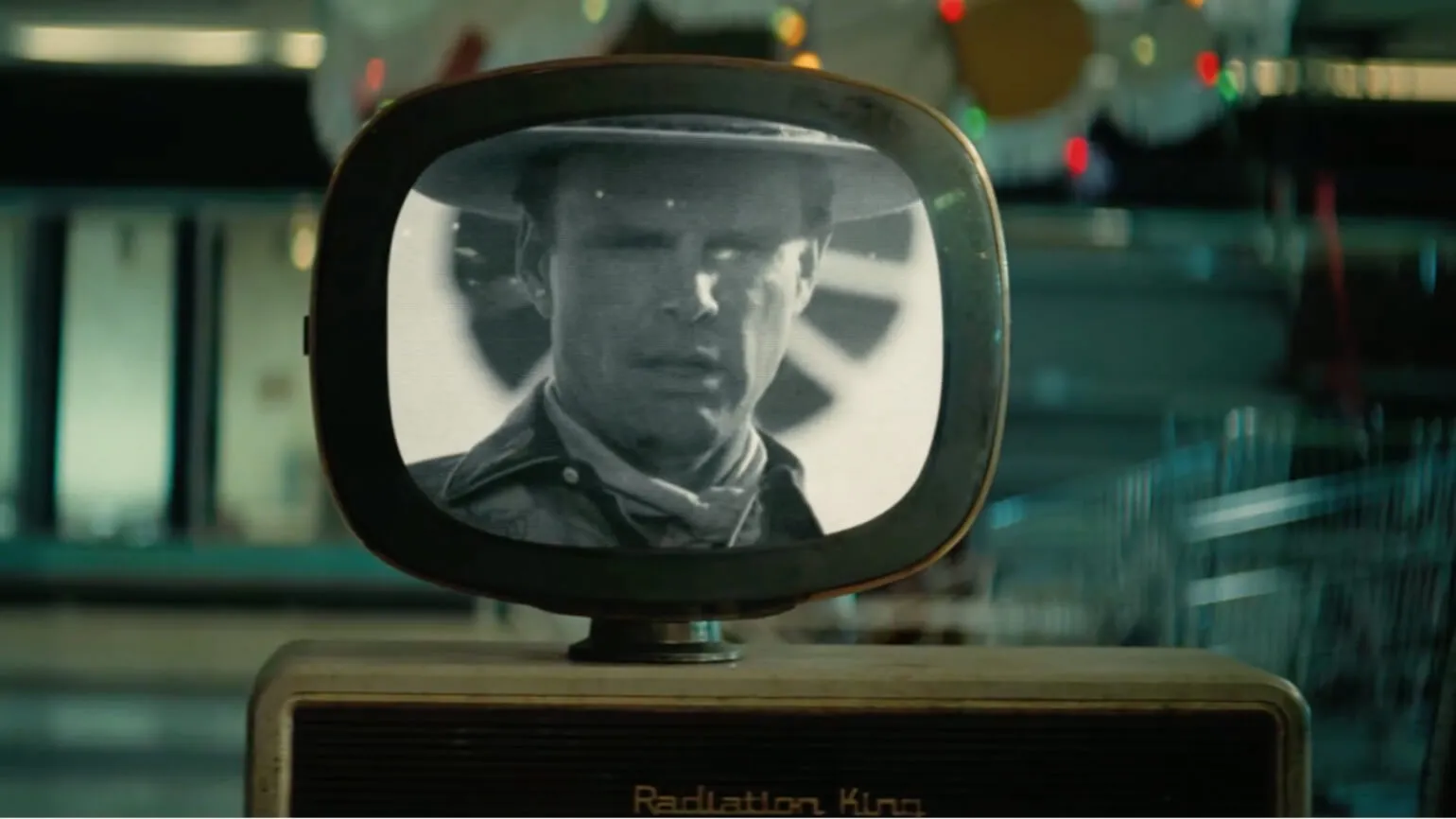
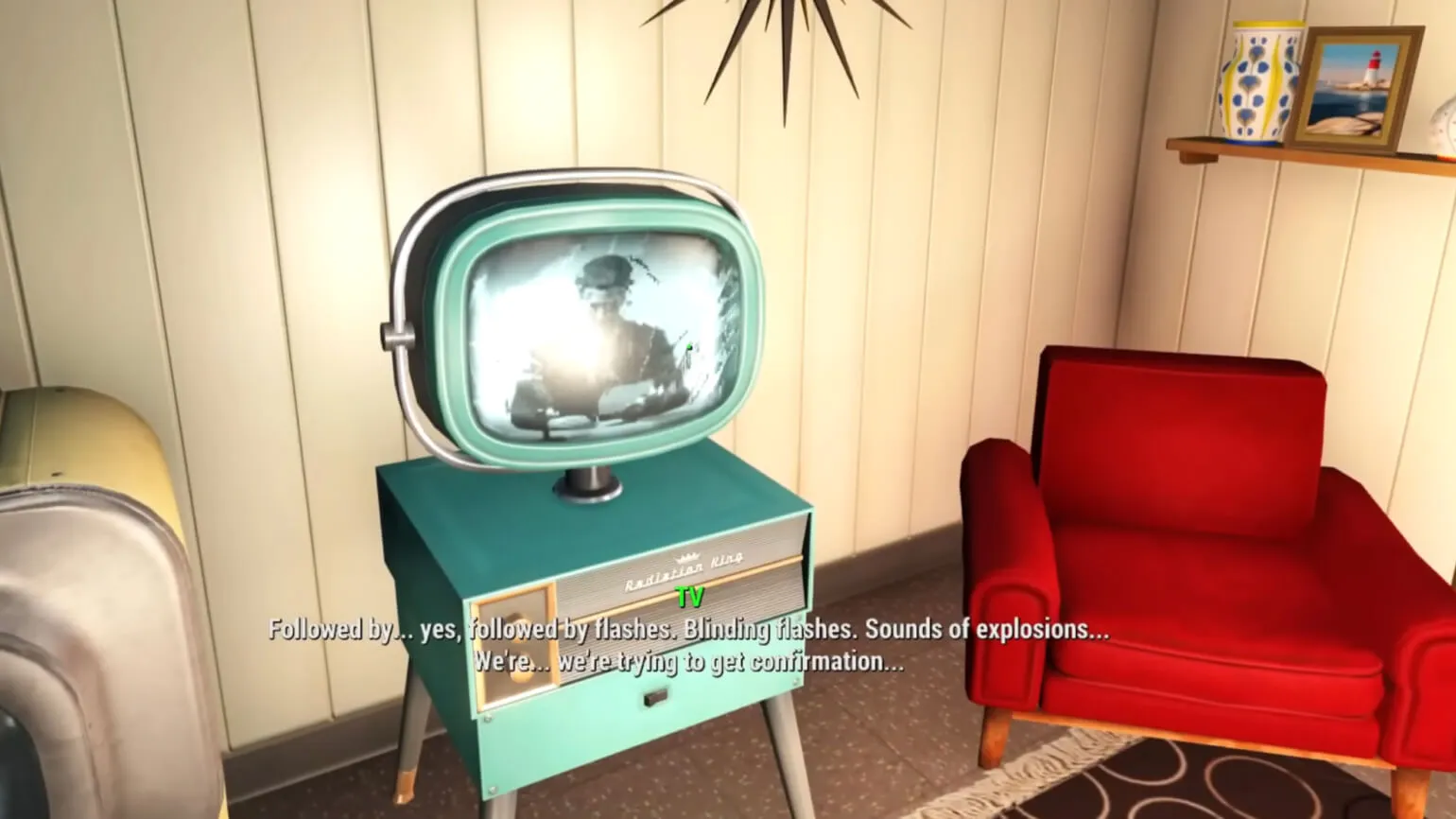
At the end of the series, Ghoul watches a Radiation King TV. Devices of this brand are found in almost all games, which makes them recognizable and symbolic for gamers.
The fourth episode of the series clearly demonstrates that Howard needs a mysterious drug to maintain mental health. Similar medications haven't been seen in the game's storylines, so viewers can only hope that the show's creators will reveal more information about it in the next season. This aspect adds intrigue and fuels interest in the further development of the plot.
Episodes five, six, and seven
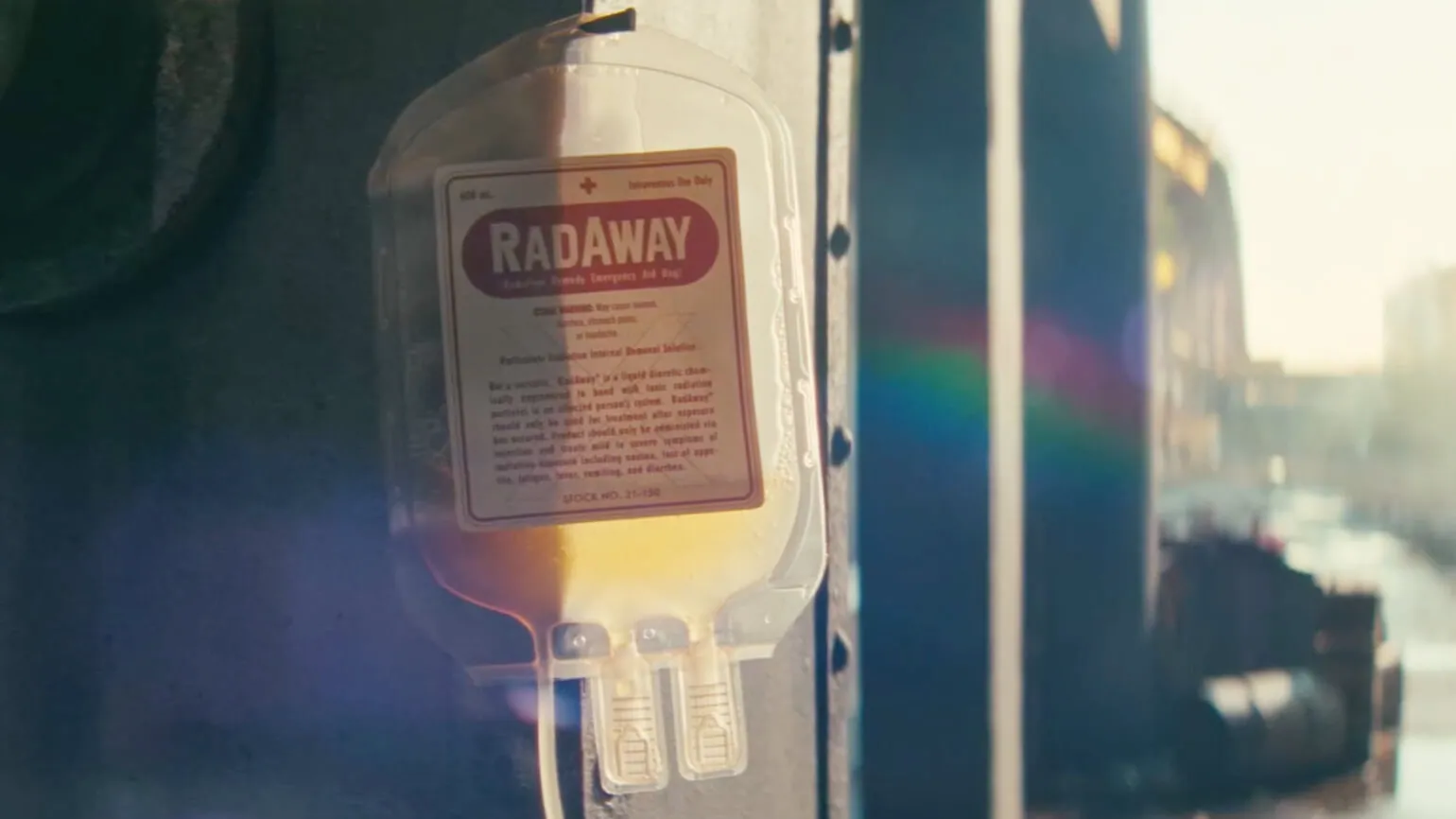
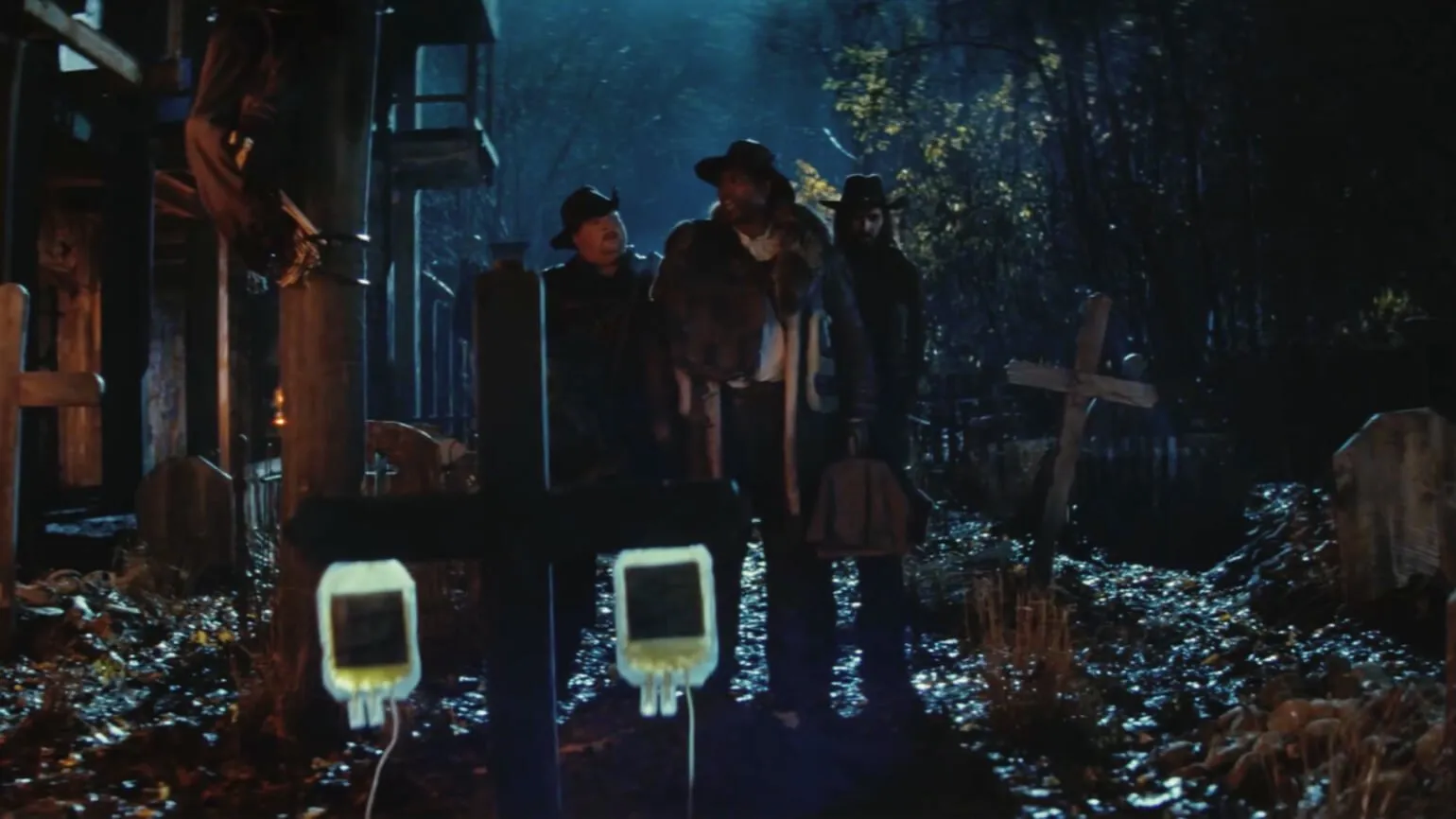
When Lucy and Maximus decide to collaborate, she is injected with the drug "Antiradine," which is designed to remove radiation from the body. Some fans speculate that this is the drug Ghoul uses to control his condition and avoid aggression. Similar packages were seen in the first episode, when the hero is pulled from the grave. This plot element emphasizes the connection between the characters and their struggle with the effects of radiation, and also creates intrigue, forcing the audience to consider the hidden aspects of their interactions.
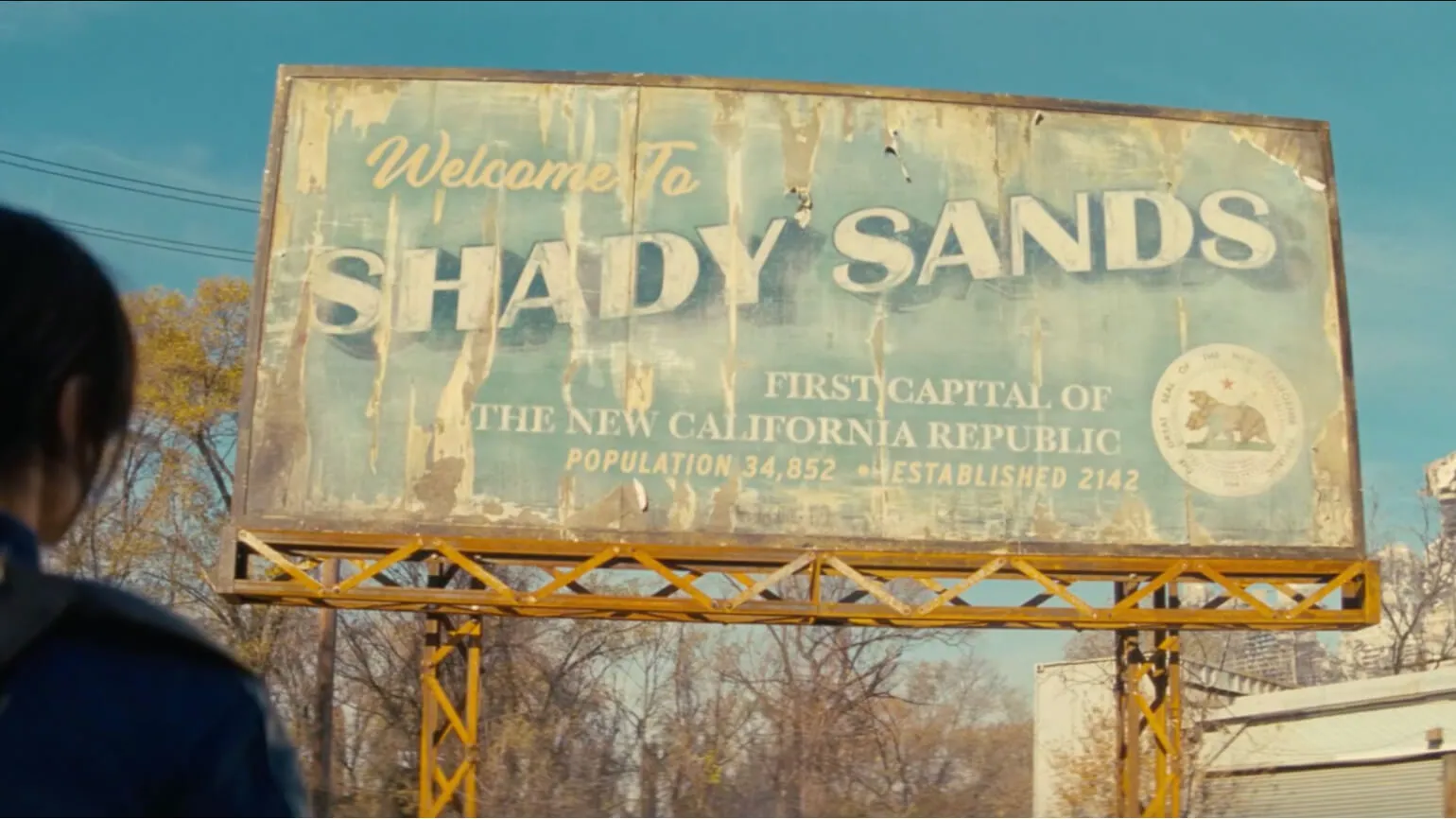
At the end of the fifth episode, Lucy and Maximus reach the abandoned city of Shady Sands, which is one of the largest settlements in New California. This location became explorable in the original Fallout game and is mentioned in New Vegas. The series reveals that the city was almost completely destroyed by a nuclear explosion, something not mentioned in later games in the series.
The welcome billboard indicates that Shady Sands is considered the first capital of the New California Republic (NCR), a major faction in Fallout: New Vegas. The location of the second capital remains unclear. The creators of the game indicated the exact date of the foundation of Shady Sands - 2142.
In the sixth episode in A flashback features actor Sebastian Leslie, who played a character named Bartolomeo Codsworth in one of his films. Codsworth is also the name of a robot assistant in the popular game Fallout 4. This interesting coincidence highlights the connection between the worlds of film and video games, adding depth and context to characters in both realms. Leslie sold the rights to his voice for the creation of robot assistants. Specifically, his voice is heard in Episode IV, where the character expresses his intention to cut Lucy open. This innovation demonstrates how voice synthesis technologies can be used in modern projects, including robotics and artificial intelligence.
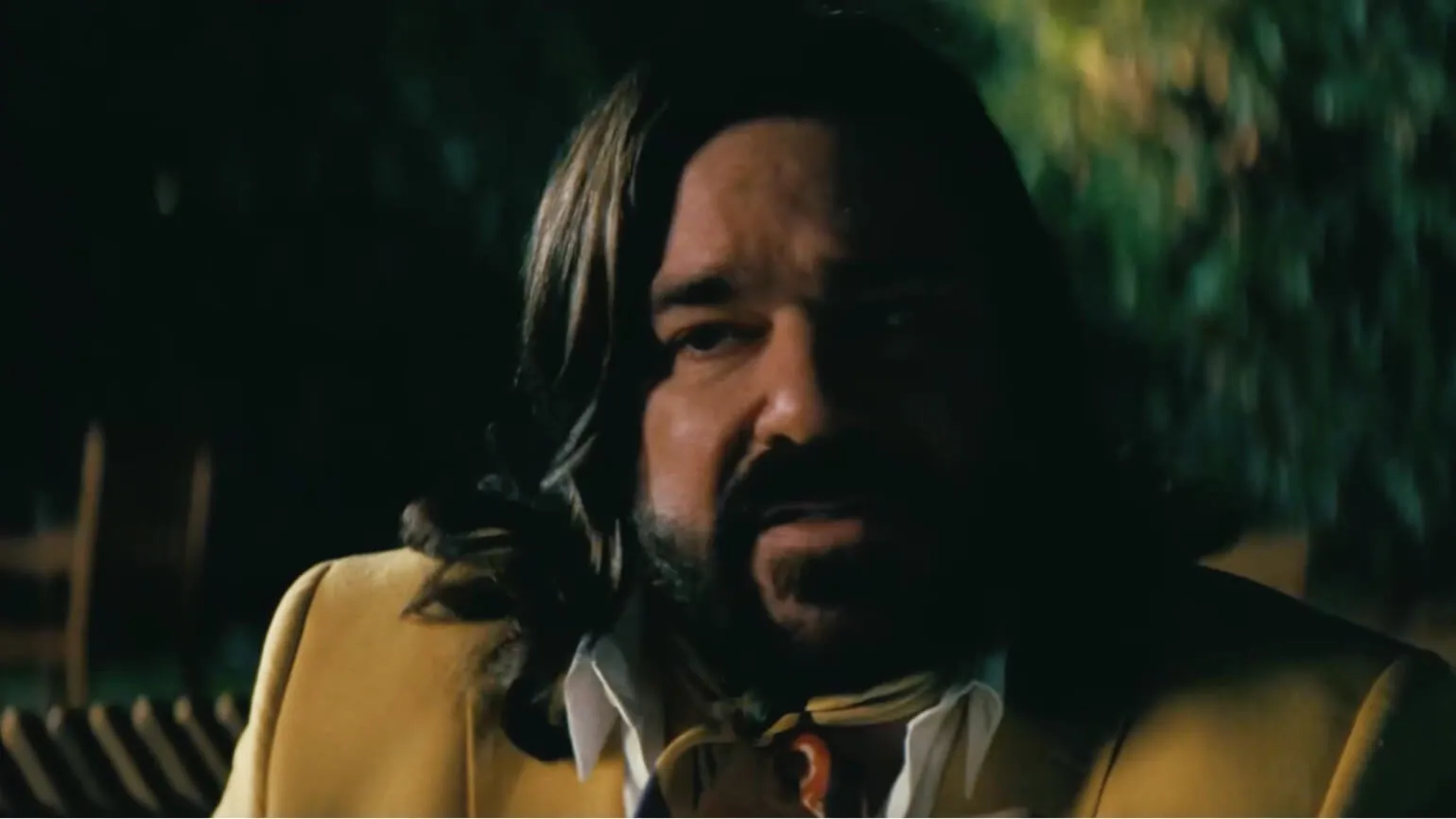
In this In the episode, Lucy explores Vault 4 and witnesses a strange ritual in which the locals worship Lee Moldaver, the main antagonist of the first season. The show doesn't reveal her significance to the Vault dwellers, but it's safe to assume Moldaver played a key role in Shady Sands. After the destruction of the city, some of its inhabitants sought refuge in Vault 4, and perhaps this ritual is their way of honoring the memory of Moldaver.
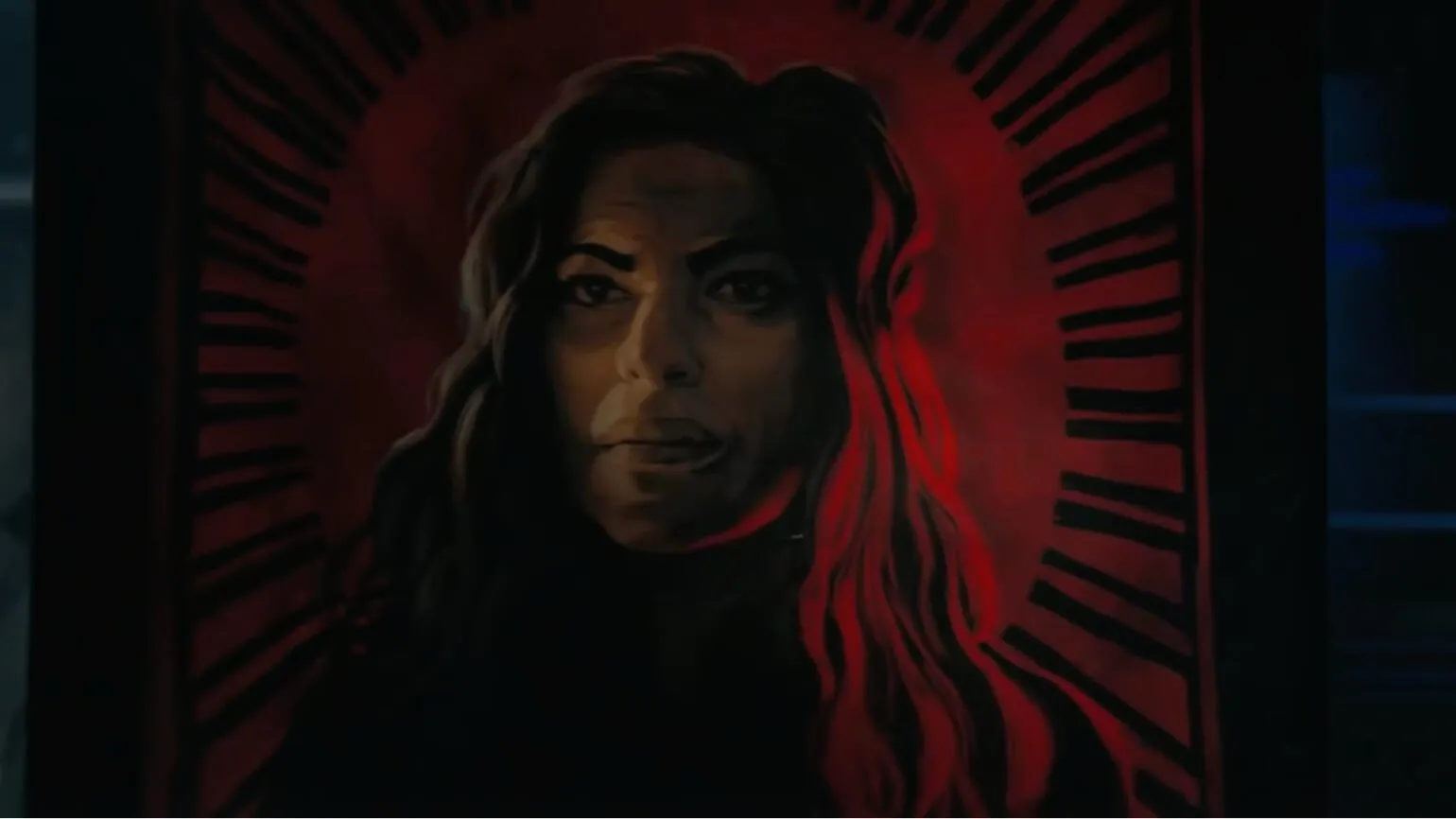
Lucy discovers that Vault 4 originally served as a site for human experimentation. These experiments resulted in the creation of horrific creatures, including the Pink Gulper, which appeared in Episode III. The reason for these differences from the game's prototype was the crossbreeding of mutated salamanders with human beings.
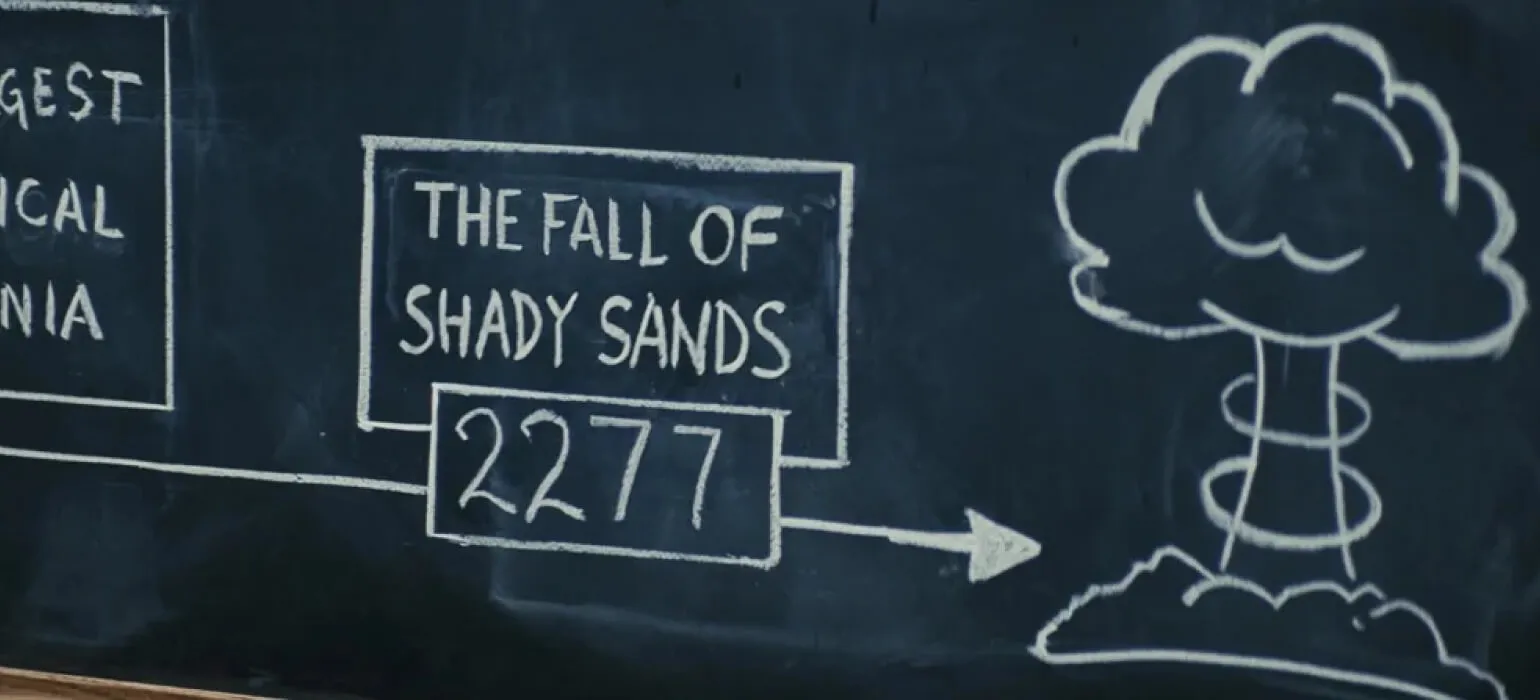
In Episode VI, the most discussed moment was a plaque stating that the fall of Shady Sands occurred in 2277. Next to this date is an arrow pointing to the subsequent nuclear explosion. This plot element emphasizes the importance of historical events in the context of the world's development and also creates tension and interest in the further development of the plot. Understanding the chronology of events helps viewers more deeply immerse themselves in the atmosphere of the series and appreciate its details.
Some fans of the Fallout series have come to the conclusion that the destruction of the city occurred in 2277, which has led to contradictions with the events presented in Fallout: New Vegas. Some of them even believe that Bethesda intentionally excluded this game from the canon, based on their own considerations. This causes controversy among fans who are trying to understand the chronology and connections between the various games in the Fallout universe.
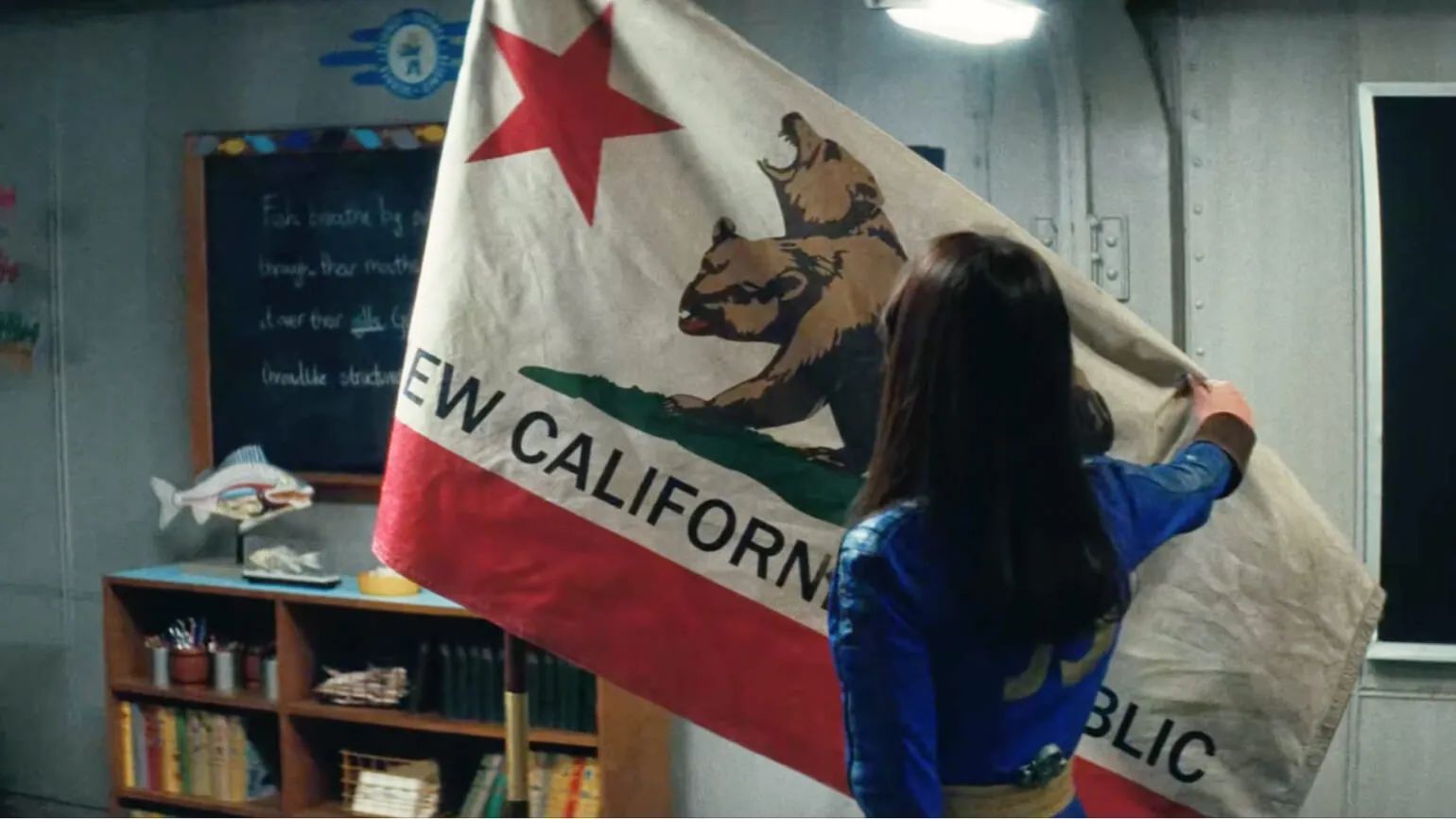
Discussions around Fallout: New Vegas canonicity issues have become so heated that studio representatives have had to clarify. The first to speak out about New Vegas's status was designer and lore master Emil Pagliarulo, later confirmed by Todd Howard, game director of Fallout 3 and 4. Howard also added that Shady Sands was destroyed after the events of the game, allowing New Vegas fans to breathe a sigh of relief. If you need further confirmation of the game's canonicity, pay attention to the following scene, in which Lucy spots the NCR flag, familiar to all Fallout fans. The musical theme, which is also part of the game's famous soundtrack, plays in the background. These elements emphasize the connection with the original Fallout universe and strengthen the atmosphere, creating a feeling of immersion in a familiar world.
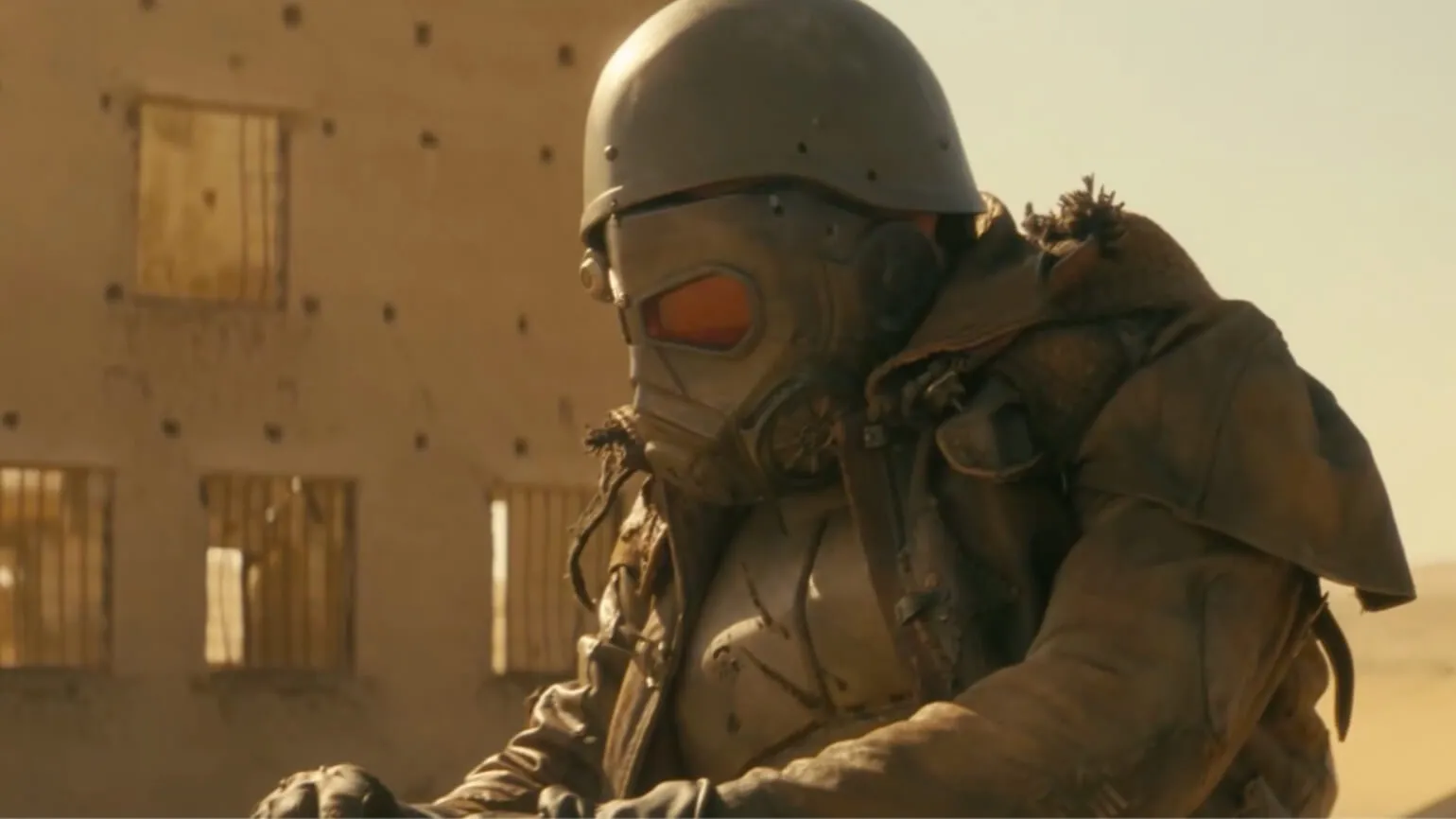
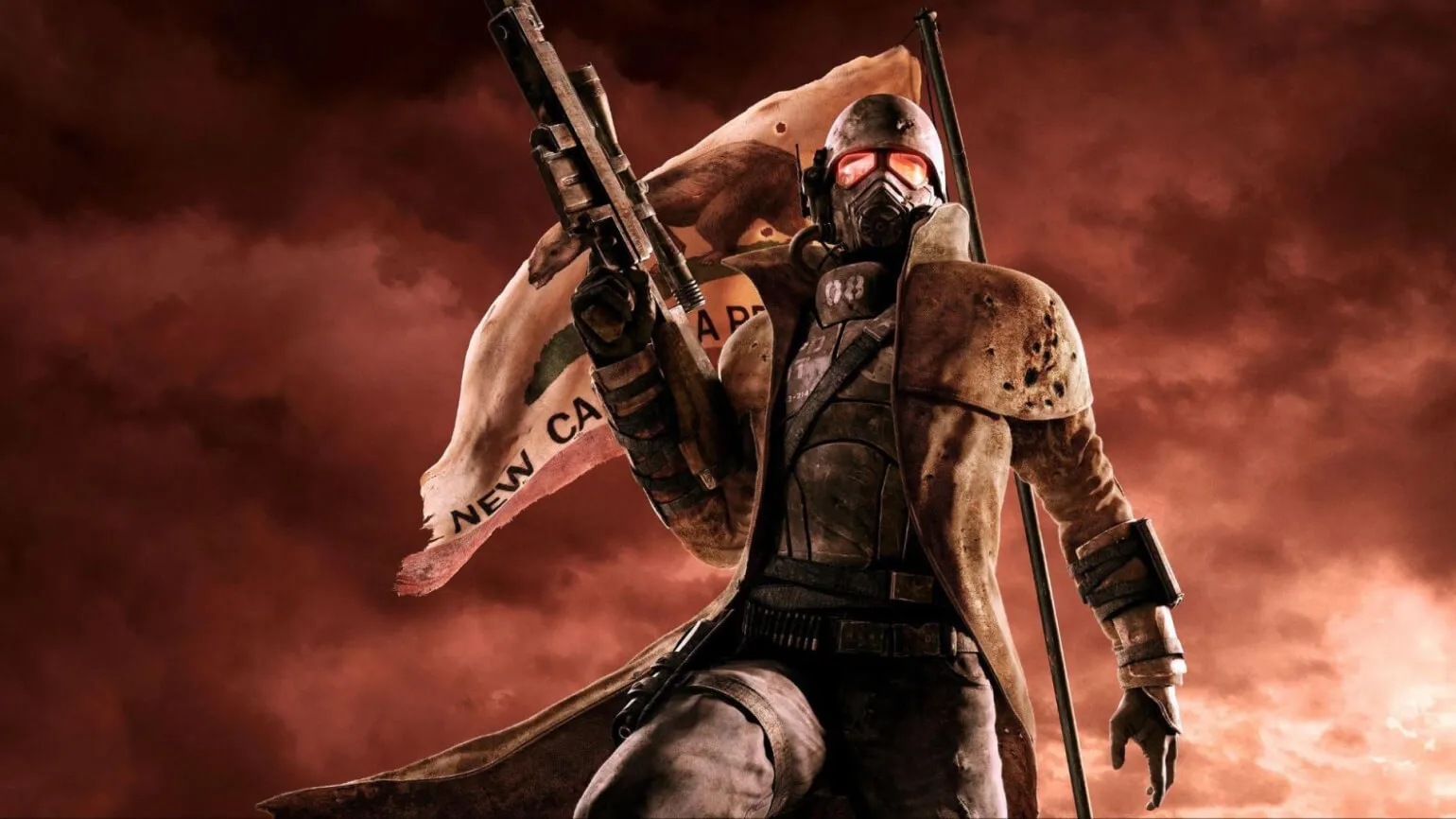
Links to Fallout: New Vegas continues to appear in Episode 7. At the very beginning of the episode, we see a character in NCR Ranger armor, which is an iconic element and is often used in key art for the game.
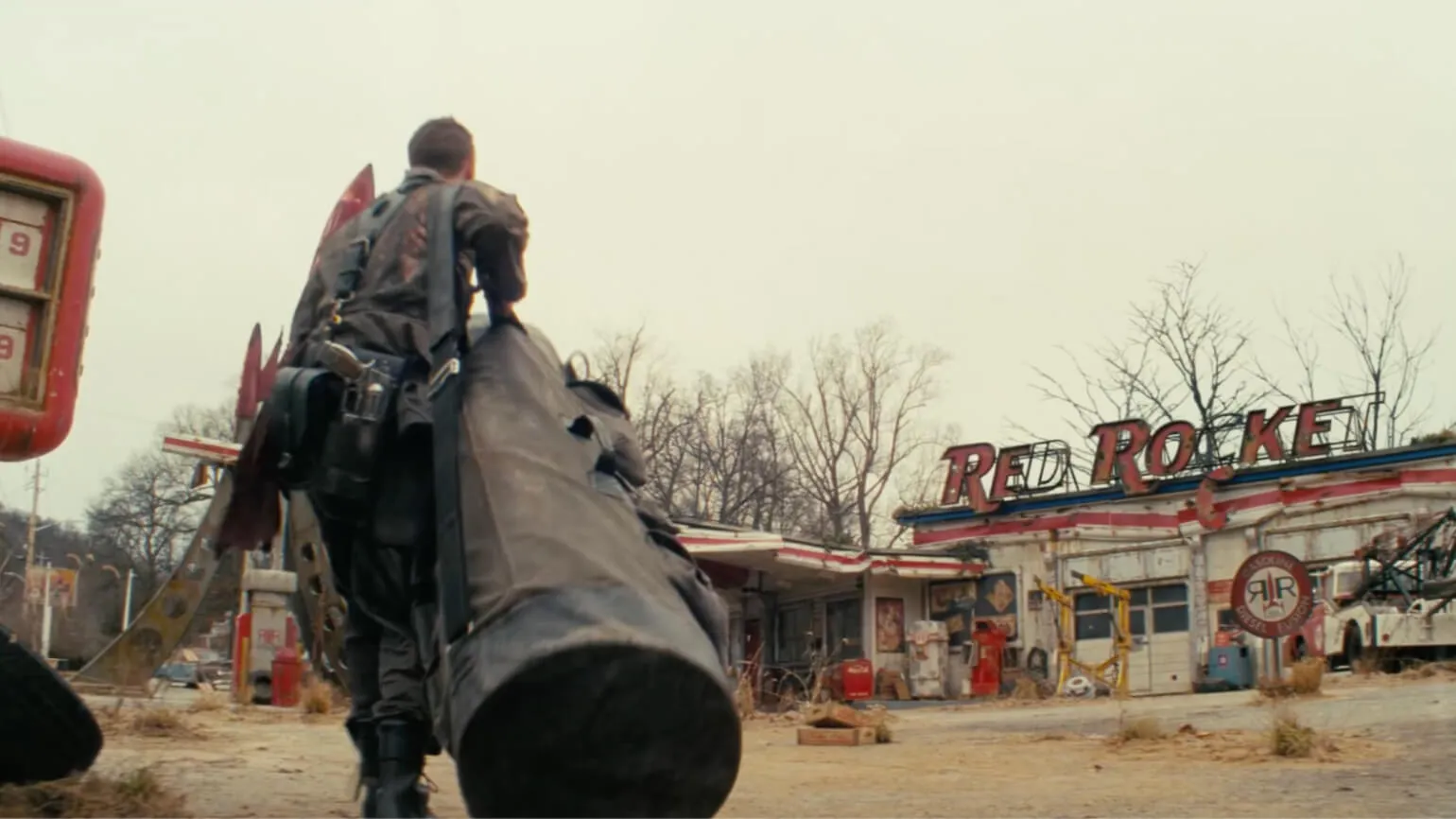
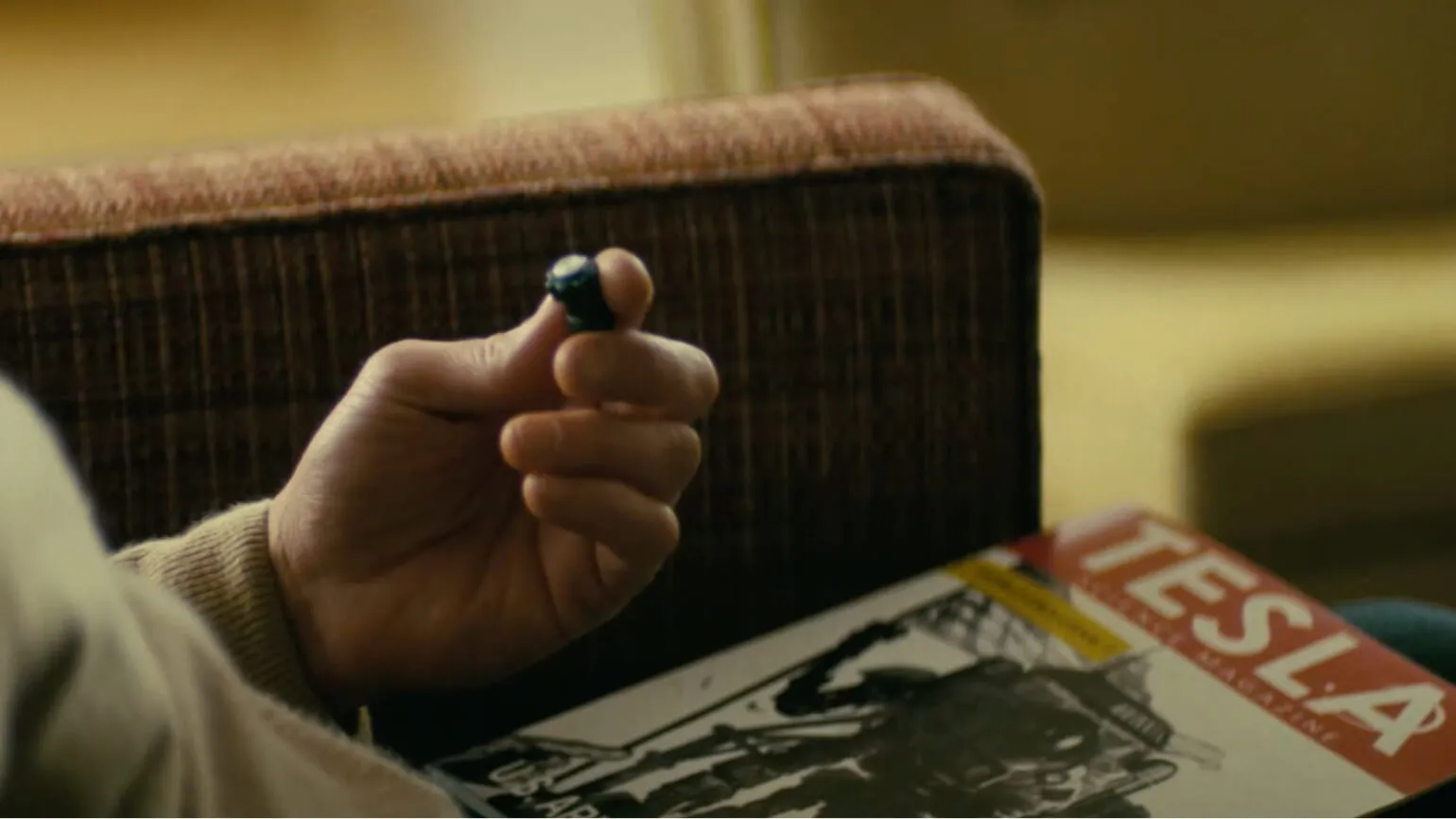
Among the small references, we can note the recreated Red Rocket gas station from Fallout 4, as well as the Tesla magazine that the character Howard reads in flashback. These elements emphasize the connection with the Fallout universe and add depth to the gameplay.
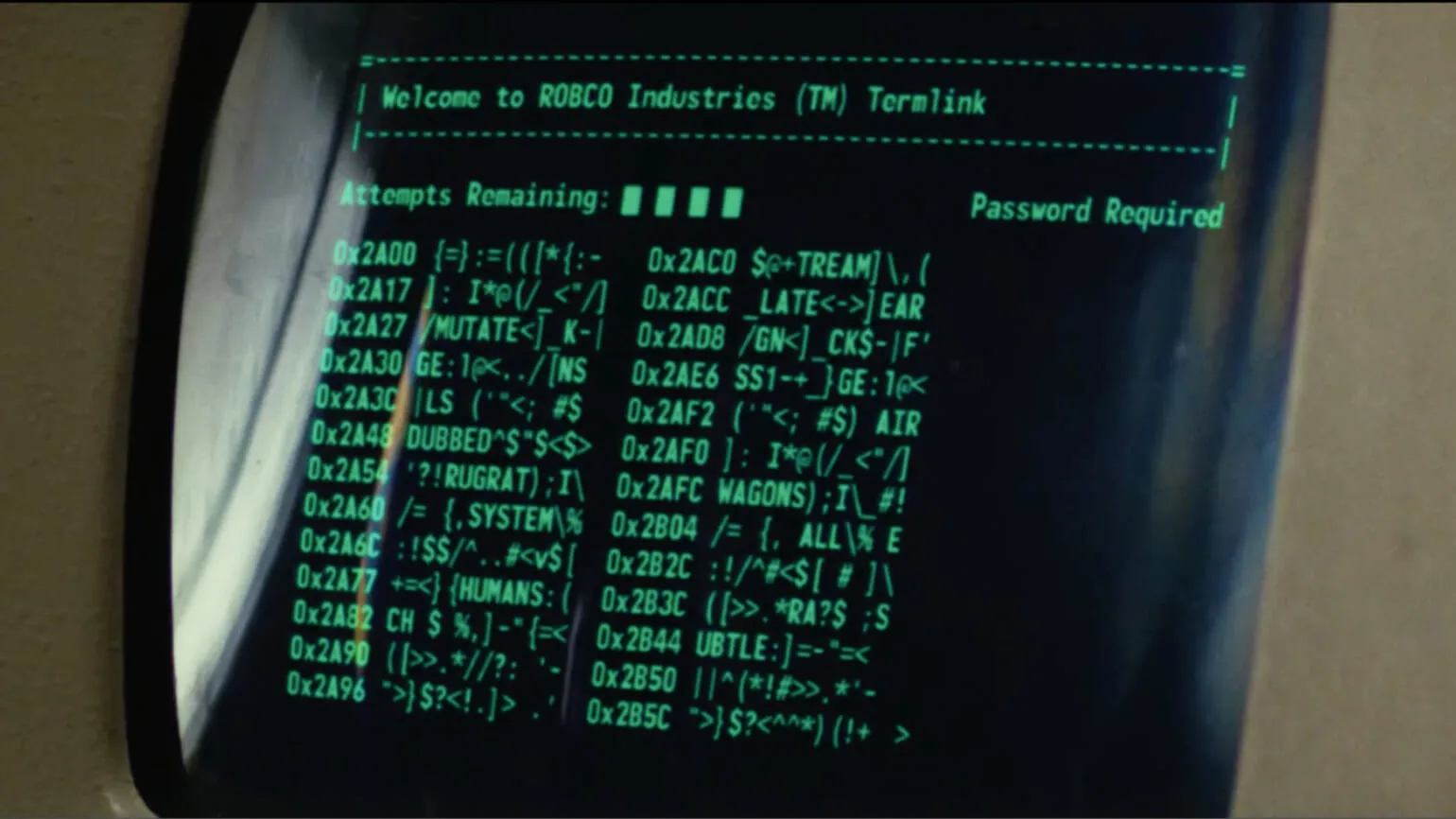
The terminal hacking minigame, first introduced in Fallout 3, has become an important element of the gameplay experience. In this game, Lucy's brother, Norman, uses his deductive skills to unravel the mysteries of Vaults 31, 32, and 33. This aspect of the game not only adds depth to the story but also allows players to immerse themselves in the atmosphere of the post-apocalyptic world. Hacking terminals and solving puzzles becomes key to exploring the environment and uncovering secrets, making the gameplay more engaging and interactive.
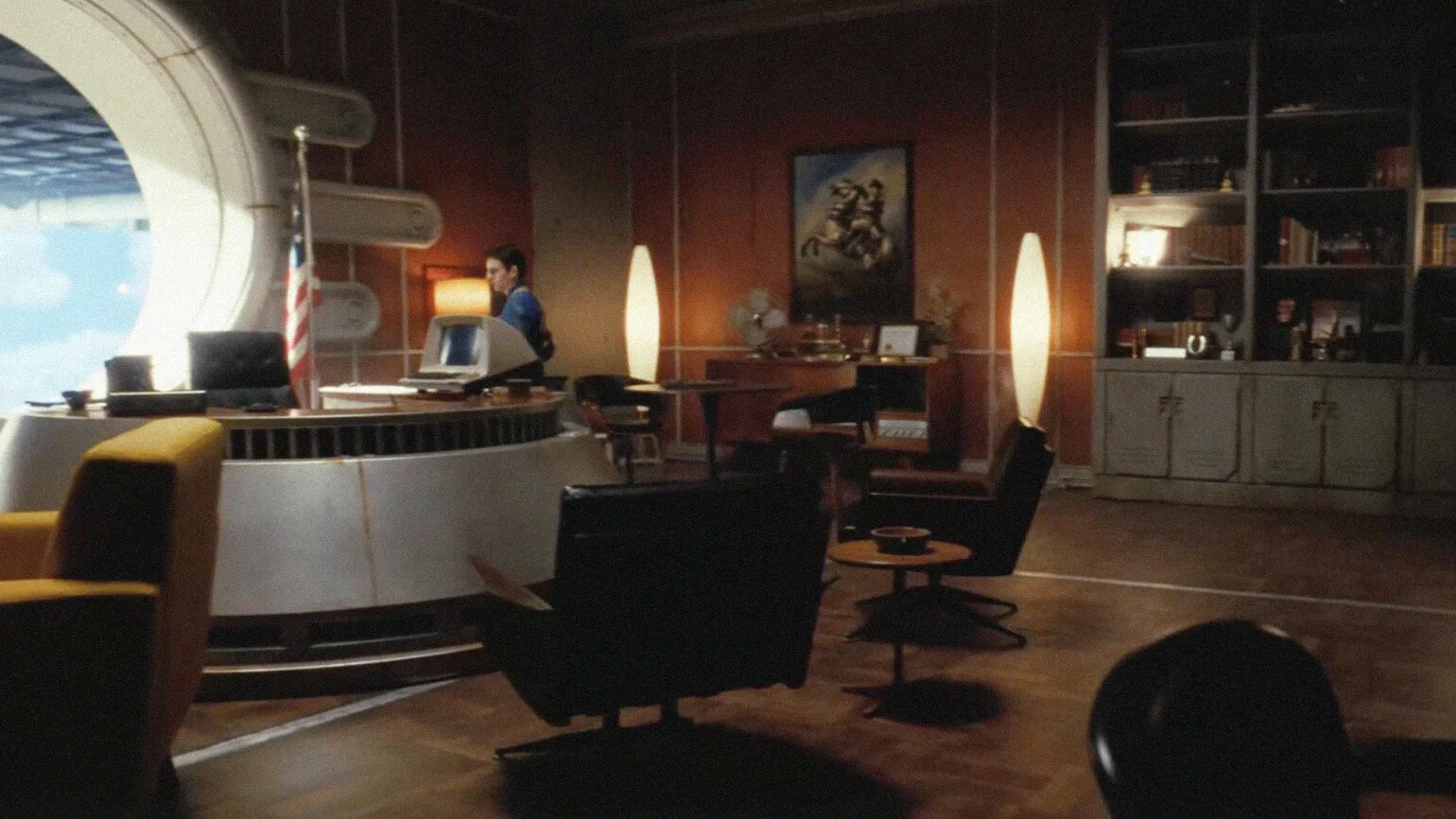
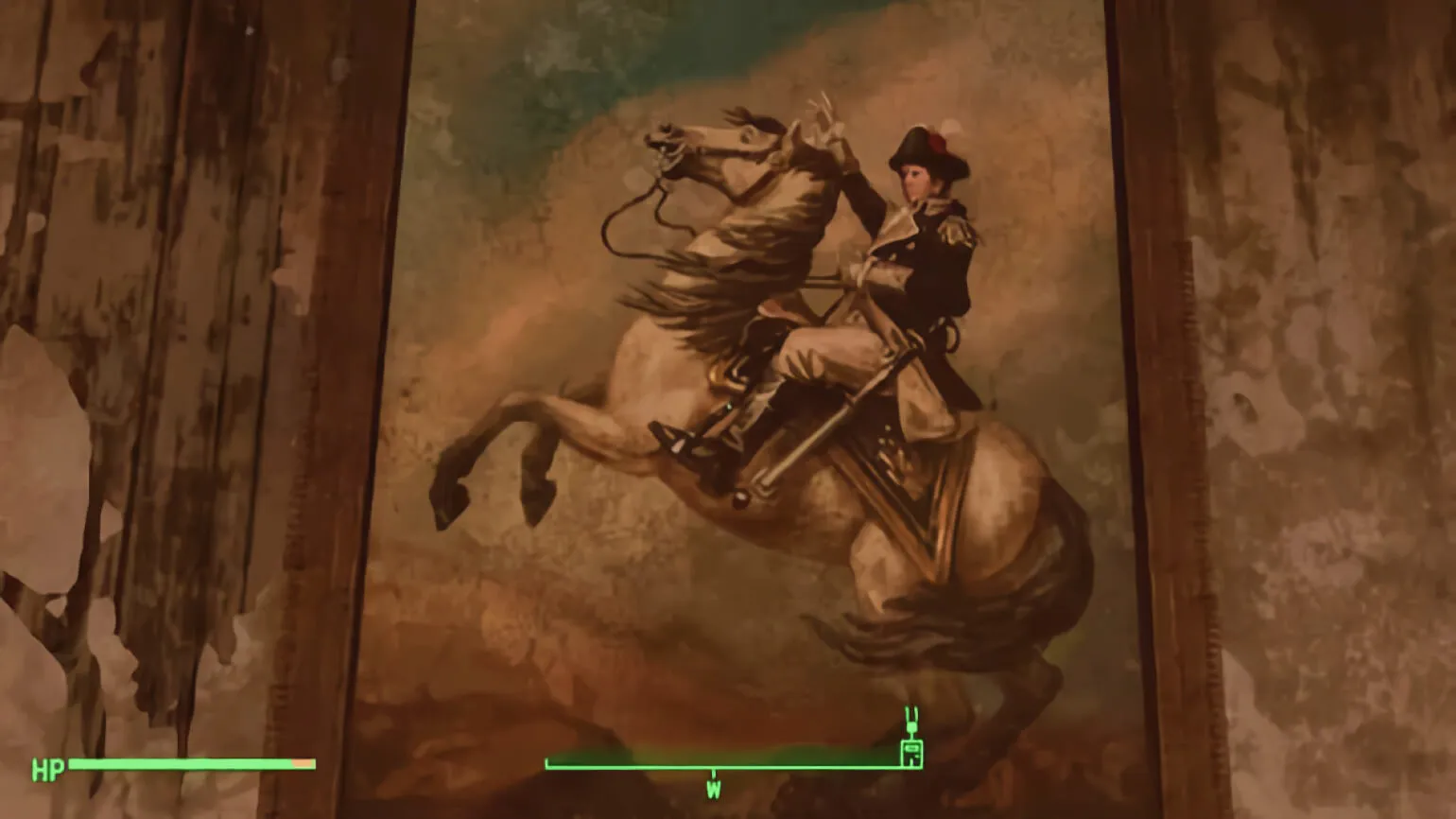
In the Overseer's office, you can see a painting depicting Todd Howard as Napoleon Bonaparte. This image was already familiar to many players thanks to his appearance in Fallout 4.
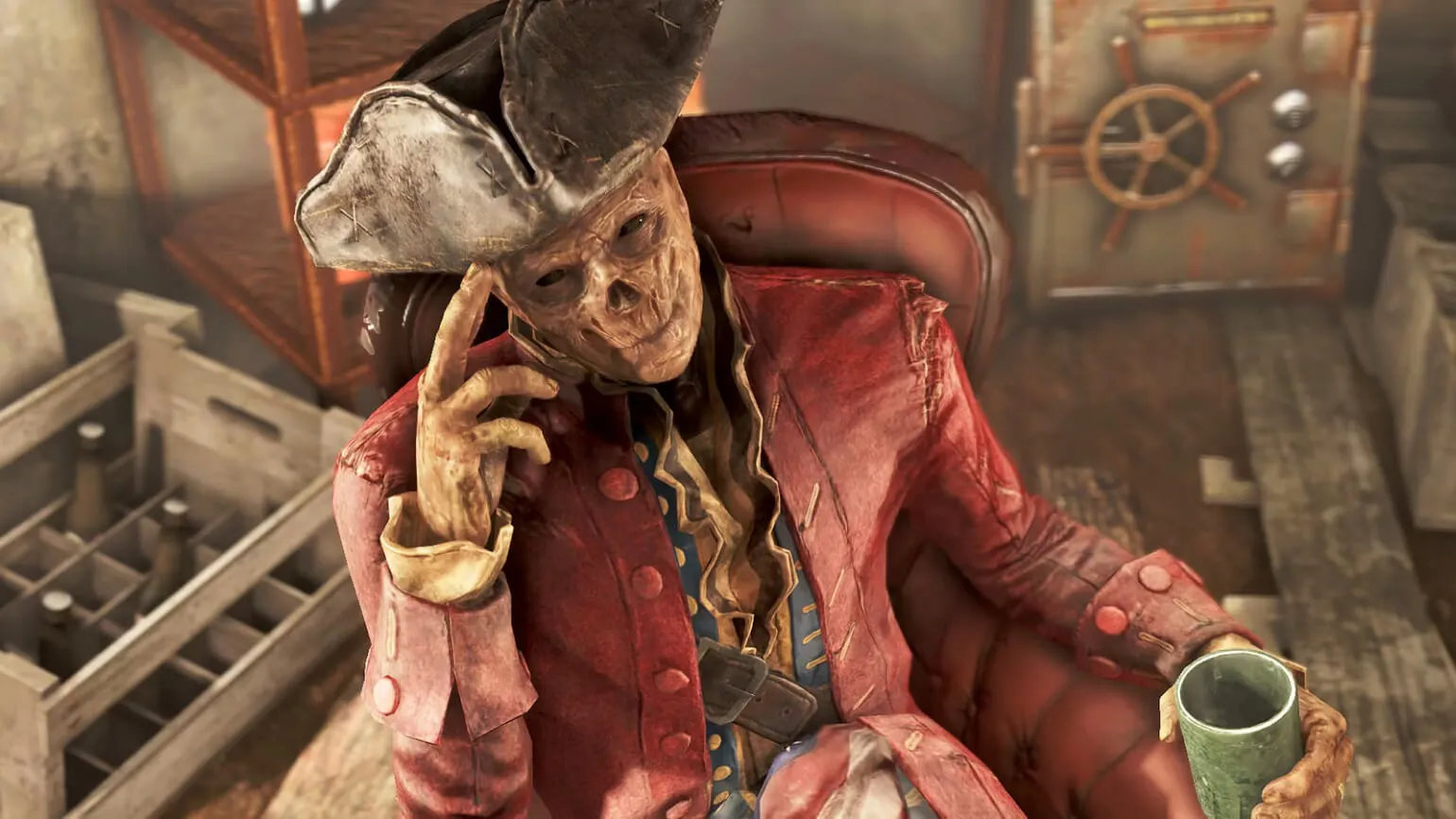
An important character in the Brotherhood is Thaddeus, who appeared in the seventh episode. He took an experimental "cure" from a mad doctor from the wasteland, hoping to cure his leg. However, it soon became apparent that the drug had a serious side effect: Thaddeus began to transform into a ghoul. This event highlights the dangers of using unconventional medical devices and the consequences that can arise from careless handling. Thaddeus's transformation into a ghoul becomes a crucial plot element, demonstrating how the desire for healing can lead to unexpected and dangerous consequences. Fallout 4 features the character Hancock, the mayor of Goodneighbor, who became a ghoul due to the use of an unknown drug. He advocates for justice and protects the rights of the residents of his neighborhood. The fate of Thaddeus, also connected to this theme, will likely develop in the second season, and fans of the game are waiting for the solution to his mystery.
Episode Eight
A key aspect of this episode is the meeting of corporate executives, each of which is mentioned in the games. Among the participants in the meeting are not only representatives of Vault-Tec, but also other companies that have played a significant role in the game world. This meeting provides a unique opportunity to discuss their contribution to the storyline and development of the game universe, as well as their impact on players and fans.
- West-Tec is a subsidiary of Vault-Tec, which was engaged in the development of weapons, armor, and biotechnology.
- RobCo is responsible for the production of computers and robots.
- Big MT is a defense contractor responsible for the emergence of certain types of mutants. The company's research center can be found in the Old World Blues add-on for Fallout: New Vegas.
- REPCONN specializes in missile production. The headquarters also appears in Fallout: New Vegas.
The company representatives in Fallout: New Vegas aren't original characters, but Mr. House, the self-proclaimed president of New Vegas, stands out. This character plays a key role in the game and symbolizes many aspects of the Fallout world. His influence on the plot and interactions with other characters make him a significant figure in the story. Mr. House represents ambition and greed, which is an important theme in this post-apocalyptic world.
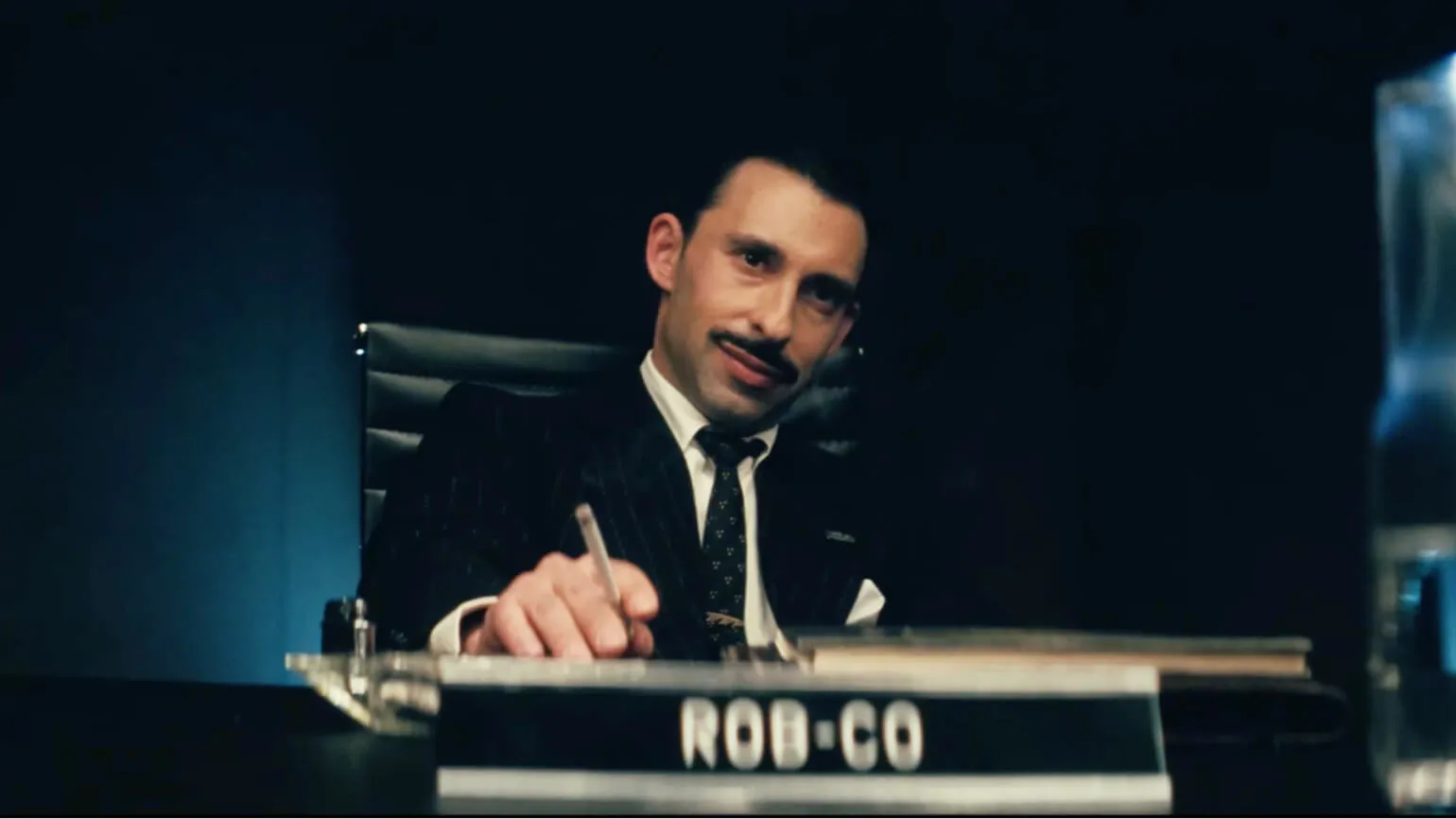
Leon von Felden, a West Tek representative, is known as the head of FEV research in the Fallout and Fallout 3 games. His character died as a result of the nuclear war in 2077, which became a key plot point in these games. Information about von Felden highlights the importance of his role in developing the virus and its impact on events in the Fallout universe.
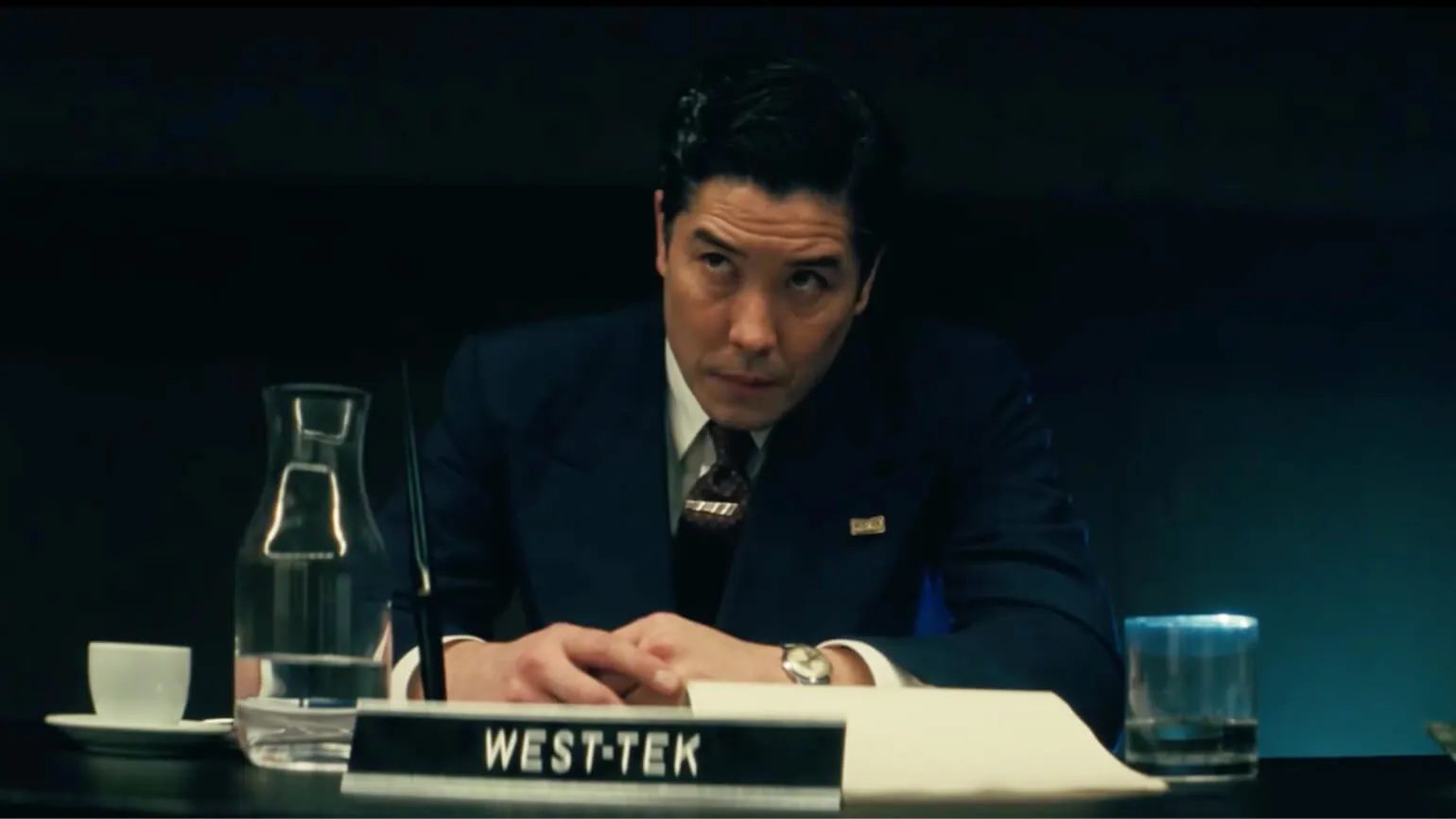
Big MT introduces businessman Frederick Sinclair, the founder of the Sierra Madre casino. His remains can be found in the Dead Money expansion for Fallout: New Vegas. Sinclair also met his fate in 2077.
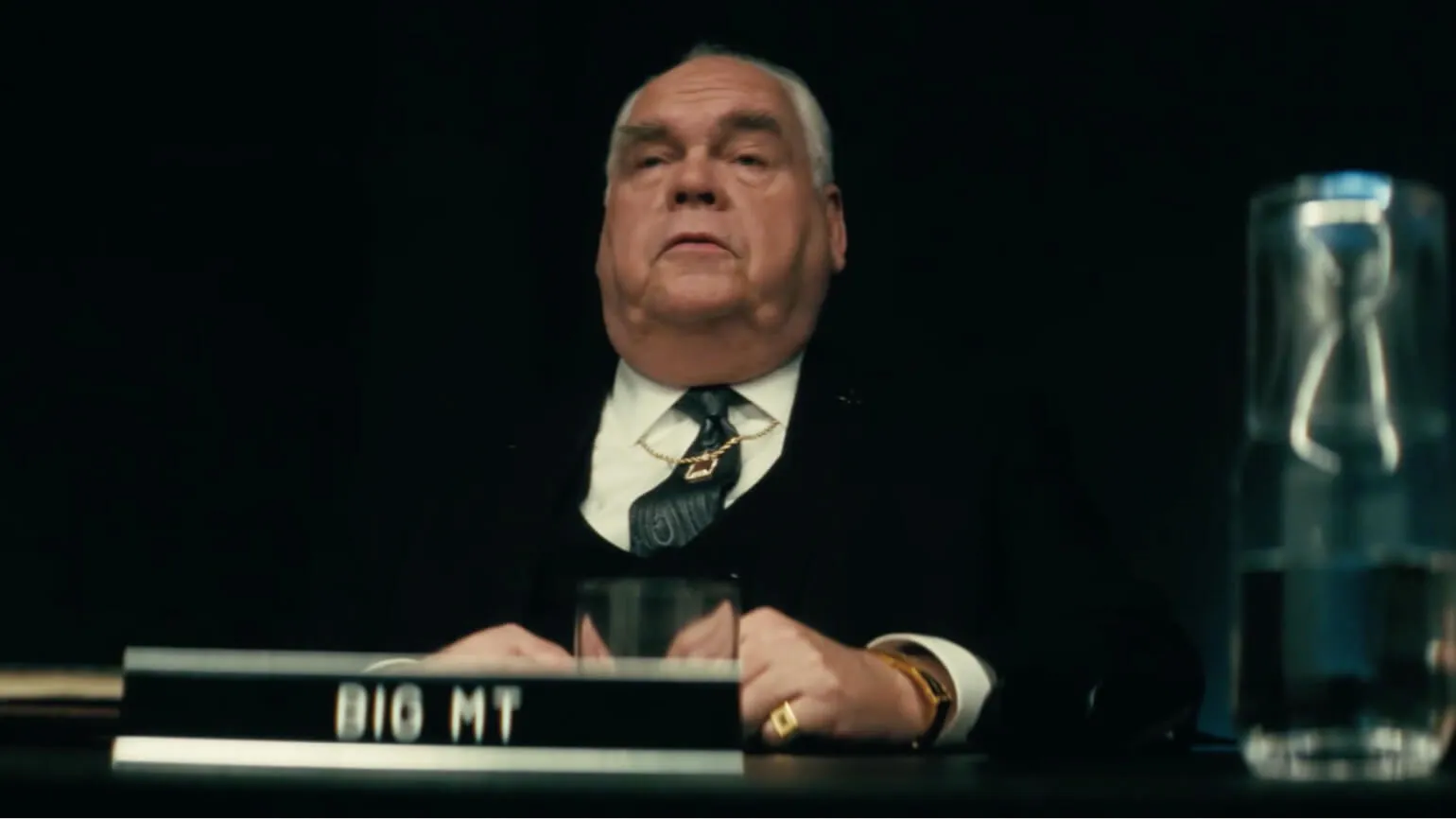
Representing REPCONN at the meeting is Financial Director Julia Masters, mentioned in documents from one of the terminals located at the organization's headquarters.
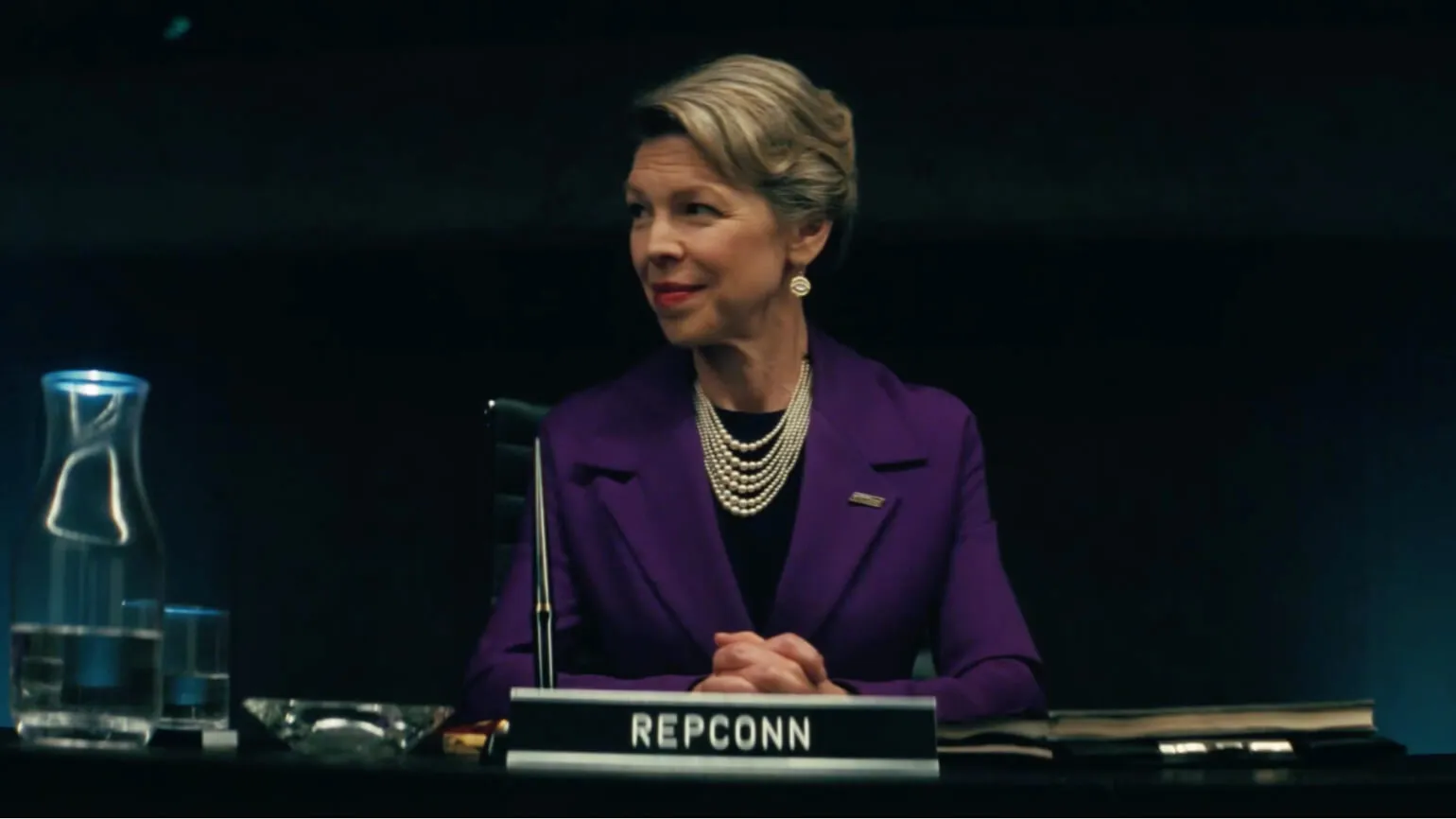
Meeting participants actively discuss ideas for experiments in shelters Vault-Tec. According to the game's plot, all proposed ideas were successfully implemented.
- Vault 27 was overcrowded with residents;
- An AI overseer was placed in Vault 51;
- Super mutants were created in Vault 87;
- Psychotropic drugs were pumped into the ventilation of Vault 106;
- Children and teenagers without parents lived in Vault 29.
At the meeting, a map of all Vault-Tec vaults was presented, on which more than 100 objects were marked. According to information from the games, at least 120 bunkers were built, and not all of them were featured in the series. Fans conducted a thorough study and found that the location of the shelters on the map corresponds quite accurately to real geographic coordinates, after which they superimposed this data on the current map of the United States.
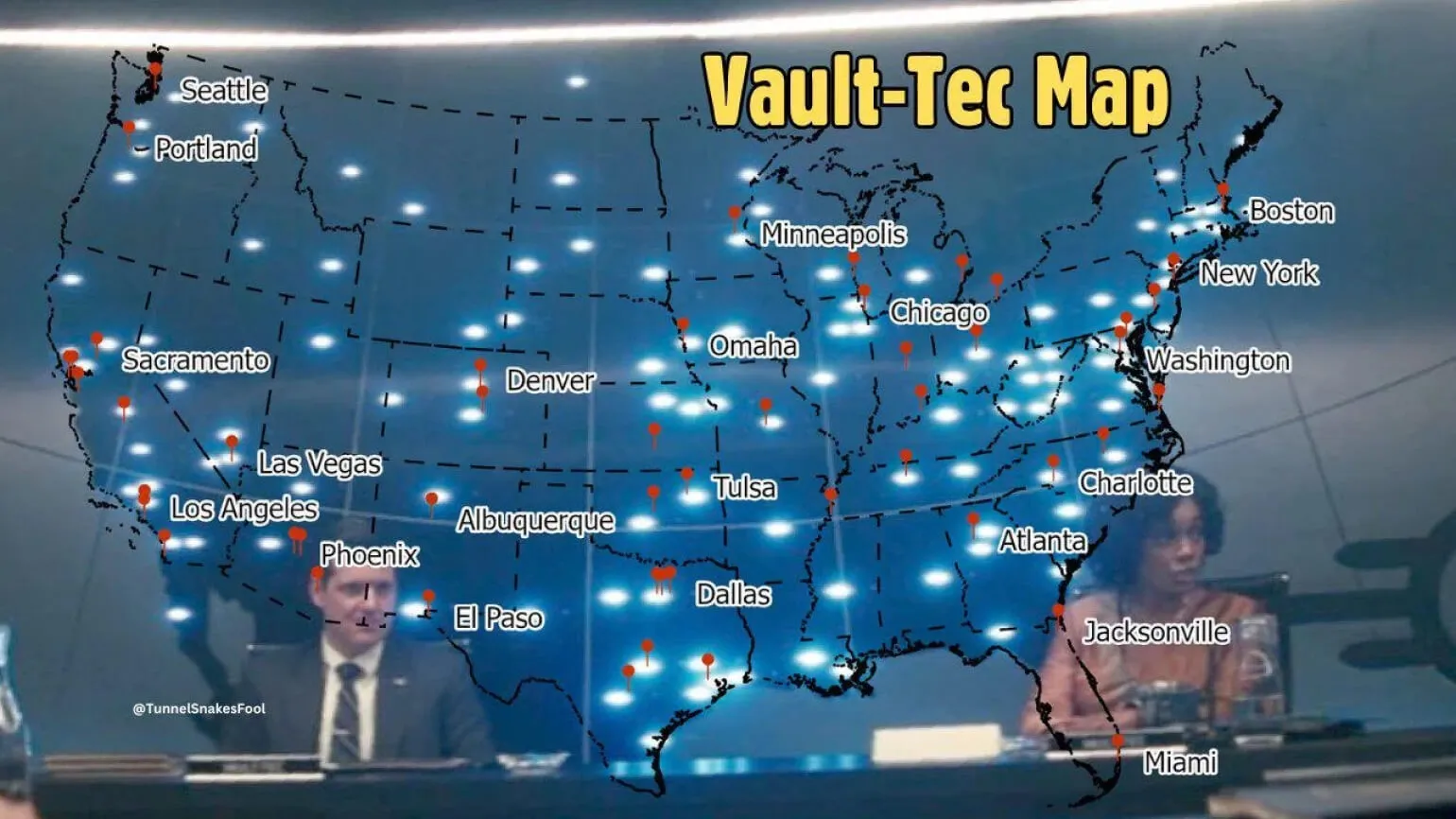
An important aspect of the meeting was the mention that the first nuclear bomb was dropped by Vault-Tec, a corporation that may be responsible for the apocalypse. According to the explanation given, the corporation sought to create a true monopoly in the United States, which effectively meant seizing power in the country.
Vault-Tec managers were responsible for implementing ambitious plans, but they were frozen for two centuries in Vault 31. Later, some of them were released to manage the inhabitants of neighboring bunkers. Among these managers was Lucy's father, Hank, whom the main character had been searching for throughout the season.
Previously, the games had not clearly indicated who initiated the nuclear war. Many fans believed that it was China, a theory supported by Tim Cain, the creator of the original Fallout game. Given that this series is part of the universe's canon, this revelation significantly deepens the backstory of the Fallout world.
It's important to remember that a hint is not a confirmation. Next season, the show's creators may reveal that Vault-Tec missed the initial bombing in China. There are compelling reasons to support this theory, one of which is the presence of Howard's daughter at the birthday party in the first episode. It's unlikely that Barb would have allowed her child outside the shelter at the time of the supposed Vault-Tec explosion. This highlights the importance of analyzing every plot element to fully understand the events occurring in the series.
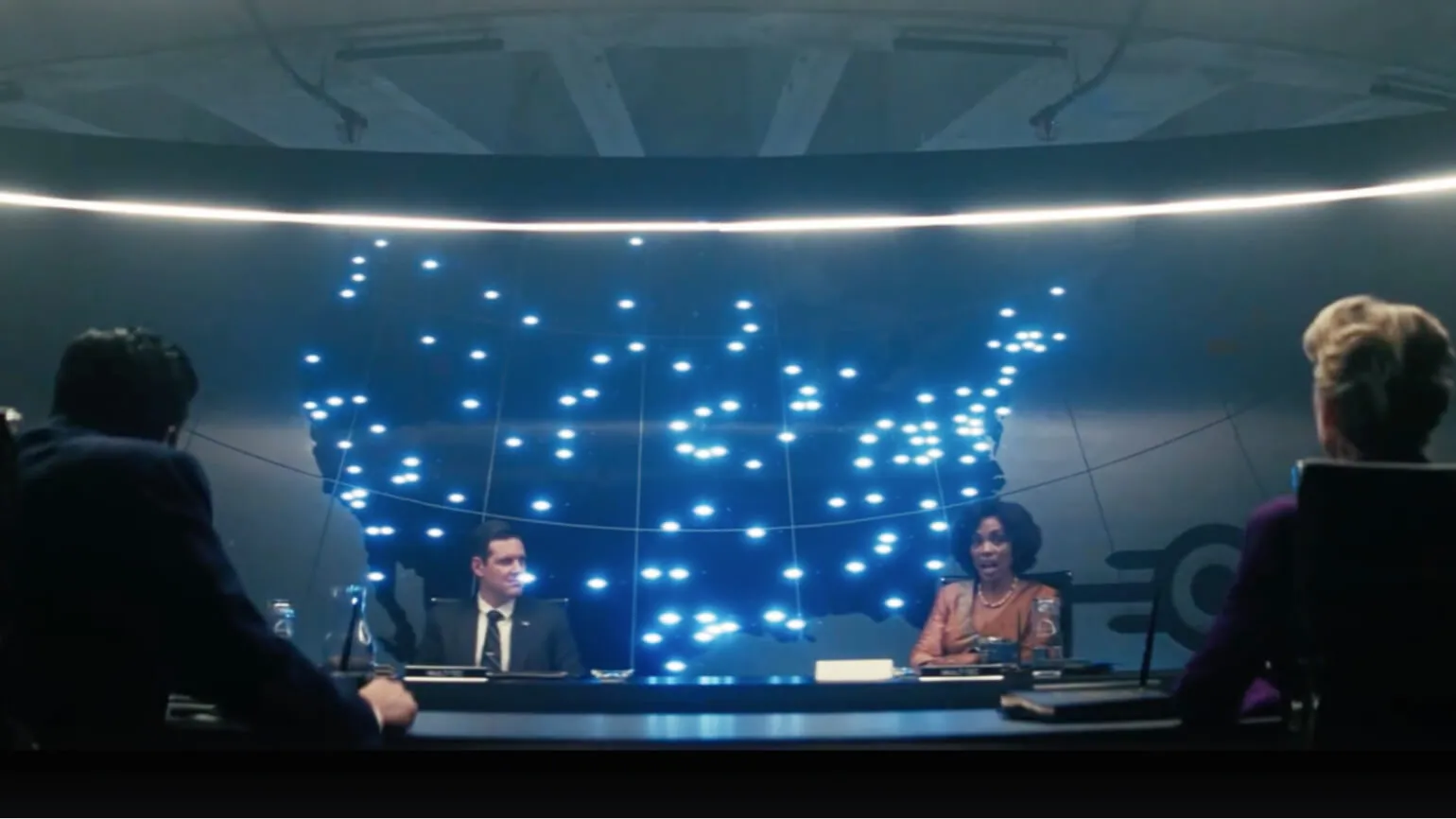
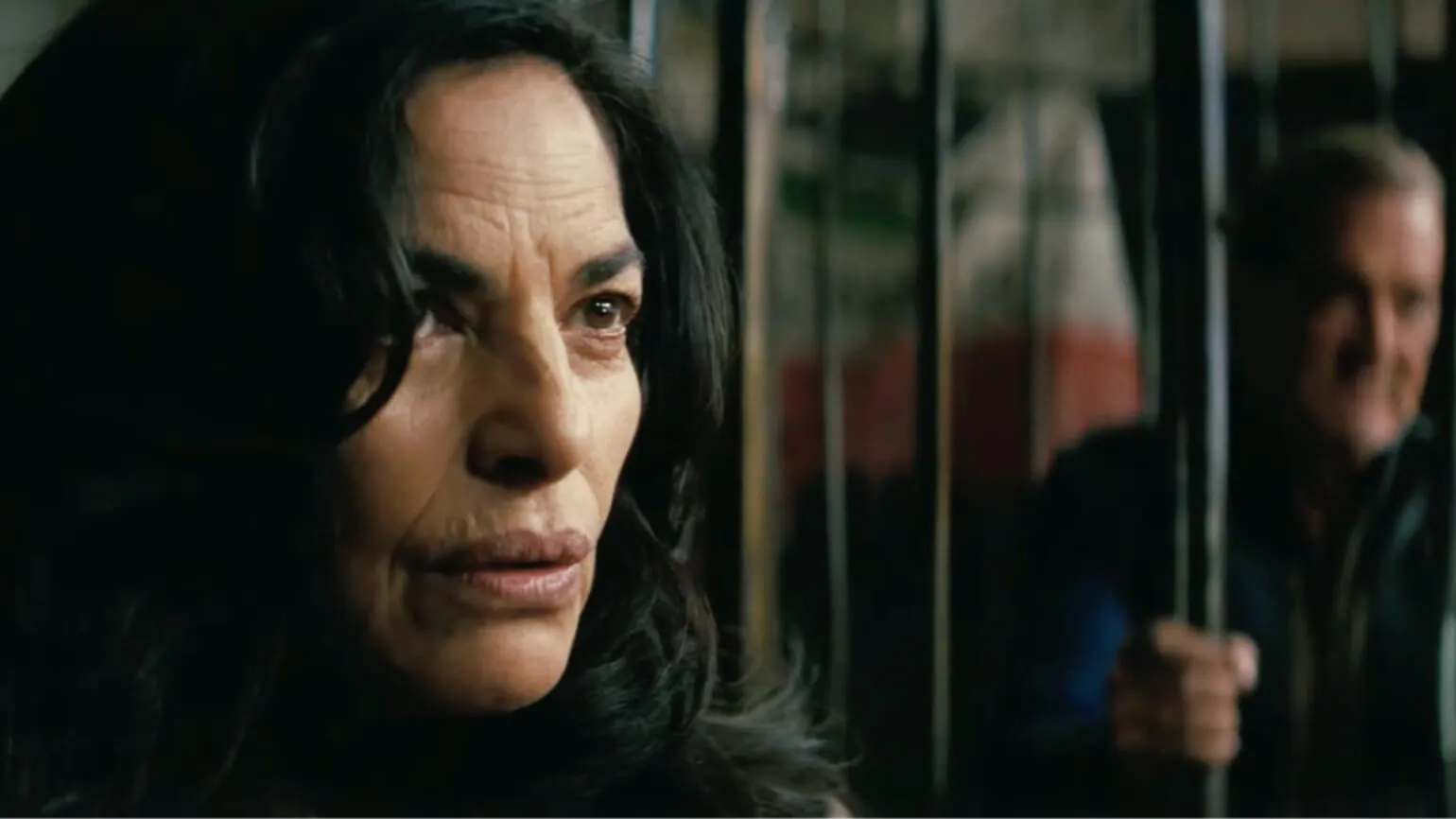
A famous phrase from the universe is heard for the first time at the meeting Fallout: "War never changes." That honor goes to Cooper Howard's wife, Barb, but it's also spoken by Ghoul himself at the episode's finale. The quote has become an iconic moment, highlighting the permanence of conflict and human nature in the Fallout world.
Lucy finds her father and confronts the season's main antagonist, Lee Moldaver. During their meeting, it becomes clear that she is a supporter of the NCR and leads the local branch of the organization. Driven by a desire to restore life to the wasteland, Lee Moldaver believes that cold fusion can provide the entire Wasteland with endless energy, allowing her ambitious plans to become a reality.
At the end of the episode, the heroine and presumably all of her supporters are killed by the Brotherhood of Steel. It seems that the organization is finished, but Todd Howard leaves a hint that viewers may still hear about the NCR. According to him, this is a significant faction that operates not only in California, which opens up opportunities for developing the plot and further events in the game world.
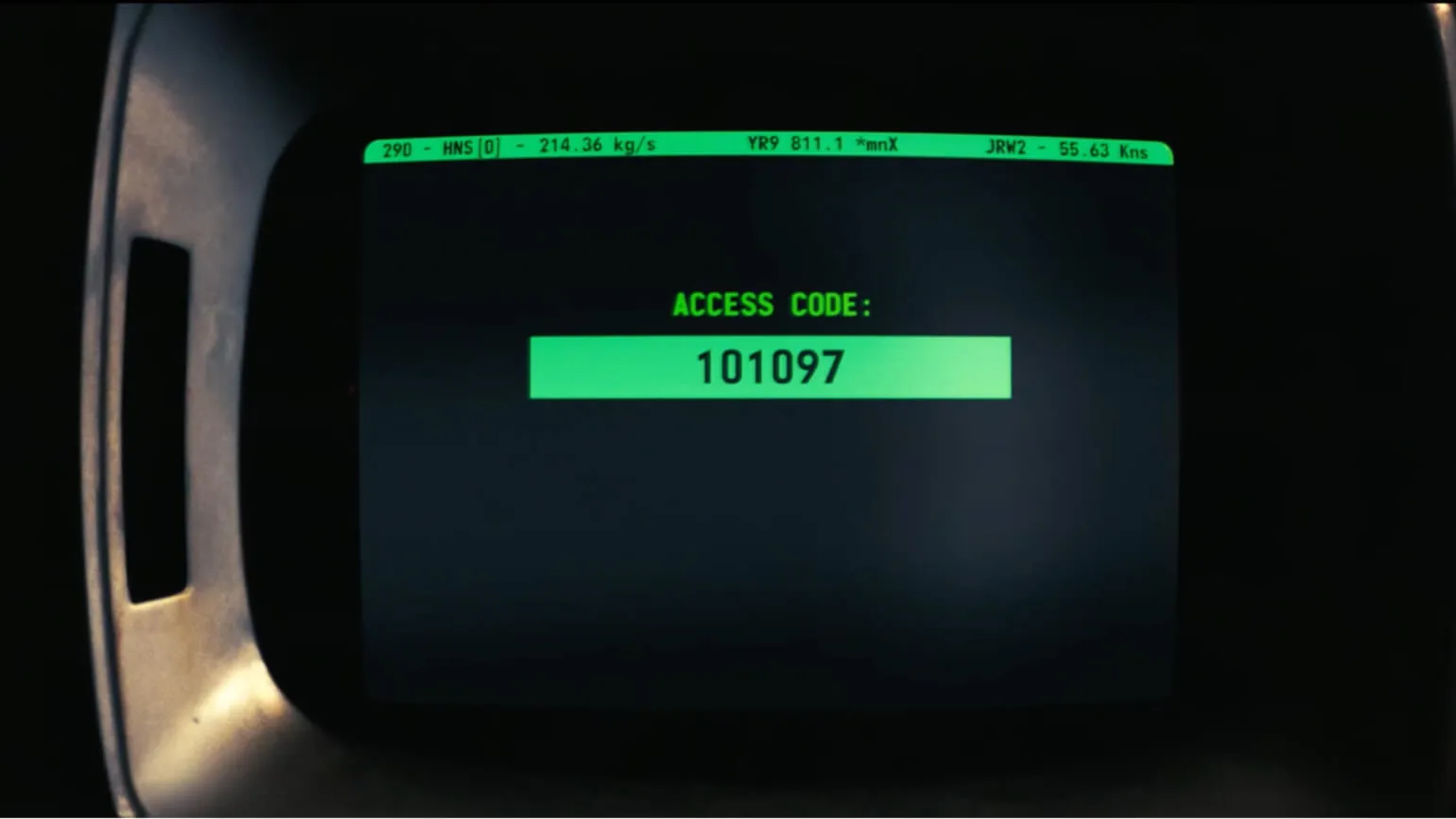
To activate the synthesis, Lucy's father enters the code 101097, which corresponds to the release date of the original Fallout game - October 10, 1997. This moment emphasizes the connection between the game and its history, adding an interesting element for fans of the franchise. The code not only serves as the key to launching the synthesis, but is also a tribute to a significant event in the world of video games.
After the grand After the final battle, Lucy and Ghoul begin their quest to find Lucy's father and his "master." Meanwhile, Hank heads to New Vegas, likely hinting at one of the key locations of the second season. The city looks rundown, and that's no coincidence. 15 years have passed since the events of New Vegas, and during this time, New Vegas could have faced various difficulties and troubles.
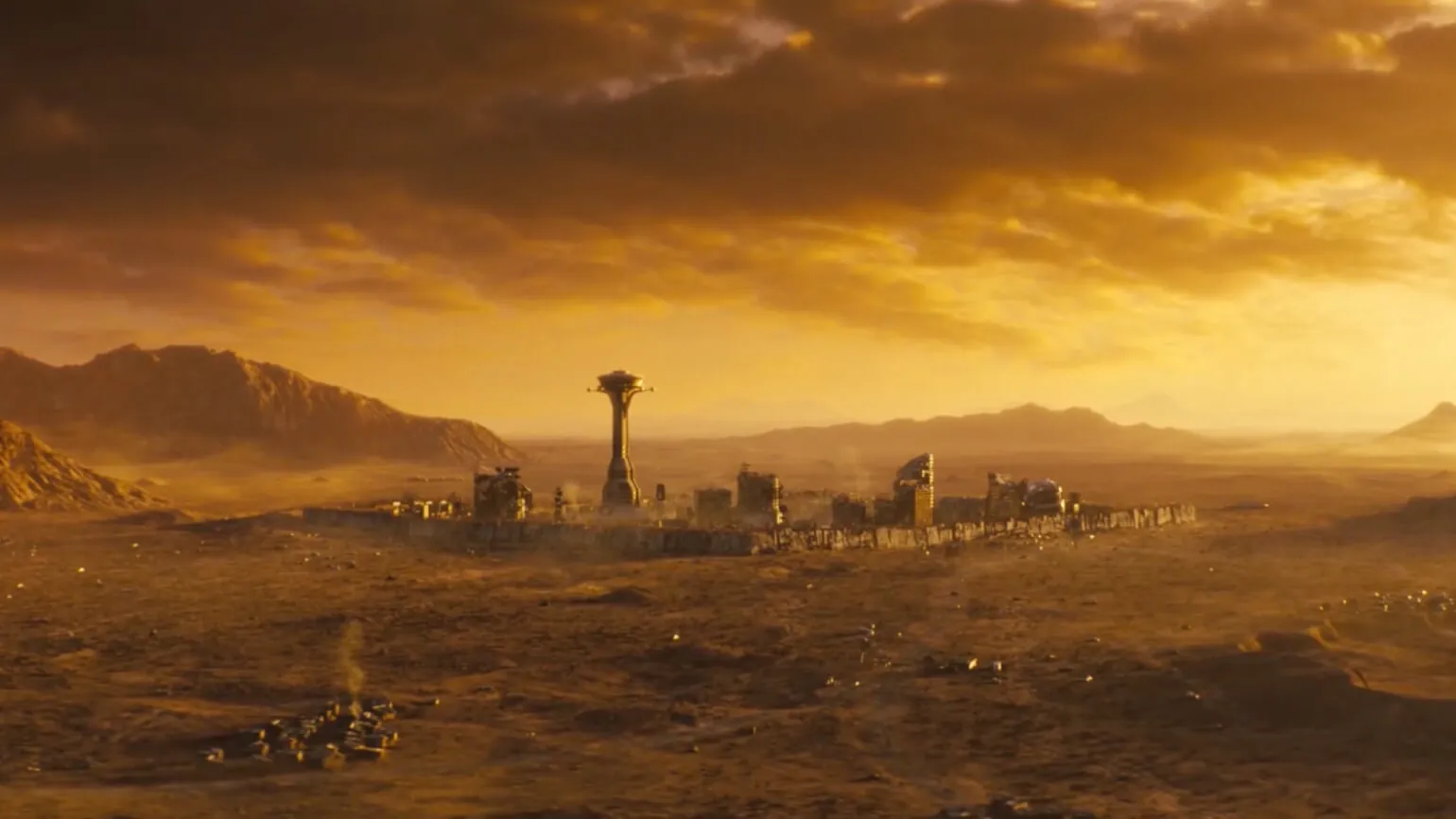
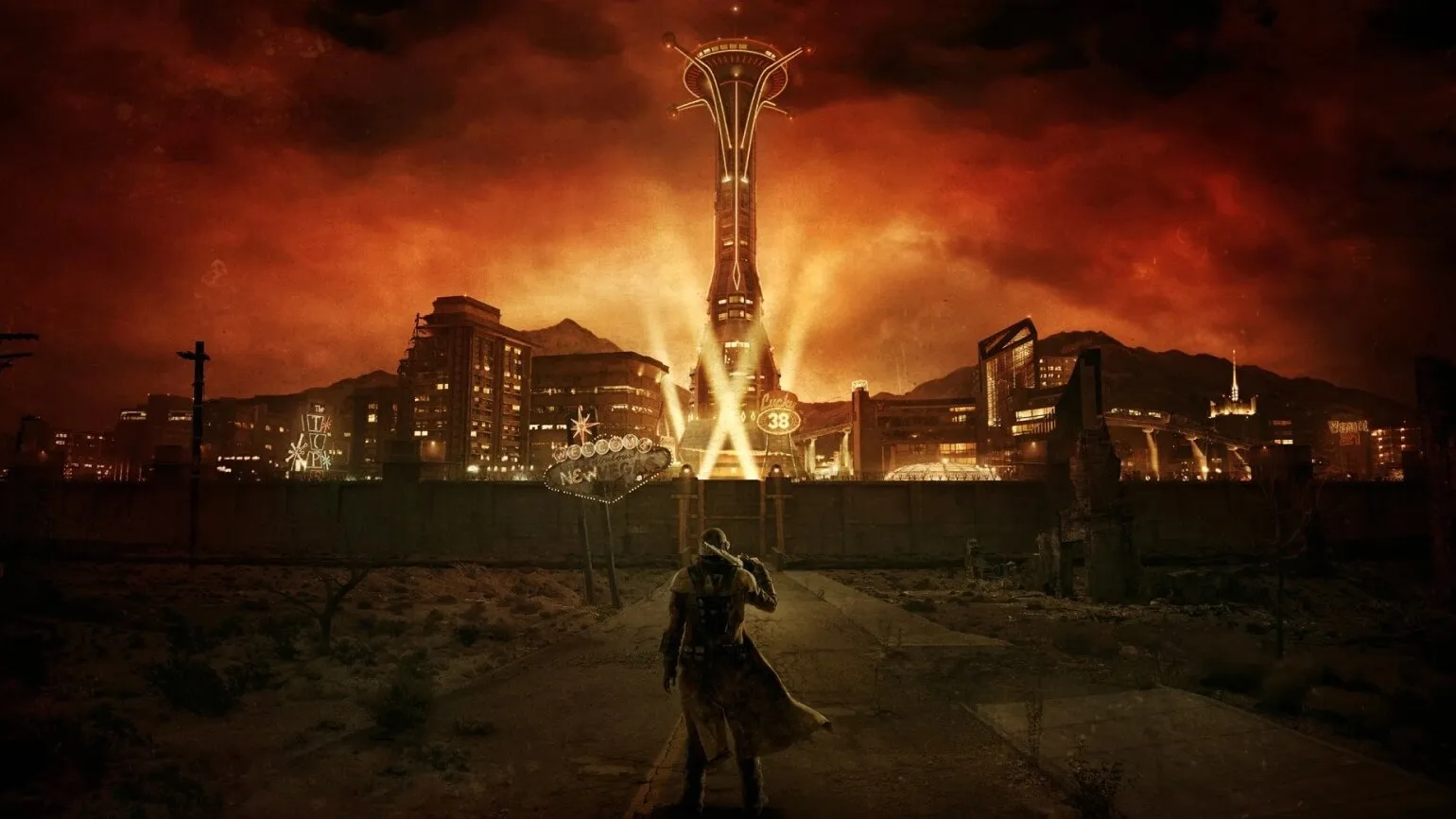
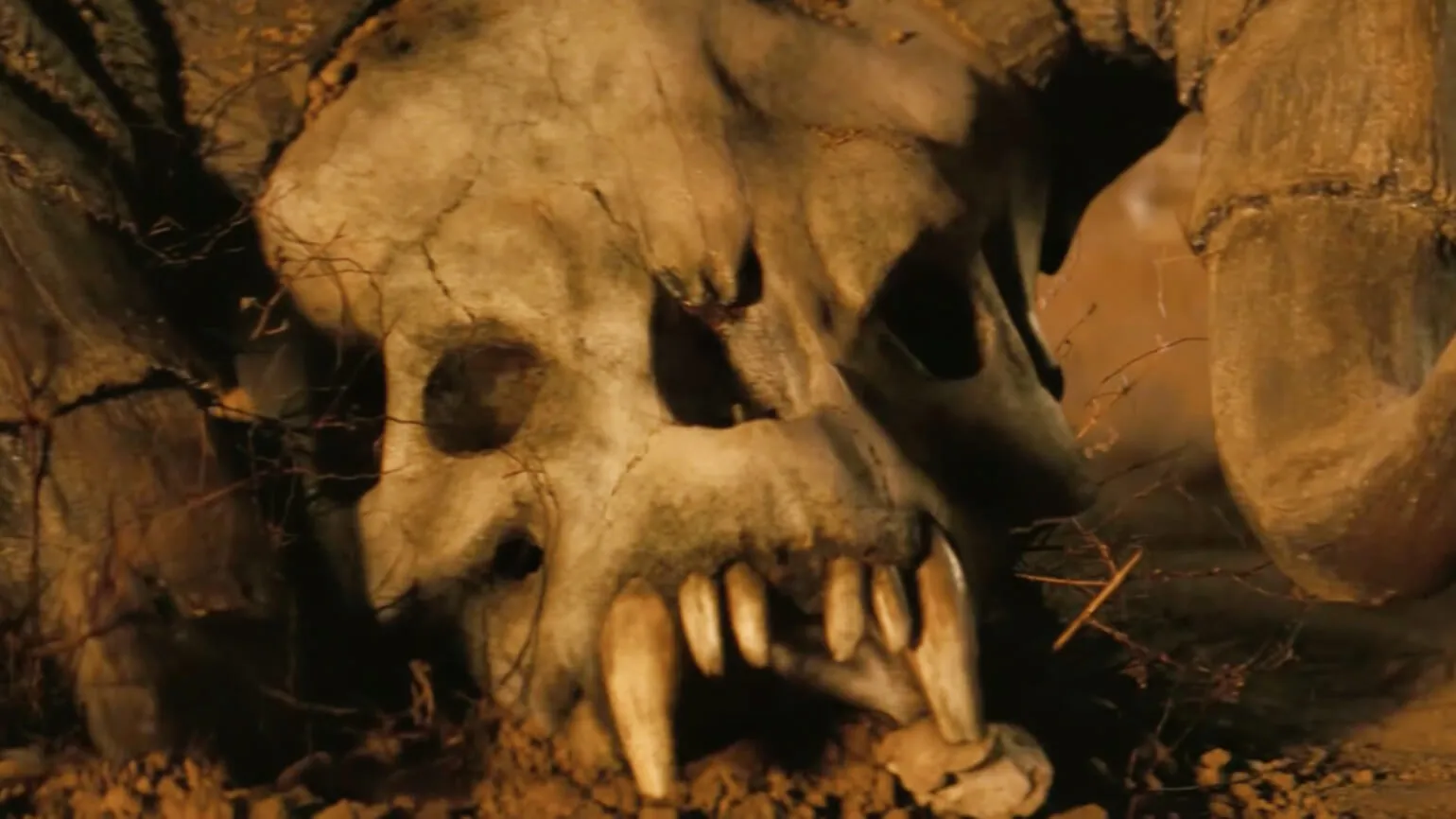
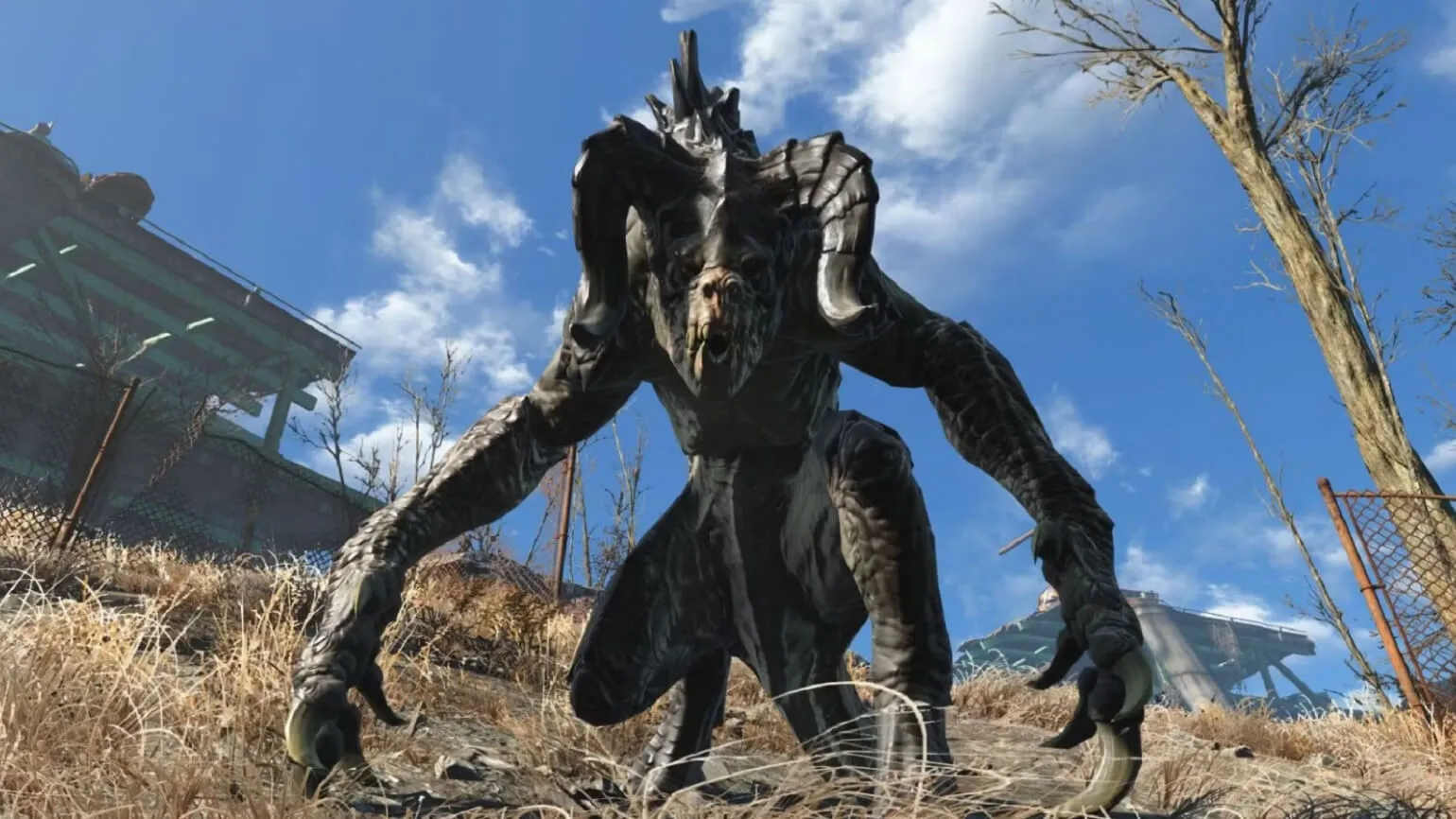
On his way, Hank encounters the skull of a Deathclaw - one of the most formidable creatures in the Fallout universe. This appearance will become a significant part of the plot of the second season, emphasizing the dangers the heroes face. The deathclaw is a symbol of the threat and unpredictability of the Fallout world, and its return promises to add tension and intrigue to the development of events.
Sorry, you have not provided the text for editing. Please insert the text you want me to rework for SEO and improve its content.
At the time of publication, Amazon announced a second season renewal for the series, which has already become one of the top three most popular projects on Prime Video by number of views. This is not surprising, given the positive reviews from critics and the enthusiastic response from both dedicated Fallout fans and viewers new to the universe. The series successfully attracts attention thanks to its high-quality adaptation and engaging storyline.
The series has significantly increased interest in games, which is reflected in a tenfold increase in online activity for each installment on Steam. Fallout 4 has once again taken a position among the top sellers in Europe. Under these circumstances, it is difficult to imagine Amazon and Bethesda not wanting to capitalize on this success. It is important to note that the next game is expected no earlier than in 8-10 years, which opens up additional opportunities to capitalize on growing audience interest.
3D Artist Profession
By taking this course, you will learn Autodesk Maya, Blender, Houdini, Substance Painter, and Photoshop From scratch to professional level. Learn 3D modeling and add more than 20 practical works to your portfolio and become a sought-after 3D artist. In a year, you will master a profession in demand in the film and gaming industries. Pictured: work by course participant Dmitry Danilov.
Find out more