Contents:

Thinking about a new profession, but don't know where to start? Find out what suits you: IT, design, game development, management or marketing. Take a free career guidance course.
Learn moreRemote recording of film music is becoming an increasingly popular practice in modern cinema. An orchestra can perform the music in a studio, while the composer controls the entire recording process online, even from a great distance. In Russia, this option has only recently begun to be widely used, opening up new horizons for collaboration between musicians and composers. Remote recording significantly reduces the time required to create musical accompaniment and expands access to talented performers located around the world.
Ten years ago, many Western orchestras were already actively using remote recording. At that time, Russian musicians had no idea about such opportunities and remained outside the online recording industry. I sought to change this situation and help our talented musicians receive the recognition they deserve. This is how Bow Tie Orchestra was born, explains composer Vladimir Podgoretsky.
Today, Bow Tie Orchestra records music for a variety of projects, including symphonic poems, oratorios, film soundtracks, and music albums. Notable films featuring Bow Tie Orchestra music include The Last Knights (2015), Scary Stories to Tell in the Dark (2019), The Werewolves Inside (2021), and The 12 Mighty Orphans (2021). This orchestra continues to make a significant contribution to the art of music, creating unique soundscapes for film and other media formats.
A Skillbox Media author attended a recording of the Bow Tie Orchestra at the Mosfilm studio and discussed with Vladimir Podgoretsky internships with famous film composers of the 21st century, as well as the opportunities and prospects for Russian musicians in the modern industry.
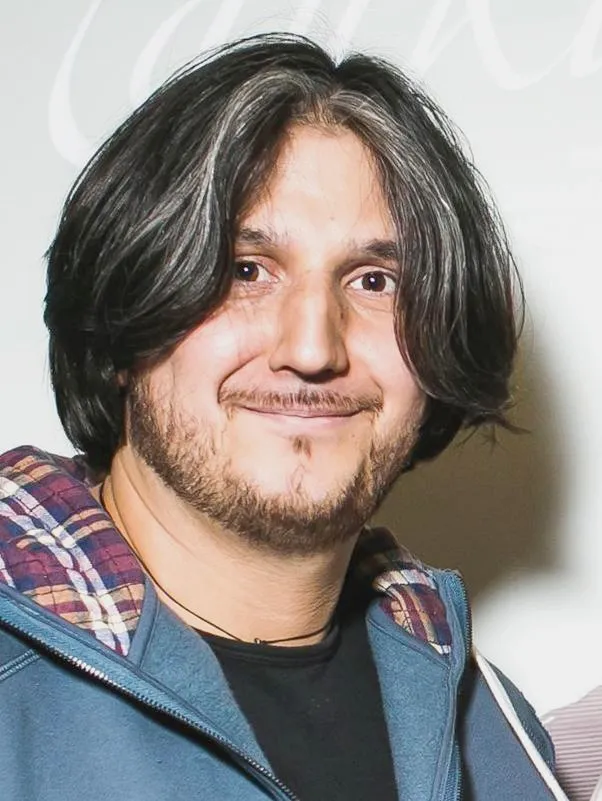
The composer and conductor of the Bow Tie Orchestra, as well as a director, has significant experience creating music for film. His work includes soundtracks for Hollywood films such as "The Eagle of the Ninth Legion," "Season of the Witch," and "The Equalizer." In Russian cinema, he has written music for films such as "The Truth Game" and "The President's Vacation," as well as for the TV series "The Commissar" and the animated series "Jingliks." His directing work includes creating six of his own films, which have been presented at prestigious international film festivals.
Vladimir shared his experience. He described how his life changed as a result of making important decisions. These changes helped him reach new heights and achieve success in various aspects of his life. He emphasized the importance of perseverance and the ability to learn from your mistakes. Vladimir also noted that the support of loved ones plays a key role in overcoming difficulties. His story is inspiring and shows how determination and perseverance can lead to positive results.
- about working with Hollywood composers;
- how conducting is like driving a car;
- how clothing affects the quality of an orchestra's performance;
- what Western composers value in working remotely with orchestras;
- how he managed to become trendy with his film about Chernobyl;
- what he considers unacceptable in art.
About working with Hollywood composers
Vladimir Podgoretsky began his musical career in the theater, where he demonstrated his talents as a composer and musician. He became the author of the first ethnomusical in Russia, Children of the Sun, which attracted the attention of viewers with its unique musical concept. He also wrote music for the ballet "Snegurochka," which was staged at the N. Sats Children's Musical Theater, demonstrating his mastery of melodies for the stage. Later, Podgoretsky expanded his horizons and entered the film industry, creating soundtracks for the TV series "The Sorcerer's Dolls" and the film "Miracles Don't Happen," demonstrating his versatility and ability to adapt to various genres. After working with films, Vladimir realized that the film industry offered far more opportunities for self-realization than theater. He decided to apply for a Fulbright scholarship, successfully won it, and went to study film music in the United States at the University of North Carolina School of the Arts (UNCSA). He then continued his education at the University of California, Los Angeles (UCLA). When Vladimir arrived in Hollywood, he was struck by how exciting and high-tech the profession of film composer was. He realized the enormous opportunities this specialization opened up in the film world.
After completing his studies in Los Angeles, Vladimir received an offer to work as an assistant at Remote Control Productions, founded by Hans Zimmer, the composer of renowned soundtracks for films such as Pirates of the Caribbean, Interstellar, Dune, and many others. This work opened up opportunities for Vladimir to collaborate with various renowned composers, significantly enriching his experience in the music industry.
Remote Control Productions is an outstanding studio that creates music for the very best Hollywood projects. I worked as an assistant to the composers, observing their creative process and learning from them. It was an incredibly interesting and rewarding experience, one that could have turned even a fly sitting on the wall of Hans Zimmer's studio into a professional film composer, Vladimir shares. During my career, I collaborated with such masters as Harry Gregson-Williams, Abel Korzeniowski, Nathan Furst, Neil Acree, and Conrad Pope. I also became friends with Atli Ervarsson and assisted him in creating music for the films "Witch Hunters" and "One Shot." We continue to keep in touch, and I'm sure we have many more joint projects ahead.
Vladimir, having accumulated valuable experience and knowledge in the United States, returned to Russia with a new idea. He decided to create a platform to introduce Western composers to Russian musicians, which would allow them to record music for American films remotely. This initiative opens up new opportunities for collaboration and expands horizons for both Russian performers and international composers.
How the orchestra records: a report from the Mosfilm studio
On April 11, Vladimir and the orchestra recorded music for an American composer's project at Mosfilm's Tonstudio. This work highlights Vladimir's high level of professionalism and creative approach, who successfully collaborates with international musicians. The recording took place in the unique atmosphere of the studio, renowned for its high-quality sound and modern equipment. Projects such as these promote the exchange of cultural traditions and expand the horizons of musical creativity.
"We have a lot of work to do today, but we're desperately short on time. This will be a real challenge," Vladimir shares his thoughts before the rehearsal begins. Despite the conductor's concerns, the musicians remain focused—they confidently take their places, calmly tune their instruments, and repeat the notes. This atmosphere of professionalism and focus creates the right mood for productive work. The orchestra is ready for the challenges that lie ahead.
The pianist shares her thoughts on the upcoming opening event: "We're not nervous and we're not rushing." Vladimir and I have already recorded many musical compositions for various films, so our meetings have become habitual and are perceived as something ordinary."
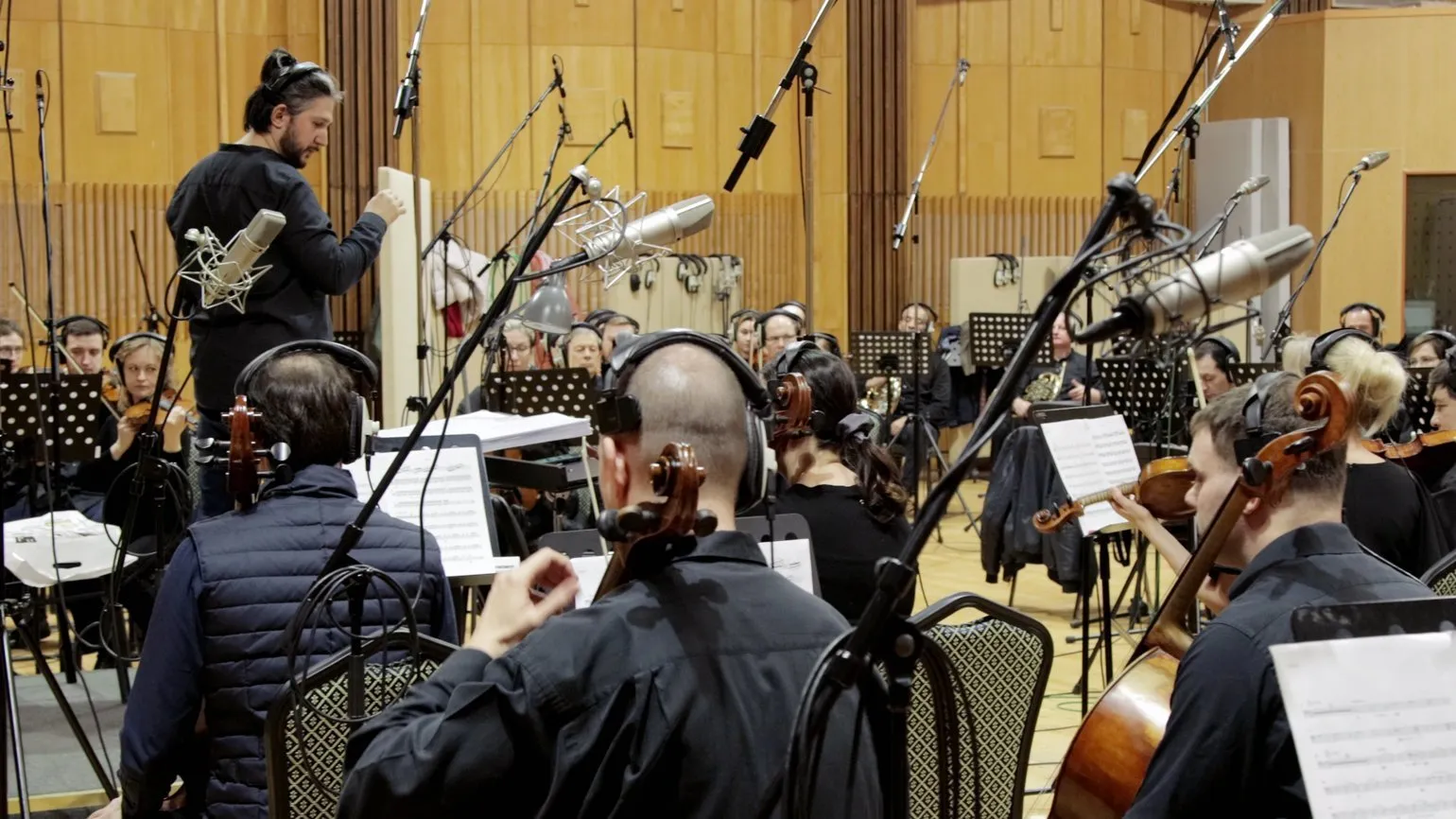
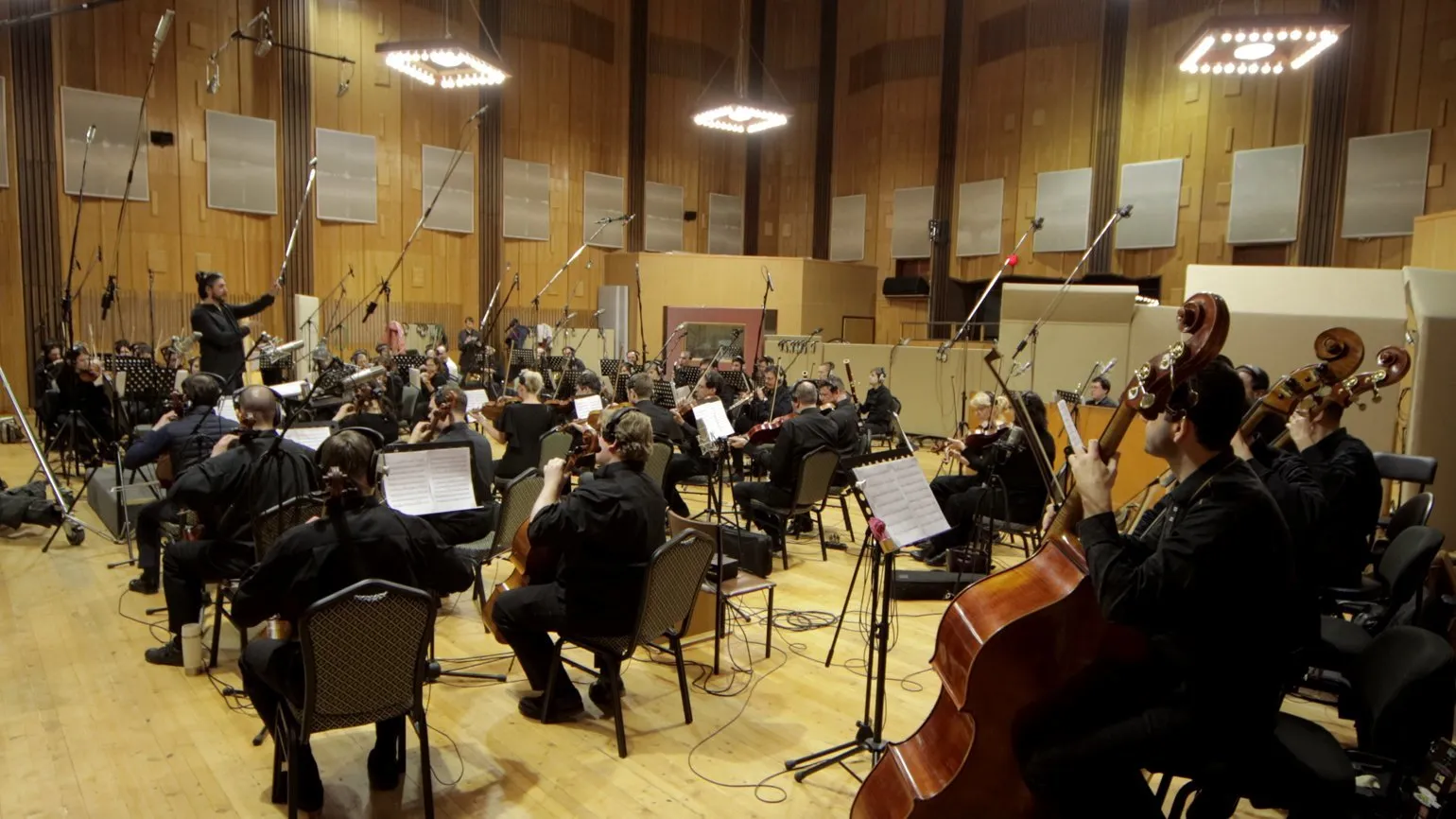
The Bow Tie Orchestra consists of 70 musicians. This is no ordinary concert group, as Vladimir assembles it several times a month to record new music. Each time, a unique sound is created, allowing for experimentation with various styles and genres.
Vladimir notes that he has been collaborating with the same musicians for many years, allowing them to understand each other perfectly. This rapport is essential for the high quality of the recordings. The musicians who make up his orchestra are true virtuosos and represent some of the best specialists in Russia. This experience and professionalism create a unique atmosphere for the creative process and contribute to achieving high results in the music industry.
In the studio, Vladimir communicates naturally with the orchestra members, joking and creating a friendly atmosphere. However, as soon as recording begins, all conversation ceases. The musicians put on headphones with a click track and focus on the work at hand. The conductor places the score—an impressive volume of notes—in front of him and announces the recording.
Initially, instruments such as violins, trombones, violas, drums, xylophones, piano, and harp play one at a time, then simultaneously. The sound is recorded by microphones positioned near the musicians on high stands. Vladimir coordinates the musical process with the composer via video link in fluent English. The work is proceeding successfully: the client is satisfied, only occasionally requesting minor changes.
After an hour and a half, Vladimir calls a break. The musicians quickly leave the studio, leaving it empty. The viola player smiles and remarks that everyone is heading to the buffet for hot pies. However, Vladimir has no time to rest - after intensive recording, he heads to the production room to discuss the recorded music with the sound engineer.
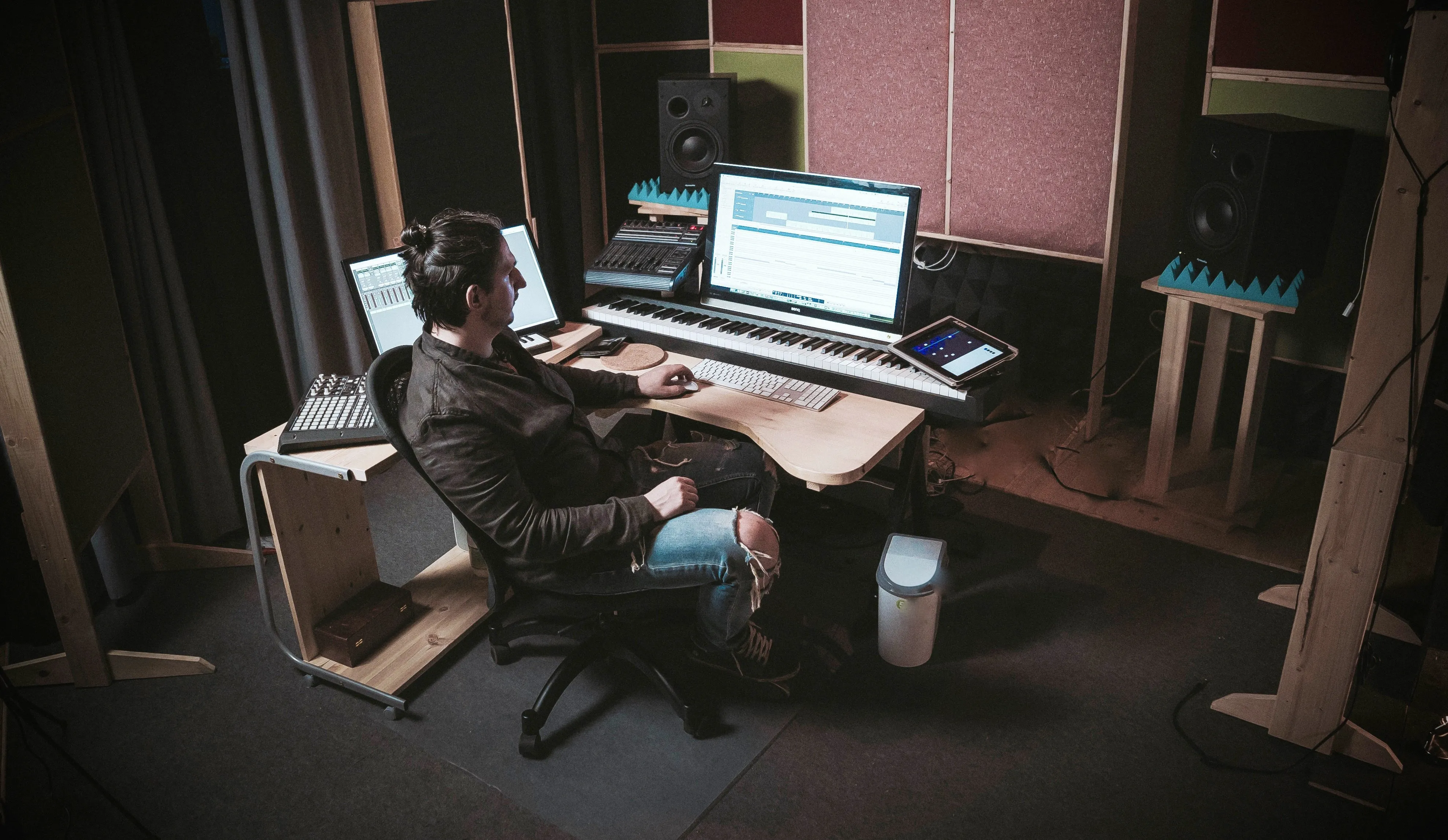
The music recording continues for several hours. During the process, Vladimir initially frequently stops the musicians to make adjustments, but towards the end of the session, his intervention becomes minimal.
The musicians need time to fully immerse themselves in the music. Conducting an orchestra can be compared to driving a car. Initially, it takes time to accelerate, but then the process becomes more natural, with the conductor merely indicating the direction in which to move. This requires not only skill but also a deep understanding of the musical work and interaction with the musicians. Every conductor must be able to sense the dynamics and emotions of the music in order to create a harmonious orchestral sound.
Vladimir finishes the recording and applauds the musicians. The conductor notes that the session was a success, and the client has no complaints about the recorded material.
After the recording is complete, the orchestra members leave the studio. Vladimir remains in the production room to discuss key moments with the composer and provide final instructions to the sound engineer. This is an important stage that requires a careful approach to ensure the high quality of the final sound.
"The Choir of Squeaky Chairs": How to Ruin a Recording Worth Tens of Thousands of Dollars
Despite being tired after a long and intense recording session, Vladimir agreed to an interview. In the cozy atmosphere of the studio, we discussed the achievements of the Bow Tie Orchestra, his directorial career, and ambitious plans for the future.
The main goal of your orchestra was to popularize Russian musicians. How do you assess the results achieved in this area?
Foreign composers have the opportunity to record music in any studio in the world via the internet. The fact that we are on their radar is a significant achievement. We had the pleasure of collaborating with Neil Acree on one of his projects, and also worked with Marco Beltrami on the film "Scary Stories to Tell in the Dark". Our experience includes collaborations with other outstanding composers, and I am proud of every recording we have created.
So, you don't choose the composers you collaborate with, but rather composers choose you?
Our orchestra provides a full range of music production services, including orchestral arranging, recording, and mixing. Under pressure from tight deadlines, composers strive to quickly create music for their projects without leaving their studios in Los Angeles or London. Therefore, for many years, orchestras around the world have offered remote recording services, allowing for the efficient and timely implementation of musical ideas.
Competition in the recording market is increasing. Contemporary composers have the opportunity to send recording orders to various countries, such as Iceland, the Czech Republic, and Australia. In this context, we strive to stand out through the high professionalism and quality of our services. Composers note that the sound quality provided by our studio significantly exceeds that of many European studios, confirming our reputation on the international stage. We are focused on creating unique musical works that meet the highest standards.
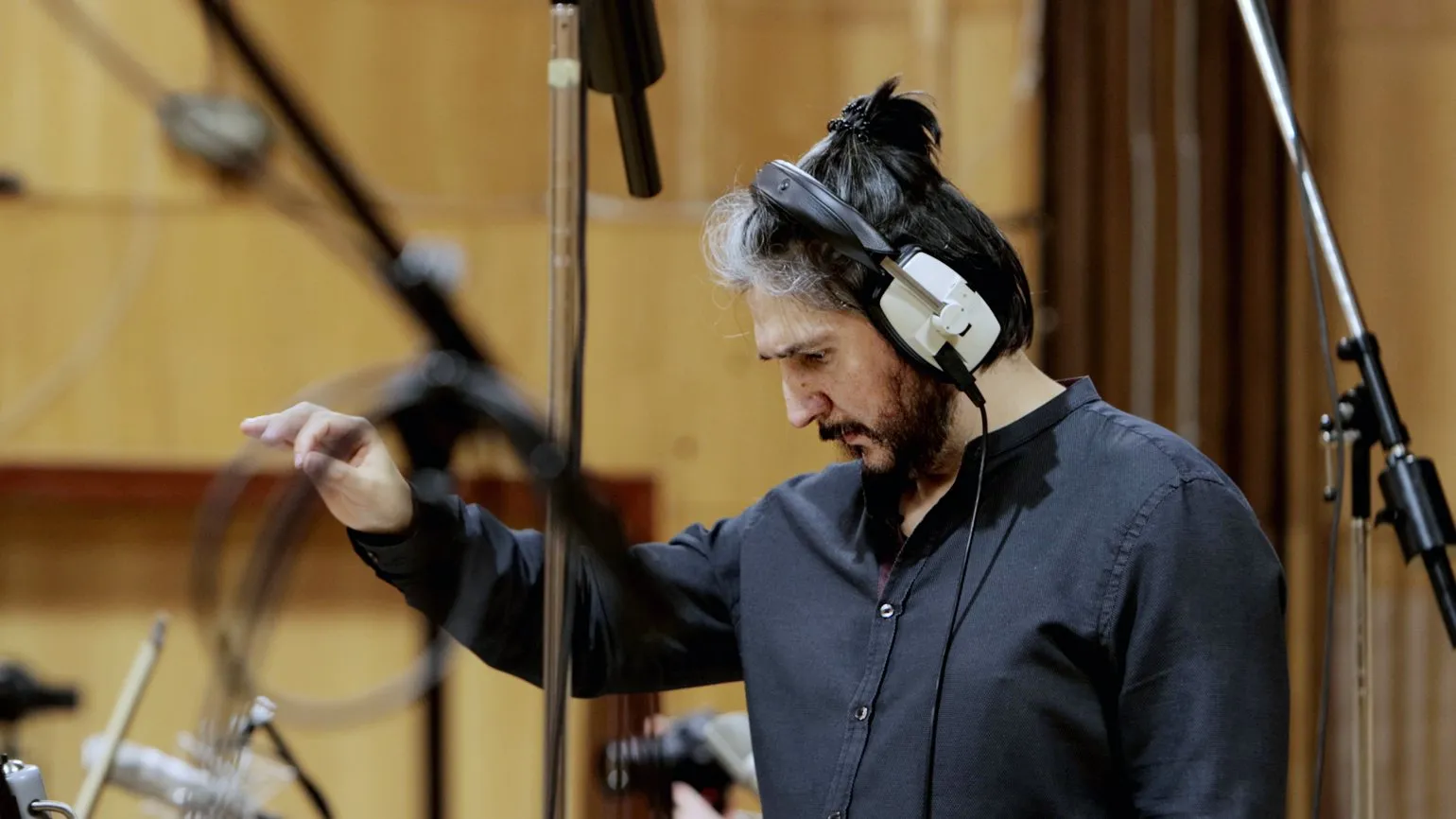
Despite the high quality of the studio and the professionalism of the musicians, the lack of clear production organization can become a serious obstacle for composers to contact us. Every detail matters. For example, in one case, Mosfilm invested in $6,000 worth of microphones for the studio, but failed to upgrade the musicians' chairs. As a result, instead of clear sound, the high-quality equipment recorded the noise of creaking chairs, which cost only 300 rubles. When I brought this problem to my attention, the furniture was replaced promptly, for which I would like to express my gratitude to the studio's director, Tatyana Balter. This experience underscores the importance of considering all aspects for the studio's success, including the musicians' comfort, which directly impacts the quality of the recording.
The name "Bow Tie Orchestra" is translated from English as "Bow Tie Orchestra." We chose this name to highlight the uniqueness and style of our group. The bow tie is associated with elegance and sophistication, reflecting our musical philosophy and our desire to create high-quality and memorable music. This name also symbolizes our ability to explore a wide range of musical genres and styles.
Bow Tie is a bow tie that symbolizes concert attire. We chose this name to emphasize our commitment to stylish and professional attire for music recording. Our team always dresses in concert attire, reflecting our love of music and our desire to create high-quality sound.
Over the years, I've noticed that the musicians' choice of attire during recording has a significant impact on the quality of the work. When performers arrive in tracksuits and T-shirts, this often leads to low productivity and a lack of proper spirit. Conversely, if they dress in concert attire, it not only changes their attitude toward the process but also contributes to a higher-quality performance. Clothing that matches the spirit of the performance helps musicians get into the right frame of mind and unleash their creative potential.
We capture most of our recordings on video. Musicians dressed in the proper dress code look very harmonious on camera.
Western composers have a number of basic requirements for music recordings, including high sound quality, precision performance, and a professional approach to production. The quality of the recording must ensure clarity and detail, allowing listeners to grasp every nuance of the musical work. The performance must correspond to the composer's intent, which requires careful rehearsal and preparation of the musicians. Furthermore, the choice of studio and recording equipment is an important aspect, directly affecting the final result. Composers also value a creative approach to arrangement and the use of technology, which can enhance the sound and atmosphere of the work. Compliance with all these requirements contributes to the creation of high-quality musical productions capable of attracting the attention of listeners and critics.
Western composers demand precise and coordinated work. They provide project information and sheet music, expecting us to arrange, orchestrate, and record within the established deadlines. Our goal is to deliver high-quality work on time. For example, today it was necessary to record over 30 minutes of music in just four hours.
For successful recording of musical works, it is essential to adhere to international quality standards. A composer will not begin work on the next piece until he is confident that the previous one has been perfectly performed. Furthermore, it is essential to strictly adhere to the established schedule: if a composer allocates four hours for recording, these hours must be used as efficiently as possible. Technical failures, musicians' late arrivals, and errors in notation can become serious obstacles, so it is important to warn about possible problems in advance to avoid delays and ensure a high-quality result.
Western composers demand impeccable work, fast music recording, and high-quality sound. This attitude shapes our reputation and becomes our calling card. Thanks to this, clients return to us again, trusting us to realize their musical projects. We strive for perfection in every recording, which allows us to remain competitive in the market.
Sanctions may impact the number of music recording orders. In a climate of economic instability, many companies are cutting their budgets, which may lead to a decrease in demand for music services. However, professional musicians and studios can adapt by offering new formats and collaborating with clients. It is important to remain flexible and find alternative ways to attract clients in a changing market.
Forecasting in the current environment is significantly challenging. However, we will not remain inactive. At the very least, composers with whom I have established long-term working relationships will continue to collaborate with me.
On the success of your debut film, Chernobyl, and the main task of art
You decided to try your hand at the film industry. What prompted this choice?
Having worked in film post-production for many years, I always aspired to create films based on my own scripts. In the United States, I attended lectures on filmmaking, which strengthened my passion for this art. Returning to Russia, I completed my studies at the Higher Courses for Scriptwriters and Directors, which opened new horizons for me in the world of cinema. My goal is to create high-quality films that can touch audiences and leave them with a thought about the importance of art.
Your debut film, Not Mine, has collected over three million views on streaming platforms. Did you expect such success?
Unexpected. For the Russian-speaking segment, three million is a significant figure. In the film "Not Mine," I sought to explore the themes of nostalgia for first love, the inner loneliness of thirty-year-olds, and the search for a kindred spirit among a crowd. I am pleased to know that my thoughts have resonated with millions of viewers.
I screened the film out of competition at the HollyShorts Film Festival, which takes place during the Oscars. It was then accepted into competition at the Miami Short Film Festival. This experience proved important and inspiring, giving me additional impetus for my future work.
You created the film "Terra visionis", dedicated to the Chernobyl tragedy, which also became a successful project. What prompted you to turn to this topic?
I visited Kyiv and decided to stop by the Chernobyl Museum. There I saw videos of young liquidators who worked at the site of the reactor explosion. These 20-30-year-old guys enthusiastically spoke about high salaries, delicious food, and were happy with a bottle of vodka offered to them during lunch. However, the most terrifying thing is that they didn't realize that their health was at risk and their fate was already predetermined.
I left the museum deeply moved and decided to make a film about the people connected to the Chernobyl tragedy. This disaster destroyed countless lives, about whom we know virtually nothing. The Chernobyl liquidators were virtually forgotten, and only thanks to the TV series "Chernobyl" did most people learn anything about them. It is important to remember their heroism and sacrifice to preserve the memory of those who fought the consequences of this disaster.
I read Svetlana Alexievich's book "Chernobyl Prayer: Chronicle of the Future," which tells the story of Lyudmila Ignatenko, the wife of a firefighter who extinguished the fire in the first hours after the accident. This firefighter, unfortunately, later died in terrible agony. The theme of human loneliness in the face of tragedy deeply touched me. I tried to convey my feelings in the film "Terra visionis." Interestingly, my film was completed in 2018, and subsequently the HBO series Chernobyl was released, allowing my project to find a more current context.
We are currently actively working on a new film, which promises to be an interesting and exciting project. This film combines elements of drama and thriller, which makes it unique in its genre. We strive to create a story that will not only be captivating, but will also make viewers think about important life issues. A talented team of professionals is involved in the project, and we are confident that the result will exceed audience expectations.
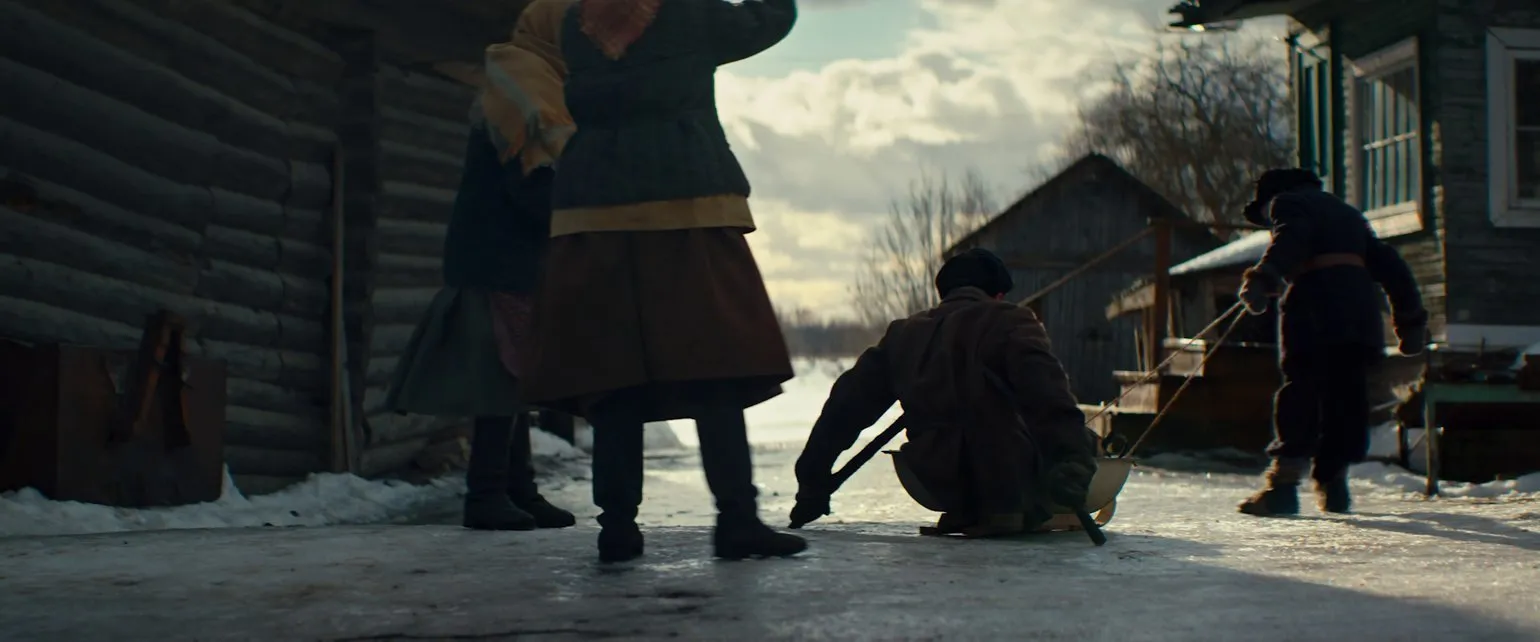
I shot the film "Soviet Man", the action of which takes place in 1949. The main character, a legless war invalid, returns to his native village and strives to start a new life. However, his disability brings many problems to his family members. In the context of post-war poverty and near-starvation, people become callous and indifferent to the suffering of others. The film explores themes of human resilience, social isolation, and moral responsibility in difficult times.
Despite difficult trials, the protagonist retains his humanity and sincerely believes that all suffering has meaning, and the bright future of communism will soon arrive. But the question arises: does society need people with disabilities in this bright future? In my film, I offer an answer to this important question, exploring themes of human resilience and social justice.
Unfortunately, people with disabilities were hardly represented in post-war cinema, despite the fact that approximately 10 million disabled people returned after the war. Even on advertising posters, their presence was almost absent. This tragedy of hundreds of thousands of people went unnoticed, and popular culture focused exclusively on the images of heroic victorious soldiers. Armless and legless soldiers found themselves in the shadows of society, often leading a vagabond lifestyle or, at best, relying on the support of their families. This situation highlights the need for a deeper understanding of the role of people with disabilities in society and their representation in culture.
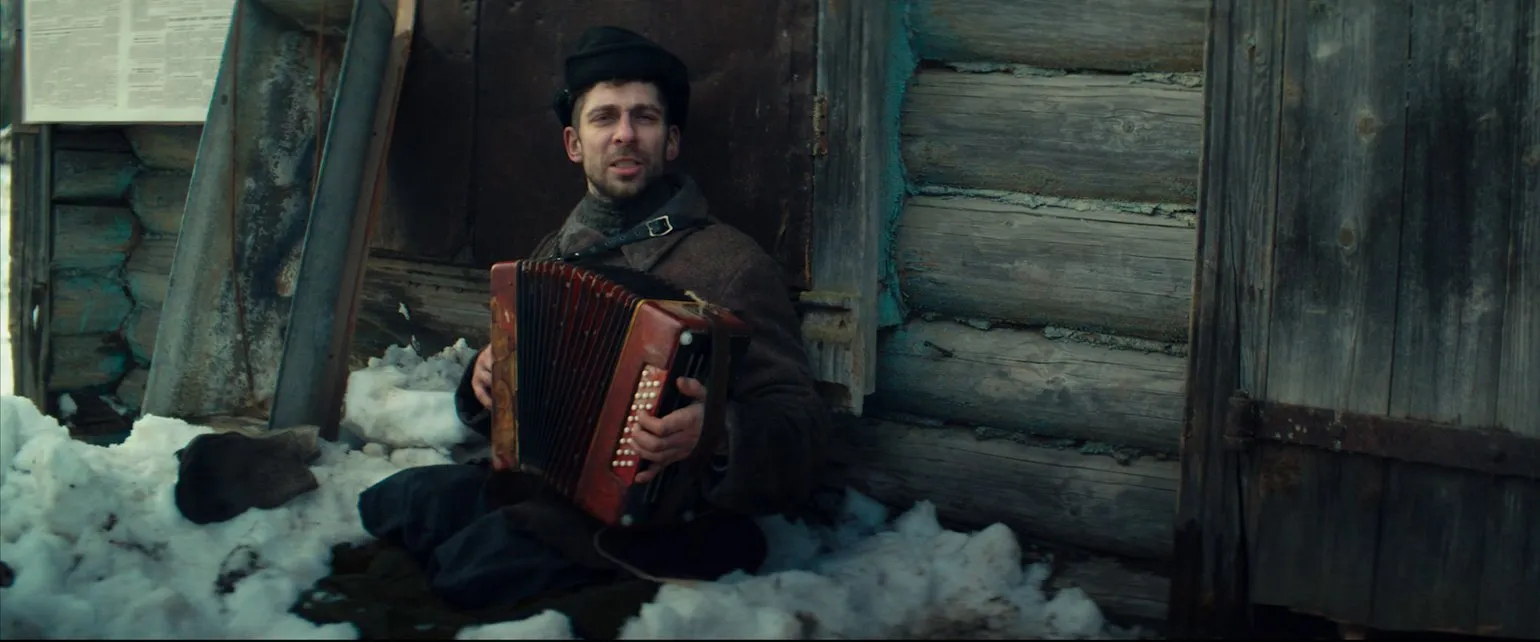
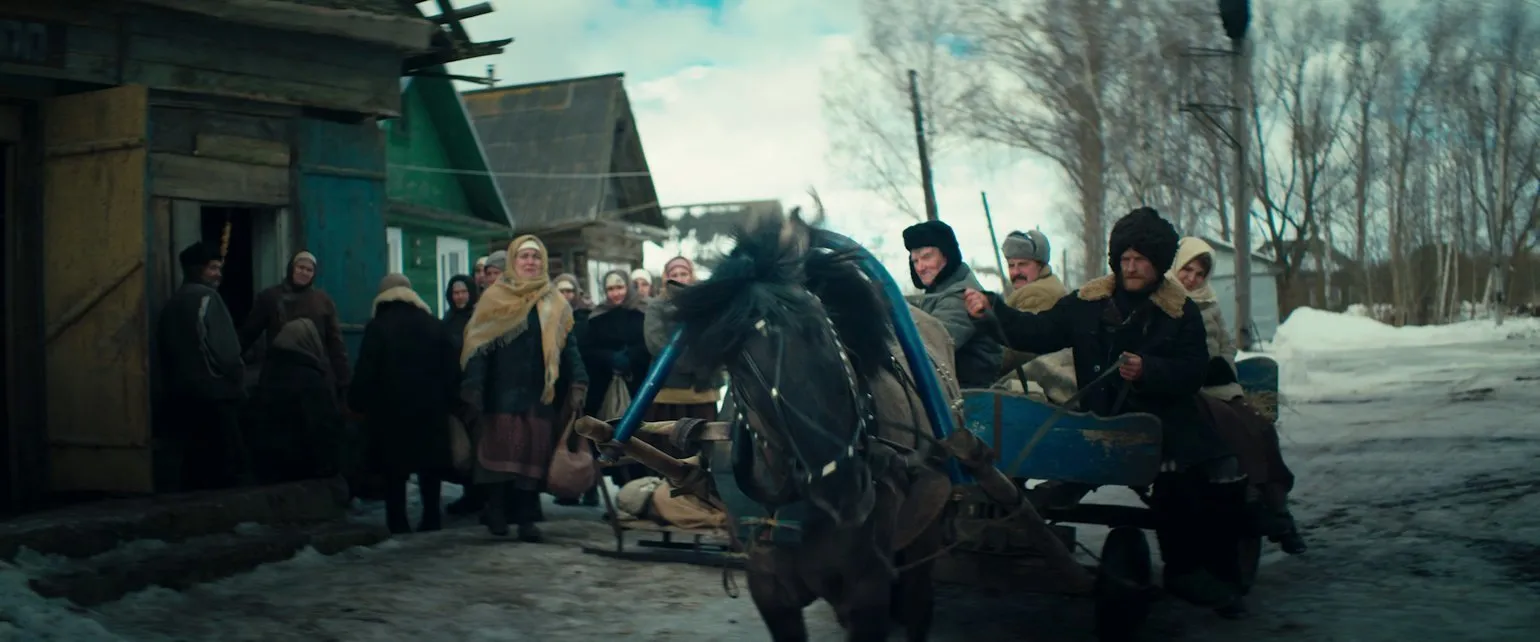
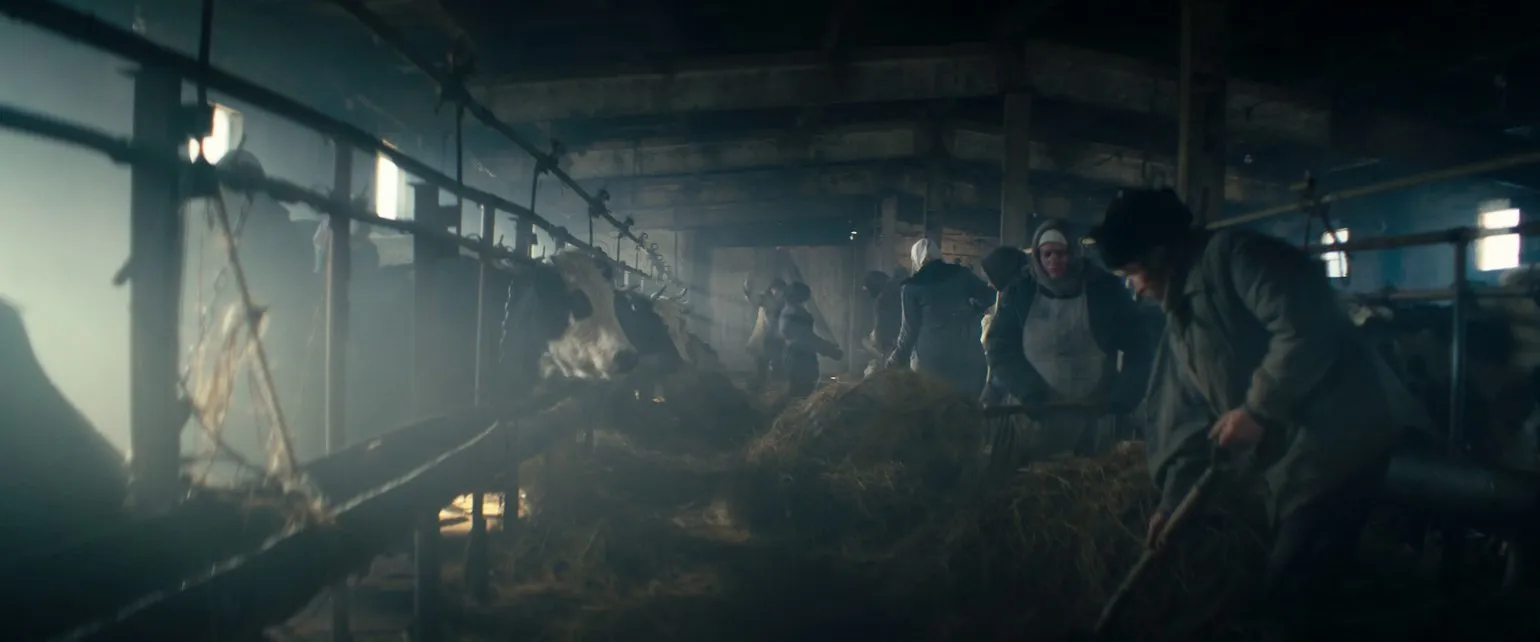
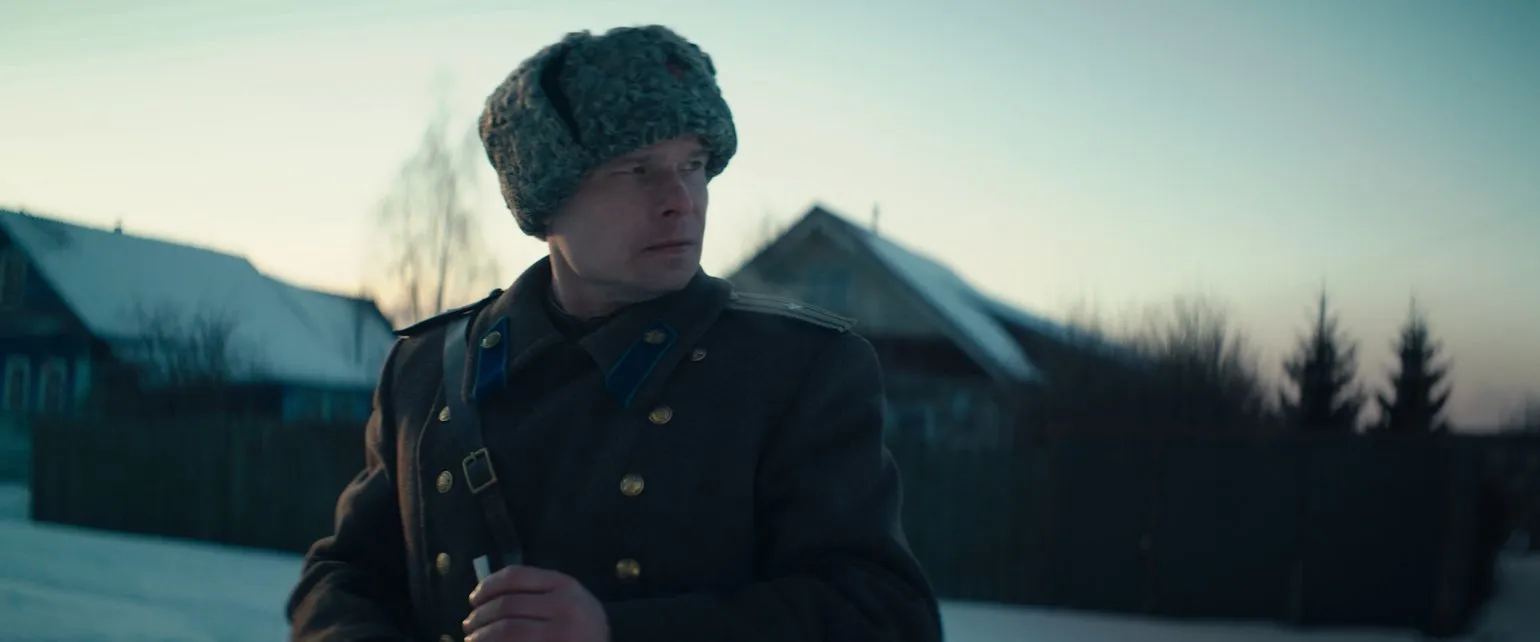
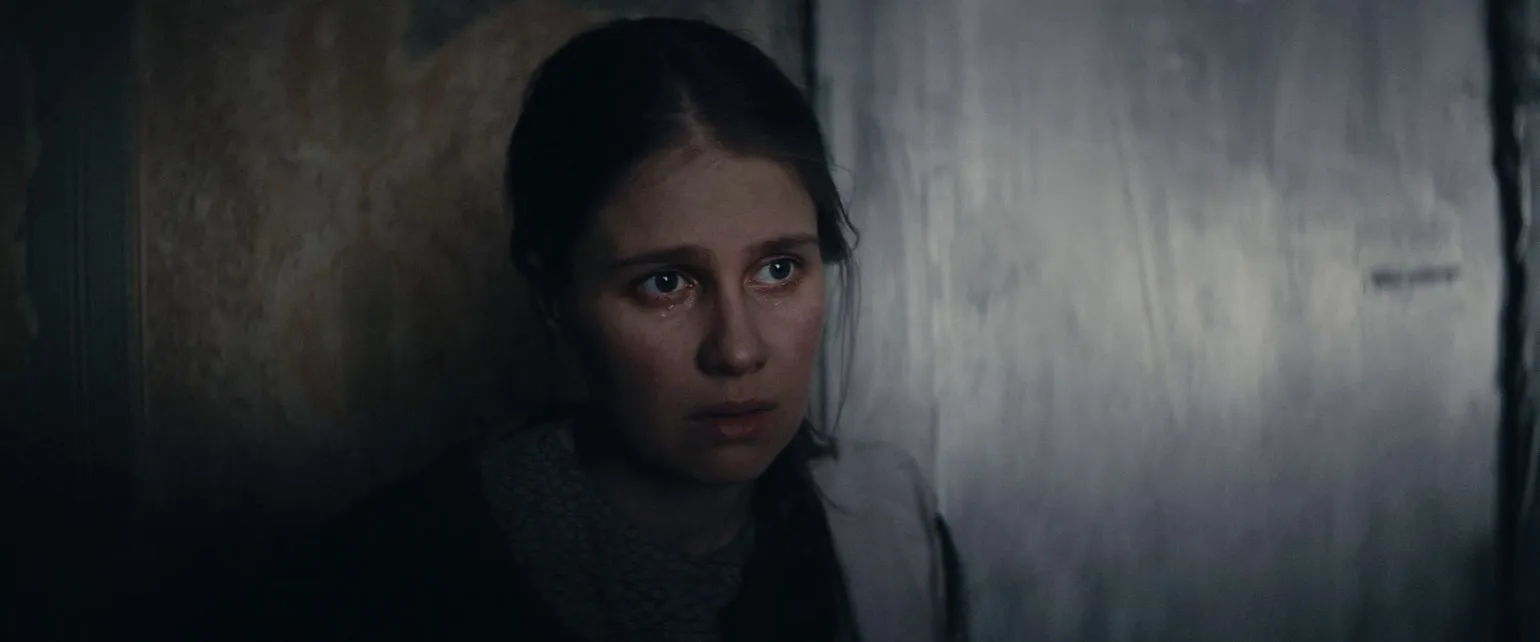
Ingratitude towards people who gave everything for the future of their children corrodes the foundations of our society. I'm talking not only about the disabled, but also about entire generations of grandfathers and fathers who are forced to live out their lives in poverty. In my film, I aimed to draw attention to this issue and show how important it is to appreciate the sacrifices made by previous generations for our well-being. Our task is not to forget those who gave everything for us and to do everything possible to change the situation for the better.
Thank you for your well-wishes. For me, the most important things in music and cinema are emotions and the ability to convey deep meanings. Understanding and perceiving a work of art can greatly influence people's lives. Music and cinema have the power to connect people, awaken feelings, and make them think about important issues. This is their true value.
I strive to ensure that film viewers and music listeners experience vivid emotions and empathize with the characters. Indifference is destructive to art. The more a work evokes a variety of emotions and sensations, the greater its value and impact on the audience. Art should inspire, provoke thought, and leave a mark on the soul.
I strive for viewers to experience the same emotions I feel when creating my works. Sincerity is essential for this. True art has no place for lies or pretense, as any falsehood devalues the meaning of creativity. Art must be honest and open to establish a deep connection with the audience.
Free career guidance
Take a short test and find out which profession is right for you, and then try your hand at your chosen specialty. At the end of the course, you will have a session with a career guidance specialist. It will help you decide on your career path.
Find out more