Contents:

Thinking about a new profession, but don't know where to start? Find out what's right for you: IT, design, game development, management, or marketing. Take a free career counseling course.
Learn moreChildren who are victims of abuse or observe it may begin to perceive violence in relationships as normal. They may believe that inflicting pain is a common way to resolve conflicts. As adults, such children often repeat these behavior patterns in their own families, which contributes to the continuation of the cycle of abusive behavior. Understanding this phenomenon is important for preventing violence and creating healthy relationships in the future.
The series "I Know Who Killed You," available on the Wink streaming service, raises the important topic of the cycle of violence. In this article, we will analyze in detail how violence begets more violence, and also examine key plot points and their impact on perceptions of this problem. We'll discuss the characters, their motivations, and the consequences of their actions, which will provide a deeper understanding of how violence can impact society as a whole.
- the plot of the new detective thriller;
- the acting;
- the creators' nostalgia for the 1990s and 2000s;
- the social significance of the series;
- its shortcomings;
- the ambiguous message conveyed by the creators.
Subscribe to the "How Are You?" Telegram channel. In this channel, our colleagues discuss topics of psychology and self-development with a sincere approach and a scientific basis. Every weekend, we'll share relevant film and music selections there, making your time more interesting and fulfilling. Join our community to receive helpful tips and recommendations for personal growth.
What's the series about?
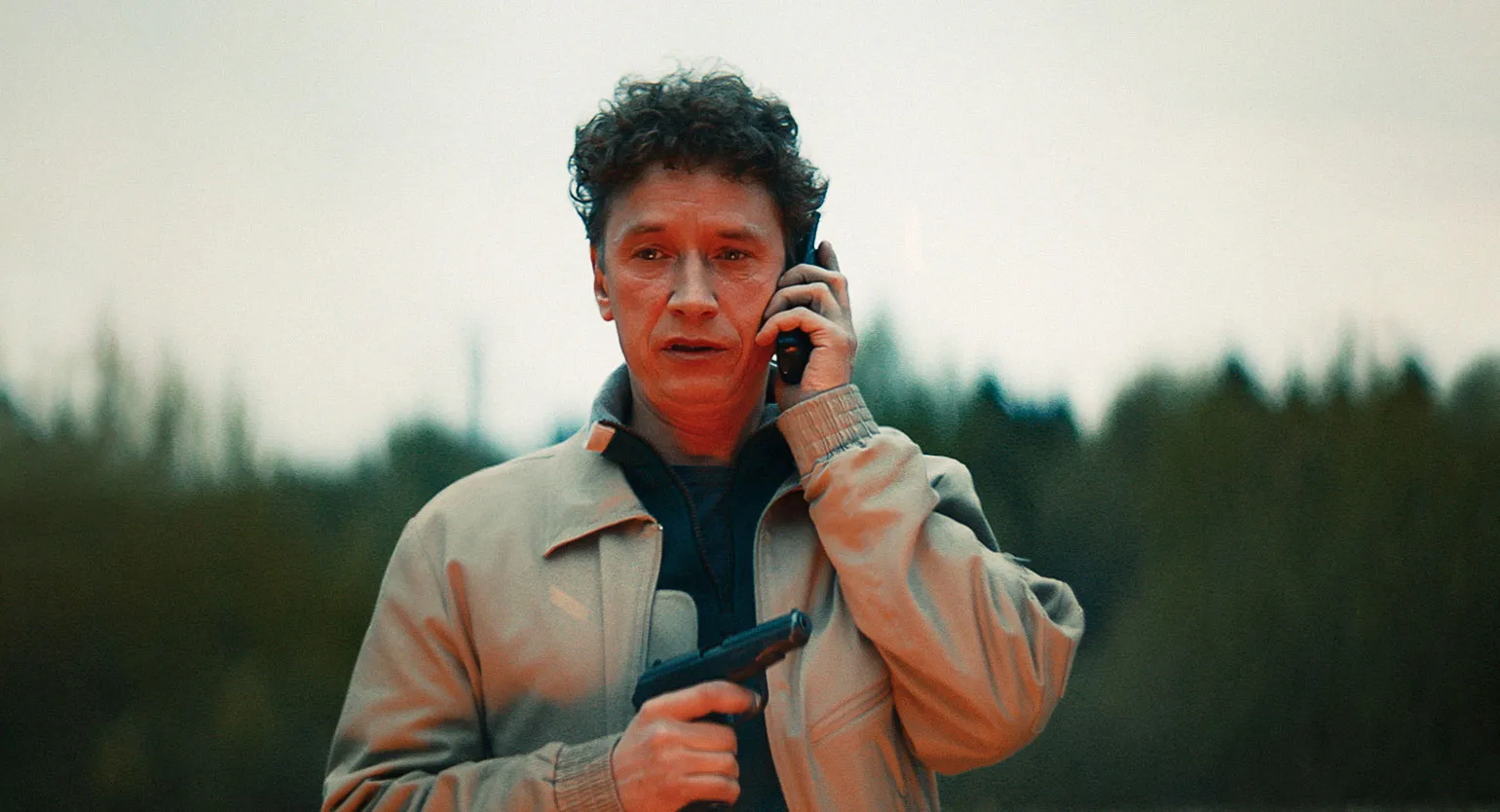
System administrator Herman leads a lonely life. As a child, he became an orphan and endured numerous bullies from those around him, remaining in the shadows. His only support was his sister Eva, who always protected him. However, now Eva has tragically passed away under mysterious circumstances. Herman begins to suspect that her ex-husband, Oleg Lomakin, and his new wife, Olga, are involved. Seeking justice and revenge, he plans to kill this couple in the forest.
At the last moment, Herman learns that Oleg and Olga have a daughter. This discovery changes his plans – he decides to kidnap their three-year-old girl. Herman is not interested in the ransom; his goal is to restore cruel justice. His actions are deeply motivated by a desire for revenge and rectification of past mistakes. The kidnapping sets off a chain of events that changes the fates of all involved.
The series is based on the book "Eva" by Lyubov Barinova. Sofia Raizman was originally slated to direct the project, but she left during filming, leaving a vacancy. The lead roles are played by Alexander Yatsenko, known for his work on the series "Fisher," and Yulia Snigir, who stars in "The Master and Margarita." The series promises a gripping interpretation of the literary work, attracting the attention of both fans of the book and new viewers.
The project is more reminiscent of a psychological thriller than a detective story. Viewers are drawn into the characters' deep psychological trauma, allowing them to better understand their motivations and actions. The constant presence of nightmares from the past is closely linked to the violence the characters direct at the world around them. This creates a tense atmosphere in which every step the characters take is permeated with fears and internal conflicts, forcing the audience to reflect on the nature of evil and the consequences of trauma.
Reading is an important part of our lives. It not only enriches knowledge, but also develops thinking, improves attention and broadens horizons. Different genres of literature allow everyone to find something to their liking. Reading books helps you delve deeper into various topics, master new skills, and gain inspiration. Don't forget to devote time to reading to continually develop and enrich your inner world.
Cops Series: "Werewolves in Uniform" and Other Popular Crime Dramas
Cops series occupy a special place in the world of television, attracting viewers with intriguing plots and dynamic characters. One of the most famous representatives of this genre is the series "Werewolves in Uniform." It tells the story of the difficult lives of law enforcement officers, their fight against crime and internal conflicts.
Besides "Werewolves in Uniform," there are many other cop series that deserve attention. These projects explore various aspects of police work, reveal secrets, and show how difficult it is to maintain moral principles in the face of corruption and pressure.
Cops series not only entertain but also raise important social issues, forcing viewers to reflect on the realities of the law enforcement system. Their popularity is due not only to a gripping script, but also to deep characters that help us understand the challenges police officers face.
Thus, cop series, including "Werewolves in Uniform," continue to be relevant and in demand among viewers, offering a unique perspective on the world of law enforcement and their work.
How the actors play
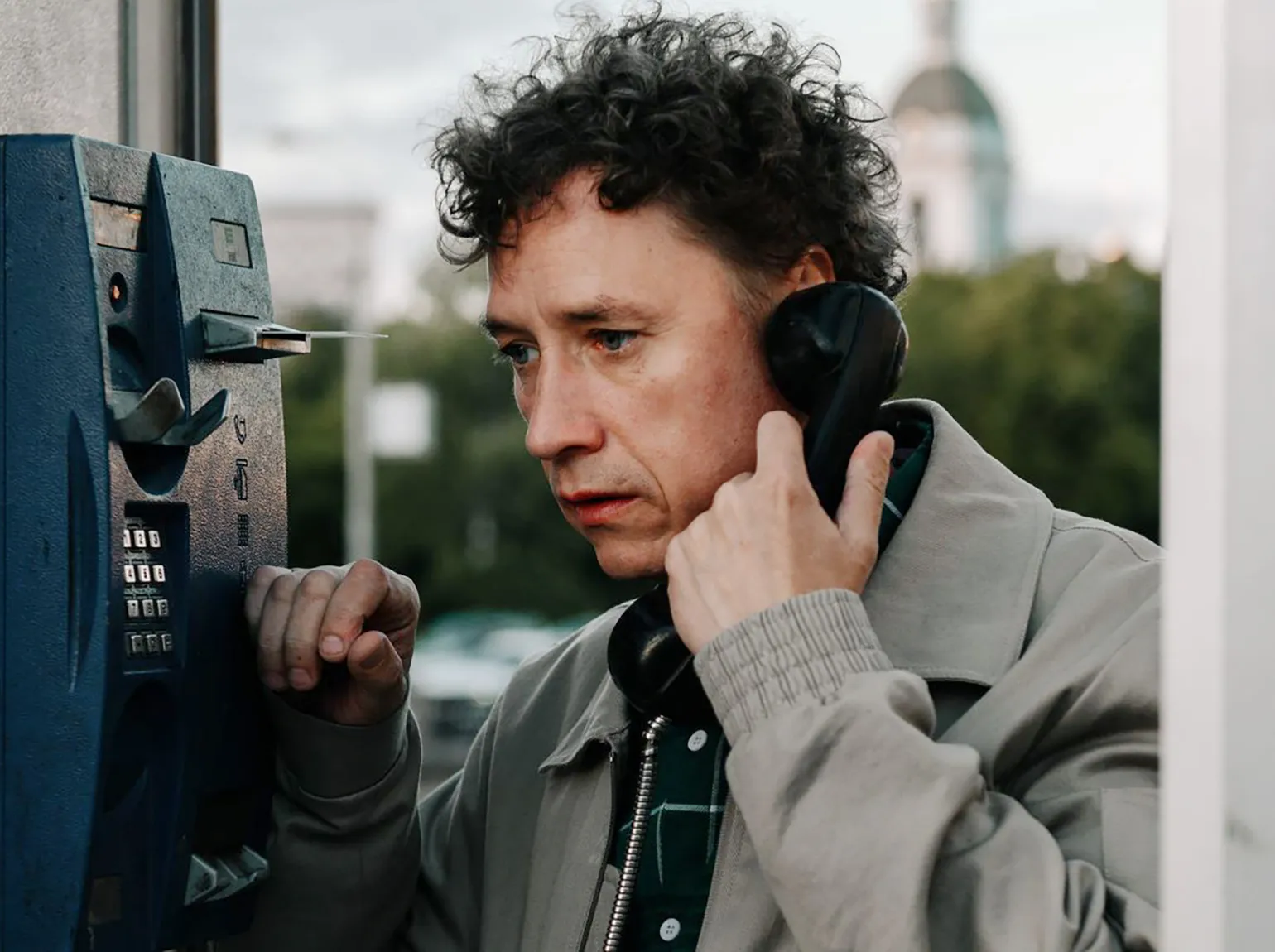
Alexander Yatsenko, as the antihero Herman, creates a deep emotional impact on the viewer, evoking both sympathy and disgust. His character immerses us in a world of contradictions, making us yearn for just punishment, but at the same time instilling hope for a favorable outcome for Herman. This emotional balance makes the film captivating and makes us think about the moral dilemmas its characters face.
The protagonist cannot be reduced to simple extremes, such as a terrifying psychopath or a wronged wretch who should be forgiven. Both approaches would only simplify the complex drama, turning it into something flat and uninteresting. Alexander Yatsenko's performance adds depth to the character, imbuing him with nuance, and the series itself is permeated with a gray morality. This gives the project a complex level of psychological realism that makes viewers think about the nature of human feelings and actions.
Yulia Snigir plays the role of Eva, Herman's sister. Her dark allure captivates viewers with every screen appearance, evoking a fascination comparable to the one felt for Herman. Eva masterfully manipulates, mocks, and humiliates, yet at the same time, you desire this strong and mysterious woman to be on your side.
Among the significant acting performances, the duet of Alexander Ilyin Jr. and Maria Karpova stands out. Their characters, police officer Misha and cadet Anya, exude genuine chemistry. Although Alexander Ilyin Jr.'s role resembles Lobanov from "Interns" or even himself, each of his appearances on screen invariably evokes positive emotions and a surge of dopamine. Their interaction adds dynamism and emotional intensity to the plot, making viewing even more captivating.
How the series reminisces about a bygone era
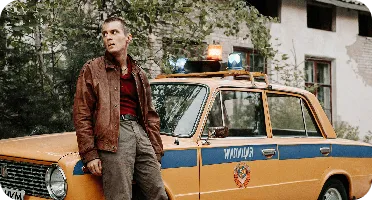
The series takes place in 2003, but periodic flashbacks transport viewers to the atmosphere of the 1990s and 1970s and 1980s. Artists created locations that reflect the style and spirit of these eras, allowing you to immerse yourself in the past. A retro soundtrack featuring popular artists such as Bulanova, Gubin, MAKSIM, and Agata Kristi enhances the overall impression and creates a unique atmosphere, allowing viewers to better sense the context of the time.

Some details can distract the viewer from the overall experience, such as the Agusha juice in the frame or the modern stock footage of the city at night used in cuts. However, overall, the visuals appear believable: characters communicate on brick-shaped cell phones, discuss Pentium processors, and dine against the backdrop of bright, messy photo wallpaper. These elements create a period-appropriate atmosphere and help immerse the viewer in the story.
The visual "clues" in the series not only facilitate the flashbacks but also allow viewers to immerse themselves in the atmosphere of the past. They remind viewers of what life was like before the internet and smartphones. That's why it's worth paying attention to the series "I Know Who Killed You" - it's an opportunity to enjoy nostalgia and realize how significantly our lives have changed.
Read also:
Nostalgia occupies a central place in modern cinema, influencing the choice of plots and artistic solutions. This trend can be explained by several factors. Firstly, nostalgia allows viewers to return to simpler, more familiar times, evoking fond memories. Secondly, films that draw on nostalgic elements evoke an emotional response in audiences, enhancing their appeal.
Modern filmmakers incorporate elements of pop culture from past decades, creating a unique atmosphere and engaging audiences. This may include remakes of popular films, the use of musical hits, or stylistic devices characteristic of a particular era.
Furthermore, nostalgia becomes a means of exploring the social and cultural changes that have occurred since then. Films that draw on nostalgia not only entertain but also allow viewers to reflect on the past and compare it to the present. As a result, this trend not only maintains interest in old films but also creates new cultural phenomena that resonate with viewers of all ages.
Thus, nostalgia in cinema is becoming more than just a fashion trend, but an important tool for creating profound and memorable stories that resonate with audiences.
How "I Know Who Killed You" Attempts to Speak on Socially Significant Issues
In English, there is a saying, "Hurt people hurt people." This statement emphasizes that a tendency toward violence can be passed down from generation to generation. Many are unable to break this vicious circle, leading to a continuation of the cycle of pain and suffering. Understanding this phenomenon is an important step toward improving interpersonal relationships and reducing aggression in society. Recognizing the need for healing and supporting each other can help create a more harmonious environment in which people can overcome their internal traumas and prevent them from being passed on. It's important to work on yourself and strive for emotional well-being to break the cycle of violence.
In Russia, 24% of the population faces problems with domestic violence, and 37% of schoolchildren are victims of bullying. The media actively covers abuse issues, and the more information we receive, the greater the likelihood we will learn to resist these phenomena. In recent years, films and television series have increasingly addressed these topics, demonstrating the importance of discussing this issue and the need to address it. Public attention to issues of violence and bullying contributes to the creation of a healthier and safer environment for everyone.
As a child, I watched ants suddenly begin running in circles. With each passing moment, their numbers grew, new individuals crushing the old ones, and the process seemed endless. Their path was littered with dead bodies until one would break out of this vicious circle and lead the survivors out. This observational experience became symbolic for me of the cyclical nature and endless repetition that can sometimes characterize life.
Herman figuratively compares people to ants, emphasizing the important message of stopping the cycle of violence. We must not hurt those we love. Each of us is responsible for our actions and must understand the consequences. It is important to create an atmosphere of trust and mutual understanding to avoid conflicts and maintain close relationships. Caring for loved ones should be a priority, because love shouldn't become a source of pain.
What Mistakes Did the Series Make?
Most characters remain within their tropes and don't develop beyond them. As one reviewer noted, they are "painted with the same brush." This leads to predictable plots and reduces interest in character development. As a result, viewers and readers may feel a lack of depth and layering in the characters, which reduces emotional connection with them. Diversity and complexity of characters can significantly enhance the quality of a work, making it more appealing to an audience.
- Olga is an irresponsible alcoholic mother;
- Eva is a manipulator who ruins men's lives;
- Oleg is a cowardly and vile cheater;
- Mitya is a tooth-breakingly caring suitor;
- Arina is an explosive teenage girl.
The characters in the series behave predictably. Arina is often rude to Mitya in response to his care, but he returns to her again and again, as if incapable of being offended by her rudeness. The plot explains this by his love for Arina, but Mitya's behavior looks more like an algorithm: he returns to Arina because it is necessary for the development of the plot, and not as a result of real human feelings.
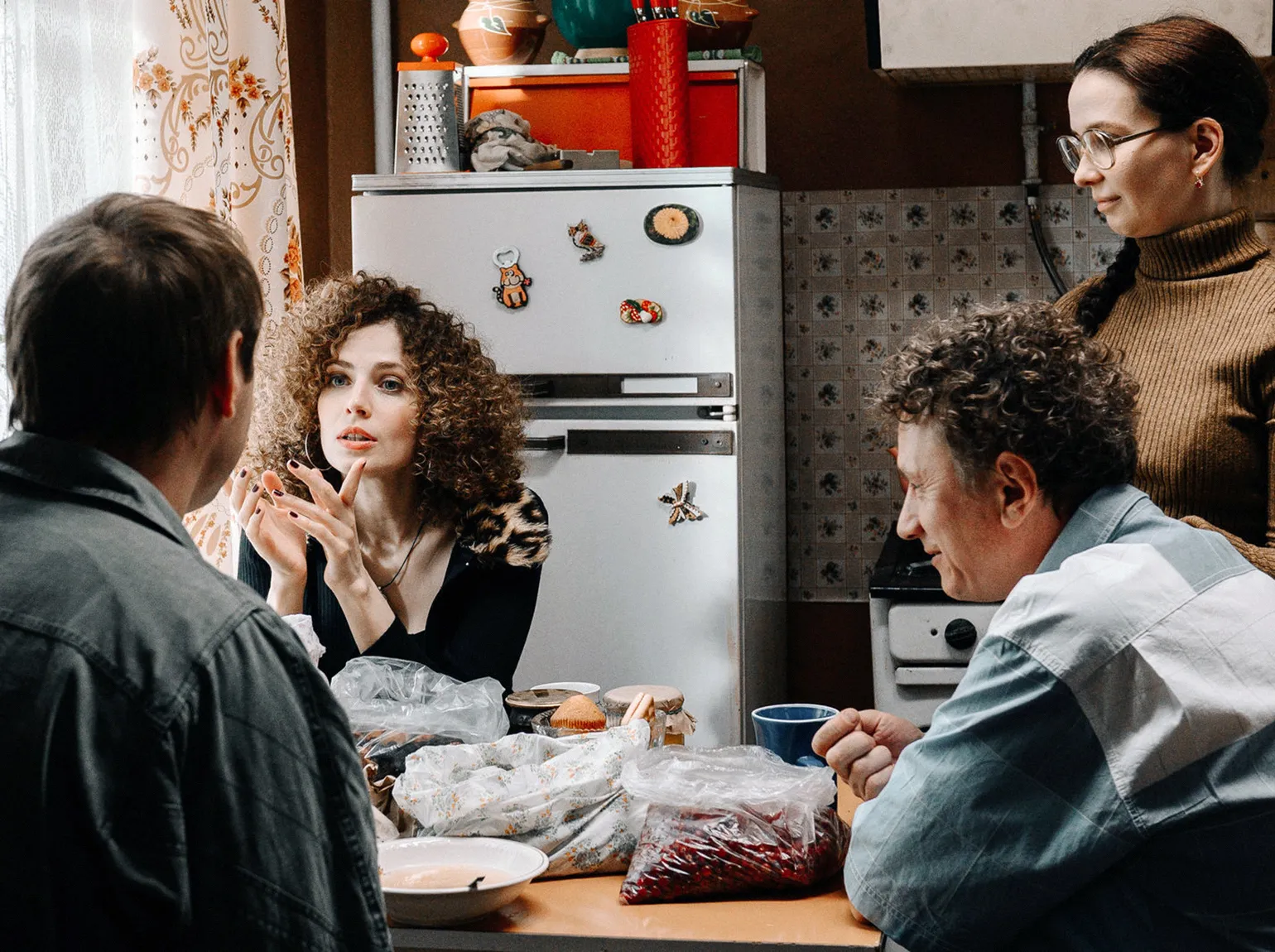
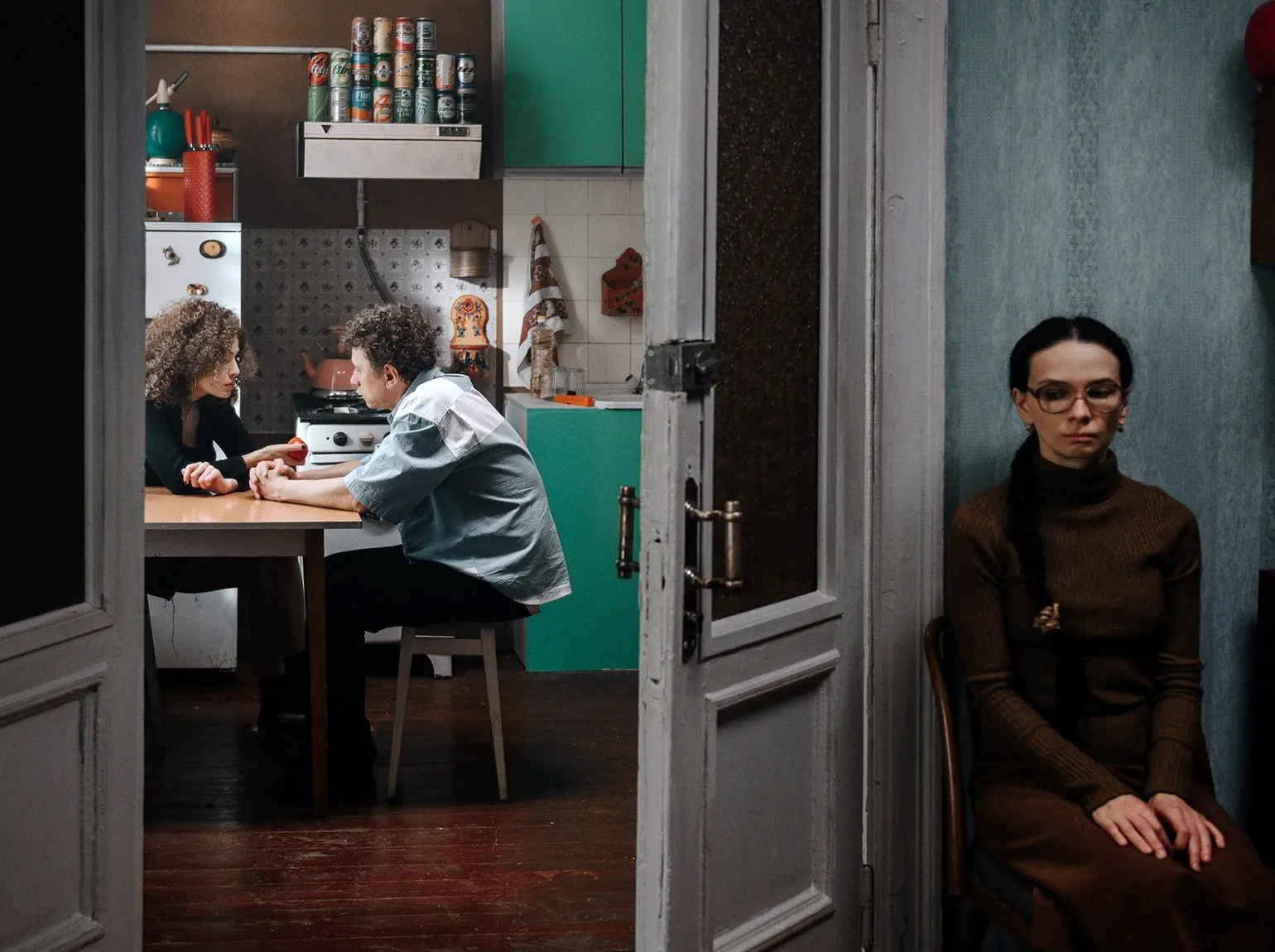
Olga dated Oleg, realizing that he was planning to marry Eva. I wonder how she perceived this situation and why she agreed to have a rival. It seems Olga and Oleg were trying to convince Eva of the idea of a polyamorous relationship, which is clearly evident in their behavior around her. Lida exhibits the opposite. Unlike the other characters, whose portrayals remain consistent, she demonstrates inconsistency, adapting to the demands of the plot. In the first half of the series, she appears awkward and comical, but in the second half, she transforms into a confident and elegant femme fatale. However, the plot provides no explanation for this transformation. The change occurs solely to increase tension and evoke fear in the audience.
Read also:
A trope in cinema is a recurring element, device, or motif that is used to convey certain ideas, emotions, or plot points. Tropes help audiences process information more quickly and navigate the plot because they rely on familiar patterns. In the film industry, tropes can manifest in various forms, such as characters, plot twists, dialogue, or visual styles.
Using tropes isn't always negative; they can be an effective tool for creating atmosphere and depth in a narrative. For example, the "hero with a dark past" or "love triangle" tropes are common in films and can evoke an emotional response in audiences. However, overusing the same tropes can lead to predictability and a loss of originality.
The importance of tropes in film is that they set audience expectations and help writers tell stories more effectively. Understanding tropes allows writers and directors to create engaging and memorable films that resonate with audiences.
The series drags out the running time in unnecessary places, repeating flashbacks that have already been shown to the audience and unnecessarily slowing down the plot. The finale unfolds so slowly that the viewer falls into a state of suspended animation—even the most dynamic action scenes fail to awaken them.
The creators of the series left out important aspects of the plot that could have further explored the characters' motivations and provided the viewer with necessary context. For example, it remains unclear what feelings Herman experienced while caring for the kidnapped girl, and how their relationship developed after the trial. These missing details could have significantly enriched the experience of the story and helped the viewer better understand the inner world of the characters.
To fully immerse themselves in the plot of a fictional work, the viewer must suspend their disbelief. This means it is important to distract themselves from the inner critic that claims the characters are unreal and the events are fiction. Only by freeing themselves from these doubts can the viewer truly feel the characters' emotions and enjoy the unfolding of the story.
Suspension of disbelief is achieved most effectively when the characters and the world feel realistic. For the most part, I Know Who Killed You succeeds in this task, but some flaws prevent the viewer from being fully immersed in the story.
- Anya is a third-year student and an intern, but she's working the case alongside Misha, an experienced police officer. And it's she who gets a dressing-down from management.
- When Pyotr and Herman escape in an ambulance, Misha announces an interception plan. The police lose the suspects, but Lida tracks them down and catches them—nothing had previously hinted at her talent as a racer.
- When Lida hit Pyotr with her car, she took and towed the ambulance to avoid leaving evidence. But she dumped the body where she ran over him: in a vacant lot. Hiding one piece of evidence and leaving another is simply pointless.
- From beginning to end, Herman's reason for kidnapping Arina remains a mystery. This is probably the most important detail, clarifying the hero's motivation and underpinning the narrative, but it's left out of the picture. Therefore, the viewer cannot fully form an attitude towards the actions of Yatsenko's character.
Read also:
The 20 Most Gripping Thrillers of All Time
Thrillers are a genre that captivates viewers with tension and unexpected plot twists. This list features 20 of the best thrillers that have become classics and continue to captivate audiences. These films boast masterful plotting, deep characters, and a breathtaking atmosphere. From psychological thrillers to crime thrillers, each offers a unique experience that will captivate and keep viewers on the edge of their seats until the very end. Immerse yourself in a world of gripping stories where every decision can lead to unexpected consequences. These thrillers are a must-see for anyone who loves quality cinema and intense plots.
What is the wrong message the series sends?
The series "I Know Who Killed You" explores cycles of violence and cruelty, showing how exposure to violence leads to its repetition. In this context, many of the criminals in the series represent vulnerable groups, highlighting the complexity of the issue. The plot explores how circumstances and social conditions shape personality, leading people to commit crimes in the face of hopelessness.
The series' protagonist is a crippled man with a limp who kidnaps a child. This plot device evokes ambiguous feelings and raises questions about the subtext: the series seems to convey the idea that vulnerable and unhealthy people may be prone to violence due to resentment towards the world around them. The implication is that if they did not experience such feelings, perhaps the crimes would not occur.
Lida is a character who does not declare her neurodivergence in the series, but there is reason to believe that she has autism spectrum disorder. Her behavior is characterized by communication difficulties, clumsiness, inexpressive facial expressions and voice, and problems recognizing social cues. In the first four episodes, Lida is shown with a lighter, more comedic side. However, as the viewer begins to notice her peculiarities, her image transforms into a calculating and cold one, creating the impression of a manipulative psychopath. This contrast in her character makes her more layered and interesting to analyze, raising important questions about the perception of neurodivergent people in society.
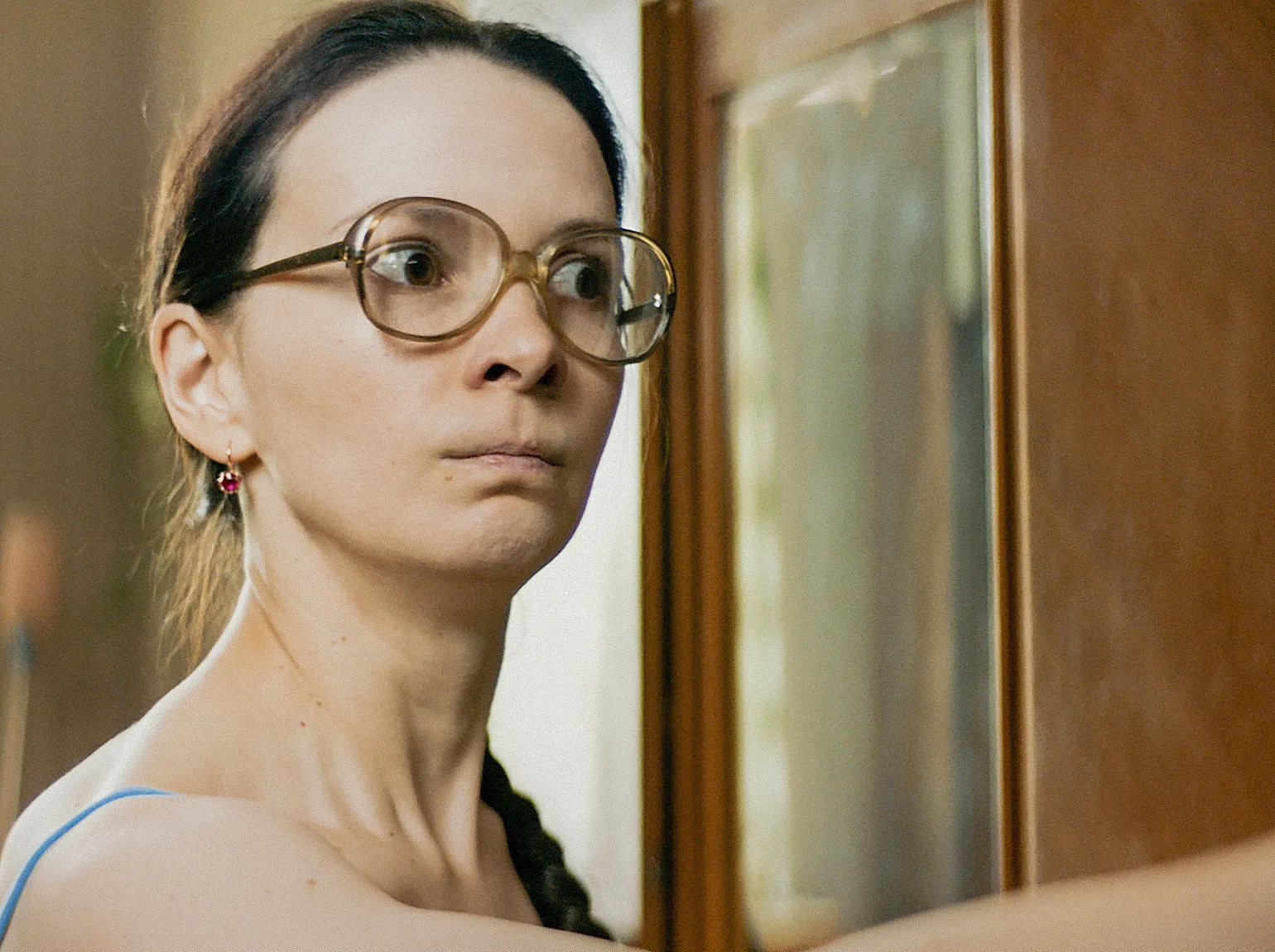
The series demonstrates an inexplicable change in Lida's character, which becomes a kind of reward for viewers' initial doubts about her sanity. The viewer, laughing at her behavior, realizes they intuitively grasped her abnormality. In such circumstances, outsiders are left to seek revenge on a world that does not understand them.
The film "I Know Who Killed You" touches on the important issue of violence, which is a significant step toward understanding it. However, its insufficiently accurate portrayal of people with physical and mental disabilities can contribute to the reinforcement of negative stigma. Viewers risk perceiving them as potential criminals, which creates a dangerous stereotype that pressure on "abnormal" people is justified. It is important to consider how such images shape public opinion and influence the perception of vulnerable groups.

Read also:
Thrillers of 2024: expected premieres
In 2024, viewers can expect gripping thrillers that promise to keep them on the edge of their seats until the very end. This year, several highly anticipated films will hit theaters, each with a chance to surprise and captivate with their intriguing storylines. Key themes will include psychological conflicts, mysterious disappearances, and complex investigations.
Thriller films in 2024 will be distinguished not only by captivating plots but also by high-quality cinematography, allowing viewers to immerse themselves in an atmosphere of tension and uncertainty. The participation of famous actors and talented directors will add additional appeal to the projects.
Watch out for new releases and don't miss the most interesting thrillers of 2024, which will be a real gift for fans of exciting cinema.
Free career guidance
Take a short test and Find out which profession is right for you, and then try your hand at it. At the end of the course, you'll have a session with a career guidance specialist. It will help you decide on your career path.
Find out more