Contents:

Thinking about a new profession, but don't know where to start? Find out what suits you: IT, design, game development, management or marketing. Take a free career guidance course.
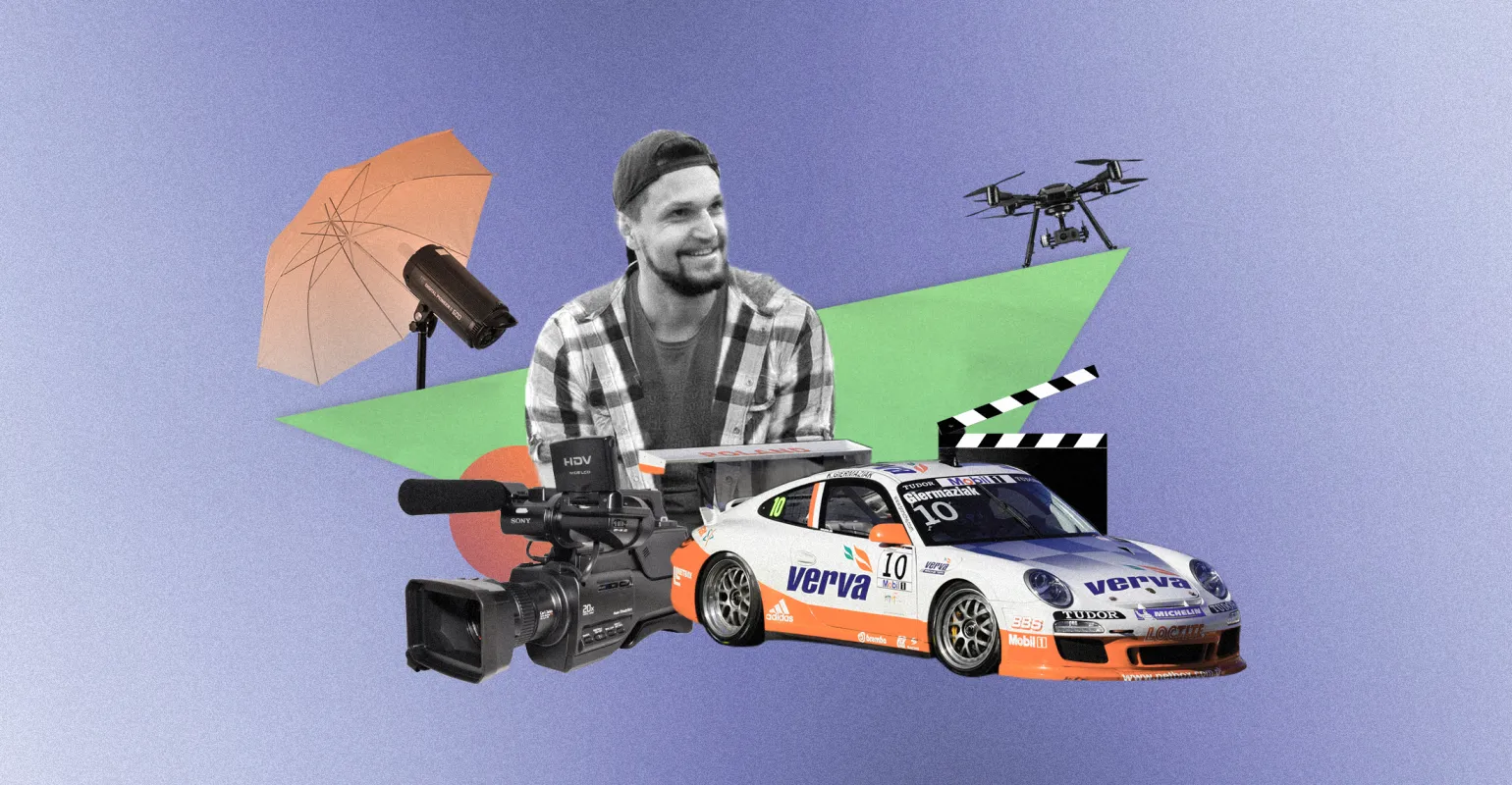
Learn moreEgor Ivanov completed his Filmmaking major at the New York Film Academy (NYFA). Returning to Russia, he focused on his career as a director and now receives commissions to create commercials from leading companies and global brands. At Skillbox, Egor teaches the "Director's Treatment" course, teaching students the art of framing and presenting a director's vision. His experience and professionalism make the classes relevant and in-demand, helping aspiring directors develop their skills and find a unique approach to video content creation.
Egor shared his impressions, discussing his latest achievements and plans for the future. His story touched on important points that inspire and motivate. Egor noted that persistence and determination are key factors for success. He also emphasized the importance of the right approach to learning and continuous self-improvement. These tips can be useful for those who strive to develop and achieve their goals.
- What is the difference between the Russian specialty "Directing" and American filmmaking;
- What types of treatment there are and why there is no single recipe for how to do it;
- About his commercials for Porsche, the State Traffic Safety Inspectorate, and Adidas;
- About the noticeable difference between Bekmambetov and Mikhalkov.
From America with Love
I started shooting commercials when I realized that I could combine my passion for film and marketing. Understanding how visual content influences brand perception was key for me. I studied various aspects of video production and marketing, and also analyzed successful advertising campaigns. This allowed me to develop my skills and create a unique style that attracts audiences. Over time, I began working with various clients, which gave me the opportunity to apply my knowledge in practice and deepen my understanding of business needs. Filming commercials became more than just a job for me; it became an opportunity to help brands tell their story and convey the value of their products and services to audiences.
After graduating from university, where I studied economics rather than film, my friends and I founded our own production studio and began working on projects. However, I was unsatisfied with the results of our work, and I didn't know how to improve them. Ultimately, I decided to save up and enroll in the New York Film Academy, although I actually studied in Los Angeles. This decision was an important step in my career, as studying at such a prestigious institution gave me the knowledge and skills necessary to successfully work in the film industry.
Education at NYFA is truly organized in such a way that students have the opportunity to try themselves in various roles in the film industry. Each week, students can delve into different aspects of professions such as screenwriting, cinematography, and directing. This approach allows for a comprehensive understanding of the filmmaking process and the development of a variety of skills necessary for working in this field. This learning format promotes a deeper understanding of the various roles and improves teamwork, which is an important aspect in the film industry.
During the filmmaking process, there is a constant rotation, allowing students to gain knowledge of all stages. This is a very rewarding experience. It is important to note that there is no separate field such as "film direction" in this field; instead, there is a specialization called "filmmaking." This allows professionals to gain a deeper understanding of all aspects of filmmaking and develop the comprehensive skills necessary for a successful career in the film industry.
If you want to pursue a career in filmmaking, you need to understand the basic principles of how it works. Understanding the processes involved in filmmaking is an important step towards a successful career in this field. Knowing all aspects, from scriptwriting to editing, will help you become more competent and confident in your work.
When applying the techniques you've learned, you create short films and videos, allowing you to effectively practice your skills. This approach improves the quality of your work and helps you achieve your content creation goals faster.
Graduating from the New York Film Academy (NYFA) is a cherished goal for many young people aspiring to a career in the film industry. This education provides unique opportunities to explore various aspects of film, including screenwriting, directing, and producing. Students gain practical skills that help them develop as creative individuals and professionals. Additionally, NYFA offers access to experienced faculty and industry professionals, which facilitates valuable connections. A NYFA education opens doors to new opportunities and helps young talent realize their ambitions in the world of film.
I don't have a diploma or master's degree. I took a workshop course that only partially covered the curriculum offered in traditional schools. While it didn't teach me how to shoot professionally, these classes helped me systematize my knowledge and organize my thoughts.
Regaining my self-confidence and developing a healthy attitude toward filming and creativity have been important steps for me. This experience continues to have a positive impact on my life and work.
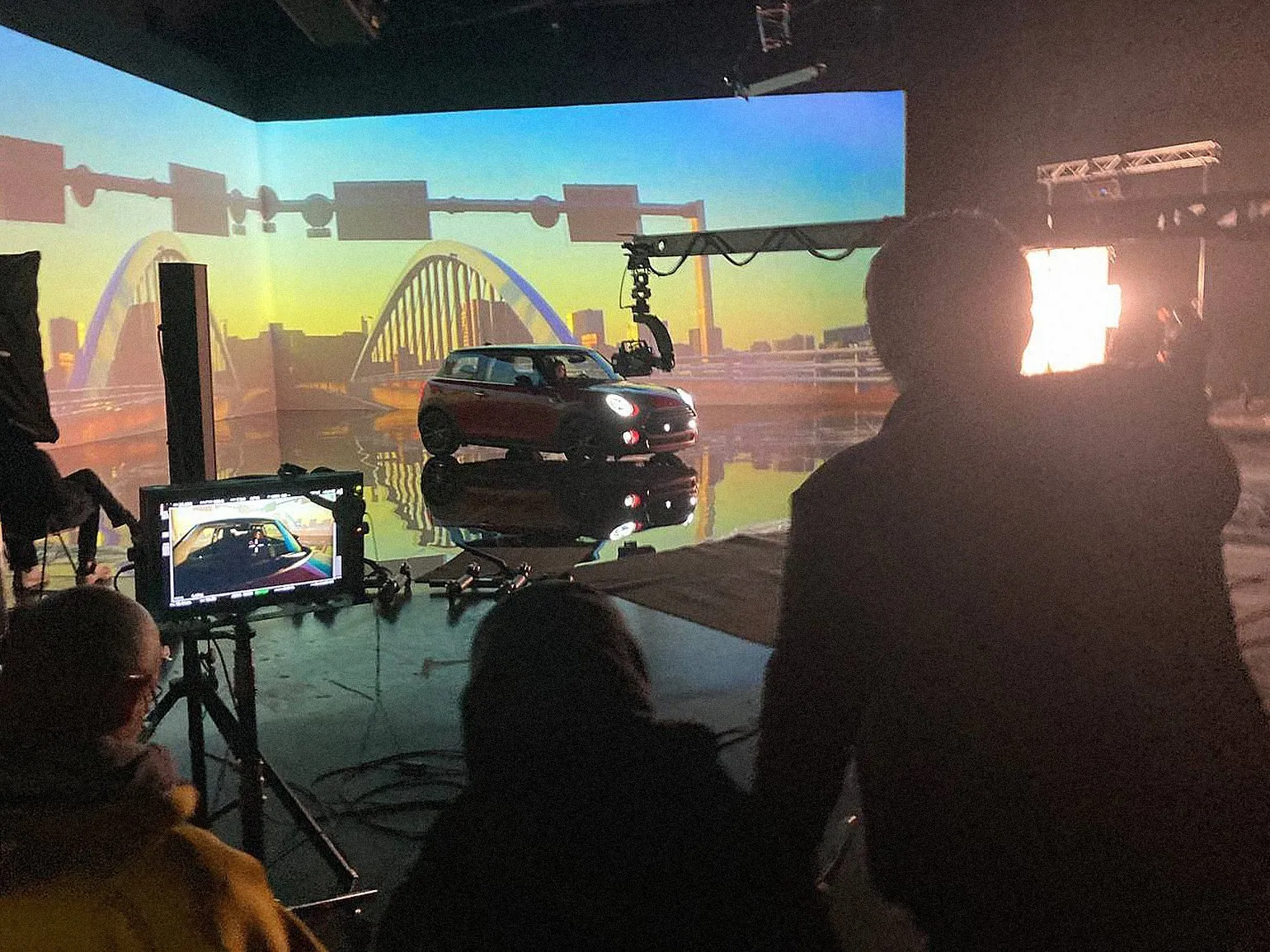

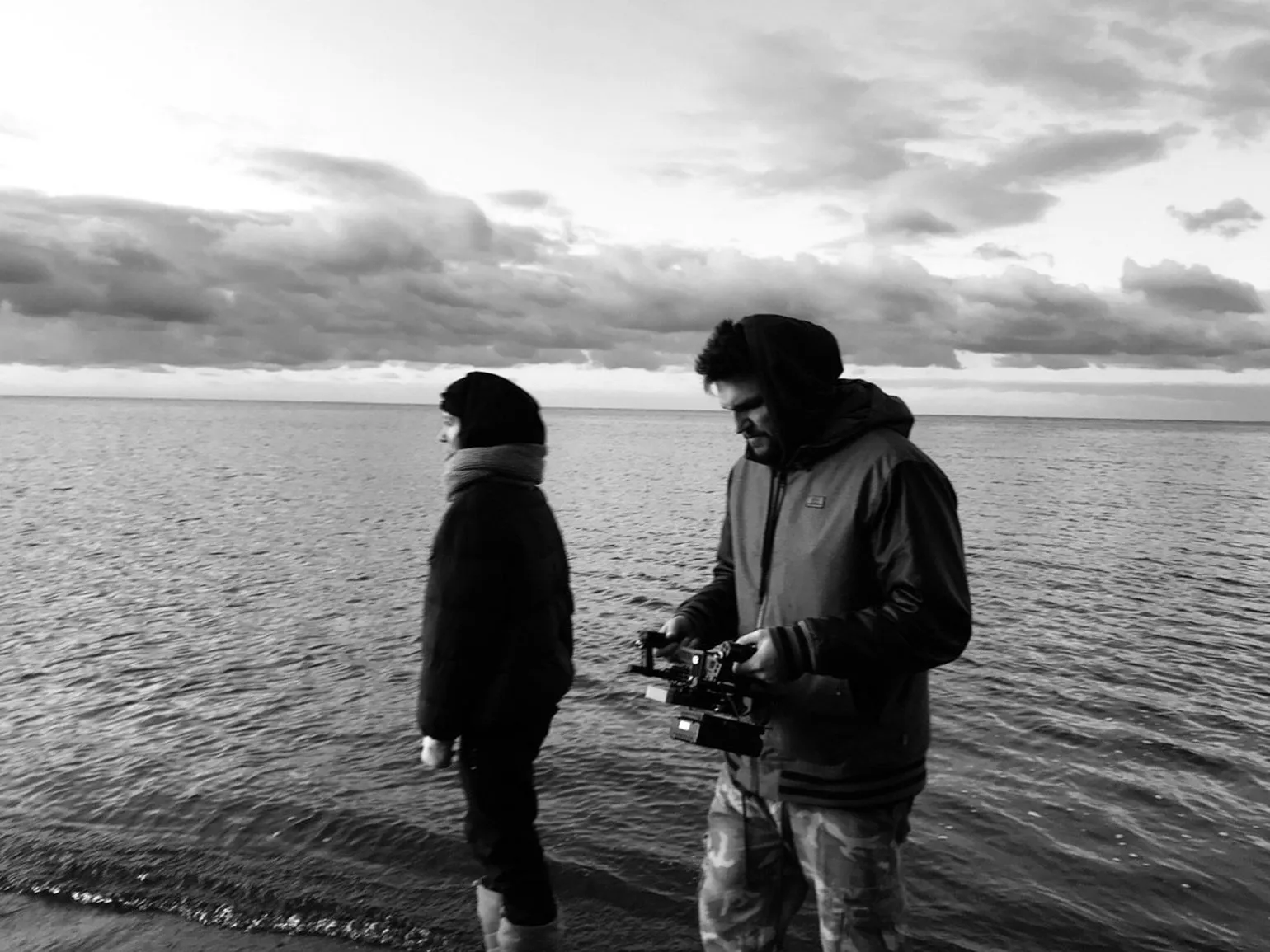
I graduated from the New York Film Academy (NYFA) and am currently working on creating advertising projects and music videos. My creative approach is increasingly leaning towards a fictional artistic style, but I continue to work in the commercial sphere.
I have many projects in the post-documentary style, also known as "poetic documentary". In these projects, real people are central, integrated into a fictional context. These are documentaries created using fiction filmmaking techniques. Such works allow for a deeper understanding of human emotions and experiences, bringing elements of artistic interpretation and artistic expression to documentaries.
The first project implemented after returning to Russia was a unique startup that combines modern technology with a focus on cultural traditions. We focused on creating a platform that promotes local business development and supports small businesses. This project was an important step in strengthening economic ties at the regional level and helped draw attention to business innovation. We are confident that such initiatives contribute not only to economic growth but also to the development of the community as a whole.
For the first time, I was entrusted with the role of director, creating a series of films for the sports portal Olympic Channel. I worked as creative director at the ASAP video production studio, which implemented this project. The film is dedicated to athletes from the former CIS countries, and during the process, I shot material in Armenia, focusing on judo and boxing, in Uzbekistan - on weightlifting, and in Tajikistan - on swimming and hammer throw. After that, I was involved in editing the full version of the film as a director. My experience on this project allowed me to deeper understand the sports and culture of these countries, which enriched the content of the film.
Original fuel | An introduction to Egor Ivanov's feature film on Vimeo. This project is a unique blend of art and cinema, revealing a gripping plot and profound characters. The film touches on important themes that compel viewers to reflect. We invite you to immerse yourself in a world of original fuel that inspires and leaves an unforgettable impression. Discover Egor Ivanov's creative approach to filmmaking and enjoy his mastery on the Vimeo platform.
Before moving into directing, I worked for several months in Moscow on a vocal show in the format "The Voice," where I created profiles for the artists. I soon moved into production to focus on creative work and participate in directorial projects. Eventually, I switched to directing full-time, which allowed me to realize my creative ambitions and develop my skills in this field.
Why does a director need a treatment?
At Skillbox, you learn treatment—a key concept in screenwriting. This term covers a wide range of elements, including a logline, synopsis, plot, and episode plan. But what exactly is a treatment? It's not just a set of formal documents, but an essential tool for generating and structuring your ideas. Treatment helps writers clearly articulate their thoughts, identify key plot points, and present their story in a concise and understandable way. Understanding a treatment is the foundation for successful screenwriting and its subsequent implementation.
The words "synopsis" and "episode outline" are familiar to many film industry professionals, including producers, actors, and directors. They easily understand what the final product will look like based on these terms. However, for the untrained eye, it is difficult to imagine what exactly will be realized based on a synopsis alone. A treatment serves to solve this problem by providing a more detailed and visual representation of the project. It helps create a clear understanding of plot lines and characters, making it an essential tool for both professionals and the general public.
A treatment can truly be thought of as a pitch for a screenplay. It is a document that contains the main plot elements, character descriptions, and key moments, allowing for a clear presentation of the concept of a film or series. A treatment serves as a tool for generating interest in a project, helping screenwriters and producers structure ideas, and obtain feedback. Effectively presenting a script through a treatment can significantly increase the chances of a successful project.
A treatment is a presentation, but in a file format that allows for remote reading. While in-person pitches and treatment presentations do occur, they are not as common, at least in my experience. The appearance of a treatment can vary. Sometimes it begins with a general introduction outlining the key points, while other times it's necessary to get straight to the point, as the audience expects specific details.
There's no one-size-fits-all formula for determining how much time and information it takes to complete a task. However, having a clearly defined task makes it clearer what exactly needs to be done and how to present the material effectively. This allows you to organize the process more efficiently and convey information effectively.
I agree that a thirty-second video can't take up 70 pages of text. It's important to be able to briefly and clearly express the main ideas and messages so that they are understandable to the viewer. An effective structure and focus on key points will help convey the meaning of the video in a concise format. Using concise language and direct wording will help create clear and memorable content.
Sometimes I write copy. If the need arises, why not? Treatment is attractive because it combines text, images, references, and an emotional component. This helps create a holistic perception and convey the idea more effectively.
You correctly understand that there is no universal scenario for step-by-step treatment writing. Each treatment is unique and depends on many factors, such as genre, plot specifics, and the author's style. The basic principles of treatment writing can vary, and it's important to adapt them to the specific needs of the project. This requires flexibility and a creative approach to structure and content.
That's right. Some professionals are able to explain the final result in simple, easy-to-understand terms. At the same time, there are authors who create extensive books with detailed storyboards by professional artists, as well as animatics and preliminary computer graphics. This approach helps to better understand the process and visualize ideas, which is especially important in the animation and film industries.
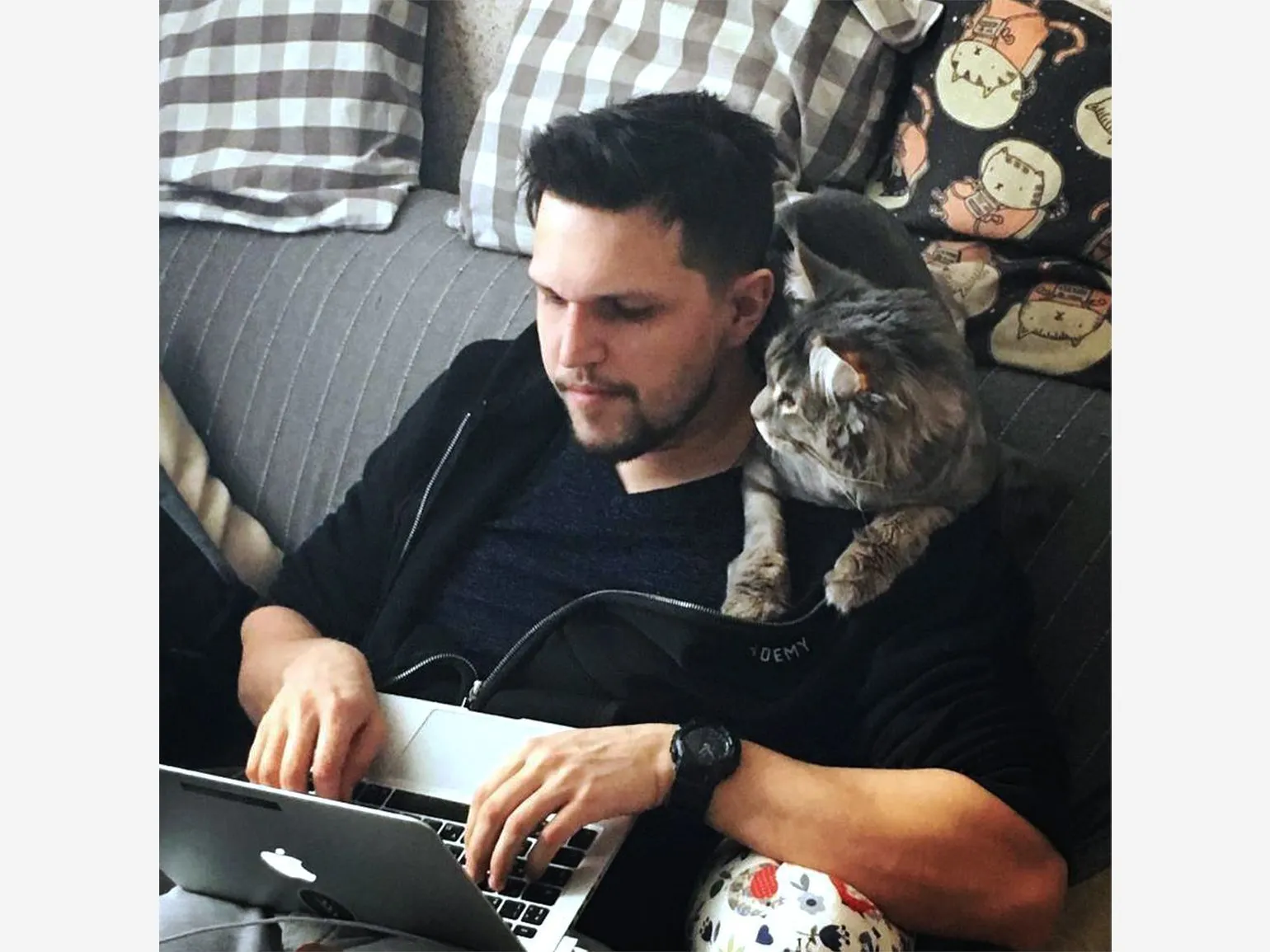
American film treatments may indeed include information about the dreamcast. This practice is considered normal and is often used to refine the cast of actors filmmakers are considering for key roles. Dreamcasts help producers and screenwriters visualize how a project will appear on screen and also draw attention to potential performers. Including a Dreamcast in a treatment underscores the filmmakers' vision and can play a significant role in the filmmaking process.
It's possible. You're probably talking about treatments for major films, but I'm not a film director. My current specialty is commercials and commercials, and it's in these areas that I can share significant experience and knowledge. As a creative creator, I understand the importance of communicating a key message to the target audience and creating visual content that effectively promotes the brand.
"Flights" in a Porsche, the State Traffic Safety Inspectorate, and a Space Platform: Egor on His Projects
What experience do you have as a director? What projects have you completed that demonstrate your style and approach to filmmaking?
I worked on a video for Porsche and Mobile 1, in which startup founders share their ideas at high speed. The project presented me with a unique technical challenge—to convey the emotions of people in a sports car and capture everything that happens to them while driving. It was a real challenge, and the filming process was extremely exciting.
We created an advertising film for the State Traffic Safety Inspectorate dedicated to the safe transportation of children. The film focuses not only on child seats and seat belts, but also on the overall safety of children in cars. It features experts from various fields: an obstetrician, a teacher, a driving instructor, and a State Traffic Safety Inspectorate inspector, who share their recommendations. The videos we filmed became part of a large-scale advertising campaign aimed at raising awareness of the importance of transporting children correctly.
We created a material for Adidas, in which we explore how football is perceived in different parts of Russia. One of the heroes of our story is a diver from Sakhalin, who earns money by catching marine animals and is also a true football fan. I was intrigued by how his life and passion for sport could become part of Adidas's global vision for football to bring people together.
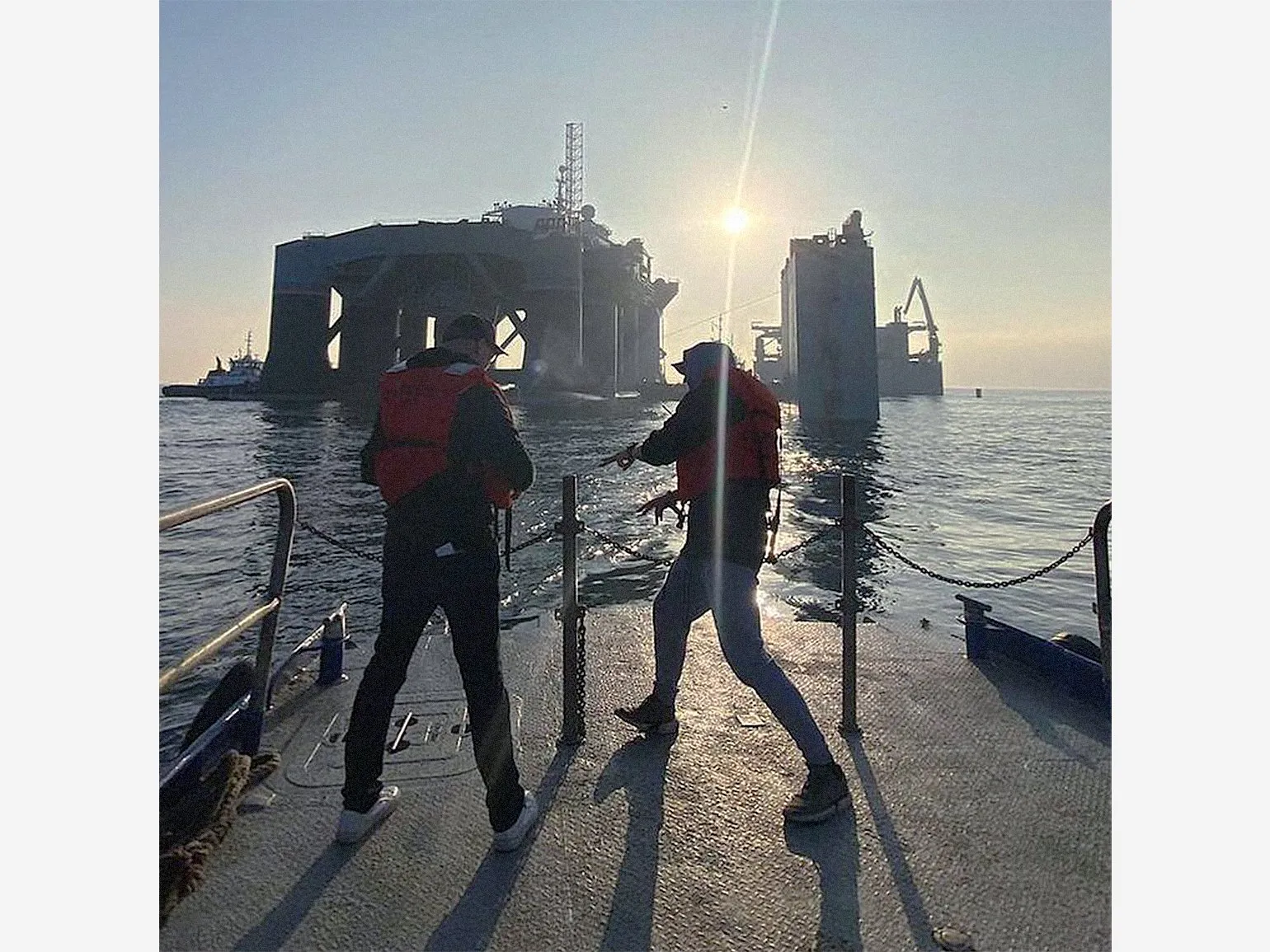
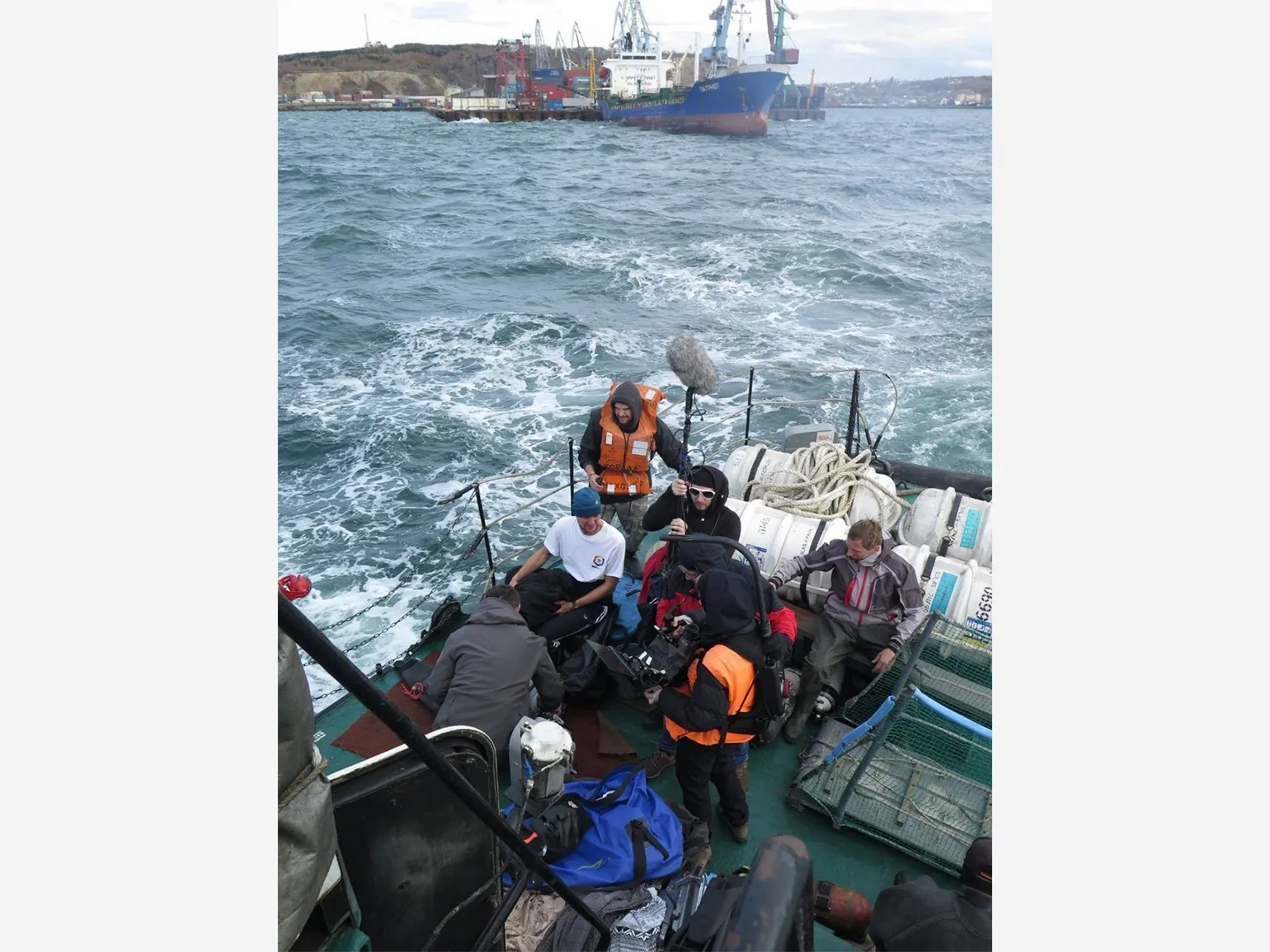
In 2020, before the pandemic, we filmed a floating space platform being transported from Los Angeles to Vladivostok. Although the project was not completed due to the quarantine, the filming process took place, which provided us with a unique experience. Filming a space platform is a rare opportunity that not everyone will have the chance to experience.
The pandemic has had a significant impact on the industry. Many companies have faced significant challenges, such as reduced demand, disrupted supply chains, and the need to adapt to new operating conditions. Some sectors, such as tourism and hospitality, have been hit particularly hard, leading to mass layoffs and business closures. At the same time, other areas, such as technology and e-commerce, have received a boost. Adapting to new realities, such as remote work and digitalization, has become a key survival factor for many companies. As a result, the pandemic has changed the industry landscape and forced market participants to reconsider their strategies and approaches.
The impact of the pandemic was certainly felt, but the need for directors creating commercials remains stable. Advertising budgets have been reduced and fees have decreased, but the situation seems to be gradually returning to normal. Currently, I do not notice significant changes in project funding volumes. The market has adapted, and the advertising industry is beginning to develop again.
About Russian film schools, Mikhalkov, and "Lost in Translation"
Training in Russia is available in the same fields as in the United States. Local educational institutions and courses offer programs that meet international standards. This allows students to gain the knowledge and skills necessary for a successful career. It's important to note that the experience of faculty and the relevance of educational materials play a key role in the quality of education. Therefore, it's worth paying attention to the reputation of educational institutions and alumni reviews. Choosing a program that matches your career goals and interests will help you gain the knowledge and preparation you need to succeed in your professional life.
There are educational institutions similar to NYFA in Russia. Firstly, many film programs are available today, offering a variety of approaches and techniques. Secondly, the diversity of teaching methods allows students to choose the most suitable methods for mastering filmmaking skills.
The classical Soviet film school did not provide the same degree of student rotation as in the United States. At American educational institutions, students have the opportunity to try themselves in various roles during a single course, such as screenwriter, director, producer, and cameraman. This diversity allows them to develop universal skills and gain practical experience in various aspects of filmmaking, which contributes to a deeper understanding of the profession and expands creative horizons.
The Russian education system has its advantages. One of them is the high level of training of masters. While the effectiveness of this approach within the industry may be questionable, having a mentor at some point in one's career could be a significant help. However, it's worth noting that the choice of mentors is limited.
If you had to choose between Bekmametov, known for his technically impeccable films, and Mikhalkov, who excels at working with actors, who would you choose? Bekmambetov offers audiences high-quality visual solutions and innovative approaches, while Mikhalkov impresses with deep emotions and a mastery of character development. Both directors have unique styles, and the choice between them depends on what the audience values: technical excellence or acting. Each contributes to the art of cinema in their own way, and their work should be considered in the context of their individual achievements.
This provocative statement depends on the specific task. In an ideal world, if I were making feature films, I would certainly be inspired by the interactions with actors. However, one cannot ignore the technical aspect, which plays a vital role in the filming process. Working with film industry equipment and technology is no less important than acting, as they are interconnected and influence the final result.
For me, image texture and camera movement are equivalent to working with actors. The process of creating visual content requires a combination of various elements. Sometimes more of one aspect is needed, and sometimes more of others, to achieve harmony and expressiveness in the final result.
Favorite movies are an important part of our lives. Each of us has our own preferences in genres, actors, and plots. Movies can inspire, entertain, or make us think about important things. They help us immerse ourselves in different worlds and experience unique emotions. What is your favorite movie and what do you remember about it? Discussing movies can be an interesting topic for communication and exchanging opinions with friends and family.
"Lost in Translation" is my favorite movie. I don't try to copy him, but I appreciate him for his unique genius, combining simplicity and complexity. This film possesses incredible beauty and ambiguity, allowing each viewer to interpret it in their own way.
Director's Treatment
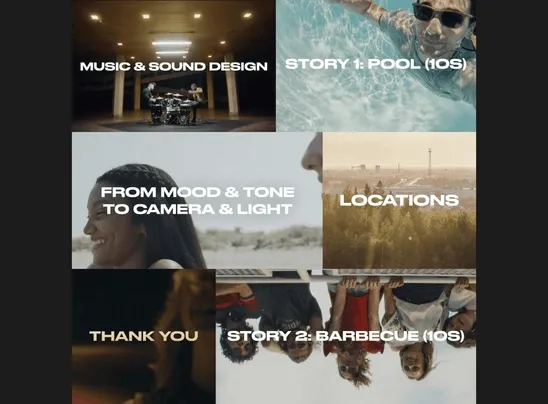
You will learn how to present your idea for a commercial or music video. Add a completed treatment based on a real brief to your portfolio. You will be able to participate in creative tenders.
Find out more