Contents:

Free test: Which digital profession is right for you? Find out the answer in 15 minutes and try your hand at a new specialty.
Learn moreHow he became Phoenix
His childhood and youth are filled with stories that could become the basis for movie scripts with Joaquin Phoenix. His parents, Arlene Dunetz and John Bottom, met when John gave Arlene a ride while hitchhiking. This event took place in 1968, at the height of the hippie era. Arlene was a secretary from the Bronx, and John was a Californian without a particular occupation. Their meeting marked the beginning of an extraordinary life, full of vivid events and unexpected twists.
Arlene and John constantly moved between communities and then joined the Children of God movement, which could also be called a cult. The leader of this movement, David Berg, predicted an imminent Day of Judgment and promoted sexual freedom among his followers, encouraging them to adopt biblical names. Arlene became Jochebed, and John chose the name Amram, like the parents of Moses. As missionaries for the sect, Arlene and John traveled throughout South America and the Caribbean. It was in Puerto Rico, on October 28, 1974, that Joaquin Rafael was born. Some of his first memories are of swimming in a pool in his father's arms and watching phlegmatic iguanas around him.
At the age of three, Joaquin was horrified to see how caught fish were killed. This event became a turning point in his life, and he convinced his entire family to adopt a vegan lifestyle, which they still follow. Joaquin also refuses to wear genuine leather while filming, emphasizing his commitment to the ethical treatment of animals and the environment. His choice inspires many to follow his example and take a conscious approach to food and fashion. The family had children with unusual names: River, Liberty, Rain, and Summer, which translate as River, Freedom, Rain, and Summer. The name Joaquin stood out among them. However, at the age of four, while collecting autumn leaves with his father, the boy decided to call himself "Leaf" (Leaf), feeling a little out of place. He was able to return to his original name only at the age of fifteen. That same year, the family left the cult, returned to the United States, and changed their surname: instead of the gloomy "Bottom," which means "bottom," they chose a name symbolizing a new beginning. The Phoenix name represents an immortal bird rising from the ashes, reflecting their desire for renewal and hope for a better future.
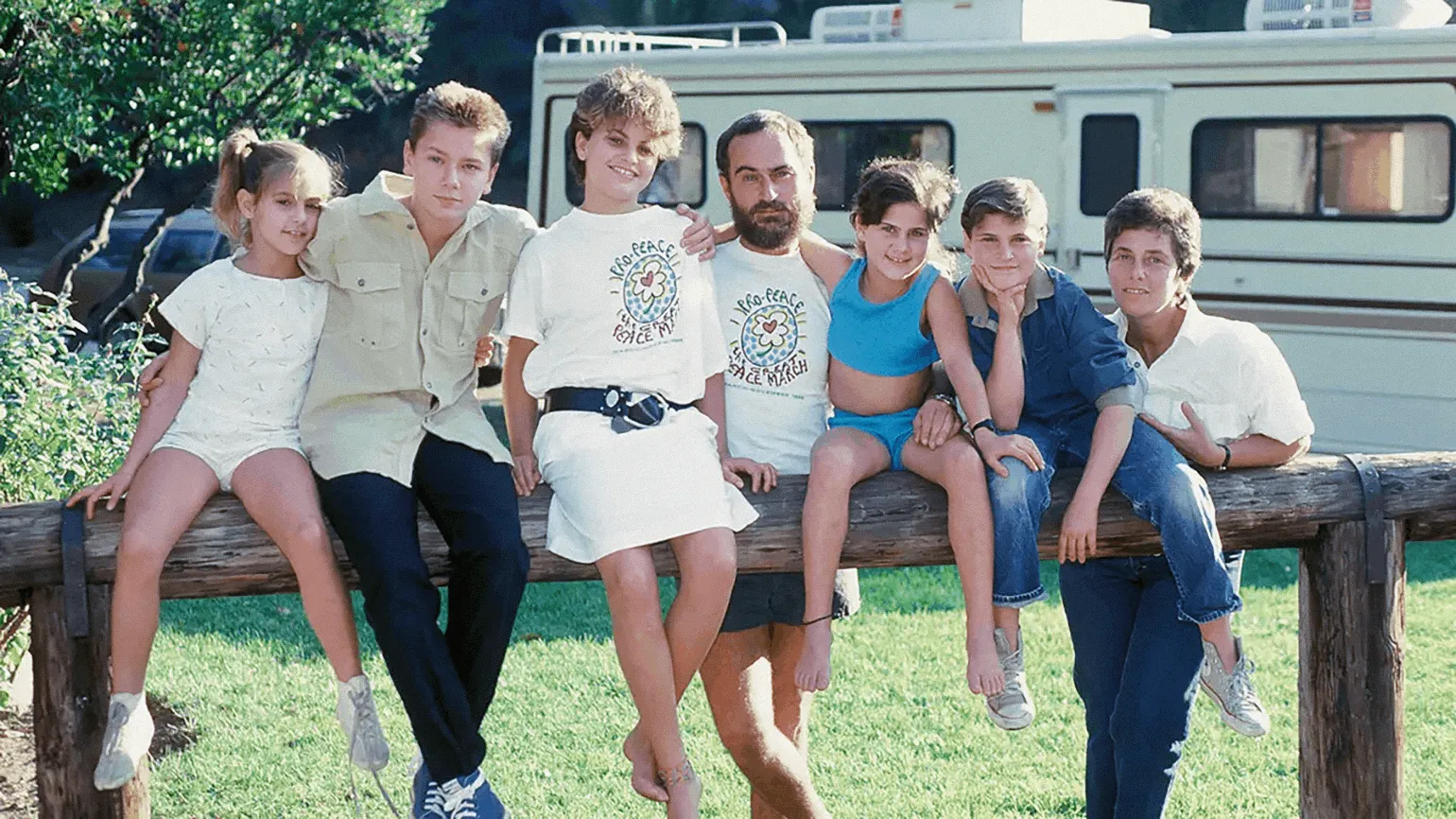
The parents had high hopes for their children, believing in their bright future. Arlene stated: "We had a vision that our children were capable of conquering the world." When the family moved to Los Angeles, the children began actively participating in talent shows, acting in commercials and landing small roles on television. Eight-year-old Leaf made his debut in the Christmas episode of the series "Seven Brides for Seven Brothers", playing alongside his older brother, River. Joaquin shared his impressions of this experience in an interview for The Guardian, emphasizing how important this start in the world of entertainment was for them.
"Instant joy and deep satisfaction. For many children, this is the first experience of kicking a ball or scoring a goal, and for me, it was acting. I remember my first scene on television well. At that moment, I realized that this was something I really liked and felt how much it affected me. "Since then, I've been striving for that feeling."
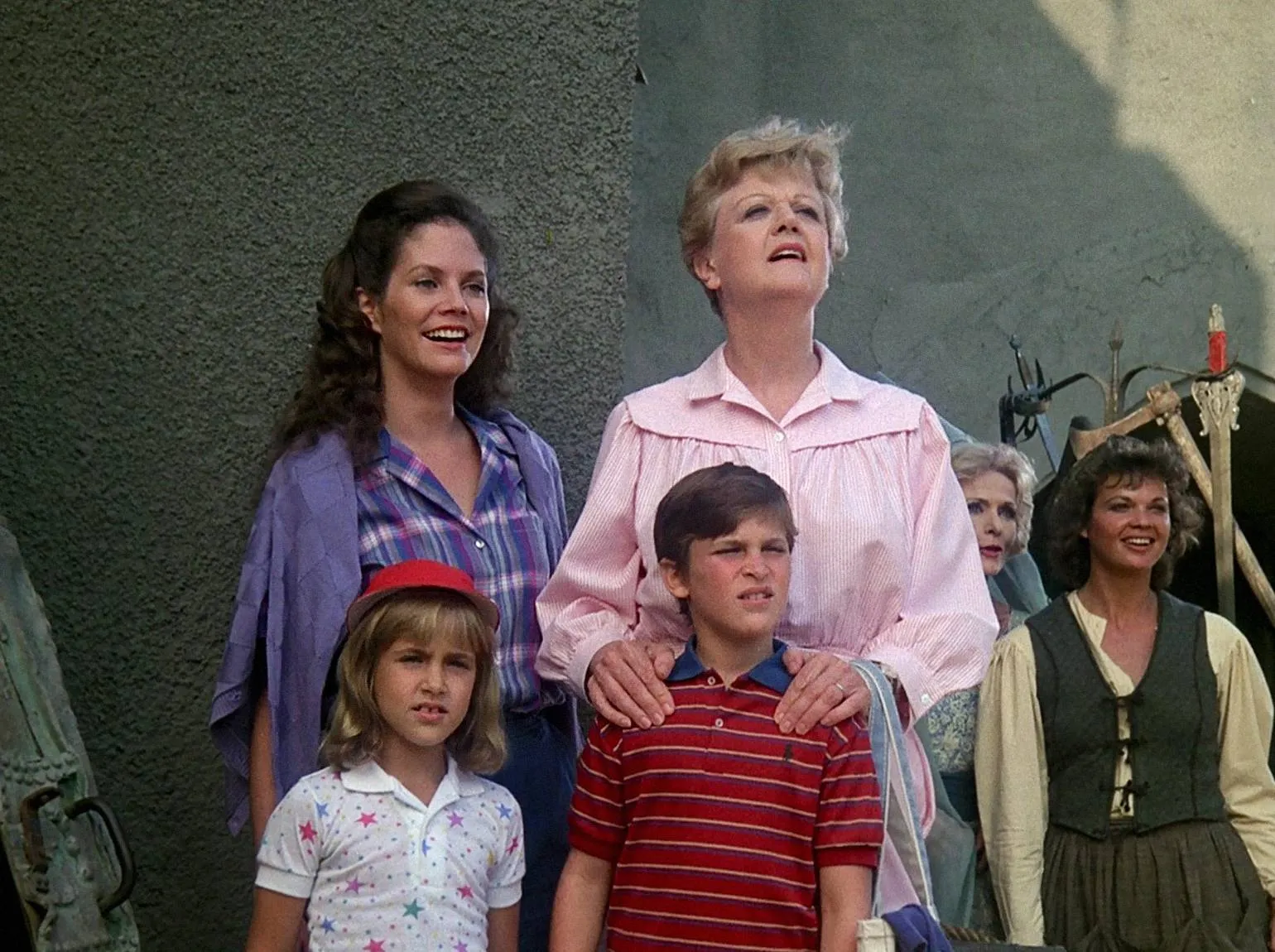
Phoenix first appeared on screen in the series "Murder, She Wrote," where he played a serious ten-year-old boy with expressive, wide eyes that reflected both joy and sadness. He made his feature film debut in "Space Picnic," which tells the story of the adventures of young astronauts, and "The Russkies," in which Joaquin's character helps a Soviet sailor. These films became iconic, reflecting the warming relations between the USSR and the United States at the end of the Cold War. In addition, Joaquin Phoenix has Jewish roots: his maternal grandfather, Meyer Dunetz, emigrated from Russia.
Joaquin Phoenix attracted the attention of major directors such as Ron Howard, who invited him to star in the comedy Parenthood alongside Steve Martin and Keanu Reeves. Phoenix's performance was praised by both critics and the film community, leading to his nomination for a Young Artist Award, the film industry's equivalent of the Oscars. This work marked an important step in the actor's career, cementing his status in the film industry.
Despite his early successes, Joaquin Phoenix later criticized his early work. He believed that his achievements could not compare to the career of his older brother, River, who was four years older. River Phoenix rapidly developed his career. In 1988, he received an Academy Award nomination for Best Supporting Actor for Sidney Lumet's drama Running on Empty. In 1991, he won the Volpi Cup for Best Actor for his performance as drifter and con man Michael Waters in Gus Van Sant's My Own Private Idaho. Tragically, his life was cut short on the night of October 31, 1993, when River died of a drug overdose at Johnny Depp's Viper Room.
The death of his brother was a real tragedy for Joaquin Phoenix. The brothers were very close, and Joaquin always saw the greater talent in his sibling. He felt guilty for inviting River to a concert that fateful night. Joaquin was there when River collapsed at the door of the club in convulsions, and it was he who called 911. The loss of River radically changed Phoenix's life, dividing it into and "after", as if burned the former young man, leaving only traces of pain and loss.
How Phoenix Rises from the Ashes
By the time of Rivera's death, Joaquin had not acted in films for a long time. He spent time traveling in Mexico and Central America. After the tragic loss, Joaquin, naturally, did not think about a career as an actor. This period could have become a turning point in his life, when he could leave the profession and help his father, who opened a vegan restaurant in Costa Rica with money received from Rivera.
Phoenix decided to be reborn, perhaps in memory of his brother. When Phoenix, at fifteen, was experiencing his first creative block and considering leaving acting, River inspired him by showing him Scorsese's Raging Bull and confidently telling him, "You'll start acting again." Despite his fame, River also asserted, "You'll be a better actor than me." This moment became a significant milestone in Phoenix's life, who went on to pursue his calling and achieve significant success in the film industry.
Symbolicly, Joaquin's career was supported by Gus Van Sant, who directed River in his most iconic film, My Own Private Idaho. In this project, Joaquin worked alongside Nicole Kidman and Matt Dillon in the dark tragicomedy To Die For. Here, he played the role of a sullen high school student who falls in love with a TV host. Despite the difficulties of working with a director who had also worked with his brother, the collaboration proved significant for Joaquin. In an interview, he noted, "I feel like almost every film I've done has had some connection with River." This underscores not only the professional but also the personal bond between the brothers, as well as their mutual influence on each other in the film world.
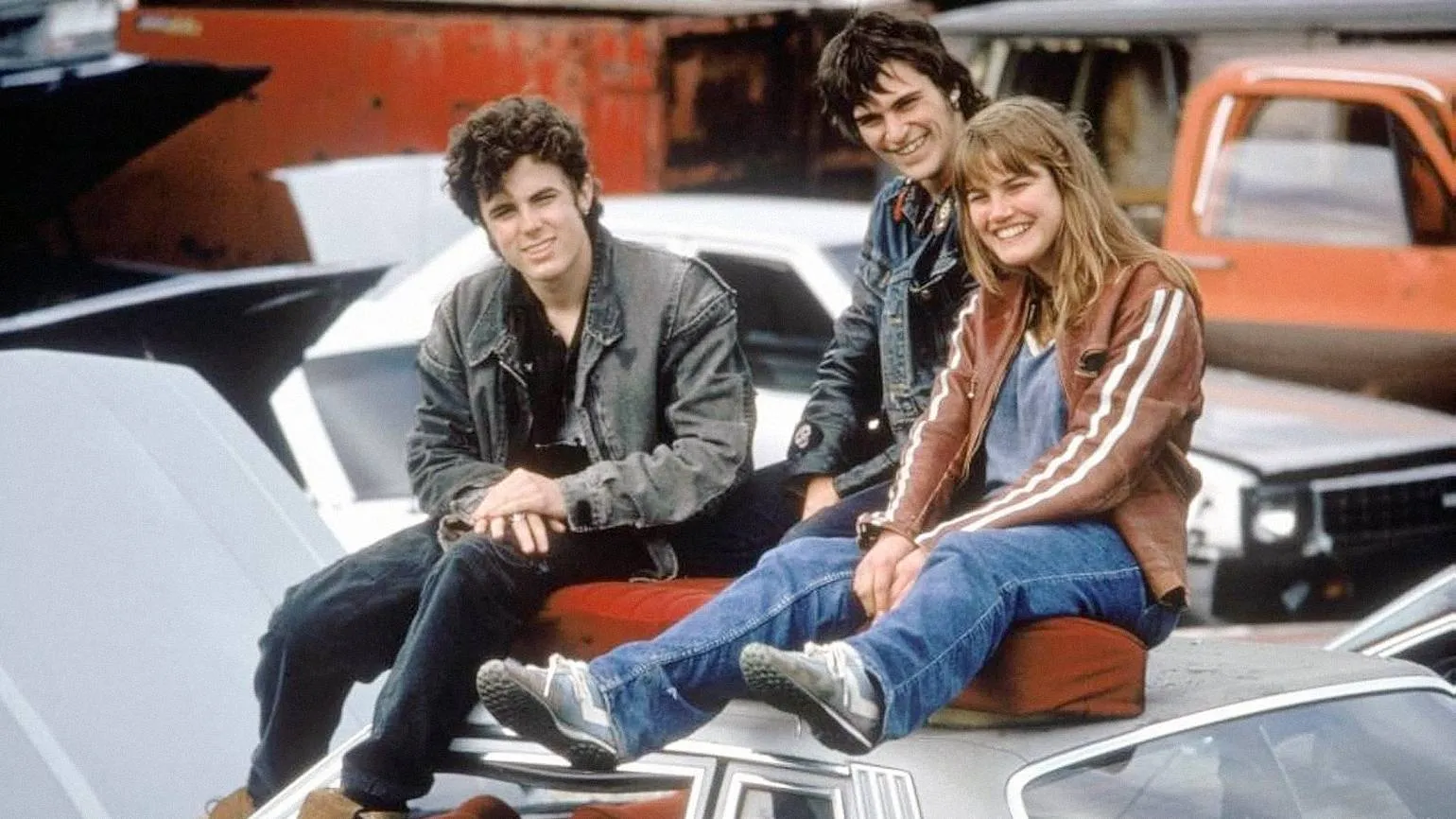
The film received positive reviews from critics, which contributed to the successful reboot of the career of actor Joaquin Phoenix. He began actively appearing in crime thrillers, such as Joel Schumacher's 8mm and Oliver Stone's U-Turn, which brought him significant success and recognition in the film industry.
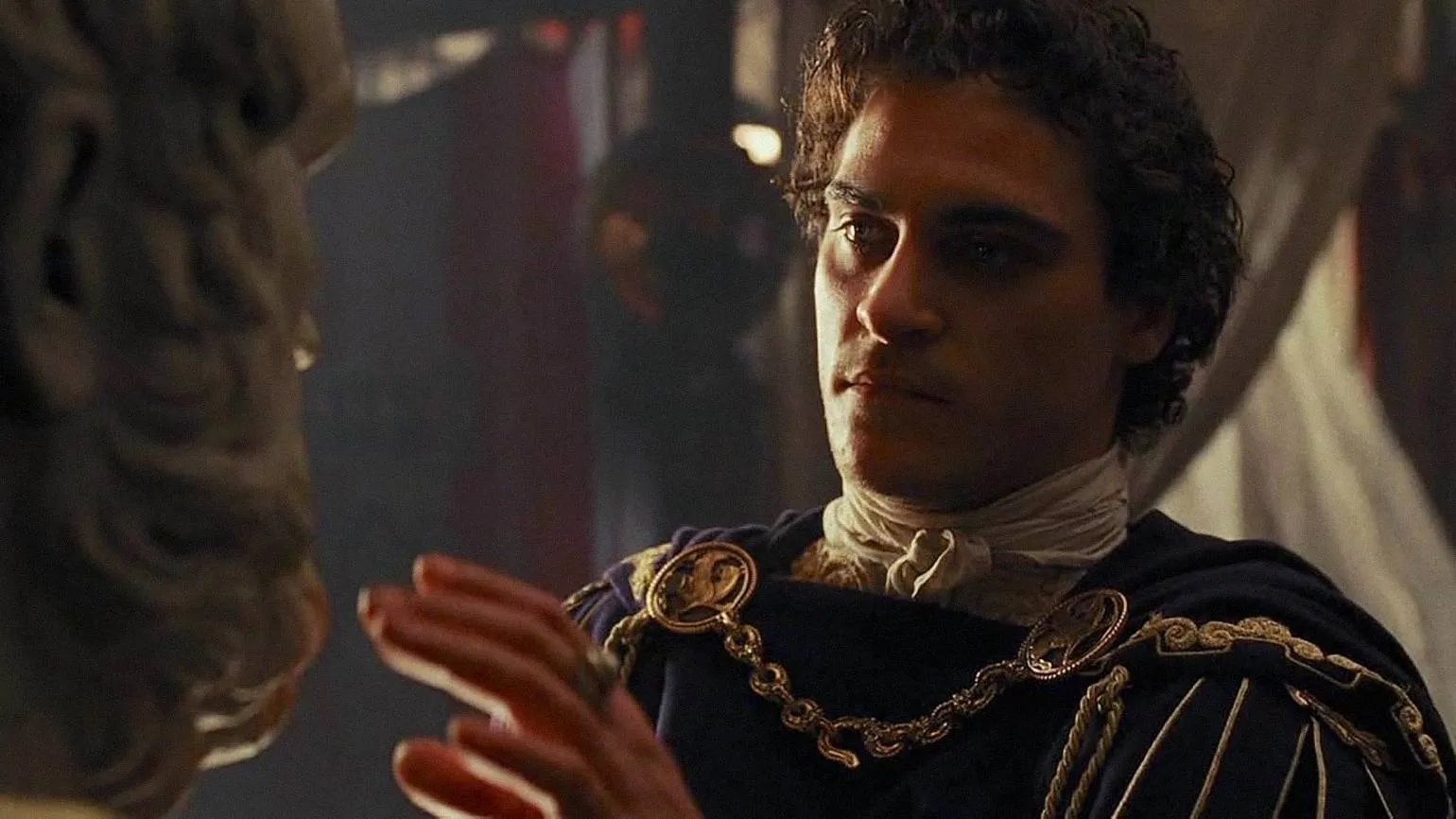
The success of Ridley Scott's Gladiator cannot be overstated. Scott and Russell Crowe were already at the peak of their careers, having already achieved significant achievements in the film industry. However, it was Joaquin Phoenix who attracted special attention, surprising audiences with his performance even in a supporting role. Edward Norton and Jude Law, who were actively promoted by Dreamworks, were also considered for the role. However, after Phoenix's audition, Ridley Scott did not consider other candidates, completely confident in his talent.
The young actor was extremely nervous about the responsibility entrusted to him, and on his first day, he almost decided to leave the set. Russell Crowe and Richard Harris supported him, buying him drinks to help him relax. Joaquin Phoenix immersed himself in his role. Director Ridley Scott gave the actors the opportunity to improvise, and Phoenix came up with Commodus's famous line, "Am I not merciful?!" himself. Furthermore, he decided to gain weight to appear more debauched, which led to his excessive consumption of pasta and bottles of vodka at night. However, such zeal didn't quite align with the director's opinion, who believed Phoenix already had "an interesting and expressive face, evoking associations of hatred, malice, and betrayal." The actor's diligent work paid off. Emperor Commodus, with his refined beauty and deeply flawed character, is as captivating as the virtuous General Maximus. A reviewer for Entertainment Weekly noted that "Phoenix transforms the role of a cartoonish villain into a multi-layered study of psychopathology." Commodus's portrayal combines the resentment of an unloved child against his imperial father, vulnerability, paranoia, depravity, and an insatiable ambition for superiority. This character demonstrates the complexity of human nature, showing how the thirst for power and recognition can destroy personality and undermine moral principles.
Gladiator was a landmark film that revived the peplum genre. Joaquin Phoenix received his first Oscar, Golden Globe, and BAFTA nominations for Outstanding Supporting Actor. Although he was beaten out in these categories by Benicio del Toro, who was nominated for Traffic, Phoenix never sought competition or set out to win more awards. In any case, Gladiator marked the beginning of his rise to true fame. The film not only restored interest in the genre, but also strengthened Phoenix's reputation as a talented actor capable of transforming into complex characters.
Joaquin Phoenix in the film "The Team In "49," he played firefighter Jack Morrison. To prepare for the role, the actor trained at the Baltimore Fire Academy, overcame his fear of heights, and even volunteered to respond to real fires. His efforts were recognized by being named an honorary member of the fire department, as well as a unique tattoo symbolizing his dedication to the profession. The role of a firefighter became one of the most memorable in Joaquin's career, demonstrating his ability to immerse himself in character and deeply understand the specifics of his chosen profession.
In the film "Walk the Line," Joaquin Phoenix played the legendary musician Johnny Cash. To prepare for the role, he spent several months studying recordings of Cash's performances, striving not only to imitate his voice but also to understand the deep motives behind his work. Phoenix composed melodies on the guitar and asked the film crew to call him "JR," as Cash himself did. In an interview, the actor noted that instead of simply imitating, he focused on unraveling the motives behind the musician's actions. Johnny Cash himself approved of Phoenix's casting, which may indicate a deep connection between the two, as both had experienced difficult times in their lives, including the loss of loved ones.
For his work in this film, Joaquin Phoenix won a Golden Globe and a Grammy for performing all the songs himself, and also received his second Oscar nomination. He became so immersed in his role that he began abusing alcohol and stimulants. Phoenix openly admitted, "I was aware of the risk of alcohol addiction when I was preparing for the role." As a result, he had to undergo rehab to cope with the consequences.
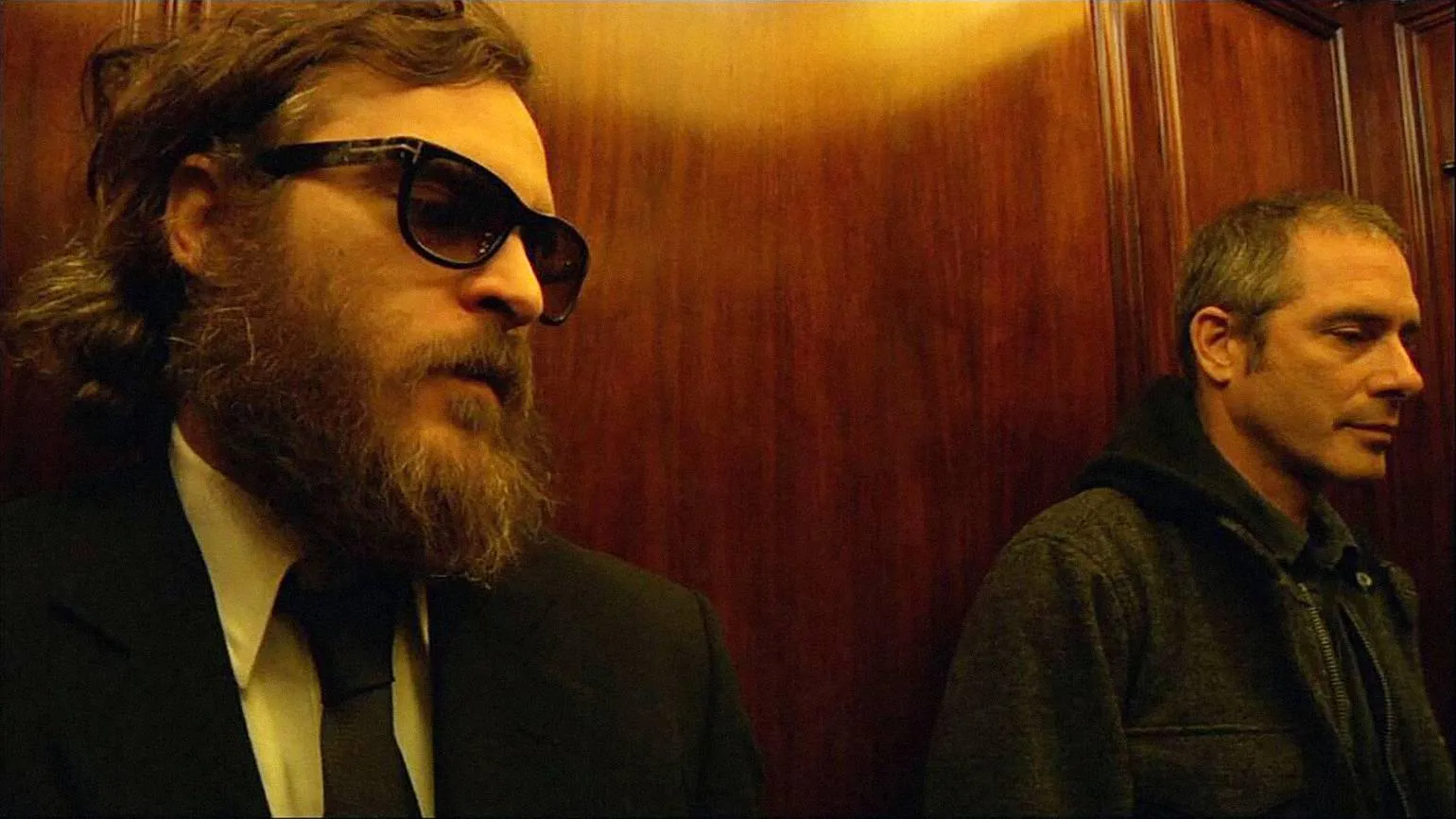
In 2008, on the David Letterman show, Joaquin Phoenix announced his retirement from acting for a career in hip-hop, which shocked viewers and journalists. He appeared before the audience with a noticeably changed appearance: overweight, with a scraggly beard and dark glasses, he slurred his speech and looked insecure. Many recalled the fate of another actor, River, and began speculating about Phoenix's condition. Psychiatrist Paul Dobransky even ventured a "diagnosis based on his profile picture," suggesting schizophrenia. He pointed to a number of signs, including socially inappropriate behavior, a sudden career change, poor grooming, vocal tics, and a lack of facial expression. This case became the subject of media discussion and caused a widespread stir, raising questions about mental health in the world of show business. Two years later, it became clear that this was preparation for one of Joaquin Phoenix's most controversial films, "I'm Still Here." The actor's unconventional approach reached its peak in this project. However, after this, Joaquin did not give up on experiments with deep immersion in the role, continuing to surprise viewers with his skill and dedication to art.
Actor Joaquin Phoenix, who played For his role as Jesus in the film "Mary Magdalene," Phoenix adhered to a strict diet, cutting his intake to 300 calories a day. This was especially difficult given the gastronomic temptations of Sicily, where he was drawn to pasta and a glass of wine. To prepare for his role in "Joker," Phoenix again chose a strict diet, limiting himself to two apples, asparagus, and salad a day for six months. As a result of this diet, the actor lost 55 pounds, which added depth and credibility to his character.
How does he even do it?
"Magdalene" director Garth Davis notes that Joaquin Phoenix does not use the Stanislavski method, but acts instinctively, like a "beautiful wild animal." Davis emphasizes the importance of giving Phoenix the space to be creative. If an actor feels a scene is unnatural, their artistry can fade. A weak script can also expose their flaws. Phoenix is distinguished by a remarkable intelligence and an intuitive approach to performance. His high sensitivity is both a gift and a curse, which, according to Davis, defines human nature.
This approach conveys a noble dedication combined with a deep, dark chthonicity. Phoenix doesn’t simply put on a mask; he immerses himself completely in his role. This is simultaneously enchanting and terrifying. Phoenix’s characters almost always balance on the edge: between neurosis and tenderness, like the tormented Leonard in The Affair; between vulnerability and cruelty, like Joe the Hitman in You Were Never Really Here; between cynicism and kindness, like Doc Sportello in Inherent Vice. These contrasting emotions make them memorable images and evoke profound reflections on human nature.
Phoenix's characters are depicted as teetering on the edge, their feet dangling over a fence. On one side is the abyss and darkness, on the other, the familiar world. These heroes possess the ability to move between both realities, but they never truly feel at home in either. This restlessness manifests itself in their painful and nervous traits, making them relatable to many viewers. This characteristic becomes Phoenix's strength, allowing him to become a symbol of the strange times we live in. A striking example of this duality is the Joker, for whom life becomes a theatrical performance full of absurdity and tragedy, where every step brings him closer to death—his own or that of others.
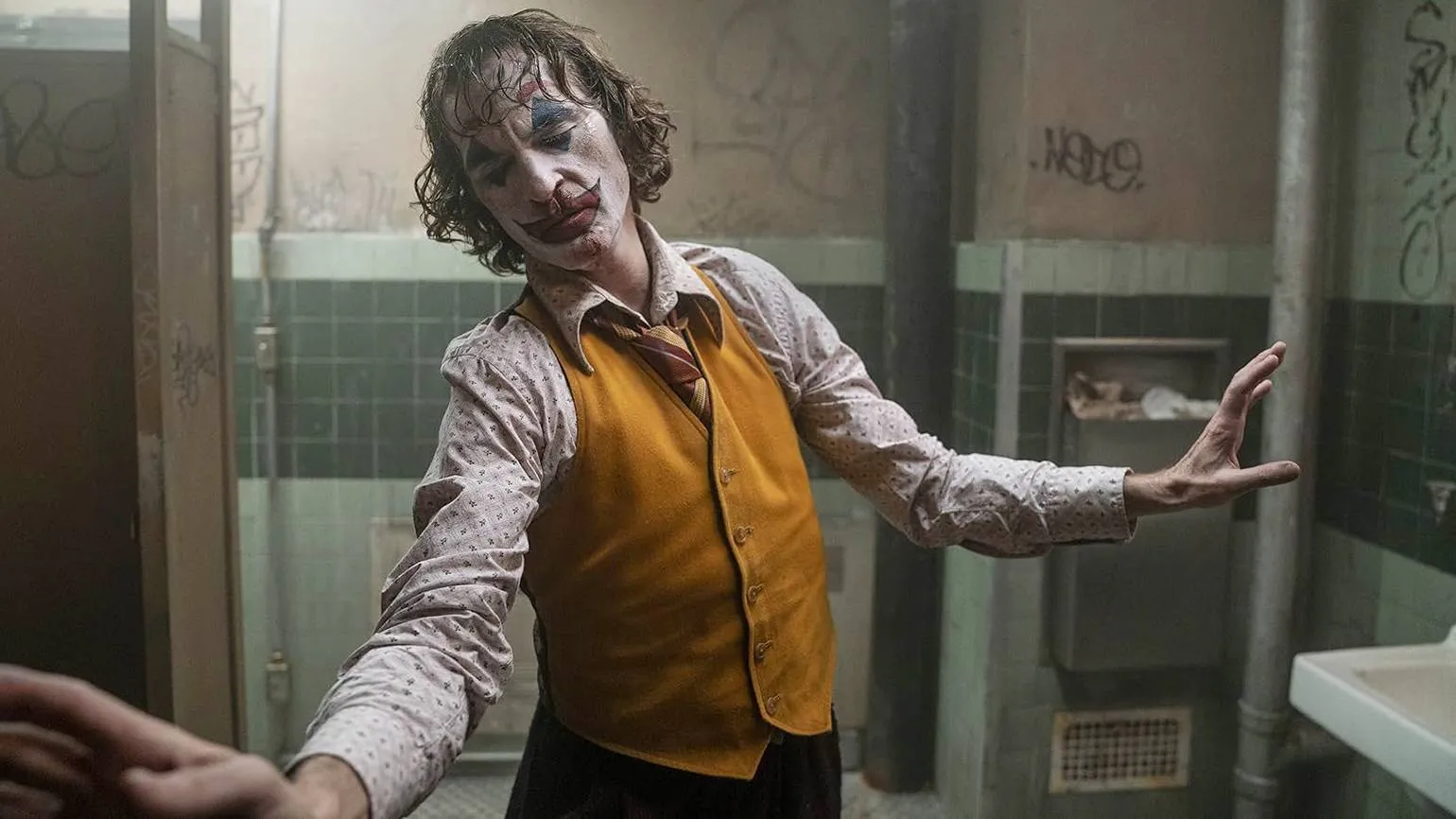
Joaquin Phoenix previously received offers to play superheroes such as the Hulk or Doctor Strange, but it immediately became clear that traditional comic book films were not for him. The project combined the actor's desire to create a unique psychological exploration of a supervillain with the creative vision of director Todd Phillips, who was looking for a way to break the mold of his signature comedies, such as The Hangover. The director wanted a story that would "set the world on fire," and he and Phoenix chose the Joker. Phillips later admitted that Phoenix was his only choice for the lead role. The script was inspired by Martin Scorsese films such as Taxi Driver, The King of Comedy, and Raging Bull, the latter of which Joaquin's older brother once directed. This project marked a significant step in Phoenix's career and opened new horizons in the superhero genre, demonstrating the possibility of in-depth character analysis even within the confines of comic books.
River Phoenix also shared the stage with great actors Martino Scorsese and Robert De Niro. One might imagine that River would have been proud of his brother's success had he known about such a collaboration. This moment underscores the importance of legacy and talent that unites generations of actors.
The film's two stars immediately clashed: Joaquin Phoenix refused to participate in the preliminary reading of the script. Interestingly, their characters in the film also do not show any sympathy for each other. The filming process was tense: Phillips later shared that Phoenix often left the set, delving too deeply into his emotions and seeking comfort. However, Robert De Niro, with his extensive experience, was understanding, noting that such emotional immersion in the role was completely natural.
The premiere of the new film caused a wide response - from enthusiastic reviews to critical remarks. Ultimately, the long-awaited Oscar became the culmination of this event. On stage, Joaquin Phoenix passionately shared his thoughts on how acting gave him an amazing life. However, according to him, the most valuable gift that cinema has given him was the opportunity to speak out for those who cannot defend their rights. Phoenix spoke about discriminated groups, including racial minorities and animals, for whom he is an active advocate. These words can also be applied to another important category - to the deceased. In particular, to his brother River, which gives his speech a special depth. Now Phoenix seems to have become a voice for both of them, continuing their work in the world of cinema.
Joaquin recalls a conversation with River about aging and how their lives will change after 50. They discussed how long it will take to start working together again. Joaquin emphasizes that aging together brings a special joy. He admits that now he misses River more than ever and would like to communicate with him more often.
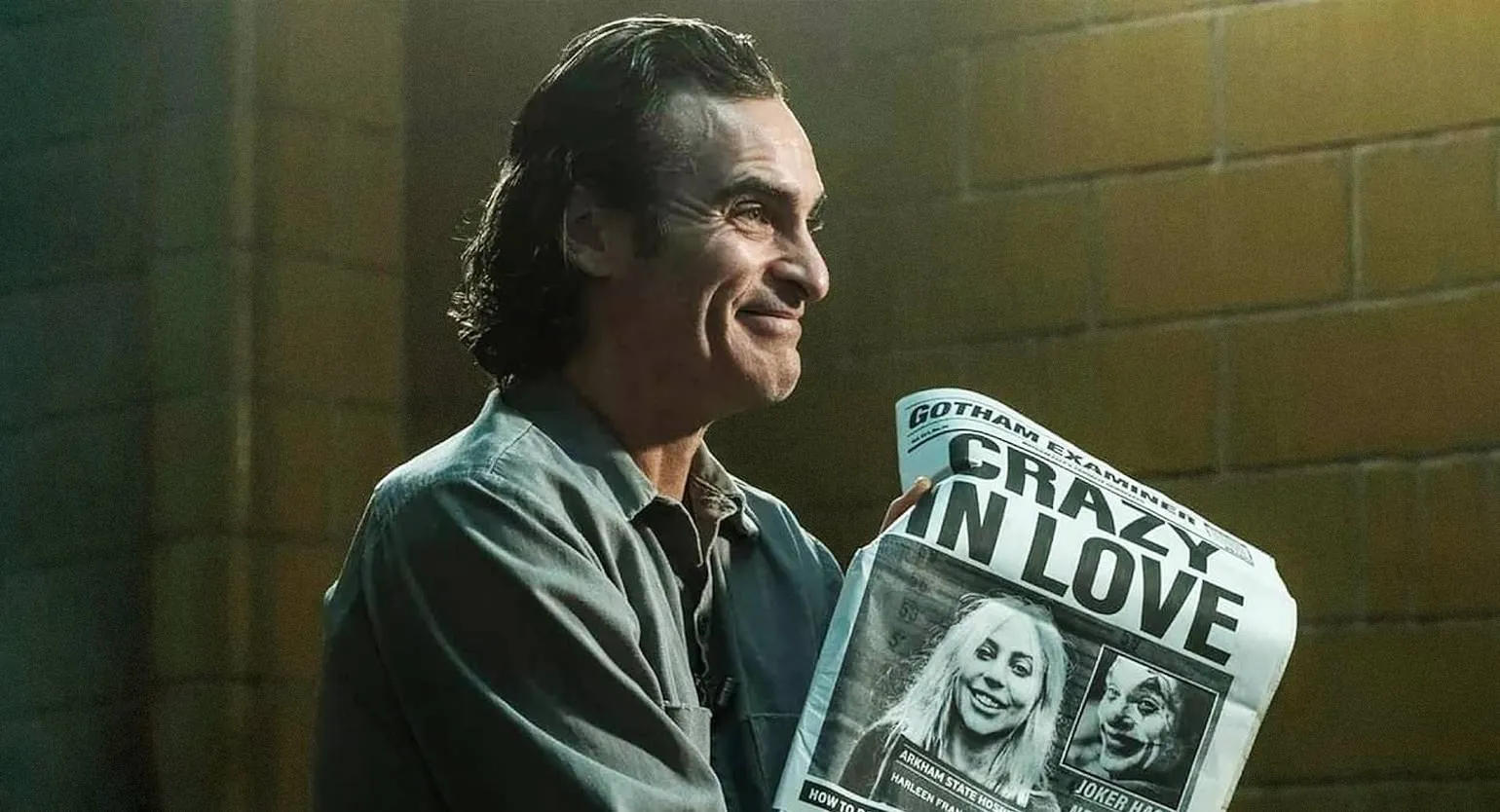
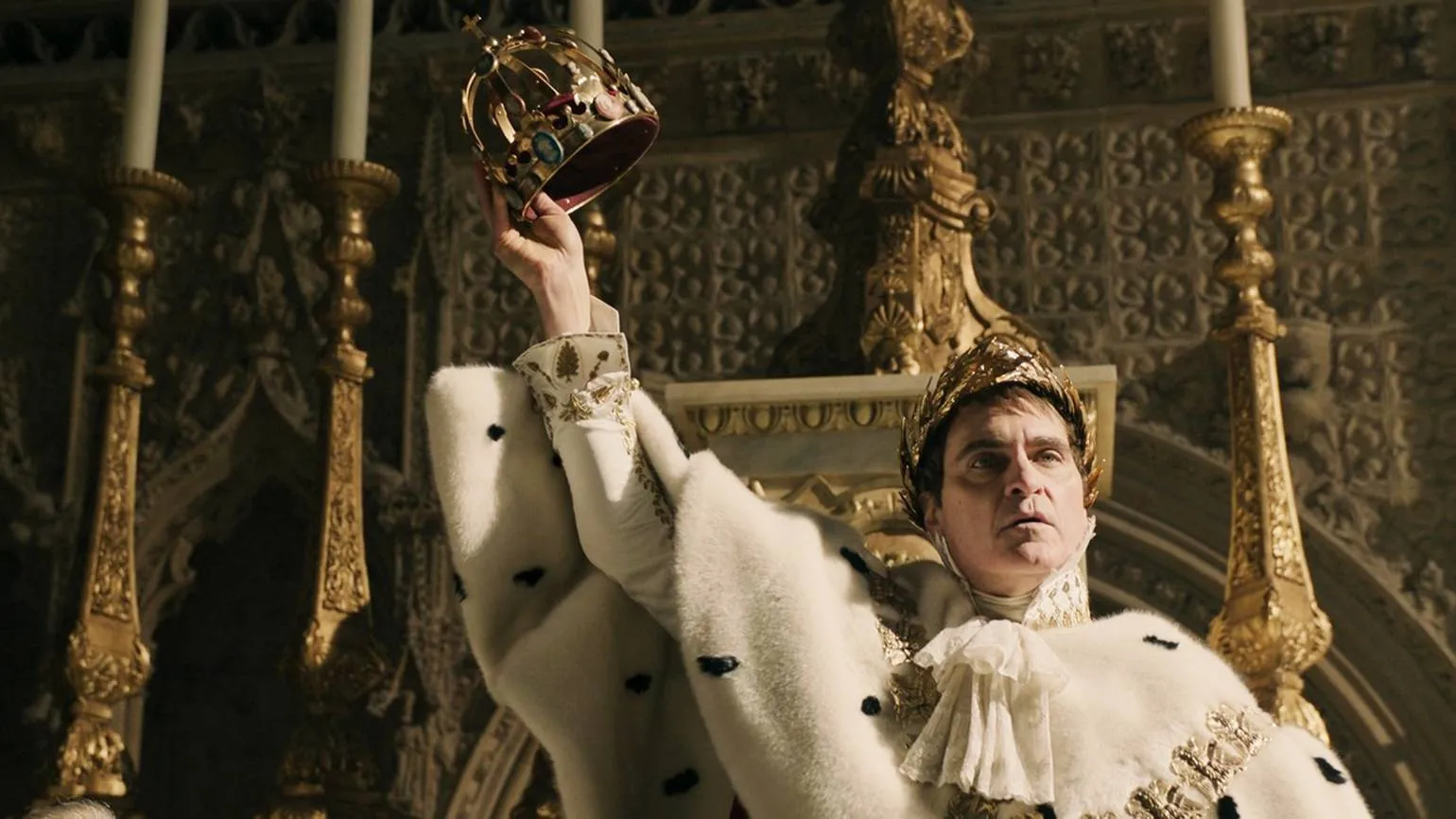
In the twenties, Phoenix's Joker awaits a controversial stage in his career, which is quite consistent with his biography, full of contrasts. On the one hand, The New York Times included him in its list of the 25 greatest actors of the 21st century, underscoring his talent and significance in the film industry. On the other hand, his films haven't always been commercially successful. For example, the black-and-white drama Kamon Kamon and the tragicomedy horror The Fears of Bo failed to win over audiences despite positive reviews from critics. Furthermore, Ridley Scott's biopic Napoleon failed to resonate with audiences, leaving reviewers confused: the director once again failed to convincingly portray Phoenix as the emperor. Phoenix's career in recent years thus demonstrates both the recognition of his talent and the difficulty in achieving commercial success.
The sequel "Joker: Madness for Two", which was released a month ago, did not make a positive impression on audiences and critics. The film's premiere in Venice was not particularly triumphant, and reviewers were not enthusiastic. The financial results also leave much to be desired: despite a budget of $200 million, which is three times more than the first film, the project grossed a third of that. This suggests that the sequel's expectations were not met, and audiences are voting with their money.
No one condemned Phoenix. His performance was described as "powerful" and "magnificent," and, once again lean and full of caustic sarcasm, he continues to impress audiences. However, the combination of a musical with a monotonous story that effectively cancels out the rebellious spirit of the first "Joker," as well as a running time of over two hours, will likely turn off audiences.
The sequel was conceived as a deeply subjective and personal film. Rumor has it that the idea for the second part came to Joaquin Phoenix in a dream. One of the insiders close to the production even noted that the main target audience of the film is Joaquin himself. This is a truly unique decision when the film is focused on one person. In this sense, Phoenix, as a true emperor of his work, has every right to such eccentricity.
The Quill of the Marquis de Sade
The IMDb rating is 7.2. This indicator reflects the general opinion of viewers about the film and can serve as an important guide for those looking for quality content. A high rating indicates positive reviews, which makes the film attractive to viewing. IMDb users often leave their comments and ratings, which allows other viewers to evaluate whether this work is worth spending time on. A rating of 7.2 indicates that the film has received a fairly good reaction and may be of interest to a wide audience.
Year of release: 2000.
The film stars Geoffrey Rush, Kate Winslet and Michael Caine. These talented actors bring deep emotion and vivid personalities to their roles, making the film especially captivating. Geoffrey Rush, known for his multifaceted roles, continues to demonstrate his acting range. Kate Winslet, a multi-award winner, once again confirms her status as one of the best actresses of our time. Michael Caine, a film industry legend, imbues the film with a special atmosphere and charisma. Their collaboration promises unforgettable moments on screen.
Philip Kaufman's historical drama «Feathers» Explores the final years of the rebellious Marquis de Sade. The film's title symbolizes his unquenchable thirst for creativity and freedom. The plot centers on the Abbé du Colmière, played by Joaquin Phoenix. He is the director of the Charenton psychiatric hospital where de Sade, played by Geoffrey Rush, is serving time for his indecent behavior.
The plot revolves around the influence the Marquis exerts on the pious and narrow-minded Abbé. Gradually, du Colmière frees himself from his prejudices, discovering new dimensions of freedom. The historical figure of du Colmière was real, although in real life he was short and hunchbacked, a contrast to the charismatic Phoenix. However, as in the film, he provided de Sade with writing materials, allowed his wife to stay with him, and even facilitated a play that featured other patients at the clinic. The film "Quills" is a fascinating exploration of the arts, freedom, and prejudice within the context of historical reality.
The Yards
The Yards has an IMDb rating of 6.4. This rating reflects the rating of a film or TV series on the IMDb platform, where users can leave their reviews and ratings. A rating of 6.4 indicates average reviews and may attract the attention of viewers interested in what others think of a given work. If you want to learn more about a movie or TV series with this rating, it's worth checking out reviews and comments that will help you better understand its strengths and weaknesses.
The film was released in 2000.
The film stars Mark Wahlberg, Charlize Theron, and James Caan. These talented actors brought their unique charisma and skill to the project, making the film truly memorable. Mark Wahlberg, known for his diverse roles, delivers a deeply emotional performance. Charlize Theron, an Oscar winner, once again confirms her status as one of the best actresses of our time. James Caan, a film legend, adds a special atmosphere to the film with his experience and superb acting. Their combined performance attracts the attention of the audience and makes the film interesting for a wide audience.
In 2014, the film "Phoenix" was released, in which actor Joaquin Phoenix brilliantly performed his role. In the crime thriller, created by James Gray, the main character Leo, played by Mark Wahlberg, returns to life after being released from prison and gets a job on the New York subway. There he encounters his old friend Willie, played by Phoenix. Willie is involved in dangerous criminal schemes, and the plot unfolds around big money and betrayal. At first, Leo and Willie try to improve their relationship, but soon their friendship develops into a deadly confrontation. The film explores themes of trust, betrayal, and moral choices in the world of crime, creating a tense atmosphere and unexpected plot twists.
To gain a deeper understanding of his role, Phoenix studied numerous film noirs and immersed himself in the character, which made it difficult for him to transition back to everyday life. He also faced challenges during complex reshoots. However, the efforts were not in vain: the director was nominated for the Palme d'Or at the Cannes Film Festival, and Phoenix won the National Board of Review Award for Best Supporting Actor.
The Affair
The Affair has an IMDb rating of 7.0. This indicator indicates that the film or series has received positive ratings from viewers. The IMDb rating is an important indicator of content quality that can help viewers choose interesting and high-quality works. A high rating can also attract attention to a project, increasing its popularity and audience.
The film was released in 2008.
The film stars Gwyneth Paltrow, Vinessa Shaw, and Isabella Rossellini. These talented actresses brought unique charisma and skill to their roles, making the film unforgettable. Gwyneth Paltrow, known for her vibrant roles and awards, perfectly embodied the complex character of her character. Vinessa Shaw, a profound acting talent, added emotional depth, and Isabella Rossellini, as always, impressed with her elegance and expressiveness. This stellar cast makes the film especially appealing to viewers who appreciate quality cinema.
Director James Gray delivers a completely different drama, starring Joaquin Phoenix as neurotic New Yorker Leonard. The protagonist finds himself in a complex love situation: he is offered a stable but boring marriage to the daughter of his mother's friend, while on the other hand, he is beckoned by the madness of the passionate neighbor on the landing. Phoenix demonstrates a new side of his talent, portraying a character who becomes even more unhappy, vulnerable and touching. The film draws inspiration from Fyodor Dostoevsky's White Nights, which gives it a piercing and deeply emotional tone. This drama challenges the viewer to consider the nature of love and personal choices, exploring the fine lines of human relationships.
Irrational Man
The IMDb rating is 6.6. This rating reflects the overall reception of the film by audiences and critics. The IMDb rating is an important indicator that can help viewers make viewing decisions. Films with a high rating typically attract more attention and interest, which can contribute to their popularity and commercial success. A rating of 6.6 indicates that the film has moderately positive reviews, making it worth a watch, but perhaps not perfect.
Release year: 2015.
The film stars Emma Stone, Parker Posey, and Jamie Blackley. These talented actors bring uniqueness and depth to their performances, which makes the plot more gripping. Emma Stone is known for her many powerful roles and her ability to transform into various characters, while Parker Posey and Jamie Blackley also demonstrate a high level of skill, making the film interesting for a wide audience.
In Woody Allen's new film, inspired by the works of Dostoevsky, the protagonist, philosophy professor Abe Lucas, faces an existential crisis, immersing himself in alcohol. However, his depression unexpectedly evaporates when Abe decides to follow in the footsteps of Raskolnikov. As always, Allen masterfully combines irony and deep reflection, creating an atmosphere filled with sadness and the absence of a clear morality. Joaquin Phoenix once again demonstrates his acting abilities as Abe, embodying the image of a man with a complex inner nature, which makes him both unlikable and fascinating.
You Were Never Really Here
The IMDb rating is 6.7. This indicator reflects the opinions of viewers and critics about a movie or TV series. The rating can serve as a guide for those looking for quality content to watch. A high rating usually indicates positive reviews and an interesting storyline, which makes it an important factor when choosing a movie or TV series.
Year of release: 2017.
The film stars Ekaterina Samsonov and Alex Manette. These talented actors bring a unique energy and depth to their roles, which makes the plot more captivating. Their on-screen interactions create memorable moments that leave viewers wanting more of the story.
Scottish director Lynne Ramsay's neo-noir film tells the story of a war veteran tasked with rescuing a senator's daughter from criminals. The film combines elements of Joker, as well as Leon and Oldboy. Joaquin Phoenix, unrecognizable with a long beard and significant weight gain, portrays a character who brutally dispatches enemies with a hammer while caring for his ailing mother. His performance evokes both fear and empathy, which was praised by critics: Phoenix won an award for the role at the Cannes Film Festival. The film stands out for its atmosphere, tense plot, and complex characters, making it a significant work in the neo-noir genre.
Free test: which digital profession is right for you?
IT, design, marketing, or management? Find out the answer in 15 minutes. And then try your hand at a new specialty for free.
Find out more