Try 4 top design professions. Free ➞ In 5 days, you will get acquainted with illustration, UX/UI, web, and graphic design. Add 4 cool cases to your portfolio and decide which direction to develop further.
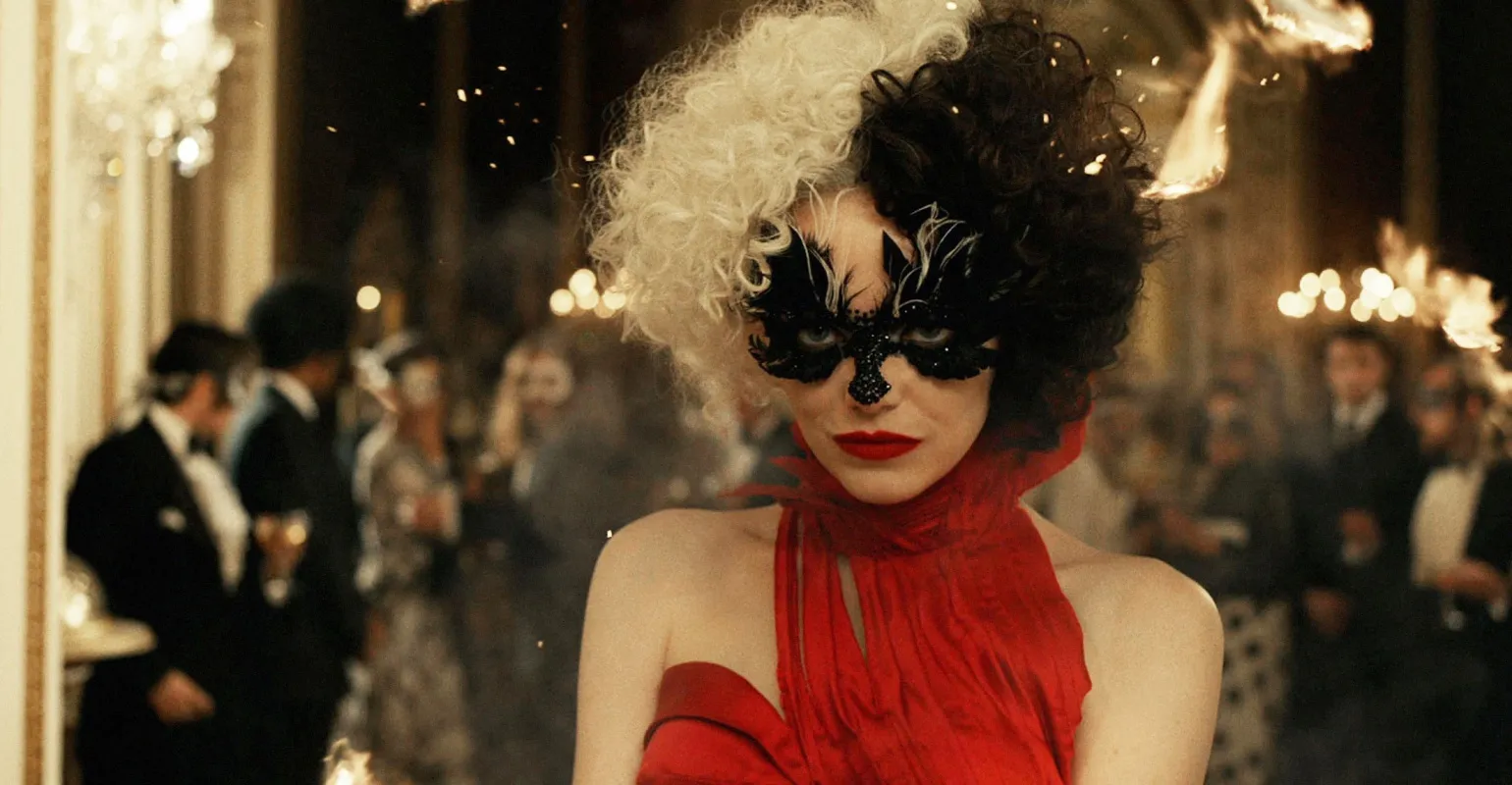
Learn moreThe director plays a key role in creating the image of the main character, distinguishing him from other characters. One effective way to achieve this is by using bright, contrasting costumes. For example, the color red, often used humorously in marketing, also finds its way into film. It's often chosen to draw the viewer's attention to a key character, making them a memorable and striking element of the plot. This approach helps not only visually highlight the hero, but also convey his emotional state and character, which significantly enhances the audience's perception.
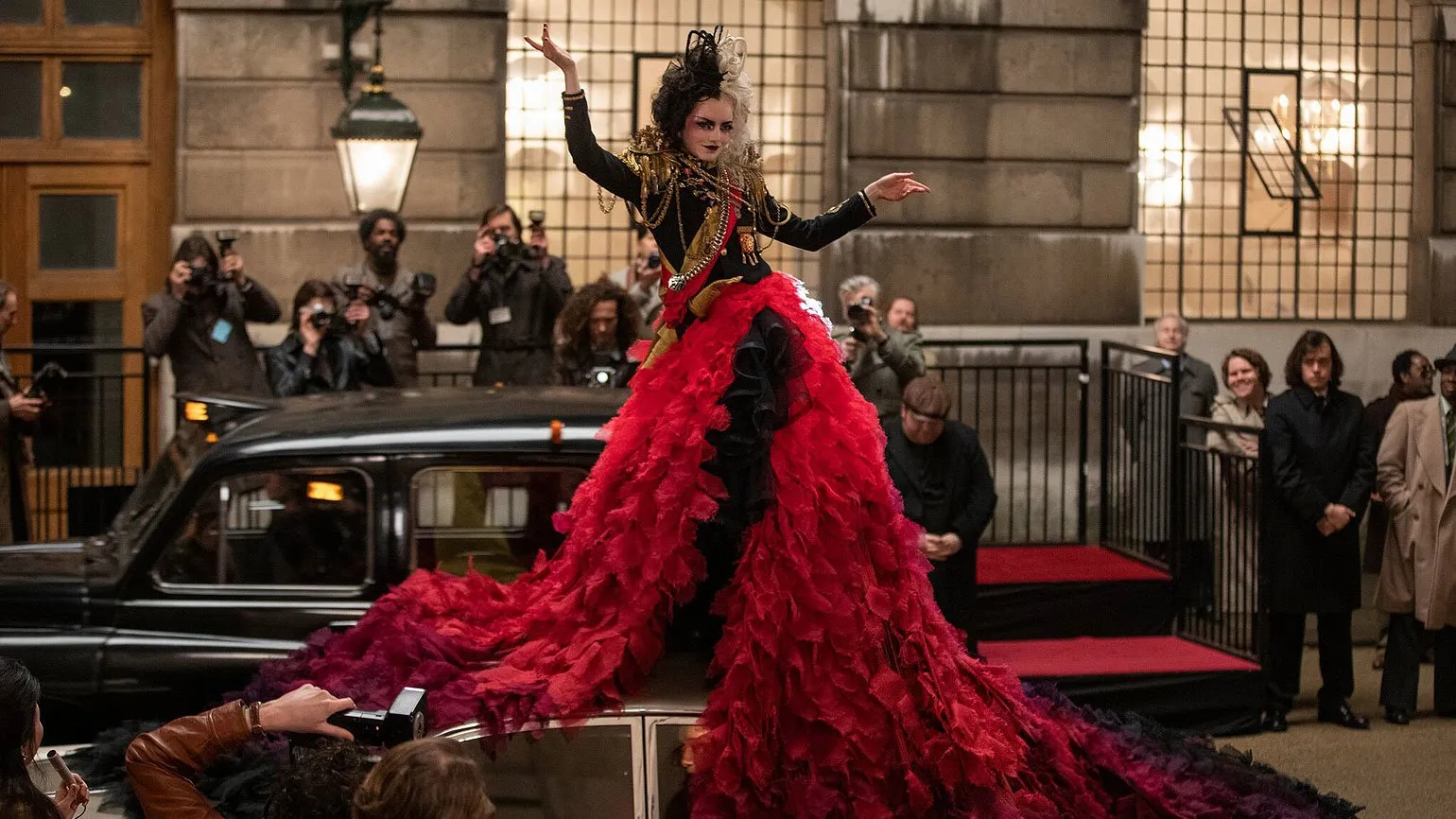
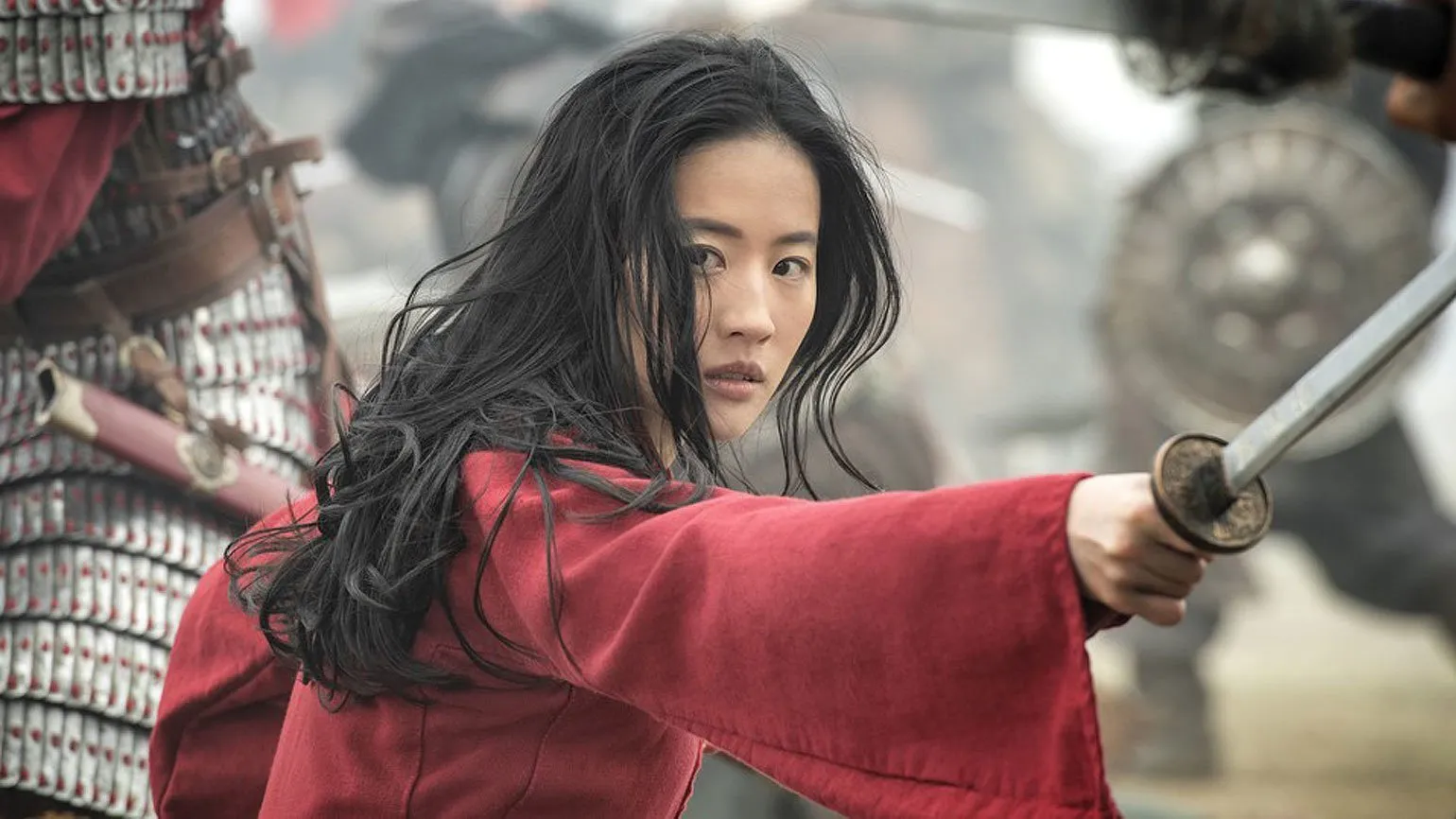
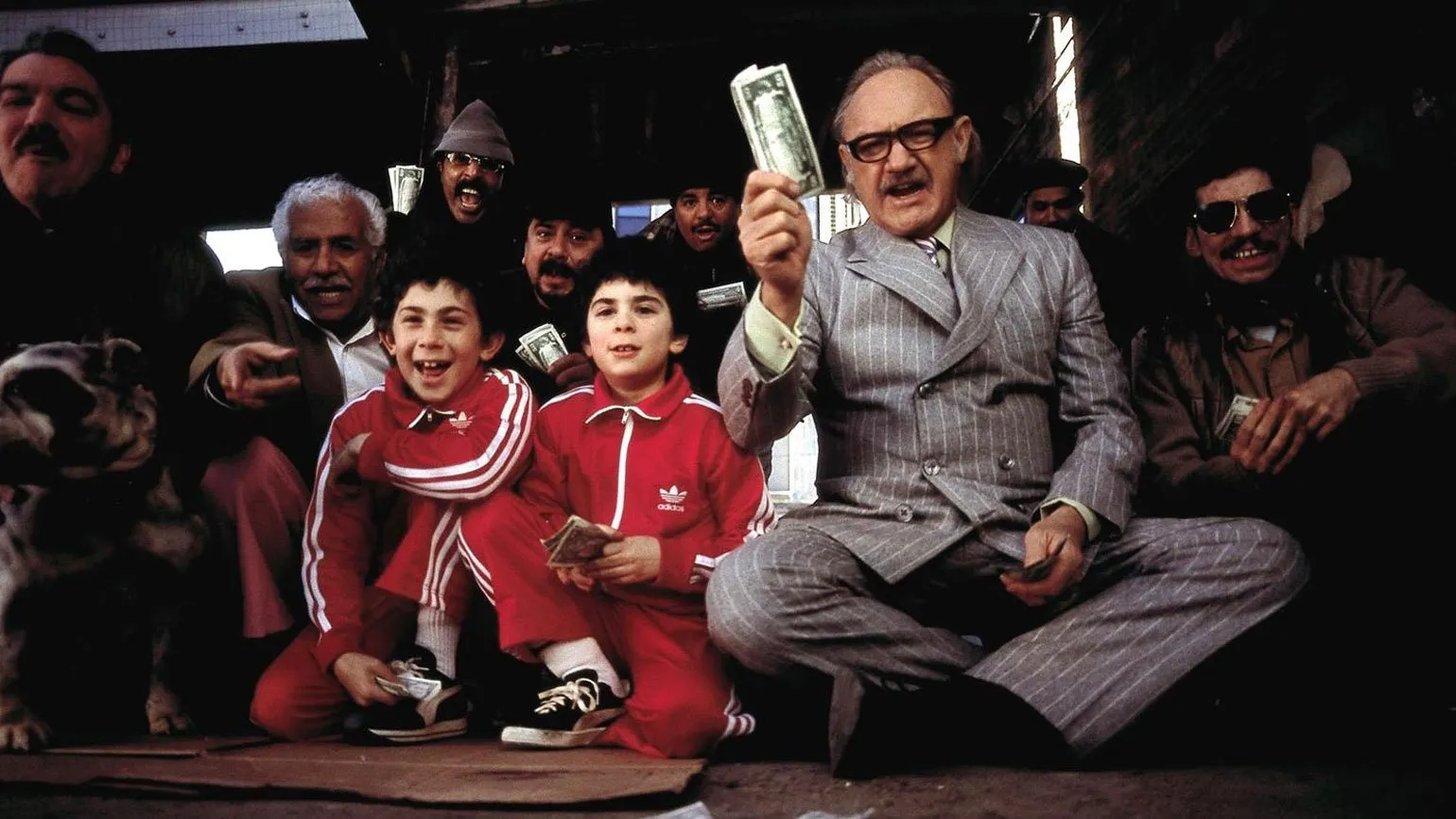
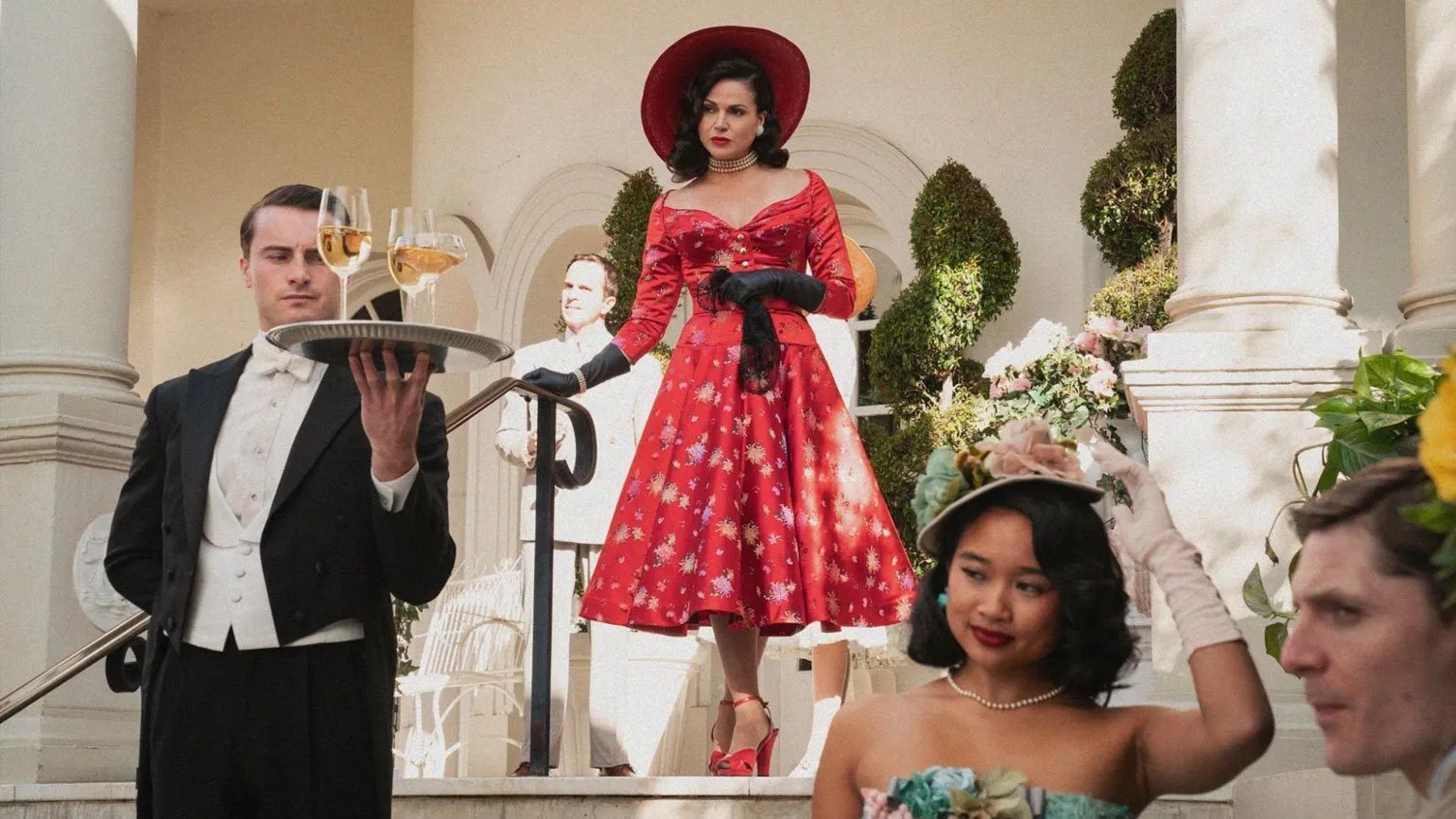
Red attracts attention with its versatility. It can be worn by a variety of characters with different personalities, and each look will be shaped by its combination with other wardrobe elements. Red can emphasize individuality and style, as well as express emotions and mood. Properly chosen accessories and details will help create a unique and memorable look, in which red will be the key accent.
Learn about the perception of red and its use by famous brands in our article. Red is associated with energy, passion, and attention, making it a popular choice for marketing. Brands use this color to attract attention and create an emotional connection with consumers. In this article, we will consider examples of the successful use of red in advertising and design, as well as its impact on consumer behavior.
In design, red is widely used in various niches. Adjacent shades, the shape of elements, and their arrangement play a key role in conveying a brand's message. The right combination of these factors enhances visual communication and helps highlight the company's uniqueness.
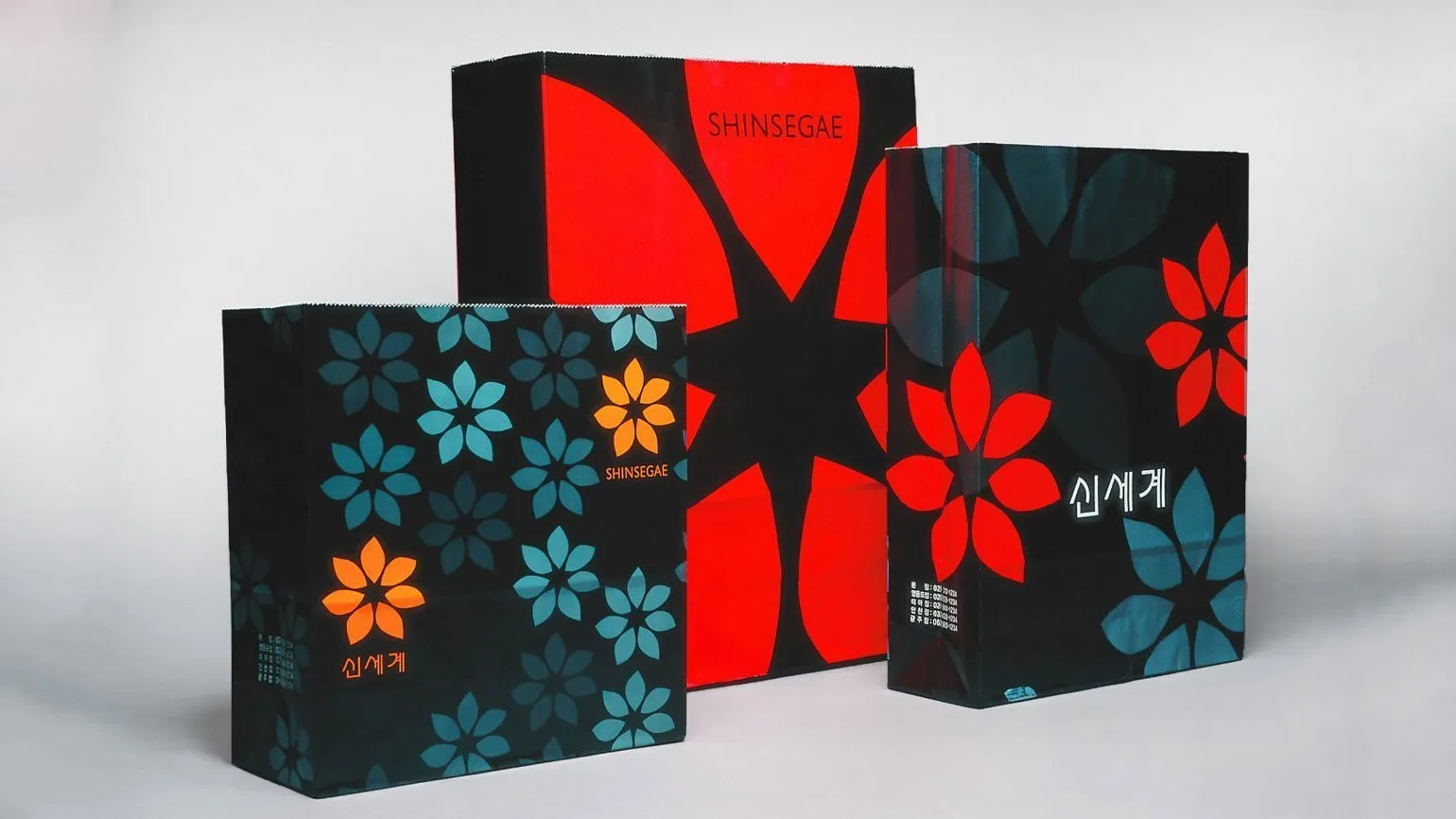
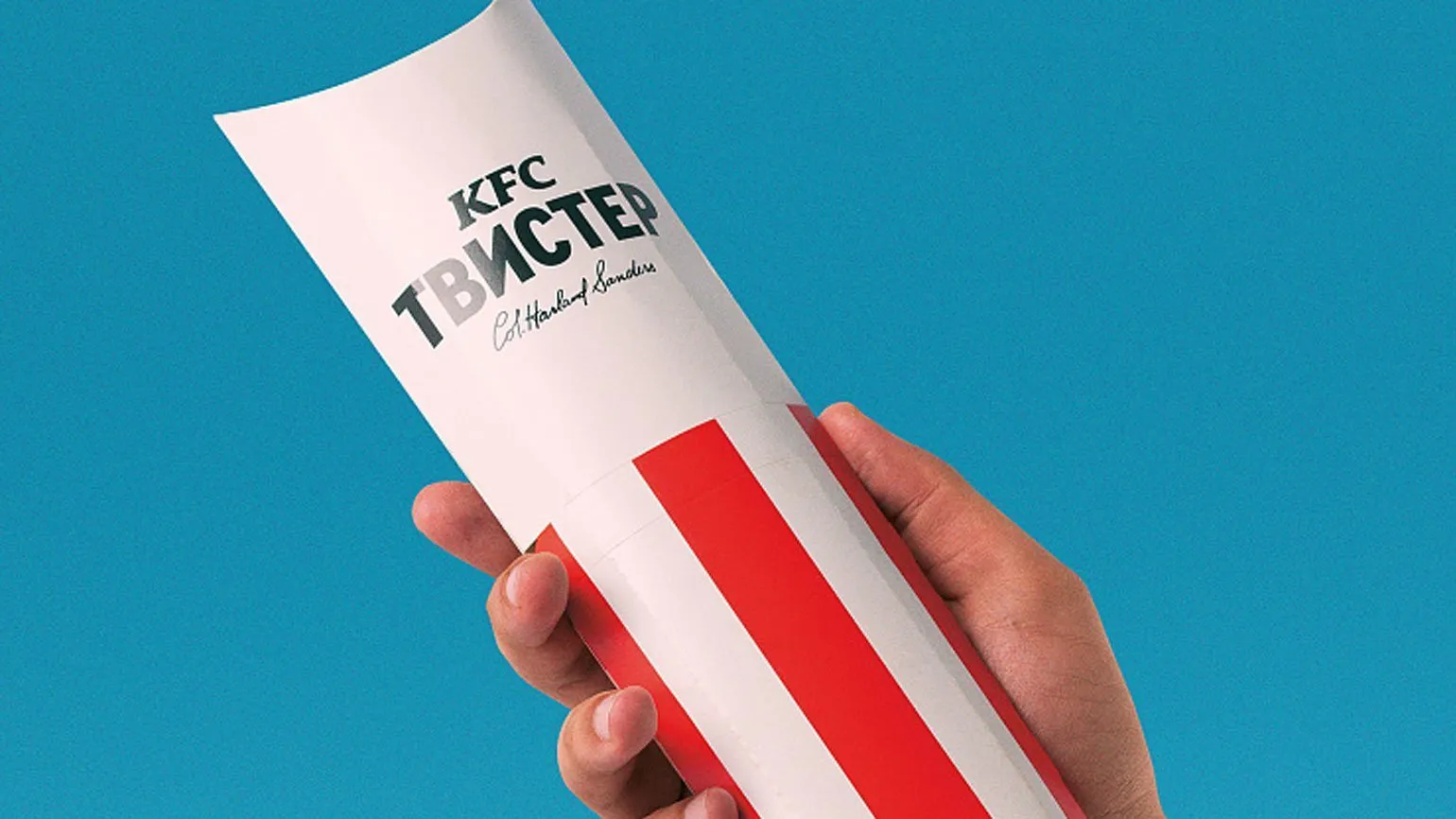
Not all key characters in films are dressed in red, but they can be highlighted using any contrasting color relative to the background. This "color coding" allows the director to emphasize a character, even if they are out of focus, off-center, or partially obscured. Using such hues helps viewers quickly identify important figures in the plot, which enhances the emotional connection and perception of what is happening on screen.
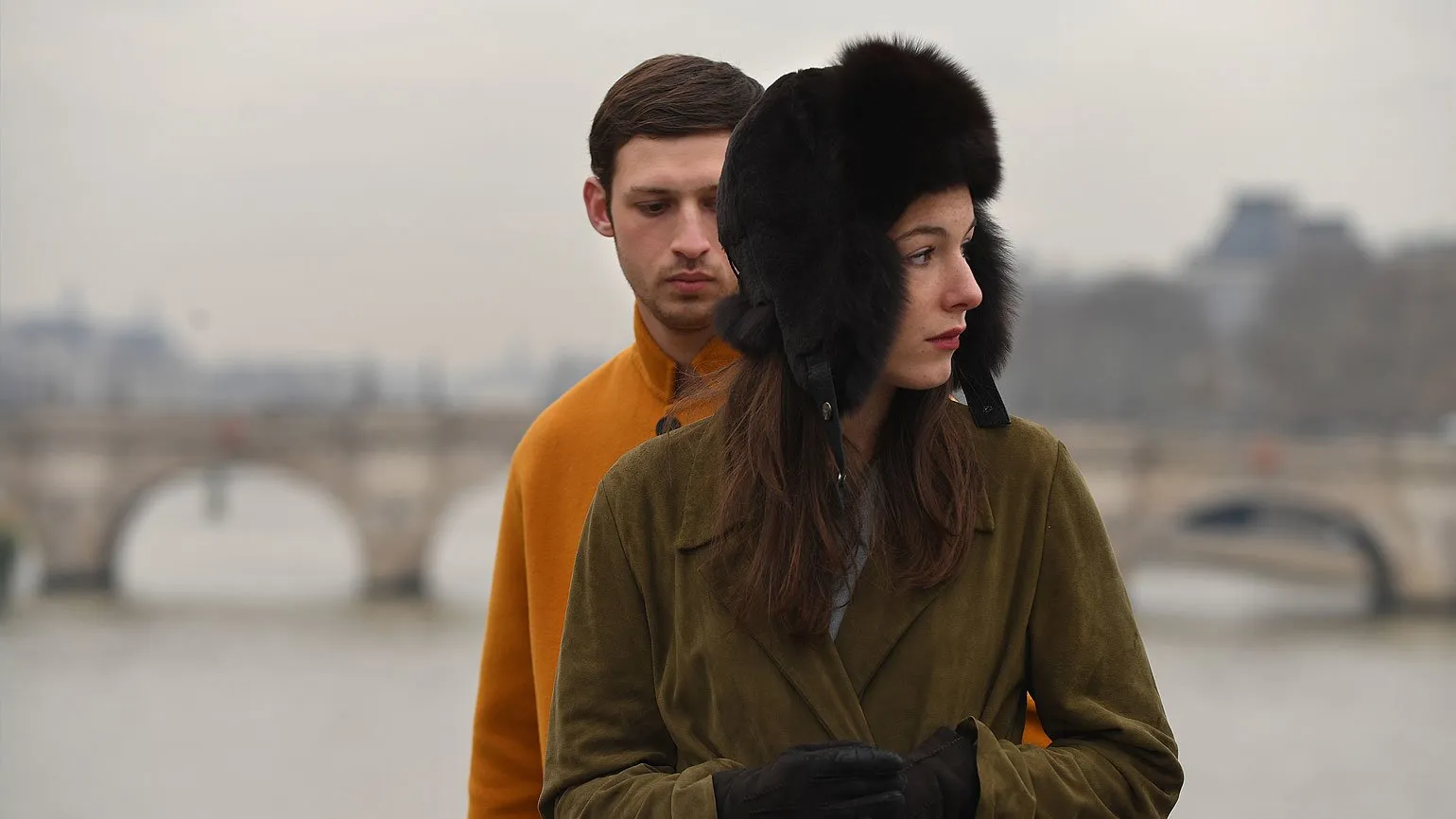
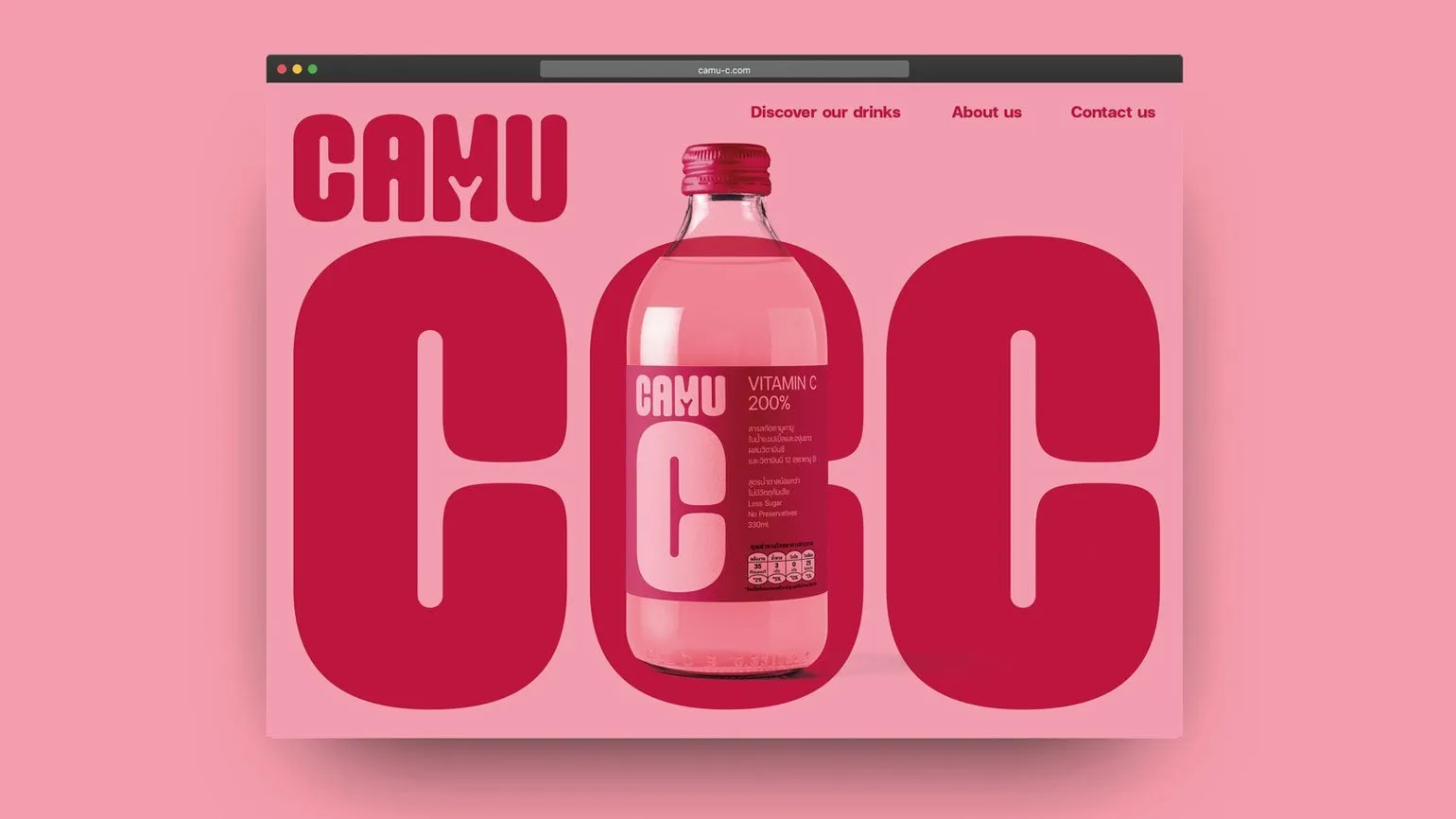
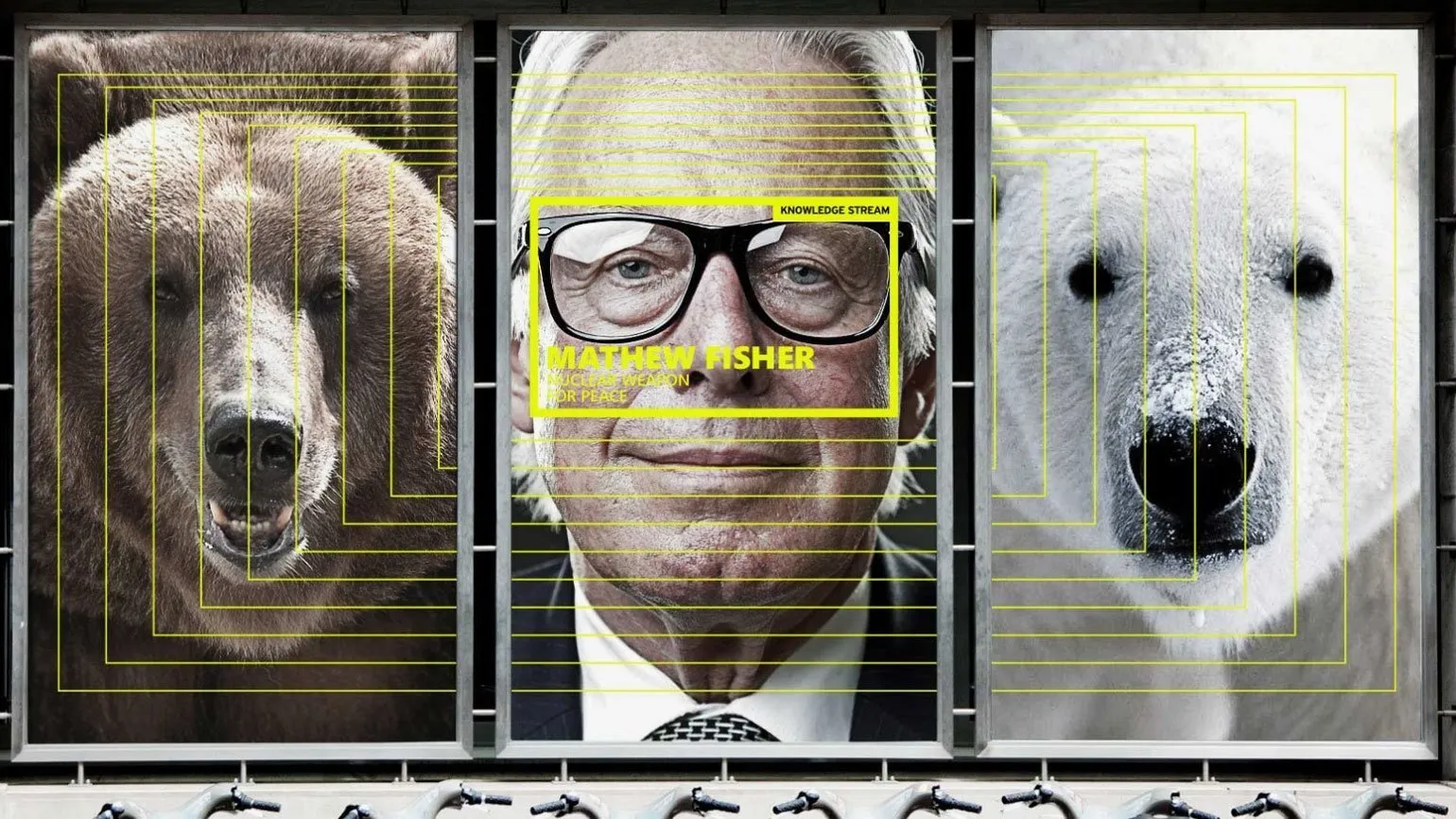
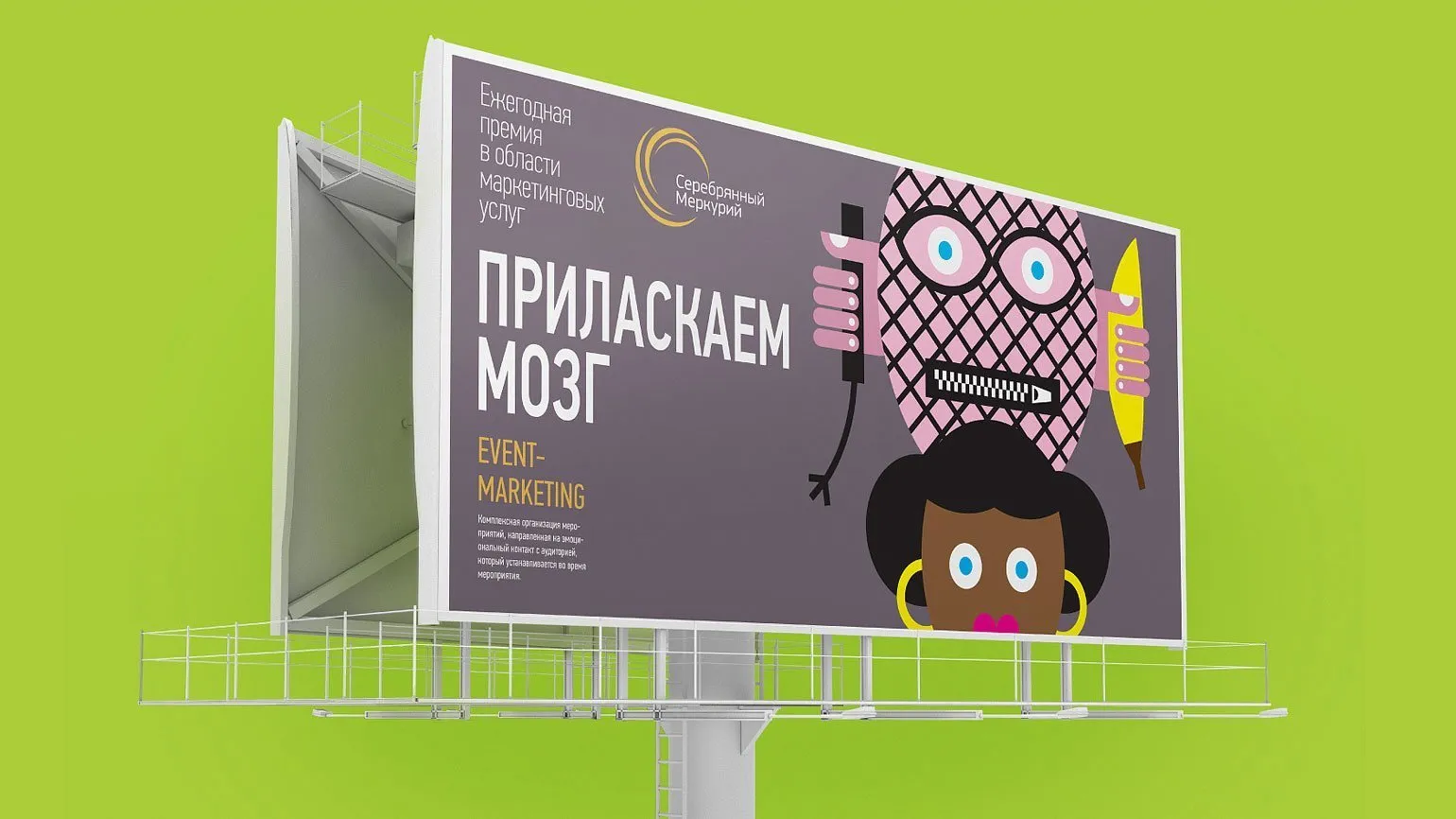
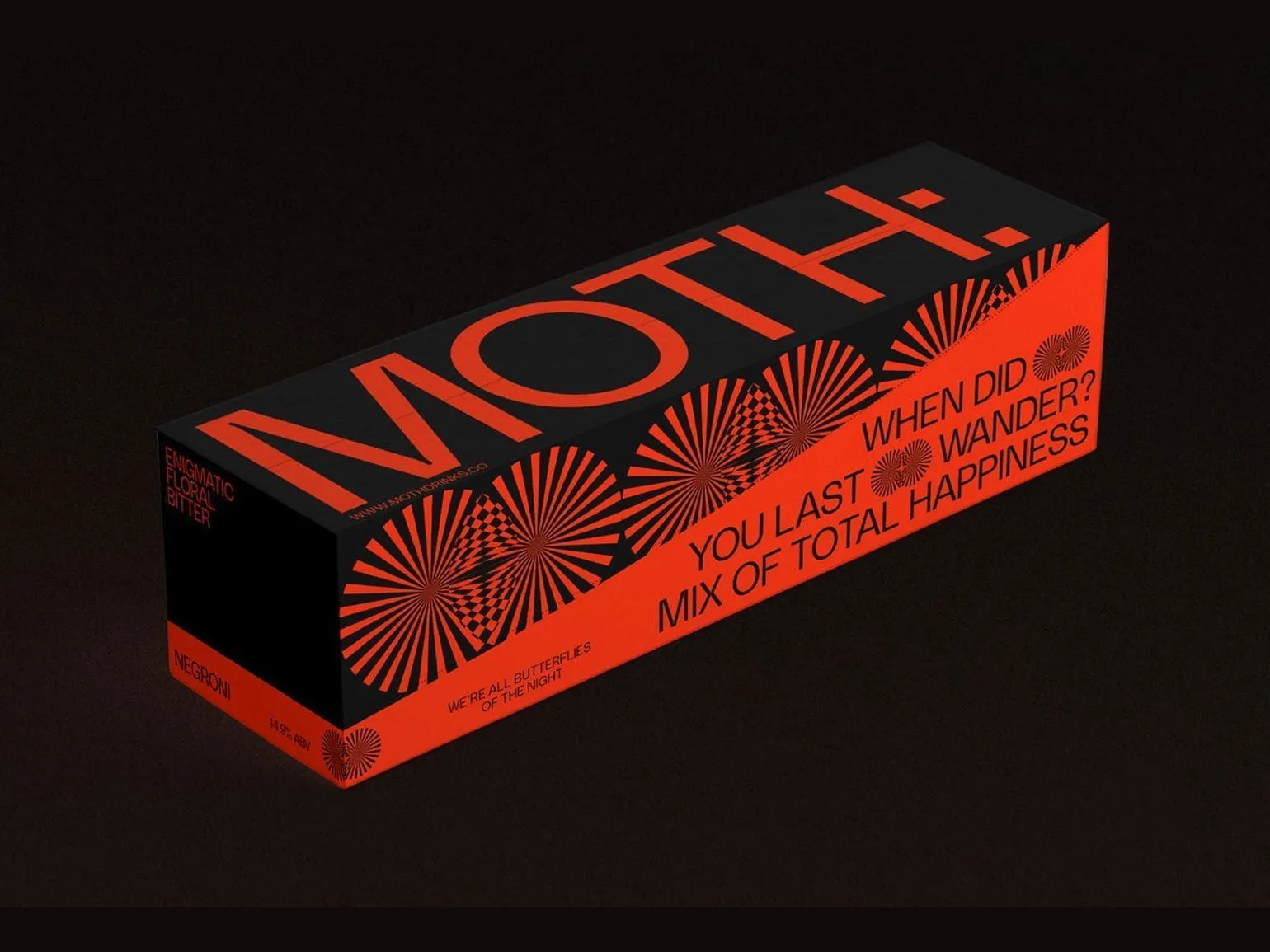
Partial overlap of the main object in the design creates interesting compositions and can lead to the formation of new forms. For example, the letter "M" can transform into sparkling eyes at night. Unique plastic elements combined with the brand color make the product or logo easily recognizable even in small fragments. This approach not only enhances visual appeal, but also promotes brand memorability, which is an important aspect for successful marketing.
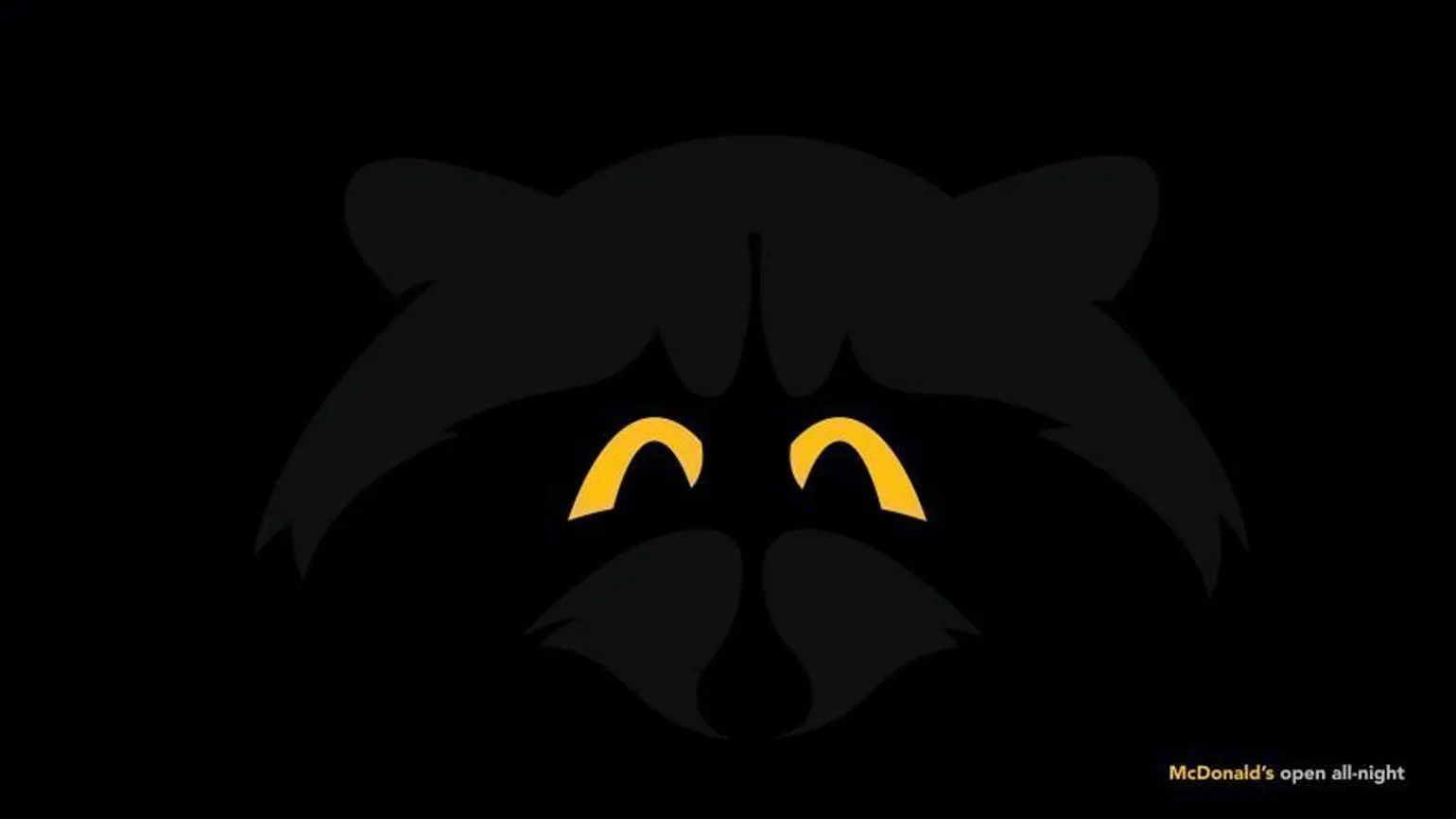
Sometimes, to highlight a character in a movie, filmmakers use a paradoxical technique - they hide him. This decision forces the viewer to stop and take a closer look at what's happening on screen. Hiding a character creates intrigue and draws attention, encouraging the audience to delve deeper into the plot and understand their motivations. Thus, the use of contrasting techniques in visual storytelling helps create a deeper connection between the viewer and the character, making the film more memorable.
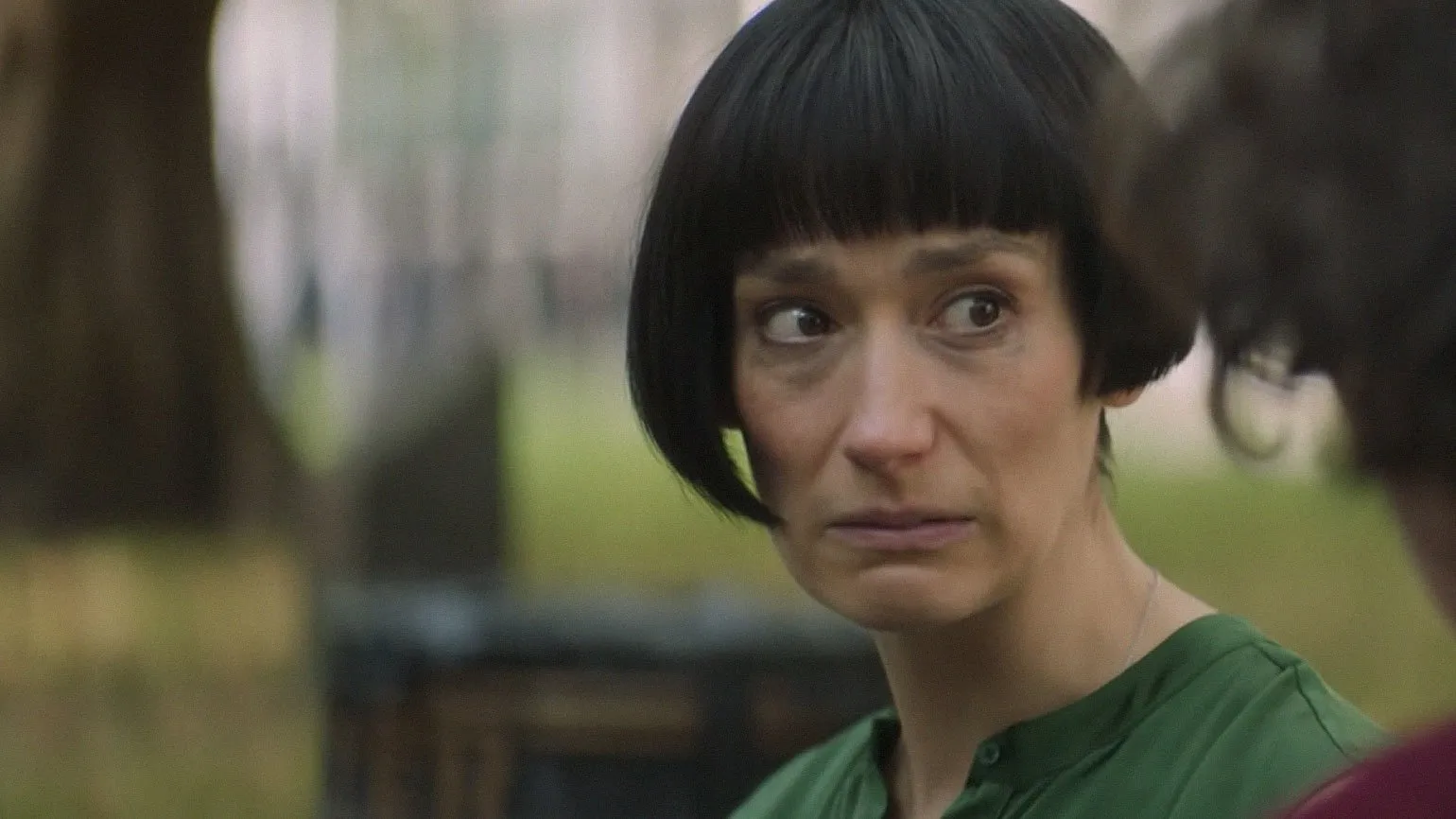
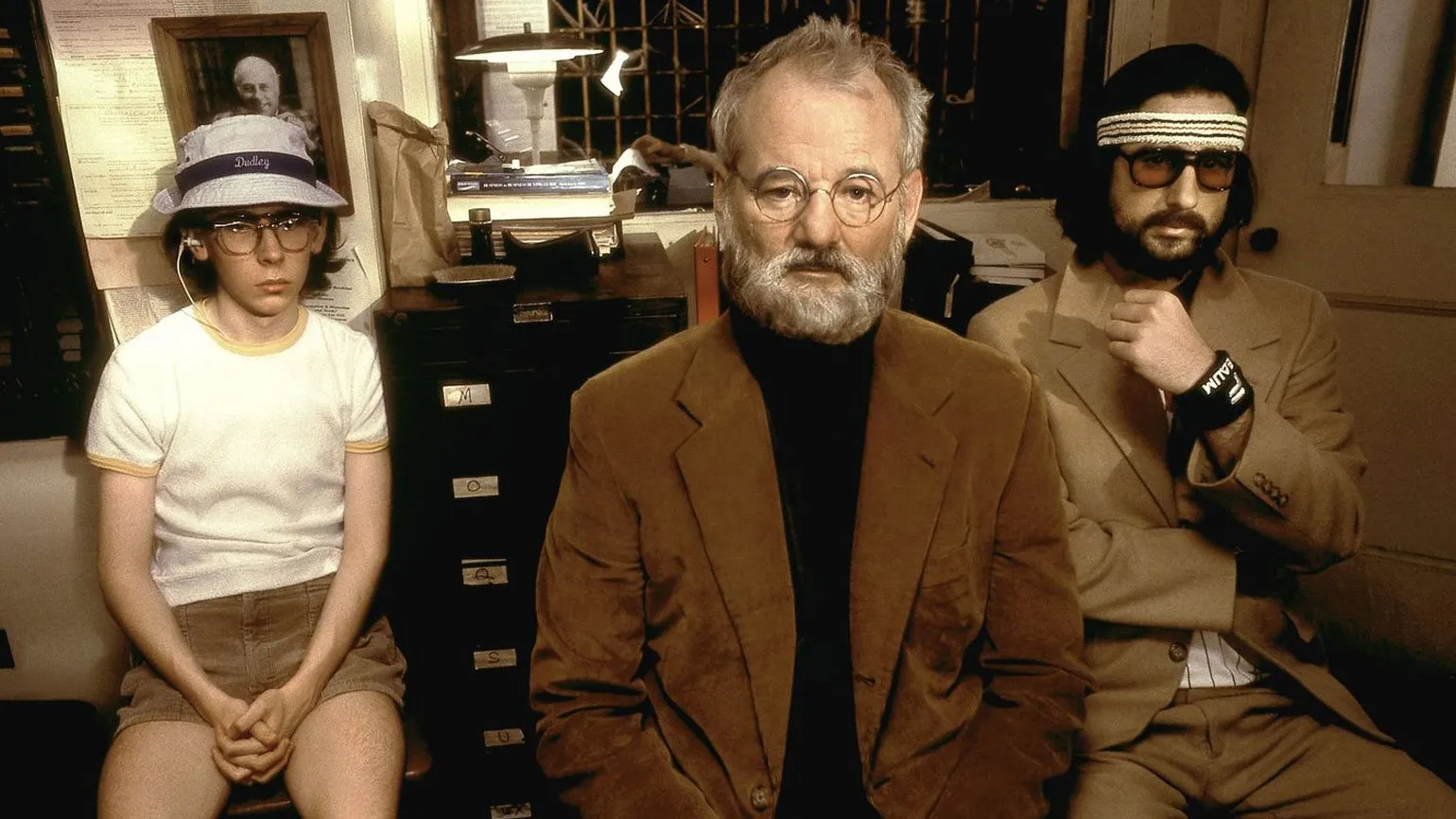
This technique has long been used in cinema, and in advertising design it has become popular in recent years. Instead of creating a bright contrast, products are harmoniously integrated into the environment. This approach not only creates a more natural perception, but also effectively conveys the value of the product to the consumer. The use of soft colors and organic shapes helps improve the brand image and increase interest in the product.
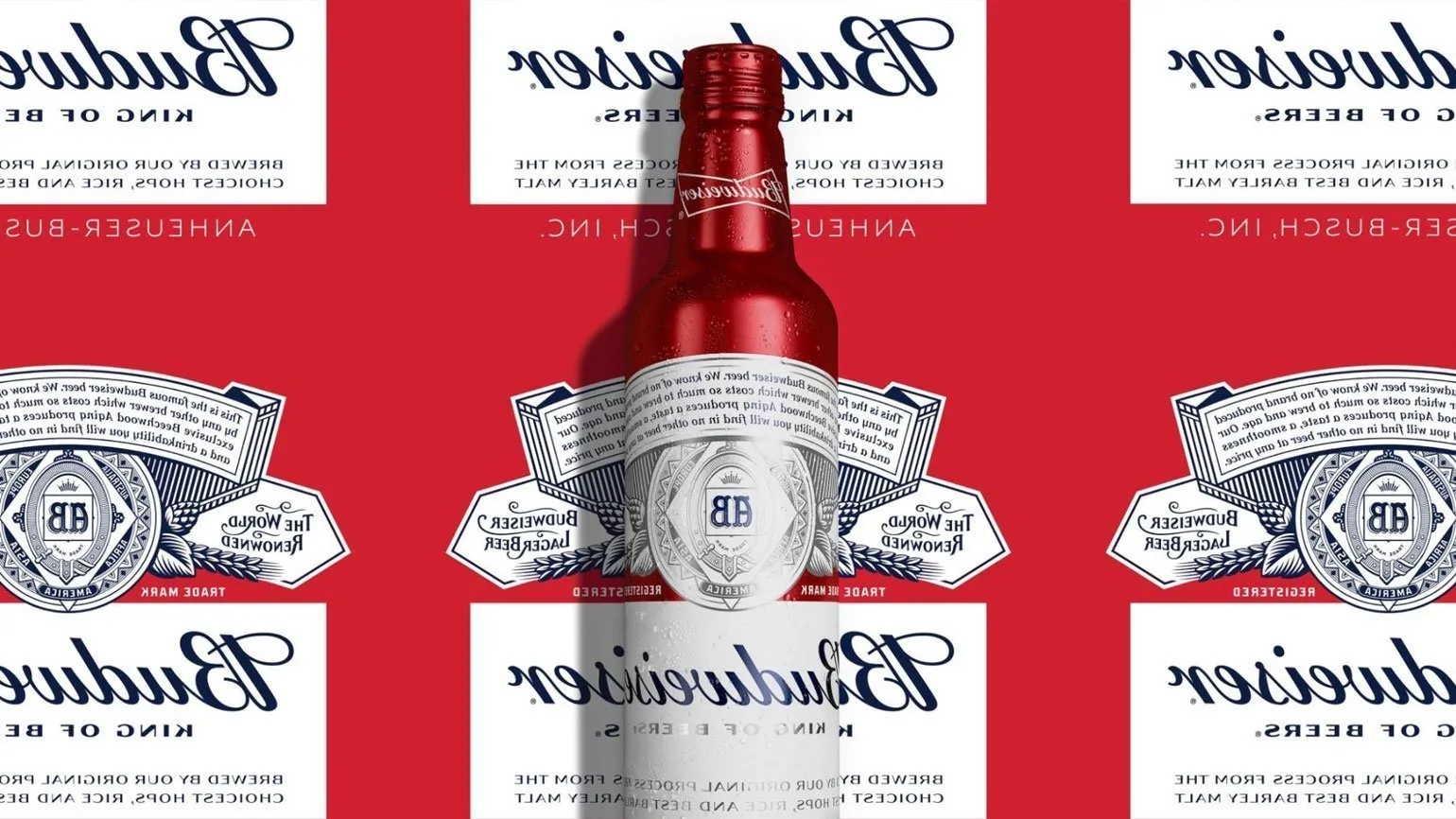
The composition differentiates between the primary and secondary elements by the level of detail. In this case, the main focus is on the alien mother, who stands out thanks to her bow, beads, and bright dress. These elements emphasize her uniqueness and make her look more memorable.
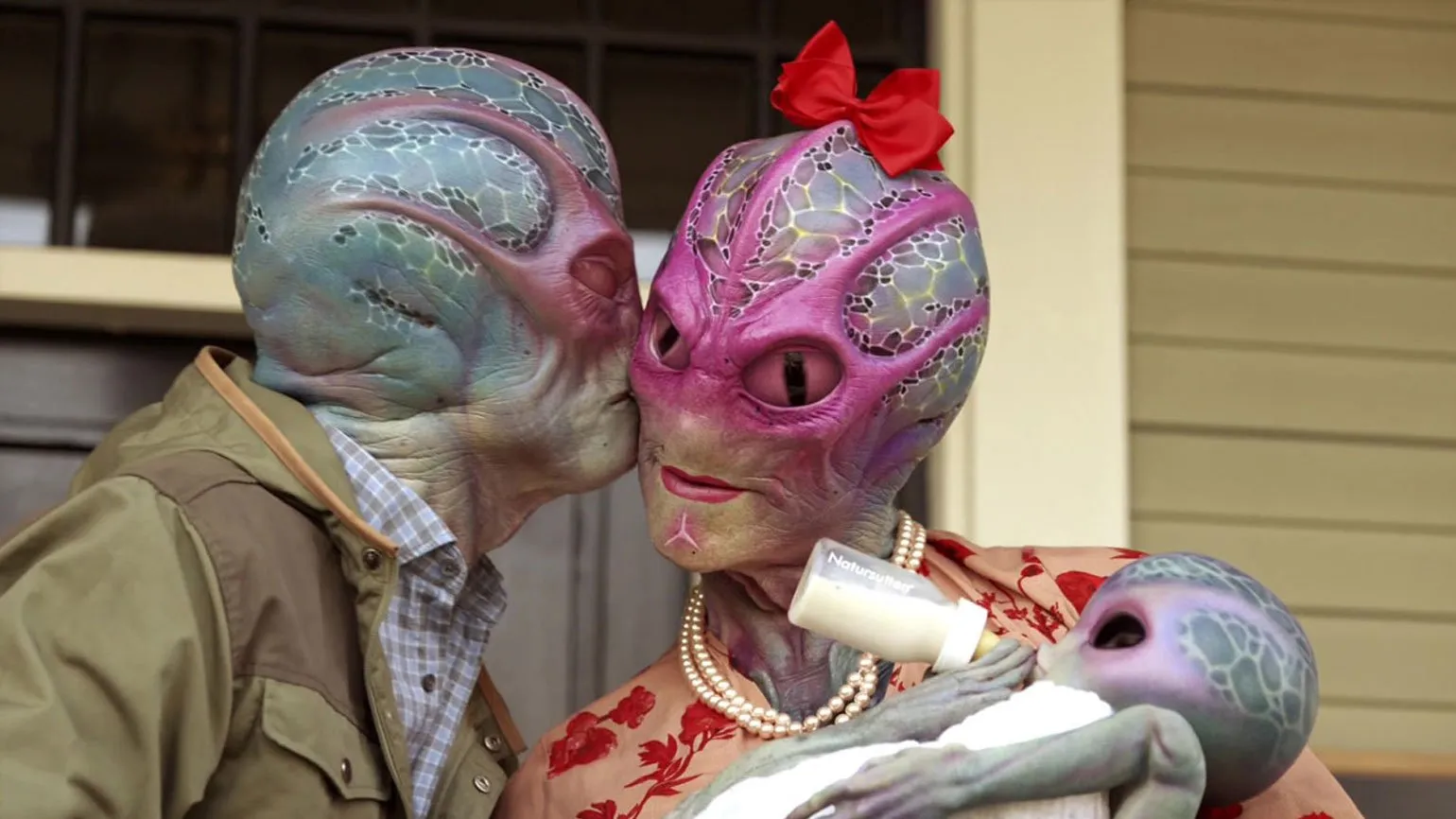
In advertising, illustrations, and identity, a high degree of detail allows you to highlight a figure, even if it is small and not located in the center of the composition. This approach attracts attention and creates depth of perception, which enhances the visual effect and contributes to better memorization of the image. Correct use of details helps create a vivid and memorable image that effectively conveys the key message.

In film, diagonal lines are used to direct the viewer's attention. These elements are not always as clearly defined as in graphic design. In a frame, diagonals can be formed from the faces of secondary characters, the gestures of those around them, or the arrangement of furniture, creating the effect of perspective distortion. These techniques help direct the viewer's gaze, focusing attention on key plot points and enhancing visual perception.
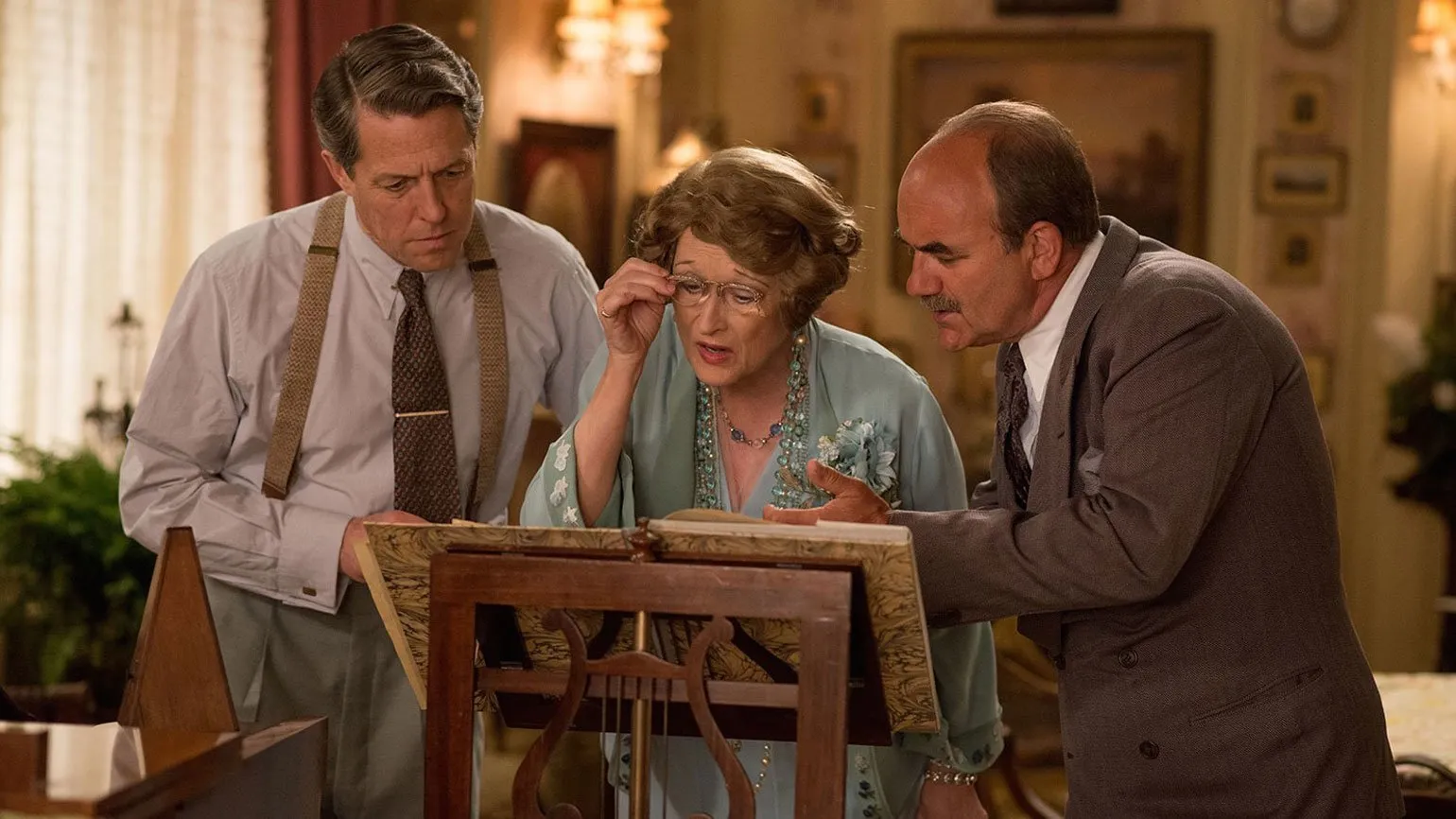
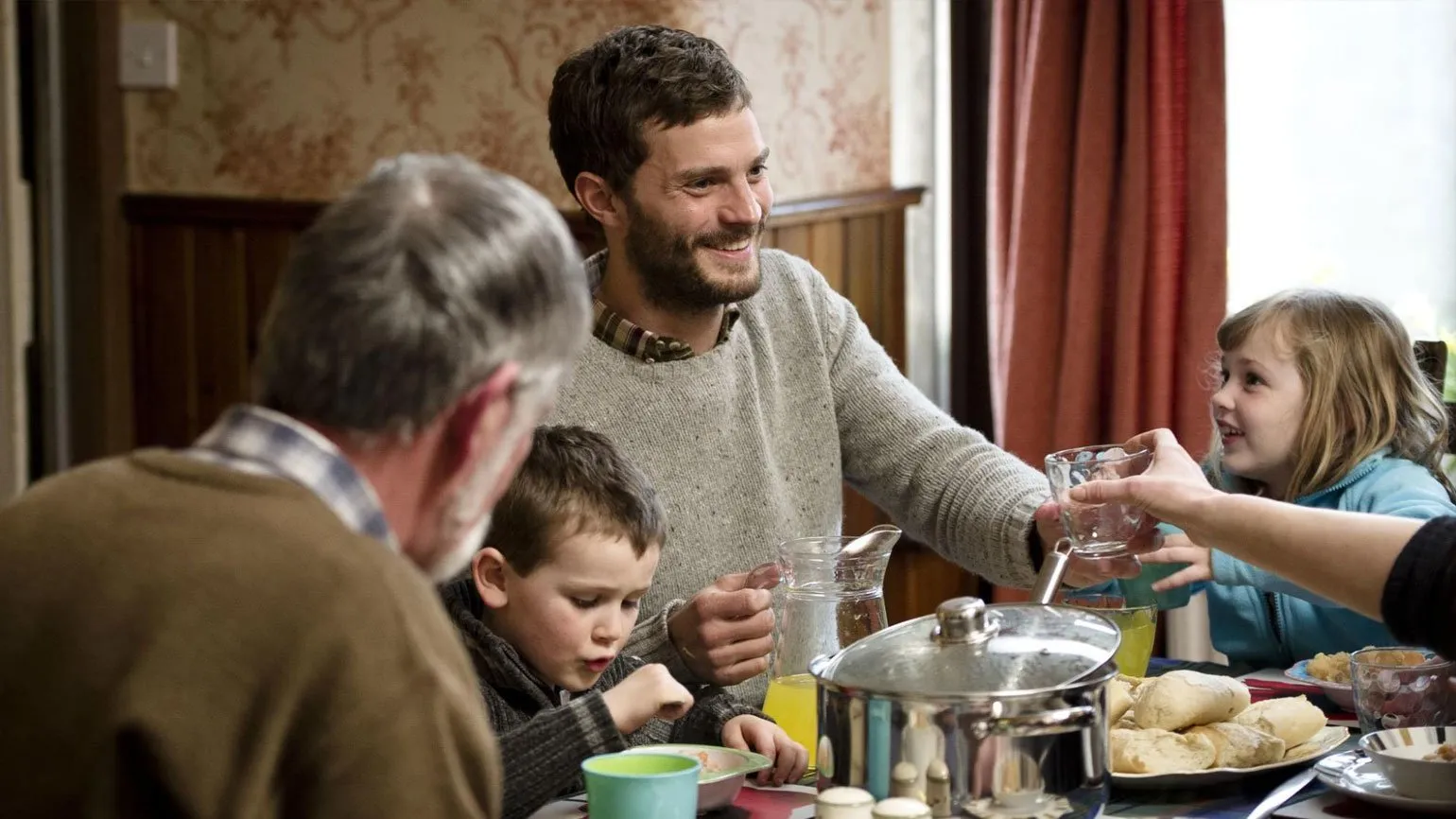
Diagonals direct the viewer's gaze to key design elements, regardless of their position. In design, these lines are used more clearly and expressively than in film. However, ideas for the directions and placement of objects can be drawn from cinema, adapting them to the required style. The use of diagonals in design creates dynamism and attracts attention, which makes the composition more attractive and harmonious.

One of the effective compositional techniques in cinema is the disruption of the rhythmic pattern. This technique is used to emphasize a specific object or character. For example, in a scene where the heads of seated women form a specific pattern, Anne Hathaway's figure stands out thanks to the close-up and her distinctly different pose. This contrast creates visual interest and enhances emotional perception.
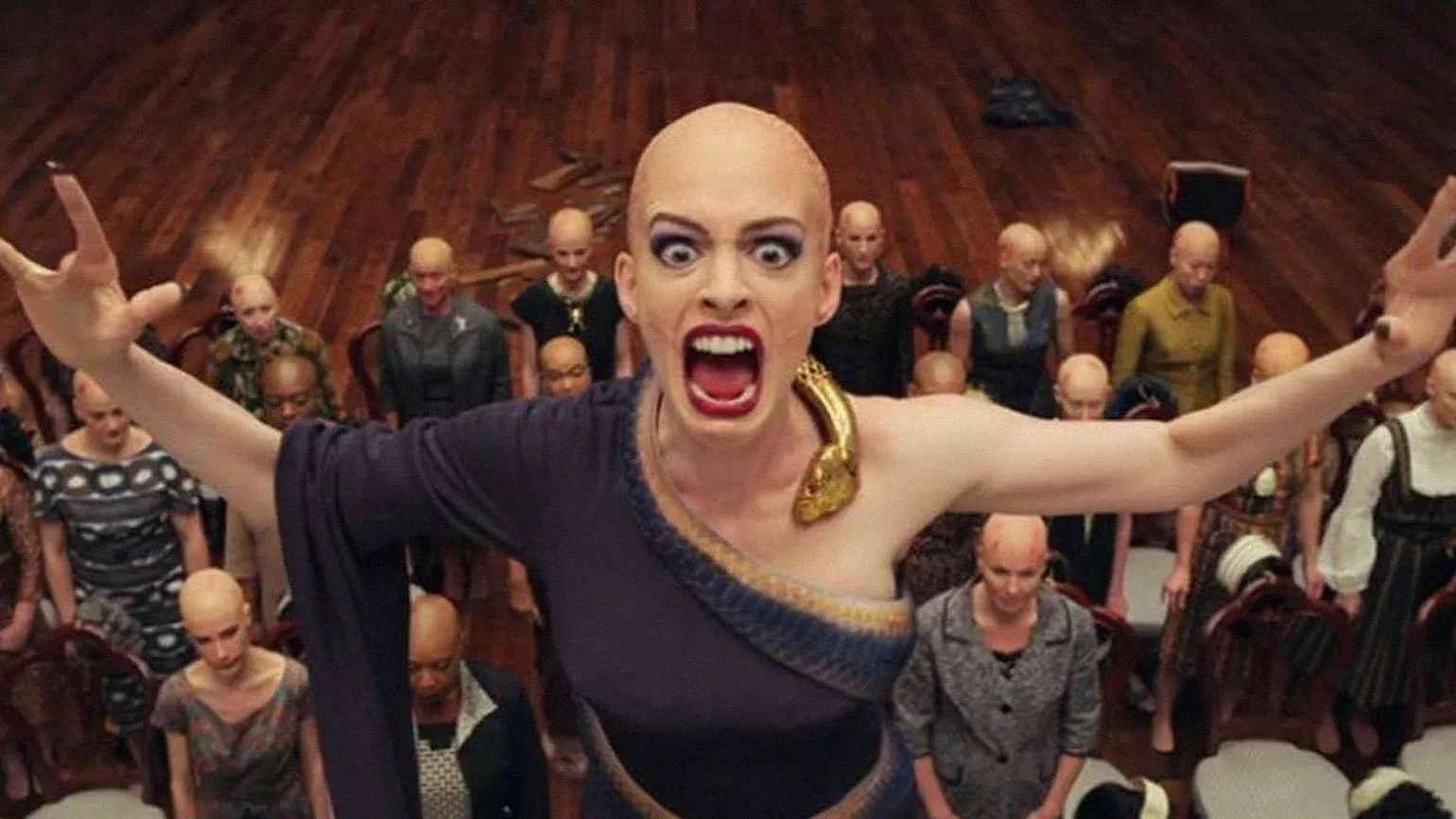
This technique can be used in illustrations and typography composition. It allows you to create a harmonious and attractive visual design, improving the perception of information. When applied correctly, this technique enhances the aesthetic value and functionality of a design, which is especially important for capturing audience attention and improving user experience.
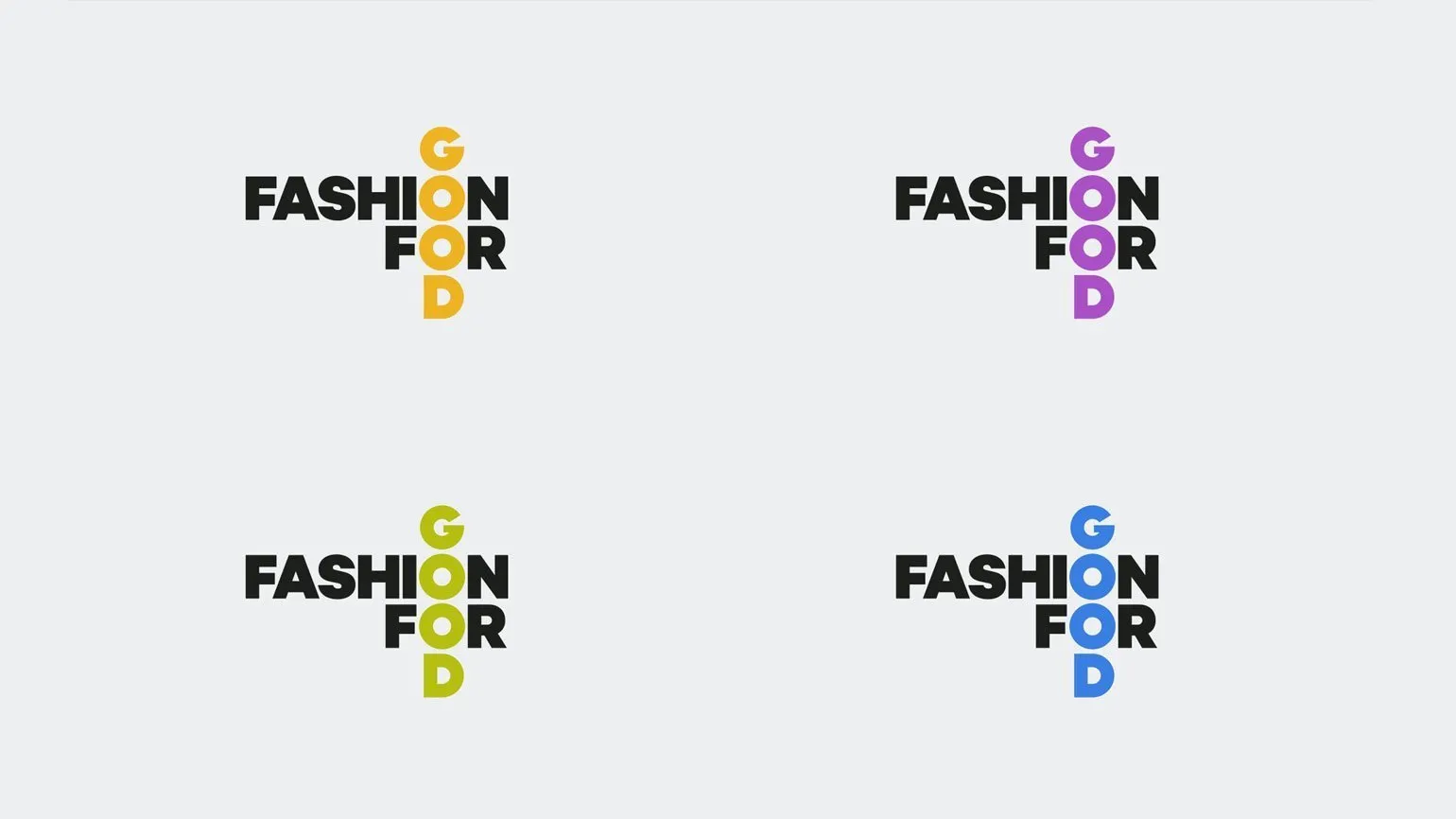
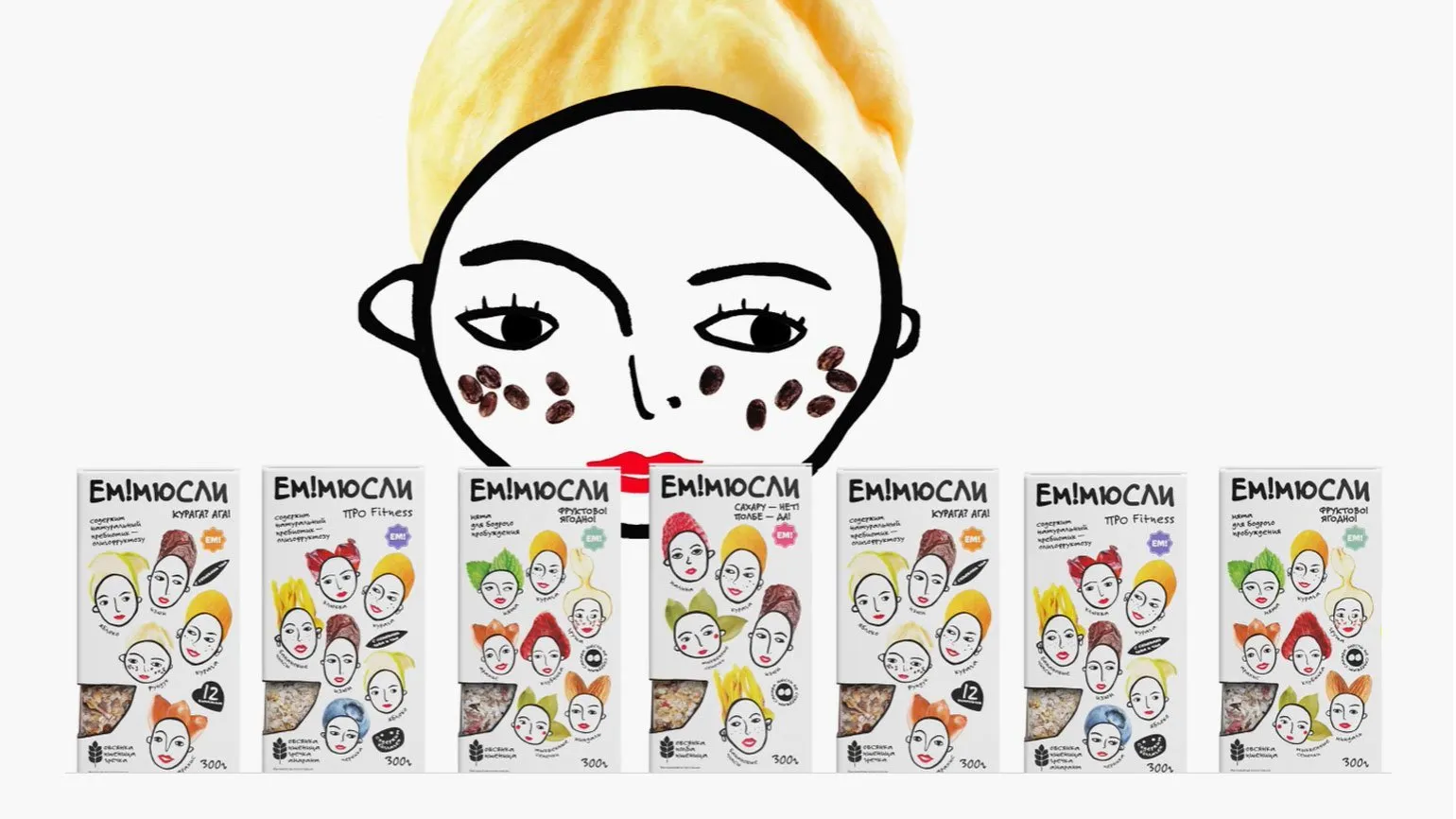
Ways to Show Character
In a certain scene of the film, the character of the characters is emphasized through contrast with the background or other characters. This is achieved by using the differences in the perception of warm and cold colors, which emphasizes the emotional state and internal conflicts of the characters. The right choice of color palette allows you to more deeply reveal their nature and enhance the audience's perception.
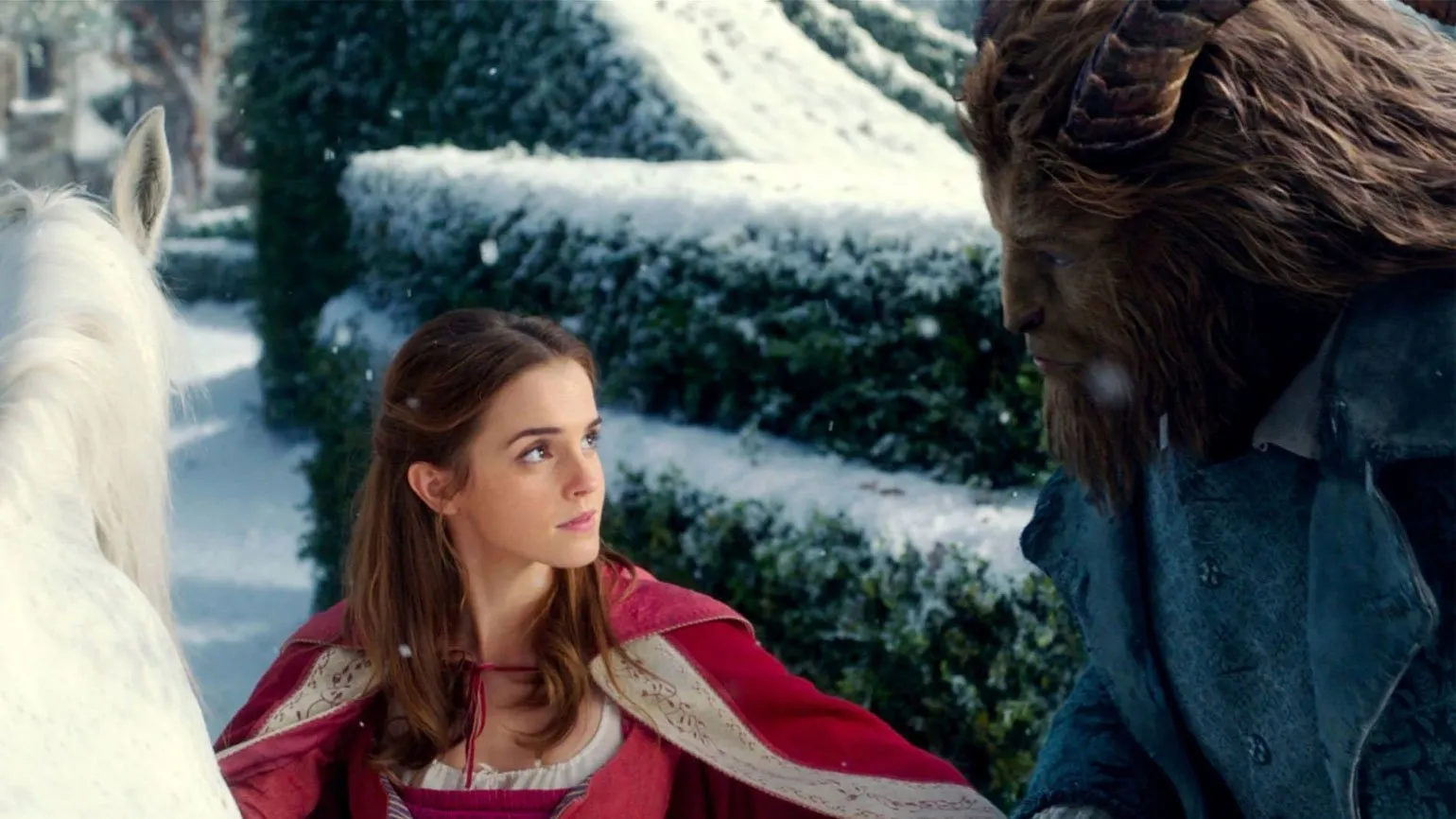
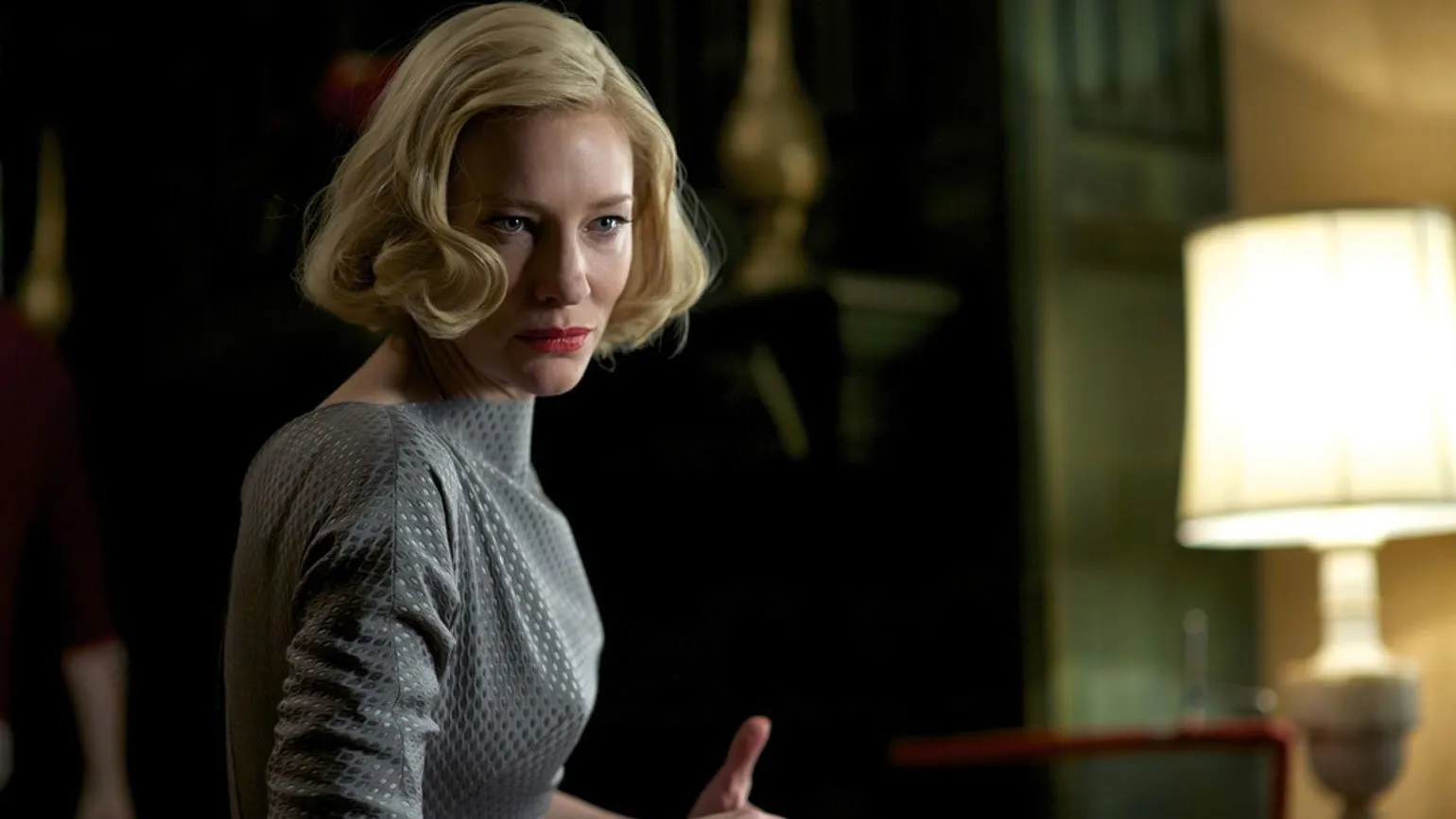
Cool colors are often associated with seriousness, restraint, and elitism, while warm shades symbolize openness, lightness, and friendliness. The contrast between warm and cool colors in design can emphasize a brand's personality and enhance the advertising message. Using these color contrasts helps create a visual and emotional connection with the audience, which is especially important for forming a memorable company image. The right choice of color scheme can significantly impact brand perception and its market position.
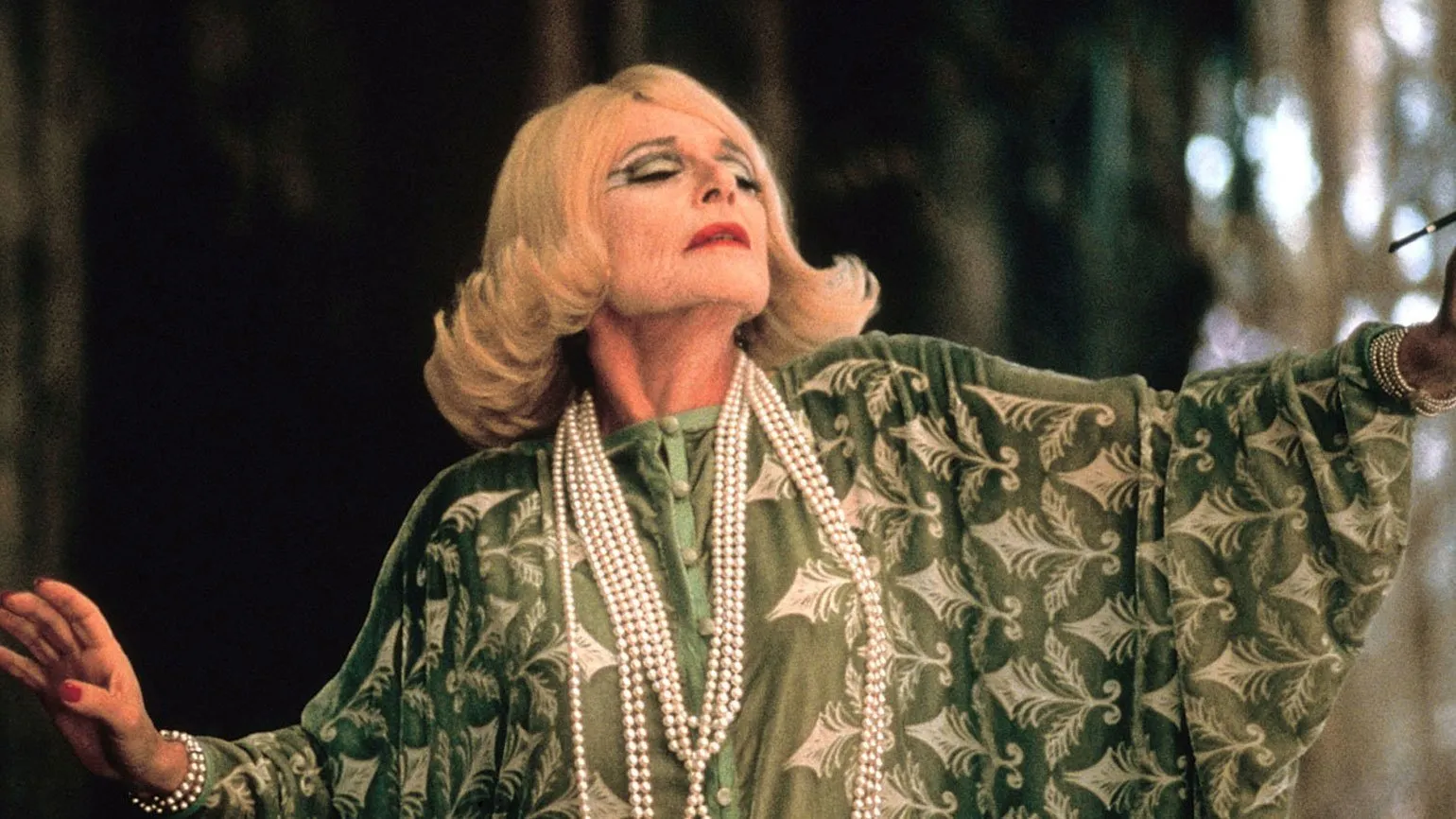
A character's silhouette in a movie plays a key role in creating their image. Fullness or thinness, the choice of clothing - baggy or tight-fitting, as well as accessories such as a hat, cane, or voluminous hair - form the first impression of the hero. These visual characteristics help create a memorable image that the viewer easily identifies. Characters rarely change their appearance without a good reason, unless it is required by the plot. Thus, attention to detail in the character's silhouette contributes to its depth and recognizability, making it more appealing to the audience.
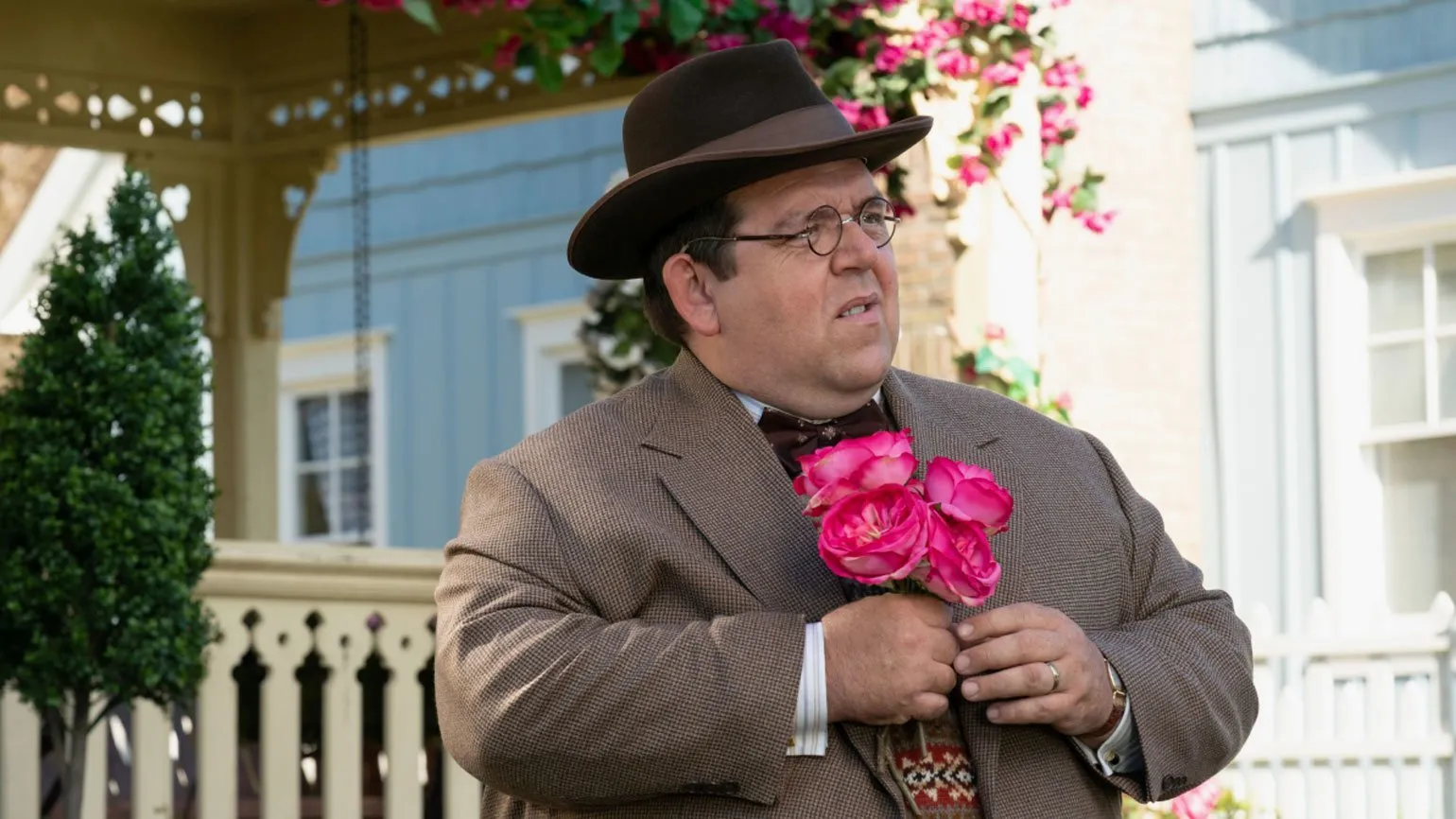
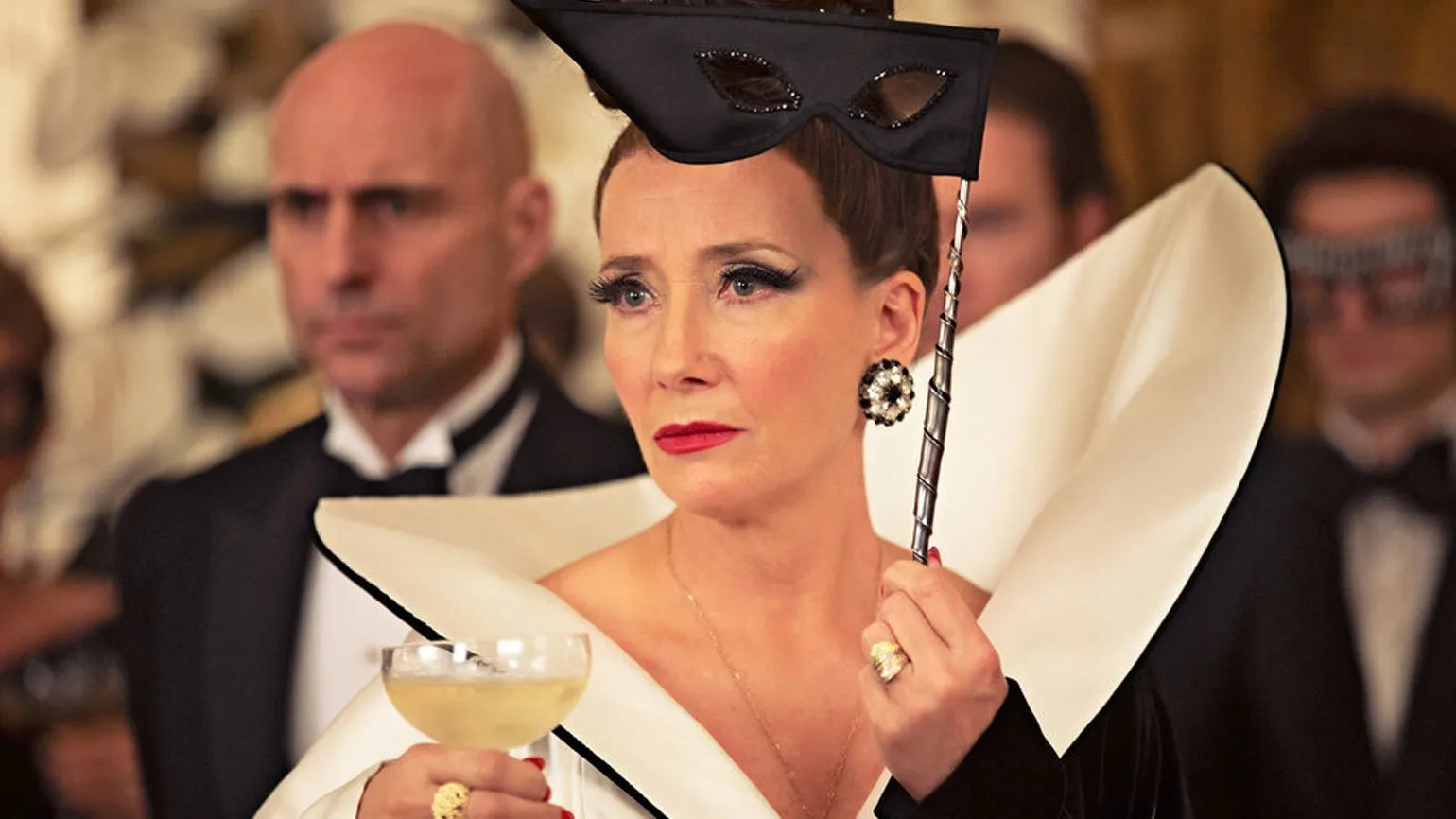
Movie characters often represent simple geometric shapes, such as circles, triangles, squares, and elongated figures. This stylization, sometimes even more exaggerated, also finds its way into design, including vector illustrations. Using geometric shapes in character creation makes it easy to convey their personality and emotions, and also simplifies the visualization process. Vector illustrations based on these shapes are becoming popular due to their versatility and ability to scale without loss of quality.
You can confidently choose movie characters based on their personality and creatively rework their silhouettes to create illustrations using simple geometric shapes. This approach not only allows you to express the individuality of each character but also gives your work a unique style. The simplicity of the shapes combined with an original approach to interpreting well-known images makes the illustrations memorable and appealing.
Characters' movements are an important characteristic of their image. In cinema, the plasticity of movements is often exaggerated compared to everyday life, which helps to present the hero more vividly and expressively. This technique allows you to focus on the emotional state and inner world of the character, making him more memorable for the audience. A unique manner of movement can become a key element in developing the plot and creating the atmosphere of the film.
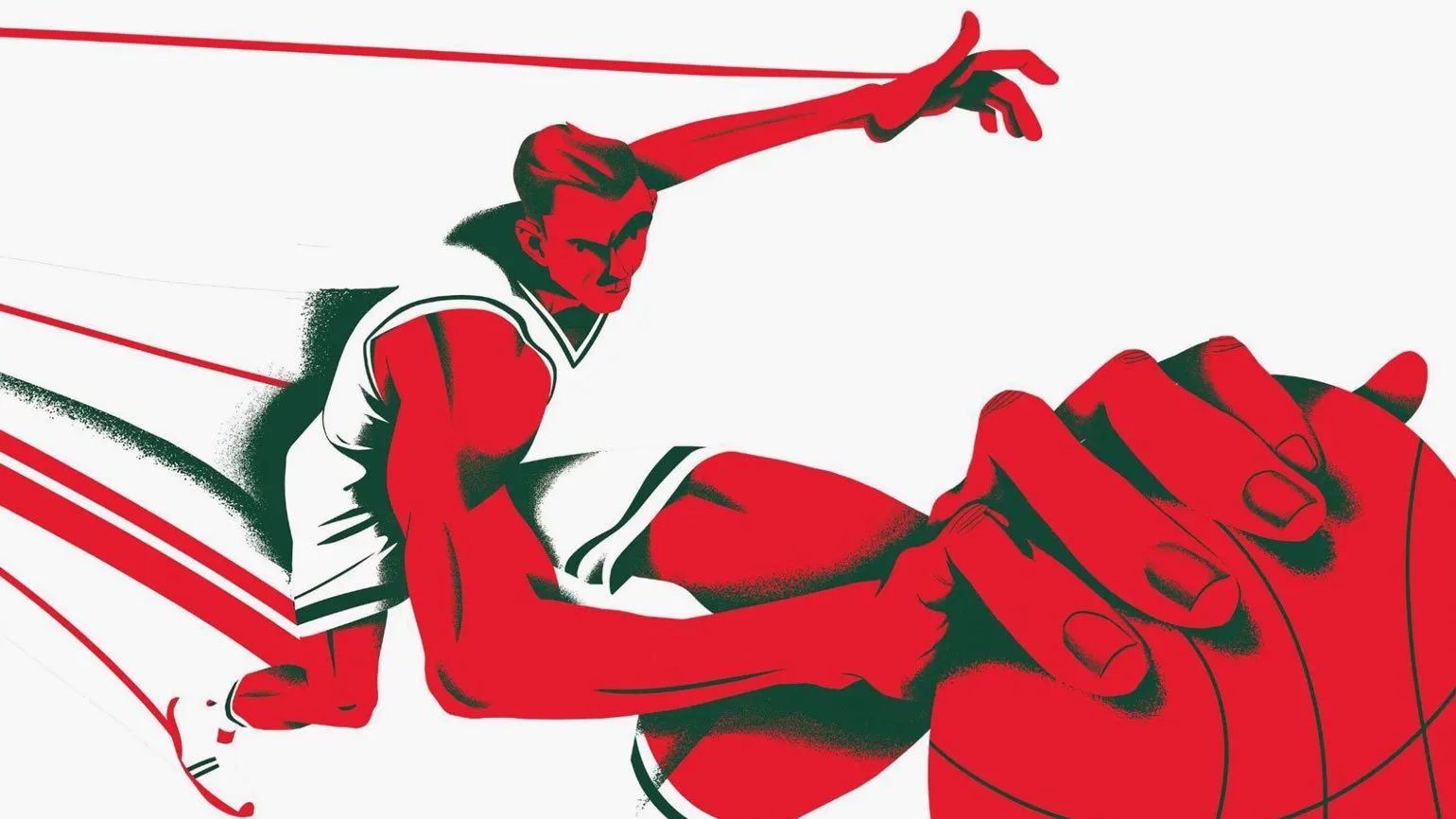
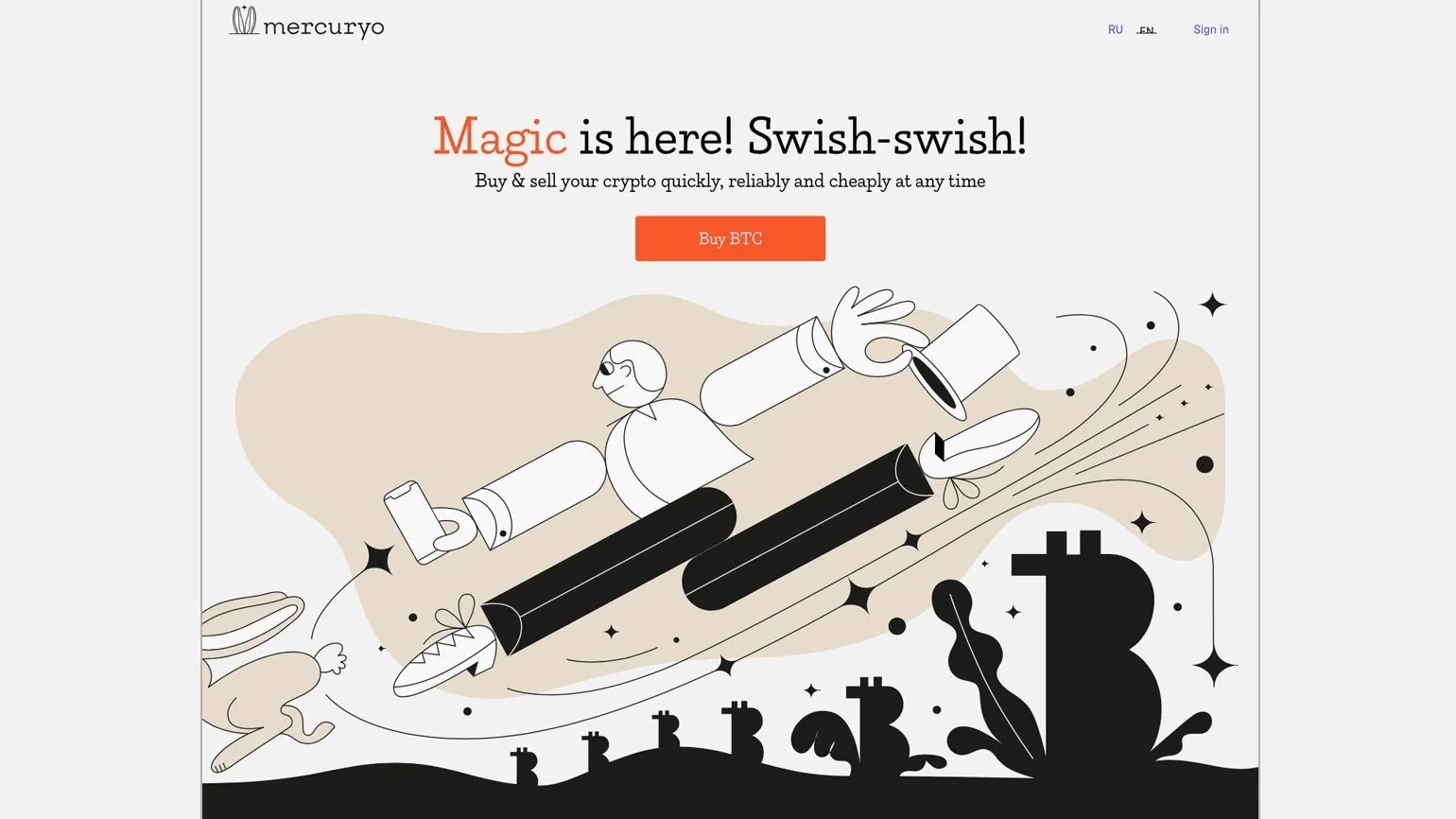
You don't have to use animation to convey the movement of a person, animal, or object. Correct posing, careful placement on the page, and the use of perspective distortions can greatly add dynamism and bring an illustration to life. Effective compositional techniques and the skillful use of light and shadow also help create a sense of movement, making the image more expressive and attractive to the viewer.
Choosing the Right Mood
The designer's goal is not only to reflect the character of the brand or highlight the features of the product, but also to evoke strong emotions in the viewer: surprise, delight, or even fear. In this context, inspiration can be drawn from cinema. One of the key elements that creates atmosphere is lighting. Properly selected lighting helps create the right mood and highlight important details, which significantly influences the perception of the design. By using techniques used in cinema, designers can achieve a deeper emotional response and make their project more memorable.
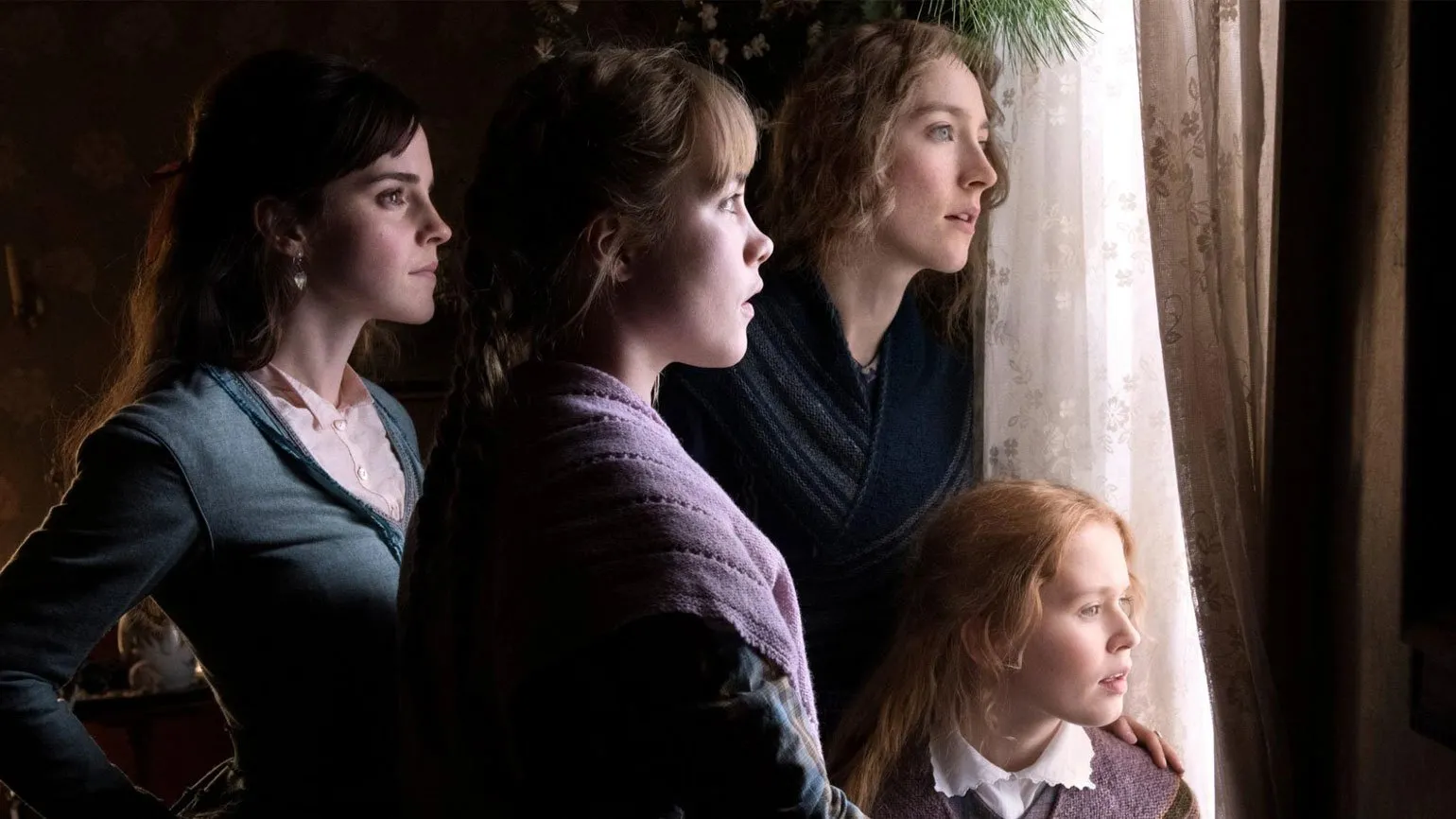
Harsh artificial lighting emphasizes the clear contours of objects, creating an emphasis on details. In contrast, soft daylight imbues a space with a sense of vibration and movement, lending dynamism and harmony to the surrounding environment. Proper use of lighting can significantly alter the perception of objects and their interaction with space.
In design, atmosphere is created using morphisms and gradients. Smooth transitions in these visual elements evoke associations with volumetric reality and can also embody lightness, excitement, and joy. The use of gradients and morphisms not only enlivens a space but also helps to generate an emotional response in the viewer, making the design more appealing and memorable.
In this article, you will learn about various morphisms in design. We also suggest you familiarize yourself with an extensive overview of working with gradients, which will help you better understand their application in visual design.
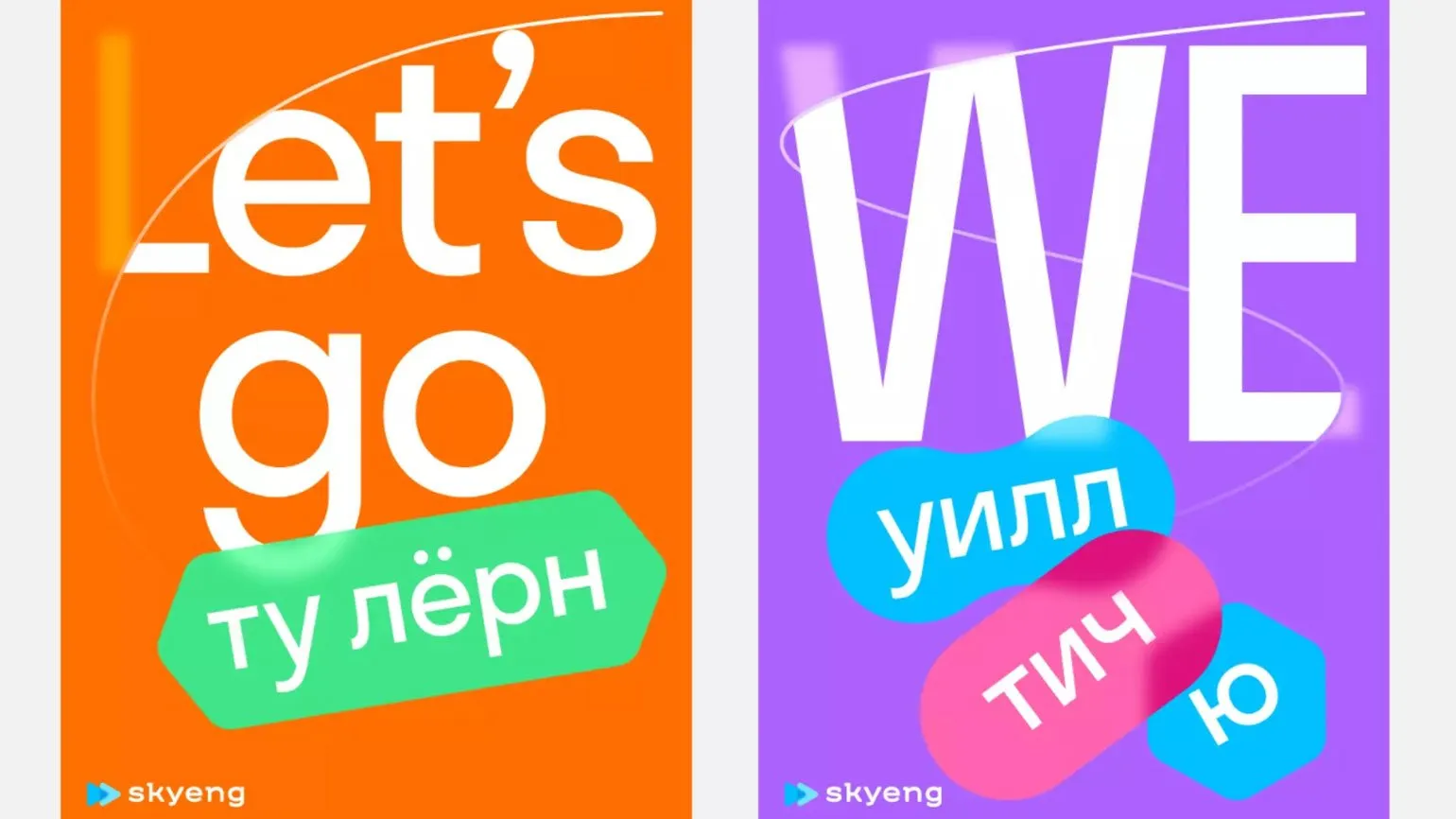
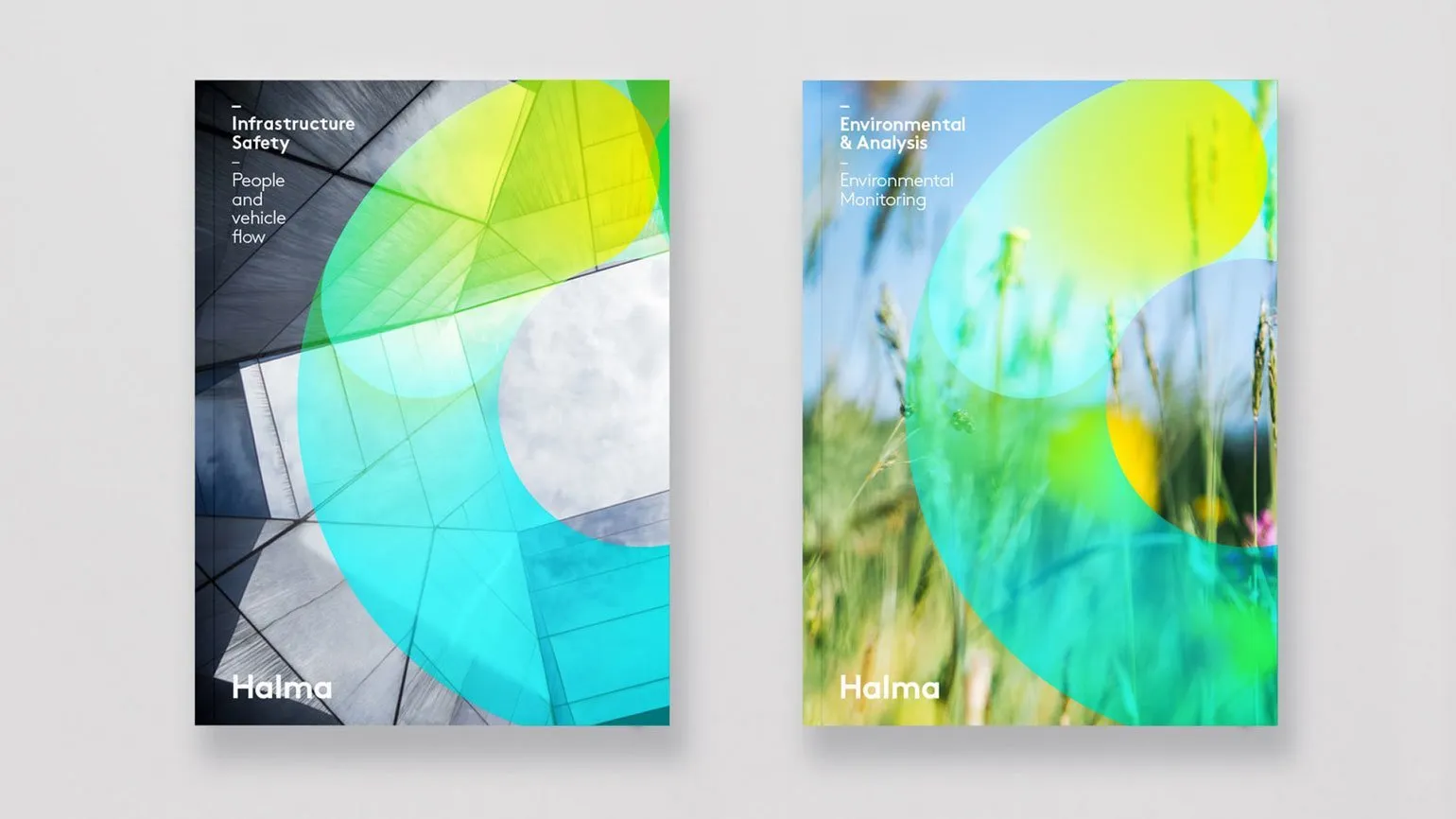
The choice of colors significantly affects mood and perception. Saturated hues bring dynamism and energy to a scene, preparing the viewer for key moments. At the same time, pale colors create an atmosphere of calm and tranquility, which can be especially important for conveying certain emotions. The right combination of color palettes helps not only create the right mood, but also enhance the dramatic tension in the work.
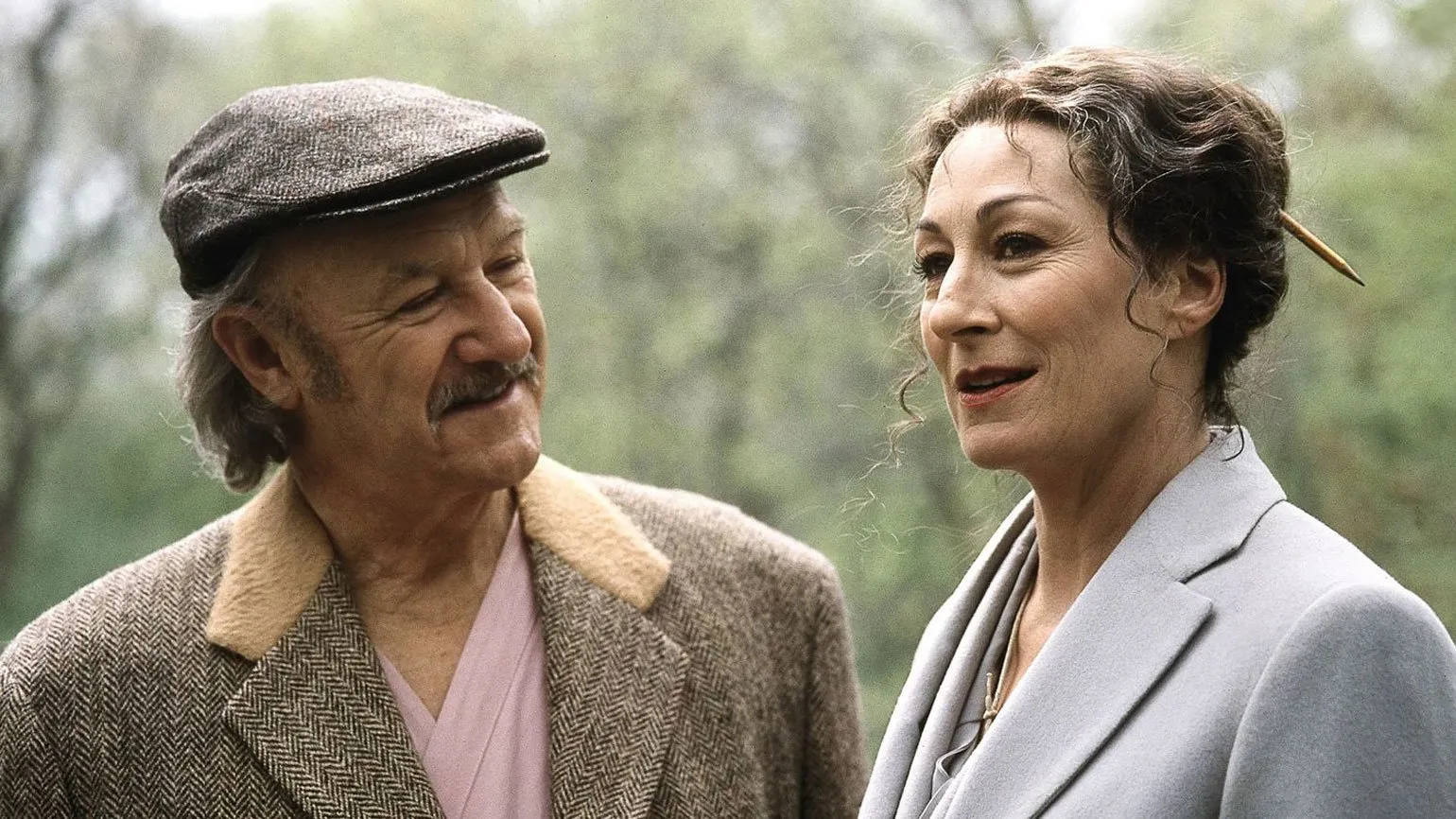
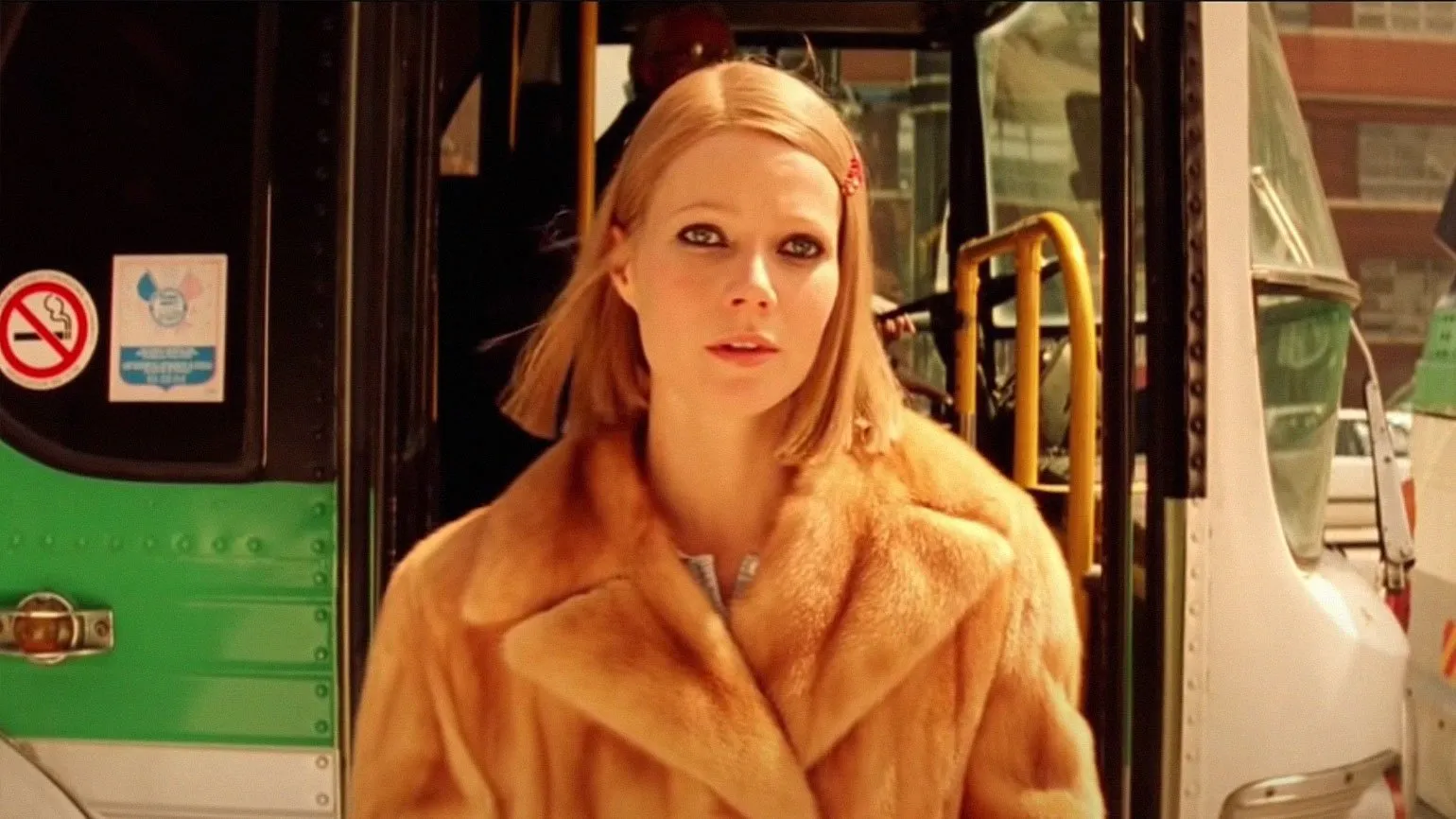
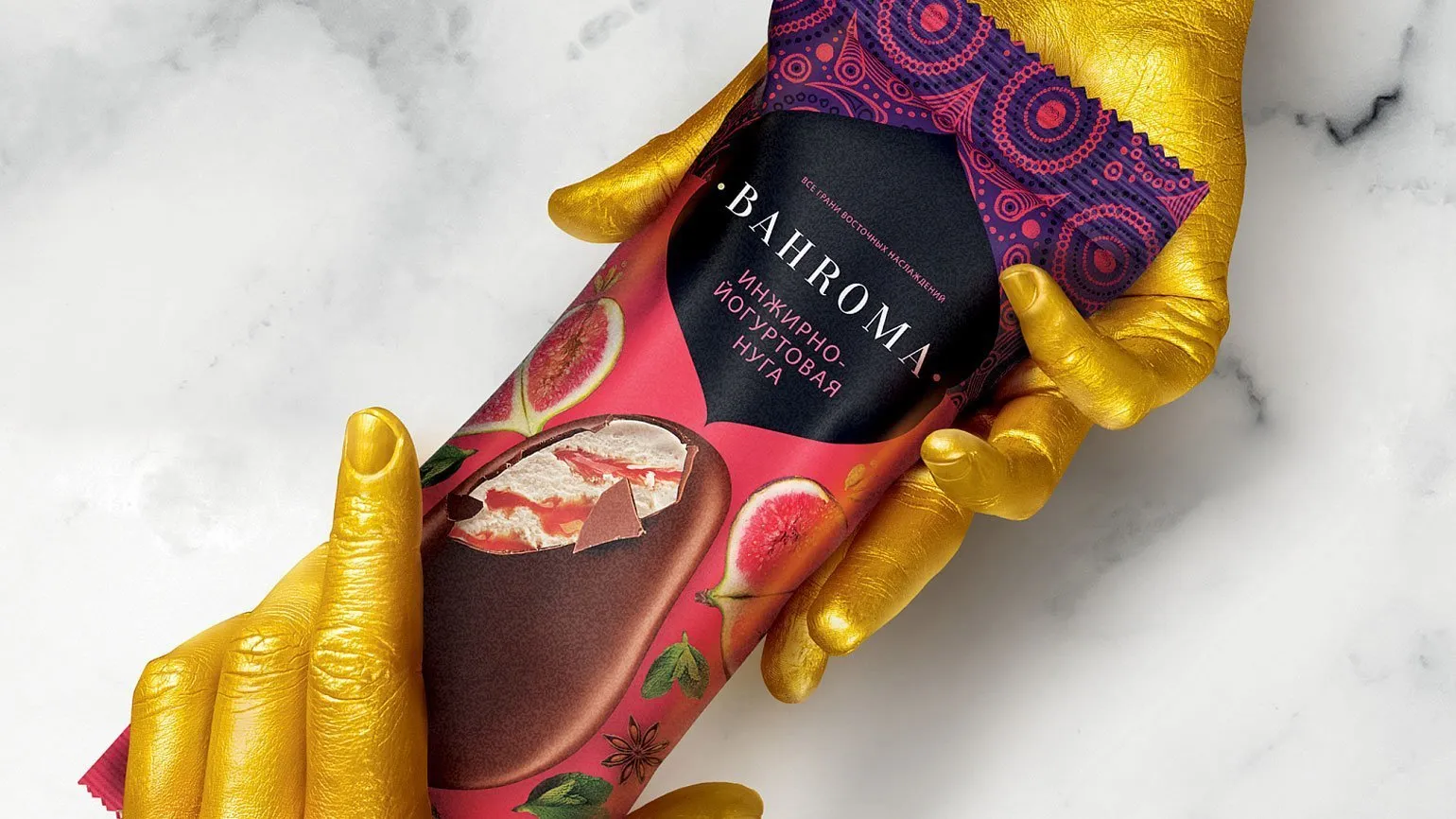
Saturated colors are often used in advertising and brand identities as brands strive to stand out from the competition. However, in some niches, pastel shades can convey an atmosphere of seriousness, stability, and harmony. Even informal brands sometimes choose desaturated colors so as not to distract attention from the main idea embedded in the illustrations and texts. To find the optimal saturation, it is worth paying attention to the color schemes from calm scenes in films, which will help create the desired perception and emotions in the target audience.
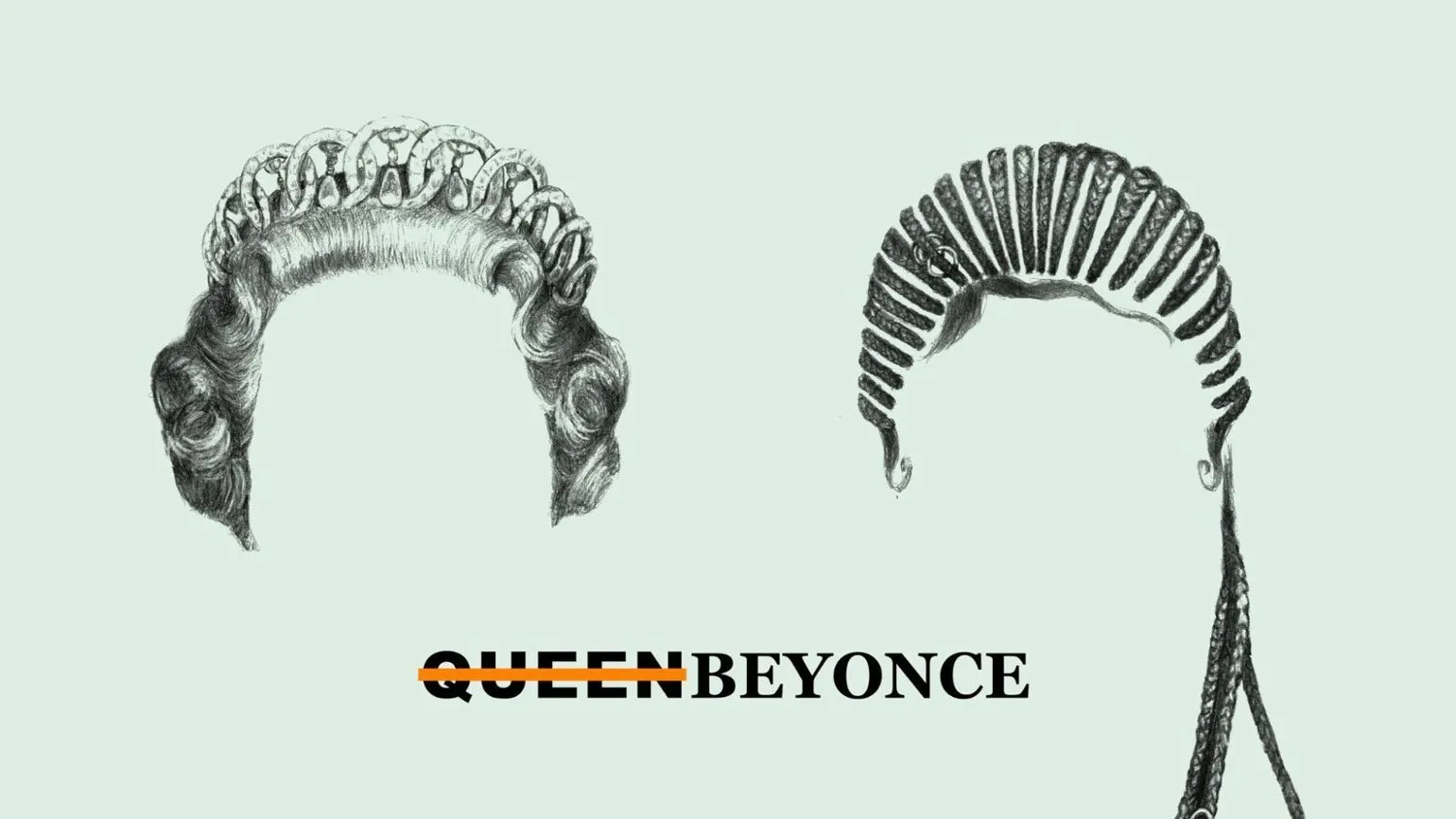
Dynamic and static compositions play a key role in shaping the mood of a work. The stable placement of figures in the frame prepares the viewer for thoughtful dialogue or creates a pause for reflection, accompanied by musical background. Meanwhile, an unstable composition intensifies the conflict and encourages active empathy, emphasizing the emotional tension of the scene. Correct use of these techniques allows you to convey the author's intent more deeply and influence the viewer's perception.
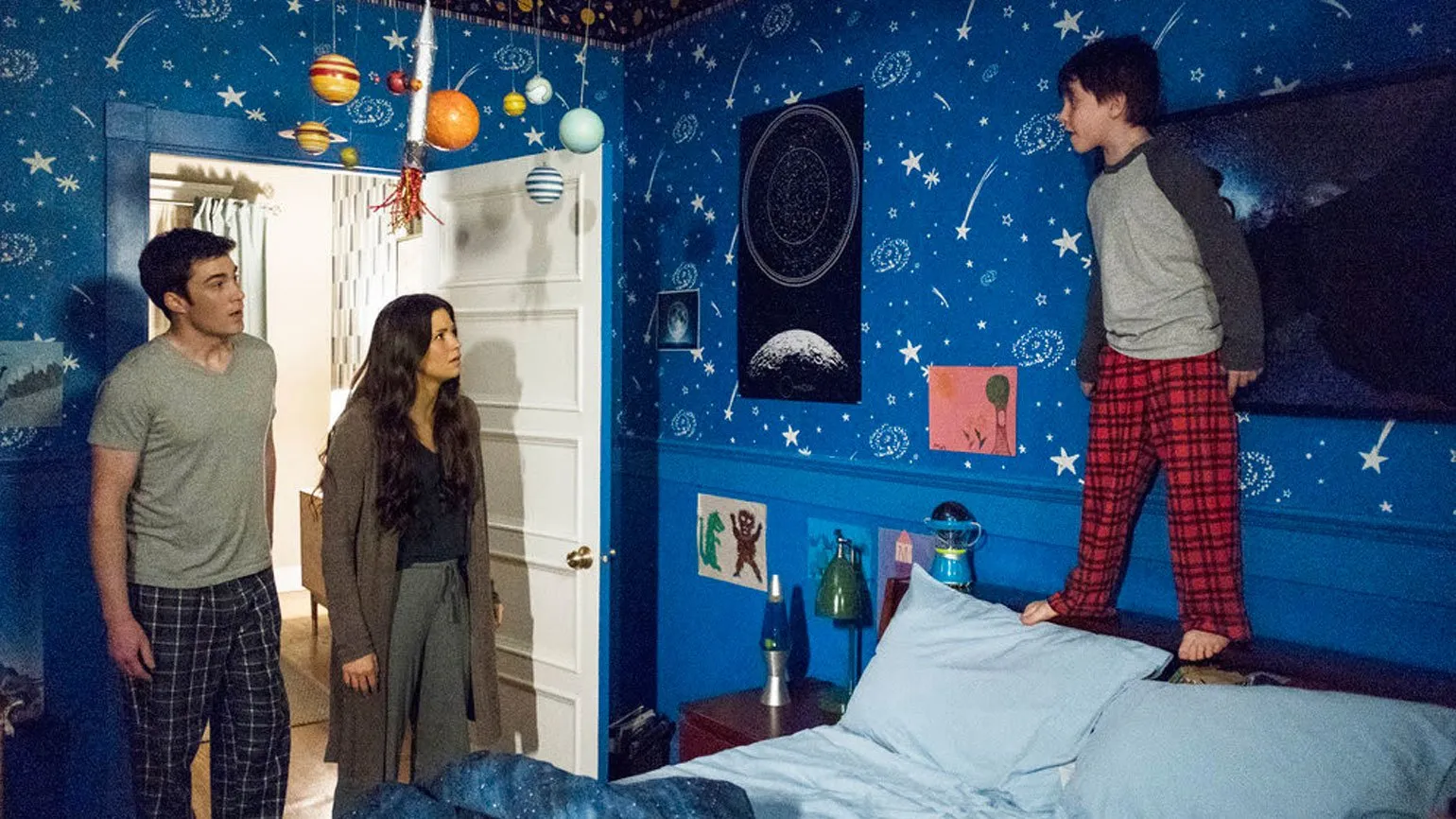
Design with a dynamic composition is becoming the choice for modern brands striving for relevance and proximity to independent, free-thinking consumers. A dynamic composition consisting of multiple elements effectively holds the viewer's attention, creating a memorable visual experience. This approach not only highlights the brand's uniqueness, but also makes it stand out from the competition, attracting the target audience and fostering a positive image.
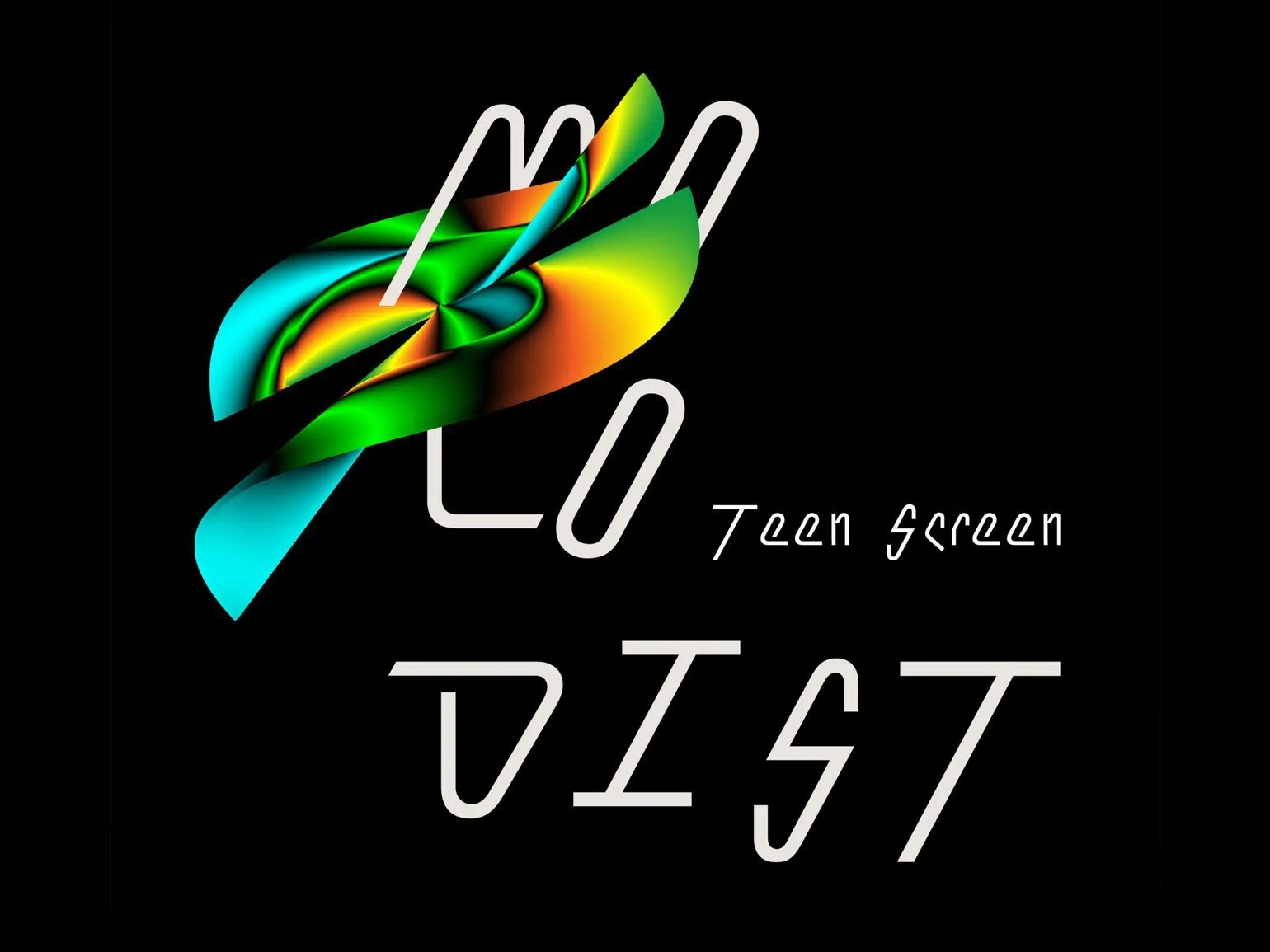
Creating Balance
Creating a visually appealing image is an important task for directors and designers. Aesthetics play a key role in holding the viewer's attention. If the image doesn't capture interest, the viewer won't have time to understand the characters or perceive the advertising message. It is important that visual content not only attracts the eye but also effectively conveys information, which is the key to successful communication with the audience.
Color plays a key role in creating harmony in film. Directors often use complementary colors to achieve visual balance and emotional impact. One of the most popular combinations is turquoise and orange. This contrasting combination not only attracts the viewer's attention but also creates vivid and memorable scenes. Ironic comments about this use of color can be found online, where many discuss this common practice and its impact on film perception.
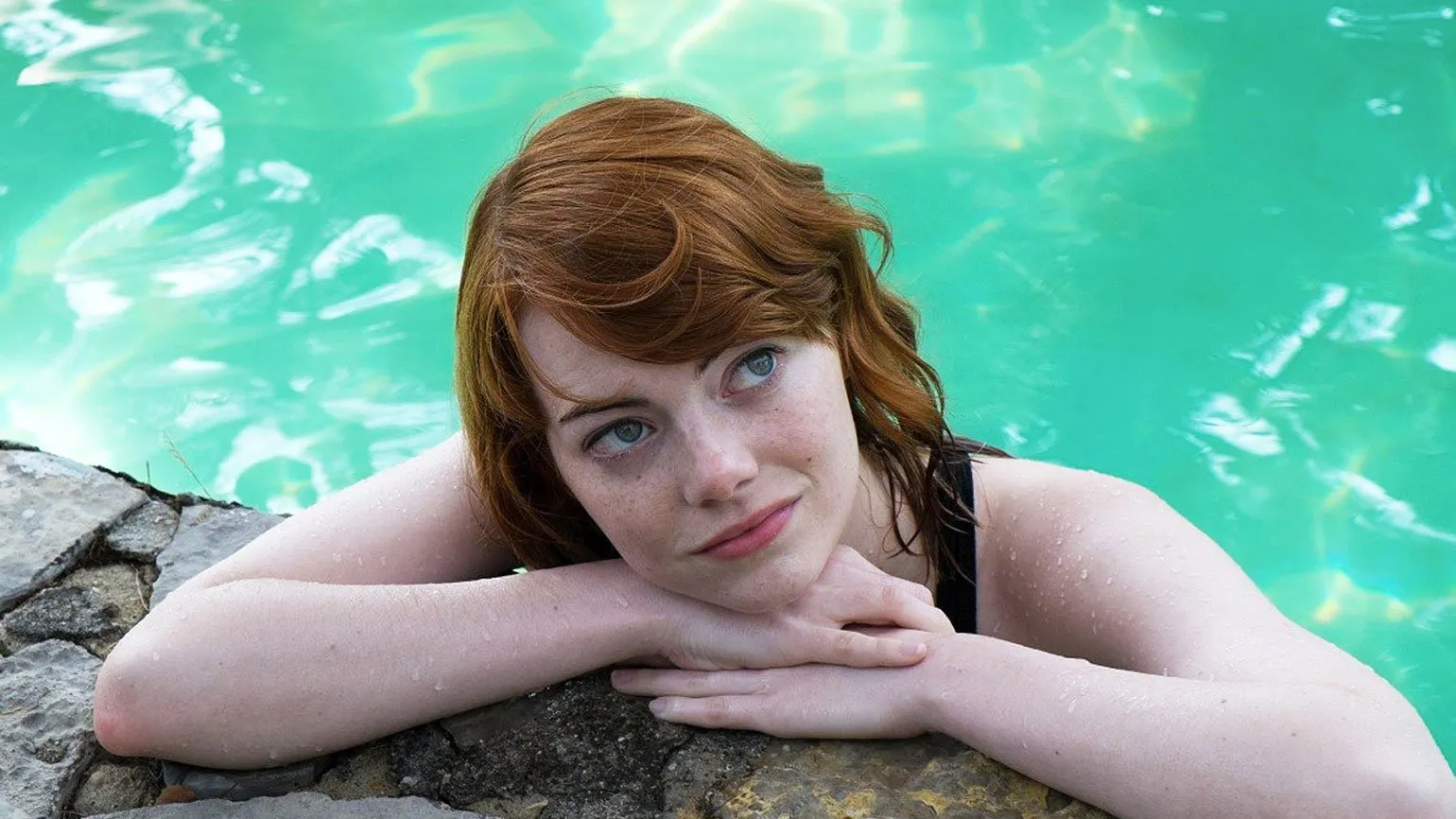
According to one version, the combination of turquoise and orange colors is popular due to the fact that shades close to the color of human skin harmoniously combine with orange tones. Cool green-blue tones, in turn, create the effect of aerial perspective. Designers have their own unique needs, so while the turquoise-orange palette is also used in design, it is less common than in the film industry.
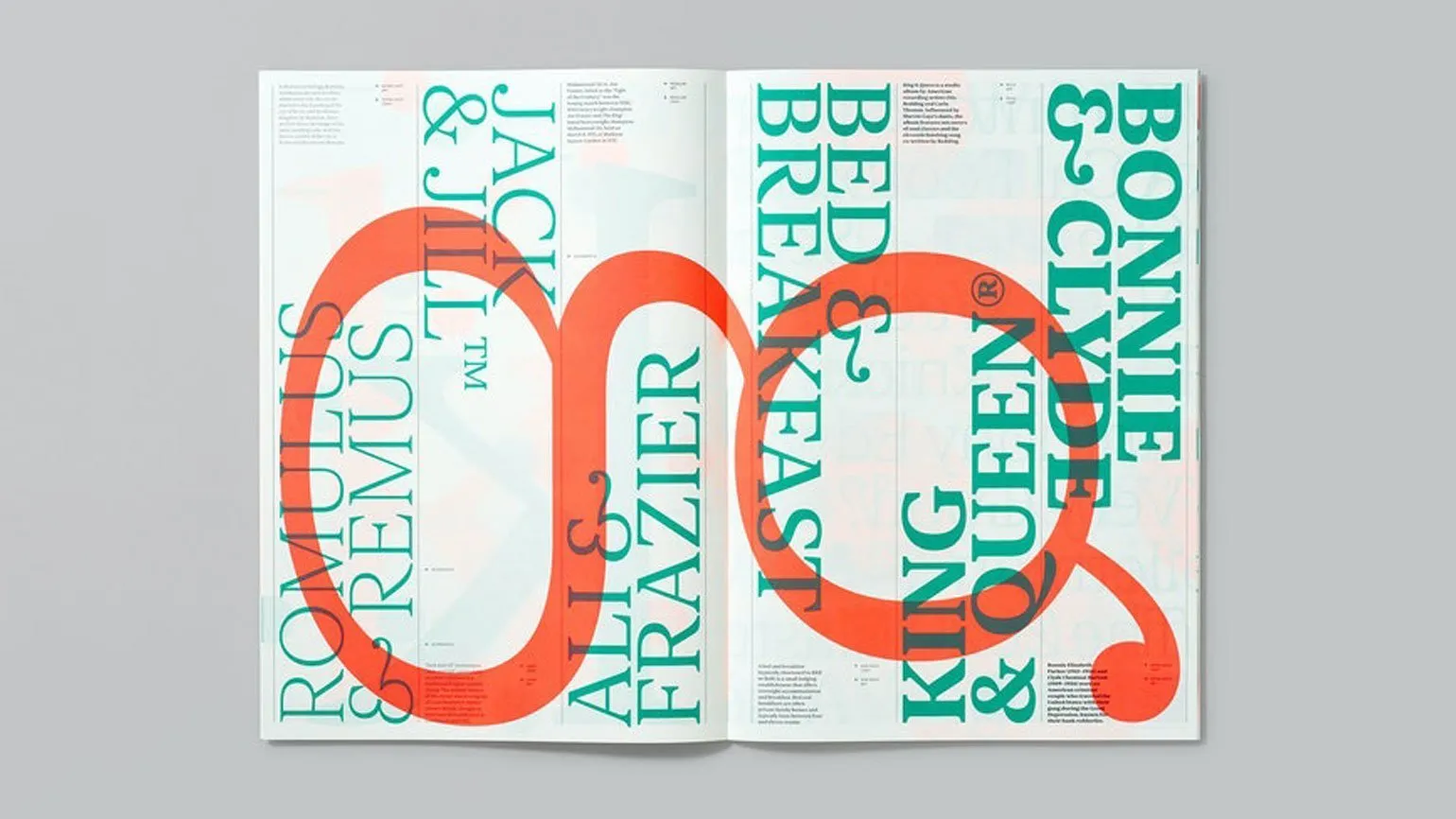
Filmmaking features a variety of complementary schemes that enrich the plot and create interesting Character interactions. These patterns help highlight the contrast between characters, adding depth and layering to the narrative. A variety of complementary elements in films makes them more engaging and dynamic, allowing viewers to better understand the characters' motivations and development. Every film is unique, and the use of such patterns helps create memorable moments and emotional impact, which ultimately enhances the viewing experience.
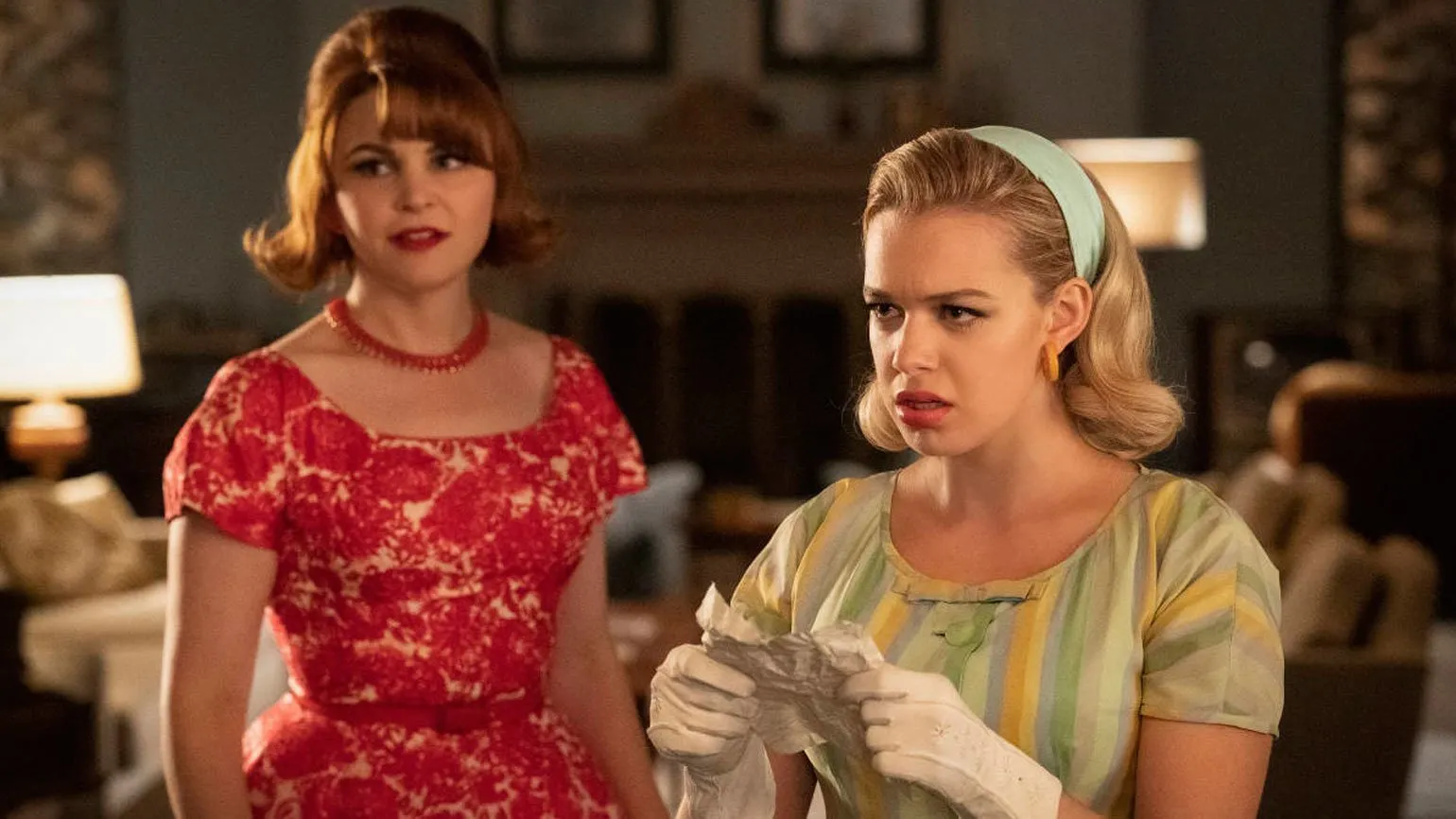
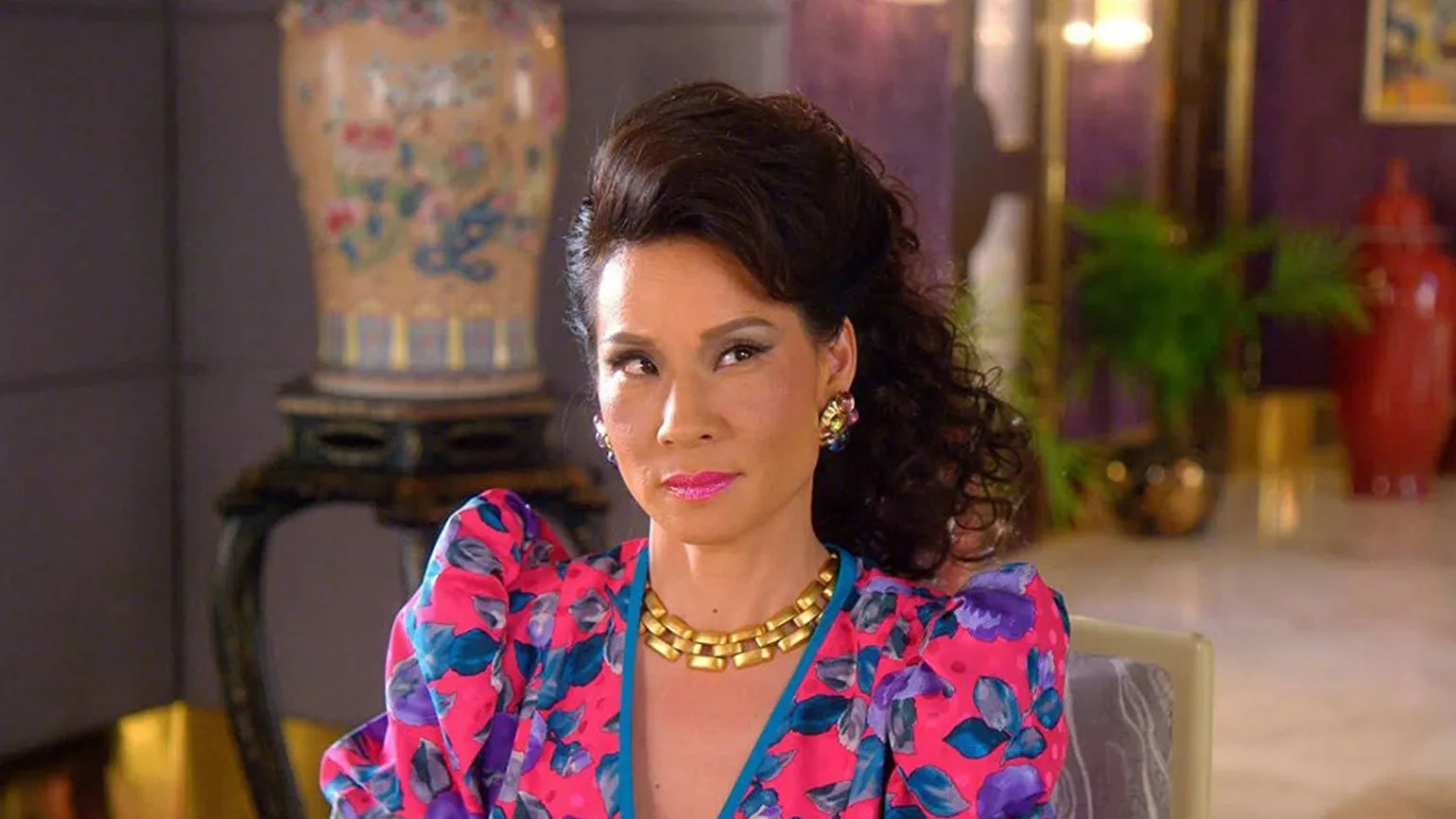
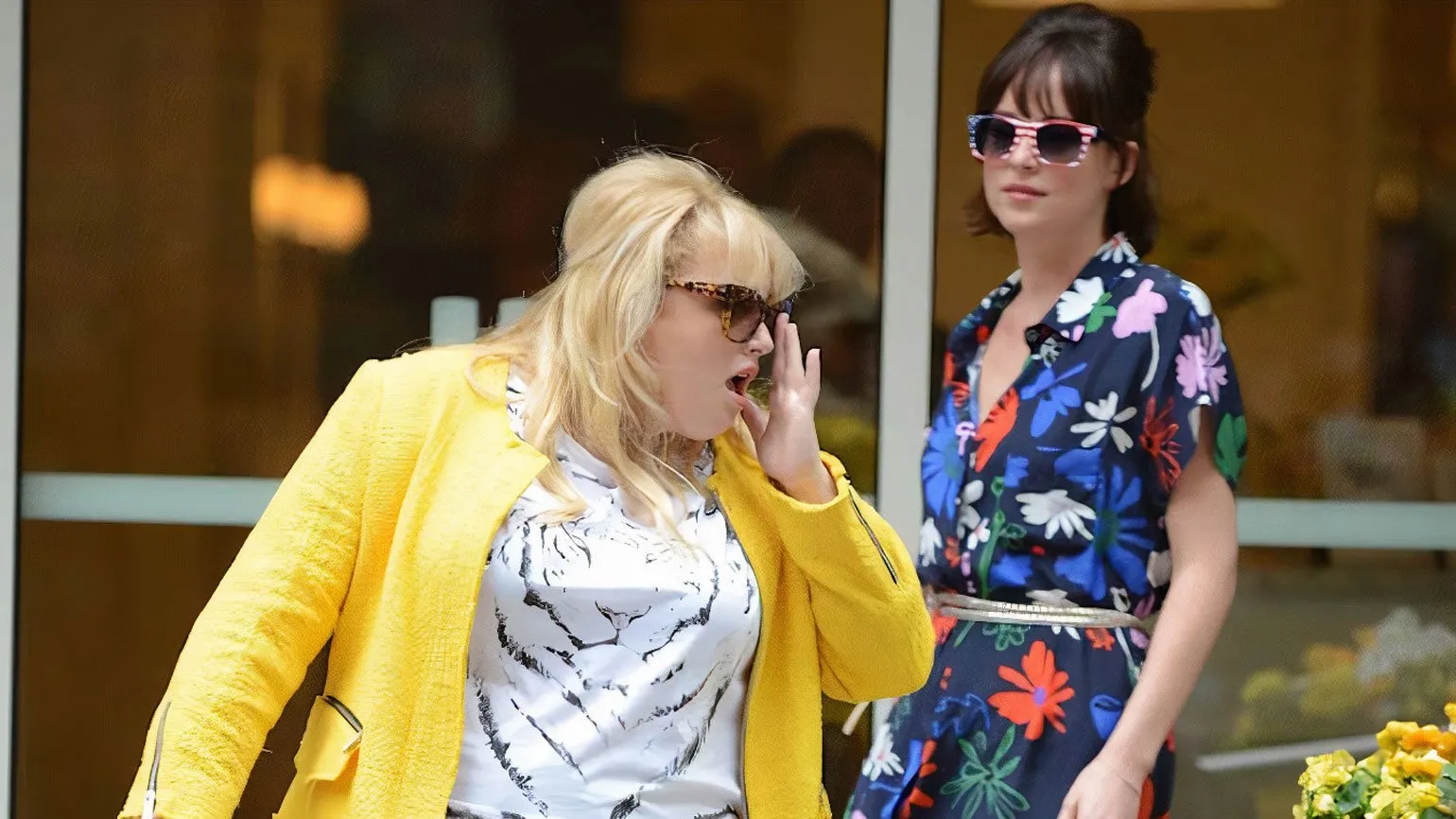
Contrasting complementary colors is one of the most effective methods for creating vibrant and memorable images. This approach requires the use of a limited number of shades, making it particularly suitable for logos and simple illustrations. Proper use of contrasting colors allows you to highlight key design elements, attracting attention and improving the perception of visual content. Using contrast also helps create harmony and balance in a composition, which makes images more appealing to the audience.

One of the most effective compositional techniques for achieving balance in design is the use of rhythm. Rhythm helps create harmony and consistency, making a composition more appealing and structured. Proper use of rhythm in design helps visually connect elements and improve information comprehension. By using repeating elements such as color, shape, or texture, designers can create dynamic and balanced compositions that hold the viewer's attention and guide their gaze throughout the piece.
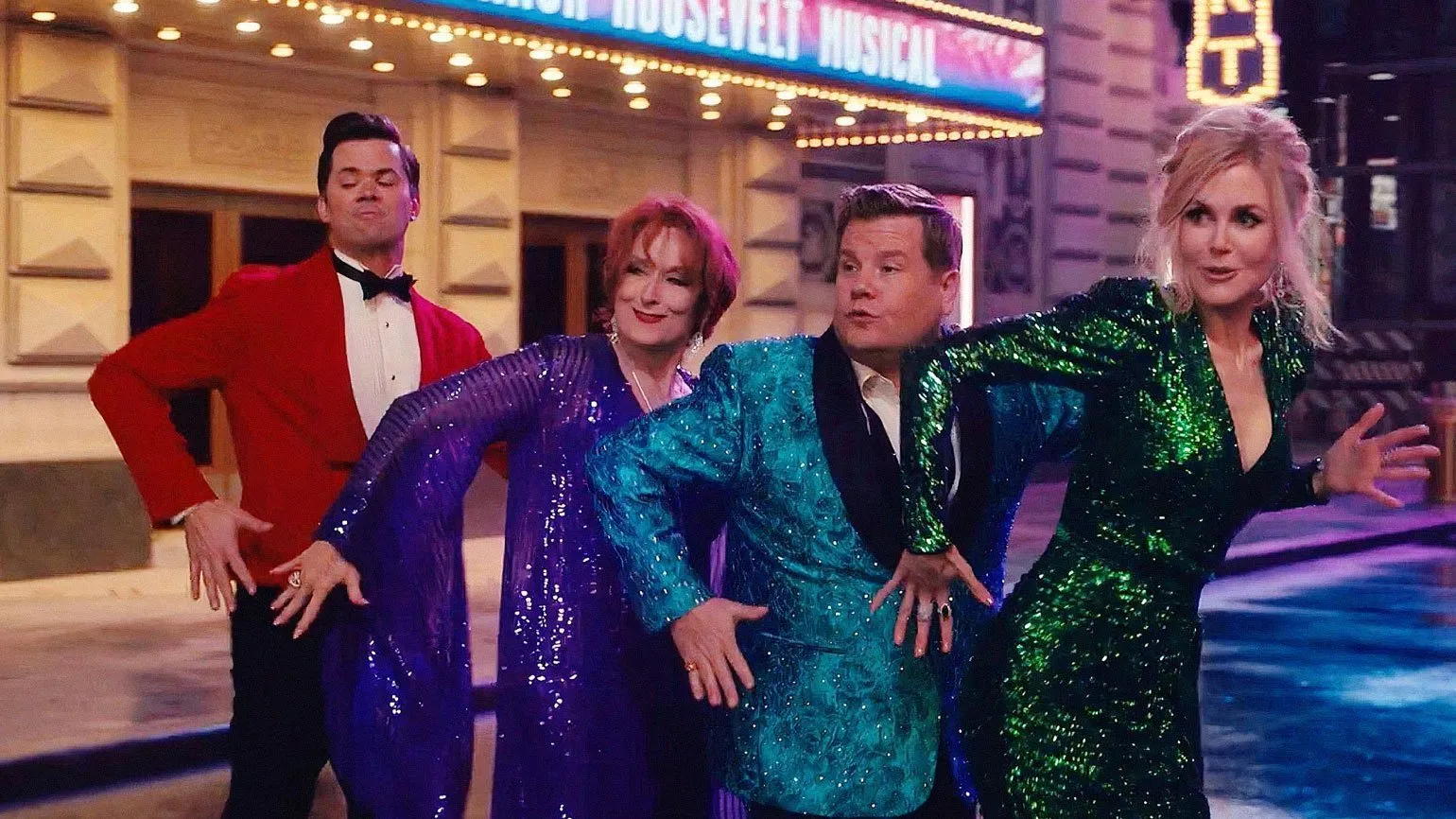
Cinema provides many ideas for developing rhythmic patterns in advertising and identity. Using cinematic elements such as editing, pacing, and emotional delivery, you can create a memorable visual style. A film-inspired rhythmic pattern will help capture audience attention and enhance brand perception. Thus, the integration of cinematic techniques into advertising materials and identity opens up new horizons for creative solutions.
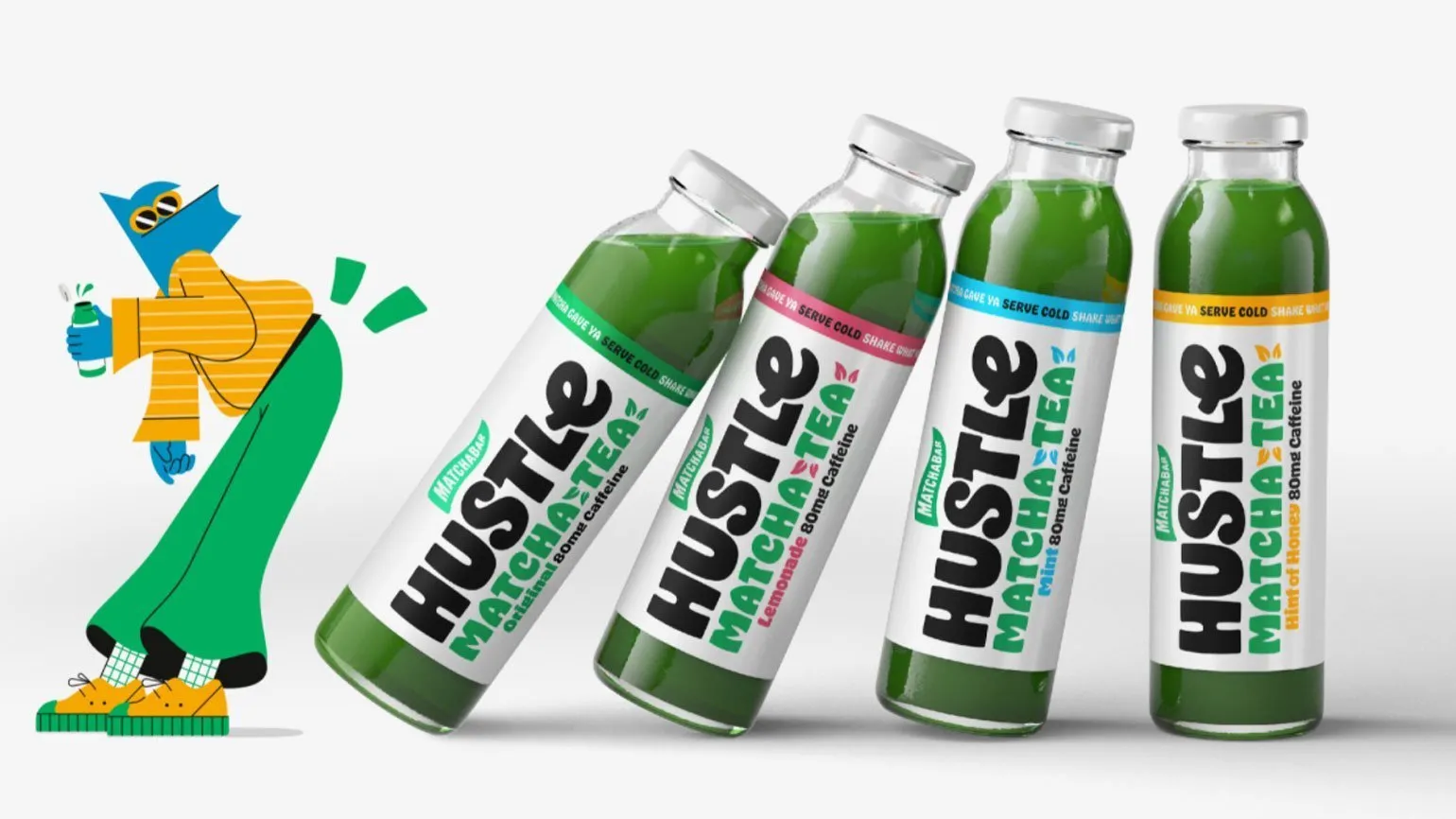
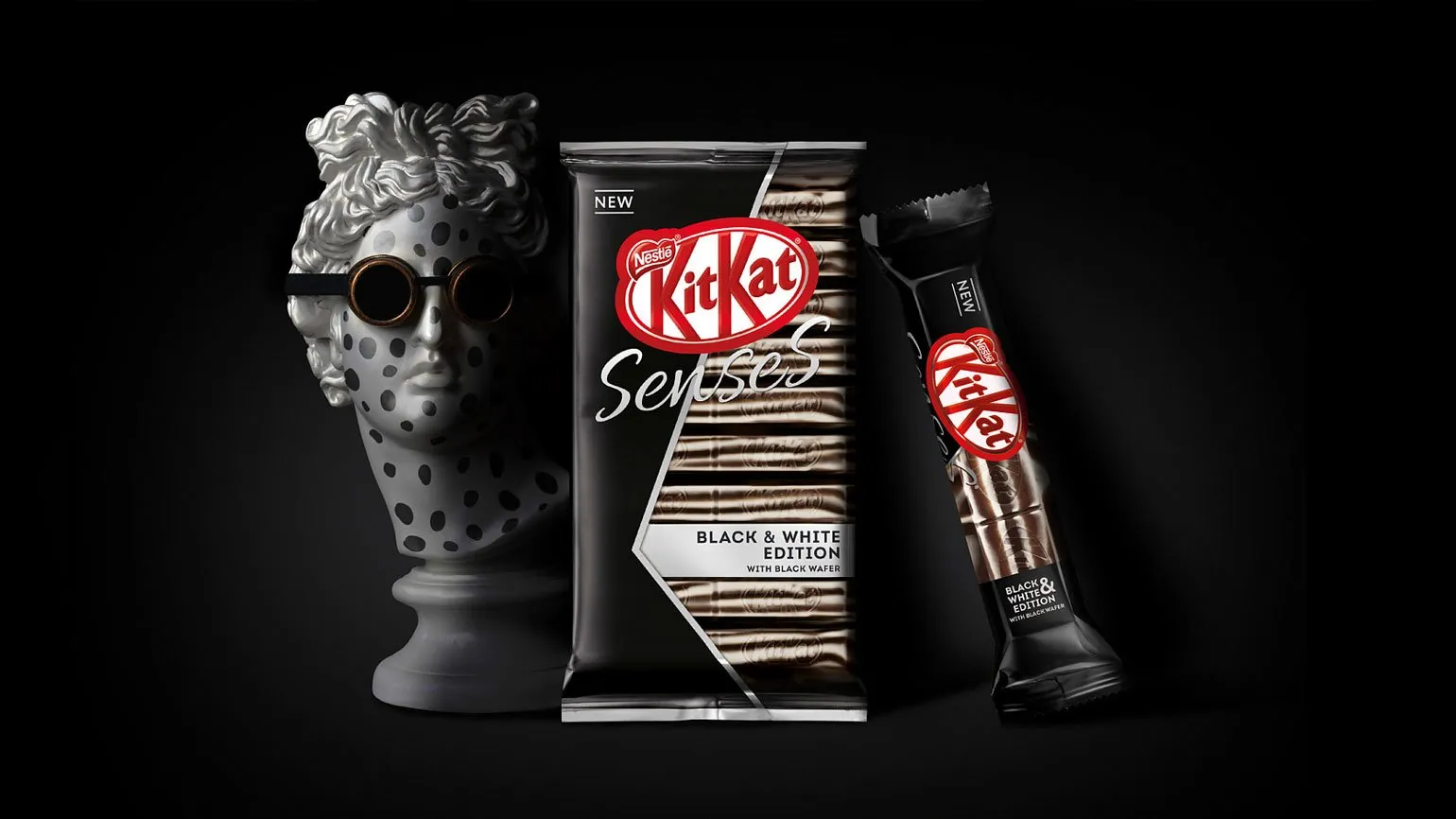
To create a harmonious visual composition, uneven detailing is important, which includes a combination of monochromatic Fills and more detailed elements. In film, this task is usually accomplished using a uniform background against which the characters are placed. However, there are also more interesting shots that can be successfully adapted into a graphic composition. These techniques help create a balance between simplicity and complexity, making the image more appealing and expressive. Correct use of such elements allows not only to improve visual perception, but also to convey the desired mood and atmosphere.
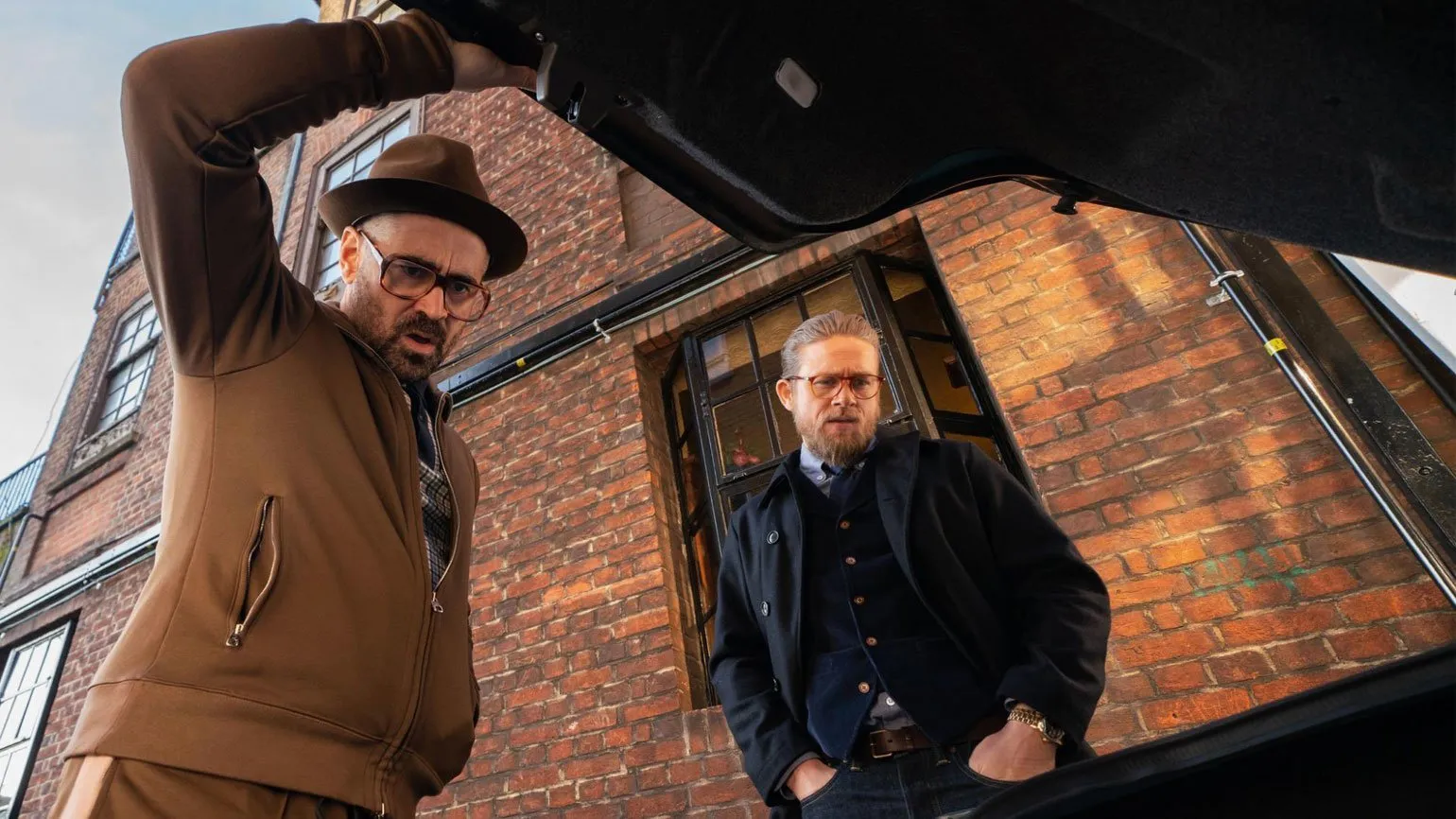
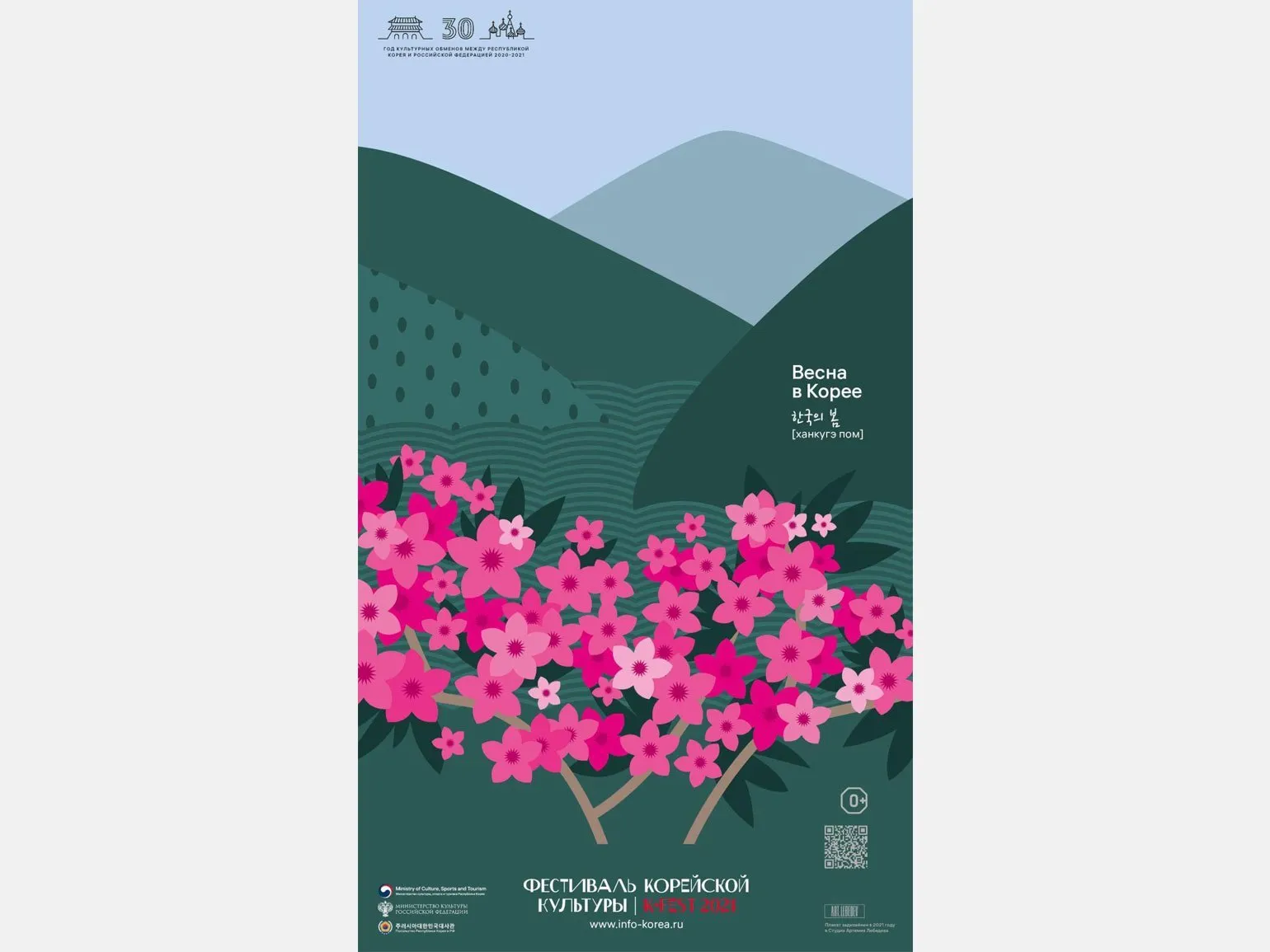
The contrast between detailed and simple forms plays a key role in most design projects. Using different levels of detail creates visual balance and emphasizes important elements. This contrast helps improve information comprehension, making the design more appealing and functional. It's important to consider that combining complex and simple forms can not only enhance aesthetics but also improve user experience, making interfaces more intuitive and user-friendly. Effective use of contrasts in shapes helps create a unique and memorable design that meets the needs of the target audience.
Solutions presented in films are not always suitable for application in design. However, films and TV series can serve as an excellent source of inspiration. Color schemes and compositional techniques used in visual works can be adapted to the required style and successfully integrated into your work. Moreover, such an interpretation will not be accused of plagiarism, which makes this approach especially attractive for designers.
Reworked text:
Study also:
- About the best titles in the history of cinema,
- About films that will inspire visual artists.
Graphic Designer PRO
You'll learn how to create branding elements and graphics for your business. You'll build a portfolio that reflects your style and demonstrates your design skills. You can begin a career in a studio or as a freelancer.
Find out more