
Who are you in the world of game development? Find out in the free course ➞ You will try out 3 professions in practice: game designer, 2D artist, and Unity developer. Create your first Mario-style game. Details - click here.
Learn MoreIn today's environment, many studios with large budgets prefer to engage renowned composers and entire orchestras to create the musical accompaniment for their projects. This has become a standard in the gaming industry. However, indie developers also strive to distinguish their games with unique and memorable melodies. In some cases, all the music tracks from a single game can be grouped into full-length albums, allowing them to be enjoyed even outside the context of the game itself. Music becomes an integral part of the gaming experience, emphasizing the atmosphere and enhancing the player's immersion in the world of virtual adventures.
The modern gaming industry is unimaginable without music, which is an integral part of most games. This is the topic of our new column, where we will explore how the most memorable soundtracks were created. Let's start with the iconic series that revolutionized shooters and gaming in general—Doom.
The History of Music in Doom
Doom is one of the most influential first-person shooter franchises, having had a significant impact on the development of video games. Its innovative approach to shooting mechanics, high levels of violence, unique setting, and multiplayer mode made Doom a cult classic. id Software is deservedly considered a pioneer in graphics and programming, but what about the game's music? Music plays a key role in Doom, creating an atmosphere of tension and immersion in the gameplay. Sound design not only enhances emotions but also helps players better perceive what is happening on screen.
The first Doom, released in 1993, had a significant impact on the video game industry. Composer Bobby Prince, who created the music for the first and second games, is also known for his work on iconic titles such as Wolfenstein 3D and Duke Nukem II. The music of Doom became an integral part of the gaming experience, enhancing the atmosphere and adrenaline rush of the game. The success of the first game paved the way for sequels and inspired many developers to create first-person shooter games.
One of the main challenges of early MIDI music was the limitation on the sounds used and the size of music files. Importantly, a maximum of nine notes could be played simultaneously. Since the drum section typically occupied most of these notes, only four notes were left for the melody. This created significant limitations for composers and required them to creatively create music within a tight framework.
Bobby Prince is a composer known for his work on the scores of the first two Doom games. His music became an integral part of the classic shooter's atmosphere, complementing the gameplay and creating a unique experience for players. Bobby Prince's sound compositions, combined with the intense gameplay, contributed to Doom's popularity and influence on the genre. The composer's contribution to the video game industry remains significant, and his work continues to inspire new generations of musicians and developers.
Initially, the game emphasized techno and metal music. However, as the levels progressed, it became clear that ambient music better suited the overall atmosphere and mood of the game. This change allowed for a more harmonious sound that enhances player immersion. Ambient compositions help to emphasize environmental details and make the game more memorable.
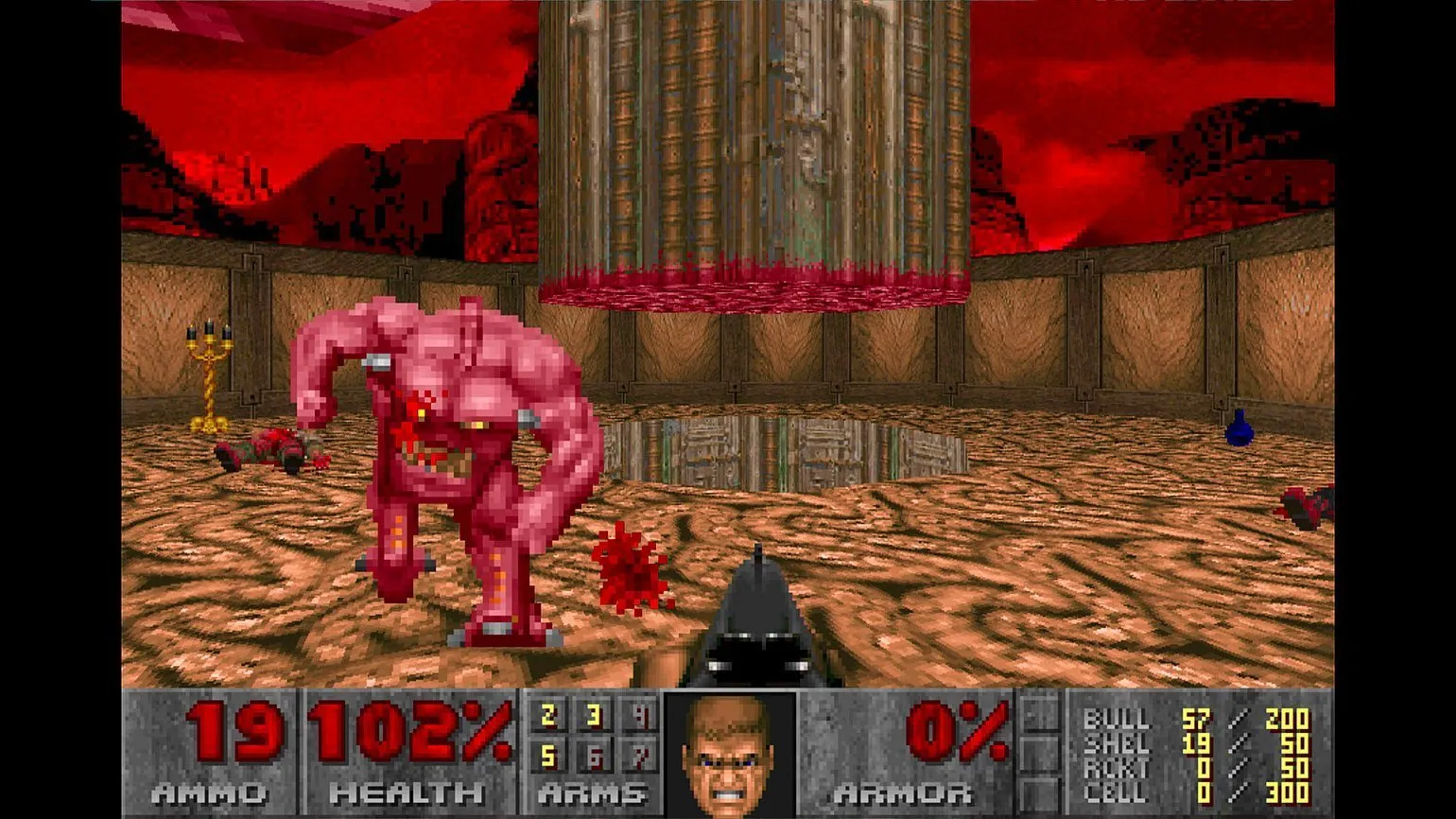
The game Doom has many atmospheric tracks that create a sense of dread and push the player to move forward. The game's music plays a key role in creating the overall atmosphere of the struggle for survival, constantly forcing you to confront enemies. One striking example is the composition "Dark Halls," which plays when the lights go out in the bunker. It masterfully maintains the balance between the tense struggle and the desire for salvation, thanks to the harmonious combination of drums and synthesizers. The music in Doom doesn't simply accompany the gameplay; it enhances its emotional impact, making each battle even more tense and exciting.
The track titled Suspense masterfully conveys a tense atmosphere of danger. This feeling intensifies as enemies begin to act more aggressively, increasing the level of difficulty and creating a serious challenge to the player's skills. The music organically emphasizes the tension, forcing the player to be on guard and carefully monitor their every move.
In addition to small arenas, Doom also features levels that are long, interconnected labyrinths. In these levels, players are encouraged to take their time making decisions and carefully consider their strategy. The musical composition "They're Going to Get You" perfectly matches this cautious style of play, creating an atmosphere of tension and uncertainty. Proper planning and caution will help you avoid numerous traps and enemies, making the gameplay more fun and exciting.
One of the most famous tracks in the Doom game is At Doom’s Gate. This composition was one of the first in the heavy metal genre, created by composer Bobby Prince for Doom. The music plays in the starting location E1M1: Hangar, and it is this music you will hear at the beginning of your gameplay. The atmosphere of the track perfectly matches the dark and tense mood of the game, which makes it unforgettable for players and video game fans in general. At Doom’s Gate not only set the tone for the entire series, but also had a significant influence on the creation of music in video games.
The title is a play on words, symbolizing your approach to the concept of Doom and the game itself. The composition relies heavily on electric guitar and drums, a hallmark of Doom music.
The id Software development team originally planned for me to create exclusively metal pieces for Doom. However, I doubted that this musical style would be suitable for the entire project. Instead, I wrote several original dark ambient tracks and prepared MIDI versions of several covers. This composition was one of the first of its kind created for Doom and added variety to the game's sound design.
Bobby Prince is a renowned composer who created the scores for the first two installments of the cult video game Doom. His work has become an integral part of the gaming experience, setting the atmosphere and heightening the tension in the game. Bobby Prince's music is distinguished by its unique style and masterful blend of various musical genres, which has made Doom's soundtracks iconic among gamers and video game fans. Bobby Prince's contributions to the sound design of these games had a significant influence on the development of music in the video game industry.
The game's musical score perfectly combines three key elements: metal, ambient, and a visceral melody. This is what turned Doom into more than just a demon-slaying shooter, but an engaging journey. The level of immersion the game offered in 1993 was unique and unprecedented for its time. The music not only enhances the atmosphere but also creates an emotional connection with the player, making every battle unforgettable.
In 1994, building on the success of the first part, the second game, Doom II: Hell on Earth, was released. This sequel was developed entirely based on the original. Visually, it was virtually indistinguishable from the first game, and the changes to the gameplay were minimal. The musical score also remains in the same vein as the original Doom, thanks to the work of composer Prince. Doom II: Hell on Earth continues the tradition of its predecessor, offering players a familiar experience with new levels and enemies.
Most of the music tracks used in Doom II were created by me for the first part. Initially, these compositions were not suitable for the original game, but they were later recognized as ideal for Doom II.
Bobby Prince is a famous composer who created the music for the first two parts of the cult game Doom. His unique style and memorable melodies became an integral part of the gaming atmosphere, contributing to the popularity of the series. Bobby Prince's music not only enhances the tension and dynamics of the gameplay, but also left a noticeable mark on the history of video games. His influence on the gaming industry continues to be felt, and many modern composers are inspired by his work.
In 1997, Doom 64, developed by Midway Games, was released for the Nintendo 64 console. The game continued the events of Doom II: Hell on Earth and offered players a unique experience. Doom 64 featured redrawn textures, high-quality enemy sprites, and more detailed music, creating the terrifying atmosphere that is characteristic of the series. This game became a significant contribution to the first-person shooter genre and remains a cult favorite among fans to this day.
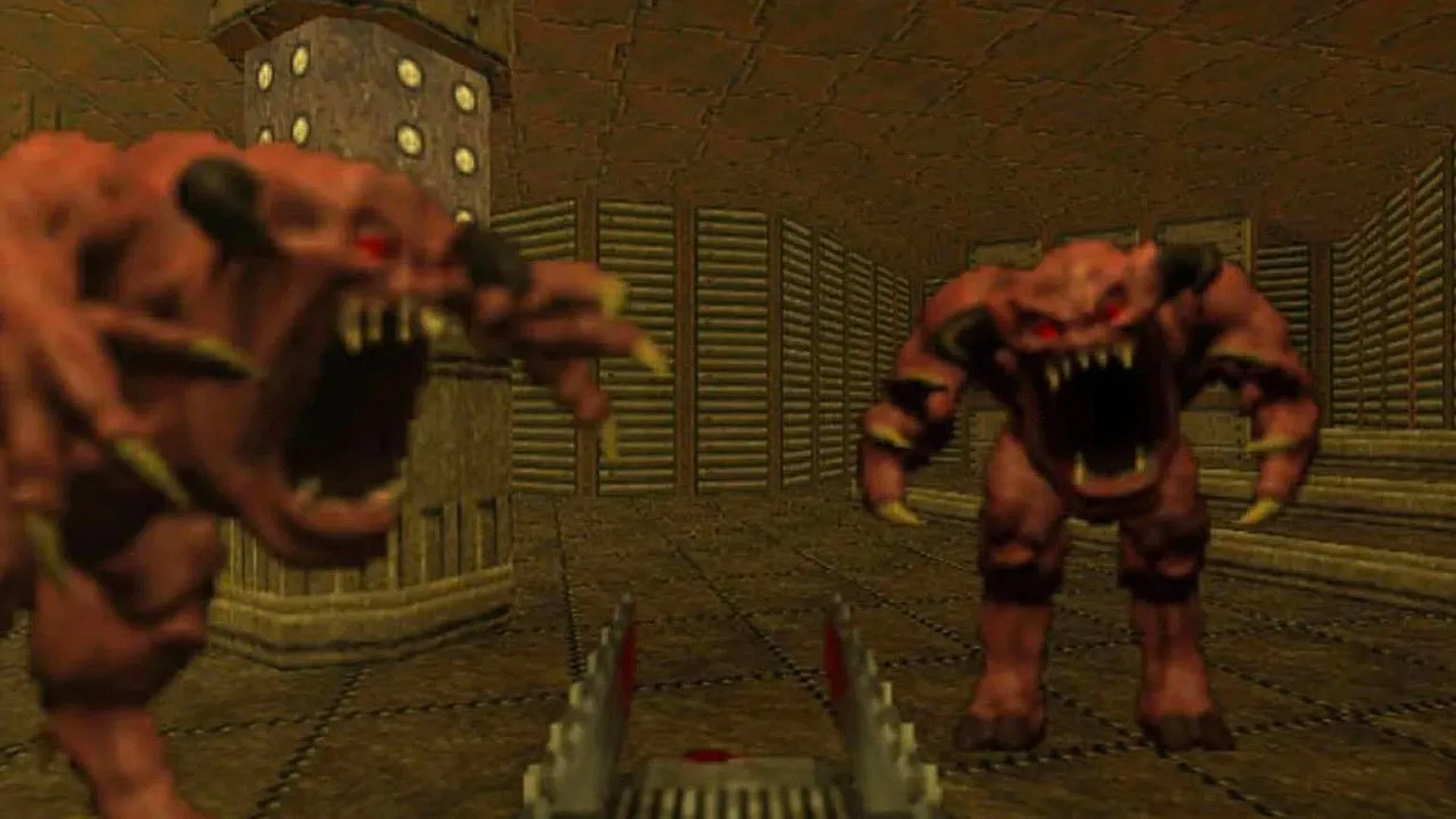
Composer Aubrey Hodges created a truly terrifying musical accompaniment for Doom 64. The music not only enhances the game's atmosphere, but also perfectly harmonizes with the subdued lighting and claustrophobic level design. The combination of all these elements makes Doom 64 a truly eerie and unforgettable experience. The music of the first Doom, despite its technical limitations, sounded more comical than impressive. I encountered the same difficulties as Bobby before. This prompted me to begin experimenting, during which I discovered an interesting pattern: as the pitch decreased, the complexity of the sound increased, making it unusually strange and frightening. Instead of creating a rush of adrenaline, I focus on creating an atmosphere of nervousness, anxiety, and unease based on fear. This approach helps immerse players more deeply in the game's world and enhances the emotional experience.
Aubrey Hodges is a talented composer known for his work on the music for Doom 64. Released in 1997, the game became a cult hit and one of the most memorable installments in the Doom series. Hodges' music successfully blends atmospheric sounds and intense melodies, creating a unique experience and enhancing the gameplay. His contributions to the sound design of Doom 64 have had a significant impact on the game's reception and its legacy in the world of video games. The composer continues to be a vital figure in the industry, and his work inspires a new generation of musicians and developers.
Gfycat is a popular platform for sharing GIFs and short videos. It allows users to upload, view, and share content, creating unique visual moments. Gfycat offers tools for converting videos to GIFs, making it convenient for creating animations from a variety of sources. The platform supports high-quality images and fast loading times, which attracts many users. Thanks to a simple interface, users can quickly find and share interesting animations, which contributes to community growth and increased engagement.
The music of Doom 64 creates a unique atmosphere of horror. Unlike the fast-paced metal of the first parts, which emphasized the dynamic gameplay, this game's soundtrack offers a viscous and eerie ambience. It practically lacks drums and percussion, allowing the soundtrack to blend into the overall soundscape. This creates a feeling of constant anticipation that something terrible can happen at any moment. The music of Doom 64 heightens fear and tension, immersing players in the game's grim world, where every sound change can foreshadow danger.
The track for the first mission, "The Madness," is significantly different from the music of previous Doom games. It has a slower and darker tempo, creating an atmosphere of tension and dread that underscores the uniqueness of this part of the game.
The sound design of Doom 64 is significantly different from the usual atmosphere of the series. In some levels, players can hear the quiet crying of children in the background, which adds unexpected depth to the gameplay. Many positive reviews from both players and critics confirm that it is the music and sound effects that play a key role in creating the unique mood of Doom 64. They slow down the pace of the game and make you think: "Am I really playing Doom?" If you simply listen to the Doom 64 soundtrack without the sounds of gunfire and close your eyes, you can easily mistake it for music from a horror game and think that it is a sequel to one of the most dynamic action games in history. The sound design not only sets Doom 64 apart from other games in the series, but also creates an atmosphere that evokes mixed feelings of anxiety and anticipation in players.
Aubrey's outstanding and versatile musicianship allowed him to create the atmospheric soundtracks for Doom 64. His compositions are characterized by a dark and eerie atmosphere that fits perfectly with the gameplay. Aubrey's music enhances the feeling of tension and danger, making the gaming experience even more immersive.
Scott Patterson is a renowned sound designer who made significant contributions to the atmosphere of Doom 64. His work on the soundtrack helped shape the unique style and tension characteristic of this classic game. Patterson used innovative sound design techniques to immerse players in the world of Doom 64, making every enemy encounter even more exciting. Thanks to his talent and original approach, the game's sound palette became an integral part of its success and continues to inspire modern developers.
In 2004, Doom 3 was released—the first reboot of the renowned Doom series that doesn't take into account the events of previous games. Doom 3 achieved significant commercial success and received generally positive reviews from critics. However, reviews noted shortcomings such as dated graphics, trivial horror elements, and questionable gameplay decisions, making the third installment less connected to the original series. Despite this, the game brought new elements to the genre, leaving a mark on the gaming industry.
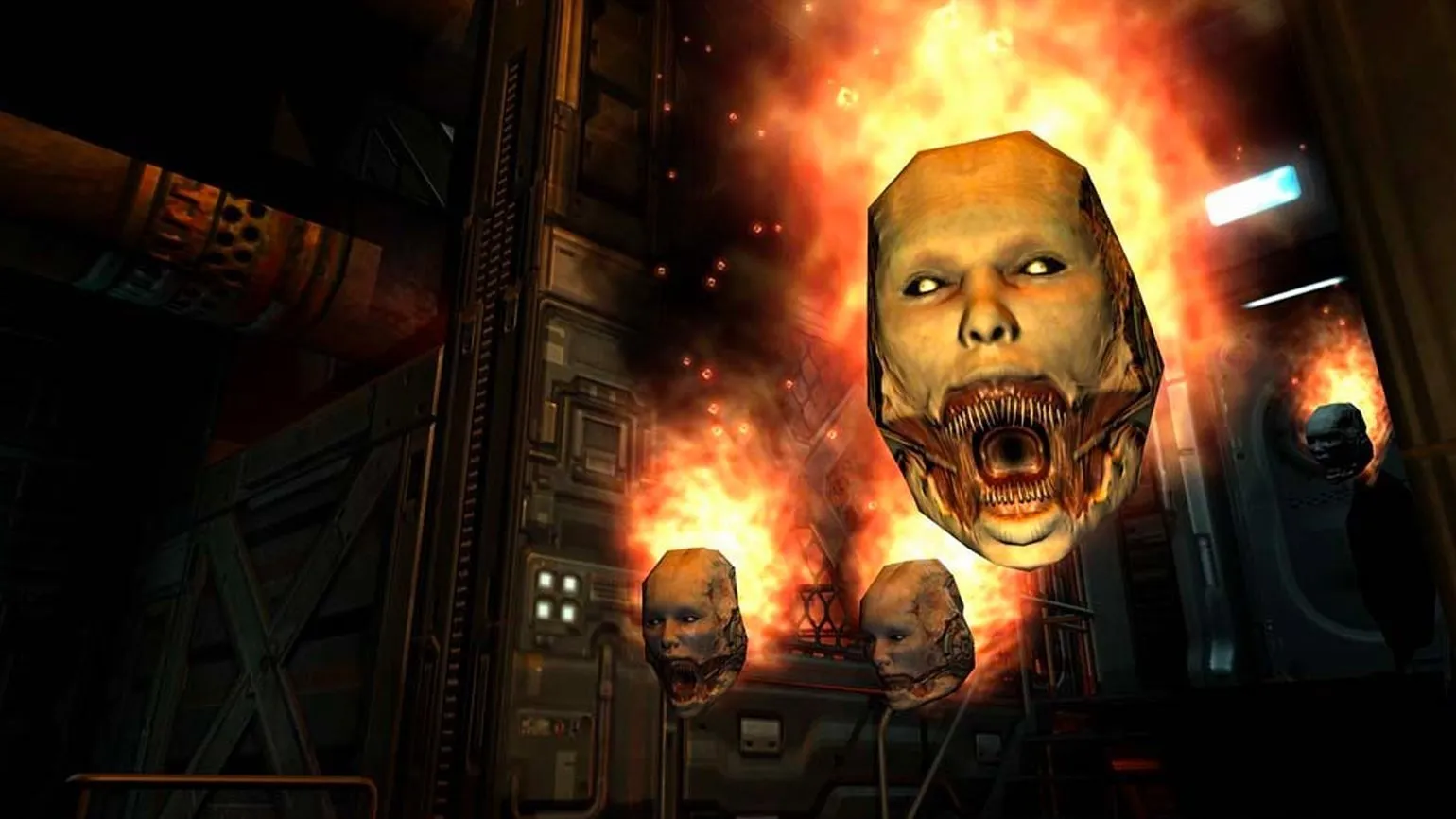
Initially, it was planned that Trent Reznor, known as the frontman of the band Nine Inch Nails, would be the composer for Doom 3. He was supposed to create the main soundtrack and handle the overall sound design for the game. Reznor did develop the initial sound design for Doom 3, but his work was ultimately replaced. The musician was forced to withdraw from the project due to time constraints and organizational issues within id Software. Reznor's work can be heard in the alpha build of the game, as well as in an unofficial sound mod, demonstrating his contribution to the atmosphere of Doom 3.
The positioning of sound in Doom 3 changed traditional notions of musical accompaniment. Unlike classical music, the developers decided that it should not be heard in the game. Instead, the sound design of the research complex on Mars was conceived as an "orchestra" consisting of a variety of mechanical and industrial sounds. In each room of the complex, three to five architectural elements or equipment were played, creating sound "samples" with a range of frequencies from low to high. For example, at one end of the room you could hear the low hum of a drill, and at the other – the crackling of a computer monitor, reminiscent of percussion. Depending on the player's location, sounds overlapped, creating a unique soundscape that served as a unique soundtrack, enhancing the game's atmosphere. This approach to sound design allowed for deep immersion in the game environment and emphasized its uniqueness.
We discussed how wonderful it would be to create a space capable of immersing visitors in a unique atmosphere without the need for an additional "soundtrack." Modern technology allows us to use sound effects and visual solutions to create a rich environment that can be thoroughly explored and filled. However, ultimately, time and cost constraints, as well as management issues, stood in the way of realizing our idea, leading to the project remaining unfinished.
Trent Reznor, a renowned composer and musician, is the author of the original soundtrack for Doom 3. His work on this project brought a unique atmosphere, combining elements of industrial music with dark sound effects, perfectly matching the game's theme. Reznor's music heightens tension and creates an atmosphere of dread, enhancing the gameplay experience. Trent Reznor's involvement with Doom 3 underscores the importance of music in video games and its impact on the overall gaming experience. Following Trent Reznor's departure, musicians Chris Vrenna and Clint Walsh were invited to work on the sound design for Doom 3. These talented composers brought a unique sound to the project that became an integral part of the game's atmosphere. Their work helped create a tense and dark musical score that harmoniously complements the gameplay and enhances the player experience. I have always been a devoted fan of games created by id Software. My first steps in the world of video games were with such classic titles as Doom, Quake, and Wolfenstein. It was a great honor for me to receive the offer to collaborate with this legendary studio. Together with Clint, we have developed a project that we are sure will appeal to both gaming fans and music lovers.
Chris Vrenna is the musical co-writer of Doom 3. His contributions to the sound design and music for this iconic shooter have had a significant impact on the game's atmosphere. Vrenna worked with other composers to create a unique soundtrack that heightens tension and immerses players in the world of Doom 3. His work has become an important part of the game's identity and contributed to its success. Chris Vrenna continues to develop his career in the music industry, leaving a noticeable mark on the world of video games.
Before joining the project, Vrenna produced and composed music for various video games, including such renowned titles as American McGee's Alice and Quake. Fun fact: the musician also worked as a drummer for the iconic band Nine Inch Nails.
We approached Chris with the request to develop a modern theme for Doom 3 that would convey the atmosphere and tension of the game. The result was impressive.
Todd Hollenshead serves as CEO of id Software. Under his leadership, the company continues to develop its innovative technologies and create renowned video games such as the Doom and Quake series. Hollenshead actively promotes the introduction of new ideas and approaches in the gaming industry, which allows id Software to remain among the market leaders. His experience and vision help the company not only attract new players but also retain the interest of existing fans.
Sound designers played a key role in creating the game's unique sound design, ensuring a harmonious blend of the "live soundtrack" with the gameplay. Their task was to avoid unnecessary heaviness and repetitiveness of the music. The industrial atmosphere, combined with carefully selected musical scores, and the realistic balance of all sound effects in Doom 3, made it possible to achieve an innovative sound that has become one of the game's main advantages. Thus, the sound design not only enriches the gaming experience, but also creates a unique atmosphere that helps immerse the player in the world of Doom 3.
What Hell Sounds Like: Doom 2016
Doom 2016 is the next reboot of the famous game series. It successfully returns to its roots, offering players high dynamics and elements of brutality, which is reflected in both the gameplay and the atmosphere. The game combines classic mechanics with modern technology, providing an immersive experience for fans of the first-person shooter genre.
We have significantly expanded our technical capabilities, which allows us to implement a more diverse range of features into the game. Established cooperation with other studios gives us the opportunity to exchange technologies and experiences. If a studio successfully implements certain solutions, we prefer not to waste time inventing a new approach, but simply ask them about their working methods. This approach significantly speeds up the development process.
Robert Duffy serves as the Chief Technology Officer at id Software. He is a key figure in the development of technologies and game engines used in popular video games. Thanks to his experience and knowledge, id Software continues to be a leader in the game development industry, creating innovative solutions and improving the quality of graphics and performance of game projects. Robert Duffy's contributions to the development of technologies such as id Tech have a significant impact on the gameplay and user experience.
The development team at id Software conducted an in-depth analysis to understand what exactly attracts players to the early parts of Doom. Initially, the game could have become something similar to "Call of Duty with demons", since this is how one can characterize its first prototype. In the 2016 reboot, all the classics have returned: players can encounter almost all the demons familiar to them from the first parts of the series. Now these enemies are even more aggressive and have unique movements, which requires players to actively move around the map to survive. This update makes the gameplay more dynamic and exciting, enhancing the atmosphere of classic Doom and attracting both veterans and new fans of the series.
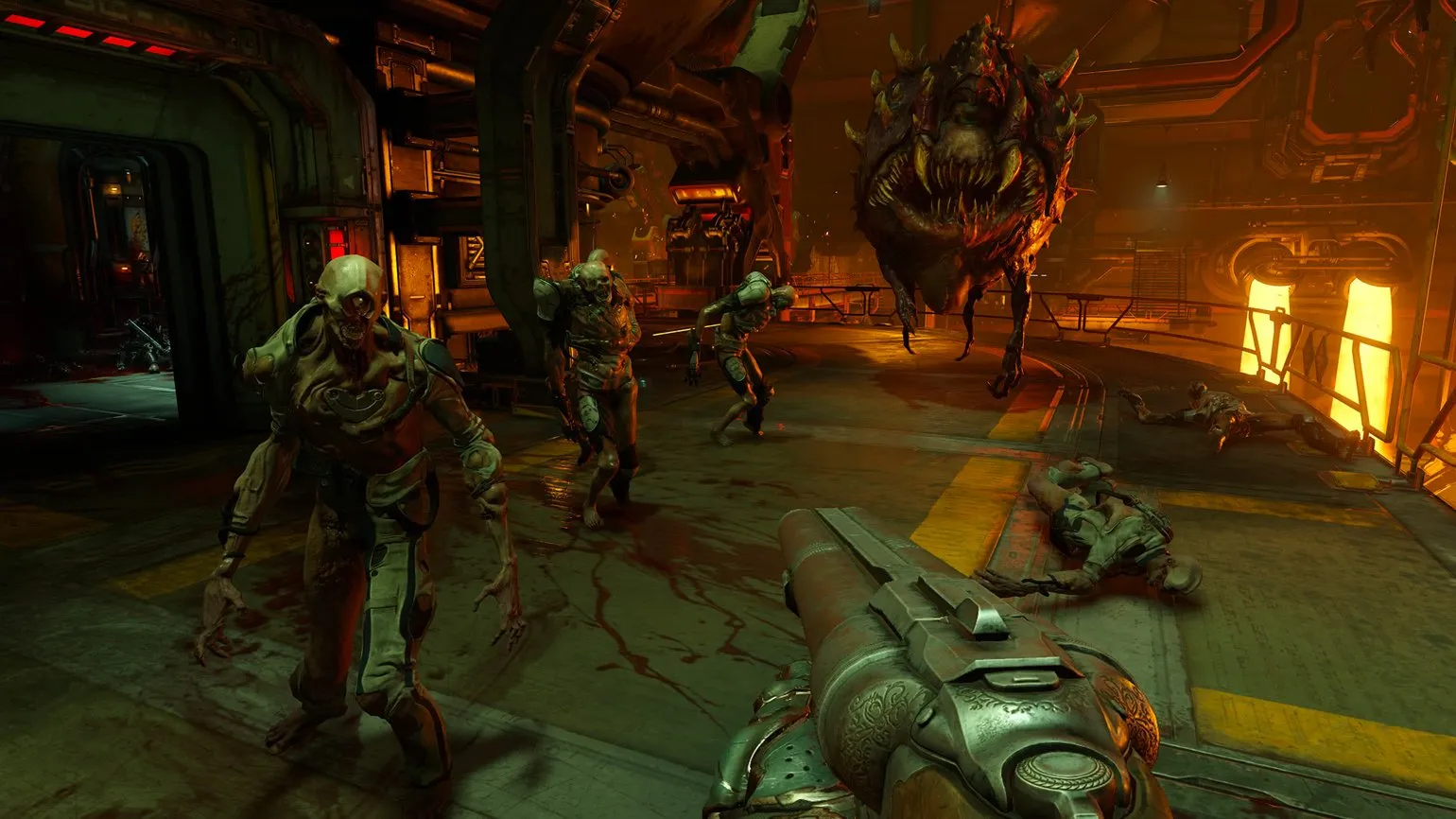
Creating musical accompaniment for action games Designing a game is a complex and multifaceted process, with developers facing various challenges. The main problem is that many games, even those with dynamic gameplay, may not support fast-paced music. This is especially true not only for racing games like Need for Speed, but also for modern slashers and shooters that combine dynamic combat with measured exploration of game locations. In such cases, simply fast-paced music is insufficient. A well-thought-out musical structure is needed that will adapt to changes in gameplay and enhance the emotional experience of the game. This requires composers to have a deep understanding of both gameplay and player psychology in order to create a score that seamlessly integrates into the game world and enhances its atmosphere.
For the new Doom installment, a unique sound was required. The main challenge was to create musical themes that would reflect the brutal atmosphere of the Doom Slayer universe. This sound was intended to encourage players to take action and support the aggressive and dynamic nature of the gameplay.
The composer for the new game was Mick Gordon, one of the most renowned musicians in the gaming industry. Before working on Doom, he had already created music for such games as Wolfenstein: The New Order, Need for Speed: Shift, and Killer Instinct. However, it was his soundtrack for Doom (2016) that brought him widespread recognition, critical acclaim, and numerous awards, making his name known on the international stage.
The return to Doom's former high speed opened up new possibilities for the musical accompaniment. Mick Gordon sought to preserve the emotional atmosphere established by previous composers while introducing his own unique style. This combination resulted in dynamic and memorable tracks that perfectly complement the gameplay and enhance immersion in the world of Doom.
Flow is a crucial aspect of playing video games. Music helps maintain this flow by creating a steady rhythm, while percussion significantly influences the dynamics of events on-screen. The right musical accompaniment can increase player engagement and make the gameplay more immersive.
Mick Gordon is a renowned composer, best known for his work on the sound design of Doom (2016). His unique style combines elements of metal and electronic music, creating a unique atmosphere of violence and dynamics in the game. Mick Gordon's music has become an integral part of the gameplay, enhancing players' immersion in the world of Doom. The composer uses innovative recording and sound processing techniques, which allows him to achieve impressive results. Gordon's creativity and mastery of soundtracks have made him a key figure in the video game industry.
Doom 2016 is not only an endless action game, as it may seem at first glance. The game features calm and atmospheric moments, filled with sounds that create a unique atmosphere. Some players mistakenly believe that the music is constantly dominated by "hellish" metal guitar. In fact, the game's score features carefully crafted scores and a variety of musical techniques, such as crescendos and diminuendos. Harmony in the compositions is built on unconventional alternations, and the structure of the pieces often surprises the listener, offering unexpected sequences. All this makes Doom 2016 not only a gripping shooter but also a true work of musical art.
Mick Gordon strove to adapt the game's score so that it would harmoniously harmonize with the gameplay. His goal was to create a dynamic synchronization of the music with the player's actions. This decision became an important part of Doom's development, which improved immersion and enhanced the overall gaming experience.
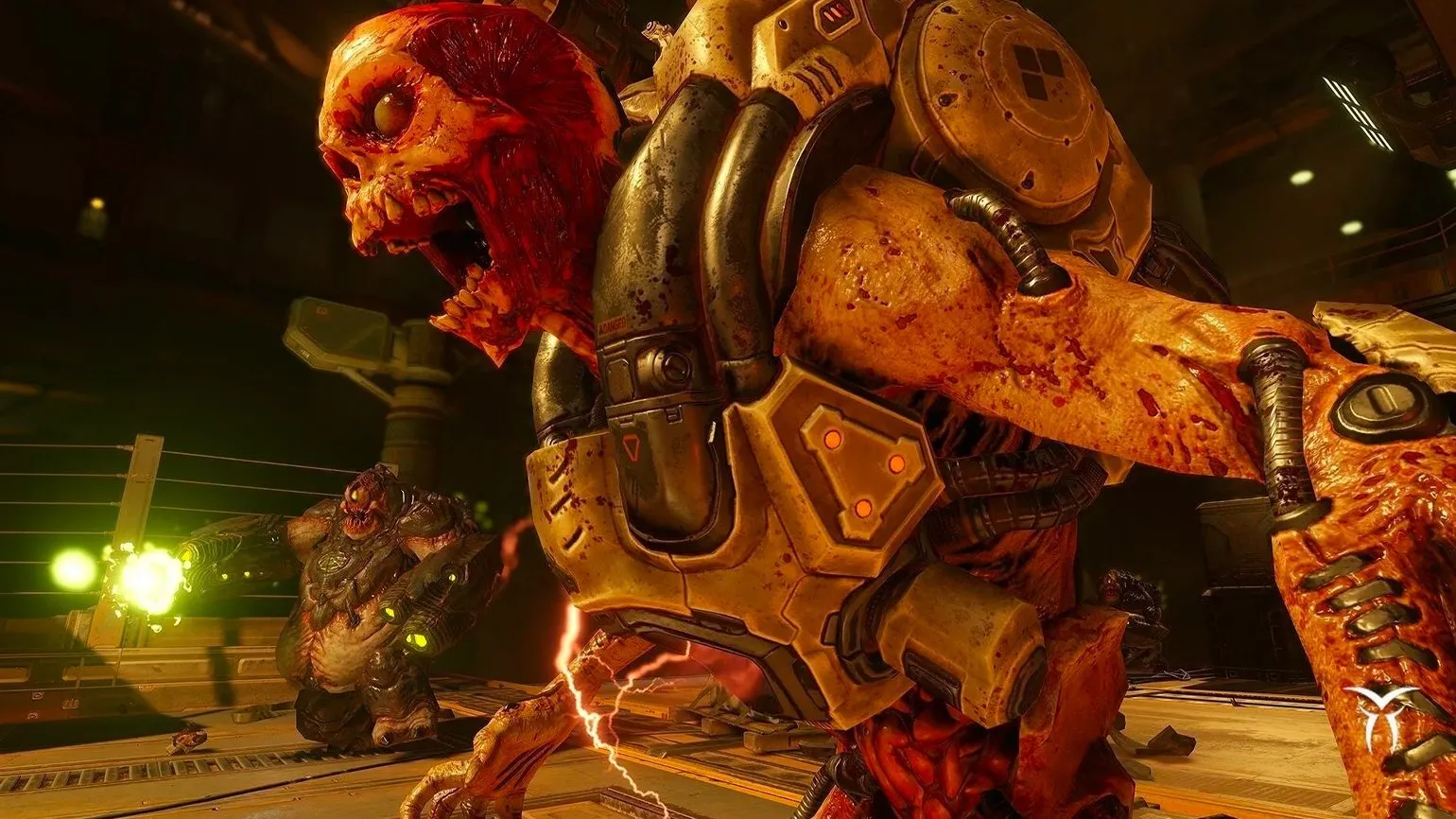
Gordon and the team at id Software have developed a unique technology for creating musical pieces that enhance the gaming experience. This technology involves creating compositions with a clearly defined structure and introducing transitional elements that respond to player actions. The composer divided his works into segments, creating multiple variations of musical continuation. When the player performs certain actions, music fragments are activated randomly, creating a dynamic and immersive atmosphere in the game.
Creating music for video games is a process that can be compared to assembling a large puzzle, where the melody is divided into many smaller fragments. The game engine combines these elements based on the player's actions, allowing for the creation of unique musical compositions in each game session. Thus, the music becomes dynamic and changeable, responding to various situations and player decisions. This approach not only enhances immersion in the game atmosphere but also makes each game unique in its own way.
Mick Gordon is a renowned composer who created the music for Doom (2016). His work on the score for this iconic game was acclaimed for its unique blend of heavy riffs and electronic sounds, enhancing the atmosphere of the dynamic gameplay. Mick Gordon used innovative approaches to music creation, combining classic metal elements with modern audio technology. Thanks to his talent and creativity, the Doom soundtrack has become not only an essential part of the gaming experience, but also a standalone musical work, receiving numerous awards and positive reviews from critics and players.
As a result, the music feels like it actively interacts with the player's actions, rather than simply looping in the background. This allows for the perfect synchronization of the sequence of events and movements with the rhythms, riffs, and dynamic rises and falls of the game's score. This musical interaction enhances immersion and emotional weight of the gameplay, making it more exciting and memorable.
The music in Doom 2016 is filled with adrenaline and creates an ominous cosmic atmosphere. The booming bass sounds like a blow to the head, and the synthesizers pulse and warp, creating a unique sound mix. The drums set staccato and furious rhythms that emphasize the dynamics of the gameplay. The guitar parts have a rich timbre and progressive heaviness, enhancing the overall perception of the music. Furthermore, the soundtrack contains references to compositions from the early Doom games, which provide interesting Easter eggs for dedicated fans of the series. The music not only complements the gameplay but also becomes an important element immersing the player in the world of Doom.
The atmosphere of songs like "Authorization" and "Olivia Pierce" is dark and tense, reminiscent of an interlude from a good synthwave album. Slowly building synthesizers penetrate the ear, creating a feeling of superheated plasma, becoming louder with each passing moment. This sound is complemented by a simple rhythm set by another synth line. A mood of uncertainty and an uneasy feeling of something wrong become integral elements of these musical works. As a result, the listener is immersed in a world filled with mysteries and intense emotions, making these compositions unforgettable and attractive to connoisseurs of the genre.
The track "BFG Division" is a true gem of the Doom game's musical accompaniment. This composition stands out for its aggression and dynamism, which makes it one of the most memorable in the series. At certain moments, the track stops, creating a fading effect that adds depth and tension. Such accents at key moments enhance the overall perception of the game and immerse the player in the atmosphere characteristic of the Doom universe.
When this track plays during the most tense and emotional moments, the blood rushes to your fingers and your heart rate quickens. This is a clear sign of a high-quality soundtrack that perfectly complements the exciting action. Music not only accompanies events, but also enhances perception and immersion in the atmosphere. A good soundtrack can evoke strong emotions and leave an unforgettable impression, making every moment more meaningful and vivid.
In the musical aspect, we strive to reward the player through changes in the sound design. The music can become more intense or energetic, including powerful distorted synthesizer melodies. These elements serve as positive reinforcement and enhance the overall experience of the gameplay.
Mick Gordon is a renowned composer who rose to fame thanks to his work on the music for Doom (2016). His unique style combines elements of metal and electronic sounds, which perfectly suits the dynamic atmosphere of the game. The sound design of Doom (2016) not only enhances the gameplay experience but has also become one of the key factors in the project's success. Gordon's work on the soundtrack attracted the attention of both critics and players, making it one of the most memorable aspects of the game. Mick Gordon's music continues to inspire many composers and video game fans, remaining an important part of the cultural heritage of the gaming industry.
By blending elements of industrial music, electronica, synthwave, and metal, the Doom soundtrack is more than just background music, but a fully-fledged element of the game. Its unique composition seamlessly integrates into the gameplay, turning the sound design into an important component that enhances the atmosphere and player interaction with the world of Doom. This soundtrack not only complements the gameplay but also creates a sense of immersion, making it an integral part of the gaming experience.
Identity Issues: Doom Eternal
Doom Eternal is a direct sequel to 2016's Doom. Changes have been made to the gameplay that improve character interaction. In particular, a dash mechanic has been added, allowing for a significant increase in movement speed. The shotgun is now equipped with a grappling hook, allowing the player to latch onto enemies, adding new tactical possibilities to combat. Furthermore, the Doom Slayer has become more agile, making combat even more dynamic. Doom Eternal also places a strong emphasis on the Doom universe, which will please both new players and long-time fans of the series interested in the story.
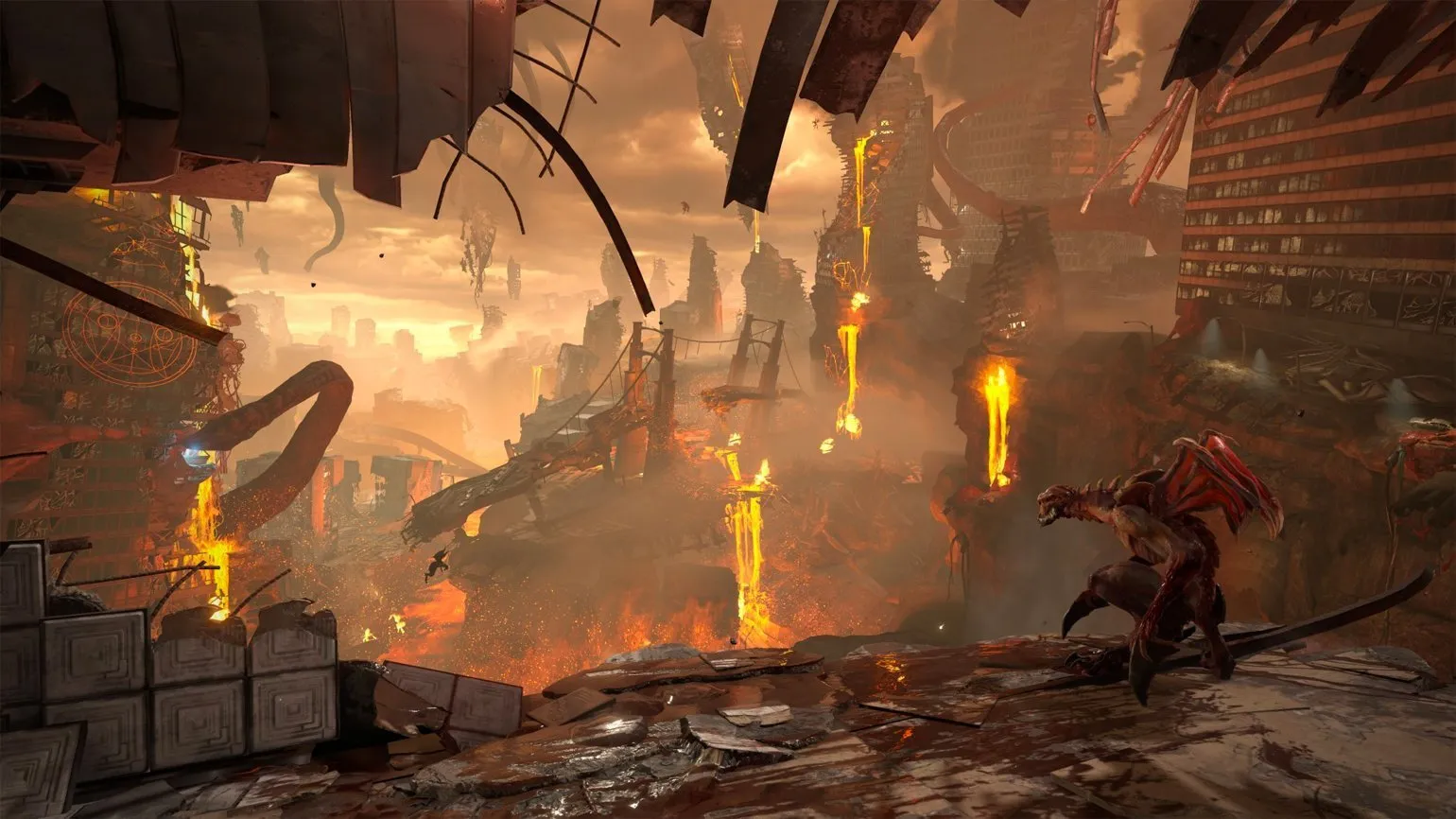
The game's composer is Mick Gordon, who created a unique Soundtrack for Doom Eternal. This sequel features a significantly increased variety of musical compositions compared to its predecessor. Players travel through portals to various planets and other dimensions, which required a new approach to creating music that could adapt to the various game locations. Each composition emphasizes the atmosphere and dynamics of the game, creating an unforgettable soundtrack for the exciting adventures in the world of Doom Eternal.
To make each new location unique, Gordon focused on writing a variety of ambient music. This musical background accompanies the player as they explore the world, adding depth and atmosphere to the gaming experience.
We quickly realized that creating heavy, aggressive Doom-style music for the "ancient" and "celestial" locations was impossible. Music, written specifically for each level, defines its character and atmosphere.
Mick Gordon is a renowned composer who created the score for Doom Eternal. His work on this game was praised for its unique blend of heavy rock and electronic elements, creating the atmosphere of a truly hellish battle. Mick Gordon uses innovative recording and sound processing techniques, allowing him to create unique musical themes that perfectly emphasize the dynamics of the gameplay. His contribution to video game music has become significant, and Doom Eternal has become a shining example of how music can enhance the experience of a game and immersion in its world.
The soundtrack of Doom Eternal contains elements of heavy demonic choir singing, which includes both men and women. Combining various vocal styles, selected from two thousand applicants during auditions, and their subsequent unification into a single composition became a key moment in the work of composer Mick Gordon. This unique combination makes the game's sound not only powerful but also atmospheric, enhancing the player's immersion in the world of Doom Eternal.
We couldn't just ask an agency to hire their choir for a weekend. That wouldn't be possible, so we had to create everything from scratch.
Mick Gordon is a renowned composer, renowned for his work on the sound of Doom Eternal. His unique style blends elements of heavy metal, electronica, and industrial music to create an unforgettable atmosphere during gameplay. Gordon's music not only heightens the emotional load but also plays a key role in creating powerful in-game moments.
Working on Doom Eternal required the composer to take an innovative approach, resulting in the album becoming a real hit among video game fans. His compositions have received high praise from critics and players, confirming the importance of music in creating immersive gaming experiences. Mick Gordon continues to develop his creativity, leaving a noticeable mark on the video game industry.
The sound design philosophy in Doom Eternal is based on creating short "energy bursts" of syncopated music that help stimulate the player. This approach not only maintains a high level of engagement, but also ensures that other sound effects, such as explosions and gunshots, are not lost in the mix. In this way, sound design becomes an important element of the gaming experience, enhancing the atmosphere and interaction with the game.
Gordon uses sounds in his compositions that are not traditional music. In the 2016 game Doom, he used the sound of a chainsaw in the track "Hell Walker," and in Doom Eternal, he expanded on this concept, combining the sound of an idling chainsaw with a powerful drum beat, creating a rich rhythm. The composer noted that the music for Doom Eternal is divided into four categories: "high-level combat," "mid-range combat," "casual combat," and "exploration." Once the music is completed, it is handed over to the level design team, who integrate it into the gameplay and adjust the tempo to ensure optimal player engagement. This approach creates a unique atmosphere that enhances the gameplay experience and makes it more immersive.
Following the release of the soundtrack in the Doom Eternal Collector's Edition, many fans and music lovers expressed dissatisfaction with the quality of its mixing. Users noted significant differences between the original version of BFG Division from Doom (2016) and the 2020 BFG Remix, particularly in wavelengths. This indicates a reduced dynamic range, resulting in excessive compression of the instruments. Such changes affect the perception of the music and can impact the overall experience of the game.
Gordon confirmed that he had no involvement in the final version of the soundtrack.
"I did not mix the tracks and have no intention of doing so. You may recognize a small portion of the tracks that I worked on in the final mix," he noted on Twitter.
Music rights are a complex and multi-layered area that can vary depending on the specific contract. For example, even if Gordon signed a deal to create music for Doom Eternal, that doesn't mean he owns the rights to mix and master his composition. It's important to understand that copyrights and licensing agreements govern how musical works can be used and can limit artists and composers' ability to further exploit their work.
A 2019 study of the gaming audio industry found that 98% of AAA game composers lack full control over their music rights. This means that, by law, video game publishers become the copyright holders of musical works. They make final decisions regarding the mixing, mastering, and editing process after the original tracks are recorded. This approach limits composers' ability to manage their creative work and can negatively impact their professional development. It is important to consider these aspects when discussing copyright issues and fair compensation in the gaming industry.
Representatives of id Software reported that Gordon was unable to complete his work on time, forcing them to finish the work themselves. As a result, both parties decided to end their collaboration.
The developers invited new composers to create music for two DLCs for Doom Eternal, called The Ancient Gods. Andrew Hulshult and David Levy became key figures in this project. Andrew Hulshult previously worked on soundtracks and audio design for shooters such as Dusk, Amid Evil, and the Rise of the Triad remake. He is also known for re-recording original compositions from the 1993 Doom for the Brutal Doom modification. David Levy, in turn, collaborated with Rooster Teeth and participated in the creation of several seasons of the popular online series Red vs. Blue and RWBY. In addition, he wrote music for several indie games and films. This collaboration promises to add new musical accents and atmosphere to the world of Doom Eternal, making the gaming experience even more immersive.
Following the departure of Mick Gordon, Hulshult and Levi have successfully created a new soundtrack that reflects their individual approach. They managed to convey an atmosphere of doom while maintaining their unique sound. This new musical experience not only complements the gameplay but also immerses players in a world with deep emotional experiences.
Sound creation opens up a variety of possibilities, with the main limitation being only time. Sound processing allows for experimentation and finding unique solutions, which makes the creative process limitless.
David Levi is the composer responsible for the music for the Doom Eternal DLC, The Ancient Gods. His work on this project has become an important part of the game's atmosphere, combining elements of orchestral music with the heavy riffs characteristic of the series. Levi's music heightens the tension and dynamism of the gameplay, making every battle more exciting. The DLC's sound design not only enhances the visuals but also immerses players in the endless battle against demons. Levi's talent for creating memorable melodies and powerful tracks helps Doom Eternal: The Ancient Gods earn a special place in the hearts of fans. Comparing Mick Gordon's music to the works of Andrew and David is a difficult task. These composers' tracks differ in style, and each has a unique approach to creating musical compositions. Mick Gordon is known for his distinctive sound, which combines elements of electronica and metal, creating an atmosphere of tension and dynamics. Andrew and David, meanwhile, prefer a more melodic and emotional approach, which is also reflected in their works. Each of these styles has its own merits and appeals to different audiences, making their work interesting to analyze and discuss. Mick Gordon's music in Doom Eternal reveals its power from the very first seconds of gameplay. Guitar riffs, synth lines, and powerful drums create the hellish atmosphere in which the Doom Slayer wages his battle. Every note and every second of the soundtrack underscores the intensity of the battle and heightens the sense of action, immersing the player in the game's dark world. The musical score not only complements the game but becomes an integral part of it, heightening emotions and creating a unique experience.
The soundtrack to Doom Eternal includes a variety of borrowed sounds that are not traditional musical instruments. For example, a chainsaw with an altered tone replaces guitar parts, and pops and clicks enrich the powerful drum rhythms. Synth lines add tension and enhance the atmosphere of the gameplay. The music of Doom Eternal is imbued with a demonic theme, transforming adrenaline into sonic expression, which creates a unique and immersive experience for players.
After listening to some of the DLC tracks for Doom Eternal, one can conclude that composers Hulshult and Levi relied too much on the atmosphere of the game when creating their music. Unlike Gordon, their compositions are not as self-sufficient. The composers rely heavily on the legacy of their predecessor, which creates a feeling of caution and a lack of bold experimentation. This can limit the uniqueness and diversity of the musical accompaniment, which could significantly enrich the gaming experience.
In this game, the musical accompaniment is organized according to the multi-layer principle. We created three distinct music tiers that vary in intensity: ambient, light combat, and heavy combat. Each musical genre contains, for example, a five-minute track, broken into multiple fragments. These fragments are dynamically shuffled by the game engine, providing a variety of sounds and immersive atmosphere.
David Levy is a composer known for his contributions to the Doom Eternal DLC. His musical compositions have enriched the gameplay, creating a unique atmosphere and heightening player emotions. Levy's works are distinguished by their high quality and originality, making them an important part of the game's soundtrack. Doom Eternal, as a popular first-person shooter, requires dynamic and powerful music, and David Levy has successfully met this challenge, providing compositions that perfectly match the intense gameplay. His work continues to inspire and attract the attention of both fans of the game and music lovers in general.
The developers did not limit new composers in their creative process. They weren't tasked with replicating Mick Gordon's style. This allowed them to create unique pieces of music that enriched the gaming experience and brought fresh ideas to the soundtrack.
At id Software, we were given the opportunity to start from scratch. Every time they approached us, the first line was, "We want your vision of Doom. Your soundtrack doesn't have to have a specific sound. We want you to have complete creative freedom in everything you do." This support inspired us to create a unique musical score for the game, which became an important element of its atmosphere and identity.
Andrew Hulshult is a composer known for his work on the music for the Doom Eternal DLC. His unique style combines heavy riffs and aggressive melodies, which perfectly suits the atmosphere of the game. Hulshult brought elements of various genres to the soundtrack, including metal and electronica, thus creating not only a powerful but also a memorable musical experience for players. His talent and innovative approach have made him one of the most prominent composers in the gaming world. His work continues to inspire both players and other musicians.
Comparing the soundtracks of Doom Eternal and its expansions is a difficult task. For most players, the differences between them may be imperceptible. However, nuances in moods and individual musical phrases do exist, although they can be difficult to catch. We turned to seasoned Doom fan and rock music expert Denis Mayorov to explain the differences in the composers' approaches.
For most players, this won't matter much. Andrew Hulshult and David Levy aren't as well-known as Mick Gordon, but they are worthy candidates to replace the famous composer. Andrew has previously composed for Brutal Doom and understands the series' atmosphere, which many consider similar to Doom Eternal. David, with his television background, is able to adapt his style to various requirements. This is precisely what they did – they tried to recreate Mick Gordon's musical approach. They generally succeeded. The Ancient Gods soundtrack features glitches, breakdowns, dissonance, and djentucha (rhythmic, staccato guitar playing with muting) – all of these elements are hallmarks of the Doom soundtrack for most fans.
Mick Gordon's soundtrack has a unique style that harmoniously blends the music with the game's visuals. It is also capable of functioning outside of the context of gameplay. Gordon often surprises listeners with sharp changes in tempo and dynamics, introducing bold drops and replacing traditional guitar sounds with electronics and ambient sounds, making his compositions no less heavy and atmospheric. In contrast, Andrew and David's scores have a more classical and mellow feel. While their music isn't as aggressive, it syncs perfectly with the rhythm of the game's gunplay. Gordon prefers to set his own tempo, introducing high-pitched guitar elements during the most intense moments (for example, in the track "Demonic Corruption"). Furthermore, the new composers lack Gordon's creative boldness: they avoid metal choirs with extreme vocalists and don't integrate unusual elements like Mongolian throat singing into the sound palette, making their approach more traditional.
The ambient compositions also follow the same principles. Hulshult and Levi's work resembles a modern interpretation of the soundtracks of classic sci-fi shooters like the original Unreal, while retaining Gordon's signature elements. Even in calmer tracks, Gordon skillfully changes the structure, adding powerful breaks that enhance the experience.
Denis Mayorov is the editor of the Disgusting Men platform and an expert in rock music. He helps readers learn about the latest trends in the rock scene and provide in-depth analysis of musical works and albums. Denis actively shares his knowledge and experience, making him an authority among fans of the genre. His articles offer interesting facts about musicians, their work, and their influence on the development of rock music.
Analyzing the musical component of each installment of the Doom series, one can note not only the growing importance of music in video games but also the evolution of approaches to its creation. Each composer contributed unique elements that enrich the game's soundtrack. Music in Doom is an integral part of the gaming experience, enhancing the atmosphere and enhancing the player's experience.
The musical score for Doom has always been unique and stands out from other projects. This is due not only to the talented composers but also to the developers at id Software, who approached the creation of their games with a high degree of responsibility. The studio's leadership set the general direction for the composers, which allowed them to achieve impressive results. The Doom team was one of the first to realize that a game's soundtrack should not only be present within the context of the game but also exist beyond it, creating a memorable atmosphere and immersing the player in a unique world.
Read also:
- Guide. How to record sounds for a game using a smartphone
- Sound effects in video games: history of development and features of use
- The weakest link: impressive and ambitious games that never made it to release
Who are you in the world of game development? A mini-course for those who want to make games.
In this free mini-course, you'll try your hand at being a game designer, 2D artist, or Unity game developer, and choose the profession that's right for you.
Find out more