Contents:

Thinking about a new profession, but don't know where to start? Find out what suits you: IT, design, game development, management or marketing. Take a free career guidance course.
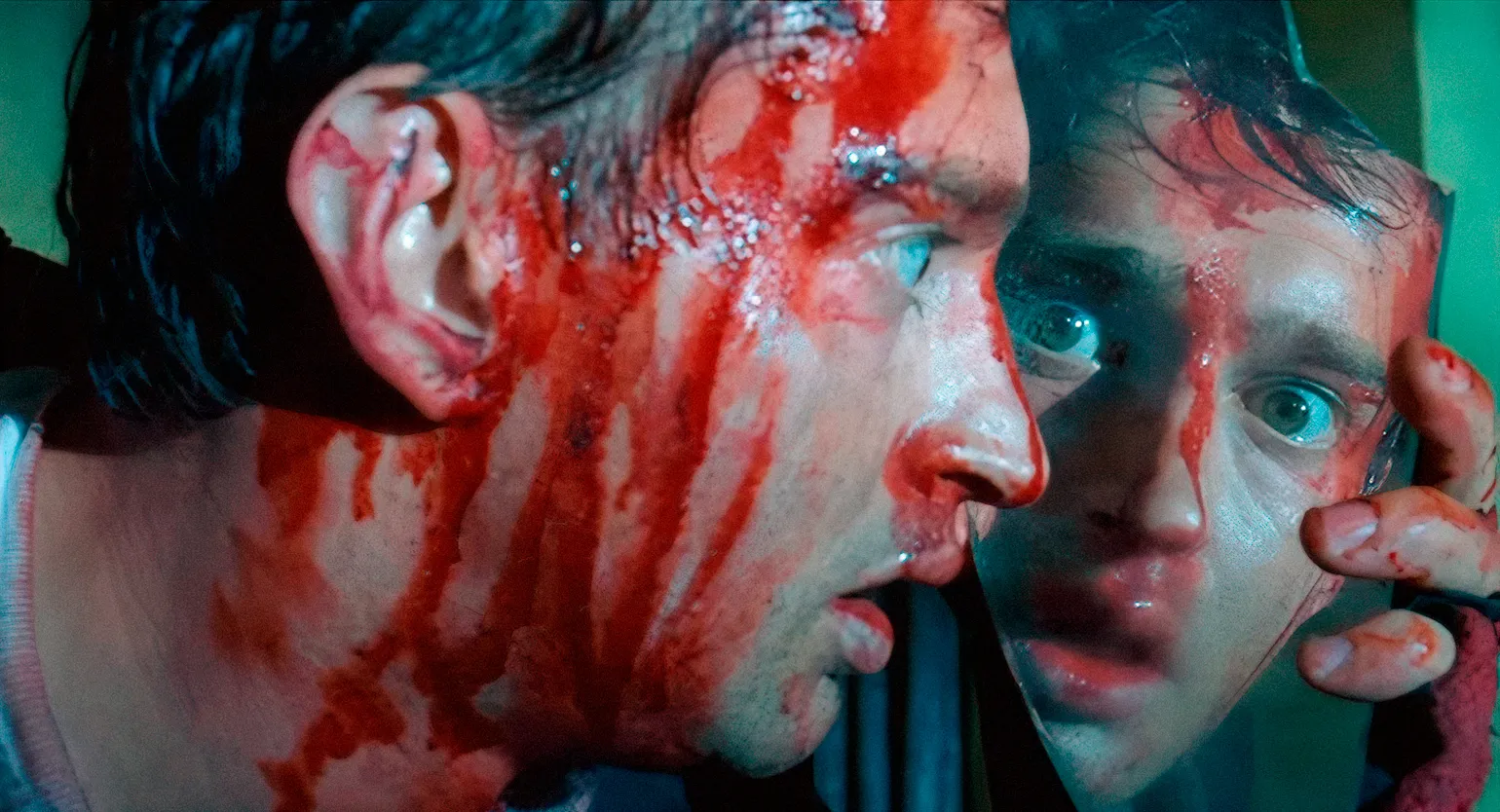
Learn moreThis year marks the 20th anniversary of the release of Timur Bekmambetov's masterpiece. The film was a true revelation of its time, attracting the attention of not only audiences but also renowned directors like Quentin Tarantino and James Gunn. We will examine what made this film iconic and which elements of its plot and visual style have influenced cinema.
In this article, you will become familiar with the main aspects of the topic. We will examine in detail the key points that will help you better understand the subject and its significance. You will receive the information necessary for an in-depth study of the issue and the application of acquired knowledge in practice.
- What was the Russian film industry like in the 2000s;
- What you need to know about Timur Bekmambetov;
- How Russian science fiction cinema began with "Night Watch";
- Why were the creators of the film criticized;
- How many "Night Watch" films are there and which one to watch.
What was happening in the film industry in the 2000s
The film "Night Watch" was presented to audiences in the summer of 2004 and attracted significant attention from the audience. People familiar with the original novel followed the filming process with interest, and critics showed curiosity about this ambitious project. The budget of the film was only 4.2 million dollars. By comparison, the film "Papa" starring Vladimir Mashkov, released at the same time, had a budget of $3.5 million but featured a simpler production process. "Night Watch" became a landmark work in the Russian film industry, opening a new chapter in the fantasy genre and attracting attention to Russian cinema.
Bekmambetov and Ernst's project became the first major Hollywood-style blockbuster, aiming to revive Russian science fiction in cinema and provide fans with an adaptation of a beloved novel. Opinions vary on the extent to which the film achieved its goals, but one thing is clear: "Night Watch" became a landmark event, restoring audiences' faith in the quality of Russian cinema. The film not only drew attention to the genre but also raised the bar for future projects in Russian cinema.
Having grossed $16.2 million in Russia and $33.9 million worldwide, "Night Watch" became the first successful case of the new Russian cinema. In the early 2000s, Russians preferred foreign films, with only "Brother 2" grossing over $1 million at the Russian box office in 2000. Later, Alexander Sokurov's "Russian Ark" and Andrey Zvyagintsev's "The Return" also achieved commercial success, grossing $6.7 million and $4.4 million, respectively, but only internationally. The productivity of Russian film production in the early 2000s can be characterized by rare but successful moments.
The early 2000s saw a revival of former Soviet cinemas. The owners of these establishments sought to minimize risks and primarily showed foreign films. Russian cinema, which was just beginning to recover from the collapse of the Soviet film industry, was unable to seriously compete with foreign films. This was a period when Russian films were searching for their audience and ways to attract viewers, restoring interest in Russian cinema.
On the big screen, audiences could see both the works of renowned directors and financially supported films. Russian cinema of that era was generally created not for a general audience, but for connoisseurs and the elite. While Andrei Zvyagintsev was winning acclaim at international festivals, domestic audiences were slow to flock to cinemas to see his work. However, after a year and a half, Bekmambetov was able to attract the attention of the entire country to cinema.
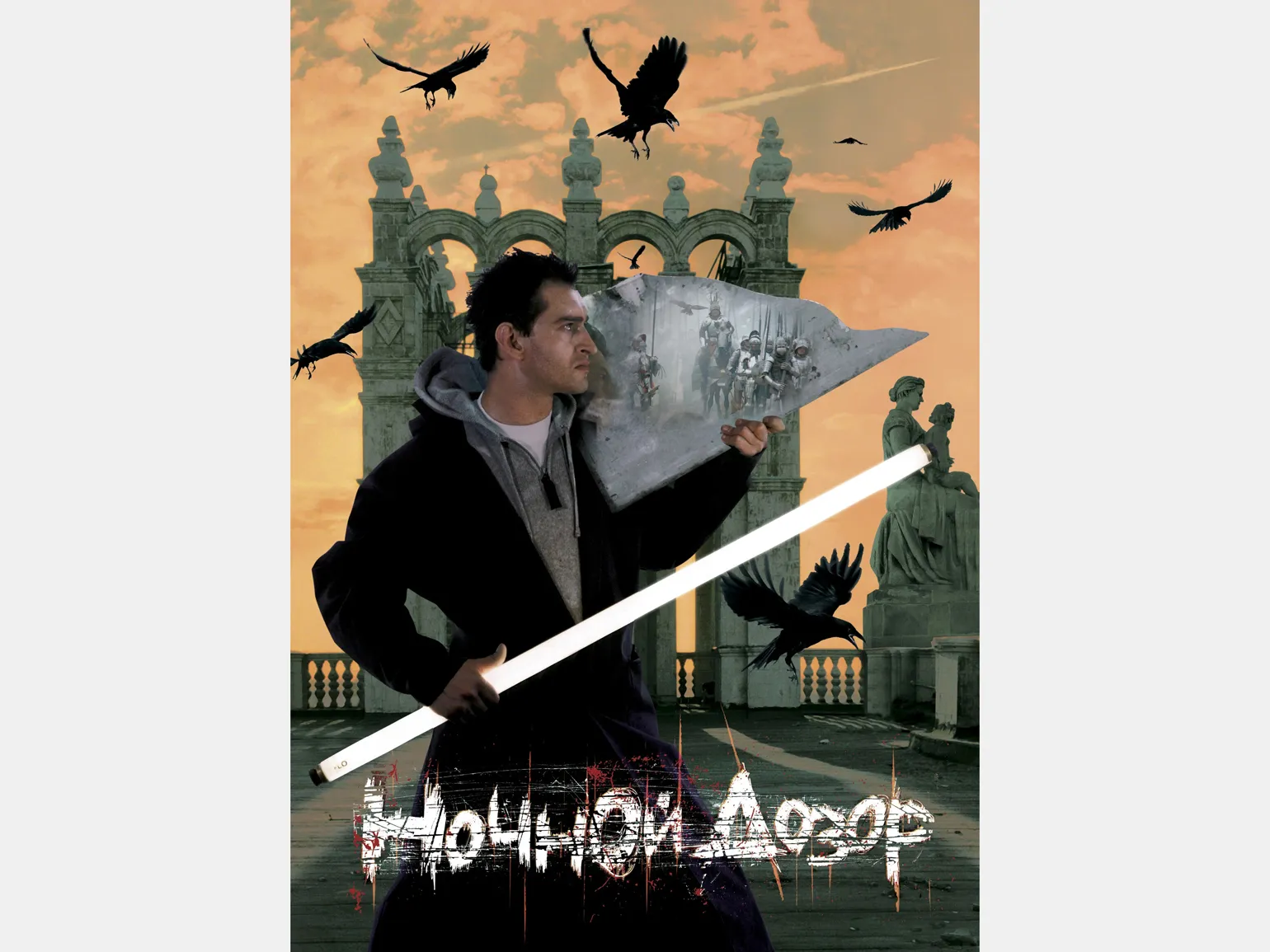
"Night Watch" turned into A landmark film, it became the first business project in the history of Russian distribution to target multiple audience segments simultaneously. The slogan of Bekmambetov's company, Bazelevs Production, underscores this unique approach: "We don't make movies, we create events." Not only did this film become a cult classic, but it also laid the foundation for new filmmaking formats, attracting a wide audience and opening new horizons for Russian cinema.
Who is Bekmambetov?
Timur Bekmambetov, known in the film industry as the director of commercials for Imperial Bank at the time of the creation of "Night Watch", was practically unknown to the general audience. Nevertheless, no one could have predicted that he would become a key figure in the formation of new trends in popular cinema in post-Soviet Russia. "Night Watch" was not only a commercial success, but also opened new horizons for Russian cinema, setting the standards for subsequent films in the fantasy and horror genres. Bekmambetov demonstrated how to successfully integrate elements of Western filmmaking into the Russian context, which led to a revival of interest in Russian cinema.
Early in his career, Bekmambetov showed a desire for innovation, which was evident already in his 1993 debut film "Peshawar Waltz". This film, dedicated to Soviet and Afghan prisoners of war, remained unnoticed because neither side in the conflict acknowledged their existence. Despite its potential significance, the film received little attention: "Waltz" was released in 1995, when the country was in the throes of a crisis, and audiences ignored it. Bekmambetov, disillusioned with the film industry, successfully transitioned to advertising. However, ten years later, he returned to the world of cinema with "Night Watch." This film not only confirmed his mastery of mainstream content but also attempted to create a unique style. One of Bekmambetov's innovations was dynamic clip editing with frequent cuts and close-ups. This technique, while not a complete revival of Eisenstein's "montage of attractions," significantly influences the viewer's perception, manipulating their emotions throughout the film.
Bekmambetov doesn't limit himself to creating commercially successful spectacular products. He always focuses on narrative, whether it's a bank commercial, a fantastical diptych, or the public positioning of a project. In 2008, he captured audiences' attention with the release of "Wanted," featuring a renowned Hollywood cast and vibrant online advertising. His ability to combine an engaging plot with visual effects makes his work memorable and sought-after.
The culmination of Timur Bekmambetov's innovations is the screenlife format, which he actively promotes. In 2014, he presented the desktop film "Unfriended," and in 2015 he became a producer on "Hardcore," created by Ilya Naishuller. In 2018, Bekmambetov also produced the film "Search" directed by Aneesh Chaganty. That same year, he directed the screenlife film "Profile." These projects have significantly changed the approach to filmmaking and attracted attention to a new genre that continues to evolve and inspire other authors.
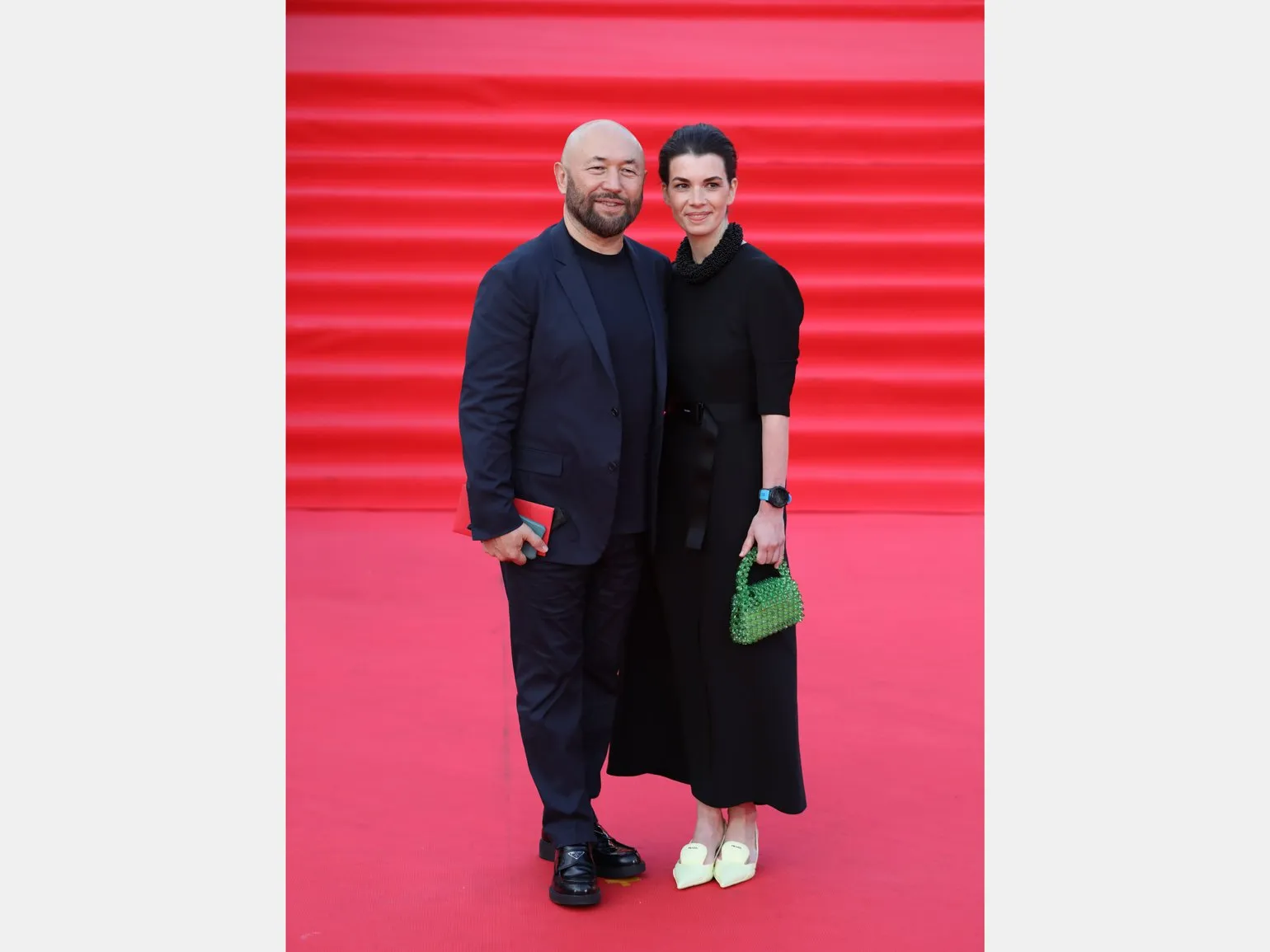
In 2004, Bekmambetov made a significant contribution to the development of Russian cinema by presenting Night Watch to audiences. This film became a landmark event, opening new horizons for genre cinema in Russia. Thanks to its success, genre cinema received a new lease of life and attracted the attention of a wider audience.
How Night Watch Started Genre Cinema in Russia
Bekmambetov rejects the title of the founder of Russian science fiction cinema, pointing to director Pavel Klushantsev and his film Planet of Storms (1962) as an earlier work in this genre. Nevertheless, it should be noted that he became a pioneer in the creation of science fiction films in the new Russian cinema, bringing a fresh perspective and modern technologies to this genre. His works had a significant influence on the development of Russian science fiction, setting new standards and inspiring subsequent generations of filmmakers.
Before Bekmambetov's arrival, Russian directors, when creating genre films, were mainly guided by Western models. This led to the emergence of many low-quality and caricatured films. One of the few successful projects in this direction was the mystical horror "Ghoul" by Sergei Vinokurov (1997). However, during the narrative, the film inexplicably transforms into a crime drama with predictable plot twists.
In the early 2000s, Russian filmmakers sought to reflect all aspects of reality, creating films that became iconic for their time. Examples of such works are "War" by Alexei Balabanov (2002), "The Return" by Andrei Zvyagintsev (2003), and "72 Meters" by Vladimir Khotinenko (2004). However, among a multitude of serious and dark films, "Night Watch" stood out, bringing spectacle and new life to cinema. This film allowed viewers to escape the harsh reality of the 1990s, engulfed by the aftermath of gangsterism, economic hardship, and despair. Not only did "Night Watch" entertain, but it also symbolized a new stage in the development of Russian cinema, opening the door to genre diversity and innovative approaches. If you think escapist cinema is superficial and immoral, you're mistaken. "Night Watch" can be considered one of the first postmodernist projects in Russian cinema. This film combines elements of fantasy and realism, with a deliberately serious yet comical tone. It farcically reflects the events and experiences of the past decade in the country's history, giving viewers a unique opportunity to understand the past through the prism of art.
Product Placement in the Film
The promotional campaign for "Night Watch" generated a lot of discussion, both positive and negative. The explicit advertising of brands such as coffee, beer, and mobile phones was sometimes perceived as intrusive and annoying. However, it is worth considering that the director who created such commercials had experience in this field. It would be unreasonable to expect anything else from him. It is important to realize that such campaigns are often aimed at attracting attention and creating a memorable image, even if this sometimes draws criticism.
Ernst and Bekmambetov radically changed the approach to film promotion, making it what we know it as today. They introduced the practice of featuring lead actors in various television programs to announce films, and also actively used news reports about premieres and advertising banners. In Moscow, over 500 outdoor advertising surfaces and nearly 400 television commercials were used. The reports aired during prime time, and MTS also sent out advertising mailings. Before the release of "Dozor," no one had used such large-scale promotional methods, but afterward, many began to follow their example. Since then, this approach has become the standard in the film industry, confirming its effectiveness and relevance.
The target audience for this product was a general audience, who were likely unfamiliar with the work of Sergei Lukyanenko and his works about the Other and "Dozor." This audience was more likely to choose films starring Hollywood stars than Russian actors, especially given that the average Russian city of the time didn't always have a movie theater. Bekmambetov and Ernst skillfully overcame audience skepticism. Effective outdoor advertising and high-quality presentation of the film by actors on television played a key role in attracting an audience.
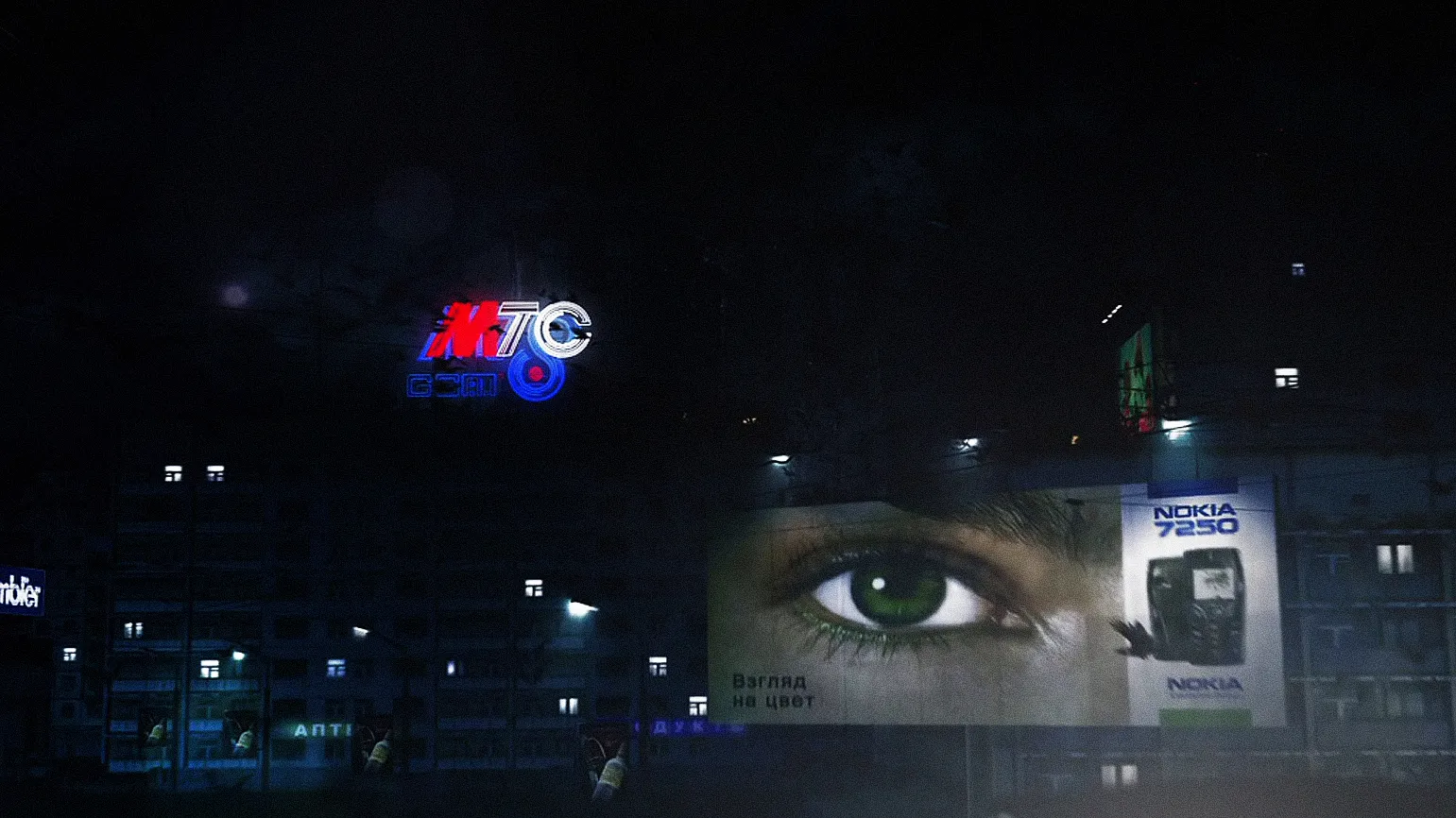
Product placement has become one of the key issues discussed in the context of the film's promotion. However, it's worth considering just how much of a weakness this really is. Director Timur Bekmambetov, with his experience creating commercials, likely understood the important aspects of promoting modern films in advance. In Hollywood, integrating products from certain brands into films is a standard practice, creating additional interest in the product. However, for Russian cinema, when Night Watch was released, such a practice was something new and even shocking: the film not only attracted viewers' attention but also advertised the Nokia in the hands of the protagonist. This decision not only emphasized the realism of the plot but also set new standards for subsequent films in Russia.
Advertising contracts with partners played a key role in covering the costs of promotional materials. In this context, it's worth noting that Channel One also made a significant contribution: Ernst actively promoted the film without affecting the project's budget. Experts estimate that the total cost of Night Watch's promotion, including Channel One's services and excluding product placement contracts, could have reached approximately $6 million. These sums are not only outstanding for Russian cinema of the time but also comparable to global standards, where advertising typically accounts for 50 to 100% of the production budget. Today, promotional materials, supplementary materials such as "film-about-the-film," and memorable advertising campaigns have become standard in the film industry. However, these innovations owe much to the success of Night Watch. The film's unique approach to promoting it demonstrated effective strategies for working with film projects. After watching the film, many viewers repeated the film's final recitative for a long time and wore its signature costumes and accessories. Director Timur Bekmambetov has repeatedly confirmed his status as an advertising expert, including by launching a viral video about the hero of the film Wanted (2008), which many believed to be real. This case has become an example of the successful interaction between cinema and marketing, demonstrating how high-quality advertising can significantly increase interest in a film and create an active community of fans around it.
Which "Night Watch" should I watch?
Not everyone is aware that the film has several versions. The version that is mainly available online is the one that was shown in cinemas. In fact, there are four different versions of this film.
The film, which was released in Russia and the CIS countries, was initially presented at the Moscow Film Festival. During the presentation, it was announced that the story would be divided into two parts. At that time, they were called "Night Watch" and "Night Watch 2". It is noteworthy that the film was previously shown at the RosCon-2004 convention, but its screening included watermarks, and also included fragments with missing voiceover, subtitles, and special effects. This film became a landmark event in Russian cinema, attracting the attention of audiences and critics, which contributed to its popularity in the domestic and international markets.
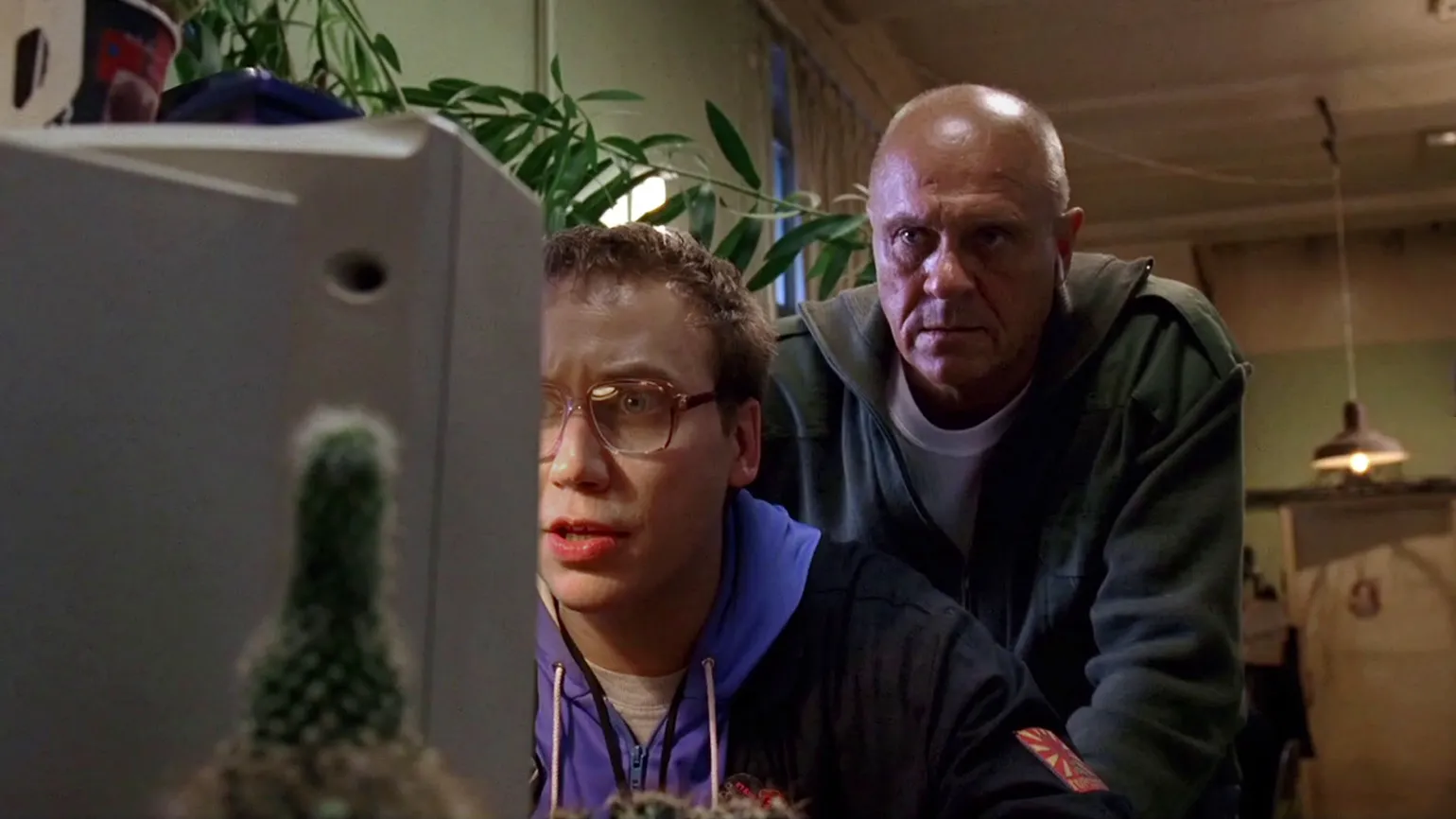
This "Night Watch" emerged from initial plans to create a television series. It includes both the theatrical version and deleted scenes that were added to the licensed DVD edition. This approach allows viewers to get a full understanding of the project and see moments that were omitted from the main film.
Viewers learned of an alternate ending to "Night Watch." In this version, the protagonist was unable to choose a side in the conflict of forces. Such an ending would have complicated the plot and likely led to the project ending in a single film. The alternate ending highlights the character's internal contradictions and adds depth to the overall story, making it interesting for discussion among fans.
A fan-made version with deleted scenes can be found online, but the existence of a licensed director's cut is uncertain. Directors Bekmambetov and Ernst have made no attempt to adapt their film "Night Watch" for television. Currently, many Russian directors are actively adapting film versions for TV platforms in order to attract new audiences. An example of this approach is the project "Union of Salvation," which premiered in 2019, and a television version was successfully released in 2022. This trend demonstrates the growing interest in adaptations and their ability to expand audiences beyond cinemas.
A year after the premiere of "Night Watch," the film was presented at the Berlinale, after which Fox Searchlight acquired the international distribution rights from Channel One. Director Bekmambetov was forced to rework the film to make it more accessible to viewers unfamiliar with the original source material. The first translations of Sergei Lukyanenko's books were published just as the film was being released, which contributed to increased interest in the film and its plot.
The international version of the film is more orderly and accurate than the domestic theatrical release. However, it has lost some of its flavor due to deleted scenes, particularly those featuring Gosha Kutsenko. Also gone is the unique rhythm that gave the film a chaotic and dreamlike feel, creating the effect of "flow" or "under the influence." This style can be found in the works of Roman Mikhailov, but his approach represents a completely different type of reflection. Thus, the international version, although more structured, lacks the unique atmosphere that made the original memorable.
In the international version of "Watch," Anton Gorodetsky became a visionary. This version lacks the dramatic opening credits, and the overall running time has been shortened by eight minutes. In total, approximately 90 changes were made to the film, 10 of which relate to dialogue. These changes can significantly impact the perception of the plot and character development, making the film more dynamic and accessible to international audiences.
The official parody of the film "Night Watch," created by the same creators, has provoked a variety of reactions, from bewilderment to praise, even when compared to the original. Despite this, the film has an average rating of 3.7 on the Kinopoisk platform. In an era of popular translations by Dmitry Puchkov, better known as Goblin, the release of this version was a curious commercial move, which, unfortunately, did not live up to expectations. Nevertheless, this project gave viewers a unique experience, for which special thanks go to the legendary Leonid Voldarsky.
"Night Watch" Today
Twenty years after its release, the film remains relevant. British magazine Empire includes it in its list of the 100 best non-English-language films, and renowned superhero blockbuster director James Gunn names "Night Watch" among his favorite films. In the Russian media landscape, "Night Watch" has acquired cult status, and the works of Sergei Lukyanenko have become classics of modern literature.
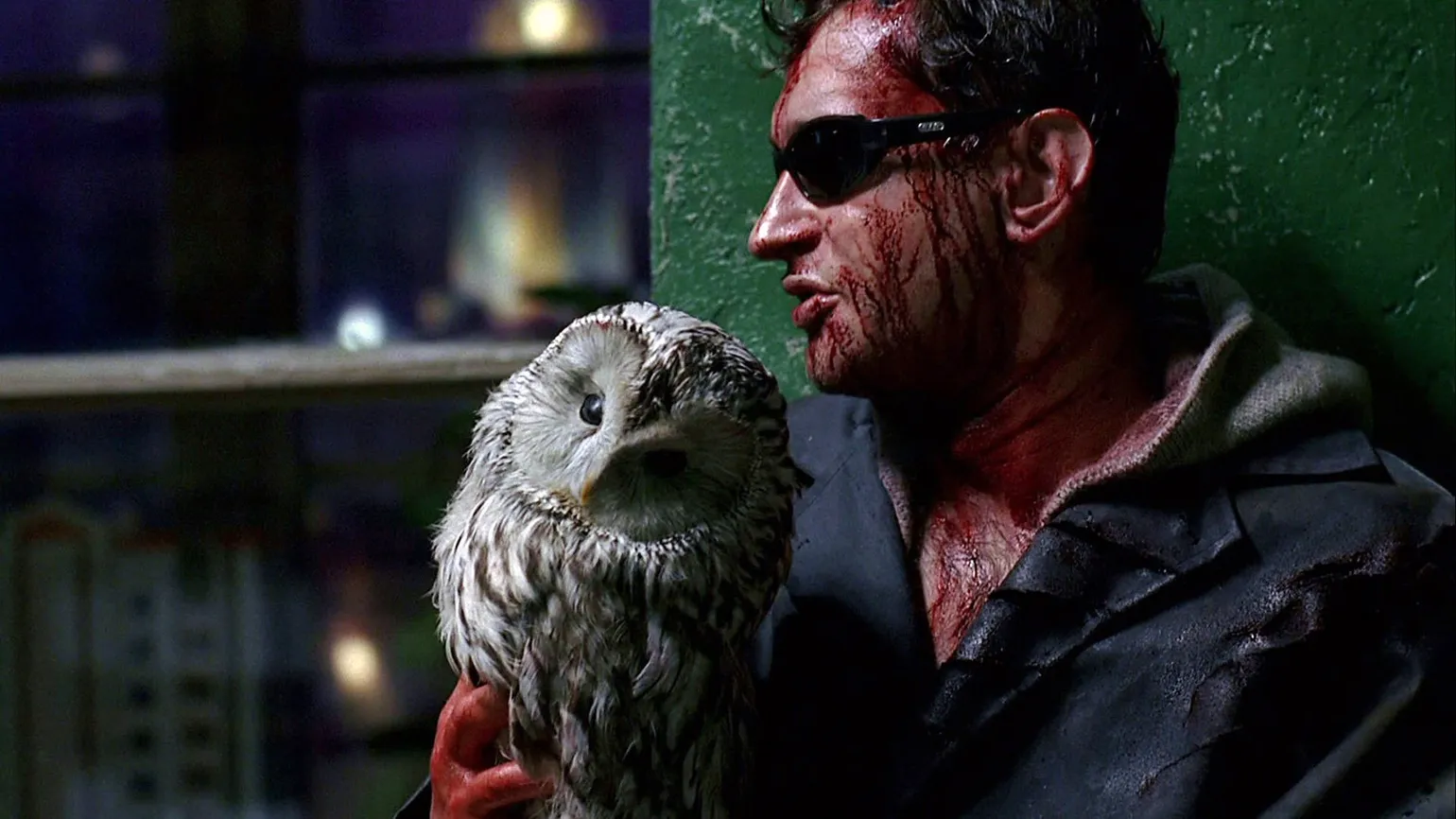
Attitude to Bekmambetov's vampire duology has gained significant traction over the past five years. Nostalgia for classic stories has always been a part of popular culture, especially in the film industry. Cinema is increasingly turning to familiar plots. We're seeing reboots of old projects, unexpected sequels, and the active quoting of cult films. References to hockey masks can be seen in "Major Grom," and all of St. Petersburg is gathering for a Balabanov retrospective inspired by a popular exhibition. Night Watch hasn't been left out either: a new series, continuing the story of the famous films, was announced for the fall of 2023. This project promises to attract both fans of the original duology and new viewers eager to immerse themselves in the world of vampires and magic.
Since the release of Night Watch, TV series production volumes have increased fivefold. This gives hope that viewers will be able to experience Lukyanenko's expansive and deeply researched story, where the editing isn't compromised for the sake of shortening the running time. While doubts about success remain, they are not as tangible as with the announcement of a new film in the saga. Our directors and writers have recently gained significant experience in creating series, which increases the chances of a high-quality product. A professional television product has the potential to significantly outperform original, innovative, and inexperienced content. However, the question of the exact extent of this will only become clear in the future. At the moment, the development history of this product continues, and its final recognition and success are still ahead.
Free career guidance
• Determine what you want from a new profession• Take the test and find out which professions are right for you• Understand what such specialists do
Learn more