Contents:

Is a job in IT right for you? Take the test and try yourself in different IT areas. No programming experience required.
Learn moreOn April 18, the film "One Hundred Years Ahead" was released in Russian cinemas. It takes us back to the "wonderful distant past" of forty years ago, featuring characters such as Alisa Selezneva, the myelophone, and the robot Werther. Just a month later, a remake of "The Flying Ship," based on the 1979 animated film of the same name by Garry Bardin, was released. Over the past two years, fairy tale films have become a leading genre in Russian cinema. This growing interest in magic and fantasy can be explained by several factors, including nostalgia, a desire for escapism, and an interest in new technologies that allow for the creation of unique visual effects. In today's stress- and uncertainty-filled world, viewers seek solace and inspiration in fairy tales and fantasy stories.
In this article, we'll cover key aspects to help you gain a deeper understanding of the topic. We'll cover the main points of the topic in detail and provide helpful tips for more effective learning. Read on to get up-to-date information and recommendations to help you move forward.
- Which fairy tale character became a caricature of Hitler in a Soviet film?
- What messages did directors hide in fairy tale films at the end of the Soviet era?
- What is "Night Watch" really about?
- Why has fairy tales become the most popular film genre in Russia today?
Subscribe to the "How Are You?" Telegram channel. On this channel, our experts share deep and scientific knowledge about psychology and self-development. We'll also be regularly publishing up-to-date film and music selections on weekends. Join us to stay up-to-date with the latest news and content that will help you with your personal growth and development.
The history of Russian animation isn't limited to Alisa Selezneva. Let's remember how it all began with "The Little Humpbacked Horse." The film's premiere was postponed due to the COVID-19 pandemic, a landmark event for the entire industry. At the time, Mikhail Efremov, playing the tsar, was not facing imprisonment, and the film was distributed by the American company Sony Pictures Releasing. The result was impressive: "The Little Humpbacked Horse" grossed almost a billion rubles at the box office, confirming the growing interest in Russian animation projects.
In January 2023, "Cheburashka" was released. Despite criticism from reviewers and online audiences, who noted the film's inaccurate portrayal of the character and its primitive plot, the film generated considerable interest. Many noted that its use of nostalgia could provoke ironic comments. Nevertheless, Cheburashka's comeback turned out to be quite successful: the film grossed almost $92 million at the box office, making it the highest-grossing Russian film in the history of cinema.

Read also:
Nostalgia has taken a central place in modern cinema, becoming one of the main trends of recent years. This phenomenon can be explained by several factors. Firstly, audiences seek an emotional connection to the past, which creates a sense of comfort and security in a rapidly changing world. Films that draw on nostalgic elements allow them to recall the best moments, which evokes positive emotions and attracts audiences.
Secondly, many directors and screenwriters use nostalgia as a tool for creating original stories. By reimagining classic plots or styles, they introduce fresh ideas that simultaneously evoke familiar images. This combination of novelty and familiarity makes such films particularly appealing.
Furthermore, nostalgia often serves as a powerful marketing tool. Returning to iconic characters and plots from the past attracts not only older audiences but also a younger generation interested in exploring the history of cinema and culture. Thus, nostalgic elements become a connecting link between different generations of viewers, contributing to the creation of a unified cultural environment.
As a result, nostalgia has become not just a trend, but an important aspect of modern cinema, shaping viewer preferences and influencing the development of the industry. Films that evoke nostalgic feelings continue to dominate the box office, confirming their relevance and demand in the market.
New adaptations of beloved cartoons and fairy tales are hitting screens, such as "By the Pike's Command," "The Bremen Town Musicians," "The Flying Ship," and "One Hundred Years Ahead." Viewers will soon be able to see "Tinderbox," "Varvara the Beauty with the Long Braid," "The Adventures of Electronics," and the sequels to "Cheburashka." These works continue to delight a new generation, preserving the magic and atmosphere of the originals.
The Russian film industry, significantly affected by COVID-19 restrictions and isolation since 2022, when many foreign film studios left the Russian market, has focused all its efforts on creating fairy tale films—the main genre for import substitution. This choice has proven successful: almost all new films in this genre have demonstrated excellent box office receipts. The film "One Hundred Years Ahead" predictably took the top spot at the box office, although its financial results have not yet met the creators' expectations. Going forward, producers will likely invest even more actively in fairy tale films, seeing enormous potential and stable audience interest in this genre.
Fairy tales have become a central element in capturing audiences' attention. Interest in this genre is explained by its ability to immerse viewers in a world of fantasy and wonder, where anything is possible. Viewers willingly support such projects, which is confirmed by their willingness to invest money in fairy tales. This underscores not only the genre's popularity but also its ability to evoke an emotional response in the audience. Fairy tales, as an art form, unite people and allow them to experience vivid emotions, which makes them especially attractive to viewers.
Soviet Fairytale Films
From its very beginning, cinema has been an art form imbued with elements of the fairy tale. Its predecessor was the projector, known as the "magic lantern." Described as an "electric waking dream" (in Blok's words), cinema attracts audiences with the ability to convey magic through editing and special effects, which would be less convincing in the theater. In the twenties, during the early Soviet era, fairy tales were unpopular, perceived by revolutionaries as "bourgeois nonsense" and "philistinism." However, in the thirties, the "father of nations" realized that traditions could become an effective tool for propaganda. Pre-revolutionary holidays were revived under new names, Christmas trees with gifts began to be celebrated again, and, of course, fairy tales returned to the screen. This turn in cinema has become an important part of cultural policy, contributing to the formation of a new public consciousness.
There are many ways to improve the effectiveness of your website. Optimizing content for search engines, using keywords, and improving the page structure will help attract more visitors. Regularly updating information, creating unique content, and properly setting up meta tags also play an important role in SEO. Don't forget about the importance of internal and external link mass, as it significantly affects the ranking of your resource in search engines. Monitor changes in search engine algorithms and adapt your SEO strategy for best results.
20 Best Soviet Cartoons
Soviet animation left an unforgettable mark on the history of world cinema. Cartoons created in the USSR were distinguished by a unique style, depth of plot and colorful characters. They not only entertained children, but also conveyed important life lessons. This list presents the 20 best Soviet cartoons that deserve attention and can evoke nostalgia in viewers of all ages.
Among them, we can highlight such masterpieces as "Well, Just You Wait!", "Gena the Crocodile and His Friends", "Mowgli" and "The Tale of Tsar Saltan." These cartoons attract attention not only with their original plots, but also with their vibrant animation, created by talented artists and screenwriters.
Soviet cartoons also often touched on important social and cultural themes, making them relevant to this day. With their lessons about friendship, family values, and honesty, they continue to educate new generations of viewers.
Today, many old cartoons are available for viewing online, allowing everyone to re-immerse themselves in the world of Soviet animation. These works of art remain a part of our culture and continue to inspire both viewers and modern animators.
On the eve of the war, outstanding Soviet storyteller Alexander Rou and Alexander Ptushko, namesakes, began their careers. In 1935, Ptushko released the film "The New Gulliver," which modernized Swift's satire and adapted it to Soviet reality. In this film, Lilliputian capitalists capture the pioneer Petya with the intention of using him for military purposes, but he, in turn, helps the workers overthrow the king and create a free Lilliput. In 1939, Rowe released "The Golden Key," in which Buratino, the dolls, and Papa Carlo, having opened the treasured door, find themselves in a wondrous land where "all the children go to school, and the old people are always well-fed." These films became important milestones in the history of Soviet cinema, reflecting the desire for a brighter future and socialist ideals. Rowe instilled class consciousness in Soviet children, glorifying hardworking, blond-haired peasants in works such as "Vasilisa the Beautiful" and "By the Pike's Command." These fairy tales can be seen as adaptations of "The Swineherd and the Shepherd," aimed at a younger audience. They emphasize the importance of work and folk traditions, instilling in children an understanding of the values of Soviet society.
The comedies of Ivan Pyryev and Grigory Alexandrov are imbued with a propagandistic fairytale quality. They depict bright cities where a wonderful destiny awaits every worker, and prosperous villages with rivers of milk and jelly. Alexandrov's film "The Bright Path" was originally planned under the title "Cinderella," and its heroine uttered the phrase, "A fairy tale cannot compare with reality; reality is more wonderful," which echoes the idea, "We are born to make fairy tales come true." In the film "Circus," circus magic is transformed into the magic of solidarity among the proletarians of all countries. Massalsky's villain resembles a cloaked Dracula or Koschei the Deathless, emphasizing the contrast between good and evil in these works.
Koschei is an ideal character for fairy tale propaganda. During the Great Patriotic War, Georgy Millyar brought Koschei to life in Row's film fairy tale, creating a vivid and memorable enemy. His bony body, eerie appearance, and glittering eyes make Koschei resemble a caricature reminiscent of Hitler. On the one hand, this image is relevant and relatable to the viewer, but on the other, it appears harmless and even comical. This approach allows viewers to comprehend the themes of evil and struggle, giving the tale a double meaning.
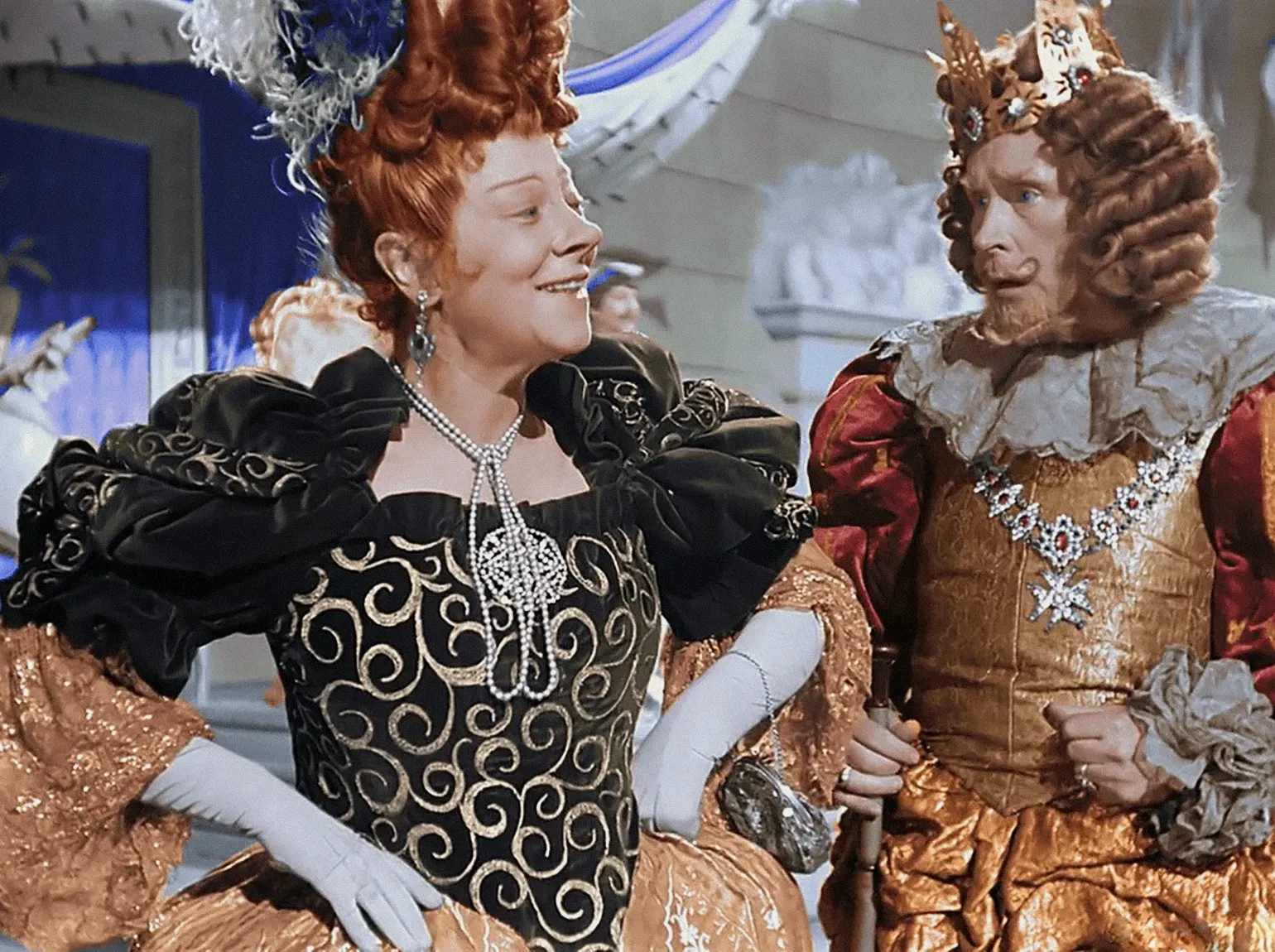
Laughter and jokes should be made with caution and clarity. The great storyteller Yevgeny Shvarts suffered a setback in this area: in 1946, when Nadezhda Kosheverova and Mikhail Shapiro adapted his screenplay, "Cinderella," the film was harshly criticized by the artistic council. The jokes were deemed too subtle and ambiguous, raising questions about how they should be perceived. Director Yan Frid expressed dissatisfaction with the fact that the character of Cinderella, played by Yanina Zheymo, does not demonstrate an "active love of work" and dreams of "a different, idle and joyful life." He characterized the King, played by Erast Garin, as "degenerate," and called the Prince, played by Alexei Konsovsky, "a rickety man with a liquefied brain." Even the outstanding Ranevskaya, who played the Stepmother, who prides herself on her "connections," was criticized for her "lack of skill in acting." Such reviews demonstrate Jan Fried's rigorous approach to acting and the overall artistic concept. Following the premiere of Cinderella, the film received high praise from critics and became a cult classic for a wide audience. This can be explained by the fact that in a post-war country gripped by fatigue and a lack of resources, audiences needed warm, kind magic rather than pompous ones. The film offered hope for a better future and reminded them of the importance of human conscience. Although the film contains no overt political allusions, the Stepmother's character is more reminiscent of a bitchy neighbor than a dictator. However, her words: "It's a shame the kingdom is too small, there's no room for me to roam. Oh well, I'll quarrel with the neighbors. I can do that!" cause anxiety for a moment.
The change of eras led to the fact that revolutionary sentiments and fears faded into the background, giving way to an abundance of fairy tale films that filled the emotional void of the times The Brezhnev era of stagnation. This unique period saw the release of classic fairy tale films that left a lasting mark on the history of Soviet cinema. Among them were "Varvara the Beauty with a Long Braid," starring Millyar as Chud-Yud, which terrified Soviet children with its terrifying appearance and signature line, "Dolzho-ok!"—a sentiment comparable to that of modern horror films like "The Ring." Equally impressive was "Viy," with its sinister young lady and dark forces. Masterpieces such as "Morozko," "The Kingdom of Crooked Mirrors," and "City of Masters" also date from this era. Iconic cartoons were also created, which became classics, including "Cheburashka," "Karlson," "The Bremen Town Musicians," and "The Flying Ship." These films and cartoons not only entertained but also shaped children's dreams and worldviews, remaining relevant and beloved to this day.
The film industry didn't limit itself to domestic fairy tales and stories; it also drew inspiration from the works of authors such as Oscar Wilde, Charles Perrault, Hans Christian Andersen, Wilhelm Hauff, and Carlo Gozzi. Films based on the tales of the Italian writer Gianni Rodari were created with Soviet ideology in mind. However, for example, the film "Mary Poppins, Goodbye" (1983) lacks elements of the workers' struggle; instead, viewers are treated to carefree mischief and magic, devoid of ideological weight. Also worth noting is the film "Mama"—a vibrant fairy-tale musical from 1976, starring Lyudmila Gurchenko as the Goat and Mikhail Boyarsky as the Wolf. These examples demonstrate the diversity of approaches to creating fairy tales in Soviet cinema, which combined both ideology and elements of pure entertainment.
Tales of Perestroika and the Wild Nineties
In 1982, the film "The Tale of Wanderings" by director Alexander Mitta was released. Far from naive, this work carries a profound meaning, exploring themes of loneliness, the pursuit of knowledge, and the love of power and material wealth. The film touches on the fragility of human life and contains political subtext. The joint Soviet-Czech production gives special significance to the scene in which the ominous Plague with snake-like fingers penetrates the medieval town. This metaphor alludes to the events of the invasion of Czechoslovakia in 1968, emphasizing the relevance of social and political issues. "The Tale of Wanderings" is not just a story, but a profound work that makes you think about the complex aspects of human existence.
In our blog, you will find useful materials and relevant articles on various topics. We strive to provide readers with quality content that will help them understand issues of interest and make informed decisions. Don't forget to check out other publications that might be useful to you.
Andrei Mironov is an outstanding Soviet actor, known for his striking roles in theater and film. He was born on March 7, 1941 and became one of the most prominent figures in Soviet art. Mironov became famous thanks to his work in such films as "The Diamond Arm" and "12 Chairs", where he demonstrated a unique combination of comedic talent and dramatic depth. His charisma and acting skills made him a favorite with audiences. Andrei Mironov also actively performed on the theater stage, where he created unforgettable characters. His contribution to culture remains significant, and he continues to inspire new generations of actors and art lovers.
In the 1980s, one could freely express one's thoughts, even using Aesopian language, which was especially suitable for creating fairy tales. In the second half of the decade, poet and musician Yuli Kim wrote the screenplays for the ironic and meaningful films "After the Rain on Thursday" and "One, Two – Grief Is Not a Trouble!" In the first of these tales, Oleg Tabakov played the unexpected role of Koschei, a charismatic and cynical character. The second film presents a parodic reflection on the Cold War and the policy of détente, featuring a giant combat robot reminiscent of anime style. These films not only entertained viewers but also provoked reflection on the social and political realities of their time. Pavel Arsenov's "Guest from the Future" became a cult classic thanks to its profound message. It vividly contrasts Soviet school reality with the desperate hope for the future, embodied in the famous song about the Beautiful Faraway. However, viewers never fully see this future, as the plywood sets of future Moscow fail to create a compelling image. The only thing that truly conveys an atmosphere of hope is the sad gaze of Alisa Selezneva, played by Natalia Guseva. This film remains relevant, raising important themes about dreams, the future, and how they influence our perception of reality.
Mark Zakharov's films represent unique works of the late Soviet Union that depart from traditional fairy tales. Among them are "An Ordinary Miracle" and "To Kill the Dragon," based on plays by Yevgeny Schwartz. Also worth noting are "The House That Swift Built," "Formula of Love," and "The Same Munchausen," based on original screenplays by Grigory Gorin. These films not only entertain, but also make you think about life, morality, and human relationships, which makes them relevant to this day.
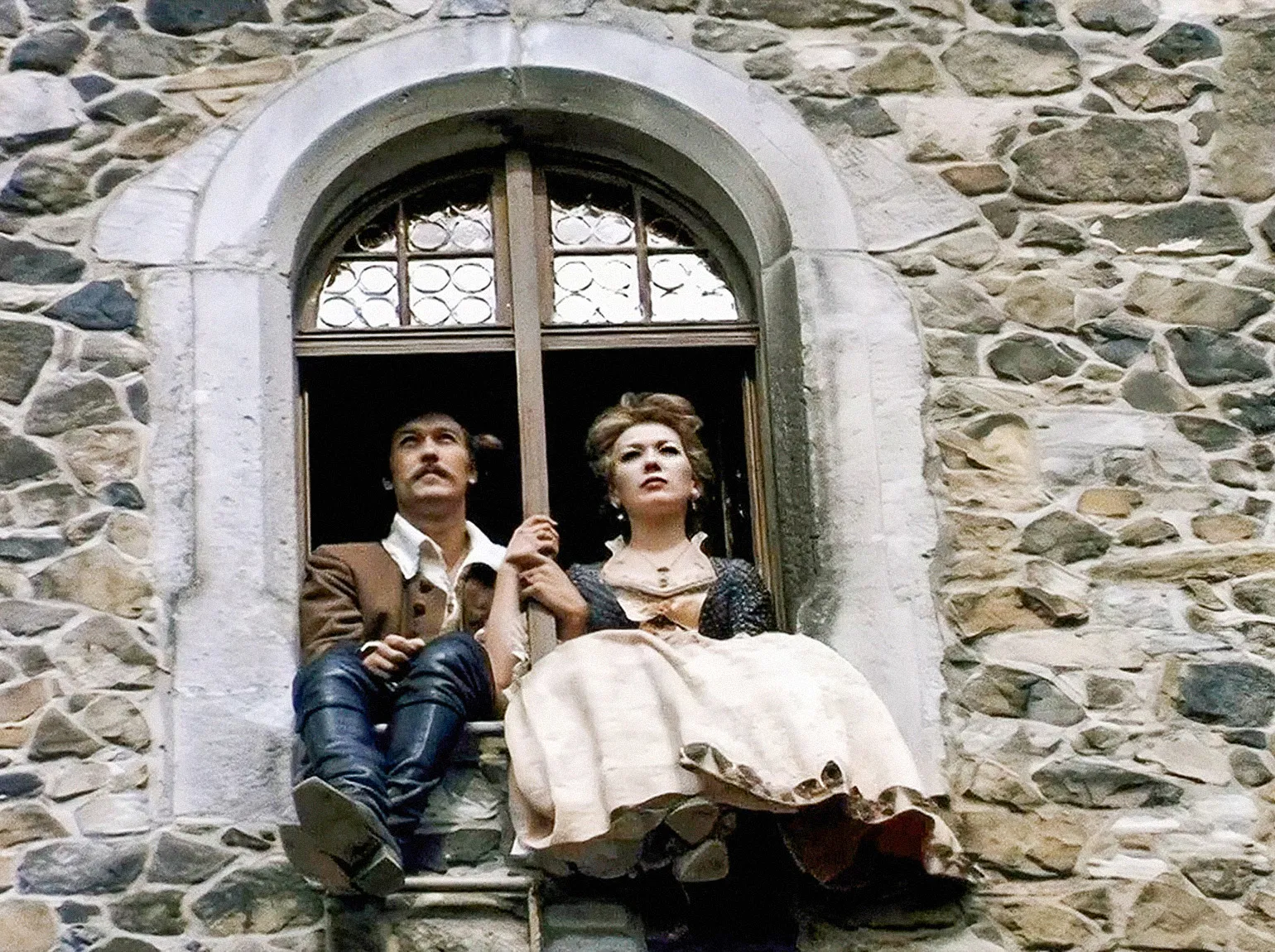
Films filled with kings, dragons, knights, and magicians like Cagliostro, as well as miracles like Munchausen, are more than just fairy tales. They are manifestos of the late Soviet intelligentsia, replete with ironic jokes and songs by Yuli Kim. They contain caustic commentary on power, sometimes calling for staunch resistance, and more often for a retreat into privacy, into the world of human relationships and true love. In this context, the 1988 film "To Kill the Dragon" deserves special attention, standing out for its pessimistic take on the hopes of an introvert. These works display complex emotions and deep reflections on life, love, and power, forcing viewers to consider their own values and choices.
In the first post-Soviet decade, the film industry virtually forgot about fairy tales, focusing on the horror genre. However, this period saw the emergence of some interesting discoveries, such as the 1997 film "The Ghoul." In the lead role, the young Aleksey Serebryakov portrays a vampire hunter who rivals established characters like Blade and Geralt. The story unfolds in a provincial town of the 1990s, where ghouls are portrayed as bandits, without unnecessary allusions or metaphors. The times were simple and brutal, and the lack of censorship made cinema more frank, while the art of allusion lost its significance. This reflects not only the state of cinema, but also the atmosphere of an entire era, when audiences craved more direct and gritty narratives.
The 2000s and Fairy Tales for Adults
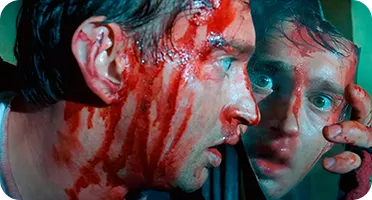
In 2004–2005, Timur Bekmambetov significantly changed the perception of Russian vampires with his films Night Watch and Day Watch, based on the works of Sergei Lukyanenko. Although he retained only the general plotline and characters in his adaptations, Bekmambetov created a unique metaphor. In his interpretation, dark witches and vampires symbolize criminal gangs, glamorous celebrities, and oligarchs, while light wizards represent former party officials and ordinary workers. The finale of the duology emphasizes the futility of their rivalry, suggesting unity for the common good. This idea fits organically into the context of the new power and stability characteristic of that time.
Read also:
"Night Watch" turns 20: it's time to come out of the shadows. This cult film has become a landmark event in Russian cinema, leaving an indelible mark on the hearts of viewers. For two decades, "Night Watch" continues to inspire new generations, bringing a unique atmosphere and original ideas to the fantasy and horror genres. It's time to remember its significance and give this work its due, as it remains relevant and discussed today.
In the 2000s, Sergei Ovcharov's "The Tale of Fedot the Strelets" was released, which could be considered the opposite of "Night Watch." This adaptation of Leonid Filatov's famous satire is a chaotic and sloppy tragicomedy, ending with a drunken revelry accompanied by accordion music, interspersed with bloody carnage. At the time, critics unanimously derided this film. However, today it appears as a strange yet accurate prophecy, reflecting the realities of modern society.
In the 2000s and 2010s, the fairy tale film genre experienced active development. Fantasy films, aimed not only at children but also at older audiences, appeared on the Russian market, featuring complex plots and multilayered themes. Although some of these new releases included unsuccessful projects, such as 2006's "Wolfhound from the Grey Dog Clan," based on Maria Semenova's book, or Fyodor Bondarchuk's "Santa Claus: The Battle of the Magicians," disguised as a traditional New Year's fairy tale, the genre nevertheless continued to evolve. In 2015, "He's a Dragon," based on the Dyachenko couple's novel "The Ritual," was released. It was a bold, albeit comical, attempt at romantic fantasy. This wave of Russian fantasy films demonstrated filmmakers' desire to experiment with the genre and offer audiences new, unconventional stories.
The Gogol franchise proved quite successful, reminiscent of the Soviet film Viy starring Kuravlyov and Varley. In 2021, the miniseries "Pushkin's Tales. For Adults" attracted audiences. Produced by Mikhail Zygar and Zhora Kryzhovnikov, with a script written by Zhenya Berkovich, it was released online, rather than in theaters or on television. Only three years have passed, but today it's hard to imagine such an unusual project ever taking place. "Pushkin's Tales" was an interesting experiment in adapting classic literature for an adult audience, highlighting the relevance and diversity of modern interpretations of famous works.
Rustam Khamdamov's film "Bottomless Bag" deserves special attention. This unique work is a silent and measured canvas that immerses the viewer in an atmosphere of black-and-white aesthetics. It combines elements of a fairytale forest, Baba Yaga, the Princess, the Tsarevich, the Bear, and the Robber, inspired by the story of Ryunosuke Akutagawa. The film evokes the works of such masters as Kurosawa and Rowe, while also reflecting the decorative style of Bilibin and Vasnetsov. "The Bottomless Bag" is a striking example of visual art that combines traditional motifs with modern cinematic techniques.
How Fairy Tales Are Filmed Now and Why They Are So Popular
The New Year's film series "Yolki," created by Timur Bekmambetov, has over time become a symbol of the holiday in Russia. The almanac's central idea is that all people, from the president to migrant workers, are interconnected, and that a true miracle can happen on New Year's. The first films were popular, but after the release of the third installment, audience interest began to wane. The fourth installment, "Yolki 1914," moves the action back in time, allowing viewers to experience the atmosphere of the Russian Empire, capturing the spirit of the time through images of crispy French bread, Crimea, and the outbreak of World War I. However, even in this context, the film retains its sweet and festive atmosphere, making it appealing to viewers looking to enjoy the New Year's spirit. The "Three Bogatyrs" franchise continues to teach children the importance of traditional values. It reminds them of the significance of patriotism and cultural heritage, similar to Rowe's fairy tales, which were created during the Stalin era. In this context, the characters in the franchise also criticize the Prince of Kyiv, which emphasizes the relevance of historical lessons for the modern generation.
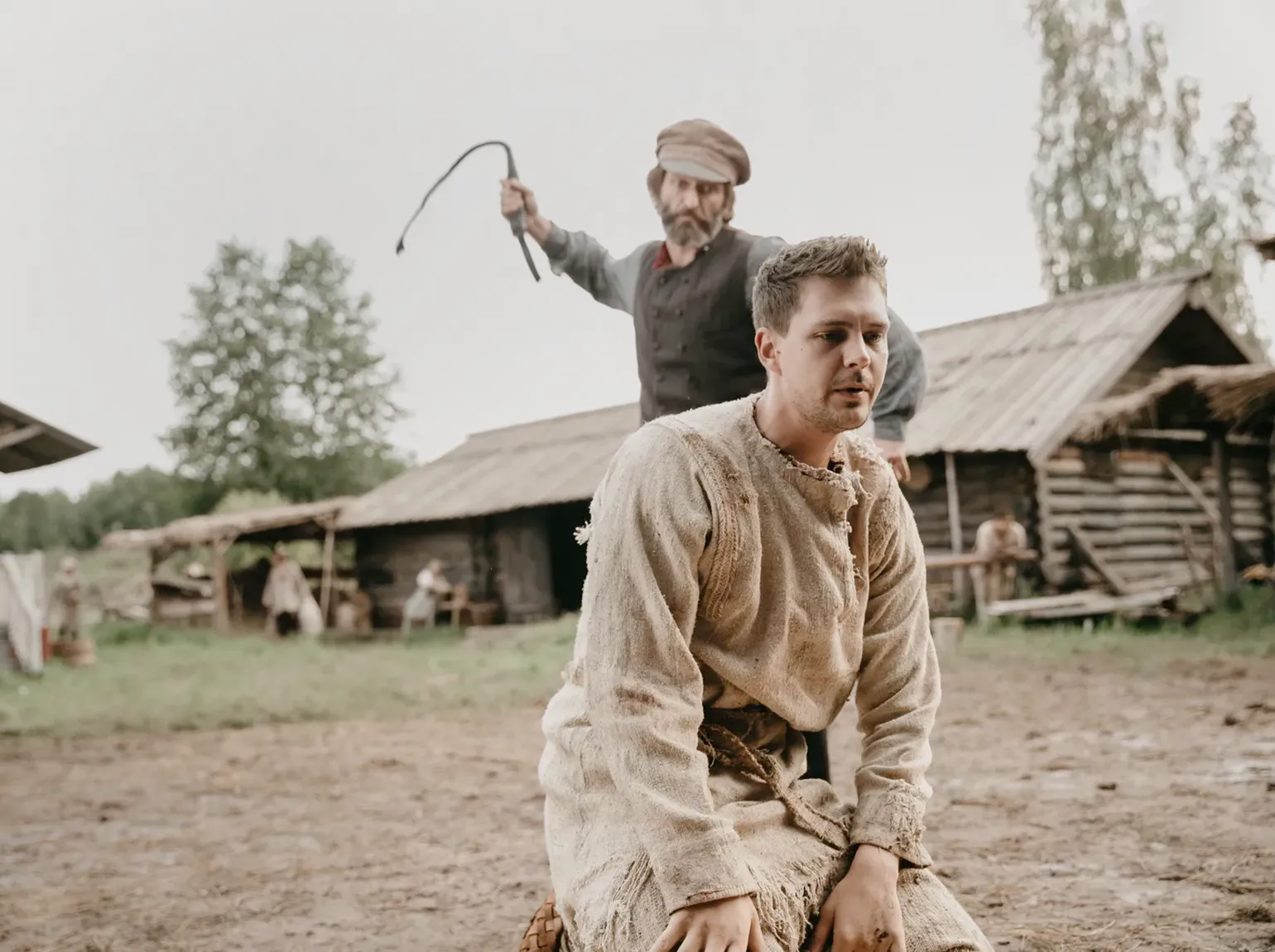
The film "Kholop" 2019 Klim Shipenko's "Kholop" also fits this category. While it lacks actual magic, the protagonist, Grisha, believes he's magically transported to Tsarist Russia and become a serf. A flogging in the stables transforms him from an insolent brat into a decent man, making it a modern fairy tale for adults. This plot raises important questions about change and self-awareness, making the film relevant and engaging for viewers seeking deeper meaning in entertainment. Kholop is captivating not only for its idea of the possibility of reform through violence but also for its profound exploration of a greedy belief in the past. This belief can relate not only to historical events but also to myths about a brighter future. Interestingly, the present-day portion of the plot unfolds in modern-day Moscow, where schoolboy Kolya Gerasimov has become not a Pioneer but a rapper and TikToker. This transformation is irrelevant, as the film's depiction of modern Moscow is no more realistic than its image from a hundred years ago. The city is shrouded in a dreamlike atmosphere, offering viewers an escape from anxiety and uncertainty in a world where everything seems clear and predictable. This film joins a wave of fairy tale films that have captivated audiences in recent years, offering them an alternative reality and an escape from real-life problems.
In today's climate, it's extremely difficult to imagine the release of a clearly critical work. There's simply no demand for such content. Amid the persistent instability that has so unexpectedly changed the familiar picture of the world, people are unwilling to delve into complex issues. Tired of the constant news feed, they prefer to avoid extremes and unnecessary controversy. Therefore, patriotic films and movies don't generate much interest.
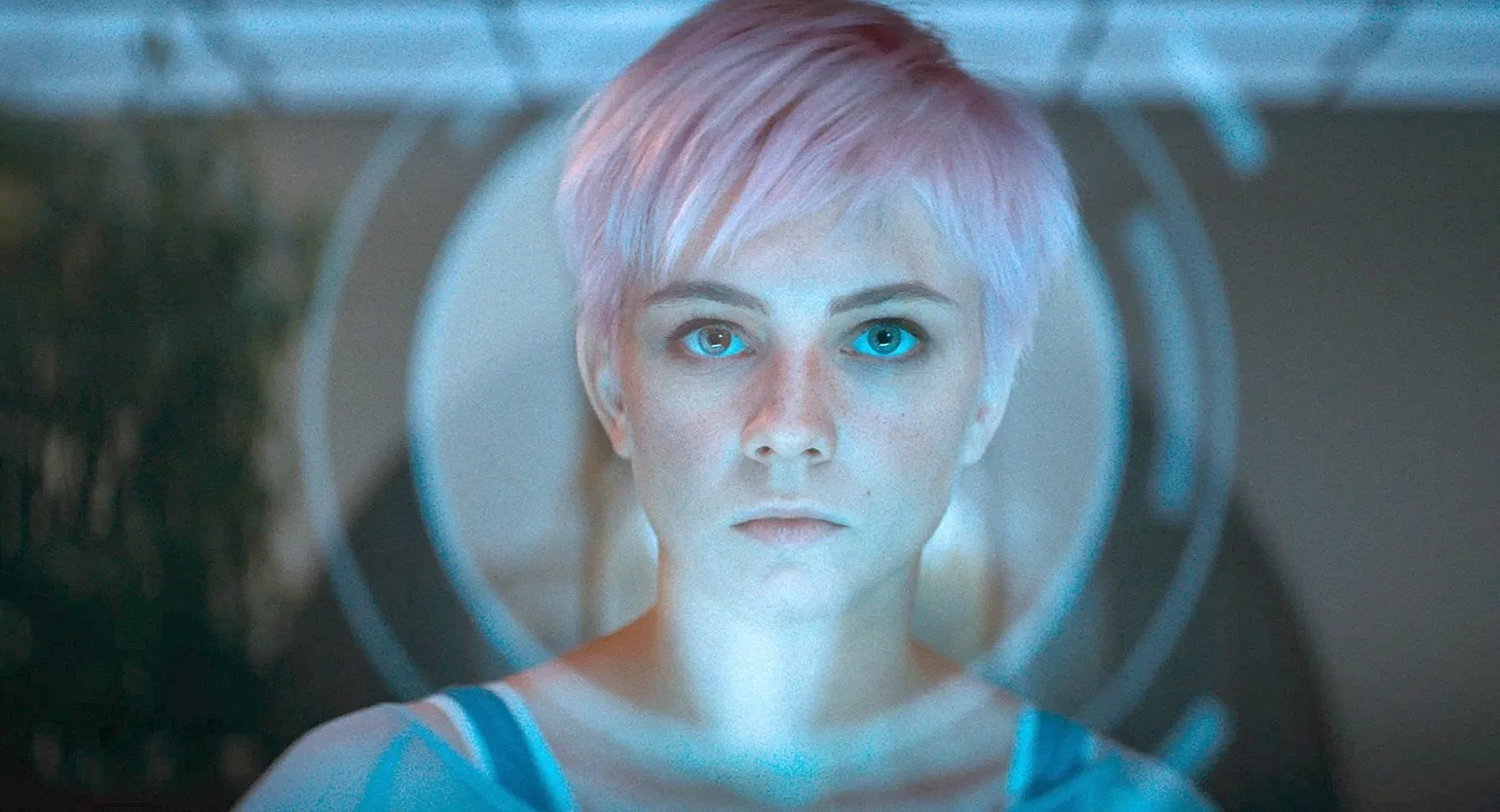
People are pleased when good triumphs in fairy tales, and they prefer to be left alone from harsh news. Many would like to return to the days when, after school, you could flip through the channels on TV and stumble upon the haunting blue gaze of Alisa Selezneva, the joyful songs and unique animation of "The Bremen Town Musicians," or hear the menacing but harmless "Var-var-var-var-r-ra!" from Chudo-Yudo. Interestingly, modern parents who take their children to the cinema themselves never had the opportunity to enjoy these classic premieres as adults. Revisiting such memories can be not only nostalgic but also an opportunity to convey to children the atmosphere of good old fairy tales. However, the power of myth surpasses all expectations. It allows you to relax and, for at least two hours, immerse yourself in a world of pleasant nostalgia, transporting you to magical lands that might never have existed. These are ideal places where ice cream and ice skates, pioneer ties and eternal summer become part of reality. Here, young parents, everything seems simple and carefree. This virtual space, filled with beauty and unattainable dreams, offers us refuge from the harsh reality of the present.
Free career guidance
Take a short test and find out which profession is right for you, and then try your hand at your chosen specialty. At the end of the course, you will have a session with a career guidance specialist. It will help you decide on your career path.
Find out more