
Free test: which digital profession suits you? Find out the answer in 15 minutes and try your hand at a new English: specialties.
Find out morePrincess
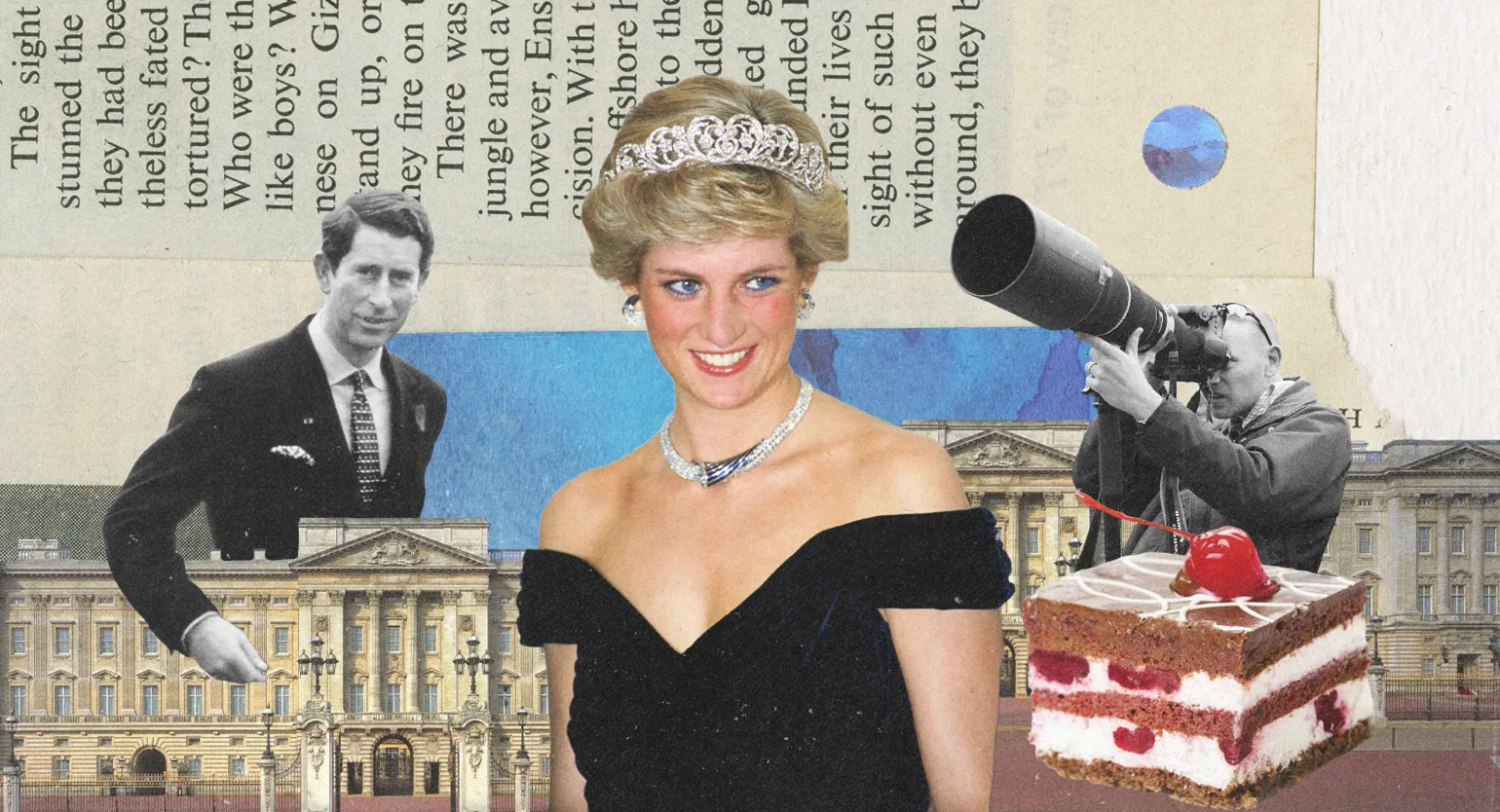
Princess Diana's marriage was long perceived as ideal. A magnificent wedding with Prince Charles, two honeymoons, a successful royal tour of Australia, and the birth of charming sons, Princes William and Harry, created an image of an ideal family life. For many years, this image supported the myth of a flawless couple who would one day take the throne. However, behind the external glitter, difficulties were hidden that ultimately led to a crisis in their relationship.
In 1992, the world learned the truth about Diana's life when Andrew Morton's book "Diana: Her True Story" was published. In 1995, the BBC aired a shocking interview with the princess, in which she spoke openly about her experiences in the royal family. These events demonstrated that the media's image of the English monarchy and the princess herself differs significantly from reality and is often inaccurate.
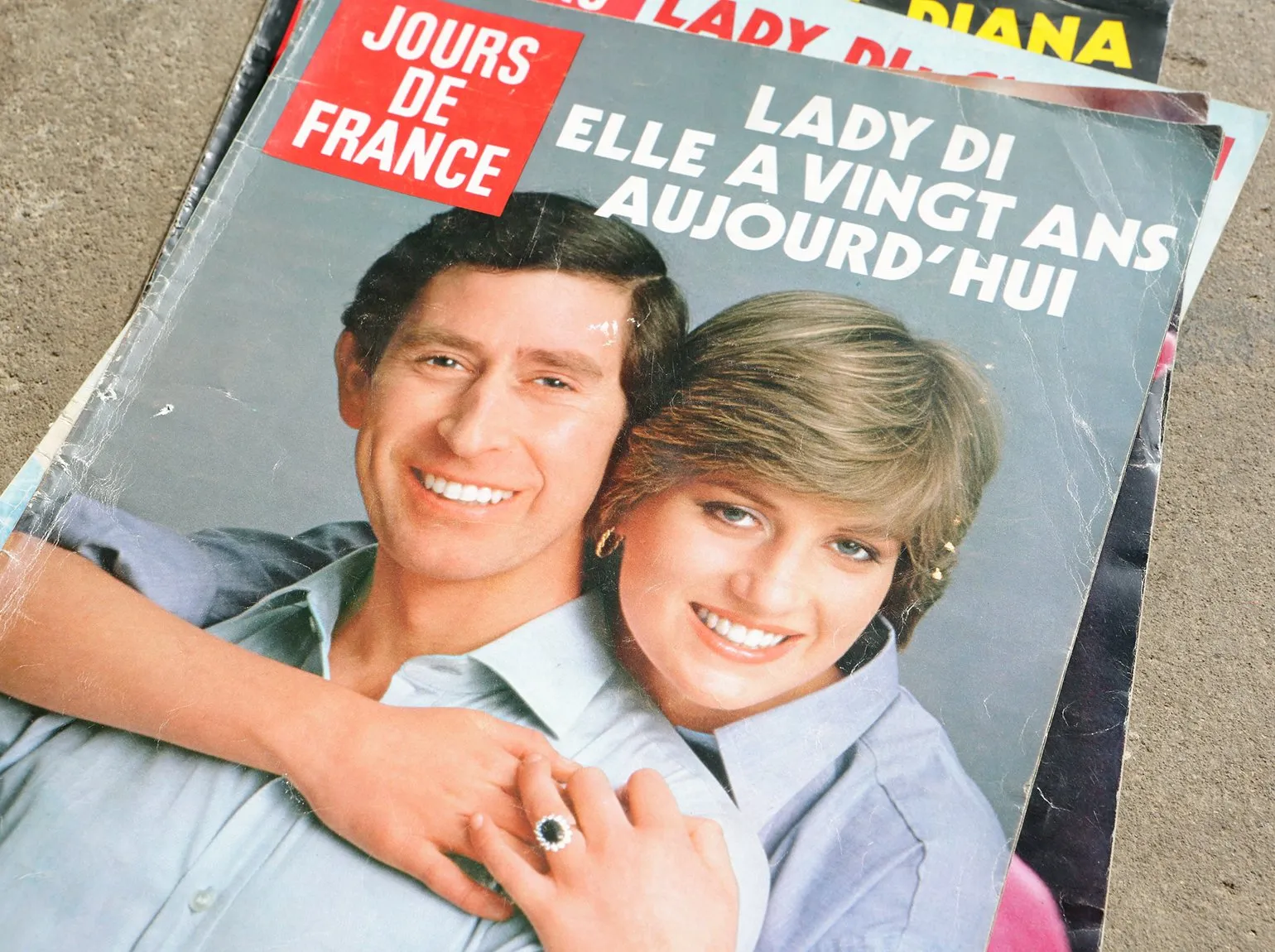
Diana was captivated by the prince from their first meeting, but the future king's heart already belonged to another woman, Camilla Parker-Bowles. Queen Elizabeth II, as Diana recounted, was also unimpressed by the union. In 1980, when the young couple had just begun their relationship, Elizabeth considered Diana too young and inexperienced for life in the royal family. She didn't even know how to properly greet royals in a room. Nevertheless, given her noble birth and good upbringing as a Spencer, the queen nevertheless consented to the marriage. This union became one of the most discussed in the history of the British monarchy.
After the "wedding of the century," Prince Charles resumed his relationship with Camilla, without hiding it from his wife, claiming that they were only close friends. Due to the emotional distance from her husband and his family, Diana began to suffer from depression, developed bulimia, and rumors about her instability appeared in the media. Biographer Penny Junor described this period as a time of deep isolation for Diana: "She felt terribly lonely. With the move to Buckingham Palace, she changed, became a different girl, not the one who had been at Balmoral. She began to experience frequent mood swings, jealous of Charles towards everyone he interacted with. Meanwhile, Charles did not know how to cope with what was happening; He didn't understand what was really going on with Diana."
Morton's book describes Princess Diana's eating disorder in detail. She admitted that bulimia began just a week after her engagement and that it took nearly ten years to overcome it. Diana recalled a moment when her husband, placing his hand on her waist, said, "Oh, we're a bit chubby, aren't we?", which became a trigger for her disorder. Elizabeth Emanuel, the designer of Diana's wedding dress, noted that during her first fitting, the princess's waist measured 66-68 centimeters, but by July 1981, it had shrunk to 58 centimeters. This testifies to the severity of the problem and its impact on Diana's life.
In 1992, Prince Charles and Princess Diana separated from each other, but continued to appear together at official events. In 1993, a transcript of a telephone conversation between Charles and Camilla was released to the media, in which they frankly discussed their intimate lives, despite both being married to other people. In December 1995, when the situation became impossible to ignore, Queen Elizabeth II agreed to a divorce, which was not easy, as divorces among members of the royal family are considered highly undesirable. Diana lost her status as a member of the Windsor family but retained the title Princess of Wales. She was paid a one-time settlement of £17 million, as well as an annual payment of £400,000. In addition, Diana received the right to live in Kensington Palace and see her sons.
In 1995, Diana began a romantic relationship with Pakistani cardiac surgeon Hasnat Khan. However, Khan preferred to keep his personal life private, avoiding media attention. After separating from Khan in July 1997, Diana began an affair with producer Dodi, the son of Egyptian billionaire Mohamed al-Fayed. Some media outlets speculated about a possible wedding between Diana and Dodi, but neither side officially confirmed the reports. Interest in Diana's life continued unabated, and her relationships with two men continued to attract public and press attention. All films about Diana inevitably focus on her personal life. Early films, such as James Goldstone's Charles & Diana: A Royal Love Story and Peter Levin's The Royal Romance of Prince Charles and Diana, both released in 1982, depicted the grand wedding that captured the hearts of audiences worldwide. Today, these films are seen as sad reminders of the romanticization of unhappy relationships. However, in the early 1980s, the creators of these films could not have foreseen how tragic Princess Diana's life would become. These films have become an important part of cultural heritage, illustrating both the public perception of love and marriage and the hidden suffering of the protagonists.
Reflection requires turning to contemporary and significant works. The series "The Crown" and the film "Spencer" by Pablo Larraín offer different perspectives on the fate of Princess Diana. The fourth, fifth, and sixth seasons of "The Crown" recreate key moments of her life with documentary accuracy, allowing viewers to analyze the tragedy with a cool and detached approach. These works not only entertain but also provoke reflection on the complexities and contradictions Diana faced, reflecting on broader themes of power, public opinion, and personal sacrifice.
In the fourth season of "The Crown," the role of Princess Diana is played by young actress Emma Corrin. She masterfully conveys the sweetness and fragility of the image of a young Diana, which makes her performance especially memorable. Emma Corrin brings a fresh perspective to a well-known personality, bringing new emotions and nuances to the image of the princess.
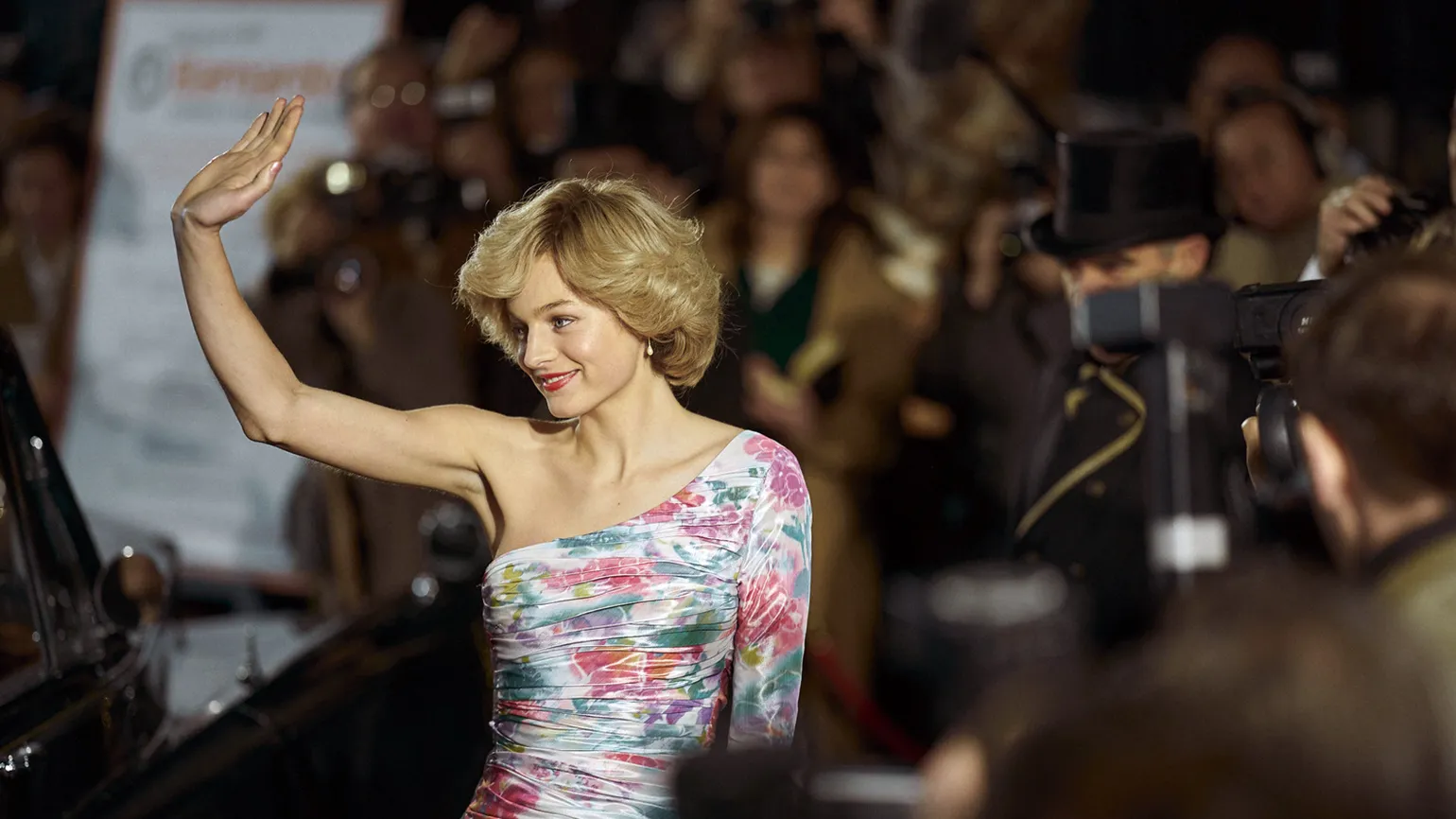
Behind the external fragility lies a powerful force - the spirit, which will emerge when the princess finally dares to face her fears. Corrin clearly demonstrates that the other characters and the audience will have to discover the true strength of character of the "queen of people's hearts." This confrontation with her inner demons will be the defining moment that will reveal her true potential and willpower.
Also read articles that will help you understand the topic deeper. We offer a variety of materials on current issues and modern trends. Our publications contain valuable advice, useful recommendations, and practical information, making them indispensable for your research. Be sure to check them out to expand your knowledge and improve your skills in this field.
33 Most Famous Biopics Worth Watching
Biographical films are a captivating genre that allows viewers to immerse themselves in the lives of remarkable individuals. These films chronicle real-life events, inspiring stories, and significant moments that shaped people's destinies and influenced history. This list features 33 of the best biopics that not only entertain but also inform, allowing for a better understanding of the lives and achievements of famous figures.
Each of these films offers a unique perspective on their subjects, whether they were renowned scientists, artists, musicians, or political figures. They showcase the challenges these individuals faced as well as their drive for success and recognition.
The films featured include both classic films and contemporary films that have won audience and critical acclaim. By capturing real events and facts, these films can inspire viewers and encourage reflection on the lives and achievements of great people.
Watching biopics is not only an opportunity to enjoy high-quality cinema, but also a chance to learn more about the world we live in. These films will help you immerse yourself in eras and events that changed the course of history.
In the fifth and sixth seasons, Emma Corrin is replaced by Elizabeth Debicki, who also possesses charm and talent. The actress masterfully conveys the complex inner world of Princess Diana, her polite yet insightful gaze and manner of communicating with others. Debicki perfectly embodies Diana's empathy and attention to detail, which creates the feeling of a documentary. Each scene seems to open up unique archival footage that reveals hidden aspects of her life - the pain and helplessness in the face of the strict traditions of the royal family. This approach allows for a deeper understanding of Diana's personality, her struggle and desire for freedom.
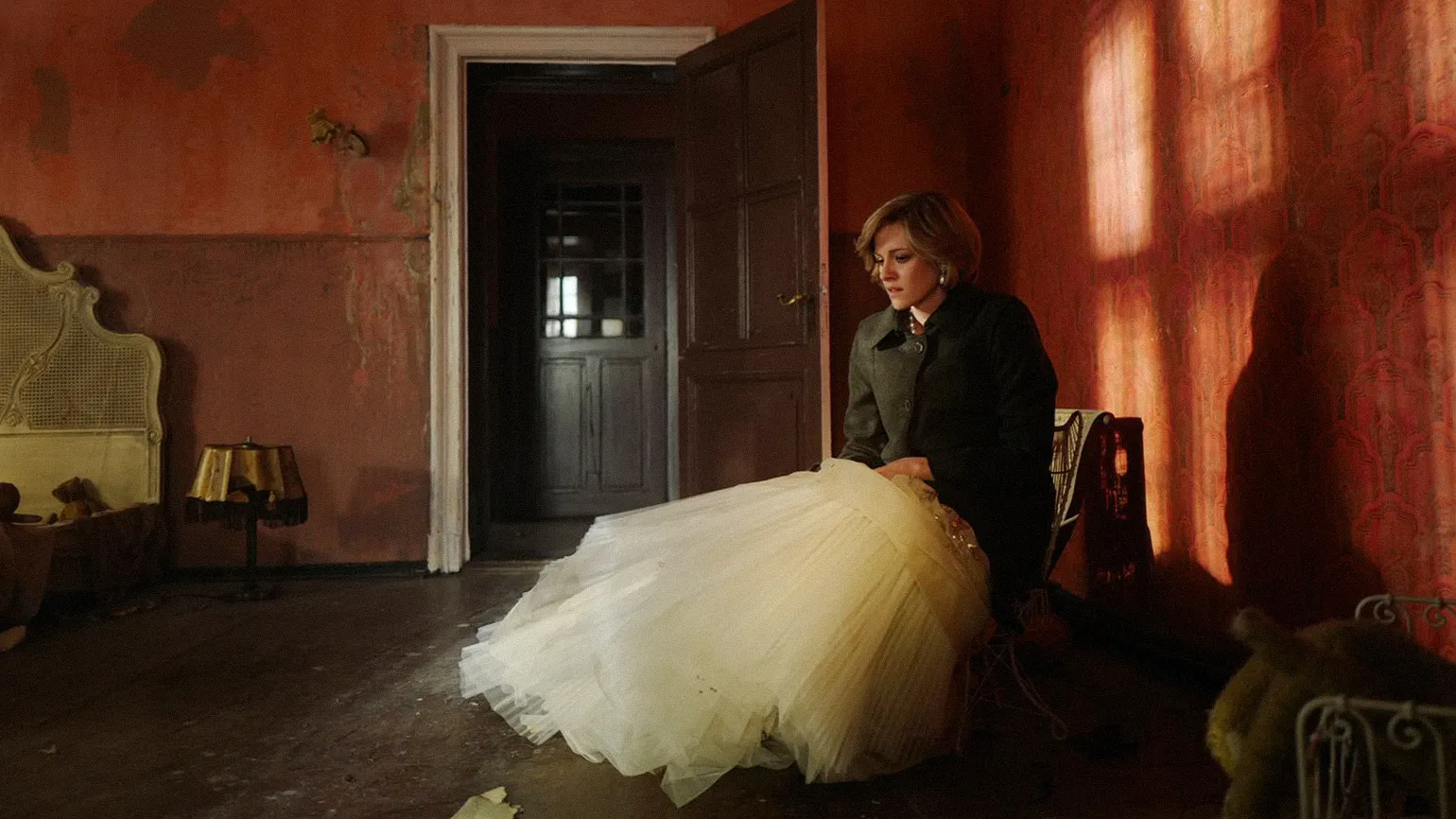
In his film "Spencer", Pablo Larraín does not strive for a complete narrative of the princess's life. Instead, he focuses on Diana's inner world, immersing the viewer in her emotional experiences. Larraín uses an unconventional 5:3 aspect ratio, contrasting color correction, and symmetrical compositions to create a unique visual atmosphere. At first glance, the film may seem like a simple story about failed Christmas holidays, reminiscent of the works of Wes Anderson, but in fact, it offers a profound reflection on Diana's life. "Spencer" becomes not only a work of art, but also a psychological study, allowing the viewer to better understand the heroine's internal conflicts and aspirations.
At first glance, it seems that we have before us a fairy tale about a princess, but a closer look reveals that this is a real horror film in the spirit of Stanley Kubrick's "The Shining". Kristen Stewart, in keeping with her chosen style, delivers an eclectic performance as Princess Diana. She displays a wide range of emotions, from isolation and melancholy to intense emotional expression, reminiscent of someone with bipolar disorder. Within the royal family, Diana appears tense, but once she leaves that environment, she transforms into a happy, free woman. The film deeply explores the inner conflicts and mental state of the main character, creating a powerful contrast between her public image and inner experiences.
In the film "Diana: A Love Story" Naomi Watts delivered a less expressive performance as Princess Diana. The filmmakers focused on her romance with surgeon Khan, but instead of presenting Diana as a multi-layered individual, director Oliver Hirschbiegel created a cliched melodrama. Watts portrays not the "queen of hearts," but a woman with a weak heart, as Khan seems to harbor no real feelings for her. The film doesn't seek to delve deeper into Diana's complex character, but merely uses her name and tragic fate to attract attention, which makes it superficial and unoriginal.
Learn more:
The Best Movies About Kings and Queens: 21 Outstanding Films for Connoisseurs of Historical Cinema
Movies about Films about royal life have always captivated audiences. They immerse us in a captivating world of politics, intrigue, and romance. This list features 21 outstanding works of cinema that tell the stories of kings and queens. These films are not only captivating but also historically significant, allowing us to better understand the eras in which they take place. From biographies of great rulers to fictional stories, each work provides unique emotions and experiences. Created with a high level of craftsmanship, these films inspire and make you think about the complexities of power and responsibility that monarchs bear. If you are looking for high-quality historical cinema, pay attention to this list.
Mother
Diana and Charles became parents to two sons: Prince William, who was born on June 21, 1982, and Prince Henry, known as Harry, who was born on September 15, 1984. In January 1982, while 12 weeks pregnant with William, Diana attempted suicide by jumping down the stairs at Sandringham House, the royal residence in Norfolk. This was due to feelings of depression and inadequacy in her relationship with Charles. Although the baby was unharmed, Diana continued to experience internal torment. The princess did not want to harm her children; she took out all her worries either on herself or in arguments with Charles. This complex family dynamic had a significant impact on the princes' upbringing and their subsequent lives. After William's birth, Diana experienced severe postnatal depression, which complicated her adjustment to the increased media attention surrounding her motherhood. In 1983, when William was nine months old, the young family had to go on a six-week trip to Australia and New Zealand. Diana couldn't bear to be separated from her son and decided to take him with her, thereby breaking with royal tradition. Although the Windsor family disapproved of this decision, the public was delighted with the move. This act of Diana became a symbol of her desire to be a caring mother and distinguished her from traditional royal expectations.
Diana's appearance on tour with her first child was an important moment in strengthening the couple's image. Before the trip, Diana and Charles's relationship had significantly deteriorated, and both sought to keep their distance. The press could have noticed this discord. However, next to William, Diana appeared like the ideal wife and mother: she showed care, affection, and kindness. This was not a pre-planned event in the style of "look what a wonderful parent I am," but a sincere display of love and affection.
Charles dreamed of a daughter as a second child. When Diana learned she was expecting another boy, she decided not to tell Charles in order to preserve their newfound closeness. When Harry was born, Charles, according to Diana, exclaimed, "Oh, my God, it's a boy. And he has red hair." These words deeply hurt Diana, and it was at that moment that she realized their marriage was heading for ruin.
The end of the marriage marked a new beginning for Diana, marking her happy motherhood. William and Harry would forever cherish the carefree childhood their mother gave them. She provided them with the opportunity to grow up away from the bustle of the palace, allowing them to enjoy ordinary human life with its pros and cons.
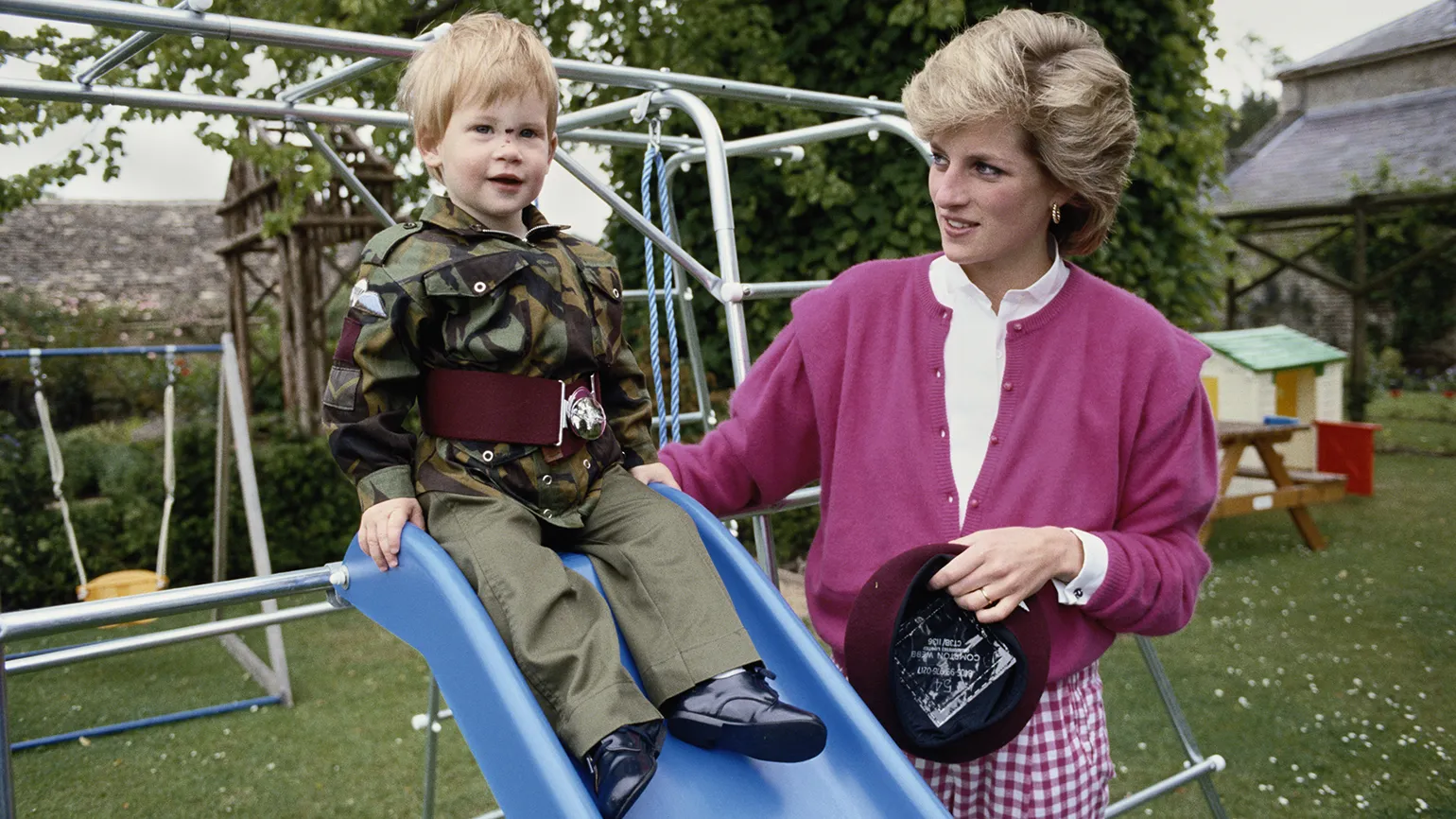
Lady Di played an important role in shaping the image of William and Harry as accessible and relatable members of the royal family. Thanks to her influence, they became symbols with which every British subject can identify.
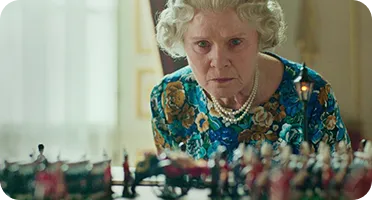
The Crown devotes particular attention to Diana's motherhood. Midway through the fourth season, Emma Corrin's character becomes the mother of Prince William. The famous trip to Australia, aimed at strengthening monarchical sentiments among subjects, is vividly illustrated. Although William accompanied his parents on the tour, he was forced to spend some time on a secluded ranch in the desert while his parents traveled through the country's major cities.
Diana and Charles demonstrate different approaches to raising their child: the father strives to complete the tour without unnecessary emotions and crying baby, while the mother experiences strong emotions seeing her son in the arms of others. Her desire not to leave her child unattended leads to a spontaneous decision to return, even if this jeopardizes the pre-arranged travel plan. It is interesting that this emotional outburst not only did not disrupt the order of the tour events, but also contributed to the reconciliation of the spouses.
In the fifth season of the series, attention to raising children remains on In the background, however, in season six, Diana becomes more attached to her children. Her brothers grow up and are ready to support their mother, even in difficult situations involving conflict with their father. In the final episodes, the bond between the princess and her children reaches such a depth that the absence of her on-screen sons alongside Debicki creates a sense of awkwardness. The plot emphasizes the importance of family ties and their impact on the development of characters.
Read also:
The Crown has ended its journey, but its legacy lives on. The series "The Crown" has become an iconic work that immerses viewers in the complex and dramatic events of the life of the British monarchy. The plot includes key moments in the reign of Queen Elizabeth II, as well as the personal trials and internal conflicts she faced.
This historical drama series was remembered by viewers not only for the high quality of production, but also for the deep development of characters. Each episode reveals not only political intrigue, but also human emotions, which makes it especially captivating for the audience.
If you are looking for something similar to The Crown, consider series such as The Crown's Gambit, which also explores themes of power and personal ambition, or Victoria, which tells the story of Queen Victoria. These shows can offer viewers a similar atmosphere and interesting storylines, immersing them in a world of historical events and personal dramas.
In conclusion, The Crown has left a deep mark on the world of television, and its influence will be felt for a long time. If you want to further explore the themes explored in this series, you have many excellent viewing options.
In "Spencer," Diana's children play a significant role in the protagonist's life, providing her with a respite from the absurdity of everyday life. Nighttime games with William and Harry become a temporary refuge from the princess's grim reality. However, the key moment comes at the end, when Spencer not only leaves the royal family but finds true freedom with her children. This moment symbolizes the long-awaited liberation, when Diana can finally breathe deeply. The brothers have no regrets about leaving titles, etiquette, and pheasant hunting behind, because they have the only person by their side who allows them to be themselves, without having to follow imposed rules.
In Diana: Queen of Hearts, director Gabrielle Beaumont masterfully depicts Diana's relationship with her sons. Played by Amy Seccombe, Diana faces the dilemma of choosing between two lovers—Hasnat and Dodi. In this context, her children become a symbol not only of maternal love but also a reminder of the meaning of instant happiness. Maternal love is presented as a powerful and radiant feeling that permeates all aspects of Diana's life, emphasizing the importance of familial ties in her emotional world. The film focuses on how personal experiences and family relationships can influence the life of a celebrity, giving the story depth and emotional richness.
Heart of Gold
Princess Diana began her charitable work in 1989, when she became an active participant in the Landmark Aids project, designed to support people suffering from HIV and AIDS. In 1997, she had the opportunity to meet with South African President Nelson Mandela, who invited her to join the board of trustees of several funds aimed at helping AIDS victims. Diana not only drew attention to this important issue but also inspired many to participate in the fight against this disease. Her work became an important part of efforts to reduce stigma and improve the quality of life of patients.
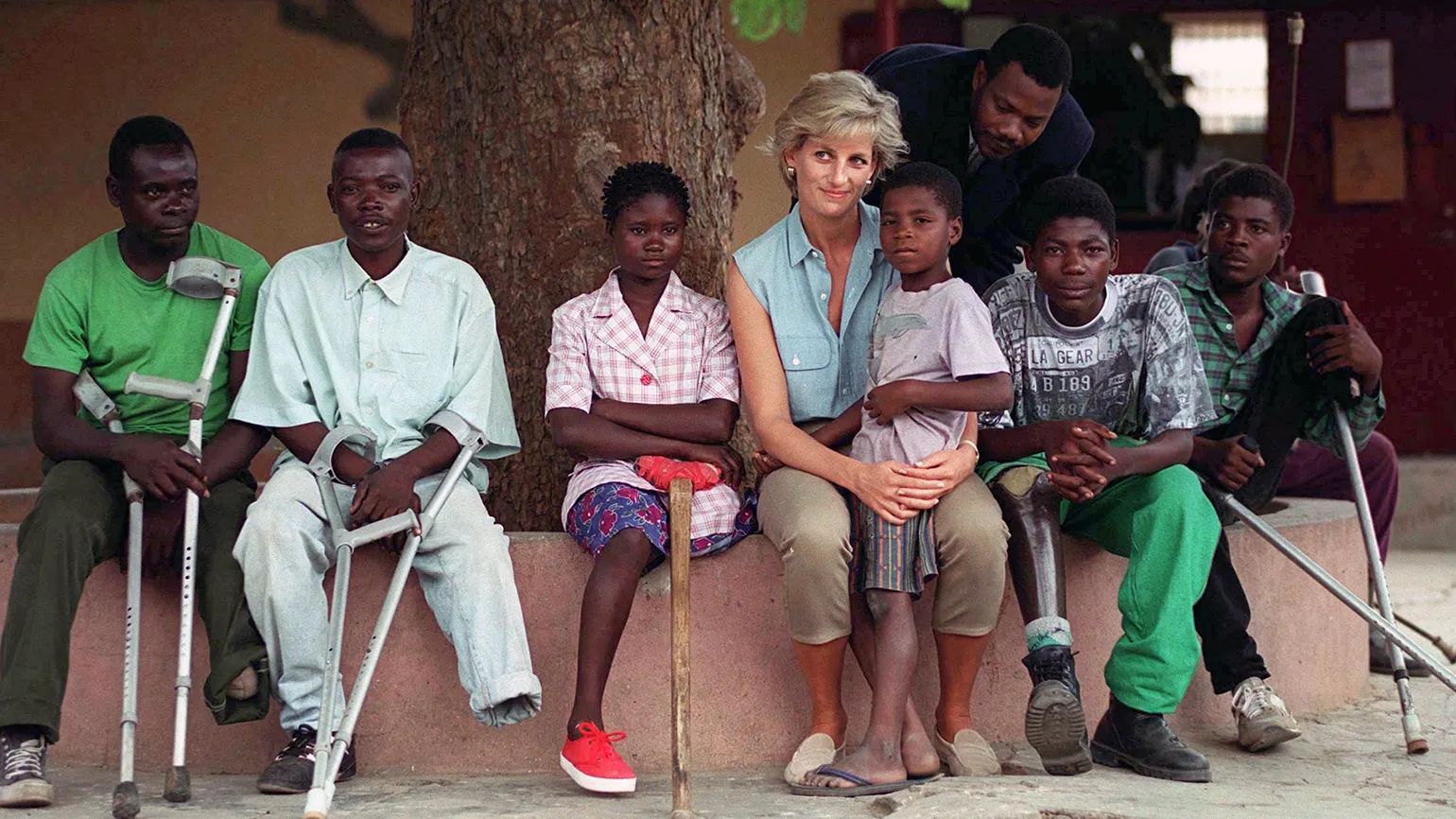
Diana actively campaigned against the use of landmines. After visiting a minefield in Angola in 1997, the Princess began working with the HALO Trust, an organization that demines and eliminates unexploded ordnance. That same year, she spoke at the Royal Geographical Society in Washington, D.C., supporting the American Red Cross's anti-landmine campaign. This speech preceded the signing of the International Treaty Banning Anti-Personnel Mines, known as the Ottawa Convention, which aims to completely eliminate landmines worldwide. Diana became a prominent figure in the safer world movement, emphasizing the importance of humanitarian efforts in mine clearance and the protection of civilians.
Princess Diana played a key role in raising awareness of the problems of people living with leprosy. She actively visited patients, shook their hands, and hugged them, as well as those affected by AIDS. Through her actions, Diana successfully dispelled the myth that leprosy is transmitted through touch. The Princess was a dedicated member of the Leprosy Mission and participated in numerous charity events around the world, including in Nigeria, Nepal, India, and Zimbabwe. Her efforts helped raise awareness of the diseases and the need for support for people suffering from these ailments.
Diana's collaboration with the Royal Marsden NHS Foundation allowed her to become president of the hospital in 1989. In 1993, she opened the Wolfson Children's Cancer Unit, a significant step in the fight against childhood cancer. In 1996, Diana initiated a fundraising drive for cancer research, which raised over a million pounds. This work significantly strengthened the hospital's position as a leading medical institution in the field of oncology and children's healthcare.
Despite all of Diana's efforts to serve society, not a single film or TV series focuses on it. References to her charitable work are found, for example, in "Love Story," where Naomi Watts's character briefly walks through a minefield. However, this important part of the princess's life is perceived as something ordinary. Diana was not only a fashion icon but also a symbol of compassion, which deserves deeper understanding and attention in modern media.
Diana was indeed actively involved in charity work. But is this less interesting than her love stories and inner experiences? Directors and screenwriters of adaptations of her life often pose this question. The answer may be this: Diana's philanthropy is a powerful and multilayered theme that could be used to craft a profound dramatic story. She generously shared herself with the world, yet in return received only fleeting flashes of media attention. This dynamic between her good deeds and public perception creates a unique narrative capable of captivating and evoking an emotional response from viewers.
The original series "Spencer" lacks the charitable element—here, Diana is focused on her own salvation. In contrast, "The Crown" takes a more optimistic approach. In seasons five and six, Diana actively visits the sick and participates in charity events, creating vibrant scenes reminiscent of music videos, where the princess performs good deeds against a somber backdrop. Philanthropy in the series serves not only as a backdrop, but also as a crucial connecting element of the plot: it is on the day of her visit to the sick that Diana first meets Hasnat, which underscores her desire to make the world a better place, even in the face of personal difficulties.
Diana performed numerous charitable acts, and this is only a small part of her activities. Only a few documentaries have been able to capture the full picture of her philanthropy. This format better conveys the essence of her good deeds, because instead of the forced smiles of child actors, we see the sincere emotions of real children in need of help.
Style Icon
Princess Diana said in an interview that when she married Prince Charles at the age of 20, her wardrobe included only one long dress, one silk shirt, and one pair of dress shoes. With the upcoming royal wedding in mind, she had to quickly update her style, buying "just six" new items. Before her marriage, Diana favored a modest style, favoring comfortable clothes like sweaters and jeans, and owned only a few dresses. Unlike the bolder, more vibrant outfits she later began wearing, the young Lady Di opted for soft pastels and floral prints. At the time, Diana wore virtually no makeup, preferring light blush and pale lipstick. This style emphasized her natural beauty and sophistication, creating an image that became a symbol of her youth and elegance.
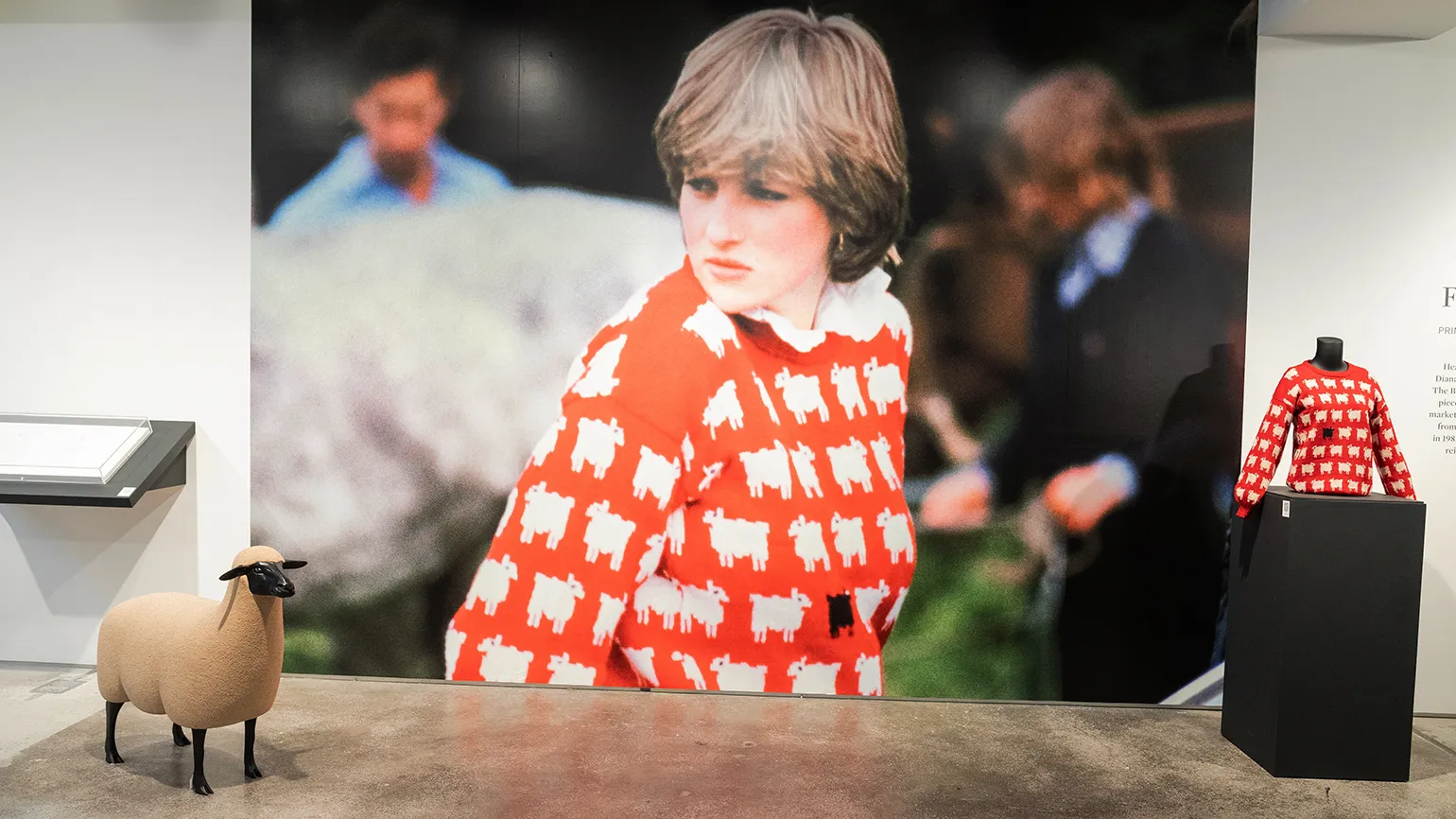
Princess Diana's style underwent significant changes throughout her life. During her royal duties, her attire strictly adhered to established norms. However, her divorce marked a transformational moment. Working with stylist and friend Anna Harvey, Diana radically overhauled her wardrobe. She swapped pastel jumpers and puff sleeves for elegant blazers, straight jeans, and comfortable loafers, highlighting her new style. She also updated her hairstyle, symbolizing her independence and a new stage in her life. Diana's style reflected her inner world and desire to be herself, making her a fashion icon for many. Freed from the strict confines of the royal dress code, Princess Diana embraced a new style, becoming even more elegant and feminine. During this time, she began to befriend renowned designers Gianni Versace and Jacques Azagury, which significantly influenced her wardrobe. In June 1994, the day Prince Charles publicly admitted his infidelity, Diana appeared at a Vanity Fair party in a stunning black evening gown by Greek designer Christina Stambolian. Dubbed the "revenge dress" by the press, it became a symbol of her independence and confidence, emphasizing her new image and transition to a more liberated lifestyle. Azagury later designed another dress for her, made of Chantilly lace with a low neckline. He said it was an expression of her freedom: "It was her way of saying, 'Now I can wear black, I can do whatever I want.'" This dress became a symbol of her independence and self-confidence, emphasizing the importance of self-expression through style and fashion.
Read also:
Fashion History: Iconic Outfits of Princess Diana
Known for her elegance and style, Princess Diana left an indelible mark on the fashion world. Her outfits became symbols not only of aristocratic sophistication but also of bold fashion choices. Her evening gowns, often designed by renowned designers such as Emmanuel and Dolce & Gabbana, attracted particular attention. One of her most memorable looks was the black "baby" dress she wore to a ball in 1994. This outfit embodied confidence and independence, becoming an iconic moment in her life.
Diana also skillfully used fashion as a tool to convey social messages. For example, her clothing choices at charity events highlighted the importance of the issues she faced. She often wore outfits that reflected her commitment to humanitarian causes, thereby inspiring millions of people around the world.
The classic silhouettes and vibrant colors she chose remain relevant today. Princess Diana's outfits continue to inspire modern designers and fashionistas, emphasizing that her style lives on to this day. Every public appearance was an event, and her stylish heritage continues to be the center of attention. Freed from the rigid norms of the royal family, Diana transformed her style. She began to look more modern and even American. This was reflected in her choice of clothing: from an elegant silk peignoir dress to a comfortable, casual post-workout outfit, which included a sweatshirt, leggings, and running shoes. This transformation became a symbol of her desire for freedom and individuality, making her a style icon for many. During her final summer, Diana traveled the Mediterranean with Dodi al-Fayed, with photographers constantly following them. The photos from that trip vividly illustrate the evolution of Lady Diana's style. Navy shorts and elegant dresses emphasized her simplicity and grace, while animal-print and rainbow swimsuits from the Israeli brand Gottex, which she complemented with long sarongs, demonstrated her innate strength and confidence. This style, which combined chic and comfort, became a reflection of her unique personality and charisma. Diana confidently broke with established norms and freely chose outfits for every day. It didn't matter whether her style was simple or expensive, elegant or extravagant - the main thing was that the clothes emphasized her newfound independence. This approach to fashion reflects her desire for self-expression and individuality, making her a unique role model.
Find out more:
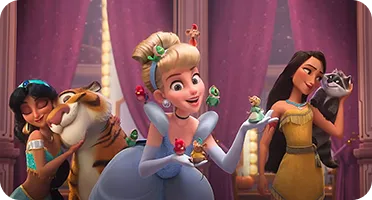
Disney Princesses: The Evolution of Ideal Heroines to Independent Women
Disney Princesses originally represented the image of a good girl, following traditional stereotypes. However, over time, their images have undergone significant changes. Modern princesses have become symbols of strength, independence, and self-care.
Characters like Mulan, Moana, and Elsa have stories of overcoming obstacles and making decisions based on their own desires and values. These changes reflect current societal trends, where the importance of self-respect and personal freedom is becoming increasingly significant.
Princesses no longer simply wait to be rescued; they become active participants in their stories, demonstrating courage and determination. This shift from traditional roles to more complex and realistic characters emphasizes the importance of self-knowledge and self-confidence.
In this way, Disney princesses represent not only dreams but also modern ideals, inspiring a new generation to care for themselves and find their own path.
In every project, Diana is presented with impeccable style—costume designers go to great lengths to bring her images to life on screen. The Crown series is particularly noteworthy, being not just an example of impressive work, but a true work of art. In this project, the costume designers not only strived to faithfully reproduce the original outfits, but also worked to create unique looks inspired by classics. This creative interpretation highlighted not only the style but also the character of the heroine, making the series especially memorable.
The team behind "The Crown" has achieved significant success, as evidenced by numerous awards, almost a third of which are dedicated to outstanding costumes. When creating outfits for the Windsor family, including Diana, the creators not only researched archival photos and videos but also drew inspiration from diverse sources, such as the paintings of Lucian Freud and Miu Miu advertising campaigns. This diversity of approaches made it possible to create authentic and memorable images that reflect the spirit of the times and the individuality of the characters.
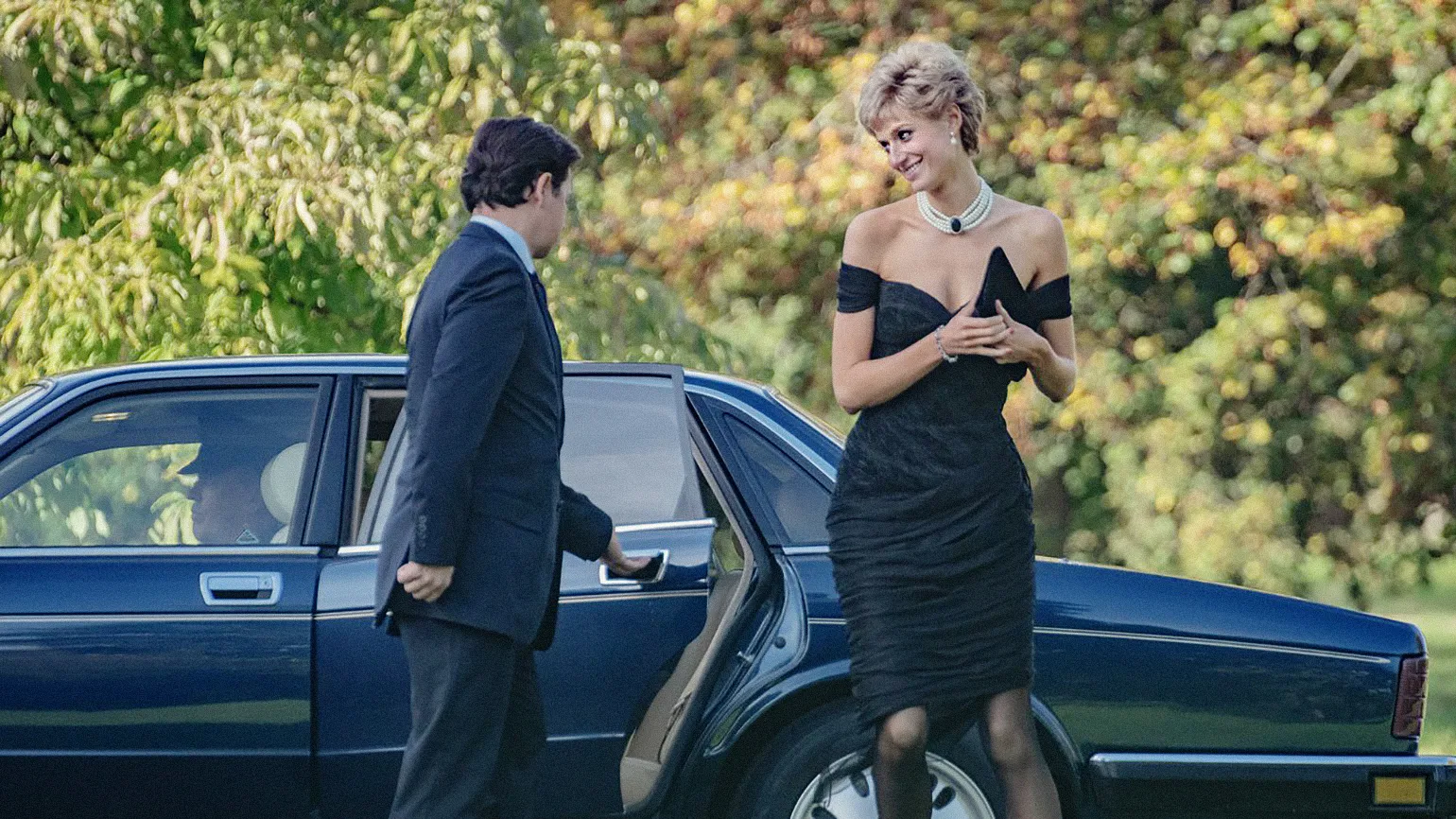
Diana's style in the sixth season of "The Crown" is of particular interest. The first three episodes feature her most iconic outfits from the 1990s, including the vibrant red Catherine Walker gown she wore in public just weeks before her tragic death. The outfit became a symbol of her unique style and charm, and also reflects the complex emotions she faced throughout her life.
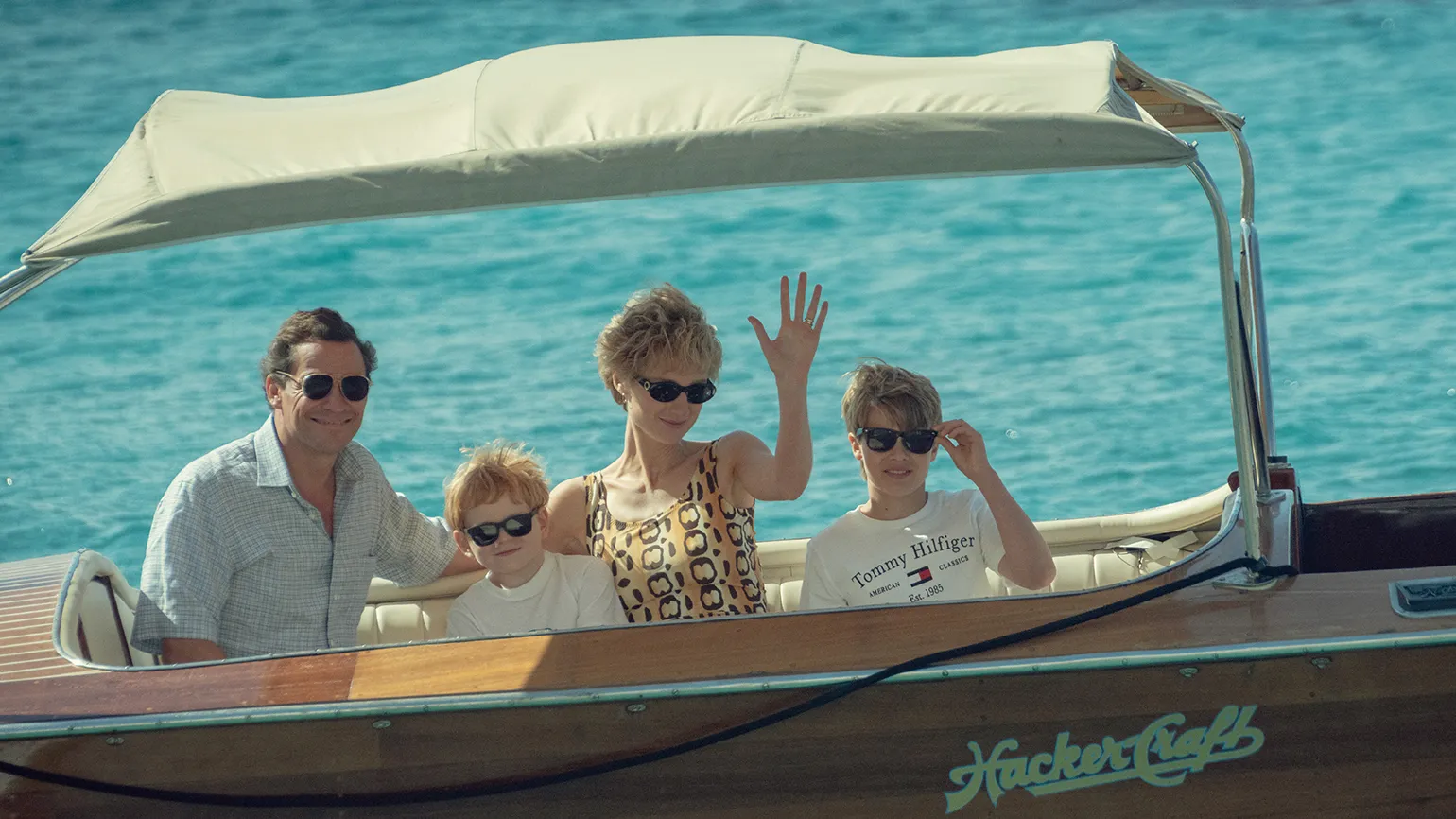
In Debicki's series, the princess chooses a stylish outfit for her first yacht holiday with the Al Fayed family, as well as Princes William and Harry. Costume designer Sidonie Roberts notes that it was important for her to feel clean and pure against the more free-spirited and extravagant style of the Al Fayeds, who favor leopard prints and vibrant patterns from Versace. This underlines the princess's desire to look bold and confident before starting this journey.
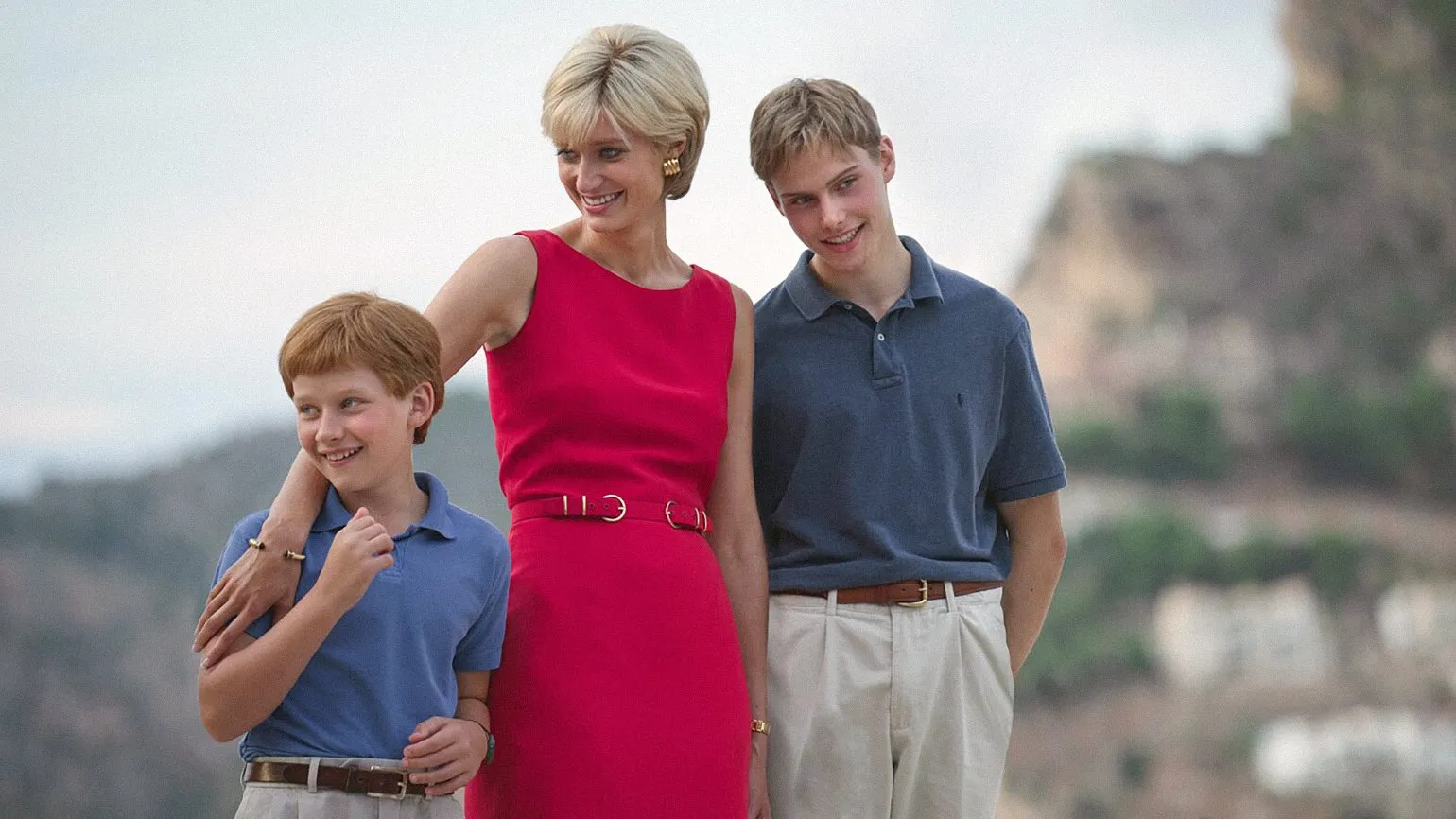
Several swimsuits that Diana was photographed in by the paparazzi during her holiday with Dodi were recreated for the show. Sidonie Roberts didn't plan her wardrobe in advance for these filming days. She notes that she and Elizabeth discussed details almost from the morning: "Who am I meeting today? What am I doing? What's my mood?" This process was completely different, although the main swimsuits were recreated with high accuracy. Roberts always left room for creativity, allowing herself to follow the "mood of the moment."
The creative team paid special attention to recreating Diana's iconic blonde hair and makeup. The main goal was to preserve Lady Diana's original style while allowing actress Debicke to express her individuality. As a result, during viewing, one gets the feeling that the actress is sometimes almost indistinguishable from the real Diana, and, conversely, looks completely different. This creates an interesting contrast and highlights the skill of the performers and stylists who worked on the project.
Tragic Figure
On August 31, 1997, early in the morning, Princess Diana and her companion Dodi Al-Fayed were victims of a car accident on a Parisian street. It is assumed that they were trying to escape pursuit by paparazzi. As a result of the accident, Dodi and the driver died instantly, and Diana, seriously injured, died a few hours later in the hospital. This tragic incident left a deep mark on the hearts of millions of people and became the subject of numerous discussions about the safety and privacy of celebrities.
Following an investigation, French law enforcement authorities released a report which showed that the driver was intoxicated and under the influence of antidepressants, and was also driving at significant speed. Initially, suspected photographers who may have been involved in the incident were completely acquitted. Nevertheless, speculation about possible alternative causes for the accident persisted for many years. It is important to note that the Princess of Wales was only 36 years old at the time of the tragedy. The case remains one of the most discussed topics in history, drawing attention to road safety issues and the impact of psychoactive substances on driving.
News of Diana's sudden death shocked the world and plunged England into deep grief. Elizabeth II's response to the tragedy was controversial, as many criticized the Queen for her lack of a public address. However, on September 5, the Queen delivered a televised address from Buckingham Palace, stating, "No one who knew Diana will ever forget her." This statement marked a significant moment in the history of the British monarchy and reflected Diana's significance as a public figure.
Millions of people who never met her but felt a connection will remember her. I believe there are important lessons to be learned from her life and the moving response to her passing. We must cherish her memory and pass on her legacy to future generations.
On the morning of September 6, 1997, the funeral procession left Kensington Palace, where Princess Diana's coffin was placed on a carriage drawn by six black horses. Thousands gathered in the streets to pay their respects and bid farewell to the "Queen of the People's Hearts." Fifteen-year-old William and 12-year-old Harry accompanied their father in the final part of the four-mile procession. Princess Diana's funeral was watched on television by 2.5 billion viewers worldwide. This moment became historic and left a deep mark on the hearts of millions.
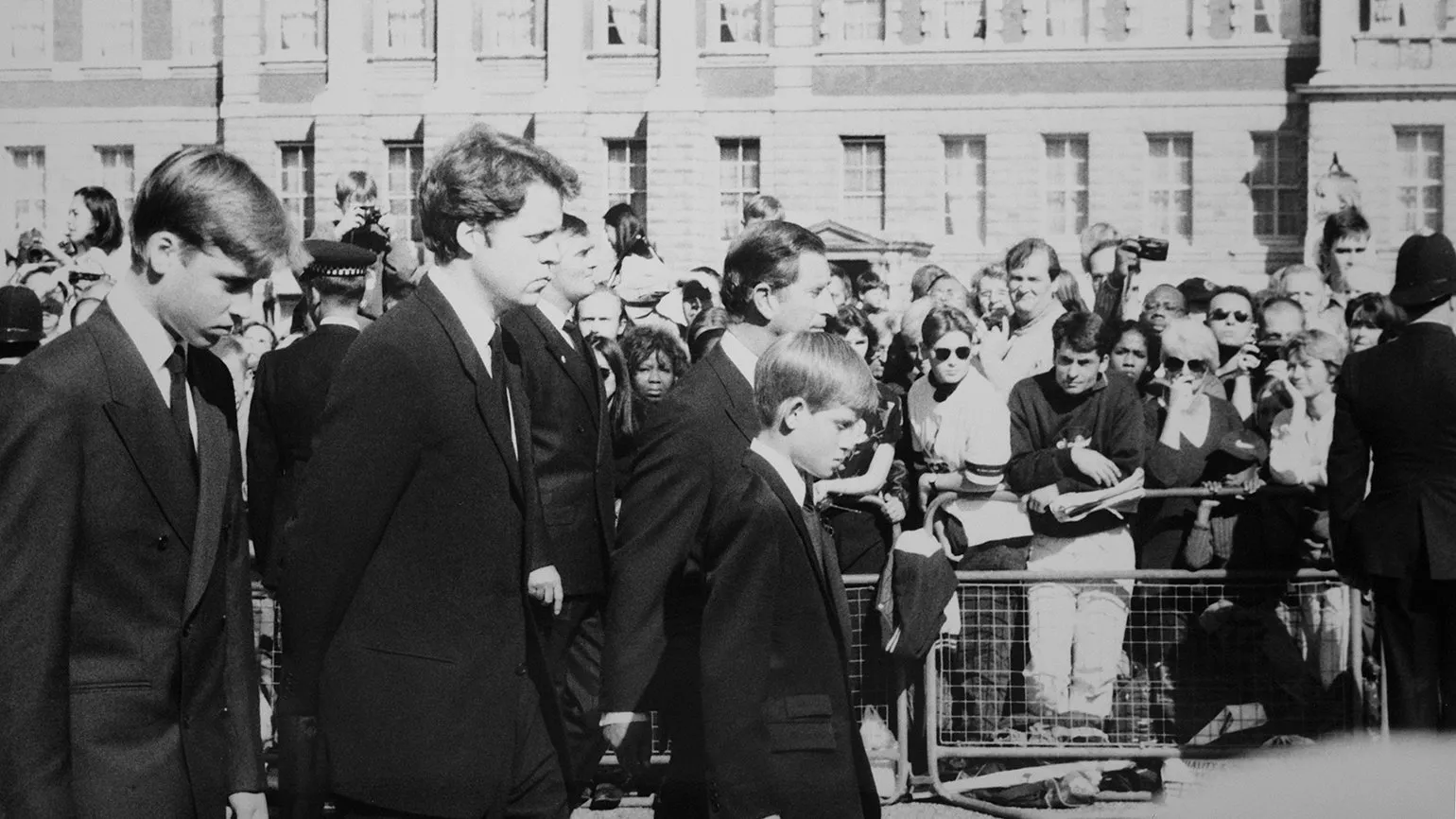
The eulogy was delivered by Diana's brother, Earl Charles Spencer. Afterward, Elton John performed, adapting the lyrics to his famous song "Candle in the Wind" in memory of the late princess. Diana's body was buried on a picturesque island on the family estate of Althorp, symbolizing her connection with family and nature.
It seems that directors and screenwriters who tackle the theme of Diana realize they are unlikely to be able to transcend reality, so vast and tragic is her story. Therefore, in most films, the princess's death is either not depicted at all or occurs off-screen—they cannot afford to kill Diana again, even in a fictional format. In The Crown, we only watch a speeding car, and in Love Story, the news of the princess's death is conveyed simultaneously with Hasnat's experiences: he goes outside, sees people crying, and realizes the tragedy. This approach emphasizes respect for Diana's memory and her tragic fate, while avoiding excessive sensationalism.
Documentary films are often more active than fiction films. They sometimes combine elements of newsreel and artistic filmmaking, as in "Diana: The Last Days of a Princess." In other cases, as in "Princess Diana: 7 Days After," they present a strict and almost descriptive account of the events that occurred after her death. However, discussing the topic of death evokes discomfort in many people, and watching such films without tears can be difficult. Why watch "Hachiko" when we can encounter real tragedies in documentary format?
The princess's story serves as an inspiring example that reminds us of the importance of perseverance and being true to oneself. Everyone has the right to mistakes and imperfections, as well as to love and mutual feelings. In today's world, when we face various challenges, such reminders of simple truths become especially valuable.
Free test: which digital profession is right for you?
IT, design, marketing or management? Find out the answer in 15 minutes. And then try your hand at a new specialty for free.
Find out more