Contents:

Thinking about a new profession, but don't know where to start? Find out what suits you: IT, design, game development, management or marketing. Take a free career guidance course.
Learn moreDmitry shared his experience. He discussed important aspects that can be useful for understanding current trends and events. His story focused on key points that can help others in similar situations. Dmitry emphasized the importance of not only paying attention to details but also being able to see the big picture. His insights can be useful for both professionals and beginners in this field.
- how he got into film and what he does now;
- what are the responsibilities of a director and how much they earn;
- what a screenwriter does and how best to proceed;
- is it possible to get into the industry if you have no experience or portfolio at all;
- what a future filmmaker should read and watch.
A brief reference is an important element that provides basic information on a specific topic. It helps to quickly familiarize yourself with key aspects and features, which is especially important for users looking for specific information. In the context of today's information flow, brief references are becoming indispensable, as they save time and effort when searching for the necessary information. Proper formatting and structuring of the content in the reference contributes to better perception and assimilation of the material. Using SEO-optimized keywords in your text helps improve your page's visibility in search engines, which in turn attracts more readers and promotes the spread of information.
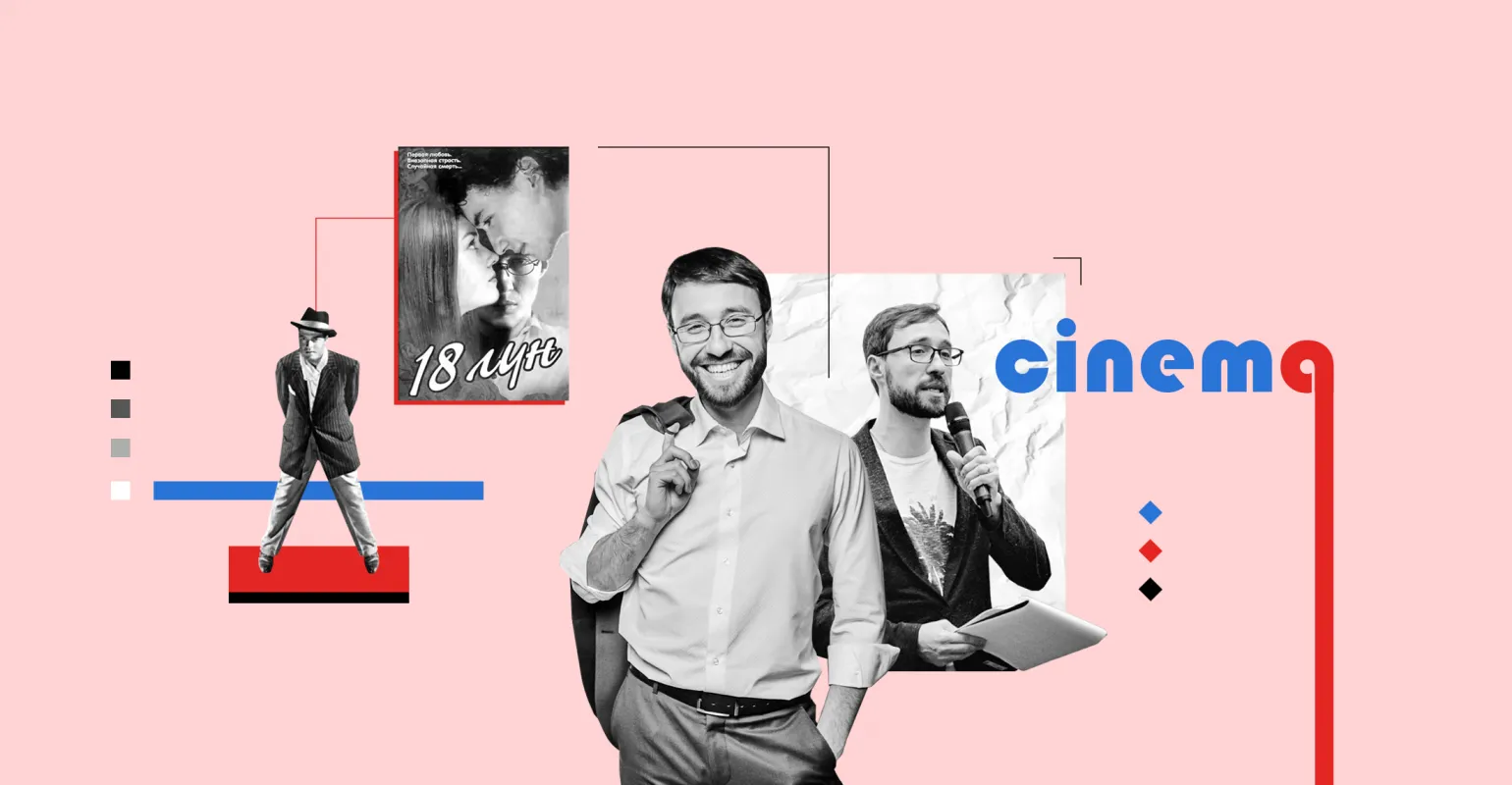
Dmitry Kupovykh is a Russian producer, film scholar, and director, as well as the founder of the Free Cinema film school. He is a speaker on the "Profession Director" course, where he shares his experience and knowledge in the field of film production. Dmitry actively contributes to the development of film education in Russia by training future professionals in the field of cinema.
How to get into a B-movie and stay in filmmaking
I have been involved in the creation of 30 films as a producer, and also have experience working on set as an actor, screenwriter, and director. My path to the film industry began with a deep passion for films and a desire to create powerful stories. Initially, I worked in related fields, which allowed me to better understand the production process. Gradually, I mastered various aspects of filmmaking, which opened doors to the profession. Each project became a unique experience for me, allowing me to develop my skills and interact with talented people. This fascinating journey gave me the opportunity to contribute to the world of cinema and tell stories that resonate with audiences.
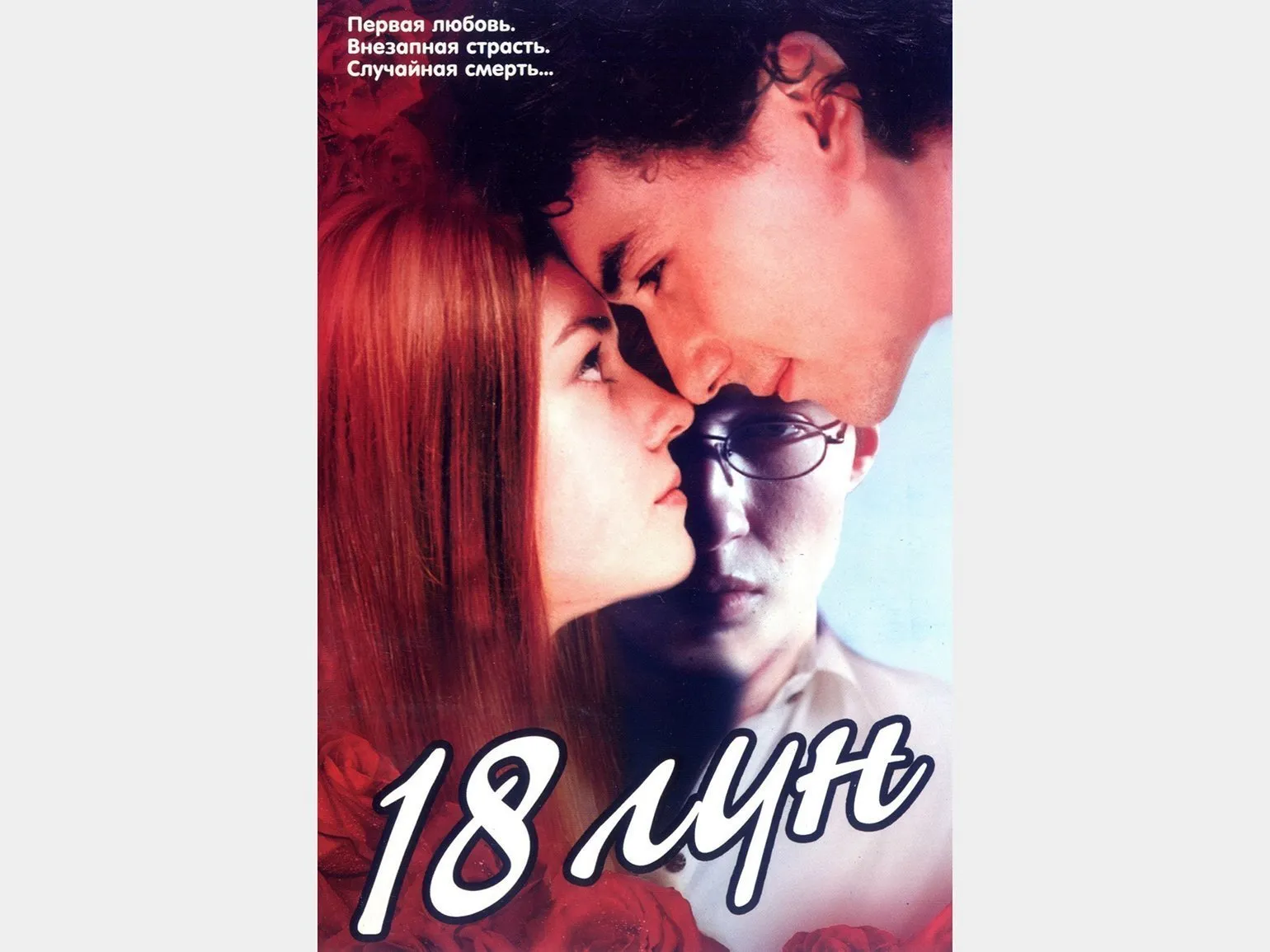
Since childhood, I dreamed of becoming an actor and attended theater groups. In one of them, artistic director Ildar Islamgulov recruited young people for his film. So, in 2002, at the age of seventeen, I got my first role in a B-movie. At that time, a wide release was impossible, and the film quickly ended up on videotapes and DVDs.
After that, my parents convinced me to choose a more stable profession, and I entered the State Institute of Management. During this time, I temporarily stepped away from the world of cinema, although I craved creative expression. After defending my diploma, I realized that the time had come to return to my dream. However, at that time, the only options for studying in the field of film were VGIK and VKSR, where the cost of tuition was about 300,000 rubles a year, which was unaffordable with my salary of 15,000 rubles. There were no free programs for a second degree, and I realized that studying at VGIK was too expensive for me.
I came to the conclusion that if Muhammad cannot come to the mountain, then the mountain must come to Muhammad. Based on this, I decided to found my own film school. This decision was an important step for me in developing film education and creating a platform for talented people aspiring to master the art of cinema. Our film school will provide in-depth study of all aspects of filmmaking, from screenwriting to directing, cinematography, and editing. We strive to create a supportive atmosphere for learning and creativity, so that every student can realize their potential and contribute to the world of cinema.
How did your Free Cinema studio come about?
The Artkino Film Club became the foundation for a full-fledged film school, which later transformed into the Free Cinema project. Today, it is one of the leading film schools in Russia, training screenwriters, directors, and producers capable of creating feature films and TV series. Our school's training is affordable, making it attractive to many aspiring filmmakers. Over time, I became a teacher myself and achieved some success in this role, passing on my knowledge and experience to new generations of filmmakers.
Our graduates have created over 150 films. Film almanacs featuring the work of students and graduates are available on Russia's largest online platforms, such as IVI, Okko, Kinopoisk HD, and others. These platforms offer a variety of content, allowing viewers to enjoy the unique stories and talented directing demonstrated by our graduates.
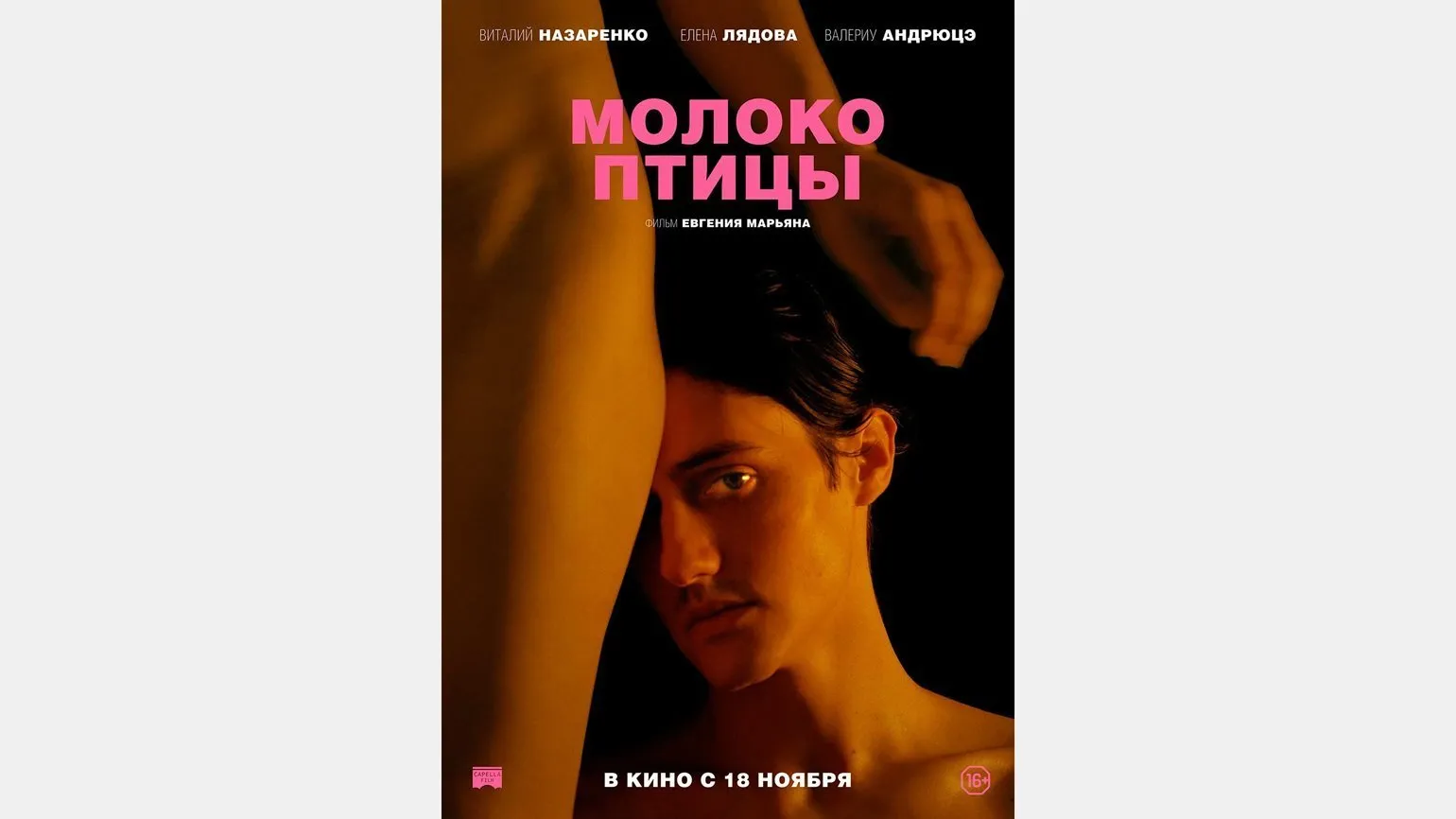
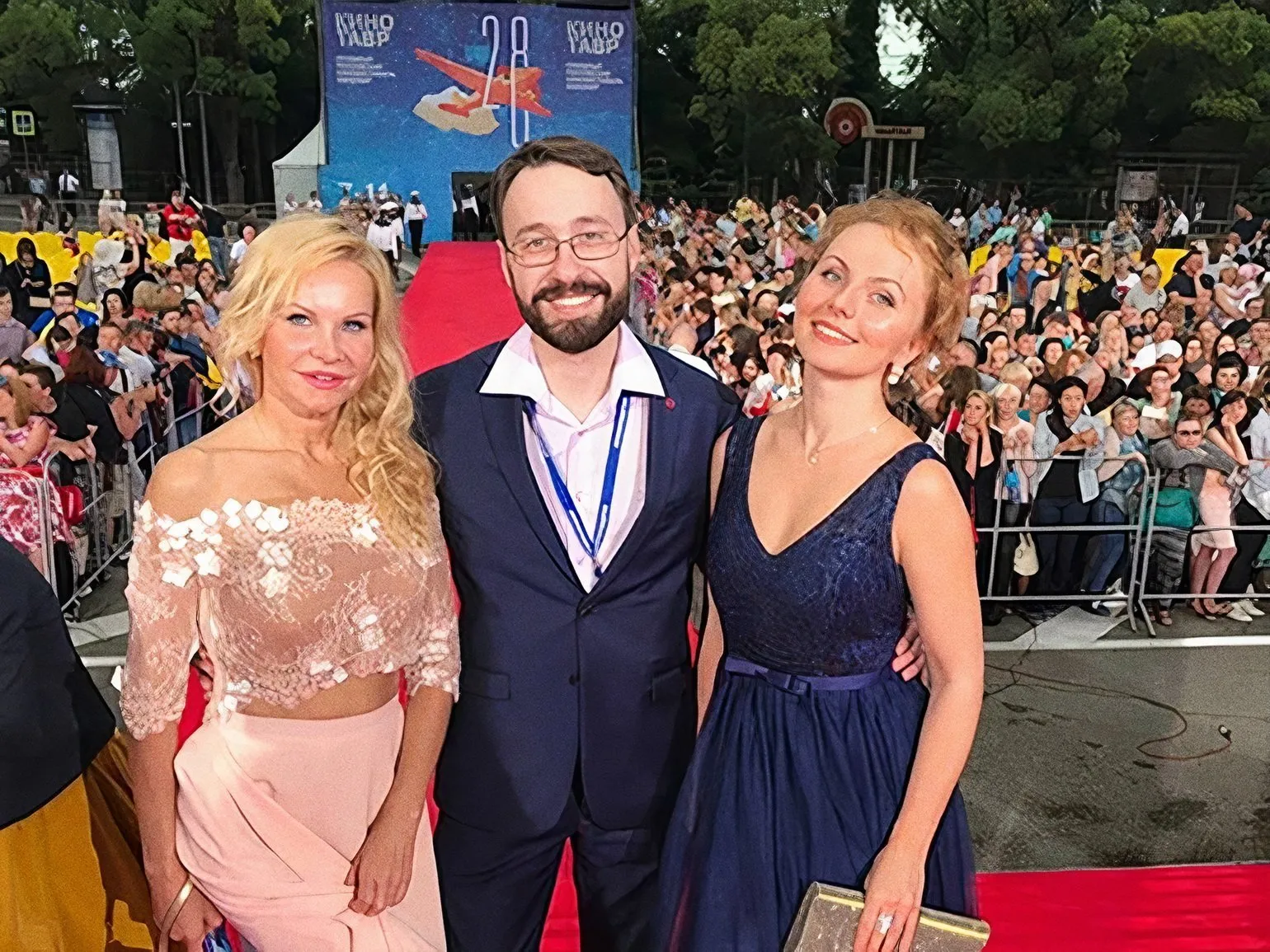
Over the past year, our graduates have achieved significant success at the country's largest festivals. Eduard Bordukov presented his film "On the Edge" at the Moscow International Film Festival, and Evgeny Maryan's "Bird's Milk" was awarded the "Best Cinematography" prize at the Kinotavr Film Festival. Eduard Zholnin's film "Zemun" won the Audience Award at the "Window to Europe" Film Festival. The large-scale fantasy film "WE," based on the work of Yevgeny Zamyatin and created by another of our graduates, Hamlet Dulyan, will be released in the fall of 2022. These achievements underscore the high level of our students' training and their significant contribution to Russian cinema.
He just thinks: what does a director do and how much does he earn?
The director is responsible for the artistic direction and overall vision of the film. He or she interprets the script, determining the look of scenes, how characters interact, and the atmosphere. The director selects actors, leads rehearsals and provides performance guidance, and coordinates the entire filming process. He or she also works closely with cinematographers, production designers, and editors to achieve the desired result. A key role for the director is to create a unified artistic vision that will be realized on screen.
The director is the artistic director, making key decisions in the filmmaking process. He or she selects the leading actor, locations, visual design, color palette, mise-en-scène, tempo, and camera movements. Although he or she collaborates with professionals such as cinematographers and production designers, the final decision on the film's concept remains with him or her. The director's role is critical in shaping the film's unique style and atmosphere, which directly impacts the success of the project.
Acting skills are essential for a director, as they allow them to better understand their actors and their needs. Knowledge of acting techniques helps directors direct actors more effectively, creating believable and memorable performances. This also contributes to a more harmonious teamwork, as the director can offer constructive criticism and support. Having acting experience allows a director not only to delve deeper into the process but also to develop more detailed and realistic script lines. Thus, acting skills become an integral part of successful directing, contributing to the creation of high-quality and engaging content.
Acting experience is not required, but experience has shown that it can significantly facilitate interaction with the performers. Having such skills makes it easier and faster to explain tasks, give useful recommendations, and clarify exactly what needs to be done. It is also important to remind the actors of the events that occurred before the scene and the context in which their character finds themselves. This fosters a deeper understanding of the role and improves the quality of performance.
In a film project, each participant plays a unique role. The screenwriter creates the script, the producer provides financing, the cinematographer oversees filming, the production designer designs the sets, the actors embody the characters, and the sound engineer records the sound. So what does the director do? They analyze, conceptualize, and shape the overall vision of the project. The director brings all the elements together to create a harmonious and cohesive work. This process requires deep thought and creativity, as the final result depends on the director's vision.
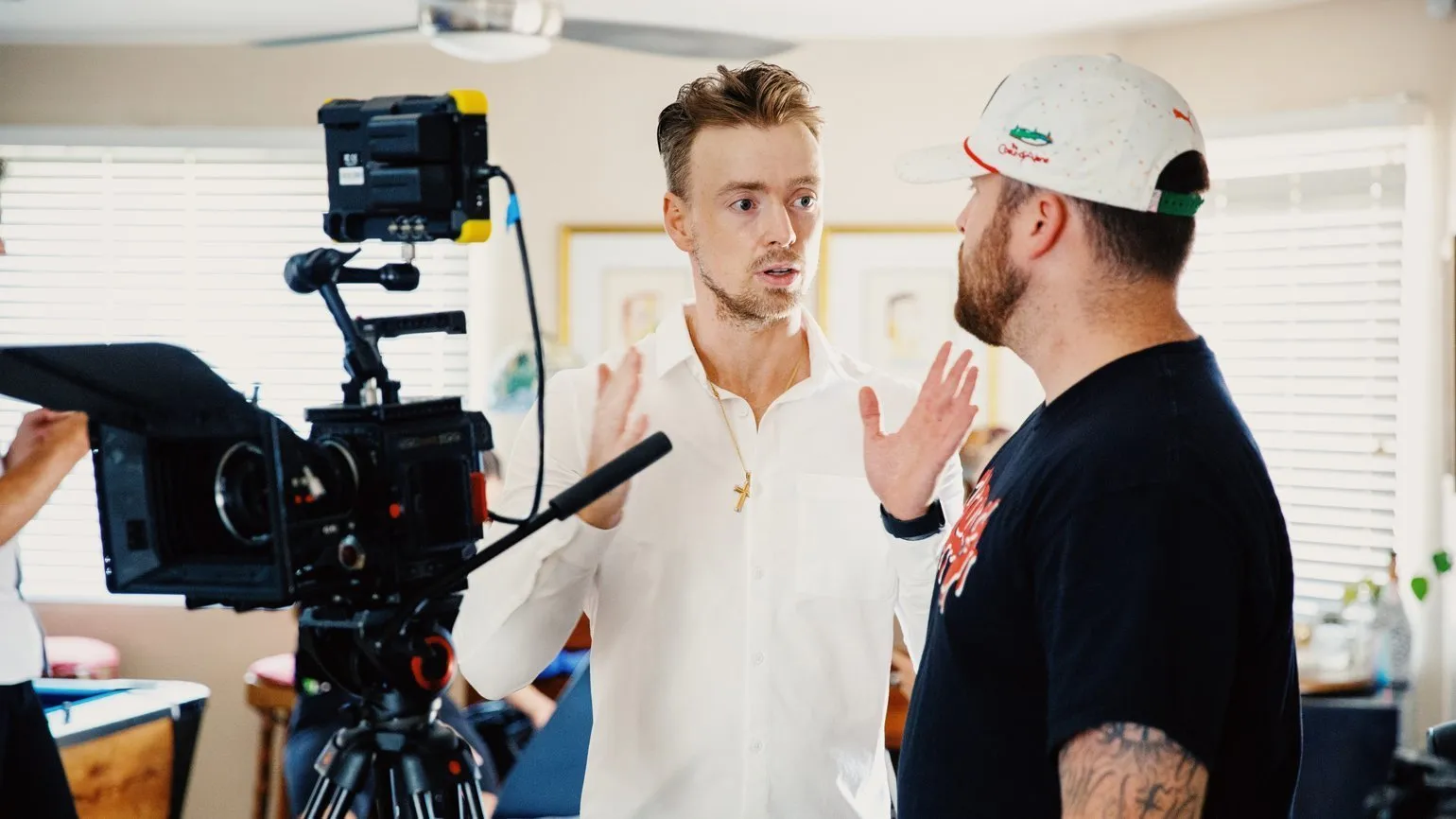
A director's earnings depend on many factors, including their experience, reputation, and the scale of the project. Directors can receive either a fee or a salary. Major studios and large projects often employ a salary system, which ensures a stable income. Independent films and low-budget projects more often employ a fee system, which can vary depending on the film's budget and contract terms. Therefore, a director's income can fluctuate significantly, making this profession both promising and risky. Directors most often receive a piecework salary for projects, which varies depending on their format. For feature-length auteur films, the average salary ranges from 1.5 to 2 million rubles per film. For genre films, a young professional can expect to earn 2.5 to 4 million rubles per project. The duration of filming can vary from one month to two years, which also affects the overall cost of the work.

To achieve maximum effectiveness of your content online, it is important to pay attention to SEO optimization. This includes using keywords that match the topic of the article, as well as creating unique and informative text. Provide headings and subheadings to help structure the text and make it easier to read. Don't forget about internal and external links, which help improve the visibility of your content in search engines. Update information regularly and monitor trends in your field to stay relevant to your audience. Maintain high-quality content to attract and retain readers' attention. Read also:
If you want to work in filmmaking, it is important to learn all aspects of the process: from scriptwriting to lighting. Understanding the structure of film and its basic elements will help you create a high-quality film. Familiarity with the production design process, acting, and lighting techniques will significantly improve your skills and expand your creative horizons. By mastering these key areas, you will not only be able to realize your ideas but also attract audiences to your work.
The salary is not high.
Directing is not only about feature films but also about many other art forms. A director creates television series, commercials, music videos, as well as theatrical productions and organizes public events. In today's world, the director's profession covers a wide range of areas and is in demand in various fields. This makes it relevant and necessary in the constantly evolving media industry.
A director can indeed work on a major project and pursue other interests simultaneously. This allows them to expand their professional horizons, gain experience, and develop creative ideas. Juggling multiple projects requires a high degree of organization and the ability to effectively manage their time, which can positively impact the quality of their work. Successful directors often use this strategy to find new opportunities and inspiration.
Film production consists of five key stages. The first is project development. This involves developing the idea, writing the script, and seeking financing. If the director is not the scriptwriter, their involvement at this stage is minimal. The next stage is the preparatory period, known as preproduction. During this period, the director is actively involved in the work, often working on the project around the clock. The third stage is the filming period, where their workload also increases significantly.
After filming is complete, post-production begins, which includes editing and sound work. During this stage, the project can be visited biweekly, providing comments and recommendations. This approach doesn't require a significant time investment and allows for simultaneous work on other projects, ultimately facilitating efficient time and resource management.
If the director is not also the producer or screenwriter, their involvement is limited to two main stages: pre-production and production. In total, this amounts to approximately 3-4 months of active work. The director plays a key role in realizing the creative vision of the project, ensuring high-quality interaction between the team and the filming process.
What you need
A screenwriter plays a key role in the creation of a film or television show. The primary responsibilities of a screenwriter include developing an original idea and writing the script that will form the basis for the visual work. The screenwriter is responsible for creating characters, their dialogue, and plot development, as well as for structuring the script so that it is logical and engaging for the viewer. It is important for the screenwriter to consider the target audience, genre, and style of the work. Additionally, the screenwriter may be involved in editing and finalizing the text during production, taking into account comments from the director and producers. An effective screenwriter must also be prepared to collaborate with other team members to ensure the harmonious embodiment of the idea on screen.
A screenwriter is a specialist who creates storylines and develops characters, themes, and ideas for films. They are responsible for the sequencing of events and writing the dialogue that brings the story to life. Ultimately, all of this is compiled into a screenplay, which serves as the main working document for the film's production. It's important to note that a screenplay is intended for filming and is not a literary work. Screenwriters play a key role in filmmaking, as their work lays the foundation for all subsequent stages of production, including directing, acting, and editing.
A screenwriter can both create original ideas and adapt others'. Young writers must demonstrate their own concepts, as their credibility is built on their ability to imagine a unique project. When we discuss young screenwriters, it is implied that they are the authors of the core ideas—the basic plot of the story, which is then developed through the creation of characters, situations, conflicts, and unexpected twists leading to a spectacular ending. Developing an original screenplay requires creativity and the ability to structure a narrative, which plays a key role in the successful implementation of an idea on screen.
Idea writers develop and shape concepts that can be implemented in various fields, such as business, art, science, and technology. They analyze market needs, generate new ideas, and propose innovative solutions that can improve existing products or services. Their work involves researching, planning, and presenting their ideas, as well as collaborating with other professionals to bring concepts to life. Ideators play a key role in the creation and implementation of new projects, making them indispensable on any creative team.
In the world of successful series creation, the person who comes up with the idea is usually the showrunner. This person is responsible for the overall concept and artistic direction of the project. The showrunner is joined by writers, who develop the plot structure, deeply develop the characters, and write the dialogue. Directors are also involved in the process, each of whom directs individual episodes of the series. The showrunner, acting as the artistic director, oversees the entire process, determining which story elements are acceptable and which are not, and explaining why the story should unfold the way it does. The important aspect is not just the number of characters, but their depth and uniqueness, which makes each of them memorable and significant to the plot.

The TV series "The Big Bang Theory" became an important milestone In popularizing the image of geeks. Previously, few could have imagined that such characters could attract a wide audience. However, the creators of the series were able to present geeks in a new light: they became sweet, funny, and touching characters with whom viewers could identify and empathize. This approach opened up new horizons for the comedy genre and made geeks more appealing to popular culture.
How much does a screenwriter earn? The amount of compensation depends on various factors, such as the project's format and its scale. For a feature-length film script, screenwriters can earn from tens of thousands to millions of rubles, depending on their experience and reputation. As for TV series, payment per episode can range from tens of thousands to hundreds of thousands of rubles. It is important to keep in mind that compensation can vary depending on the project's budget, studio, and other factors.
Newcomers to the film industry receive relatively small fees for their work. When writing a feature-length film, the remuneration ranges from 300,000 to 500,000 rubles per script, and in rare cases can reach a million rubles. If you consider the duration of work on a project, the salary ranges from 50,000 to 150,000 rubles per month. A pilot episode of a series is also estimated at 300,000 to 500,000 rubles. Therefore, writing all eight episodes of a series can provide a more significant fee, making this format more attractive to screenwriters. Creating 3-4 scripts, even if they have not been produced, and presenting them at pitching significantly increases your chances of successfully selling your next project. Such scripts help you establish yourself in the industry and attract the attention of potential buyers. As a result, you can receive over a million rubles for a new script. It is important for a beginning screenwriter to adhere to a certain algorithm of actions for successful script writing. First of all, it is worth defining the main idea or concept of the project. Then it is necessary to develop the structure of the script, including the introduction, development, and conclusion. After this, you should develop detailed characters, including their motivations and conflicts. Next, you can begin writing the first draft, not focusing on perfect wording but on the flow of ideas. After completing the draft, it's important to revise, correcting errors and improving dialogue. Don't forget to get feedback from other screenwriters or experts in the field. This will help identify weaknesses and strengthen the script. It's important to remember that the writing process requires patience and constant practice. If you're just starting out in screenwriting, it's recommended to take training. On the one hand, there's a shortage of qualified writers, on the other, there's a huge number of people trying their hand at writing. Film companies receive dozens of scripts every day, and most leave much to be desired. To stand out from the crowd, it's important to master the skills of writing high-quality scripts and understand how the industry works. By investing time in your education, you will increase your chances of success and be able to produce more engaging and professionally presented work.
My graduate got a job as an editor at a large company. At the beginning of her career, she was confident that she would be able to spot and evaluate talented writers among the flood of submissions. However, after just a month of work, she was faced with a huge volume of low-quality content, which greatly disappointed her. She realized that finding a truly worthy writer is no easy task.
When submitting a script to producers, it is important to format it correctly. This not only demonstrates your professionalism but also makes the text easier to read. We recommend using a standard script format, which includes a clear structure with dialogue labels, action descriptions, and scene descriptions. You should also pay attention to the font, size, and indents to make the text easy to read. Make sure your script is neatly formatted and error-free, as this can affect the first impression of producers. Proper script formatting is key to attracting attention to your project.
The dress code really does matter. While formatting isn't the only criterion for evaluating work, proper presentation plays a crucial role. Adherence to established formatting standards, developed over decades, particularly in the American industry, helps create a clear and professional image. Proper formatting not only attracts attention but also demonstrates respect for the audience, which, in turn, increases the credibility of the content. When users submit text in their own format, they create additional difficulties for others. This forces them to navigate an unfamiliar format, making it more difficult for them to comprehend the information. Using standard formats facilitates interaction and allows you to focus on the content, not its presentation.
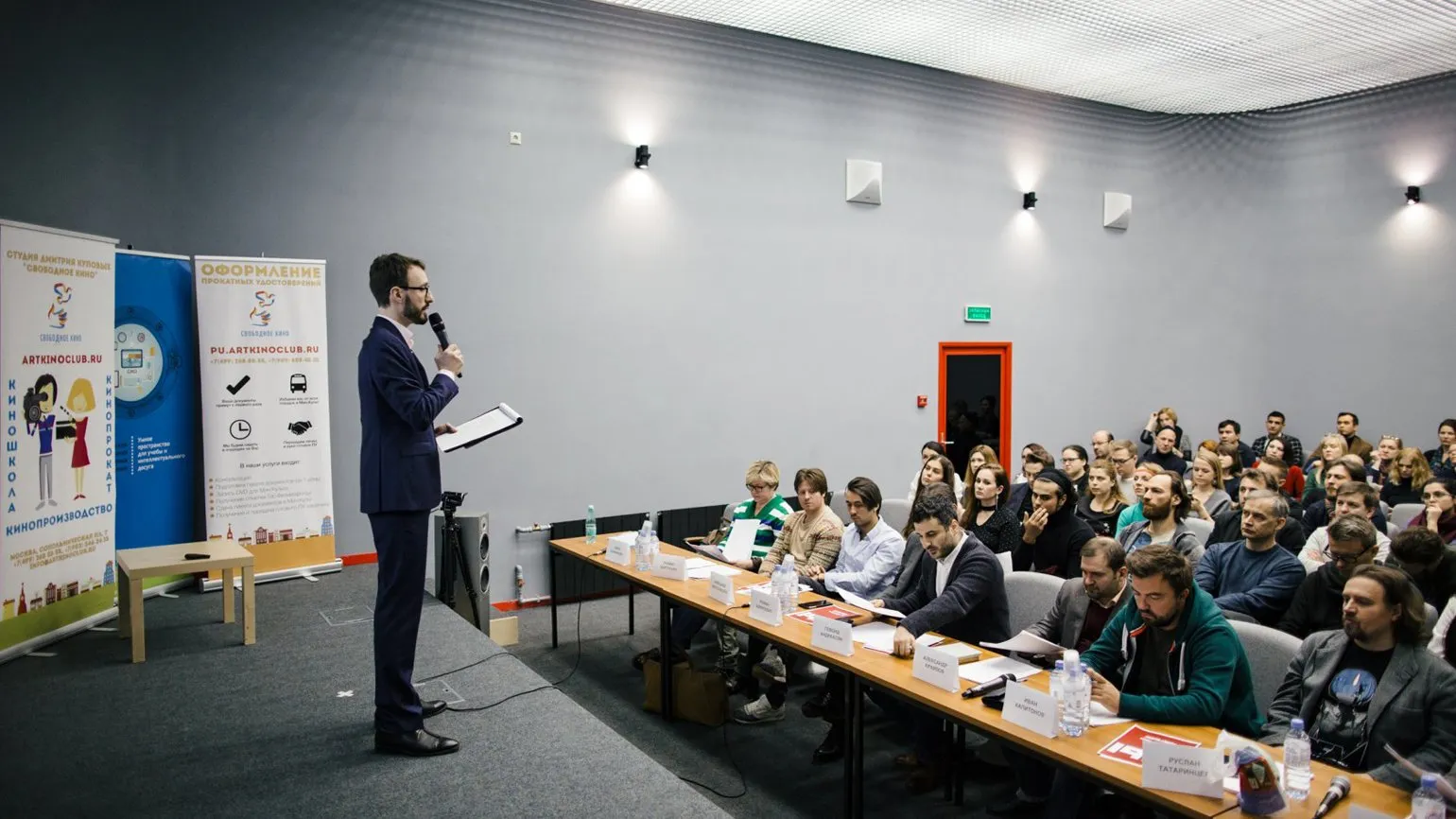
The key aspect is the way the information is presented. The same story can be presented in many ways, from one that won't elicit any positive reaction to one that resonates with the audience. Proper delivery is crucial to its perception and effectiveness.
Creating not only a compelling story but also a properly structured, clearly written, and well-written script requires constant learning and improvement. Understanding the fundamentals of screenwriting, such as character development, plot construction, and dialogue, plays a key role in this process. Regular practice and studying examples of successful scripts will help develop your skills and achieve high results.
"No one cares what you've done before - if the idea is great, it will be noticed."
It's entirely possible to break into the film industry without experience or a portfolio if you have an interesting and high-quality story. While many film company competitions require previous work, there are many ways to gain exposure for your project. It's important to focus on creating a unique and compelling script that will attract the interest of producers and directors.
Start by entering screenwriting competitions that are open to aspiring writers. These events can be a great opportunity to showcase your talent. Building a network of industry contacts is also a good idea—participating in workshops, seminars, and festivals can help you find like-minded professionals willing to support your ideas.
Also, you might consider creating a short film or video project based on your story. This will not only help you develop your skills but also build a portfolio to show to potential partners. The key is to not be afraid to take the first steps and actively seek out opportunities to bring your ideas to life.
Competitions focus on the project itself. Previous experience is irrelevant. If your idea is truly unique and high-quality, it will attract the jury's attention.
To successfully present an interesting project, it's important to master the skills of presentation and clear communication. Effective presentation of an idea is a key element that can significantly increase your chances of success. Training in this area will not only help you improve your presentation skills but also provide you with access to a specialized community where you can learn about competitions and other opportunities to bring your ideas to life.
If you, a newbie, are chosen for this position, it's important not to panic. The first step is to learn all the necessary skills and processes associated with the job. Pay attention to any training and internships offered. Don't be shy about asking questions and seeking help from more experienced colleagues. It's important to be open to new knowledge and willing to learn. Gradually, you'll master the necessary skills and confidently perform your duties. Remember, every professional once started from scratch.
Don't worry about this. In the worst-case scenario, your idea may be acquired, and you'll become the author of the project, allowing you to appear in the credits. This will be a great addition to your portfolio and filmography. You may also collaborate with experienced screenwriters, receiving valuable advice and supervision at every stage. Another option is to develop the project yourself, collaborating with the company's editors and creative producers, who will assist you with editing, proofreading, and direction.
This also applies to the filming process. If you already have high-quality work in your portfolio, you may be entrusted with creating a pilot episode. If you lack experience, you may be invited to serve as a creative producer. By participating in all stages of production, you will gain a deeper understanding of how the work is organized on set, observe the director, and interact with them throughout the project. This experience will be invaluable for the development of your future projects.
The course you teach at Skillbox is a sequential study of all aspects of filmmaking, covering topics from screenwriting to financial management. This course is ideal for those looking to immerse themselves in the world of film and acquire the necessary skills. It will be useful for both beginners and those who already have some knowledge but are looking to deepen their knowledge and expand their competencies in this field. Thus, the course is accessible to people with no prior training who are ready to learn and grow in the industry.
Our course is designed to teach you all the necessary skills. Of course, if you already have prior knowledge, this will simplify the process of assimilating the information. However, even if you are a beginner and simply interested in the topic, you will receive all the necessary information, be able to understand it, and apply it in practice. The course includes chats and webinars where you can ask questions and receive consultations. This is an excellent opportunity to master the profession in a year and create a finished product that can attract the attention of the industry.
Blitz
If you want to connect your life with the industry, it is important to choose the right sources of information. We recommend reading specialized books and articles that will help you understand the basics and trends of your field. Pay attention to expert blogs and industry publications that regularly publish relevant news and analysis.
Also, it's worth listening to podcasts and audiobooks dedicated to your field. This is not only convenient, but also allows you to gain knowledge on the go or while exercising. Video tutorials and lectures on platforms such as YouTube can also be useful for visual perception of information.
Don't forget about attending webinars and online courses, where you can gain practical skills and advice from professionals. Participating in thematic conferences and seminars will not only deepen your knowledge but also expand your network of useful contacts. Invest time in training and self-development to successfully launch a career in the industry.
For aspiring screenwriters, we recommend starting with Alexander Chervinsky's book "How to Sell a Good Script Well." This work offers simple and clear advice on the basics of screenplay sales. If you already have basic knowledge, you should check out Alexander Mitta's book "Cinema Between Hell and Heaven," which deepens your understanding of the film industry. After studying these two books, you can move on to more complex literature, such as Robert McKee's "The Million Dollar Story," which offers valuable lessons on creating compelling stories. Further study is also worth exploring other aspects of the profession, such as Sokolov's books on editing. These resources will help improve your skills and deepen your understanding of screenwriting. Movies you rewatch often become beloved and familiar. These are films that evoke positive emotions and make you relive every moment. Often, such films have a unique atmosphere, memorable characters, and a captivating plot. They can be classic or contemporary, but the main thing is their ability to inspire and delight. Rewatching such films allows you not only to enjoy familiar scenes but also to discover new details that might have been missed the first time. Choosing a favorite film depends on personal preferences and mood, but one thing remains constant: each repeated immersion in this world brings joy and satisfaction.
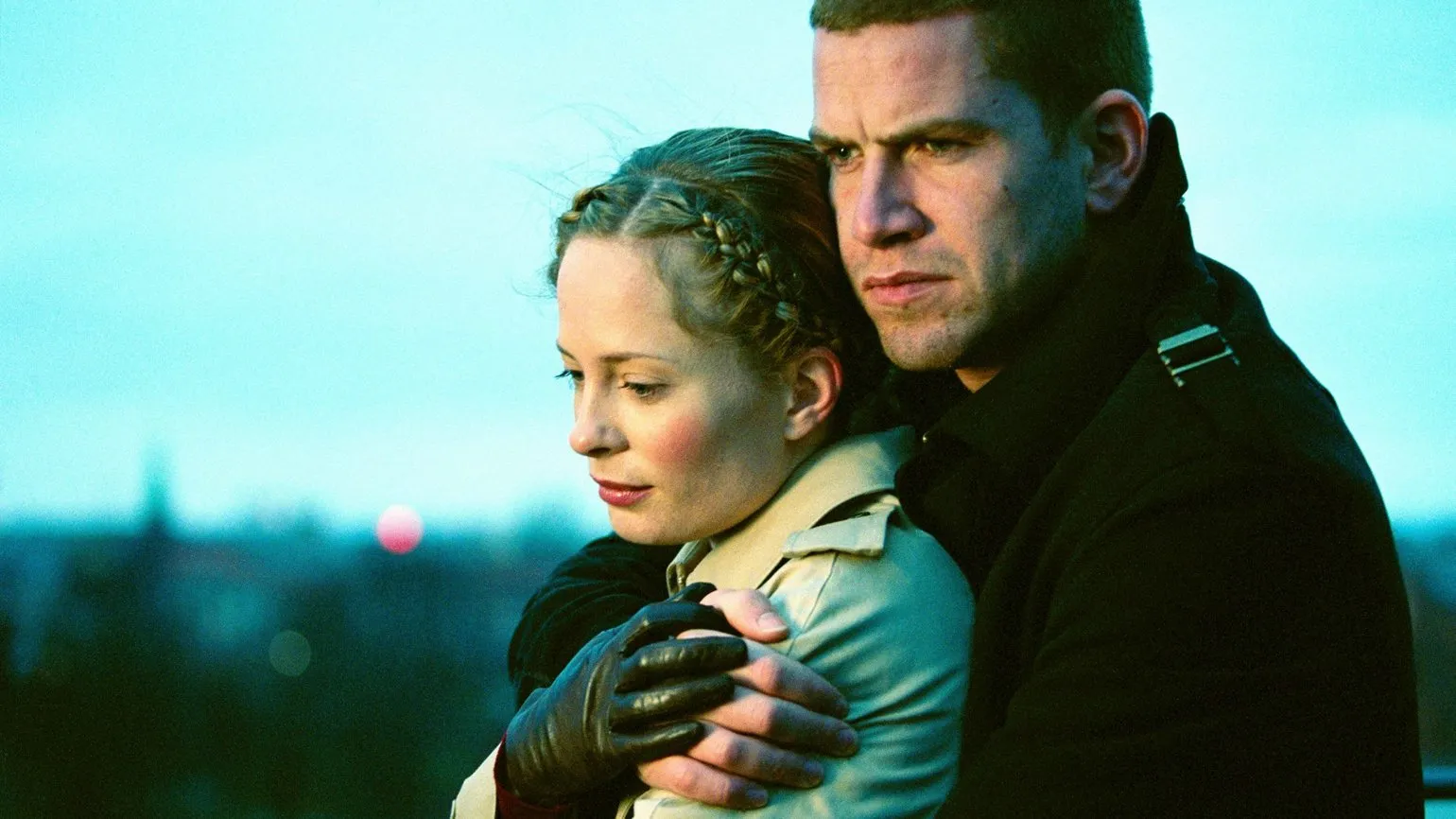
There's a little-known film that always remains relevant for me: "Reconstruction" by Christopher Boe. This stylish melodrama is distinguished by a touching plot and excellent cinematography. Another favorite of mine is "Dead Poets Society" by Peter Weir. Among the classics, I appreciate Tarkovsky's "Andrei Rublev," Fellini's "8½," and Antonioni's "L'Avventura." I recently rewatched "Moonrise Kingdom" and thoroughly enjoyed it again. These films are truly worthy of attention and are capable of evoking deep emotions.
Director Orson Welles, creator of the cult film "Citizen Kane", which for 30 years was considered the best film of all time, had no formal training in film. When asked about the secret to his success, Welles shared that he studied his favorite film by watching it forty times, which gave him an understanding of how great cinema is made. In his case, it was John Ford's Stagecoach. This approach to rewatching and analyzing films emphasizes the importance of studying the classics and understanding the fundamentals of cinema to achieve outstanding results in directing.
I advise students to choose a film they really enjoy and watch it several times in a row. Even if it doesn't take forty viewings, try to watch it at least ten times with short breaks. This approach will allow you to gain a deeper understanding of the plot, characters, and various nuances of the film. Repeated viewings help you better absorb information and develop analytical skills, which is extremely useful for studying film.
My dream is to create a film that immerses viewers in a captivating world full of emotion and deep meaning. It will be a story about human relationships, overcoming difficulties, and finding yourself. I want viewers to not just watch, but to experience every scene, empathize with the characters, and ponder life's important questions. My film will combine elements of drama and adventure to appeal to a wide audience and leave a lasting impression. I believe such films can inspire and help people see their lives from a different perspective.
A transmedia project that will be presented on various platforms, including TikTok and online resources. This will allow us to create diverse content for different target audiences, united into a single cinematic universe based on real events and the life of a real hero. This is exactly the project I would like to realize.
Read also:
- "I realized that cinema is born of its own accord. I simply adore this process!" Zhenya studied to be a translator, worked as a photographer on a cruise ship, but decided to become a director. Extreme sports, underwater filming, working on a popular TV series - this is the ordinary life of Alexander from Rostov-on-Don. How a video with an almost blank screen won an international competition. The story of Dmitry Sharov from Krasnodar. The story of Dmitry Sharov from Krasnodar. The story of Dmitry Sharov from Krasnodar. How a video with an almost blank screen won an international competition. The story of Dmitry Sharov from Krasnodar. How a video with an almost blank screen won an international competition. The story of Dmitry Sharov from Krasnodar. How a video with an almost blank screen won an international competition. The story of Dmitry Sharov from Krasnodar. How a video with an almost blank screen won an international competition. The story of Dmitry Sharov from Krasnodar. How a video with an almost blank screen won an international competition. The story of Dmitry Sharov from Krasnodar. How a video with an almost blank screen won an international competition. The story of Dmitry Sharov from Rostov-on-Don ... Rostov-on-Don. How a video with an almost blank screen won an international competition. The story of Dmitry Sharov from Krasnodar. How a video with an almost blank screen won an international competition. The story of Dmitry Sharov from Rostov-on-Don. How a video with an almost blank screen won an international competition. The class="inset__description">Profession Director
On this course, you will write scripts, work with actors, shoot films, and edit them. Learn to bring your ideas to life — without expensive equipment and exorbitant budgets.
Find out more