
Learn: Free career guidance
Find out moreStorm of emotions
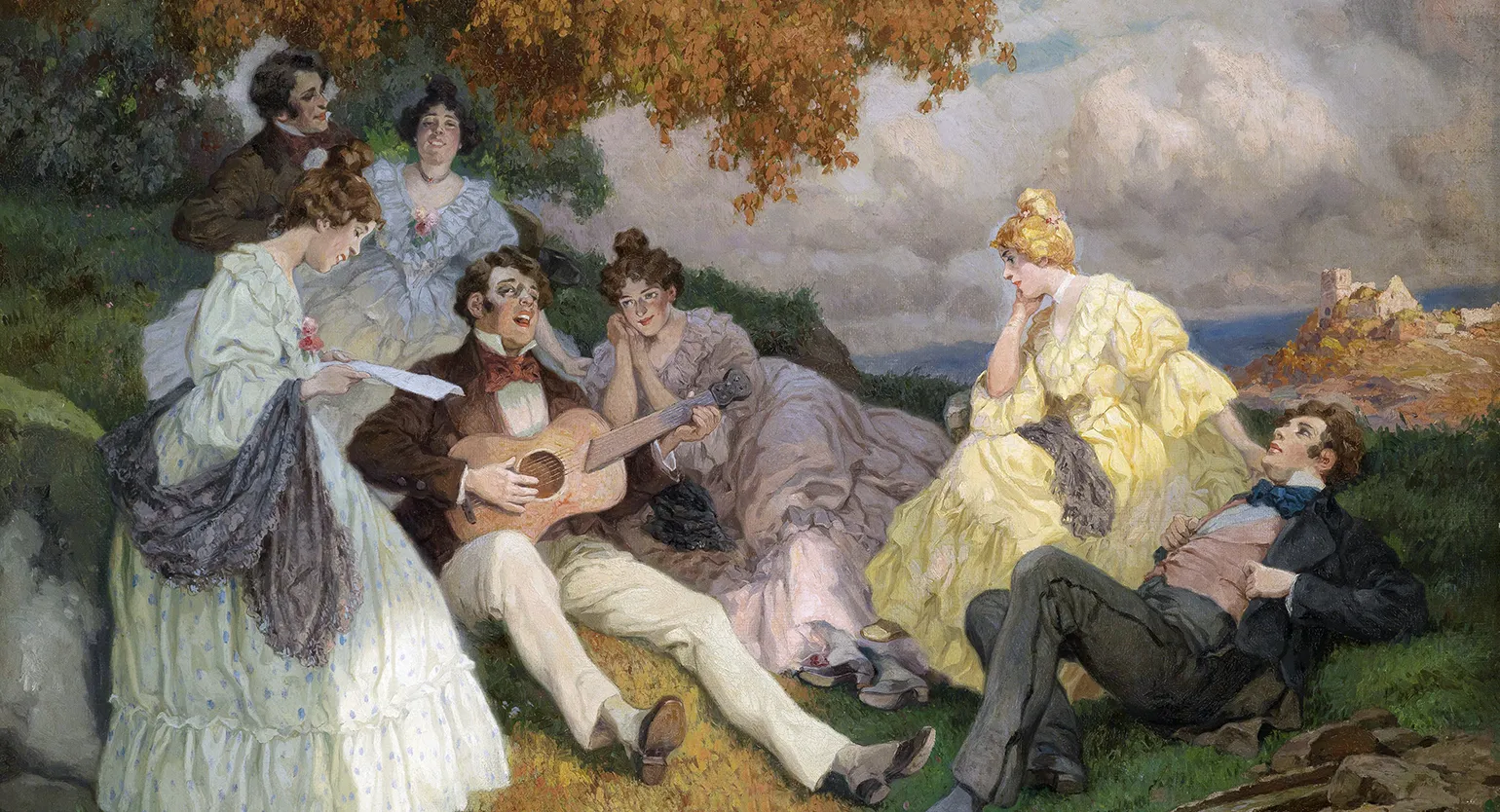
The development of Romanticism in art was caused by public discontent that arose after the French Revolution of 1789 and the Vienna Revolution of 1848. Initially, ideas of freedom and equality inspired people, but soon a realization came that these ideals remained unattainable in real life. This disappointment became the catalyst for the formation of a new artistic movement that sought to convey the depth of human feelings and experiences, reflecting the inner world of man and his connection with nature. Romanticism opened new horizons in art, emphasizing individuality and emotionality. For Romantics, a true refuge from the complexities of the modern world was an escape into an inner world filled with feelings, experiences, fantastic stories, and folk legends. This path allows them to find solace and inspiration, immersing themselves in a wealth of emotions and imagination that help distract them from everyday routine and stress. The inner world of Romantics serves as a source of strength and creativity, where they can explore the depths of their souls and draw wisdom from ancient tales. Romanticism emerged in the late 18th and early 19th centuries and significantly influenced various forms of art, including painting, graphics, literature, theater, and music. The central idea of Romantic aesthetics was the "synthesis of the arts," which emphasized the lack of clear boundaries between various artistic movements and their interconnectedness. The word "Romanticism" itself comes from the French "romantisme," which, in turn, is related to the term "romant"—"literary novel." Romanticism sought to express feelings and emotions, opening up new horizons for creative expression.
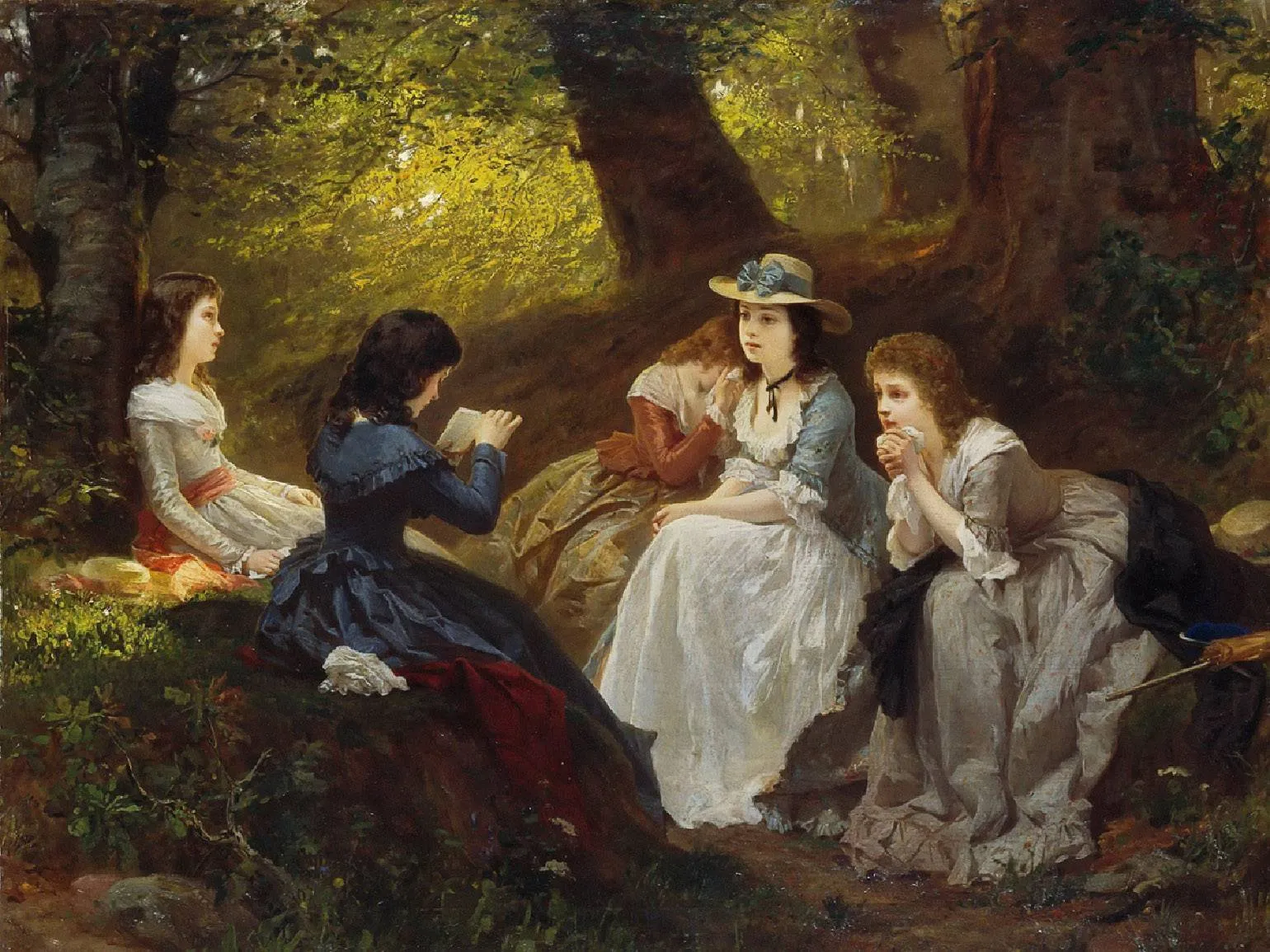
During the Romantic era, strong connections arose between poetry and music, as well as between music and theater. 19th-century composers created many works for instruments that have specific names. This music is called "programmatic" because it offers the listener a certain concept or "program" for perceiving sound. Programmatic music enhances emotional perception and allows for a deeper understanding of the content of works, opening new horizons in musical art.
Hector Berlioz's Symphonie Fantastique is a striking example of programmatic music. The composer created this work at the age of 26, while studying at the Paris Conservatory. In this symphony, for the first time in the history of music, he embodied an entire literary story based on great passion, which became a reflection of his own love experiences associated with the actress Harriet Smithson. After seeing her in the theater as Ophelia, Berlioz fell madly in love, but, unfortunately, did not receive a response to his letters. In response to the mental anguish of unrequited love, he began work on a symphony in which he metaphorically depicted his feelings and experiences. This work was not only a significant step in his career, but also an important contribution to the development of program music, opening up new horizons for expressing emotions in instrumental composition.
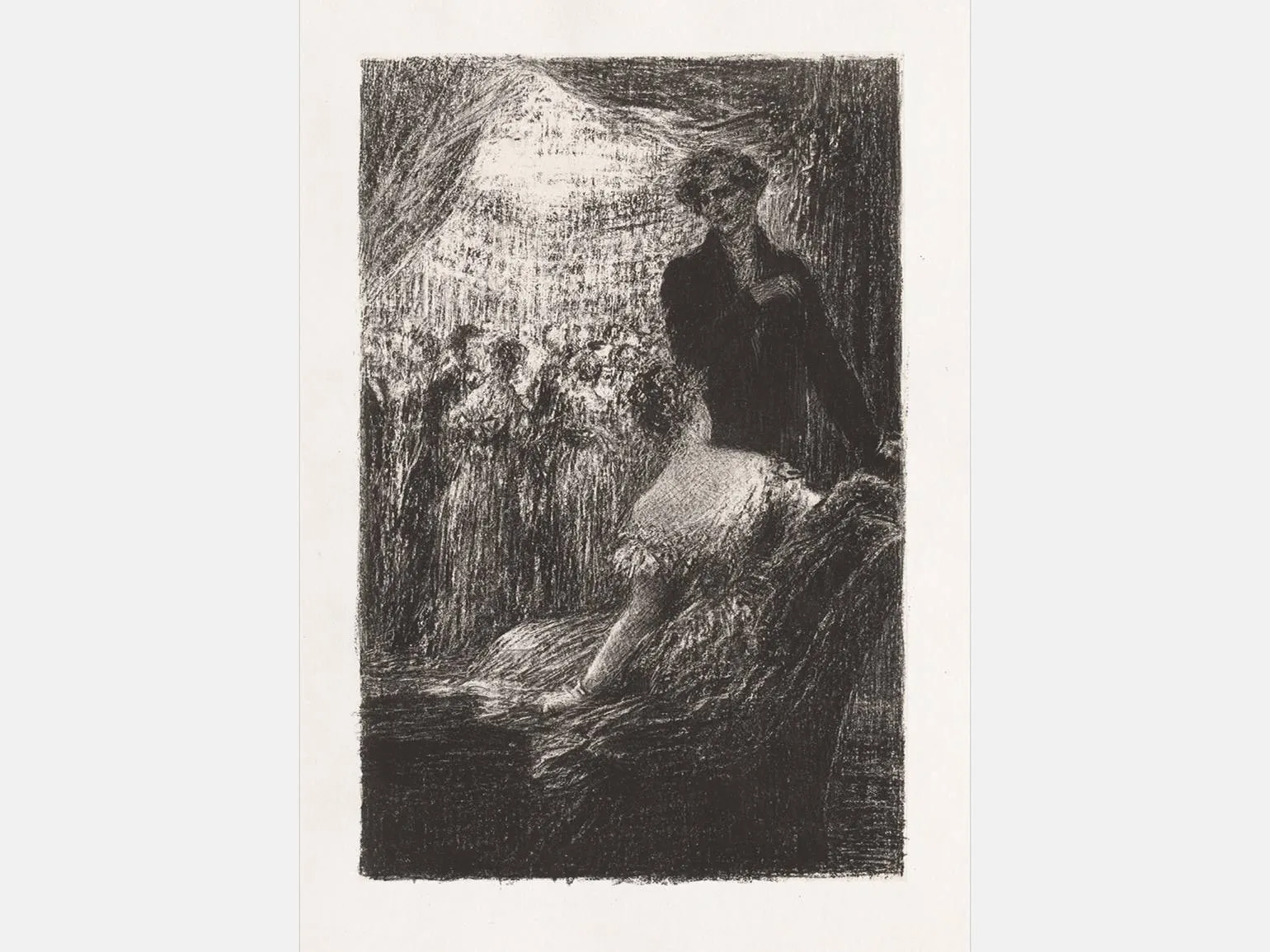
The plot of this symphony is an unusual story for the 19th century about a suffering artist who succumbs to the temptation of opium. Vivid images arise in his mind: the woman he loves, scenes of peaceful life, manifestations of passion and jealousy, as well as the splendor of nature and the grandeur of a ball. Even the other world does not remain on the sidelines. Trying to get rid of obsessive thoughts, the hero goes into the fields, but even there he is pursued by a thunderstorm, which forces him to return. This symphony reflects the inner experiences and the struggle of a person with his own demons, which makes it relevant to this day.
At the end of this unusual journey, the artist feels that he has killed his beloved and is now being led to execution. The music vividly conveys all these images, capturing the moment of execution: the blow of the ax, and the severed head falls to the ground. The hero finds himself in hell, but even here, his obsession with the woman he loves remains. The witches' sabbath is led by the devil, and she is the object of his passion. This dark scenario highlights the artist's depth of emotional experience and internal struggle, making his story especially dramatic and memorable.
The ending of this story was unexpected: the Symphonie Fantastica played a key role in Berlioz winning the actress's heart. Despite the fact that the composer portrayed his beloved as a witch, she reciprocated his feelings. Soon after, they married, a significant event in their lives and Berlioz's musical career. This romantic twist highlights how art can influence personal relationships and inspire new achievements.
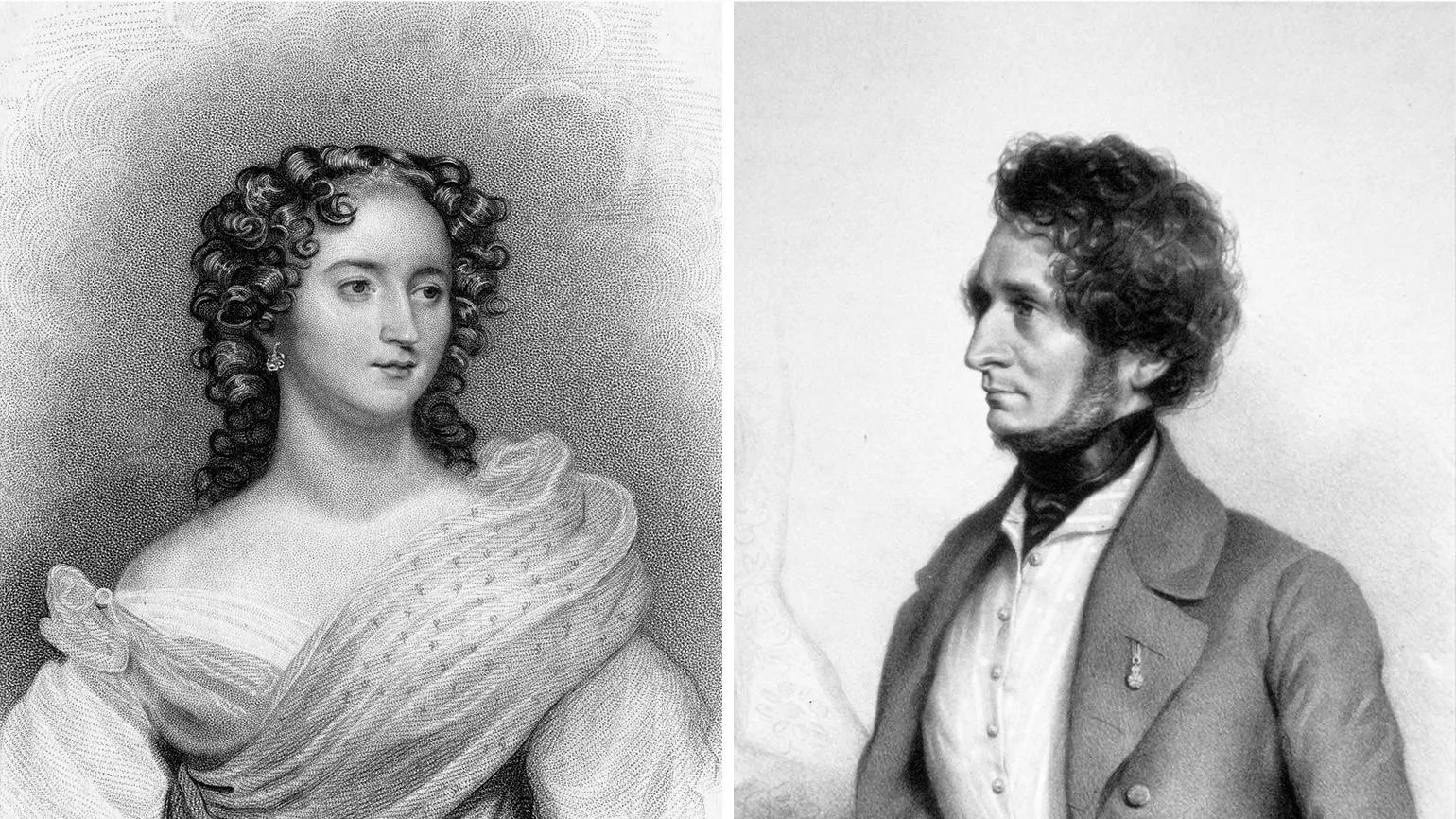
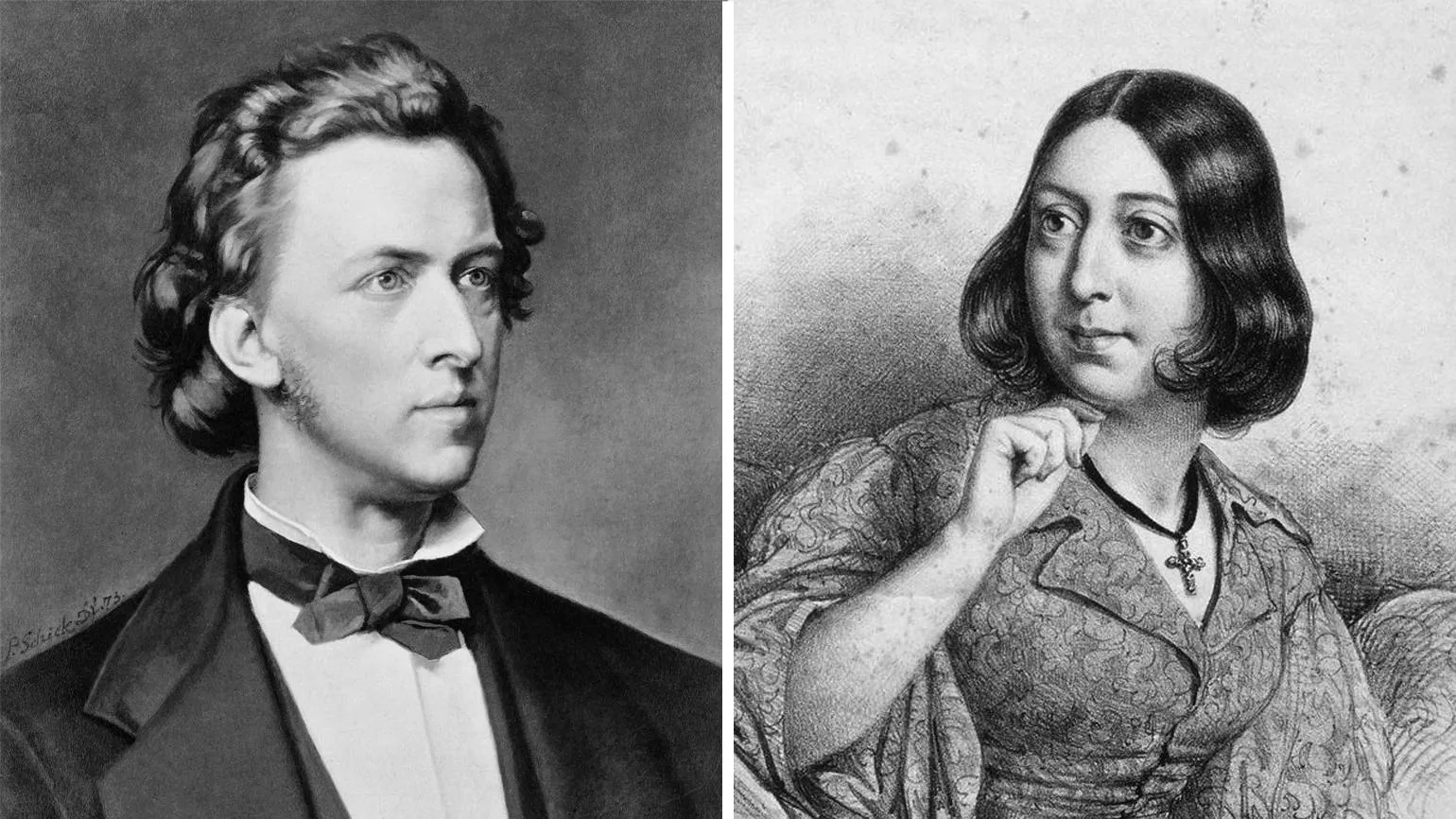
The romantic story of Frederic Chopin and the writer George Sand is a striking example of 19th-century love. This infatuation lasted about ten years and began when Aurore Dudevant, known as George Sand, first heard Chopin play at an aristocratic soiree. The writer was captivated by the musician's talent and long sought his attention, which eventually led to their close relationship. Their life together became a source of inspiration for many works and also influenced Chopin's work. This love story, full of passion and contradictions, continues to excite the minds and hearts of people to this day.
George Sand, a vibrant personality and a well-known feminist, was famous for her extravagant habits, such as wearing men's suits and smoking. She experienced a deep love for Frederic Chopin, and their feelings were mutual. The loving couple traveled to Mallorca, where they settled in the Carthusian monastery of Valldemossa, immersing themselves entirely in creativity and inspiration. This idyll became a significant milestone in their lives and careers, leaving a significant mark on art history.
From the age of 15, Chopin suffered from a serious illness that left him coughing up blood, and the damp climate had a negative impact on his health. As a result, the couple returned to Paris and spent the summers at the writer George Sand's estate in Nohant-Vic. During this time, George Sand wrote novels, and Chopin concentrated on creating his outstanding music. During this period, he wrote, in particular, the famous Nocturne in F minor, which became one of his most famous works.
Over time, the relationship between George Sand and Fryderyk Chopin began to fade. After the initial passion subsided, their differences in character and outlook on life came to the surface. These differences proved too significant to preserve their happiness. What was important to Georges seemed unimportant to Chopin, which ultimately led to the weakening of their connection and the deterioration of their relationship.
The formal reason for the separation of Chopin and his beloved was the novel "Lucrezia Floriani", in which the writer portrayed the composer as the effeminate Prince Carol. Despite her denials, this work caused considerable discontent in Chopin, and the breakup was a serious blow to him. The composer's creative inspiration was undermined, which affected his musical activity. The relationship between them was complex, and its end had a profound impact on his personal life and work.
The love stories of this period vividly reflect the spirit Romanticism, in which emotions and feelings prevailed over rational thinking. Many of these stories became the inspiration for musical works—art capable of conveying the most subtle nuances of the human soul. Romantic motifs and experiences are expressed in melodies, allowing listeners to more deeply understand the inner world of the heroes and their passionate feelings.
Read additional materials:
Top 20 most popular classic works of literature
Classical literature is a priceless heritage that continues to inspire and excite readers for many centuries. This list features twenty of the most famous works that have had a significant influence on world culture and literature. These books not only reflect the spirit of their times but also raise timeless themes such as love, suffering, morality, and human relationships.
Classic works such as Leo Tolstoy's War and Peace, Jane Austen's Pride and Prejudice, and George Orwell's 1984 remain relevant in today's society. They allow readers to gain a deeper understanding of human nature and social structures, as well as enrich their inner world.
Whether you're a seasoned reader or just beginning your exploration of literature, these classic works are a must-have in your library. Reading these books promotes critical thinking and emotional intelligence, making them not only engaging but also rewarding.
Discover the magic of classical literature and immerse yourself in a world where every word carries deep meaning and significance.
The Age of Discovery
During the Romantic era, new genres and artistic means were required to fully express human emotions in music. Classical sonatas and symphonies gave way to more compact forms, such as short instrumental pieces and romances for voice. These new musical forms allow for a deeper conveyance of feelings and experiences, emphasizing individuality and emotional richness. Romanticism was a time when music became more personal and expressive, encompassing a wide range of emotions and creating unique musical works.
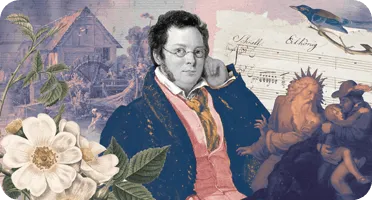
Love stories first began to be heard in romances and songs, and one of the first representatives of this genre was the Romantic composer Franz Schubert. His work opened up new horizons for the musical expression of feelings and emotions, making romances popular among listeners. Schubert masterfully conveyed the subtle nuances of love, which allowed his works to remain relevant and attractive over the years.
Read also:
Franz Schubert became a key figure in the development of European Romanticism, and his music, filled with emotion and picturesque imagery, became a symbol of this era. His songs about mills and streams reflect not only the beauty of nature but also profound human experiences. Schubert masterfully utilized folk motifs, creating works that combined simplicity and grace. This approach allowed him to express the human inner world, which became a characteristic feature of Romantic music. Schubert's influence on subsequent composers cannot be overstated: his melodies and harmonies inspired many, shaping a musical tradition in which nature and human feelings became an integral part of art. Thus, Schubert not only continued the traditions of his time but also laid the foundations for the further development of Romantic music in Europe. The composer often combined his works into cycles, giving them a unified storyline. His first significant cycle, "The Beautiful Miller's Wife," created in 1823, was dedicated to the theme of love. Inspired by the poems of the German poet Wilhelm Müller, this cycle includes twenty songs, each revealing a separate episode in the story of a young mill apprentice. The storylines and musical elements in the cycle create a deep emotional connection, allowing listeners to immerse themselves in an atmosphere of romantic experiences.
The story begins with a young man leaving his home and setting out on a journey. Along the way, he encounters a stream, which becomes his faithful companion and friend. Following the current, he reaches a mill, where he meets the miller's beautiful daughter—the girl of his dreams. Having fallen in love at first sight, he decides to get a job with her father, hoping to win her heart and find happiness.
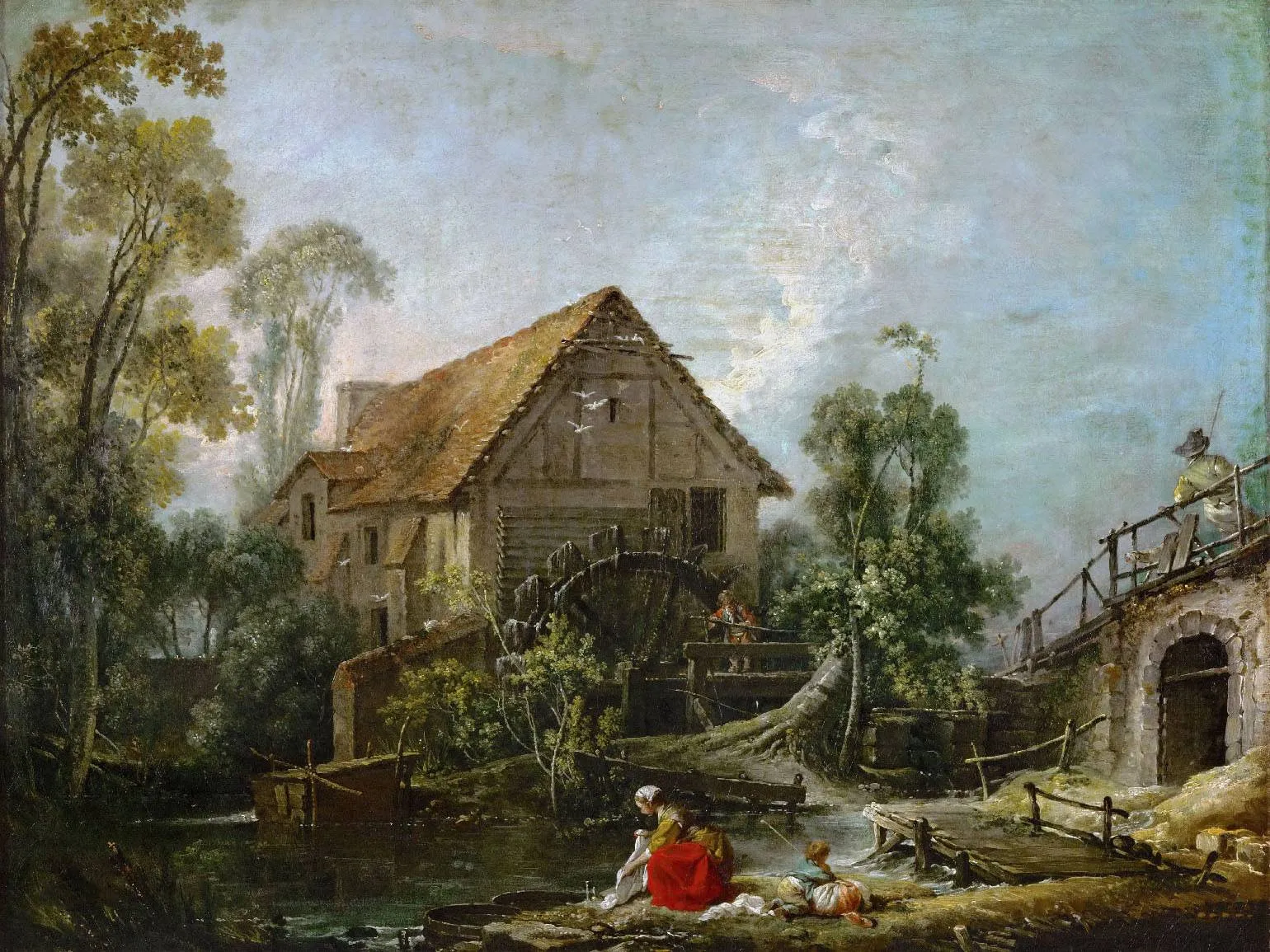
It soon becomes obvious that the beautiful The miller's wife has another suitor—a hunter, whom she prefers over a young apprentice. The miller, wanting his daughter to be happy, tries to persuade her to choose the modest and hardworking worker over the charismatic and confident hunter. However, the girl remains adamant in her choice, which underscores her desire to follow her heart and make her own choices.
The apprentice, overcome by jealousy and disappointment, sinks deeper into melancholy. His mental anguish becomes more palpable, and his relationship with the girl becomes more strained. Gradually, he realizes that he has lost hope for reciprocated feelings. This state only exacerbates his internal struggle, forcing him to reflect on the meaning of love and how to overcome his emotions. In this context, it is important to realize that such experiences can be the beginning of a path to self-knowledge and personal growth.
Ultimately, the apprentice, feeling hopeless, returns to his faithful friend, the stream. Here, in the midst of nature, he finds solace and peace of mind. In the final song, the hero says goodbye to life, leaving this world. This scene symbolizes the desire for harmony with nature and the search for solace in difficult times.
Robert Schumann became a master of instrumental miniatures, creating short pieces for piano. He also proved himself to be a gifted writer. From his youth, Schumann was actively involved in literary work: he translated classics and was fascinated by the works of Friedrich Schiller, Wolfgang von Goethe, and Jean Paul. He studied classical literature and wrote literary criticism, highlighting his versatile talents and the profound connection between music and literature. Schumann founded the "New Musical Journal," which examined important aspects of musical art. In this publication, he wrote from the perspective of various characters, reflecting their voices in his music. Florestan, symbolizing passion, and Eusebius, personifying reverie, represent two sides of his personality and creative approach. The temperamental Chiarina is the image of his beloved woman, which adds depth and personal dimension to his works.
Robert Schumann met the talented pianist Clara Schumann at the age of 20. He studied piano with her famous father, Friedrich Wieck. Early in their relationship, they developed a friendship, as Clara was nine years younger than Robert. As time went on and Clara matured, romantic feelings developed between them. However, Clara's father categorically opposed their relationship, believing the composer was financially insecure and unable to provide for his family. This situation became a pivotal moment in the lives of both musicians, shaping their future paths and professional achievements. The young couple decided to assert their right to happiness. When Robert Schumann proposed to Clara and she refused, they went to court to dissolve their marriage. The trial dragged on for several months and generated widespread public outcry. Ultimately, their claim was upheld, and the couple was able to legalize their relationship. They had eight children, Clara became a renowned concert pianist, and Robert continued to compose magnificent works. In his plays, Schumann portrayed Clara under the names Chiara, Chiarina, and Esterella, emphasizing her significance in his life and work.
Romantic composers actively collaborated with writers and theater figures, which contributed to the creation of new and vibrant operas. Many of these works explore the theme of love, which makes them particularly appealing to audiences. Georges Bizet's opera Carmen is a striking example of this approach and can be considered a true manifesto of free love. This opera intertwines passion, freedom, and tragedy, making it relevant in today's world. The works of the Romantics continue to inspire new generations of composers and audiences, emphasizing the eternal significance of the theme of love in art.
The opera's protagonist, the gypsy Carmen, possessing extraordinary charm, lures the soldier José, who leaves his service for her and breaks off his relationship with his lover. However, Carmen's freedom-loving nature leads to the breakdown of their relationship. As a result, the rejected José, consumed by jealousy, murders Carmen. This femme fatale declares, "Love, like a bird, has wings; it can never be caught," emphasizing the elusiveness and fragility of feelings. Carmen's story is a profound drama of love, passion, and tragedy that leaves an indelible mark on the viewer's soul.
The Boom of Performers
The vibrant and emotional music of the 19th century demands corresponding performance. This romantic period was marked by outstanding musicians who became not only concert performers but also idols of their era. Their creations and skill attracted the attention of the public, creating a unique atmosphere for musical events. Music of the 19th century remains relevant and in demand, inspiring new performers and listeners.
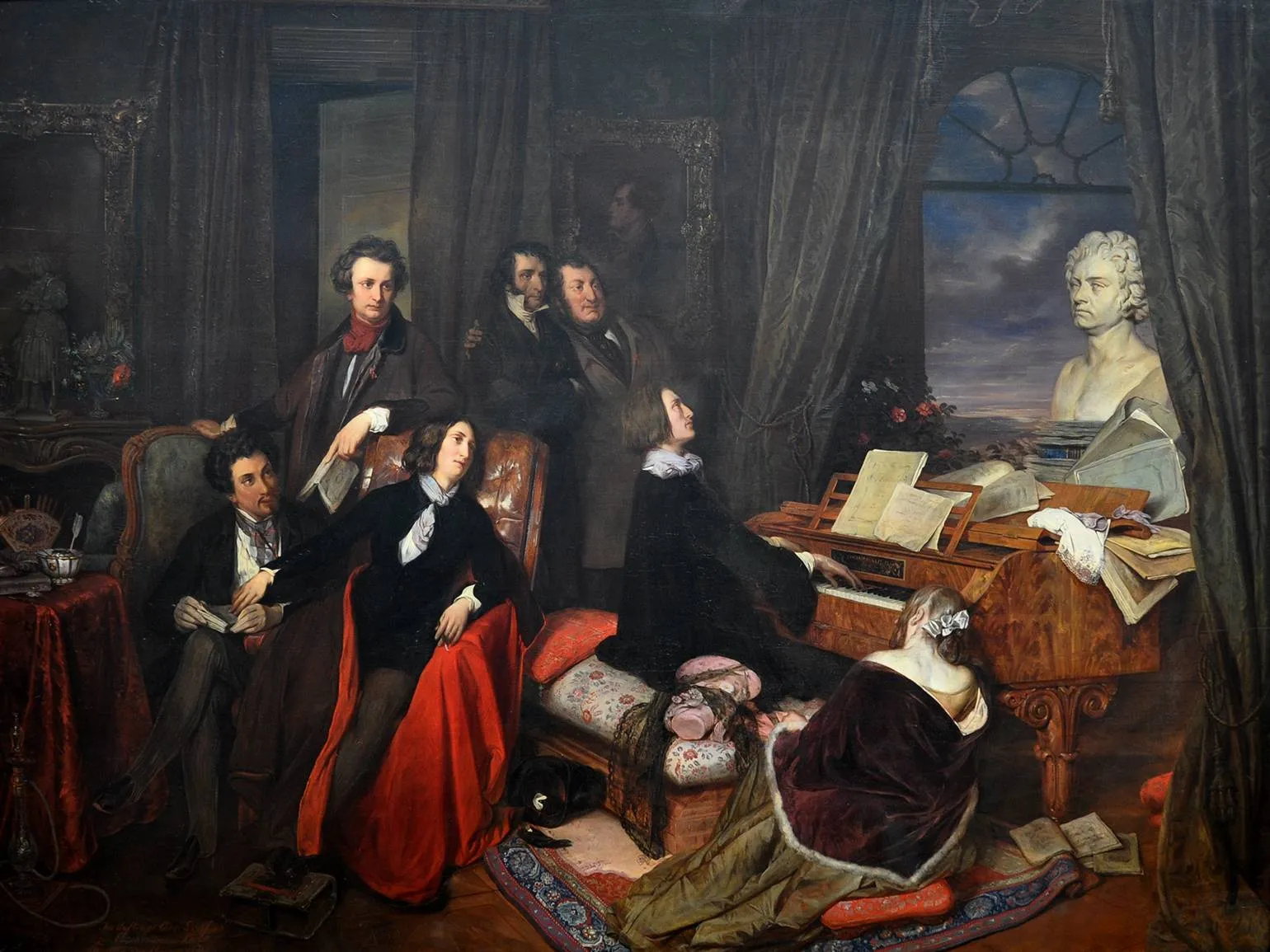
Franz Liszt was an outstanding pianist in the history of music, distinguished not only by his impressive temperament but also by his outstanding technical skills. As a composer, he performed his own works and actively supported young talents, promoting their compositions. Liszt was a true stage magician; his performances captivated the audience. Under his dexterous and long fingers, the piano sounded like a powerful and expressive symphony orchestra, making each performance unforgettable.
Franz Liszt's works are still considered among the most complex and technically challenging to perform. Masters of the art of piano, striving to master his works, face high demands on technical level and musical expression. Liszt's work continues to inspire musicians and is an important part of the repertoire for pianists seeking to showcase their skill and artistry.
During the Romantic era, pianists were not the only ones to demonstrate their outstanding skill, attracting thousands of listeners to concert halls. Among them, Niccolò Paganini, the most famous and celebrated violinist of the time, stands out. His virtuoso technique and unique performance style made him a cult figure in the world of music, significantly influencing the development of violin playing and inspiring countless musicians. Paganini became a symbol of Romantic music, and his performances drew crowds of admiring audiences, testifying to his unrivaled talent and popularity. Displaying exceptional musical talent from childhood, he rapidly developed his career and gained immense popularity among audiences. With his unique technique, striking appearance, and complex repertoire, Paganini most often performed his own compositions. He managed to create a unique style that continues to inspire musicians around the world. Paganini was obsessed with two passions: his love for women and his passion for card games. These hobbies added a unique, albeit scandalous, charm to his image. The maestro's enigmatic nature gave rise to rumors of his atheism, which led the Bishop of Nice to refuse to hold a funeral mass after his death. Attempts to transport Paganini's remains to his birthplace in Genoa were met with a burial ban. Only many years later did the great violinist's ashes find rest in Parma, underscoring the complex fate of this remarkable figure.
The Romantics also developed chamber music, intended for performance in small halls. This music was soft and sincere, its melodies and emotions deeply touched the hearts of listeners. Chamber music became an important part of musical culture, allowing artists to convey their feelings and impressions in a more intimate setting.
Frédéric Chopin is an outstanding representative of Romantic music, known for his waltzes, mazurkas, nocturnes, preludes, and ballads. His work left a significant mark on the history of music and continues to inspire performers and listeners around the world. Chopin skillfully combined technical mastery and deep emotions, which makes his works unique and unforgettable.
Neo-Romanticism
Romanticism has had a significant influence on the art and culture of the 20th and 21st centuries. Although it ended as an "epochal style," its impact has not disappeared. Over the past hundred years, the fate of Romanticism has manifested itself in various forms and interpretations, demonstrating its versatility and relevance. Romantic ideas continue to inspire modern artists, writers, and musicians, which underscores their enduring significance in the development of culture. Romanticism, with its emphasis on individual feelings and nature, remains an important foundation for understanding modern art and literature.
At the turn of the 19th and 20th centuries, Romantic ideals began to give way to new artistic movements such as modernism, symbolism, and expressionism. However, elements of Romantic aesthetics continued to exist and manifested themselves in various forms of art. Unique features of Romanticism, such as deep emotions and a desire for individuality, remained relevant and influenced the work of artists, writers, and musicians of the time. These elements not only enriched new movements but also contributed to the creation of unique works that continue to inspire contemporary art.
- Music. In the 20th century, the Romantic musical tradition continued in the form of so-called neo-Romanticism—Romanticism in a new way. The Romantic trend also persisted in the work of composers such as Gustav Mahler, Richard Strauss, and Sergei Rachmaninoff. Their music contains features characteristic of this style: emotional richness, expressive melodies, and a desire to embody human emotions.
- Literature. In 20th-century literature, the Romantic spirit was reflected in the works of Thomas Mann, Gabriel García Márquez, and Jorge Luis Borges. Their work combines elements of realism and fantasy, characteristic of late Romanticism.
- Painting and sculpture. Modernist artists such as Wassily Kandinsky and Kazimir Malevich used some principles of Romanticism—for example, the pursuit of subjectivism and individualism—but transformed them within the framework of new artistic movements.
In the 20th century, Romanticism faced criticism from avant-garde movements such as Futurism and Constructivism. These movements rejected traditional artistic approaches and sought to create a new art that reflected the spirit of the times. As a result, Romanticism lost its dominant position in 20th-century art, but did not disappear completely. Its influence continues to be felt in contemporary artistic practices, and elements of Romanticism remain relevant in the context of new movements and trends. Despite criticism, Romanticism became an important foundation for the further development of art, inspiring many generations of artists and writers.
The second half of the 20th century saw a renaissance of Romanticism, driven by a growing interest in classical traditions and a reaction to the excessive rationalization and technologization of society. Artists and musicians once again turned to Romantic motifs, seeking spirituality and emotional depth in their work. This phenomenon has been called "postmodern sensibility." Signs of this sensibility can be observed in many contemporary works, including Valentin Silvestrov's play "Quiet Music," where Romantic themes are intertwined with contemporary musical practices, creating a unique atmosphere and profound emotional experiences.
Read also:
Understanding Symphonic Music: 4 Works for Children and Adults
Symphonic music is an important part of musical culture, introducing us to the richness of musical forms and emotions. To better understand and appreciate the symphony, let's look at four works suitable for both children and adults.
The first piece worth paying attention to is Ludwig van Beethoven's Symphony No. 9. This symphony is famous for its final movement, which features the "Ode to Joy." It conveys powerful emotions and inspires people of all ages.
The second piece is Antonín Dvořák's Symphony No. 5. This symphony is filled with folk motifs and picturesque imagery, which makes it especially appealing to young listeners. It allows you to feel the spirit of Czech culture and nature.
The third piece is Pyotr Ilyich Tchaikovsky's Summer Night. This symphonic work immerses listeners in the atmosphere of a summer evening, evoking vivid images and emotions. Tchaikovsky masterfully uses orchestral instruments to create a magical canvas of sound.
The fourth work worth mentioning is Gustav Mahler's Symphony No. 6. This work reveals complex human emotions and experiences, making it interesting for a more mature listener.
These works will help you gain a deeper understanding of symphonic music and enjoy its richness. By expanding your musical knowledge, you will be able to better perceive and enjoy symphony concerts.
Free career guidance
• Determine what you want from a new profession• Take the test and find out which professions are right for you• Understand what such specialists do
Learn more