
Contents:

Thinking about a new profession, but don't know where to start? Find out what's right for you: IT, design, game development, management, or marketing. Take a free career guidance course.
Find out more
A screenwriter is a specialist who writes scripts for film, television, theater, and other media formats. Their main task is to create engaging and structured stories that will be of interest to viewers. Screenwriters develop characters, dialogue, and scene descriptions, taking into account genre features and the target audience.
A screenwriter's work requires not only creative ability but also a deep understanding of screenplay structure, storytelling techniques, and the principles of dramaturgy. A successful screenwriter must be able to adapt their ideas to the requirements of producers and directors, as well as consider the commercial aspects of the project.
Screenwriters can work both independently and in a team, often collaborating with other creative professionals, such as directors, producers, and actors. In today's world, screenwriters are also actively exploiting the capabilities of digital platforms, which opens up new horizons for their creativity and allows them to reach a wider audience.
Screenwriting is not just writing text; it is creating an entire world that is designed to capture the attention of viewers and leave them with vivid emotions. A screenwriter plays a key role in the production process, as their work determines the success and memorable nature of the final product.
I graduated with degrees in journalism from Moscow State University and the University of Colorado at Boulder.
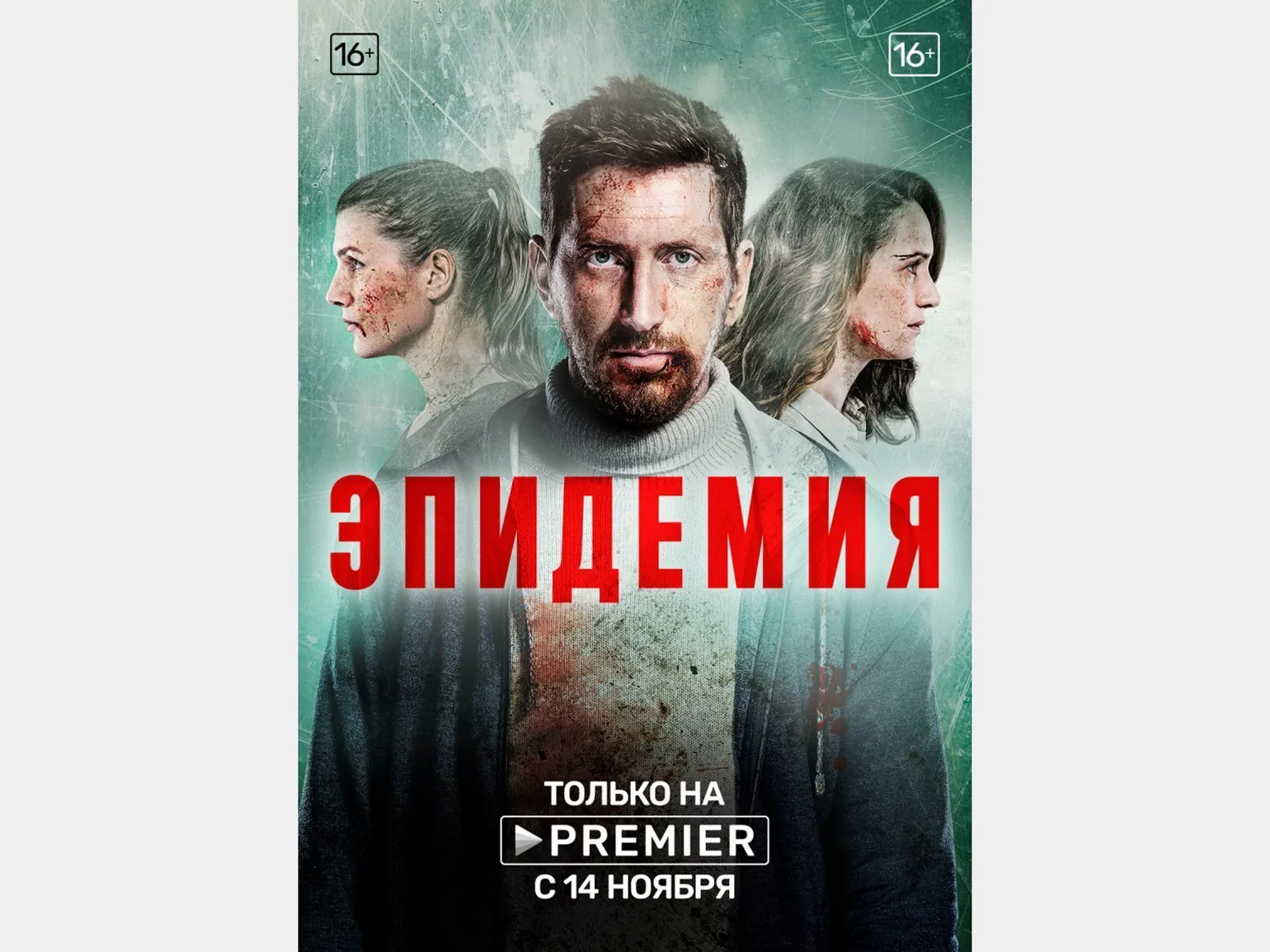
I have co-written scripts for popular TV series and films, such as "Call DiCaprio!", "Epidemic," "Gogol," "Filatov," and "Gogol. The Beginning." Participation in the creation of these projects confirms a high level of professionalism and creativity in scriptwriting, which contributes to their successful reception by audiences.
A profile on Kinopoisk is an important tool for film lovers and industry professionals. It allows users to track their favorite films, TV series, and actors, as well as receive recommendations based on their preferences. Creating and optimizing a profile on Kinopoisk will help you better navigate the world of cinema, share your impressions, and find like-minded people. Participating in discussions and reviews also provides an opportunity to increase the visibility of your profile and expand your network. Use the platform's capabilities to create high-quality film content that will be of interest to other users.
Alexey Karaulov, creator of the popular series "Call DiCaprio!", "Epidemic," and "Gogol," shares his experience and success stories in the industry. In this article, we'll explore the key factors that contributed to his career growth and analyze approaches to creating successful television projects. Find out what techniques and strategies helped Karaulov gain popularity and recognition among audiences.
- What does a screenwriter's workday consist of?
- Is it necessary to study at a film school or a film college to become a good screenwriter?
- How can I get a job in a script room or become an assistant to a top screenwriter?
- What is the difference between writing scripts for computer games and films?

The producer of the "Screenwriter Profession" course at Skillbox is a key figure in charge of creating and implementing an educational program aimed at training professional screenwriters. As part of the course, students acquire relevant knowledge and skills necessary for successful work in the film and television industries. The producer ensures high-quality content, selects leading specialists, and creates unique teaching materials. The course is suitable for both aspiring screenwriters and those looking to improve their skills and master new screenwriting techniques. Skillbox offers current trends and practical assignments, allowing students to immerse themselves in the profession and prepare for real-world challenges in screenwriting. It's important for aspiring screenwriters to develop perseverance, as the work requires significant effort and time. A keen eye for detail—an understanding of previous work in film and television—is also essential. Screenwriters must be able to analyze the text underlying a film or series. Every audiovisual work is initially created on paper, and when viewing, it's important to be able to identify the artistic techniques and decisions made by the playwrights. This will improve your skills and expand your creative potential. Learning from examples of successful screenplays will help you develop your own style and approach to writing.
For those pursuing a career in the film industry, watching films is an essential part of their professional life. It's not just entertainment, but serious work that requires analysis and deep understanding. It's essential to watch a wide variety of films to find references and similar plots. It's also important to recognize ideas and concepts that haven't yet been realized on screen. Knowing the history of film allows you to stay abreast of trends and innovations, which is key to success in this field.
When choosing between online screenwriting courses and traditional film schools, several factors should be considered. Online courses offer flexibility in learning, allowing you to study at your own time and pace. This can be especially beneficial for busy individuals or those who prefer self-study. At the same time, traditional film schools provide a more structured approach and the opportunity to interact with instructors and fellow students, which can contribute to a deeper understanding of the material and the creation of a professional network.
From an outcome standpoint, online courses can be effective, provided they offer high-quality content and practical assignments. Many are focused on current trends in the film industry and provide up-to-date knowledge. However, traditional film schools can offer a more comprehensive program, including practical classes, working with professionals, and access to resources unavailable online.
Ultimately, the choice between online courses and film schools depends on your goals, learning style, and available resources. Both options have their advantages and can contribute to the development of screenwriting skills.
In creative professions, learning should be achieved by studying under experienced masters, becoming an apprentice or student of a specific specialist. This approach provides a deeper understanding of practical aspects than simply studying theory. Traditional universities also offer instructors with real-world experience who can impart their knowledge. For example, learning to sail a yacht by sitting at a desk and studying theoretical diagrams is ineffective. Unfortunately, traditional education often limits itself to this approach—students listen to lectures on philosophical concepts, such as Aristotle's ideas, without any practical application in screenwriting. Understanding theory is important, but practical mastery of skills under the guidance of professionals is key to successful development in the creative field.
To avoid a situation where theorists only impart abstract knowledge about how to do something, it's important to choose an instructor who has truly achieved success in their professional field. Modern online platforms offer the opportunity to find experts with practical experience and learn the unique techniques and methods that help them achieve results in their work. This will allow you to gain relevant and practical knowledge that you can apply in your field.


The most important aspect of screenwriting training is not the length of the course or the reputation of the educational institution, but the practical experience of the instructor. The key question remains: does your mentor have successful experience writing screenplays? Has their work become in demand in the industry? Does the professional community respect their achievements? If the answer to all these questions is yes, then the place where you study loses its significance. The main thing is the opportunity to learn from someone who truly knows their profession and is able to pass on their knowledge and skills.
On the Skillbox course, I carefully review all the pilots that students create as their final projects. This is an important stage that provides the opportunity to communicate with a professional with experience in the industry and familiar with its nuances. Students receive valuable advice and recommendations, which helps them improve their projects and enhance the quality of their final works. My participation in this process contributes to the development of their skills and confidence.

The screenwriting course is perfectly adapted for the online format. The screenwriter's main resource is his knowledge, skills, and the computer on which he records his ideas. Studying the theory is possible at a convenient time via the Internet, and practical work requires an individual approach and self-discipline. Online learning allows for the flexible combination of theoretical knowledge and practical exercises, making the process of mastering screenwriting more effective and accessible.
With the onset of the pandemic in 2020, curricula for directors and actors at film schools and universities underwent significant changes. This was necessary to allow students to continue their studies under restrictions. At the same time, screenwriters benefit from the opportunity to work alone, making online programs particularly suitable for developing their skills. The online format provides flexibility and accessibility, allowing students to effectively master the art of screenwriting without sacrificing the quality of their education.
Hiring all students after completing a screenwriting course is likely impossible. Therefore, it is important for young screenwriters to know where to focus their efforts after graduation. There are numerous options for career advancement, including internships at film studios, participating in screenwriting competitions, and creating their own projects. Furthermore, it is important to develop a network of contacts in the industry, which can help in finding work and collaborating with experienced professionals. Don't forget about freelancing, which offers freedom in choosing projects and opportunities for self-expression.
I will use candidates for real-world testing, for example, by asking them to write script pitches based on producer briefs. The path a professional develops remains relevant even after completing their studies. In Russia, there are currently several dozen successful screenwriters who are in demand and cannot keep up with the influx of applications from producers and companies seeking to collaborate with them. You can refer to any list of successful screenwriters regularly published on resources such as Kinopoisk or the Film Distributor's Bulletin. Send them a cover letter via Facebook or other platforms to generate interest in a potential collaboration. Sincerity and openness always play a key role in the world of screenwriting.
Becoming an apprentice to an experienced screenwriter is much more possible than many people realize. I've been through this too and can share my experience.
This is certainly an interesting scenario, but if we're talking about an independent and ambitious young screenwriter, how can they find work in the industry? It's important to develop a search strategy that includes creating a high-quality portfolio and actively participating in screenwriting competitions and networking events. You need to research the market, identify companies looking for new talent, and approach them with proposals. It's also worth using social media and professional platforms to promote your work and find like-minded people. Networking and establishing contacts with industry professionals can play a decisive role in finding employment.
A screenwriter's calling card will be their own project. Unfortunately, film schools often require students to write short film scripts. However, short films have little value in the film industry, and screenwriters are not evaluated on such work. To attract attention, you need to create a full-fledged script for a pilot episode of a TV series or web series. With this project, you can apply for various job openings, submit your work to film studios and production companies, and participate in competitions. This will expand your opportunities and increase your chances of success in the industry.
Career opportunities open up regularly in the entertainment industry: pitching sessions are held 10-12 times a year, and the search for new talent is constant. Currently, the studio is holding an open script competition for the horror series "10/09," in which anyone can participate through the website iwantfilm.ru. It is recommended to subscribe to similar resources, as well as the "Pitchings" Telegram channel, actively search for information about competitions on Facebook, and participate in them. This is a great way to make a name for yourself and advance your career in film and television.
I am convinced that an apprentice career is the most promising. This path opens access to briefs from studios and producers, who traditionally send them to their favorite screenwriters, even despite their busy schedules. As a result, screenwriters are willing to accept apprentices, which creates an opportunity for learning and developing skills in a professional environment.
Screenshot Craftsmanship isn't just an art, but, above all, a craft that requires practice and skill. Unlike other creative fields, where one can spend years developing a unique vision, screenwriters must focus on mastering the technique of writing. Writing a screenplay is like sewing shoes: it's important to know the basics, master the tools, and practice constantly. Understanding plot structure, character development, and dialogue allows you to create high-quality scripts that capture and hold audience attention.
Achieving professionalism in production requires developing a specific set of skills. These skills are refined through constant practice and working with producer briefs. Regularly completing such tasks will not only improve the quality of your work but also significantly enhance the effectiveness of your interactions with clients and the team.
Script rooms are an excellent training ground for aspiring screenwriters. These teams, consisting of 8-10 people, regularly hold brainstorming sessions to create script pitches based on new briefs. However, it's worth noting that most of these rooms recruit through competitions and pitching sessions, which can be an excellent opportunity to showcase your skills and creativity. Working in a script room not only develops writing skills, but also teaches teamwork, which is an important aspect in the content creation industry.

There is a shortage of screenwriters in Russia. Producers are actively discussing this issue and are looking not only for fresh ideas but also for qualified professionals capable of working on scripts. Young screenwriters are encouraged to actively pursue their talents and submit their work to various production companies. Most of them have open contact addresses where you can send your plots or script proposals. Even if producers aren't interested in a specific idea, they may notice a talented screenwriter who can clearly present their thoughts. This opens up opportunities for further collaboration and career development in the film industry.
The course examines the differences between screenwriting for film and video games. These two formats do have their own unique characteristics. Film screenplays focus on linear narrative and visual interpretation, while video game screenplays require consideration of interactivity and player control. This may lead some people to immediately want to write for video games, finding the process more engaging. However, it's important to understand that each format requires a unique approach and skills.
Games have a unique lore, which can be translated as "mythology." This term refers to the gaming industry and refers to the collection of backstories that precede the events players experience. For example, the lore of the Marvel Cinematic Universe is that people with superpowers occasionally appear in our world. Lore plays a vital role in creating depth in the game world, allowing players to better understand the characters' motivations and the events that unfold within the game.
Games often employ a nonlinear narrative structure, allowing for significant plot branches and deeper development of the imaginary world. In such games, the player becomes the main character, making them an active participant in the events. In contrast, film and television scripts focus on the characters, with the viewer acting as a passive observer. It's important for aspiring screenwriters to determine whether they are more interested in exploring human nature and character or creating a unique world and the events within it. If you prefer human stories, then it is worth considering opportunities in films and TV series, where you can develop characters and their interactions in more depth.

Aspiring screenwriters can expect fees ranging from 100,000 to 250,000 rubles per half-hour episode. The fee for an hour-long production ranges from 150,000 to 350,000 rubles. As the film's filmography expands, fees can reach one million rubles per episode or close to that figure. However, it's important to understand that income will be modest during the first year or two due to potential mistakes and lack of experience. Typically, fees begin to increase from the second or third year of work in this profession.
Screenwriter Profession
You will go from learning the basics to creating great scripts that you can be proud of. Learn how to create compelling stories for TV series, films, and games, and start a career in film, gaming, or video production.
Find out more