
Contents:

Were we thinking about a new profession, but don't know where to start? Find out what's right for you: IT, design, game development, management, or marketing. Take a free career guidance course.
Learn morePitching (from the English word "to pitch") is a short presentation during which a person seeks to present and "sell" their idea. This format is often used by young entrepreneurs looking to attract investment for their startups. In the context of screenwriters, pitching means presenting their work to producers who may be interested in purchasing the script. Effective pitching requires clarity, confidence, and the ability to engage an audience, which is key to successfully securing funding or partnerships. Sima Orekhanov, creative producer at Non-Stop Production and speaker of the "Screenwriter Profession" course, shared his thoughts and experience in screenwriting. He emphasized the importance of a creative approach to scriptwriting, which allows you to stand out from the competition. Orekhanov also discussed key aspects of screenwriting development, including the ability to work with ideas, narrative structure, and dialogue. His advice will be useful for both aspiring screenwriters and those with experience in the field. Course participants will learn about best practices and current trends in the industry, which will help them create high-quality and in-demand scripts.
- Why should a screenwriter participate in pitching?
- How to make a good presentation;
- What should you say at a pitching session?
- How to behave on stage;
- How to respond to questions and criticism.

Sima Orekhanov is a creative producer at Non-Stop Production. This company is known for its contribution to the creation of such films as Stalingrad, Leviathan, Loveless, Beanpole, and Unclenching Fists, as well as the TV series Dostoevsky and The Seventh Symphony. Sima actively seeks new projects, screenwriters, and directors to further develop the production. With extensive experience, he has served on numerous pitching panels, evaluating promising ideas and talent in the industry.
Why should a screenwriter participate in pitching panels?
At industry screenwriting pitching panels, you will have a limited time to present your work. At some pitching panels, the panel may ask questions, provide comments, and make recommendations. In some cases, the winner is announced immediately after the pitching panel concludes. Participating in such events provides an opportunity to receive valuable feedback and increase the chances of further development of your project.

Winning or losing a pitch is not decisive for your life. There is no direct connection between a successful pitch and your career opportunities. Participating in such events is never a loss; it's always a chance to win. Even if your idea doesn't attract attention, you'll reap important benefits. First, you'll expand your network. Second, you'll be able to analyze colleagues' projects and perhaps gain valuable advice from experienced producers. Pitching isn't just a competition for ideas; it's also an opportunity for personal and professional growth. Sima Orekhanov recommends regularly participating in pitching events. If you're nervous about pitching, it's helpful to practice in front of friends. Even if they don't provide feedback, you'll be able to identify areas where you're struggling or getting distracted by unnecessary details. Furthermore, retelling your story to someone else can give you new ideas for its narrative. This will help improve your presentation and make it more engaging for your audience. Regular practice and interaction with an audience help develop confidence and improve presentation skills.
How to Make a Good Pitch Presentation
At most pitches, it is important to present a presentation deck—visual content that supports and enriches your speech. A high-quality presentation can significantly improve the overall perception of your pitch, creating a positive impression. At the same time, a poor presentation can negatively impact the perception of your presentation and reduce its effectiveness.
A pitch deck serves the same function in pitching as a poster for a movie or TV series. While a visual representation cannot replace a full-fledged viewing, a well-designed presentation gives the viewer a clear understanding of the project's genre, who the key characters are, and how the story will unfold. One glance at the slides can convince a potential investor or partner of the need for your project. Therefore, it is important for your presentation to be concise and informative, reflecting the essence and uniqueness of your idea.
Creating an informative presentation is an essential skill that can significantly improve the effectiveness of your presentation. Key aspects of a successful presentation include clarity of presentation, structure of material, and visual appeal. Proper organization of slides and the use of graphs, charts, and images help people perceive information better. It is also worth paying attention to the choice of fonts and colors to make the presentation more readable and memorable. Mastering the skills of creating such presentations can significantly improve your communication skills and increase audience interest in your material.
Introduce your project in the first slide, stating what exactly you are proposing: a film or a series. Describe the genre, duration, and format of your work. This will help the audience immediately understand the essence of your proposal and draw attention to the key aspects of your project.
Use a minimum of text in your slides. Listeners do not want to read the same thing as the speaker at the same time. A presentation should complement your speech, not duplicate it. Effective slides emphasize key points and visual elements, which helps them absorb the information better. This approach not only keeps the audience engaged but also promotes better retention of the material.
Text can be enhanced with graphic elements, such as a timeline, to visually convey key moments in your story. Emojis can also be used to convey character emotions, adding depth and vibrancy to your content. These elements can better convey atmosphere and feelings, allowing readers to become more immersed in the story. Graphics and visuals make text more engaging and easier to understand, which will increase interest in your material.
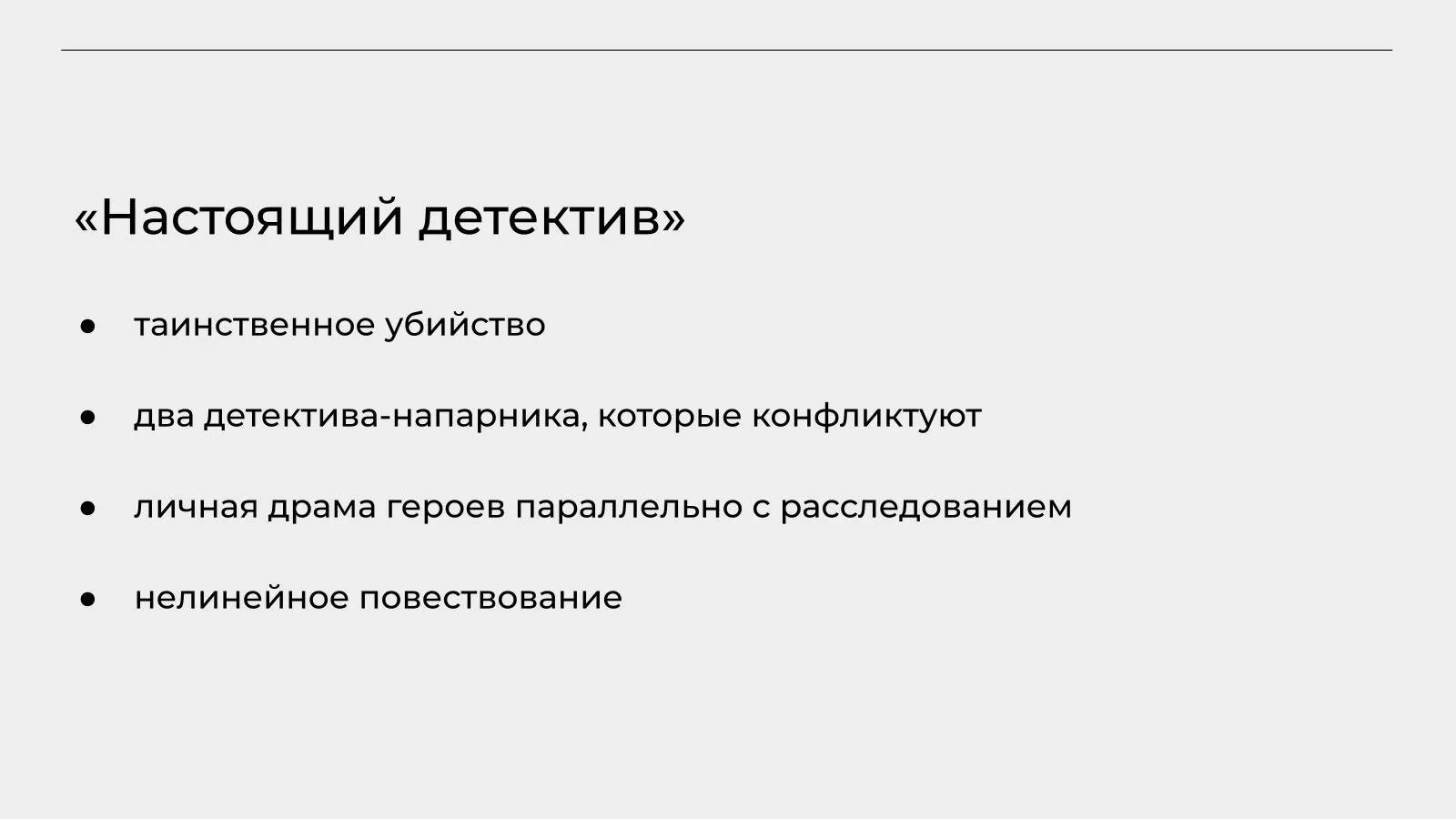
An effective slide structure includes a title and three to five brief bullet points. This format facilitates the absorption of information without distracting the audience from the main presentation and helps clearly outline the topics to be discussed. Proper slide design promotes better comprehension and maintains audience attention.
Adding illustrations is an effective way to convey the tone, feel, and emotion of your film. Look for images that best reflect the atmosphere rather than the specific plot. This will help create the right perception of your project and attract the audience's attention. Using visual elements strengthens the emotional connection and allows for a deeper understanding of the film's concept.
If your story is set in a unique world, illustrations can effectively convey atmosphere and details that would otherwise require many words to describe. This allows you to focus on the main thing—plot development and character depth. Using visual elements not only speeds up perception, but also attracts the attention of readers, creating a more vivid and memorable impression.



Introduce your characters. You can describe your characters not only with text but also with images. However, you should avoid using photos of famous Hollywood actors, as this can create a distorted picture and confuse the audience. When describing a character, it is important to focus on their trials, overcoming obstacles, motivation, and final goal. This will help the audience better understand the character and their development in the plot.
Creating a logline is the process of succinctly retelling the script in one sentence, which can take a lot of time and effort. However, a successful logline will form the basis of your presentation, allowing you to clearly highlight the key moments and main events of your script.
Include references. These could be existing films, TV series, video games, or books that are related to your work. References can help shorten your presentation time because, instead of a lengthy explanation of the plot and concept of your project, you can jump straight to the key aspects—the characters and their stories. This not only simplifies the presentation but also helps the audience better understand the context of your work. Use familiar examples to establish connections and draw attention to your story. You could say, "Imagine if 'The Irony of Fate' were set in the Star Wars universe." This immediately conjures up a certain image in the listener's mind. The correctness of this association can be clarified during the presentation, but you have already significantly simplified the task and saved time.
An effective technique in cinematography: "My film combines the structural elements of such-and-such a film, the intonation of such-and-such a film, and the dynamics of the relationships between the characters of such-and-such a film."

When choosing references for your film, it's important to consider their relevance to your project. Choosing the wrong references can negatively impact the perception of your pitch, and you risk failing to convey the essence of your work to the audience. Properly chosen references will help create a clear idea of the style, theme, and atmosphere of your film, which will significantly increase the chances of a successful presentation.
Producers and directors on the jury often look at references when they don't like the pitch. They may ask, "Why did you choose these particular references?" This question may seem pointless, but it's easy to use in discussion. Unless you're sure the selected works contribute to the promotion of your film, it's best to avoid mentioning them. Choosing the right references can be key to a successful presentation of your project.
A good presentation can convey the right feeling and emotions that your project will evoke in the future. If it sums up the whole essence of the story in one sentence, then you are well on your way to creating an effective presentation of your work.

Reading is an important aspect of our life, which not only develops thinking but also opens new horizons. Books, articles, and online resources provide opportunities to deepen knowledge and broaden your horizons. In today's information-saturated world, it's beneficial to spend time exploring a variety of topics. This helps develop critical thinking and improves communication skills. Reading promotes literacy and enriches vocabulary. Investing time in reading not only entertains you but also enhances your professional competence. Optimize your reading habits by choosing sources that will help you achieve your personal and career goals.
Read also:
It's important for aspiring screenwriters to know how to effectively find work in the film industry. The experienced writer of the series "Outbreak" and "Call DiCaprio!" shares recommendations to help you in this process. First and foremost, it's important to create a high-quality portfolio that includes your best screenplays. It should showcase your style and unique approach to writing.
Networking is key in the film industry. Participate in events, workshops, and festivals to meet professionals and expand your horizons. It's important to actively use screenwriting platforms, such as dedicated forums and social media, where you can share your work and receive feedback.
It's also helpful to study current trends and market needs. Keep an eye on new projects and read scripts from successful films and series. This will help you understand what's in demand and how to adapt your ideas to meet producer demands.
Don't forget the importance of continuous self-improvement. Read books on screenwriting, take courses, and participate in workshops. The more knowledge and skills you gain, the better your chances of finding a successful job in the film industry.
What and How to Talk About at a Pitch
The most important element of a pitch is a story summary. Screenwriters sometimes don't have time to focus on this, preferring to discuss other aspects, such as the uniqueness and significance of their film idea, the filming budget, and potential box office revenue. While these points are important, they are not primary. The main focus of your pitch should be on the content of the story so that the audience can clearly understand its essence.
Don't be afraid to reveal key plot points. Producers need to understand how your story ends to decide whether to launch the project. The third act is especially important, as it demonstrates the climax and final events that shape the overall perception of the work. Understanding the ending will help producers assess the potential of your project and its appeal to the audience.
Be sure to share information about your product or service. Make sure you clearly outline the main benefits and unique characteristics. Point out how your product can solve the problems of the target audience and improve their lives. Don't forget to include examples of successful use and testimonials from satisfied customers. This will help build trust in your brand and attract new customers.
- Who is the main character and what does he want,
- What threat looms over him and what obstacles does he overcome,
- What is the conflict,
- What is the hero's journey and how does it end, including the ending,
- What does the hero come to in the ending and how does he change,
- What does this whole story teach him?
The pitch is an independent work with a unique structure and dramaturgy. It's important to understand that a successful pitch requires not only brevity but also artistic expression to capture the audience's attention. An effective pitch is able to convey the main idea and engage listeners, making them want to learn more. Therefore, pitch development should take into account not only content but also form, which makes it an important tool in the process of presenting ideas.

At one of the pitchings, I watched the author present his horror film. The main idea of the plot is that a group of people find themselves underwater and trying to survive without air. The conflict of the film is built on this tense situation, creating an atmosphere of fear and hopelessness. To enhance the effect, the author turned on a timer during his presentation, counting down three minutes, which visually emphasized the limited time and increased the emotional tension among the audience.
Initially, it was difficult to understand the essence of what was happening. The main character shared the experience of being underwater without air. He had only three minutes, after which he was supposed to die. The entire dramaturgy of the presentation was based on the countdown, which created tension and captivated the audience. If you can come up with something like this, it is sure to attract the attention of the audience.
An effective way to attract attention is to begin with a striking detail that, although not affecting the main plot, arouses interest. For example: "Imagine that you need to cut up a mammoth with a sharpened stone." This image allows the reader to focus and immerse themselves in the story that unfolds around this detail. Using such imagery helps create an emotional connection and holds the audience's attention, making your pitch more memorable and engaging. Don't be afraid to sound showy when delivering your pitch. Memorability is key. Pitching is much like sales—it's better to stand out and be unusual than to remain unnoticed and boring. Creating a unique and compelling image will help you engage the audience, which will ultimately increase your chances of success. Just as important as the beginning is the conclusion of your pitch. At the end of your pitch, be sure to explain why you are the perfect candidate for this film or series. Highlight your deep knowledge in a specific field, relevant life experience, or personal family history. Connecting with the plot will help your audience understand that you're not just looking for profit, but that you're putting your heart and soul into the project. Conclude by emphasizing your accomplishments and your confidence in successfully completing the project at every stage. This approach will be more effective because starting with praise may come across as inappropriate bragging. During the pitch process, when the audience sees your potential and professionalism, compliments addressed to you will be perceived much better and will create a positive impression.

A pitch is a unique piece of work in which you play the main character. It's important that you are an integral part of your pitch. If you share a comedic story but fail to elicit laughs, or your thriller pitch is boring, it will lead to failure. An effective pitch requires engagement and the ability to convey emotion to hook the audience and leave a lasting impression.
How to Behave on Stage

There's a simple method for overcoming pre-performance anxiety. When you go on stage and feel fear, pause. Allow yourself to acknowledge the feeling and accept it. Then, through willpower, let it go: "I want to perform well and enjoy it." This approach not only helps you cope with anxiety but also improves the quality of your performance, as you'll be able to focus on what's truly important.
When telling your story, it's important not to rush. Speaking too quickly gives your audience the impression that you're uninterested in what you're saying. Rushing can prevent your story from engaging with others the way you intend. Taking the time to express your thoughts and feelings will help create a deeper connection with your audience. A story filled with sincerity and attention generates greater interest and can leave a lasting impression on your audience.
Before going on stage, even if you realize your pitch needs some work, don't make any changes mid-sentence. Deliver your presentation as you rehearsed. Last-minute changes can create additional anxiety and diminish your confidence. Focus on what you've already prepared and allow your presentation to flow as planned. This will help you appear more professional and confident in front of an audience.
How to Respond to Questions and Criticism
At most pitches, the panel asks questions, which can be stressful for participants. However, this approach is quite beneficial. You get the opportunity to immediately receive feedback from various experts. Their opinions can range from constructive criticism to praise, and sometimes even irrelevant comments that arise out of boredom. However, each of these comments can provide you with valuable information and help you improve your project. Use this opportunity to develop and improve your ideas.

Producers typically ask questions to clarify the details of your script and determine whether they are interested in your story. However, there are other reasons for their comments. Sometimes jury members may make remarks to draw attention to themselves, which is especially common in Russia. Don't worry too much about this. The key is to remain calm and confident.
When communicating with jury members, you may encounter rude comments or criticism that may come across as rude. In such situations, it is important to remain calm and respond with the utmost politeness. This approach will not only demonstrate your maturity and professionalism, but will also help you navigate a difficult situation with dignity. Furthermore, a polite response can change the jury's perception of you and positively impact your evaluation.
When you are asked a question to which you do not have an answer, for example, if you have not taken the budget into account or do not know how to calculate it, it is best to answer honestly: "I'm not an expert in this." A clear and sincere response will enhance your image. If your pitch is truly good, even if you struggle to find an answer, you won't lose anything. Moreover, if you can add something valuable to your idea, it can work in your favor. If your pitch interests the producer, they will approach you with additional questions. Honesty and openness can be the key to successful interactions in the future.
Criticism, whether from professionals, friends, or strangers, is always useful, but requires careful analysis. Don't take every comment literally. For example, in film discussions, you often hear the phrase, "They don't talk like that in real life." This statement is indeed true. If dialogue in films were the same as in real life, audiences would have a hard time focusing on the plot. When someone says, "They don't talk like that in real life," this doesn't mean actors should imitate every nuance of real speech, including pauses and hesitations. Speakers imply that they don't believe in the authenticity of the characters in a given situation, their feelings, goals, motivations, and dreams. This is why screenwriters create dialogue that allows audiences to more easily relate to the characters and their stories. Ask follow-up questions to understand exactly what the other person is feeling, what they mean, and what they would like to change. This approach will not only demonstrate your confidence and openness to criticism but will also allow you to receive additional feedback. This way, you will be able to gain a deeper understanding of the situation and improve your interactions.

Collecting criticism can be a difficult process, but it is crucial for professional growth. When listening to feedback, do not take it as a personal insult or assume that others are ignorant. It's important to understand how your work is perceived by others and what aspects need improvement. This will help you better adapt to audience expectations and improve your skills. Criticism, if perceived correctly, becomes a valuable tool for self-development and improving the quality of your work.
Correctly interpreting criticism plays a key role in your professional growth. The ability to separate irrelevant emotions from constructive comments will allow you to learn useful lessons and improve the quality of your work. This approach will significantly accelerate the process of achieving a professional level, especially compared to a situation where you rely only on your own opinion. Openness to criticism and a willingness to analyze feedback from others contribute to your development and help you understand exactly what needs to be improved in your work.
Also study:
- "Everything impossible is in your head": Veronica from Tver worked in a call center for a long time, and then fulfilled her dream and became a screenwriter
- "Rewatch your favorite movie forty times, and you will understand how cinema works." Interview with film producer Dmitry Kupovykh
- “If you want to make films, then learn how everything works: from the script to working with lighting.” Director Egor Ivanov talks about his studies at NYFA and how he created videos for the world's leading brands.
Profession Screenwriter
You will go from learning the basics to creating great scripts you can be proud of. Learn how to create compelling stories for TV series, films, and games, and start a career in film, gaming, or video production.
Learn more