Contents:
- Paul Simon & Ladysmith Black Mambazo - Diamonds on the Soles of Her Shoes
- Neneh Cherry & Youssou N'Dour - 7 Seconds
- Disclosure & Fatoumata Diawara - Douha (Mali Mali)
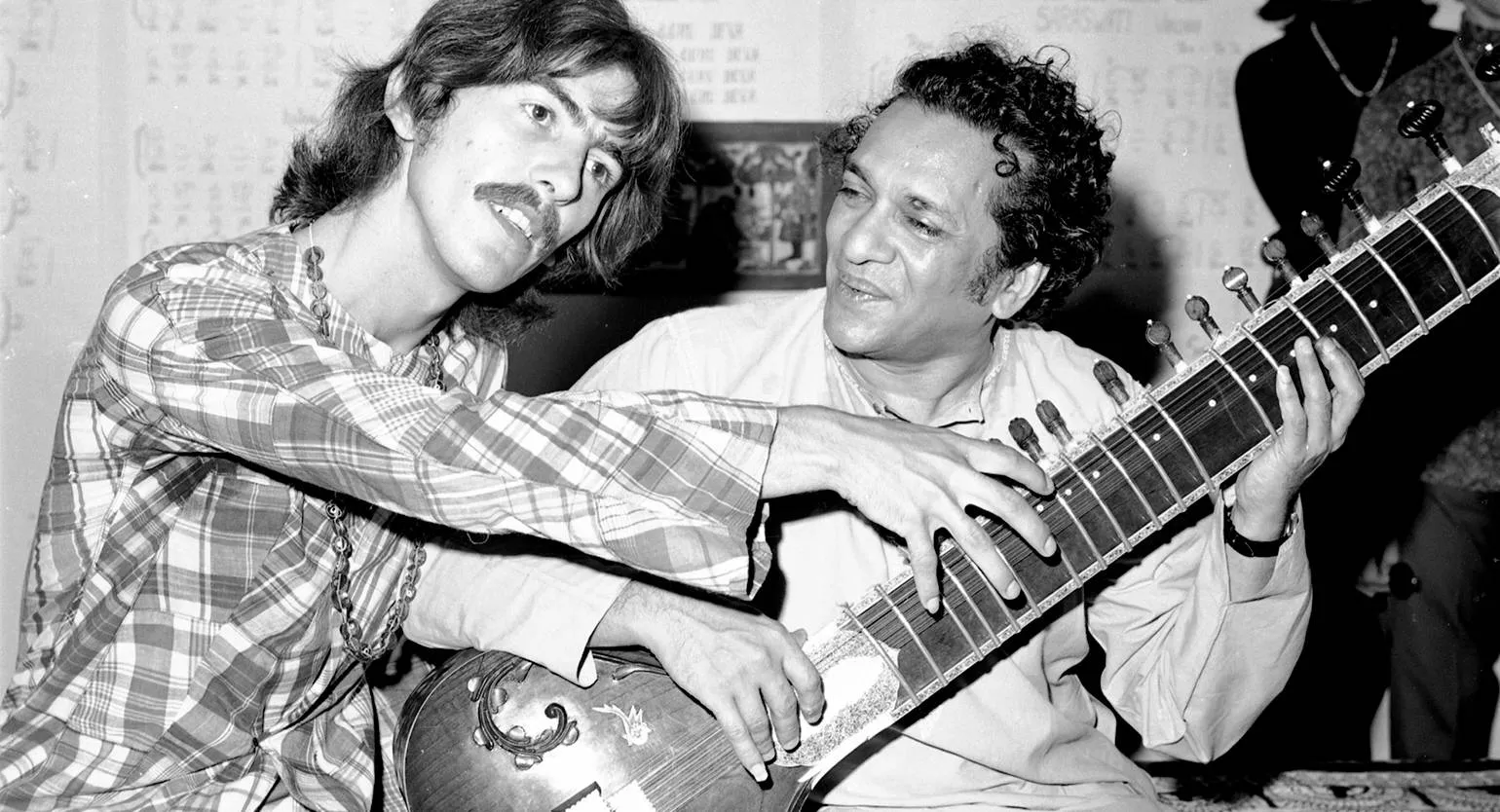
- Ravi Shankar & George Harrison - Vandanaa Trayee
- Nusrat Fateh Ali Khan & Massive Attack - Mustt Mustt
- Bjork & Omar Souleyman - Crystalline
- Damon Albarn and half of the Congo
- Shakira & Mercedes Sosa - La Maza
- Vieux Farka Touré & Khruangbin - Ali
- Foday Musa Suso & Philip Glass - Foday's Hometown

Free test: which digital profession is right for you? Find out the answer in 15 minutes and try your hand at a new specialty.
Learn morePaul Simon & Ladysmith Black Mambazo — Diamonds on the Soles of Her Shoes
In 1986, Paul Simon, known as one half of the duo Simon & Garfunkel, released the album Graceland, which became his most successful solo project. This album was recorded entirely in South Africa and is a unique combination of styles. Simon drew inspiration from mkabanga, a musical genre that blends elements of American jazz and traditional Zulu folk, as well as the street music of Soweto, a black neighborhood on the outskirts of Johannesburg. Graceland not only broadened Simon's musical horizons but also had a significant impact on the global music scene, introducing African rhythms and melodies to Western culture. Arriving in South Africa, Simon delved deeper into the local musical culture and became acquainted with the legendary group Ladysmith Black Mambazo. The members of this ensemble developed a unique style of choral singing known as "isikathamiya." This style is characterized by quiet and harmonious performance, which contrasts with the loud and expressive style characteristic of other South African choirs. Although Ladysmith Black Mambazo most often performs their music a cappella, Paul Simon enriched their music with soft guitar parts, saxophone, and trumpet, creating a unique sound. This fusion of traditional African music and modern instruments has become an important part of South Africa's musical heritage.
To improve SEO and keep the main topic of the text, you can rephrase it as follows:
Be sure to check out our recommendations and helpful articles. We offer valuable materials that will help you better understand the topics you are interested in. Don't miss the opportunity to get relevant information and advice from experts in this field. Read also our other publications to expand your knowledge and improve the effectiveness of your actions.
A cappella is a unique style of music performance that does not require instrumental accompaniment. In this genre, vocalists use their voices to create melodies and harmonies. Below are 13 famous songs performed a cappella, which have become favorites for many listeners.
Among the popular a cappella compositions, one can highlight "Bohemian Rhapsody" by Queen, which masterfully intertwines various vocal parts. No less famous is the song "Somebody to Love" by the same group, where powerful vocals convey deep emotions. Also worth mentioning is "Hallelujah" performed by Leonard Cohen, where the a cappella version reveals all the poetry and power of the lyrics.
Other famous a cappella compositions include The Tokens' classic "The Lion Sleeps Tonight," and a-ha's "Take On Me," whose dreamy harmonies create a dreamy atmosphere. Modern performers are not left out either. Pentatonix gained popularity thanks to their a cappella versions of hits such as "Shout Out to My Ex" and "Hallelujah."
Let's not forget Journey's "Don't Stop Believin'," which sounds especially inspiring in a cappella format. The song "I Will Survive" Gloria Gaynor's performance also perfectly captures the spirit of a cappella. Choosing a cappella versions allows artists to showcase their vocal abilities and creativity, creating unique interpretations of well-known works.
A cappella performance is becoming increasingly popular, with many artists using this style to create new versions of favorite songs. Importantly, this approach not only highlights vocal talents but also draws attention to the original lyrics and melodies. The popularity of a cappella continues to grow, and this genre is finding its place in the hearts of listeners all over the world.
Neneh Cherry & Youssou N’Dour — 7 Seconds
The popular song by Swedish singer Neneh Cherry and Cameroonian musician Youssou N’Dour is dedicated to the first moments of a child's life. This piece touches on the themes of innocence and ignorance, when a baby is not yet aware of the cruelty that awaits him in the big world. The song focuses on how skin color can impact one's future. It tackles deep social and cultural issues, raising important themes of equality and bias. Afro-Swedish Nene, daughter of American jazz trumpeter Don Cherry, sought to create a song about racism in collaboration with an African musician. Nene has always challenged stereotypes, composing music in various genres, such as pop, hip-hop, and punk rock. Youssou N'Dour was the perfect collaborator: in Senegal, he is not only a pop icon but also an active politician who organized concerts in support of civil rights and Nelson Mandela. Their collaboration highlights the importance of musical collaboration in the fight against racism and social injustice. Together, they wrote a song with a political subtext that is more subtle than most popular music. Nene sings her parts in English, while Youssou sings in Wolof and French. The musical score also reflects their refined approach—such soft and lyrical trip-hop was hard to find at the time. This composition stands out from their other work and demonstrates the uniqueness of their artistic expression.
Disclosure & Fatoumata Diawara — Douha (Mali Mali)
House duo Disclosure has always distinguished itself by carefully selecting vocalists for their tracks. The electronic musicians adapted club rhythms to perfectly complement the voices of artists like Sam Smith and Lorde. On their new album, "Energy," Disclosure significantly expanded their vocal range, adding a collaboration with Cameroonian singer Bleek Bassi and a remix of Eko Roosevelt's classic "Tondoho Mba." However, the most notable collaboration was the single with singer Fatoumata Diawara, dedicated to her native Mali. This track highlights the uniqueness and diversity of Disclosure's musical style, as well as their ability to blend different cultural influences into electronic music.
Diawara is a striking example of contemporary African pop music, combining traditional motifs with the soft sound of Western instruments, particularly guitars. Her vocals create a stunning spatial effect, lending the music a unique atmosphere. Even though Disclosure's beats may sound club-ready, Diawara brings a sense of open space to their sound, as if the speakers were in the middle of the desert. This makes her work not only appealing but also memorable, helping to popularize African music on the international stage.

Reworked text:
Explore also:
House is one of the most influential genres of electronic music, which emerged in the early 1980s in Chicago. Its roots in disco, soul, and funk music, making it unique and diverse. House music is characterized by a clear rhythm, deep bass, and synthesizer melodies. Over time, the genre has evolved, spawning numerous subgenres, each with its own characteristics and sound.
One of the most well-known subgenres is progressive house, which is distinguished by a more complex structure and atmospheric melodies. Techno house, in turn, combines elements of techno and house, creating a harder, more mechanical sound. Deep house focuses on a more melodic and emotional sound, with an emphasis on vocals and jazz elements.
House music continues to evolve, and its influence is felt in modern styles such as EDM and future house. Current trends retain the spirit of original house while adapting to new musical trends and technologies. House music remains a vital part of musical culture, bringing people together on dance floors around the world and helping to create new musical directions.
Ravi Shankar & George Harrison — Vandanaa Trayee
In 1966, George Harrison met Indian composer Ravi Shankar in London, marking a turning point for The Beatles, psychedelic rock, and the entire hippie culture of the 1960s. This meeting marked the beginning of a widespread fascination with traditional Indian culture among Western youth, especially music including the sitar and ragas. The influence of Indian music on The Beatles' work led to new sonic experiments and a broadening of musical horizons, which in turn contributed to the popularization of Eastern philosophy and spirituality in Western society.
The fashion for Indian music quickly faded, but George Harrison remained fascinated with Hinduism and Indian melodies until his death. Sitarist Ravi Shankar became his mentor, and together they created numerous musical works. Harrison played guitar, sang, and produced, but never credited his albums, despite the potential for significant sales. Shankar, for his part, explored Western musical influences, combining elements of rock and jazz. The album Vandanaa Trayee presents classical Indian music adapted to modern requirements. It retains the traditional sounds used in religious ceremonies, but features a high-quality studio recording, making it appealing to a wider audience.
Nusrat Fateh Ali Khan & Massive Attack — Mustt Mustt
Mustt Mustt is the first Urdu track to enter the UK charts. This song belongs to the famous Pakistani singer Nusrat Fateh Ali Khan, who is one of the key performers of the qawwali genre. Qawwali is a musical style based on Sufi poetry that touches on themes of spirituality and inner struggle. Sufism, as an ascetic school of Islam, emphasizes the importance of spiritual development and overcoming internal vices. Thus, Mustt Mustt not only gained popularity in musical circles but also became a symbol of cultural exchange between the East and the West. Nusrat Fateh Ali Khan's Mustt Mustt stands out for its unique composition, which harmoniously combines traditional instruments with the modern sound of the bass guitar. Later, the trip-hop group Massive Attack created an electronic remix of this song, which quickly became a club hit and entered the music charts. This track was also used in a Coca-Cola commercial, which contributed significantly to Nusrat's popularity. The album Mustt Mustt, released in 1990, sold over 600,000 copies, which became a record for Eastern religious music.
Bjork & Omar Souleyman — Crystalline
In 2011, Björk launched the Crystalline Series project, which included remixes of her song Crystalline from the album Biophilia. One of the most memorable was a remix with Syrian electronic musician Omar Souleyman. At the time, there were rumors about a possible joint album, but this project never came to fruition. The Crystalline Series showcased a unique blend of styles and cultures, highlighting Björk's creative approach to music and her desire for experimentation.
It's hard to imagine a more contrasting pair of performers than Björk and Souleyman. On the one hand, Björk is the queen of the avant-garde, who masterfully combines decadent pop with aggressive electronics. On the other hand, Suleiman is a cheerful Syrian artist who uses acidic synthesizers and cheap drum machines to rework the dabke, a traditional Levantine dance performed during celebrations. While they have little in common, both musicians share a passion for combining opposites. This approach has yielded a unique synergy: the styles of Björk and Suleiman, far from canceling each other out, have merged, creating a completely new musical atmosphere. This collaboration demonstrates how different musical traditions can interact and enrich each other, opening new horizons for listeners.

Read more:
In recent years, electronic music has been actively intersecting with classical and neoclassical genres, creating unique musical works. This list features 11 tracks that demonstrate a harmonious combination of electronic sounds and classical musical tradition. These compositions immerse the listener in an atmosphere where traditional instruments and modern electronic rhythms meet, opening new horizons for musical perception. Each of these tracks is worth a listen to appreciate how classical music can effectively complement and enrich the sound of electronic music.
Damon Albarn and Half of Congo
In 2011, Damon Albarn, together with European producers and DJs, founded the DRC Music project, which brought together more than 50 contemporary musicians from Congo. The result of their collaboration was the album Kinshasa One Two, which represents a unique fusion of various musical styles and cultures. This project not only brought attention to the talents of Congolese music but also contributed to the development of musical cooperation between Europe and Africa. Kinshasa One Two is a significant contribution to contemporary music and a shining example of how international collaboration can enrich a music scene. Kinshasa One Two is distinguished by its diverse lineup, resulting in the absence of a unified stylistic line. Instead, it showcases the richness of musical styles and the skill of local artists. Here, trip-hop seamlessly intertwines with Afrobeat, techno meets polyrhythmic rhythms, and modern computer production acquires a unique character through the use of homemade instruments such as bottle caps, tin cans, and old fans. This creates a unique atmosphere in which traditional and modern musical elements merge, reflecting the cultural diversity and creativity of Kinshasa musicians.
Shakira & Mercedes Sosa — La Maza
We witnessed an amazing duet of two iconic singers of South America, each of whom is unique in her style and sound. Shakira needs no introduction - she is one of the most famous and influential artists on the continent. The significance of Mercedes Sosa, known as the "conscience of Latin America", requires special attention. Her work reflects the deep social and cultural aspects of the region, making her an important figure not only in music but also in public life. The combination of these two talents creates a powerful musical experience capable of touching the hearts of listeners and drawing attention to Latin America's cultural heritage.
Sosa was a prominent representative of the nueva cancion ("new song") genre, which emerged in the late 1960s in several Latin American countries. This musical style combined folk melodies with political themes such as revolution, leftism, and human rights. Cosa was a committed communist and used her music to advocate for the interests of the "voiceless and disenfranchised."
When right-wing military dictators came to power, the "nueva cancion" genre faced harsh censorship. Sosa and her family received death threats from the government, but she decided not to leave the country. She was ultimately arrested on stage. Today, Sosa is perceived as a symbol of musical protest throughout the South American continent. Her work continues to inspire new generations, demonstrating the power of art in the fight for freedom and justice.

Read also:
Latin American music is diverse and full of unique genres, each of which reflects the cultural traditions and history of the region. Let's look at the five most significant genres that have influenced the music scene not only in Latin America but also beyond.
Salsa is one of the most popular genres, combining elements of Cuban son and jazz. Salsa is characterized by energetic rhythms and vibrant melodies, making it an integral part of dance events.
Reggaeton is a modern genre that combines elements of hip-hop, dancehall, and Latin music. Reggaeton's growing popularity has led to its spread worldwide, with artists like Bad Bunny and Jay Alvarez becoming international stars.
Bossa Nova is a style that emerged in Brazil in the 1950s. It combines elements of samba and jazz, creating a melodic and relaxing sound. Bossa Nova has also found fans in other countries, thanks to artists such as João Gilberto and António Carlos Jobim.
Merengue is a Dominican musical genre known for its fast rhythms and danceable melodies. Merengue is an important part of the cultural identity of the Dominican Republic and continues to attract attention on the international stage.
Tango is an Argentine musical style that emerged in the late 19th century. Tango is simultaneously passionate and melancholic, which makes it unique. Tango music and dance have become symbols of Argentine culture and have gained recognition around the world.
These genres represent just a small part of Latin America's rich musical heritage, which continues to evolve and inspire new generations of musicians and listeners.
Vieux Farka Touré & Khruangbin — Ali
Texas-based Khruangbin are outstanding representatives of psychedelic rock, creating a sound that is simultaneously vintage and unusual. Their musical style combines elements of psychedelia, soul, and dub, creating bright and melodic compositions that are easy to get lost in. Despite the uniqueness of their sound, the music of Malian guitarist Vieux Farka Touré perfectly complements their work, creating a harmonious unity.
Vieux Farka Touré, known as the "Hendrix of the Sahara," is renowned for his mastery and unique approach to music. He primarily performs his compositions on acoustic guitar, creating rich, psychedelic canvases of sound. His music intertwines elements of jazz, soul, reggae, and Malian dance motifs, making each of his performances unique. Touré manages to convey deep emotions and atmosphere, attracting the attention of listeners around the world.
Khruangbin and Vieux Farka Touré combined their talents to create the album Ali, which includes both minimalist soul ballads and dance compositions inspired by Malian musical tradition. On this album, they performed the works of Vieux's father, Ali Farka Touré, who is one of the preeminent figures in Mali's musical history and was included in Rolling Stone's list of the 100 greatest guitarists of all time. Ali's album is a unique blend of styles and cultures, making it interesting for both soul and African music fans.
Foday Musa Suso & Philip Glass — Foday’s Hometown
Foday Musa Suso is a member of the griots, a caste of wandering musicians that emerged in Africa in the Middle Ages. Griots were forbidden to own property and were forced to travel between villages, conveying important news. These musicians were held in high esteem, almost on par with chiefs, as their songs played a key role in preserving the history and culture of tribes in an era when written sources were rare. Griots not only entertained audiences but also served as important bearers of tradition and knowledge, passing on oral traditions from generation to generation.
The role of griot was hereditary, and today many musicians remain hereditary griots, among whom Suso stands out. He is also a masterful player of the kora, the traditional instrument of griots. The sound and construction of the kora are similar to the harp, but the performance techniques are closer to blues styles. Songs performed on the kora are often considered the direct predecessors of the blues, underscoring their importance in musical culture.
Suso has released an album in collaboration with the renowned American minimalist composer Philip Glass. Glass is renowned for his large-scale works, such as the 4.5-hour opera "Einstein on the Beach," which is dominated by long musical parts, minimal melodies, and a variety of instruments. However, on this album, Glass chose a more restrained approach, focusing on elegant orchestrations. Interestingly, this album alternates between solo compositions by Suso and Glass, and their styles rarely intersect within the same work. The exception is the track Foday’s Hometown, which organically combines an orchestral part, Suso’s vocals, and folk drums. This album is a unique combination of minimalism and traditional elements, which makes it especially valuable for listeners interested in contemporary musical art.
Reading is an important aspect of our lives. It enriches our inner world, develops thinking and expands horizons. Books, articles and other materials allow us to gain new knowledge and ideas, and help us better understand the world around us. Regular reading helps improve concentration and memory, and develops imagination and creativity. It's important to choose interesting and useful materials to get the most out of your reading. Don't forget to share your impressions of what you've read; this can inspire new discoveries and discussions. Read for pleasure and benefit your mind.
Folk music has always attracted attention for its diversity and unique sounds. In this article, we'll look at 13 of the most unusual folk groups that bring fresh ideas and original approaches to the genre. These bands stand out not only for their sound, but also for their use of unconventional instruments, their blend of cultures, and their experimentation with traditional melodies. Each of these groups represents a unique musical project that inspires and surprises listeners around the world. If you're looking for something new and interesting in the world of folk music, check out these unusual bands that can expand your musical horizons.
Free test: which digital profession is right for you?
IT, design, marketing or management? Find out the answer in 15 minutes. And then try your hand at a new specialty for free.
Find out more