Contents:
- Green Day - Wake Me Up When September Ends
- Earth, Wind & Fire — September
- Neil Young — Harvest Moon
- Amy Winehouse — October Song
- U2 — October
- Guns N’ Roses — November Rain
- Lyceum — Autumn
- DDT — What is Autumn?
- The Kinks — Autumn Almanac
- Alla Pugacheva — Autumn Kiss
- Mikhail Shufutinsky — Third September
- Prince — Purple Rain
- Hi-Fi — "The Seventh Petal"
- Ivanushki International — "Clouds"
- Autumn Leaves
- Simon & Garfunkel - Leaves That Are Green
- Autumn in New York
- "Cinema" - "Red and Yellow Days"

Free test: which digital profession is right for you? Find out the answer in 15 minutes and try your hand at a new specialty.
Learn moreGreen Day — Wake Me Up When September Ends
Summer warmth is still felt, but the first frost is just around the corner. Waiting for real cold weather, we think about how quickly summer flew by. In this context, it is worth mentioning the song Green Day «Wake Me Up When September Ends», in which Billie Joe Armstrong shares his thoughts on the loss of his father. Memories of family and summer days are intertwined with the bitterness of loss. The song conveys the feeling that a carefree childhood surrounded by family cannot last forever, and the September rains become a symbol of his sadness and loss. This piece evokes deep emotions and makes me reflect on the transience of time and the importance of loved ones.
It's raining again, falling from the sky, filling me with pain. This process helps us become who we are. Rain symbolizes cleansing and renewal, reminding us that even in difficult times, transformation is possible. Each drop carries an opportunity for growth and self-knowledge, allowing us to more deeply understand our feelings and experiences. Thus, rain becomes not just a natural phenomenon, but an important step on the path to self-realization.
The rain begins. Drops fall from the starry sky, mingling with my pain and forming us. This rain becomes a symbol of our feelings, uniting joy and sadness. Each drop carries memories, turning sadness into something greater. We become one under this sky, where the rain washes our souls.
The combination of deep melancholy in the lyrics and a major key in the music made the song iconic. A key factor in its popularity was its inclusion on the album American Idiot, a rock opera exploring the problems of modern society. Thematically, "Wake Me Up When September Ends" is barely connected to the album's main content, serving as a kind of lyrical digression. The song reveals the inner world of its protagonist—a young man searching for his place in life and facing challenges. This contrast between the music and the lyrics enhances the emotional impact of the composition, making it particularly memorable for listeners.

Rework the text, keeping the main theme and avoiding adding unnecessary information. Optimize it for SEO and, if necessary, expand the content. Do not use emojis or unnecessary symbols, and do not add sections with numbers. Just provide plain lyrics.
Rock ballads occupy a special place in music culture, combining emotional depth with powerful instrumentation. This list features 17 of the best rock ballads that have left a significant mark on the history of rock music. Each of these songs contains unique melodies and lyrics that can touch the listener's deepest emotions. They include both classic hits and modern works that continue to inspire new generations. These rock ballads not only showcase the skill of the musicians but also tell stories of love, loss, and hope, leaving a lasting impression on listeners. If you want to immerse yourself in the world of rock ballads, then these songs are definitely worth a listen.
Earth, Wind & Fire - September
In the song "September" by Earth, Wind & Fire, September is presented as an extension of summer. On September 21st, on the eve of the equinox, a couple falls in love, their hearts fill with joy and their souls rejoice. They dance under the starry sky, immersed in an atmosphere of absolute happiness, and all this is accompanied by one of the warmest and most melodic instrumentals in the history of disco. This composition not only conveys the feelings of lovers, but also creates a feeling of eternal summer, capturing important moments in life and the joy of spending time together.
Remember September 21st? On this day, love changes the minds of doubters, driving away the clouds.
Do you remember the Twenty-first Night of September? That evening, love changed the perception of two deceivers, dispelling the darkness and uncertainty.
Interestingly, September 21st is not a significant symbol in the song. The author, Maurice White, chose this number because it fit the rhythm of the composition best. The lyrics, like in most disco tracks, are completely subordinated to the rhythmic pattern. That is why the characteristic chants "ba-dee-ya" appear, which not only decorate the song, but also convey a feeling of joy - when the soul is good, words may not be needed.
Neil Young - Harvest Moon
Neil Young's song "Harvest Moon" immerses the listener in the atmosphere of the full moon before the equinox. Although the title indicates a certain time of year, autumn signs are not mentioned in the lyrics. The main focus of the song is on sincere emotions. Young shares his feelings, talking about love and admiration for the girl with whom he is starting a relationship. This tenderness and the inviting motive of dancing under the moonlight create a romantic atmosphere permeated with sensual experiences. "Harvest Moon" becomes a true anthem of love, emphasizing the importance of moments spent together.
At the full moon, the light rises, and we go dancing under its rays. We know where the music is, and we are ready to enjoy the atmosphere of the night. This moment invites us to go out and feel the magic of night time, when everything becomes possible. Immerse yourself in the rhythms and give free rein to your feelings, enjoying every moment under the bright light of the moon.
Under the light of the full moon, we can dance. Music sounds from afar, and it is an invitation to feel the magic of the night. Let's leave the hustle and bustle and enjoy this moment when the moonlight envelops us, creating an atmosphere of magic and freedom. The night gives unique sensations, and we should experience them.
Amy Winehouse — October Song
One of the best songs associated with October is Amy Winehouse's "October Song." Although it doesn't mention autumn, the song is imbued with sensual reflections on love and loss. Amy sings about a bird named Ava, which likely symbolizes a loved one. The song's plot leaves many questions: one line says that Ava went in search of another bird, another talks about its rebirth, and also that it is now in paradise. These images create an atmosphere of deep sadness and nostalgia, which makes "October Song" relevant and memorable in the context of autumn reflections.
The song in question is dedicated to the canary that lived with Amy Winehouse. The singer named her Ava Gardner in honor of the famous actress of the mid-20th century. This bird woke Amy every morning, but shortly before the recording of the song, she sadly passed away. It is believed that the composition may also be dedicated to Amy's grandmother, who died in October, but the singer herself has never confirmed this version. In her lyrics, Amy touches on themes of loss and grief, as well as the desire to preserve the memories of loved ones who have passed away. At the same time, she finds the strength to accept the inevitable and move on.
Ava was the morning light, but now she is gone. She was reborn, like Sarah Vaughan. In the abode she found, birds surround her with a sweet sound. Ava flies in paradise, enjoying freedom and harmony. Ava finds a new beginning, filling the space with her music and magic.
Ava, like the morning dawn, disappeared, reborn as a new being - Sarah Vaughan. In the sanctuary, she met birds who enveloped her in melodic sounds. Now Ava soars in paradise, enjoying freedom and harmony.
Why October? The song is full of contrasts: a sad theme juxtaposed with cheerful music, a sophisticated guitar juxtaposed with an energetic hip-hop beat. Such conflicting emotions arose in Amy when she remembered her departed bird, and it is autumn that evokes similar feelings in many listeners.
Autumn, known in English as "fall", symbolizes decline and tragedy. However, Amy maintains hope for future happiness, affirming: "And though the leaves turn gold, I will find my way home." This highlights that even in times of change and loss, there is still a path to brighter prospects.
U2 - October
This song is the perfect choice for background music when you just want to relax and watch the bare trees under a gray sky. "October" is a 2-minute, 20-second mini-track dominated by minor piano chords. The music creates an atmosphere of melancholy and solitude, allowing one to immerse oneself in reflection and savor a moment of tranquility.
Kingdoms rise and fall, but you continue to exist. The eternal flow of time continues, despite the changing eras and the fates of states. Strength and greatness come and go, but only forward movement remains constant. In this endless cycle of life, it is important to remember your resilience and ability to adapt to change. The choices and actions of today determine our future, and they are what shape our legacy in history.
October. At this time of year, kingdoms rise and fall, but you continue to move forward. This month symbolizes change and renewal, a reminder that despite the changes around us, it is important to maintain your purpose and drive. October inspires new beginnings and strengthening of inner strength.
The song was created in 1981, and, according to Bono's concept, the month of October symbolizes an entire decade. The rocker himself noted that this period was filled with significant events and changes. The lyrics reflect feelings and experiences that are closely connected with the historical contexts of that time. Thus, October becomes not only a period of time, but also an emotional metaphor, conveying the spirit of the era.
We were born in the sixties, when materialism reached its peak. At that time, we had refrigerators and cars, we sent people to the moon, and everyone was confident in the greatness of humanity. However, the eighties brought cold and disappointment; materialism became devoid of ideals, a reminder of the sun without warmth. The trees were left without leaves, and we realized that perhaps we are not so smart after all. Amid mass unemployment, we saw how technologies intended to improve life were used to create weapons. Thus, the word "October" became not only ominous, but also filled with lyricism.
Guns N' Roses — November Rain
In November, the main musical wave was created by Guns N’ Roses, the legends of glam metal, known for their powerful and energetic compositions. In the song November Rain, the band’s frontman Axl Rose demonstrates his sensual and lyrical nature. This ballad is dedicated to love, which becomes support in difficult times, symbolically depicted in the image of cold November rain. November Rain remains relevant and inspiring, emphasizing the depth of human emotions and the importance of support in difficult times.
If you want to love me, then, darling, don’t hold back your feelings. Otherwise, I’ll find myself alone in the cold November rain.
If you really want to love me, don’t hide your feelings. Otherwise, I risk standing still in the cold November rain. Open your heart and let your emotions flow, so that we can move forward together, despite any obstacles.
Axl Rose's passionate voice blends harmoniously with a rich string arrangement, creating an atmosphere full of emotion and depth. This is followed by an airy guitar solo that emphasizes the power of the composition. The song "November Rain" is reminiscent of Elton John's piano ballads, which is not surprising, since Rose, although a representative of metal, has always shown admiration for the work of this great musician. This combination of genres gives the work its uniqueness and makes it relevant to a wide audience.
"Lyceum" - "Autumn"
In autumn, the number of sunny days decreases, and this creates a special atmosphere. In the pop-rock hit of the nineties by the group "Lyceum", autumn landscapes are closely intertwined with the drama of love. The song is full of vivid imagery: the first snow, fallen leaves, and nostalgia for warmth. However, the most memorable connection is between the autumn darkness and the fading light from the window of a loved one, which symbolizes the light of love. This metaphor deeply resonates with those who experience longing and loss on cold days.
The light from your window went out, and suddenly darkness fell. At that moment, it became unimportant whether that magical color existed or not. Darkness enveloped the space, and feelings dissolved in silence.
The song in question was inspired by a serious personal drama connected not with the members of Licey themselves, but with the group's producer, Alexey Makarevich. Alexey, a former musician in the group "Voskresenye" and stepfather of vocalist Anastasia Makarevich, went through a difficult period in his life. According to Anastasia's mother, his marriage to Alexey was destroyed by fame, which changed his attitude towards himself and his wife. This situation led to a separation, and under the influence of these emotions, Makarevich created a famous hit.
DDT - "What is Autumn?"
The final boss of autumn songs in Russia. The hoarse voice of Yuri Shevchuk and a simple guitar strum create a unique atmosphere close to every Russian. The lyrics of this composition accurately convey the mood of autumn. Shevchuk wrote the song while walking through the Nikolskoye Cemetery, which adds a special depth to it. The nostalgia inherent in the song is enhanced by the decision to stylize the sound to the sixties, which makes it even more memorable and relevant for listeners.
Autumn brings with it many changes. Ships soar in the sky, symbolizing the desire for freedom and new horizons. This is the time when there is a desire to escape from the daily hustle and bustle and get the opportunity to be alone with yourself. In the distance, over the sea, sorrows dissolve, leaving only warm memories. Autumn is a time for reflection and introspection, when dark distances open up new perspectives. The lyrics to the song "What is Autumn?" were written by Yuri Shevchuk in September 1991, during the renaming of Leningrad to St. Petersburg. In this piece, the author not only vividly describes the autumn atmosphere, where ships burn in the sky, birds fly away, and the wind plays with torn chains, but also expresses profound confusion about the future: "What will happen to the Motherland and to us?" The time of the USSR's collapse was filled with uncertainty, and Shevchuk, like many of his contemporaries, faced questions about what awaited the country and his personal life. Thus, the song conveys not only nostalgia for times gone by, but also fear of the unknown future, which makes it relevant and resonates with the feelings of many people of that time.

Study also:
Russian rock: history, genres, groups, legends, events
Russian rock is a unique musical direction that arose in 1960s and continues to develop to this day. It has become an important part of the country's cultural life, reflecting social and political changes. At the beginning of its journey, Russian rock borrowed elements of Western music, but soon began to develop its own style, enriching it with folk motifs and poetic lyrics.
Russian rock genres are diverse. Among them, one can distinguish such directions as art rock, punk rock, alternative rock and post-punk. Each of these directions brought something new to musical culture, creating unique sounds and styles. Art rock, represented by such bands as Kino and Aquarium, combined complex musical structures with profound lyrics. Punk rock, in turn, became a symbol of protest and freethinking, personified by bands such as Civil Defense. and "Nautilus Pompilius".
The legends of Russian rock have left a bright mark on the history of music. Viktor Tsoi, the leader of the band "Kino", became an icon for several generations, his songs still inspire young musicians. Other significant figures, such as Boris Grebenshchikov and Yuri Shevchuk, continued to develop the genre, experimenting with new musical forms and themes.
Events in the world of Russian rock are inextricably linked with cultural and historical changes. Concerts and festivals, such as "Nashestvie" and "Film Festival", attract thousands of fans, creating an atmosphere of unity and freedom. Russian rock continues to evolve, taking on new forms and attracting the attention of young people, which testifies to its vitality and relevance.
Russian rock is not just music; it is a phenomenon that reflects the spirit of the times and the values of society. Every year, it continues to inspire new performers and listeners, maintaining its significance in the cultural life of Russia.
The Kinks — Autumn Almanac
'Autumn Almanac' can be seen as the British equivalent of the famous song 'What is Autumn?'. This track has become an undisputed classic, filled with warmth and positivity, despite the presence of images of dying nature. The song deftly conveys the atmosphere of autumn, combining nostalgia and joy, which makes it relevant for many generations.
The Kinks originally performed in the garage rock genre, but in this composition they took a step towards bard music. Simple drum rhythms, combined with claps and stomps, create a unique atmosphere. The guitarist uses the same chords throughout the song, allowing the lyrics to take center stage. This emphasizes the lyrical content and emotional depth of the piece, making it memorable and expressive.
On Friday evenings, people gather together, seeking refuge from the storm. Tea and toasted buns with raisins cannot replace sunny days when summer has already passed.
On Friday evenings, people gather in cozy cafes and homes, seeking refuge from the inclement weather. A cup of hot tea and toasted buns with butter and currant jam become symbols of comfort and warmth at this time of year. The lack of sunny days cannot be completely compensated for, because summer is already behind us. On such evenings, we especially want to enjoy the warmth of communication and the taste of favorite treats.
In his works in the spirit of pastoral poetry, vocalist Rick Davis creates vibrant autumn landscapes that fill the lyrical hero with comfort and harmony. He describes traditional English joys that inspire people to go outdoors: Friday afternoon tea with buns, Saturday football matches, and Sunday roast beef. Mentions of collecting fallen leaves or back pain are perceived with a touch of irony, as the protagonist believes in a bright future. He notes with particular warmth how autumn transforms his hometown, asserting, "I'll always be here if I live to be ninety-nine." This positive and optimistic outlook makes Davis's work appealing to listeners seeking solace and inspiration in everyday life.
Alla Pugacheva - "Autumn Kiss"
Alla Pugacheva has always collaborated with numerous talented songwriters, and she herself did not write songs that often. One of her famous works is "Autumn Kiss", co-authored with Igor Nikolaev. This composition is permeated with conflicting emotions: the heroine sometimes attracts a man, sometimes repels him. The dynamics of these feelings are expressed through contrasting images of summer and autumn, which makes the song deeply emotional and memorable.
An autumn kiss comes after a hot summer. Perhaps only you have felt this change. Perhaps only you dreamed of spending this evening with me, enjoying a moment together.
The song reflects dual emotions, which is due to the specifics of its creation. Igor Nikolaev shared his memories of the writing process, which was a key factor in the formation of these feelings. His personal experiences and emotions are reflected in the musical and lyrical elements of the composition, which makes it even deeper and more multilayered.
Recording the song "Autumn Kiss" with Alla Pugacheva was a moment close to catharsis for us. We spent the whole night in tears, each of us experiencing our own emotions and memories associated with this composition. Within "Autumn Kiss" lies another, deeper story, reflecting personal feelings and experiences. This song became a symbol of our experiences and connected us on an emotional level.

Read also:
Alla Pugacheva: five facets of the talent of the singer, composer and producer, who is not afraid to rebel and confidently takes her place in the music industry. Her unique voice and charisma have made her a cult figure on the Russian stage. Pugacheva is known not only for her hits, but also as a talented songwriter, creating musical masterpieces that remain relevant for decades. As a producer, she supports young talent, helping them realize their potential. Alla Pugacheva is not just an artist; she is a symbol of an entire era that continues to inspire a new generation of musicians and fans. Her endless pursuit of self-expression and innovation makes her a truly unique figure in the world of music.
Mikhail Shufutinsky - "The Third of September"
The time for jokes has passed - many remember when "The Third of September" was just a song, and not the main seasonal meme of the RuNet. Let's look at this composition from a musical point of view, and not as a source of content for social networks. The song, created with soul, continues to evoke emotions and associations that go beyond fashion trends. We can appreciate its melody, lyrics and influence on culture, and not just as an element of an internet phenomenon.
Igor Nikolaev is the author of the famous song "The Third of September". This composition attracts attention with its detail and link to specific events, which creates the illusion of historical reality. However, Nikolaev himself noted that the date is not of particular importance. It fit perfectly with the melody written by Igor Krutoy. Nikolaev developed the plot around this date, adding a line about September 2nd, which intensifies the atmosphere of loss and sadness. Thus, "The Third of September" became not just a song about a date, but a profound work, conveying feelings and emotions familiar to everyone.
September 3rd is the day of farewells. On this day, the rowan trees glow like bonfires, symbolizing the burning of promises. This is the time when I am alone with myself.
Shufutinsky's song acquired special significance for the artist himself. It was released in 1993, and in 1995, on September 3rd, Shufutinsky's grandson was born. This moment became an important milestone in his life, linking his creative career with personal events.
Prince — Purple Rain
Rain is associated with autumn, evoking many emotions and memories. Prince's song demonstrates how rain can become the central motif of an epic ballad, reflecting its slowness and heaviness. This atmospheric sound is created through a harmonious combination of violins, guitars, and R&B-style vocals, which gives the composition special depth and richness. Rain in music symbolizes not only sadness but also purification, making it an important element of the autumn mood.
The lines about love are immersed in a gloomy atmosphere, influenced by the image of purple rain, which takes on a mystical and almost apocalyptic coloring. To make the song more emotionally charged, Prince excluded the verse in which the protagonist claims not to care about his lover's money, although this turns out to be a lie. This contrast between feelings and reality creates a profound drama, emphasizing the complexity of human relationships.
I don't need your money, and I'm not looking for your love. If I were aiming for something specific, I would just take your money.
Hi-Fi — "The Seventh Petal"
The song "The Seventh Petal" contains dark lyrics that could make even the darkest gothic poets envious. The protagonist aimlessly looks out a rainy window, immersed in memories of his lost love, experiencing deep melancholy and brokenness: "I miss you so much, I'm very sick, I'm almost dying." However, these sad lines are performed in a cheerful voice to a cheerful pop melody, creating a contrast to the dark subject matter. This combination evokes a sense of irony, emphasizing the absurdity of the situation and making one reflect on the nature of happiness and the bitterness of loss.
The rain leaves its traces on the windows, reminding one of your kisses. It flows freely, without fear, unlike me, who is afraid of losing you. This rainy day becomes a symbol of my feelings and experiences, because every drop reminds me of what I am losing.
"Ivanushki International" - "Clouds"
The song "Clouds" became the first significant hit for the group "Ivanushki International", ensuring their salvation from the breakup that producer Igor Matvienko had planned. In the face of despair due to the group's failures, Matvienko decided to take a risk and create a unique composition for "Ivanushki", which had no analogues on the Russian stage and probably still has no analogues. This experiment became a turning point in the group's career.
"Clouds" is a work in the trip-hop genre, which initially had a dark sound, but is also known for its pop variations. Trip-hop did not gain wide popularity in Russia, as the pop scene preferred brighter and more danceable rhythms. In this context, a song by the band Ivanushki stands out, distinguished by its heavy, looped drums and rich orchestral arrangement, making it a remarkable addition to the crowd. This band's work demonstrates a unique blend of genres and originality, which allows it to attract listeners.
A friend didn't show up, the evening is ruined. They simply didn't show up and didn't apologize. There's no point in complaining about the rain; you're wasting your time. You stand and wait, but you don't know why. The wait becomes difficult, and thoughts about why your friend didn't show fill your mind. In moments like these, it's important to understand that sometimes circumstances are beyond our control. Instead of getting angry at the weather or your friend's absence, it's better to focus on your feelings and capabilities. Perhaps it's time to let go and find a way to spend the evening profitably.
Autumn Leaves
One of the most famous jazz standards of the mid-twentieth century is the composition "Fallen Leaves". This melody was written in 1945 by composer Joseph Kosma, who used his ideas from the ballet "Rendezvous" and adapted a fragment from Pyotr Ilyich Tchaikovsky's "Hamlet Overture." The song was originally titled "Les Feuilles mortes" (Dead Leaves) and gained popularity in French cinema. Yves Montand's performance made it a real hit in chansons, which contributed to its spread into jazz music.
The days have grown longer since you've been gone, and soon I'll hear the old winter song again. But I miss you most, my dear, when the autumn leaves begin to fall. Autumn brings with it memories of you, and every fallen leaf is a reminder of our love.
The days have grown longer since you've been gone, and soon I'll hear the familiar melody of winter again. I especially miss you, my dear, when the autumn leaves begin to fall. This time of year reminds me how important it is to cherish moments with loved ones. Autumn, with its vibrant colors and warm memories, makes my heart fill with nostalgia. Each fallen leaf seems to symbolize a piece of our time together that will forever remain in my memory.
In 1950, Johnny Mercer adapted the song, translating it into English and calling it "Autumn Leaves." He shortened the lyrics to two verses, which contributed to its popularity. The song became a hit in the US when pianist Roger Williams recorded it. This version became the first instrumental piece to reach number one on the US charts, staying there for four weeks. Subsequently, numerous vocal interpretations were released by renowned performers such as Bing Crosby and Frank Sinatra, as well as jazz musicians including Duke Ellington, Bill Evans, and John Coltrane. Nat King Cole's performance is often included in collections of autumn music and is considered one of the most memorable.

Read also:
The history of jazz in the USSR: how the Soviet intelligentsia appreciated the music of the American people
Jazz in the Soviet Union became a symbol of cultural exchange and musical freedom, despite political censorship. Since the early 1920s, jazz music began to gain popularity among the Soviet intelligentsia, drawing attention to new musical forms and styles. This music, born in the United States, reflected a spirit of freedom and creativity that resonated particularly with progressive-minded people in the USSR.
In the 1930s, jazz became not only popular but also a controversial phenomenon in Soviet society. Despite official antipathy toward Western culture, many musicians and composers found inspiration in jazz, creating original works that combined elements of folk music and jazz sounds. The intelligentsia, seeking self-expression, openly discussed and performed jazz compositions, which contributed to its spread.
After World War II, interest in jazz only increased, and the first jazz festivals and concerts appeared in the 1950s. Soviet musicians such as Oleg Lundstrem and Anatoly Kroll began to popularize jazz in the country, creating unique arrangements and performing both classical and modern works. At this time, jazz became not only entertainment music, but also a way to express personal feelings and worldviews.
Thus, jazz in the USSR became an important part of cultural life, reflecting the desire for freedom and self-expression. This music, originally coming from distant America, managed to resonate in the hearts of the Soviet people, uniting them in the pursuit of new musical experiences and cultural exchange.
Simon & Garfunkel — Leaves That Are Green
The image of falling and changing color leaves deeply touches our soul, evoking associations with a slow death, including emotional experiences. Often, nature serves as a metaphor for the loss of love, as shown in the song "Leaves That Are Green" by the duo Simon and Garfunkel. This folk ballad tells the story of how green leaves, symbolizing life force, turn brown, wither in the wind and crumble in the hands. Such metaphors reflect the personal losses and disappointments experienced by the protagonist, creating a deep emotional connection with the listener.
My heart was once filled with love for a girl. I held her close, but she disappeared into the night, like an unfinished poem. Leaves that were green turn brown, they wither in the wind and crumble in your hands.
My heart was once filled with love for a girl. I embraced her, but she dissolved into the night, like a poem that was never written. Leaves, once vibrant green, now turn brown, wither in the wind and crumble in your hands. This loss reminds us how quickly beauty fades and how elusive love is. Every moment spent together is now captured in memories that, like autumn leaves, can disappear at any moment.
Autumn in New York
Composer Vernon Duke, also known as Vladimir Dukelsky, emigrated from Russia in the early 1920s and quickly established himself as a significant figure on the US pop scene. His best-known hits, such as "April in Paris" and "Autumn in New York," have become classics. "Autumn in New York" gained particular popularity thanks to Frank Sinatra's interpretation and later became a jazz standard. Legendary musicians such as Charlie Parker, Bill Evans, Billie Holliday, Sarah Vaughan, and Bing Crosby have performed it. One of the most memorable versions is considered a duet between Ella Fitzgerald and Louis Armstrong. These works not only highlighted the talent of Vernon Duke but also became an important part of American musical culture.
The concrete jungle changes our perception of nature. Clouds shimmer not just in the sky, but between the "steel walls" of city buildings. "Penniless dreamers" wander the streets, dreaming of sunny climes. However, the song reminds us that warmth and comfort can also be found in New York, where every corner is full of life and opportunity. This city, despite its cold architecture, can warm the hearts of those seeking their place in the world.
This fall, New York's slums are transformed into Mayfair. Autumn in New York is a time when the city is filled with vibrant colors and a unique atmosphere. There's no need to dream of castles in Spain when there's such beauty all around. New York City in the fall offers unforgettable experiences and the opportunity to appreciate the majesty of nature, making it the perfect place to visit. Fall in New York transforms the city's slums into a vibrant and colorful space, reminiscent of a May Fair. At this time of year, New York City is filled with an atmosphere of creativity and energy, where every corner, from the park to the streets, becomes a picturesque painting. Autumn in this metropolis is unique, and you don't need a castle in Spain to experience the true magic of the season. Strolling through cozy streets, enjoying the vibrant colors of the foliage, and enjoying cultural events create unforgettable experiences. New York in the fall is a magical experience worth seeing.
Kino - Red-Yellow Days
The song "Red-Yellow Days" is one of the last works of Viktor Tsoi and symbolically reflects his creative state. In the "Black Album," it follows the composition "Summer Will End." This song is filled with fatalism and conveys a sense of hopelessness, emphasizing the idea of the impossibility of achieving happiness. The lyrics and melody create an atmosphere of deep melancholy, which makes it significant in the context of Tsoi's work and Russian rock as a whole.
I dreamed that love ruled the world, that dreams guided our destinies, and a bright star shone above it all. But when I woke up, I realized it was just an illusion. Reality turns out to be different, and instead of harmony and happiness, we face difficulties. This contrast between dream and reality makes us reflect on the true values in life.
The song clearly emphasizes the theme of travel. From the very first lines, the lyrical hero announces his intention to leave, then turns to the girl with a request not to be sad, promising to return. In light of Victor's imminent death, these words take on a deeper meaning, becoming a farewell to life, but with the hope of a return.
There are several interpretations of the song's meaning. Some fans believe that it reflects reflections on the change of the political regime in the USSR - the transition from the "red" communist days to the "yellow" democratic ones.
Read also:
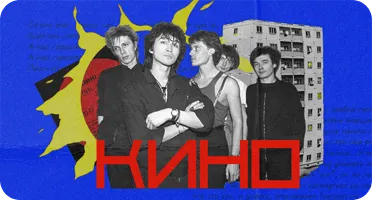
"A Star Called Sun" is a cult album that left a significant mark on the history of music. Released by the band Kino in 1989, it became a symbol of an entire era and the embodiment of the spirit of the times. The album combines profound lyrics and melodic compositions that reflect the experiences and dreams of the youth of that time.
The title track, "A Star Called Sun," has become a true anthem for many fans, and its lyrics touch on important philosophical and life questions. The album also includes other iconic tracks that continue to be played on radio stations and evoke nostalgia in listeners.
The influence of "A Star Called Sun" on Russian rock music cannot be overstated. It inspired countless musicians and continues to be relevant for new generations. This album is not just a piece of music, but an important cultural artifact that continues to live in people's hearts.
Free test: which digital profession is right for you?
IT, design, marketing or management? Find out the answer in 15 minutes. And then try your hand at a new specialty for free.
Find out more