
Thinking about a new profession, but don't know where to start? Find out what suits you: IT, design, game development, management or marketing. Take a free career counseling course.
Learn moreThe satirical drama "Succession," which concluded its fourth season in 2023, continues to receive recognition and prestigious awards. At the recent Golden Globes ceremony, the HBO show won four statues, beating out projects such as "The Bear" and "Squabble." The series' success is due to its unique structure, which lacks traditional positive characters. Nevertheless, the main characters skillfully evoke empathy and interest in viewers, making "Succession" an outstanding example of modern television.
In this article, we will examine the key aspects of the topic in detail. We will discuss the main points that will help you better understand the subject. We will analyze current issues and provide useful recommendations. Expect practical advice and in-depth analysis that will make your work with the topic more effective and productive.
- The plot and characters of "Succession";
- The technical side of the show;
- Why do we still empathize with the characters;
- What the series is about.
Plot
The plot focuses on the Roy family and their struggle for control of the media giant Waystar Royco. The head of the family is the despotic Logan Roy (Brian Cox), who founded the business and now, on the verge of death, leaves his heirs to await change. With the end approaching, his children begin a fierce struggle for power and influence within the company, leading to intriguing conflicts and complex relationships within the family.
Characters
The eldest son, Connor (Alan Ruck), is the child of his first wife and often finds himself in the shadow of his brothers. No one in the family takes him seriously, which undermines his confidence. Connor is unable to claim his inheritance and is content with only small handouts from his father. This creates an atmosphere of tension and conflict, as he strives for recognition and respect, but faces constant misunderstanding from those around him.
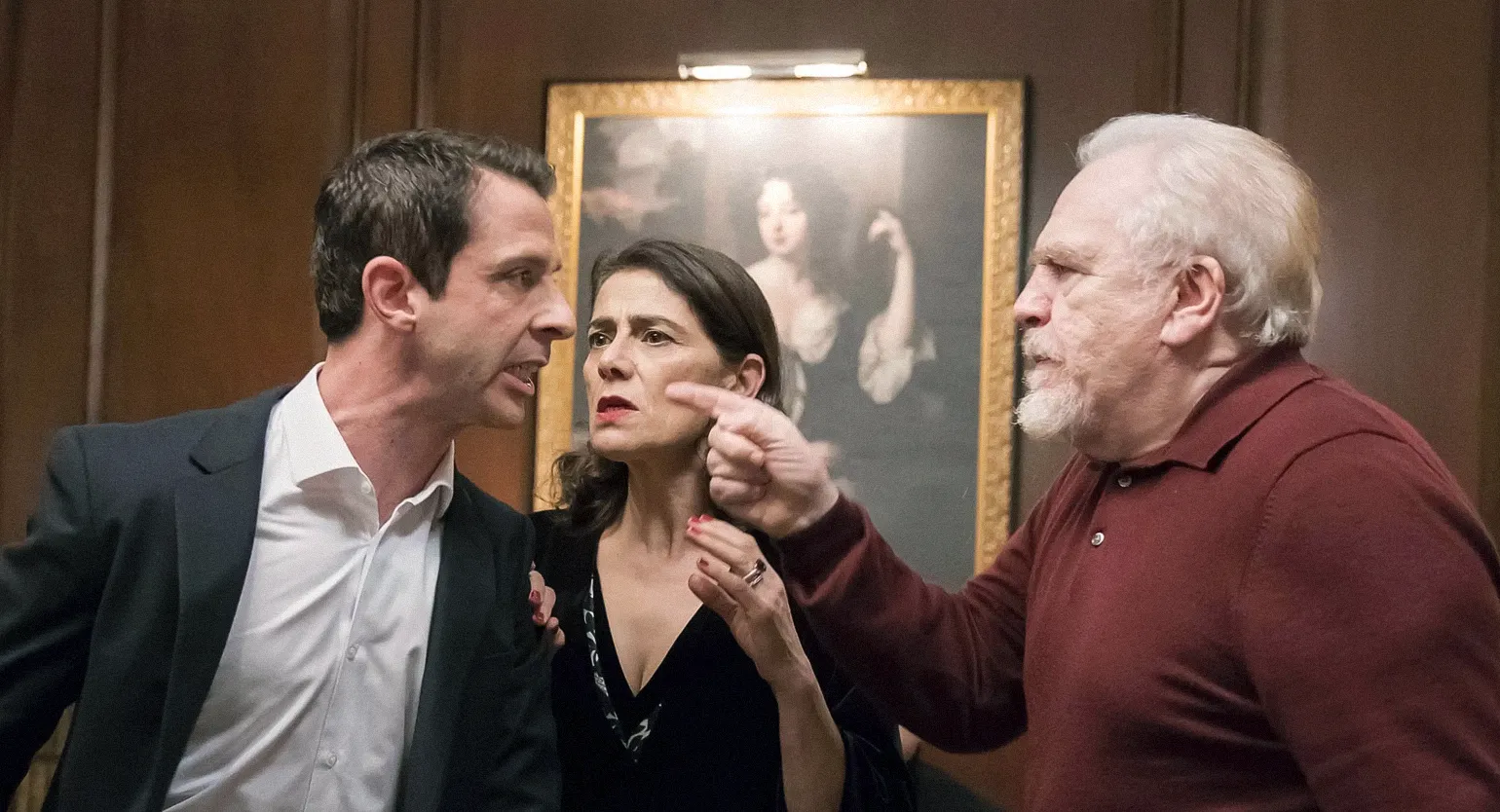
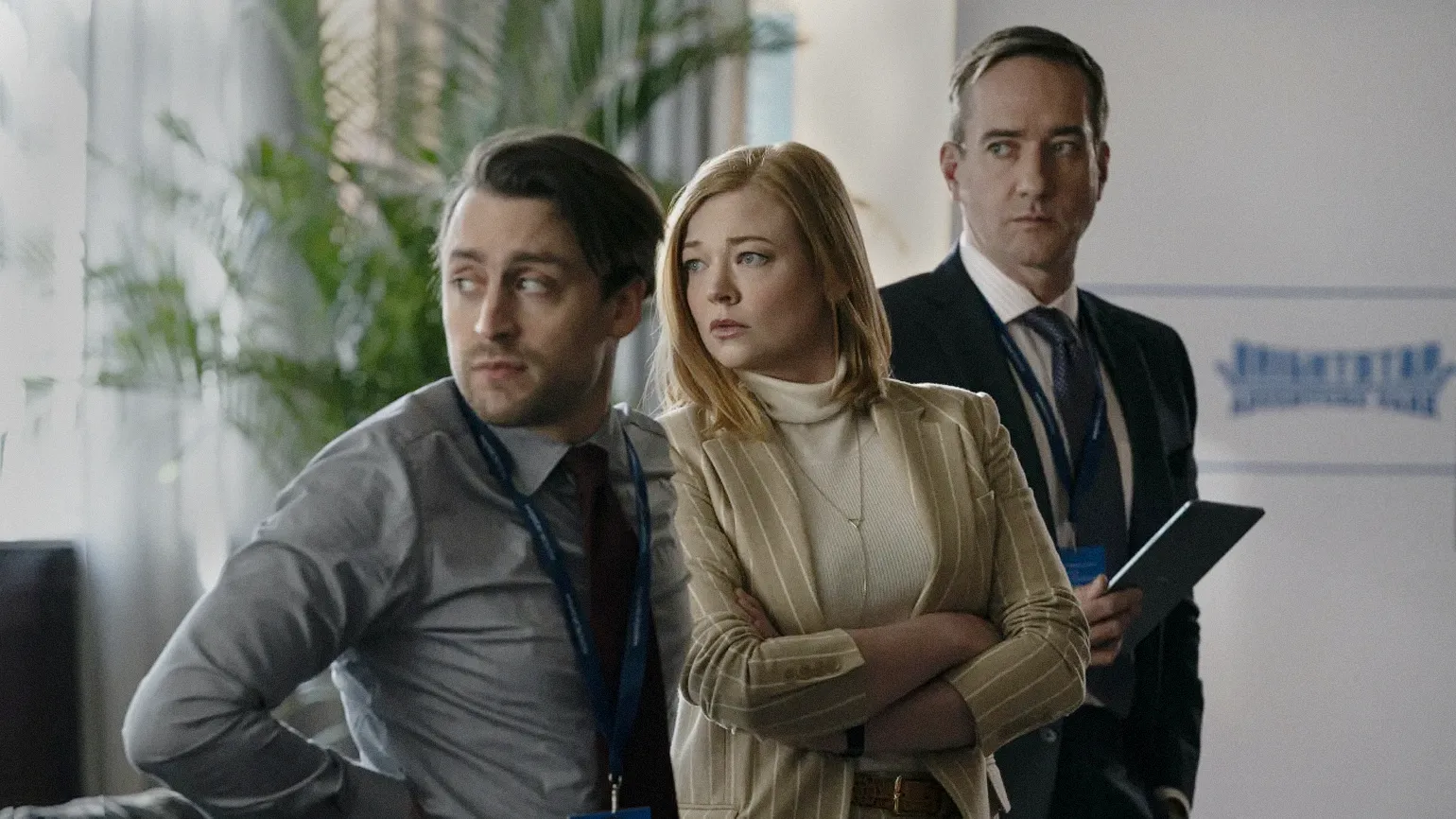
The three children from his second marriage are eager to take the CEO position. Kendall (Jeremy Strong) is initially the leading candidate, but his overconfidence and rash decisions lead to a loss of authority. Shiv (Sarah Snook) is the only daughter of a media mogul, insightful and level-headed. However, her ambition and desire for equality prove to be an obstacle in the patriarchal system in which she is trying to break through. Roman (Kieran Culkin) is the youngest heir, a prankster with problems such as impotence and an Oedipus complex. His unstable psyche and comical approach to life pose no real threat to the other claimants to the inheritance. This dynamic between the characters reveals the complex relationships within the family and the tension that arises in the struggle for power and influence.
Among Logan's children, other family members also have ambitions for his business empire. For example, Tom Wamsgens, played by Matthew Macfadyen, is Shiv's husband and the head of ATN. However, his complicated relationship with his wife threatens his career. Furthermore, Logan's great-nephew, Greg Hirsch, played by Nicholas Braun, unexpectedly appears on the scene. Greg, who is characterized by insecurity, finds himself subordinate to Tom, who, despite his own problems, begins to manipulate him. Family ties and internal conflicts create a tense atmosphere in which everyone strives to assert their rights to power and influence.
The central figure is Logan. This character symbolizes the Republican side of the United States, embodying Trump in his most extreme manifestations. He represents a nightmare for democracy and a threat to free speech, combining the traits of a despot and a tyrant. This manifests itself both in his business dealings and in his interactions with his own children.
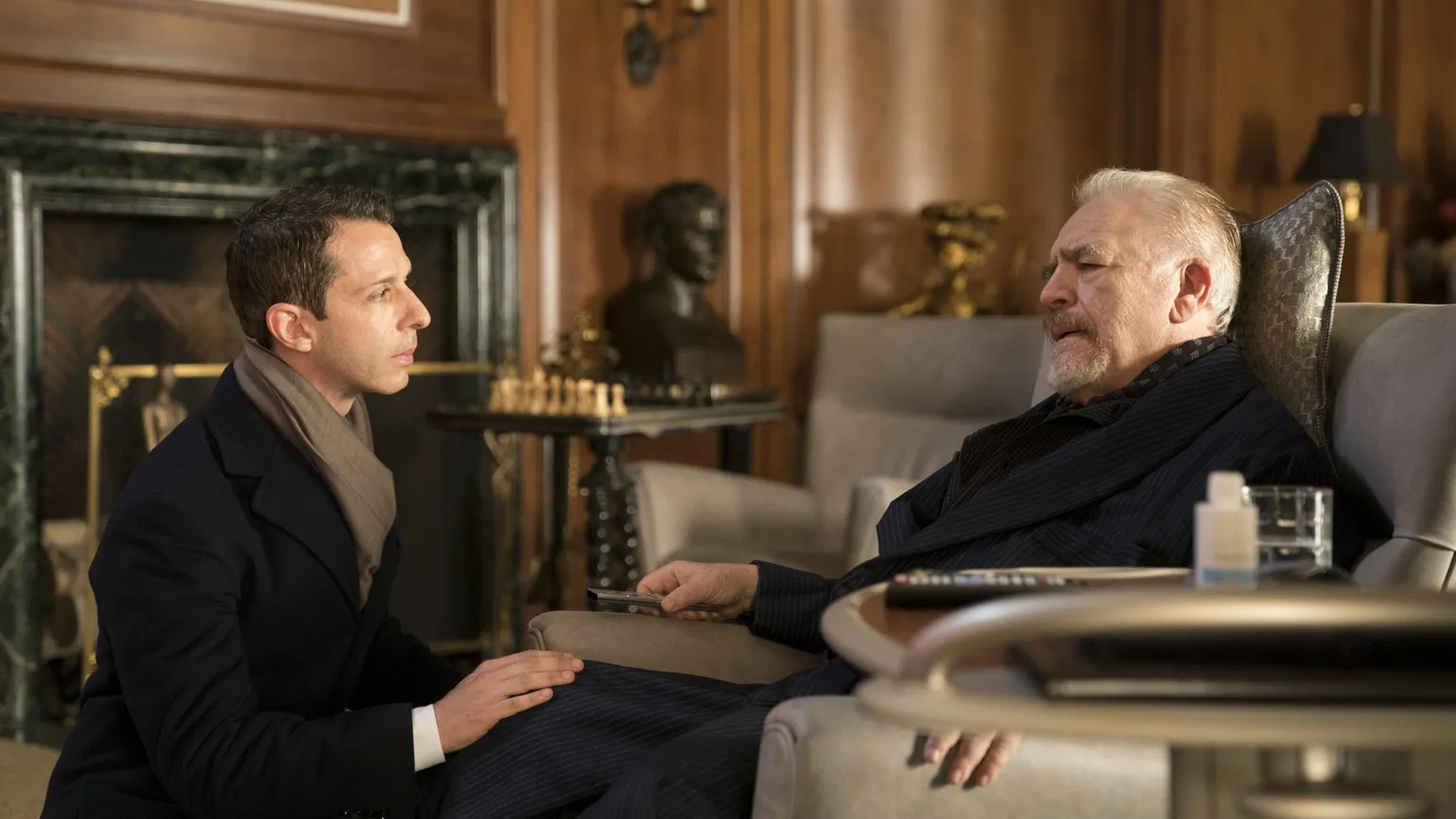
The Logan family suffers from Stockholm syndrome, which makes them both traitors and opportunists. Despite their hatred of autocracy and fear of their father, each of them dreams of taking his place. Shiv supports democratic ideals only as long as it does not interfere with her ambitions. Kendall strives for a "palace coup," but after failures, she again finds herself under her father's control. Roman constantly pleases Logan, striving to win his approval. Logan assigns his children roles that benefit only him, demonstrating his power and control over their destinies.
How the show is made
The Roy family is a powerful metaphor for American society and reflects the global trend of ruling a country, a company, or a family through brute force. This approach emphasizes the importance of power and control, which resonates with modern realities. Relationships within the family demonstrate how authoritarian methods of doing things can influence personal lives and social structures.
The show's mastermind and executive producer, Jesse Armstrong, collaborated with colleagues Adam McKay and Will Ferrell to create a timely drama wrapped in a sharp, satirical comedy. This dramedy's humor is not so much entertaining as it is overwhelming. The struggle of flawed characters to become worthy successors is captivating thanks to masterfully written dialogue and mockumentary filming. However, this struggle is frightening in its realism and the pettiness of the lives of extremely wealthy people, making the story particularly relevant and resonant with modern audiences.
The directing of this series is distinguished by the use of hand-held camerawork and the absence of flashy, distracting techniques. The focus is on the story, so all the efforts of the directors, cinematographers, and composers are focused on creating an unobtrusive background. Minimalism permeates every detail, from the muted tones of the image to the expensive yet restrained environments. The only element that stands out is the outstanding acting. While watching the series, you get the feeling that you are observing a chronicle, real events and people. This allows you to immerse yourself deeper in the plot and watch several episodes in a row without noticing the passage of time.
Psychology
The directing work in the series "Heirs" is impressive, but the deep elaboration of the internal metamorphosis of the Roy family stands out in particular. Every change in the relationships between the characters reflects the complexity of their psychological state and the dynamics of family ties.
All the characters are antiheroes, and each of them deserves punishment for their actions. Nevertheless, while watching these murderers, swindlers, thieves and exploiters, it is impossible to avoid empathy. They embody our deepest fears, complexes and sins, raised to the limit. Watching them is like catching yourself in a moment when weakness takes over and you lack the courage to do the right thing. At such moments, self-pity or the search for excuses inevitably arises. How can you hate such characters? Humans are inherently weak, and this is also true for these antiheroes. Their complex personalities make us reflect on the shadow within each of us, and it is this shadow that makes us human. We often mistakenly assume that after yet another vile act, a character will realize their mistakes and begin the process of correction. In this case, our emotional connection to the heroes comes into play. We empathize not so much with their wrongdoings as with the possible redemption that may follow. This mechanism makes us more sensitive to the development of the plot and the internal changes of the characters, which enhances the perception of the story and attracts the attention of the audience.
Within this false paradigm, the viewer remains with the characters throughout the series, but ultimately receives not Not the expected catharsis, but a just ending for those who didn't deserve any other outcome. This approach demonstrates that a happy ending isn't always possible and emphasizes the importance of moral choices and the consequences of actions. Thus, the series forces the viewer to consider the justice and value of each character within the plot.
The Idea
"Succession" is a frank dialogue with the viewer about the fact that not all people can change, and it is not always possible. Some are unable to change because of their own delusions and mistakes, others - because of their upbringing and the influence of powerful parents who predetermine the scenario of our lives. We are susceptible to programming and manipulation, which calls into question our ability to self-awareness and individual choice. The film explores these complex aspects of human nature and social influence, forcing us to think about how much external factors shape our personalities and life paths.
The characters of the series find themselves in a vicious circle of lies and psychological abuse from which they cannot escape. They continue to feed off each other even in Logan's absence. Kendall will forever remain in the shadow of her father, representing only an inept copy. Shiv has embraced principles that don't truly matter to her. Roman is stuck in adolescence, not taken seriously by those around him. Logan, meanwhile, has never experienced true loyalty and family love, a consequence of his own actions: he instilled immorality in them by forcing them to pretend to be intellectuals. The plot explores important themes of manipulation, lack of sincerity, and destructive family relationships, making it relevant to viewers interested in psychology and power dynamics.
This series stands out because behind the beautiful visuals and charismatic characters lies a profound meaning. Interpretations of this meaning can vary, but for most viewers, it serves as an instructive counterexample. The story of the Roy family is full of hardship and troubles. They say the devil is in the details, but in this case it's the other way around: it's the devils that are hiding the important details.
Free career guidance
• Determine what you want from a new profession• Take the test and find out which professions are right for you• Understand what such specialists
Learn more