Contents:

Free test: which digital profession is right for you? Find out the answer in 15 minutes and try your hand at a new specialties.
Find out moreWhat the anime will tell about
The plot is based on the 2013 manga of the same name created by Kokoa Fujiwara. Unfortunately, the mangaka was unable to find out that her work was adapted into a film, as she passed away in 2015, when the manga was still published in the Japanese magazine Gangan Joker. Fujiwara managed to release the first two volumes independently, and the family of the deceased provided permission to publish the third volume. This story continues to attract the attention of manga and anime fans, highlighting the significance of her work and influence on the industry.
The scriptwriters preserved the original concept without adding new plot lines and focused on the mangaka's legacy. As a result, the first season was short: each of the 12 episodes is no more than 13 minutes long. However, this didn't stop the creators from presenting a captivating story with memorable characters.
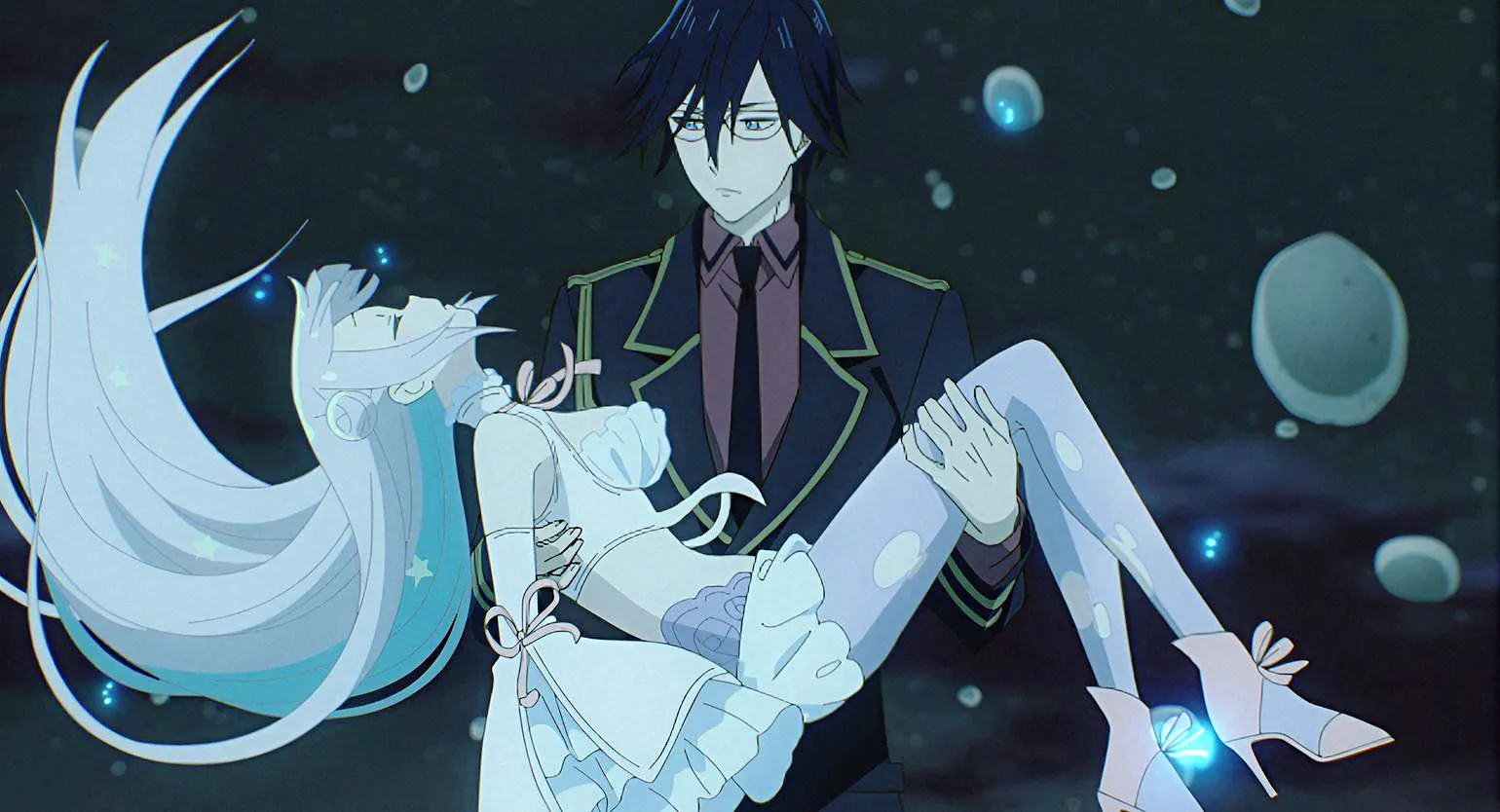
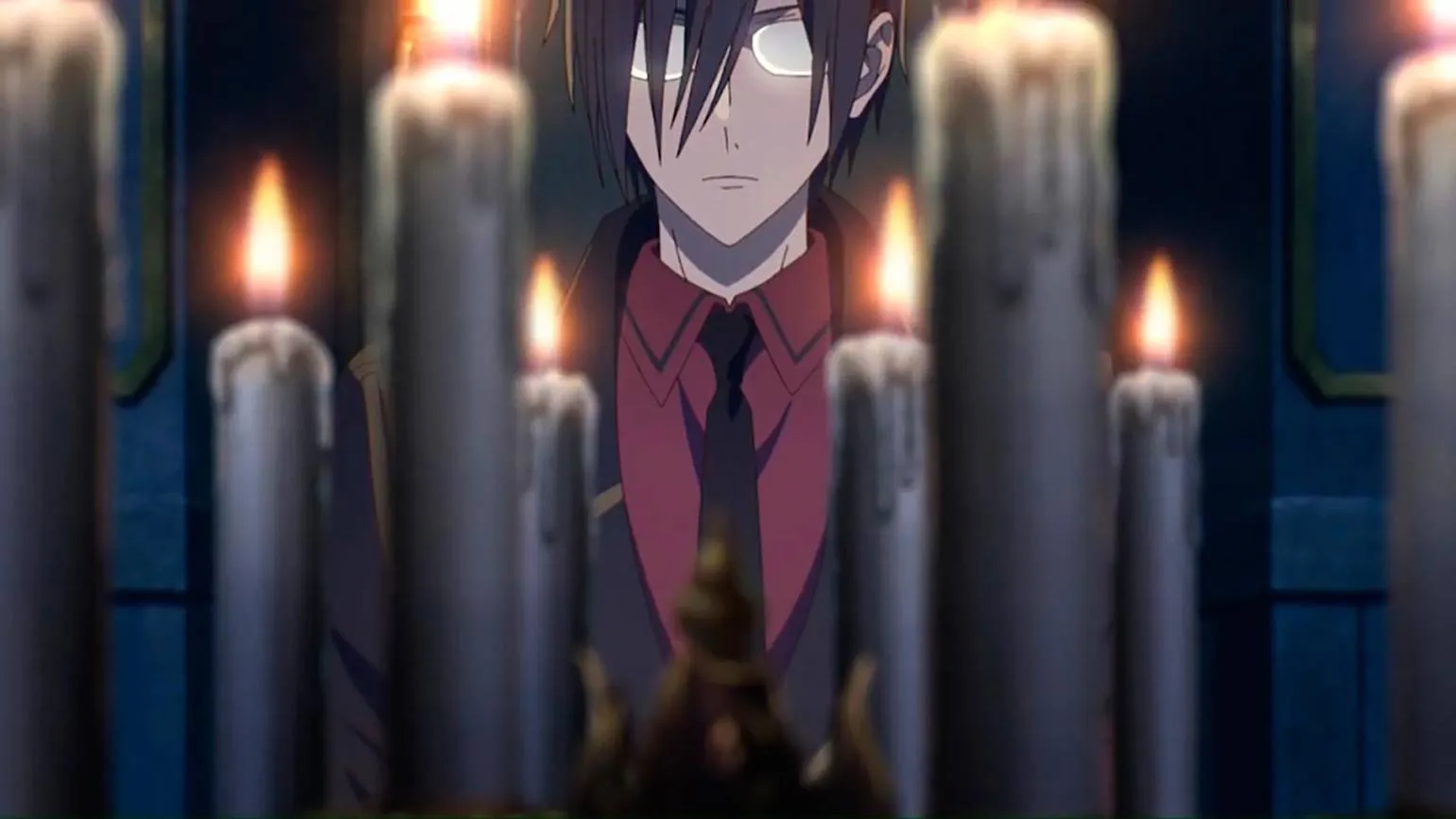
The main characters initially appear completely different, and it seems as if no feelings could develop between them. Mira, an evil officer, is a smart, cold, and serious character who acts with calculation. He is the right hand of a mysterious king and the leader of an evil organization bent on destroying everything in its path. However, the creators don't reveal the true reasons for his actions, leaving the motivations of Mira and his allies unclear and vague. This creates an intriguing atmosphere, prompting viewers to consider possible changes and developments in the relationships between the characters.
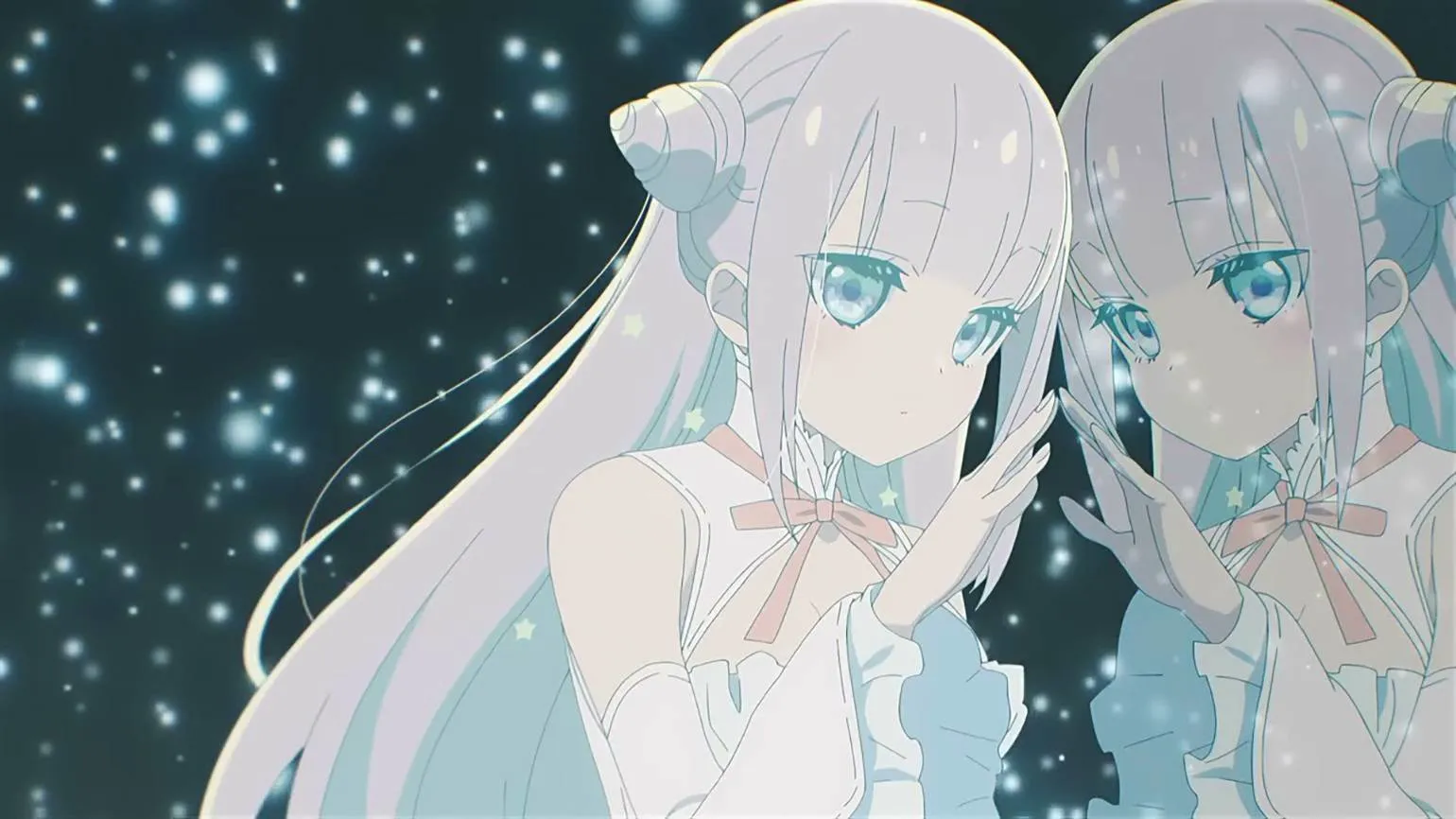
When an evil officer and an army of monsters attack Earth, magical girl Byakuya Mimori steps in to protect the world. She is kind, compassionate, and highly responsible, always striving to do the right thing. For Byakuya, magic is not only a calling but also a job, which she approaches with diligence and devotion. She works a variety of part-time jobs: at a supermarket, a bar, a flower shop, and other places. For Byakuya, protecting the world isn't heroism, but a part of her everyday life. Her desire to earn a living is explained by the poverty in which she lives and the need to take care of herself.
During a meeting with Mira, an unexpected turn of events occurs: instead of fighting Byakuya, the officer finds himself hopelessly in love with her. For the leader of the Evil Organization, falling in love is unacceptable, and he struggles to suppress his feelings. The antagonist begins to stalk the magical girl, claiming that his goal is to gather as much information as possible about the enemy. Internal conflicts and the struggle with his own emotions become a real challenge for him, jeopardizing his mission and the safety of Mira.
Mira strives to understand how to please Byakuya by exploring her hobbies and gift preferences. Gradually, the evil officer realizes the difficulties the magical girl faces. She often forgets to eat due to excessive workload and hardly finds time to rest. Moreover, she lives in a small, old apartment, the rent for which is 9,000 Japanese yen per month. Living conditions are commensurate with the low price—the sorceress has to sleep on the floor.
Byakuya's personal drama is compounded by her status as an orphan, having spent her entire childhood in an orphanage. These revelations spark a desire to protect her in many, including Mira. He grows increasingly attached to the girl with each passing day, buying her food, offering her tea, and helping her with her work assignments. Their walks together in the park become longer and more emotional. However, despite his deep feelings for Mimori, Mira often stops himself. He is the leader of an Evil Organization, and his mission is to destroy the magical girl. Therefore, he conceals the true motives behind his encounters with Byakuya to avoid arousing suspicion among his colleagues.
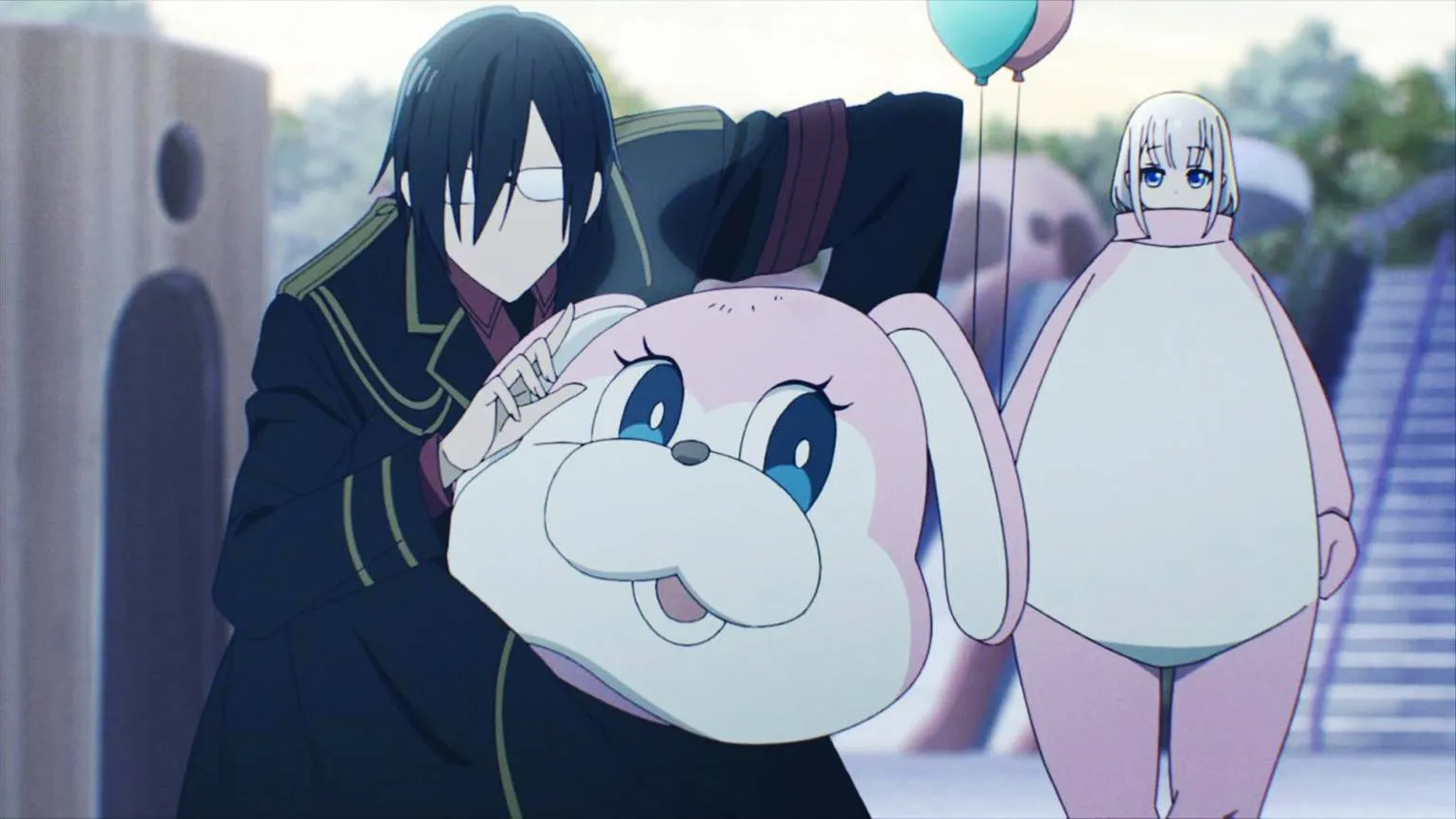
Fomalhaut is a member of the Evil Organization and a loyal friend Mira. Lately, he's begun to suspect something is amiss. Fomalhaut decides to help his comrade dispel rumors of his crush on a magical girl and offers to accompany him on his next "mission" to Byakuya. His goal is to report to his colleagues in the organization on Mira's successful execution of the plan to eliminate Mimori. However, Fomalhaut himself doesn't exactly fit the role of a villain. He is a cheerful, loyal, and kind person. In the past, Mira even suggested he leave the Evil Organization, believing his excessive kindness to be out of place among their ranks. Although Fomalhaut prefers to play ball rather than engage in evil deeds, he admires the officer's ruthlessness. The King of Evil has seven loyal followers: Mira, Fomalhaut, Bellatrix, Alcyone, Betelgeuse, Spica, and Sadalsuud. Their names are based on real stars, symbolizing that even in the darkest of environments, they can shine a light. Bellatrix, outwardly cold and calm, is secretly in love with Mira. Alcyone displays trickster traits, enjoying provoking his comrades. In contrast, Betelgeuse takes a serious approach to his work within the Evil Organization, demonstrating a high degree of responsibility. Sadalsuud possesses both dark and light sides: he sometimes jokes, but soon returns to his dark deeds. These characters create a unique dynamic that highlights the contrast between light and darkness in their world.
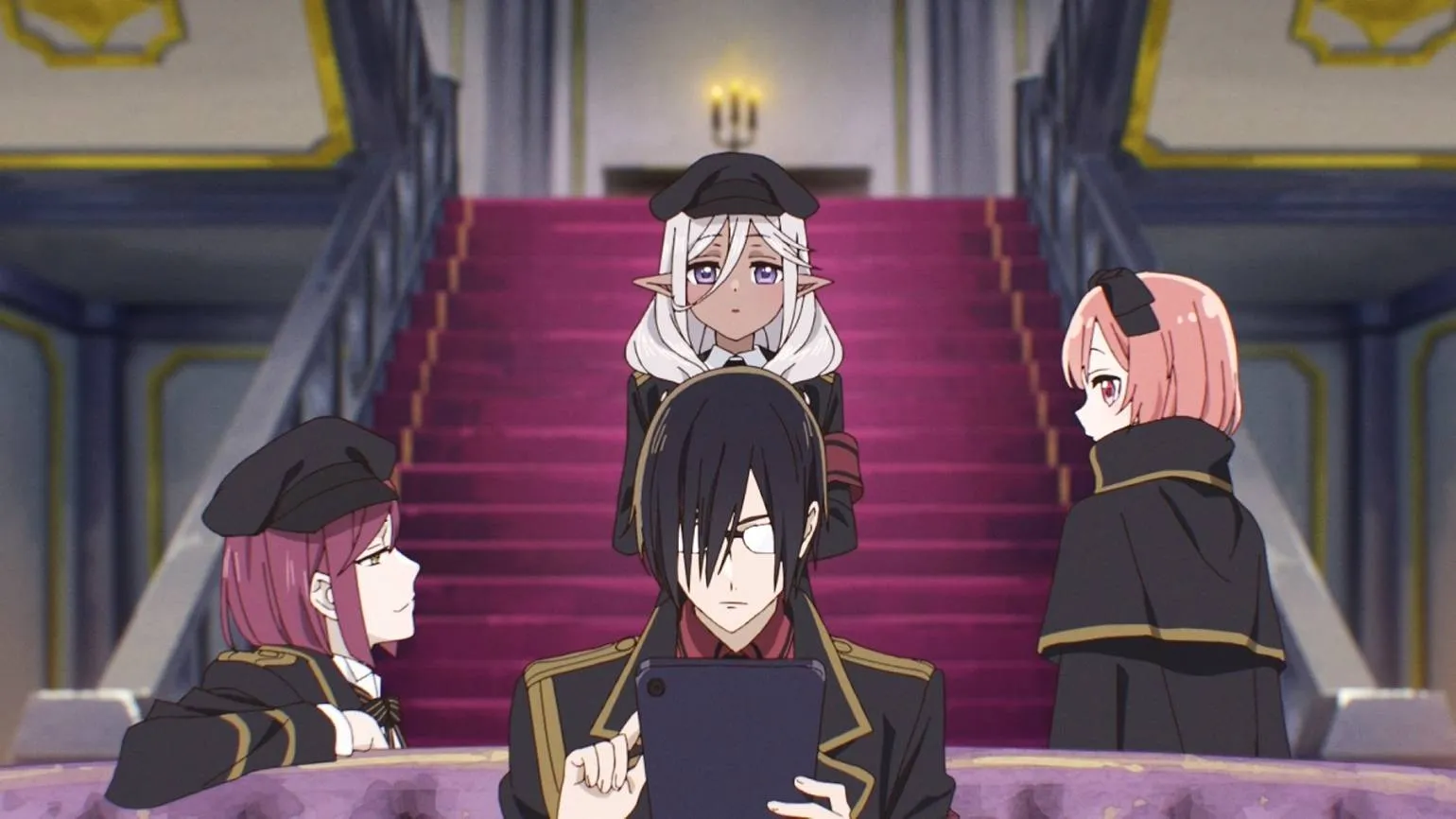
In the work "Byakuya" features fascinating characters, making the plot even more gripping. In keeping with the tradition of the magical girl genre, each magical girl has a familiar. The main character, Mimori, is given a companion, a huge cartoon cat, who, instead of helping, prefers to spend time in bars, sipping beer and smoking. Realizing that Byakuya desperately needs money, he begins to devise various schemes to make her earn it. The cat suggests ideas that range from selling videos of her fighting in a short skirt to shocking offers to work in a restaurant without underwear. These comical, yet sometimes absurd, situations highlight the dynamics of the relationships between the characters and add elements of humor and irony to the plot. Hibana Kagari is the complete opposite of Mimori. This magical girl is distinguished by her lively, daring, and impulsive nature. In middle school, Hibana and Mimori were close friends. Despite her aggressive displays of emotion, even in the happiest moments, Hibana remains deeply attached to Mimori. Kagari also has a bird familiar, which, unlike Byakuya's cat, is devoted to its charge. This bond between them underscores the importance of friendship and loyalty, making their relationship especially significant in the world of magic.
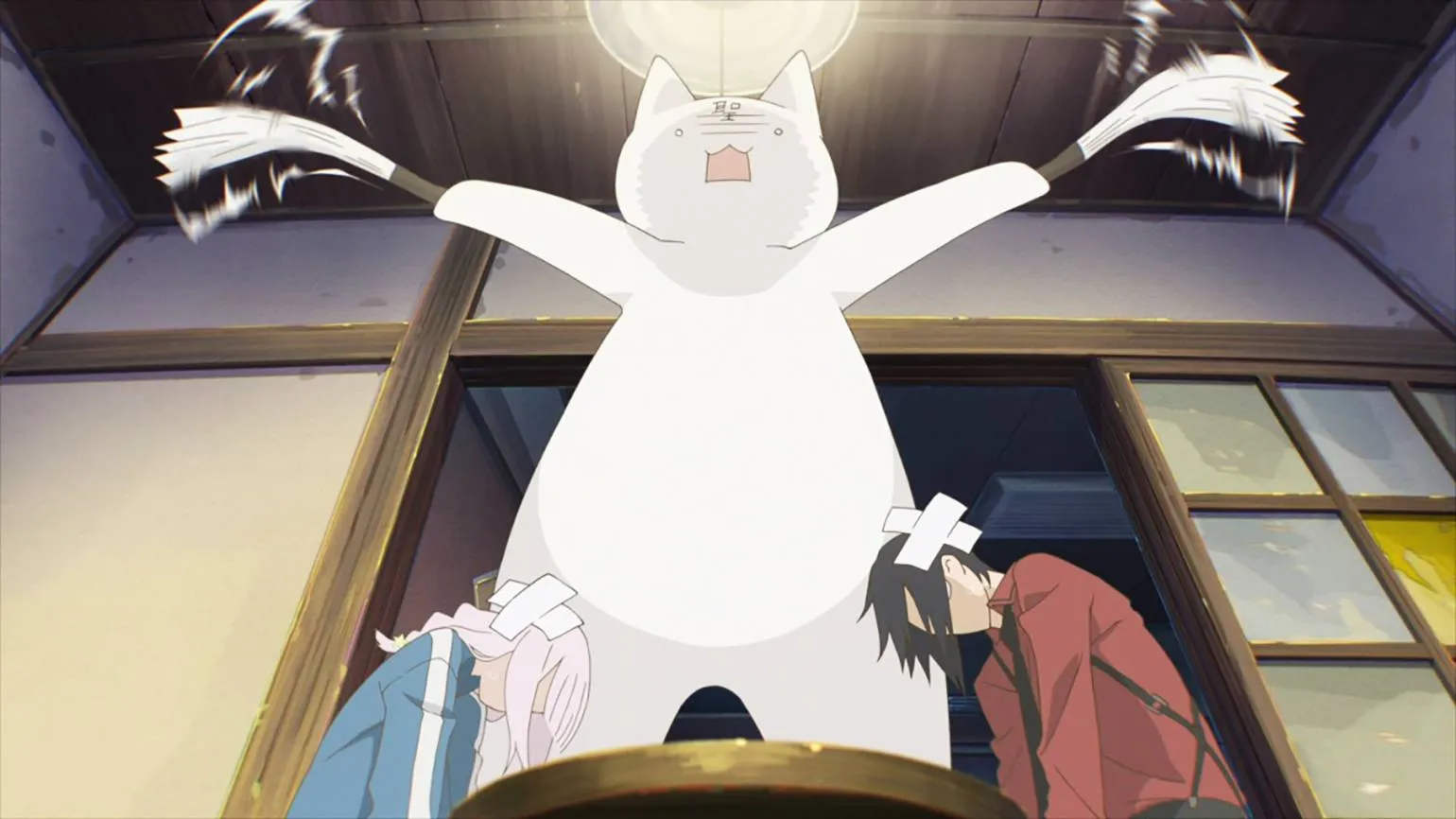
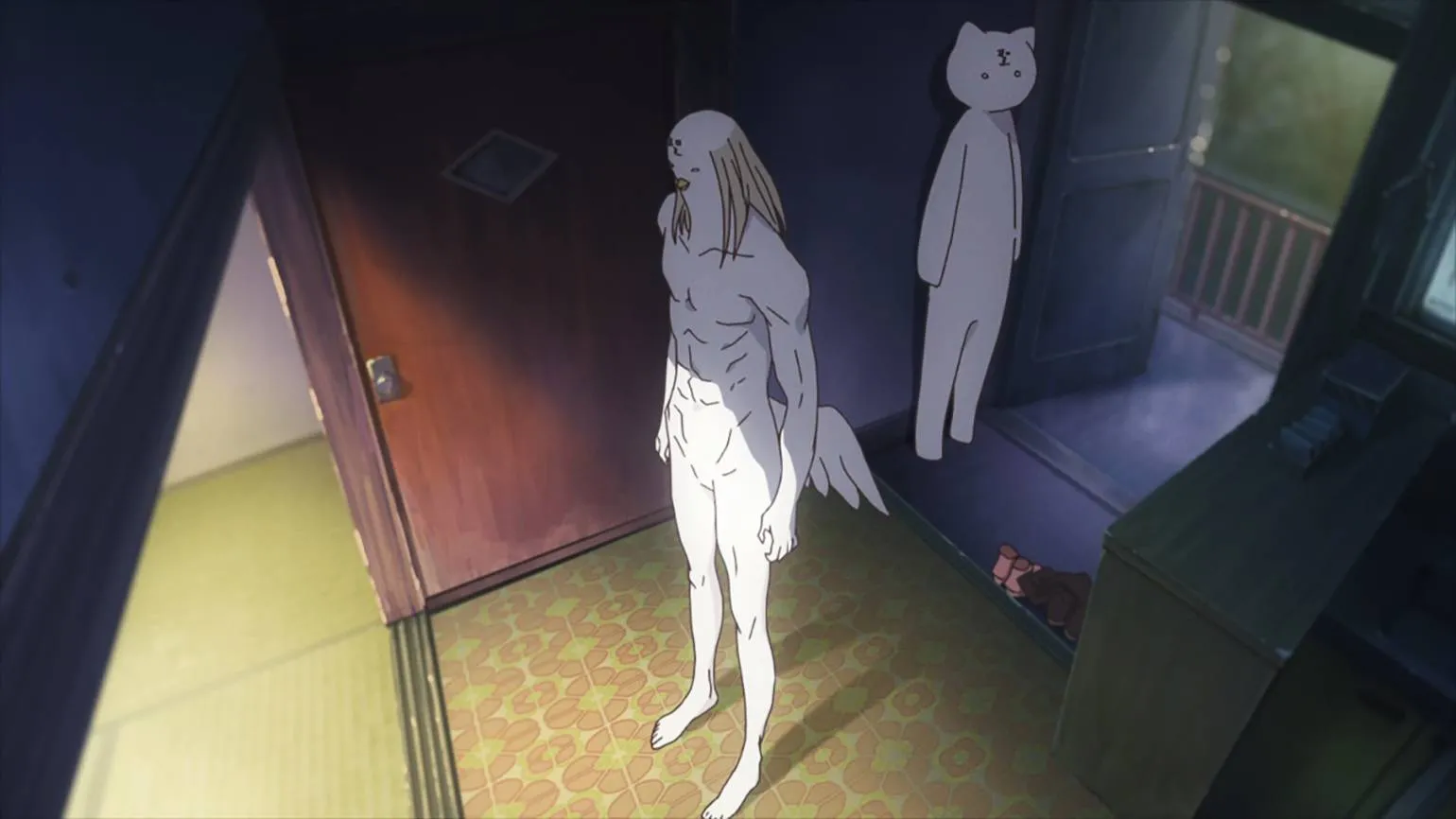
Minor characters in the title "The Magical Girl and the Evil Officer" The characters are as vivid as the main characters, lending a significant dose of satire to the work. By mocking the clichés inherent in traditional genre heroes, this title avoids excessive irony and becomes charmingly sweet in its awkwardness. The uniqueness and eccentricity of the characters emphasize the blurred lines between good and evil, which gives the plot depth and multi-layeredness.
How the creators deconstruct the genre
The manga adaptation was handled by Bones Studio, known for its cult titles such as Cowboy Bebop, Fullmetal Alchemist, Mob Psycho 100, and My Hero Academia. The creators' signature style is hard to mistake, but the atmosphere in Sorceress is noticeably different from their previous works. However, attentive viewers will notice the studio's signature qualities: fluid animation, masterfully choreographed fight scenes, and detailed character designs. Despite the rapid frame rate, the viewer feels comfortable, effectively conveying the chaotic nature of the series' events. The creators boldly play with color, using it to convey the characters' emotions. For example, Byakuya is often surrounded by a soft pastel background, while Mira is framed by dark tones, highlighting their inner experiences and creating a contrast between the characters.
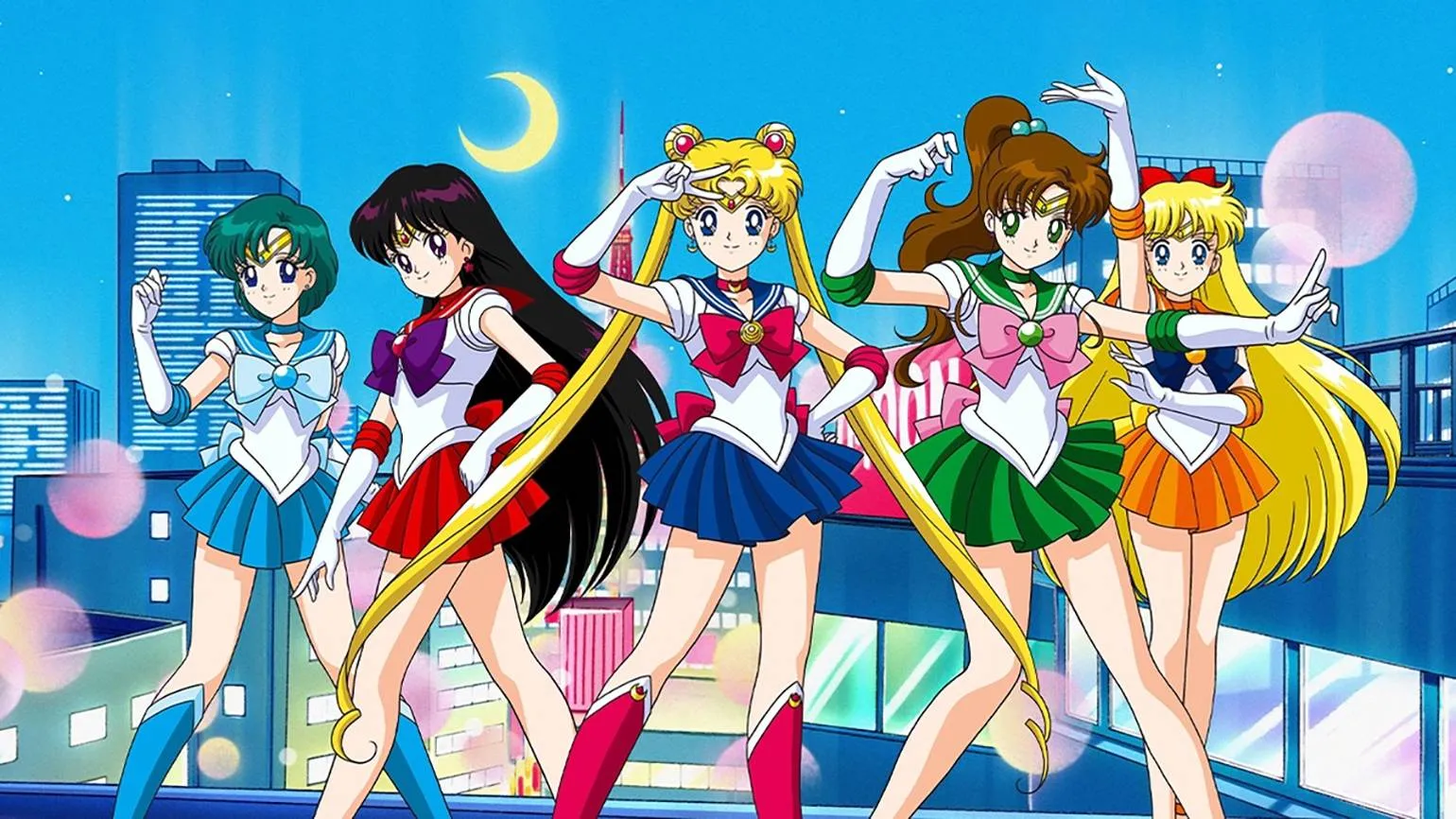
Mimori's magical transformation unfolds on screen in a vibrant and rich spectacle. A vibrant color palette and attention to detail have always been key aspects of the magical girl genre. Naoko Takeuchi, creator of the iconic anime "Pretty Soldier Sailor Moon," demonstrates how inspiration was drawn from glossy magazines. For example, the Moon Kingdom Princess's wedding dress was a nod to Dior, while Hotaru Tomoe's (Sailor Saturn) blouse was inspired by a 1992 Mugler show. However, it is the plot of "Sailor Moon" that sets it apart from other works in the genre. Until the 1960s and 1970s, magical girl anime depicted dreamy and passive women focused solely on relationships. In contrast, an anime is being released in which five schoolgirls not only grow up and develop as individuals, but also independently solve their problems while saving the world. This is a groundbreaking approach to the depiction of female characters in anime, which has had a significant influence on subsequent generations.
The anime "Cardcaptor Sakura" is a meaningful magical girl story that explores deeper, more mature themes. The main character, Sakura, faces the loss of her mother at a young age, which causes her deep emotional trauma. Meanwhile, her classmate develops feelings for her teacher, Terada, who reminds her of her father, who is often absent due to work. Despite the serious themes, the anime retains the hallmarks of the magical girl genre, including childish naivety and the hope for a happy ending. The plot avoids creating an atmosphere of imminent danger, instead presenting events as life lessons that will help the characters become stronger and wiser. This anime serves as an inspiring example of how, even in difficult situations, one can find the strength to overcome difficulties.
Magical girl anime continues to evolve over time. The postmodern era, coupled with existential questions, led to the emergence of the cult anime "Magoshi Madoka Magica." In this genre, viewers are accustomed to seeing vibrant heroines with magical powers. But is the life of a magical girl really as wonderful as it seems? Beneath the outward appeal lies a harsh reality. The heroines of "Magoshi Madoka" face a burden few can bear. The magical girl doesn't simply fight evil for the sake of the triumph of light. She brings happiness, but also suffering that can be unbearable.
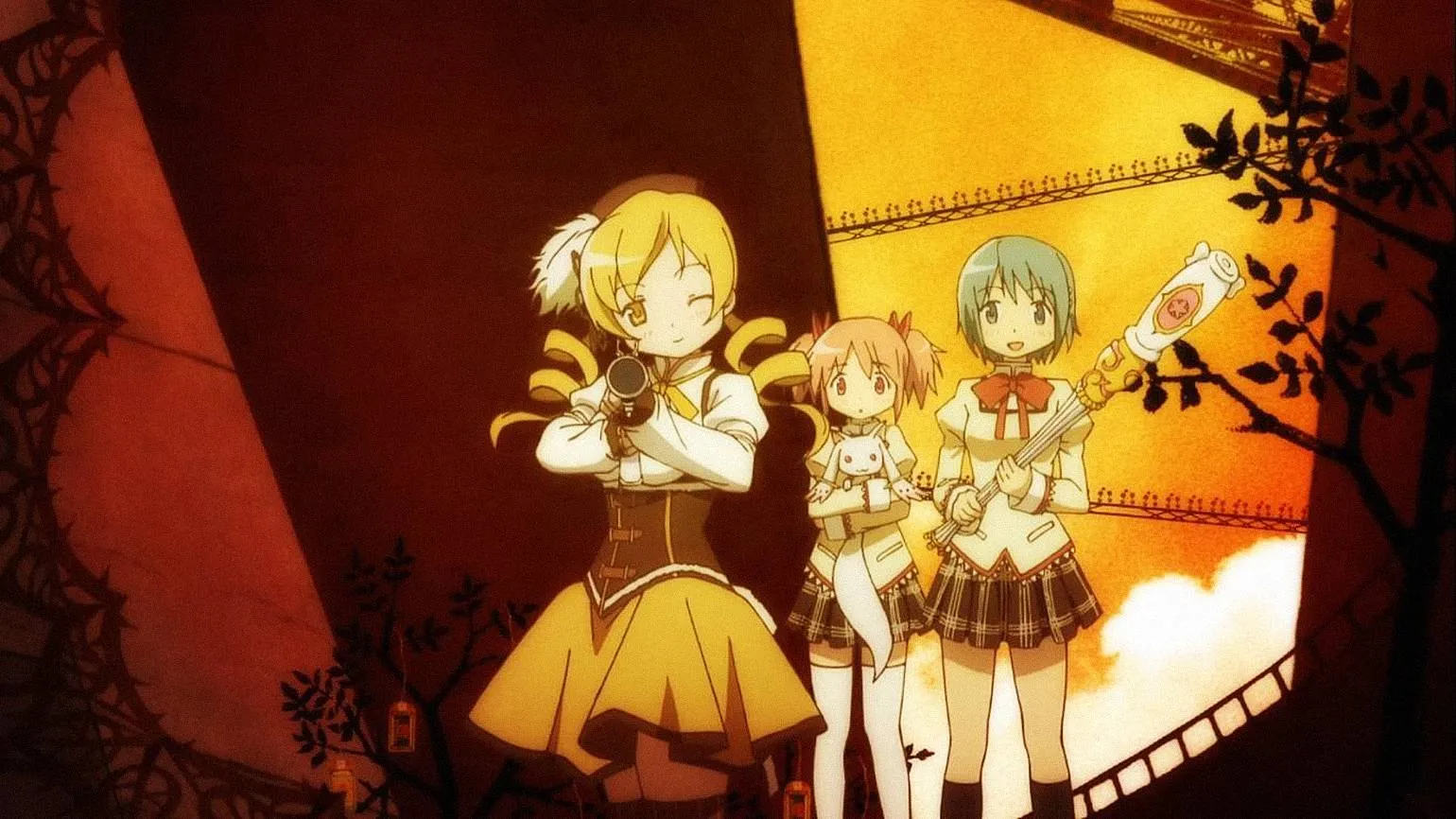
Unlike its predecessors, the anime "Magical Girl and the Evil Officer" doesn't build complex concepts. Instead, the creators use humor to reimagine familiar elements of magical girls and their classic characters. Against the backdrop of Madoka Kyubey's devious familiar, who guards the secrets of the universe, the huge and playful cat Byakuya is especially comical. The main character, Mimori, shows no interest in being a magical girl, which allows for a less philosophical outlook. Instead of delving into dark themes, the series' creators ironize the genre by adding elements of romantic comedy, making "The Magical Girl and the Evil Officer" a fresh and unusual take on the genre.
How Magical Girls Fight Stereotypes
Despite the comedic nature of the title, the creators raise an important theme of the value of female friendship. Familiars repeatedly attempt to create rivalries between the magical girls, seeking to determine who is stronger. In such moments, they don't care about the girls' feelings; for the familiars, it's simply a way to confirm their own importance. Situations like these highlight the importance of support and solidarity among women, and demonstrate that true strength lies not in rivalry, but in friendship and understanding.
Hibana, despite her apparent eccentricity, surprises those around her with her insight. She constantly emphasizes that the conflicts between her and Byakuya are meaningless. Despite their differences in personality, for these heroines, female friendship is a more significant value than rivalry.
Byakuya and Hibana, despite their pronounced differences, make a striking duo on screen. Their rare encounters, different views on work, and unique ways of expressing emotions do not hinder their friendship. This dynamic clearly reflects the traditions of the magical girl genre established during the Sailor Moon era.
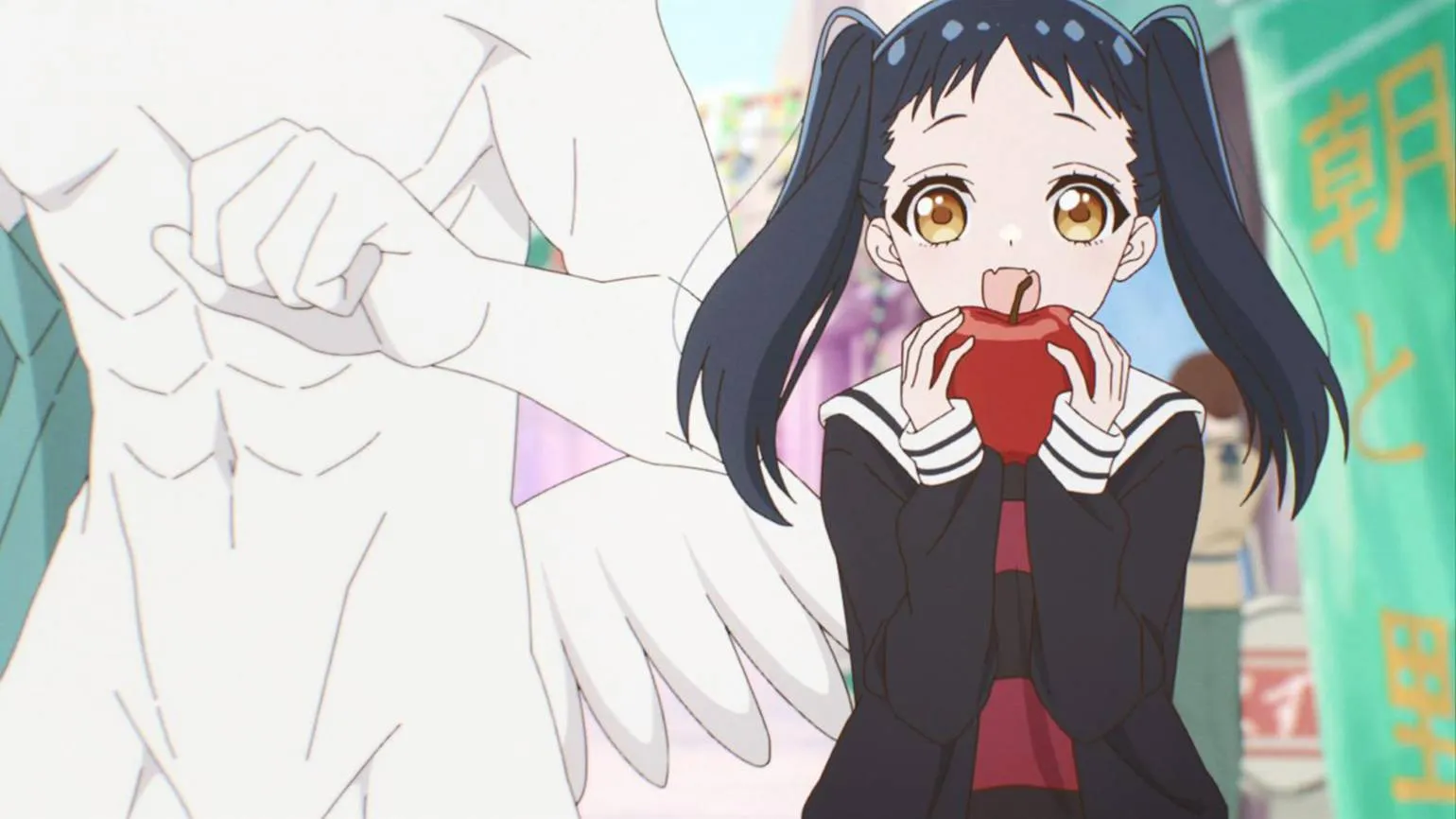
In this context, female friendship goes beyond stereotypes in which women gather only to discuss men and fashion trends. Even when Byakuya sometimes shows aloofness towards Hibana, the latter does not hesitate to show her feelings, hugging her when they meet and baking cookies for the New Year. This bond is based on support and sincere attention to each other, which makes their friendship unique and deep.
How emotions set the atmosphere
The theme of emotions is central to this work. For example, Byakuya initially appears naive and detached from reality. As the story unfolds, we learn that she grew up without parents and has a strong fear of causing inconvenience to anyone, as it could lead to a re-experiencing of loss. Because of this, she sometimes seems indifferent to others. However, as the season approaches its finale, viewers begin to realize this is not the case. Reflecting on her feelings for Mira, Byakuya becomes increasingly aware not only of the world around her, but also of her place in it. She learns to say "no," stops trying to please everyone, and begins to connect with people. This process of self-discovery and emotional growth makes her a more complex and deeply relatable character. Unlike the others, Mira strives to shed his humanity. Having been a villain his entire life, he now struggles to understand what sparked his warm feelings and how to cope with them. His internal conflict centers on the question of what is more important: duty to the organization and his subordinates or his love for the sorceress. Mira does everything he can to attract the magical girl's attention. Despite his emotional torment, he visits the park daily to see Byakuya and learn about her day. This search for human feelings and the desire for love make the story of the World deeper and more multilayered, reflecting the contradictions between duty and personal desires.
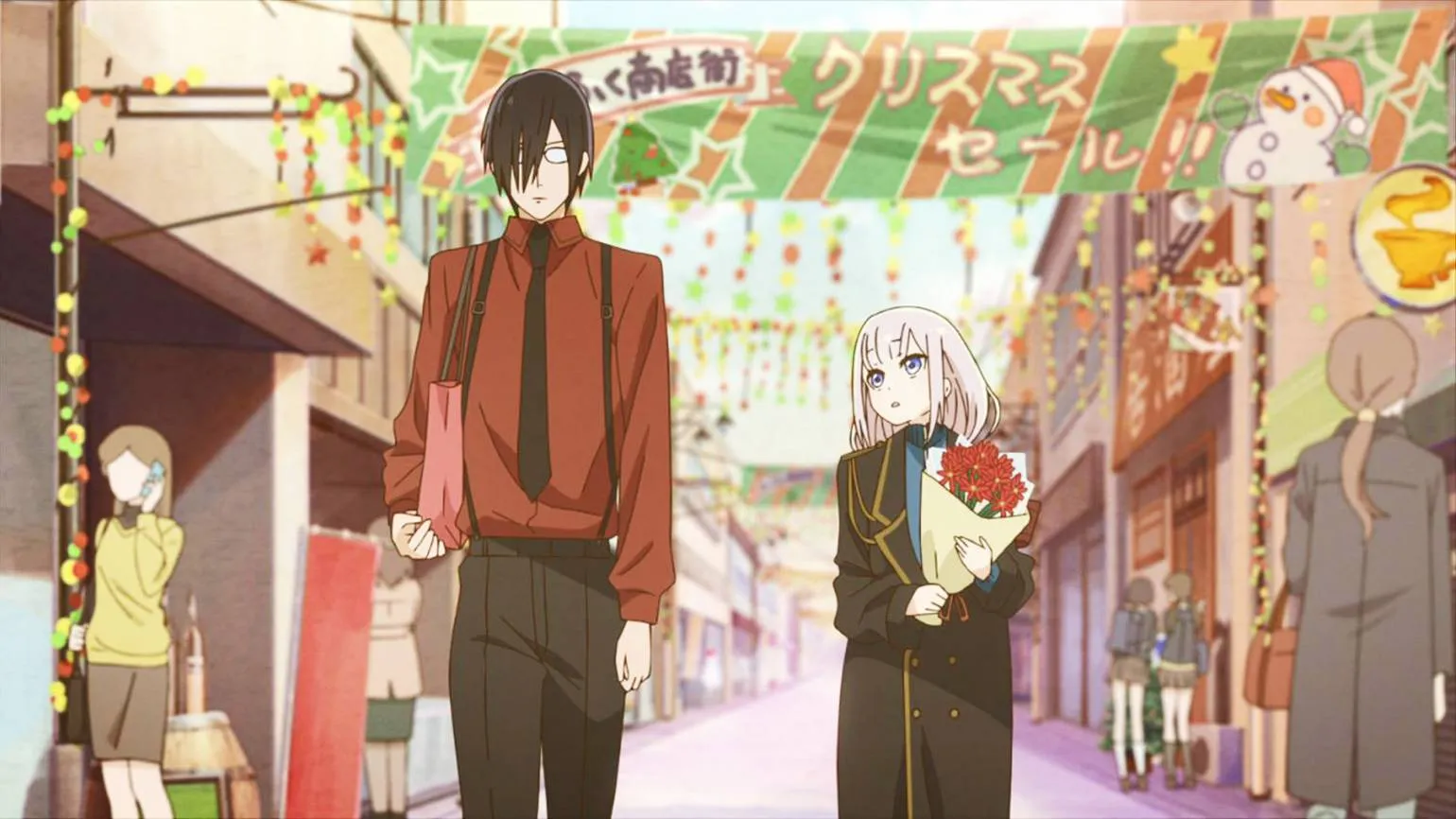
Detailed drawings that reflect the characters' inner experiences are used to convey their emotions in scenes. Changes in the characters' moods have a noticeable impact on their appearance. For example, when Mira feels particularly touched by Byakuya's behavior, his glasses break. The creators often change not only small details but also the overall perception of the characters: at moments of high emotional intensity, the characters may appear more schematic, reminiscent of figurines, and their movements become expressive and expansive. This allows for a deeper understanding of the characters' feelings and creates a vibrant visual atmosphere.
The drama of the secondary characters in the work also requires attention. The creators effectively reveal the motivations of the familiars and Hibana's inner softness. The title continues to explore important themes of friendship, rivalry, and self-acceptance. These dynamics not only challenge classic narratives of good and evil but also delve into questions of morality. These themes are approached through jokes that resonate with both longtime fans of the genre and new viewers. This approach creates a more layered and engaging storyline, drawing attention to the psychological aspects of the characters and their interactions. "Magical Girl and the Evil Officer" is an original deconstruction of the genre, masterfully combining elements of romantic comedy and magical girl clichés. Byakuya and Mira's relationship is explored through a lens of subtle emotions, emphasizing the depth of feelings rather than physical attraction. With episodes running only 10 minutes, the creators are able to effectively combine romance and relevant themes in each episode. If you're looking for an anime where the love story develops naturally, without drawn-out drama or emotional swings, this title is a great choice for you.
Free test: which digital profession is right for you?
IT, design, marketing or management? Find out the answer in 15 minutes. And then try your hand at a new specialty for free.
Find out more