
Contents:
- Accelerometer: a key component of modern technologies
- How an accelerometer works
- How accelerometers work in smartphones and modern devices
- Application of accelerometers in modern technologies
- Variety of accelerometer types
- What are the key benefits of accelerometers?
- Where are accelerometers used?
- Trends and the future of accelerometers
- Frequently Asked Questions about Accelerometers

Free Python Course: 4 Projects for Beginners and Experienced
Learn MoreAccelerometer: A Key Component of Modern Technology
An accelerometer is a precision sensor designed to measure the acceleration acting on a device. It effectively tracks changes in the speed and direction of movement along one or more axes. Acceleration in this context includes not only acceleration but also any change in the dynamics of movement, making accelerometers indispensable in modern technologies such as smartphones, game consoles, and navigation systems. These sensors are used in a variety of fields, including automotive, sports technology, and healthcare, providing accurate data for motion analysis and improving user experience.
Accelerometers are key components in modern electronic devices, providing screen orientation detection and monitoring of motion and vibration. These sensors allow, for example, changing the orientation of an image on a smartphone when it's rotated. Accelerometers allow devices to adapt to changes in position, improving the user experience in a variety of applications, from gaming to navigation. Their use is also expanding to other devices, such as tablets and wearables, making accelerometers an important element in the development of technology.
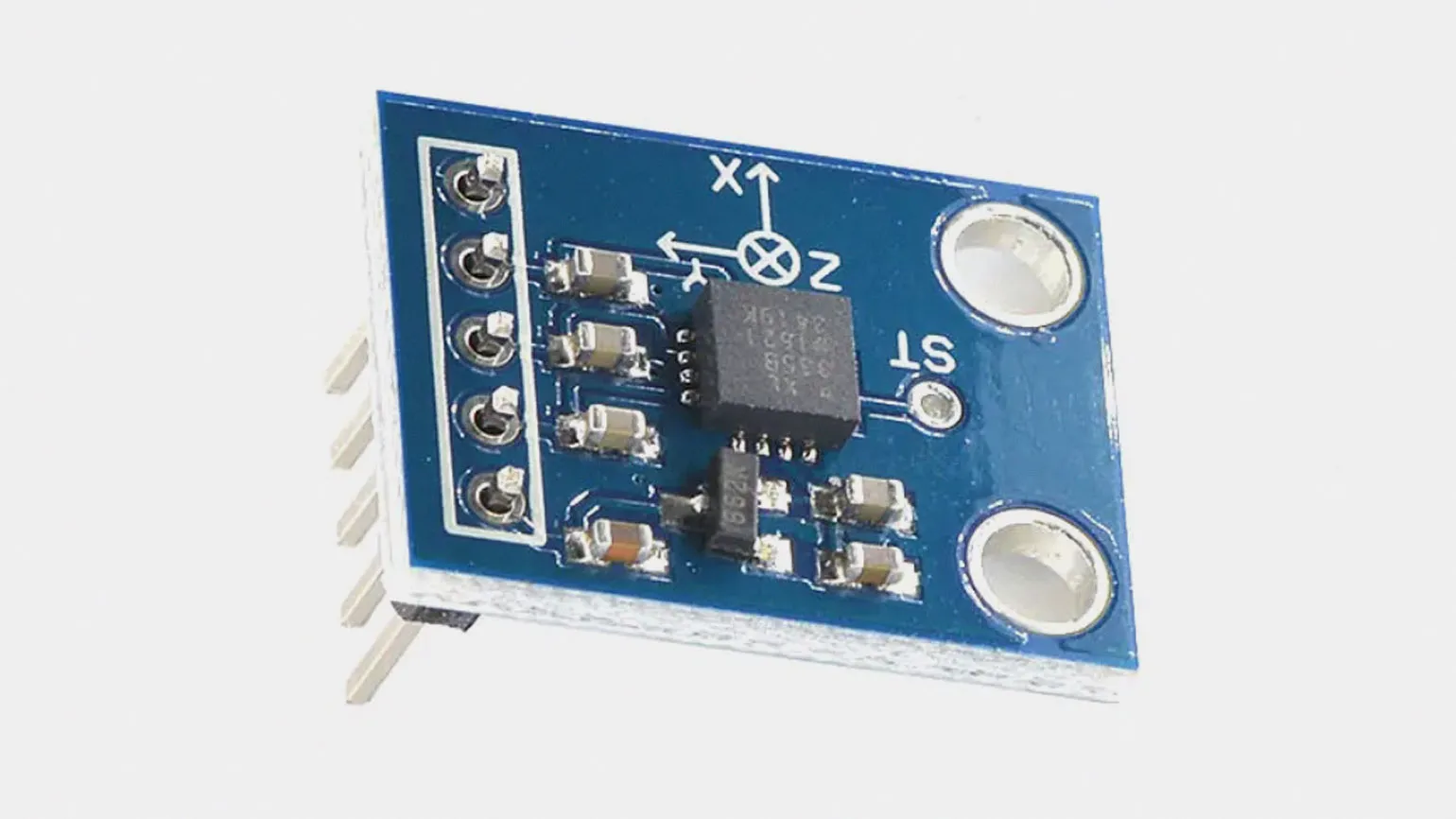
Manufacturers offer accelerometers as ready-made modules that are easily integrated into various projects. One of the most popular modules is the GY-61, which is highly compatible with the Arduino platform. This module can be used to develop devices such as racing simulator controllers and pedometers. The GY-61 enables highly accurate motion measurements, making it an ideal choice for projects requiring real-time position and motion tracking.
Accelerometers play a vital role in ensuring device stability, which is particularly relevant in areas such as photography, drone control, game controllers, and automotive suspensions. These sensors compensate for motion and maintain balance, significantly improving performance and user experience. The use of accelerometers helps improve accuracy and reliability in various technologies, ensuring smooth and stable operation.
A striking example of a stabilization system in action is a Mercedes-Benz commercial in which a person moves a bird while the chicken's head remains motionless. This is achieved through a biological stabilization system that includes the vestibular system and reflexes. The stabilization system is important not only in biology but also in the automotive industry, where it helps ensure the safety and comfort of drivers and passengers. The use of stabilization technologies in Mercedes-Benz vehicles allows for high maneuverability and stability on the road, which is one of the key factors for the successful operation of vehicles in various conditions.

Modern technical devices widely use accelerometers and gyroscopes to ensure stability. These sensors record changes in the device's position and transmit data to the control module. For example, in cars, they can adjust suspension settings, and in cameras, they ensure the operation of stabilizers. The use of such technologies can significantly improve the quality and accuracy of device operation, ensuring smoother and safer use.

Please submit the text you want me to edit for SEO.
A gyroscope is a device that determines the orientation and angular movement of an object in space. In smartphones, a gyroscope is used to improve navigation accuracy and improve interaction with applications. It operates on the principle of conservation of angular momentum, which allows it to detect changes in the position of the device relative to the coordinate axes.
When you rotate or tilt your smartphone, the gyroscope tracks these movements and feeds the information back to the system. This allows apps like navigation maps or games to adapt to changes in the device's orientation, providing more intuitive control and precise positioning.
A gyroscope in a smartphone often works in conjunction with an accelerometer, which measures linear acceleration. Together, they provide a comprehensive understanding of the device's motion, improving the user experience and opening up new possibilities for app developers. As a result, the gyroscope has become an integral part of modern smartphones, enabling a wide range of features from virtual reality to advanced gaming and navigation.
How an accelerometer works
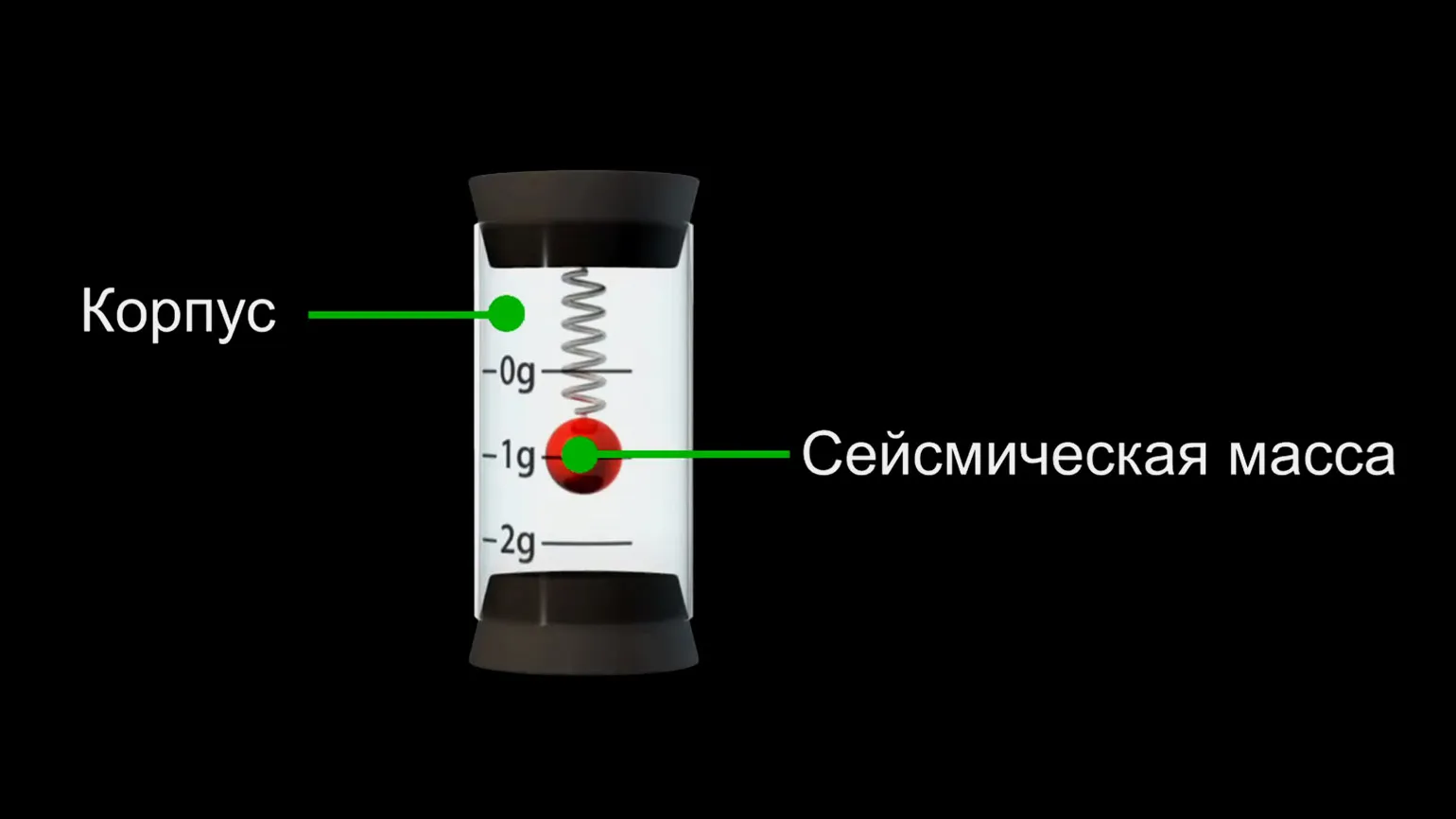
Accelerometers are devices designed to measure the acceleration and orientation of objects in space. To better understand how they work, imagine a sealed flask with a weight, called a seismic mass, attached to a spring. As the flask moves, this mass shifts up or down. By measuring the spring tension during these movements, the acceleration force can be determined. This is the basic operating principle of a simple uniaxial accelerometer, which records acceleration along a single axis. Accelerometers are widely used in various fields, including the automotive industry, mobile devices, and navigation systems, making them an important element of modern technology.
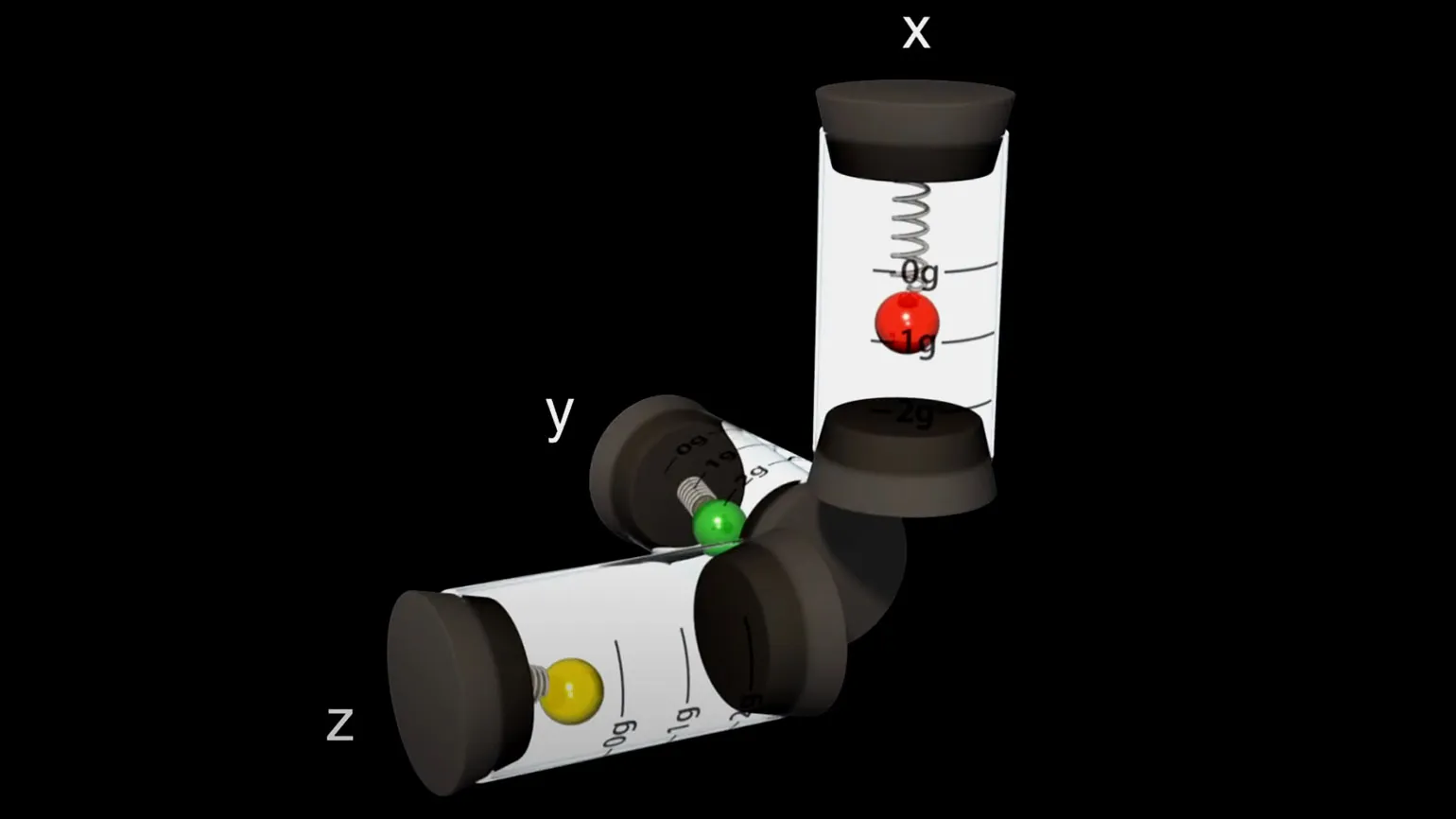
For more accurate measurement of acceleration in three-dimensional space, three flasks are used, placed along perpendicular axes X, Y and Z. This design brings the device significantly closer to modern accelerometers, which are used in a variety of electronic devices, including smartphones, tablets and game controllers. Using such accelerometers allows you to accurately determine changes in the position and orientation of the device in space, which is key for many applications, including navigation, games, and control systems.
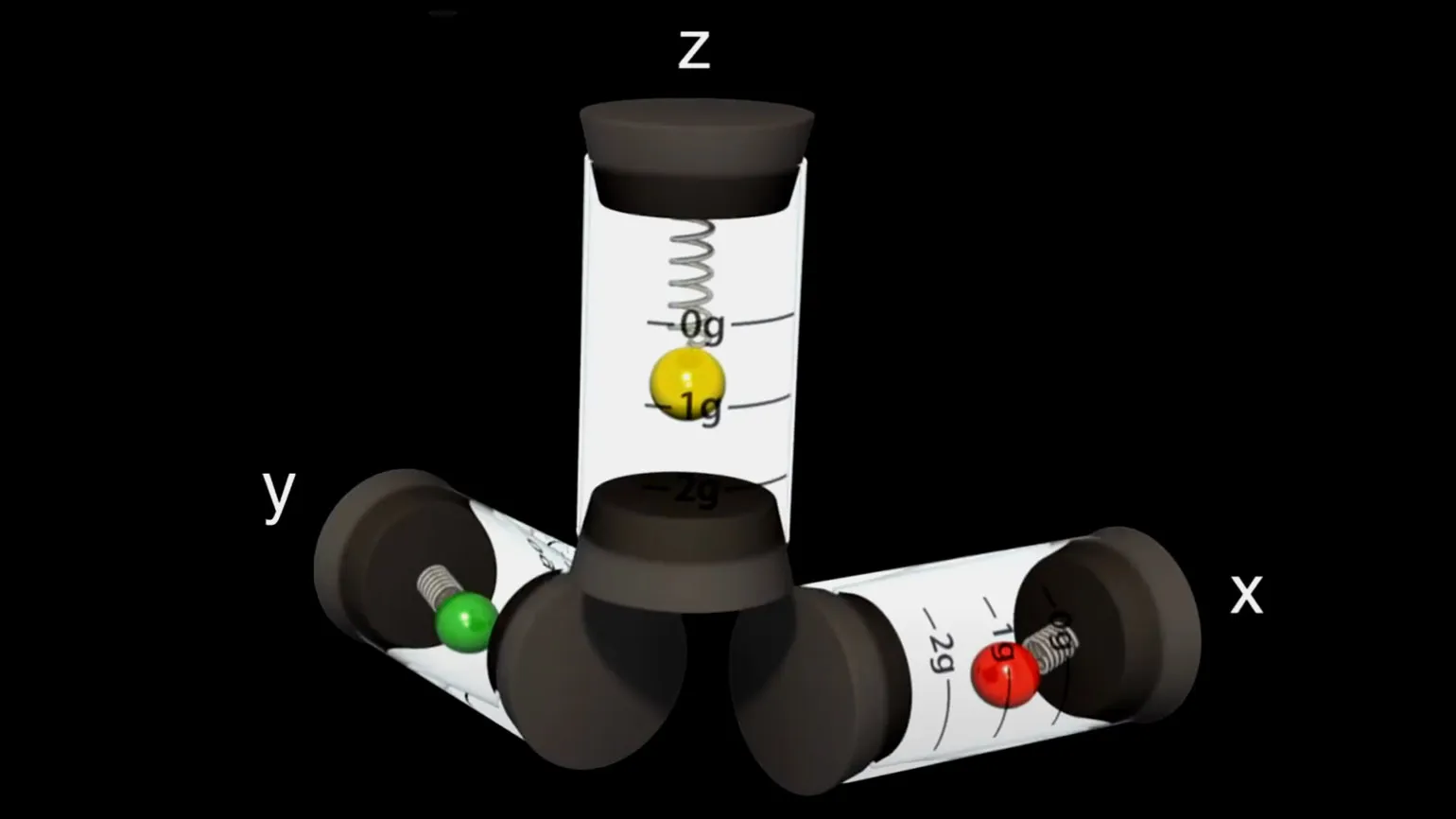
As the device rotates, and the Z-axis becomes vertical, the spring along that axis stretches under the force of gravity, while the spring along the X-axis relaxes. These changes allow the sensor to detect changes in the device's orientation and transmit the corresponding information to the microcontroller or processor. This process is critical for adapting devices to changes in space, ensuring their correct operation in various conditions.
How accelerometers work in smartphones and modern devices
Modern accelerometers used in smartphones and other devices differ significantly from traditional models based on springs and weights. Currently, microelectromechanical systems (MEMS), which are highly compact and efficient, are widely used. These systems are miniature mechanisms integrated directly on a chip, which allows for significant space savings and increased functionality of devices. Due to their high sensitivity and accuracy, MEMS accelerometers are used not only in mobile electronics, but also in the automotive, medical, and aerospace industries, which emphasizes their versatility and importance in the modern technological world.
MEMS accelerometers operate based on a specialized micromechanical design, including a silicon housing and a moving mass, known as a seismic mass. This mass is suspended by thin springs, allowing it to move in response to changes in acceleration. Such devices are widely used in various industries, including automotive, electronics, and robotics, due to their high sensitivity and compact size. MEMS accelerometers play a key role in navigation, motion control, and vibration monitoring systems, providing accurate data for analysis and control.
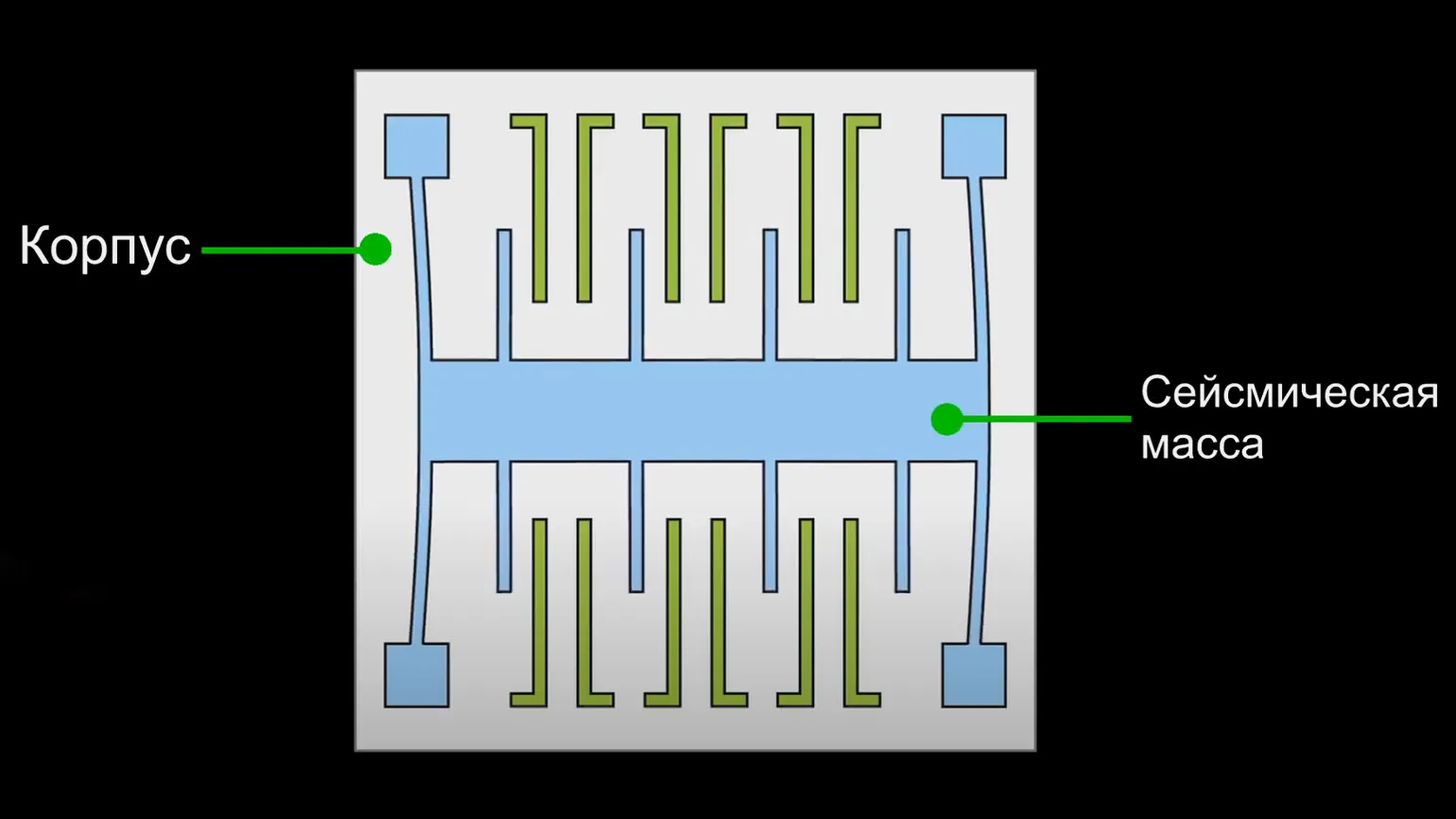
When an accelerometer operates, the device body remains stationary while the seismic mass moves in different directions relative to the sensor's center. This movement is recorded with high accuracy, providing reliable data on acceleration and vibrations. Accelerometers are widely used in various fields, including mobile devices, automotive engineering, and monitoring systems. Their high measurement accuracy makes them indispensable for analyzing dynamic processes and improving the functionality of modern technologies.
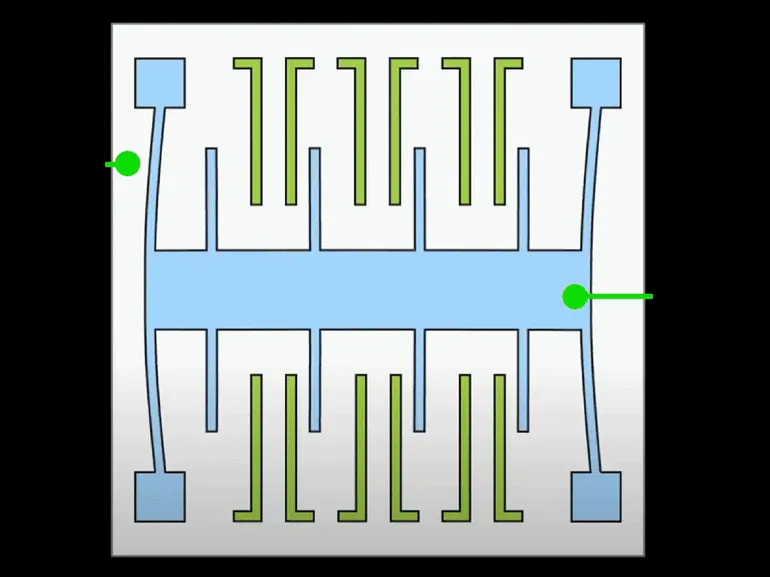
The seismic mass is equipped with special antennae, which are placed between fixed electrodes, forming a capacitor. When the mass moves under acceleration, the distance between the electrodes varies, which changes the capacitance of the capacitor. This process allows the sensor to measure acceleration with high accuracy. The use of a seismic mass in modern sensors provides reliable data for a variety of applications, including seismology and automotive electronics.
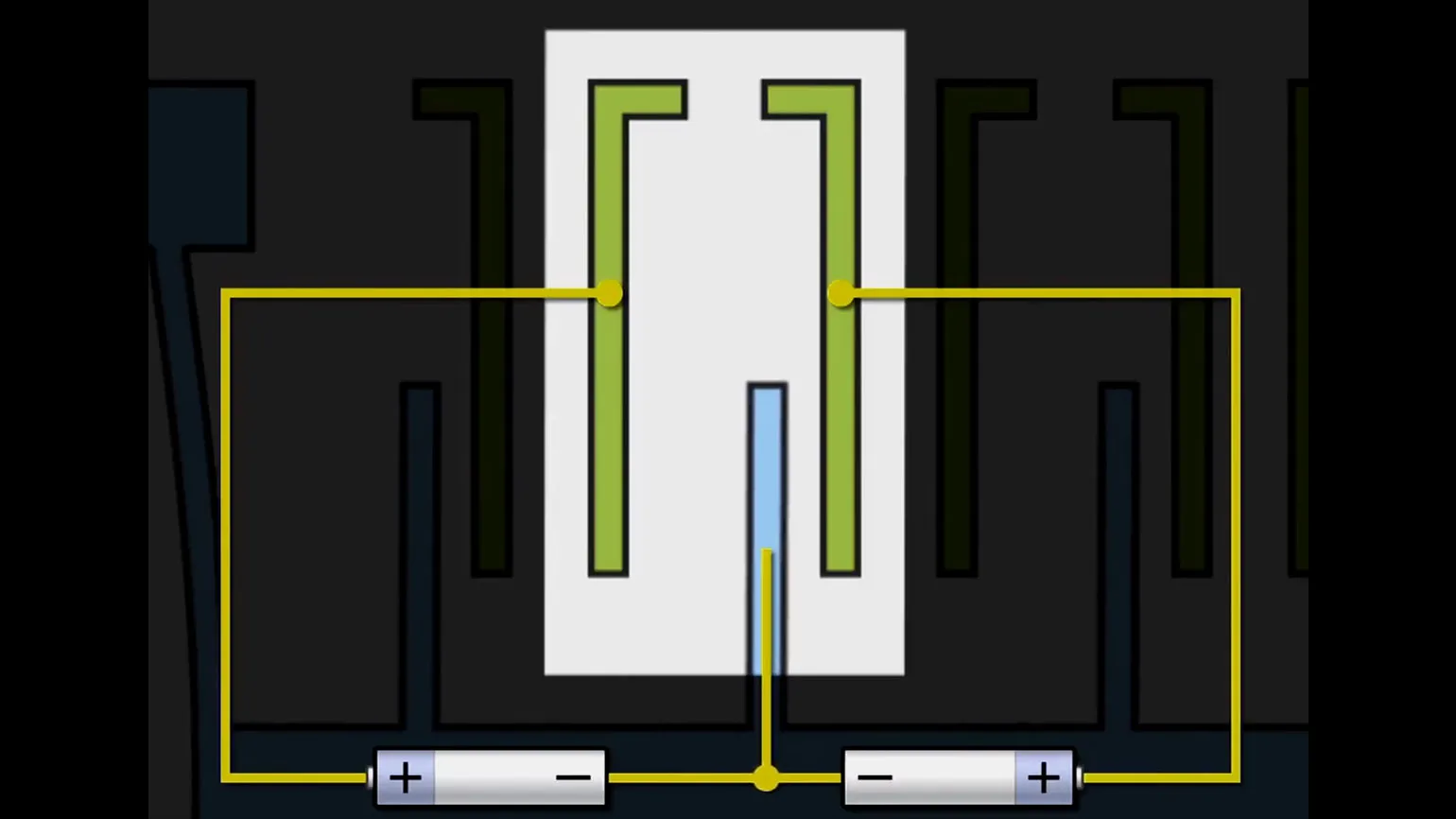
The MEMS accelerometer board includes a microcontroller that records changes in the capacitor's capacitance and converts them into analog signals. These signals are used to calculate acceleration and ensure the proper functioning of the device. MEMS accelerometers are widely used in various fields, such as mobile devices, automotive electronics, and motion control systems, due to their high accuracy and compact size.
Accelerometer Applications in Modern Technologies
Accelerometers are critical sensors that are widely used in a variety of devices, from mobile phones to aviation equipment. These devices measure acceleration and can record position changes, making them indispensable in a variety of fields. In this article, we will discuss the key uses of accelerometers and their importance in modern technology.
Accelerometers in smartphones and tablets play a key role in determining the device's orientation. This allows the interface to automatically change from portrait to landscape mode when the device is rotated. Accelerometers are also widely used in mobile games, especially racing games, where players control a car by tilting the device. Using accelerometers improves user interaction with apps and games, making the experience more intuitive and immersive.
In wearable devices such as smartwatches and fitness trackers, accelerometers play a key role in monitoring the user's physical activity. They accurately track parameters such as step count, distance traveled, and sleep quality. Moreover, some models use this technology to automatically turn on the screen when you raise your wrist, providing a more convenient experience. Accelerometers make wearable devices effective assistants in achieving fitness goals and increasing overall activity levels.

Accelerometers are key components in drone flight stabilization systems, ensuring stability and smooth movement. This is especially important for aerial photography, where high-definition images directly depend on effective stabilization. Using accelerometers minimizes the influence of external factors, such as wind, and ensures a stable frame, which is critical for capturing high-quality photos and videos. Integrating modern accelerometers into a drone significantly improves its performance and reliability, making them indispensable for aerial photography and videography.
Accelerometers play a key role in modern cars, particularly in safety systems. They are actively used in the electronic stability control (ESP) system, which monitors the vehicle's movement and adjusts the brakes to correct its trajectory. This significantly reduces the risk of leaving the road during abrupt maneuvers. Accelerometers make cars safer, which is especially important for preventing accidents in difficult traffic conditions.

Accelerometers play a key role in airbag inflation systems. They detect sudden vehicle acceleration and transmit a signal to deploy the airbags. This ensures reliable protection for the driver and passengers in the event of an accident, minimizing the risk of injury. The use of accelerometers in cars significantly improves road safety.
Accelerometers in game controllers such as the Nintendo Joy-Con and Sony DualSense play a key role in improving the interactivity and realism of gameplay. These technologies track player movements, which is especially important in genres that require high precision, such as shooters. Accelerometers make controls more responsive, which promotes immersion and increases the overall enjoyment of the gaming experience.
Accelerometers play an important role in medicine, particularly in rehabilitation systems and devices for diagnosing movement disorders. These devices effectively monitor limb movements, helping track patient progress. With their help, medical professionals can more accurately adjust therapy, ensuring a personalized approach and improving rehabilitation outcomes. The use of accelerometers in medical practice opens up new possibilities for diagnosis and treatment, making the process more efficient and reliable.
Accelerometers in car-sharing services play a key role in analyzing users' driving styles. Collecting data on driver behavior helps identify aggressive maneuvers, which in turn helps reduce the risk of accidents and vehicle damage. Using this technology not only improves road safety but also optimizes car-sharing services, improving the quality of service for customers.
Accelerometers play a vital role in aviation and space technology, monitoring g-forces and vibrations. These devices are also used for navigation, which is critical for flight safety and the accuracy of the data obtained. The introduction of high-precision accelerometers helps improve the performance of aircraft and increase their reliability in various operating conditions.
Variety of accelerometer types
Accelerometers are important devices for measuring acceleration and vibration. They differ in their operating principles, accuracy, and areas of application. In this article, we will consider the main categories of accelerometers, their features, and areas of application.
- Piezoelectric accelerometers - create electric charges when mechanically acted upon, which allows for the accurate determination of acceleration. They are used in various fields, from medicine to the automotive industry.
- Piezoresistive accelerometers - operate based on changes in the resistance of materials that occur when they deform under acceleration. These sensors are often used in security systems.
- MEMS accelerometers are based on microelectromechanical systems and are made of semiconductors. They are ideal for consumer electronics such as smartphones and fitness trackers.
- Capacitive accelerometers measure acceleration by recording changes in capacitance between fixed electrodes. They are widely used in navigation systems and robotics.
- Optical accelerometers use changes in the parameters of the light flux in optical systems to determine acceleration. They provide high accuracy and are used in space exploration and aviation.
Each type of accelerometer has unique advantages, making them suitable for different applications. MEMS accelerometers, due to their compact size and low power consumption, are ideal for integration into mobile devices and portable gadgets. On the other hand, optical accelerometers provide high accuracy and stability, making them preferred for use in aerospace research and scientific experiments where measurement accuracy is critical. The choice of a specific type of accelerometer depends on the specific requirements of the task and operating conditions, which allows for the optimal use of their capabilities.
What are the key advantages of accelerometers?
- Accelerometers are devices designed to determine acceleration and changes in position relative to gravity.
- Among the many types of accelerometers, the most widely used are microelectromechanical systems (MEMS), which are characterized by high accuracy and compactness.
- These sensors are actively used in various devices: in smartphones, they provide automatic adjustment of the interface depending on the screen orientation, and in cars they help maintain driving stability, especially in difficult conditions, such as sharp turns.
Where are accelerometers used?
- Smartphones and tablets - for automatic orientation screen and games.
- Automotive - for stability control and emergency braking systems.
- Fitness trackers - to track physical activity and analyze workouts.
Trends and the Future of Accelerometers
As technology advances, accelerometers will become increasingly integrated into our daily lives. The MEMS accelerometer market is expected to reach USD 3 billion by 2025. This growth is driven by increasing demand for wearable devices and smart cars. Analyst research, such as reports from MarketsandMarkets, confirms these forecasts, highlighting the growing interest in the Internet of Things (IoT) and modern technologies. Accelerometers play a key role in the functionality of such devices, making them an integral part of technological progress.
Frequently Asked Questions About Accelerometers
- How does an accelerometer work?
- Accelerometers measure acceleration and can detect changes in a device's position relative to the Earth's axis.
- What are the main applications of accelerometers?
- They are used in mobile devices, cars, sports gadgets, and even in medical devices for patient monitoring.
Python Developer: 3 Projects for a Successful Career
Want to become a Python developer? Find out how to easily learn a language and create 3 projects for your portfolio!
Learn more