Contents:
- The Early Years: From Lakeside School to First Successes
- The Founding Story of Microsoft: The Path to Success
- The IBM Deal: How Bill Gates Captured the PC Market
- Journey to the Windows Era: The Success Story of Microsoft
- The Conflict with Netscape: How It Changed the Internet Landscape
- Bill Gates' Legacy: Retirement from Business and New Challenges
- Bill Gates's Net Worth in 2025

Free Python course: 4 projects for your Portfolio
Learn MoreEarly Years: From Lakeside School to First Successes
William Henry Gates III, better known as Bill Gates, was born on October 28, 1955, in Seattle, to a wealthy family. His father, a successful lawyer, and his mother, who held executive positions in several companies and was actively involved in charity work, laid the foundations for his education and drive for success. Bill grew up with two sisters, Christy and Libby, and his parents always supported his love of knowledge, perseverance, and passion for reading. These values became fundamental to his later career and success in the world of technology.
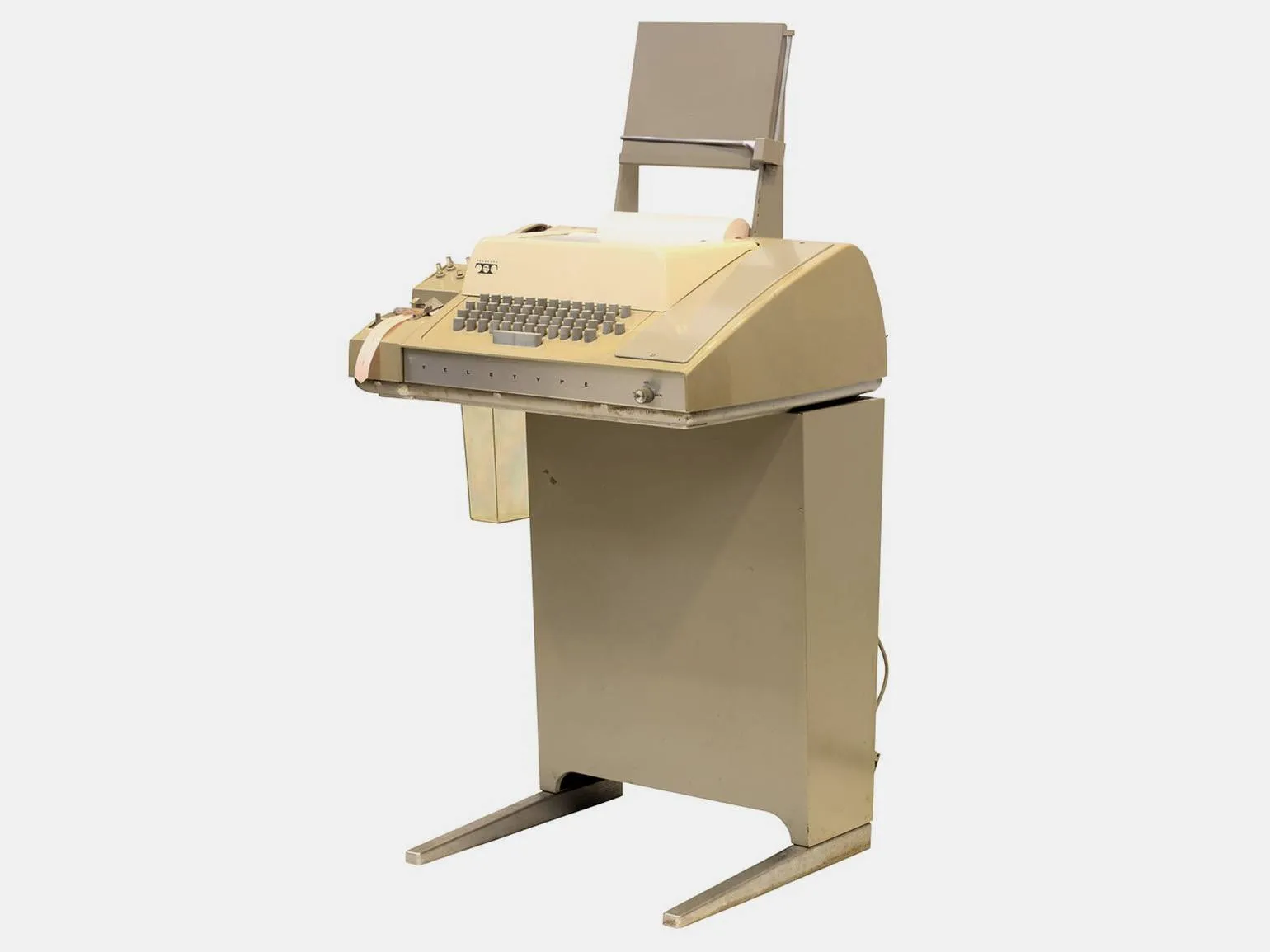
From the ages of 9 to 17, Bill Gates attended Lakeside School, which was renowned for its innovative approaches to education. It was at this school, thanks to the initiative of the parents' committee, that a Teletype Model 33 computer terminal was installed, opening the door to the world of programming for Gates. In this classroom, he developed his first game, tic-tac-toe, which allowed players to compete against the computer. This experience became an important stage in his career and passion for information technology.
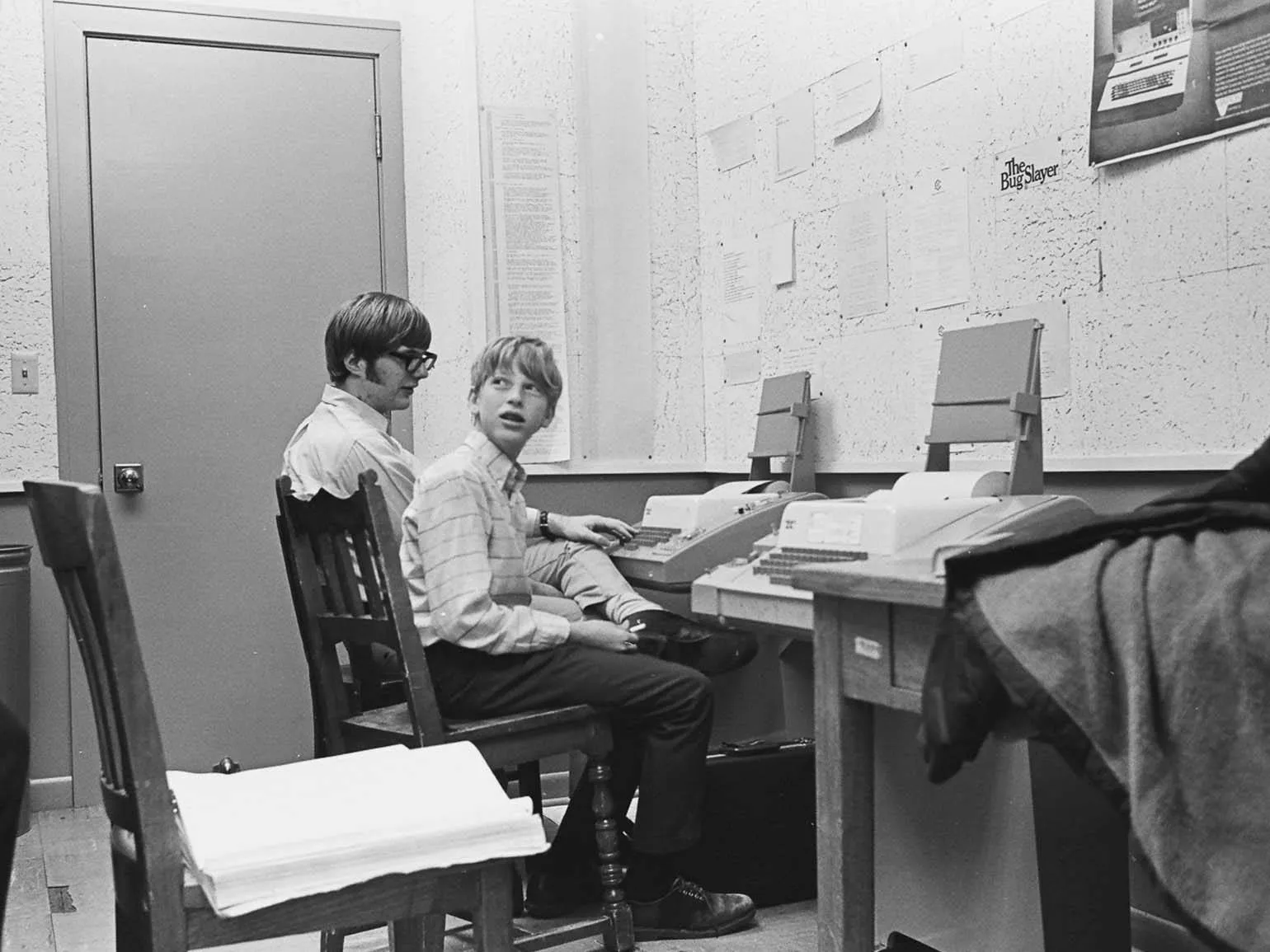
At Lakeside, Bill Gates met Paul Allen, with whom he shared a passion for technology. Together, they created a program to automate scheduling, which earned them a $500 check from the school principal. This experience became an important milestone on the path to their future achievements in the world of information technology.
The school received a PDP-10 computer with limited access. Seeking to increase their time spent on the computer, Gates and Allen hacked the system, which ultimately led to punishment - they were denied access to the computer for the entire summer. This incident was an important step on their path into the world of technology and programming, highlighting their passion for knowledge and innovation.
The young programmers proposed a deal with Computer Center Corporation (CCC) to restore access to the computer. They found software bugs and received unlimited access to the PDP-10 in exchange. This collaboration allowed them to study programming languages such as Fortran and Lisp until 1970, when CCC went bankrupt. This interaction became an important stage in their education and development of programming skills, which subsequently had a significant impact on their careers in the IT industry.
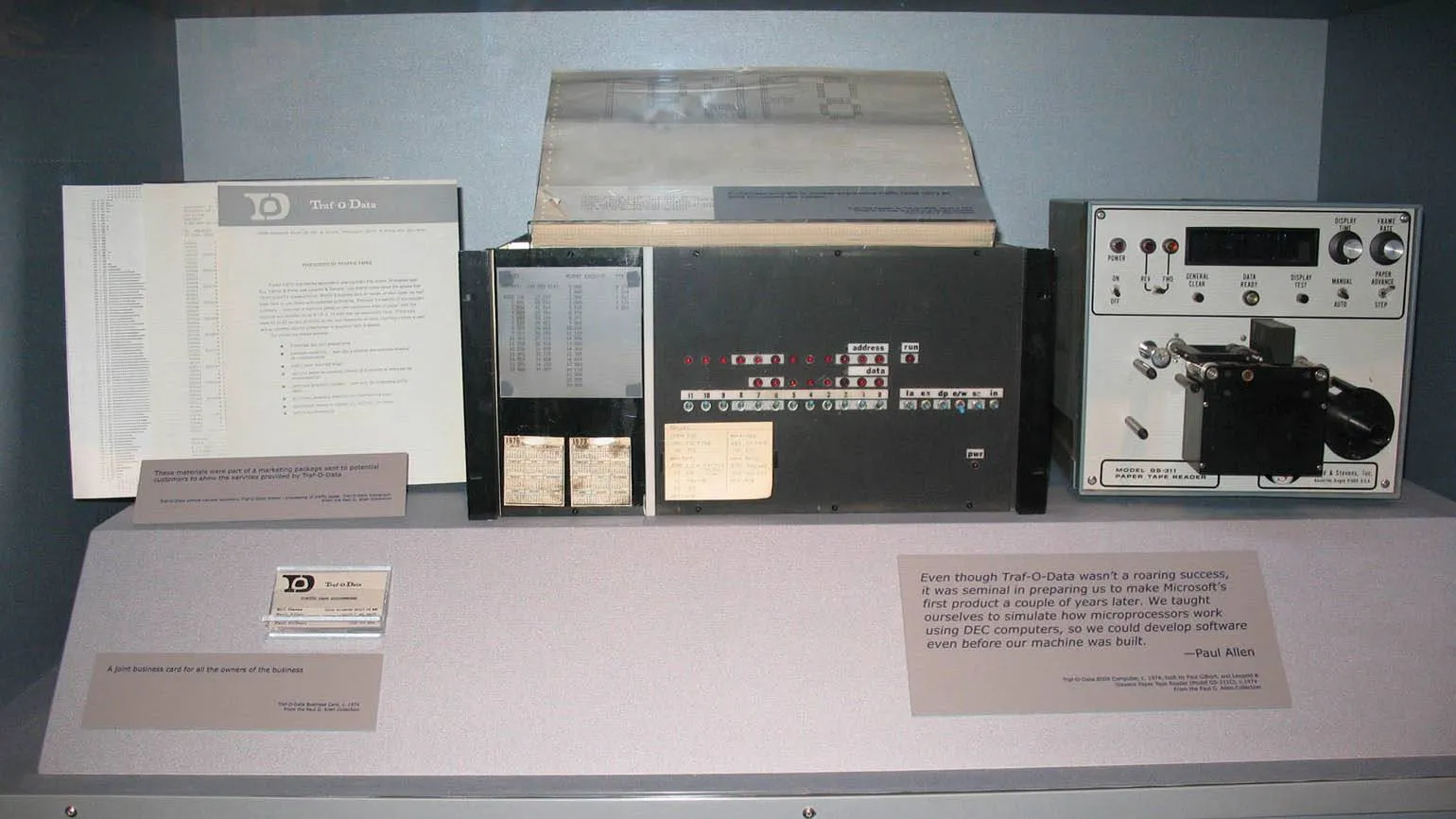
While studying at Lakeside, Bill Gates and Paul Allen gained their first experience in the commercial sphere, working on the Traf-O-Data project, which was aimed at analyzing road traffic. The system worked as follows:
- Special rubber tubes were installed across the road to count passing cars.
- Each passing car squeezed the tube, creating an air pulse, which was recorded and stored on punched tape.
- The data was then processed by a computer with an Intel 8008 processor, generating reports on traffic congestion.
Paul Allen developed an emulator of the Intel 8008 processor, which was an important step in the history of computer technology. Bill Gates created a program to process the data obtained from the emulator. Paul Gilbert joined their team, responsible for system testing and data collection. This collaboration significantly advanced software and processor emulation, which subsequently opened new horizons in computing technology.
The Traf-O-Data project, despite earning the students $20,000, failed to achieve commercial success. At the time of its launch, more modern and effective traffic monitoring systems equipped with automatic sensors already existed, significantly limiting Traf-O-Data's potential. This confirms the importance of innovation and the relevance of technology in the traffic monitoring industry, where competition requires constant improvement and adaptation to new conditions.
The experience acquired by Gates and Allen proved invaluable. They faced real challenges in the areas of development, marketing, and customer interaction. This practical experience convinced them of the enormous potential for making money from software.
Despite his significant achievements in programming, Bill Gates's parents viewed his ideas about making money from software as frivolous. They insisted that he choose a career in law. After completing his high school education in 1973, Bill Gates entered Harvard University, which was an important step in his career.

Of course, here is the revised text:
Read also:
The first computer: its characteristics and
The first computer, which can be considered the predecessor of modern computing machines, was created in the mid-20th century. This revolutionary device, known as ENIAC (Electronic Numerical Integrator and Computer), was developed in the United States. Its creation was a significant step in the history of computing and marked the beginning of the era of electronic computers.
ENIAC occupied a huge area and consisted of thousands of vacuum tubes, which ensured its operation. It was intended primarily for performing complex mathematical calculations, which significantly accelerated the computing process compared to mechanical devices of the time. The main developers of ENIAC were John Mauchly and J. Presper Eckert, who laid the foundation for the further development of computer technology.
Since then, computers have undergone significant changes: from bulky machines with limited capabilities to the compact and powerful devices we use today. However, the milestones set by the first computers remain important for understanding the evolution of technology and its impact on our society.
The Founding Story of Microsoft: The Road to Success
In 1975, a real revolution in the world of technology began when Bill Gates and Paul Allen encountered the Altair 8800 microcomputer. This event, covered in an article in Popular Electronics magazine, became the starting point for the creation of Microsoft, one of the most influential companies in the software industry. Inspired by the possibilities offered by microcomputers, Gates and Allen began developing software, which led to significant changes in the industry and ushered in the era of personal computing.
The Altair 8800 was the first mass-produced personal computer, which caught the attention of Bill Gates. Together with Paul Allen, they proposed creating a BASIC language interpreter that would allow ordinary users to effectively use this computer. This proposal was accepted by the Altair developers, marking a significant step in the development of personal computers and software. The development of BASIC opened new horizons for users, making programming more accessible and understandable.
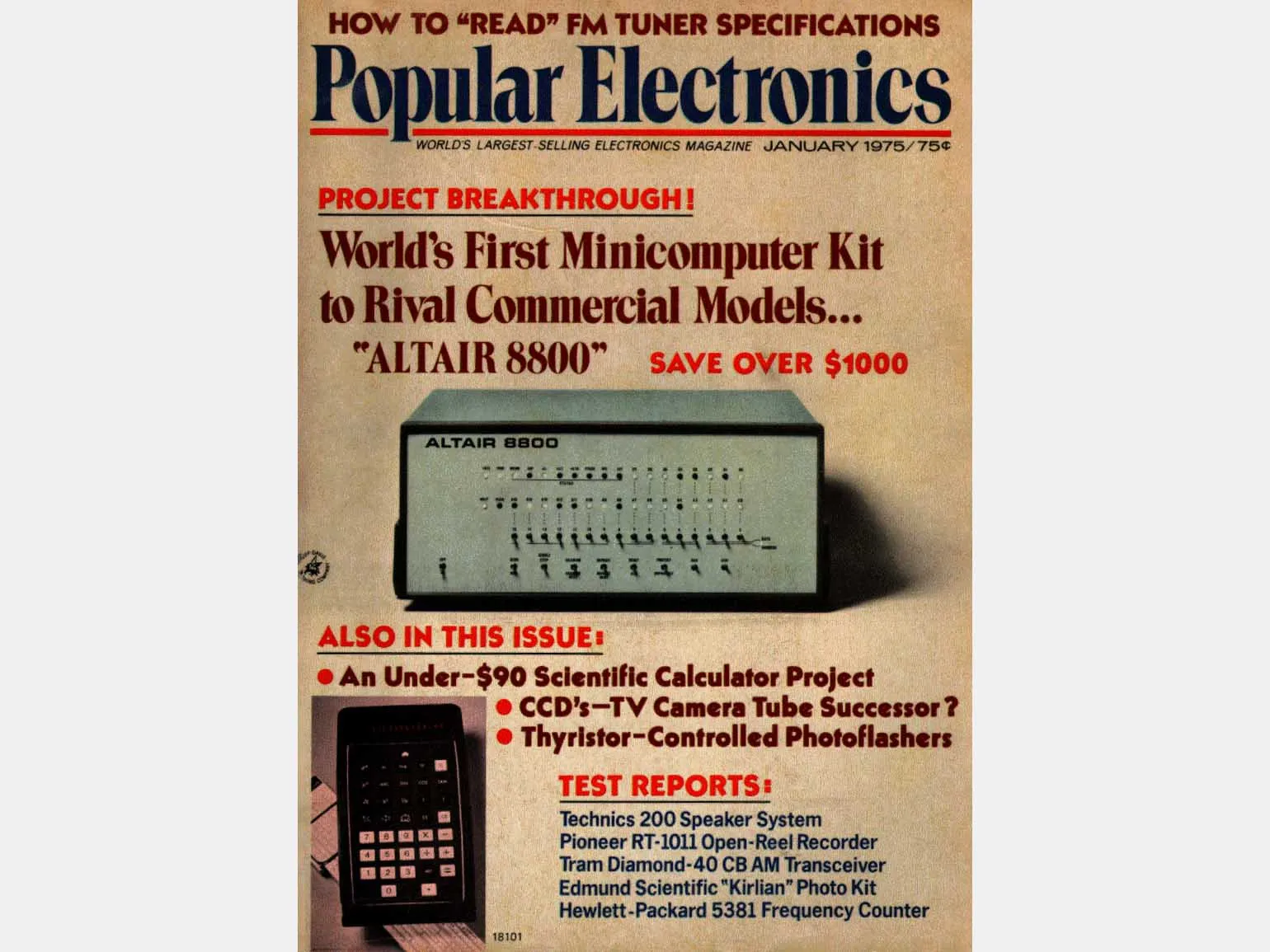
Work on the project started from scratch, as Gates and Allen did not have access to the Altair 8800. For development and testing, they used the university's PDP-10 computer, on which they created an emulator. Intensive work continued for more than a month, and eventually they managed to load the code onto a real Altair 8800, which worked successfully on the first try. This step became an important milestone in the history of programming and formed the basis for the subsequent success of their company.
The BASIC interpreter was a major breakthrough in the world of software, demonstrating its commercial potential. The success of the project brought its creators licensing royalties, which later formed the basis for the creation of the Micro-Soft company. This move marked a significant moment in the history of software development and opened new horizons for businesses in this field.
The company name Micro-Soft was chosen in accordance with their core idea: "Micro" stands for microcomputers, and "Soft" stands for software. Although the name "Allen and Gates" was considered, it was decided that it was more suitable for a law firm than a tech giant. The name became a symbol of innovation in computing and programming, which further contributed to the company's success in the tech market.
In 1975, when the company was just starting out, there were only about 2,000 personal computers in the world. Confident in the growth prospects of this market, Bill Gates made the bold decision to leave Harvard University, a significant step in his career and in the history of information technology.
In November 1976, the name Micro-Soft was registered without the hyphen, marking a significant milestone in the company's history. By 1977, Microsoft had only 11 employees, including friends of Bill Gates and Paul Allen. Gates handled contracts, while Allen was responsible for technical aspects. This period became the basis for the further growth and development of Microsoft, which subsequently led to its transformation into one of the leaders in the field of information technology.
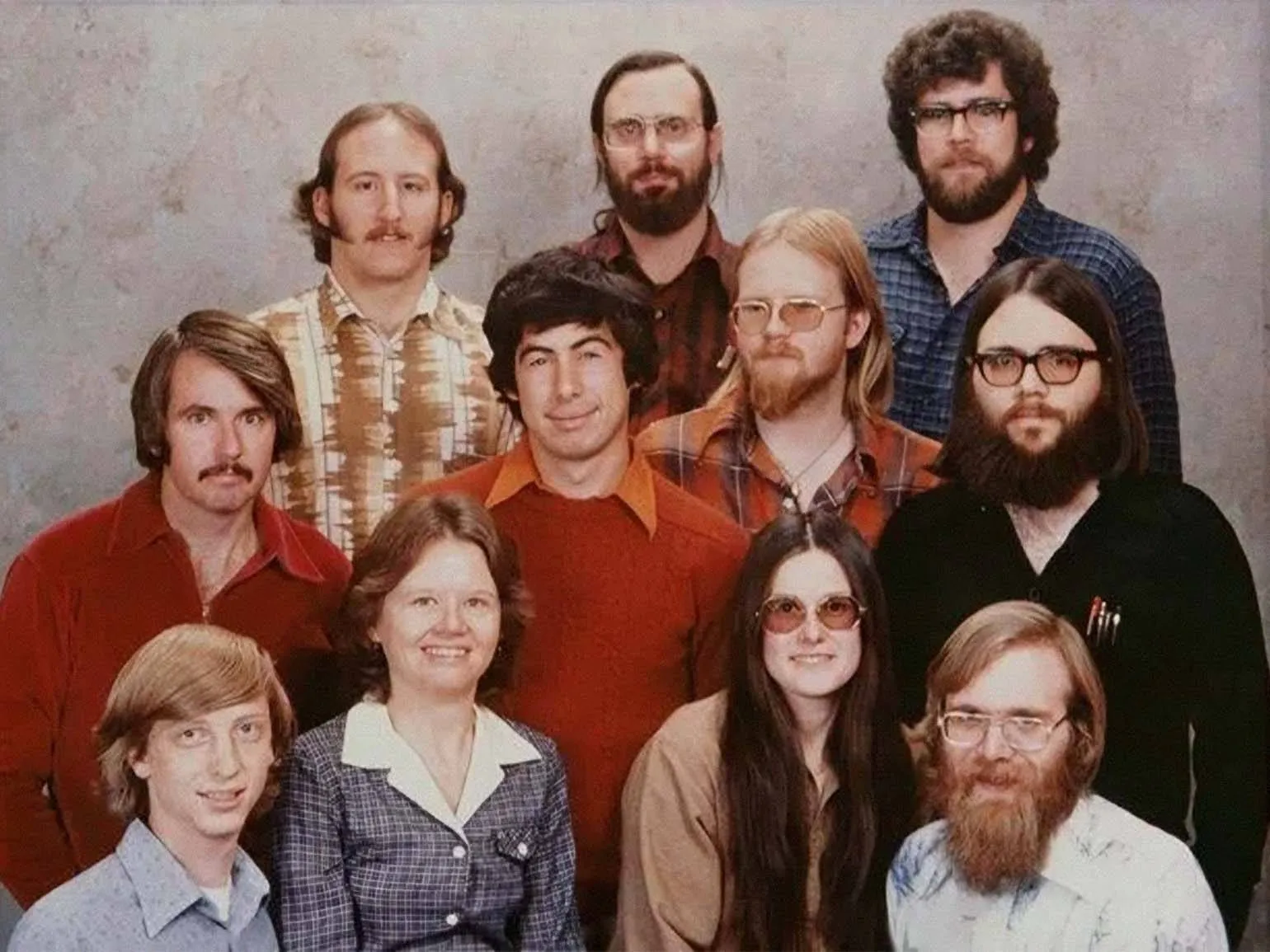
In the 1980s, an 80-hour workweek was accepted as the standard, and employees often worked without breaks before the launch of new products. These intense efforts formed the basis of Microsoft's success, contributing to its emergence as a world leader in the software industry. This approach to work became an important element of the corporate culture, pushing the company towards innovation and development.
The IBM Deal: How Bill Gates Captured the PC Market
In 1980, a deal was made that radically changed the computer industry. Bill Gates, the founder of Microsoft, signed a contract with IBM, a company known for its powerful computing systems. In the face of increasing competition, IBM decided to launch its first personal computer, the IBM PC, which urgently needed an operating system. This deal became the starting point for the development of personal computers and led to the popularization of Microsoft's software.
An IBM executive, who had a connection with Bill Gates' mother through a charitable foundation, played a key role in this process. This connection laid the foundation for the first meeting, at which Gates pledged to develop an operating system as quickly as possible. The importance of this meeting cannot be overstated, as it became the starting point for Microsoft's subsequent success and a change in the entire computer industry.
Read also:
IBM: The Symbol of America, Jobs' Rivals and the Founders of Information Technology
The IBM Company, founded In the early 20th century, IBM became an important symbol of American industry and a key player in the development of information technology. For decades, IBM held a leading position in the market, developing innovative solutions and technologies that changed the way business was done.
While Steve Jobs and his company Apple promoted ideas about personal computers and the user interface, IBM remained focused on enterprise solutions and the development of high-performance systems. The competition between IBM and Apple became a significant event in the history of technology, shaping the face of the modern IT market.
IBM made significant contributions to the development of software, computer hardware, and cloud services. The company continues to be an influential force in the world of technology, adapting to rapidly changing conditions and introducing advanced solutions for businesses and government agencies.
Thus, IBM is not only an important part of US history, but also plays a key role in shaping the future of information technology.
Before concluding a deal with IBM, Bill Gates met with developer Tim Paterson, who had the basis for the operating system. Paterson agreed to sell his development for $50,000, and Gates did not miss the opportunity. After the acquisition, he and the Microsoft team made significant changes to the code, adapting it to IBM's requirements. This decision became a key moment in the history of both companies and had a significant impact on the development of the computer industry.
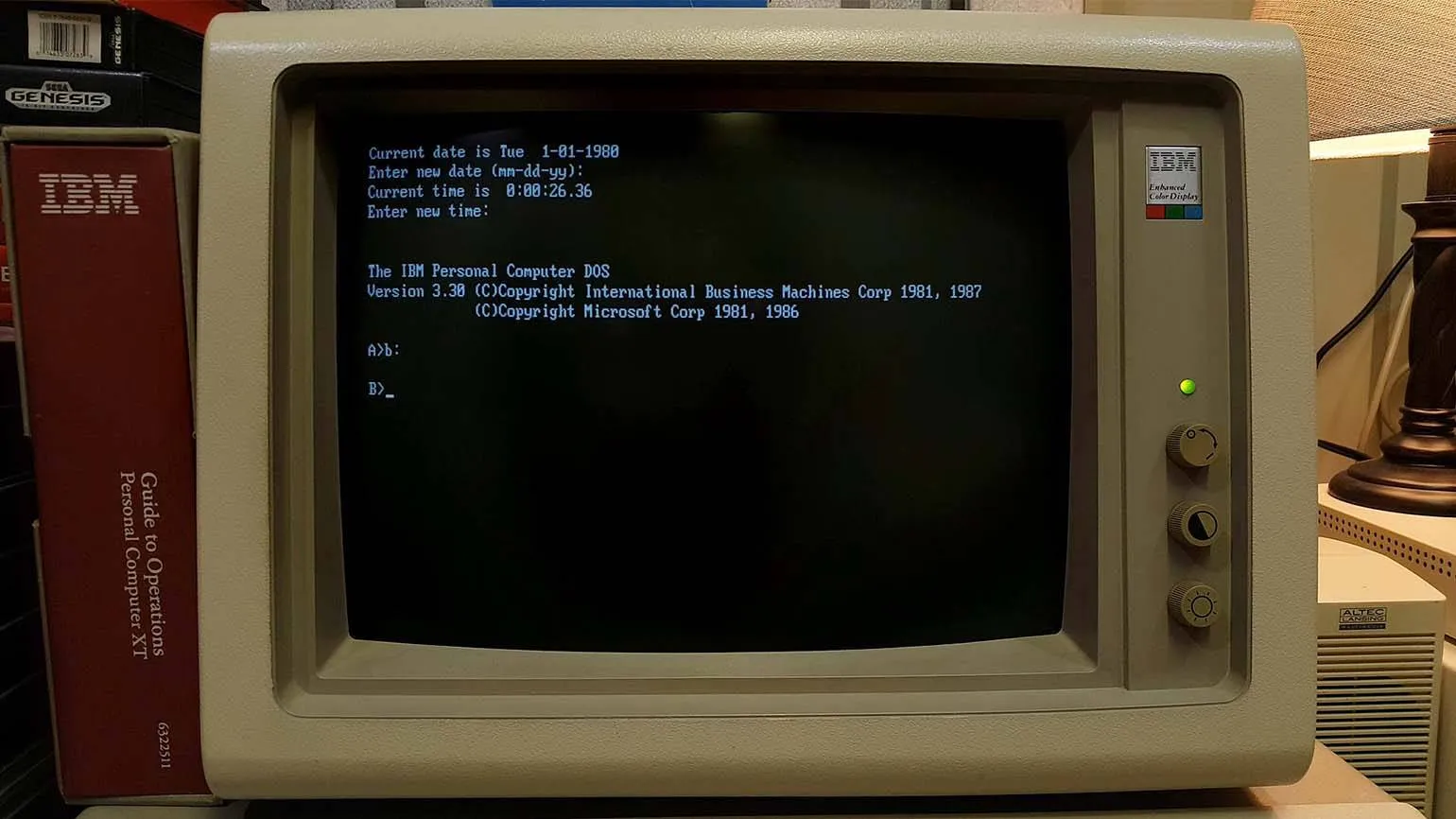
The new operating system was named MS-DOS - a disk operating system developed by Microsoft. MS-DOS operated through a text interface and quickly gained popularity in the computer industry, enabling the launch of various programs, from simple utilities to the first office applications. This system became the basis for further achievements by Microsoft and played a key role in the formation of modern software.
In the summer of 1981, the IBM PC was launched, which quickly gained popularity. In the first months after its release, more than 50,000 computers were sold. These devices began to be actively used in educational institutions, homes, and offices, which contributed to their mass adoption. At the same time, Microsoft took a leading position in the software industry, receiving constant royalties from each sale of its products.
A Journey into the Windows Era: The Microsoft Success Story
By the end of 1983, Microsoft, founded by Bill Gates, had achieved a significant turnover of $100 million and occupied a significant position in the software market. Microsoft products were installed on every second computer in the world, which confirmed its influence in the industry. However, a new threat soon emerged - Steve Jobs with the innovative Macintosh computer, which challenged Microsoft's leadership and changed the perception of personal computers.
Apple introduced a revolutionary product that fundamentally changed the concept of computer interfaces. Using a mouse and a graphical interface, the Macintosh gave users the ability to launch programs with a simple click, which eliminated the need to remember complex commands. This intuitive interface attracted the attention of even the youngest users, which caused concern for Bill Gates and his team. The introduction of such technologies made computers more accessible and understandable to a wider audience, which contributed to the accelerated spread of personal computers around the world.
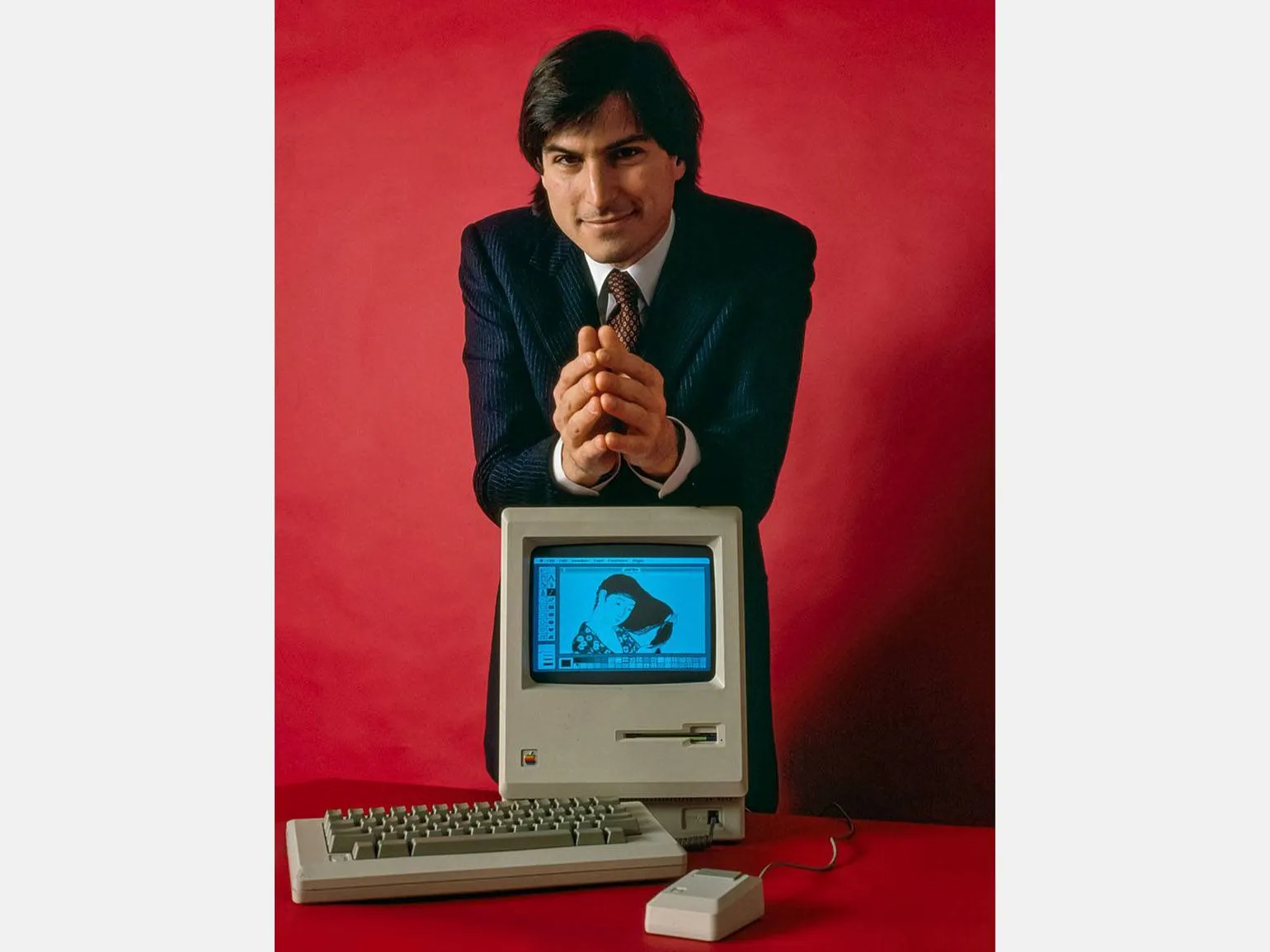
Microsoft played a major role in the Apple software ecosystem, and Bill Gates took the opportunity to explore the Macintosh's functionality, particularly its graphical interface and mouse control. This led to the development of its own GUI operating system, which, while controversial, was a significant milestone in the development of Windows. This move allowed Microsoft to become a leader in the operating system market and revolutionized the user interface overall.
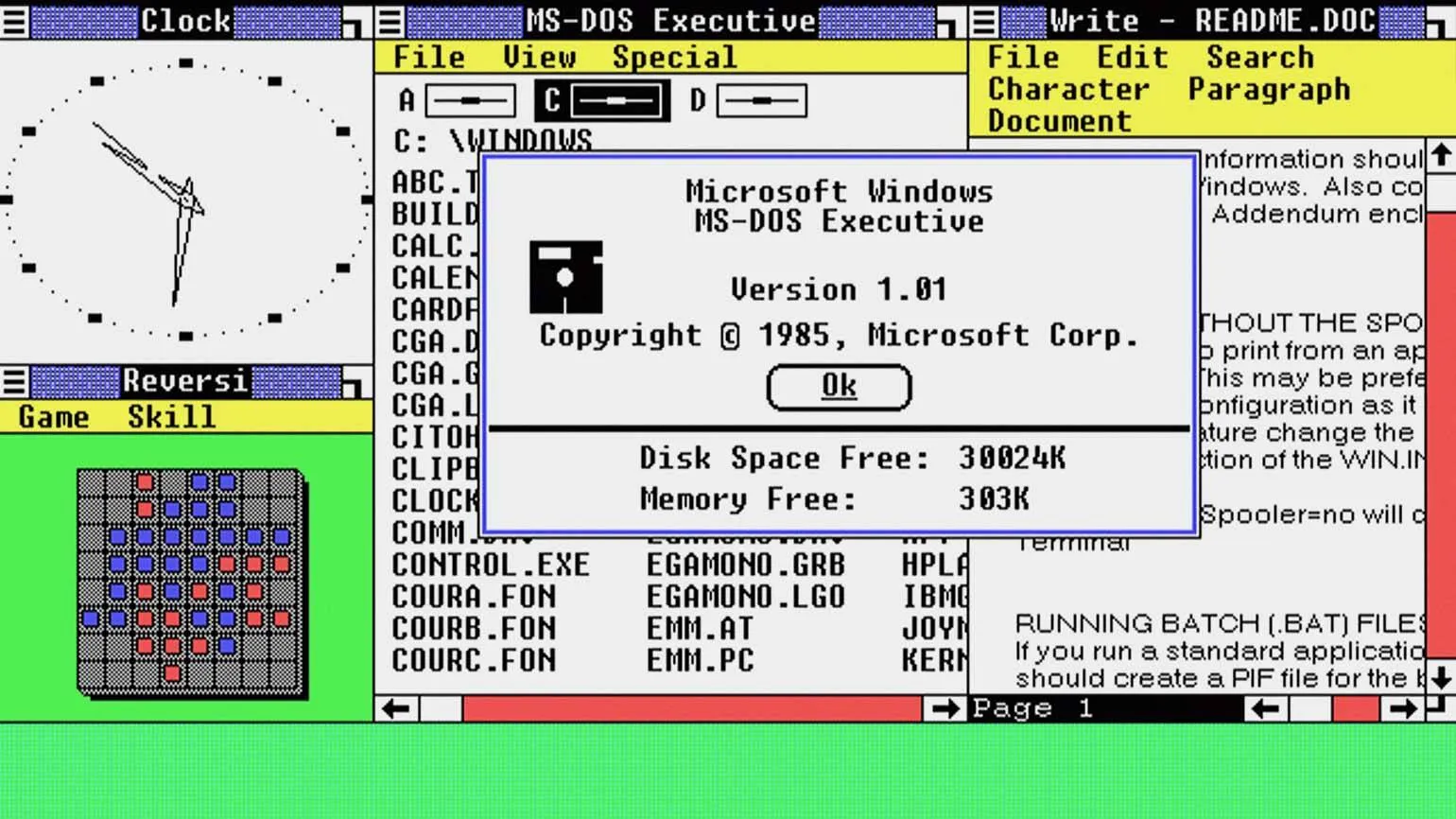
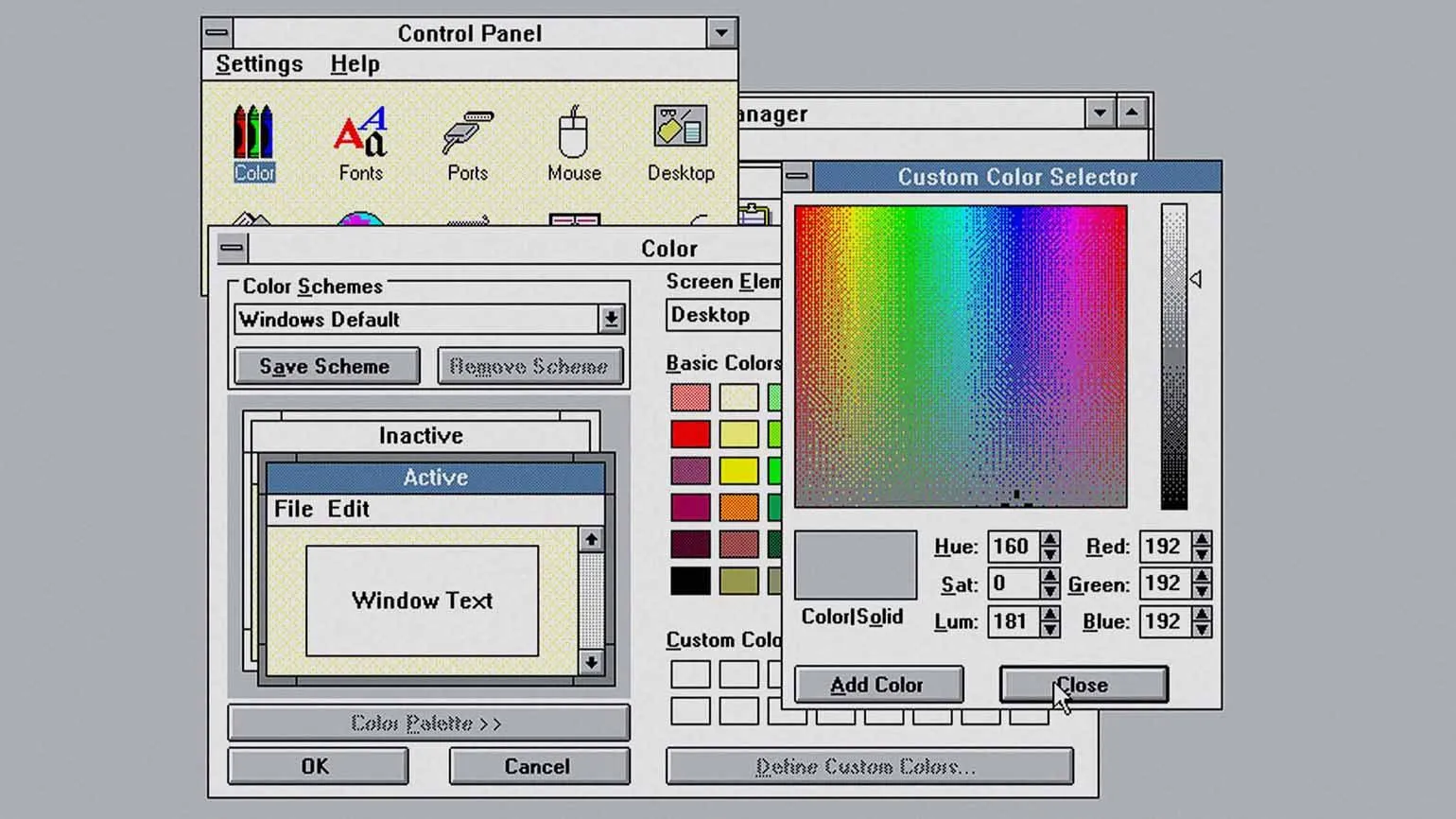
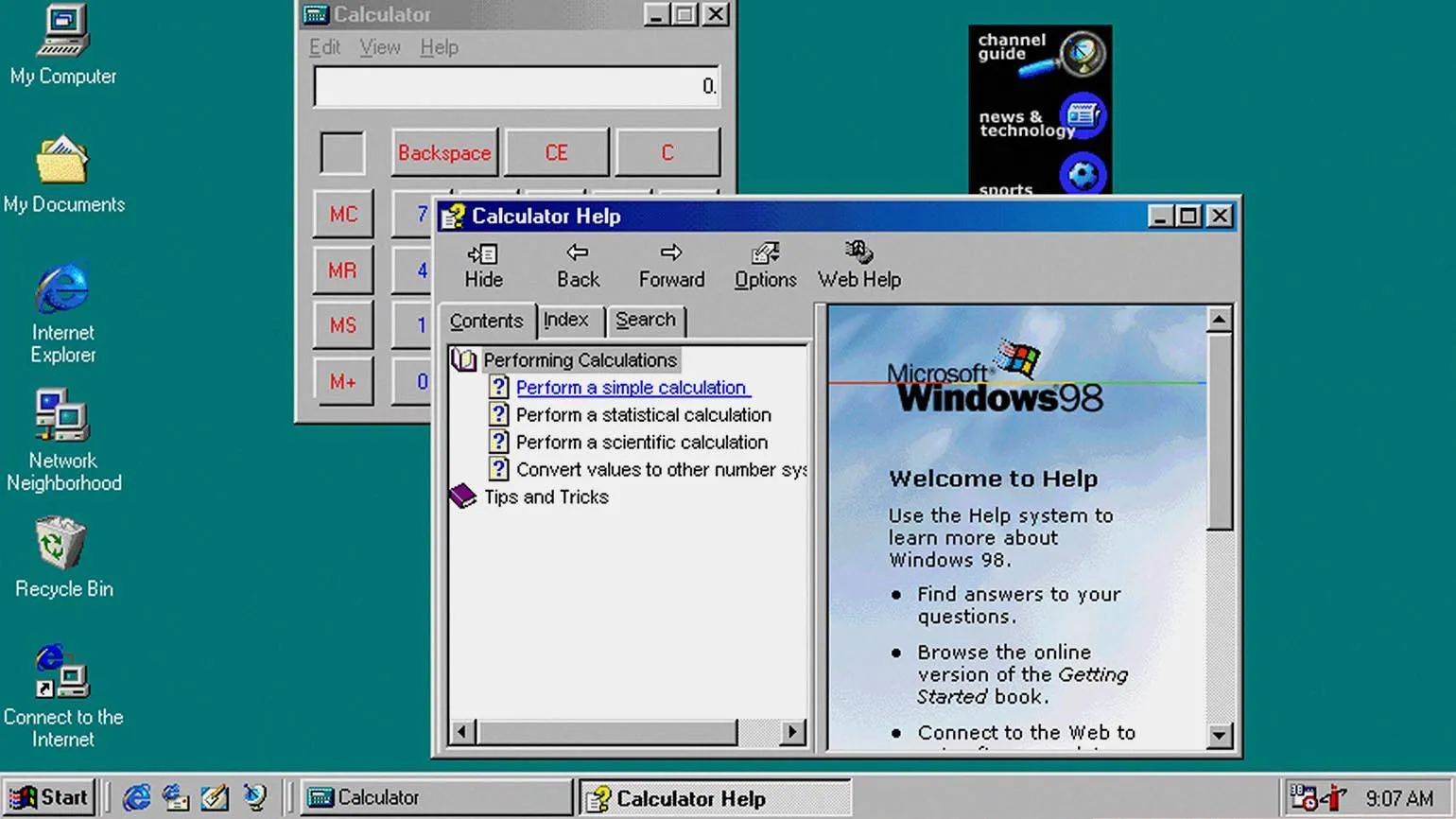
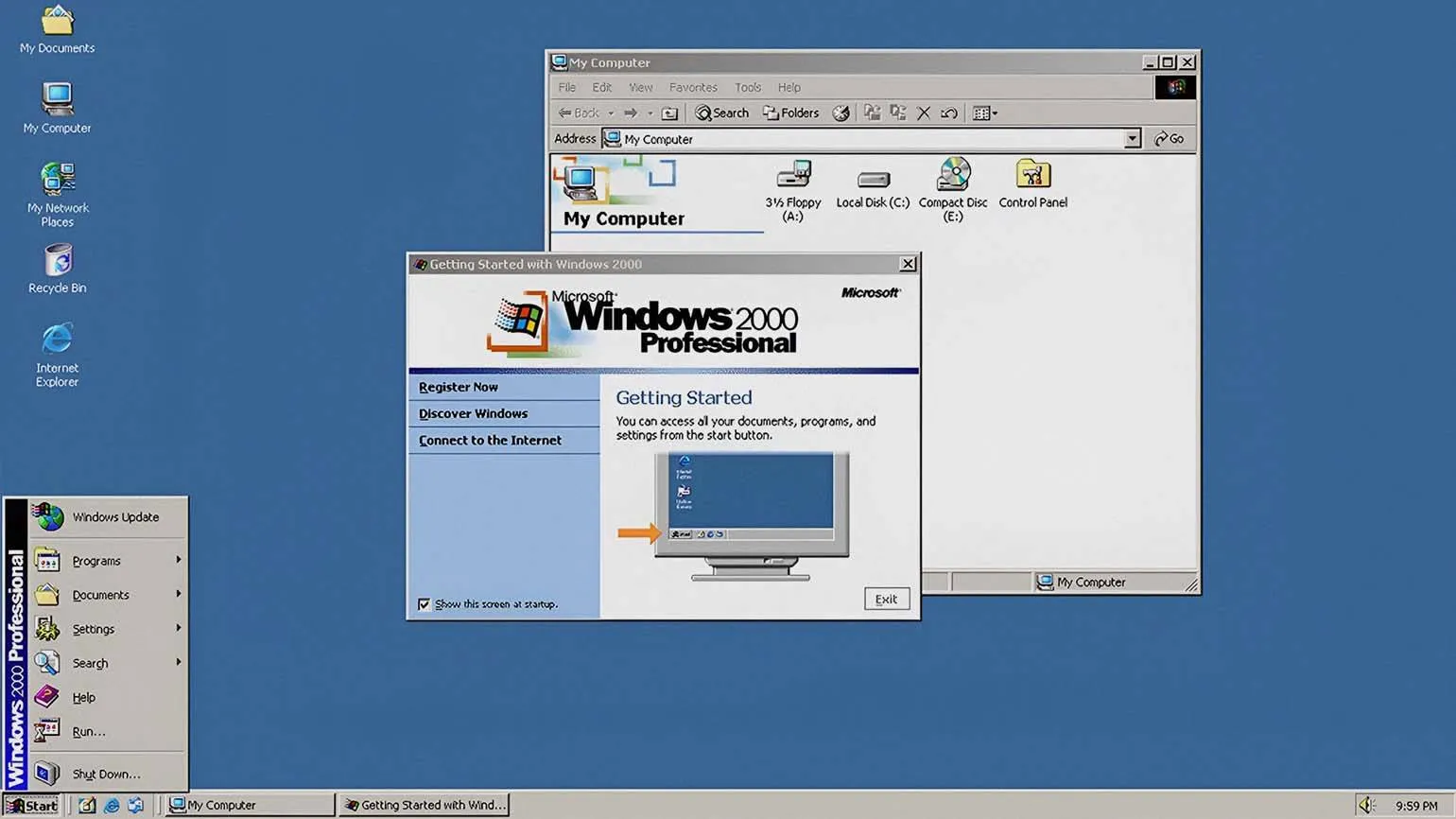
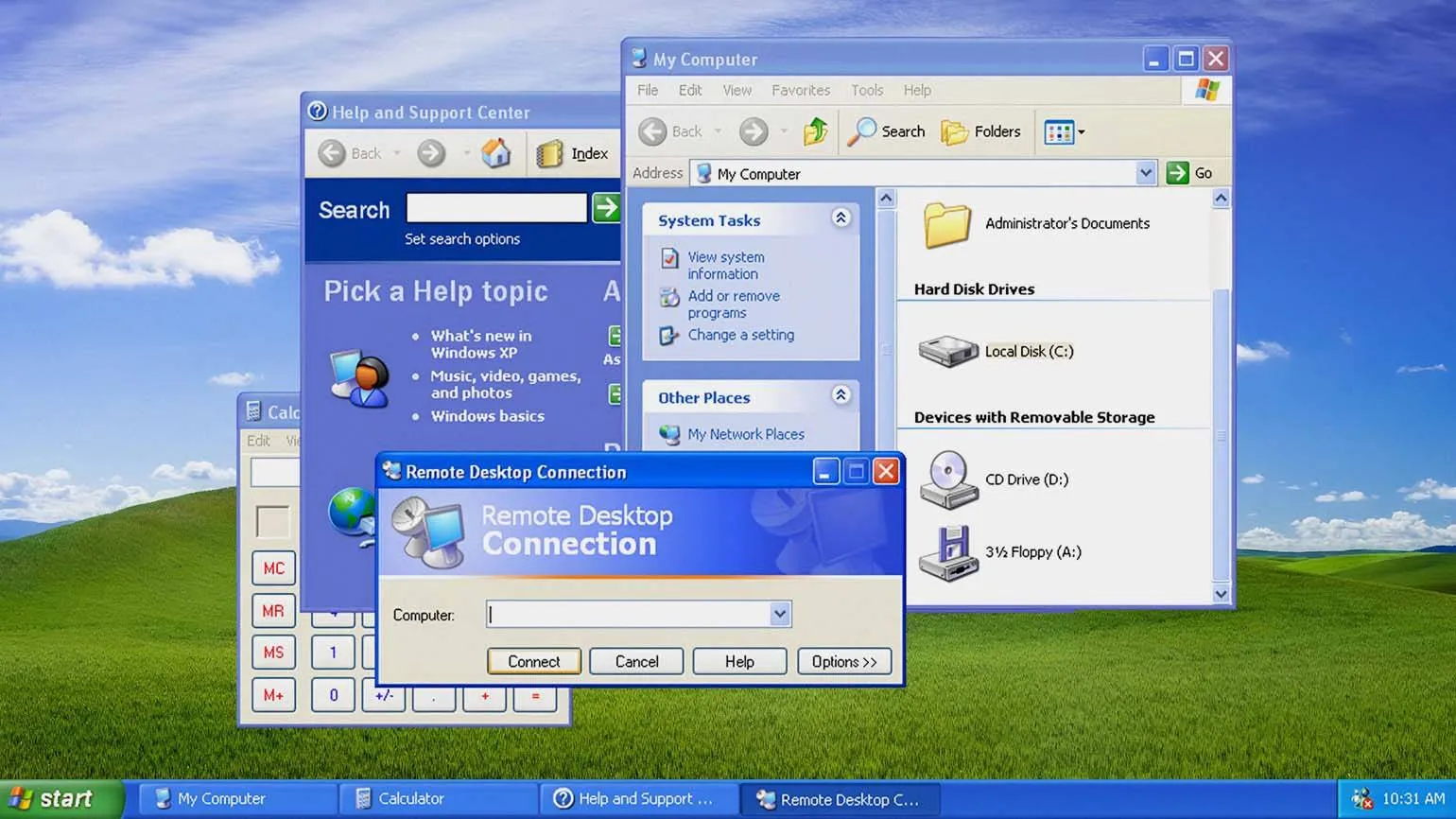
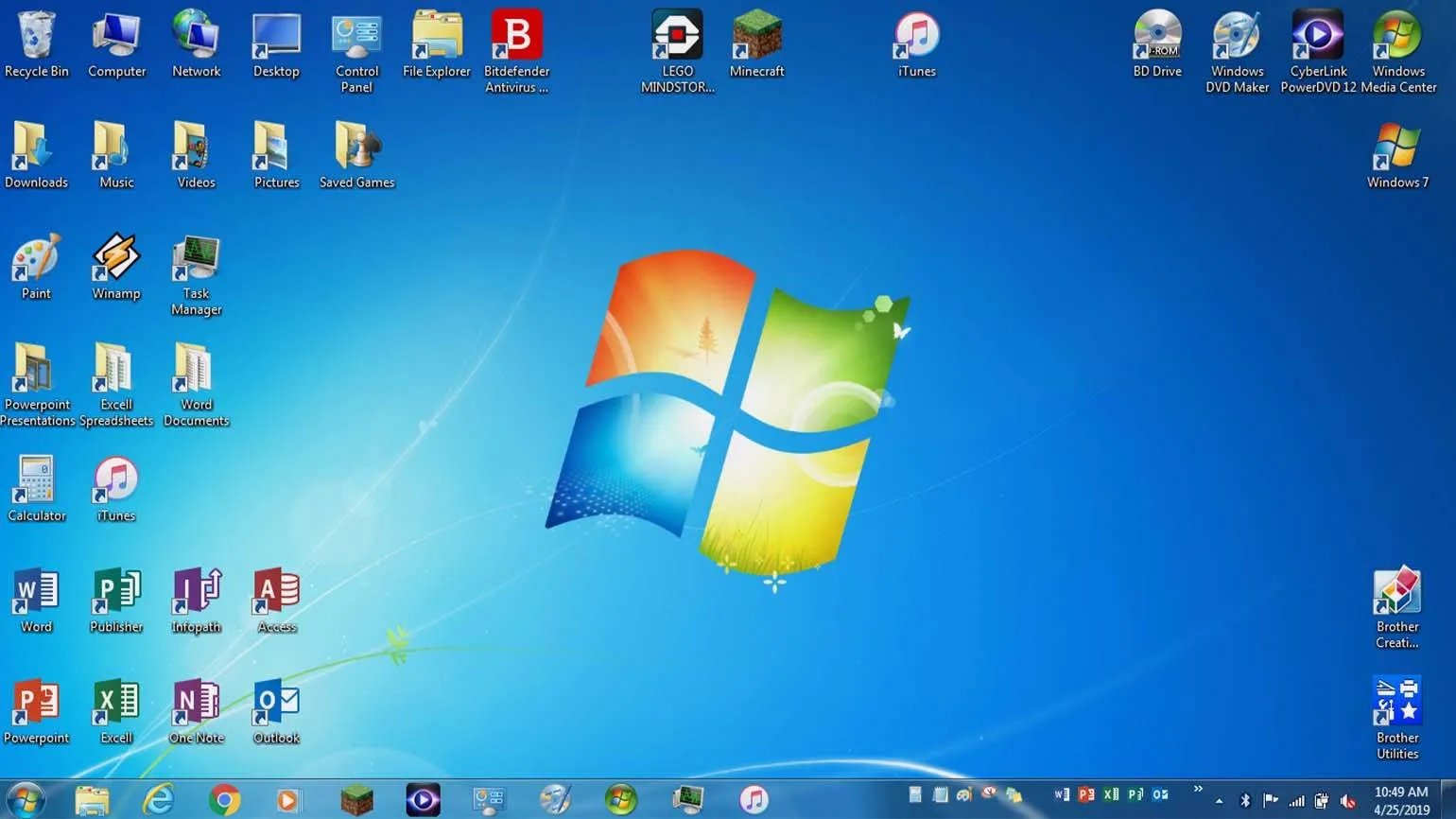
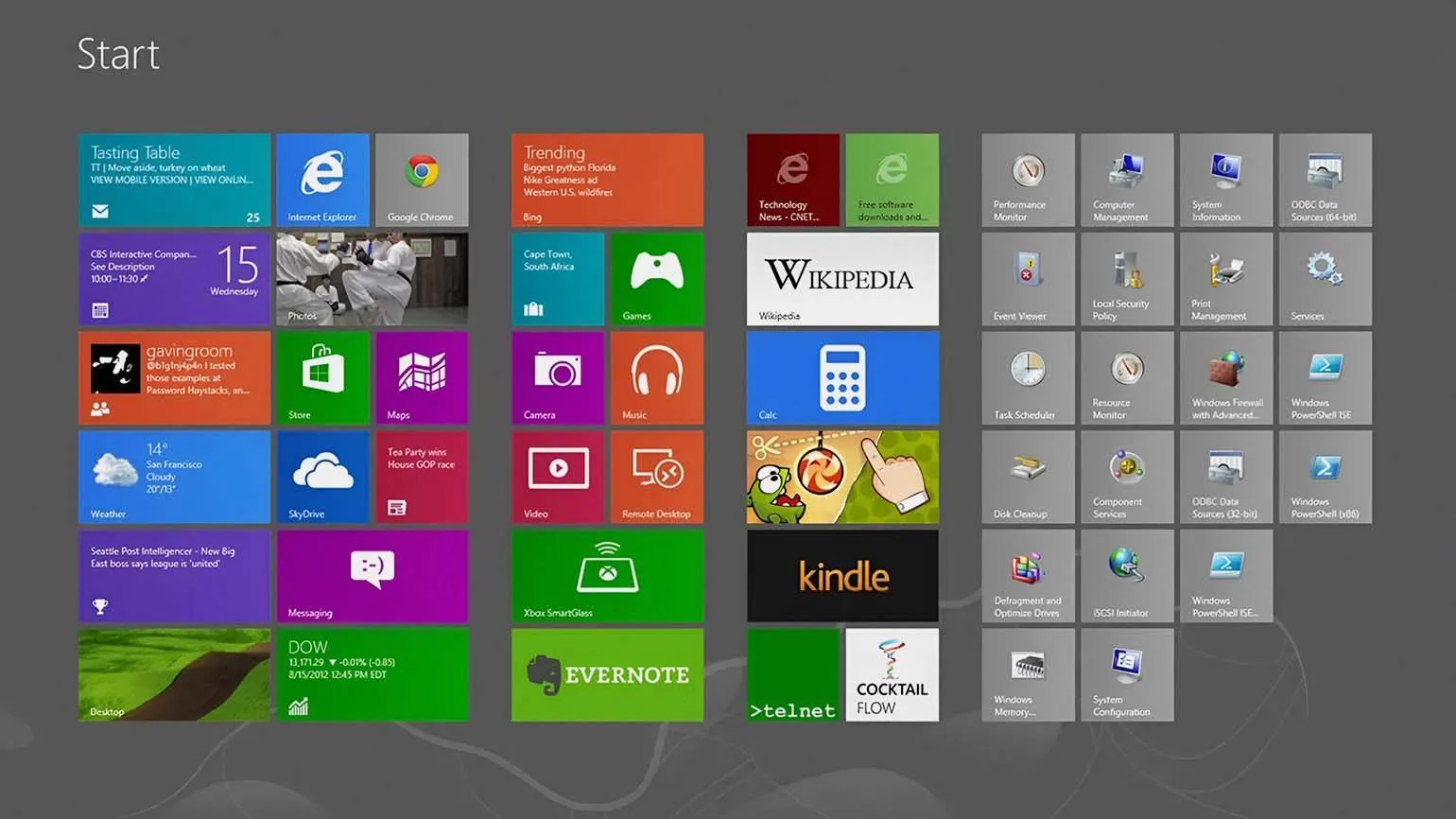
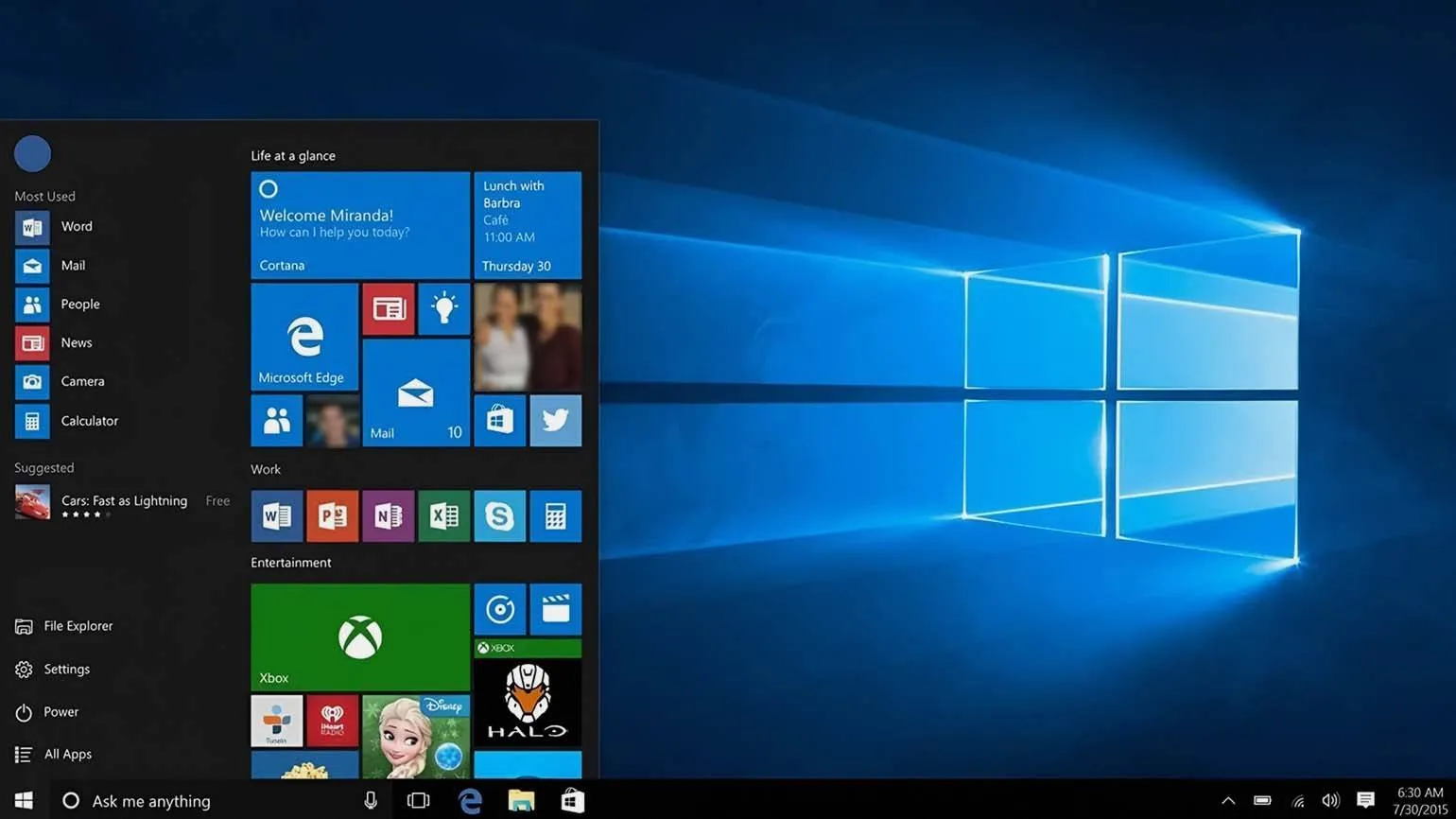
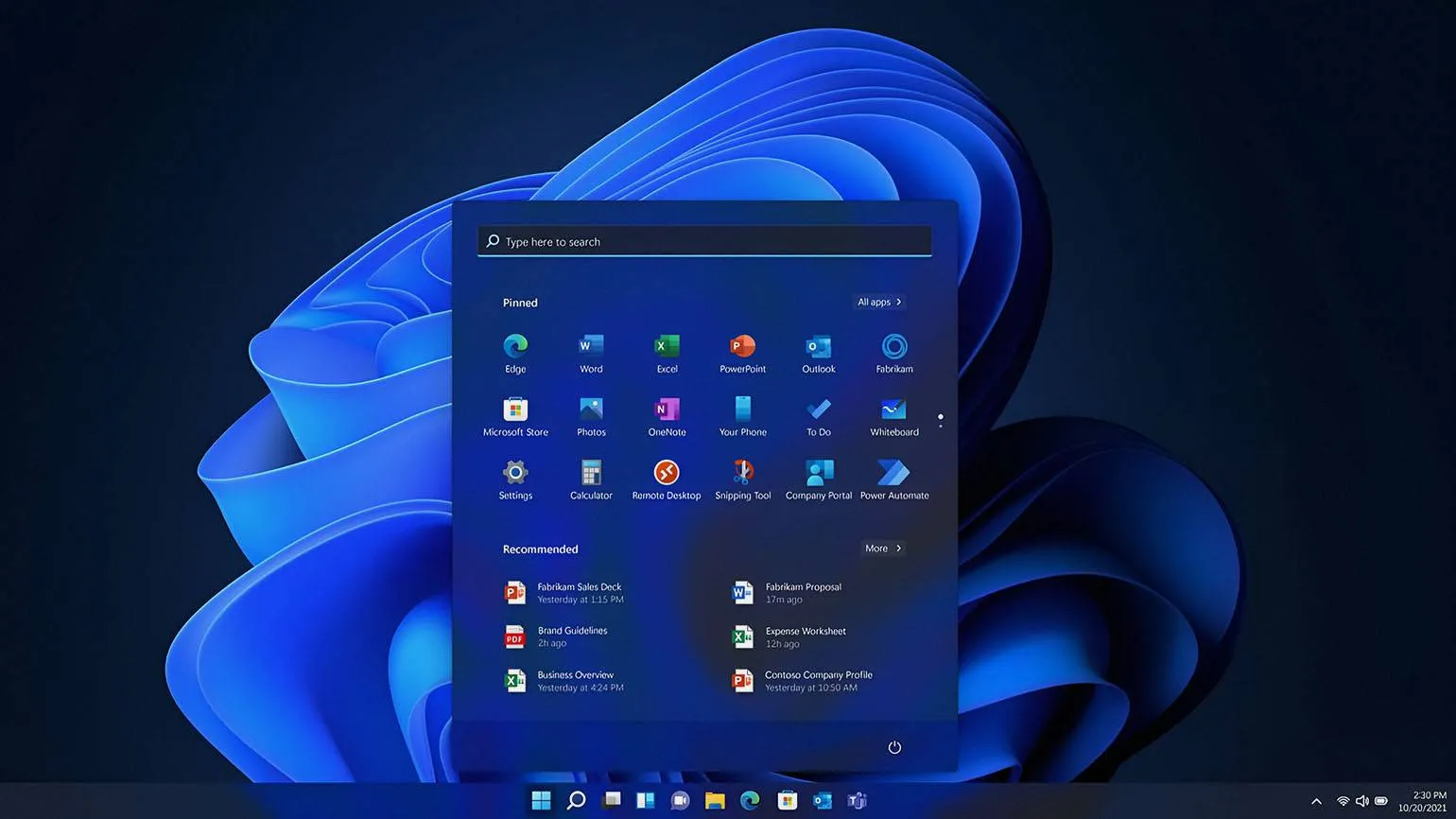
In 1985, Windows 1.0, Microsoft's first graphical operating system based on MS-DOS, was released. Bill Gates partnered with major companies like IBM, Dell, and HP to pre-install Windows on new computers. This strategic decision secured Microsoft a significant share of the operating system market and laid the foundation for its continued dominance in this segment. Windows 1.0 was a significant step in the evolution of user interfaces and ushered in the era of graphical operating systems, changing the way users interacted with computers.
Windows significantly strengthened Microsoft's position, becoming the foundation for the development of an application ecosystem spanning both entertainment games and professional software. The concept of a user-friendly interface for interacting with a computer set new industry standards, defining the approach to the development of operating systems and applications. This made Windows a key player in the market, driving innovation and improving the user experience.
The Netscape Conflict: How It Changed the Internet Landscape
In the mid-1990s, the World Wide Web (WWW) was rapidly gaining popularity, but Bill Gates remained skeptical. At this time, a small team at Netscape developed the Netscape Navigator browser, which was launched in 1994 and offered to users free of charge. This contributed to its rapid spread and the popularization of Internet technologies. The browser became an important tool for users, providing access to information and resources on the Internet, which in turn contributed to the growing interest in web development and digital innovation.
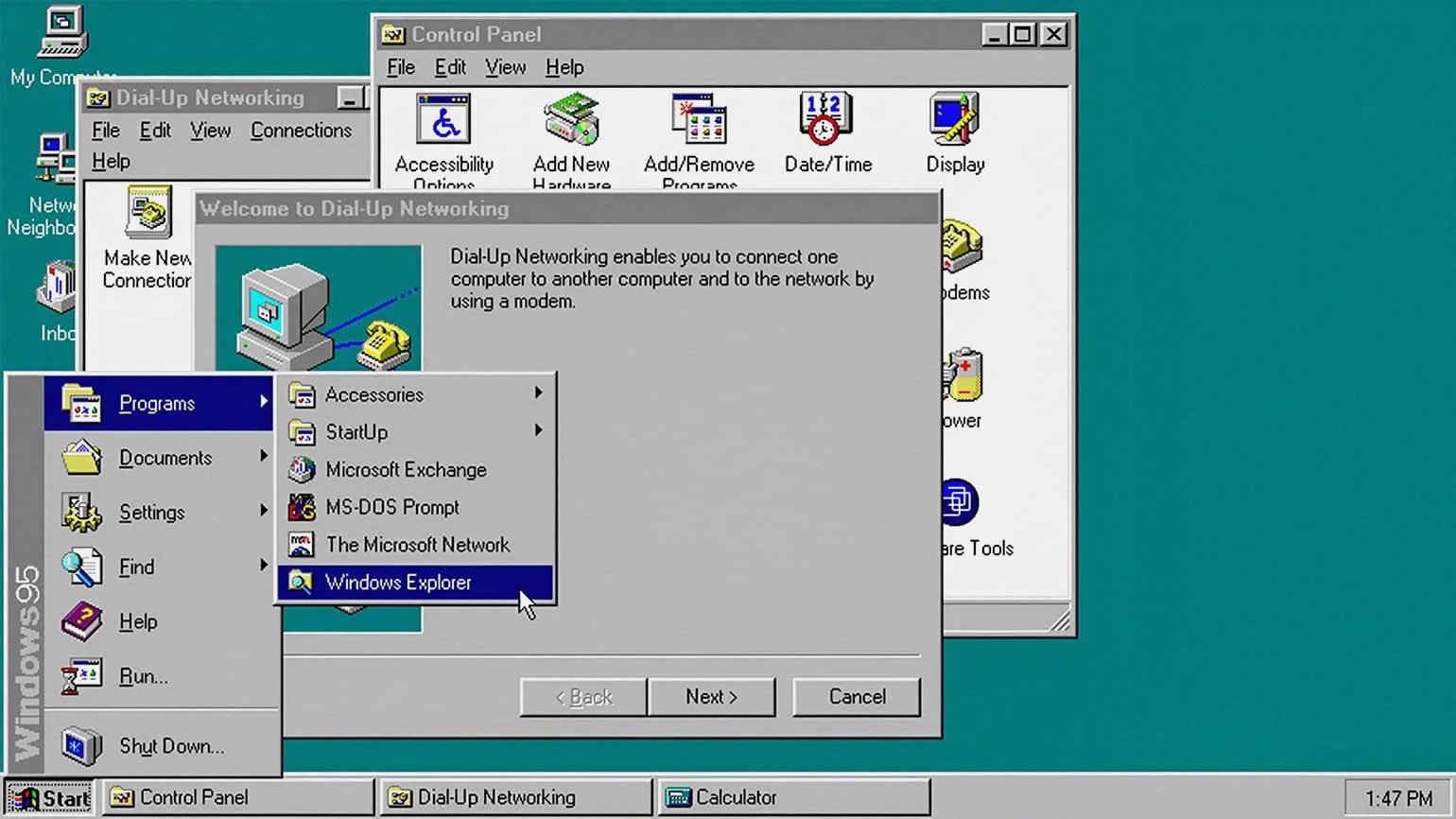
In response to the success of the Netscape browser, Microsoft released its own browser, Internet Explorer, offering it for free. Bill Gates pressured computer manufacturers to remove Netscape Navigator from their systems, threatening to lose access to the Windows 95 operating system. These aggressive measures contributed to the crisis and ultimately led to Netscape's bankruptcy. As a result, Internet Explorer became the dominant browser on the market, which changed the landscape of web technologies and threatened the further development of competing solutions.

Learn more about the topic by studying additional materials and resources. We invite you to familiarize yourself with up-to-date information that will help deepen your knowledge and expand your understanding of the issue at hand. Don't miss the opportunity to get useful tips and advice from experts in this field. Read also:
The World Wide Web, or WWW, is a system of interconnected hypertext documents accessible via the Internet. It allows users to view text, images, and other multimedia materials by following hyperlinks. The World Wide Web was invented by Tim Berners-Lee in 1989 while working at the European Organization for Nuclear Research (CERN). His goal was to create a convenient tool for exchanging information between scientists and researchers.
The World Wide Web operates on the HTTP protocol, which enables data transfer between web servers and clients such as browsers. An important component of the web is the HTML markup language, which is used to structure and format content. The work of Berners-Lee and his team resulted in the development of the first version of the browser, which became the basis for the modern Internet.
Over time, the World Wide Web has evolved significantly, becoming an integral part of everyday life. It opened up new possibilities for communication, education, and business, facilitating the creation of a vast number of websites and online services. Thus, the WWW not only changed the way we access information but also transformed society as a whole.
Microsoft's aggressive actions attracted the attention of the US Department of Justice, which in 1998 accused the company of abusing its dominant market position and stifling competition. This trial significantly damaged the reputation of Bill Gates, who was transformed from an innovator into a symbol of corporate greed. These charges became a milestone in the history of technology and competition law, initiating discussions about the need to regulate large corporations to prevent market monopolization.
The trial against Microsoft lasted four years and concluded in 2002, when the company was found guilty of violating antitrust laws. This decision obligated Microsoft to provide users with a choice of browser during the installation of the Windows operating system. This precedent was an important step in the fight for fair competition in the software market and changed the approach to OS development and distribution.
To mitigate risks and strengthen its market position, Bill Gates initiated Microsoft's expansion. The company entered the gaming console market with the launch of the Xbox and Xbox Live service, and also developed the Azure cloud platform. Microsoft offered the Microsoft 365 suite of solutions for business and began actively investing in artificial intelligence research. These moves have allowed the company not only to diversify its products but also to take a leading position in rapidly developing technology industries.

Bill Gates's Legacy: Retirement from Business and New Challenges
In 2000, Bill Gates and his wife Melinda founded the Bill & Melinda Gates Foundation. Today, this foundation is the largest private philanthropic organization in the world. Its main areas of work include improving healthcare, advancing education, supporting innovation in agriculture, and combating global challenges such as climate change. The foundation actively invests in projects that promote sustainable development and improve the quality of life of people around the world.
The Bill & Melinda Gates Foundation has achieved significant success in a variety of areas, including health, education, and poverty alleviation. It actively works to improve public health, reduce the incidence of infectious diseases, and ensure access to vaccines. The foundation also supports initiatives aimed at improving the quality of education and access to it for all, especially in developing countries. In addition, the organization provides funds to projects that promote economic development and improve people's lives, which in turn helps reduce poverty. These achievements demonstrate the foundation's significant impact on global issues and its commitment to creating lasting change in people's lives.
- Reduction in polio cases: From 2000 to 2023, the number of people infected with polio decreased by 99.9%. Currently, the disease remains endemic only in Afghanistan, where the foundation continues to implement large-scale vaccination programs.
- Access to clean water: By building water systems and wells in rural areas of Africa and Southeast Asia, more than 20 million people have gained stable access to safe drinking water.
- Educational grants: The foundation has awarded over 20,000 scholarships to talented students from disadvantaged families to study at prestigious universities such as Harvard and Stanford.
- Agricultural innovation: More than 2 million smallholder farmers in Africa have gained access to drought-resistant seeds and modern agronomic methods.
- Improving maternal health: By creating health centers and training health personnel, the maternal mortality rate has decreased by 45% in developing countries where the foundation’s programs are active.
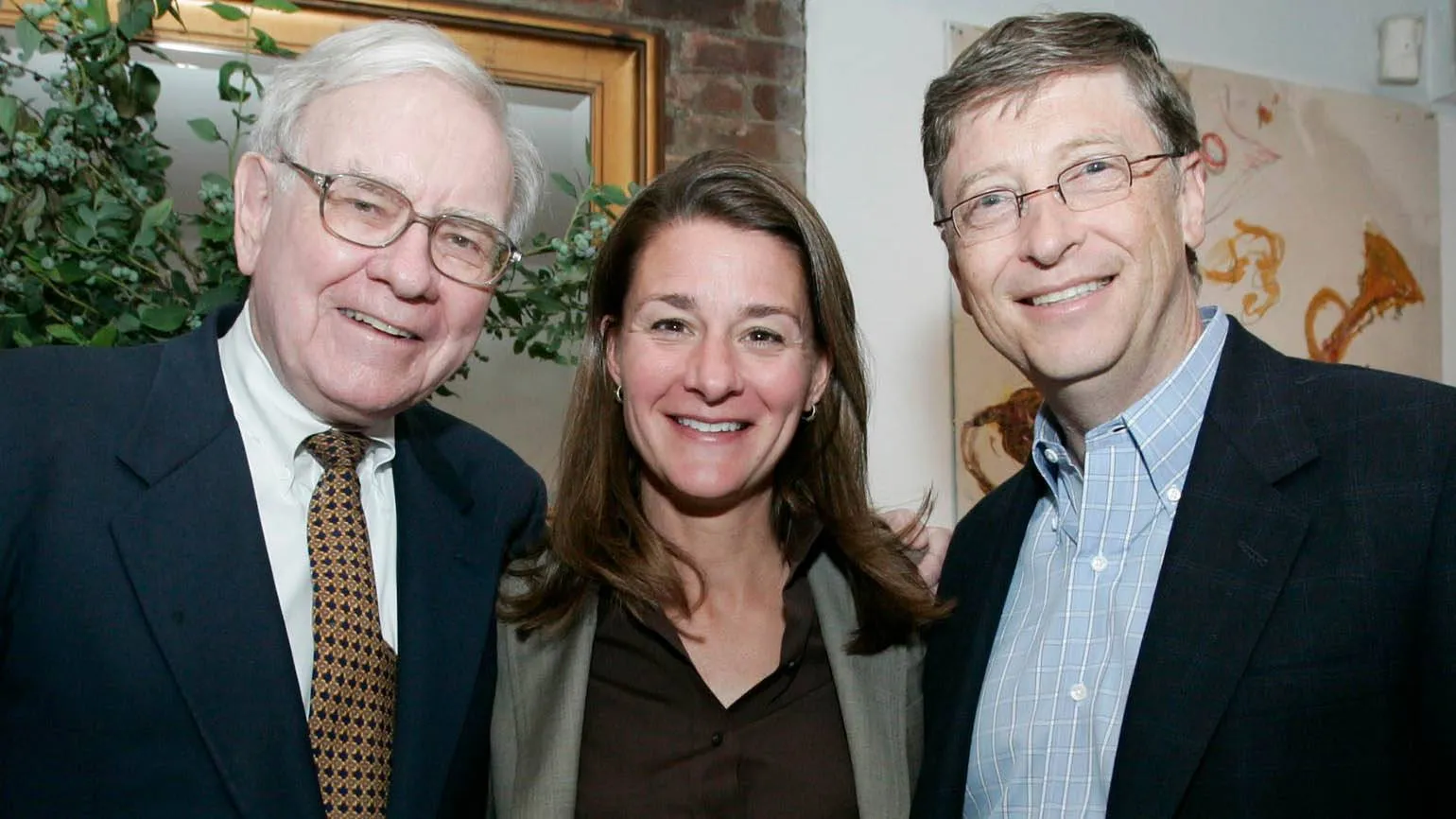
Bill Gates is a founder of the Giving Pledge, an initiative of billionaires who have committed to donating significant funds to charity. For example, Warren Buffett has donated more than $40 billion to support various charitable projects. This program unites wealthy people who strive to use their resources to solve social problems and improve the lives of people around the world.
By 2008, Bill Gates had shifted his focus to philanthropy, handing over control of Microsoft to Steve Ballmer. Despite this, he remained involved with the company as chairman of the board and remained a technical advisor until 2020. Thus, Gates continued to influence technology and innovation even while out of operational management. His transition to philanthropy was a significant milestone in his life and career, highlighting his commitment to solving global problems through his foundation.
Bill Gates's Current Net Worth in 2025
Bill Gates's net worth as of 2025 is an impressive $108 billion. He is actively involved in philanthropy, gives lectures, and shares his expertise in writing books. Investing in real estate, stocks, and innovative technologies through the Breakthrough Energy Ventures platform, Gates supports many promising startups that promote the development of sustainable energy and innovative solutions.
- Heliogen is a startup that creates solar power plants with high solar energy concentration, which makes it possible to completely replace coal, oil, and gas with environmentally friendly solar energy in industry.
- CarbonCure Technologies is a company developing a revolutionary technology for using recycled CO₂ in concrete production. This not only strengthens concrete but also reduces the carbon footprint of the construction industry.
- Impossible Foods is a manufacturer that offers plant-based alternatives to meat, which promotes more sustainable consumption of resources.
- TerraPower is a company developing nuclear reactors based on liquid sodium to generate safe and clean energy.
In his speeches to students, Bill Gates emphasizes an important principle: "Life is unfair - get used to it." This statement demonstrates a change in his view on the problem of injustice. Previously, Gates perceived it as an excuse for competition, but now his efforts are aimed at countering injustice through charity. This new position not only deserves support, but also inspires many to take active action to improve society. Accepting injustice as a part of life can be a starting point for creating a more just world.
You have finished reading the article. Now it's time for a little distraction. We recommend you take a look at the Windows 98 advertisement, featuring Bill Gates and Steve Ballmer. This is a great way to remember that time and appreciate the historical significance of the product.
Python Developer: How to Become One in 3 Projects
Want to Become a Python Developer? Learn how to create 3 projects and get help with employment!
Learn more