
Who are you in the world of game development? Find out in our free course ➞ You will try out 3 professions in practice: game designer, 2D artist, and Unity developer. Create your first Mario-style game. Click here for details.
Learn MoreOpen-world games are often advertised with the promise of vast locations and unlimited freedom of action. While the first promise can be realistic, the second is not always true. When you first launch the game, you may find yourself in a limited starting location, with the rest of the world only becoming accessible as you progress through the story. This can be disappointing for players expecting complete immersion and freedom from the start. Therefore, it is important to consider that even open-world games have certain limitations that can impact gameplay.
Freedom in games is often limited, and for the world to become truly open, it is necessary to gradually unlock different areas and locations. Such limitations can be frustrating for players, but in some cases, they are necessary to create a more engaging gameplay experience. Designing game locations with a balance between freedom of action and story structure helps provide interesting challenges and dynamics. Without these elements, a game can lose its appeal and immersion.
A prime example is the development history of one of the most significant RPGs of the last ten years. This game had a huge influence on the genre and inspired numerous subsequent projects. Development went through many stages, including conceptualization, creation of a unique world, and character development. As a result, the game not only won critical acclaim, but also became a cult favorite among players.
Why install Barriers to the Player's Path
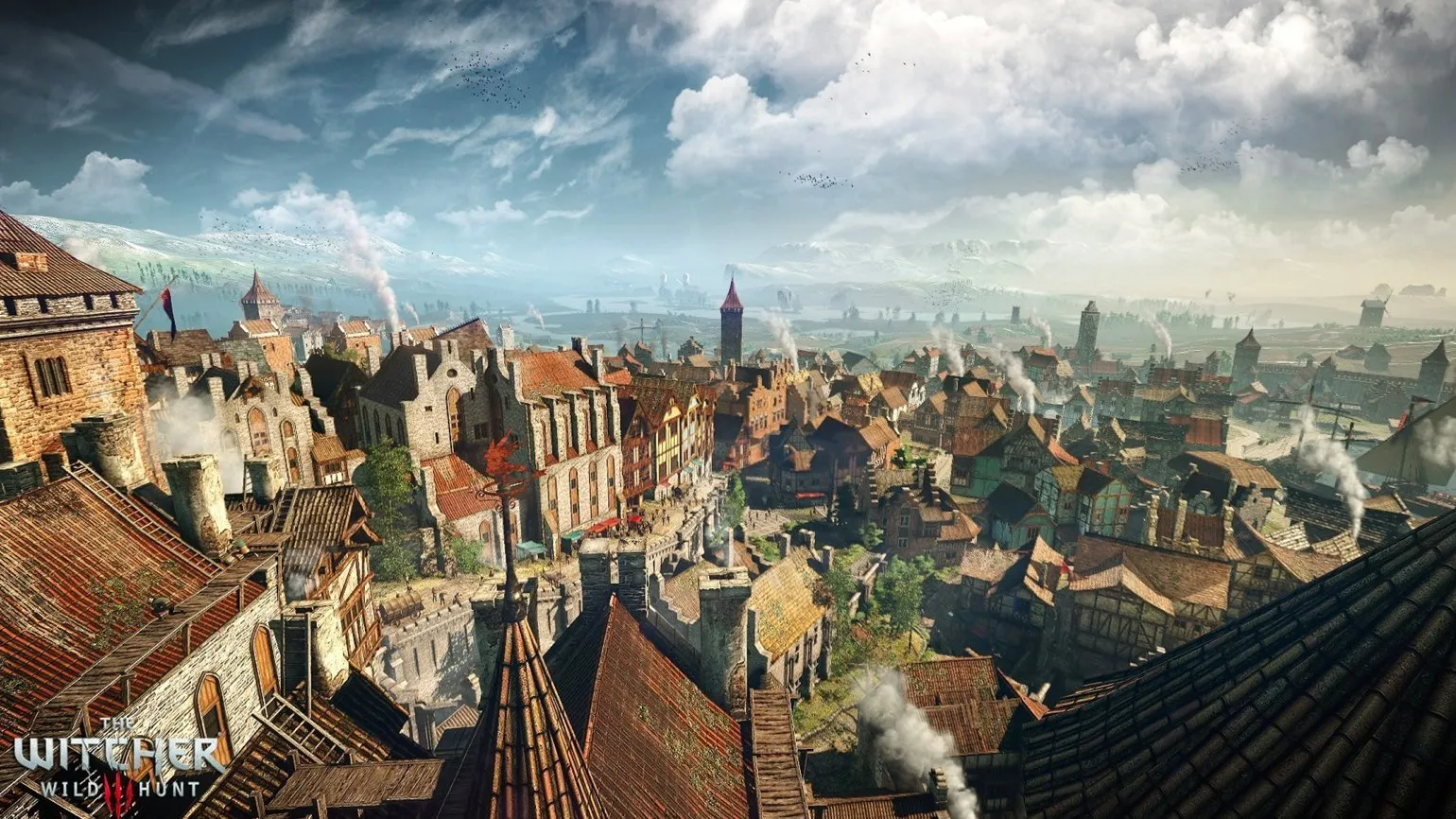
The creators of The Witcher 3 originally planned to give players the option to travel to one of three main regions immediately after the prologue: Velen, Novigrad, or Skellige. However, during development, a difficulty balancing issue arose, as the freedom to choose a direction could negatively impact gameplay. The developers were faced with the challenge of maintaining interest and providing an adequate level of difficulty while allowing players to choose their path without restrictions.
To simplify the gameplay for beginners, it would be advisable to fill all three zones with low-level enemies. This would allow players to gain experience and confidently navigate any location. However, enemy auto-leveling, which could have solved this problem, often undermines the efforts of character leveling. We know this well from playing The Elder Scrolls IV: Oblivion, where this system significantly reduced the significance of player progression. Therefore, it's important to find a balance to maintain interest in the game without allowing auto-leveling mechanics to disrupt character development.
CD Projekt Red opted for a more linear structure in The Witcher 3. Players first explore Velen, then move on to Novigrad, and ultimately reach Skellige. Lead game designer Mateusz Tomaszkiewicz is confident that this approach has had a positive impact on the gameplay and overall experience. The linear structure allows for better story progression and immerses the player in the world.
The developers strove to ensure that the player doesn't feel lost in the game world. From the very beginning, immediately after the prologue, the player should understand the direction of their actions and the structure of the surrounding world. These aspects are essential for ensuring a comfortable gameplay experience and immersion in the story. Such approaches help create an engaging and understandable gaming experience that keeps the player interested and engaged.
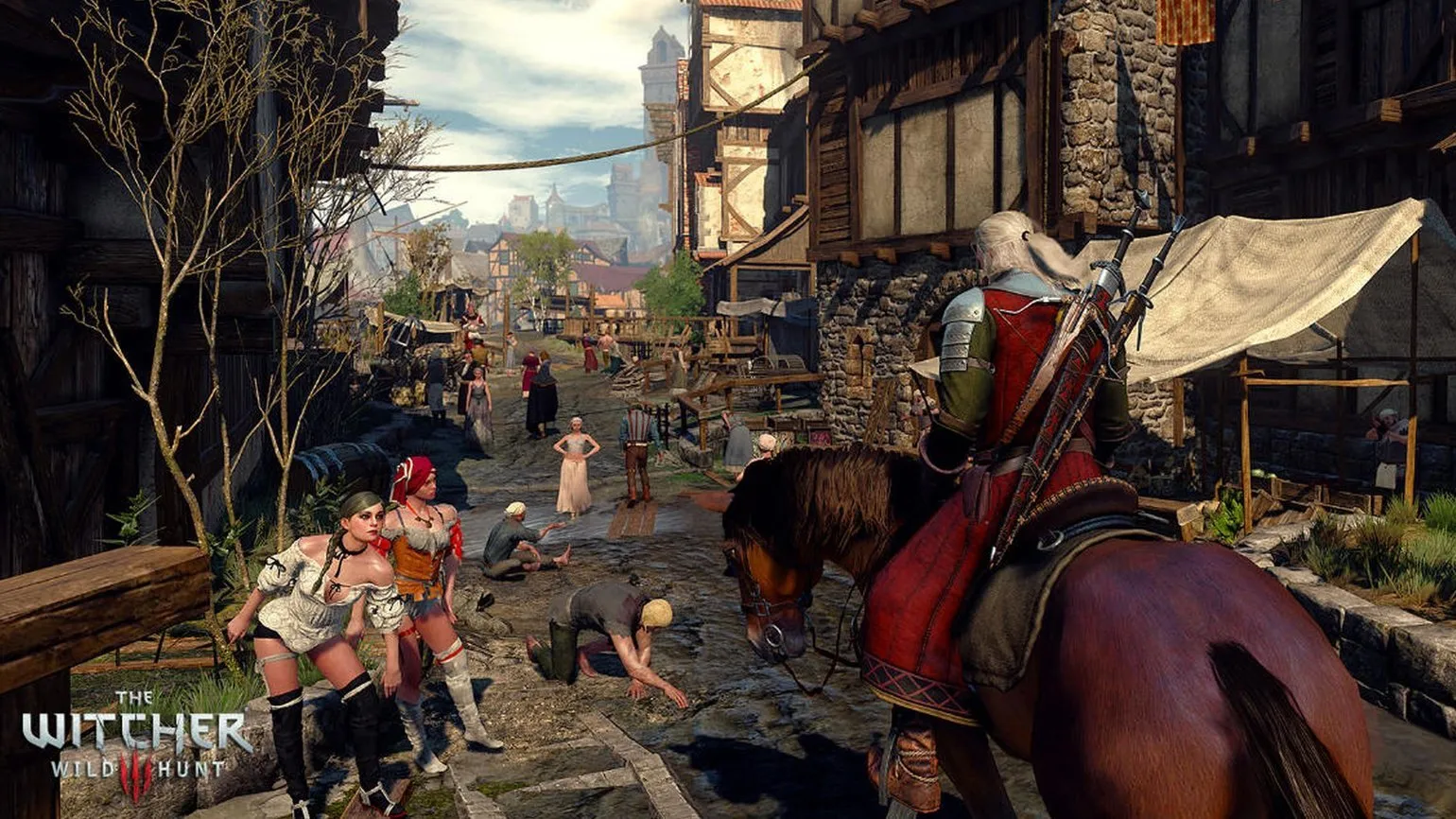
In open-world games, Character progression, the story, and the world itself are closely interconnected, says Yaroslav Kravtsov, who worked on level design for Allods Online and Skyforge. Game designers introduce easier enemies early on to allow players to improve their skills and progress through the story. However, if the player decides to visit the next region early, they will face serious challenges and powerful enemies, adding an element of risk and strategy to the gameplay. This creates additional motivation to explore the world and complete quests, which in turn enriches the gaming experience and makes it more engaging.
Players are encouraged to take their time exploring the story and game mechanics. Developers often choose a strategy of restricting access to certain areas of the map early on to ensure a smooth introduction to the game world. This is especially important early in the adventure, when players are just beginning to master the basic mechanics and features of the environment. Creating a compact world early on allows for easier navigation and immersion in the content. Once the player has become comfortable, the available areas can be gradually expanded, adding interest and variety to the gameplay.
Yaroslav Kravtsov is the head of the Workshop 15 studio. His experience and professionalism in design and architecture make him a key figure in the team. Under his leadership, the studio successfully implements projects focused on modern trends and individual client requests. Yaroslav is actively involved in the development of innovative solutions, which allows Workshop 15 to stand out from the competition. The studio has established itself as a reliable partner for those seeking a high-quality and unique approach to their projects.
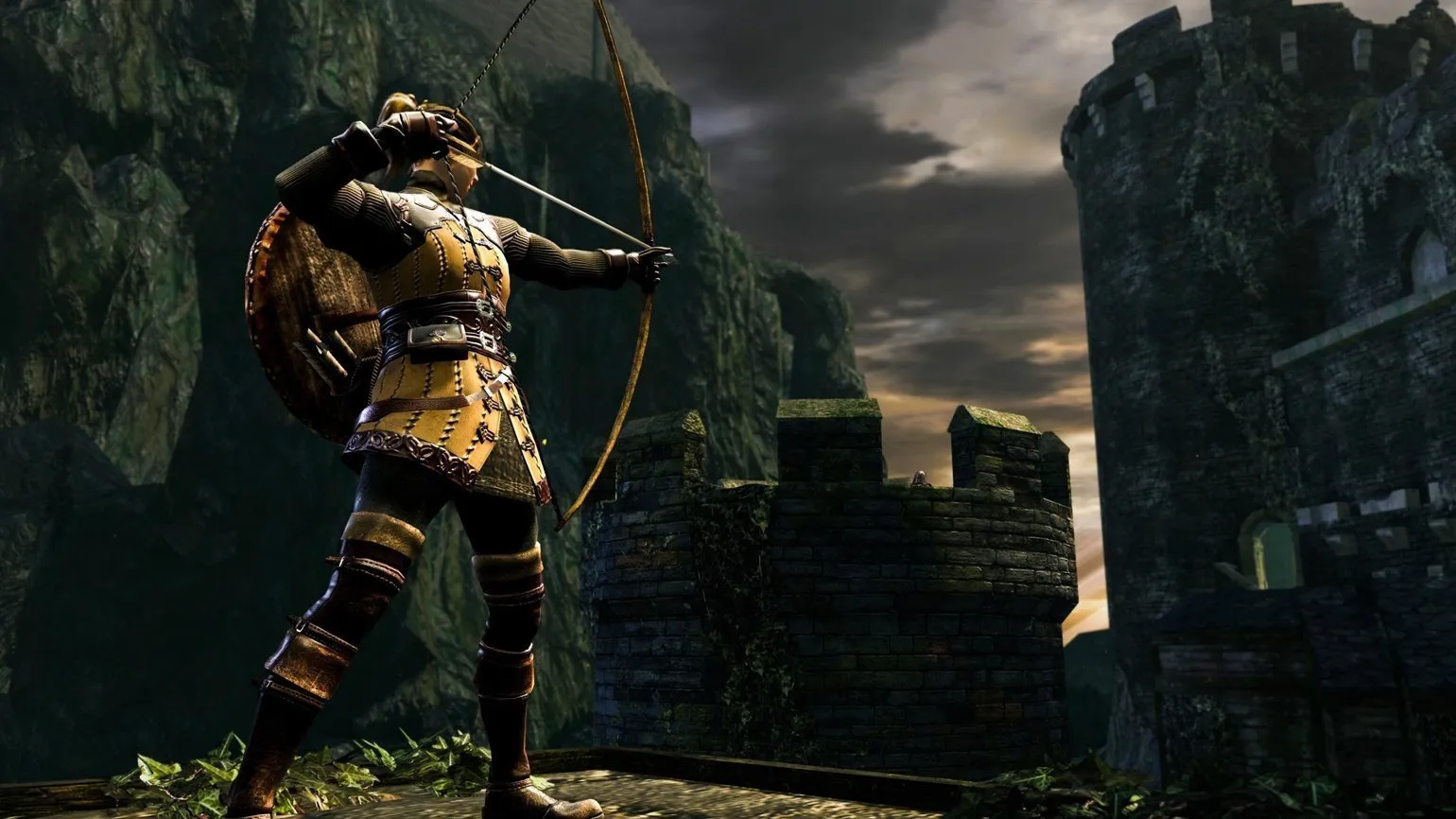
Mark Brown, host of the YouTube channel Game Maker's Toolkit, emphasizes that game developers can control the pace of gameplay. Analyzing the world design of Dark Souls, he notes that the first, third, and fifth acts have a significantly more linear structure compared to the second and fourth acts. This difference in level organization helps create a unique experience for players, where the feeling of exploration and progression varies depending on the act structure. This approach to game design not only increases engagement but also fosters an emotional connection between the player and the game world.
The game's structure resembles an accordion: the action accelerates at key moments, maintaining the dynamism of the gameplay. At the same time, in between these moments, the player is given ample freedom to explore the world of Lordran, allowing them to choose their own pace and sequence of adventures. This combination of tense moments and freedom of exploration creates a unique gaming experience that keeps players interested and engaged.
Unlocking and exploring new locations plays a key role in the gameplay. Interest and the desire to find out what the next loading screen hides can keep the player engaged as effectively as a well-designed leveling system or a captivating story. An exploration-based gameplay loop creates a dynamic interaction with the world, keeping the user engaged throughout the game.
Game designer Pascal Luban, known for his work on Tom Clancy's Splinter Cell: Chaos Theory, emphasizes the importance of gradually unlocking new zones and regions in games. This approach not only helps prevent monotony but also creates a sense of progression in the player. The anticipation of new surprises and discoveries maintains interest and engagement, making the gaming experience more exciting. Thus, a well-designed level structure can significantly improve the perception of a game and increase its appeal to players.
You are not allowed to enter
There are many ways to artistically design barriers separating different sections of a map. However, all of these methods can be summarized into three main options, which differ in how they operate. Each of these approaches not only visually separates zones but also emphasizes the uniqueness of each, giving the map a more expressive and aesthetically pleasing appearance.
Adventure, one of the first open-world games, was released in 1980 for the Atari 2600. In this game, the player had to progress through the story by finding keys to rooms and locks. This gameplay technique became popular in the open-world genre, especially in those that emphasize the main story. The elements of search and exploration offered by Adventure laid the foundation for many modern games, where players can freely explore the world and interact with its elements.
The developers of Dragon Age: Inquisition deliberately divided the game world into several compact zones. This decision was made to encourage players to return to their castle after completing content in previously explored locations and continue to progress the story. This approach creates a sense of dynamism and engagement within the game universe, allowing each player to delve deeper into the story and explore various aspects of the game world.
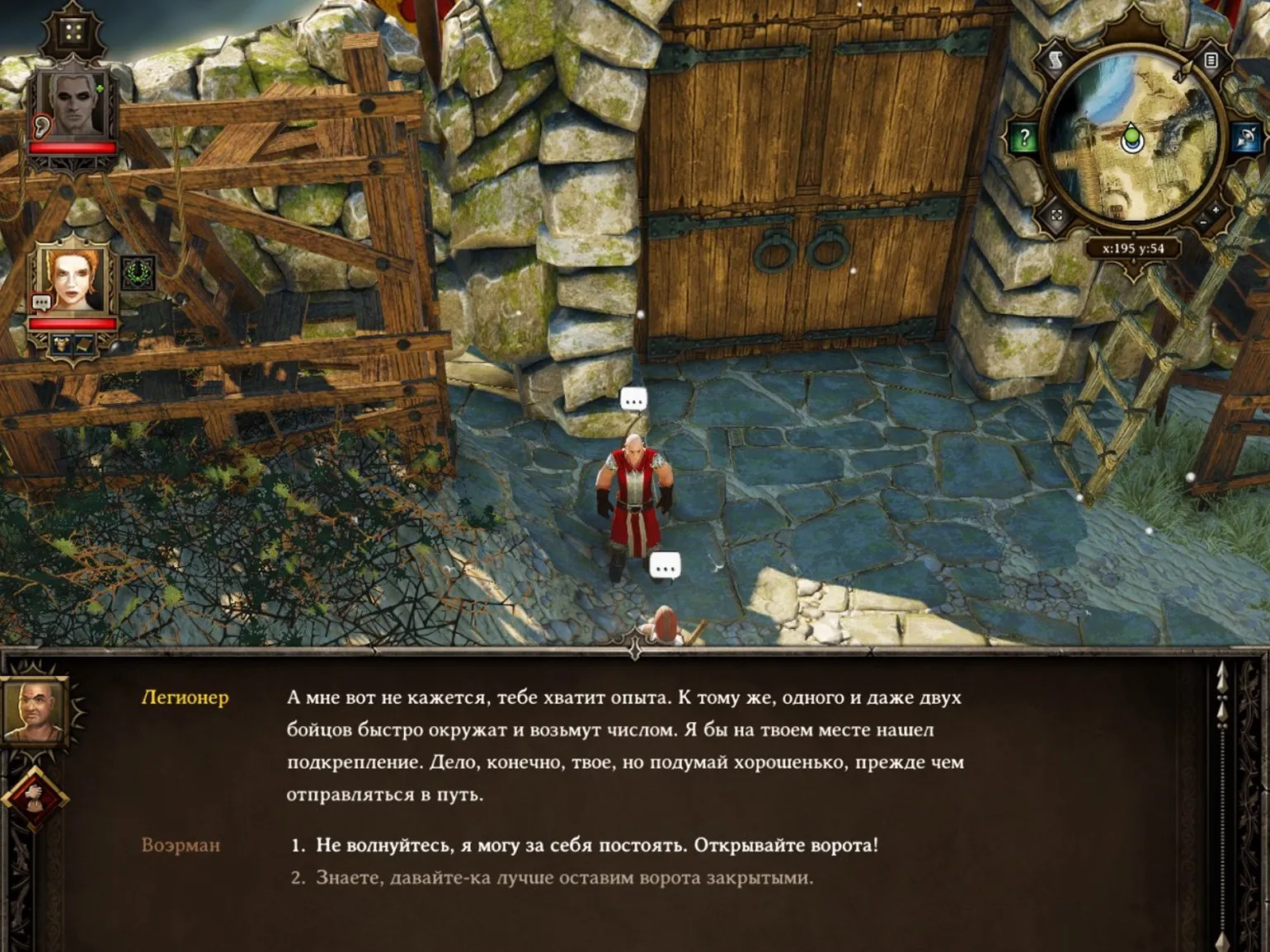
In Divinity: Original Sin 2, the main plot of the first act unfolds on the island of Fort Joy, where the Inquisitors are holding magically gifted characters captive. Players must escape this dangerous location. Meanwhile, in Fallout: New Vegas, the Courier encounters a Securitron at the entrance to the Strip, which demands payment to proceed. Both games offer exciting gameplay and interesting tasks, creating unique conditions for interaction with the world and characters.
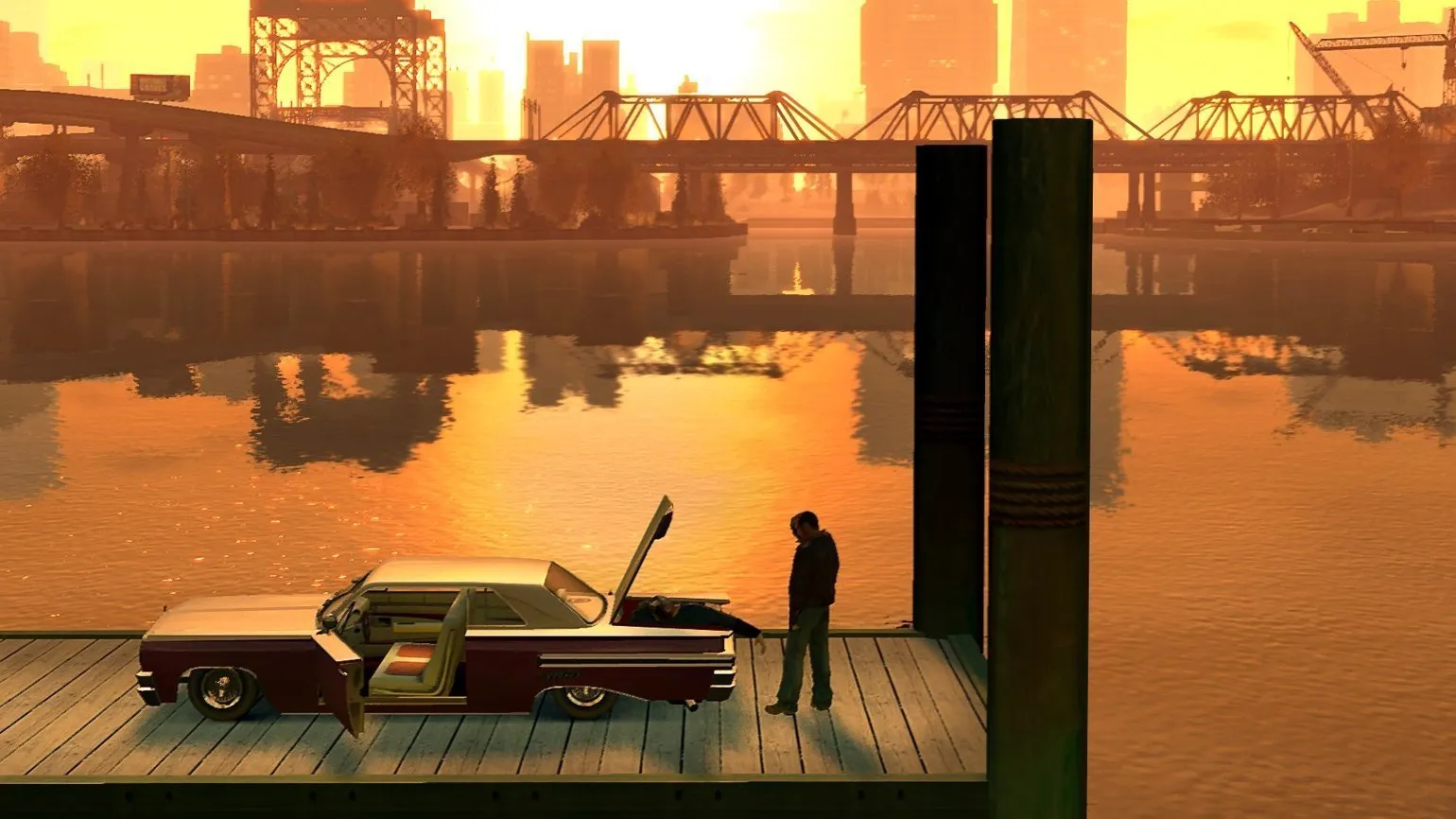
One of the most famous examples in the gaming industry is Closed, destroyed, and unfinished bridges in the Grand Theft Auto series, which persisted until the fourth game, are a common theme in the Grand Theft Auto series. This phenomenon attracted the attention of many players and became the subject of discussion on the GTA Wiki, where it is dedicated to a separate page. Bridges in this franchise have remained a source of curiosity and irritation for many years, sparking interest in their history and possible functionality in future games.
Now we will discuss two other types of barriers that are also important to understanding the overall theme.
Tim Cain, one of the programmers who worked on the original Fallout game, emphasized that the developers did not initially intend to restrict the player's freedom of movement. The main obstacle in gameplay are only the enemy forces inhabiting the world of Fallout. This decision created a unique atmosphere and allowed players to explore the vast post-apocalyptic world without unnecessary restrictions, which became one of the key features of the game.
If players venture into a location that proves too difficult, they may fail. This will serve as a signal to them that it is not worth returning to this challenge just yet. Players realize that it is better to wait and prepare better before attempting difficult obstacles again.
In his article "Classic Game Postmortem: Fallout," published in 2012, Tim Cain examines key aspects of the creation of the iconic Fallout game. In this analysis, he shares his experiences and insights into the development process, highlighting the game's influence on the RPG genre and the gaming industry as a whole. Cain focuses on innovative mechanics, such as the dialogue system and open world, that became iconic for Fallout. He also discusses the challenges the team faced during development and how these difficulties contributed to the formation of the game's unique style. The article is a valuable resource for developers and gamers interested in the history of video games and their evolution.
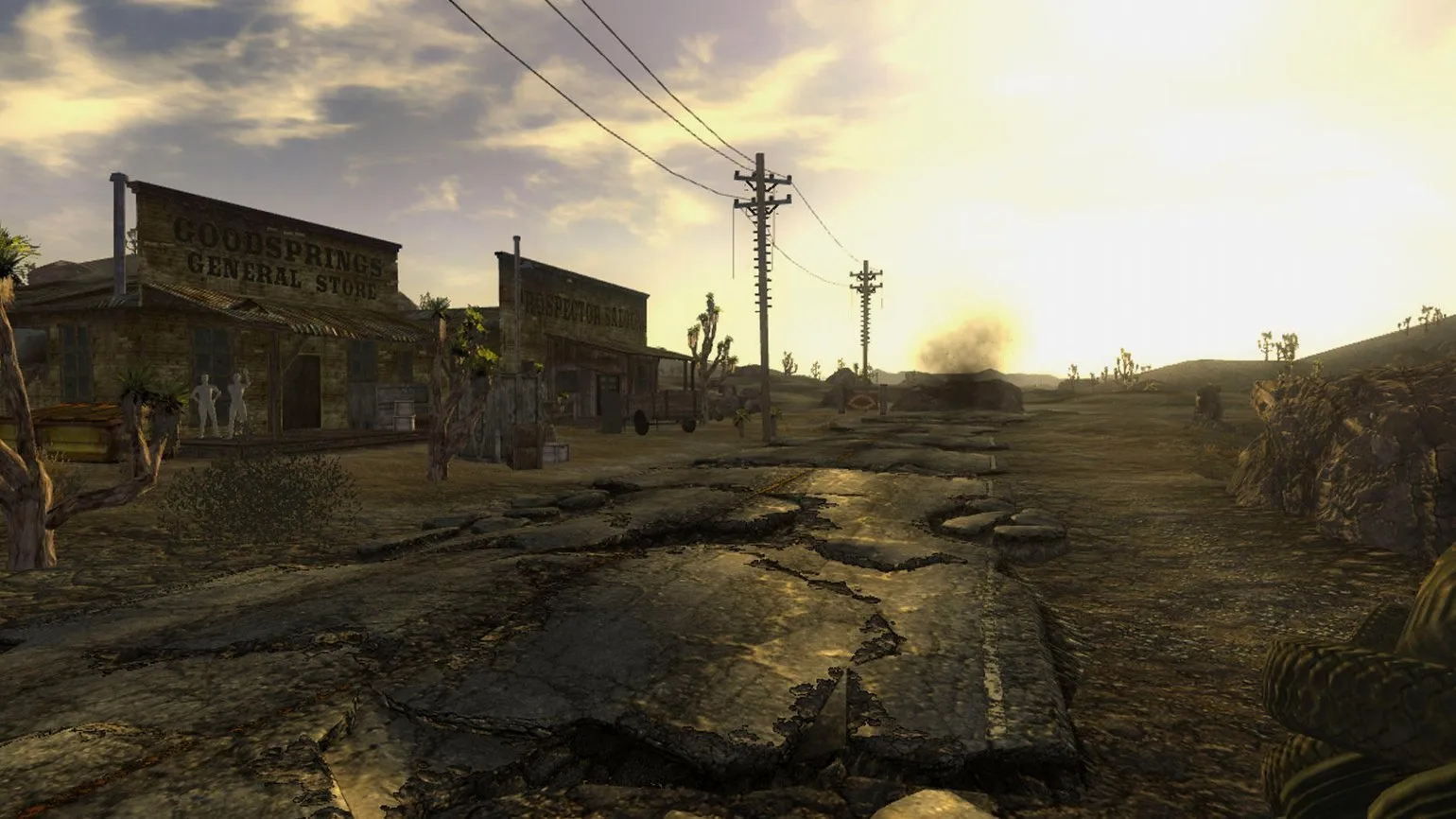
The design of the first two parts of Fallout: New Vegas sets the tone for the entire gameplay. If you decide to take the shortcut to New Vegas, you'll encounter two of the most dangerous enemies: cazadores and deathclaws. For this reason, many players prefer the safer route, taking the long road through the southern Mojave. This route avoids unnecessary encounters and increases your chances of successfully completing the game.
The game directs you to key locations where the main plot events take place. However, you can also choose the more risky route if you have the appropriate build. This adds an element of strategy and allows players to explore the world at their own pace.
Game director Josh Sawyer states that players can travel to New Vegas early in the game. However, this route will be quite challenging.
This approach is most actively used in MMO games. Looter shooters and RPGs like Tom Clancy's The Division and World of Warcraft effectively distribute enemies and quests across game zones based on their difficulty. High-level zones are located significantly away from the starting ones, allowing newcomers to comfortably navigate the game world, while experienced players are provided with enough content to remain engaged for a long time. This creates a balance between different player levels and ensures engaging gameplay over time. Sandbox games like Subnautica offer a unique perspective on survival. In these games, the primary threat is not interaction with enemies, but the environment itself. Players encounter various obstacles that shape entire game zones, requiring careful exploration and a strategic approach. This creates a captivating experience where exploration and adaptation to the environment become key elements of gameplay.
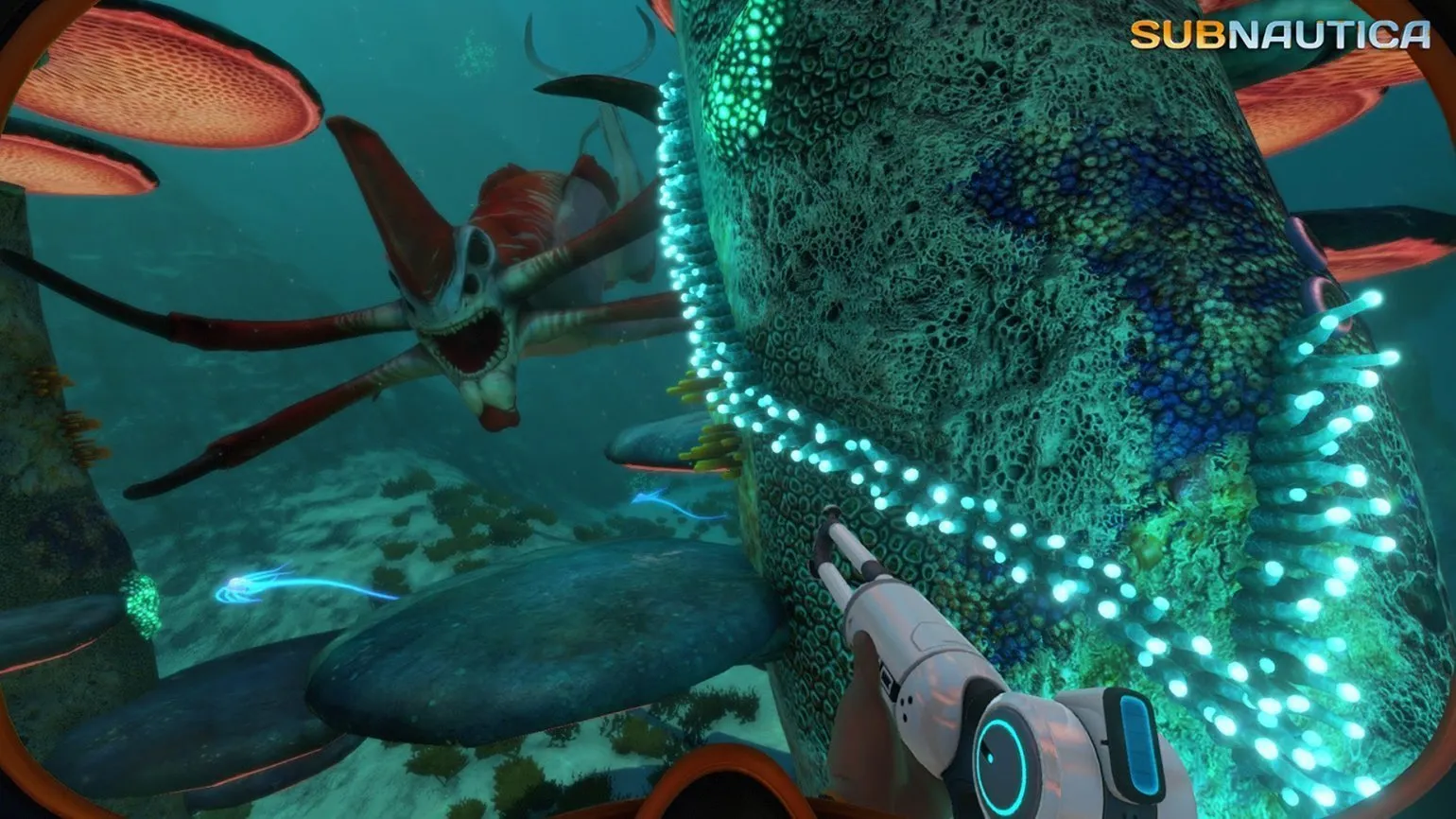
In Subnautica, the player starts with a full freedom of movement, but danger lurks at every turn. Oxygen supplies are limited, and proximity to the crashed ship can lead to radiation exposure, which quickly kills the character. Therefore, the first hours of the game should be focused on finding resources and creating equipment that will allow you to explore deeper and more remote parts of the underwater world.
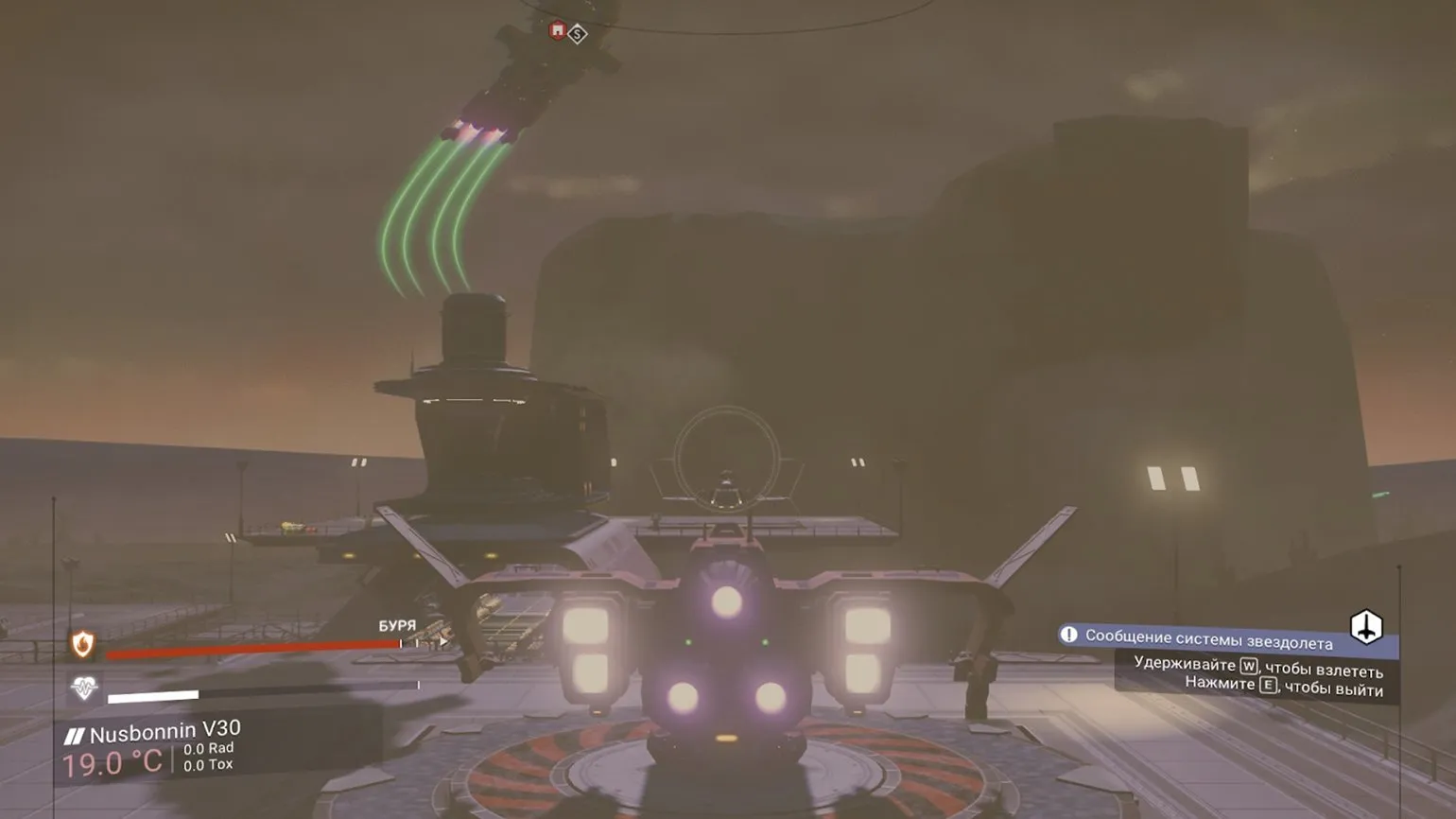
The world of Valheim is covered by rivers, lakes, and oceans, requiring players to use a boat to explore new lands and biomes. Even in Minecraft, where players can roam freely, there are areas like the Nether and the End that can only be accessed by creating portals. This underscores the importance of transportation in games where exploration and discovery play a key role in gameplay.
When implemented correctly, these barriers can spark interest and excitement in players eager to discover what lies beyond the next bridge, mountain, or ocean. However, if developers get it wrong, the way players reward their time can become a source of significant frustration. It's important to create a balance between challenge and reward to keep players engaged and interested in further progression.
Context Matters
Yaroslav Kravtsov emphasizes that the most common problems arise when restrictions in games are implemented ineffectively. For example, this can manifest itself in the form of an invisible wall or a script that instantly eliminates the player for attempting to leave the allowed area. Such approaches can negatively impact the gaming experience, creating a feeling of frustration and limiting freedom of action in players. To avoid such situations, developers should employ more subtle and thoughtful restriction mechanics that will not evoke negative emotions and will allow players to explore the game world more naturally.
The developer violates the game's own rules, which they themselves have established. These rules determine what factors can harm the player and how to avoid death in the game. Situations like these break the immersion of the gameplay and remind us that we're not in a unique world, but simply playing a video game.
Yaroslav Kravtsov is the head of the studio "Masterskaya 15." His experience and professionalism in design and creative solutions make the studio a leading player in the market. Under his leadership, the team successfully implements projects, combining innovative approaches and high-quality work. Studio "Masterskaya 15" has established itself as a reliable partner for clients seeking a unique and effective visual solution.
Game designers use various strategies to limit player freedom of action in open worlds. One effective method is to create artificial barriers that impede movement between different zones. These can be impassable walls, rivers, or other natural obstacles that the player cannot overcome without special skills or items. Another method is to implement mechanics that restrict access to certain locations until certain tasks are completed or the required level is reached. These methods not only help control the game environment but also create opportunities for deeper immersion in the story and character development.
The first method involves using specific methods and techniques to achieve the desired result. This approach allows you to optimize the process, improve the quality, and increase the efficiency of task completion. It is important to consider key aspects, such as choosing the right tools and understanding the specifics of each stage of the work. Using this method can significantly simplify the completion of tasks and speed up the achievement of goals.
Creating a chokepoint to a new game zone with an enemy with whom a fight is inevitable allows the player to assess their strength. This test will help determine whether the player is ready to explore this area or whether it is worth postponing the visit until later. This approach not only increases the complexity of the gameplay but also adds an element of strategy, which makes the game more exciting and engaging.
In the first Dark Souls game, upon arriving at Firelink Shrine, you have the option of immediately heading to the Undead Burg, as required by the main quest, or to first explore the Catacombs. The path to the second location leads through a cemetery, where you'll encounter skeletons. They'll likely deal significant damage, and you'll quickly realize it's wiser to explore other areas of the game first.
The new location presents numerous dangers, all of which should be warned about in advance. For example, in Fallout: New Vegas, everyone you meet can tell you about cazadores and deathclaws. This allows you to be prepared for them, and if you do encounter these enemies, the responsibility lies solely with you. Such gameplay elements not only make the game more realistic but also enhance player engagement, emphasizing the importance of communicating with NPCs to gain useful information about the game world.
Obsidian Entertainment managed to avoid the mistakes made by the developers of Cyberpunk 2077, when fans were forced to create maps and lists of high-level zones. At the same time, the creators of New Vegas did not make the game space resemble a checklist, as in Assassin’s Creed: Valhalla, where all dangerous regions and tasks are marked on the map in advance. Thus, Obsidian preserved the atmosphere of exploration and open-ended possibilities in the game world, which contributed to a deeper immersion of players in the story and the environment.
The Second Method
There are many methods that can help you achieve your goals. In this context, the second method deserves special attention. It involves the use of certain techniques and strategies that significantly facilitate the process of achieving the desired result. It is important to keep in mind that each method has its own characteristics and can be adapted depending on specific circumstances. By using the second method, you can optimize your actions and increase your chances of success. Remember the importance of analyzing your results and adjusting your approach based on the data you gather.
Obstacles in the form of chasms, walls, or steep mountains can significantly impact gameplay, creating a sense of realism and difficulty. These elements shouldn't appear as invisible walls. Obstacles can also manifest as distances between different areas, as is clearly demonstrated in games like Metro: Exodus and the Deus Ex series. Such mechanics not only complicate navigation, but also intensify interaction with the game world, adding an element of strategy and tactics.
It's important to ask: is it necessary to limit players' exploration of your open world? Open worlds provide players with a unique opportunity to freely explore, interact with their environment, and make decisions. Limitations can reduce interest and engagement, so it's worth considering how they will impact gameplay. Considering this aspect will help create a more engaging and immersive experience for users, contributing to increased time spent playing and positive feedback.
Tutorials are still available on YouTube explaining how to get to Staunton Island in GTA III at the very beginning of the game. Some of these methods were invented by the author of this text. As a child, I spent many sleepless nights immersed in GTA: Liberty City Stories, which is a prequel and essentially a port of the third part on the PSP. These games have left a significant mark on my gaming experience and continue to inspire players to explore the worlds of Liberty City.
The creators of GTA positioned their games as open worlds, giving players the opportunity to move freely and interact with the environment. This is not due to player laziness, but rather to the developers' emphasis on freedom of choice and the variety of actions available in the game. Players can explore, complete quests, or simply enjoy the atmosphere, which is one of the key features of the series.
Rockstar recognized the importance of an open world, which is especially evident in GTA V and Red Dead Redemption 2. In these games, players are given the opportunity to explore vast locations immediately after completing the prologue. However, it is worth keeping in mind that active actions, such as attempting to take over the airport, can lead to an immediate response from the police, including a three-star chase. These elements add realism and tension to the gameplay, creating unique situations for players. Yaroslav Kravtsov notes that the most common complaint about the game's linear structure comes from experienced players who find the default content insufficient. The game designer emphasizes that in most games, such as The Witcher 3, newcomers often don't realize the existence of other locations, so each new region becomes an unexpected and pleasant discovery. This demonstrates that the player's experience and expectations determine how they perceive the game. Ultimately, it all comes down to the gaming experience you aim to offer players. Sandbox games, which emphasize an open world, avoid artificial barriers, allowing users to freely explore and interact with the environment. At the same time, projects focused on a strong story can significantly benefit from a more linear structure, which allows for deeper character development and storylines. Therefore, the choice between an open-ended or linear structure should be based on the desired player experience and engagement.
The idea of accessing game content before its official release reminds me of the situation when reading a book and then skimming the last pages. While possible, this approach can significantly spoil the experience and reduce the level of enjoyment. It is important to appreciate the moment of full immersion in the story and the discovery of new game elements in a predetermined order, which makes the experience more rich and impressive.
Yaroslav Kravtsov is the head of the studio "Masterskaya 15". His experience and professionalism in the fields of design and architecture make the studio one of the leaders in its segment. "Masterskaya 15" offers a wide range of services, including the development of individual projects, design consultations, and the implementation of comprehensive solutions. Under Yaroslav's leadership, the studio strives to create unique and functional spaces that meet modern requirements and client wishes.
Restrictions in gameplay must be justified and logical from a story perspective. Players are generally willing to forgive developers for various conventions as long as they don't become intrusive or detract from the game's immersion. It's important for players to feel a connection between game mechanics and the narrative, which helps them more easily accept the limitations. Thus, the correct use of restrictions can significantly improve the gaming experience and increase user satisfaction.
Who are you in the world of game development? A mini-course for those who want to make games.
In this free mini-course, you'll try your hand at being a game designer, 2D artist, or Unity game developer, and choose the profession that's right for you.
Find out more