Table of Contents:
- Understanding Digital Footprint: What is it?
- Types of Digital Footprint: Active and Passive
- The Importance of Digital Footprints in Modern Society
- Examples of Digital Footprints: How Your Actions Shape Your Online Profile
- Effective Methods to Protect Your Digital Footprint
- How to Find Your Digital Footprint Online
- Effective Strategies for Removing Your Digital Footprint
- Key Aspects of Digital Footprint
- What to Listen to About Digital next
Cybersecurity: 5 Key Skills for a Successful Career
Learn MoreUnderstanding Your Digital Footprint: What Is It?
A digital footprint is a collection of data we create online by interacting with various online services. It includes social media posts, search queries, browsing history on platforms like YouTube, and saved passwords in browsers. All of these elements form a unique digital profile for each user, which can be used to analyze their preferences and behavior online. Managing your digital footprint is becoming increasingly important in today's world, as it impacts our privacy and security online.
Modern applications actively collect information about users to improve usability and personalization. For example, YouTube analyzes your content preferences and suggests videos you might like, improving your user experience. Similarly, Google Maps uses your location data to speed up the process of finding places and save you time. This allows users to receive more relevant recommendations and improves overall app performance.
It's important to be aware that information about your online activity can attract the attention of scammers. One common phishing scheme involves sending users an email with a link to a fake online store where they were just browsing. This may lead the user to mistakenly believe they are continuing their shopping and enter their credit card information on the fraudulent site. This can lead to serious financial losses and the leaking of personal information. To avoid such situations, it is important to be attentive to link sources and check the authenticity of sites before entering personal data.


Additional information:
Protecting yourself from phishing and online threats is an important task for internet users. Phishing is a fraudulent method in which attackers attempt to obtain personal data, such as logins and passwords, by disguising themselves as trusted sources. To protect yourself, follow these simple recommendations.
First, always check the website addresses you visit. Make sure they begin with "https://" and include the correct company name. Second, be wary of emails and messages that ask you to enter your personal information. Never click suspicious links or download attachments from unfamiliar senders.
It's also a good idea to use multi-factor authentication. This additional layer of protection makes it much more difficult for attackers to access your accounts. Update your passwords regularly and use complex combinations of letters, numbers, and symbols.
Don't forget to keep your software and antivirus programs up to date. They provide protection against new threats and vulnerabilities. Learning basic cybersecurity skills will also help you recognize threats and act in suspicious situations. By following these guidelines, you can minimize the risks of phishing and other online threats, keeping your personal data safe online. Understanding the importance of your digital footprint is key to ensuring personal privacy. In this article, we will discuss effective strategies and tools that will help you minimize your digital footprint and protect your privacy online. Types of Digital Footprint: Active and Passive A digital footprint is the sum of all your actions online, including both intentional and unintentional ones. It is important to note that much of our information is collected without our knowledge, highlighting the need to be aware of the different categories of digital footprint. Understanding the digital footprint we leave behind helps us protect our personal data and manage our online reputation.
An active digital footprint consists of data you voluntarily publish online. This could include posts on social media, YouTube videos, or forum comments. The more you share personal information and opinions, the more data about you is available in public sources. This information can be used to shape your online profile, which could impact your reputation and career opportunities. It's important to recognize that your digital behavior leaves a footprint and be mindful of what you post online.
A passive digital footprint is created largely without your active participation. For example, this could include records of your browsing history, search queries, or location data. This data is analyzed to identify your preferences and online behavior, allowing companies to better understand their users and tailor their offerings. Understanding your digital footprint is important for protecting your personal information and using online services wisely. There are many ways to create a passive digital footprint. The most common methods include social media use, online shopping, and browsing activity. When interacting with online resources, users leave behind data about their preferences, location, and behavior. Mobile app use and location services can also be sources of passive digital footprints. This data can be used to analyze user behavior and create personalized content. It's important to recognize that a passive digital footprint can impact the privacy and security of personal information.
- Cookies: small files stored on your device when you visit websites. They help remember your login and password and track purchases and preferences.
- IP address: a unique identifier for your device on the internet that allows tracking of your activity.
- Mobile app data: many apps collect information about your location and activity to provide targeted advertising.
Fingerprinting technology deserves special attention. This method uses a unique combination of your device characteristics, including the model, browser settings, and screen resolution. Thanks to this information, it is possible to identify the user, even if they use anonymizing tools. Fingerprinting poses a serious threat to privacy, as it makes anonymity virtually impossible. Users should be aware of the risks associated with this technology and take steps to protect their personal information.
The Importance of Digital Footprints in Modern Society
Digital footprints have a significant impact not only on our online activity but also on real-life aspects of our lives. In today's world, the information we leave online shapes our public perception, affects our reputation, and can even determine career opportunities. Every step we take in the digital space, whether posting on social media or searching for information, creates a unique profile that can be used for both positive and negative purposes. Managing digital footprints is becoming an important aspect of personal safety and image, so understanding their meaning and consequences is crucial for every internet user.
When posting on social media or blogging, control over the information posted is often lost. Users can easily take screenshots or save data to their devices. Furthermore, even deleted materials can be recovered using web archives such as the Wayback Machine. This highlights the importance of being aware of the potential consequences of publishing content online. Every message can be viewed and analyzed in the future, even if it has been deleted. Therefore, it is important to carefully consider the content of your posts and consider the potential for their further dissemination.
There are many cases where removing unwanted information proves to be very difficult. A striking example is the famous singer Beyoncé, who faced the problem of deleting unfortunate photos from a concert. Despite her resources and connections, the photos quickly became memes and continue to spread online. This case demonstrates the difficulty of controlling your reputation in the digital age, when information can instantly go viral and spiral out of control.
Digital traces have a significant impact on a person's reputation. Provocative photos and inappropriate statements on social media can lead to job denial or expulsion from an educational institution. A striking example is the case of a teacher from Barnaul, who was fired for posting a photo in a one-piece swimsuit. While this may seem trivial at first glance, such actions can have serious consequences for your career and personal life. It's important to recognize that everything we post online can be accessed by employers and educational institutions, so it's important to carefully consider your digital footprint. User activity data can be used by attackers to conduct phishing attacks. These attacks often begin with a message from a well-known and seemingly reliable service asking you to update your personal information. Clicking the link redirects you to a fake website, where your data can be stolen by scammers. To avoid such situations, it's important to verify website addresses and distrust suspicious messages. Be vigilant and protect your data from phishing.
Examples of Digital Footprints: How Your Actions Shape Your Online Profile
A digital footprint is the aggregate of all your online activities, including website visits, app interactions, and social media. This data allows companies to better analyze customer needs and predict their future purchases. Studying digital footprints helps develop personalized offers and improve customer service. It is important to recognize that a digital footprint can influence not only marketing strategies but also privacy issues. Let's take a closer look at the key aspects related to your digital footprint and its impact on the online experience.
When shopping online, you provide a wealth of data about yourself, including browsing history, purchases made, payment methods, and shipping addresses. For example, if you frequently view a particular product, an online store may offer you a discount to encourage a purchase. This not only enhances the customer experience but also increases the likelihood of a successful transaction. Using these methods helps stores better understand customer needs and tailor their offerings, ultimately leading to increased sales and customer satisfaction.
When using banking apps, you create a record of all your transactions. These apps carefully analyze your financial habits, identifying patterns in your income and spending. For example, if you attempt to withdraw an unusually large amount, the system can automatically block your card and notify you of suspicious activity. This provides an additional layer of security and protects your finances from potential threats. Regularly monitoring your transactions allows you to not only monitor your financial discipline but also identify fraudulent activity at an early stage.
Your social media activities, such as likes, comments, and posts, create your digital footprint. Platform algorithms analyze your interest in content and suggest relevant posts, which helps increase the time you spend on the platform. It's important to remember that your posts can attract the attention of not only friends but also potential employers and unscrupulous individuals. Mindful use of social media can help you manage your image and protect your privacy.
Fitness and health tracking apps collect data on your diet, sleep, and exercise. This information allows you to create personalized workout and diet plans, helping you manage your health more effectively. According to studies, approximately 60% of app users report improved well-being. Using modern technology, you can optimize your physical activity and diet, which in turn has a positive impact on your overall health and quality of life.
When reading the news, you inevitably leave traces of your interests and political views online. Social networks and news aggregators analyze this data to create personalized recommendations, making your experience more unique and tailored to your preferences. Furthermore, this personalization helps increase the time you spend on these platforms, which, in turn, benefits their owners. It is important to understand that this data can be used not only to improve the user experience but also to create targeted advertising campaigns, which underscores the importance of your digital footprint.

Effective methods for protecting your digital footprint
In modern conditions, digital anonymity is becoming increasingly important Importance. There are a number of effective strategies you can employ to significantly reduce your digital footprint. Key methods include using virtual private networks (VPNs), anonymous browsers and search engines, and regularly updating your privacy settings on social platforms. You should also avoid posting personal information and use temporary email addresses when registering on websites. These measures will help protect your personal information and maintain anonymity online.
The first step to improving your online security is to close or limit access to your social media profiles. This will allow you to control who can see your personal information and monitor your online activities. Protecting your privacy on social media is crucial because it helps prevent unwanted intrusions and protect your reputation. Make sure your privacy settings are configured to restrict access to your data to trusted users only.
Use anonymous search engines, such as DuckDuckGo, which do not track your activity and ensure privacy. Choosing a secure browser is also important for protecting your personal information. Browsers like Safari and Firefox effectively block third-party cookies, reducing the risk of data leaks. Furthermore, Ghostery and Brave browsers offer advanced tracker blocking features, allowing users to further strengthen their online security. Take a look at these tools to help protect your online activity and maintain anonymity.

Additional measures to protect your privacy include installing tracker blockers, such as Privacy Badger and DuckDuckGo Privacy Essentials. These tools effectively prevent the collection of your data, minimizing the risk of personalized advertising. Using such solutions will help maintain your anonymity online and protect your personal information from unwanted monitoring.
When installing apps, it's important to control access to unnecessary data. For example, if an app requests access to your gallery or medical data, this may be excessive. Ensure you provide only the information that is truly necessary for its operation. This will not only help protect your privacy but also reduce the risk of personal data leakage. Be mindful of access requests and verify that they are truly justified.
Avoid using public Wi-Fi, as such networks are often unsecured and can be an easy target for attackers. This creates the risk of leaking your personal data, including passwords and credit card information. Be careful: even popular public networks can contain fake access points that can redirect you to fake websites. Protecting your data online requires attention and caution, so try to use secure connections and personal networks when transmitting sensitive information. Controlling your online authorization is essential for protecting your personal information. Logging in to websites through social media or government services can lead to data leaks. Using this type of authorization allows platforms to access your contacts, interests, and friends list, which threatens your privacy. It is recommended to use separate accounts and passwords for different services to minimize the risk of information leakage and ensure the security of your data.
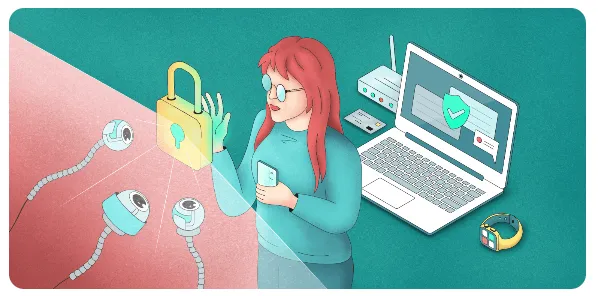
For a deeper understanding of Internet security issues, it is recommended to study materials such as "7 simple ways to protect yourself from surveillance in Internet’. These resources will help you learn about steps you can take to protect your personal information and maintain your privacy online. Knowing the basic principles of cybersecurity is important to ensure your safety online.
How to Find Your Digital Footprint on the Internet
A person's digital footprint is created not only by their own publications on social media, but also by the content posted by their friends and family. To assess your digital footprint, simply log into your personal profiles on social media platforms and analyze the available information. This will help you better understand how your online presence is formed and what data may be visible to other users. Regularly monitoring your digital footprint contributes to reputation management and online safety.
The next step is to research how search engines perceive your identity. Enter your full first and last name in the search bar. If your name is common enough, add the name of your city or year of birth to your query. This will help you find forgotten blogs or old accounts associated with your email. Be sure to review this data and delete it if necessary, especially if it contains sensitive or compromising information. Regularly monitoring your digital footprint will help maintain a positive image online and protect your reputation.
There are many tools for analyzing your digital footprint. Google offers a dashboard where users can see all the data stored about them. This section includes information about email, payment information, and contacts. You can also view information about the devices used to sign in to your account. By analyzing this data, you can better understand how your information is used and how to protect your privacy in the digital space.
The Google Timeline feature allows you to track your movement history. You can export all your data in HTML format using the Google Archive tool. Yandex ID offers a similar tool called "Data Management," which also allows you to manage and view your history. Using these features provides convenient access to your data and allows you to better control your digital activity.
Social networks, in addition to search engines, provide users with options for managing their data. In the "Your Facebook Data" section, you can view the information available about you and download or delete this data. If you continue to use Google or Meta services, completely deleting your data may not be practical. Instead, it's smarter to adjust your privacy settings to limit access to certain information, for example, by disabling browsing history. This will help you better control your personal data and improve your online security.
Specialized services such as Am I Unique and Cover Your Tracks allow you to check your device's unique fingerprint and learn how tracking apps perceive your activity. Using these tools is an important step in improving your digital security and protecting your personal information online. Fingerprint verification helps identify potential risks and take steps to minimize them, contributing to a safer online experience.
Digital security involves not only monitoring what is published about you but also managing how that information is used. Regularly checking your digital footprint allows you to better understand how you are represented online and what security measures you need to take to maintain your privacy. Analyzing your online activity will help identify potential risks and improve the security of your data.
Effective Strategies for Removing Your Digital Footprint
While it is impossible to completely remove your digital footprint, you can significantly reduce its size and limit access to your personal information. In this article, we will cover the basic measures that will help you protect your data online and reduce the risk of confidential information leakage. Protecting your personal data in the digital space is becoming increasingly important, and by following these recommendations, you can minimize potential threats associated with your online presence. Cookies can store sensitive data, such as passwords and credit card information. Your browser history can reveal important aspects of your life, including your health and hobbies. It is recommended to periodically clear cookies and browser history, especially if your device is used by multiple people. According to Kaspersky, regularly clearing this data helps significantly reduce the risk of unauthorized access to your personal information. Maintain your online security and keep the data on your devices clean. Reducing the number of online accounts reduces the risk of them being hacked. Inactive profiles can attract the attention of scammers who use your data to send spam or conduct fraudulent activities. By deleting outdated accounts, you maintain the security of your email, phone number, and payment information, which are of interest to cybercriminals. This is an important step in protecting your personal information and reducing the chances of data theft. Regularly auditing your online profiles will help you maintain a high level of security and minimize the risks associated with cyber threats. Following recommendations for protecting your digital footprint can reduce the amount of data stored and increase your online security. Remember that prevention is always more effective than remediation. Protecting personal information and privacy online is important for minimizing risks and ensuring peace of mind in the digital space.
Key Aspects of a Digital Footprint
In this article, we will discuss the key aspects of a digital footprint and its impact on your online identity. A digital footprint is the collection of data left behind by your online interactions. This data may include records of your social media activities, search queries, and information collected by various websites. Understanding your digital footprint is essential for building your reputation and online safety. We'll look at how to manage your digital footprint, minimizing risks and protecting personal data.
- A digital footprint encompasses any information about a user that can be found online.
- There are two types of digital footprints: active and passive. An active digital footprint is created when a person posts information themselves, for example, on blogs or social media. A passive footprint is created automatically, including data such as IP address and device fingerprints.
- It is impossible to completely delete a digital footprint; You can only minimize it by reducing your activity on social networks and monitoring the information collected by various applications and online services.
- To effectively reduce your digital footprint, we recommend using browsers and search engines with a high degree of privacy, such as Brave and Safari, as well as the DuckDuckGo search engine.
What to listen to about your digital footprint
We present to you our podcast dedicated to your digital footprint. We examine in detail how your digital footprint is formed, what technologies are involved in this process, and how you can effectively use this resource for monetization. Anton Bochkarev, an information security expert and founder of the startup "Third Party," joins us on our fascinating journey, sharing his experience and knowledge. Learn how to protect your personal information and profit from your digital data. Join us for a deep dive into security and the opportunities surrounding your digital footprint.
Learn more about coding and security by subscribing to our Telegram channel. We share current trends and useful information to keep you up-to-date on the latest developments in the world of technology. Don't miss the chance to improve your knowledge and skills!
We recommend that you read our articles.
- Not just phishing: how attackers steal data online, the consequences and protective measures for your website
- Test: how well are you aware of your digital footprint?
- Cybersecurity Guide: Tips for Developers and Aspiring Professionals
Cybersecurity Specialist: 5 Steps to a Successful Career
Want to become a cybersecurity specialist? Learn how to develop skills and ensure the security of IT systems in our program!
Find out more