Contents:
- Three pillars of education after the pandemic: family, school, digital
- New social contact from UNESCO
- From a closed school to an open world
- Borderless University
- New accessible formats of education
- Instead of lecture buildings - an innovative quarter
- Focus on DELTAs
- 56 skills of the future according to McKinsey
- Learning without intermediaries
Learn: The Profession of a Methodologist from Scratch to PRO
Learn MoreWhat will education look like in the future? There are always many opinions on this question. The field of education is initially focused on the future, and both practitioners and theorists are actively discussing possible changes. In this article, we examine concepts for the future of education that were relevant in 2021.
Three Pillars of Education After the Pandemic: Family, School, Digital
Let's start with an important report from the World Bank, UNESCO, and UNICEF on the recovery of education systems after the COVID-19 pandemic. The document examines in detail the losses faced by children and teachers around the world, as well as the measures needed to urgently restore the educational process. In the concluding section, the authors emphasize that countries can use the lessons learned from the pandemic to create more effective and resilient schools in the future. What goals do World Bank experts set for themselves to achieve this goal?
- They see the main lesson of the pandemic as being that the resilience of the school system is based on the connection between the school and home environments. And this isn't just a question of emergencies and sudden lockdowns: at any time, to learn successfully, children must receive support both at school and at home. Therefore, in the education system of the future, access to books, digital devices, and the internet for students is a societal and government priority. Related to this, another feature the report cites as essential is support and guidance for parents on how to organize and enrich a developmental environment for their children from the earliest years of life. Digital learning in this picture is not a replacement for school, but an important part of a hybrid system. Therefore, teacher training programs must necessarily include courses in digital didactics.
- And, of course, in this version of the future, a more significant part of the state budget is directed to the needs of education - in particular, to the construction of flexible hybrid systems.

Read Also:
Higher education institutions are introducing a new version of the HyFlex learning format. This approach combines elements of traditional and online learning, allowing students to choose how they want to participate in classes. HyFlex is becoming increasingly relevant in the context of modern educational demands, providing flexibility and accessibility to the educational process.
The HyFlex format is important because it responds to the challenges associated with changes in the educational environment and student needs. It allows for a personalized approach to learning, taking into account different learning styles and student preferences. This promotes increased engagement and learning effectiveness, and also helps universities adapt to the new realities associated with the digitalization of education.
With the implementation of HyFlex, educational institutions can more effectively cope with the challenges associated with restrictions and changes in the learning environment, and students are given the opportunity to choose the most convenient format for them, which contributes to the improvement of the quality of education.
A New Social Contract from UNESCO
In the report "Reimagining Our Futures Together: A New Social Contract for Education," the International Commission on the Futures of Education, created by UNESCO, proposes fundamental changes to the education system. The main focus is on the goals that education should pursue, while new contents and formats of learning remain in the background of the discussion. The authors emphasize the need to rethink educational approaches to adapt them to modern challenges and societal needs. This document emphasizes the importance of developing an education contract that takes into account the interests of all stakeholders and promotes the development of the skills needed for successful life in a rapidly changing world.
The report summarizes achievements in education worldwide: 95% of the planet's population has received at least some schooling. In 1948, when UNESCO's work began, this figure was less than 50%. However, according to the report's authors, education systems are failing to create the necessary foundation for future development. Moreover, they often contribute to the reproduction of phenomena that threaten the future, such as discrimination and the inefficient use of natural resources. Schools are failing to provide children and young people with answers to important current issues, nor are they giving them a sense of purpose and independence, the report finds.

What What should we do in the current situation? The authors propose abandoning the copying of established educational models used in different countries and creating a new system based on the global goal of achieving long-term global sustainability. To achieve this, they believe, it is necessary to change the approach to education: instead of compulsory school, where children study solely for the sake of personal success, education should be developed as a social institution that emphasizes cooperation and interaction. The authors express doubts about digital personalization, emphasizing the need to reject anything that does not promote dialogue and collaboration between students. The report highlights the key characteristics of the education of the future. The main focus is on adaptability to changes in society and technology. Future education should become more personalized, taking into account the individual needs and interests of students. The importance of integrating digital technologies into the educational process is also emphasized, which will create a more interactive and accessible educational environment. An equally important aspect is the development of critical thinking and collaboration skills, which are necessary for successful life in the modern world. It is also important to ensure accessibility of education for everyone, regardless of social and economic status. These principles will help to create an education system that can effectively respond to the challenges of our time and prepare specialists for the future.
- equal access to lifelong learning for all, while classical terms of study and formal qualifications will become less important;
- education as a public good: state funding, open public discussions on the development of educational systems;
- priority is given to knowledge of ecology and an appropriate lifestyle;
- mastery of tools for information analysis instead of accumulation of knowledge;
- the main content is literacy, including mathematical literacy, learning of different languages, a natural science base and digital skills, introduction to art and civic values;
- the introduction of pedagogical approaches that allow the learning process to open up to the world (rather than being held in the “teacher-student-knowledge” triangle), for example, the transition from a subject grid to solving problems from the real world;
- focus on collaboration, rather than on individual achievements for both students and Educators.
The principles of learning imply that educational spaces can be both physical and virtual. However, as the authors emphasize, schools must remain protected and safe centers for learning and social interaction. It is important that such institutions provide a comfortable atmosphere for learning and development, promoting harmonious interaction between students and teachers.

Reading is an important aspect of personal development and the acquisition of new knowledge. It helps to broaden horizons and improve critical thinking skills. Immersing yourself in books, articles, and other sources of information not only helps you better understand the world around you but also develops your imagination. Regular reading has a positive impact on memory and concentration, which is especially important in today's rapidly changing world. A variety of genres and topics allows everyone to find something interesting and useful. Remember that reading not only enriches knowledge but also brings pleasure. SEL, or social-emotional learning, is an important concept in education that is more than just a buzzword. It is an approach aimed at developing students' skills in managing emotions, establishing positive relationships, and making responsible decisions. SEL encompasses a range of aspects, including self-awareness, self-regulation, social skills, and empathy. Incorporating such programs into the educational process helps improve the psycho-emotional climate in schools, increase academic performance, and reduce conflict among students. In today's world, where emotional well-being plays a key role, SEL is becoming an integral part of effective learning, preparing children for adult life and interaction in society.
From a closed school to an open world
In March, at an open seminar held by the Institute of Education at the Higher School of Economics, Russian and international experts examined the role of game formats in school education after the pandemic. The seminar participants concluded that game-based methods can significantly transform traditional approaches to learning. In particular, they can facilitate the transfer of the educational process from classrooms to open spaces where learning occurs through active interaction and practical activities.
Visiting HSE professor and Director of Education at KidZania, Ger Graus, explained the prospects for a new educational model. At KidZania, children learn through entertainment, participating in role-playing games where they can try out various professions and explore them through practice. This approach proves to be more engaging and effective than traditional school, where students often go out of obligation. The use of game-based learning methods promotes better knowledge acquisition and skill development, which makes it relevant in today's educational realities.

Study additional materials:
Children are natural-born explorers. It's important to understand that observation and experimentation play a key role in their learning, transcending the importance of traditional textbooks and tests. Through active exploration, children develop critical thinking and creativity, which contributes to deeper learning. Experimentation allows children not only to acquire new knowledge but also to apply it. By observing phenomena in the world around them, they learn to ask questions, formulate hypotheses, and test them. This approach fosters curiosity and a desire to explore.
Rather than relying solely on theoretical materials, it's important to integrate hands-on activities and experiments into the educational process. This not only makes learning more engaging but also promotes a better understanding of complex concepts. Thus, an emphasis on observation and experimentation helps children become more independent and confident in their knowledge, which is the foundation of successful learning.
Graus argues that the school system needs to be transformed to emphasize learning through hands-on experience. This is a task that requires a collective effort and cannot be accomplished by a single commercial company. The example of KidZania demonstrates the importance of basing the educational process on children's interests and preferences. Learning should occur through hands-on mastery of topics, not just in the context of exam preparation. This approach will make education more engaging and effective, promoting the development of skills and competencies needed in real life.
The ideas discussed at the workshop can be implemented in a variety of ways, as suggested by other participants.
- through digital technologies, such as online educational games;
- through credit for completed additional education programs at school;
- through learning at various sites outside the school walls in practical activities.
The pace of change in educational systems will vary depending on the country. Workshop participants noted that focusing on the diversity of children's experiences and interests reflects a holistic approach to education and emphasizes the importance of holistic development. This includes recognizing the value of self-realization and self-expression. The question is: how many societies are there in the world where a significant portion of the population can allow children to engage in self-expression, rather than focusing on survival? Even in countries where this approach is already beginning to develop, education systems are still unprepared. It's unclear how to measure and evaluate experience, as well as what constitutes its effectiveness. This concerns not just changing the lesson format, but also creating a completely new education economy.

Read also:
Why is the sea dirty? Phenomenon-based learning as a way to solve real problems
Marine ecology is one of the most pressing topics of our time. Pollution of the seas and oceans causes serious environmental problems, affecting the health of marine life and humans. Phenomenon-based learning is an effective approach to understanding these complex issues. This method allows students to explore real-world problems, such as water pollution, and develop practical solutions. By applying the concept of phenomenon-based learning, students gain a deeper understanding of the causes and consequences of marine pollution. They explore factors that contribute to the deterioration of water bodies, such as industrial waste discharge, plastic use, and illegal dumping. This approach not only increases knowledge but also develops critical thinking and environmental responsibility. Furthermore, phenomenon-based learning stimulates interest in environmental conservation, inspiring young people to conduct research and initiatives to improve the health of the seas. Students can participate in water cleanup projects, develop programs to reduce plastic use, and raise public awareness of environmental issues.
Thus, phenomenon-based learning not only helps understand issues like marine pollution but also fosters proactive attitudes in future generations. It is important to continue developing this approach to ensure a sustainable future for our oceans and seas.
Borderless University
The global education market research platform HolonIQ conducts analysis not only in the EdTech field but also among universities. Its 2021 work resulted in a list of four key trends transforming higher education. These trends collectively shape a vision of the future that resonates with the views of HSE Rector Nikita Anisimov. He emphasizes that instead of traditional lengthy educational programs and the race for diplomas, students will face a variety of courses in various formats, offered by a multitude of providers. Let's consider four main trends from HolonIQ.
- new approaches to qualifications - employers and governments will recognize a wider range of certificates, the university diploma will finally lose its exclusive role;
- a close connection between the labor market and education - employers will directly influence the skill sets that students acquire, and additional training or retraining at a corporate university will become a mandatory part of a career;
- competition in the higher education market will change - it will include new players and new partnership models, including with the private sector;
- finally, education itself will become multichannel - each program will combine the tools and formats of both distance and in-person learning.

Reading is an important aspect of our lives that contributes to the development of thinking and an increase in knowledge. Research shows that regular reading helps improve concentration, expands vocabulary, and develops analytical skills. In addition, reading books has a positive effect on emotional well-being, reducing stress levels and improving the overall quality of life. It is important to choose a variety of genres and topics to enrich your experience and gain new perspectives. Read not only fiction, but also research papers, articles, and blogs to stay informed about current trends and discoveries. Regular reading will help you become a more informed and educated person.
The Rise of EdTech: A Threat to Universities? Expert Opinions
The educational technology (EdTech) sector is rapidly evolving, and this raises many questions about the future of traditional higher education. Experts debate whether the growth of online learning and digital platforms poses a real threat to universities or, on the contrary, opens new opportunities for educational institutions.
On one side of the debate are EdTech supporters, who argue that new technologies make education more accessible and flexible. Online courses, self-study platforms, and interactive applications allow students to study at their own pace and format. This may lead to a decline in interest in traditional universities, which often face high costs and rigid educational frameworks.
On the other hand, university defenders emphasize the importance of face-to-face instruction and interaction between faculty and students. They argue that traditional universities provide not only academic knowledge but also social skills that cannot be developed in an online environment. Universities also play a key role in scientific research and innovation, making them indispensable for societal development. Experts note that the future of higher education likely lies in the synergy of traditional and digital teaching methods. Universities can integrate EdTech into their programs and use it to improve the quality of education, increasing their competitiveness. Thus, rather than a threat, EdTech could become a catalyst for change in the higher education system, facilitating its adaptation to modern requirements. In conclusion, the question of whether the development of EdTech poses a threat to universities remains open. However, it is important to understand that technology can both complement and transform traditional education, creating new opportunities for all participants in the process.
New accessible education formats
At the beginning of the year, the FutureLearn platform predicted a bright and technologically advanced future of education. The study focuses on Generation Z, who will be actively learning throughout their lives. Experts are confident that the learning process will take place in unique high-tech formats previously unseen in educational practice. This opens up new opportunities for students, allowing them to acquire knowledge and skills at their own pace and format, using modern technologies and online resources.
FutureLearn bases its findings on the results of a survey conducted in Australia, the USA, and the UK. According to the report, more than a third of millennials and zoomers prefer to use virtual reality (VR) in educational processes. Respondents also expressed a desire to see educational materials on social networks. Interestingly, younger respondents value the strict structure of online courses less, and they more often turn to Twitter and Instagram for self-education. Professionals surveyed by the platform also agree with this trend, emphasizing that the future of education will be characterized by multi-format, flexibility, and personalization. In the coming years, virtual and augmented reality, as well as social networks, will become the main technological drivers in education.
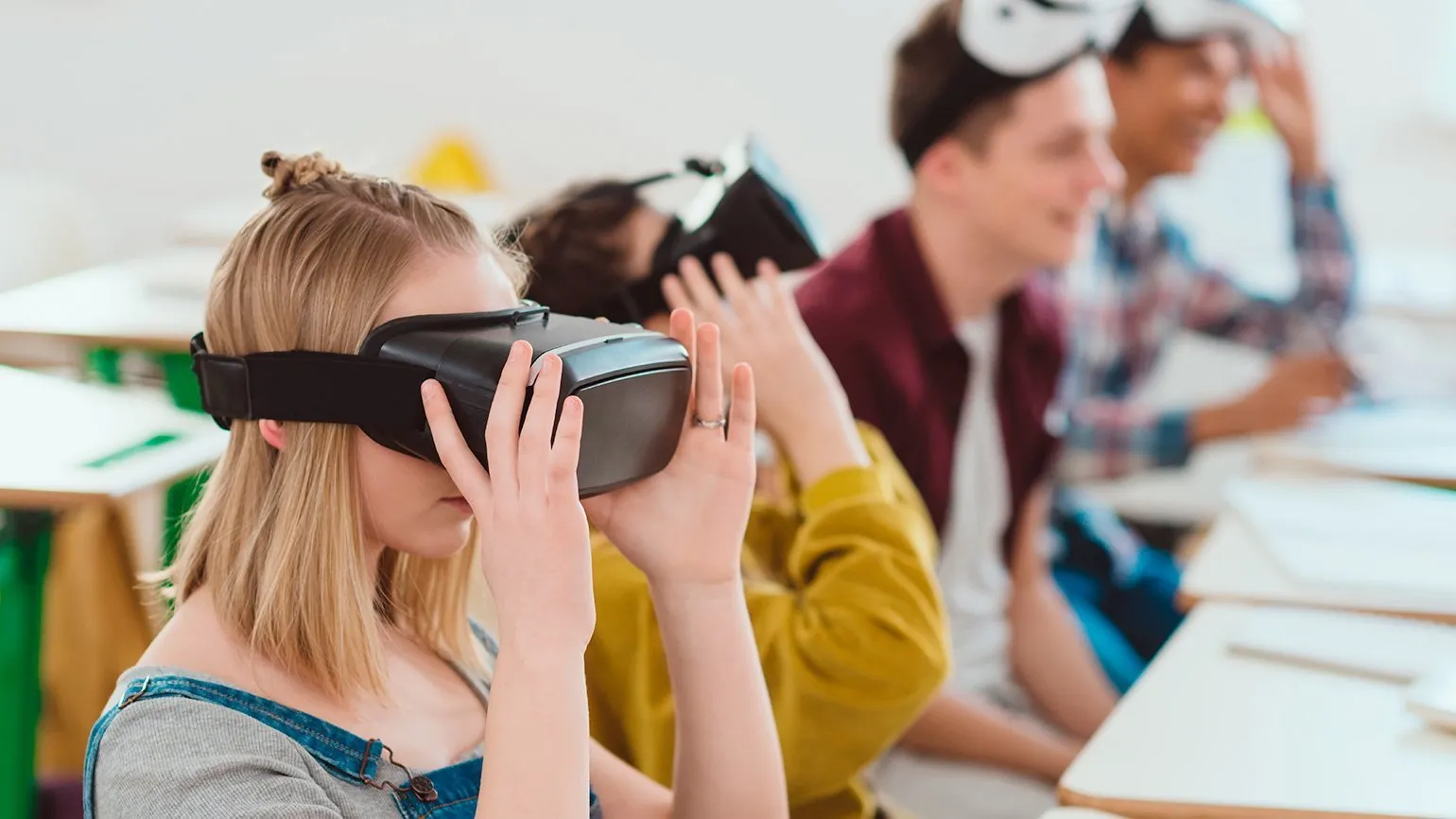
Daria Kozlova, ITMO University's First Vice Rector and Director of the Institute of International Development and Partnership, expressed the opinion that students choose universities based on their accessibility and understanding through modern digital platforms. She noted that today's youth are focusing on universities that are active on social media, such as Instagram and TikTok, as well as on gaming platforms like Fortnite, and offer educational programs in programming in the popular game Minecraft. This underscores the importance of universities' digital presence in attracting students and shaping their choice.
Instead of lecture halls – an innovation quarter
The study "University Campuses and the City: Cooperation for Competitiveness" has already been discussed previously. The Center for Strategic Research (CSR) Foundation, together with University 2035 and VEB.RF, analyzed modern Western models of university campus development and considered the possibilities of adapting them to Russia. According to the analysis, the ideal campus of the future differs significantly from existing formats. The focus is on integration with urban infrastructure, innovative spaces for learning and research, and creating conditions for attracting talent and ensuring sustainable development. These new approaches have the potential to significantly enhance the competitiveness of Russian universities on the international stage. University buildings will feature more diverse spaces—from equipped research laboratories to classrooms that can be easily transformed for different tasks, and accessible spaces for independent work and relaxation. Student dormitories will be replaced by buildings with comfortable apartments for rent—modern students often have to study online, and dormitories do not have the conditions for this. Most importantly, university infrastructure will be opened to cities, and innovative educational districts with business incubators, laboratories, and technology company offices will form around research centers. This study is related to the state program for creating world-class campuses. However, the idea of transforming the urban environment is also actively discussed in the private education sector. Dmitry Krutov, head of Skillbox, emphasizes that the creation of educational centers in small towns is an important step for their revival. Educational centers can become a foundation for developing the local economy and attracting young people, contributing to the creation of an innovation ecosystem and improving the quality of life.
Focus on DELTAs
DELTAs represent 56 key skills necessary for achieving professional success in the future, according to research by McKinsey. It is important that governments review their education systems to integrate these skills into the learning process. This will allow students not only to adapt to changes in the labor market but also to compete effectively in a rapidly changing world. Education must become the foundation for developing these skills to prepare the next generation of specialists for the challenges and opportunities that the future will bring.
McKinsey, like many other companies and expert organizations, predicts significant changes in the labor market in the coming decades. Many professions will lose their relevance, making retraining and reskilling crucial for millions of people. Adaptation to new conditions will become essential for a successful career in the future.
McKinsey conducted a study on future skills before the pandemic, in 2019, but the results were only released in June 2021. The company's experts note that COVID-19 has significantly accelerated the transformation of the labor market associated with the growth of digital technologies and the implementation of artificial intelligence. A global shift in in-demand competencies was predicted in advance, and the identified trends have only intensified during the pandemic. Experts emphasize that adaptation to new conditions and the development of necessary skills are becoming critical for a successful career in the future.
The list does not include manual skills, as their demand is expected to decrease. Narrowly specialized competencies are also absent. The McKinsey list includes 56 key competencies that will be relevant for the professionals of the future and in demand at various levels in various fields. According to the study, these skills contribute to career development and increased competitiveness in the labor market.
- create something with your work that automated systems and artificial intelligence cannot achieve;
- work in a digital environment;
- adapt to new working conditions and professional tasks.
The list of skills is divided into four main groups: cognitive, digital, interpersonal, and self-regulation skills. Each of these groups includes several subcategories that cover various aspects of skill formation and development in modern conditions. Cognitive skills are aimed at improving thinking and problem solving, digital skills relate to working with technology and information, interpersonal skills facilitate effective interaction with others, and self-regulation skills help manage emotions and behavior.
56 Skills of the Future According to McKinsey
Cognitive skills are the mental processes that enable a person to process information, solve problems, and make decisions. These skills include attention, memory, perception, logical thinking, and learning abilities. Developing cognitive skills plays a key role in success in both academic and professional life.
Cognitive skills can be improved through a variety of methods, including specialized training, games aimed at developing logic and memory, and practices that promote concentration. Improving these skills not only promotes more effective knowledge acquisition but also increases overall productivity.
It's important to understand that cognitive skills aren't static and can change throughout life. Regular mental exercises, such as learning new material, solving puzzles, and actively participating in discussions, can significantly improve not only your intelligence but also your overall quality of life. By developing your cognitive skills, you open up new horizons for personal and professional growth.
Critical thinking is the ability to analyze information, evaluate arguments, and formulate informed judgments. It plays a key role in decision-making and problem-solving. People with developed critical thinking skills are able to identify logical fallacies, recognize biases, and distinguish fact from opinion. This skill is essential in various areas of life, including education, professional work, and everyday situations. Developing critical thinking promotes more effective learning and helps you make informed decisions, which in turn improves your quality of life. In today's information society, where access to data is easy, critical thinking becomes especially important for filtering information and forming an independent opinion.
- structured problem solving;
- logical reasoning;
- understanding biases;
- searching for relevant information.
Planning and work methods are key aspects of successful activity in any field. Effective planning allows you to optimize resources, set clear goals and determine priorities. There are many approaches to planning, including strategic, tactical and operational planning.
Strategic planning focuses on the long-term goals and vision of the company, while tactical planning focuses on short-term tasks to achieve these goals. Operational planning includes the detailed actions and procedures necessary to execute tactical plans.
Working methods also vary and can include flexible approaches such as Agile and Scrum, as well as traditional project management methods. The choice of approach depends on the specifics of the project, the team structure, and the goals to be achieved.
Effective team communication, regular meetings, and performance evaluation help maintain a high level of productivity and adapt to change. Ultimately, proper planning and the use of effective working methods contribute to increased competitiveness and success.
- work plan development;
- time management and prioritization;
- agile thinking.
Communication skills play a key role in personal and professional life. They include the ability to effectively convey information, listen and understand the interlocutor, and adapt to various communication situations. Good communication skills contribute to building trusting relationships, resolving conflicts, and effective teamwork. Developing these skills helps improve interactions with colleagues, clients, and partners, which in turn increases overall productivity. The ability to clearly articulate your thoughts, actively listen, and maintain a dialogue is an essential element of successful communication both in business and in everyday life. Regular practice and self-analysis can significantly improve your communication skills, which will positively impact all aspects of your life.
- storytelling and public speaking;
- the ability to ask the right question;
- summarizing information, combining ideas, and forming conclusions;
- active listening.
Mental flexibility is the ability to adapt to new conditions, changing your thoughts and behavior in response to changing circumstances. It plays a key role in problem solving and decision making, allowing people to effectively cope with challenges and uncertainties. Developing mental flexibility improves creativity, increases resilience to stress, and helps find alternative solutions to problems. This ability can be useful both in personal life and in the professional sphere, where quick adaptation to changes and innovations is required. To improve mental flexibility, it is recommended to practice various methods, such as mindfulness, critical thinking, and regular learning. Thus, mental flexibility becomes an important tool for achieving success and harmony in life.
- creativity and imagination;
- translation of knowledge to another context;
- ability to accept a different point of view;
- adaptability;
- ability to learn.
Self-regulation skills are an important part of personal development and mental health. They help you manage your emotions, control your behavior, and achieve your goals. Self-regulation includes awareness of your feelings and thoughts, as well as the ability to adapt to changes and stressful situations. Developing these skills helps improve the quality of life, increase productivity, and strengthen interpersonal relationships. Practices such as meditation, journaling, and mindful breathing can significantly improve self-regulation skills and help you better cope with life's challenges. Mastering these skills not only strengthens internal resilience but also creates the foundation for successfully interacting with the outside world.
Self-awareness and self-management are key aspects of personal effectiveness and psychological well-being. Self-awareness involves the ability to understand one's own emotions, thoughts, and behaviors, as well as their impact on the world around them. This process requires an honest analysis of oneself and one's life, which facilitates a deeper understanding of one's strengths and weaknesses.
Self-management, in turn, involves managing one's emotions and actions. This includes the ability to control impulses, set and achieve goals, as well as adapt to change and cope with challenges. Developing these skills helps not only in your personal life but also in your professional life, helping to improve communication, increase productivity, and create harmonious relationships with others.
To achieve a high level of self-awareness and self-management, it is useful to practice self-reflection techniques such as journaling, meditation, and regularly receiving feedback from others. These practices help build self-confidence and develop emotional intelligence, which in turn improves the quality of life and contributes to success in various areas.
- understanding your own emotions and triggers;
- self-control and regulation;
- understanding your strengths;
- honesty, integrity;
- self-motivation and well-being;
- self-confidence.
Entrepreneurship is a key quality that contributes to the successful implementation of business ideas and the creation of new opportunities. It includes the ability to identify market needs, find innovative solutions and adapt to change. Entrepreneurial people have a high level of creativity and initiative, which allows them to not be afraid of risk and strive to achieve their goals. In the modern world, entrepreneurial activity is becoming especially important, as it contributes to economic development, job creation and improving the quality of life. Developing entrepreneurial skills and abilities in educational institutions and training helps to shape a new generation of leaders ready for the challenges of the time.
- courage and risk-taking;
- innovation and ability to change;
- energy, passion and optimism;
- out-of-the-box thinking.
Achieving goals is an important aspect of personal and professional growth. To effectively achieve your goals, you need to clearly define them, develop an action plan and consistently implement it. Using SMART methods will help make goals more specific, measurable, achievable, relevant and time-bound.
It is also important to regularly monitor your progress, adjust strategies if necessary, and stay motivated. Support from others, introspection, and positive thinking also play a key role in the goal-achieving process. By focusing on the result and remaining persistent, you can overcome any obstacles and achieve the desired success.
- composure and determination;
- achievement orientation;
- endurance and persistence;
- overcoming uncertainty;
- self-development.
Interpersonal skills are an important component of successful human interaction in various areas of life. These skills include the ability to communicate effectively, listen to others, express your thoughts and feelings, and work in a team. Developing interpersonal skills helps improve relationships in both professional and personal life. They help resolve conflicts, build trust, and increase overall productivity. Improving interpersonal skills can be achieved through ongoing practice, training, and introspection. It's important to remember that effective interaction with others not only promotes personal growth but also opens up new opportunities for career advancement and professional development. Mobilizing people is a key skill in management and leadership. This ability involves inspiring and motivating a team, creating a shared vision, and establishing trusting relationships. Effectively mobilizing people requires understanding their needs and goals, as well as the ability to listen and consider their opinions. A leader who knows how to mobilize people is able to build a cohesive team that will work toward common goals, which ultimately leads to increased productivity and efficiency. Developing this skill involves practicing communication, empathy, and strategic thinking. The ability to mobilize people not only improves the atmosphere in the team but also contributes to the achievement of successful project results.
- role model;
- win-win negotiations;
- mastery and inspiring vision;
- organizational awareness.
Relationship development is an important aspect of every person's life. This process includes many stages, from getting to know each other to deep emotional connections. To build strong and healthy relationships, it is necessary to focus on communication, understanding, and supporting each other. Effective interaction with your partner, as well as the ability to listen and share your feelings, plays a key role in strengthening the connection.
The gradual development of trust and openness contributes to a deeper understanding of the needs and desires of each partner. It is also important to remember the need to resolve conflicts constructively, which helps avoid misunderstandings and maintain harmony in the relationship.
Developing relationships takes time and effort, but the results are worth the resources expended. Successful relationships bring joy, support, and a sense of security, which makes them an integral part of a happy life.
- empathy;
- trustworthiness;
- courtesy, tact, modesty;
- communication skills.
Team effectiveness is a key factor determining the success of organizations in various industries. Effective teams are able to achieve high results through coordinated work, clear distribution of roles, and mutual support of members. To improve team effectiveness, it is necessary to develop the skills of communication, trust, and cooperation among team members. It is also important to set clear goals and success indicators, which allows all participants to understand their tasks and focus on the common result. Investing in team training and development, as well as creating a positive working atmosphere, helps strengthen team spirit and improve productivity. Effective teams not only solve current problems but are also able to adapt to change, which makes them an important asset for any organization.
- ability to engage all members;
- motivation;
- conflict resolution;
- collaboration;
- training and mentoring;
- empowerment.
Digital skills play a key role in modern society. They include the skills necessary to effectively use technology and the Internet in various areas of life. In the context of rapid development of digital technologies, it is important to develop skills in working with computers, mobile devices, and specialized software. Digital literacy allows you not only to find and process information, but also to safely interact with online resources. The ability to create content, work with social networks, and analyze data is becoming essential for a successful career and personal development. Mastering digital skills opens new opportunities and helps you adapt to changes in the professional environment. Developing these skills should be a priority for everyone striving for success in the digital age. Digital fluency is an essential skill in the modern world. Proficiency in computers, mobile devices, and internet services opens up numerous opportunities in both personal and professional life. As businesses and society become increasingly digital, knowledge of software and applications is essential for successfully adapting to changing conditions. By mastering digital technologies, you gain access to information, communicate and collaborate effectively with others, develop your skills, and improve your competitiveness in the job market. It is important not only to know how to use technology, but also to understand its impact on our lives and society as a whole.
- digital literacy;
- digital learning;
- digital interaction;
- digital ethics.
The development and use of software play a key role in the modern technological world. Effective software allows you to automate many processes, improving productivity and reducing costs. Important stages of development include requirements analysis, design, coding, testing and implementation. A successful software creation process requires teamwork, where each participant contributes to the final product.
The use of software covers a wide range of tasks: from project management to data processing. Current solutions, such as cloud technologies and artificial intelligence, significantly expand the capabilities of software, allowing you to adapt to changing business needs. It is also important to consider aspects of security and data protection, which is becoming especially relevant in the face of growing cyber threats.
Thus, the development and use of software are integral elements of digital transformation, contributing to the sustainable development of organizations and increasing their competitiveness.
- programming skills;
- data analysis and statistics;
- computational and algorithmic thinking.
Understanding digital systems is key to the effective use of modern technologies. Digital systems are sets of devices and software that process, store, and transmit information in digital format. These systems are used in various fields, including business, education, healthcare, and entertainment.
Digital systems are based on binary codes that convert information into a format understandable by computers. Understanding the principles of digital systems allows users to interact with technologies more effectively, develop new applications, and optimize processes.
Modern digital systems also include cloud technologies, artificial intelligence, and big data, which significantly expand their functionality. Understanding these technologies helps not only in your personal life but also in your professional life, enabling you to make informed decisions and find innovative ways to solve problems.
Thus, a deep knowledge of digital systems not only makes everyday tasks easier but also promotes career development in a rapidly changing technological world.
- information literacy;
- understanding of smart systems;
- understanding of cybersecurity;
- technical translation and support.
The list of skills is only part of the study. McKinsey experts conducted an extensive survey to assess the level of competencies among modern workers. It is important to find out whether a high level of proficiency in DELTAs is truly associated with a high likelihood of employment, job satisfaction, and high income. This data will help understand which skills are most in demand in the labor market and how they affect career growth and financial well-being.
18,000 people from 15 countries took part in the online survey. Each skill was assigned a question, and the answer options described behaviors characteristic of different levels of development of that skill. Respondents selected the answer option that best suited them.
The survey results confirmed the authors' main hypotheses: respondents with high scores on 56 DELTAs were more likely to be employed, earned higher incomes, and reported greater satisfaction with their work. The best predictors of these positive characteristics were associated with high levels of traits such as self-confidence and the ability to cope with uncertainty. These factors play a key role in professional success and overall life satisfaction.
According to the authors, the level of development of key DELTAs does not always correlate with the respondents' level of education. In most cases, people with higher education demonstrate higher scores on various skills. However, a negative correlation was found for characteristics such as the ability to inspire trust and modesty in interpersonal interactions: individuals with high levels of education often exhibit these qualities weakly. Furthermore, for a number of skills related to self-regulation and interpersonal communication, the relationship between higher education and development is also insignificant. For example, knowing one's educational level is difficult to predict the development of important non-cognitive skills such as empathy, conflict resolution, self-confidence, and the ability to cope with uncertainty. These observations highlight that education is not always the determining factor in the development of personal and social skills.

McKinsey experts in In their study, they propose a new approach to the education system that will focus on developing key skills of the future, including non-cognitive skills. The publication outlines the key expectations for this updated education system: it should be flexible, adaptive, and focused on developing students' skills necessary for successful life and work in a rapidly changing world. The focus is not only on academic knowledge, but also on aspects such as critical thinking, creativity, emotional intelligence, and collaboration. These skills are becoming increasingly important in today's society and labor market, where success depends on the ability to adapt to new challenges and find innovative solutions.
- Program content should focus on DELTAs;
- Attainable levels of development of these skills should be defined for each age;
- The qualifications system should be based on skills assessment;
- All skills, especially those in the self-regulation group, should be reflected in adult education programs;
- AI systems are needed that will engage adults in the learning they need throughout their lives.
Similar suggestions were raised in a report on professions in the age of artificial intelligence presented by BCG. Recommendations include the need to focus education systems on the development of basic skills, the creation of platforms for lifelong learning, and supporting the transition from traditional long university programs to a variety of microdegrees and short courses. These measures will help adapt education to the rapidly changing world of work and prepare specialists for new challenges.
Learning without intermediaries
In a speech at the ReForum Winning The Hearts online forum, Patrick Brothers, managing director and co-founder of HolonIQ, presented one scenario for the future of education. In this scenario, technology will increasingly facilitate direct interaction between teacher and student. As a result, learning will be possible without being tied to a school, university, or a pre-prepared online course. This will lead to maximum individualization of the educational process based on the peer-to-peer principle. Technological advances will open new horizons for the personal educational trajectory of each student, allowing for the creation of a unique approach to learning.
In some countries, about half of HolonIQ experts believe that the development of an educational ecosystem is the most preferable option. On the one hand, this approach may seem outdated, but on the other, it aligns with the modern trend toward ecosystem-based learning, which we've discussed frequently this year. Pavel Luksha, founder of the international initiative Global Education Futures and a researcher of this approach, emphasizes that one of the key characteristics of an educational ecosystem is student-centricity. In the future, education will be structured so that students won't be forced to adapt to the demands of educational institutions or spend a fixed amount of time there. At the center of the new system will be the individual, who will access the necessary educational opportunities whenever they become relevant, without being tied to traditional academic deadlines. At the same time, a significant portion of these opportunities can be provided by non-standard providers, including individual experts and practitioners.
Read also:
- What prospects does EdTech have in schools?
- What rectors think about the future of universities?
- What technologies are the future of corporate training?
- Why ecosystems are the new paradigm of education?
Methodologist Profession from Beginner to Advanced
You will develop skills in developing curricula for online and offline courses. You will master modern teaching practices, structure your experience, and become a more sought-after specialist.
Find out more