Contents:

IT for beginners: 3 steps to the first program on Python
Learn MoreWhat Are Fibonacci Numbers?
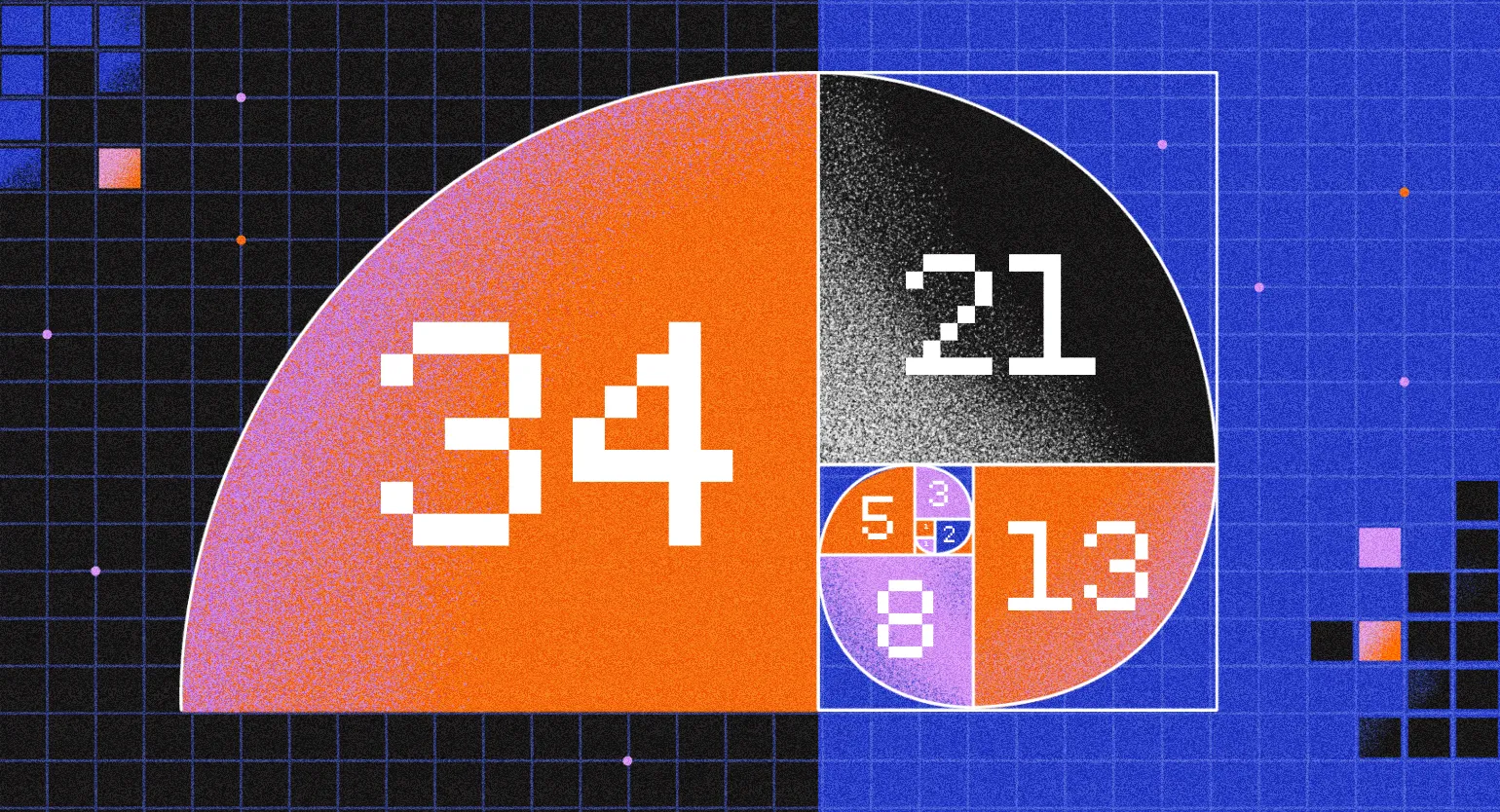
The Fibonacci numbers form a unique sequence where each subsequent number is the sum of the previous two. This sequence begins with two initial values: 0 and 1. The Fibonacci sequence has a wide range of applications, including mathematics, art, and nature. Each number in this sequence can be expressed as F(n) = F(n-1) + F(n-2), where F(0) = 0 and F(1) = 1. Fibonacci numbers are also known for their connection to the golden ratio, making them important in the study of proportion and symmetry.
The Fibonacci sequence is a mathematical sequence in which each number is the sum of the previous two. It begins with zero and one and then continues as 0, 1, 1, 2, 3, 5, 8, 13, 21, and so on. This sequence has wide applications in various fields, such as nature, art, and finance, and is often used to describe growth and structure in living organisms, as well as in algorithms and programming. Interestingly, Fibonacci numbers are also related to the golden ratio, making them particularly important in aesthetics and design.
The sequence of numbers presented here is the famous Fibonacci sequence. It begins with two ones, after which each subsequent number is the sum of the previous two. This sequence has many applications in mathematics, science, and art. For example, it is often found in nature, such as the spirals of shells and the arrangement of leaves on a stem. Fibonacci numbers are also used in algorithms, financial analysis, and computer science. Understanding this sequence can help in solving various problems and in gaining a deeper understanding of patterns present in the world around us.
This number series, although theoretically capable of continuing indefinitely, is usually limited to the first ten numbers of the sequence in most practical problems. These numbers provide sufficient information for analyzing and solving problems related to this sequence. Therefore, for most applications in mathematics and related disciplines, it is sufficient to consider just these ten values.
- 1. First — 0;
- 2. Second — 1;
- 3. Third — 1;
- 4. Fourth — 2;
- 5. Fifth — 3;
- 6. Sixth — 5;
- 7. Seventh — 8;
- 8. Eighth — 13;
- 9. Ninth — 21;
- 10. The tenth is 34.
Addition of numbers is often perceived as a simple operation, but in fact, this is only the beginning of the fascinating world of number sequences. There are various sequences in which each number is the sum of the three or four preceding ones. These complex mathematical constructs find wide application in science and technology. Let's consider how such sequences are used in various fields, from computer algorithms to biological research. Understanding these concepts opens new horizons for the application of mathematics in real life.
The Fibonacci numbers have deep historical roots and have significantly influenced various fields of science and art. These numbers were first described by the Italian mathematician Leonardo of Pisa in the 13th century, who is known as Fibonacci. His work, "Liber Abaci," introduced Europe to the Arabic numeral system and the concept of Fibonacci numbers, which are formed by a simple rule: each successive number is the sum of the two preceding ones.
Fibonacci numbers find application in mathematics, biology, art, and even financial markets. In mathematics, they are used to study sequences and proportions. In biology, these numbers describe many natural phenomena, such as the arrangement of leaves on a plant stem or the number of petals on a flower. In art and architecture, Fibonacci numbers are associated with the golden ratio, which is used to create harmonious and aesthetically pleasing compositions.
Furthermore, the Fibonacci number sequence finds application in modern technologies, such as algorithms and programming, making them an important subject of study for both mathematicians and professionals in other fields. Thus, Fibonacci numbers represent not only a mathematical curiosity but also a powerful tool for analyzing and understanding the world around us.
The Origin of Fibonacci Numbers: Historical Context
The Fibonacci numbers, which have become the basis for many mathematical concepts, were first described by the Italian mathematician Leonardo of Pisa, better known as Fibonacci. In the 12th century, he deeply studied the works of ancient Greek and Indian scholars, which led him to many significant discoveries, including the advantages of the decimal system over Roman numerals. Fibonacci numbers are a sequence in which each subsequent number is the sum of the two preceding ones, and this sequence is found in various fields of science, art, and nature. Fibonacci's research had a significant impact on mathematics and continues to be used in modern calculations and algorithms.
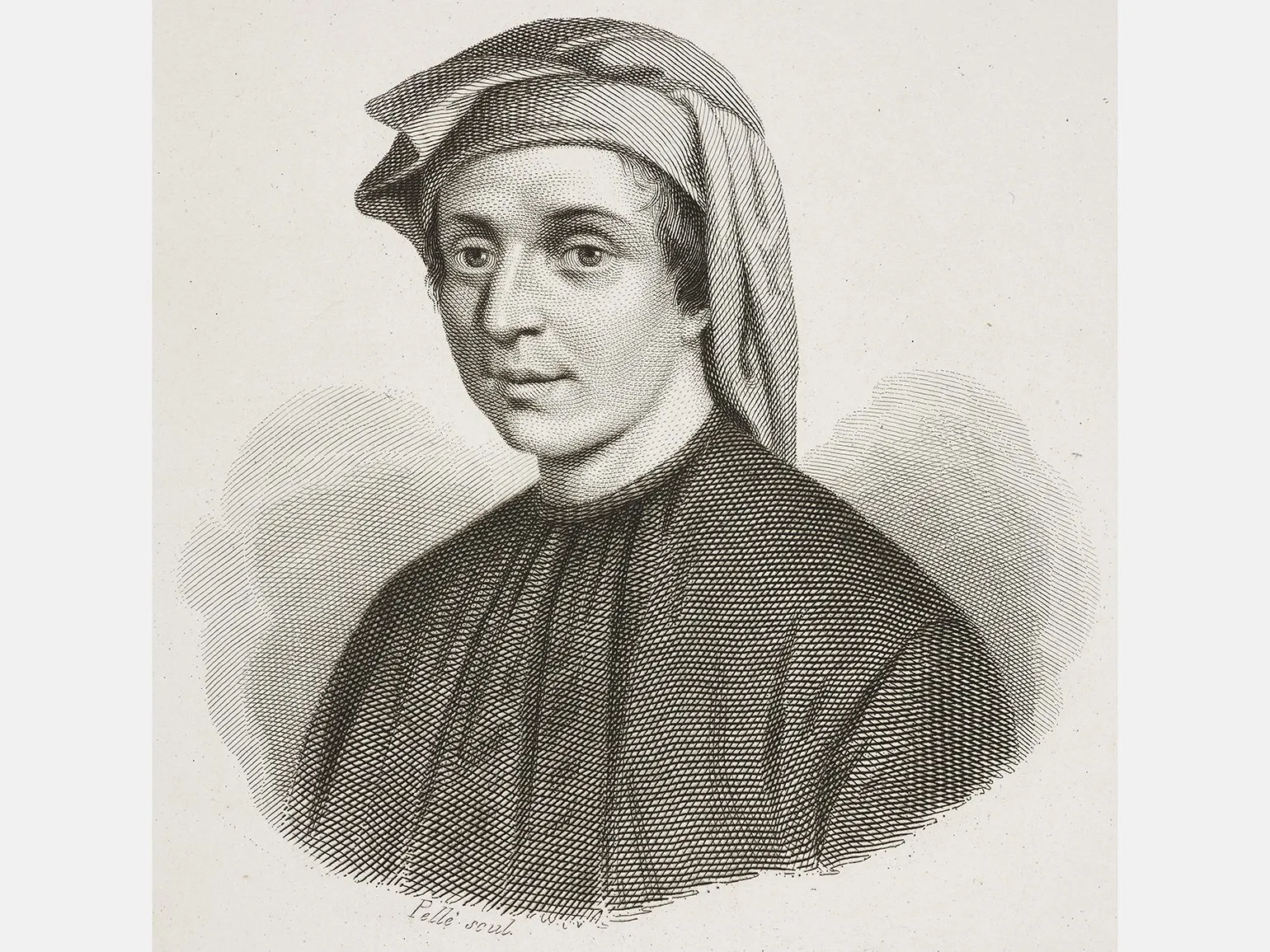
Leonardo of Pisa, known as Fibonacci, systematized his knowledge in a significant work, The Book of Abacus. In this work, he first presented the Fibonacci sequence of numbers, applying it to the problem of rabbit reproduction. This sequence has become fundamental in mathematics and has found applications in various fields, including biology, computer science, and economics. The Book of Abacus not only popularized Arabic numerals in Europe but also laid the foundation for new mathematical research.
There are two pairs of rabbits in a pen - one male and one female. Every month, this pair of rabbits produces a new pair. Question: How many pairs of rabbits will be in the pen next year?
To solve this problem, it is necessary to take into account that each new pair begins to reproduce from the first month after its birth. Consequently, the number of pairs will double every month. If at the beginning of the year we have 2 pairs, then after 12 months their number will increase significantly.
Thus, the calculation is based on the principles of population dynamics and the Fibonacci sequence, which allows us to predict how many pairs of rabbits will be in the pen next year.
At first glance, the problem of rabbit reproduction may seem simple. However, it should be kept in mind that this process is influenced by many factors, including the probability of death or escape of animals. To simplify the problem, Fibonacci introduced certain conditions that help to better understand the dynamics of the rabbit population and its development. These conditions allow for a more accurate analysis and forecasting of the rabbit population depending on the given parameters.
- rabbits cannot die;
- they reach sexual maturity in one month;
- females are pregnant for exactly one month;
- rabbits are always born in pairs: a male and a female.
If these conditions are met, the problem becomes solvable, and the answer to it is the Fibonacci sequence. Each adult pair of rabbits produces a new pair one month after they are born, and the offspring begin reproducing one month after they are born. This reproduction pattern allows us to trace how quickly the number of rabbits increases, which illustrates population growth and patterns in nature. The Fibonacci sequence is used not only in biology, but also in mathematics, art, and architecture, which emphasizes its versatility and importance in various fields.
To further understand the process of rabbit reproduction, imagine a graph illustrating how the number of pairs of rabbits increases each month. This visualization will help you visually track the dynamics of population growth, demonstrating how quickly rabbits can reproduce and increase their numbers in a favorable environment.
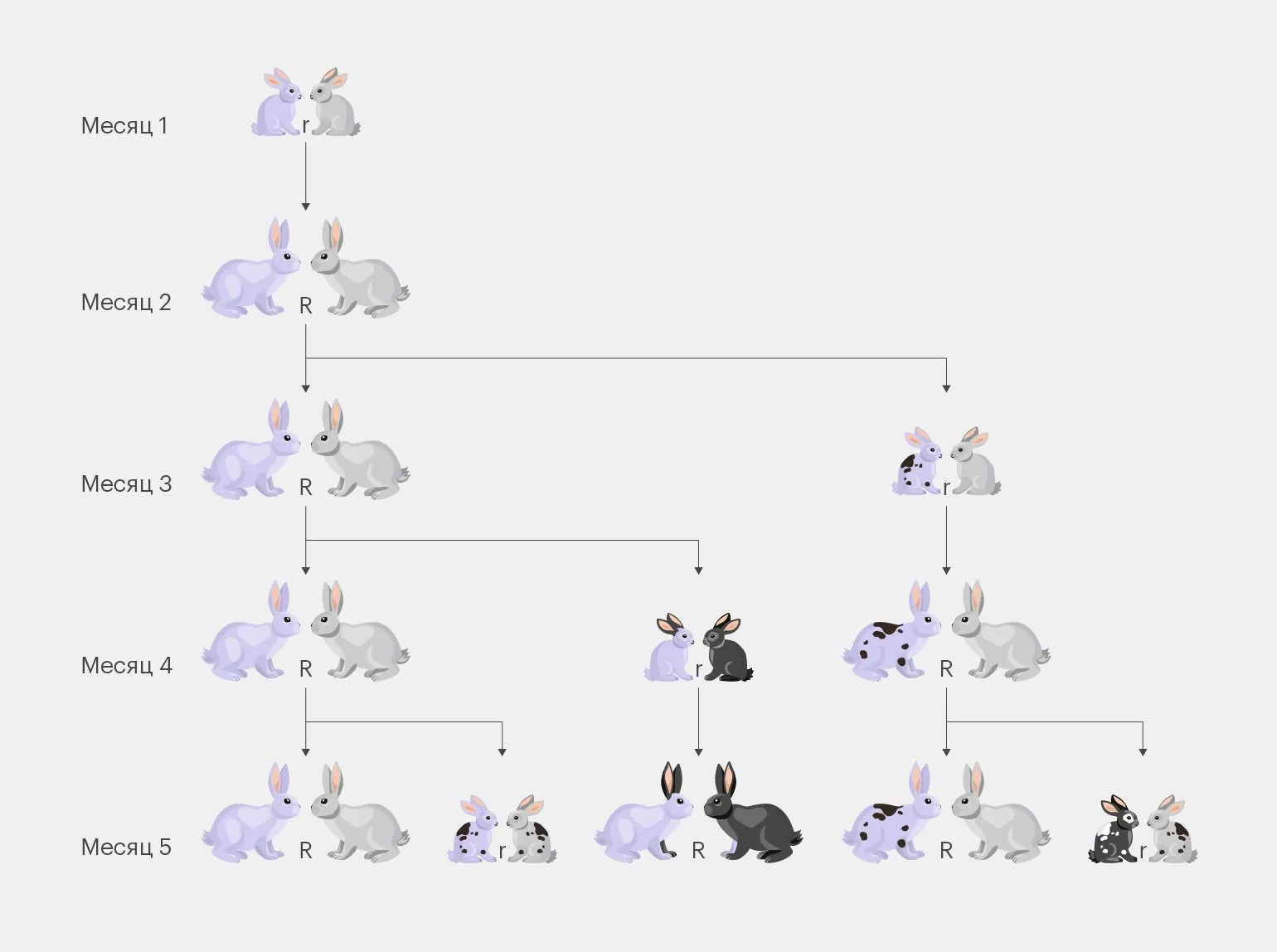
At first, a pair of young rabbits cannot reproduce. However, after a month, they reach sexual maturity, and by the third month, two pairs will be in the pen. Subsequently, the number of pairs will increase according to the principle that the total number of pairs in the current month will equal the sum of the pairs in the previous two months. This sequence is reminiscent of the well-known Fibonacci sequence. Thus, the reproduction of rabbits demonstrates exponential growth in numbers, which is important to take into account when planning the maintenance and feeding of animals.

In a year, the pen will contain 233 pairs of rabbits, which is the solution to this problem.
Fibonacci numbers represent more than just a mathematical problem about rabbit populations. Leonardo of Pisa, known as Fibonacci, opened the way to more complex mathematical concepts. The Fibonacci sequence has wide applications in various fields, including mathematics, architecture, art, and biology. These numbers help describe natural phenomena, such as plant growth and proportions in wildlife, and are also used in financial analysis and computer science. Their unique properties and patterns make Fibonacci numbers an important tool for studying and understanding various processes.
The Connection between Fibonacci Numbers and the Golden Ratio: Harmony in Nature and Art
The golden ratio, denoted as φ (phi), is a mathematical constant approximately equal to 1.618. This special ratio is used to divide objects into parts that are perceived as harmonious and aesthetically pleasing. For example, if you have two line segments, the longer segment should be 1.618 times longer than the shorter segment. The entire object, in turn, should be 1.618 times longer than the longer segment. The golden ratio is used in various fields, including art, architecture, and design, due to its ability to create visually appealing compositions. Architects of ancient and medieval times sought ideal proportions in their works. The golden ratio served as the basis for many architectural masterpieces that continue to delight with their harmony and beauty. This mathematical ratio is not only aesthetically pleasing but also symbolizes balance and perfection. The golden ratio can be observed in such famous structures as the Parthenon and the cathedrals of medieval Europe. These architectural elements continue to inspire modern designers and architects, emphasizing the importance of proportion in creating visually appealing spaces. The golden ratio has been used in architecture for centuries to create visual perfection. Examples of such structures as the Parthenon Temple in Athens and the Great Pyramid of Giza clearly illustrate this. In the Parthenon, the harmony of proportions is evident in the relationship of columns and pediments, creating a sense of balance and aesthetic completeness. The Great Pyramid of Giza also demonstrates the use of the golden ratio, providing ideal proportions that contributed to its majestic appearance. These architectural achievements highlight the importance of the golden ratio as a tool for achieving harmony and beauty in design.
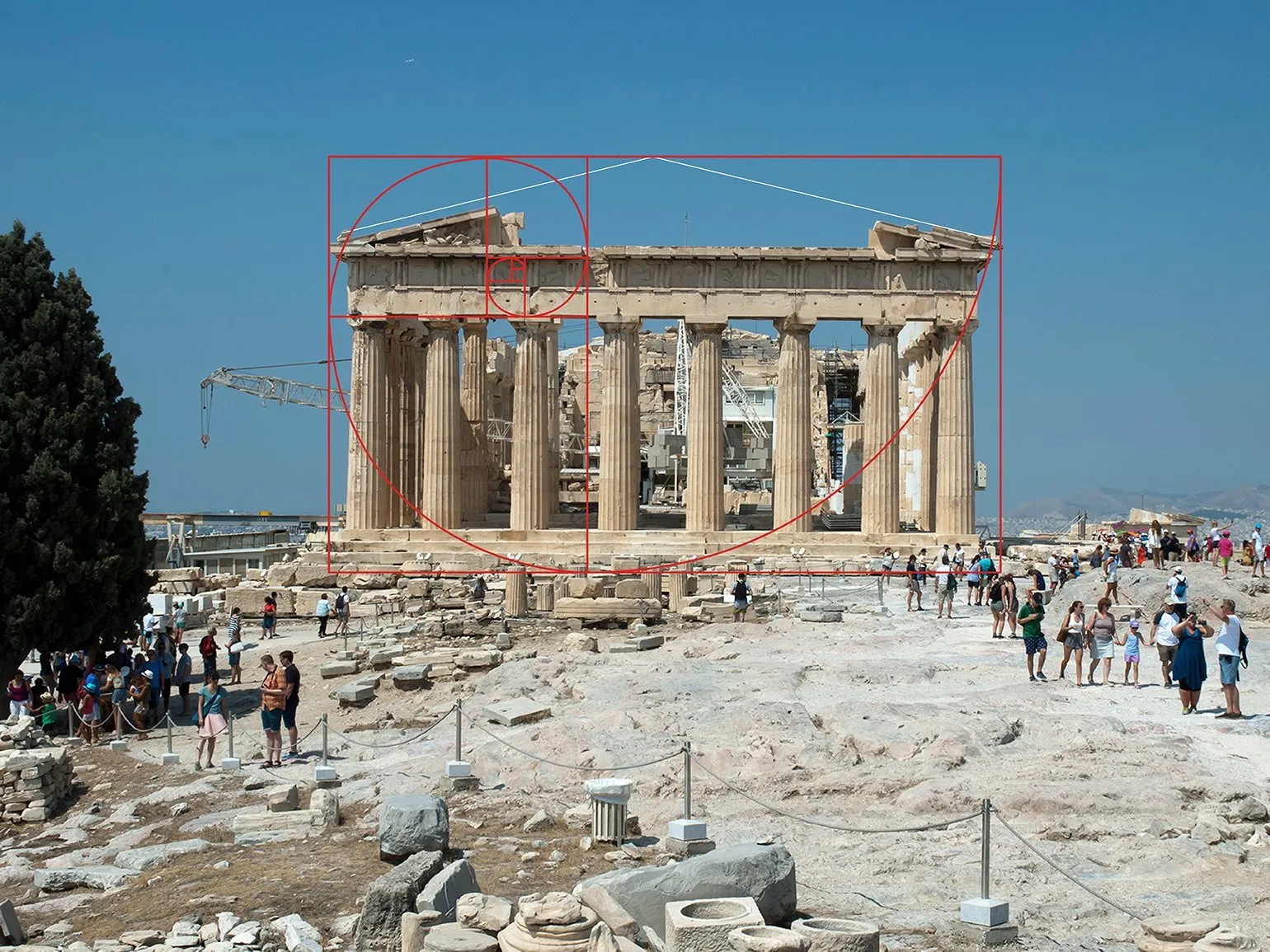
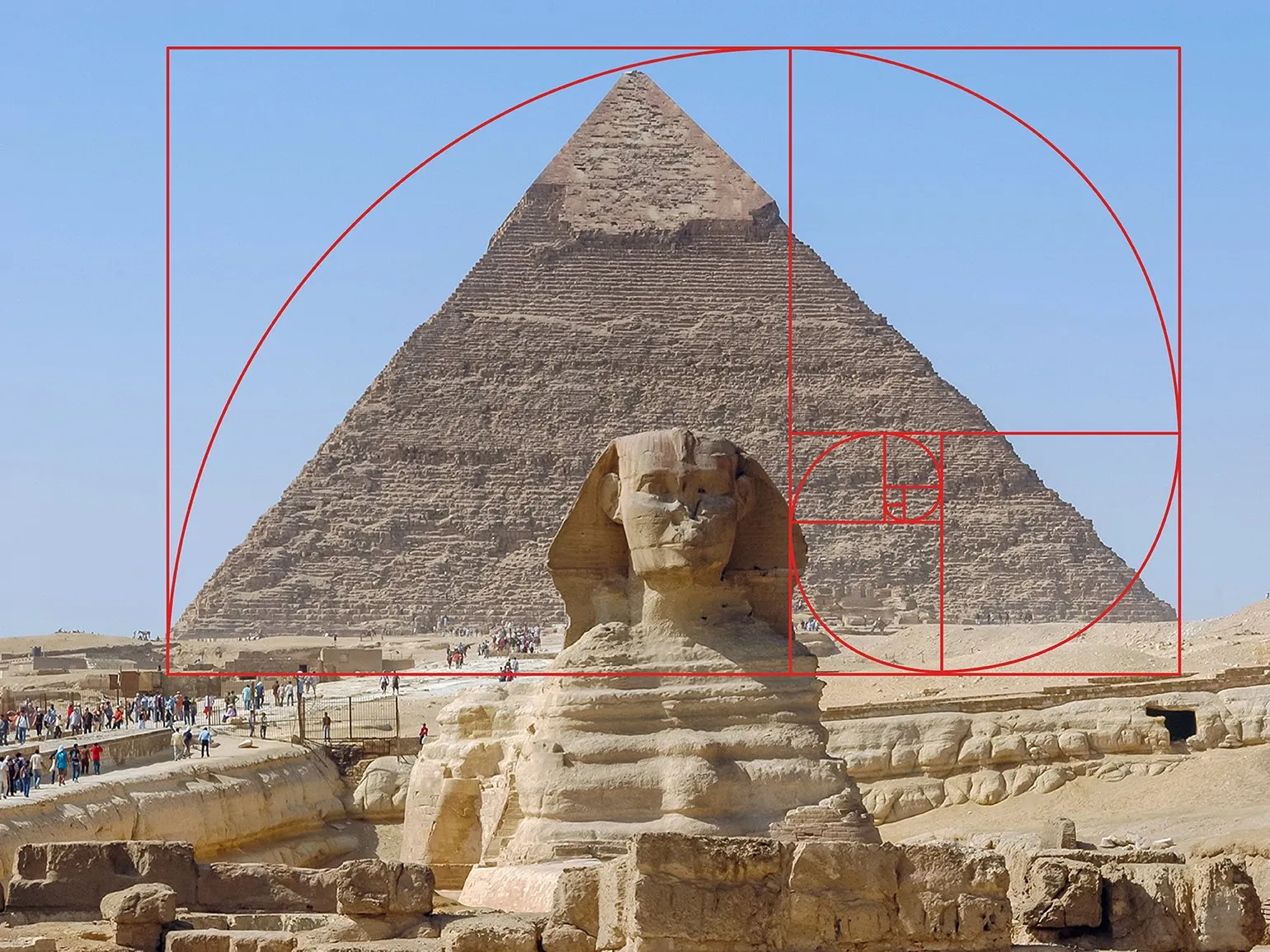
Fibonacci numbers have a remarkable connection to the golden ratio, also known as the "golden ratio." When dividing each element of the Fibonacci sequence, starting with a certain number, by its preceding value, the result approaches the number φ (approximately 1.6180339887). This connection becomes especially evident when analyzing higher numbers in the sequence. The higher the numbers, the closer their ratio to the golden ratio, highlighting the harmonious proportions present in both mathematics and nature. Understanding this unique relationship can be useful for designers, architects, and artists seeking to incorporate aesthetic principles into their work.

If you take the 31st Fibonacci number and divide it by the 30th, the result is approximately 1.618. While this value is not exact, as you move further along the Fibonacci sequence, the ratio approaches the golden ratio. This makes the golden ratio significant in both mathematics and nature. The golden ratio appears in a variety of settings, from architecture to painting, and continues to captivate scientists and artists due to its aesthetic and mathematical properties.
The golden ratio is widely used not only in architecture but also in fields such as photography, painting, and interface design. Applying these principles to web design allows for the creation of visually appealing and harmonious websites. Designing websites with the golden ratio in mind helps improve the user experience by drawing attention to important elements and creating balance between the various components of the page. Using the golden ratio in interface design promotes more efficient navigation and improves information perception.

Fibonacci numbers and the golden ratio have a deep relationship and appear in nature. These mathematical principles can be observed in biology, for example, in the distribution of leaves on plant stems and in the spiral structure of mollusk shells. In addition, they find wide application in programming and other modern sciences, such as architecture and artificial intelligence. Understanding these concepts helps not only in scientific research but also in practical applications in various fields where harmony and efficiency are important.
Frequently asked questions about our product
Our customers often inquire about various aspects of using our product. In this section, we have collected the most common questions and provided comprehensive answers. If you have additional questions, do not hesitate to contact our support team.
How does our product work?
Our product is designed with users in mind and ensures ease of use. It integrates seamlessly into your daily practice and helps optimize your workflows.
What are the benefits of using our product?
Using our product allows you to increase your efficiency, reduce the time it takes to complete tasks, and improve the quality of your results. We strive to provide you with the tools to help you achieve your goals.
How do I contact support?
Our support team is available 24/7. You can contact us through the contact form on the website, by email, or by phone. We are ready to help you at any time.
What is the return policy?
We offer a return policy that allows you to return the product within 30 days of purchase if it does not meet your expectations. Please review our return policy on the website for more detailed information.
We hope these answers will help you better understand our product and its capabilities. We are always ready to help you and answer all your questions.
The golden ratio plays an important role in art, as it contributes to the creation of harmonious and visually appealing works. This mathematical ratio, approximately 1.618, helps artists and designers achieve aesthetic balance and proportion. By using the golden ratio, artists can direct the viewer's eye, highlight key elements, and provide emotional integrity to their work. The application of the golden ratio in painting, architecture, and other art forms underscores its importance as a tool for achieving ideal composition and depth perception.
Fibonacci numbers can be observed in various aspects of nature. These sequences appear in the spiral structure of shells, the arrangement of petals on flowers, and the shape and structure of galaxies. Studying Fibonacci numbers helps us understand natural patterns and the beauty evident in the world around us.
Fibonacci numbers find widespread application in programming, particularly in algorithms related to optimization and search. They are used in various fields, such as dynamic programming, algorithm complexity analysis, and the construction of efficient data structures. For example, search algorithms based on the Fibonacci sequence can significantly improve performance when working with sorted arrays. Furthermore, Fibonacci numbers are often used in recursive functions, allowing for efficient solutions to problems such as calculating Fibonacci numbers or finding the greatest common divisor. Using Fibonacci numbers in programming opens up new possibilities for optimizing processes and increasing the efficiency of algorithms.
Application of Fibonacci Numbers in Various Fields
Fibonacci numbers are not only an interesting mathematical phenomenon but also have many applications in various fields, including biology, art, and finance. This sequence not only reflects natural patterns but is also a useful tool for analyzing financial markets. Let's take a closer look at how Fibonacci numbers influence our lives and what opportunities they open up in various fields. Their use in biology helps us understand the growth and development of organisms, in art – to create harmonious compositions, and in finance – to predict market price movements. Thus, Fibonacci numbers play a vital role in our understanding of the world around us and help us make informed decisions in various fields.
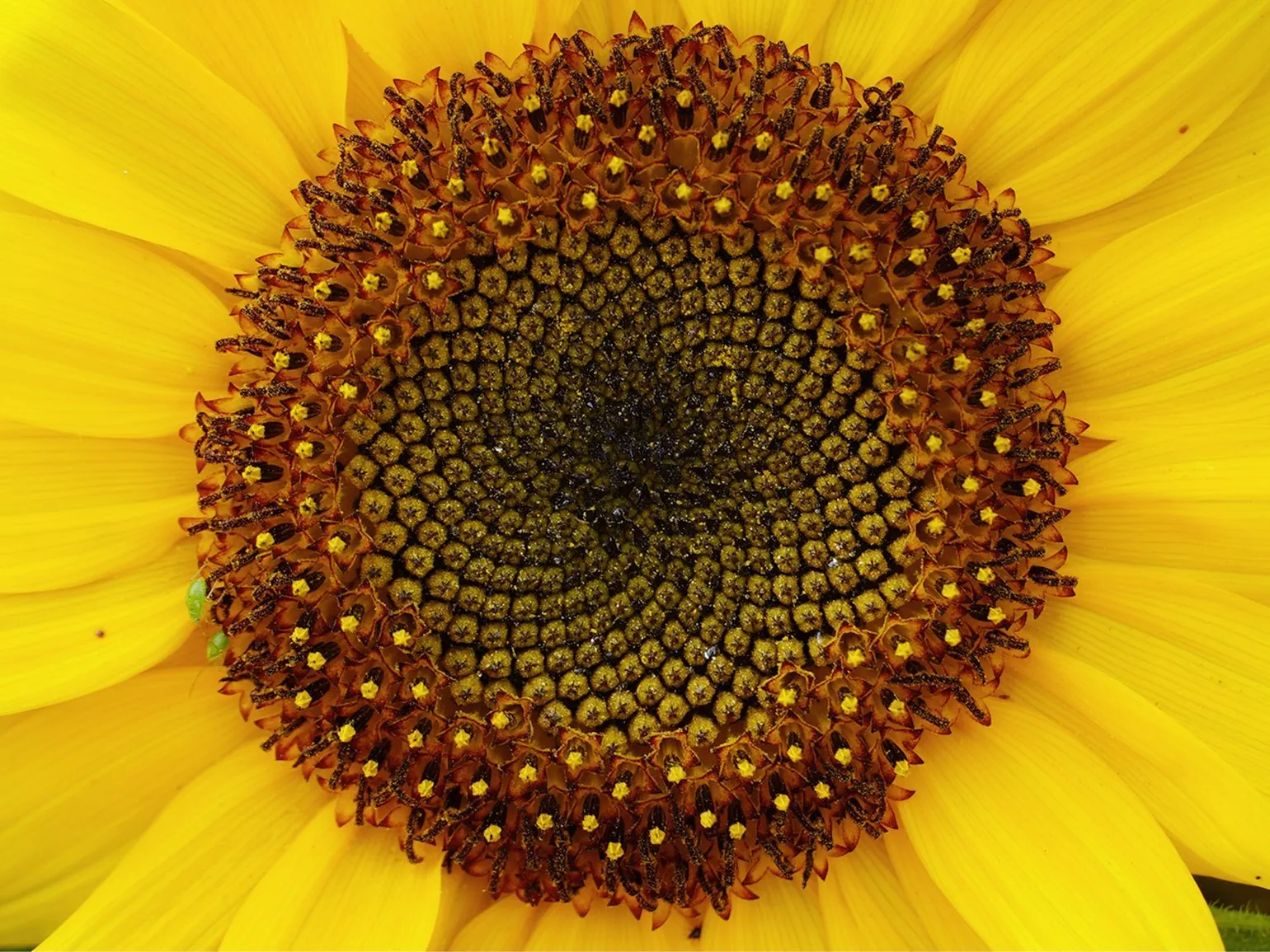
Fibonacci numbers can be seen in nature, especially in plants such as sunflowers. A close examination of sunflower seeds reveals that they are arranged in spirals: 21 spirals twist clockwise, and 34 spirals twist counterclockwise. These numbers clearly demonstrate the Fibonacci sequence, which is important in biology and mathematics. Plants use this sequence to optimize growth and seed distribution, allowing them to efficiently use sunlight and nutrients.
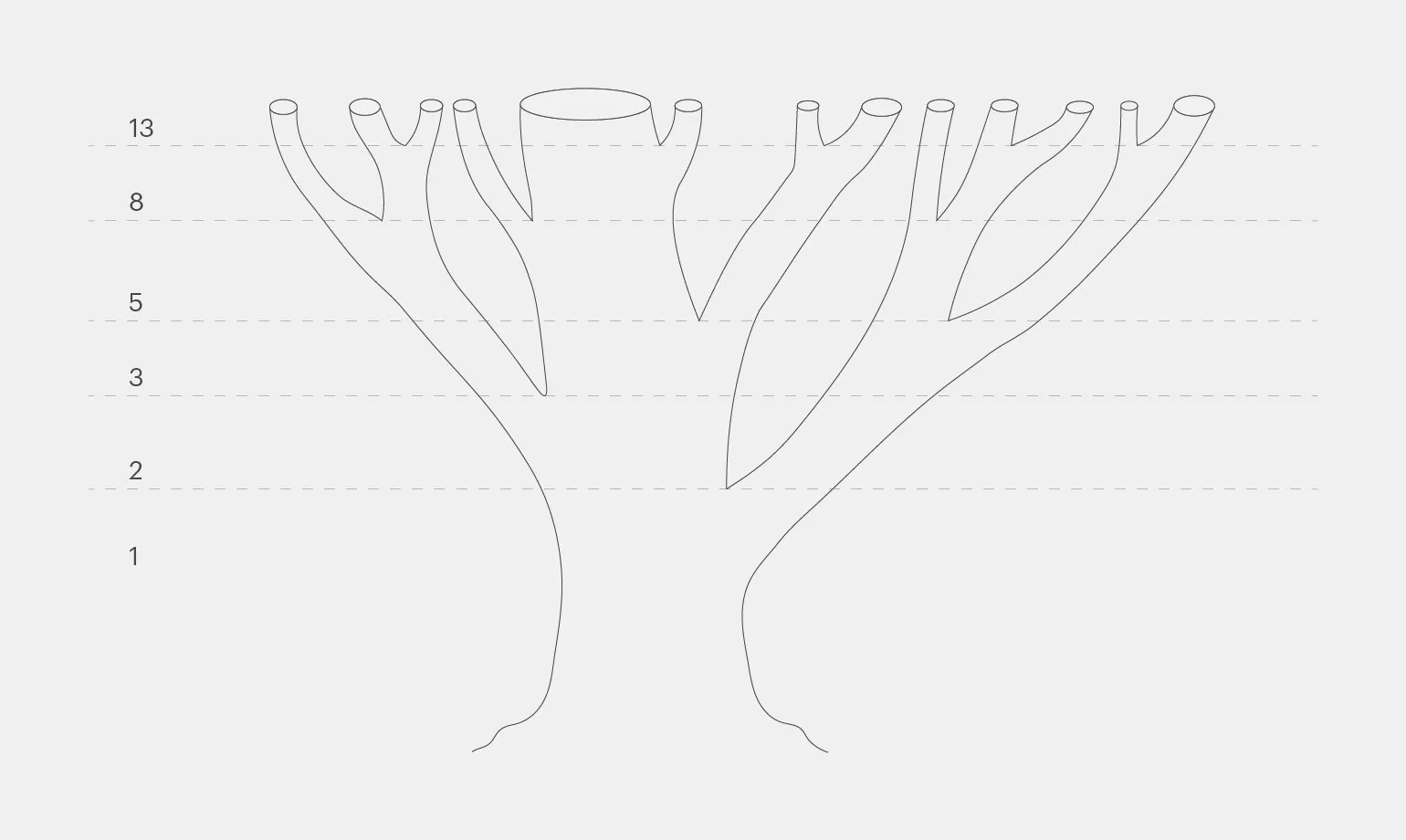
Fibonacci numbers can be seen in the structure of trees, where each branch produces new offshoots, the number of which corresponds to the next number in the sequence. This phenomenon illustrates how nature uses mathematics to create harmony and symmetry in its development. Observing Fibonacci numbers in the plant kingdom highlights the connection between mathematical concepts and biological forms, making them an important topic of study in botany and mathematical biology.
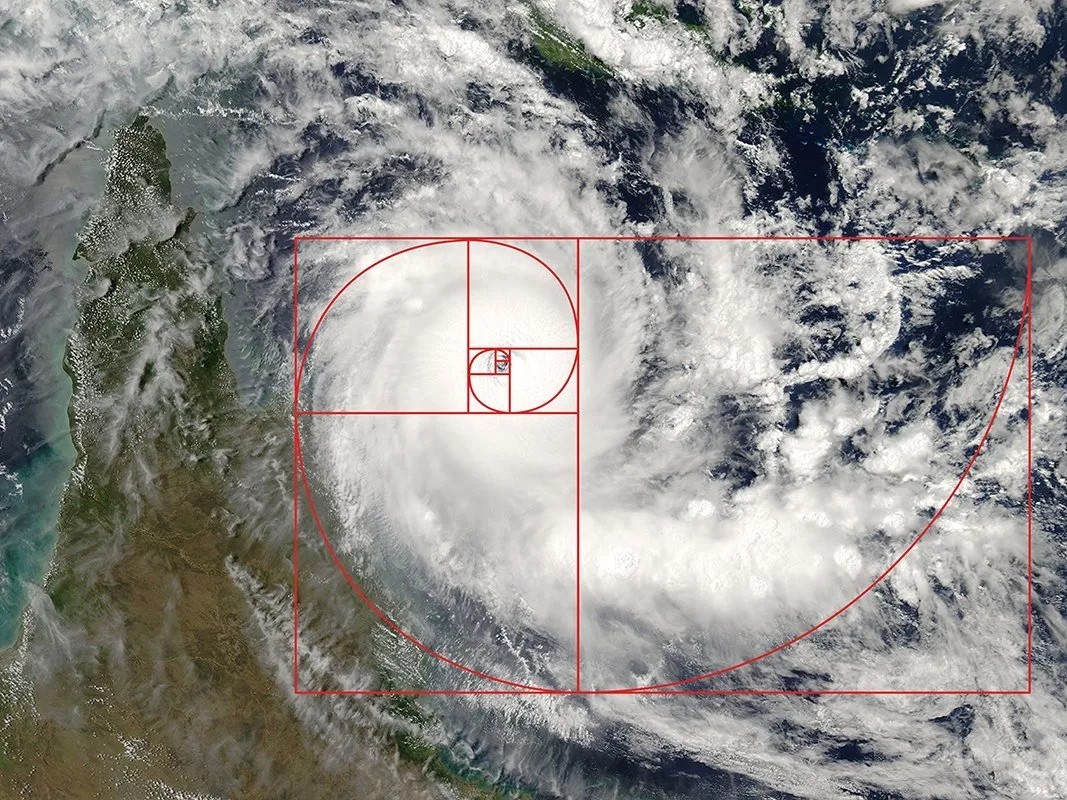
The Golden Ratio, based on Fibonacci numbers, plays a key role in the formation of spirals in nature, from snails to galaxies. This fascinating phenomenon prompts profound reflections on the structure and organization of our universe. Studying the golden ratio and Fibonacci numbers helps us understand how harmony and proportion manifest in biological forms and astronomical objects, highlighting the connection between mathematics and nature.
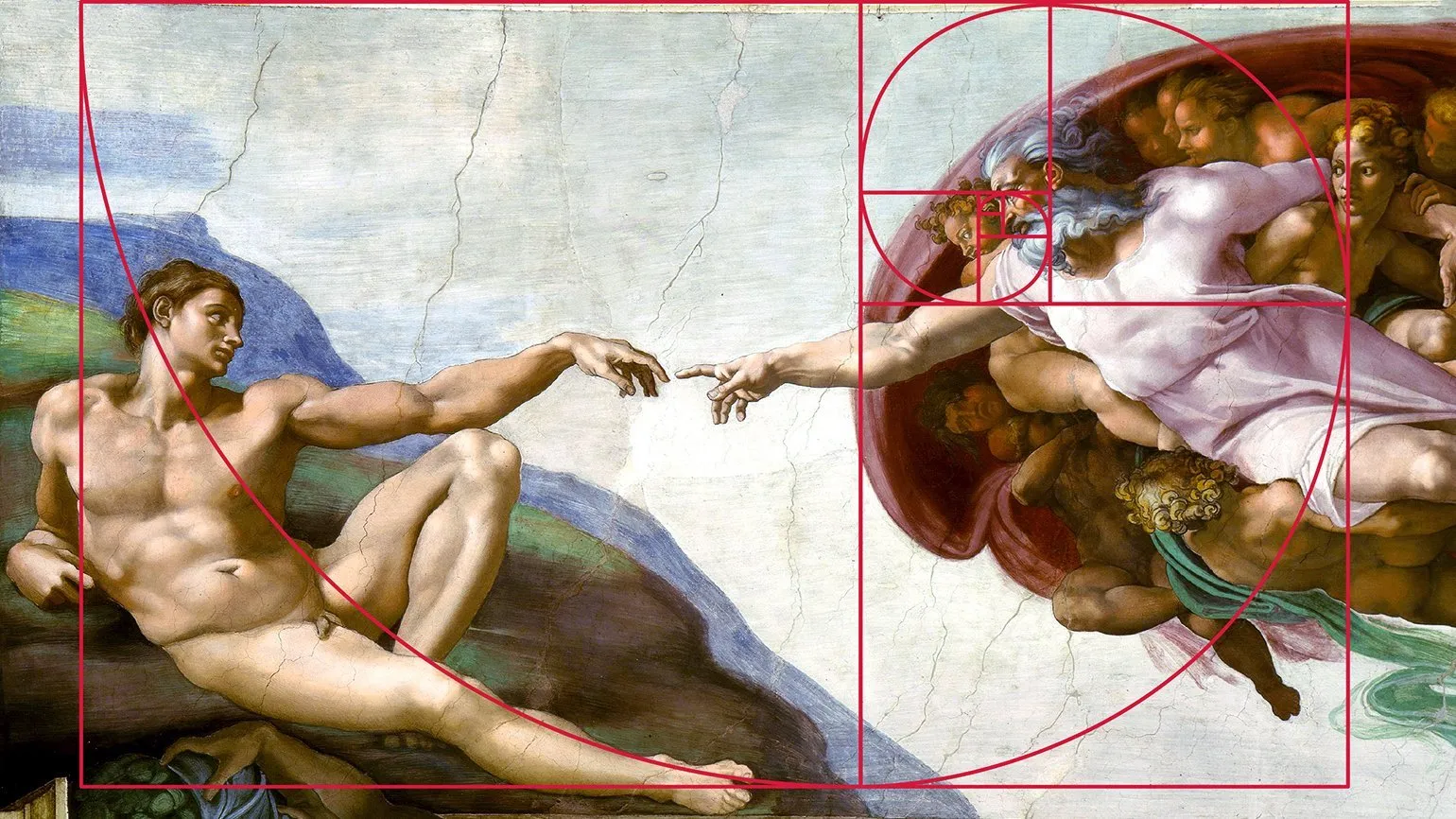
Fibonacci numbers influence not only scientists but also artists. The principles of the golden ratio, based on the Fibonacci sequence, have found their way into a number of famous works of art. For example, Michelangelo's fresco "The Creation of Adam" demonstrates the harmony of proportions based on these mathematical concepts. The use of Fibonacci numbers in art highlights the connection between mathematics and aesthetics, inspiring creative people to create unique and harmonious works.
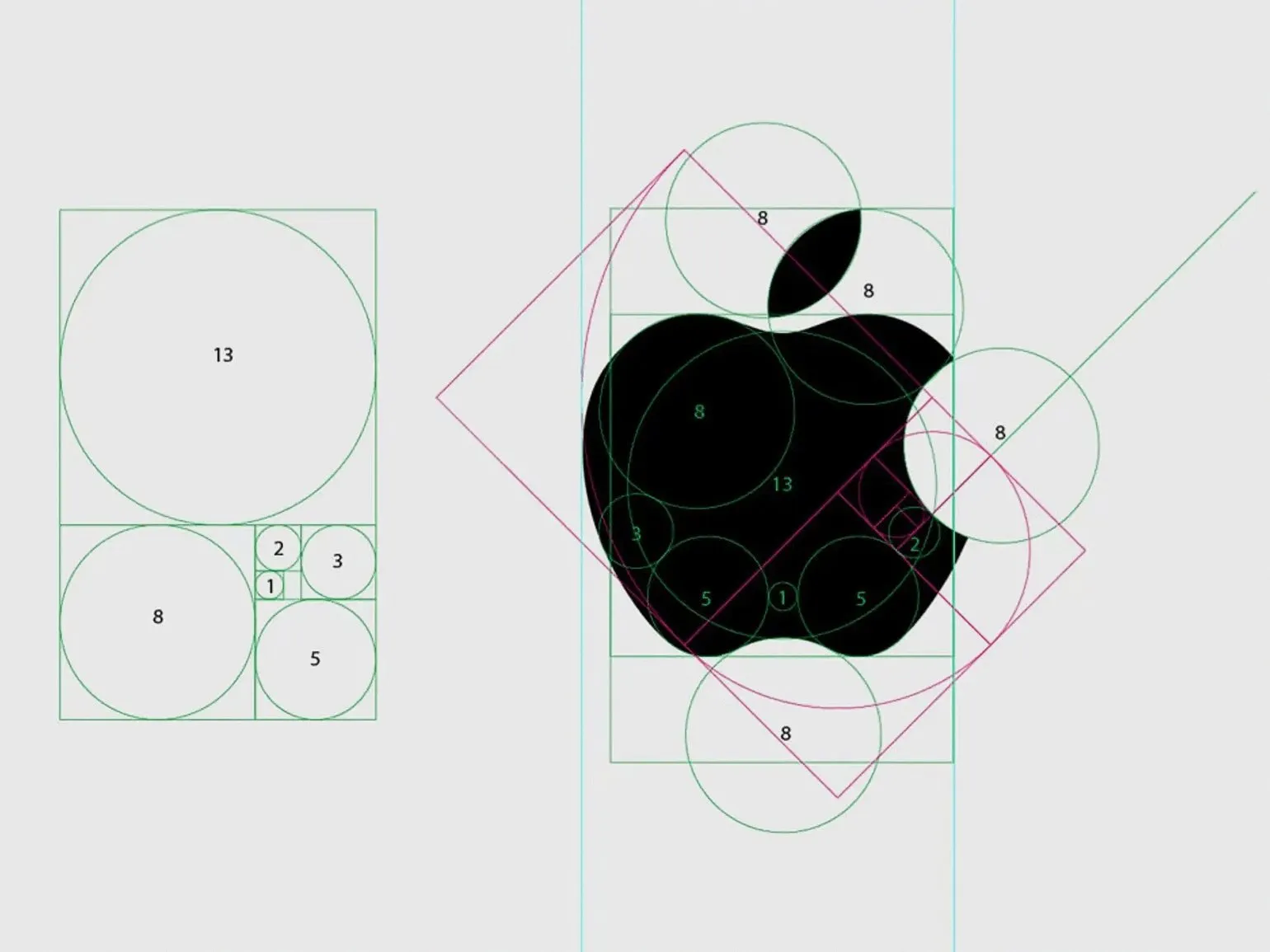
Modern designers actively use the golden ratio in the creation of logos and graphic layouts, which helps achieve harmony and aesthetic appeal. An example is the Apple logo, which uses elements based on Fibonacci numbers. The golden ratio helps create balanced and visually appealing compositions, making it an indispensable tool in every designer's arsenal.
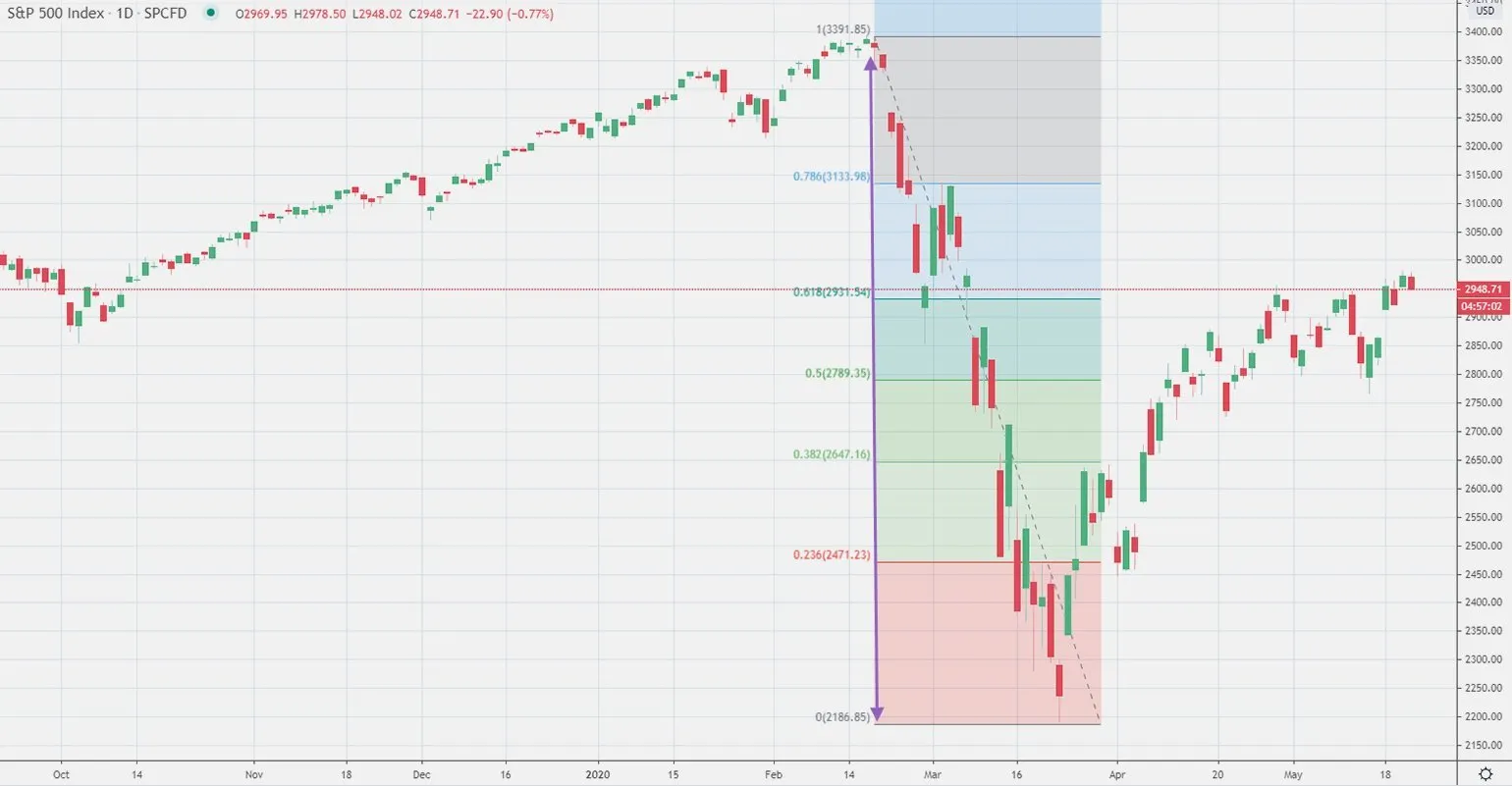
In the financial sector, traders use Fibonacci numbers to analyze and forecast stock prices. Fibonacci levels such as 38.2%, 50%, and 61.8% serve as a tool for identifying potential market reversal points. Using these levels allows traders to more accurately identify areas of support and resistance, which facilitates informed trading decisions. Thus, Fibonacci numbers play a key role in the technical analysis of financial instruments, allowing traders to optimize their strategies and increase the likelihood of successful trades.
The Fibonacci sequence has wide applications in programming, including cryptography. One example is the generation of pseudorandom numbers, which is based on the unique properties of this sequence. Using the Fibonacci sequence allows for the creation of algorithms that ensure security and resistance to attacks, making it an important tool in the development of modern cryptographic systems.
A Python algorithm for calculating Fibonacci numbers can be implemented using a recursive function. This function takes an element number in the Fibonacci sequence and returns its value. The recursive approach allows for efficient calculation of Fibonacci numbers, although optimization may be required for large indices. Using memoization or an iterative method can significantly speed up the calculation process.
- Receives a number in the Fibonacci sequence as input.
- Returns one if the number is 1 or 2.
- If the number is greater than 2, recursively returns the sum of the previous two numbers.
Fibonacci numbers have a significant influence on many aspects of our lives, including natural processes, financial strategies, and artistic expression. These number sequences appear in nature, for example, in the structure of plants and the spirals of shells, and are also used in financial analysis to predict market movements. In art and architecture, Fibonacci numbers are used to achieve harmony and balance, which emphasizes their versatility and importance in various fields.
The Significance of Fibonacci Numbers in Nature and Science
While preparing this material, the editor was reminded of a wonderful dialogue from the popular children's book "In the Labyrinth of Numbers." This conversation clearly demonstrates the significance of Fibonacci numbers and their ubiquitous presence in our lives. Fibonacci numbers not only fascinate, but also find application in various fields, from nature to art and science. Their unique properties allow us to better understand the structure and order in the world around us.
Ari explained that Fibonacci numbers have many amazing properties. For example, in nature, they influence the growth of trees. If in the second year of a tree's life two branches are formed, then in the third there will be three, in the fourth - five, then eight, thirteen, and so on. All these numbers belong to the famous Fibonacci sequence. This sequence also determines the arrangement of leaves on branches, the number of whorls in sunflower seeds, and the scales of a pine cone. Nature actively uses Fibonacci numbers in its forms and structures, making them important for understanding biological processes and patterns. Fibonacci numbers are not only interesting from a mathematical perspective, but also play a key role in ecology and botany.
Chit unexpectedly asked: "What about people? Do they use this knowledge?"
The Fibonacci numbers remained underappreciated for a long time, and it was only in the 20th century that humanity realized their true power. These sequences are widely used in computing and algorithms, similar to Boolean algebra. Furthermore, Fibonacci numbers play a vital role in solving complex mathematical problems. Their influence on modern technology and science is difficult to overestimate. It's important to note that the Fibonacci number series continues to open new horizons, and its future potential remains unlimited. Every discovery in this field has significant implications for the further development of science and technology.
The Fibonacci numbers represent a sequence that has not only fascinating mathematical significance but also practical applications in various fields. These numbers find their place in biology, for example, in plant structure and population size, as well as in architecture, where they reflect harmony and proportion. Furthermore, the Fibonacci sequence is used in artificial intelligence for algorithmic solutions and optimization. The study of Fibonacci numbers opens new horizons in various sciences and technologies, confirming their universal value.
Be sure to read additional information:
- What is a factorial and how to calculate it?
- Test: rapper, classic, or neural network?
- What is a neural network and how does it work?
Python Developer: 3 Projects for a Successful Career
Want to become a Python developer? Find out how 3 projects and expert help will help you in your career!
Find out more