Content:

Course with employment: "The profession of a Methodologist from scratch to PRO"
Find out moreIn this case, it can be noted that there is another prejudice that manifests itself along with the first. Yesterday I heard this in a conversation with one, at first glance, decent person. He asked questions about the school and, with a distinctive smile, remarked that perhaps the boys' school was more interesting than the girls', and that was why you chose it.
The teacher planned to offer private lessons at the school, but faced family resistance. She was denied permission, arguing that it was inappropriate due to the student's age. Such conventions and norms of behavior are puzzling: isn't it proper to help someone in their quest for learning? Our society often neglects the importance of education and sometimes condemns those who seek to share their knowledge. I believe such biases only reinforce negative perceptions and hinder the development of constructive dialogue about the importance of teaching and mentoring.
I'm not so much concerned with opinions as I am with those who see only the negative. The school's reputation is of great importance to me, so I must be extremely careful in my statements about it. Any information can be interpreted in a negative light. If these people, who are so quick to judge, could see the sincere and kind relationships between us and the older students, their opinions might change. They might appreciate the seriousness, trust, and sensitivity we have for each other. Perhaps this would make them reflect on their own preconceptions. Nevertheless, we must be prepared for criticism and get used to the fact that such "thorns" will appear along the way.
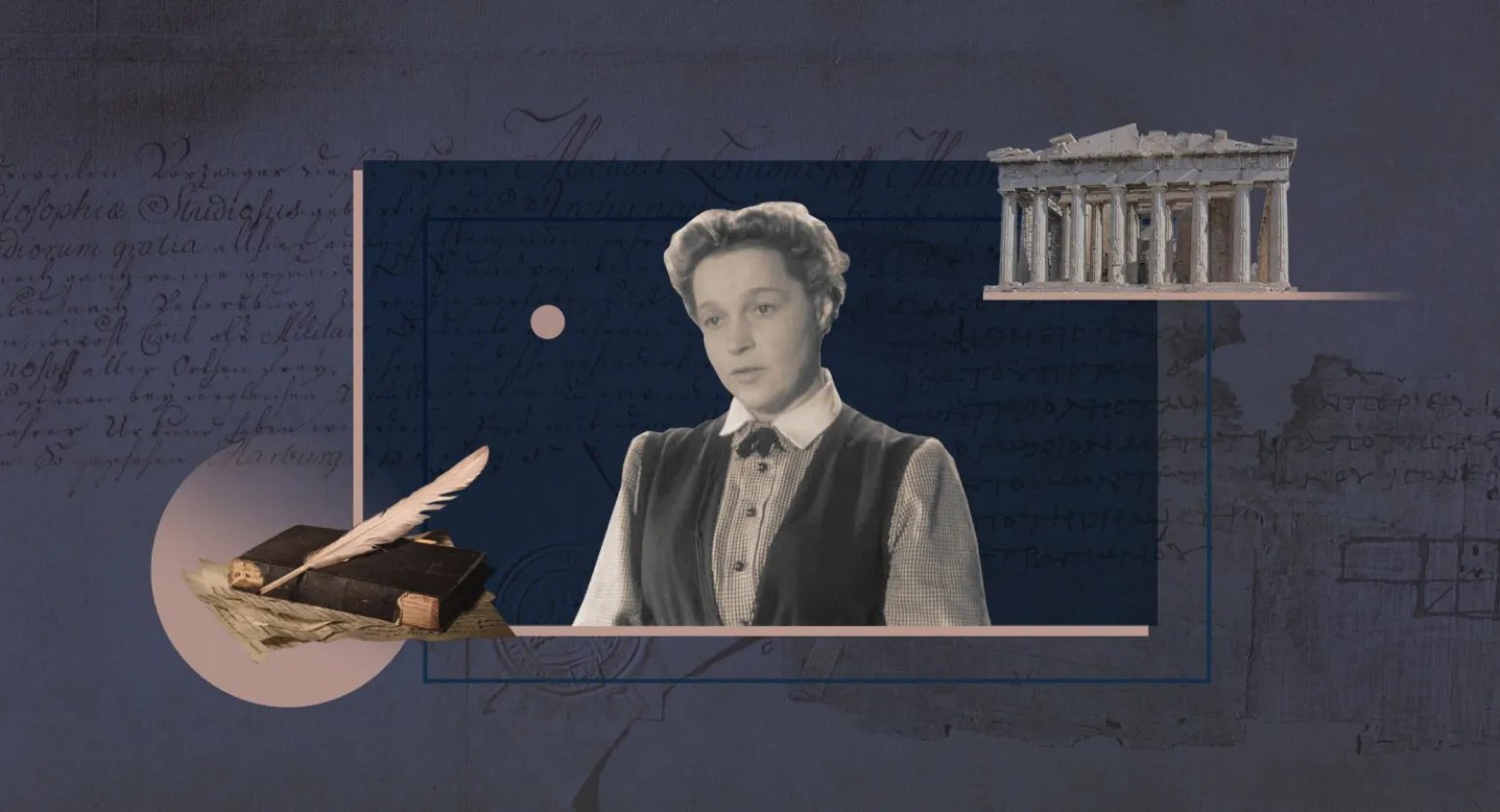
In her work "Diary of a Sunday School Teacher and Other Works" (Common Place Publishing House, 2020), Emilia Kislinskaya-Vakhterova shares her unique experience of teaching and raising children. The author reveals the importance of spiritual and moral education in Sunday school, reflecting her observations and reflections on the role of the teacher in the life of a child. The text contains valuable advice and methods that will help teachers and parents better understand the needs of children and create a comfortable educational environment. The work will be of interest not only to education specialists, but also to anyone who strives for the harmonious development of the younger generation.
Context
Emilia Orestovna Kislinskaya-Vakhterova, the author of memoirs, founded a free Sunday school for men in Tambov in 1889. These educational institutions arose as part of the populist movement, the goal of which was to provide ordinary people with a basic education. The creation of such schools contributed to an increase in literacy and expanded opportunities for the social and cultural development of the population.
The teachers at these educational institutions worked unpaid, which can be considered a form of modern volunteerism. However, obtaining permission from the authorities to open each such school was extremely complex. Officials feared that students would not only acquire literacy but also be susceptible to the influence of liberal ideas.
In a "noble" society, as this excerpt demonstrates, attitudes toward enthusiastic teachers were complex and contradictory. This explains why many of them did not stay at such educational institutions for long.
The school was created primarily for illiterate and semiliterate adults, but in reality its composition turned out to be quite diverse. As Emilia Orestovna recalled, most of the students were between the ages of 10 and 14. In addition, the class included several teenagers aged 16-18, as well as a few people aged 20 and 28. The students' level of preparation varied. Among the more mature students, Shitikov, a former soldier who also sought to improve his literacy, stood out.
Soldier Shitikov is an interesting character, as described by Kislinskaya-Vakhterova. He is 28 years old, married, and has children. He currently works as a clerk in the quartermaster's office. Shitikov taught himself to read and write and also received arithmetic lessons from a seminarian. Now he is striving to prepare for the exam for first-class rank. In class, he displays exceptional attention and seriousness. Today, he asked me to assign him homework and was very pleased when he was offered additional lessons in his free time, for example, during singing, in which he does not participate.
At the age of 28, Emilia Orestovna was on par with her older students. She remained unmarried, but soon married Vasily Porfiryevich Vakhterov, who was also a teacher and active in public education.
You can find additional information about this school in our previous article. The full version of Kislinskaya-Vakhterova's memoirs is available both in print and on the "Prozhito" website.
Also read:
- "Teaching was fun for me." How Tsiolkovsky became a teacher
- How much did teachers earn and how did they live in the Russian Empire
- Vodovozova on how they studied and passed exams at Smolny
- Leo Tolstoy on the wrong school
