
Contents:
- Overview: Why Database Management Systems (DBMS) Are Needed
- What is Oracle Database?
- How Oracle Database Works
- Basics of Oracle Database Structure
- Advantages of Oracle Database: High Speed and Scalability
- Query Language: SQL and its Dialects
- Oracle Database Versions and Editions
- Reasons for Oracle Database Popularity
- Why Use Oracle DB: Key Benefits and target audience

Web Development from Scratch: 5 Steps to a Free Course
Learn MoreOverview: Why Database Management Systems (DBMS) Are Needed
In today's digital space, data is a key element, encompassing texts, images, videos, and messages. Database management systems (DBMS) were developed to effectively manage and store this information. However, a database itself is only a collection of structured data. To use it effectively, a system is needed to provide organized access to this data. Database management systems not only store information but also simplify its processing, providing users with quick and convenient access to the data they need.
Imagine that you are in a library and are looking for a specific book, for example, Harry Potter. Simply shouting, "Give me Harry Potter," is unlikely to be successful. A librarian will likely approach you with questions about what exactly you need. However, if you formulate your request more clearly and specifically, the librarian will easily find the desired book using the catalog. Formulating a request correctly significantly increases your chances of success, whether in the library or through search engines. In information technology, a librarian is a database management system, which plays a vital role in optimizing data management. This system performs a number of key functions that significantly simplify the process of processing and storing information. Key functions include efficient data indexing, ensuring quick access to information, managing access rights and data security, and supporting backup and recovery. These capabilities make the librarian an indispensable tool for organizations seeking to effectively manage their data and improve the performance of business processes.
- adding new data to the database;
- searching for information on user requests;
- making changes to existing data;
- protecting databases from unauthorized access and copying;
- creating backups and restoring data after failures;
- sorting data using filters and database structure.
Let's take a closer look at one of the most popular database management systems - Oracle DB. This powerful platform is used to store, process and manage data in various business applications. Oracle DB provides high performance, reliability and security, making it an ideal choice for large companies and organizations.
Oracle systems support many features, including multi-user access, scalability and support for various programming languages. With built-in tools for data analysis and query processing, users can effectively manage large volumes of information.
Oracle DB also offers advanced security features such as data encryption and access control, allowing you to protect sensitive information. In addition, the system supports integration with cloud solutions, making it flexible and adaptable to modern business requirements.
Oracle DB remains a leader in the field of database management thanks to its capabilities and constant updates that meet modern market demands.
What is Oracle Database?
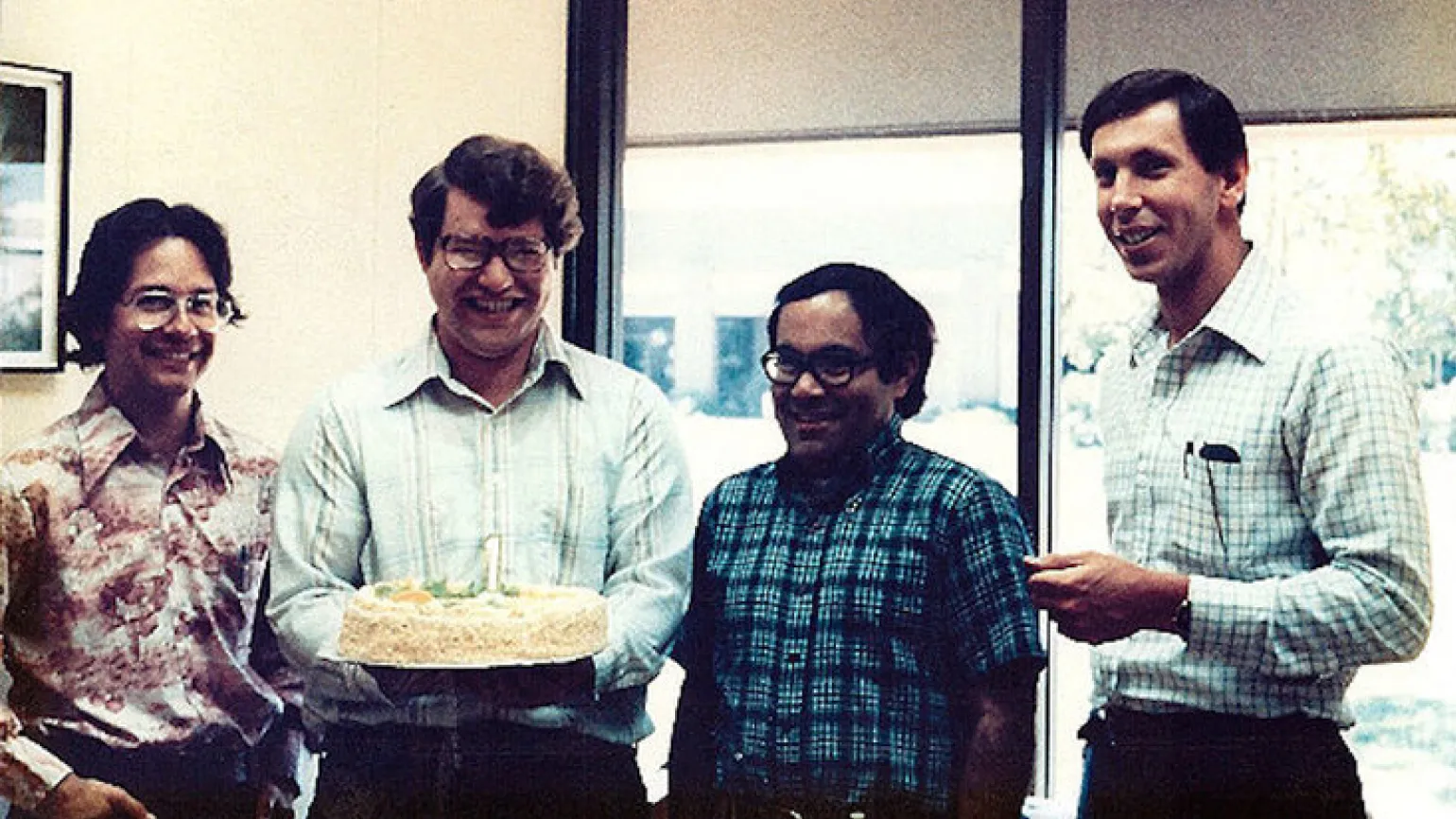
Oracle Database (Oracle DB) is a leading database management system (DBMS), created in the 1970s by Larry Ellison and Bob Miner, who previously worked for the CIA. This DBMS was the first successful commercial implementation of the relational model, which made it a cult favorite among developers and companies. Oracle DB offers powerful data management tools, high performance, and scalability, making it an ideal choice for businesses of all sizes. With extensive integration capabilities, security, and support for SQL standards, Oracle Database continues to be a popular solution for organizations looking to optimize their data management.
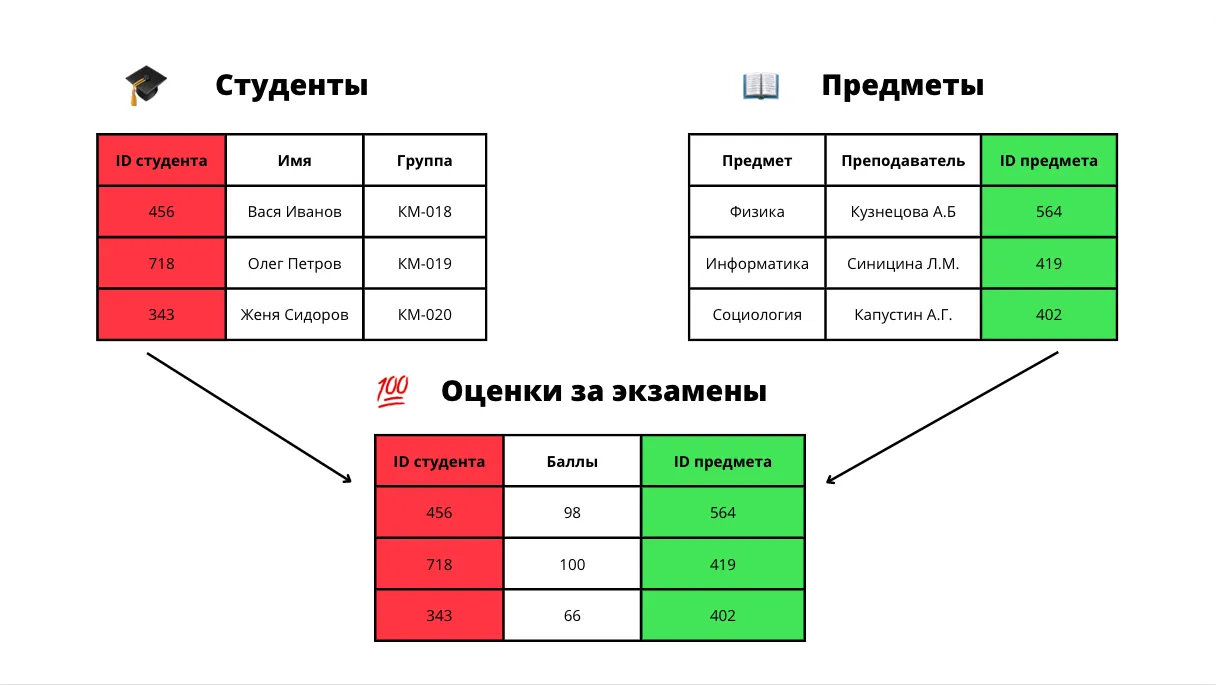
The relational data model is based on a table structure, which ensures the organization and accessibility of information. Before Oracle DB was developed, many institutions, including banks and government organizations, used disparate files to store data. This created significant difficulties in managing and updating information. For example, changing a customer's phone number required manually updating data in several places, which increased the likelihood of errors and complicated the information processing. The transition to relational databases solved these problems by providing centralized storage and simplified data management.
Oracle implemented the relational model, which structures data in the form of tables. These tables in relational databases are linked to each other using unique keys, which ensures automatic updating of information in all related tables when data changes in one of them. This approach significantly simplifies data management and improves its integrity, which is a key aspect for the effective functioning of modern information systems. Oracle's relational databases optimize data storage and processing, making them an ideal choice for business.
The "Exam Grades" table stores only references to student and course IDs, not the full data. This allows for easy management of the information. For example, if Vasya Ivanov decides to transfer to a different group, he only needs to change the data in the "Students" table. All other tables that reference Vasya's ID will automatically update, significantly simplifying the editing process and maintaining the information up-to-date. This approach ensures data integrity and minimizes the likelihood of errors during updates.
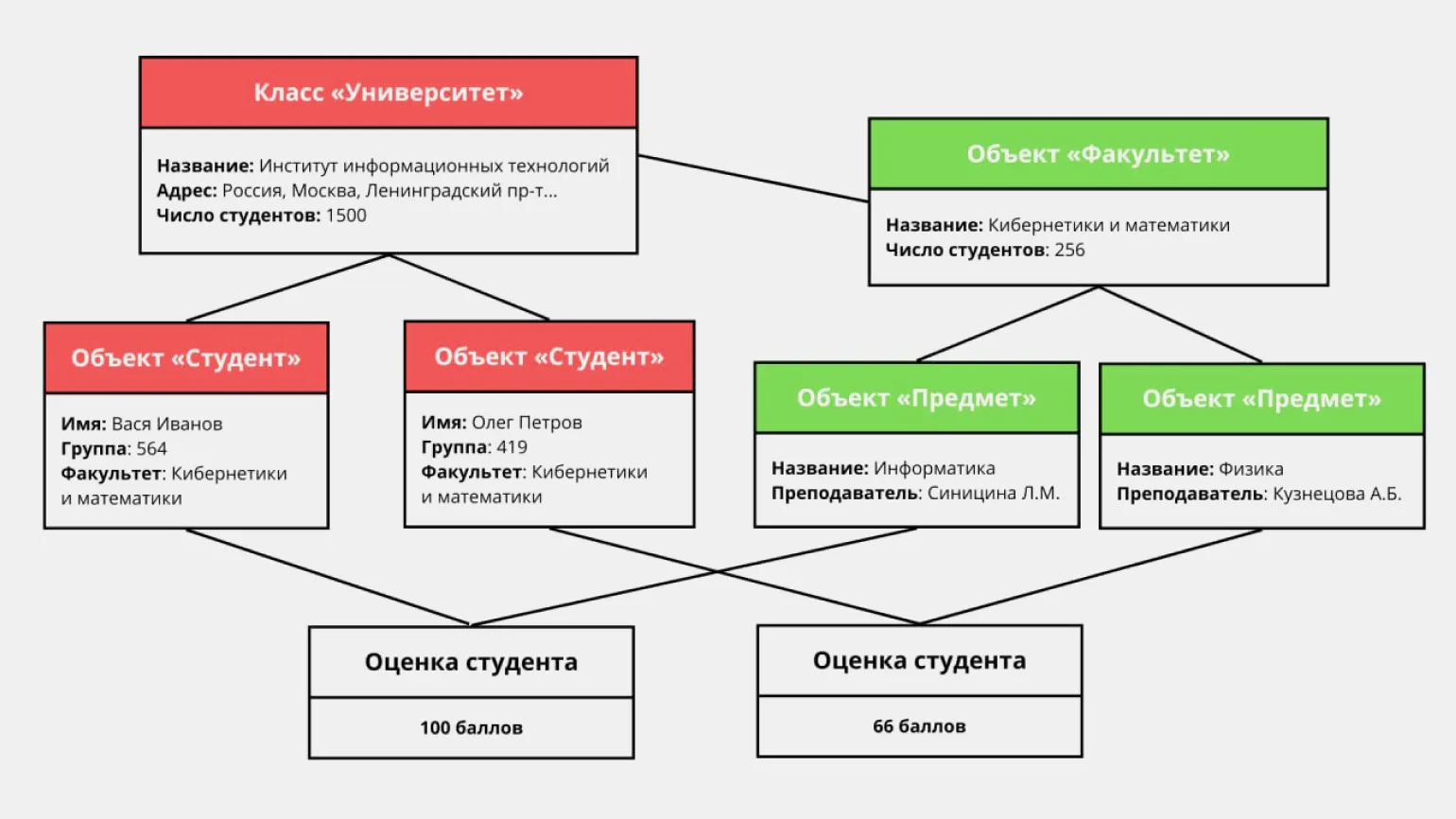
Over time, with the increasing complexity of data, Oracle significantly expanded the functionality of its database management system (DBMS), introducing Object model support. This innovation made it possible to store data as objects that have diverse properties and can interact with each other. Object model support in the Oracle DBMS improves data management, simplifies application development, and increases the efficiency of working with large volumes of information.Oracle DB is an object-relational database management system (RDBMS) that offers two approaches to data organization. For simple applications, relational tables are appropriate, while for more complex systems, such as ERP, an object-based structure is recommended. This flexible approach allows you to effectively manage data and adapt to different business requirements, making Oracle DB an ideal choice for companies looking to optimize their processes and improve productivity.
Oracle Database Operation Principles
Oracle Database (Oracle DB) operates on a client-server model that enables efficient data management. The basic idea of this model is to separate tasks between client applications and the database server. Clients send requests to the server, which processes them and returns the results. This optimizes resource usage, improves performance, and ensures data security. Within this architecture, Oracle DB offers powerful tools for working with large volumes of information, ensuring system reliability and scalability. The key advantages of this model are centralized management, ease of updates and support, and support for multi-user access. Thus, the Oracle DB client-server model becomes the basis for creating highly efficient and reliable applications that can handle modern data processing requirements.
- There is a server where the data is stored and the data management system runs.
- A client is an application or browser that requests data or sends it to the server. For example, a browser translates user actions into server requests.
The client-server model efficiently manages data operations by moving their processing to the server. This frees users from the need to maintain local copies of databases. By installing a client application, users can send requests to the server at any time and receive up-to-date data, whether it be product information, news, or entertainment content. This approach ensures convenient and secure data storage, allowing users to focus on using the information without unnecessary hassle.
The server runs many processes that process and manage data. All of these processes, interacting with the file system, form a database instance. The database instance exists only in the server's RAM and disappears when the server is shut down, while the data files remain saved on disk. This is an important distinction between the temporary state of an instance and the persistent storage of data files, which ensures reliability and recovery of information after a system reboot.
Let's analyze the process using the example of a well-known online store that uses Oracle DB to manage order processing. Oracle DB provides a reliable and high-performance solution for storing and processing data, which is critical for the efficient operation of online stores. Using this database optimizes order processing, improves inventory management, and enhances customer service. With powerful analytics and reporting tools, these online retailers can make informed, data-driven decisions that drive business growth.
- You add sneakers to your cart and click the "Buy" button.
- Your browser sends a request to the server.
- The Oracle Net Services driver is activated on the server, which processes your request and assigns it a dedicated process.
- This server process contacts the database instance with a request to perform the client's task.
- The instance acknowledges the request and begins the process of writing data to the database.
- As a result, a record is recorded in the database: "User ID #1 purchased product ID #2 in such-and-such quantity."
- Once the write is complete, the server sends a response, and you see the message "Thank you for your purchase!"
All processes, from receiving the request to sending the response, are controlled by the Oracle system. This ensures high reliability and fast data processing. Using Oracle allows you to optimize workflows and ensure effective interaction with users.
Oracle Database Structure Fundamentals
The Oracle database management system (Oracle DB) is a highly effective tool consisting of two main components: a database and its instance. These elements are closely related, but each of them has its own unique features. The Oracle database stores structured data, providing high performance and reliability. A database instance is a set of processes and memory required to manage this database. Understanding the differences between these components is important for optimizing work with Oracle DB and improving the efficiency of data management.
The separation between the database and its instance is a key aspect of Oracle functionality. The database includes all the files in which data is stored, while the instance is a set of processes running in the server's RAM. This distinction provides users with unique capabilities for data management and optimizing system performance. Understanding this architecture allows you to configure and administer databases more effectively, which in turn improves the overall performance and reliability of applications.
Advantages of Oracle Database: High Speed and Scalability
To achieve fast query processing and ensure optimal performance under heavy loads, many companies invest in additional server hardware. This process, known as scaling in the IT community, requires an emphasis on the synchronous operation of servers. Interaction between them must be fast and seamless, which allows them to effectively cope with increasing data volumes and high traffic. Investments in modern hardware and technology ensure the reliability and stability of systems, which is critical for successful business in the face of constant growth and changing user requirements.
Oracle Database provides powerful tools for ensuring the joint operation of multiple instances on different servers with the same database. If one server fails, another automatically takes over, continuing to process data without interruption and seamlessly for users. Furthermore, if your database is distributed across multiple data centers, the failure of one will not impact overall system performance, ensuring high availability and reliability. This approach allows organizations to minimize risks and ensure the uninterrupted operation of mission-critical applications.
The task management system effectively achieves several key goals: it increases website speed, provides protection against failures, and reduces maintenance costs. For example, if a server needs repair, it can be shut down without negatively impacting the entire system. This helps maintain the stability and reliability of your website, which in turn positively impacts user experience and SEO optimization.
In Oracle Database, all functionality is provided by three main components. These components play a critical role in data management, ensuring high system performance and reliability. They include mechanisms for storing, processing, and protecting data, making Oracle Database one of the leaders in the database market. Optimized data processing and scalability support allow users to effectively manage large volumes of information.
Oracle RAC (Real Application Clusters) is a clustering solution that allows you to combine multiple servers to work with a single database. This ensures high system availability and performance, avoiding downtime and guaranteeing continuous access to data. With Oracle RAC, organizations can effectively scale their resources and manage loads, making it an ideal choice for mission-critical applications that require reliability and performance.
Oracle Streams is a powerful tool for synchronous data exchange between different databases. Its main function is to maintain data consistency across all servers, which is key to organizing the reliable and efficient operation of information systems. Using Oracle Streams ensures an uninterrupted data flow, which significantly improves productivity and reduces the risks associated with information inconsistency in distributed systems.
Oracle Data Guard is a system designed to create backup copies of data on secondary servers. It ensures the safety and recovery of data in the event of a failure of the primary database. Using Oracle Data Guard allows organizations to minimize the risk of data loss and ensures the continuity of business processes. This system automates the process of replication and data management, which makes it an indispensable tool for protecting critical information resources.
Query Language: SQL and Its Dialects
Queries in relational database management systems (DBMS) are typically created using SQL, which stands for "Structured Query Language." SQL allows users to perform a variety of operations with data, including adding, deleting, updating, grouping, and setting access rights for different users. This universal language is becoming the primary tool for working with relational databases, enabling efficient management and analysis of information.
To obtain a list of all Skillbox Media "Kod" subscribers living in Moscow, use the following SQL query:
SQL stands out for its simplicity and proximity to natural language, making it easy to understand. Statements like "choose this," "get that," and "put here" are intuitive, which explains its widespread popularity. In the modern world, no online activity is complete without the use of SQL queries. SQL is the primary tool for working with databases, ensuring efficient management and retrieval of information. Understanding SQL is becoming an essential skill for specialists in analytics, development, and data management.
Oracle created a unique SQL dialect called PL/SQL, which stands for "Procedural Language/SQL." This dialect provides the ability to combine multiple SQL queries in a single code block and develop complex logical constructs. PL/SQL significantly enhances database capabilities, allowing developers to create more efficient and powerful data management applications. Using PL/SQL optimizes query execution and improves database performance, making it an indispensable tool for developers and database administrators. A sample code for adding a book to a library catalog using PL/SQL is provided below. This code illustrates how you can effectively integrate a new record into the database, ensuring the correct structure and formatting.
«`sql
BEGIN
INSERT INTO biblioteka.knihi (id, nazvanie, avtori, god_izdanija, zhanr)
VALUES (seq_knihi.NEXTVAL, ‘Nazvanie knigi’, ‘Imja Avtora’, 2023, ‘Zhanr’);
COMMIT;
END;
«`
This code uses the INSERT INTO statement to add a new book to the `knihi` table. Fields such as id, title, author, year of publication, and genre are populated with the appropriate values. Using the sequence seq_book.NEXTVAL ensures a unique book identifier. After insertion, the COMMIT command commits the changes to the database. This example demonstrates the basic principles of working with PL/SQL to manage a library catalog.

For a deeper understanding of the topic, we recommend reading this article.
SQL, or Structured Query Language, is a programming language designed for working with relational databases. It is used to create, modify, and manage data, as well as to execute database queries. The primary purpose of SQL is to provide simplicity and efficiency in interacting with data, making it an indispensable tool for developers, analysts, and database administrators.
SQL's operating principles are based on standards that ensure consistency in queries and data manipulation. The main aspects include performing data retrieval operations using the SELECT command, adding records using INSERT, updating existing data via UPDATE, and deleting information using DELETE. These commands allow users to execute complex queries, filter and sort data, and join tables to obtain more informative results.
Due to its versatility and simplicity, SQL is widely used in various database management systems, such as MySQL, PostgreSQL, Microsoft SQL Server, and Oracle. Mastering SQL opens the door to effective data management, information analysis, and application development, making it an essential skill in today's technologically advanced world.
Oracle Database Versions and Editions
Oracle Database is one of the world's leading database management systems (DBMS) and has gone through significant stages in its development. Since its inception, more than 20 versions have been released, each marked by important changes and improvements in data storage and processing technologies. These updates have contributed to increased performance, security, and scalability of the database, making Oracle Database the preferred choice for enterprises of various sizes. The innovations introduced in each version continue to keep the system relevant in the face of rapidly changing data management requirements.
The evolution of Oracle Database is presented in this timeline, which illustrates the key stages in the development of this database management system. Oracle Database has come a long way, from the first versions released in 1979 to today's cloud- and big data-enabled solutions. Each update and new version has brought significant improvements in performance, security, and functionality. The timeline makes it easy to follow the important changes and innovations that have made Oracle Database one of the world's leading data management platforms.
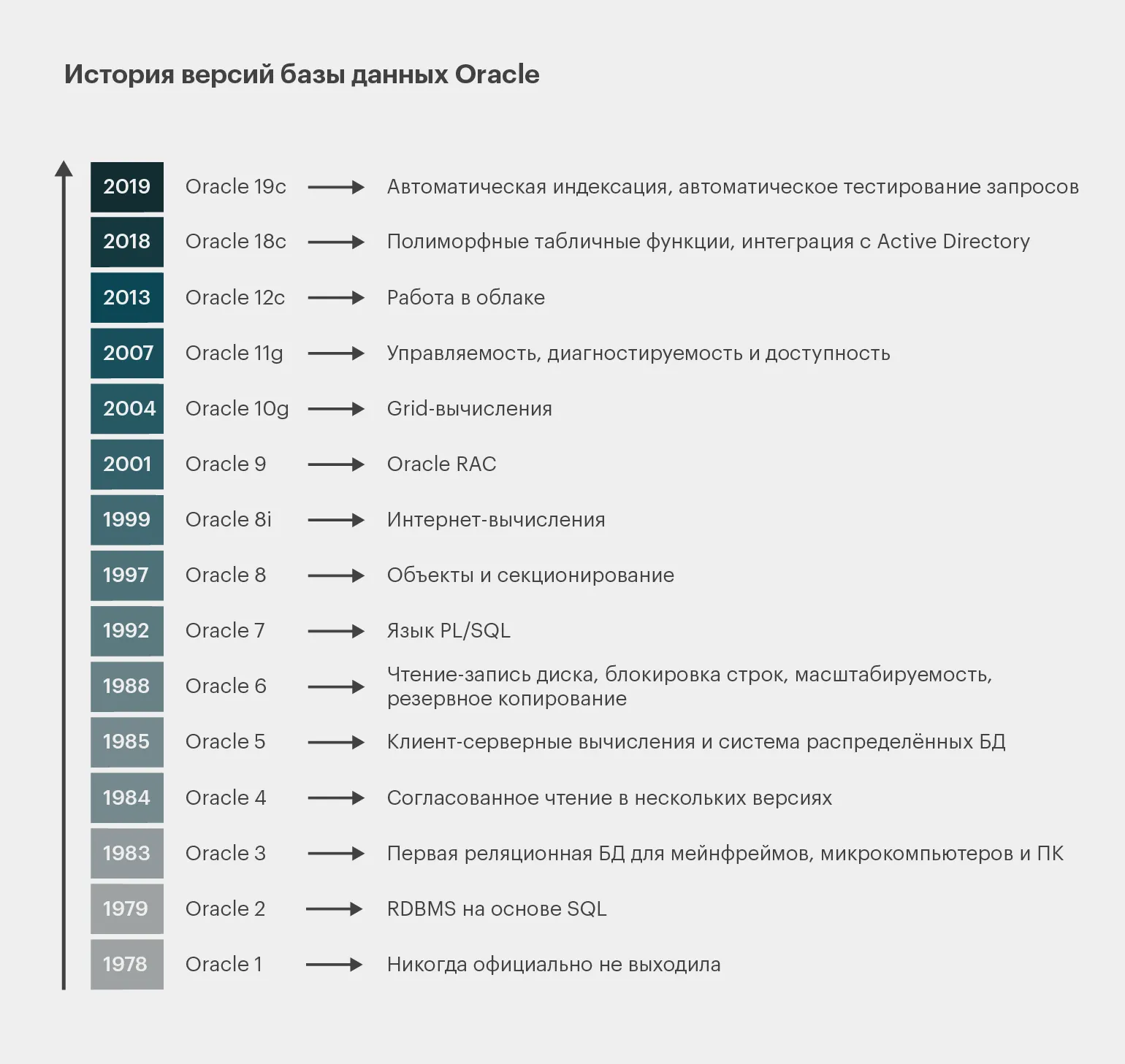
Last Oracle Database version 21c was released in 2021 and offers over 200 new features. Key updates include blockchain support, integration with JavaScript and JSON packages, and improved machine learning tools. These innovations make Oracle Database one of the most advanced database management systems on the market. For more detailed information on all the updates, we recommend visiting the official Oracle blog.
Oracle Database is available in a variety of editions, each designed to meet specific user needs and applications.
- Standard Edition 2: Optimized for small web applications, with some features limited or requiring additional payment.
- Enterprise Edition: A full-featured edition for larger organizations running resource-intensive projects, such as banks and large online marketplaces. Includes a full set of scalability features, including Real Application Clusters (RAC).
- Express Edition: A free edition focused on speed. Easy to download and install, but limited to 11 GB of user data.
- Personal Edition: Ideal for developers who want to test functionality on their own computer before integrating it into real projects.
Reasons for the Popularity of Oracle Database
Oracle Database (Oracle DB) has gained market share due to its ability to make relational databases accessible to a wide range of users. Unlike solutions from companies such as IBM, Oracle DB can be deployed on low-power and inexpensive devices such as the PDP-11. This has significantly lowered the barrier to entry for businesses, allowing small and medium-sized companies to effectively use relational databases to manage data and optimize business processes. Oracle DB continues to be a popular choice due to its flexibility, scalability, and support for various platforms, making it ideal for organizations of all sizes.
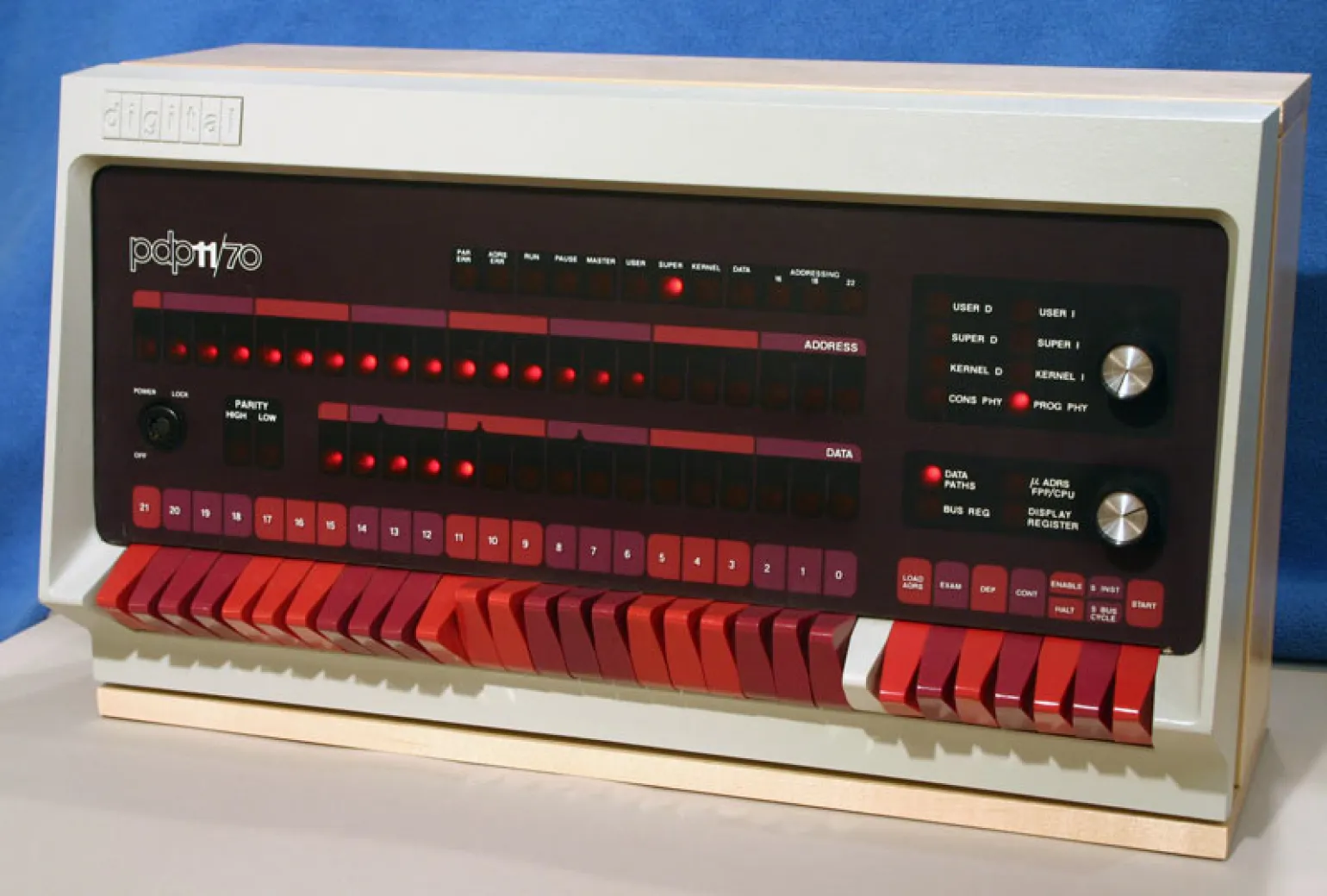
Support for client-server architecture is one One of the main reasons for Oracle DB's popularity is its ability to create scalable, distributed systems capable of efficiently exchanging data even on low-end hardware. Oracle DB's client-server architecture ensures high performance and reliability, making it an ideal solution for businesses of all sizes. Its ability to integrate with various platforms and support for large data volumes also play a key role in choosing Oracle DB for building modern information systems. Over time, Oracle Database has become a recognized standard in areas where stability and high performance under significant workloads are key factors. This platform is widely used by government agencies, financial institutions, and insurance companies. According to the Fortune 500, virtually all major companies, including Apple, Walmart, and Samsung, trust Oracle Database. In Russia, its clients include major players such as Sberbank, MTS, the Central Bank of the Russian Federation, and Rostelecom. Oracle Database provides reliable data management and efficient work with large volumes of information, making it the optimal choice for organizations seeking sustainable growth and high service levels.
As of May 2022, Oracle DB holds the leading position in the global market, accounting for 32% of the market share. Data from Statista confirms its dominance and stability in the database industry. Oracle DB continues to be a trusted choice for organizations seeking high-quality data management solutions, thanks to its high performance and wide range of functionality.
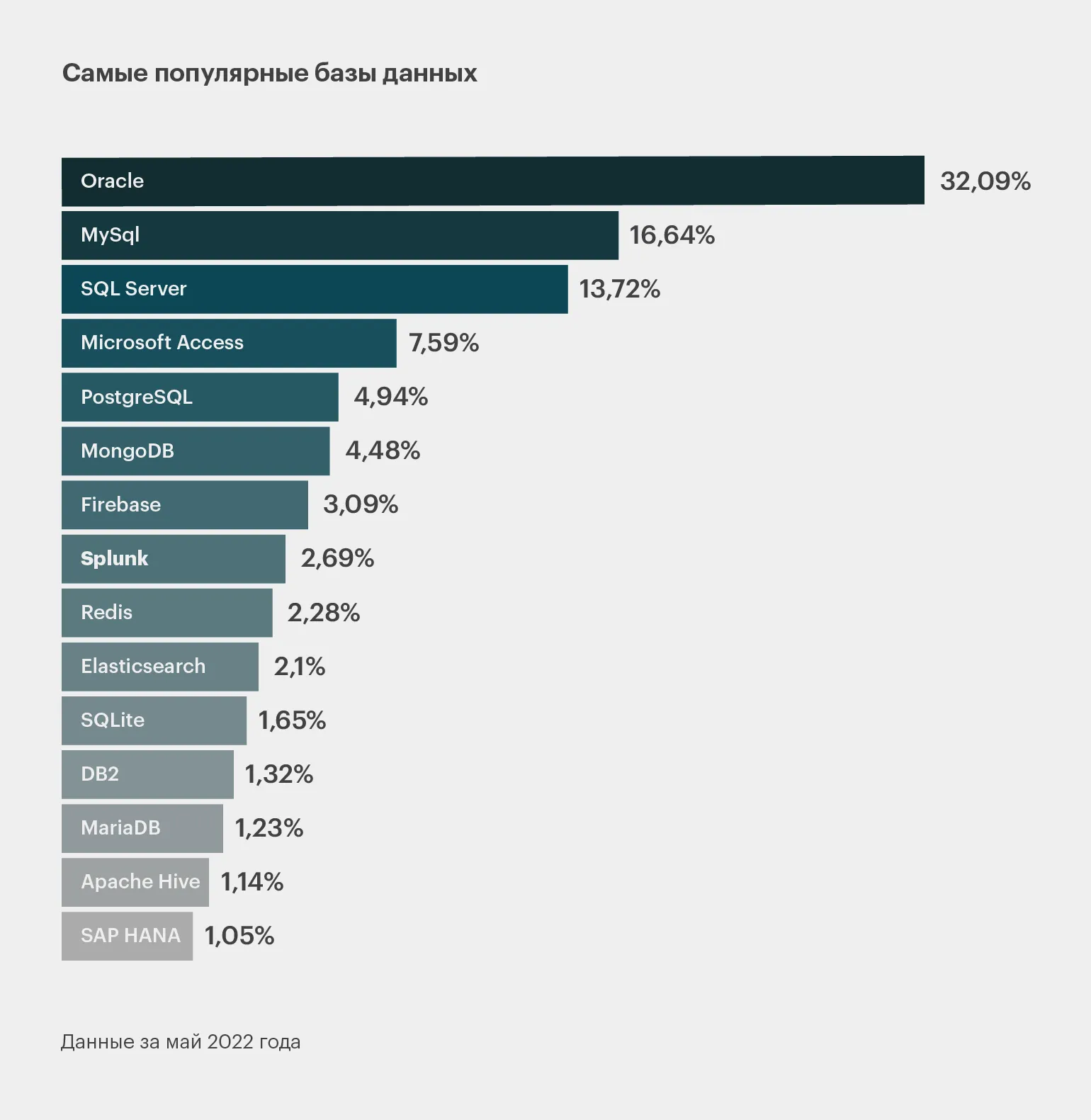
As Oracle DB's popularity has grown, some downsides have emerged. An expanding customer base and increased technical support costs have driven up the product's price significantly. A 16-core server license can cost up to 1.6 million rubles per year. Building a full-fledged Oracle DB-based data center requires a significant financial investment, making it unaffordable for all companies. These factors may limit Oracle DB's appeal to small and medium-sized businesses seeking more cost-effective data management solutions.
Why Use Oracle DB: Key Benefits and Target Audience
Oracle Database is a leader among commercial database management systems (DBMS). Thanks to its high performance and reliability, it is the optimal solution for large projects with intensive workloads that require processing requests from millions of simultaneous users. This DBMS provides efficient data management and scalability, allowing businesses to adapt to growing demands and ensure uninterrupted application operation. Oracle Database is ideal for organizations seeking maximum efficiency and security in managing their data.
Despite its advantages, it is important to consider its disadvantages, such as high licensing and maintenance costs. If your project involves creating a small website or online store, it makes sense to consider alternative open-source solutions, such as MongoDB or PostgreSQL. These databases often offer basic functionality for free, while paid extensions can cost significantly less than a full Oracle license. Choosing a more affordable solution will help optimize costs and simplify project management, which is especially important for startups and small businesses.
Subscribe to our Telegram channel to receive the latest news and useful materials on programming and technology. Stay up-to-date with the latest trends, updates, and analytics in the IT world. Join our community and develop your knowledge with us.
We recommend that you check out our articles for more information and to expand your knowledge on this topic.
- Oracle introduced Java 18 with many new features and improvements.
- Data Scientist is one of the most in-demand and promising professions of the 21st century.
- Database Management Systems: What are they and what are their advantages?
Web Developer: 7 Steps to a Successful Career
Want to become a web developer? Learn 7 important steps to success in this field!
Learn more