Contents:
Learn: The Game Designer Profession from Scratch to PRO
Learn MoreProcedural generation is an important tool in game design. It enables the creation of vast virtual worlds in games like Minecraft and No Man's Sky, as well as generating characters, levels, storylines, and even game mechanics. Despite the impressive capabilities of algorithms, the role of game designers remains critical. Procedural generation does not replace the creative process, but rather complements it, opening up new horizons for developers. In the future, algorithms will likely play an increasingly prominent role in content creation, but human creativity and intuition will continue to be the foundation of successful games.
How Procedural Generation Works
The principle of tarot cards can be explained with a simple metaphor. Take a deck of cards, shuffle them, and lay them out on a table according to established rules. The result will be a procedurally generated prediction. This process illustrates how random elements can combine to create unique interpretations, allowing each user to find their own meaning in a spread.
In this context, the cards act as tiles—elements of equal size that form a coherent picture. The rules of divination act as an algorithm that helps assemble this picture. This approach allows for a deeper understanding of the meaning of the cards and their relationships, significantly increasing the accuracy of predictions. Using tile maps in fortune telling opens up new possibilities for analysis and interpretation, making the process more structured and informative.
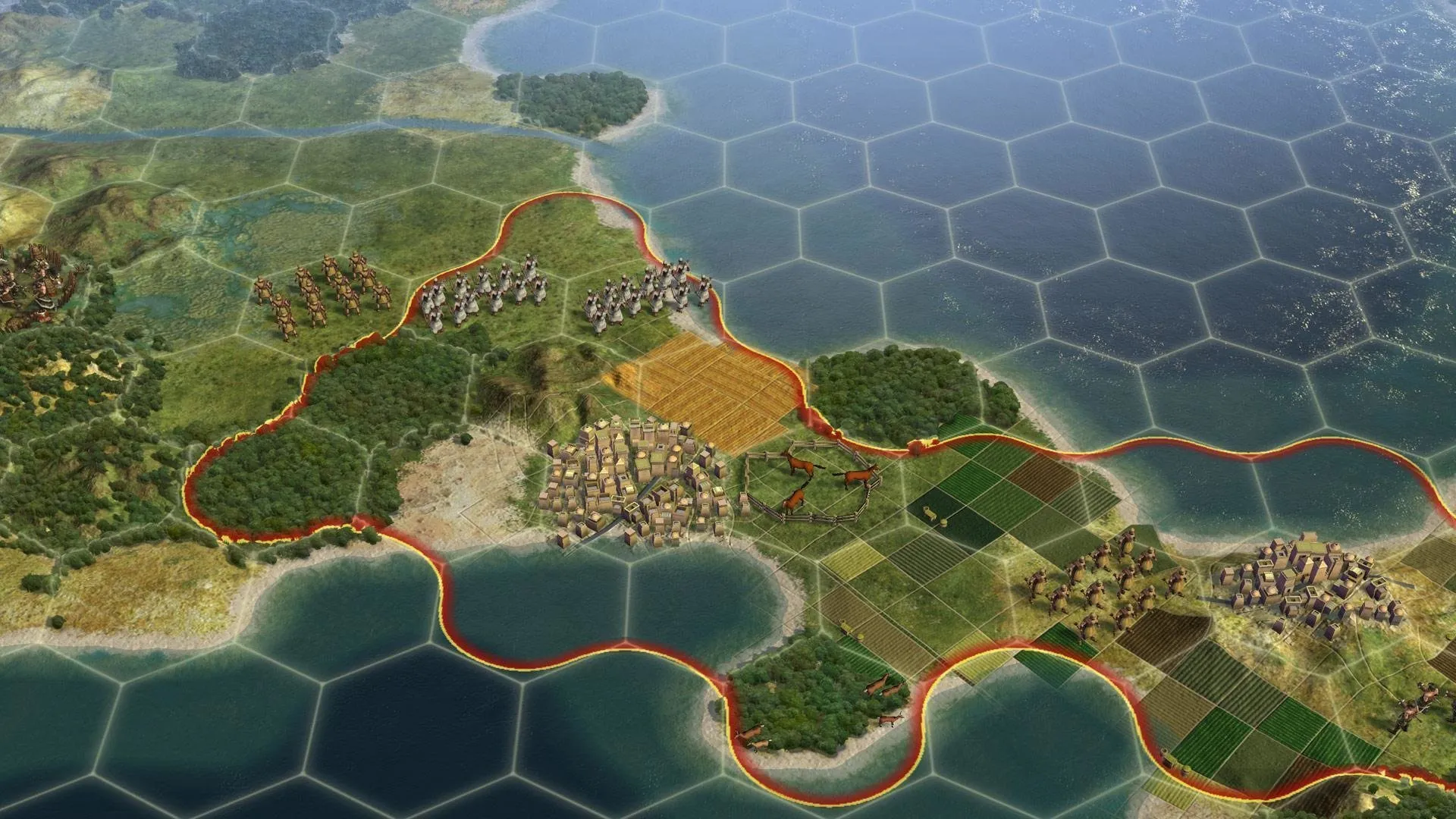
Tiles play an important role in strategy games like the Civilization series, where maps are formed from hexagons representing different types of terrain. Players have the ability to customize the parameters of the generated world, including its size, terrain, and amount of resources. This way, they adapt the procedural generation process to their preferences, which allows for unique game scenarios and improves interaction with the game.
To ensure that unique results are generated each time, it is necessary to use a random number generator, known as a "seed". This code is fed to an algorithm, which uses it to create a procedurally generated map. Thus, each run of the algorithm with a different seed will result in a new and original map, which makes the process more varied and interesting.
Procedural terrain generation involves many methods, and tiles are just one of them. For example, the developers of Minecraft and Terraria use a gradient noise algorithm known as Perlin noise. This algorithm was originally created to generate realistic surface textures, but over time its capabilities were expanded. Designers began using Perlin noise to create varied and complex landscapes, significantly enriching the gameplay and visuals in these popular games. Thus, Perlin noise has become an important tool in the arsenal of developers, allowing them to create unique and dynamic game worlds.
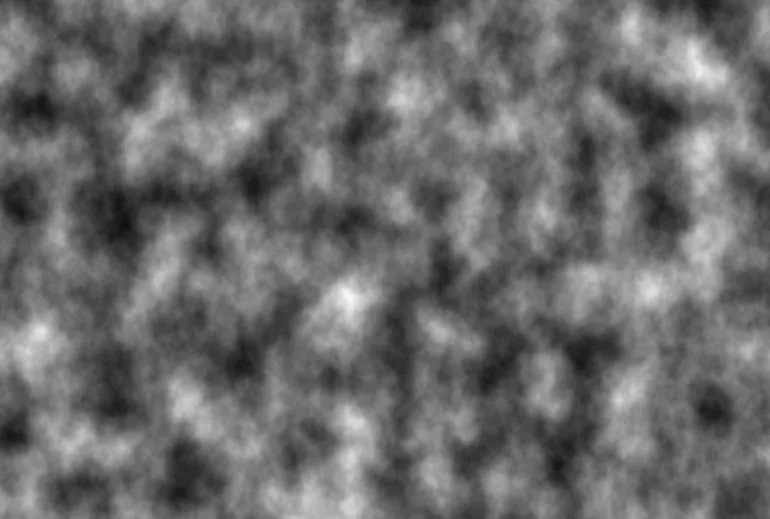
The process of landscape generation in the game is based on the use of Perlin noise. Light areas of this noise are interpreted as high areas, and dark areas as low areas. An algorithm uses these to create an approximate map terrain, and the cycle is repeated several times to achieve a realistic result. The result is a diverse landscape with mountains, valleys, and gorges. Once the terrain is created, the world is filled with flora and fauna, and populated by monsters and villages, making the gameplay more engaging and rich. Minecraft world generation follows strict rules, avoiding logical inconsistencies such as the presence of coniferous forests in desert regions. As a result, coniferous forests form in tundra biomes, while desert zones contain only sugarcane. These generation mechanisms provide realistic and engaging interactions with the game's environment, creating unique ecosystems and landscapes.
Procedural Generation as a Gaming Philosophy
Procedural generation is often associated with certain game genres, particularly roguelikes, where gameplay is based on constant trying, failing, and starting over. In such games, levels are generated anew, which helps avoid boredom and makes each session unique. This allows players to avoid relying on muscle memory and maintains interest in the game through unpredictability and variety in the gaming experience. Procedural generation is becoming an important tool for developers seeking to offer players fresh and exciting challenges in each game.
The roguelike genre emerged from games known as dungeon crawlers, which focused on exploring dungeons. These games already featured key characteristics of the genre, such as turn-based gameplay, where each player action represents a single turn, and the permadeath mechanic, in which characters are lost forever upon death. Classic roguelikes, such as 1980's Rogue, which gave the genre its name, and 1987's NetHack, introduced procedural dungeon generation, significantly increasing replayability and gameplay variety. Thus, roguelikes offer a unique experience, combining strategy and randomness to make every playthrough unique.
Over time, the genre's requirements have changed significantly, and some of its core elements have become less essential. However, randomly generated levels remain an important part of the gameplay. These levels add an element of surprise and variety, making the game more engaging and interesting for players.
Modern roguelike games successfully blend various genres. For example, Spelunky and Rogue Legacy fuse platformers, Diablo with RPGs, and FTL: Faster Than Light with strategy games. Some titles, such as The Binding of Isaac and Hades, offer a familiar roguelike concept but with an emphasis on dynamic gameplay. These games make extensive use of procedural generation, which creates unique levels, equipment, weapons, and enemies, providing players with variety and unpredictability in each playthrough. This makes games more appealing and promotes replayability, which is one of the key features of the genre.
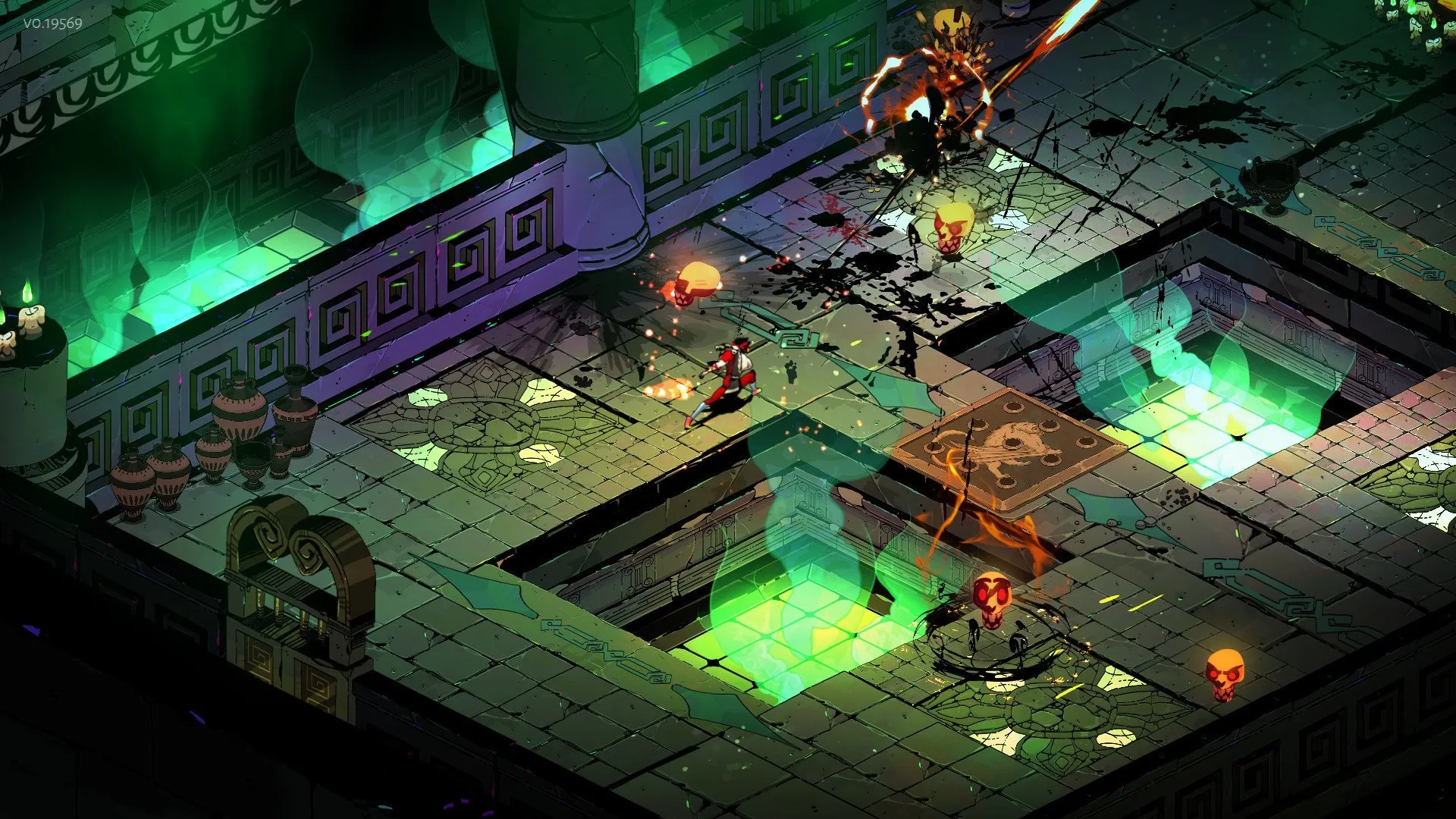
Sandbox games are a unique genre of games where procedural generation is used Procedural generation is used to create diverse elements, including storylines. In such games, players interact with a dynamically changing world, making each playthrough unique. Procedural generation allows developers to create a rich and deep game environment, where every element, from the landscape to the missions, is randomly generated. This opens up boundless possibilities for exploration and creativity, making sandbox games particularly appealing to players seeking new experiences and original stories. Dwarf Fortress not only creates a unique world before each new game but also develops the history of that world over hundreds of years. RimWorld, meanwhile, puts the player in control of three procedurally generated astronauts whose ship crashes on a planet also created using procedural generation. Both projects are distinguished by the deep development of the world and history, which makes each gaming session unique and exciting.
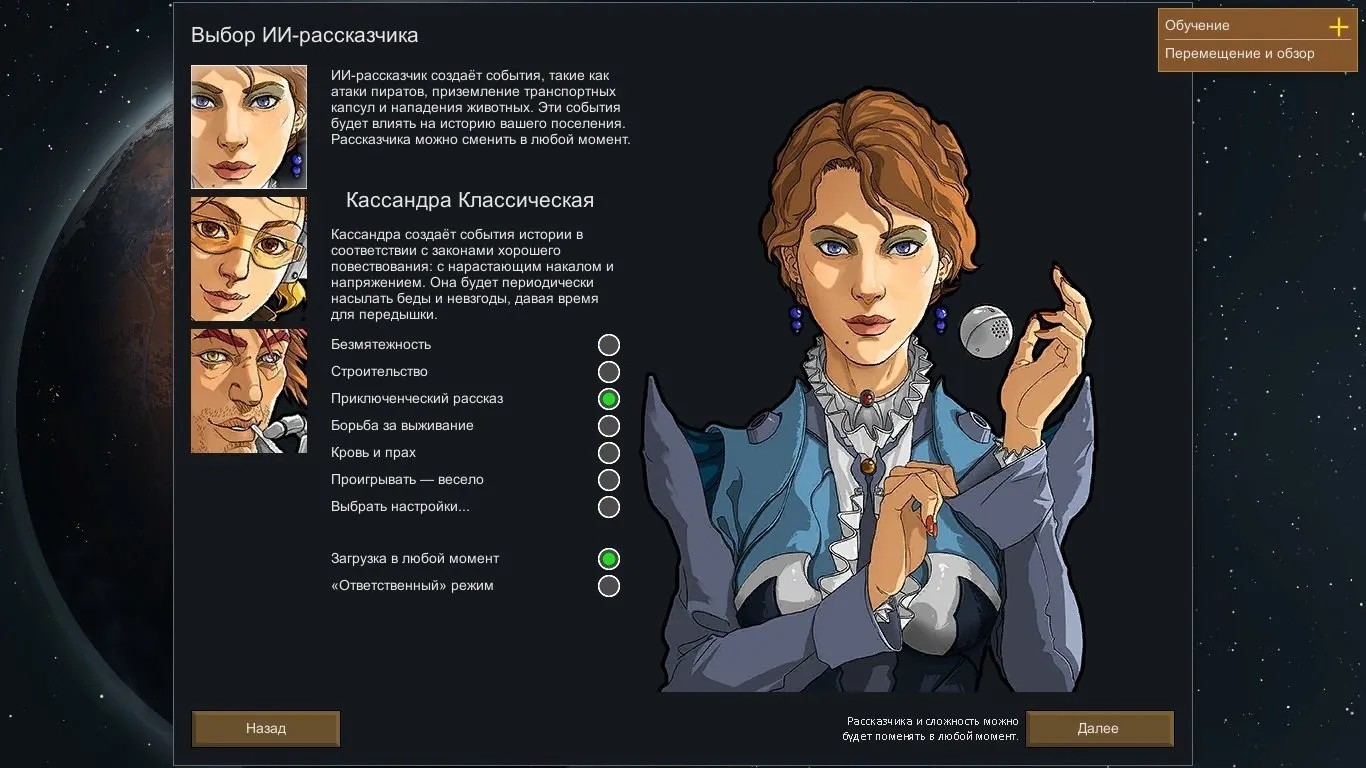
The game provides players with a choice of three unique "Storytellers," each acting as a story generator with their own narrative style. Cassandra crafts a gripping narrative in the tradition of adventure novels. Phoebe offers pauses for reflection, allowing players to better absorb the action. Randy, on the other hand, immerses players in chaos, adding elements of unpredictability. This approach makes each playthrough unique and unrepeatable, giving players the opportunity to enjoy the story's diversity.
In the world of RimWorld, your heroes can face harsh conditions that will lead to their death from the freezing tundra. Nuclear winter can destroy an entire crop, and one colonist may lose their mind and kill the rest. Equally dangerous are the aggressive natives, who can attack your colony. Such situations happen constantly in RimWorld, and instead of perceiving them as punishment for mistakes, you will share these dramatic moments with your friends. Each challenge unfolds into a unique story, adding depth and immersion to the gameplay. No Man's Sky utilizes procedural audio, making it unique in the game world. The game features an official soundtrack album by 65daysofstatic. Music from this album plays at significant moments in the story campaign, such as the first docking with the space station, accompanied by the simmering melody of "Asimov." This creates an atmosphere of immersion and emotional response in players, enhancing the experience of exploring the game's vast expanses.
In most cases, players of No Man’s Sky do not hear full compositions, but rather fragments of them, generated by the game’s sound engine. The algorithm uses sounds from a sample library based on tracks by the band 65daysofstatic and combines them depending on the situation. For example, melodic keyboards play while walking across the planet, but as a storm begins, they are replaced by harsh electronic noise. This dynamic approach to sound creates a unique atmosphere and enhances immersion in the game environment.
id Software took a similar approach when creating the 2016 game Doom. The game's soundtrack was written by Australian composer Mick Gordon. The official soundtrack in this case is also divided into many pre-recorded and carefully mixed tracks. This allows players to immerse themselves in the game's atmosphere, creating a unique soundtrack that enhances the gaming experience.
In Doom, different musical tracks often intertwine with one another. During exploration, unobtrusive ambient music plays, complemented by the game's sound effects. However, during battles with demons, the background music is significantly heavier. The choice of musical accompaniment depends both on the current location and the types of enemies the player encounters. This creates a unique atmosphere that enhances immersion and emphasizes the intensity of the combat.
Procedural generation is a universal tool that finds application not only in roguelike and sandbox genres, but also in games with a classic approach to game design. It allows for the creation of unique game worlds, diverse levels, and content, which significantly increases replayability and player interest. The use of procedural generation helps save developer resources and simplifies the process of creating extensive content, making it a valuable tool in modern game design.
Procedural Forests and Megacities
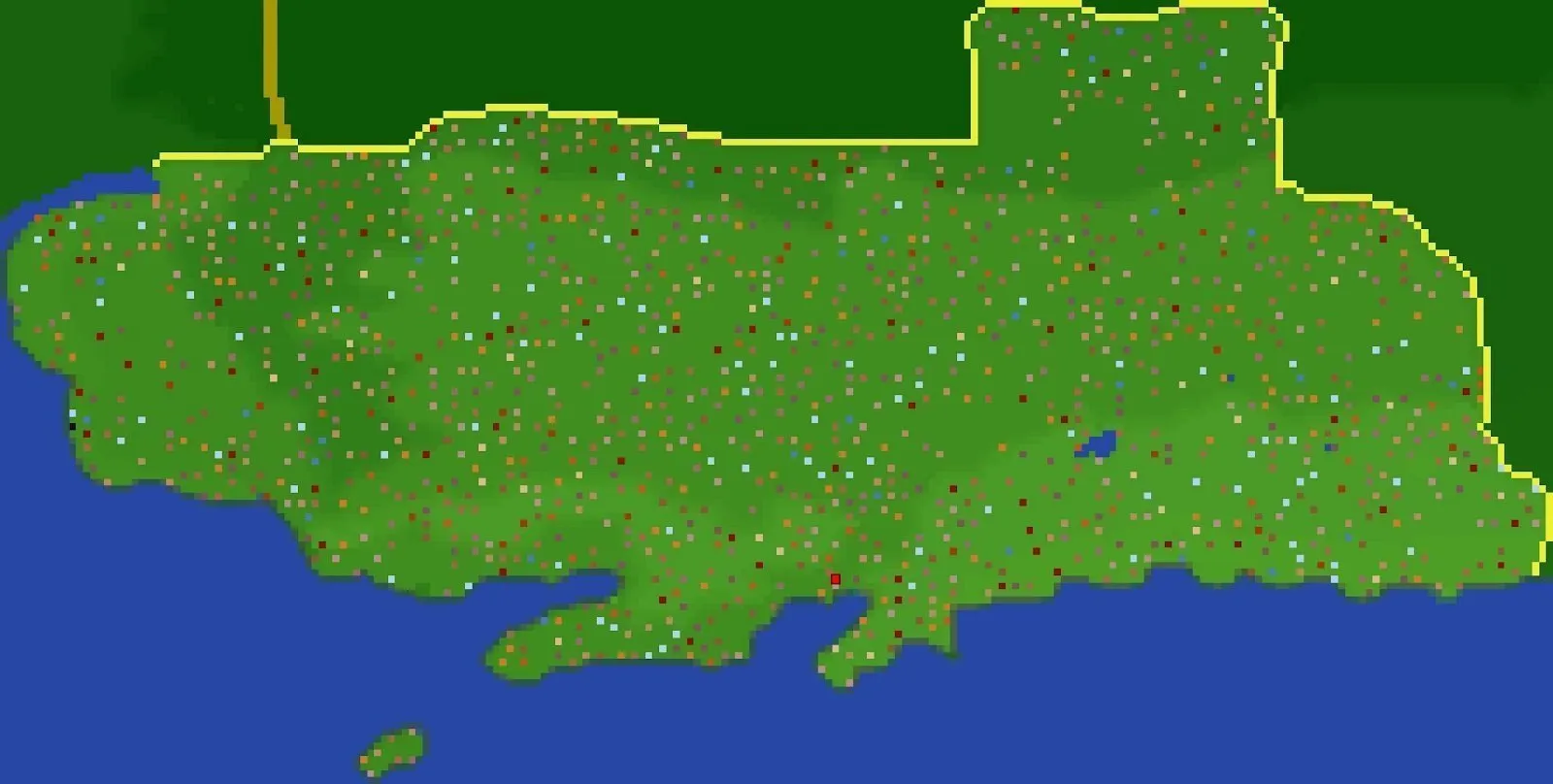
Procedural creation of locations has proven its effectiveness in the development of open-world games as early as 1996, when the creators of The Elder Scrolls II: Daggerfall presented the world with a map comparable in size to Great Britain. This vast virtual environment contains 15,000 towns, villages, and dungeons, marking a significant achievement for the gaming industry. This approach allows developers to create large-scale and diverse worlds, enhancing the gaming experience and increasing interactivity. Procedural generation is becoming an important tool in modern game development, as it allows for the creation of unique locations and content, maintaining a high degree of variability and interest for players.
Game locations can indeed seem monotonous, but the advantages of procedural generation are obvious, which attracts developers. A striking example is The Witcher 3: Wild Hunt, where the creators had to create a world 35 times larger than the map from the previous game. Implementing such a scale manually was practically impossible, so a team of artists led by Marcin Gollent used special tools and brushes to simplify the process of creating vast and varied locations. This solution not only speeded up development but also ensured a high level of detail and interesting game spaces.
Brushes are tools containing sets of assets that are used in The Witcher 3: Wild Hunt to create various types of vegetation. With their help, the developers were able to implement all the game's biomes, from the northern taiga to the southern deciduous groves. These tools play a key role in creating the unique atmosphere and visual diversity of the game world, allowing players to immerse themselves in the rich and detailed nature of The Witcher 3.
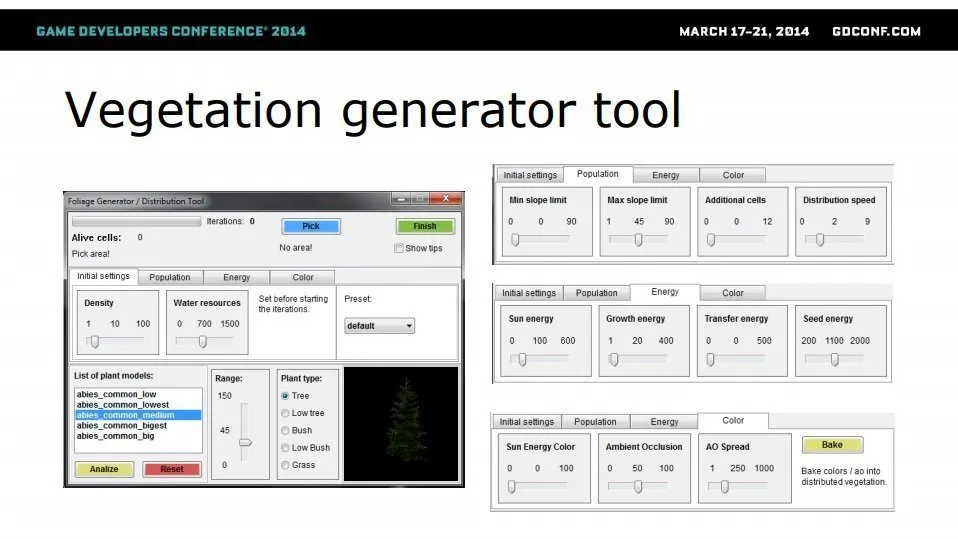
The algorithm was further trained to recognize landscape features to optimize vegetation density. Specifically, in valleys where rainwater drains, the generator created denser forests than on rocky mountain slopes. This allows for more efficient use of resources and the creation of ecosystems that match natural conditions.
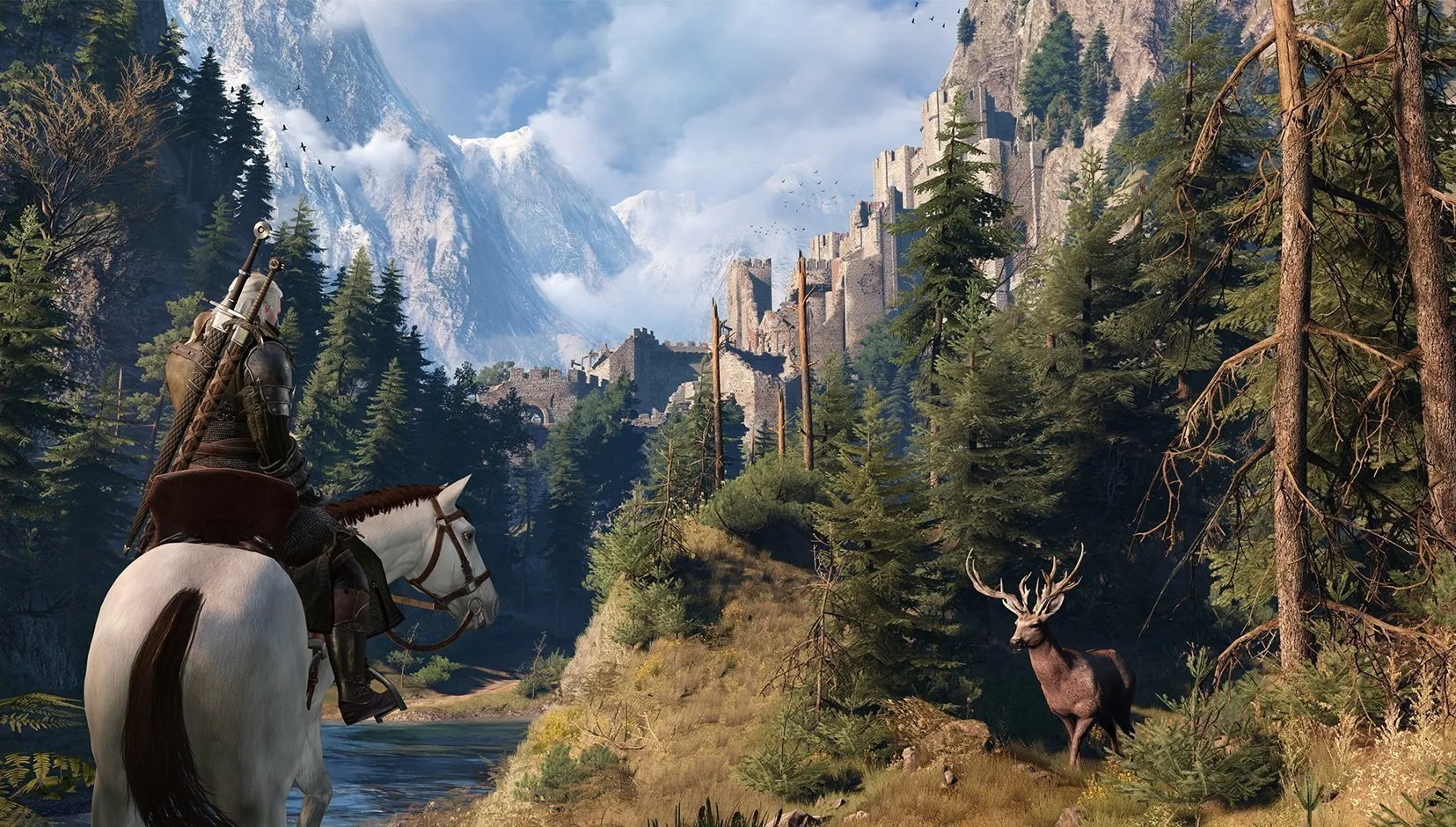
Brushes played a key role in CD Projekt Red's time and resource optimization, as well as in creating a more vibrant and believable world for The Witcher. These tools allowed artists and developers to create detailed textures and unique environmental elements, significantly improving player immersion. Thanks to the use of brushes, the world of The Witcher became richer and more interesting, attracting the attention and admiration of both new and experienced players.
Procedural generation can even be effective when creating maps inspired by real-world locations. In Marvel's Spider-Man, the events take place in a virtual Manhattan, where 80% of the content was created using algorithmic methods. This approach not only reduces development time but also adds variety to the gameplay, making each playthrough unique.
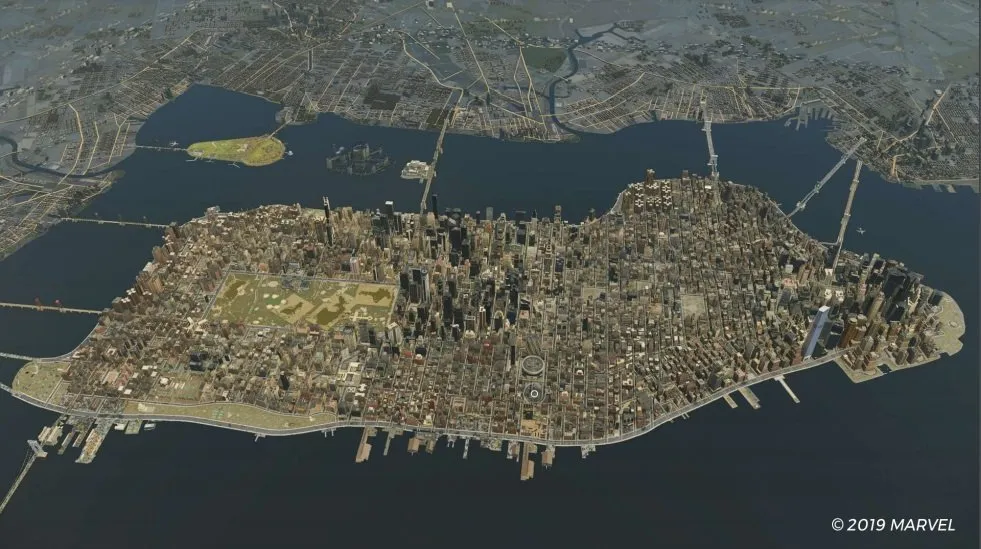
The developers highlighted only key streets, major landmarks, and story mission locations on the map. The generation system then automatically added additional streets and alleys, placed buildings along them, and designed them. Some elements, such as rooftops, required some refinement, as players spend significant time on them.
The algorithm functions directly in the game, creating dynamic street traffic, pedestrians, and a variety of random events, such as chases and encounters with criminals. During battles, it ensures that Spider-Man always has attack objects at hand, including manholes, construction beams, and mailboxes. This adds realism to the gameplay and allows players to use the environment in their strategies.
The generation system in Marvel's Spider-Man functions like a city-building simulator, but its primary goal is to create a unique city that serves as the backdrop for the gripping story of the famous superhero. The city in the game is not just a backdrop, but an important plot element that interacts with the characters and their adventures, creating the atmosphere of a living metropolis filled with dynamism and intrigue.
Algorithms developed manually for games are used beyond the creation of in-game locations. For example, the "Create Random Character" feature found in most RPGs is also based on procedural generation algorithms. These algorithms allow for the creation of unique characters, adding an element of randomness and variety to gameplay. Procedural generation is becoming an important tool for developers, providing a unique player experience and increasing replayability.
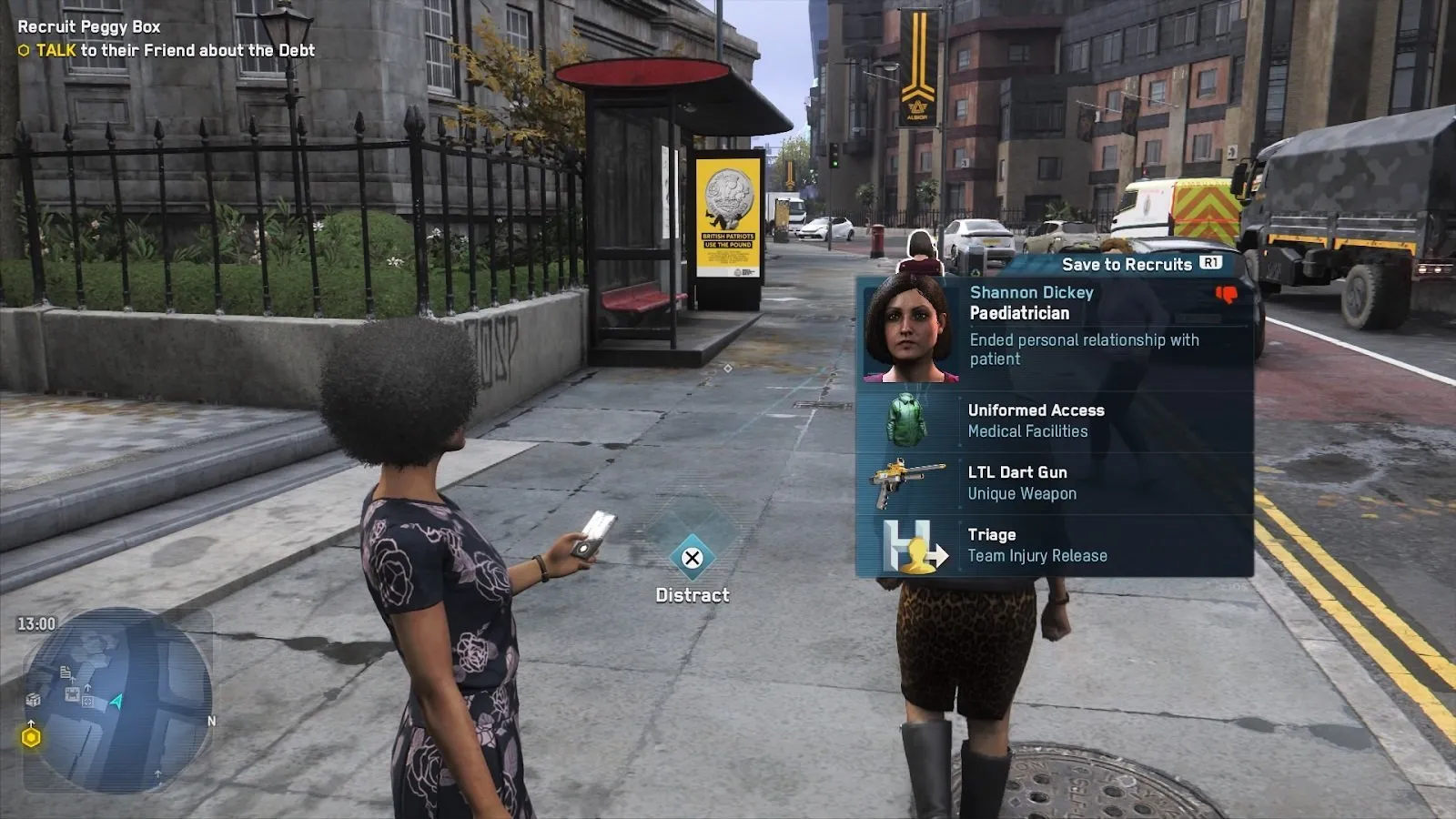
Procedural generation has interesting applications in video games. In the Borderlands series, gameplay is focused on acquiring randomly generated weapons and equipment, making each game unique. Meanwhile, in the Watch Dogs series, one of the key features is algorithmically generated townspeople with unique biographies and perks. However, it is in Watch Dogs that you can see how procedural generation can fail to work as expected, sometimes leading to ambiguous results in gameplay.
This brings us to a long-standing debate. The issue, which has been discussed for many years, concerns different points of view and approaches to a certain topic. Discussions often arise from different interpretations of facts and expert opinions. These disagreements highlight the importance of critical thinking and the need to analyze information. Ultimately, such debates contribute to a deeper understanding of the issue at hand and help find new solutions.
Games based on procedural generation can have serious gameplay holes, making them especially difficult to detect. Unlike traditional games, where mechanics and scenarios are predetermined, procedural generation creates unique and unpredictable gameplay situations. This means that neither players nor developers can predict in advance how changes to the game will affect balance and overall gameplay. Each new patch can both improve and worsen the gaming experience, making the development and testing of such games especially challenging.
Procedural generation provides unique opportunities for indie developers and game designers. This powerful tool allows you to create vast and varied game worlds with minimal resource expenditure. A striking example of the successful use of procedural generation is No Man's Sky, developed by Hello Games, which initially employed only 15 people. Over time, the team grew to 26 employees, confirming the growing interest in technologies that allow indie studios to realize ambitious projects. Procedural generation not only accelerates the development process but also opens up new horizons for creativity, allowing developers to focus on innovative aspects of game design. Minecraft was created by a single game designer, Markus "Notch" Persson, who became a world-famous figure after the game's release. His unique approach to development and innovative gameplay made Minecraft one of the most popular games in the world. The game's success ushered in a new era in the video game industry, inspiring many developers and gamers. One of the negative aspects of process optimization in the gaming industry is the reduction of jobs for AAA developers. Reducing resource costs means that studios require significantly fewer employees to complete complex tasks. For example, at Guerrilla Games, just three people created 500 different plant types for Horizon: Zero Dawn, with one technical artist handling the templates. Examples like these highlight how modern technologies and development methods impact team structures and employment in the video game industry.
Nevertheless, key locations continue to be created manually, and algorithms must be programmed. This means there will always be a demand for specialists. Technological advances don't eliminate human labor; on the contrary, they emphasize its importance in the process of content creation and optimization.
All of these shortcomings are one of the reasons why algorithms are still unable to completely replace game designers. Procedural generation remains an effective tool for solving certain problems. Today, it is used to create vast open worlds, individual locations, enemies and weapons for roguelikes, and even stories. However, a unique gaming experience is still created manually by developers, since it cannot be defined using random numbers alone.
Game Designer Profession from Scratch to PRO
A game designer creates the structure of a game. They think through the idea, rules, gameplay, and decide what emotions the plot will evoke in players. You'll master game design principles from scratch and learn how to work with popular engines like Unity and Unreal Engine. You'll learn how to retain player interest and monetize your games. We'll help you launch a career in the gaming industry.
Find out more