Contents:

Who are you in the world of game development? Find out on a free course ➞ You will try out 3 professions in practice: game designer, 2D artist, and Unity developer. Create your first Mario-style game. Details are available by clicking here.
Learn MoreThomas Leo Clancy Jr., born April 12, 1947, in Baltimore, Maryland, became one of the most renowned authors of military and political fiction. During his 29-year career, he wrote numerous bestsellers. His novel Debt of Honor stands out, in which he predicted the terrorist events of September 11th by describing a plane crashing into the Capitol. The stories and worlds Clancy created have inspired several successful films and have had a significant influence on the gaming industry, becoming the basis for the development of dozens of video games. Tom Clancy's works continue to inspire both readers and content creators, remaining relevant and in demand.
The Tom Clancy's brand is one of the most recognizable in the gaming industry and boasts numerous popular games, many of which are part of iconic series. Tom Clancy's titles are based on three key elements, which the author himself has built most of his works on: militarism, tactics, and elements of "cranberry." In this article, we'll take a closer look at each of these aspects, their impact on games, and their significance to fans.
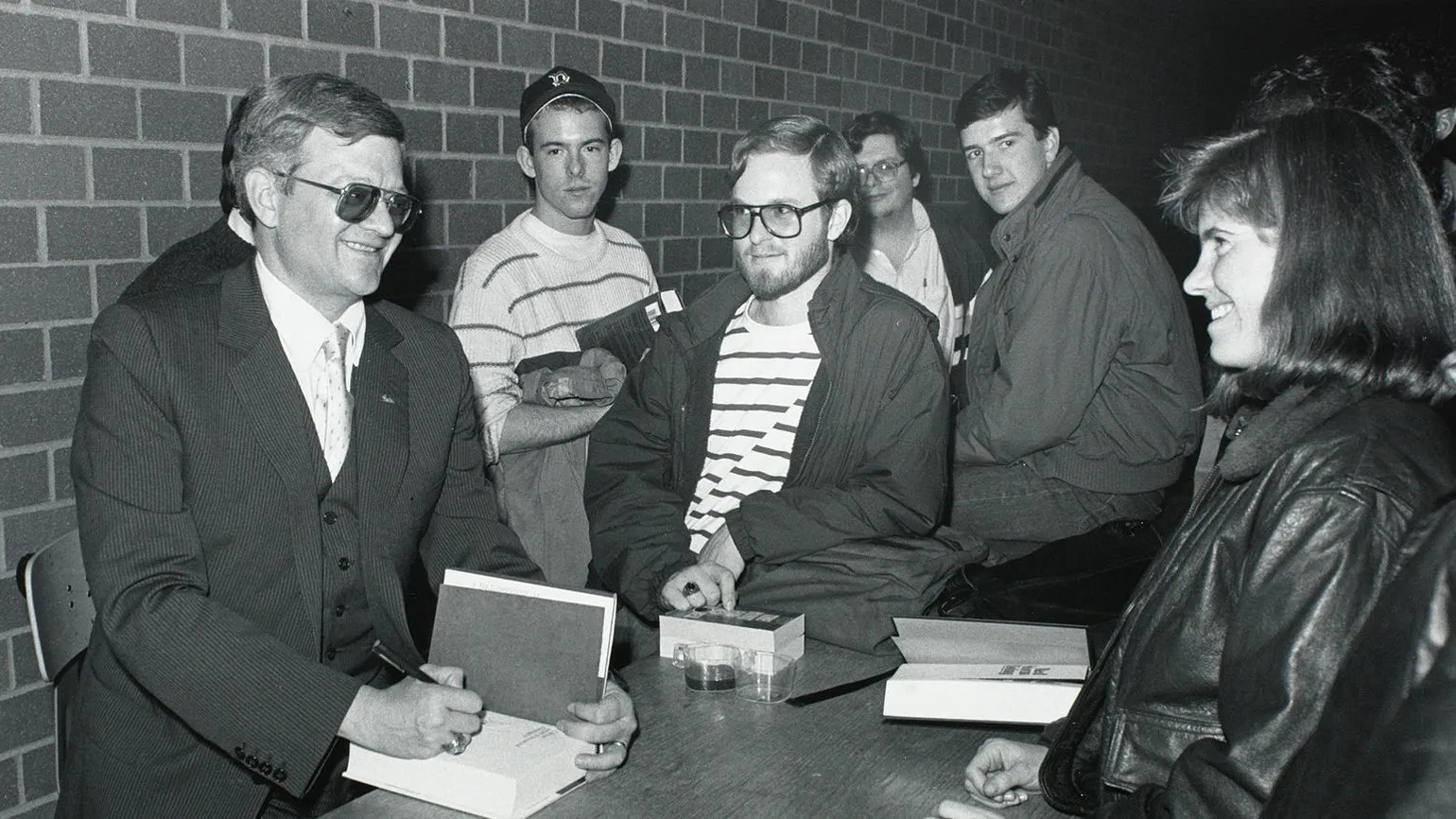
The history of Tom Clancy's games began in 1996, when Clancy Interactive Entertainment and Virtus Corporation completed development of the submarine simulator Tom Clancy's SSN. This game became the starting point for popular game series such as Rainbow Six and Ghost Recon, which have won millions of fans worldwide. Known for his gripping novels about spies and military conflicts, Tom Clancy's work inspired developers to create realistic scenarios and deep gameplay. As a result, games based on his works not only entertain but also introduce elements of strategy and tactics, making them unique in the video game market. Since then, Tom Clancy's name has become synonymous with high-quality content and innovative gameplay mechanics, as evidenced by the success of his franchises and the continued interest of players.
In 1998, Red Storm Entertainment released the first game in the Tom Clancy's Rainbow Six series, laying the foundations for the tactical shooter genre. The game became a cult classic, and its sequel, Rainbow Six: Siege, continues to dominate the multiplayer gaming market. In 2000, Red Storm Entertainment was acquired by Ubisoft, bringing new opportunities for the franchise's development. Tom Clancy's games have always been distinguished by three key elements: realism, tactical interaction, and teamwork, making them unique in their genre.
Tactics
Rainbow Six and Ghost Recon pioneered the tactical shooter genre, providing players with a wide range of strategic options. These games emphasize the importance of not only quick reactions but also analytical thinking. Success depends on carefully selecting specialists and equipment to build an effective team. Elements such as mission planning and teamwork with allies are key to achieving objectives in the game.
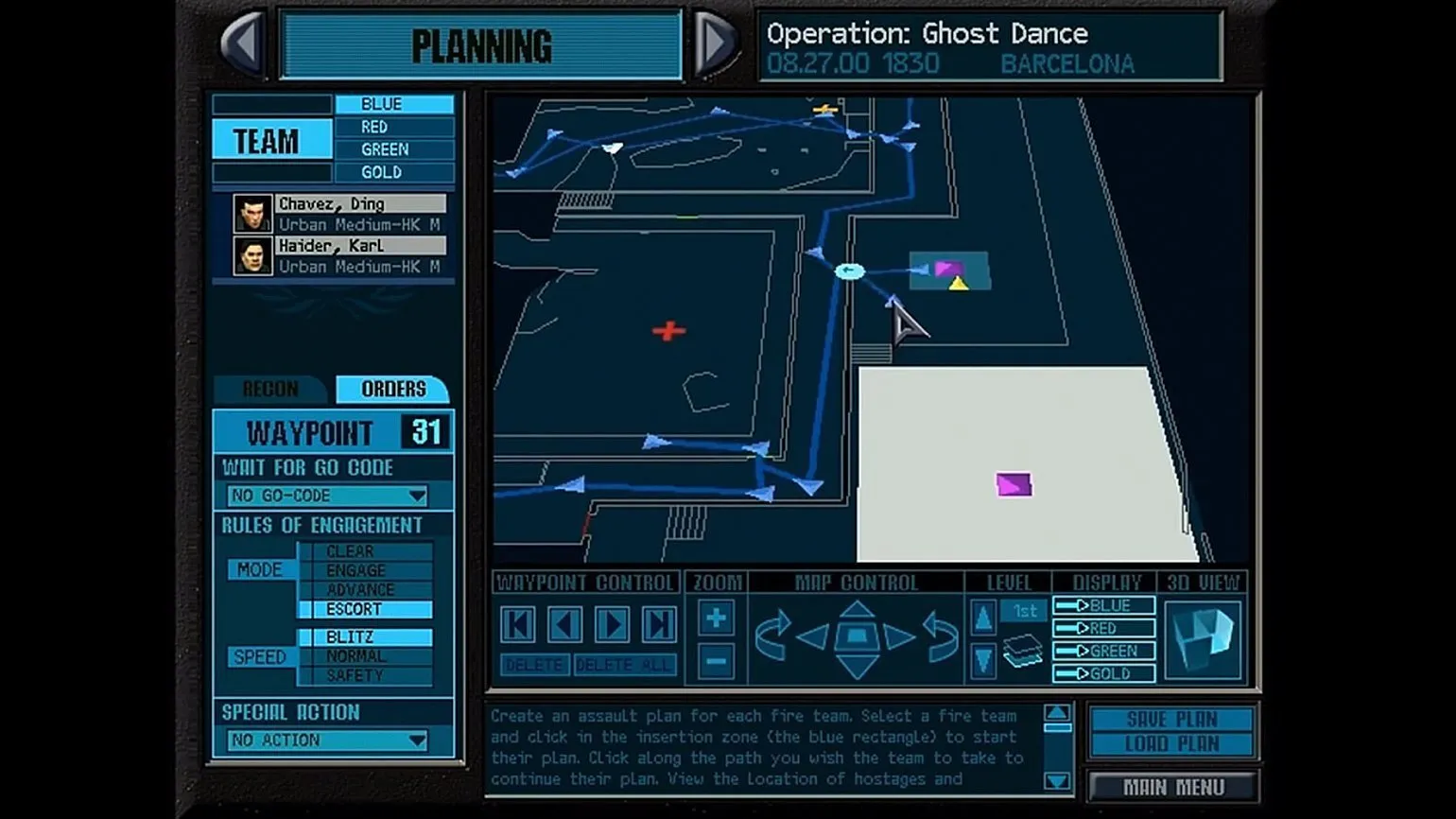
Players could develop optimal tactics for completing levels based on their preferences. They could either storm the rooms where enemies were located or conduct stealthy operations, minimizing noise. There was no health regeneration in the game, and both the player's operatives and the enemy could die in just a few shots. This circumstance emphasized the importance of not only direct confrontation but also careful planning. The key was careful movement through the terrain and effective use of its features to achieve a successful outcome.
Each map in Rainbow Six and Ghost Recon is a challenging puzzle. They feature varied open spaces with varying elevations, various buildings, stairs, plains, and forests. These elements create a wealth of cover, making gameplay more strategic and engaging. Players must consider every detail of the landscape and architecture to effectively plan their actions and interact with opponents.
Tactics are applied logic that finds its application in military operations. As Tom Clancy noted in an interview with Publishers Weekly, while the theoretical aspects of warfare may seem simple, their implementation in reality often differs. Clancy emphasized that no battle plan survives the first encounter with the enemy, which has become a famous "military aphorism." This statement captures the essence of the dynamics of combat, where unpredictability and rapidly changing circumstances require flexibility and adaptability.
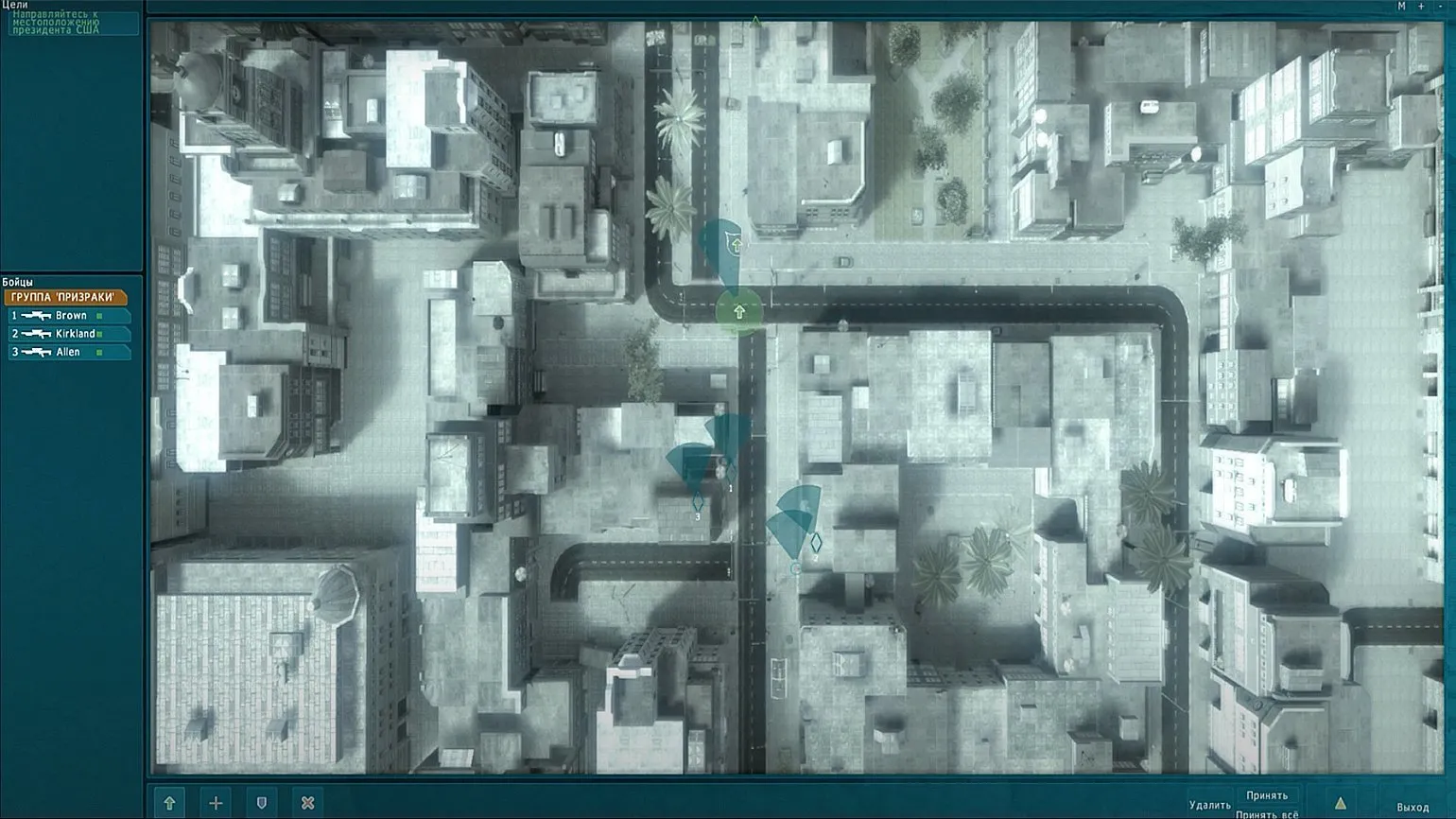
Tom Clancy's branded shooters introduced players to the need for not only quick reactions and accurate shooting, but also the need to perform command duties. Managing your squad and paralyzing the enemy through coordinated and coordinated actions is key. Such strategic elements significantly enrich the gameplay, offering players a unique experience of teamwork and tactical planning.
The Tom Clancy's series has evolved significantly over time. Rainbow Six 3: Raven Shield introduced a tactical planning screen, allowing players to issue dynamic commands with a single button during combat. However, the importance of reconnaissance and making strategic decisions that affect the outcome of an operation remained a key element of the gameplay.
The first Rainbow Six, released in 1998, received high praise from both the press and players. Journalists noted the unique and exciting gameplay in both the single-player campaign and multiplayer mode. Critics also emphasized the high-quality graphics for its time. Players highlighted the extensive tactical and strategic options, as well as the high complexity and intensity of the gameplay, which significantly increased their engagement with the game. Rainbow Six became a landmark project in the tactical shooter genre and set a high standard for subsequent games in the series.
Rainbow Six has an average Metacritic rating of 85. This confirms the high quality and positive reviews from users and critics, making it a popular choice among shooter fans.
In 2006, Rainbow Six: Vegas was released, focusing on gunplay and action. This version introduced automatic health regeneration, which became popular at the time, as well as the ability to switch to a third-person view when the character takes cover behind objects. Player-controlled teams became more resilient, which somewhat simplified gameplay, and the number of enemies increased significantly. These changes made the game more dynamic and accessible to a wider audience, which contributed to its success in the market.
Unlike Ghost Recon: Advanced Warfighter, released the same year, the new game "Rainbow" abandoned the traditional planning screen. Instead, the dynamic team system was significantly improved. Players were able to develop tactics in real time, organize room clearing from different access points, and assign priority targets for elimination. These new mechanics make gameplay more flexible and tense, allowing for a deeper immersion in the atmosphere of tactical operations.
Imagine a situation where you need to move through a room controlled by enemy infantry. It is important to complete this task quietly so as not to attract attention, not to disturb the peace of the area, and to ensure the safety of civilians who may unexpectedly appear outside the door. Similar scenarios occur in both Rainbow Six games, where special forces face challenges in Las Vegas. These tense moments require strategic thinking and precision, which makes the gameplay exciting and realistic.
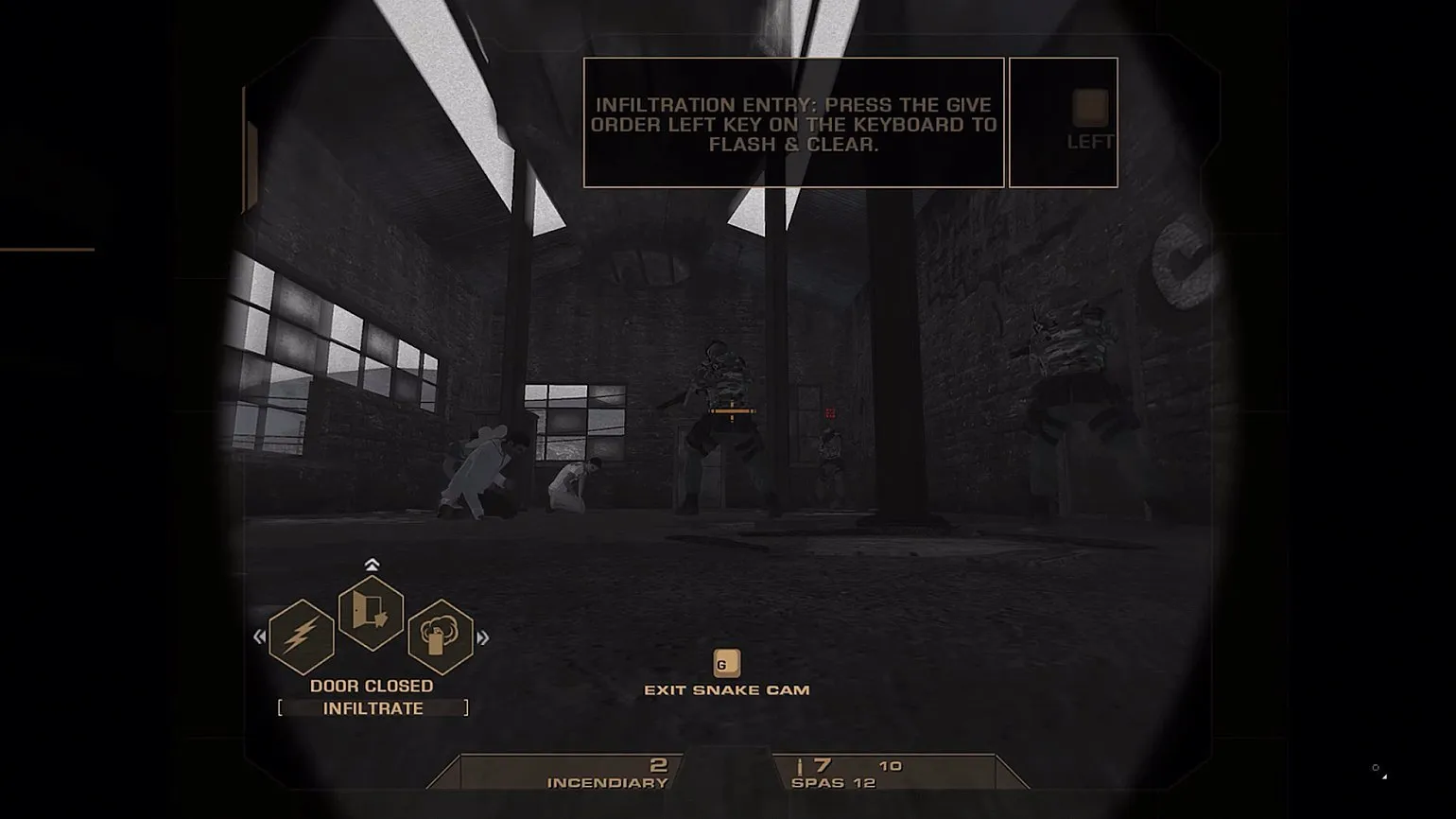
In this situation, it is recommended to use the camera probe to assess the situation and prioritize neutralizing the threat. Afterwards, you can use a flashbang grenade to create temporary confusion, allowing for a quick clear-out. Alternatively, you can wait for the enemy to be distracted and then sneak past them. A third option is to use a silenced pistol for a silent elimination.
Imagine being able to enter a room through a window instead of a door. Or descend from a rooftop on a rope. The player is given the opportunity to decide for themselves how to act in each situation, as the game does not offer a single correct choice. This creates a unique atmosphere of freedom and creativity, allowing everyone to make their own decisions and find unconventional solutions to problems.
Militarism
Tom Clancy had a deep interest in modern military technology. It's not surprising that high technology has become an important part of the games developed under his brand. Each game is distinguished by attention to detail, a high level of realism, and the presence of advanced gadgets. Players can access gadgets such as night vision goggles, thermal imaging, and strike drones with precision-guided missiles, all contributing to an immersive gaming experience.
Tom Clancy, the renowned author, once stated, "I'm a technology geek. And the best ones are in the military." He emphasized that for him, the military represents strong, ordinary people willing to risk their lives for the well-being of others. This view reflects a deep respect for military service and the technological advances used to protect society. The technology used in the military not only saves lives but also creates new opportunities for development and innovation.
Tom Clancy's branded games offer players a unique experience interacting with characters using modern weapons and equipment. As early as the early 2000s, Ghost Recon introduced such innovative models as the XM8 assault rifle and the high-tech OICW complex, which reflected the latest advances in military technology. These elements not only enhance gameplay but also create a believable atmosphere, immersing players in the world of tactical operations.
In games such as Rainbow Six: Vegas, players can enjoy a variety of weapon attachments. A wide range of not only murder weapons but also elements for their customization is available. In Ghost Recon: Future Soldier, weapon customization options are even more extensive. Players can fine-tune their rifles by adjusting barrel length, trigger type, and selecting various gas blocks, muzzle devices, and stocks. These customization elements allow for the creation of a unique weapon that matches each player's playstyle, significantly increasing engagement and interest in the gameplay.
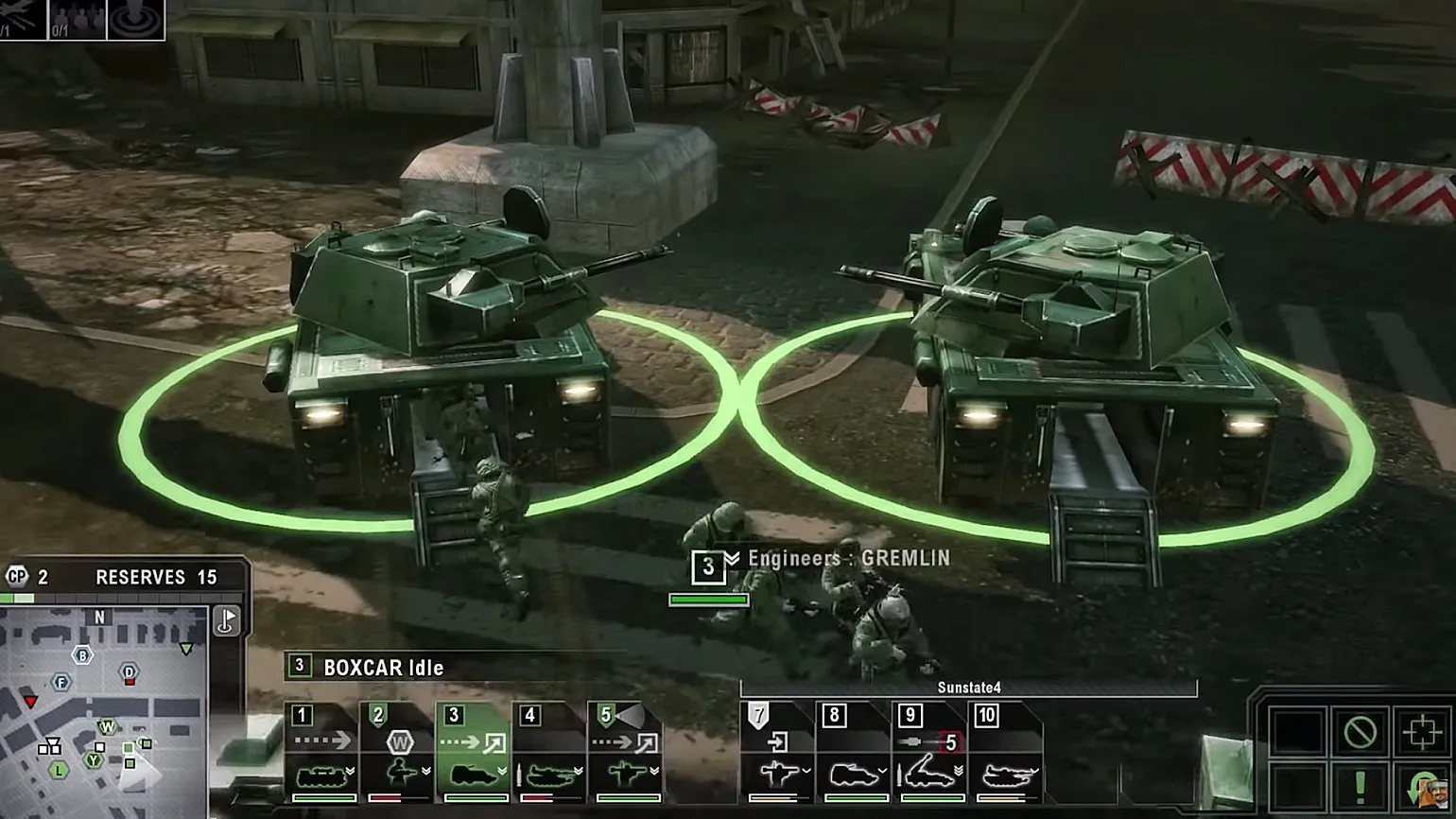
The developers have paid attention to equipment, and infantry in Tom Clancy's games feature meticulously crafted body armor, knee pads, pouches, helmets, and backpacks. All of this is accompanied by high-quality animation, such as the scenes of soldiers loading into armored vehicles in EndWar. This is especially noteworthy for strategy games, where such details are often overlooked.
Sam Fisher, the main character in the Splinter Cell series, has been using his favorite FN F2000 assault rifle for years, featuring a futuristic design and high effectiveness. The NSA agent's arsenal showcases cutting-edge technology, evident in both his iconic suit and the variety of gadgets stored in his pouches. This arsenal includes a pocket-sized electromagnetic pulse, shock grenades, aerodynamic rings, Velcro cameras, and gas charges. These devices make Fisher a true master of stealth operations, allowing him to complete the most difficult missions with maximum efficiency.
Despite not serving in the military due to vision problems, Tom Clancy had a deep interest in military affairs. His works are distinguished by their meticulous attention to detail, including the principles of intelligence and the tactics of warfare on land, sea, and air. Clancy's books also feature detailed descriptions of military equipment, highlighting his knowledge of the subject and adding credibility to the stories. This attention to detail appeals to readers interested in both military history and modern military technology.
"Cranberry"
It migrated from literature to video games and became the subject of intense attention. While Western readers enjoyed stories about high technology and sailors defeating the Red Menace, in the territories of the former Soviet Union, these stories provoked laughter and numerous jokes. Game adaptations of such novels have become popular, giving players the opportunity to enjoy ironic moments and unique situations.
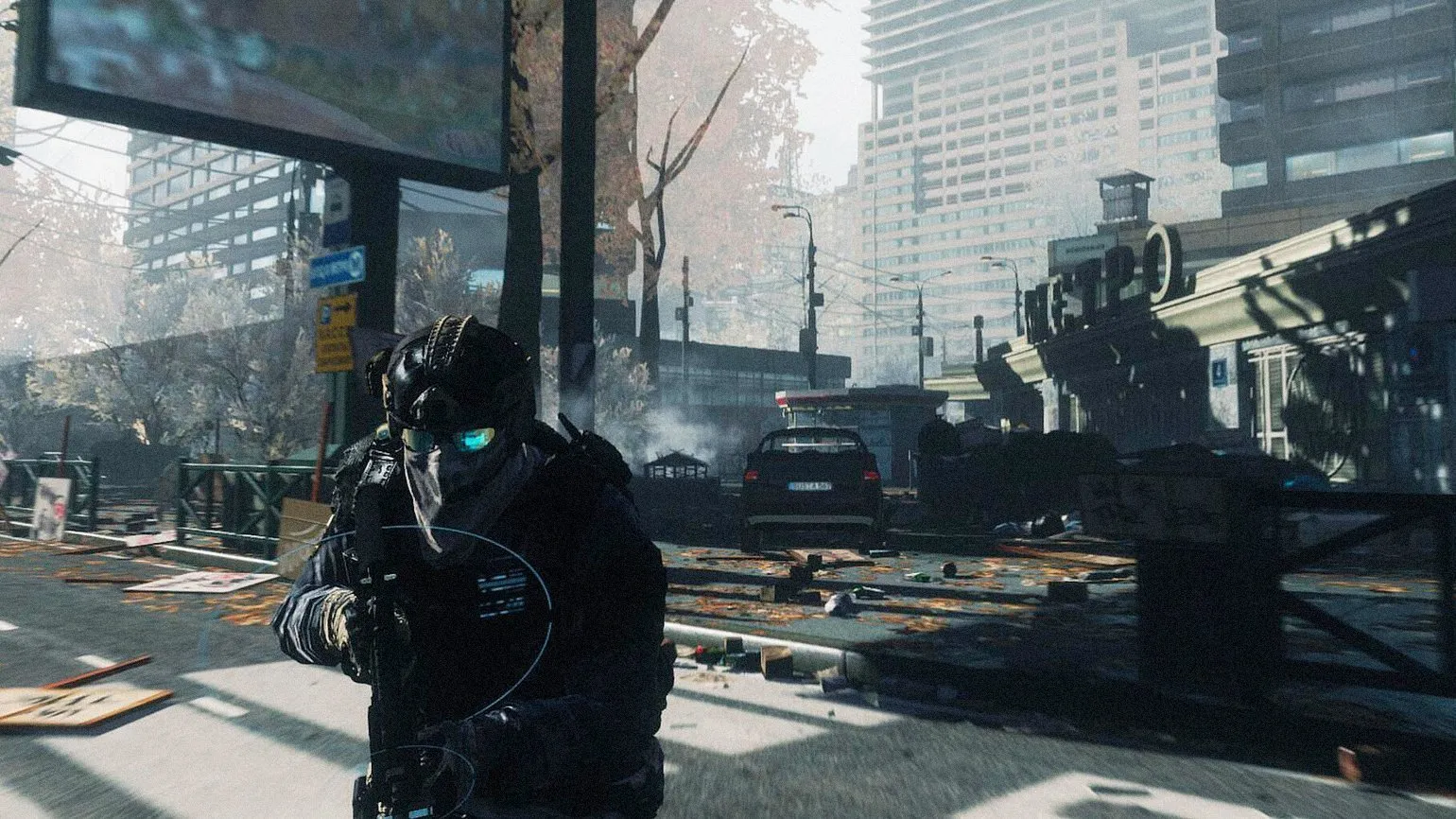
The first part of Tom Clancy's Ghost Ghost Recon tells the story of the restoration of the "old Soviet Empire" under the control of ultranationalists who unexpectedly seized power in Russia in 2008. The new Russian Democratic Union could not exist without large-scale tank operations unfolding in the Caucasus Mountains and Baltic forests. The game's story immerses players in realistic military conflicts, emphasizing the relevance of military strategy and tactics in modern warfare.
Events in the game's fictional universe have a significant impact on global geopolitics, and the story is presented to the player with a high degree of seriousness. The Ghost Recon series does not shy away from absurd narrative elements, creating a tense atmosphere of global conflict. In Tom Clancy's Ghost Recon: Future Soldier, released in 2012, players take part in battles on the streets of Moscow at night, initially on a mission to hunt a Russian intelligence agent.
In reviews of the first Ghost Recon, released in 2001, critics highlighted the high-quality soldier animations and their realistic behavior on the battlefield. The gameplay also received positive reviews, thanks to expanded command and tactical options that added depth to the game. Players noted the convenient and intuitive controls, which contributed to the positive reception of the game.
Ghost Recon has an average Metacritic score of 80. This score indicates high quality and positive reviews from players and critics. Ghost Recon attracts attention with its engaging gameplay, well-thought-out story, and diverse mechanics. A high Metacritic score confirms that the game is worth checking out for both genre fans and new players.
Rainbow Six: Siege's multiplayer is a prime example of a cartoonish approach to characters, unlike the more serious earlier Tom Clancy's titles. The character Tachanka, armed with an outdated machine gun and clad in Soviet-era armor, has become a true internet icon. His catchphrase, "LMG mounted and loaded," has become a meme and gained popularity among players. Other characters in this tactical shooter also make an impact, bringing elements of Soviet culture and humor into the gameplay. Rainbow Six: Siege continues to attract attention with its unique atmosphere and distinctive characters, making it one of the most talked about games in the world.
Today, the Tom Clancy's brand is represented by such games as Ghost Recon: Breakpoint, The Division, and Rainbow Six: Siege. These series continue to develop and evolve, while remaining true to their core principles, despite the influence of modern trends. Each of the games adheres to three key elements described earlier, which allows them to remain relevant and in demand in the market.
Who are you in the world of game development? A mini-course for those who want to make games.
In this free mini-course, you'll try your hand at being a game designer, 2D artist, or Unity game developer, and choose the profession that's right for you.
Find out more