Contents:

Course with employment: "The profession of a Methodologist from scratch to PRO"
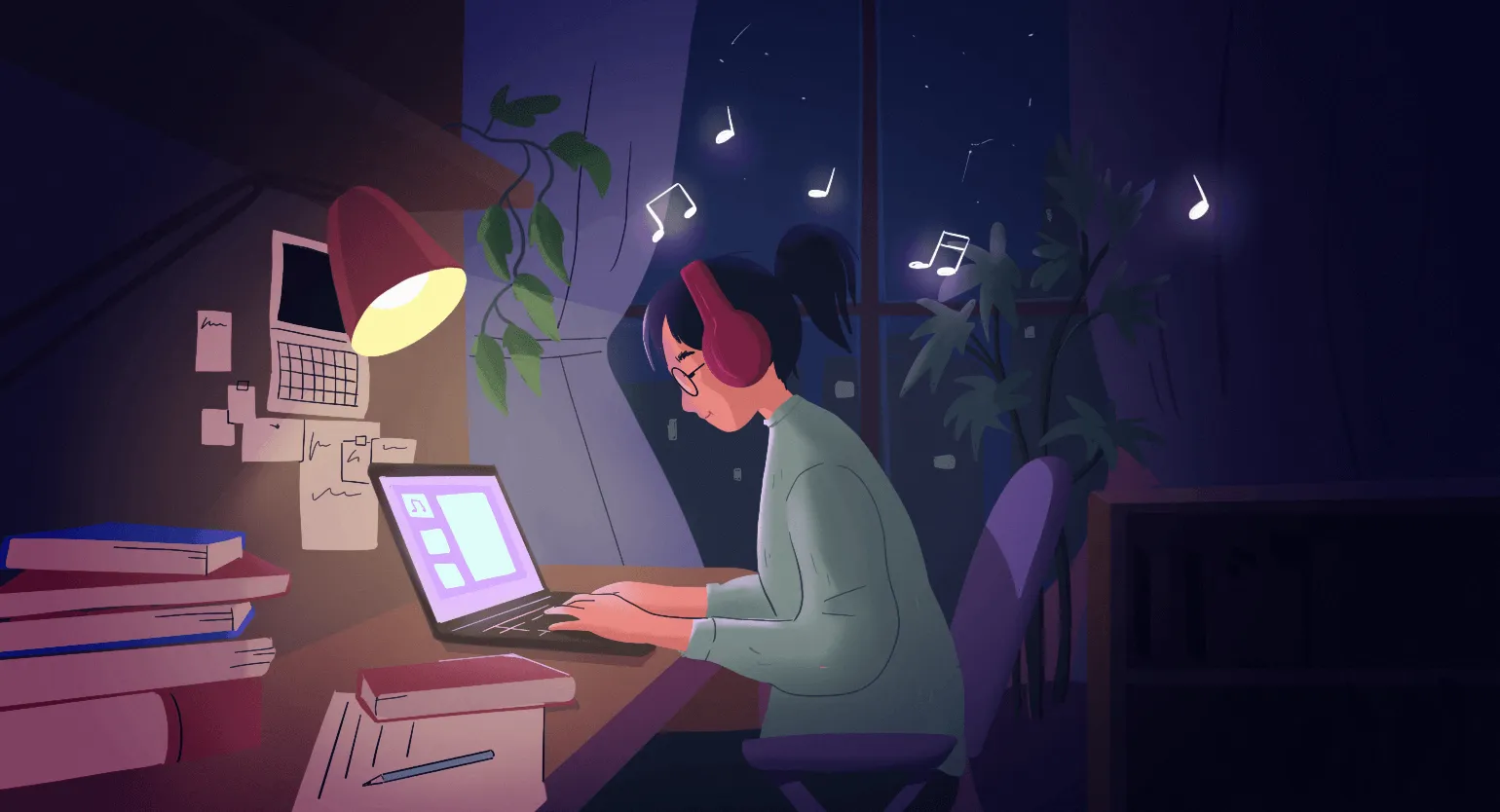
Find out moreResearch shows that music can have a significant impact on the learning process. Scientists are conducting experiments in educational settings to understand how musical accompaniment influences information comprehension. It's important to note that these experiments focus on situations where music isn't directly related to the educational material itself, but is used solely as a background element. While the use of music is rare in in-person classes, background music is becoming increasingly common in online courses. However, the question remains: how effective is it really?
We turned to professional methodologists and methodologists for help in solving our issues.
- how music helps enhance the effect of gamification and create the right atmosphere in the course;
- why background music is almost never used in slide courses (without a speaker), but is quite often used for homework;
- in which video lessons a soundtrack will harm, and in which it will help;
- what should those who want to include music in their courses consider.
How music is used in synchronous and asynchronous courses
Despite numerous scientific studies, to date there is no convincing evidence that background music directly contributes to improved learning. Nevertheless, Skillbox Media methodologists and methodologists, based on their experience, believe that background music can be a useful tool when used correctly. Its use is particularly effective in synchronous courses, where the instructor, moderator, or presenter can control the musical accompaniment in real time. In asynchronous courses, background music also has the potential to positively influence the learning process, opening up new possibilities for educational practices.
Background music is used for various purposes, including creating atmosphere, improving information comprehension, and enhancing the emotional engagement of the listener. It is often used in film, theater, and at events to enhance mood and immerse the listener in the context. In commercial settings, background music helps attract customer attention, improve user experience, and increase the time spent in a store or on a website. Furthermore, it can serve as a tool for improving concentration and productivity at work or study.
Music is one of the most effective tools for creating atmosphere in the educational process. The use of musical interruptions or intros allows for a smooth transition from one part of the lesson to another, filling a pause and preparing students for a new block of information. This is especially relevant for courses aimed at adults, where it is important to create a comfortable learning environment. Music helps students unwind from everyday worries and focus on the learning material, improving overall classroom productivity. Breaking habits is a key aspect of successful learning. Many educational courses and classes are held in the evening, when participants are already tired and looking for rest. In such circumstances, music becomes an excellent tool for relaxation and increasing motivation. Zhanna Petrosyan, methodologist and founder of the eLearning Simulator training center, and head of the Mafia methodological community and agency, emphasizes the importance of creating a comfortable atmosphere. She notes that before classes begin, classrooms often include not only music but also positive visuals, such as exotic natural landscapes or beach scenes. This helps participants prepare for learning and promotes more effective learning. Daria Tucha, co-founder of LXD hero and methodologist at Expedia Group, emphasizes the importance of music in setting the mood for educational course participants. She shares a case study from LXD Hero, where the "Neurohero of Education" course concept is themed around a space expedition. During the introductory meeting, participants are treated to excerpts from the "Interstellar" soundtrack, creating an atmosphere of flight and exploration, immersing students in a unique educational experience. Using music as a tool for tuning into a course promotes deeper engagement and understanding of the material, creating a truly unforgettable learning experience.

Background music is a great addition during breaks, especially in webinars and lessons longer than an hour. A musical break can be combined with dancing or physical exercise. Zhanna Petrosyan shares an example from her practice: during a webinar, she invites participants to turn on their cameras and demonstrate a dance move with their hands. One participant begins, calls out the name of the next, and so on. This approach is most effective when the audience is already familiar with each other and the atmosphere is conducive to active interaction. The use of music and movement helps relax participants, increase their engagement, and create a positive mood, which in turn promotes more productive learning and sharing.
Background music is actively used in classes, especially during assignments and group activities. This tool is ideal for courses that include elements of gamification and storytelling, as it significantly enhances their impact. Properly selected music creates an atmosphere conducive to concentration and engagement, which positively impacts material retention and overall learning effectiveness.
During group practical assignments in webinars or when reading longreads, I use background music that matches the setting and theme of gamification. Music effectively emphasizes the dynamics of the content block. For example, in computer games, during a "battle with the mafia," the music becomes more tense and epic, creating an atmosphere of danger. When the player takes a break, the music typically fades, which helps create contrast and enhances the experience. Using this approach not only improves information comprehension but also increases participant engagement.
The course uses smooth, meditative music for longreads. During practical assignments, especially those with time limits, the music becomes more intense, creating a "battle" atmosphere. This is explained by Elizaveta Lobanova, a game practitioner, author of the "Educational Gamedev" Telegram channel, and a teacher at the School of Education. This approach creates the necessary learning atmosphere and engages participants, which facilitates better absorption of the material.
To successfully select a soundtrack, it is necessary to focus on the target audience. Music that works well in the creative atmosphere of a workshop may not have the same impact in a serious training session for top managers. It is important to consider the context and mood of the event to create an appropriate audio background that will promote participant engagement and concentration. The right choice of music can significantly improve the perception of information and enhance the overall effectiveness of the event.
In asynchronous courses, music plays a crucial role in creating the right atmosphere. According to Katerina Golomshtok, an independent screenwriter and developer of e-learning courses, and the author of the Nova Academy Telegram channel, the use of music is especially relevant in courses designed as games or stories, where quest elements help engage participants. In contrast, Elizaveta Lobanova believes that music can also be effectively used in slide-based courses, but in limited quantities on individual slides. This helps enhance the impact of each specific slide and make learning more engaging and memorable. Proper use of musical accompaniment can significantly increase engagement and interest in the learning material, which is especially important in online education.
Experts do not recommend completely accompanying slide-based courses with music tracks. This is because background music can negatively impact students' cognitive load. When using slides, it is important to create optimal conditions for perceiving the information, and music can be distracting, reducing the effectiveness of learning. It is better to limit yourself to minimal musical accompaniment or use it at certain moments to maintain focus on the educational content.

Positive emotions do indeed promote learning and improve information retention, as evidenced by numerous studies. While using music in the educational process may seem justified, it is important to consider that background music increases cognitive load. When we perceive information on a slide, many elements enter our working memory: text, background, images, and, of course, music. This can distract from the main information and hinder the learning process. Therefore, when choosing appropriate teaching methods, it is worth carefully considering the impact of background music on information comprehension.
In Skillbox courses, music is not used in video lessons, but in case studies designed for course participants. This is reported by Marina Kharakhordina, Head of the Company's Methodology Department. This approach helps create a more immersive atmosphere and improves the comprehension of the training material.
Our programs include an important element - case studies, presented in both text and video formats. Case studies describe real-life situations and problems that specialists face in their professional activities. To enhance student interest and engagement in the case study process, we use musical accompaniment. However, the music is selected not by methodologists, but by video production specialists, which allows for the creation of higher-quality and more engaging content. Combining musical background with the speaker's oral explanation is undesirable, as it creates a double load on the auditory perception channel, which contradicts the theory of multimedia learning. However, methodologists offer interesting ideas that can serve as an exception to this rule. It is important to consider that the correct use of multimedia elements can enrich the educational process, improving information comprehension and increasing audience attention. Nevertheless, it is necessary to carefully consider how and when to use musical accompaniment so as not to distract listeners from the main content.
Marina Kharakhordina draws an interesting analogy with radio plays, noting that in the old radio program "Model for Assembly," books are read to a musical background. This may seem unusual at first, but over time, music contributes to a deeper understanding of the text. Applying this concept to educational courses reveals the potential of using music to enhance the comprehension of theory in audio format. This approach can significantly improve learning effectiveness, creating a more comfortable and memorable atmosphere for listeners.
Using music in scribing can significantly improve information comprehension. When a speaker (expert) shares their knowledge, music serves as a backdrop, emphasizing and complementing their voice and visual elements. Music without words is especially effective: light and unobtrusive, it creates an atmosphere conducive to better assimilation of the material. For example, scribing videos from "Explain with a Pencil" demonstrate how a harmonious combination of drawings, voice, and subtle music creates dynamic and engaging content that is easily absorbed by the audience. Using this approach in educational courses can increase learner interest and attention.
Audio intros and sound effects play a significant role in musical accompaniment, in both synchronous and asynchronous formats. Although they do not constitute a full-fledged musical background, elements such as intros and jingles perform an important function. They provide listeners with feedback, creating an atmosphere and maintaining interest in the content. Using audio intros can significantly enhance the quality of perception of the material and improve interaction with the audience.
Of course, I will help you with editing the text. Please provide the text itself that you want to change.
Music and sound accompaniment play an important role in improving the user experience (UX) in educational products. On the Skyeng platform, for example, when a user answers exercises correctly, they receive a sound that serves as instant feedback and positive reinforcement. This approach not only increases student engagement but also promotes better retention of the material. The appropriate use of sound effects and music can significantly enhance learning, making the process more interactive and enjoyable for the user.
Soundtracks should be carefully selected to avoid distracting students or causing irritation. It is important to inform students about the presence of sound effects in advance to avoid surprises and ensure a comfortable learning environment.
Why music should be added to a course with caution
Background music can serve as an auxiliary tool, but it is not the primary learning tool. Therefore, it is inappropriate to include it in an educational course without justification. Each element of a course should have a clear purpose and facilitate effective learning.
Marina Kharakhordina argues that there is no research confirming the impact of background music on learning outcomes. The primary focus of learning, especially if the course is not music-related, should be on constructive coherence. If educational outcomes cannot be achieved through the current teaching strategies and cannot be verified, background music will not solve the problem.
It is important to understand that the same musical composition can evoke different emotions and associations in different people. Perception of music depends on personal experience, cultural background, and even the listener's mood. This diversity of interpretations makes music a unique art form, capable of uniting people despite their differences. Music has the ability to touch deep feelings and evoke memories, which emphasizes its universality and versatility.
Many people prefer listening to music while working, as it helps set the right mood and focus on tasks. However, everyone's musical preferences vary: some prefer energetic tracks, others prefer calmer melodies, some listen to hard rock, and others prefer pop. It's important to consider each person's individual needs to ensure music truly promotes productivity and focus.
The duration of the "soundtrack" in an educational course is significant. Daria Tucha emphasizes that constant musical accompaniment can have negative consequences. Course participants may become accustomed to the background sound, rendering the intended emotional effects ineffective. At the same time, constant distracting sound can be irritating to learners. Therefore, it's important to carefully consider the musical accompaniment so that it enhances learning rather than detracts from the learning process.
What to Consider When Incorporating Music into Your Course
Here are some helpful tips for those who haven't yet tried integrating music into their courses but are considering it. Using music can significantly improve student comprehension and engagement. Start by choosing a suitable piece of music that matches the course topic and creates the right mood. It's important to remember that music should support, not distract from, the learning process. Experiment with background tracks that will help create an atmosphere conducive to concentration and retention. Also, consider using musical exercises or game elements to make classes more interactive. Be mindful of legal considerations and choose music that can be used without copyright infringement. Gradually introduce musical elements into your lessons, monitor student reactions, and adjust your approach based on their preferences.
- Think about the purposes for which you are using music in advance.
Musical insertions can serve various purposes, such as concentration, engagement, changing focus, or creating a certain atmosphere. The main thing is that they contribute to the achievement of educational outcomes. However, it is important to keep in mind that having a playlist alone is not sufficient to motivate students to learn. It is important to integrate music into the learning process so that it plays a supporting role, increasing student interest and activity. The right approach to music selection can significantly enhance the learning experience and help achieve educational goals.
- Survey your target audience.
During the research stage, it is important to determine the musical preferences of the target audience to avoid a negative reaction instead of the expected effect. It is necessary to study the course participants in more detail to understand the appropriateness of musical insertions in the content. This will allow you to create more engaging and relevant material that will appeal to your audience's interests and improve the overall course experience.
- Alert your course participants that it includes audio.
Firstly, this ensures that they are not exposed to unexpected audio, which could cause discomfort. Secondly, given the varied environments in which classes are held, sounds can be distracting to those around the student. If the presence of sound is known in advance, everyone can prepare: turn off the speakers or use headphones, thereby creating a comfortable atmosphere for all participants in the process.

Katerina Golomshtok emphasizes the importance of informing participants in advance what they are about to hear. Sounds are often unexpected and evoke a reaction that differs from what was originally planned. Proper preparation helps create a comfortable atmosphere and set the right mood for participants.
- Add the ability for users to quickly turn off music and control the volume.
Background music can both facilitate and distract from the learning process. It is important that each student has the opportunity to decide for themselves whether to turn on music during class. Music controls should be intuitive, convenient, and easily accessible on the screen. This will create a comfortable learning environment and improve the effectiveness of material absorption.
Using background music in course content blocks requires students to be able to turn it on or off. Some participants prefer to study in silence or to their own playlist. Providing students with choice is essential to creating a comfortable learning environment, which facilitates more effective learning. Elizaveta Lobanova emphasizes the importance of this practice in the educational process. Zhanna Petrosyan shares her experience with team learning and facilitation in webinar rooms. These spaces create a comfortable environment where participants can relax and enjoy the music, while also allowing everyone to focus on their tasks without the music disturbing others. This approach promotes effective learning and group interaction. Choose music without lyrics. Music used in the course should be instrumental. Lyrics in songs can be distracting and reduce participants' concentration and engagement. Elizaveta Lobanova supports this opinion, emphasizing the importance of choosing the right music to create an effective learning environment. Instrumental music promotes better perception of information and helps to focus on the learning process.
Read also:
- Unusual practice: op-op, gangnam style, or How K-pop is changing education
- How Taylor Swift became person of the year... in education
- How to quickly and affordably introduce gamification into learning
- 13 synchronous activities for asynchronous online courses