
Contents:
- Who participated in the survey
- Did the market notice changes in 2023?
- How the LMS market is structured today?
- Has there been import substitution in video conferencing services?
- Have neural networks flourished in corporate training?
- Who develops educational content for Russian companies?
- Have companies started buying more courses from EdTech platforms?
- How is the effectiveness of training demonstrated to businesses?
- How Corporate training costs have changed in 2023
Who participated in the survey
The study was conducted using two data collection methods. In May 2023, a survey was conducted among 11,000 members of the Digital Learning community. In addition, an anonymous survey was conducted among Equio clients engaged in online employee training. As a result, 350 companies participated in the study, which ensures the reliability and representativeness of the results.
As a result, a fairly diverse group of respondents was formed.
- 18.7% e-course developers;
- 18.1% HRD;
- 17.5% heads of training departments or corporate universities;
- 17% methodologists (methodologists).
The sample included administrators of distance learning systems, trainers, recruiters, development managers, as well as specialists in the field of training and development (T&D and L&D).
Has the market noticed changes in 2023?
The researchers asked themselves the question: has the "block of tasks" of specialists in the field of corporate training changed over the past year? Most survey participants noted that changes had indeed occurred, although their scale was insignificant.
According to the survey results, 12% of participants believe that their tasks have undergone dramatic changes over the past year. At the same time, almost a third of respondents did not notice any changes in their tasks.
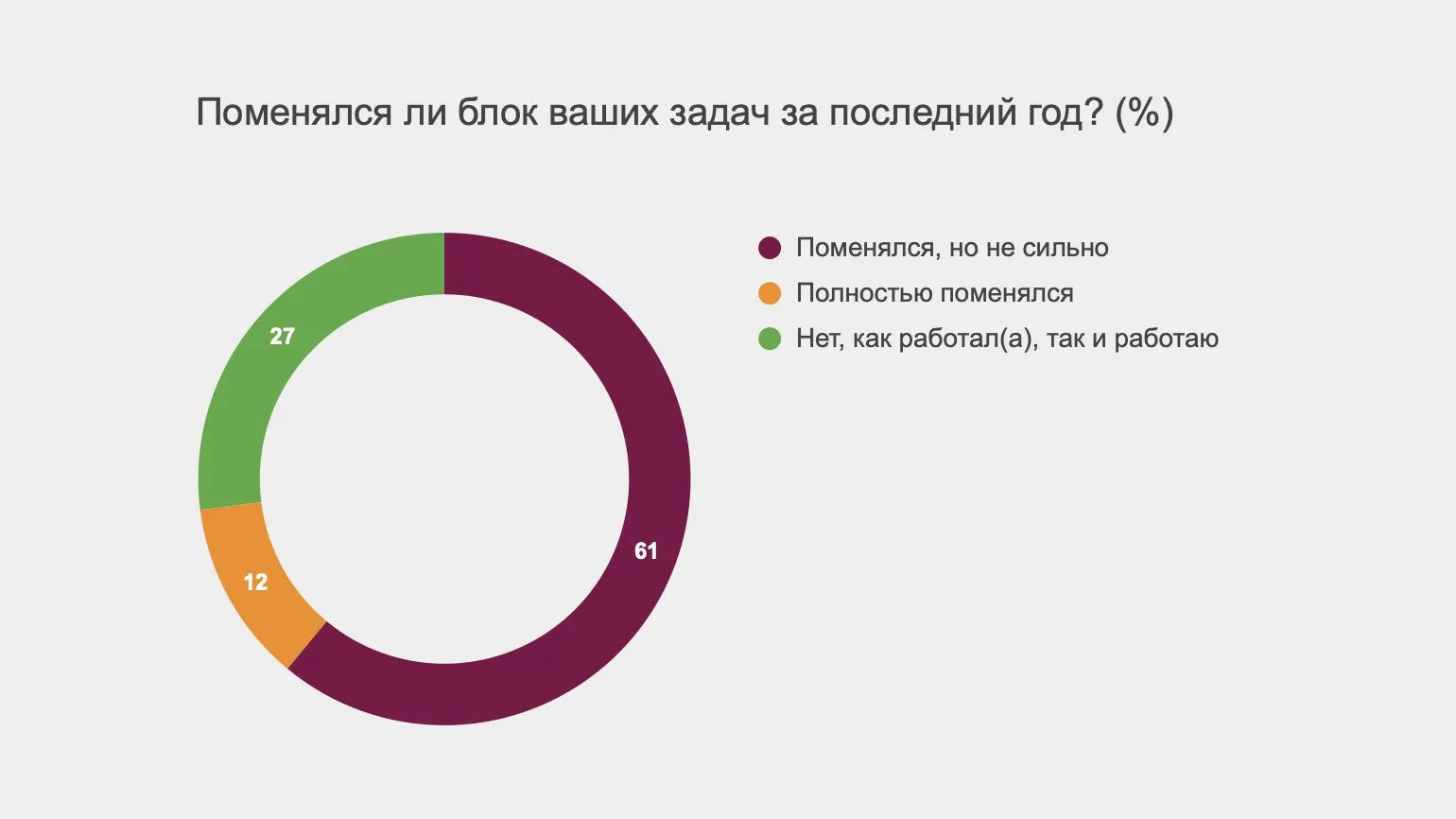
Alexey Vagin noted that current indicators differ significantly from last year's results. In 2022, the share of employees for whom nothing changed in their work was 51%. He attributed this increase to the fact that the changes that began last year have now affected the majority of employees. This demonstrates the dynamics of transformations in the work environment and their impact on professional activities.
Respondents were surveyed about changes in employee training, adaptation, and development processes. About 70% of study participants noted some changes. However, the majority believe these changes are not as significant compared to those that occurred during the pandemic.
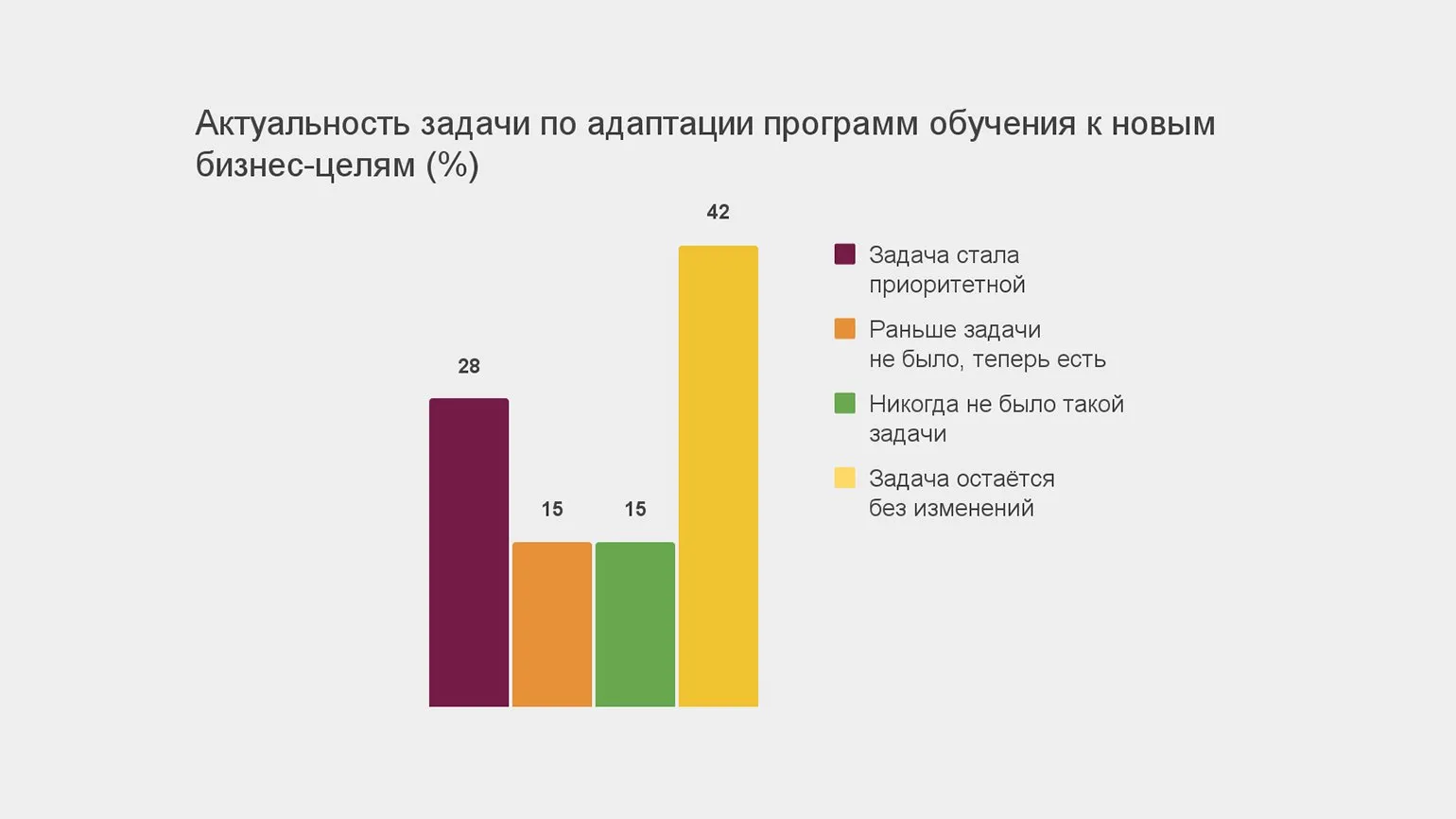
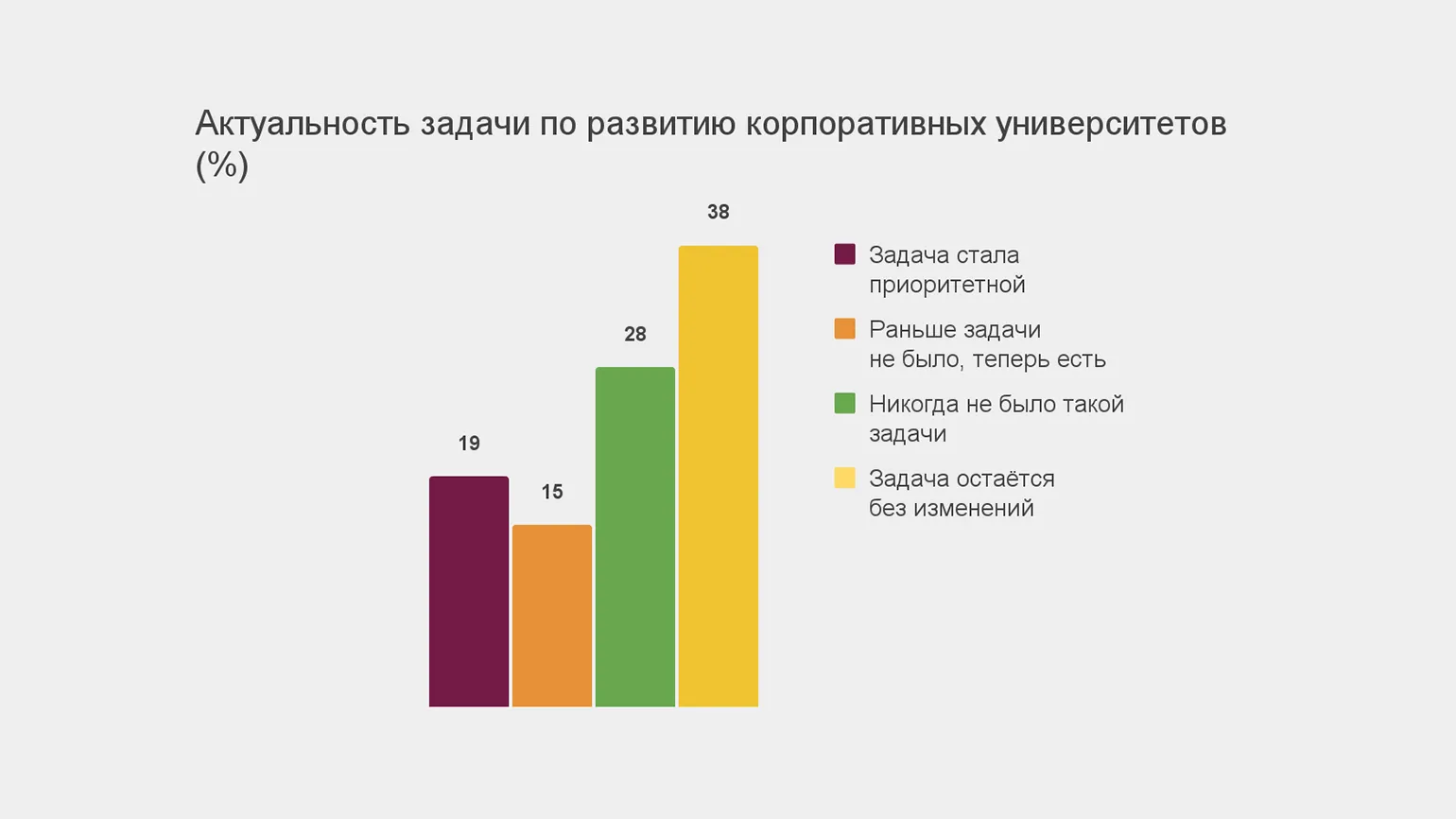
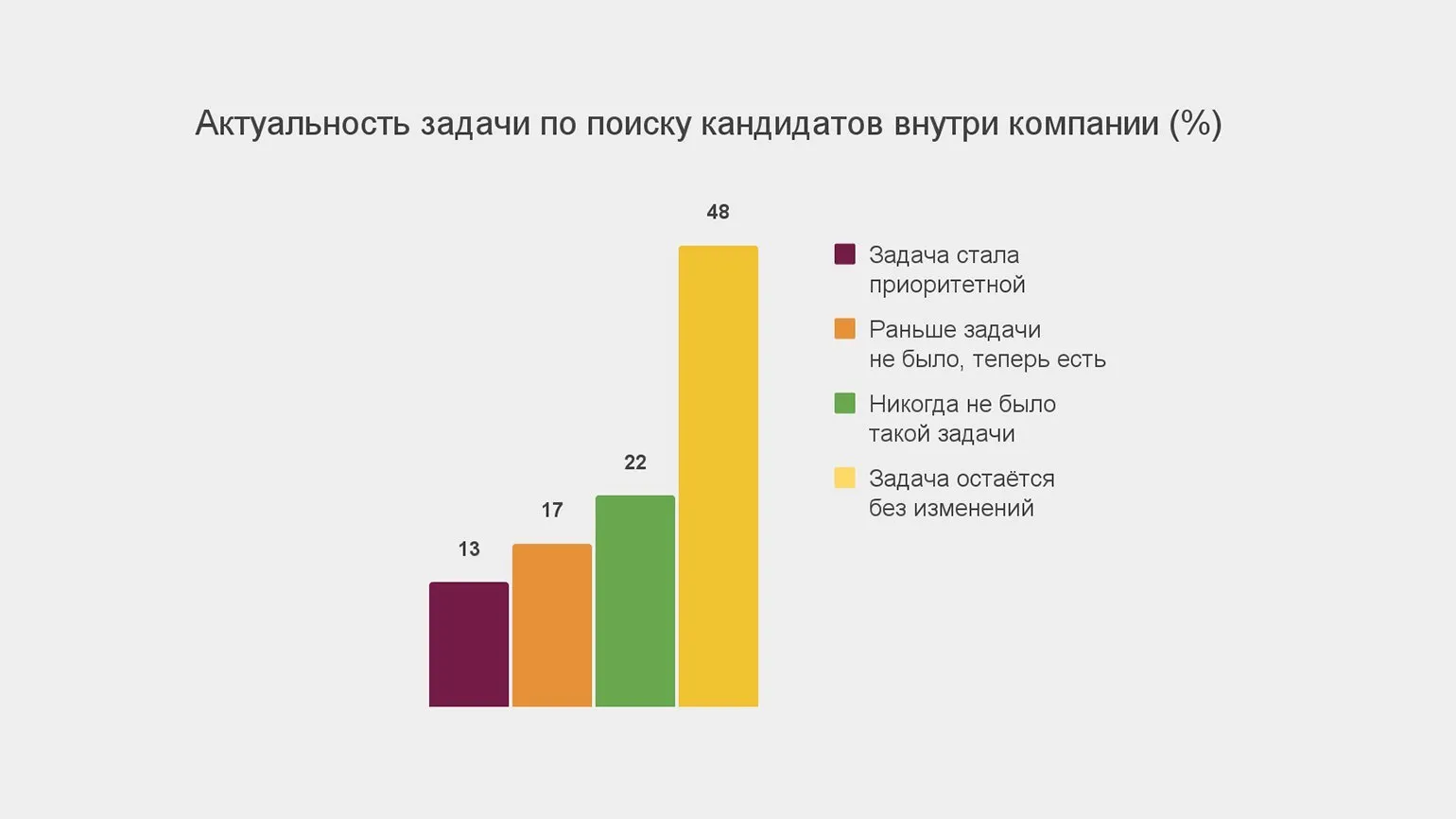
The researchers identified four sets of tasks and asked survey participants to rate their importance for companies. The results were largely as expected. Adapting training programs to new business goals was the top priority over the past year, followed by the development of corporate universities. These aspects play a key role in improving business efficiency and meeting modern market requirements.
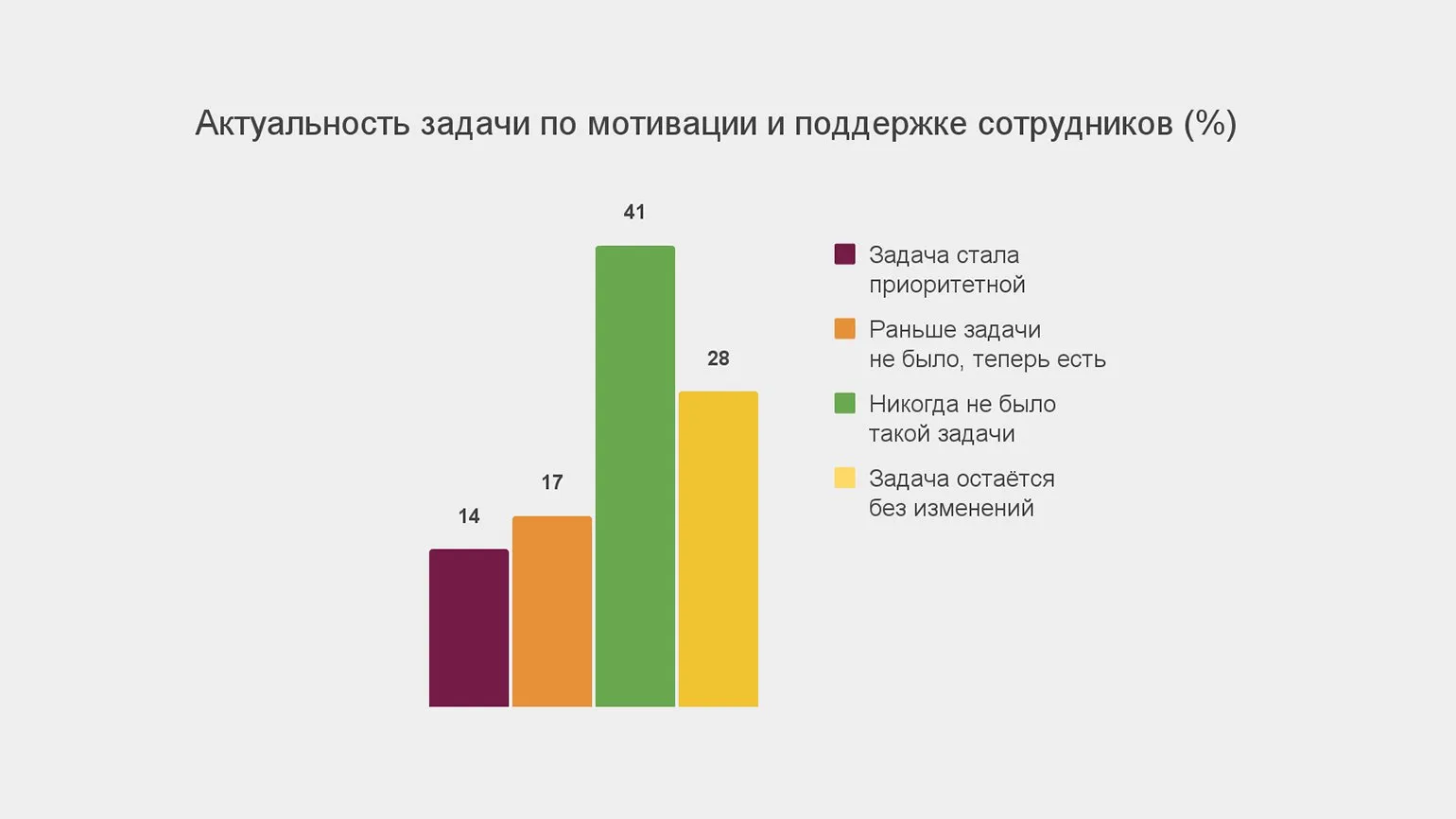
The survey revealed that 41% of participants had never encountered issues of motivation and support employees. This indicates a lack of awareness of the importance of these aspects in HR management. Employee motivation and support play a key role in increasing their productivity and job satisfaction. Understanding these processes can significantly improve the atmosphere in the team and contribute to the achievement of business goals.
How the LMS market is structured today
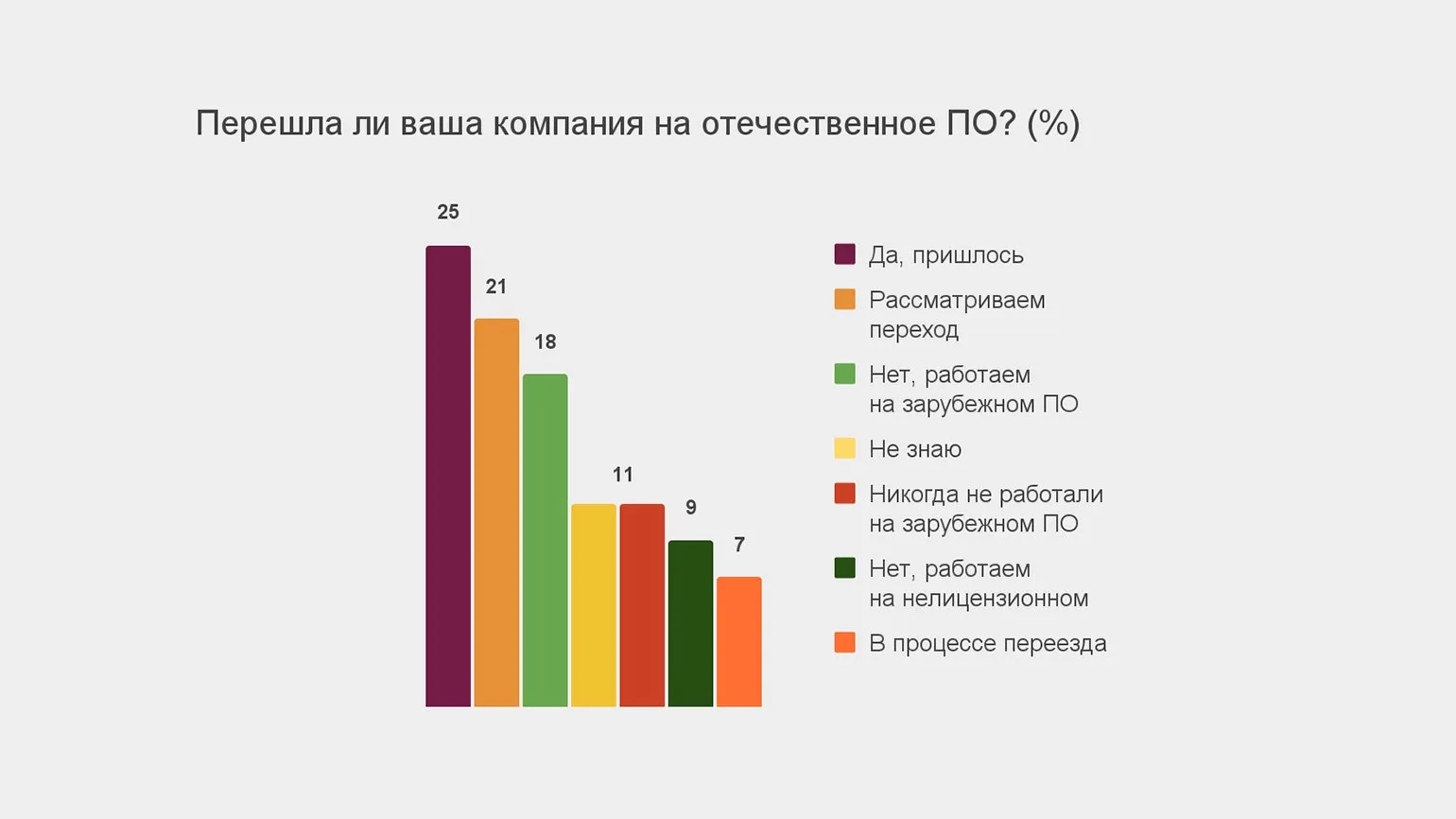
In In 2022, import substitution became a key issue, as many foreign services began cutting off Russian users. About 28% of respondents continued to use foreign software, both licensed and unlicensed. However, most users still faced the need to change services. Of these, 25% have already completed the transition to alternative solutions, 21% are in the process of considering them, and 7% are restructuring their current processes.
According to the survey results, participants express expectations of flexibility from distance learning platforms. They want to be able to adapt the system to their individual needs. This requirement has become relevant amid the increasing volume of tasks and changes in business processes, notes Alexey Vagin. Evolving technologies and user needs highlight the importance of customizing educational platforms, which facilitates more effective learning and increases productivity.
Advanced analytics, which allows for assessing the effectiveness of training, ranks second. User-friendly interface and accessibility from any device rank third.
Alexey Vagin noted that security ranked last in the expectations ranking, which is contrary to Equio's practice. This observation underscores the importance of emphasizing security in modern business strategies.
Our experience shows that discussing security issues is becoming an important stage in communication with representatives of medium and large businesses. Although not all audiences are aware of this issue, most clients ask questions about compliance with various security standards during the first contact. Many companies faced DDoS attacks and other challenging situations last year, highlighting the need to pay attention to data protection and security.
The market is already demonstrating growing interest in multifunctional training systems. As Alexey Vagin noted, there is an increase in demand for platforms that not only allow for course assignment and learning management but also provide opportunities for communication, user-generated content creation, and social media management. Such systems meet modern user requirements, offering interactive and engaging learning formats.

Reading books is not only a form of entertainment but also an important element of personal growth. Books help develop imagination, broaden horizons, and improve critical thinking skills. Reading also helps improve vocabulary and grammar. In today's information-rich world, the ability to analyze and interpret what you read is especially valuable.
To get the most out of your reading, choose a variety of genres and authors. This will enrich your experience and open up new perspectives. Regular reading can also be a great way to relieve stress and improve overall well-being. It's important to set aside time for reading and make it a habit.
Invest in your library—buy books or use e-resources. Don't forget to share your reading experiences with friends and acquaintances. This will not only deepen your knowledge but also help spark interesting discussions.
Reading books is a path to new knowledge and personal development. Start reading today and discover a world of endless possibilities.
Josh Bersin shared information about the next generation of corporate learning platforms. In recent years, the corporate training industry has seen significant transformation, driven by the introduction of innovative technologies and changing approaches to employee training. New platforms offer more flexible and adaptive solutions, enabling companies to effectively develop their employees' skills. These systems emphasize personalized learning, providing access to a variety of resources and materials, which contributes to increased training effectiveness and employee engagement. Thus, organizations are able not only to improve the skills of their employees but also to adapt to rapidly changing market conditions. Respondents cited user retention and motivation as the primary goal of learning management systems (LMS), with 34% of survey participants stating this. However, experts emphasize that relying solely on platform functionality for this purpose is inappropriate. The effectiveness of an LMS depends not only on its capabilities but also on its approaches to training and user interaction.
Pavel Bezyaev noted that there is a common misconception in the education sector: many hope that learning management systems (LMS) will help them compete for attention with platforms like Netflix and increase motivation to learn using external tools. However, according to the expert, the reality is somewhat different. Student motivation and engagement are complex issues, and the impact of learning services on them is very limited. Achieving real results requires deeper and more diverse approaches to training.
Survey participants also identified important goals associated with the use of learning platforms. They strive to create customized learning paths for both individual employees and entire departments. Furthermore, identifying "growth points"—gaps in the knowledge and skills of specific employees—is becoming a pressing task. This highlights the growing trend towards a personalized approach to learning, which continues to gain popularity.

Read also:
Personalization of education is the process of adapting the educational process to the individual needs and characteristics of each student. This is an approach that takes into account students' different learning styles, interests, and levels of preparation, creating a more effective educational environment. Personalized education can include the use of technologies such as online courses and adaptive learning platforms that help each learner move at their own pace and receive the support they need. This approach promotes deeper learning, increases student motivation, and helps them achieve better results. Given modern educational standards, personalization is becoming an important tool for improving the quality of education and developing critical thinking in students.
Has there been import substitution in video conferencing services?
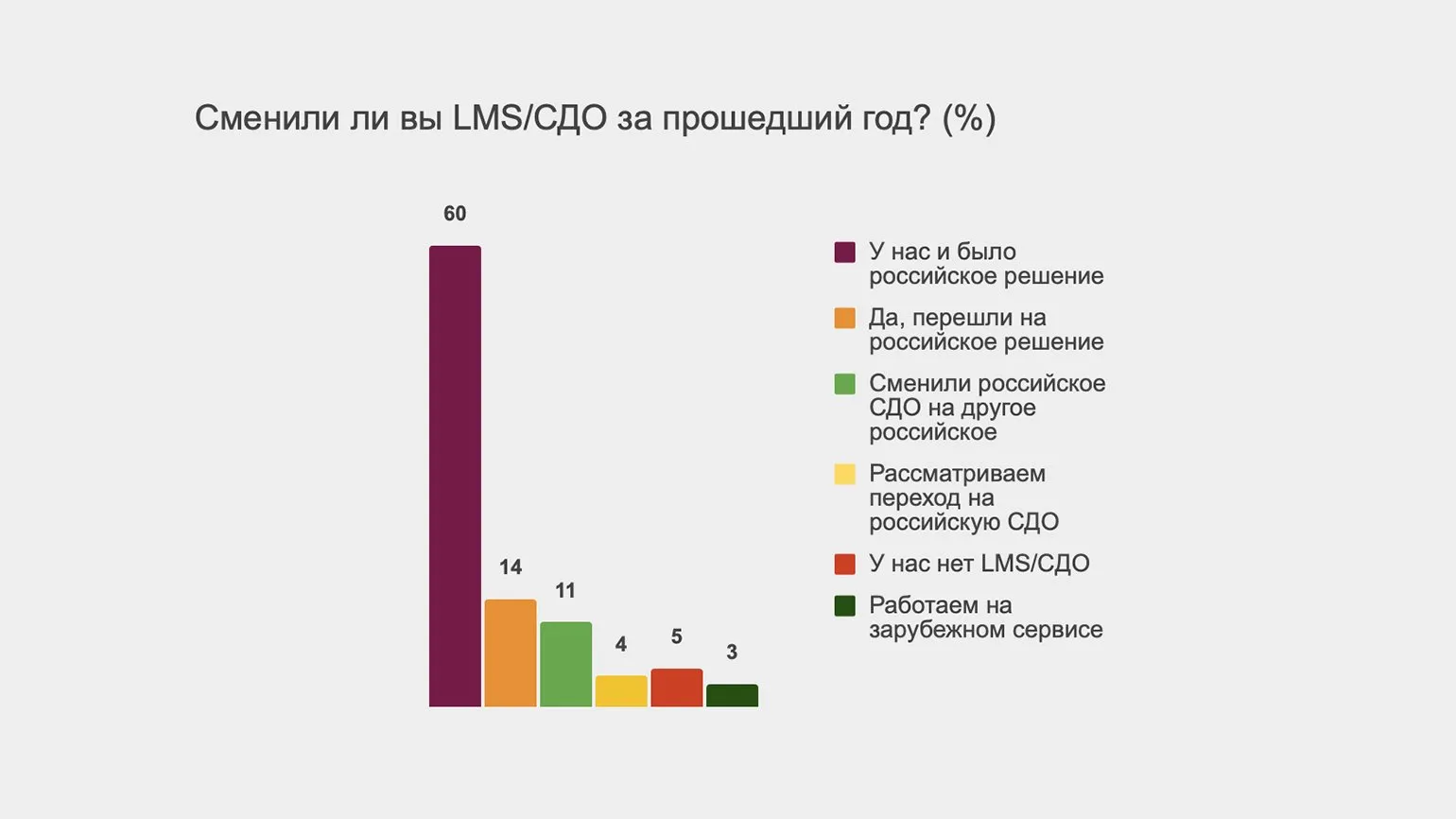
The situation in the educational platform market has generally stabilized, and most users are satisfied. However, certain difficulties have arisen with additional services, which has required the market to adapt and change.
Among the popular video conferencing services, according to last year's survey, Zoom remained the leader, used by 65% of respondents. However, in 2023, the situation changed dramatically: Zoom's user base dropped almost by half, to 33%. The Russian service Webinar.ru is experiencing growing popularity; although it currently holds only 18% of the market, it has demonstrated significant growth compared to 2022, when it was chosen by only 5% of respondents. These changes highlight the dynamics of the video conferencing market and the growing competition among platforms.
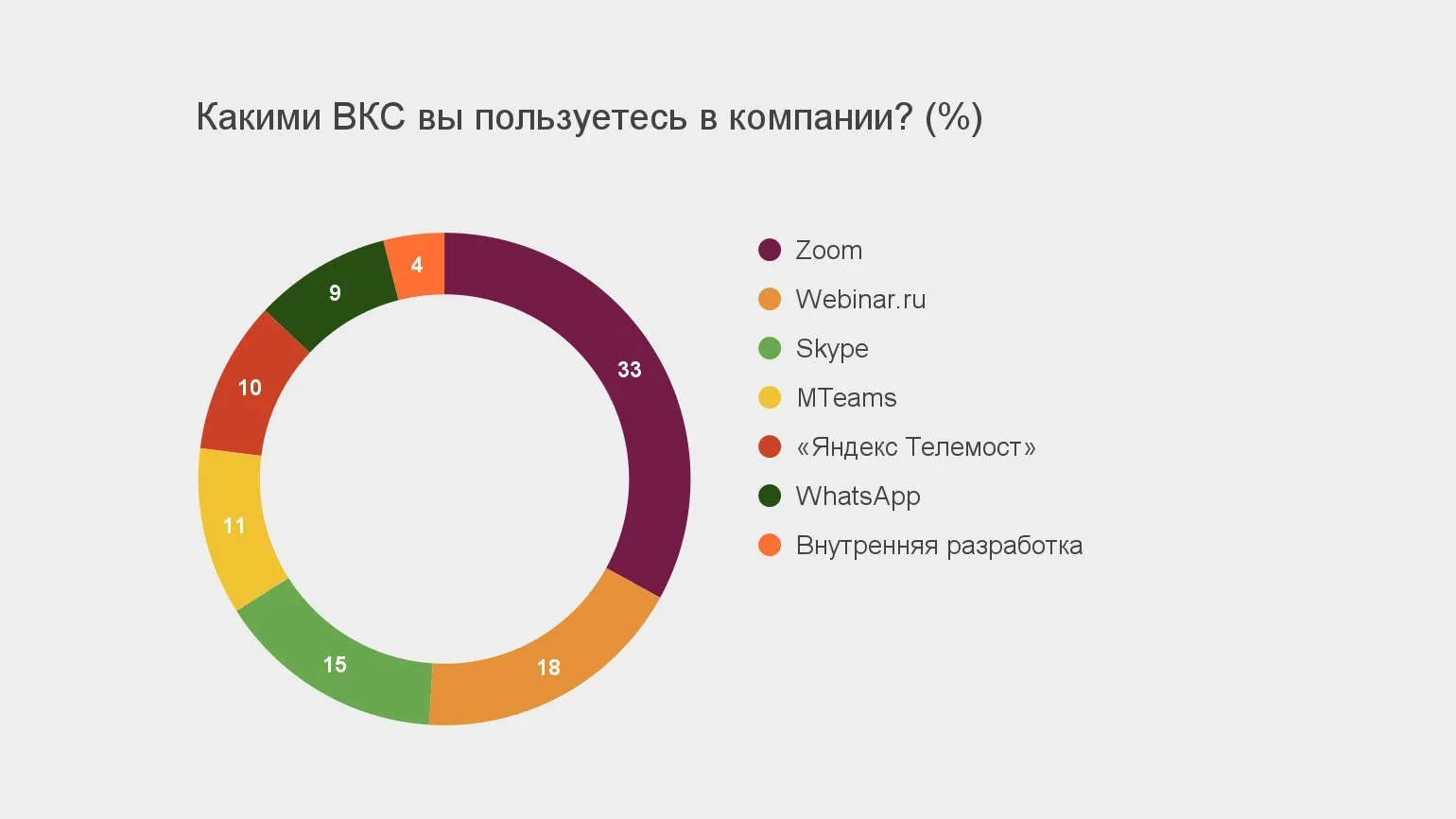
Global solutions continue to dominate the market. The reasons for this are obvious: they have become familiar to users, are widely used, and were used for personal needs even before the pandemic. However, change is still underway. Domestic services are gradually conquering the market, offering alternatives and adapting to user needs. Pavel Bezyaev noted that despite the stability of global solutions, competition from local developers is intensifying, opening up new opportunities for consumers and businesses.
Have neural networks begun to flourish in corporate training?
Researchers have analyzed the attitude of Russian companies toward artificial intelligence. Experts abroad express the opinion that in the coming years, corporate training will become one of the most significant areas for the application of AI. However, there is also a more cautious view of this trend. It is important to understand how exactly Russian companies perceive the opportunities and challenges associated with the introduction of artificial intelligence technologies in employee training.
According to the survey results, the Russian market is not yet threatened by the "takeover" artificial intelligence.
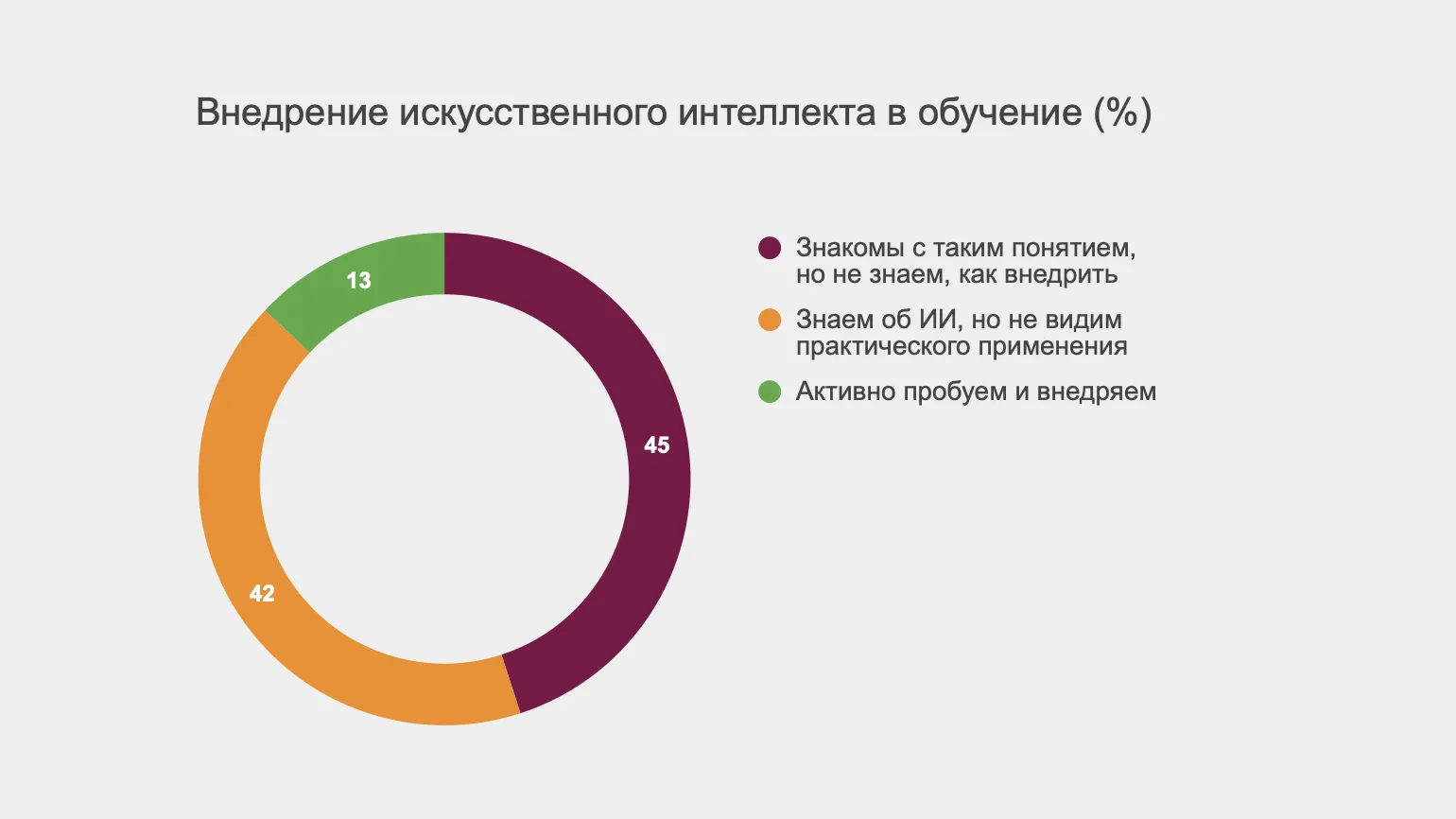
At the moment, only 13% of the study participants reported on the practical application of artificial intelligence. The most common use of AI is content creation using neural networks. This trend indicates a growing interest in automating processes in content marketing and production. Using AI to generate texts and other types of content can significantly improve work efficiency and reduce time costs for specialists in various fields.

Read also:
Modern companies are increasingly turning to artificial intelligence (AI) to improve the effectiveness of corporate training. There are several ways to integrate AI into employee training, improving retention and optimizing time.
First, AI can be used to personalize training programs, tailoring them to the individual needs of each employee. This allows for a more accurate consideration of knowledge levels and preferences, significantly increasing training effectiveness.
Second, AI-powered chatbots can provide employees with instant answers to questions about training material. This creates an accessible and interactive environment where employees can receive assistance at any time.
Third, AI can analyze training data, identifying weaknesses and recommendations for improvement. This analysis allows courses and training methods to be adapted to achieve better results.
Finally, AI-powered virtual and augmented reality technologies can be a powerful tool for creating immersive learning environments. This allows employees to practice skills in a safe environment, which promotes deeper learning.
The use of AI in corporate training is already opening new horizons for employee development and skills enhancement, which, in turn, contributes to the successful growth of the company.
Who develops educational content for Russian companies?
In 2023, Russian companies continue to follow the nationwide trend, which Alexey Vagin called anti-global, focusing their efforts on developing their own educational content. This approach not only allows educational materials to be adapted to specific market needs but also contributes to the creation of an independent educational environment in the country. The development of unique educational content also opens up new opportunities for improving the quality of education and training specialists, which in turn strengthens the position of Russian companies in the global economy.
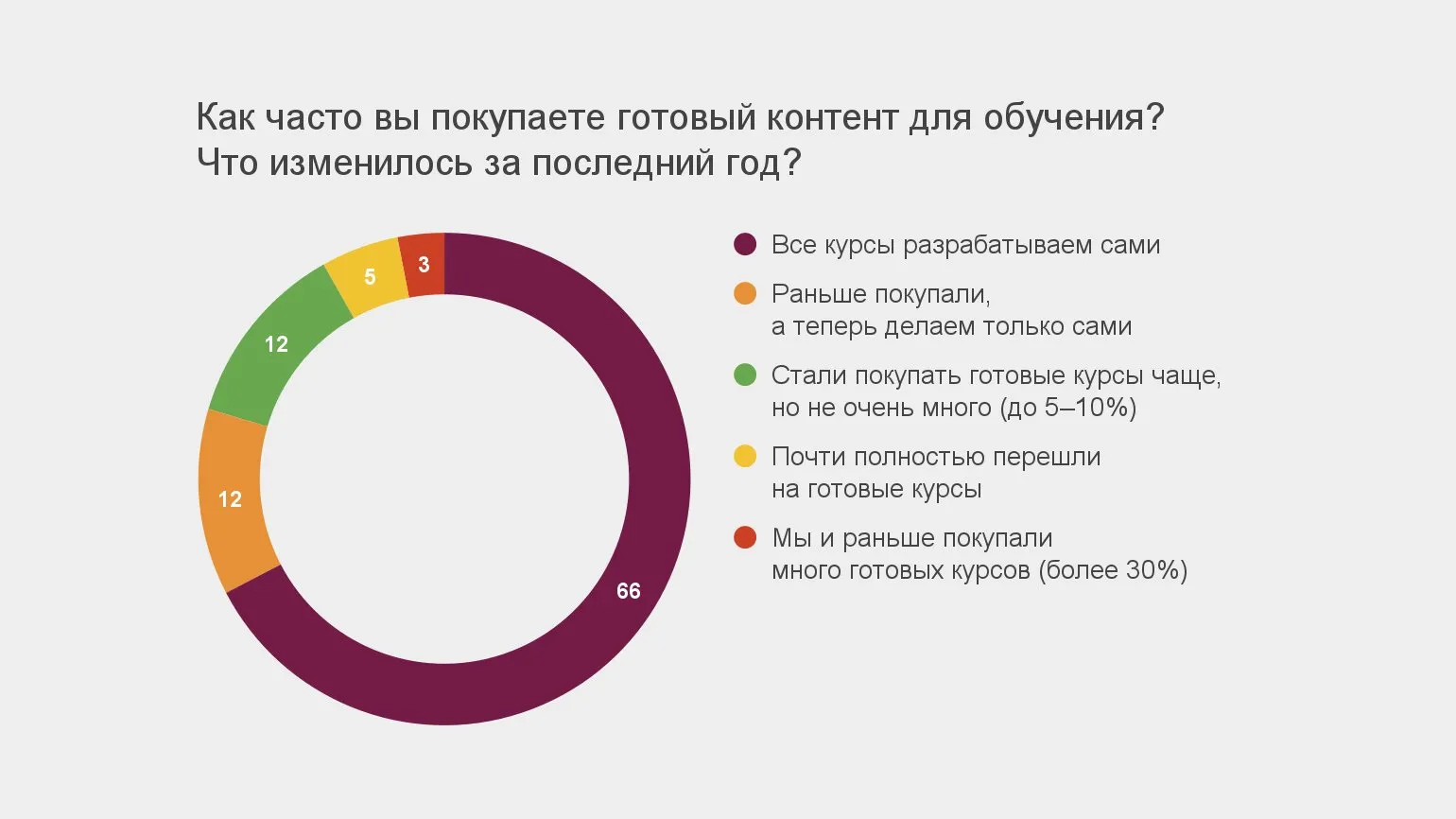
According to the survey results, 66% of companies have changed their course procurement strategy. 12% of organizations that previously invested in training decided to abandon this practice this year. At the same time, a similar number of respondents reported an increased interest in purchasing ready-made courses.
Pavel Bezyaev noted that there is a strong belief in the effectiveness and benefits of developing internal courses. This opinion is shared by Alexey Vagin, who spoke about the situation at Equio. Despite the fact that Equio offers its clients courses from third-party partners, revenue from their purchases has not increased over the year. This indicates that the demand for external educational content remains stable and does not show growth.
Experts unanimously agree that it is more practical to direct internal resources to creating specialized programs that cannot be found from third-party providers than to develop yet another time management course. This approach not only optimizes costs but also ensures the uniqueness of the solutions offered. Focusing on highly specialized programs fosters a deeper understanding of the target audience's needs and enhances a company's competitiveness.
Have companies started purchasing more courses from EdTech platforms?
Last year, survey participants did not demonstrate a systematic approach to working with online schools, noted Pavel Bezyaev at the presentation of the results. In 2023, the situation changed: 5% of respondents indicated ongoing interaction with EdTech platforms, and another 14% began actively integrating them into their educational programs. These changes indicate a growing interest in modern technologies in education and their importance for improving the quality of education.
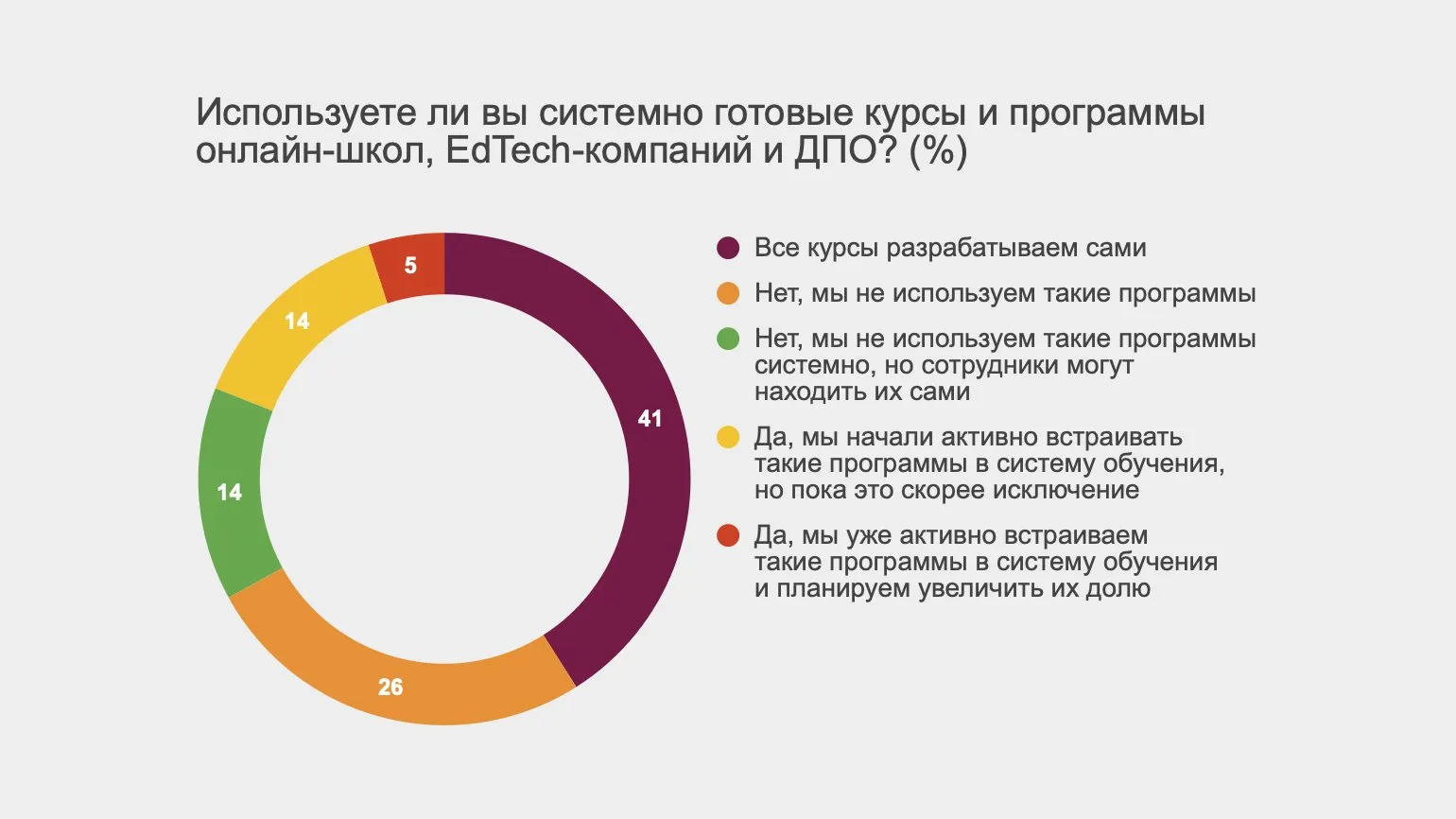
Pavel Bezyaev noted the growing interest of corporate training in the EdTech market, which, although still limited, is explained by the actions of EdTech companies themselves. Online course providers have begun actively developing the B2B segment in response to declining sales to individuals. This strategy allows them to adapt their offerings and meet business needs, making EdTech more attractive to the corporate sector.
Alexey Vagin noted that large EdTech companies have begun to refocus, opening sales departments focused on corporate clients. He reported that Equio has already received proposals for integration, the creation of a course marketplace on its platform, and the unification of analytical data. However, the expert emphasizes that it is still unclear whether this will be in demand in the market.
Although the authors of the 2023 study did not emphasize this, it is important to note that the share of companies systematically using online school courses for corporate training remains small. An analysis of responses to two survey questions reveals that a significant number of organizations, between 67% and 78%, still do not use third-party content for employee training. Only 20% to 33% of companies purchase and use ready-made educational programs, although not systematically. This suggests that the integration of digital content into corporate training still requires active development and wider dissemination. Comparing the current data with last year's survey results is impractical, as the wording of the questions was different. However, some conclusions can be drawn. In 2022, 31% of respondents indicated purchasing third-party content, while 43% reported using online schools as a training tool. This may indicate that the share of external digital content use this year has likely decreased compared to last year.
A recent study by iSpring Academy confirmed that most companies prefer to develop their own corporate online training content. This demonstrates organizations' desire to create unique and customized materials that meet their specific needs and training objectives. Independent content development allows companies to take into account the individual characteristics of their employees and specific aspects of the industry, which, in turn, contributes to more effective training and professional development of personnel.

Read also:
Corporate universities are cautious in collaborating with EdTech companies are attracted to these technologies for several reasons. First, many seek to retain control over the learning process and are unwilling to transfer this responsibility to external partners. Second, there is concern that the technologies may not align with the specific needs of the company or the cultural characteristics of its employees. It's also worth noting that integrating new technologies requires significant time and financial investment, which may be a deterrent to some organizations.
Furthermore, corporate universities often face a lack of information about the benefits and opportunities of EdTech. This may be due to a lack of experience in using digital learning solutions and staff development. Many companies prefer to develop proven internal programs rather than experiment with new approaches.
However, in a rapidly changing market and changing employee needs, corporate universities must rethink their learning strategies. Collaborating with EdTech may be the key to creating more flexible and adaptive programs that meet modern requirements. Using technology in training can significantly improve its effectiveness and make the process more interactive and engaging for employees.
How training effectiveness is demonstrated to businesses
In 2023, business performance metrics will become a key challenge in corporate training. Experts and researchers agree that the real benefits of courses and programs are still not properly measured, and companies do not realize their significance. The results of the latest survey confirm this trend: less than half of respondents connect training with business metrics, highlighting the need for a clearer assessment of the impact of educational initiatives on business results.
This year, analytics results leave much to be desired. We need significant progress to clearly demonstrate the work of learning and development (T&D) specialists and their impact on business and key performance indicators. This was emphasized by Alexey Vagin, emphasizing the importance of analysis in the context of improving team performance and achieving business goals.
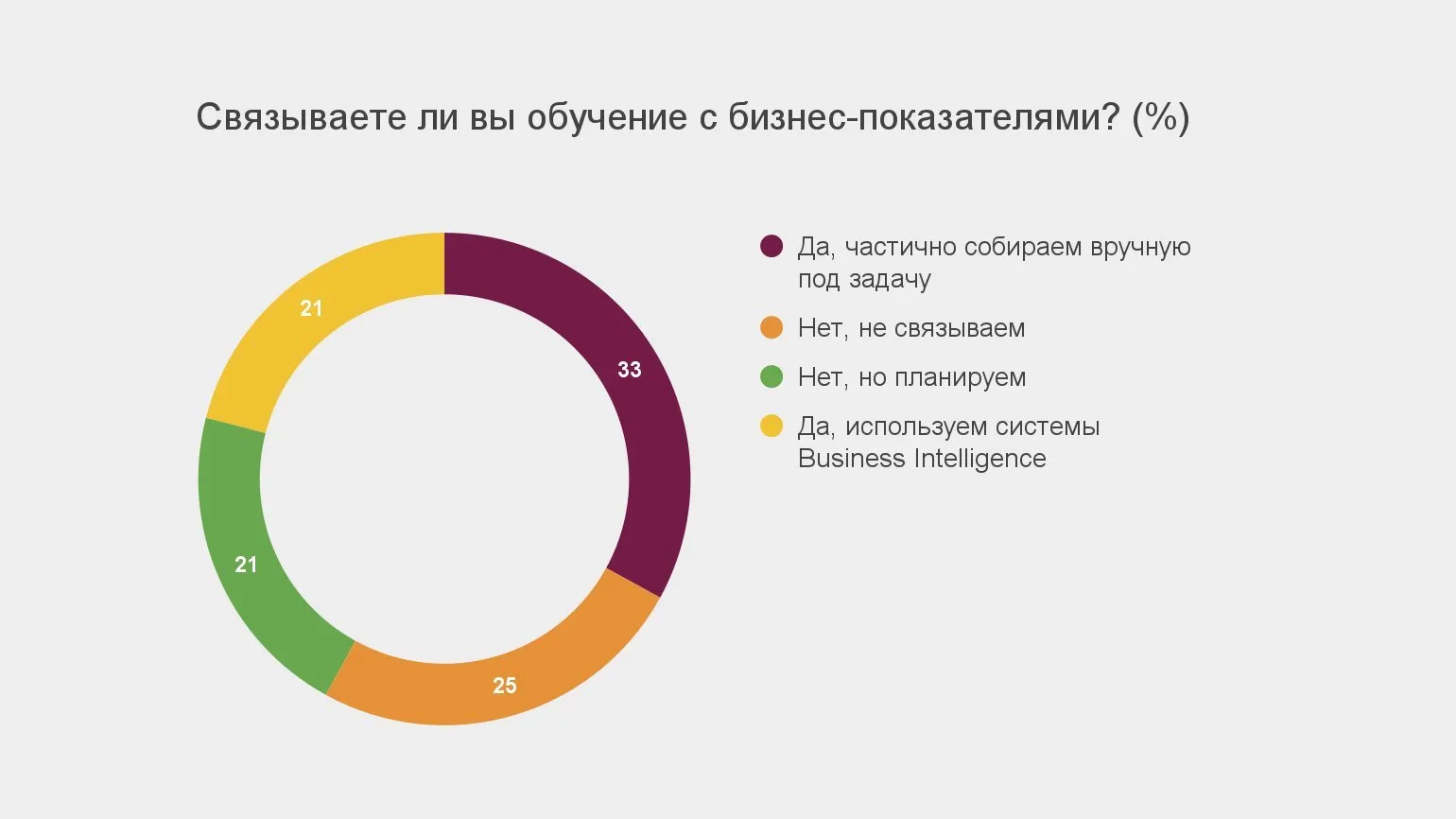
Demand for analytics continues to grow, according to 39% of respondents. However, 66% of respondents are forced to process data themselves, and only 19% have access to specialized systems for this.
Training is most often assessed by several key metrics. First place goes to progress in completing mandatory training or onboarding programs. Second place goes to detailed test analytics and identifying knowledge gaps. Third place goes to changes in learning levels based on test results. Despite the importance of these metrics, they are still far from business results, and some experts are calling for a more objective approach to assessing training effectiveness. It is important to take into account that for a full assessment it is necessary to use an integrated approach that includes both quantitative and qualitative indicators.

Read also:
Measuring the effectiveness of training in business: expert opinions
One of the key tasks for companies is to evaluate The effectiveness of employee training programs. Experts in HR and training offer several approaches and methods that help businesses understand how training contributes to achieving their goals.
The first step in measuring effectiveness is defining clear training objectives. This could be improving employee skills, improving productivity, or introducing new technologies. Establishing specific metrics will help in further analyzing the results.
The use of quantitative and qualitative evaluation methods also plays an important role. Quantitative methods can include tests, surveys, and performance analysis before and after training. Qualitative methods, such as interviews and focus groups, provide a deeper understanding of employee perceptions of training.
Experts also emphasize the importance of regular monitoring and evaluation. Ongoing feedback from training participants and their managers will help identify weaknesses and make necessary adjustments to the program.
Furthermore, it is important to consider long-term results. Effective training should not only improve knowledge and skills, but also contribute to the development of corporate culture and employee engagement.
In conclusion, measuring training effectiveness is a complex process that requires clear goal setting, a variety of evaluation methods, and ongoing analysis of results. This approach will allow businesses not only to improve training programs but also to achieve higher results in their operations.
How corporate training costs have changed in 2023
Last year, businesses seemed to have stagnated, and budgets for 2022 events did not have a significant impact. However, in 2023, there is a trend towards spending reduction. This is confirmed by the results of a survey conducted by Equio and the Digital Learning community. Budget cuts may indicate the need for more efficient resource management and adaptation to changing market conditions.
According to the survey, a third of companies have significantly reduced their employee training budgets. This led to a reduction in funding for external training and the purchase of courses from providers. Furthermore, this impacted training departments as follows: 10% of respondents from companies where funding was reduced reported cutting costs by not hiring new employees. This underscores the importance of adequately funding training programs to maintain competitiveness and develop talent within organizations.
According to the survey, 63% of respondents noted that their financial situation regarding training had not changed. However, 5% of participants reported an increase in training costs. The main expenses are directed towards courses aimed at developing soft skills, external educational programs, and upgrading the qualifications of employees in their departments.
Also study:
- How Russian companies train employees online and how much they spend on it in 2023
- Labor market and personnel training: World Economic Forum forecast until 2027
- 9 best digital solutions for corporate training according to EdTech Awards
- Companies' plans for spending on employee training in 2023 have been announced