
Contents:
Previously, the role of a good manager was defined quite simply: this is a person who develops strategic decisions, distributes tasks and monitors their implementation, praises successful employees and criticizes Those who fail to cope. This approach was reminiscent of the classical school, where an authoritarian management style dominated: "I speak—you listen and follow through." However, in modern companies with horizontal structures and diverse cross-functional teams, the demands on managers have changed significantly. Today, a successful manager must be able to motivate employees so that they engage in work processes not by command, but of their own free will, offer their ideas, and accept responsibility. This already resembles a coaching approach. Is it possible to teach this skill?
Gazprom Neft, a corporation known for its scale and large number of executives, has developed a unique approach to developing management skills. The program's creators shared details with Skillbox Media about how it functions and the methods they use to improve managerial effectiveness. The program is aimed at developing leadership skills and strategic thinking, which in turn contributes to successful management and company growth in today's marketplace.
Background: Why the Need for the Program Arose
Evgenia Igolnikova, Head of Strategic Competency Development at Gazprom Neft, and Denis Fedotov, Head of Personnel Quality and Educational Development at the company, noted the need to create a new program for managers. This program must meet several key requirements, including relevance of content, alignment with modern business requirements, and development of leadership skills. The main goal is to train highly qualified specialists capable of effectively managing teams and making strategic decisions in a rapidly changing market.
- integrated seamlessly into the daily lives and work processes of managers and their subordinates;
- enabled them to develop leadership skills immediately in practice;
- taught leaders to manage in the context of new organizational structures, including horizontal ones;
- gave managers room for self-expression, experimentation, and the use of new tools;
- was available in a digital environment so that training could be conveniently integrated into their personal schedule.
Managers have been trained before, but the new program is based on several key motives. The company has undergone changes in its leadership model, and there was a need to develop managers in line with internal values and principles. We strive to train them through solving real problems and participating in company processes, which helps avoid a common problem: after training, an employee does not know how to apply the acquired knowledge in practice. The new program is aimed at integrating training into everyday activities, thereby ensuring more effective acquisition of skills and their application at work.
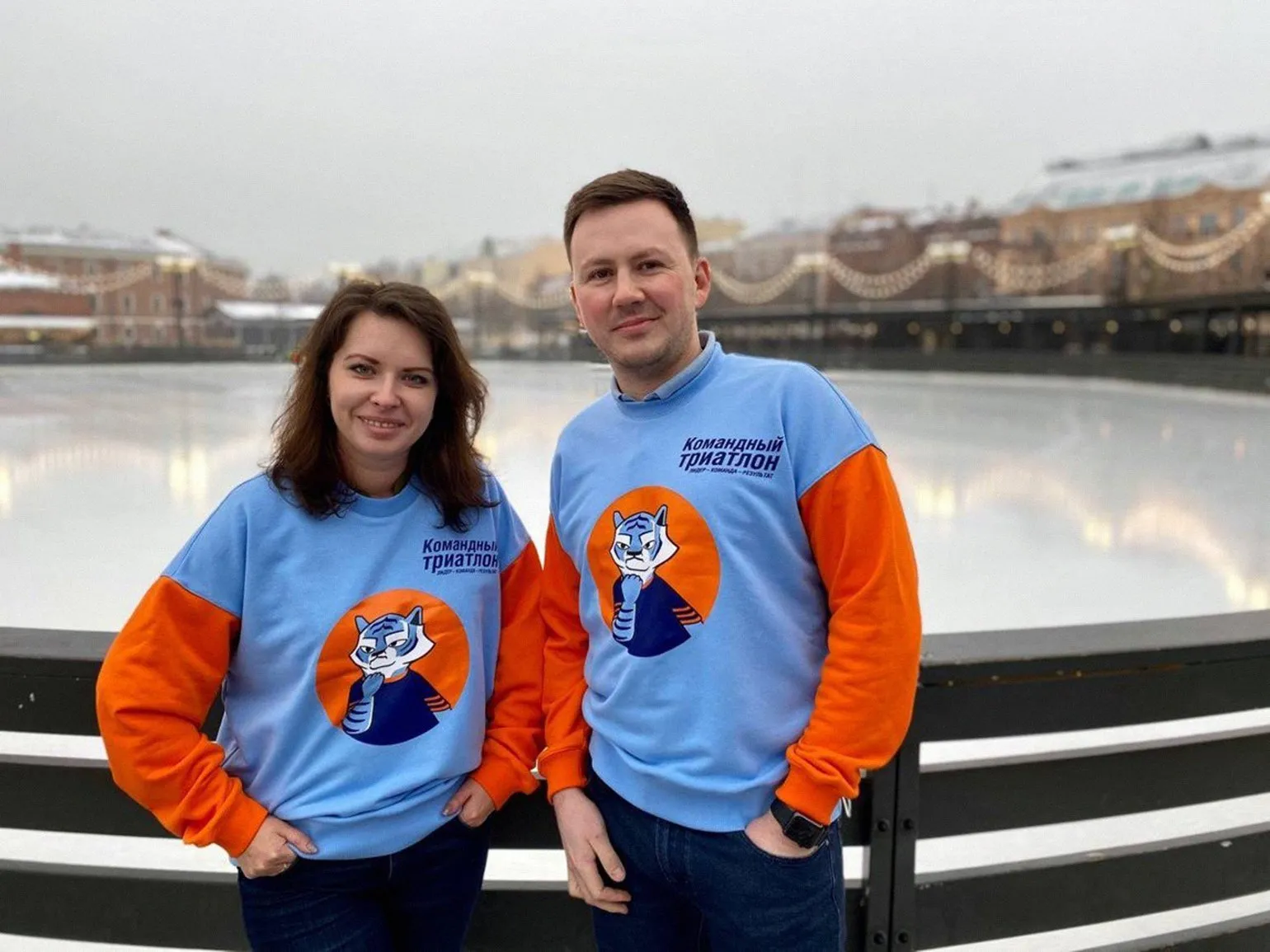
The "Team Triathlon" program was created using a sports metaphor in its name, emphasizing team spirit and mutual support. This concept emphasizes the importance of cooperation and joint efforts to achieve a common goal, making the program particularly relevant in today's world.
Sport illustrates the key principles of a successful program, notes Evgeniya Igolnikova. To successfully complete a triathlon, it is necessary to train regularly, step by step approaching your goal. The same applies to the development of management skills. Constantly applying new knowledge over seven months can lead to significant results. Participants are emphasized that their true competition is with themselves—a challenge that requires perseverance. Overcoming the first distance is easier, while the second and third require more effort and persistence. It's important to understand that difficulties along the way to a goal are a normal part of the process, and persistence helps overcome them.
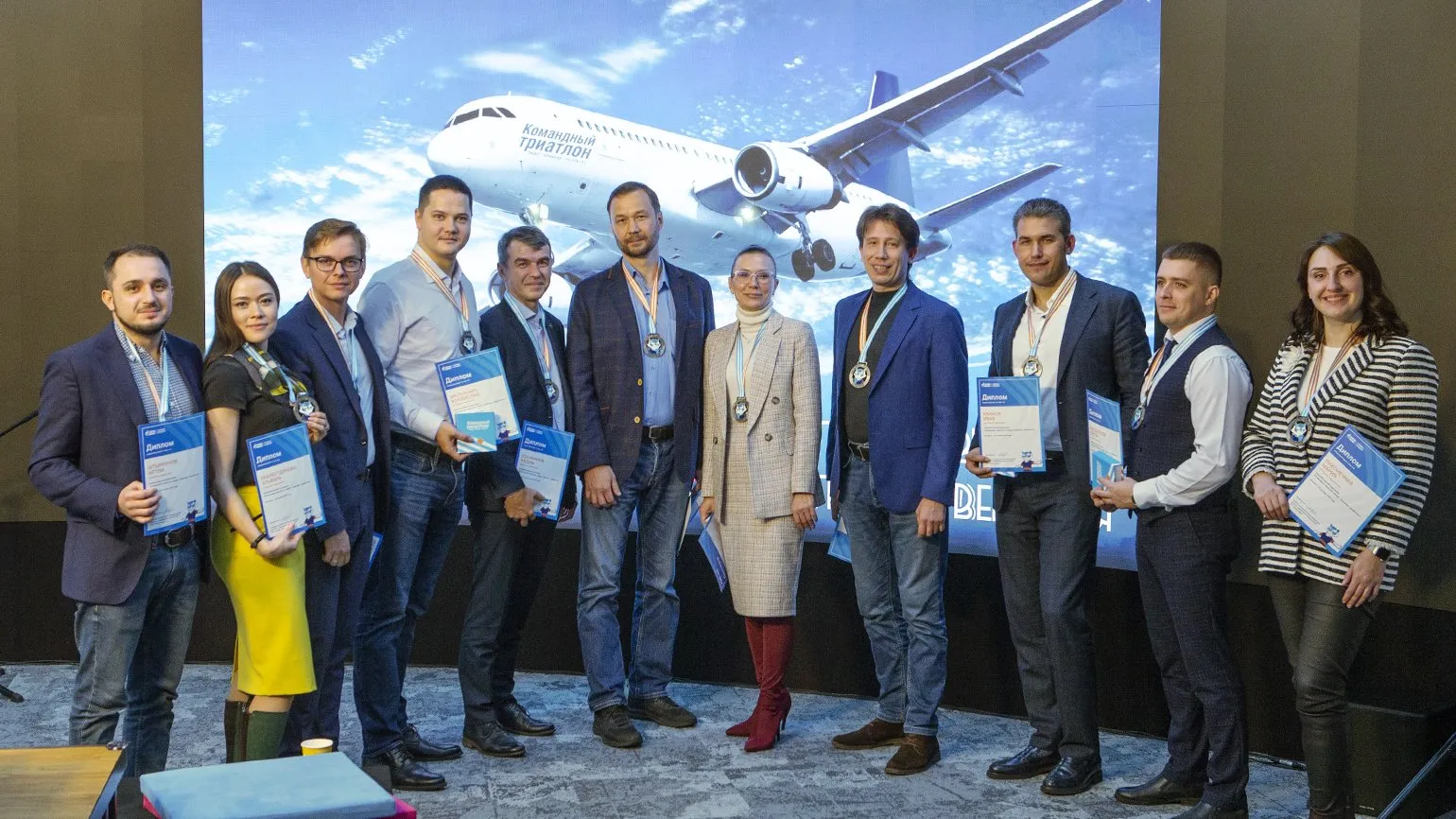
The association with the world of sport is evident in the use of the term "checkpoint" to refer to control points. At the finish line, participants receive real medals, emphasizing the competitive spirit. The sporting theme is also present in the merchandise, which includes sport-related attributes, creating a unique atmosphere of competition and achievement.
Real sporting activities were gradually introduced into the program, although this was not initially planned. In addition to business goals, teams began setting sports training goals using the special Stayfitt app. Participants receive consultations from professional athletes and also participate in competitions between teams. All teams are united by a common goal: to accumulate enough activity to circumnavigate the Earth's equator. This shared goal encourages participants to mobilize and collaborate to achieve results.
The program, with its athletic title, brings people together in teams, creating an excellent opportunity for additional activity. Denis Fedotov notes that participants began exercising as a result of this initiative. The idea proved successful and has become an important addition to the "Team Triathlon," filling a gap. Participants enjoy participating in the program. One graduate shared that thanks to the program, he now goes to the pool at 5 a.m. and then heads to the office feeling refreshed and energetic. This gives him strength for the entire day.
While the athletic component is a key aspect of the program, the primary focus will be on developing business leadership within the team. We emphasize how effective leadership influences team dynamics and contributes to the achievement of shared goals. The program offers unique tools and techniques that help develop leadership skills in participants, which in turn improves teamwork and increases productivity.
How the Team Triathlon program works
The project is focused on developing an innovative solution aimed at optimizing business processes and increasing company efficiency. We strive to create a product that is not only easy to use but also adaptable to changing market conditions. Our focus is on integrating modern technologies and tools to ensure the fastest and highest quality execution of tasks. Our team is actively working to offer users unique features that will help them achieve their goals and improve their performance. The project is aimed at creating value for clients and partners, which will contribute to long-term cooperation and success in the market.
A workshop on developing leadership skills in collaboration with a team. This course is aimed at improving management skills, increasing the effectiveness of teamwork, and developing strategic thinking. Participants will gain the opportunity to master new leadership approaches, improve team communication, and learn how to effectively solve emerging problems. The workshop includes theoretical materials, practical exercises, and case studies, allowing participants to apply their acquired knowledge in practice. Develop your management skills and reach new heights with your team.
Defining the target audience for your product or service is key to successful marketing. Understanding who your product is intended for allows you to effectively tailor advertising campaigns, improve customer engagement, and increase satisfaction. Knowing your target audience allows you to more accurately formulate messages, tailor content, and offer solutions that specifically meet the needs and interests of your customers. This not only leads to increased sales but also fosters loyalty. It is important to consider the demographic, psychographic, and behavioral characteristics of your audience for maximum effectiveness.
This program is designed for middle and senior management. It is not aimed at entry-level managers who need to develop basic skills. The program focuses on experienced professionals and integrates all the key leadership skills necessary for effective management and achieving business goals. A goal represents the primary direction toward which an individual or organization strives. It serves as a guideline for achieving results and helps focus efforts on specific tasks. A well-formulated goal contributes to increased motivation and performance. When setting a goal, it is important to consider its measurability, achievability, and timeframe. This allows not only for better action planning but also for assessing progress toward achieving the intended results. Ultimately, a clear and meaningful goal is a key factor in success in any field.
Developing engaging leadership lies in a manager's ability to build an effective team. This approach involves not simply delegating tasks but actively engaging participants in the process, allowing them to generate ideas and propose solutions. Engaging leadership fosters an atmosphere of trust and collaboration, which increases employee motivation and improves team performance. An effective leader not only manages but also inspires their subordinates, which leads to greater achievement and innovation within the organization.
Duration is an important aspect that influences the perception and effectiveness of various processes and activities. In the context of planning, whether events, training sessions, or projects, correctly assessing duration allows for the optimization of time and resources. Given the specifics of each case, it is important to accurately determine the time required to achieve the desired results. Effective duration management will help avoid process delays and increase productivity. The correct approach to duration planning contributes to organizational improvement and the achievement of goals.
Seven months. This period can be a significant milestone on the path to achieving goals. It's important to use this time effectively to achieve your desired results. Each month offers unique opportunities for self-development and skill improvement. Proper planning and a strategic approach will help you make the most of this time. Don't miss the chance to change your life during these seven months by focusing your efforts on the most important aspects.
Efficiency is assessed through an analysis of results and metrics that reflect the degree to which goals have been achieved. Key metrics such as productivity, quality of work, and customer satisfaction are important. Using analytical tools and methods allows for objective data to be obtained for assessing the effectiveness of various processes. It's also worth paying attention to feedback and reviews, which can provide additional insight into how successfully strategies and initiatives are being implemented. Performance evaluation is a crucial step in optimizing performance and improving results.
Diagnosing program participants at the initial and final stages, as well as assessing the achievement of managers' business goals, allows not only to determine the initial skills and potential of participants but also to analyze the results after program completion. This approach facilitates a more accurate assessment of training effectiveness and helps identify areas for further development and improvement.
Team triathlon is an exciting sport that combines three disciplines: swimming, cycling, and running. This competition format allows participants to work as a team, making it unique and appealing to many. In team triathlon, each team member is responsible for completing one of the disciplines, which fosters a spirit of cooperation and support.
This competition format is suitable for both experienced athletes and amateurs, allowing each participant to showcase their strengths. Team triathlon also promotes an active lifestyle and healthy competition. Participation in such competitions can be excellent motivation for training and reaching new athletic heights.
Furthermore, team triathlon is often held on picturesque courses, making it not only a sporting but also a beautiful event. Participants can enjoy nature and the atmosphere of the competition, which adds an additional incentive to participate.
Ultimately, team triathlon is an ideal opportunity to strengthen team spirit, improve physical fitness, and experience the positive emotions of overcoming challenges together.
The philosophy of this program is reminiscent of a sport-oriented approach. It is a program focused on long-term results, where perseverance and team support, including both other participants and coaches, are essential. The workshop includes three modules associated with sporting distances: "Leader," "Team," and "Result." Each module is designed to develop key skills needed for success in teamwork and leadership.

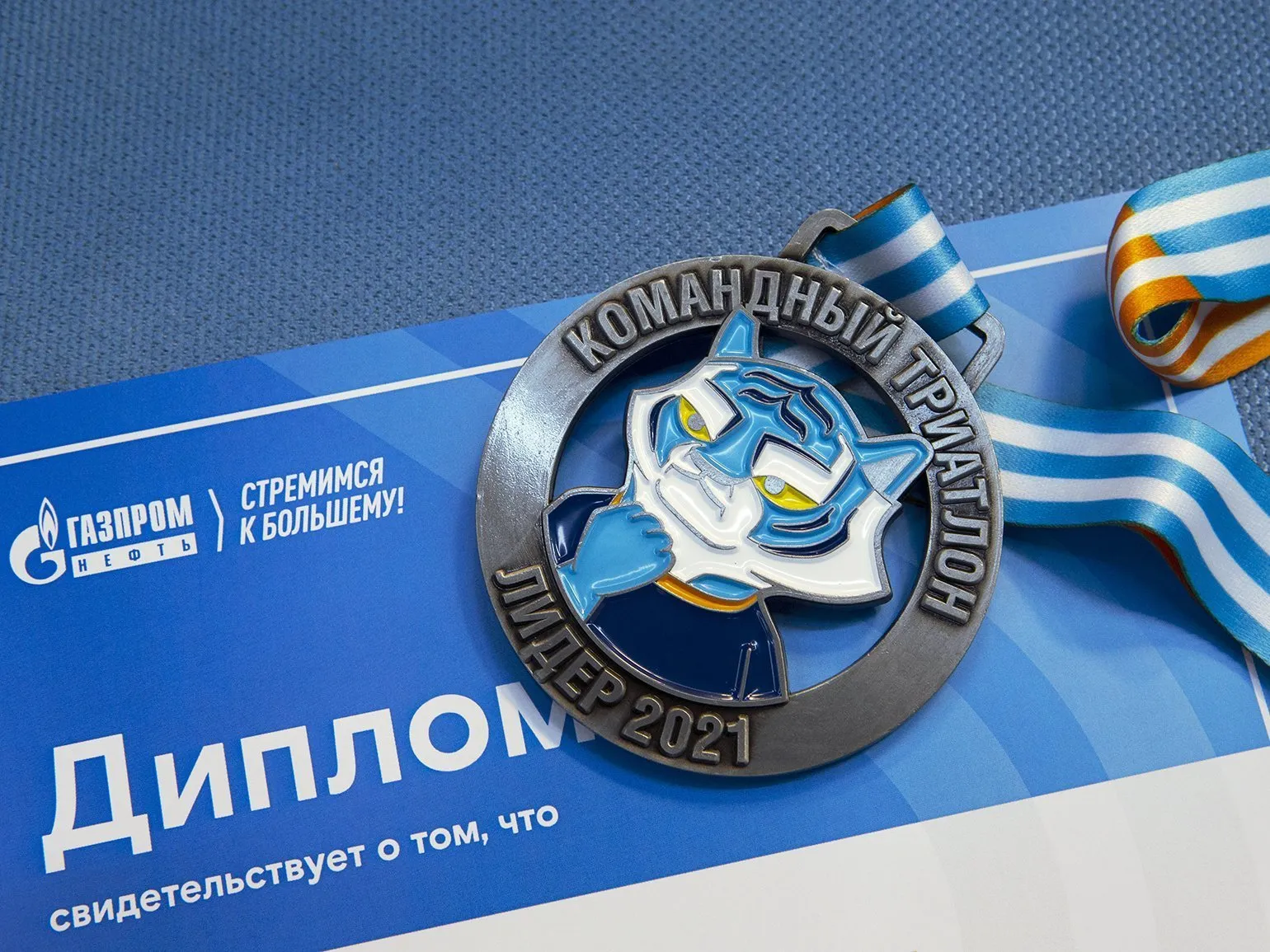
The developers emphasize the importance of a competitive selection of managers eager to participate in the Triathlon. Submitting an application with a simple desire to participate is not enough. Key factors are conscious motivation and maturity, which enable a participant to successfully overcome all three distances. This ensures not only the quality of participation, but also the development of leadership qualities among managers.
The selection of participants is carried out not by our team, but by an independent evaluator - a professional assessor. The selection process consists of three stages. In the first stage, applicants submit applications; in the second, they record video profiles in which they explain their motivations and personal challenges. The third stage includes an interview with an external evaluator, who conducts a detailed conversation with each candidate to understand their goals. We do not evaluate participants based on the scale of their goals; What's more important to us is how they formulate their intentions and why they matter. Goals should be clear and specific; for example, instead of a vague desire to "become a skilled manager," they should outline concrete steps and achievements.
Denis emphasizes the importance of competitive selection, noting that when communicating with top managers, the desire to send a specific person to a training program often arises. However, if someone is simply "sent," they may not demonstrate the necessary motivation and fail to reach the finals. In traditional training, a participant might simply "sit out" for a month, thinking the process is complete. In this program, that's impossible. It requires an active position from each participant. It's a "two-way street." If someone expects to be "pushed" along, they're mistaken—they need to show initiative and actively participate in the process. Unfortunately, not everyone is ready for this approach.
When selecting program participants, an important criterion is not only the leader's goals, but also their willingness to develop and learn, as well as their ability to work in a team. Communication skills play a key role, as the program involves active interaction. The creators of "Triathlon" view leaders as coaches who should be willing to share their experience and knowledge. These aspects are carefully assessed during the entry assessment, which allows us to select the most suitable candidates.
Currently, the competition for participation in the program is three people per spot. As Denis notes, an increase in the number of participants would be an excellent sign. This not only indicates the growing popularity of the program, but participation in the selection process itself serves as a powerful incentive for leadership growth. There is an example of a candidate who did not make it into the first round, but by the second intake, he was more prepared and successfully joined the program. Thus, the selection process becomes an important stage in personal and professional development.
At this stage, managers analyze their current state, which can be called a "checkup." During this process, they learn reflection, explore methods for overcoming difficulties, and maintain a connection with the company's strategic goals and values. Emphasis is also placed on internal state, delegation skills, the role of a mentor, and the correct setting of goals. Forming useful habits at this stage will form the foundation for future successful leadership.
Around 25 people are recruited into a group, after which they are divided into mini-groups of 4-5 people, depending on their goals and objectives. This increases the effectiveness of training and ensures an individual approach to each participant.
"The leaders in our group are at equal levels. In the first stream, for example, there were general directors and other executives with similar leadership qualities," Denis shares. "Here, the principle of 'the strong pulls the weak' does not work." If the group consisted of participants with varying levels of development, it would move at the speed of the weakest. Our goal is to create engaging interactions. Leading subordinates is easy, but it's important to be able to effectively interact with other leaders."
Each mini-group is guided by a professional coach with over fifteen years of experience coaching middle and senior managers. The coach provides detailed feedback and facilitates both individual and group coaching sessions, which helps develop leadership skills and improve team effectiveness.

A general chat is being created for communication, where participants can present their achievements at joint meetings. Coaches also support leaders in their ongoing teamwork during the next phase, which is a key aspect of the process. As Denis notes, this support helps participants maintain motivation for six months, especially given the significant timeframe of remote work. Coaches help maintain engagement and make adjustments to mindsets when necessary. This contributes to the successful completion of the program and the achievement of the set goals.
The first phase lasts six weeks, during which each leader must define a primary goal for working with the team in the next phase. This goal should be specific and linked to achieving business results. It includes two components: the first is the specific business results the leader aims to achieve during the program, such as improving the efficiency of handling deviations in the value chain, with specific KPIs. The second component concerns the changes that need to be made in the team's work to achieve these results. Finally, a management goal is formulated, focused on internal processes that the leader can influence. For example, this could be a task to change the communication model in a cross-functional team, aimed at increasing consistency and creating a unified procedure for action when deviations occur.
This distance is considered the most difficult. The leader forms a team of two to 15 people. The team can be from a structural unit or a cross-functional project group. Participants are selected based on the stated goal, and they should be professionals capable of helping achieve it. Since the task is work-related, the program developers note that there are no problems with participant engagement.
The developers initially assumed that the teams would remain unchanged throughout the marathon. However, practice has shown that changes in team composition are possible, as in a regular work environment. New participants can join if a specific expert is needed, while some team members may leave the project after completing their tasks. At the start of the marathon, teams undergo an assessment, the results of which may lead to additional changes in their composition.
The team jointly selects practical tools for achieving their goals and masters their application. The leader acts as a mentor in this process. As a result, team members gain the opportunity to master new skills, such as preparing presentations and public speaking. They also learn to independently propose initiatives that were not requested but are interesting and promising for the company. Although these initiatives may seem insignificant for the entire organization, for each individual, this can be a significant step and an opportunity to gain new experience. This contributes to the team's development and increases its effectiveness.
Each team functions at its own unique rhythm, uniting to use the proposed tools. At this stage, each team has its own tracker. Trackers, like coaches, are external specialists with high competencies in facilitation and tutoring. They help leaders navigate the use of tools, attend team meetings, and provide feedback on results. Trackers support teams in all situations, providing necessary assistance and advice. Leaders also have the opportunity to work with coaches to deeply explore their management needs, which contributes to their professional development and improves team dynamics.
During the program's development, the length of the course was subject to change. Ultimately, the team arrived at an optimal duration of approximately two months, which the developers believe is most effective.
Debriefing and evaluating team performance play a key role in optimizing work. Each team receives access to tools for measuring the growth of their key performance indicators (KPIs), such as task completion speed, satisfaction with interactions, and the number of ideas proposed. Analyzing the results helps identify strengths and weaknesses, which contributes to improving work processes and increasing overall productivity.
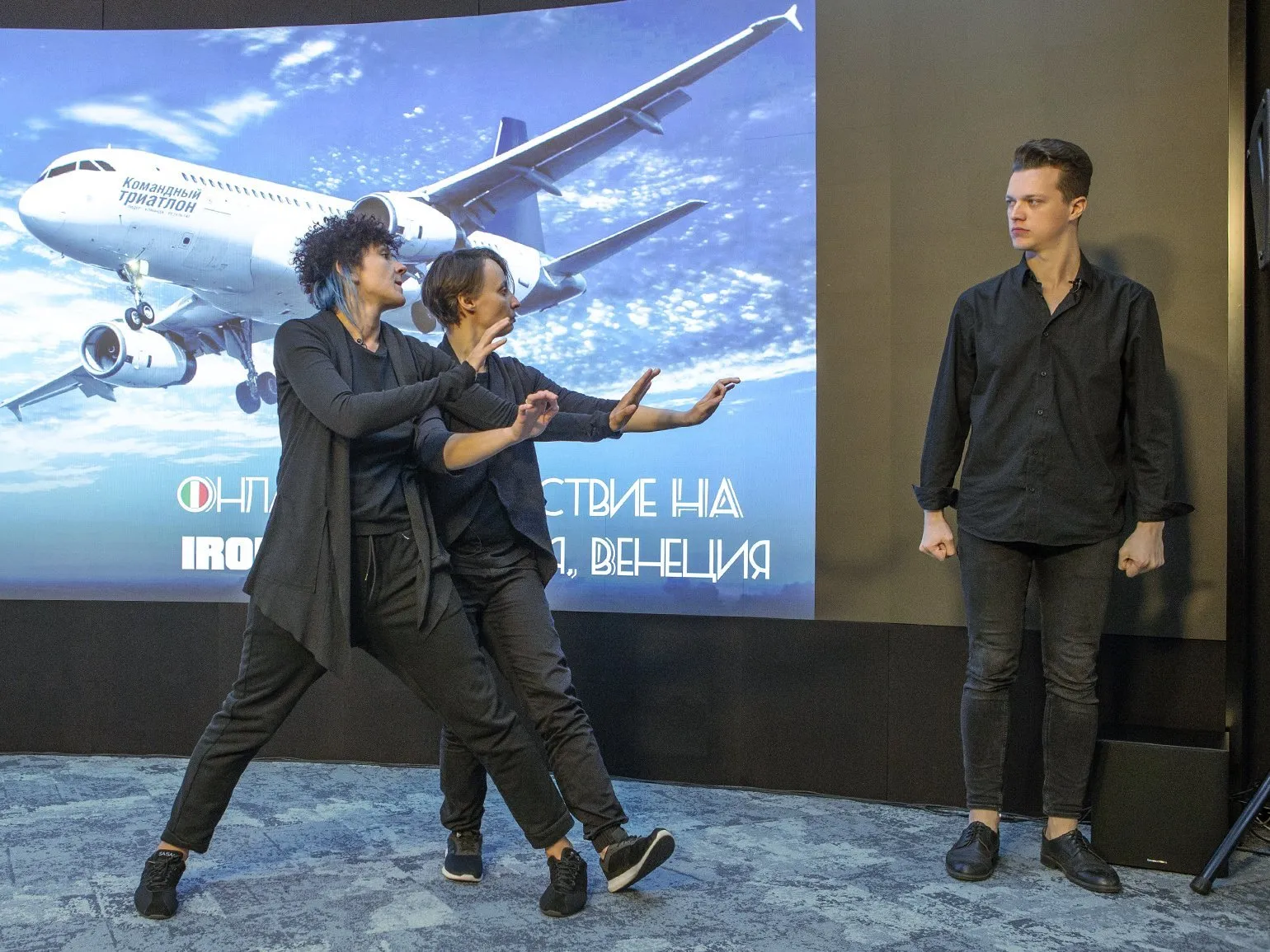
Leaders, together with external evaluators and coaches, analyze the business results achieved. Afterward, they prepare to present their findings at the graduation event. The process takes place in a format that goes beyond the dry presentation of numbers. The most important thing here is to share insights and conclusions. The results are discussed through playback theater, allowing managers to gain a deeper understanding and see their emotions from a different perspective. This approach facilitates a better understanding of the results achieved and the formation of a strategy for further business development.
Analysis of the results and preparation for graduation take approximately one month. During this period, a comprehensive assessment of student performance is conducted and the final results are compiled. Preparations for graduation-related events, including the organization of the ceremony and the creation of commemorative materials, are also underway. It is important to pay attention to all aspects to ensure a successful completion of the academic year and a fitting celebration of students' achievements.


How training is integrated into this process
According to Evgeniya Igolnikova, any approach to team development and leadership can become the basis for an educational program. At Gazprom Neft, the 5F model created by Maxim Dolgov, founder of the School of Team Leadership and an expert in the development of management teams, was chosen for the implementation of the Team Triathlon. This methodology focuses on five key factors necessary for effective team development. Using the 5F model not only improves team dynamics, but also promotes the development of leadership qualities in participants, which is important for achieving the company's strategic goals.
- external environment - opportunities and external threats that affect the team;
- an ambitious goal agreed upon with each team member;
- a leader who coordinates and motivates people;
- a team assembled based on compatible competencies, personal characteristics, and roles, although people have different skills;
- interaction, which allows for the creation of a common information field, joint training, feedback, and increased efficiency.
For each factor, the methodologists have created the most effective development tools. Three tools are offered across five tracks, and the training materials are designed to help you explore them in depth. Effective team development tools include "The Power of Diversity," which helps each team member recognize their strengths, and "Destructive Behavior," where participants share how their actions can negatively impact the team. These methods help improve team collaboration. The team leader conducts these mini-trainings, receiving support from a tracker who helps select the appropriate tool and provides feedback on the results. Using these tools helps create a more cohesive and productive work environment. The program provides a platform where both leaders and team members can test new and more effective behaviors in a safe environment. This helps improve team collaboration and overall productivity. Participants have the opportunity to experiment with approaches that promote the development of both individual and team skills. The curriculum includes both asynchronous and synchronous learning formats. The asynchronous portion consists of podcasts, longreads, and video lectures. The course features a recorded interview with Eduard Tiktinsky, in which he shares his experience in creating an effective corporate culture. Participants also complete practical assignments, allowing them to apply their acquired knowledge. Synchronous sessions include team meetings and general leadership gatherings, lasting between one and a half and two hours. These events feature senior managers and company directors sharing their experiences using various management tools and offering valuable advice. This creates a unique opportunity to exchange knowledge and best practices in management.
Each leader's team members have access to a learning platform where they can watch videos and listen to podcasts featuring both internal and external experts. This creates opportunities for professional development and knowledge expansion, fostering the growth of both individuals and the team as a whole. Video and podcast training allows for information to be absorbed in a convenient format, making the learning process more effective.
The program was designed with a digital environment in mind, allowing for convenient integration into personal schedules. A dedicated online platform was created for the Triathlon learning content, where asynchronous content is released gradually, in stages each week. This facilitates gradual mastery of the material. Telegram chats are provided for interaction between participants, which facilitate communication and exchange of experience.
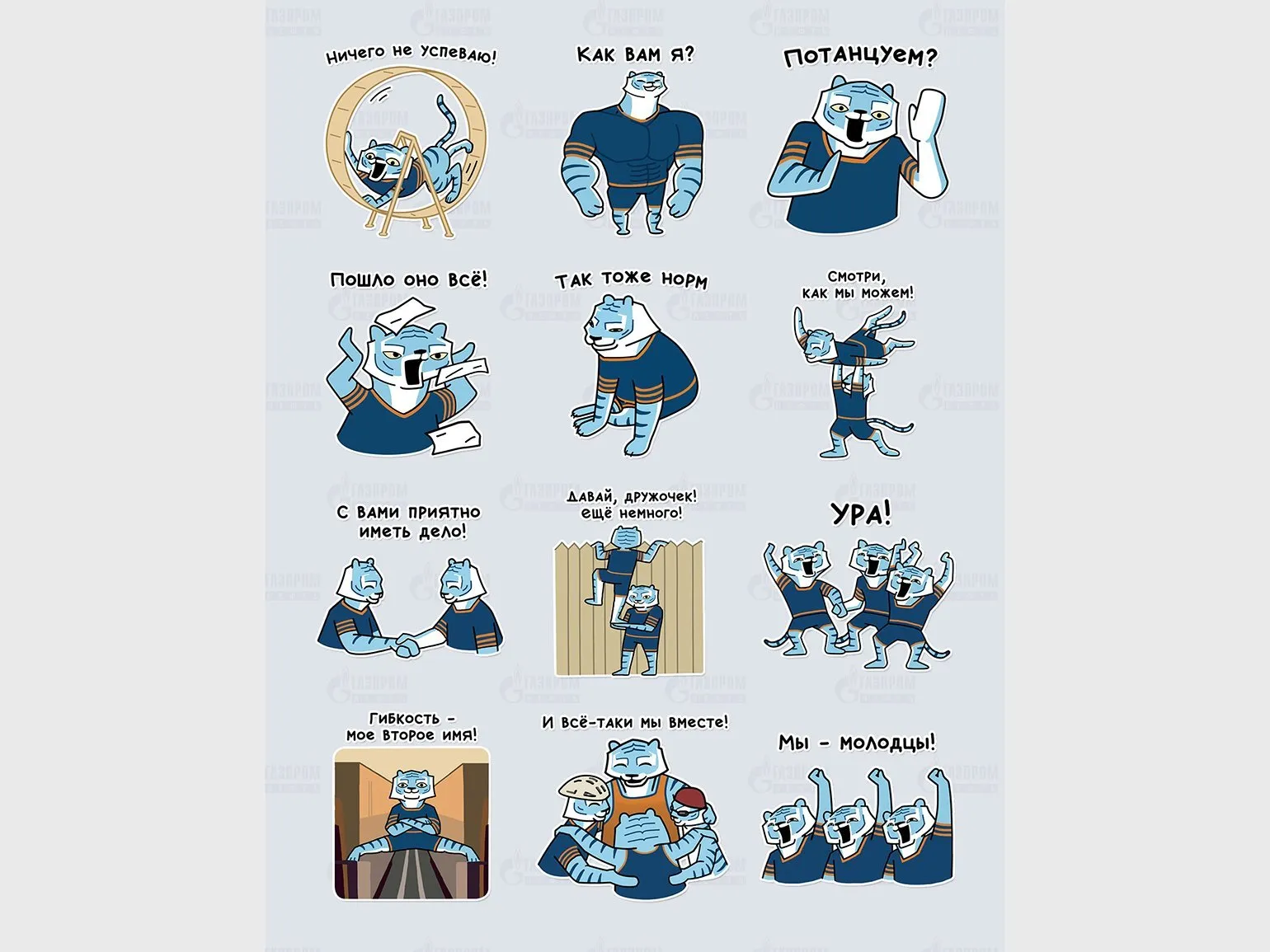
On each In addition to the educational content, the course also includes tasks. Completing these tasks contributes to the team standings, allowing all participants to track their achievements. The best teams receive rewards, encouraging participants to actively work and improve their team's results. This gamification helps maintain interest and motivation, ultimately leading to more effective learning and development.
The developers emphasize that the key to successfully mastering the Triathlon is the ability to study at any time, allowing users to combine training with work responsibilities.
This training program is not a traditional modular design, where a participant spends eight hours at work and then continues classes on Zoom. We have designed participants to consume educational content for an average of 20 minutes per day in an asynchronous format, allowing everyone to choose a convenient pace and time for learning (for example, while commuting by taxi or on the subway). The program also includes a certain number of synchronous meetings. This approach fits harmoniously with the concept of integrating education into everyday life, since it is natural to set aside time for a work meeting where development prospects and opportunities for professional growth are discussed.
Denis and Evgenia highlight several key principles that contribute to the program's effectiveness. These principles formed the basis for its development and play an important role in achieving the set goals. Adherence to them helps optimize processes and increase work efficiency.
- Social aspect. This is manifested in the formats of group coaching and peer-to-peer leadership training.
- Immersiveness. Training is integrated into work processes and is completely practical: the first distance includes leadership practices with coaches, the second - team practices.
- Multi-format. There is no habituation to the fact that training takes place, for example, only in the format of webinars or, conversely, videos; different tools are used.
- Availability of trackers and coaches. They help participants stay on track.
- Presence of a goal. Because the goal is real, not just academic, and the team is also real, leaving the program is not as easy as dropping out of a regular course.
Results: Completion Rates and What Changes Thanks to It
To date, two cohorts have successfully completed the program. In the first cohort, the completion rate was 60 percent, in the second – 72 percent. These results are significantly higher than those of traditional asynchronous online courses, demonstrating the high effectiveness of our program.
Our educational program does have students who did not complete the course by the established deadline. Denis notes that these "repeat-year students" understand the importance of completing the course, but face time constraints due to professional commitments. As a result, they request the opportunity to participate in the next training course.
Before the Triathlon, managers undergo a 360-degree assessment, which allows them to assess their competencies after the training. However, the most important aspect is the self-assessment of the program participants and feedback from coaches, who assess how the managers manage teams and formulate strategic objectives. These data are key to understanding the effectiveness of the program and further development of management skills.
Self-diagnosis is not Not just a formal process, but an important tool for personal and professional growth. It provides valuable insights and promotes reflection, allowing people to recognize how new habits change their approach to work and impact the efficiency of their work processes. This practice helps identify strengths and weaknesses, which in turn contributes to improved productivity and team harmony. By integrating self-diagnosis into their daily routine, employees can better adapt to change and find more effective ways to solve problems.
Some people realized that they had previously been neglecting interactions with their team. Having realized the importance of this aspect, they began regularly soliciting feedback from colleagues and noticed that this did not lead to an increase in workload. On the contrary, it became easier to delegate routine tasks, which freed up time for strategic planning. Managers note that their status as leaders within the team has significantly increased.
The Team Triathlon program has achieved significant business results. In four months, one participant's team successfully organized a new technology center office, staffed it, and presented a program for new research and development work for the logistics, processing, and sales unit. They also received positive feedback on investments in a laboratory pilot complex, which allowed them to launch project management processes in the area of industrial innovation. This experience highlights the importance of teamwork and effective project management in achieving business goals. Effective business results and well-coordinated teamwork always attract the attention of colleagues from other departments, especially when it comes to cross-functional projects. In such cases, "advertisement" for the "Team Triathlon" within the company is often generated by word of mouth, emphasizing the importance of collaboration and successful results. This interaction not only improves the team's image but also contributes to a stronger corporate culture and increased overall productivity.
The program satisfaction rating, according to the standard metric for training and development (T&D) professionals, is 4.8 out of 5. This high score indicates a positive perception of the program by participants and its effectiveness in achieving their goals.
A few months after the completion of the second cohort, we launched an alumni club, Evgenia shares. Despite the meeting taking place at the end of December, 75% of program participants attended. It was gratifying to hear that many experienced positive changes after graduation – career advancement, the formation of new useful habits and interests, and continued personal and professional development. For example, one of the graduates became a certified mediator. We plan for the graduates themselves to conduct master classes at these meetings and invite engaging speakers to share experiences and knowledge.
This example demonstrates how the completion of a graduate program can be perceived not as an end, but as the beginning of a new stage. Instead of viewing graduation as an end point, it should be viewed as a significant transition that opens up new opportunities and prospects for further growth and development.
Read also:
- How to teach employees negotiation skills with an online tournament
- How managers were taught recruiting and the problem of hiring IT specialists was solved
- Development marathons in corporate training: what kind of format is this?
- 5 Montessori pedagogy ideas for teaching adults
Training and Development Manager
You will learn how to build corporate employee training programs and evaluate their effectiveness. You will be able to start a career in the HR department and implement a working personnel development system in the company.
Find out more