Contents:
Learn: Profession Methodist with From zero to PRO
Learn moreHumor in adult education: what are the benefits?
Skillbox Media experts unanimously agree that humor can significantly benefit the educational process, but only if it is used with a specific practical purpose and a clear understanding of that purpose. Simply using jokes for entertainment will not lead to the expected results and may even have a negative effect. Anna Babina, a developer of customized educational solutions and author of the Digital Tools for Creative Education Telegram channel, emphasizes that humor in education without a purpose is only a superficial technique. However, if jokes are used appropriately to facilitate memorization of information or to create a relaxing atmosphere, this can significantly improve the perception of the material.
Humor has many beneficial effects that contribute to an improved quality of life. Firstly, it helps relieve stress and tension, creating an atmosphere of relaxation. Secondly, humor helps strengthen social bonds, fostering communication and mutual understanding between people. Furthermore, laughter activates the production of endorphins, which has a positive impact on overall well-being. Humor can also improve creative thinking, enabling one to find innovative solutions in difficult situations. Finally, it promotes positive thinking and increases happiness. Using humor in everyday life can significantly improve emotional well-being and strengthen personal relationships. Humor plays an important role in the educational process, especially in online learning, where social interaction is limited. Anna Babina notes that the main challenge of online learning is the lack of resources for social learning. In a synchronous format, this is negligible, and in an asynchronous format, it is virtually nonexistent. Nevertheless, social learning is the most effective, as we absorb information better when interacting with experts, coaches, and holders of useful knowledge. Well-chosen jokes that resonate with the audience can partially compensate for the lack of social interaction. Not only do they enhance the expert's influence on the learner, but they also activate brain activity, as supported by global workspace theory. Therefore, using humor in training can significantly improve its effectiveness and make the process more engaging.
Humor fosters a relaxed and positive atmosphere in a training course, which in turn influences the perception of the learning material. When participants feel comfortable, they are more likely to focus on the learning process. This creates favorable conditions for information absorption and active participation in classes, which increases learning effectiveness.
Research shows that positive emotions contribute to improved cognitive function, which, in turn, aids in memorization and assimilation of information. At the beginning of training, the use of humorous activities can energize learners, and during the learning process, memes can serve as excellent illustrative material. This is the opinion of Katerina Golomshtok, an independent screenwriter and developer of e-courses, as well as the founder of Nova Academy, a creative space for training specialists. Positive emotions not only improve mood but also enhance learning effectiveness, making them an important element of the educational process.
Maria Bazhenova, educational experience designer at MIF Publishing House and co-founder of the LXD hero project, notes that human memory is structured in such a way that it prefers to remember positive moments, while negative experiences are often forgotten. Easy-to-understand presentation and engaging examples that illustrate theoretical aspects contribute to students' more effective assimilation of educational material. This approach makes the learning process more engaging and effective, which is especially important in modern educational methods.
Humor plays a crucial role in reducing the negative impact of various factors on the learning process, including psychological barriers. Yulia Maksina, founder of True Education, notes that the use of humor during onboarding can significantly facilitate the adaptation of new employees. Tension and stress can hinder the absorption of material and complicate the practical application of knowledge. Therefore, integrating humor into training programs for newcomers is an important element, helping to create a comfortable atmosphere and relieve tension. This, in turn, promotes more effective learning and a quicker integration into the work process.
Katerina Golomshtok discusses the situation associated with the defense of academic projects, which is often accompanied by high levels of tension. According to her, at events such as defenses or pre-defenses, participants experience nervousness and anxiety. To create a more comfortable atmosphere, it is useful to introduce a joke or tell an anecdote, which helps relax the audience and reduce tension. This promotes more productive discussion and a positive perception of the presented work.
Humor is a powerful tool for overcoming fear of active participation and shyness in educational processes. It helps people relax and feel more comfortable. At a recent masterclass on digital tools for faculty at a large university, I noticed that the participants were passive and lacking confidence. To change the atmosphere, I used examples from my stand-up comedy routines on education, published in Marie Claire magazine. I posted them on an online board and asked the participants to vote for their favorite jokes. As a result, they became more active, started voting, and even turned on their microphones. This clearly demonstrates how humor can stimulate participation and interaction in learning.
A short break can significantly improve brain function and memory. Effective memorization of information requires resources that can be restored during rest. Using memes or funny videos can help create a relaxed atmosphere that will reduce tension and improve concentration. The calmer the environment, the easier it will be to focus on subsequent tasks and absorb new information.
Learning is often perceived as a difficult and tiring process. We take a different perspective and talk about a "cognitive high" instead of "cognitive overload". With us, you can come, relax, study in a comfortable atmosphere, connect with colleagues, and share experiences. We solve complex cases and find time for humor along the way, creating a relaxed atmosphere. This atmosphere helps participants maintain their attention and ultimately feel great, similar to the feeling after a productive workout at the gym. Yulia Maksina notes that this approach makes learning not only useful but also enjoyable.
Humor not only serves as a relaxation tool but is also an effective attention-grabbing tool, notes Lyubov Sukhanova, leader of the programming methodology team at Skillbox. She emphasizes that humor creates cognitive dissonance, which makes it memorable. Memes and jokes can be useful because they are more easily retained in the memory. Using humor in teaching and communication improves the perception of information and increases audience engagement.

Read also:
A sense of humor is the ability to perceive and create humor in situations, as well as the ability to laugh at oneself and the world around us. It is an important aspect of communication and social life, helping to improve relationships, reduce stress, and improve mood. Developing a sense of humor can positively impact your personal life and career by helping you connect with people and resolve conflicts.
There are several approaches you can take to develop your sense of humor. Reading comic books, watching comedy movies and shows, and interacting with people with a good sense of humor can all help. Practicing creating jokes, observing everyday situations and finding humor in them also contributes to this skill. It is important to remember that a sense of humor is individual, and what works for one person may not work for another.
Why develop a sense of humor? It helps you cope with difficulties, makes life more vibrant and interesting, and strengthens connections with others. The ability to make others and yourself laugh creates an atmosphere of positivity and trust, which is especially important in today's world. A strong sense of humor can be an asset in a professional environment and facilitate successful interactions with colleagues and clients.
Humor is a powerful tool for promoting educational programs and shaping their appeal. This is relevant not only for open online courses but also in corporate training. In a corporate environment, specialists responsible for training are also responsible for its promotion, and the use of humor can significantly increase employee interest in educational initiatives. An effective combination of humor and training not only improves information comprehension but also creates a positive atmosphere, which ultimately leads to more successful learning outcomes and increased engagement.
Many of us have experienced the situation of searching for butter in the refrigerator for a long time, even though it is right there. This phenomenon can be compared to how employees may not notice useful learning opportunities. Our brains tend to conserve resources, so familiar objects such as butter or training programs may go unnoticed. It's important to note that humor can be an effective tool for engaging training programs. Its uniqueness in this context makes it particularly appealing. Using humor, memes, and jokes in training course promotions can significantly increase employee interest and engagement. Yulia Maksina emphasizes that these elements can make the educational process more memorable and effective. Examples of Humor in Education Humor in education is an approach that uses comedy to enhance learning. Funny stories, anecdotes, or game elements can make the learning process more engaging and memorable. Although stand-up comedy isn't a traditional format for educational courses, incorporating humorous elements can significantly increase student motivation and interest in learning. This approach helps create a relaxed atmosphere, which fosters better interaction between instructor and students. Memes remain the most popular tool today, according to expert surveys. Yulia Maksina shares her perspective on this phenomenon: memes effectively convey information and emotions, captivating audiences. Their viral nature facilitates rapid spread, making them a powerful tool in digital marketing and communications. Memes can be used to engage with target audiences, increase brand awareness, and foster a positive image. "Knowledge memeization" is an effective technique that facilitates the introduction of new approaches, models, and tools into the educational process. Mirror neurons in the brain, responsible for understanding and empathy, can be difficult to explain, but a meme can convey this concept visually and succinctly. For example, the phrase "Even when you're not the one embarrassing yourself, you still feel ashamed" paired with a vivid image is quickly remembered and evokes an emotional response. Memes are more easily shared than traditional educational texts, making them a powerful tool for learning and knowledge sharing. The use of memes in educational settings not only simplifies the perception of information but also promotes its popularization.
Memes are often used to illustrate the main content of courses. For example, Maria Bazhenova cited an example from the "Burnout" course at MIF, which adapted famous works of art and popular internet jokes. Using memes helps make the learning process more engaging and accessible, and also promotes better perception of information.
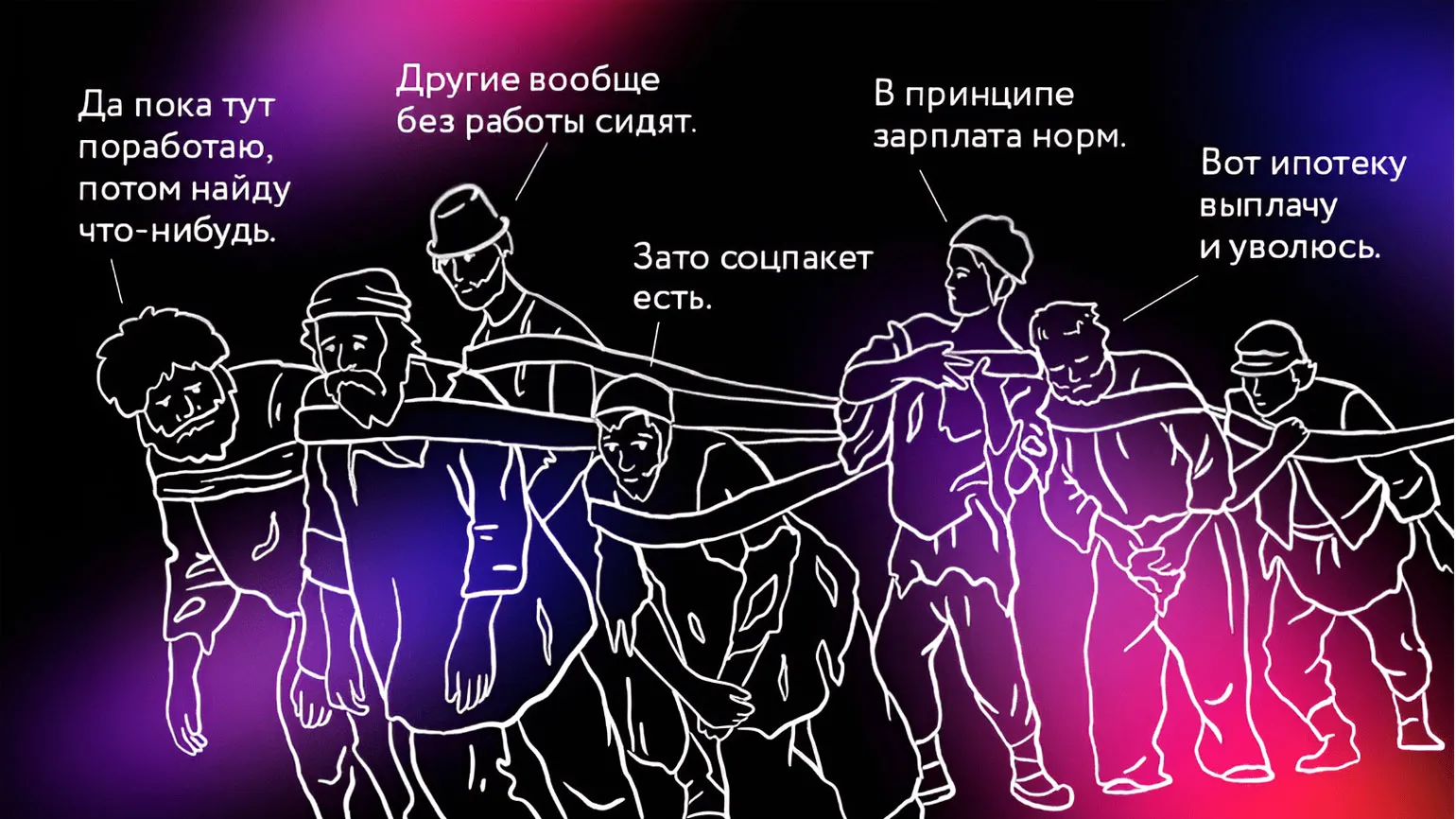
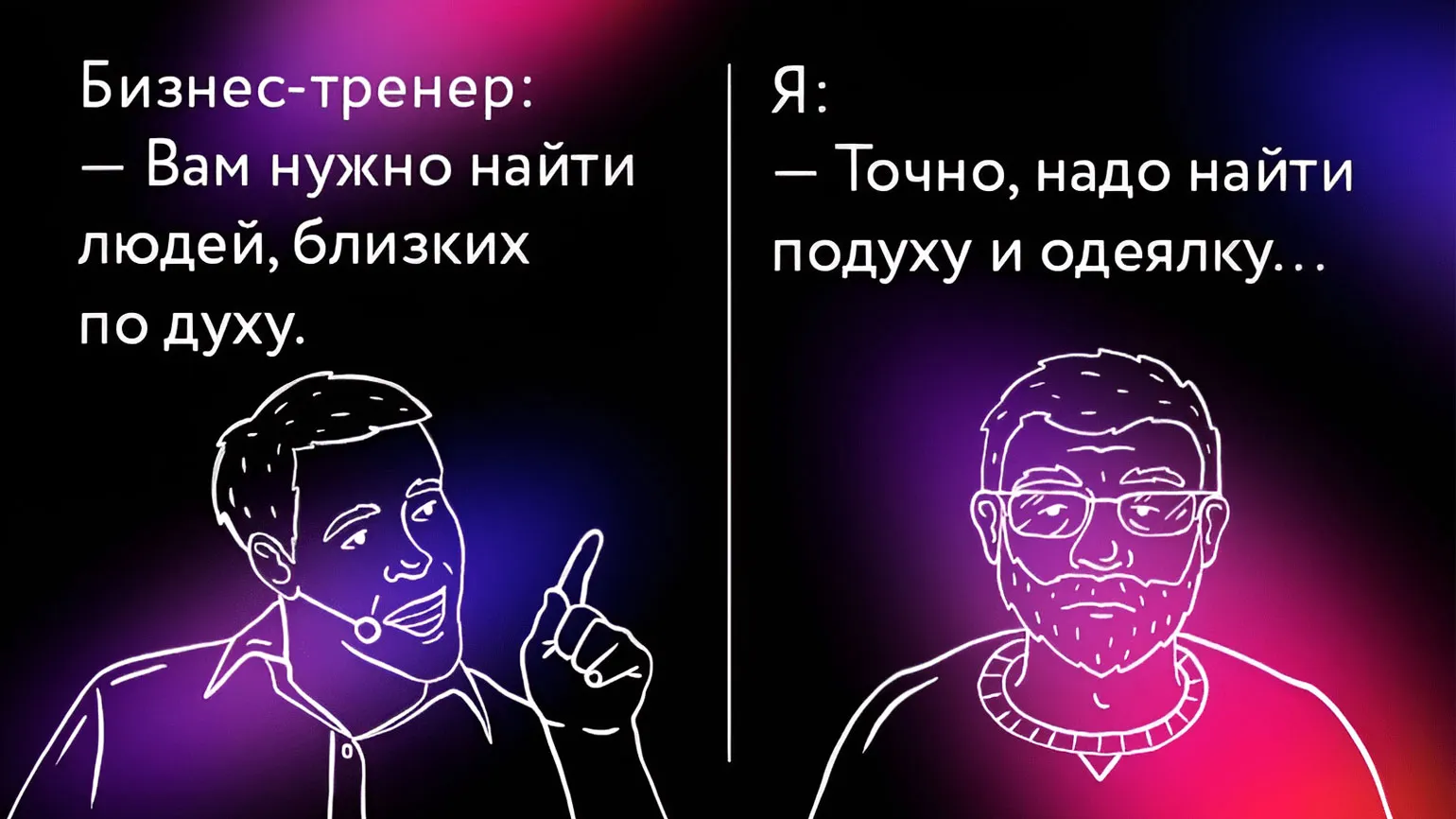
A popular technique in content is the use of references to pop culture. Serious materials are often made more engaging by small allusions to famous films, books, or paintings, making them more recognizable and sometimes amusing. For example, Ekaterina Golomshtok suggests watching a short fire safety tutorial based on the cult TV series "The Office." This video, taken from the well-known show, includes inserts with helpful tips on how to prepare for a dangerous situation and what to do in an emergency. Although this example is presented in English, many will be able to understand its essence without subtitles.
An example from the "Education by the Heart" course from MIF illustrates the importance of developing emotional intelligence in children. This course uses a catchphrase from the cartoon "Three from Prostokvashino," emphasizing the importance of humor and creativity in learning. This is just one of many examples that demonstrate how children can be effectively taught emotional skills through familiar and beloved stories.

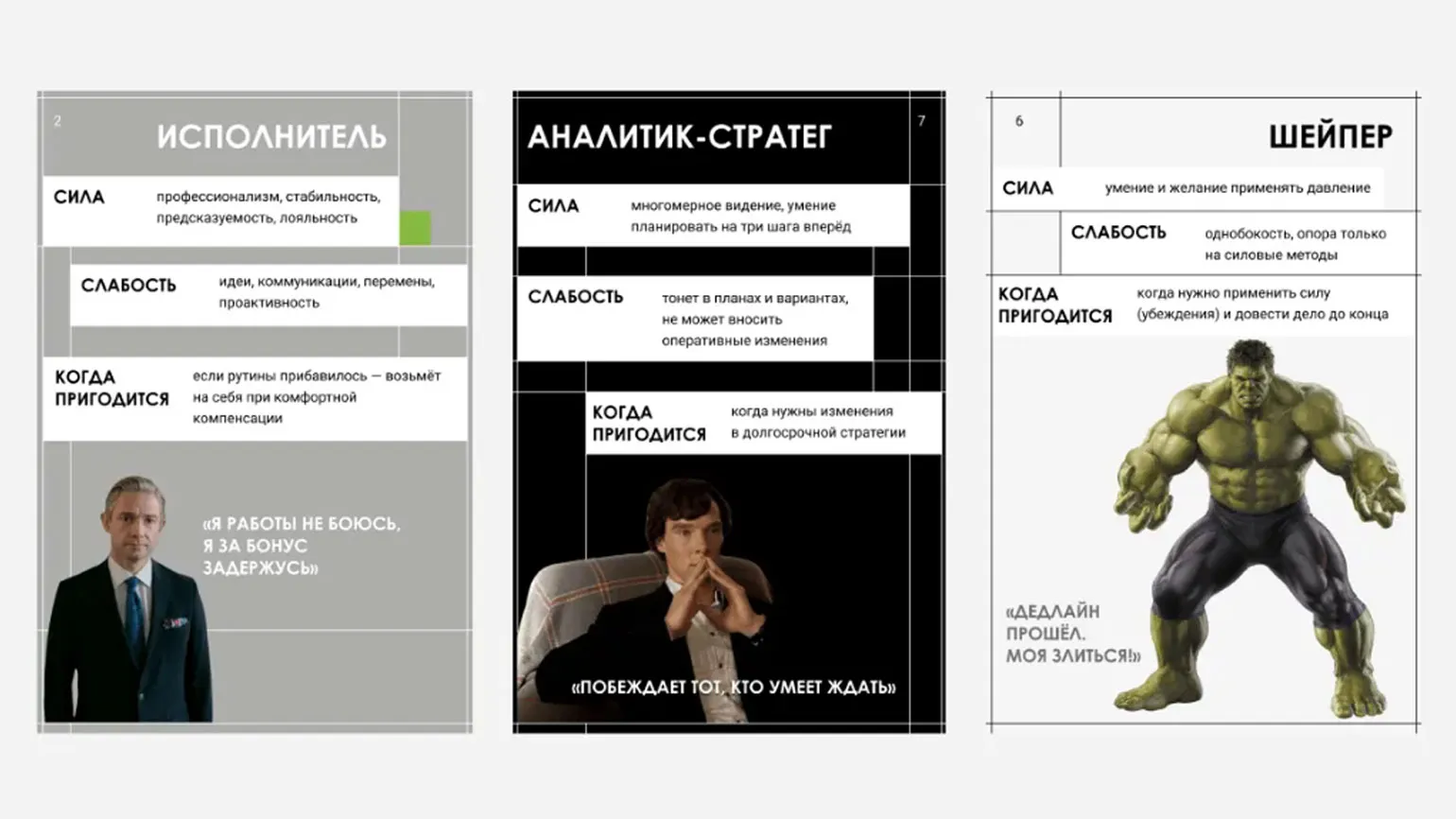
Yulia Maksina gives an interesting example from a training session for directors at M.Video-Eldorado. During the training, team roles were presented using popular comic book characters on flashcards using Belbin methodology. This approach allowed for a subtle systematization of new knowledge and made the learning process more engaging. Using familiar images helps participants better absorb information and apply it in practice, which significantly increases the effectiveness of training.
Humor isn't limited to memes and pop culture. It often includes jokes developed by methodologists, such as witty image captions. Examples of such jokes can be found in the "MYTH" courses presented by Maria Bazhenova. These captions not only entertain but also help students better absorb the material, making learning more engaging and memorable.



Jokes are active are used in educational activities. In particular, a program for technical directors at the telecommunications company MTS, True Education, introduced an interesting task: participants were asked to create a movie poster, replacing one word with "accident-free." This idea not only develops creativity, but also promotes the involvement of participants in the learning process, making it more dynamic and memorable.
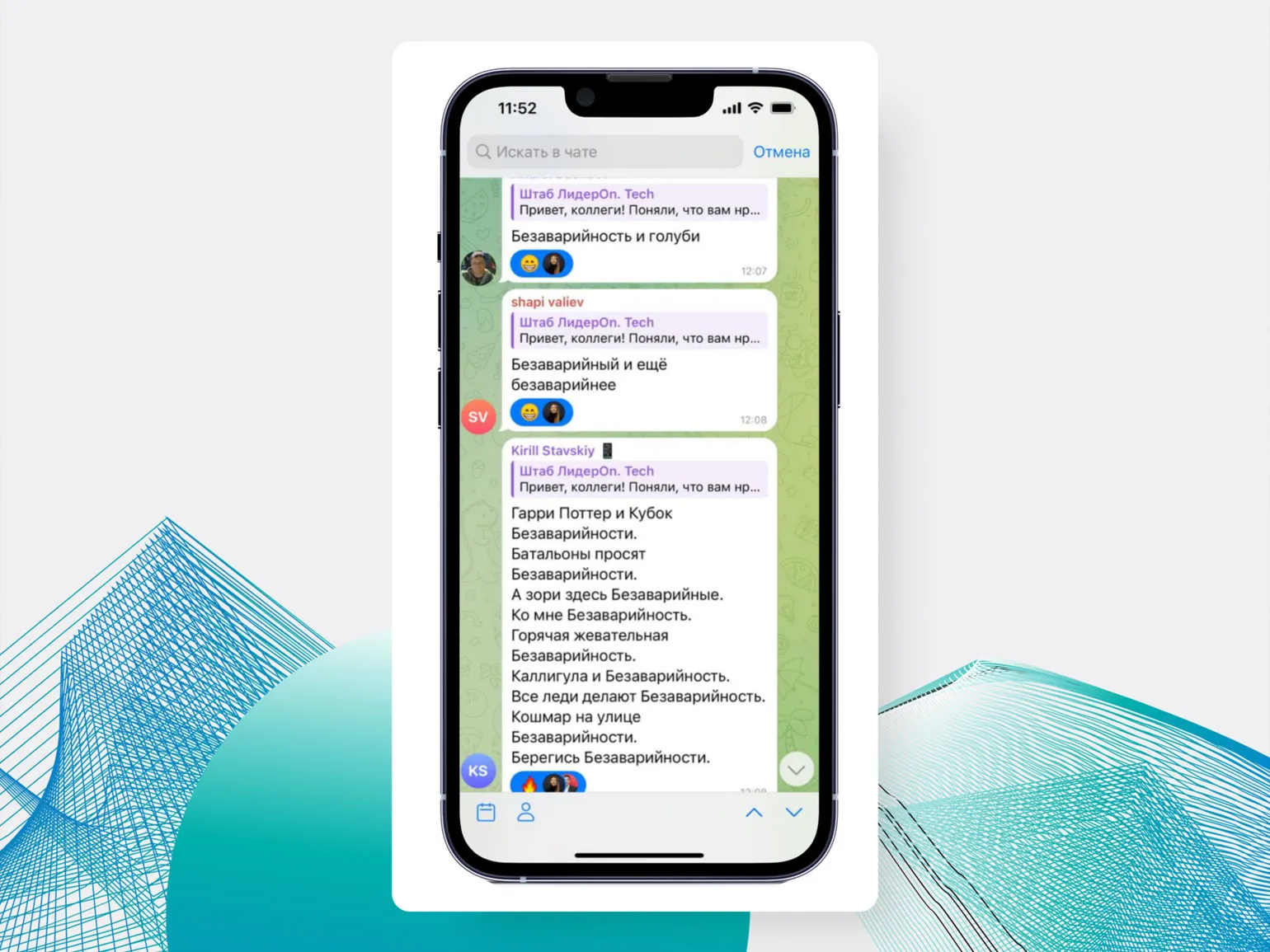
Yulia Maksina notes that one of the best suggestions from a participant was the phrase "Accident, the daughter of no-accidents." Such creative approaches significantly enhance learning effectiveness, as they promote engagement. When a person adopts a creative approach, they become more interested in the process.
Anna Babina actively uses humor in her training sessions. In master classes on digital tools, she demonstrates their functionality using her microproducts, using humorous examples. In particular, in webinars on humor and in quizzes about education on the myQuiz platform, she demonstrates how interactive presentations can be engaging for participants. This approach helps students not only master new tools but also understand how their students will perceive similar situations.

Read also:
The text you want to change requires improvement to improve SEO positioning. To achieve this, it is important to use topic-related keywords and make the text more engaging and informative for readers. Ensure that the information is presented clearly and logically, and includes internal links to other relevant pages on your site. This approach will help improve search engine visibility and increase interest in your content. Ensure the quality and uniqueness of the text so that users find exactly what they are looking for.
Six Effective Microformats for Employee Training
Employee training is a key aspect of any company's development. Implementing engaging microformats can significantly improve the effectiveness of the training process. Microformats are short, easily digestible training elements that can include videos, interactive tasks, infographics, and other formats. They help maintain attention and ensure rapid assimilation of information.
Using microformats allows you to tailor training to the individual needs of employees and improves their engagement. It is important to consider that such formats can be used in both face-to-face and online training, making them versatile. Optimizing content for a company's specific goals and objectives also contributes to increased training effectiveness.
Using engaging microformats in employee training not only improves retention but also fosters a more productive work environment. This, in turn, leads to increased overall productivity and employee satisfaction.
When Humor Is Inappropriate
The issue of humor in training remains relevant. This applies not only to learners but also to training program customers, most often corporate clients seeking to improve the skills of their employees. Humor can significantly impact training effectiveness, facilitating material acquisition and creating a more comfortable atmosphere. It is important for companies to understand that using humor in educational processes can increase employee engagement, making training more memorable and productive. The right approach to incorporating humor into training not only increases participant engagement but also improves the overall team atmosphere, which in turn contributes to increased productivity.
Defining the target audience is a key step in content creation. Skillbox Media methodologists emphasize the importance of matching jokes and humor to learners' expectations and experience. To achieve this, it is necessary to consider parameters such as age, gender, geographic location, education level and preferences, as well as other socio-demographic characteristics. Lyubov Sukhanova emphasizes the need to be on the same page with your audience, while avoiding unethical and sensitive topics, such as jokes about specific groups of people and representatives of different nationalities. This will help create a comfortable and safe learning environment, which in turn will increase learner engagement and interest.
It is important to consider the context in which a joke is delivered. An initially harmless phrase can take on completely different meanings in certain circumstances, sometimes even dangerous ones. Remember that beyond training, there's real life, which is constantly changing. What was perceived as funny yesterday may provoke a negative reaction tomorrow.
Clients should understand that humor in communication can pose serious reputational risks. One bad joke can lead to significant losses and negative consequences for the business. Therefore, it's important to carefully select jokes and consider the audience to avoid misunderstandings and maintain a positive company image.
Large companies often prefer to avoid risks. If you, as a methodologist, apply for a job at such an organization, you will likely encounter established corporate rules that limit freedom of expression. In contrast, for bloggers offering courses on electronic music, humor and creativity play a key role, which contributes to more effective assimilation and better retention of the material. According to Lyubov Sukhanova, this makes training with bloggers more engaging and memorable.
In practice, the situation is not as daunting as it may seem. Anna Babina shares her experience: "The experts I work with often have little or no teaching experience. They tend to be open to humor. Clients also perceive humor differently: those in the digital industry typically embrace ideas enthusiastically, while those in government corporations approach them with caution. However, one such corporation commissioned a course from me to train their internal experts in knowledge transfer methods, and they highly appreciated the section on humor."
Therefore, using humor in training can be an effective tool for making knowledge transfer more engaging and memorable.
The main rule is to maintain the tone of the company's communication and adapt to it. Yulia Maksina emphasizes that in some organizations there is a perception that the use of humor is unacceptable, since training is a serious process. Other companies have set clear boundaries: jokes are allowed on certain topics, while others remain prohibited. Maintaining a balance between seriousness and lightheartedness in training can contribute to more effective assimilation of materials and create a comfortable atmosphere for employees.
What to remember when adding humor to your course
Adding comic techniques to a training course can significantly increase its appeal and effectiveness. Experts emphasize that humor should be appropriate and contribute to the achievement of learning objectives. It is important that jokes do not distract students from the main material, but, on the contrary, help them absorb the information. Correctly chosen humor can create a friendly atmosphere, make classes more memorable, and make complex topics easier to understand. Use humor sparingly to ensure it enhances, rather than detracts from, the educational process.
The second key aspect is the quality of the product. Lyubov Sukhanova illustrates this with the example of a professor: if you like their style, even their jokes will be perceived positively and will create a comfortable atmosphere during the lecture. Conversely, if the professor irritates you, any attempts at humor will only exacerbate this negative perception. This principle applies to the entire course. It's important that the quality of the content and the presentation contribute to a positive impression on learners.
It's important to understand the satisfaction level of your target audience and the quality of your course. The use of humor is appropriate only in the context of a high-quality product. If there are shortcomings in the training, a joke will not be able to correct the situation, but will only exacerbate the problems.
Here are some recommendations to help avoid unwanted situations:
- Consider cultural differences, the experience of the target audience, and the context.
Ekaterina Golomshtok recommends testing content in focus groups to avoid mistakes. It is important to check not only how well the material is perceived by the audience, but also whether the participants understand the jokes and memes. Lyubov Sukhanova emphasizes that what seems funny to an expert may be misunderstood by newcomers to the topic. Focus group testing helps ensure that the information is perceived correctly and promotes memorization, which is especially important for successful training.
- Maintain the tone of voice.
In the field of EdTech and corporate training, a situation often arises when an invited expert to record a course uses humor that does not match your tone of voice or is too specific. In such cases, methodologists face a difficult task - Align your author's style of content delivery with that acceptable to your audience. This requires careful editing to preserve the uniqueness of the expert while ensuring compliance with the general standards and expectations of learners. Properly adapting content will help make the course more accessible and understandable, which in turn will increase its effectiveness.
- Avoid top-down jokes.
Unethical jokes often evoke negative emotions. No one likes to feel dumber than others or to be the object of ridicule, even if the joke's author didn't intend it that way. Many people believe they don't make such jokes themselves, but in practice, not everyone can clearly distinguish the line between a harmless joke and an offensive one. It is important to be mindful of the consequences of your words and strive to create an atmosphere of mutual understanding and respect.
Anna Babina reports that during the webinars she conducted on the use of humor in education, 40% of the teachers and methodologists surveyed did not consider jokes that were created "top-down", that is, from a position of strength over weakness, to be bad. This is an important finding, as it indicates the need for a more careful approach to humor in the educational environment. However, there are ways to test jokes on an audience, which can help avoid unwanted situations and mistakes in the use of humor.
- Remember that successful jokes require serious development.
The absence of humor in a course is preferable to the presence of unsuccessful jokes. Creating a high-quality joke is a real art, as evidenced by the existence of specialized books and courses dedicated to this topic. While good humor can enhance comprehension, inappropriate jokes can be distracting and reduce retention. Comedians rehearse their routines countless times to achieve the perfect form that will resonate with audiences. However, one bad joke isn't a disaster. It can't significantly ruin a product unless it contains offensive elements. This opinion was expressed by Taya Shentseva, founder of the creative methodology agency Hi.Steve and author of the Telegram channel "Mom's Friend's Methodologist." The quantity of jokes plays a significant role in the educational process. Learning isn't a mere entertainment, and moderation is key. As Maria Bazhenova noted, "Humor is like salt and pepper: it's appropriate as a supplement, but too many jokes can be perceived as inappropriate." This rule is also relevant for synchronous courses, where an abundance of entertaining stories can distract the instructor from the main topic and hinder the transmission of important information. It's important to balance entertainment with educational value to ensure effective learning.
- Make sure you have the right tools for comedic effect.
Creating a joke is only part of the job, but delivering it effectively is key. Lyubov Sukhanova shares an experience that illustrates the importance of good execution: "We planned to produce humorous videos for a course on undesirable behavior. The script was carefully crafted and fit perfectly into the curriculum. However, the execution left much to be desired: inexperienced actors failed to convey the intended message, and the result was disappointing. Even if you consider yourself the greatest comedian, it's important to remember that delivering a joke to an audience is a skill in itself."
- Be mindful of copyright.
When using ready-made memes, keep in mind that they may be protected by copyright. Even with simple illustrations, you risk infringing someone else's intellectual property, including characters, logos, photographs, and videos. Therefore, it is important to consult with legal counsel before integrating borrowed materials into your educational process. This will help avoid legal consequences and ensure the legality of your content use.
In some cases, using part of someone else's content as a quote is permitted by law for educational purposes. However, you must cite the author and source of the borrowing, and limit the quoted material to just enough to understand the context. What constitutes "sufficiency" remains controversial and requires careful consideration.
Yulia Maksina recommends creating original jokes, memes, and techniques to avoid controversy and maintain the appropriate tone of communication. This will help prevent potential intellectual property issues. Creating unique content will not only protect your copyright but will also allow you to stand out in the information flow, attracting the attention of your audience.
The Methodologist profession from scratch to PRO
You will improve your skills in developing curricula for online and offline courses. Master modern teaching practices, structure your experience, and become a more sought-after specialist.
Find out more