Contents:

Learn: Online Course Producer from Zero to PRO
Learn MoreOnline course creators are constantly looking for ways to make learning more engaging and memorable for students. One interesting approach is to involve famous personalities to present the material. Imagine complex and boring topics being explained by your favorite actor, singer, or politician. This can significantly increase student engagement and motivate them to complete the course. This approach not only diversifies the content but also creates a unique atmosphere conducive to better learning. Using celebrities in educational programs can also significantly increase the course's appeal and competitiveness in the online education market. Inviting a celebrity to appear in a video is an expensive process. However, modern technology offers new possibilities, particularly the creation of deepfakes. Using neural networks, it's possible to replace a lecturer's face with that of a famous person in a finished video. While creating a high-quality deepfake also requires significant investment, such technologies can be more affordable than real-life celebrity shoots. But an important question arises: is this legal? We have reached out to lawyers for clarification on this matter and are sharing their opinions.
Who helped us understand the situation?
An intellectual property lawyer plays a key role in protecting rights to intangible assets. Specialists in this field advise clients on copyright, patent, trademark, and trade secret matters. They help develop strategies for protecting intellectual property and represent clients in litigation. A lawyer's primary role is to ensure the observance of intellectual property rights and prevent their infringement. A qualified lawyer in the field of intellectual property is able not only to protect existing rights, but also to facilitate their effective use, which is an important aspect for businesses and individual authors.
The head of the Media Law practice at the Intellect law firm has deep knowledge and experience in the field of legal regulation Media industry. Her specialization includes advising clients on copyright, intellectual property protection, and media compliance. Thanks to her professionalism and up-to-date knowledge in this field, the practice manager provides high-quality legal services tailored to her clients' specific needs.
Russian legislation does not specifically mention the legality of deepfakes. The term "deepfake" is a combination of two words: "deep learning," which refers to a deep machine learning method based on neural networks, and "fake," which translates as "forgery." Deepfakes are a technology that uses image and video processing algorithms to replace one person's face with another, using their real photographs and videos. For example, in one scene from the film "Joker," deepfake technology was used to replace the face of actor Joaquin Phoenix with that of Jim Carrey. It is important to note that the use of deepfakes may raise legal and ethical issues, particularly in the context of copyright and privacy protection.
In this video, a deepfake of Bill Gates discusses the turbulent 1990s. He shares his thoughts on the technological changes and cultural trends of that time. The 1990s were marked by significant transformations in the world of technology, the advent of the internet, and the growth of the software industry. Bill Gates, as one of the key players of this era, discusses how these changes impacted society and business. The unique opportunity to see him in deepfake format allows for a deeper understanding of the historical context and the impact of these years on the present day.
When creating deepfakes, it is necessary to consider copyright law, which protects original works, such as photographs and videos. If you plan to create a deepfake featuring a famous actor, you'll need film stills, interviews, or other audiovisual materials featuring them. Legal use of these materials requires the consent of copyright holders, such as film studios, production companies, and photographers. Furthermore, the law protects the image rights of any citizen, not just celebrities. According to Article 152.1, Section 1 of the Civil Code, the use of a person's image without their consent is prohibited. This is important to consider when developing and distributing deepfakes to avoid legal consequences.
A person's face may be considered personal data under Article 11 of the Law "On Personal Data." This means that consent from the subject must be obtained before processing and using such data. Proper management of personal data, including facial images, is an important aspect of legal compliance and protecting citizens' rights.
Creating a deepfake using real photos or videos of a specific person requires that person's consent. This is important from both a legal and ethical perspective. Without permission, using images may violate personal image rights and lead to legal consequences. Therefore, before working with deepfakes, you should make sure you have the appropriate permissions and consider the potential consequences for all parties involved.
- permission to use the photo or video from the author or another copyright holder (these are intellectual property objects);
- consent from the person whose image you want to use (under Article 152.1 of the Civil Code);
- consent of the same person to the processing and distribution of their personal data (under the Law "On Personal Data").
The Civil Code does contain exceptions, but not all of them may apply to your particular situation. For example, consent is not required in the following cases:
- The image of a person is used in the state, public, or other public interests. Here, we are only talking about use for the purposes of ensuring law and order, public safety, and other similar interests (paragraphs 25 and 44 of the Resolution of the Plenum of the Supreme Court of June 15, 2010, No. 16). For example, a photograph of a criminal may be published without their consent for the purpose of apprehending them.
- The image of the person was obtained during filming in places open to the public or at public events. That is, when filming, for example, a conference, and a person simply appears in the frame. But if the image of a specific person is the main object of use, that is, this person is specifically photographed at an event, although he did not pose and, perhaps, did not want to be filmed, then the exception does not apply (to use such a photo or video, you must obtain consent).
- The person posed for a fee.
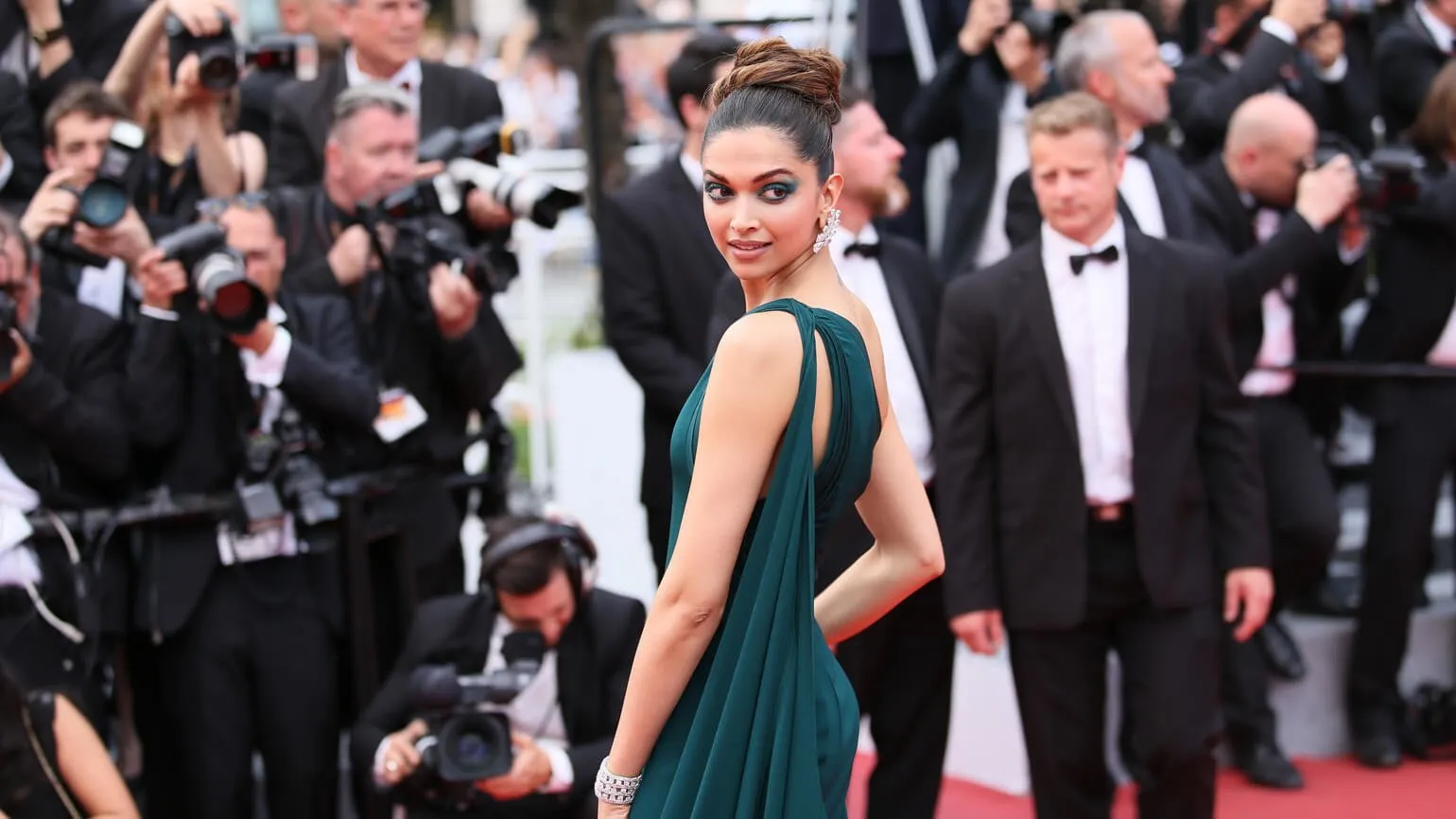
Exceptions for the use of deepfakes do not apply in the context of paid video courses. If the primary purpose of using citizens' images is to make a profit, their consent must be obtained. This is confirmed by paragraph 44 of the Resolution of the Plenum of the Supreme Court of June 23, 2015, No. 25. Given the legal aspects, it is important to respect individual rights and ensure the legality of content use in order to avoid possible legal consequences.
If a person has independently published their photos and videos on social media, this does not mean that these materials can be used without their permission for any purpose, including the creation of deepfakes. The use of images and videos without the owner's consent violates their rights and may lead to legal consequences. Respecting personal property and privacy in the digital space is an important aspect of complying with copyright and image rights laws. Obtaining consent to use a celebrity's image must comply with the requirements of the Civil Code and the Law on Personal Data. It is important to own the rights to the video or photo images you plan to use to create deepfakes. This will ensure the legality of your content and protect you from potential legal consequences. Compliance with these standards will help avoid image rights infringements and ensure the protection of personal data. A company may be fined from 30,000 to 150,000 rubles, and its director or responsible person may be fined from 20,000 to 40,000 rubles. If the owner of a course or website hosting a deepfake course without the consent of the person used is an individual, the fine will be from 6,000 to 10,000 rubles, in accordance with Part 2 of Article 13.11 of the Code of Administrative Offenses. It's important to remember that posting content using images without permission can lead not only to fines but also to reputational damage for businesses.
Using images of people without their permission in deepfakes can have serious legal consequences. If the person whose image you used learns of this or someone notifies them, they can file a complaint with Roskomnadzor for violation of their rights. In response to such a complaint, the agency has the right to conduct an investigation and make a decision. In this case, you will have to prove that you received consent to use the image, in accordance with paragraph 3 of Article 9 of the Law "On Personal Data." Conversely, Roskomnadzor will need to prove that consent was not obtained. Therefore, it is important to always comply with personal data usage rules and obtain permission from the people depicted in advance.
There are several approaches to the deepfake situation. One of them is that the person whose image is used in the deepfake can appeal under Article 152.1 of the Civil Code. In this case, she has the right to demand that the website or educational course owner remove the content that violates her rights. This legislation protects the personal non-property rights of citizens, including the right to an image. It is important to remember that using an image without the consent of its owner may entail legal consequences.
- delete the photo or video, including the entire video course;
- prohibit its distribution;
- compensate for damages (if any, of course);
- pay compensation for moral damages (if the fact of its infliction is proven).
Court practice shows that the amounts of monetary compensation for moral damages awarded to individuals usually amount to no more than 5-10 thousand rubles. In the case of public figures, such as celebrities, the amount of compensation may significantly exceed this mark. However, the law does not establish an upper limit for such payments, and the final decision on the amount of compensation is made by the court, taking into account all the circumstances of the case.
The second option is that the copyright holder of the photographs or videos used to create the deepfake (for example, a film studio, publisher, or photographer) can file a lawsuit based on Articles 1252 and 1301 of the Civil Code. In this case, they can demand the removal of the deepfake and compensation for infringement of exclusive rights to the materials used, ranging from 10,000 to 5 million rubles. The specific amount of compensation will be determined by the court. However, the plaintiffs will need to prove that their images were used in the creation of the deepfake, which may require additional effort and documentary evidence.

The copyright holder also has the ability to recover damages, the amount of which varies depending on the specific situation, with no set upper limit. For example, if publishing a deepfake resulted in the loss of an advertising contract, the copyright holder may seek compensation for the losses incurred.
Even if you do not intend to profit from the course and it will only be available to a select group of people, using images of individuals and their personal information, as well as the works (photos or videos) on which the deepfake is based, is still considered an offense. It is important to keep in mind that even in non-commercial projects, it is important to respect the rights to images and personal information to avoid legal consequences.
The question is whether there are exceptions that allow you to bypass the requirement to obtain permission to use a person's image, and whether you own the rights to the photos or videos you plan to use to create a deepfake.
The risk of sharing course materials could lead to information leaks. Employees may accidentally or intentionally publish fragments of the course on social media, which will lead to copyright infringement and the leak of confidential information. It is best to avoid such situations by ensuring reliable content protection and compliance with all security standards.
Before using the image of a deceased citizen, it is necessary to obtain the consent of the heirs, if any. According to paragraph 1 of Article 152.1 of the Civil Code, after a person's death, their image can only be used with the permission of their children and surviving spouse. If there are no heirs, consent is required from the parents.
If an actor does not have a spouse, children, or parents, then consent to the publication and use of their image is not required. This provision is enshrined in paragraph 49 of Resolution No. 25 of the Plenum of the Supreme Court of June 23, 2015.
An important aspect of creating deepfakes is the issue of rights to the photographs or videos used. When using old images, films, or television programs, it is necessary to take into account the existence of copyright holders. According to Part 1 of Article 1281 of the Civil Code, exclusive rights to works are valid for 70 years after the death of the authors. For films released before August 3, 1993, film studio rights expire 70 years after their release, as specified in Article 6 of the Law "On the Implementation of Part Four of the Civil Code of the Russian Federation." Understanding and adhering to these standards is key to the legal use of deepfakes.
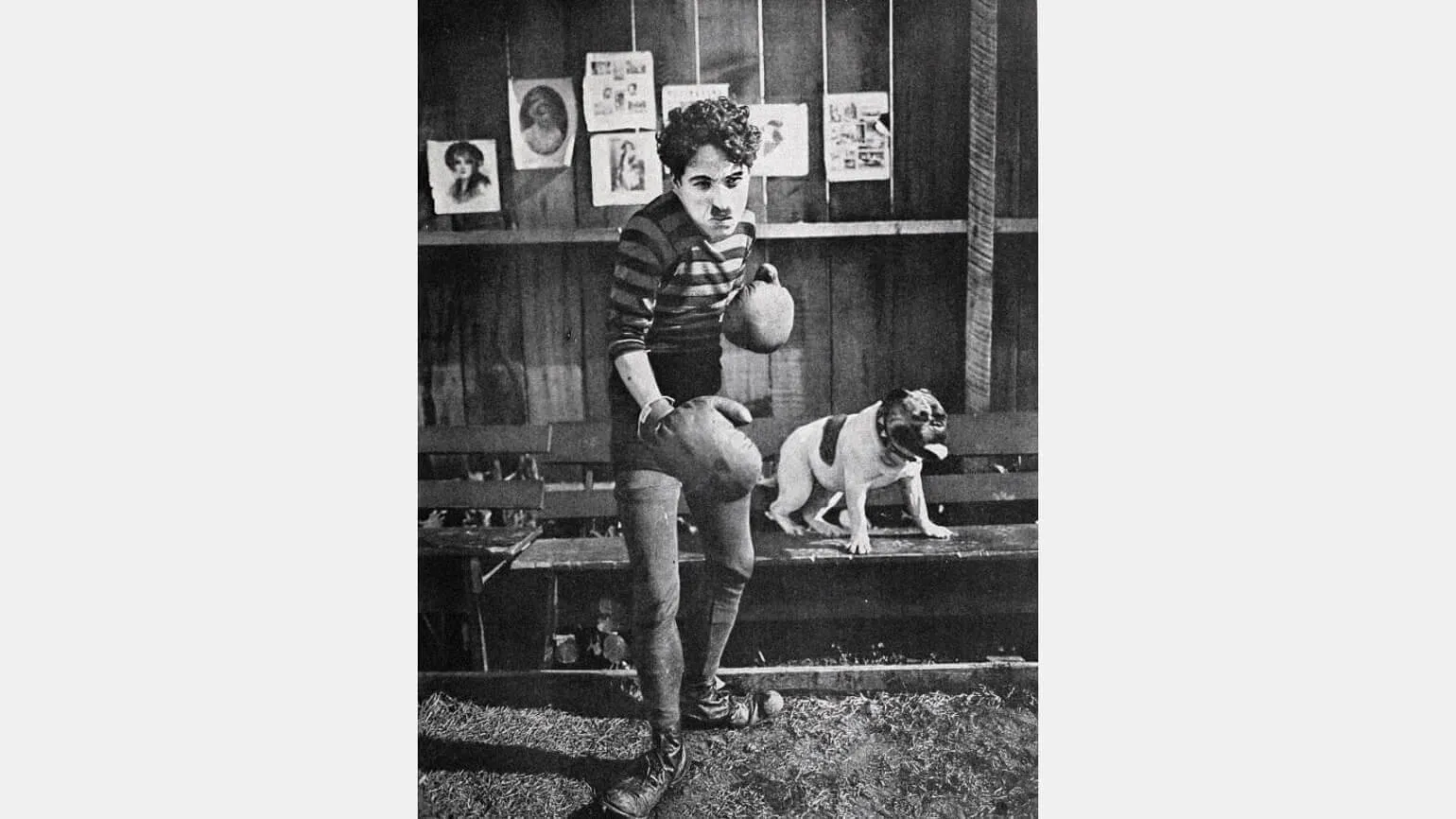
Using a foreign citizen's image in an online course without their consent can have legal consequences. If the citizen or their representative learns of such use, they have the right to file a lawsuit in Russia. Therefore, it is important to consider the risks associated with using images without permission and take steps to minimize them.
If you claim that your course is taught by a famous person, such as a well-known actor or politician, but it is actually a deepfake, course buyers may feel deceived when they discover the truth. In such a situation, they have the right to demand a refund, citing Article 178 of the Civil Code or Article 12 of the Federal Law "On Protection of Consumer Rights." This emphasizes the importance of honestly presenting information about your course to avoid legal consequences and maintain customer trust.
Advertising for a course may be deemed false in accordance with paragraph 3 of Article 5 of the Federal Law "On Advertising." Administrative fines are provided for this, ranging from 100,000 to 500,000 rubles for organizations and from 2,000 to 2,500 rubles for individuals, according to Part 1 of Article 14.3 of the Code of Administrative Offenses. This underscores the importance of complying with the law when promoting educational programs.
The use of deepfakes can mislead people into believing that the image actually depicts a famous person. In such cases, law enforcement agencies may consider this action fraudulent. This raises important questions about the legal implications and ethics of using deepfake technology, which can negatively impact people's reputations and lives. Ensuring protection against the abuse of deepfakes is becoming a pressing issue for society and the legal system.
When using images to create deepfakes, it is important to consider the consent of the person whose image you plan to use, as well as the legality of using the photos and videos. It is also important to avoid misleading course buyers. This means that the deepfake should not represent a real person. Proper content handling will help maintain user trust and avoid legal consequences.
Of course, I am ready to help with text editing. Please provide the text itself to be revised.
Compliance with rules and guidelines is an important aspect in all areas of life. This helps to avoid mistakes and achieve your goals. Compliance with standards and norms allows you to increase your efficiency and improve the quality of your results. Therefore, it is important to adhere to established guidelines to achieve successful results.
Videos with deepfakes are often perceived as parody materials, and in such cases, the opinion may arise that consent to the use of photographs and videos from which they are created is not required (clause 4 of Article 1274 of the Civil Code). However, this does not exempt you from the obligation to comply with the provisions of Article 152.1 of the Civil Code, according to which it is necessary to obtain a citizen's consent to the use of their image. It is also important to take into account the requirements of the Law "On Personal Data", which obliges you to obtain consent for the processing of personal data. Therefore, even when creating deepfakes, compliance with copyright and personal data rights remains relevant and mandatory.
In your case, we are talking not only about entertaining videos for social networks, but also about the use of deepfakes in an online course that can be distributed for a fee. This implies your commercial benefit. It is important to consider that in the event of a dispute, a court may not recognize such a deepfake as a parody.
Different countries take different approaches to regulating deepfakes. In the United States, for example, in 2019, the state of California passed a law that focuses on the distribution of political deepfakes, especially in the context of presidential elections. Violation of this law is criminally punishable. The regulation of deepfakes is becoming an important topic in modern society, as such technologies can influence public opinion and political processes.
In 2023, the Singapore Parliament passed a law prohibiting the publication of false information. According to this law, citizens do not have the right to disseminate information knowing or believing that it is false. This also applies to deepfakes if they are presented as real images of people. The legislation is aimed at combating disinformation and protecting public opinion from manipulation and distortion associated with the use of modern technologies.
Since 2020, China has introduced strict rules for the use of deepfakes. All publications containing deep learning technologies to create fake content are required to be specially marked. Violation of this requirement may result in criminal liability. These measures are aimed at combating disinformation and protecting the rights of citizens.
The Civil Code does not provide protection for the use of a person's voice to the same extent as the use of their image. Under current law, a person's consent is not required to use a voice. This regulatory framework can lead to legal disputes and misunderstandings, particularly in the context of the commercial use of voice in various media formats. It is important to consider that the lack of protection of voice rights may impact the personal and property interests of individuals, so it is recommended to closely monitor legislative changes and current legal norms.
Voice can be considered biometric personal data, as it is unique to each individual, similar to fingerprints. Currently, many banks use voice identification of clients to obtain loans, which emphasizes the importance of protecting such data. If the primary purpose of using voice is to identify a specific individual, their consent to the processing of this personal data must be obtained. However, in practice, there have been no court cases related to the unlawful use of voice information in Russia, raising questions about law enforcement and the need for regulation in this area.
The situation with voice use remains uncertain both in Russia and abroad. In the United States, for example, the YouTube channel Vocal Synthesis publishes deepfakes created using the voices of famous politicians and musicians. This channel featured a video in which rapper Jay-Z's voice was humorously imitated. In the video, he supposedly reads Hamlet's "To Be or Not to Be" monologue in a rap style and also sings the lyrics to Billy Joel's "We Didn't Start the Fire." These videos were created using artificial intelligence technology. In response, the company that owns the rights to Jay-Z's brand demanded the video be removed and filed a copyright infringement lawsuit. Two of the four videos featuring the rapper's imitated voice were initially removed from the channel, but they are now available for viewing again. This situation raises important questions about the legal aspects of using artificial intelligence in the context of copyright and intellectual property protection.
Online course producer from scratch to PRO
You will learn how to launch profitable courses and webinars with minimal investment. You'll understand how to turn existing EdTech projects into profits and make money from online learning.
Learn more