
Contents:
- Learn2learn
- How the Learn2learn project came about
- What are the main Learn2learn formats
- How the learning around format found its audience
- How work with customers is structured
- How artistic educational spaces are created
- How scientific work helped to look at the project in a new way
- How the success of the project is assessed
Learn2learn
The project aims to solve current problems and meet the needs of the target audience. The main goal is to develop effective solutions that will help users cope with everyday challenges and improve their quality of life. We strive to create a unique product that will stand out in the market, meeting modern requirements and user expectations. During the project, we pay special attention to quality, innovation, and user experience, which allows us to achieve high results and build long-term relationships with clients.
Creation of unique corporate training formats and educational products based on the use of art for learning and development. We develop innovative approaches that integrate artistic methods into educational processes, promoting deeper understanding and involvement of participants. Our goal is to enhance learning by leveraging the creative solutions and practical skills that art offers.
The launch year is a critical milestone for any project or business. This moment marks the beginning of a journey that will subsequently impact all aspects of the business. Choosing the right launch year can be the key to success, as it can align with market trends and audience needs. A successful launch depends not only on the timing but also on careful preparation and the strategy implemented during the process. It is important to consider that the launch year should be consistent with the company's overall goals and mission, and be analyzed in light of the competitive environment.
2010 was a significant milestone in various fields, including technology, culture, and economics. The world of technology experienced significant changes, such as the development of mobile devices and social media. The emergence of new gadgets and applications transformed the daily lives of users. In the cultural sphere, 2010 was remembered for the release of several landmark films and music albums that influenced contemporary art. The economy continued to recover from the global crisis, and many countries began to implement new approaches to development. This year set the stage for many trends that continue to evolve today.
A link is an address that points to a specific resource on the internet. It allows users to access web pages, images, videos, or other files. Proper use of links is important for improving website navigation and increasing its visibility in search engines. Link optimization includes using keywords in anchor text, as well as creating internal and external links, which can significantly improve SEO results. An effective link structure promotes better content perception and increases the chances of attracting an audience.
Yulia Pshenitsyna has extensive experience in training and personnel development, both in large companies and as a freelancer, serving as a trainer and consultant. In 2010, she and a team of like-minded individuals launched the Learn2learn project, which focuses on solving an important problem: employee motivation for learning. The project offers innovative approaches and methods that foster interest in learning and professional development in the corporate environment. Yulia found a solution by combining three key aspects: education, business, and art. Experimentation in this area has contributed to the development of innovative, original teaching methods and formats, leading to the creation of a new direction in the corporate sphere – learning through art. Learn2learn has been successfully operating in this field for fifteen years, adhering to the principle of uniqueness and an individual creative approach, refusing to scale in order to maintain the quality and originality of its programs. Yulia Pshenitsyna, the author and director of the Learn2learn project, shared her concept for creating a unique learning format with Skillbox Media. She discussed how the project's idea arose and how it is developing. Yulia also expressed the opinion that contemporary art is a kind of fashion trend that may fade over time. She also noted that in Learn2learn's 14 years of existence, the position of sales manager has never been introduced, which underscores the company's unique organizational structure and philosophy.
How Learn2learn Came to Be
I have significant experience in corporate education, having worked in various positions. From 2003 to 2006, I was involved in the development of the trainings.ru website and headed the corporate education department at Amplua. I then managed the training and development departments at companies such as Leroy Merlin Vostok and DHL Russia. In 2008, I switched to freelancing, where I developed and implemented T&D programs as a business trainer and consulted companies on personnel training and development. My experience covers all aspects of corporate training, allowing me to effectively address clients' needs.
I've spoken extensively with colleagues from HR and T&D at professional conferences, and we've concluded that the key to effective training in an organization is employees' attitudes toward the learning process and their desire to develop. Motivated employees independently seek out useful literature, consult with experts, and collaborate with colleagues. This is the foundation of informal learning, which accounts for approximately 80% of training and development (L&D) results. Therefore, it's important that formal educational programs, for which organizations allocate budgets, foster and strengthen employees' desire for independent learning. Understanding this aspect emphasizes the need to develop strategies aimed at motivating employees to learn.
In 2010, the idea for the Learn2learn project, which translates as "Learn to Learn," emerged. Initially, the project had no connection to art. The main goal was to develop and implement new training methods that would be more effective and motivating than those currently in use. We aimed to foster a positive attitude toward learning among employees and develop their capacity for self-education. The project was initially conceived as a social, rather than commercial, endeavor, with the goal of communicating my ideas, which I considered revolutionary, to the HR community. However, I soon realized that simply writing articles or presenting at conferences would not lead to significant change. I realized I needed to more actively engage my audience and create a platform for discussion. Thus, I decided to develop more interactive formats that would allow the sharing of knowledge and experience, contributing to real transformation in the field of human resource management.
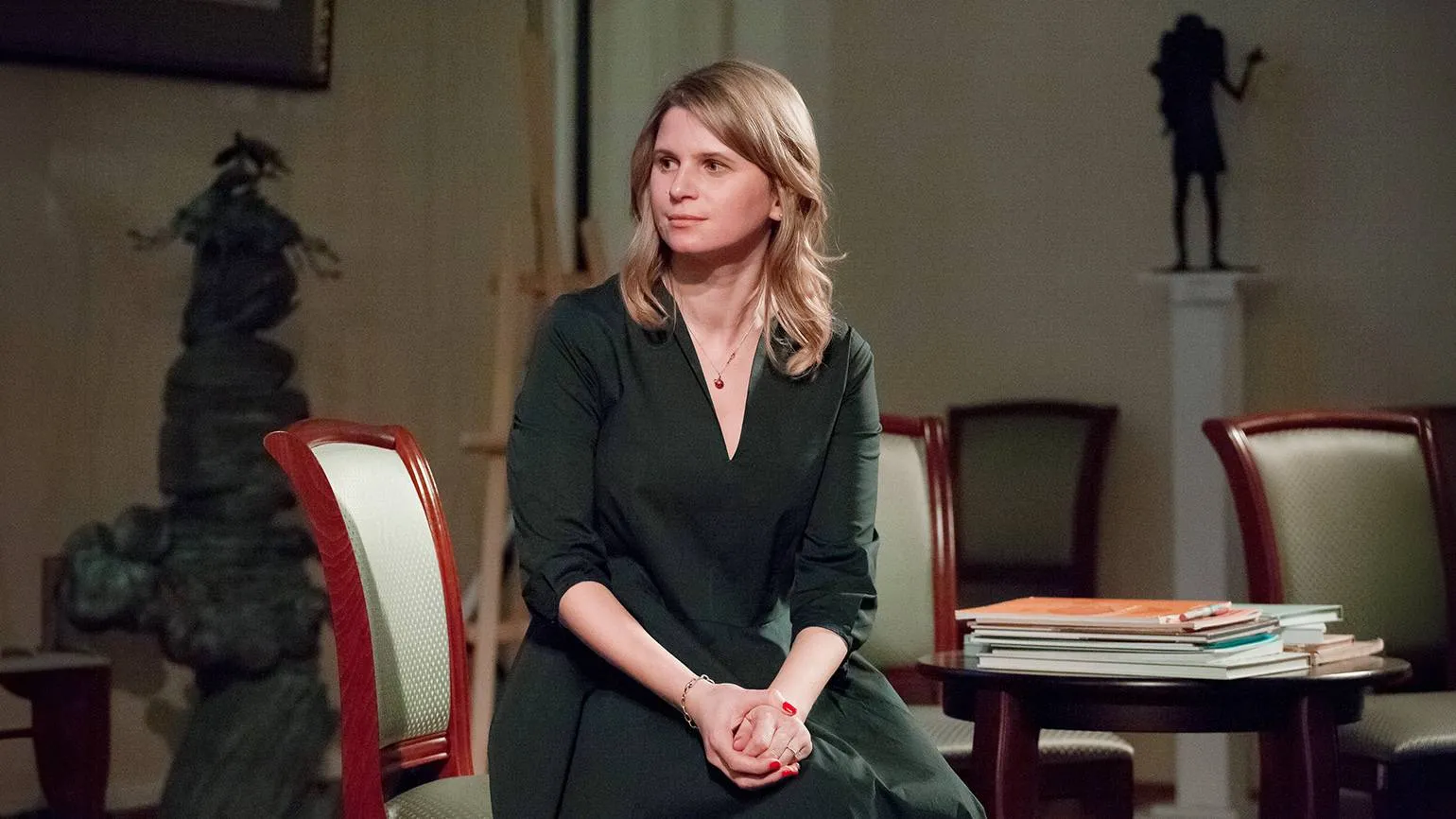
I needed to develop a more compelling approach that would effectively address employees' internal attitudes and corporate culture. This proved to be a challenging task. A person's personal attitude toward various aspects directly impacts their professional behavior. However, it's impossible to force an employee to genuinely smile at clients, respect colleagues, or show love for their country. Instead, you can create an atmosphere that inspires and motivates employees.
I regularly use creative methods in my training programs, which makes the idea of integrating corporate training with art entirely justified and natural. Combining these two approaches not only develops employee creativity but also improves teamwork skills, which in turn contributes to increased business performance. Art as a teaching method helps create a unique atmosphere in which participants can freely express their ideas and find innovative solutions.
To implement our idea, we joined forces with like-minded people from the HR community and art professionals. Artist and board member of the Moscow Union of Artists Alexander Sorokin joined the project from the very beginning, becoming the artistic director of Learn2learn. We consciously rejected traditional educational theories and methods, preferring to experiment and find new approaches based on intuition. My experience in psychology, pedagogy, and business management played a significant role in this process.
At that time, there were no similar initiatives in Russia. I studied foreign projects with similar concepts but didn't want to follow them. Later, while analyzing the educational projects market for my research, I realized that we were moving in different directions. In the West, corporate education views art, particularly contemporary art, as a tool for creating innovation. This position recognizes that contemporary artists create conceptual and bold works, and if you understand this, you are open to new ideas, capable of thinking outside the box, and finding unexpected solutions.
Our team has a special relationship with contemporary art. We value true, authentic art capable of evoking deep emotional experiences. We collaborate exclusively with academic artists, talented musicians, actors, and other representatives of culture and art who share our values and aspirations. Our goal is to support and develop genuine forms of expression that inspire and touch the viewer.
Learning through art implies that encountering a work of art should lead to personal growth and deep emotions. A person must experience the artistic experience that is only possible through interaction with true art. If the viewer requires an explanation of the meaning of the work, the artist's intent, or ways of interpreting it, then such art is not fulfilling its purpose. The true value of art lies in its ability to evoke intuitive understanding and emotional response without further explanation.
In our view, contemporary art lacks sufficient resources and potential. From a teaching perspective, it proves ineffective. When only a concept is presented without a visual image, the human image-recognition system is ineffective, which hinders a full-fledged educational process. Moreover, we believe that this phenomenon is a temporary fashion that will eventually disappear.
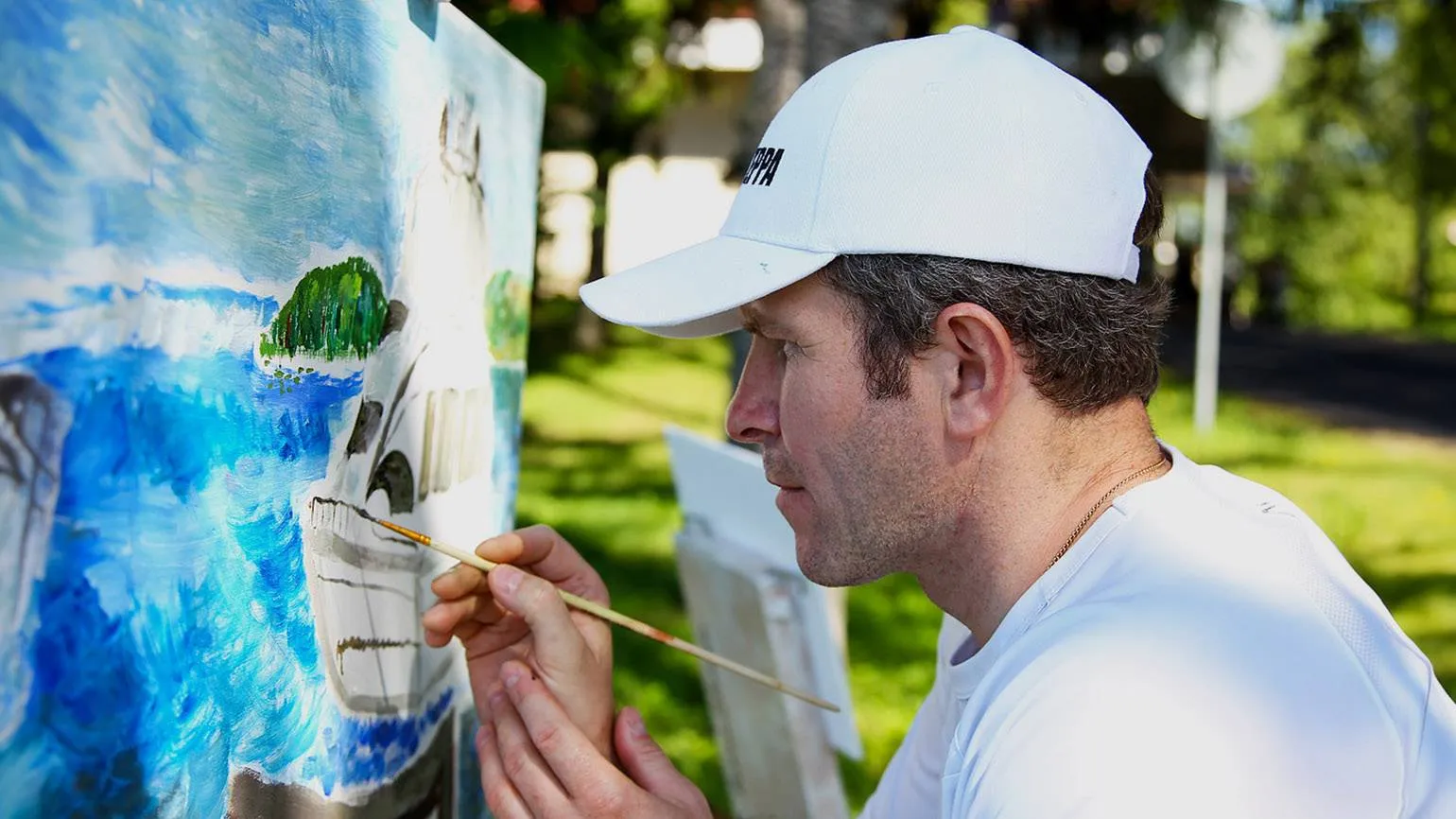
We prefer to focus on those works that have already stood the test of time or have the potential to become classics. In our programs, we study masterpieces of Antiquity and the Renaissance, as well as works by the Impressionists and masters of the Russian academic school of painting, music, and theater. This allows us to deeper understand cultural heritage and its influence on modern times.
What are the main Learn2learn formats?
During the first experiments, we developed a format that we called learning surrounds, which can be translated as "educational art spaces." This format has become a key element and "calling card" of the Learn2learn project. Educational art spaces provide a unique atmosphere for learning, fostering creativity and interaction among participants.
The format of our art object is designed to provide a unique educational experience through interaction with art. We strive to inspire participants to delve deeper into the topic and develop related skills. This approach works because learning is not didactic, but inspiring and awakens interest. Emotional impact plays a key role in fostering intrinsic motivation for learning. We also emphasize the speed of interaction with the format, as time is a valuable resource in corporate training. Training in a corporate environment can be compared to visiting a museum with an audio guide. Instead of a gallery, employees find themselves in a specially organized space at their workplace. Training typically takes place in the company's office, occupying a conference room or meeting room. This format allows for the effective acquisition of new knowledge and skills in a familiar environment, which promotes better information comprehension and increased productivity. Our first "mature" project, which we call an object, is the "Pinacotheque," created in 2013 after a series of experiments. This unique space, divided into thematic zones, displays copies of works by famous artists, such as Picasso's "Girl on a Ball," as well as original paintings by Alexander Sorokin, including "City." "Night," "Cherepovets Iron and Steel Works," and "L.N. Tolstoy's Estate in Khamovniki." Upon entering the Pinakothek, each visitor is given an audio player and headphones, which accompany them along the route, offering them the opportunity to listen to an educational literary text dedicated to leadership in the 21st century. In this project, we emphasize humanistic values and the timeless idea that leadership is a choice. We consider the leader as a holistic individual and creativity in the context of leadership. Visitors listen to the story while simultaneously viewing artistic objects, which encourages them to identify with the protagonist and reflect on what being a leader means to them personally.
The route, including listening to the story, takes only 30 minutes. Given the size of the space, up to 120 people can complete this route daily.
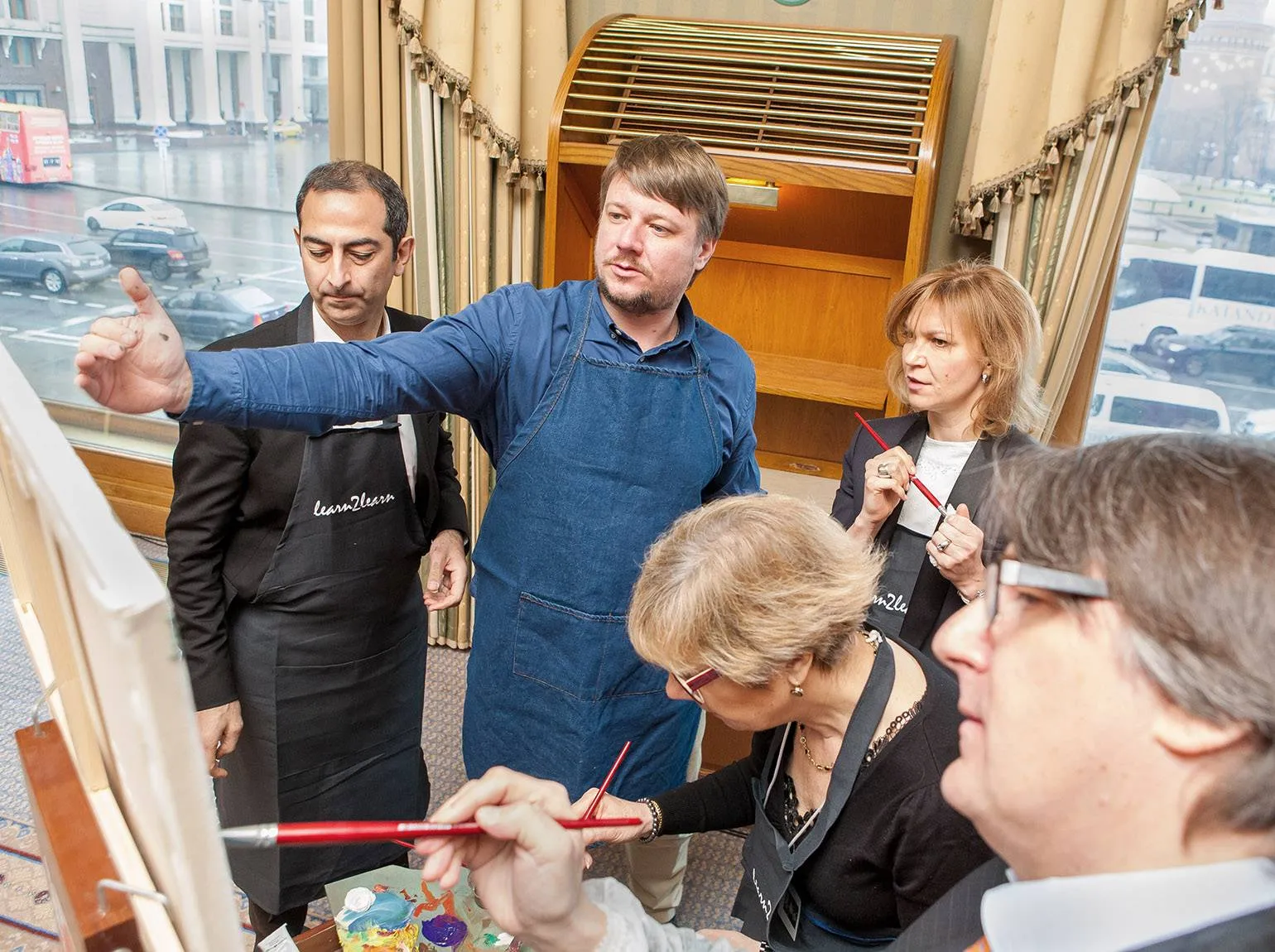
The second key format of our project is original educational workshops, which were launched from the very beginning. In these workshops, participants acquire new knowledge and skills through art and creativity. They create paintings, stage theatrical productions, or develop architectural models under the guidance of experienced professionals. The workshop programs are designed with methodological principles in mind, allowing participants to develop both their values and their practical skills. These educational formats contribute not only to professional growth, but also to personal development, creating a unique atmosphere for creativity and self-expression.
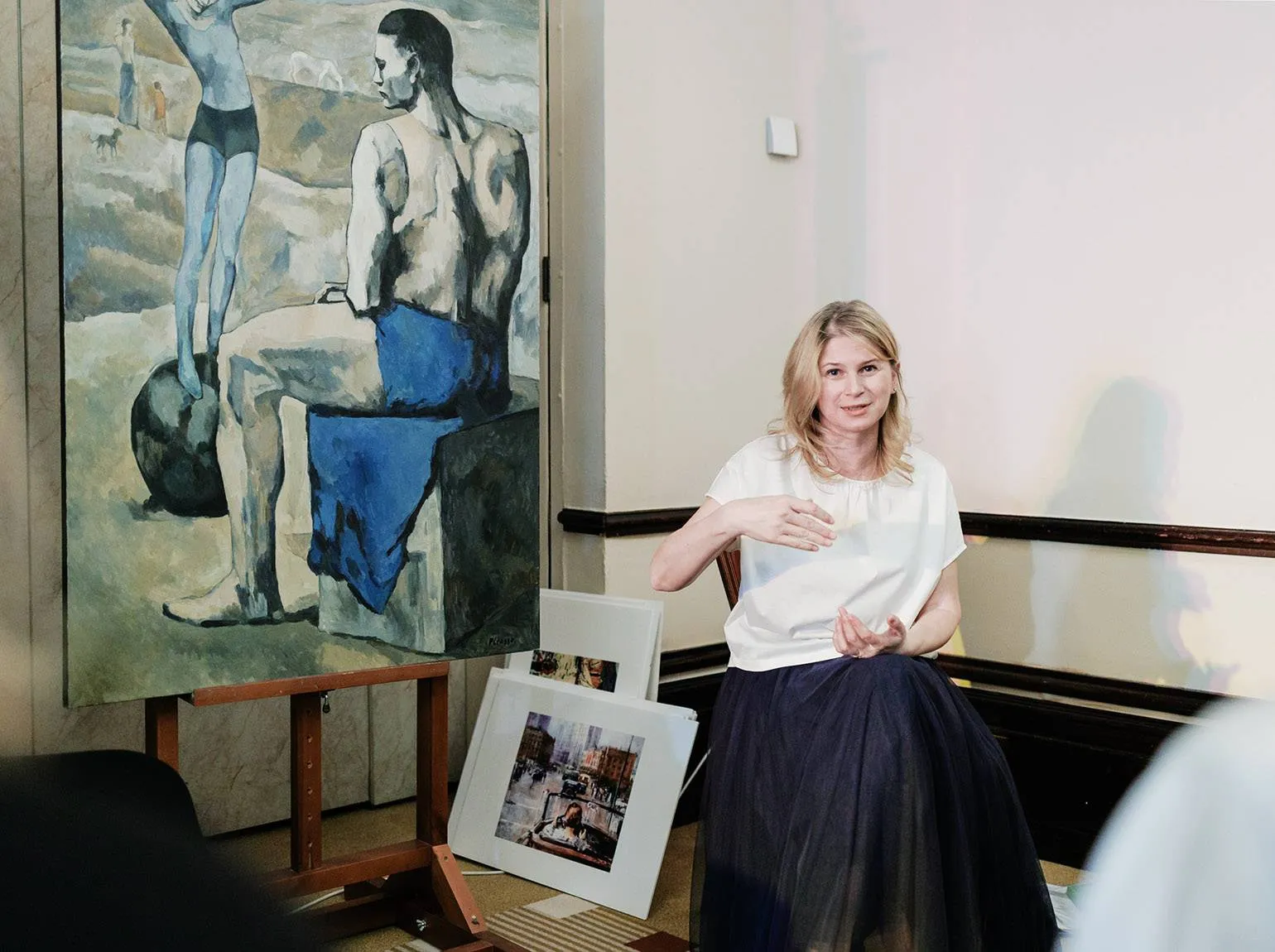
The educational content of the programs is formed Depending on client requests, our core goal remains the same: to foster the development of key competencies through art. These programs aim to inspire and empower employees to change their internal attitudes and unlock their professional potential. Among the most common requests from companies are strengthening leadership competencies among senior managers, team building, and developing high-potential employees (HiPos). Key themes of our workshops include the concepts of "leader as artist," "team as art form," and "art as a role model for business." These areas enable companies to effectively develop their employees and create innovative management approaches.
How the learning around-rounds format found its audience
Our first projects, preceding the creation of the Pinakothek, included "The Bermuda Quadrangle" (2010), "The Desire to Fly" (2011), and "A New Year's Tale" (2012). "The Bermuda Quadrangle" was intended for HR specialists and immersed them in the concept of self-learning organizations, focusing on common mistakes in creating corporate training and development systems. "The Desire to Fly" raised the issue of employee responsibility for their own development, while "A New Year's Tale" focused on developing learning skills. All three projects combined elements of storytelling and art installations. We first presented them at the HR exhibition Trainings EXPO in 2010 and 2011, where they generated significant interest among colleagues. This led to the first corporate clients, such as VTB and IBS, expressing interest in using our facilities to enhance the skills of their employees.
In 2013, the Pinakothek program was created at the request of Alfa-Bank with the aim of developing 21st-century leadership competencies and fostering a culture of innovative leadership within the organization. Initially, participants included bank managers, including senior management. The program's format and content were received very positively, confirming its success. Since then, the learning surrounds format has become the standard. Since 2013, we have held Pinakothek programs numerous times in various Russian and international organizations, both government and commercial, and thousands of employees have attended. The program continues to be popular, demonstrating its effectiveness and relevance in the face of modern challenges.
Based on the Pinakothek project, we developed three more projects. Just three months after the premiere of Pinakothek, the Alla Prima project, also commissioned by Alfa-Bank, was created. This project focuses on customer focus and genuine service. This project was presented at various Russian institutions, including the Moscow MFC (My Documents) in 2014, at the invitation of its director, Elena Gromova.
In 2018, we received a request from Yulia Uzhakina, CEO of the Rosatom Corporate Academy, and Natalia Zhuravleva, then in charge of corporate education at Sberbank. In 2019, at the joint request of Rosatom and Sberbank, we developed the Fermata project, dedicated to a culture of responsibility. In 2021, we created the "Box," aimed at fostering a culture of teamwork. This project was developed at the request of the Senezh Management Workshop for the winners of the "Leaders of Russia" competition, organized by the ANO "Russia – Land of Opportunities." We continue to collaborate with leaders in the field of corporate education, striving to develop skills and a culture of responsible and effective interaction in teams.
We are currently working on creating new objects that Meet the current needs of modern organizations. Details are still under wraps.
How We Work with Customers
All our products are developed exclusively at the request of specific clients. The budget is formed individually for each project, taking into account the specifics and requirements of the client. We guarantee high quality and compliance with expectations, providing a personalized approach to each order.
New clients find us through word of mouth and recommendations from colleagues who have been satisfied with our projects. Our clients include large public and private corporations, as well as small companies and startups. We value long-term relationships and continue to collaborate with those who have already worked with us. Our website contains current news and articles, and we also maintain a closed Telegram group where only our regular clients communicate.
We do not use additional client acquisition channels and do not strive for scaling. The number of projects since Learn2learn's founding has remained stable, as we are unable to take on more orders. It's important to me that every event is carried out with attention to detail, aesthetics, and effectiveness. I also place great emphasis on pouring heart and soul into every project.
Despite popular belief, we don't have a sales manager. This is true. Selling such specialized products is challenging, so I handle all interactions with potential and current clients myself. Because I am personally involved in the development of all educational products and event organization, I have the opportunity to explain their benefits and business advantages in detail and clearly. This personalized approach allows us to better understand client needs and tailor our offerings to their needs, which in turn increases the likelihood of successful sales.
Over time, explaining the essence of our work has become much easier thanks to the accumulated experience gained from numerous implemented programs. At the initial stage, when we were just starting out, client initiators had to face significant difficulties. I can only imagine how they managed to explain the concept of learning through art within the company and convince management of its necessity.
We don't have a clearly formulated business plan for the number of completed projects. Clients typically contact us via phone calls or messages. We discuss details, reach an agreement, and set a completion date. On average, we implement a client request every two weeks, which may include organizing an educational workshop or installing an object on the client's premises. This allows us to maintain active interaction with clients and flexibly respond to their needs.
Creating new objects in the learning surrounds format is a large-scale undertaking, requiring three to six months of intensive work. Some of the most complex and large-scale projects in terms of development and implementation are corporate parent-child events, which we traditionally hold in the summer and on New Year's Eve. All company employees and their families participate in these events, and the audience can reach several thousand people. To successfully conduct these events, it is necessary to attract more than a hundred professionals.
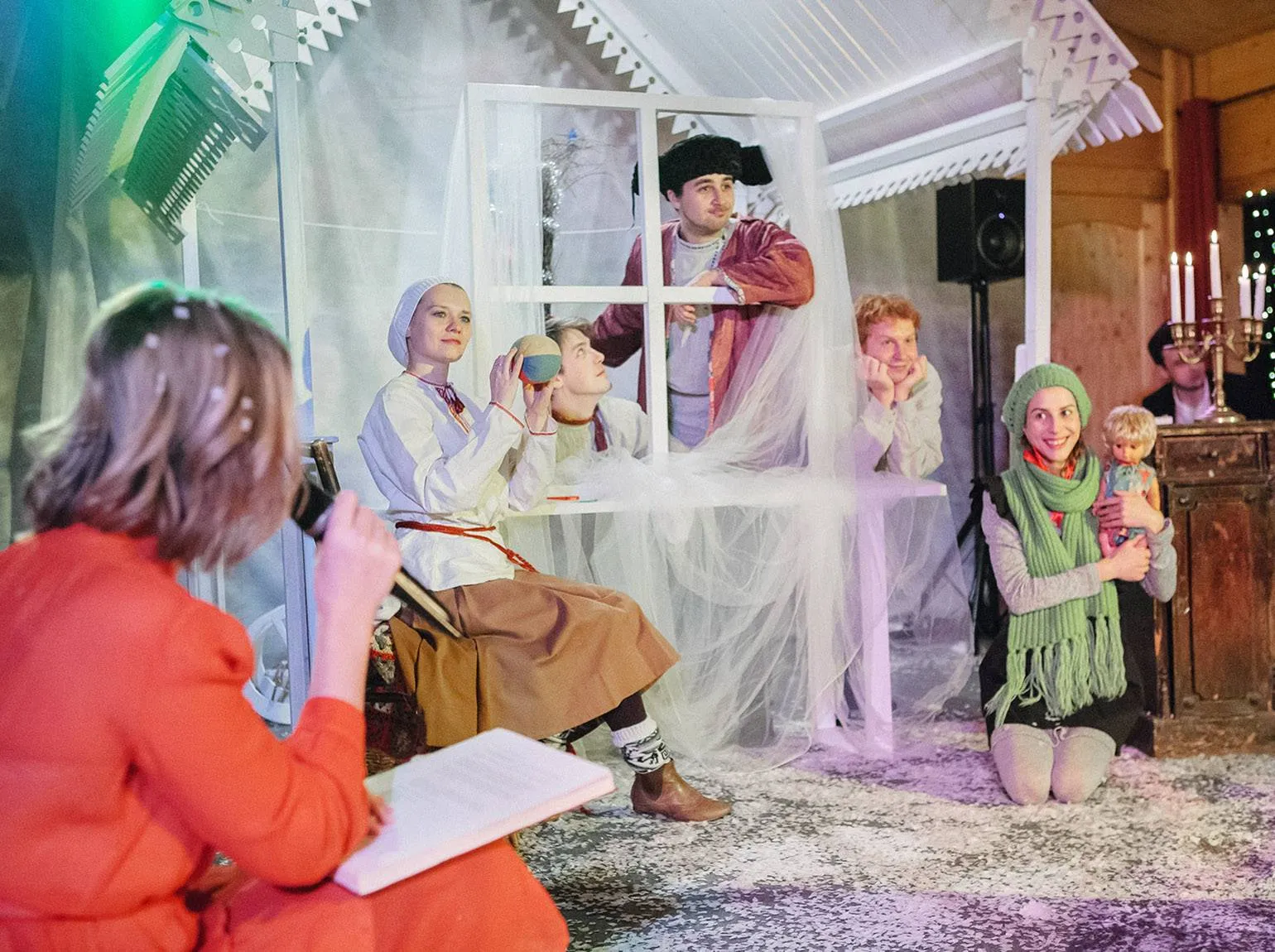
We are actively involved in social activities. Participants in our learning rounds and workshops often ask if something similar exists for a wider audience, including children. In response to these demands, since 2018 we have been participating in the annual all-Russian event "Night of Museums." Professionals in culture and art participate free of charge in the educational and artistic events we organize, which take place at such iconic venues as the Gogol House, the Tolstoy Estate in Khamovniki, and the Alexandrinsky Palace in Neskuchny Garden. These events aim to promote cultural heritage and draw attention to art, creating unique opportunities for educational and cultural exchange.
How Artistic Educational Spaces Are Created
The process begins with the client contacting Learn2learn with a specific educational need. For example, company executives may believe that leadership is associated with strict control and need to change this perception to create a more trusting atmosphere in their teams. Or the client may identify an existing problem: "In our company, everyone is responsible for their part, but no one controls the big picture."
When communicating with the client, I strive to better understand their needs and translate them into educational goals. If I am confident that the project can be successfully implemented and will yield significant results, we decide to begin development. Typically, clients with similar values approach us, which allows us to easily find common ground and develop a unified vision of the educational outcome. However, in one case, we received an offer to develop a project based on the book "The Diamond Cutter" by Michael Roach. We declined, since the author's ideas about building a successful business through Buddhist teachings did not align with our principles.
As part of an educational project, we begin developing the artistic component, including the script, visual elements, and audio format. This will allow us to create coherent and attractive content that will effectively convey the educational materials and engage the audience. We will pay attention to every detail to ensure high quality and compliance with the educational goals.
We don't involve clients in the project creation process, and they only receive the finished product once it's delivered to the office. Client trust is crucial to the successful completion of the project—without it, the vision becomes impossible to achieve. Clients sometimes request written materials, but in such cases, I prefer to arrange a phone conversation. This allows me to outline key points and explain how they will be implemented in the final project.
The team responsible for completing the project is formed according to the specific needs of the project. Within the Learn2learn project, the main participants are myself and Alexander Sorokin. My role is to develop the educational concept for the new facility and write the written content. Alexander, as the artistic director, is responsible for the visual component: he develops the design project for the future space and creates paintings, and also attracts talented professionals from various artistic fields, such as actors and musicians, to bring the concept to life. Some of these professionals have been collaborating with us from the very beginning of the project. This allows us to create unique educational spaces that harmoniously combine art and learning.
We continually strive to develop and innovate our projects. Previously, we used pre-existing tracks or recorded classical compositions with musicians for audio accompaniment. However, in 2021, while working on a new project, we invited a composer to create original music specifically for this facility. After each program, we conduct an analysis to identify opportunities for improvement. We are looking at where we can make changes, add new elements, or change our approach to certain points to make our content more understandable and engaging for participants.
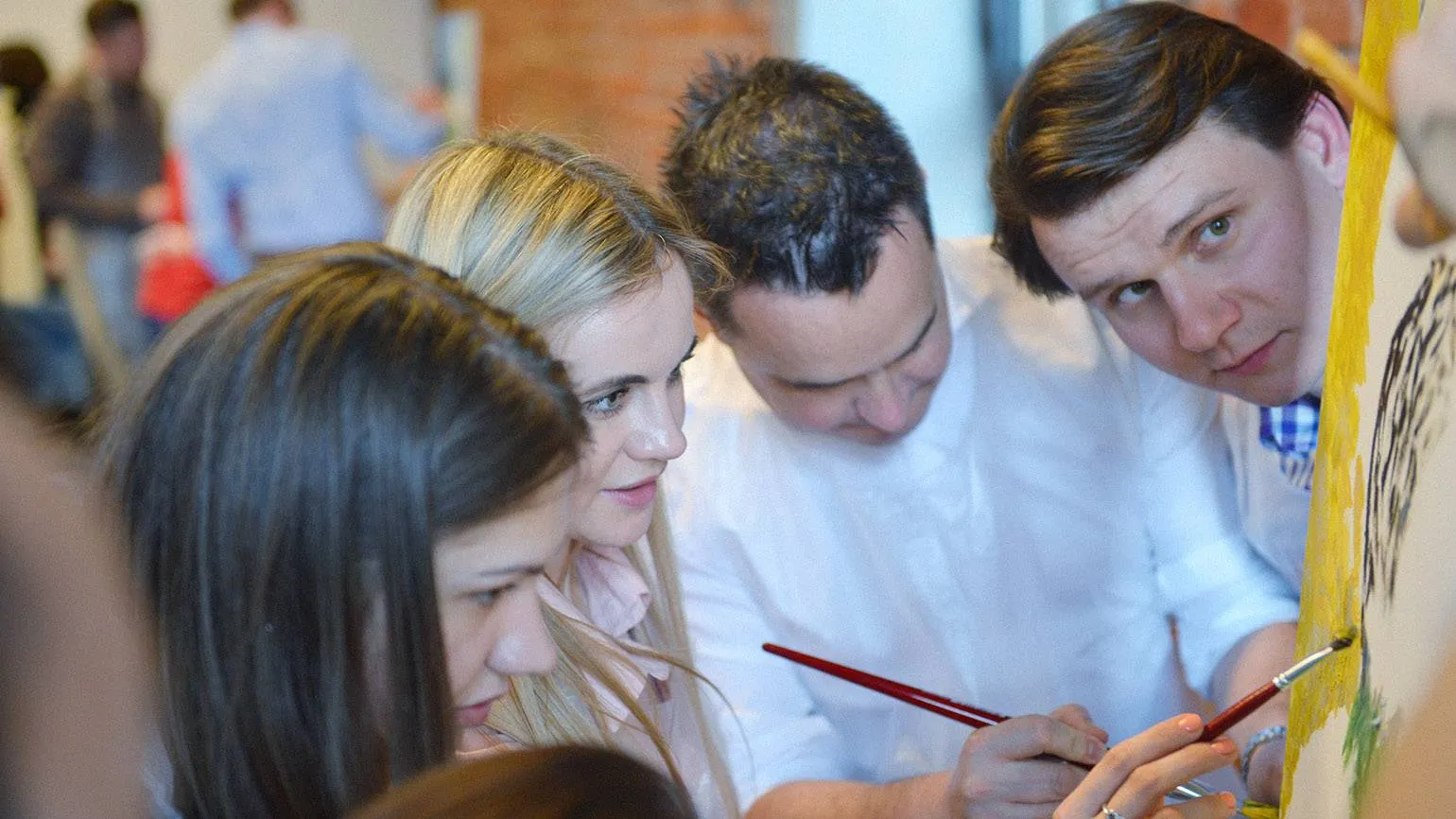
After a successful premiere Once an object is placed in a customer's company, it becomes part of our product line, allowing other companies to commission its placement. All of our educational products remain our property, but we also have exclusive projects developed specifically for customers with the transfer of exclusive rights. Examples of such projects include the short educational film "Sunny Day" for the Senezh Management Workshop and the film "Postcard to the Future" for Rosatom. After its premiere, Rosatom's film was made publicly available, which was a significant event for us and recognition of the quality of our work.
How scientific work helped us look at the project in a new light
The project was initiated as a practical experiment, and when developing our formats, we did not rely on theories and methods of pedagogy and andragogy—at least, this was not our main priority. We focused on a practical approach, which allowed us to create unique solutions that meet the demands of modern learning. This approach helped us avoid formalities and focus on the real needs of project participants.
Over time, we became interested in exploring this topic in greater depth and approaching the project from a scientific perspective. We saw in practice that our method was producing results, but it was important to find a justification for its effectiveness. I sought to understand why and what factors make our approach successful and to support it with a theoretical foundation.
Working on scientific articles would allow us to more convincingly present our ideas to both clients and colleagues. Furthermore, it was necessary to protect our intellectual property from unfair borrowing, which had occurred in the past when our Learn2learn project was not even referenced. Describing and documenting our work became critical. Therefore, in 2018, I began researching at the Institute of Art Education and Cultural Studies of the Russian Academy of Education. This decision not only helped protect our work but also strengthened the project's scientific foundation, which, in turn, increased its authority and appeal to potential partners.
At the beginning of my analysis, I conducted a retrospective review of our activities to determine which concepts and approaches were most closely related to our practice. As a result, it became clear that Lev Vygotsky, Alexei Leontiev, Daniil Elkonin, and Vasily Davydov were key figures for us. These scholars laid the foundations for developmental learning in Russian pedagogy. In particular, Vygotsky's work on the role of art in the educational process is of particular value to our research.
While working on the "Casket" project, which was initiated by the ANO "Russia – Land of Opportunities," we discovered that in the 1960s, artists, architects, engineers, and scientists met on the shores of Lake Senezh, at the House of Creativity of the USSR Union of Artists. These creative individuals from all over the country were seeking new approaches to harmonious human development. We are confident that we have found the ideas and solutions our predecessors were seeking at that time.
In our work, we continue to consciously avoid using specific educational methods, as the development of each project is, first and foremost, a creative challenge. Creating an artistic experience cannot be accomplished using a template or algorithm. It requires inner content, life experience, intuition, inspiration, creative freedom, sincerity, and a love for people and one's work. We believe that these are the qualities that contribute to the formation of a unique and profound experience that will remain in the participants’ memories for a long time.
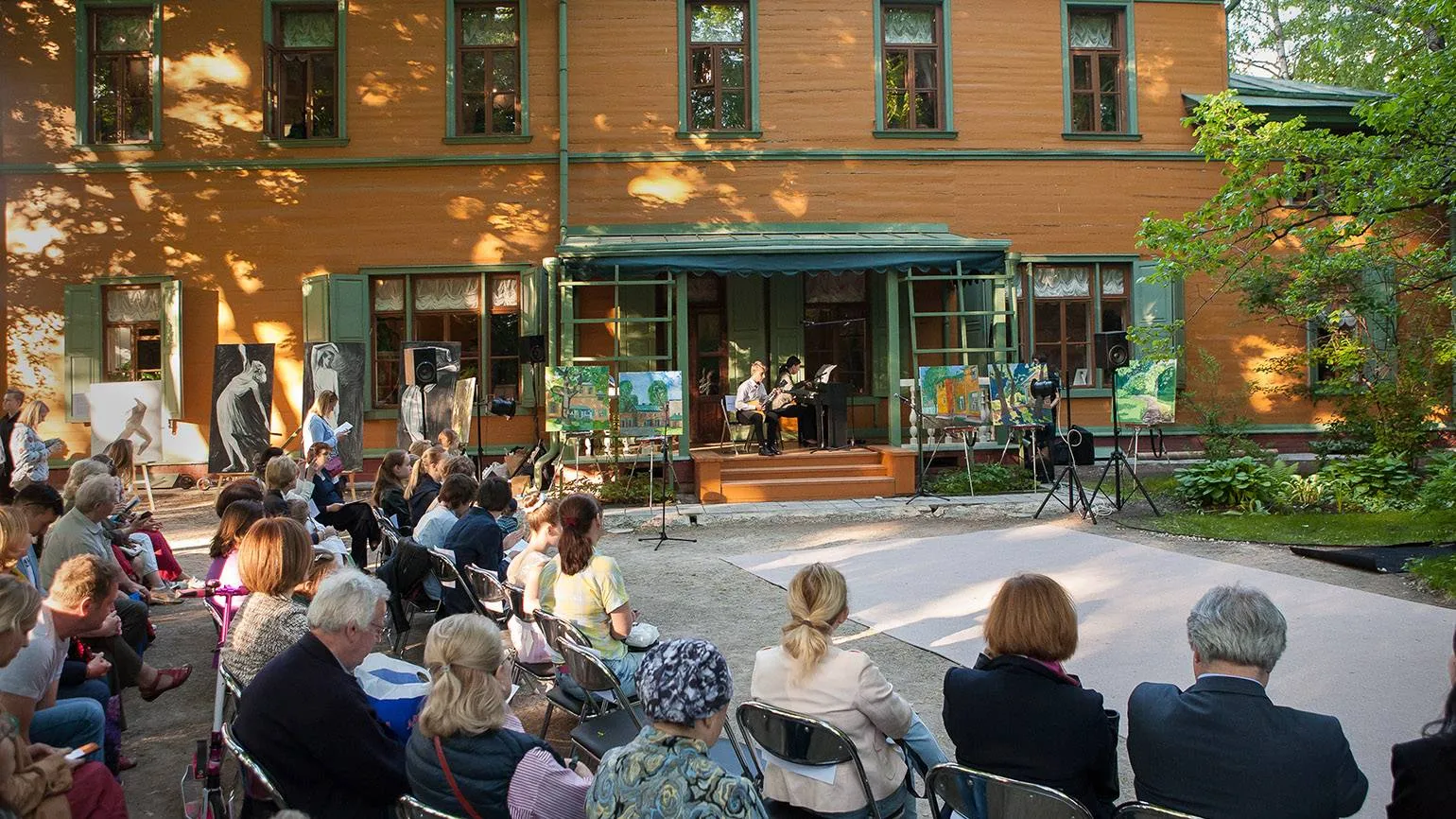
I completed my postgraduate studies and continue to engage in research activities. I currently write scientific articles, present at conferences, and share practical experience with colleagues. My work is aimed at deepening knowledge in my field and actively participating in the scientific community.
How is project success assessed?
We do not ask participants for formal feedback after visiting a site or participating in a workshop, as this would be inappropriate. The main goal of each program is to inspire participants through contact with art, to help them realize something new, feel emotions, and reflect on important issues. Completing a questionnaire at the end of the event could negatively impact this experience. Clients have the discretion to collect feedback from employees and sometimes share it with us.
The effectiveness of our work is determined by changes within organizations. The companies we collaborate with are launching new projects and products, introducing innovations, and applying more human-centered HR strategies. Another important indicator is the number of repeat customer requests, which demonstrates our ability to collaboratively develop new educational products that meet modern requirements.
At the end of each route, we place a blank canvas at the end of each site where participants can record their impressions and thoughts. Typically, these are short, emotional statements such as "Thought-provoking," "Interesting," or "Delightful!", along with quotes from the material they heard and parting words for others. However, many participants prefer to leave more meaningful and detailed reviews in which they share their reflections. These reviews are especially valuable, as they demonstrate a deep understanding and appreciation of the ideas and metaphors embedded in the program. I always save these reviews, and we currently have several hundred of them. Some participants continue to communicate with us after completing the route, sharing their experiences and inquiring about where to go next, as well as the possibility of bringing their loved ones to experience the same. This means a lot to me.
Recently, I've noticed an interesting trend: many participants in our previous programs and events share their new interests with me when they meet. Many of them have taken up drawing, signed up for dance classes, or learned to play a musical instrument. This discovery was a pleasant surprise for me and confirmed that our events help unlock the creative potential of our participants. We not only impart knowledge but also inspire new creativity and self-expression.