Contents:
Learn: The Profession of Methodologist from Scratch to PRO
Learnmore
How Mastermind Differs from Other Group Formats
Mastermind differs from other group work and training formats, such as strategy sessions, group mentoring, and master classes, due to its unique principles. These key features are the foundation of the mastermind concept, and adhering to them is critical to preserving its essence. Let's take a closer look at them.
Principle 1 is that to achieve success, you need to clearly understand your goals and objectives. This allows you to focus on the most important aspects and avoid unnecessary distractions. Understanding your goals helps you develop a strategy and set priorities, which in turn contributes to a more efficient use of resources and time. Clearly formulated goals also serve as motivation, maintaining the desire to achieve them. Success comes to those who know where they're going and make informed decisions at every step of the way. According to Anastasia Rudenko, a professional mastermind moderator, business trainer, coach, and co-founder of the Mastermind Groups school and community, equality among participants is a key aspect of the mastermind format. This equality allows each group member to contribute, share experiences, and receive valuable feedback. It's important for all participants to feel comfortable and confident, which facilitates deeper interaction and effective problem-solving. Mastermind as a format is based on mutual support, where each participant plays an important role in the development of others, which makes such meetings not only useful but also inspiring.
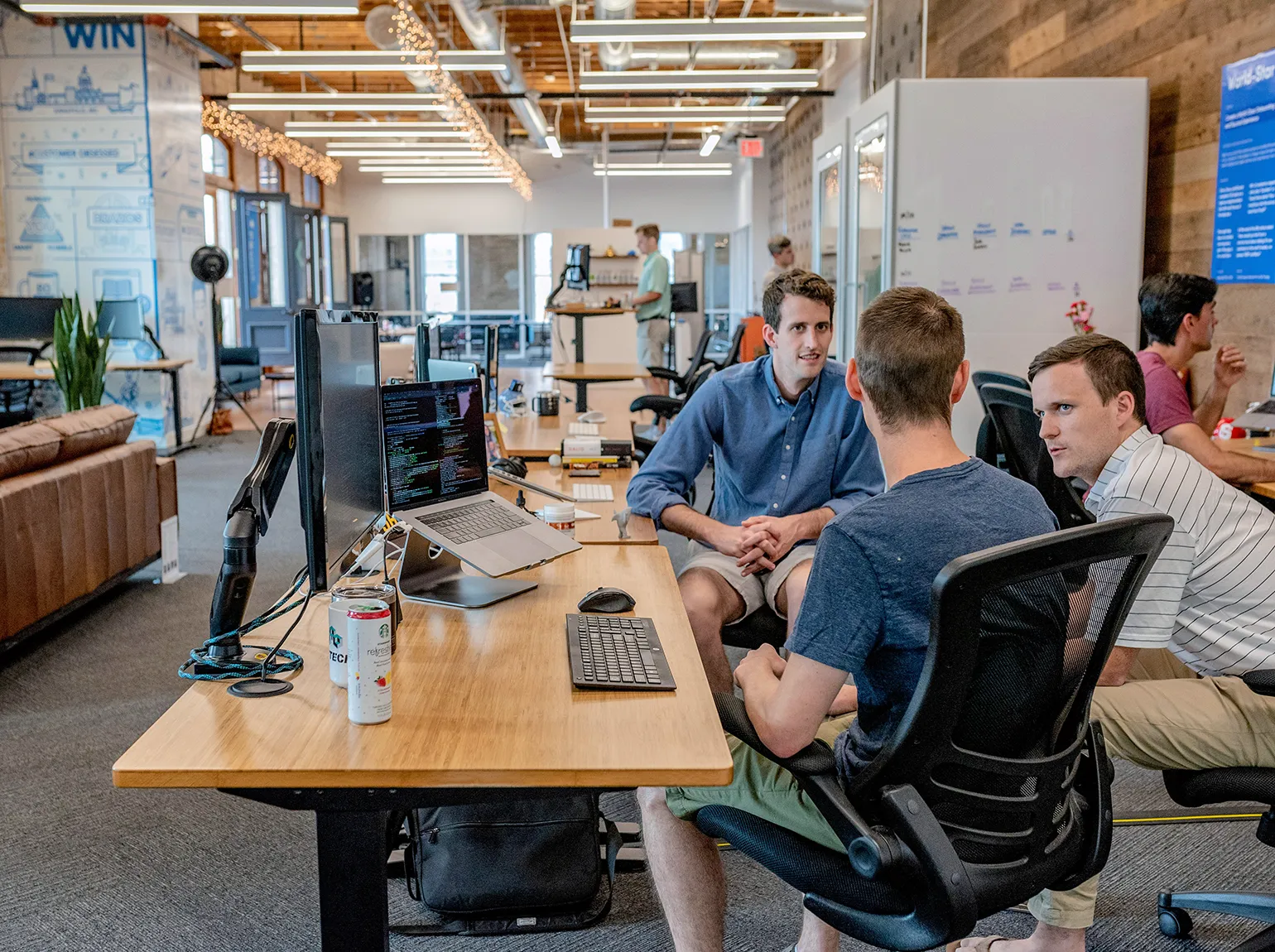
Mastermind differs from other forms of group Training formats such as group mentoring, masterclasses, and workshops. These traditional formats have clearly defined roles: learners and learners, such as experts, teachers, and mentors. In contrast, a mastermind uses a peer-to-peer approach, where participants are equal and share knowledge and experience, which promotes deeper learning and development. This format creates a unique environment for shared growth and inspiration, allowing each participant to contribute to the overall group dynamic.
Of course, I am available to help with text editing. Please provide me with the text you want to change.
In a mastermind, there is no single expert who imparts knowledge to other participants. Each participant has unique experiences and knowledge that they share with others. Thus, mutual learning and exchange of experience occurs through interaction. This format promotes skill development and a deepening understanding of various topics, creating an atmosphere of collaboration and support.
A mastermind group must have a moderator. The moderator's role is to organize the process, monitor compliance with the rules, and facilitate interactions among participants. The moderator does not act as an expert, but focuses on creating a productive atmosphere for discussion and the exchange of ideas. This allows participants to more effectively share experiences and receive support from each other.
To ensure equality, mastermind group participants are selected based on specific criteria, such as similar goals, experience, and industry. For example, in a group of aspiring entrepreneurs, all participants are at the same stage of business development but represent different industries. This allows each participant to share unique experiences, enriching the discussion and facilitating a deeper analysis of various approaches and solutions. This format of interaction ensures mutual support and stimulates the growth of each group member, creating an atmosphere of trust and collaboration.
Principle 2 emphasizes the importance of consistency and logic in actions. This is the foundation upon which the effective completion of tasks and the achievement of goals is built. Following this principle helps organize work processes, minimize errors, and significantly increase productivity. Furthermore, applying this principle improves team collaboration, as each member understands their responsibilities and the sequence of actions. It's important to remember that a clear structure and defined work stages are the key to success in any project.
This principle is closely related to the previous one and emphasizes that during a mastermind, participants do not receive ready-made algorithms or instructions. The main goal is to share experiences: "I solved this problem this way." As Anastasia Rudenko notes, the value of this approach lies in the fact that participants gain a broad perspective, seeing the different ways others approach similar problems or achieve goals. In this process, no one makes decisions for the participant; each person independently selects from the presented experience what might be useful in their specific situation. Thus, masterminds foster the development of an individual approach and critical thinking, enabling each student to find unique solutions based on their circumstances.
During the webinar "Mastermind Groups as a Tool for Improving the Effectiveness of Online Learning," Elena Kuklina, an online course teacher and methodologist, emphasized that sharing experiences in such groups helps reduce the internal resistance and tension that often arises during traditional learning. This is especially important for adult learners with significant life and professional experience, as attempts to change their usual approaches to learning can trigger negative emotions. Mastermind groups help create a more comfortable learning atmosphere, promoting better assimilation of the material and increasing the overall effectiveness of the educational process.

Text optimization for SEO is an important aspect of web content. Readers are looking for information, and your task is Provide them with high-quality, informative, and relevant content. Use topic-related keywords to improve search engine visibility. Ensure the text is structured, logical, and easy to read. Add internal links to other pages on your site to improve navigation and user retention. Don't forget about the uniqueness of your content, as this also affects its ranking. Write for people, but also consider search engine requirements. This approach will help you attract more visitors and increase interest in your resource.
Adult learners in various fields often face a variety of fears that can hinder their learning and development. These fears can include fear of failure, fear of ridicule, fear of new knowledge, and fear of unfamiliar technologies. Instructional designers should consider these aspects when creating learning programs and materials.
To overcome these fears, it is important to create a supportive environment where learners can feel comfortable and confident. Using interactive learning methods, such as group work and role-playing, can help reduce anxiety. It is also worth emphasizing that mistakes are part of the learning process and can lead to significant development.
Regular feedback plays a key role in this process. Instructional designers can implement mechanisms that allow participants to receive constructive feedback on their successes and shortcomings, which will help them better cope with internal fears. Additionally, it is important to provide self-improvement resources, such as online courses and training videos, so that learners can work at their own pace and feel more confident. Understanding adult learners' fears and developing strategies to overcome them will therefore help instructional designers create effective and supportive learning environments. Principle 3 states that to achieve maximum effectiveness, all aspects of the process must be considered. This includes both strategic planning and operational management. It is important to understand that each element of the system influences the overall result. Applying this principle allows for the optimization of resources and increased productivity. The effective interaction of all components contributes to a more sustainable and competitive structure. Thus, following this principle can lead to significant success in achieving the set goals. Mastermind offers participants the opportunity to interact in a protected and supportive environment free from judgment, evaluation, and criticism. In this format, participants can openly share both their achievements and difficulties without fear of negative reactions. This creates an atmosphere of trust that fosters the exchange of experiences and ideas, a key aspect of a successful mastermind. Participation in such a group helps develop personal and professional skills, expand your network, and find new solutions to various problems.
Anastasia shares her experience, emphasizing the importance of support in the goal-achieving process. She explains that participants can openly share their difficulties without fear of judgment. Instead, they receive support and collaborate on solutions. The unique value of such an environment is that participants observe how others face challenges on the path to their goals, experience setbacks, disappointments, and apathy, but nevertheless rediscover the strength to act. This creates an atmosphere in which participants do not give up and continue to overcome difficulties on the path to their goals.
In a mastermind group, each participant has a unique need and strives for their own personal goal, which distinguishes it from strategy sessions or brainstorming sessions, where attention is focused on a single, common issue. This format allows each participant to receive individual support and share experiences, which contributes to a deeper understanding of their goals and ways to achieve them. Mastermind sessions create a space for mutual support and inspiration, making them an effective tool for personal and professional growth.
Principle 4, in the context of project or business management, plays a key role in achieving success. This principle implies the need for clearly organized processes and adherence to standards, which contributes to improved work quality and reduced risks. Effective application of this principle allows teams to better coordinate their actions and optimize resources and time spent on tasks. Setting clear goals and regularly monitoring their implementation will help increase productivity and achieve desired results. Thus, by following this principle, organizations can significantly increase their competitiveness in the market.
A mastermind participant cannot limit themselves to passive listening. Active participation in discussions and group work is essential. Ideally, each team member contributes equally, allowing everyone to benefit equally from the collaboration.
Anastasia Rudenko notes that the principle of activity in mastermind groups lies not only in participants bringing up their requests for discussion and considering the requests of other group members. An important component is tracking actions aimed at solving problems or achieving goals. The moderator allocates a few minutes during the session for each participant to share the steps they have taken, intermediate results, and difficulties they have encountered. This creates an atmosphere of support and mutual assistance, facilitating a deeper analysis of the situation and the search for effective solutions.
Tracking does not imply external evaluation; its main goal is to identify the participant's achievements and shortcomings. This process helps analyze the causes of successes and failures, set priorities, and obtain the necessary support. Participants also have the opportunity to observe the strategies of others, which helps to enrich their own experience and develop skills.
Read also:
Modern approaches to education emphasize the student as a key figure in the learning process. These methods involve students' active engagement in the educational process, which fosters their critical thinking, independence, and responsibility for their own learning.
Instead of the traditional transfer of knowledge from teacher to student, modern practices emphasize interaction, collaboration, and the sharing of experiences. This includes the use of technology, such as online courses and interactive platforms, making learning more accessible and flexible.
Project-based learning and practical assignments allow students to apply theoretical knowledge in practice, enhancing their understanding of the material and making learning more effective. Thus, modern educational approaches foster active and independent learners, capable of making decisions and adapting to changing conditions.
As a result, students become not just recipients of knowledge, but participants in the process, which significantly improves the quality of education and its compliance with modern requirements.
How a classic mastermind works
Anastasia Rudenko emphasizes that the mastermind is a universal format that can be adapted to various goals and objectives. This approach allows for the effective use of participant interaction to achieve specific results.
Key aspects when organizing a mastermind are the principles of group formation and the goals the participants strive to achieve. It is important to determine what exactly unites the participants: they may be aspiring entrepreneurs looking to grow their business, or mothers on maternity leave planning a return to the professional world. A mastermind can also be organized within a company or community, for example, to improve the skills of executives or support graduates of a specific online course. A clear understanding of the target audience and the group's goals will help create an effective atmosphere for the exchange of knowledge and experience, which, in turn, will lead to the successful development of each participant.
The specifics of a mastermind group determine key parameters, such as duration, frequency and duration of meetings, and their scenario. For example, a group may meet every two weeks for three months, holding two-hour sessions. This schedule is discussed by the organizer with the participants during the group formation stage. According to Anastasia Rudenko, after the established period, participants sometimes express a desire to continue meetings, possibly changing their frequency. In some cases, mastermind groups become open-ended, allowing them to exist for years as long as the interaction format remains relevant and useful for all participants.
The number of participants in a mastermind group varies and can significantly impact the effectiveness of meetings. Traditionally, a classic mastermind includes 5-6 people, allowing each participant to actively participate in discussions and exchange ideas. However, as expert Anastasia emphasizes, the format can be adapted depending on the goals and needs of the group. This can be a group of 10 participants, and in some cases up to 50 people, which expands the opportunities for joint learning and exchange of experience. Flexibility in group composition makes the mastermin accessible to various formats and purposes.
The structure of an individual meeting can vary depending on the characteristics of the group. However, there are typically three main blocks that are present in each meeting. These blocks ensure effective interaction and help achieve the set goals.
- Retrospective (2-3 minutes per person). At this stage, participants share what has happened since the previous meeting, talk about successes and failures, and their conclusions.
- Working on participants' requests (20-30 minutes per person). This is the main block, intended for discussing current challenges and questions: "I did this and encountered that. How did you act in such cases?" It is at this stage that participants exchange experiences, share possible solutions, and offer an outside perspective.
- Summing up and planning (2 minutes per person). By the end of the meeting, participants take turns determining what they will put into practice from what they learned during the discussion, what steps they will take before the next mastermind session.
What role does the moderator play in the mastermind?
A mastermind group requires a moderator, whose responsibilities can be divided into two main categories. The first category involves organizing and facilitating discussions, allowing participants to focus on their goals and objectives. The moderator ensures that everyone has the opportunity to speak up and that the discussion remains constructive. The second category of functions involves maintaining an atmosphere of trust and collaboration within the group. The moderator creates a safe space where participants can openly share their ideas and receive feedback. An effective moderator facilitates the group's development, ensuring productive interactions and the achievement of its goals. Organizational functions include developing the principles and goals of group gatherings, selecting participants (this is a separate, very important task), choosing a place and time for meetings, and agreeing on rules with participants. In general, ensuring that the group meets regularly and does not disband prematurely. Facilitative functions include managing interactions within the group. Ensuring that mastermind principles are followed during meetings ensures a safe and non-judgmental environment, and that everyone actively participates. Control the timing of sessions, direct and focus the discussion so that it does not turn into chaos, record the main ideas.

The main task of the mastermind moderator is The goal of a moderator is to ensure participants make sustainable progress toward their goals in a comfortable and safe environment. Key skills a moderator must possess include not only organizational skills but also active listening. Participants often require support in unpacking and structuring their experiences or in formulating appropriate meeting requests, as the overall effectiveness of the workshop depends on the quality of these requests. A key aspect of a moderator's work is goal-setting and planning skills, which enable them to help participants not only set goals but also break them down into interim tasks with specific steps. Furthermore, a moderator must be able to manage group dynamics and prevent potential crises, as otherwise the group may disintegrate after the first few meetings. An effective mastermind moderator creates a space for growth, where participants can share experiences and achieve their goals together.

Learn more about our topic. We offer quality content that will be useful for your understanding. Our materials cover various aspects, allowing you to dive deeper into the subject. Stay up-to-date with our updates to stay up-to-date with important information and tips that can help you in your work. Stay on top of the latest trends and get helpful recommendations.
Organizing group training requires a thorough approach to achieve maximum effectiveness. Here are six tips to help you successfully plan and deliver such training.
First, define the training objectives. Clearly stated objectives will help participants understand what they should achieve during the session.
Second, choose an appropriate training format. This can be either offline or online, depending on the preferences of the participants and the available resources.
Third, create an interactive environment. Including group assignments, discussions, and role-playing will significantly increase participant engagement and improve learning.
Fourth, consider the knowledge level of participants. The diversity in the experience and skills of participants requires adapting the course content to ensure maximum benefit for everyone.
Fifth, provide feedback. Regularly receiving feedback from participants will help you adjust the training process and address their needs.
Sixth, don't forget about motivation. Creating a positive atmosphere and recognizing participants' successes will inspire them to actively participate in the training.
By following these tips, you can organize effective group training that is useful and interesting for all participants.
How to Apply Mastermind in Education
Anastasia Rudenko argues that mastermind can be applied in various contexts, but four key principles must be followed. Implementing mastermind into traditional education can be challenging due to the existing vertical hierarchy between teacher and students. This leads to a one-way transfer of knowledge, which contradicts the idea of the mutual exchange of experience characteristic of mastermind. Therefore, to successfully implement this approach in the educational process, it is necessary to reconsider traditional methods and create conditions for the equal participation of all participants.
Anastasia believes that mastermind can be an effective tool for supporting students after completion of training. This format not only allows for the exchange of knowledge and experience but also contributes to the creation of a talent pool within a company. Study groups based on mastermind principles help participants develop their skills, establish useful contacts, and solve current professional problems. Thus, masterminds become an essential element in the training and development of employees, ensuring their confidence and readiness for new career challenges.
Leadership programs for future leaders offer unique opportunities to learn and develop management skills. Participants undergo training and then become part of the talent pool. However, for more effective development, they lack ongoing support and the opportunity to share experiences. In this context, the introduction of mastermind groups becomes especially relevant. By bringing together leadership program participants, masterminds allow them to discuss real-life situations, share successful approaches, and find solutions to common problems. This interaction not only promotes the growth of management competencies but also satisfies the need of aspiring leaders to communicate with colleagues on an equal footing. Masterminds become a valuable tool for creating a support and development network in the professional environment.
Masterminds can be useful for graduates of online courses, providing them with a platform for interaction and experience sharing. These groups of like-minded individuals help graduates take their first steps in a new profession and actively apply their acquired knowledge in practice. Participating in masterminds promotes professional skill development, the creation of useful contacts, and the receipt of feedback, which significantly increases the chances of successful employment. Masterminds can be effectively integrated into the educational process, rather than simply used as an additional format after training. Associate professors of the Department of Information Technology and Physics and Mathematics Education at NTGSPI, Nadezhda Buzhinskaya and Elena Vaseva, propose integrating masterminds into the structure of online learning at universities. They believe that such informal group work promotes better understanding and retention of course material, as students can explain complex topics to each other in simple terms. Masterminds also motivate students to achieve their educational goals. During these meetings, students can work through difficult topics, solve homework assignments, analyze case studies, and share experiences. The introduction of masterminds into the educational process can significantly improve the quality of learning and student engagement.

To create a comfortable atmosphere for student masterminds, it is necessary to consider several key factors. First, it is important to create a trusting environment where each participant can freely express their thoughts and ideas. Second, it is important to ensure regular meetings, which will help strengthen the bonds between participants and deepen the discussions. Furthermore, it is important to vary the formats of events to maintain student interest and engagement. Finally, it is necessary to encourage the active participation of all group members, which will allow everyone to contribute and enrich the overall experience. Adhering to these conditions will help create an effective and productive environment for learning and exchanging ideas within student masterminds.
- Limit the role of the instructor. During the initial meetings, the instructor will, of course, need to gather the students, explain the purpose of the group, and introduce them to the principles and rules of the mastermind. However, over time, it would be advisable for the instructor to delegate the role of moderator to someone else, while the instructor takes on an observer role, or to cancel meetings altogether.
- Plan the meeting schedule, but not the content of an individual meeting. According to Nadezhda Buzhinskaya and Elena Vaseva, "communication in a mastermind group should be free and unrestricted." Predetermined topics for individual meetings or a strict schedule will restrict students and may negatively impact their engagement. However, the instructor can influence the meeting topic indirectly—for example, by presenting students with a complex problem or case study in the preceding lesson, or by asking a challenging question to stimulate discussion. Use accessible communication tools. It's important to ensure that participation in the mastermind group requires minimal technical and software resources—for example, by using publicly available services like Google Meet or Discord. You can also encourage students to create a chat where they can communicate between meetings. Support initiative. This requirement stems from the principles of mutual exchange of experience and active participation by everyone. In a student mastermind group, these rules should be followed in the same way as in a traditional format: participants take turns sharing their ideas and opinions on the meeting topic, discussing difficulties they encountered during the learning process, and proposing solutions to the problem under discussion. It is also important that each participant can propose a topic for the next meeting. Form groups correctly. According to the authors of the article, the optimal number of participants is 3-6. Smaller groups will make it easier for students to self-organize and focus on the topic of discussion. Initially, the instructor assembles groups based on students' interests—for example, through questionnaires. Evaluating the results is advisable. In the future, student mastermind groups will become self-governing, and the format itself does not imply evaluation. However, the teacher can evaluate the effectiveness of such group work during lectures and seminars, for example, using tests, surveys, and practical assignments.
The Profession of Methodologist from Scratch to PRO
You will improve your skills in developing curricula for online and offline courses. Master modern teaching practices, structure your experience, and become a more sought-after specialist.
Find out more