
Try your hand at 3D design! Go to Telegram and take a free course on 3D modeling in Blender for beginners. Create your first projects for your portfolio and get useful gifts.
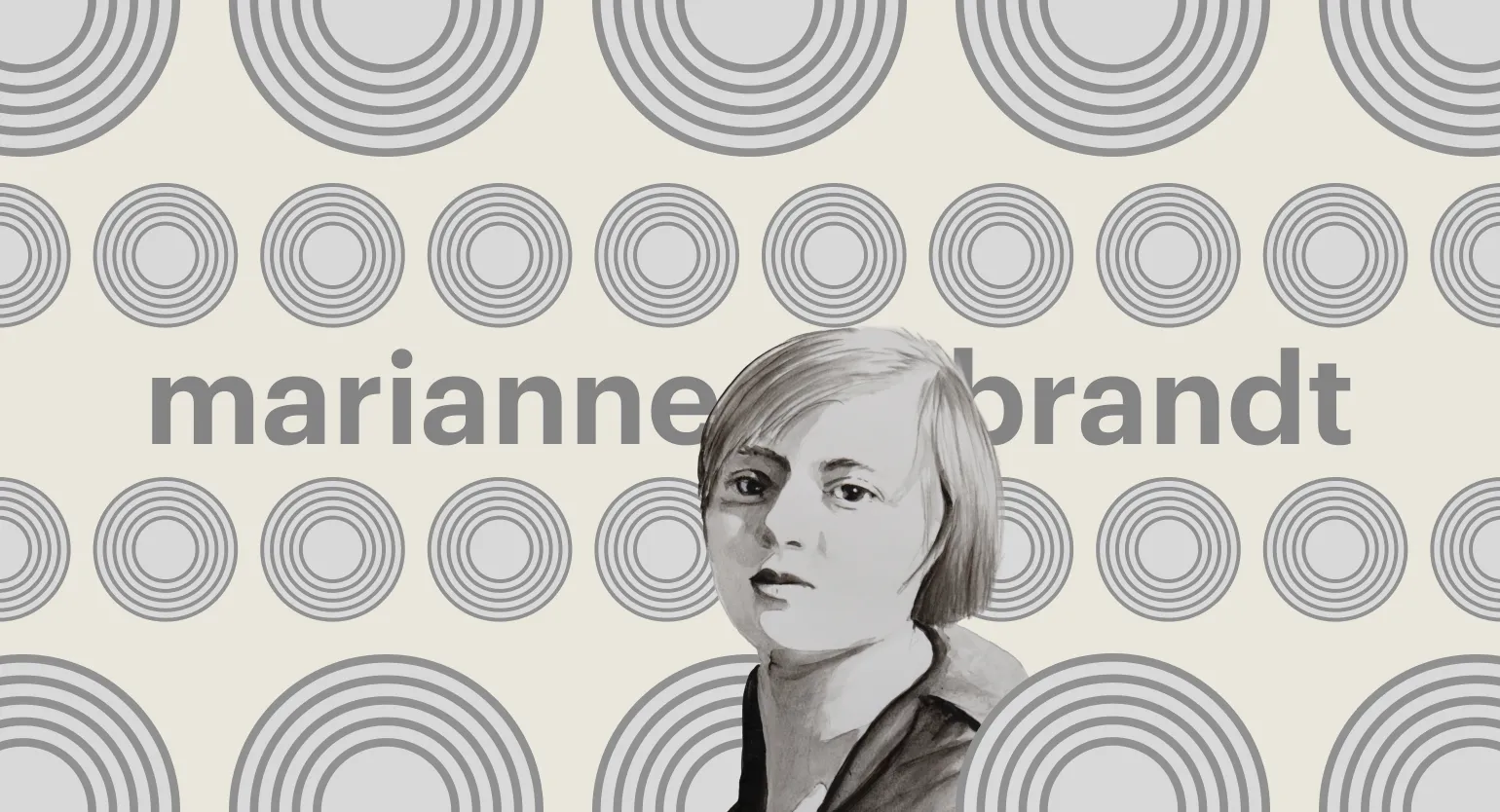
Learn moreMarianne Brandt (née Liebe) was born on October 1, 1893 in Chemnitz, Germany. From an early age, she showed an interest in painting, studying first at a private art school and then at the Weimar College of Art. Her passion for art later expanded to include photography, which became an important stage in her artistic career.
In 1923, Marianne Brandt entered the Bauhaus, where she began her preparatory studies under Josef Albers and László Moholy-Nagy. Her student projects made a strong impression on Moholy-Nagy, who suggested she continue her training in the metal workshop. This was an unusual decision, as women at the Bauhaus were typically assigned only to weaving or decorative workshops. Thus, Marianne became the first and only woman to receive a diploma from the Bauhaus metal workshop. In 1928, she even replaced Moholy-Nagy as the head of this workshop, confirming her outstanding talent and significance in the history of the Bauhaus.
In 1929, Marianne Brandt left the Bauhaus and moved to Berlin, where she began working in the studio of the renowned architect Walter Gropius. She later headed the design department at the Ruppel Metal Goods factory in Gotha, but lost this job in 1932, amid the ongoing Great Depression. In the 1950s, Brandt taught at the Dresden Academy of Fine Arts and the Berlin Academy of Applied Arts. Marianne Brandt spent the last years of her life in East Germany, continuing to influence the development of design and art.
Read also:
Walter Gropius is an outstanding architect and founder of the Bauhaus school, who had a significant influence on modern architecture. His designs are characterized by functionalism, simplicity of form, and innovative approaches to construction. Let's look at five key architectural projects by Gropius that reflect his unique style and philosophy.
The first project is the Bauhaus building in Dessau, built in 1925-1926. This educational institution has become a symbol of modern design and architecture. Open spaces, the use of glass facades and functional zones make the building not only aesthetically pleasing but also convenient for learning.
The second significant project is the residential complex "Group of Houses" in Messelsdorf, completed in 1928. The architect proposed new approaches to the planning of residential spaces, focusing on comfort and accessibility for residents. The project became a model for subsequent residential complexes.
The third project is the building of the "Fagus" factory in Alfeld, built in 1911-1913. This building was one of the first examples of the use of glass facades in industrial architecture. Gropius succeeded in combining functionality and aesthetics, which made the factory an iconic object.
The fourth project is a school building in Berlin, completed in 1930. This educational institution is distinguished not only by its modern design but also by its thoughtful organization of space, which creates a comfortable atmosphere for students.
Finally, the fifth significant work is the house for the Gropius family in Berlin, built in 1925. This project demonstrates the architect's individual style, combining elements of functionalism and new building technologies.
Walter Gropius's architectural projects continue to influence modern architectural thinking, inspiring new generations of designers and architects. Each of his buildings exemplifies the harmony between form and function, which makes them significant in the history of architecture.
Brandt has established herself in the field of industrial design thanks to her unique metal services, lamps, and collages. Her work is characterized by practicality and minimalism, where form always follows function, and modern materials are used in production. In this text, we will present several of Marianne's projects that demonstrate her talent and approach to design.
MT 49 Teapot
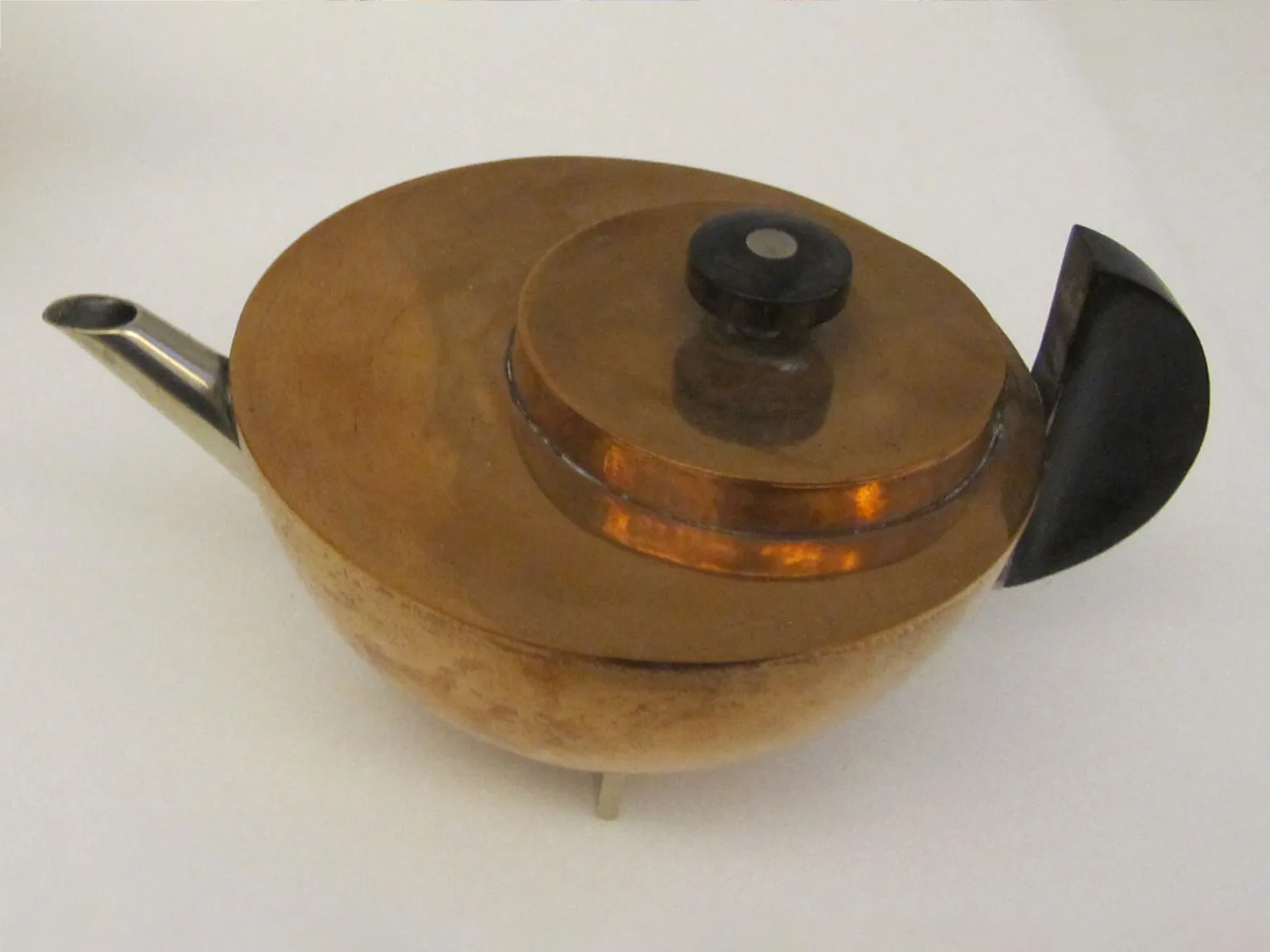
One of Marianne Brandt's most famous projects is a teapot prototype created in 1924. This project became a landmark in her career, when she was just beginning her work in the metal workshop at the Bauhaus. The Brandt teapot reflects the principles of functionalism and Bauhaus aesthetics, combining utility and modern design.
The original shape of the teapot immediately attracts attention: the hemispherical body is mounted on a cross-shaped stand, and the lid with a wooden button handle is asymmetrically shifted to the edge. Made of nickel-plated brass, this teapot combines style and functionality. The semi-circular handle, made of ebony, ensures comfort in use, as this material does not heat up and does not burn the hand. This teapot will not only be a practical accessory in your kitchen, but also an interior decoration.
Metal service
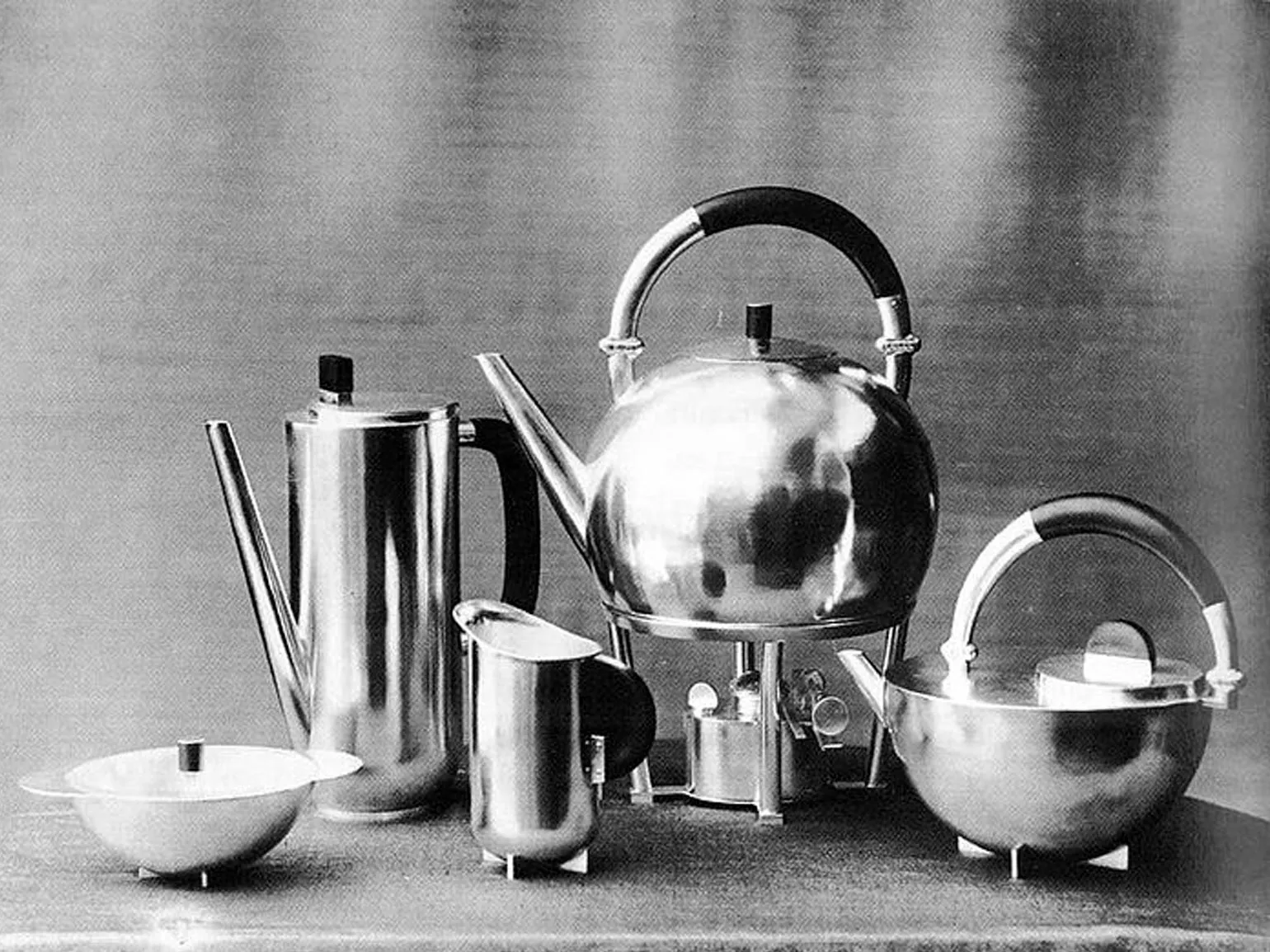
In the 1920s, Brandt developed a unique series of tableware inspired by The design of the MT 49 teapot. During her work, she experimented with various shapes and solutions, resulting in the creation of original sets made of nickel-plated silver and ebony. The collection included a variety of teapots, tea sets, a milk jug, a sugar bowl, and a tray, all of which have become true works of art in the world of tableware.
Ceiling Lamp
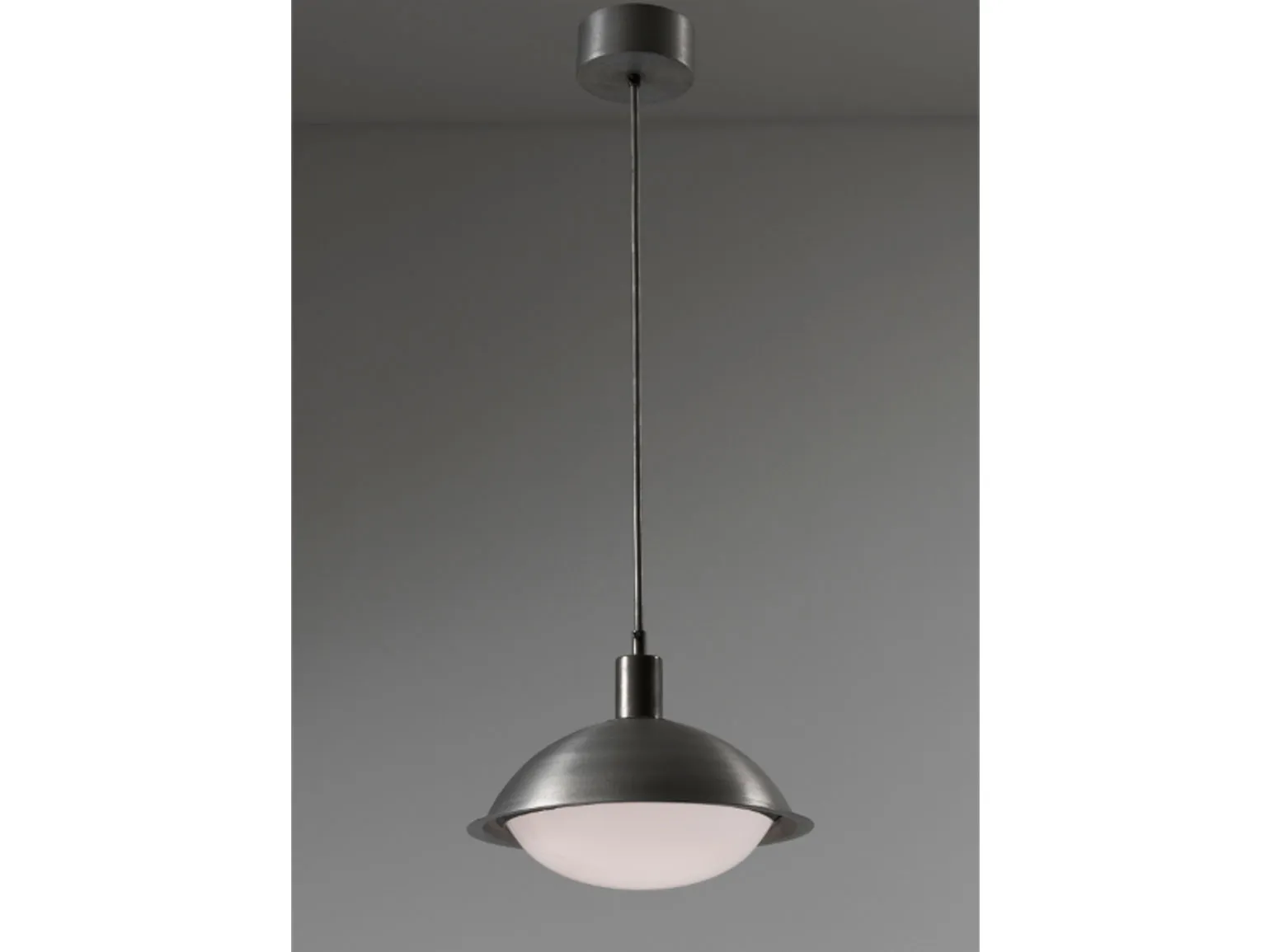
A ceiling lamp is a stylish lighting fixture made in the form of a frosted glass hemisphere with An aluminum alloy lampshade. The structure is mounted on a long chrome rod, giving it a modern look. Simple materials and a minimalist design, combined with a thoughtful form, create an elegant accent in any interior. This ceiling lamp is perfect for a variety of decor styles, adding sophistication and light to your space.
Kandem Bedside Table Lamp
The Marianne Brandt table lamp was designed in collaboration With the German industrial designer Hin Bredendiek. In the 1930s, mass production of this model began under the Kandem brand (Körting & Mathiesen), resulting in the sale of approximately 70,000 units in various design variations. This lamp became a symbol of functional design and had a significant influence on the development of lighting fixtures, combining aesthetics and practicality.
This lamp was a true innovation of its time. The body and base are made of lacquered steel, giving the product a modern and stylish look. The adjustable lampshade allows for easy adjustment of the light direction, combining aesthetic qualities with practical functionality. This design makes the lamp an ideal choice for any interior, providing comfortable lighting and stylish design of the space.
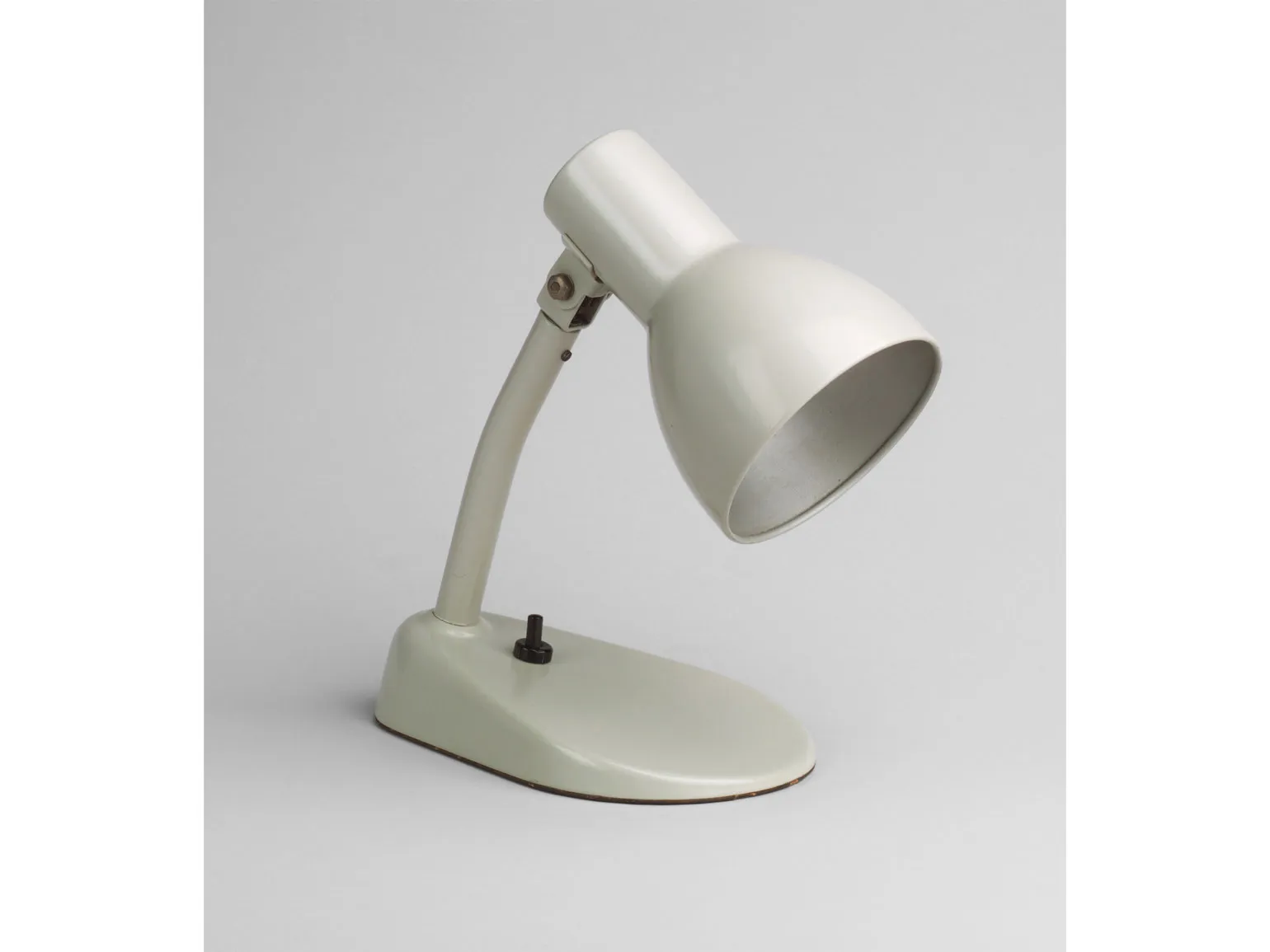
Photo collages
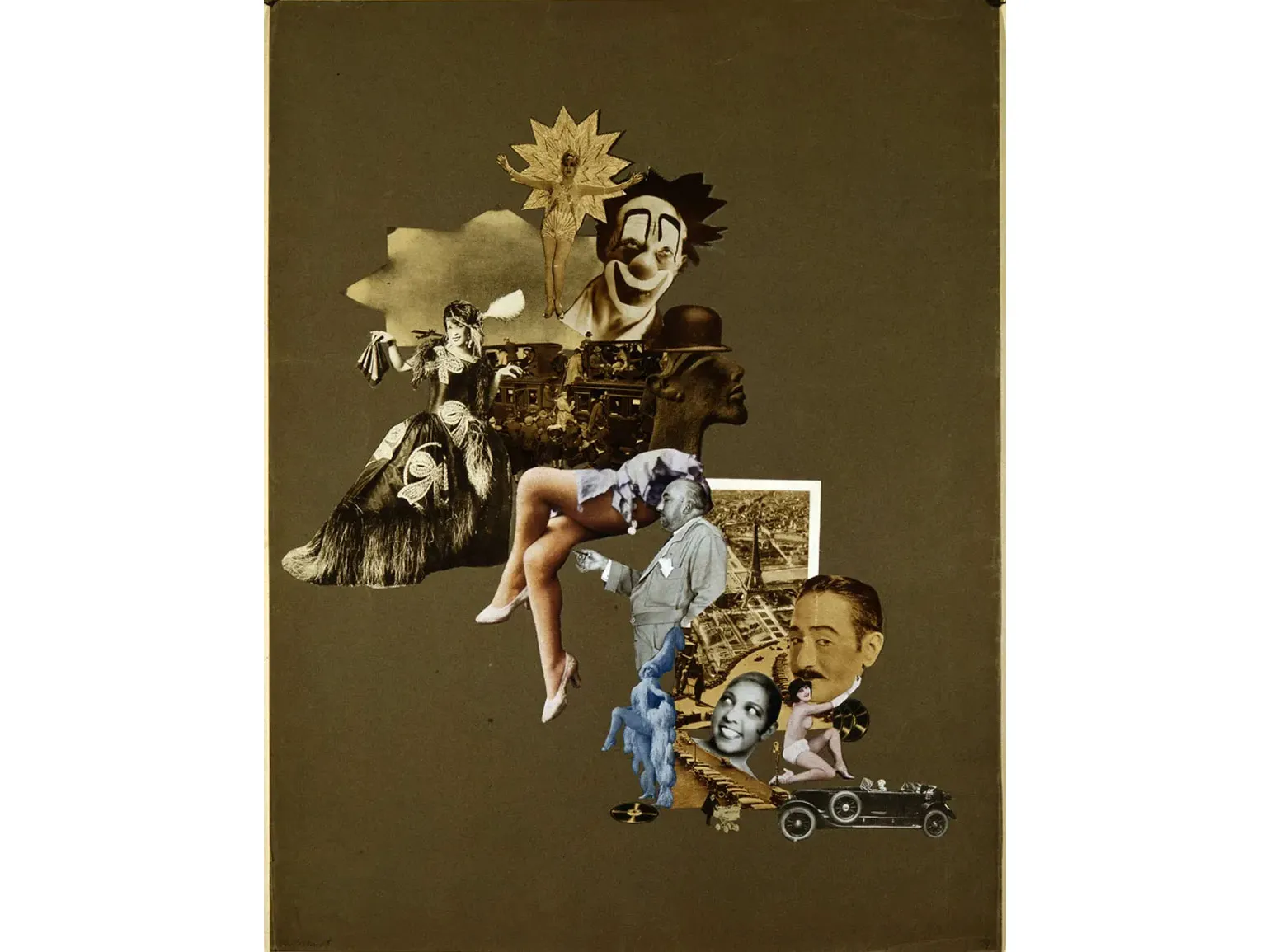
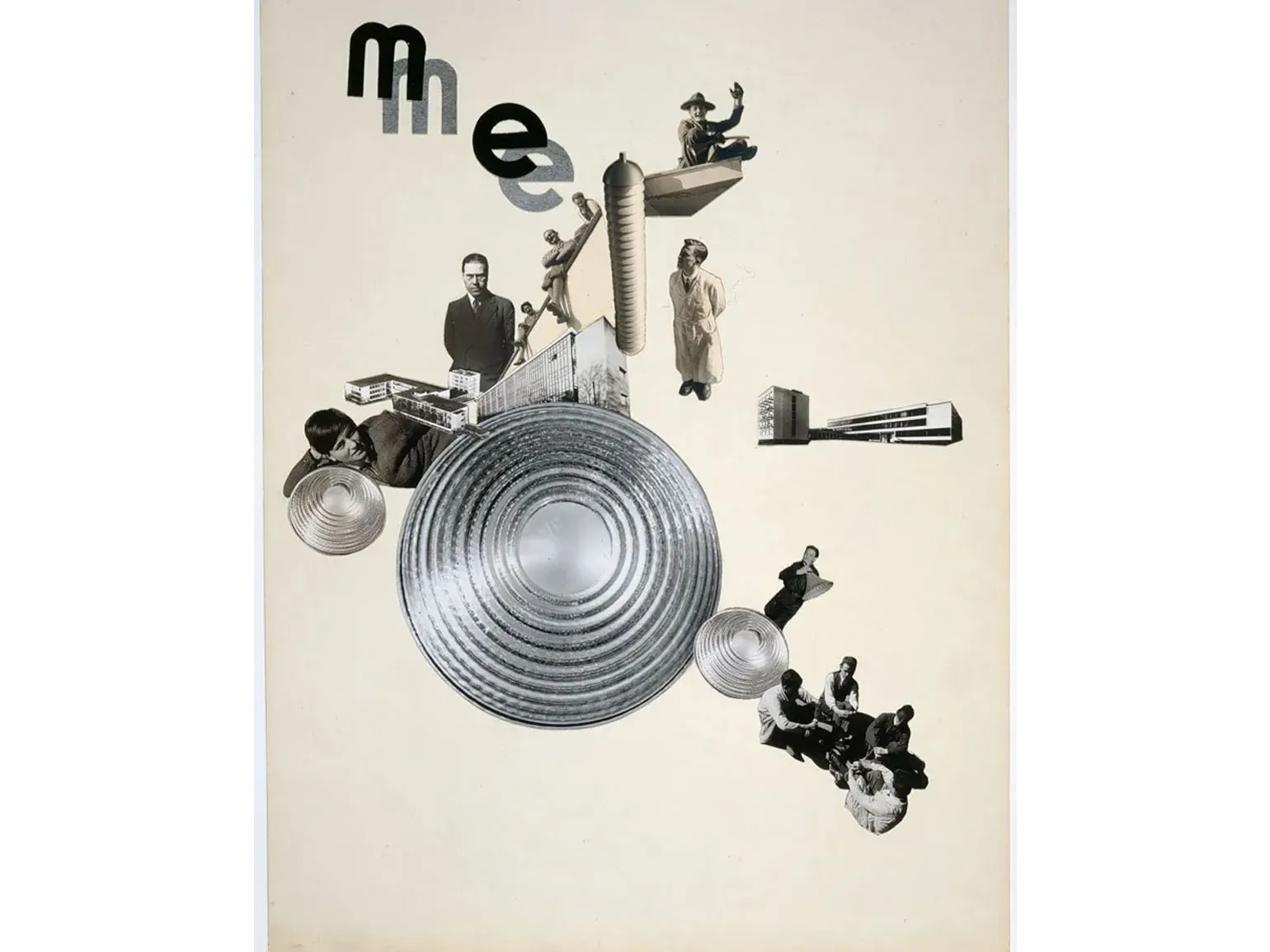
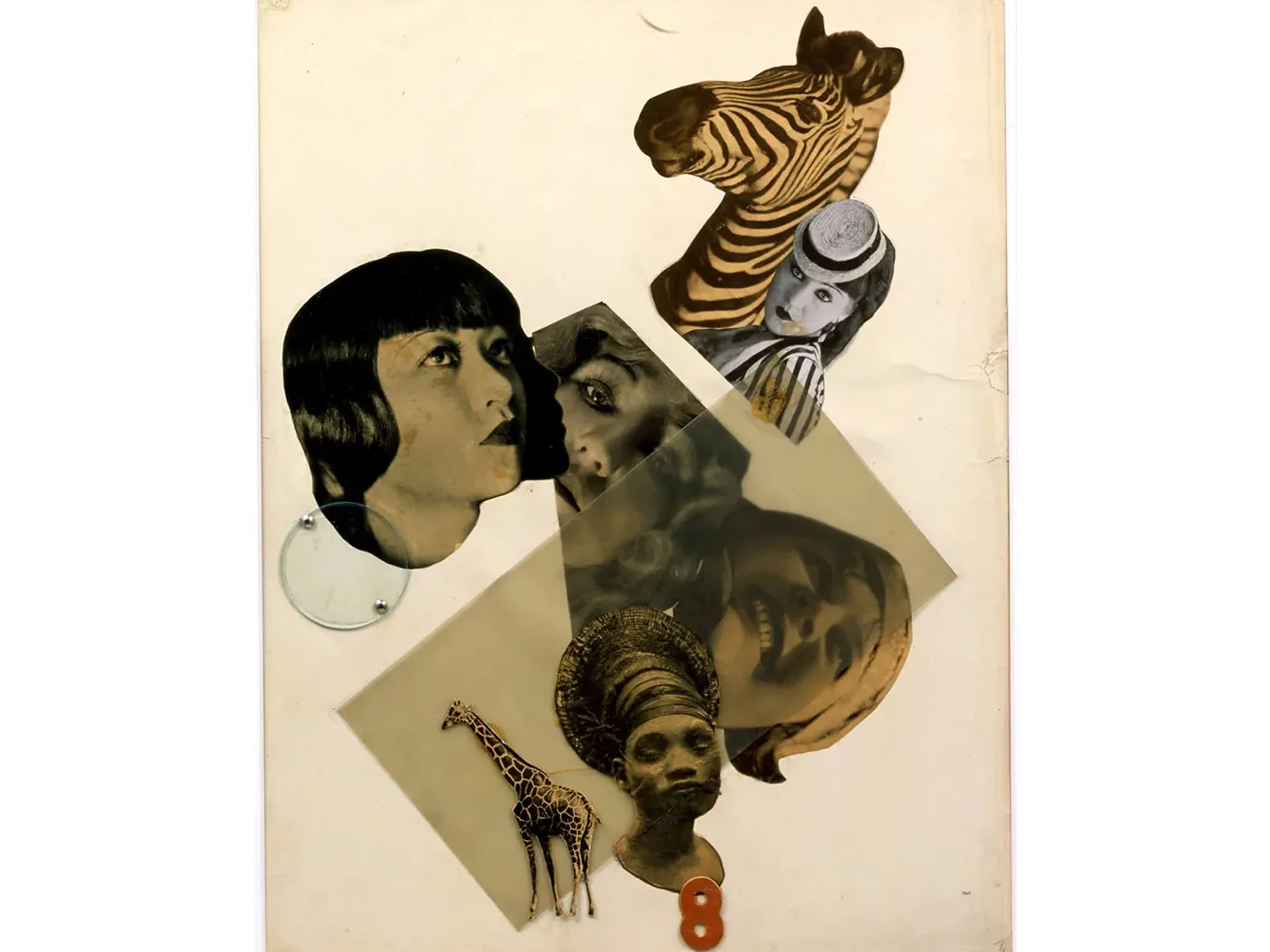
A less noticeable, but significant part of Marianne's work Brandt is a photo collage artist. She masterfully used newspaper and magazine clippings, photographs, and ink in her works, sometimes integrating glass and metal elements. Brandt's collages focused on images of women, emphasizing her interest in their role and image in society. These works demonstrate the artist's unique approach to combining various materials and themes, creating expressive and multi-layered compositions.
Learn more about design by subscribing to our Telegram channel. We share relevant news, useful tips, and inspiring ideas in the field of design. Join our community and stay up to date with the latest trends!
To improve SEO optimization and improve the readability of the text, you can rewrite it as follows:
Please note the following materials:
This will allow you to understand the topic in more depth and gain additional knowledge. Don't miss the opportunity to check out useful resources.
- Constructivism in design: examples
- Bauhaus and VKHUTEMAS. History of design: 1920-1930s
- The history of one design. Anglepoise Lamp
- El Lissitzky: Inventor of a New World
Profession Graphic Designer PRO
You will learn how to create corporate identity elements and graphics for business. You will put together a portfolio that reflects your style and confirms your skills as a designer. You can start a career in a studio or as a freelancer.
Find out more