Table of Contents:
- Campbell's Soups in Art: How Andy Warhol Changed the Perception of Brands
- Pop Culture Icons: Green Coca-Cola Bottles
- 200 One-Dollar Bills: Art and Money
- The Eight Elvises: Art and Value
- Why are the "Eight Elvises" important to art?
- Frequently Asked Questions
- Marilyn Monroe: Icon of Culture and Art
- Flowers Series: The Art of Confrontation
- Iconic Cover: Andy Warhol's Banana
- The Gun: Symbol of Violence and Art
- Andy Warhol and His Portraits of Lenin
- Andy Warhol's Self-Portrait: "The Horror Wig"

Graphic designer PRO: 5 steps to a successful career
Find out moreCampbell's Soups in Art: How Andy Warhol Changed the Perception of Brands
Between 1961 and 1962, important events occurred that had a significant impact on the development of various spheres of life. This period marked a turning point in history, as the world was undergoing political, social, and cultural changes. Major international crises, such as the Cuban Missile Crisis, led to tensions between key global powers. Culturally, art and music flourished, influencing public consciousness. Technology also advanced rapidly during this time, laying the foundation for future innovations. Looking at the events of 1961–62 provides a deeper understanding of the context of subsequent changes in the world.
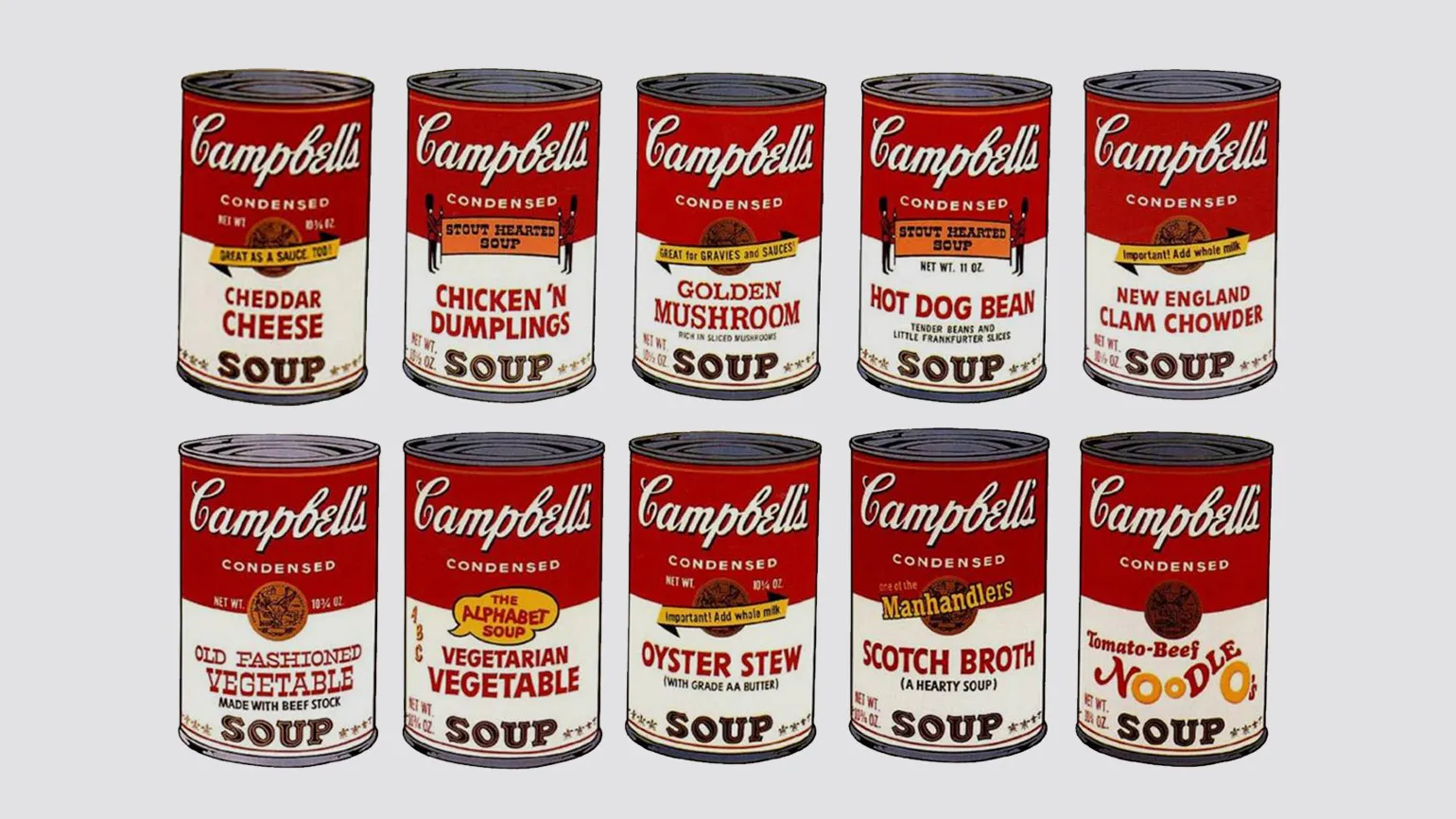
Andy Warhol's work with Campbell's Soups became a significant cultural phenomenon and an important stage in art history. In this series, consisting of 32 canvases, the artist depicted a variety of soups, such as tomato, cheese, and oyster. These works not only emphasized commercial aesthetics but also became the starting point for his international recognition. Warhol was able to combine everyday objects with art, which opened new horizons in understanding the value of things and their place in culture.
The choice of Campbell's Soup was not accidental. Warhol perceived this brand as a symbol of American consumerism and mass culture. His childhood in Pittsburgh, the center of the steel industry, gave him a unique perspective on the life of the working class in the United States. As a result, a simple can of soup became a reflection of deeper social and economic realities, demonstrating how everyday objects can be connected to cultural and historical contexts. Warhol used Campbell's Soup as a metaphor highlighting the impact of consumerism on society and art, making his works iconic in the world of Pop Art.
Warhol didn't stop at soups. His work also features such iconic brands as Green Coca-Cola Bottles and Brillo Boxes. These works illustrate his deep interest in commercial culture and the importance of branding in contemporary art. The artist explored the impact of mass production and advertising on the perception of art, making his work relevant and in demand today. Warhol became a symbol of Pop Art, and his work continues to inspire a new generation of artists and researchers.
Andy Warhol's quote, "Making money is art, working is art, and good business is the best art," underscores his unique perspective on art as a business. Warhol masterfully combined commerce and creativity, allowing his work to remain relevant and sought after over time. His approach to art not only expanded the boundaries of this movement, but also became the basis for many modern artists striving for a successful career in the art field.
Campbell's Soup has become not only an art object, but also a symbol of an entire era. Andy Warhol masterfully explored the boundaries between art and commerce, which made him one of the most significant artists of the 20th century. His work continues to inspire and provoke discussions about the role of art in modern society, highlighting the relationship between popular culture and individual creativity.
Pop Culture Icons: Green Coca-Cola Bottles
In 1962, the world was experiencing significant changes. This year was a time of important historical events that influenced the global situation. In the political sphere, the Cold War intensified, which led to crises and conflicts affecting international relations. The year 1962 was also marked by cultural achievements, including vibrant events in music, film, and art that left a lasting mark on history. These changes not only reflected the spirit of the times, but also shaped new trends that continue to define our society today.
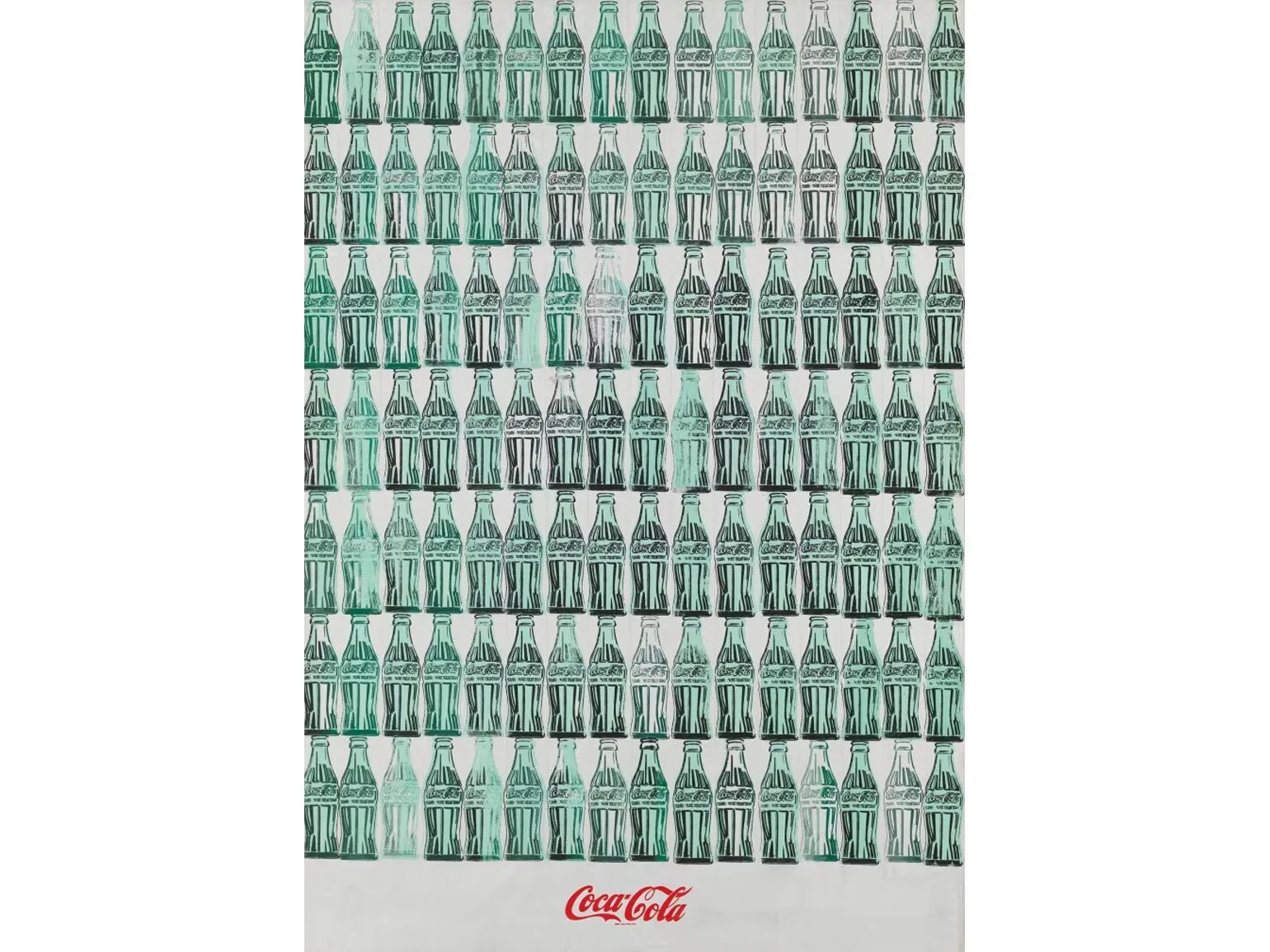
Andy Warhol, one of the most significant artists of the 20th century, changed the perception of consumer culture. He noted, "The amazing thing about this country is that it has spawned a new consumer tradition: the rich buying the same things the poor do. The President drinks Coke, Liz Taylor drinks Coke, and think of it—you drink Coke." This quote emphasizes the universality and mass availability of a product that has become an essential element of the American lifestyle. Warhol showed how everyday objects can become symbols reflecting social trends and values. His work continues to inspire and question the role of art in the context of consumer culture. Inspired by everyday life, Warhol developed a unique style that became the basis of Pop Art. His works do not aspire to high art; they depict familiar and ordinary objects. Coca-Cola bottles became not only elements of his work but also a symbol of a new aesthetic based on popular culture. Warhol demonstrated how ordinary things can become objects of art, changing the perception of cultural values.
The irony is that one of the most accessible drinks in the world, thanks to the work of Andy Warhol, became associated with elitist art, accessible only to a few. In this context, Coca-Cola bottles symbolize the contradictions of modern society, where even everyday objects can be transformed into objects of art. This phenomenon highlights how popular culture and commerce can influence the perception of art, creating unique intersections between the ordinary and the sublime.
200 One-Dollar Bills: Art and Money
The year 1963 saw many significant events that influenced world history. It was a year when political and social processes were actively developing on the international arena. An important event was the escalation of the Cold War, which led to increased confrontation between the United States and the USSR.
On the cultural side, 1963 saw the release of a number of landmark films and musical works that continue to influence contemporary art. In addition, this year saw important changes in public consciousness associated with the struggle for civil rights and social justice.
Thus, 1963 became a turning point that determined the further directions of political, cultural, and social development.
The Factory served not only as a production facility but also as a cultural center in the 1960s. It became a meeting place for prominent musicians, actors, and artists of the time. The parties held here fostered creative exchange and strengthened ties between talented individuals, turning the Factory into an iconic space for networking and inspiration.
Eight Elvises: Art and Value
The year 1963 saw significant events that impacted the world. This year was a pivotal one in history, marked by political and cultural changes. One of the key events was the end of the Cold War, which led to the strengthening of international relations. In the cultural sphere, 1963 was marked by the emergence of new musical trends and significant works of art that influenced subsequent generations. Thus, 1963 became an important milestone that defined many aspects of modern society.
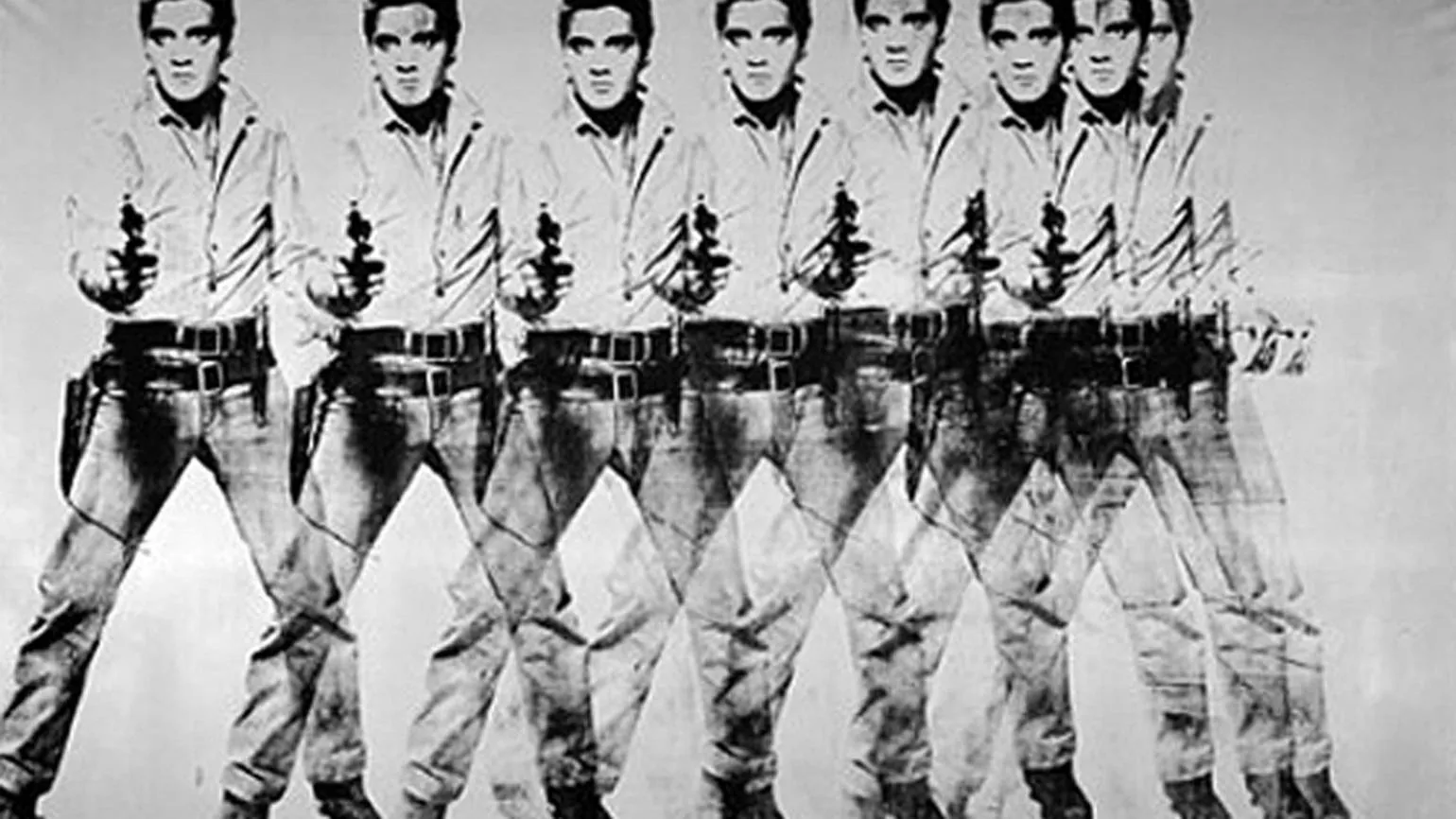
The painting "Eight Elvises" is considered one of the most valuable works of Andy Warhol, the price of which at auction Warhol's "Flaming Star" reached $108.1 million. This artwork features eight repeated images of Elvis Presley, based on a still from the film "Flaming Star." Originally planned to contain 16 images, the number was reduced by half during the production process. This work not only showcases Warhol's unique style but also highlights his influence on pop culture and contemporary art.
Each new print is superimposed on the previous one, resulting in the images on the right side of the painting merging into a single image of Elvis. This work is executed in Andy Warhol's signature silver color, which highlights his unique artistic style and technique. The fusion of elements creates a multi-layered effect, making this piece particularly interesting to analyze and perceive. Warhol masterfully uses color and form to convey the dynamism and energy of his subject, making this work an outstanding example of Pop Art.
The first owner of the painting was the renowned collector Annibale Berlingheri. Despite numerous requests, he did not put it on public display. In 2008, the painting sold for a record $100 million, but to date, the identity of the current owner remains unknown. This painting continues to generate interest among collectors and art historians, underscoring its significance in the art world.
Why is "Eight Elvises" important to art?
This painting is a striking example of pop art and illustrates Elvis Presley's influence on 20th-century culture and art. Warhol's work emphasizes the coexistence of mass society and individuality in a single work. The painting's popularity is also confirmed by its frequent references in scholarly studies of contemporary art. This work not only reflects the cultural changes of its time but also continues to inspire contemporary artists, researchers, and art lovers, highlighting the significance of Pop Art in the context of artistic development.
Frequently Asked Questions
The main features of the painting "Eight Elvises" lie in its unique style and concept. This artwork, created by the famous American artist Andy Warhol in 1963, exhibits the characteristic features of Pop Art. The painting depicts the iconic image of Elvis Presley, presented in the form of multiple repetition, which emphasizes mass culture and the commercialization of art. The use of bright colors and contrasting shades makes the work visually appealing and memorable. "Eight Elvises" also explores the theme of identity and the perception of celebrities, raising questions about how society perceives and consumes iconic figures. This work has become a symbol of an era in which art and advertising intertwined, and vibrant images became part of the mass consciousness.
The painting "Eight Elvises" attracts attention with its unique method of layering images and bright, contrasting colors. This work is a prime example of the style of Andy Warhol, who became famous for his approach to pop art and culture. The use of multi-layered images of Elvis Presley not only emphasizes the significance of this figure in American culture but also demonstrates the artist's experiments with the perception of popular culture and art. "Eight Elvises" serves as a clear testament to Warhol's influence on contemporary art and his ability to transform the ordinary into something extraordinary.
"Eight Elvises" is a unique work of art that attracts viewers' attention. If you want to see this painting, you should visit exhibitions in modern art museums. It is often displayed in temporary exhibitions dedicated to 20th-century culture or pop art. You can also view the work in galleries that specialize in famous artists. For up-to-date information on where "Eight Elvises" is displayed, it is recommended to follow art world news and check exhibition schedules. Don't miss your chance to see this iconic piece in person.
Unfortunately, this painting is not available for viewing in public museums, as its current location remains unknown following its latest sale. This creates intrigue around the piece and generates interest among collectors and art historians. Of course, the absence of the painting in museums limits the general public's ability to enjoy it, which underscores the importance of its history and value.
Marilyn Monroe: Icon of Culture and Art
The year 1962 saw significant events that impacted various areas of life, including politics, culture, and science. That year witnessed crucial historical moments such as the Cuban Missile Crisis, which became one of the most tense points of the Cold War. In the cultural sphere, 1962 was marked by the release of classic films and musical works that defined future trends. Scientific advances were also not overlooked: important discoveries in the fields of astronautics and medicine were made that year. Overall, 1962 became a key stage in the development of the modern world, influencing the following decades.
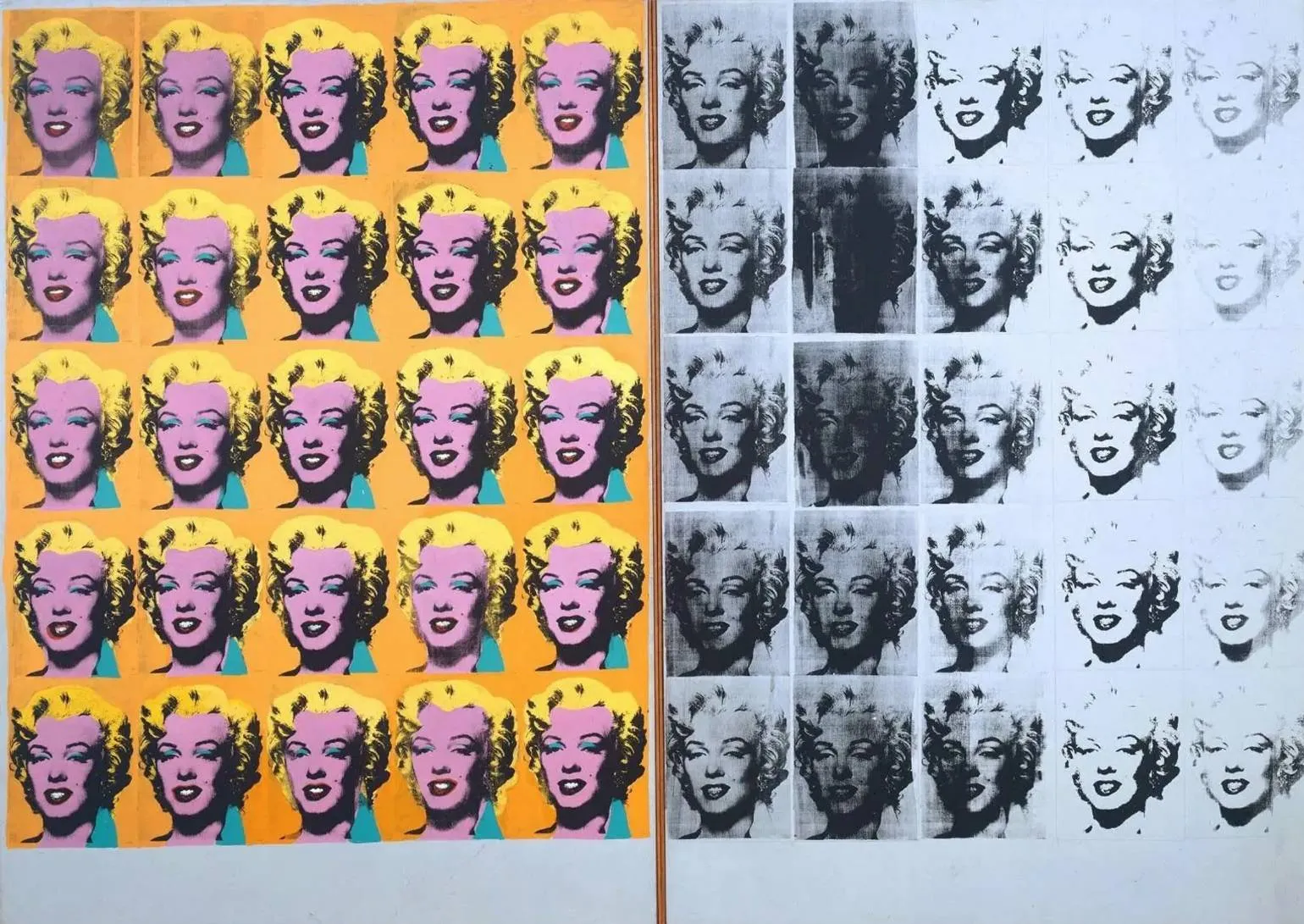
Marilyn Monroe, despite her tragic fate, has become a Hollywood icon and a significant object of art. Her image was repeatedly interpreted by Andy Warhol, a prominent representative of Pop Art, who used portraits of Marilyn in his works to explore the phenomena of popular culture and fame. Warhol's unique style emphasized not only the beauty of the actress, but also the contradictory nature of celebrity culture. Marilyn Monroe personifies not only glamour, but also inner suffering, which makes her image relevant today.
The Marilyn Diptych (1962) is one of Andy Warhol's most famous works, based on a photograph from the advertising campaign for the film Niagara (1953). This piece showcases Warhol's signature style, which sought to create visual icons, similar to his Elvis Presley project. The "Marilyn Diptych" not only highlights the uniqueness of Marilyn Monroe's image but also reflects the cultural changes of the time, making it an important element of pop art.
Fun fact: Warhol created a series of paintings called "Shot Marilyn," inspired by an unusual incident. Artist Dorothy Podber came to his studio asking to photograph some of his works. After receiving permission, she shot four paintings of Marilyn Monroe. This unexpected act prompted Warhol to rename his series, a landmark moment in his career and in art history. The "Shot Marilyn" series not only reflects Warhol's unique style but also highlights his ability to transform unexpected events into art.
In May 2022, Andy Warhol's "Shot Marilyn in Sage Blue" sold for a record $195 million at Christie's in New York. The sale made the painting the most expensive 20th-century work ever sold at auction and set a new record for Warhol. Interestingly, the bidding for this unique work lasted only four minutes, which underscores the high interest of collectors and investors in art.
Read also:
The Marilyn Diptych is a famous work by Andy Warhol, which has become an icon of pop art and an important symbol of popular culture. Created in 1962, this art project is a series of two images of Marilyn Monroe, executed in vibrant colors. Warhol used silkscreen printing, which allowed him to reproduce the same image multiple times, emphasizing the concept of repeatability in a consumer society.
The inspiration for the "Marilyn Diptych" came from the public perception of celebrities and their images in popular culture. Warhol explored the boundaries between art and commerce, questioning traditional notions of creativity and originality. Marilyn Monroe, as a symbol of femininity and glamour, became the ideal model for his experiments with form and color.
This work not only reflects the aesthetics of Pop Art but also raises questions about the nature of celebrity and their impact on society. "Marilyn Diptych" continues to be a relevant object of study and discussion, attracting the attention of both art historians and the general public. With this work, Warhol left an indelible mark on art history, changing the perception of popular culture and its role in the artistic process.
Flowers Series: Art of Confrontation
The year 1964 saw many significant events that influenced history. The year was marked by important political changes, cultural achievements, and scientific discoveries. In politics, the world watched developments related to the Cold War, such as diplomatic relations between the United States and the Soviet Union. In culture, 1964 was a landmark year thanks to the release of iconic films and music that influenced entire generations. Scholarly research during this period also made important strides forward, opening new horizons in various fields. The year 1964 became an important milestone that determined the further development of many aspects of life.
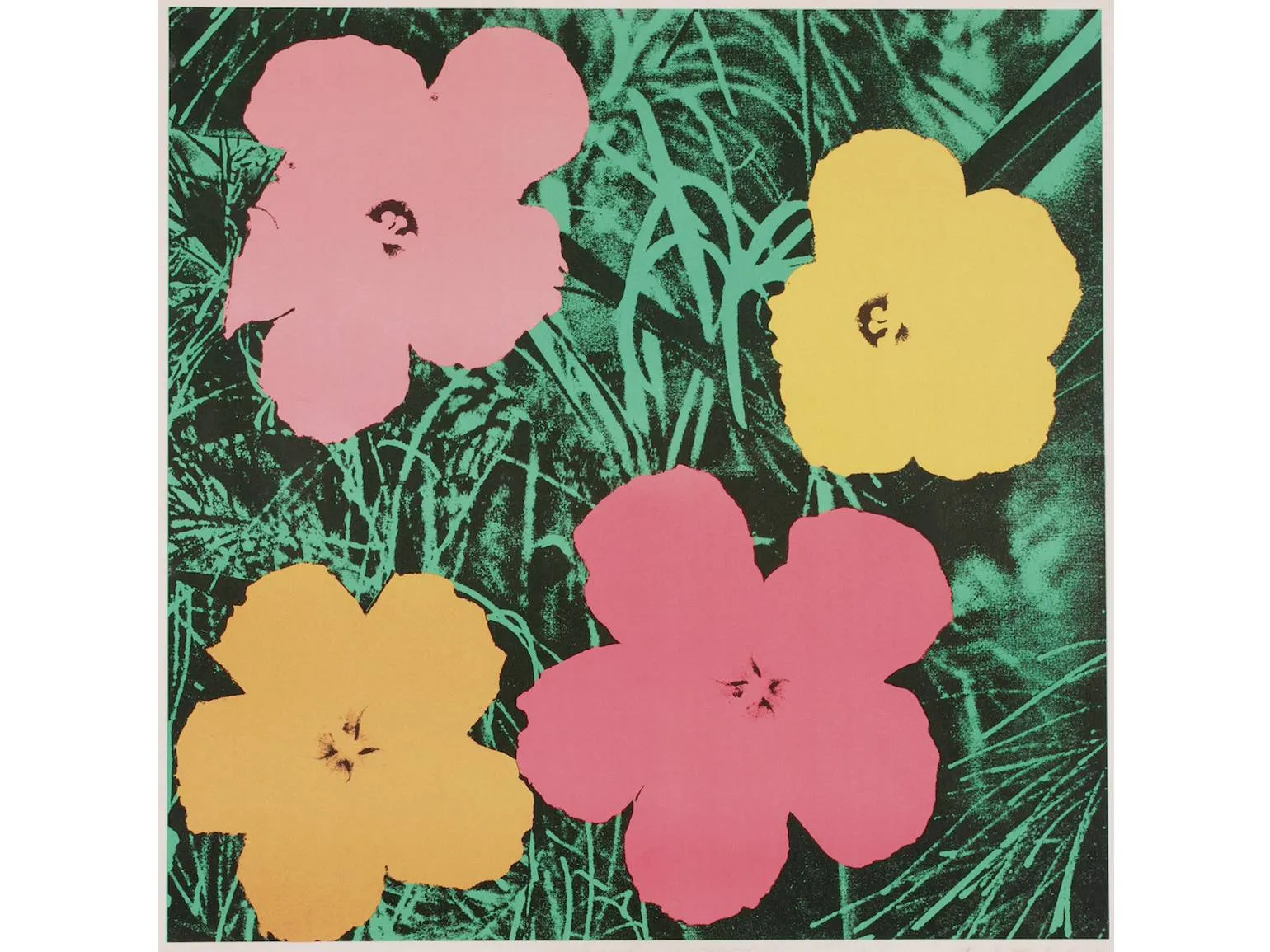
The "Flowers" series, created in 1964, became an artistic response to the tragic death of President John F. Kennedy. Bright floral images symbolize hope and beauty, contrasting with the grim realities of the time. Another version suggests that Warhol drew inspiration for this series from a photograph of hibiscus published in the magazine "Contemporary Photography." This work highlights Warhol's unique style and his ability to find beauty in the world around him, even in the most difficult moments of history.
Andy Warhol used magazine photographs in his works, transforming them and giving them new meaning. He significantly increased the contrast, making the details of the image almost indistinguishable. This allowed his paintings in the "Flowers" series to become some of his most abstract works. To create these works, Warhol used acrylic and fluorescent paint, as well as silkscreen printing, which emphasized the uniqueness of his style and visual language. His approach to imagery and use of color has had a significant influence on contemporary art and remains relevant in discussions of pop art and abstraction.
This series of works not only showcases Andy Warhol's unique style, but also reflects his ability to respond to the social and political events of his time. The significance and relevance of his work is confirmed by numerous exhibitions and publications that continue to explore Warhol's influence on contemporary art. His work remains an important object of study, contributing to a deep understanding of the interaction between art and society.
Iconic Cover: Andy Warhol's Banana
The year 1966 was a year of many significant events that influenced various areas of life. This year was an important stage in history, both politically and culturally. A new sound emerged in the world of music, which became the basis for many trends. In cinema, iconic films were presented that still hold an important place in cinematography today. Social movements began to gain strength, shaping new ideas and approaches to life. 1966 was a time of change that determined the future for many years to come.
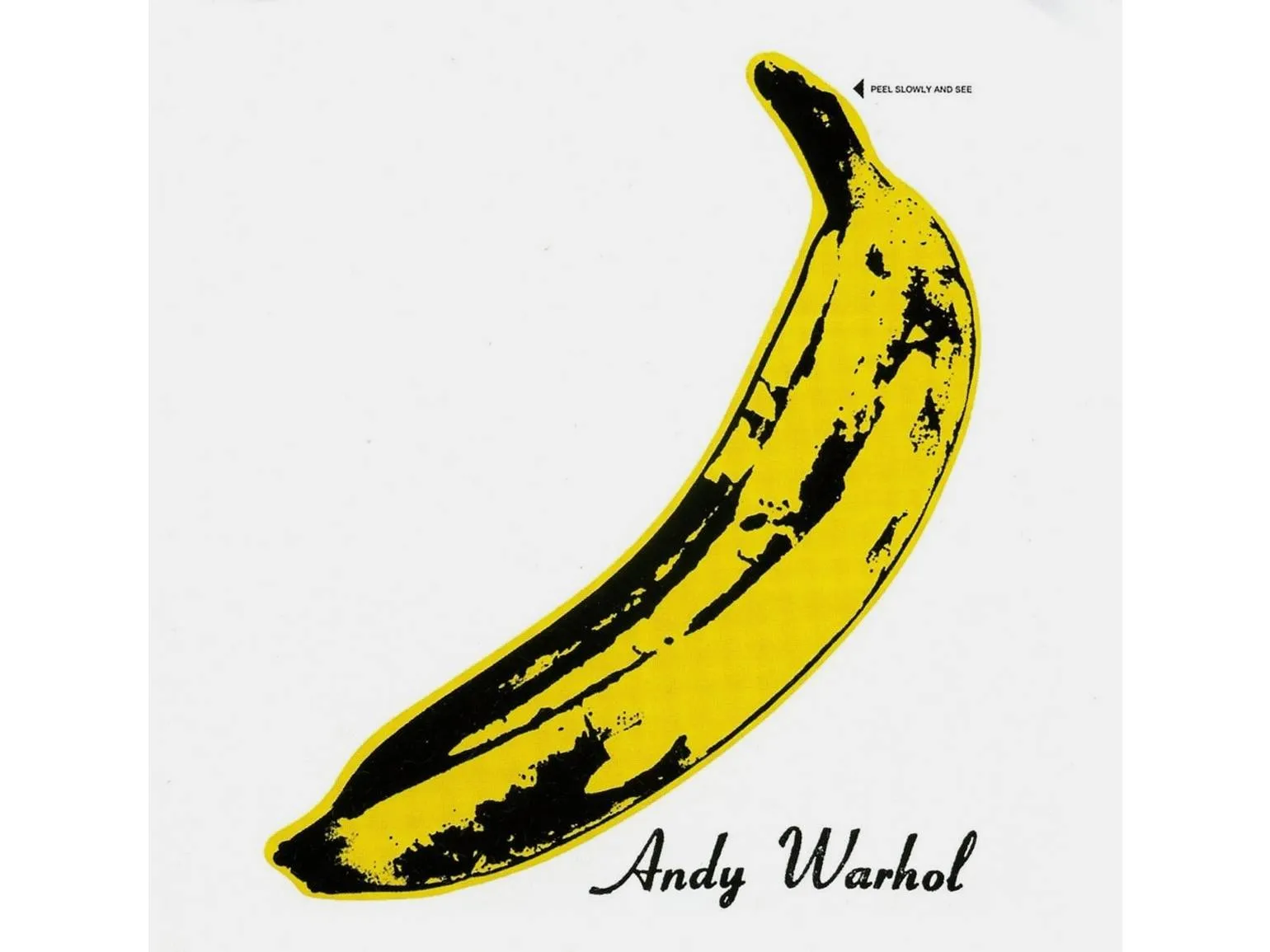
Andy Warhol, the famous American artist and producer, had a significant influence on art and 20th-century music. His work on the cover of the debut album "The Velvet Underground and Nico" became an iconic work. This vibrant piece of art depicts a yellow banana with Warhol's signature and the phrase "Peel slowly and see." Interestingly, in the first editions, the yellow banana was not just an image, but a sticker with a pink banana hidden underneath. This element added intrigue and uniqueness, making the cover not only artistic but also an interactive work of art. Warhol was able to combine visual art and musical culture, which made his works truly unique and memorable.
The Velvet Underground, with whom Andy Warhol actively collaborated, performed at the "Exploding Plastic Inevitable" events. These shows were a unique combination of music, dance, and visual arts. Although the album did not achieve commercial success upon its release, it eventually gained cult status. Brian Eno noted that "only 10,000 people bought the record, but every single one of them went on to start a band," highlighting the album's significant impact on the music scene. The Velvet Underground continues to inspire a new generation of musicians and remains an important part of rock music history.
The Gun: Symbol of Violence and Art
The year 1981 saw many significant events that impacted various areas of society. In the world of art, politics, and technology, this year marked a milestone. In the field of music, new genres and artists emerged that shaped the musical culture of the 1980s. Political changes in different countries led to new conflicts and cooperation on the international stage. Technological advances, such as the development of computers and the beginning of the video game era, changed people's daily lives. This year became the starting point for many trends that continue to influence modern times.
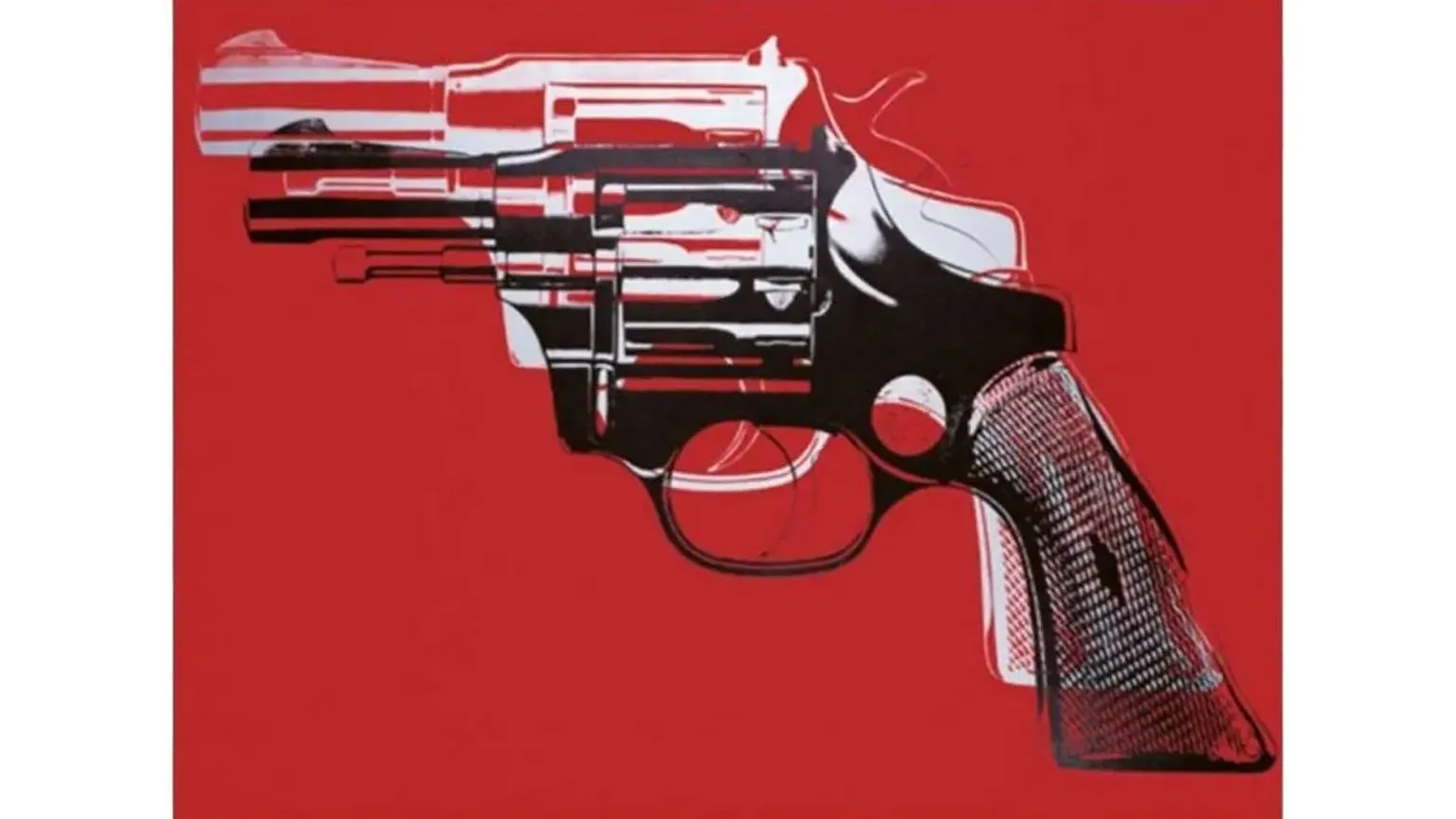
On June 3, 1968, an event occurred that had a significant impact on the life and work of Andy Warhol. Radical feminist and writer Valerie Solanas attempted to assassinate the artist, breaking into his famed studio, The Factory, and shooting him three times. The attack resulted in serious injuries to Warhol, including damage to internal organs such as his liver and spleen. Art dealer Mario Amaya, who was with Warhol, was also injured in the incident. Solanas later surrendered to police, sparking widespread public outcry and becoming a topic of discussion in cultural and social circles. This event not only changed Warhol's life but also influenced his future work and the public perception of art.
The assassination attempt on Warhol had serious consequences but also had a significant impact on his work. That same year, the artist began working on a series of silkscreen prints dedicated to knives. These works became a commentary on the violence permeating society and illustrate how personal tragedies can inspire meaningful works of art. Warhol's work during this period became more profound and socially oriented, reflecting his experiences and views on the world around him.
The painting "Pistol" depicts the revolver from which the shots were fired. This object became a symbol of power and death, evoking both attraction and fear in the artist. Despite the opinion of some critics that Warhol attached aesthetic significance to weapons, he himself emphasized:
Some educated people express the opinion that violence can be beautiful. I do not share this point of view, because I believe that beauty lies in fleeting moments, and in these moments, violence never takes place. Beauty is manifested in harmony, love, and creation, while violence brings only destruction and suffering. True beauty cannot coexist with aggression and cruelty, and it is important to understand that true moments of inspiration and joy are far from violence.
After the assassination attempt, Andy Warhol's life changed radically. He began wearing a surgical corset, which made him more vulnerable and withdrawn. The era of parties at his famous Factory ended, and his artistic work became less provocative. These changes highlight how traumatic events can have a profound impact on an artist's personality and career, while reflecting broader social and cultural transformations. Warhol became a symbol of how trauma can change one's approach to art and life in general.
Andy Warhol and His Portraits of Lenin
In 1987, renowned American artist Andy Warhol created two unique portraits of Vladimir Lenin, one of the most controversial figures of the 20th century. These artworks are based on the same photograph, but executed in different color schemes—rich red and deep black. Warhol's works highlight not only the vividness and controversy of Lenin's image, but also his influence on contemporary art and culture. Portraits have become a symbol of the intersection of political and artistic thought, drawing attention to questions of identity and the perception of historical figures.
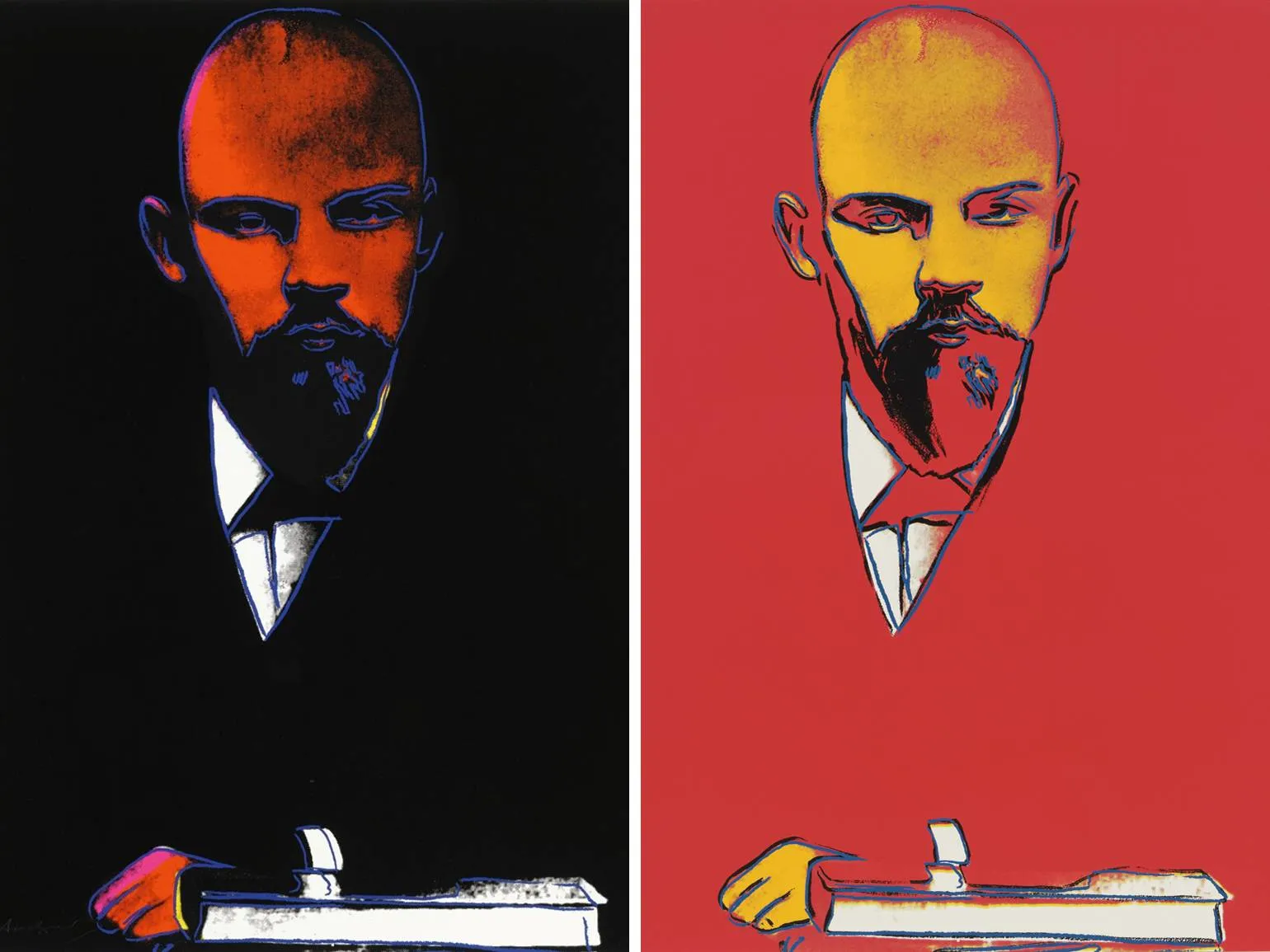
Work Andy Warhol's involvement with political figures was no accident. He had previously created portraits of famous figures such as Mao Zedong and Queen Elizabeth II. However, his choice of Lenin as a subject for artistic expression was an unexpected move, provoking a variety of reactions among viewers and critics. This choice underscores Warhol's interest in politics and his ability to provoke discussions about the role of art in society. Warhol's portraits not only reflect his unique style but also demonstrate the artist's ability to interpret historical figures through the lens of pop culture. Interest in such works has increased significantly in recent years, reflecting ongoing debates about the influence of political symbols and their perception in contemporary society. These works become an important marker for the analysis of cultural and social changes, emphasizing the interaction of art and social realities.
Andy Warhol's Self-Portrait: "The Horror Wig"
In 1986, many significant events occurred that influenced various spheres of life. This year became an important stage in history, marked by both global and local events. In the political sphere, changes occurred that determined the future of countries and peoples. In culture, 1986 will be remembered for the release of cult films and music albums that are still relevant today. It is also worth noting the achievements in science and technology, which laid the foundation for subsequent innovations. The year 1986 left a vivid imprint on people's memories and continues to be a subject of study for historians and amateurs.
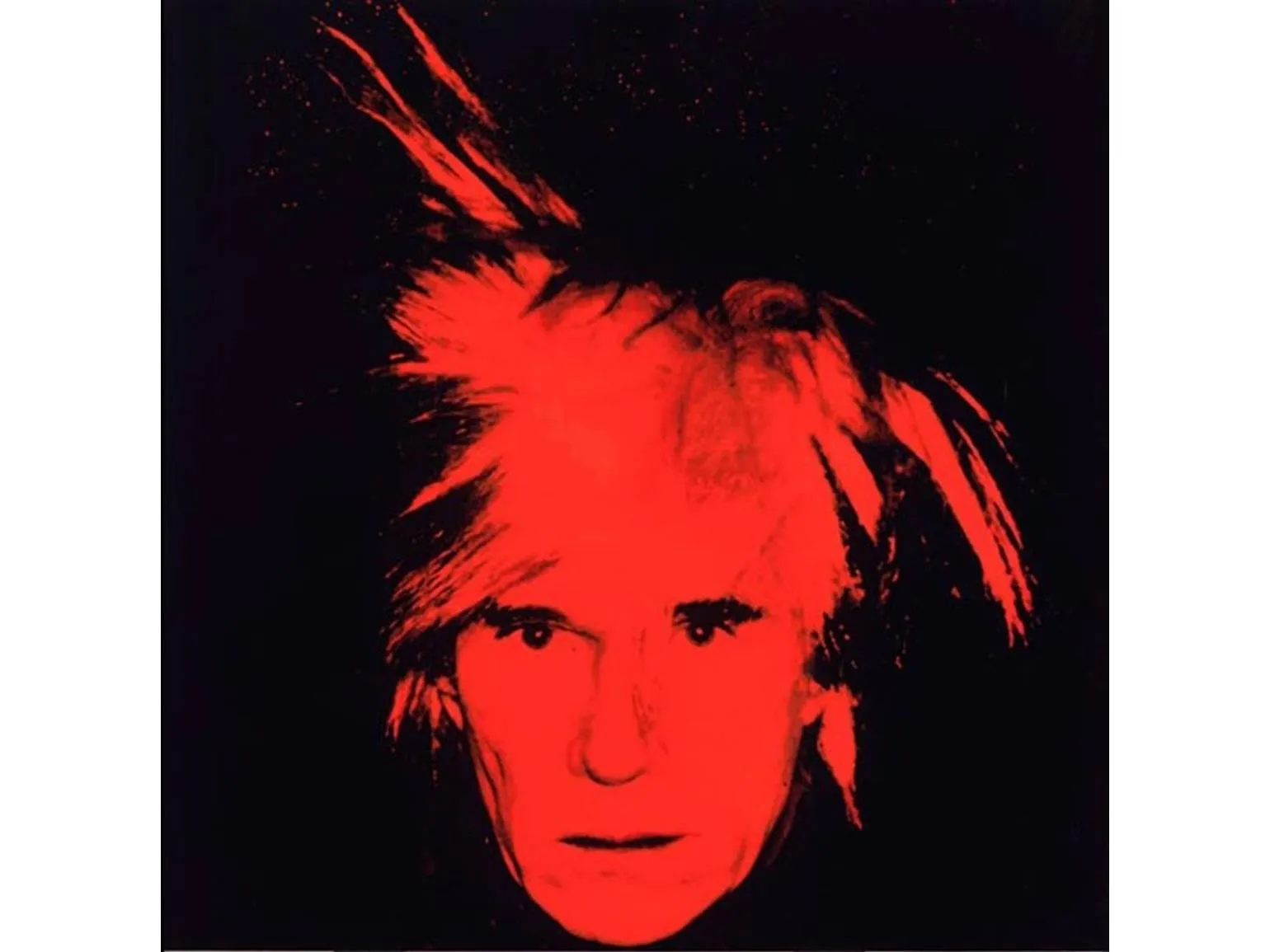
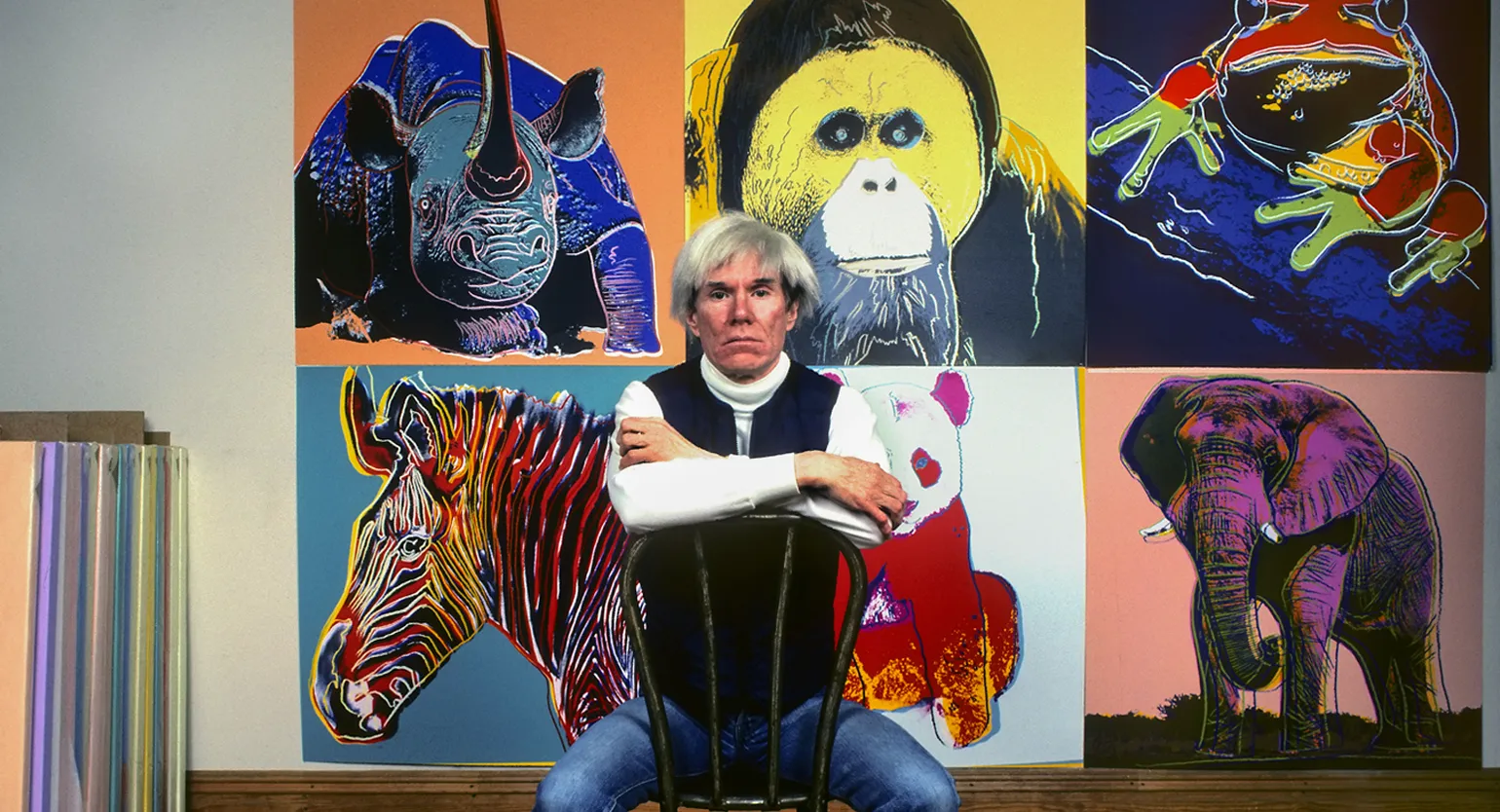
This A self-portrait painted shortly before the artist's death has become one of Andy Warhol's most iconic works. The painting depicts him with a distinctive platinum wig, which he ironically referred to as a "horror wig." Warhol remarked, "I make art because I'm ugly and have nothing better to do." This phrase underscores his self-critique and unconventional approach to perceiving reality. Warhol's works, including this self-portrait, continue to attract attention and inspire a new generation of artists and art lovers.
The artist's collection included approximately 40 wigs, each custom-made from Italian hair. Warhol paid particular attention to the care of his wigs and regularly visited a barber for haircuts. This underscores his attention to detail and commitment to a flawless appearance. It's interesting how such stylistic elements influenced his creative process and the images he created.
Andy Warhol died on February 22, 1987. According to his will, a significant portion of his income was dedicated to the establishment of the Andy Warhol Foundation for the Visual Arts. Today, this foundation is one of the leading grantmaking institutions in the United States, actively supporting artists and the development of the visual arts. The foundation continues Warhol's legacy by facilitating creative projects and providing funding for talented artists.

For a deeper understanding of Andy Warhol's style and era, we recommend checking out our visual guide to artistic styles. This resource will help you better understand the influence of Pop Art and its significance in the context of contemporary art.
Read also:
Style: A Visual Guide to the Eras
Visual style is a reflection of the cultural and historical changes that have occurred over the centuries. Each era has left its own unique mark on art, architecture, and fashion. In this guide, we will examine the key characteristics of the styles that shaped the visual language of different periods.
Antiquity, including classical civilizations, emphasized symmetry, proportion, and harmony. Greek and Roman architecture with columns and domes became the basis for many future styles.
The Middle Ages introduced Gothic architecture with its high arches, stained glass, and majestic cathedrals. This period was a time of religious art, where spiritual themes played a dominant role.
The Renaissance was marked by a renewed interest in classical ideals. Artists and architects began to use perspective, light, and shadow, resulting in the creation of outstanding works of art and buildings.
Baroque, with its dramatic forms and abundance of detail, sought to impress viewers. This style became a symbol of power and wealth, especially in the architecture of palaces and churches.
Classicism returned to its ancient roots, emphasizing simplicity and clarity. This style had a significant influence on the architecture and art of the 18th century.
The 19th century ushered in the era of Modernism, which rejected traditional forms and sought new modes of expression. Visual experimentation became the basis for various movements, including Cubism and Surrealism.
Modern style continues to evolve, reflecting ongoing social and technological changes. Visual trends such as minimalism and sustainable design are becoming increasingly relevant.
Studying visual style across eras allows you to better understand how culture and art are interconnected and how they influence our perception of the world.
Graphic designer PRO: 5 steps to a successful career
Want become a graphic designer? Learn 5 important steps to start your career and create a portfolio!
Learn more